On the first Saturday of every month, a book is chosen as a starting point and linked to six other books to form a chain. Readers and bloggers are invited to join in by creating their own ‘chain’ leading from the selected book.
Kate: Books are my Favourite and Best
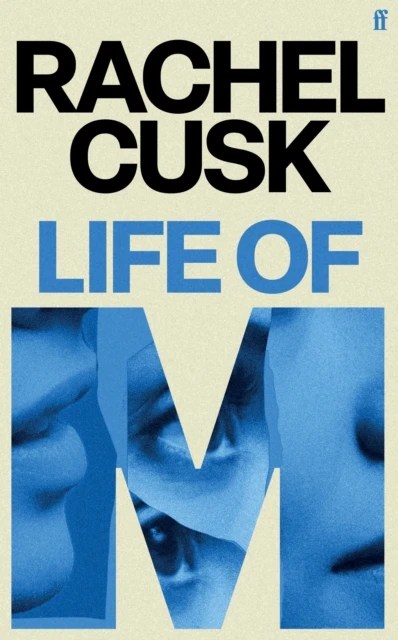
This month’s Starter -for-Six is Rachel Cusk‘s Life of M. I haven’t read it, it’s not on the TBR, but apparently an unnamed writer proposes writing the autobiography of M, a globally famous film star who has lived in the public eye since childhood. M casually tells her to ‘just make it up’. And that, apparently, is exactly what happens.
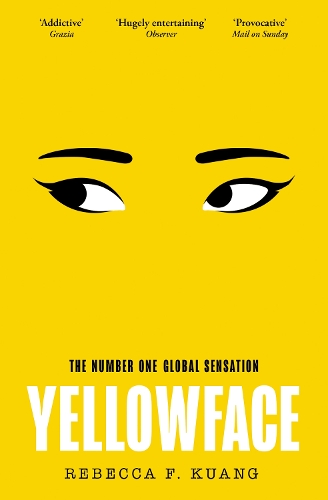
I bet I’m not alone in making my first link RF Kuang‘s Yellowface. Here’s a book I raced through: a book which dissects the publishing world. Or that part of the world ruled by social media in any case: books likely to seize the popular imagination with a theme that chimes in with the current zeitgeist. Our heroine, June, is a young and rather unsuccessful young author, who has a sort-of friendship with another young, but wildly successful author. Who dies unexpectedly. Our heroine seizes a chance, purloins the manuscript of the deceased: spends time researching and re-working it, and then presents it as her own. It has a Chinese WWI theme, and when it’s accepted for publication, her publishers find ways of Chinese-ifying her name (Juniper Song). Sales become stratospherically huge. Throughout, the ground keeps shifting. Juniper’s self justification for her plagiarism is often convincing, as is the sheer nastiness of some of the social media battles she faces. It’s a melodrama. It’s a thriller. It’s a window on racial diversity as seen through the eyes of a social media and publishing world totally lacking in nuance. It’s a comic novel. It’s clever, leaving you with lots to think about as you flip-flop from ‘getting’ Juniper’s take on her theft , and finding her morally indefensible. It’s entertaining too. Shall I read more by Kuang? Much as I raced through this book, eager to find how the story ends – probably not. I was exhausted.
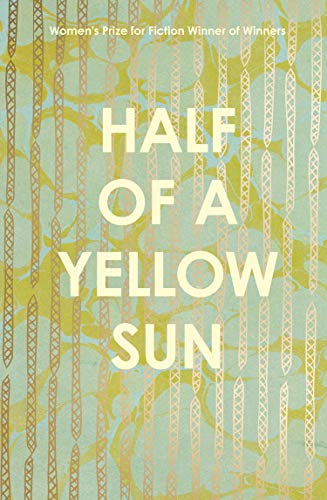
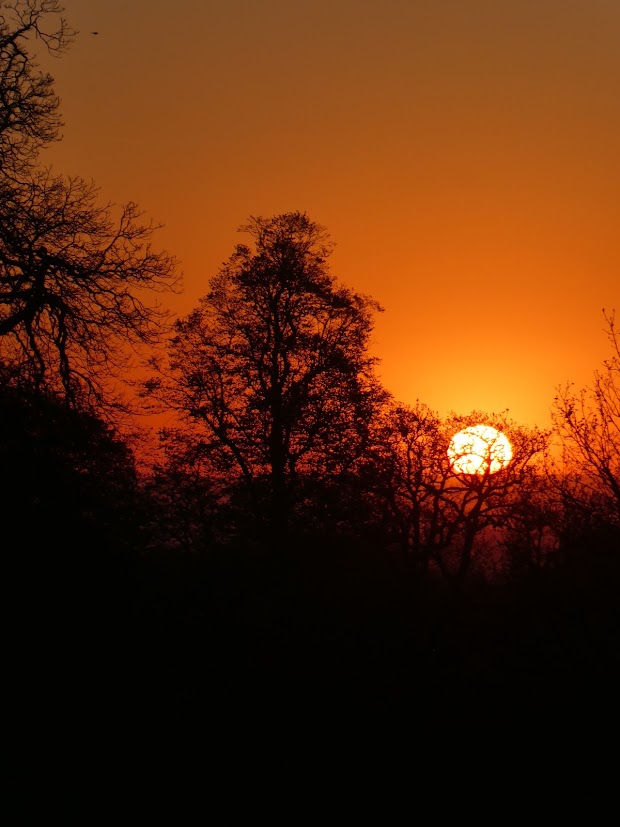
From a yellow face to a yellow sun: Half of a Yellow Sun by Chimamanda Ngozi Adichie. A richly evocative book telling the story of the creation, rise and fall of Biafra, through the eyes of three separate yet connected groups of people. There’s Ugwu, from a traditional village, houseboy to Odenigbo, an Igbo academic. There are Olanna, Odenigbo’s partner and her twin sister Kainene, and her English partner Richard. Their structured lives fall apart as Nigeria itself does, as Biafra emerges as a nation and civil war threatens to destroy them. I’m ashamed at how little I knew of this conflict, remembering it only because of the famine caused by war. Now, an interplay of characters dealing with loyalties, often conflicting, moral responsibility, colonialism and its aftermath brings this piece of history vividly to life, the more so because the author’s family lived through this devastating time. A marvellous and involving read.
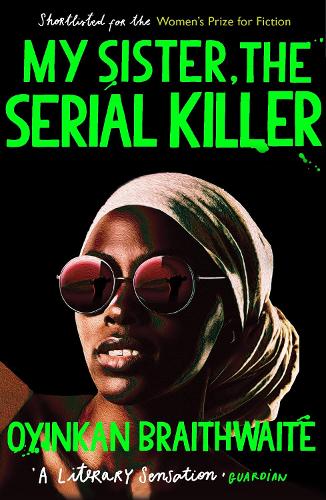
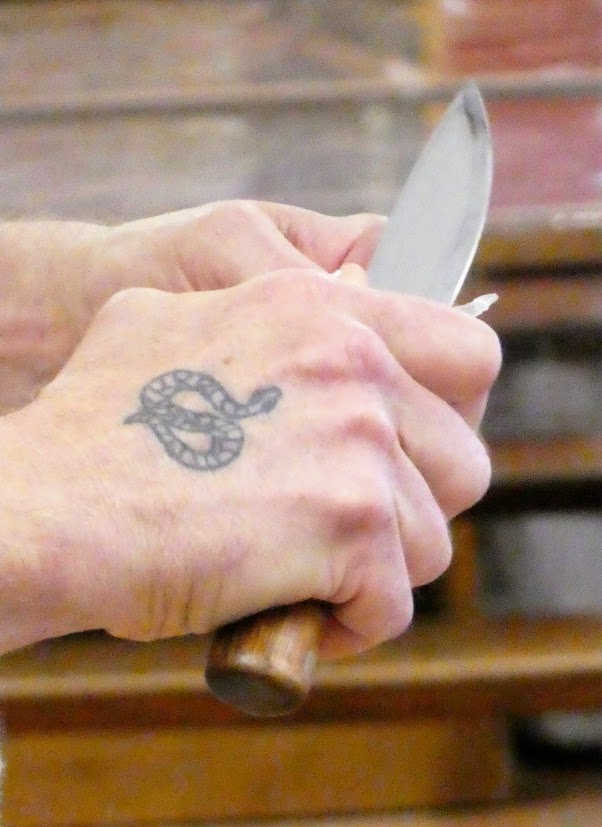
Let’s stay in Nigeria and read My Sister, the Serial Killer by Oyinkan Braithwaite. What did I think of this book? Well, it was a quick read, an easy read, and at no point did I think of not finishing reading this story. But – and perhaps I’m not entering into the spirit of things here – a story in which the writer’s sister gets into a routine of killing her boyfriends, while the writer colludes with her deception just left me cold. The short sharp chapters, and the action which jumped hither and thither kept my interest, as did the back story of a controlling, brutal father. But in the end, it was a slightly distasteful read as far as I was concerned.
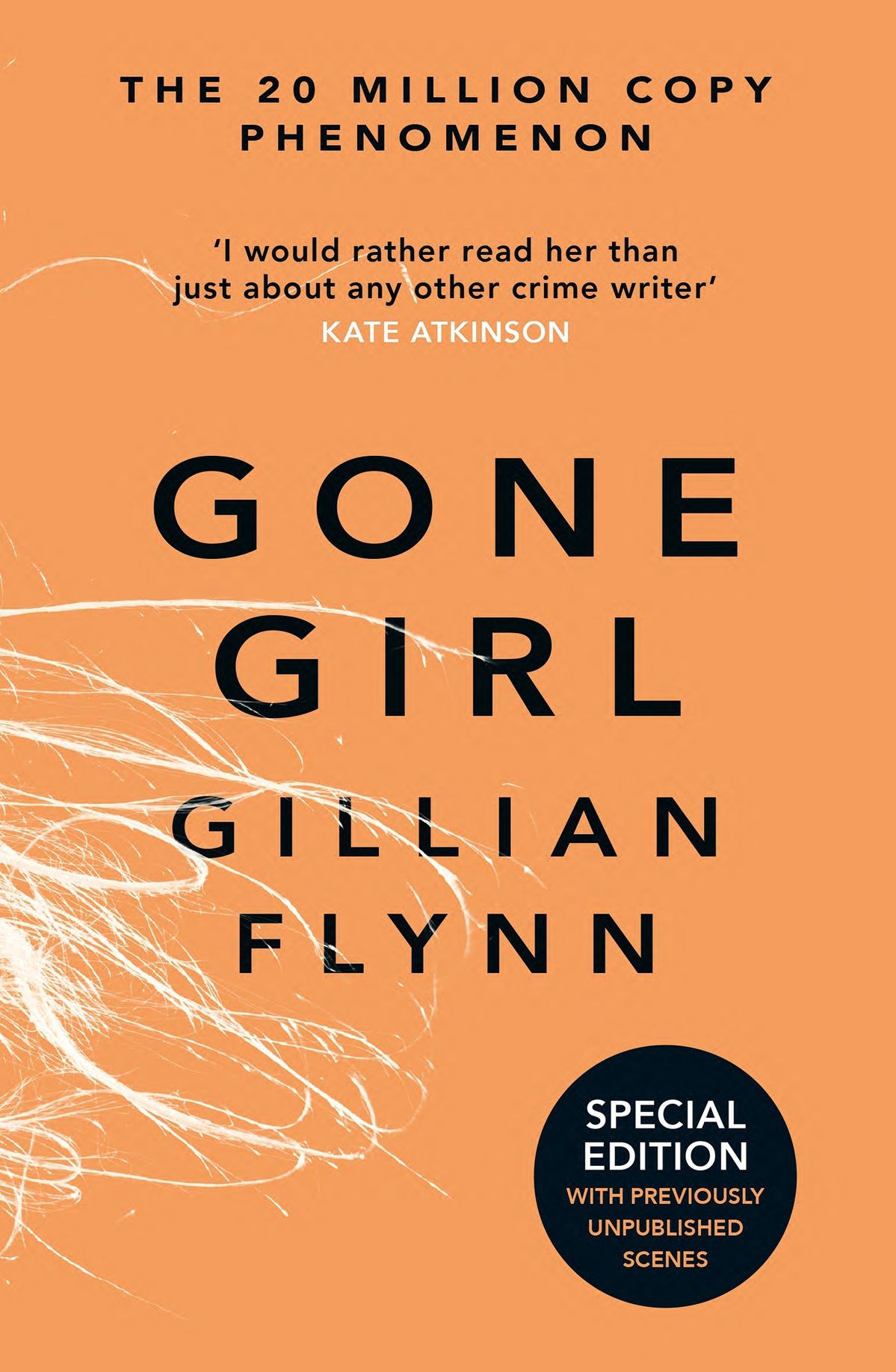
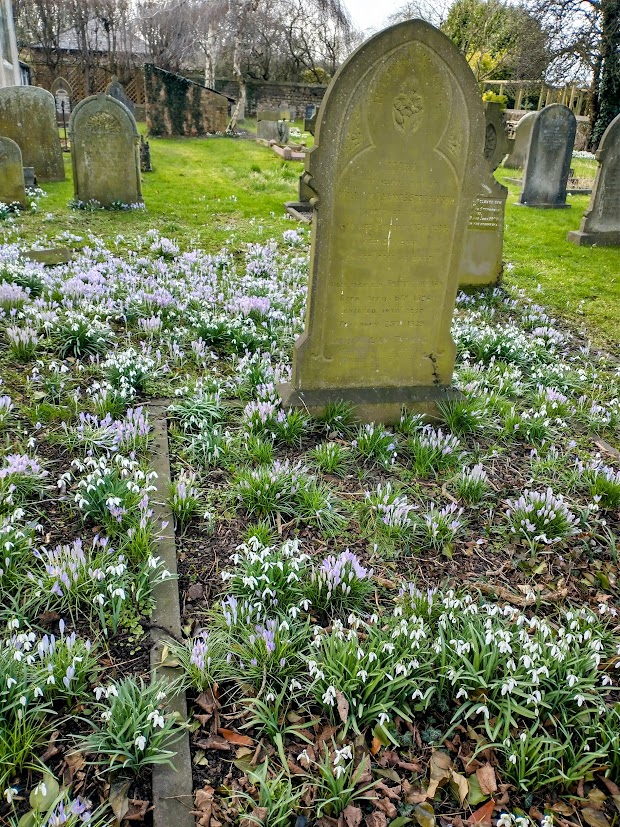
My next book is a story in which a murder of an – allegedly – loved one does not actually take place. Amy Dunne disappears on her 5th wedding anniversary, then fakes her own murder to implicate her husband Nick. She eventually returns home and … things can obviously only get worse. This is Gillian Flynn‘s Gone Girl. I’m actually not sure why I decided to read this book. After all, I’d seen, and been thoroughly disturbed by the film. Why put myself through it twice? Perhaps because I’d been assured that both book and film (Flynn wrote the screenplay) were equally well done. Early on I wondered whether I was right to bother. But then, those details which no film can really get to grips with – tiny vignettes, and thoughts from the innermost workings of those two messed-up heads – started to enrich the narrative. How could I go on willing the ending to be different when I knew perfectly well what it would be? A creepy read, with a thoroughly disturbing ending.
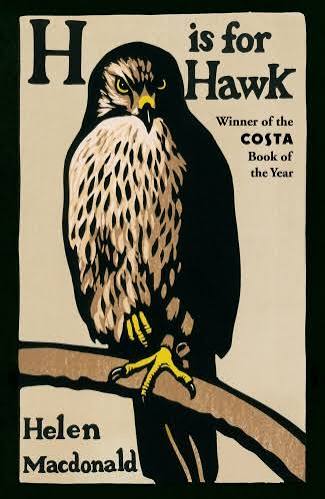
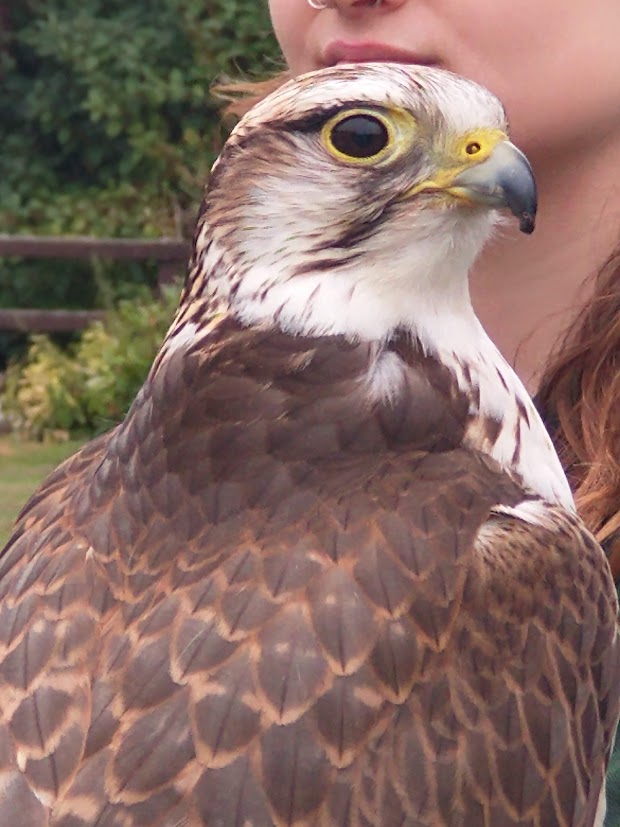
Another, and very different book which prompted a film, which I was disappointed to miss when it was doing the rounds: H is for Hawk by Helen MacDonald. Back in the day, I had resisted reading the book simply because it had become, according to the critics, a ‘must-read’. But …read it. It’s part nature writing – sumptuous, evocative, richly descriptive, each word carefully chosen: part autobiography of a woman overturned by grief at the death of her father; part biography of TH White, author of Sword in the Stone and The Goshawk, and so much more; part manual on learning to fly a goshawk – I now now for sure this is something way beyond my capabilities and my patience. This is a splendid book for the richness of its prose, and the chance it offers to see two wholly unknown worlds: that of the falconer, and that of TH White.
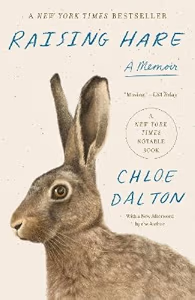
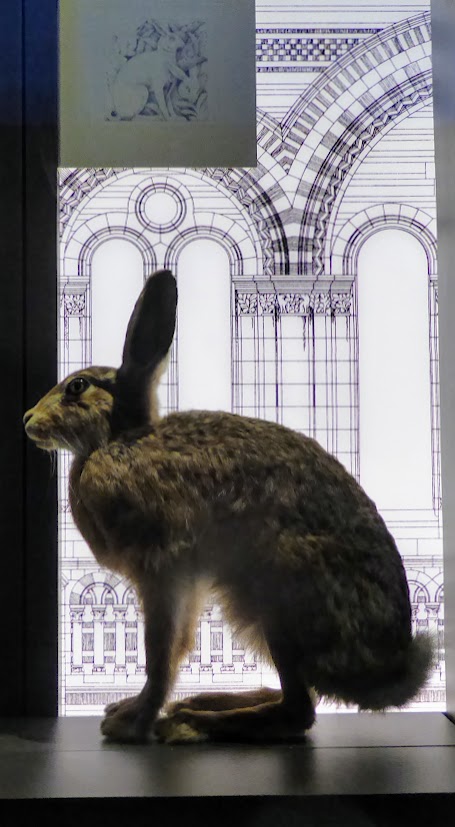
And finally, another book in which a woman becomes intimately involved in te life of a wild creature – Chloe Dalton‘s Raising Hare. Confined to her country retreat during lockdown, Dalton, a high-powered political adviser finds a small, apparently abandoned leveret.This is her story. Of how she treads a difficult path of wishing to help it survive to adulthood, while respecting its wildness. While it is her house-guest, she never treats the creature as her pet, or even names it. Against the odds, it survives to maturity, and continues to include her house, inside and out, as its territory.But the creature has a profound effect on Dalton. She is sensitive and observant, and describes beautifully its changing appearance as it matures through the seasons; their ‘language’ together. Just as the hare is not quite living a normal life, she too is changed. She re-evaluates her career. It’s still important, but no longer so all-consuming. The hare makes her infinitely more connected to and aware of the natural world where her home is situated. This book strives to restore a sense of the sacred and to meet an animal on its own terms.
Well, the chain links book-to-book I hope, but is there an over-arching theme? Not a chance. Let’s see what next month brings. Kate suggests we start things off with a novella of our choice, to celebrate the popular Novellas in November, hosted by Becky of Bookish Beck and Cathy of 746 Books.


Hopefully I can get my hands on Half of a Yellow Sun. I find that I’m generally very ignorant about things that happen on the African continent and I really like this author. A couple of good recommends here, Margaret xx
LikeLike
I fee; the same about my knowledge of Africa. This is a highly readable book, which feels like a very real account of how life was in that place at that point.
LikeLiked by 1 person
My Sister didn’t appeal to me when it was published and getting a lot of attention. You’ve just convinced me I was right to stay away from it.
Clever chain Margaret, especially your link to book two
LikeLike
As always I loved your book and photo pairings although the photo that went with My Sister, the Serial Killer is chilling in that context! I’m yet to read Yellowface but would like to. Will wait and see if the plot exhausts me, too!
LikeLike
I still haven’t got around to Yellowface and had dismissed Gone Girl out of hand thanks to the massive hype but you’ve made me wonder if I should think again.
LikeLike