Footnotes in History: Unterlinden, Colmar

On our recent trip, mainly to Alsace, but with sorties to Germany and the Netherlands, we came across several stories from the past which we’d known nothing about, but found engrossing. For the next few Fridays, I’ll share these stories with you.

Unterlinden, Colmar

Maybe this post will be a bit History-lite, but it’s still a story worth telling. Back in 13th century Alsace, the Dominican order founded a convent, Unterlinden, in the then outskirts of Colmar. The nuns from this contemplative order were woven into the life of the city until the French Revolution, when in 1793 the convent was confiscated. First abandoned, it then became a military barracks.
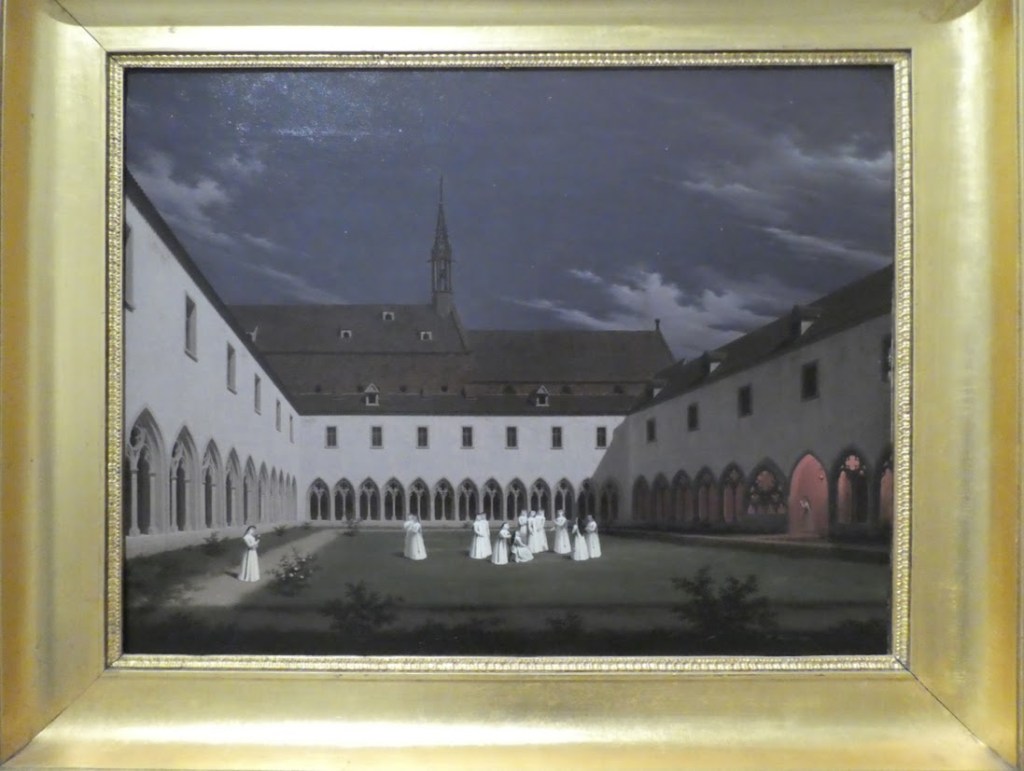
Henri Lebert Thann 1794-1862 imagined life in the convent in this oil painting.

In 1846, something rather extraordinary happened. Louis Hugot, the archivist-librarian of the City of Colmar set about bringing together fellow intellectuals and enthusiasts with the aim of setting up a print collection and drawing school. They called themselves  Societé Schongauer afer an Alsatian engraver and painter, an important influence on  Albrecht Dürer. The following year, they bought the now-abandoned convent and bequeathed it to the city.

Its earliest display is still here: a locally-discovered Roman mosaic. Here it is.
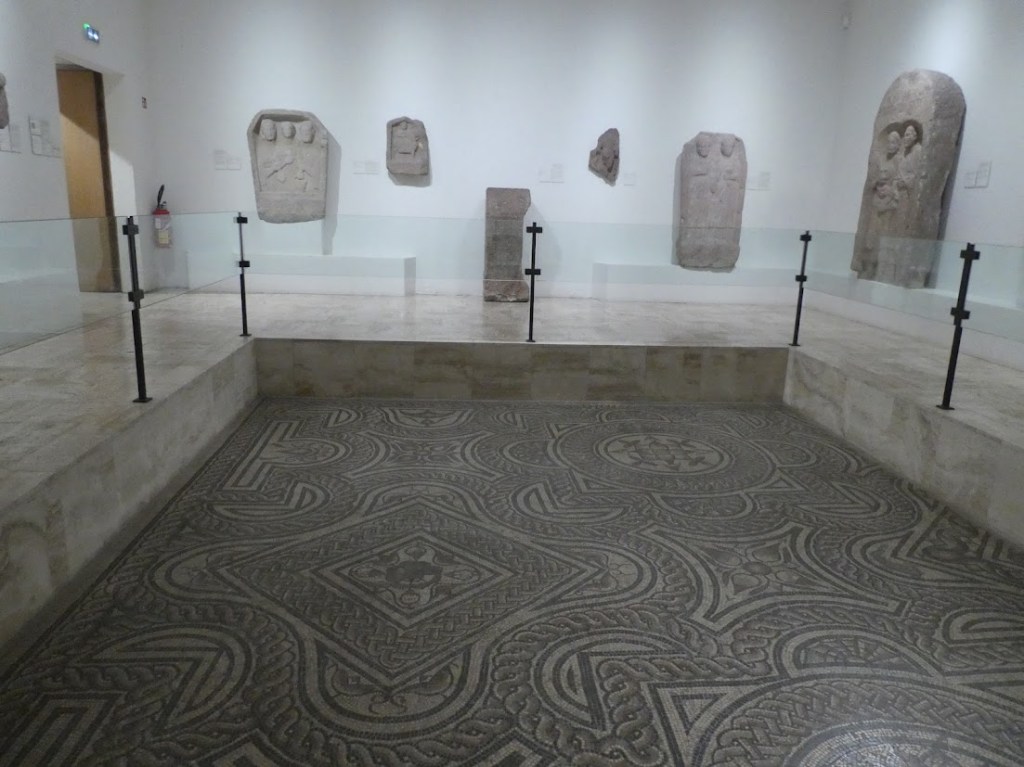
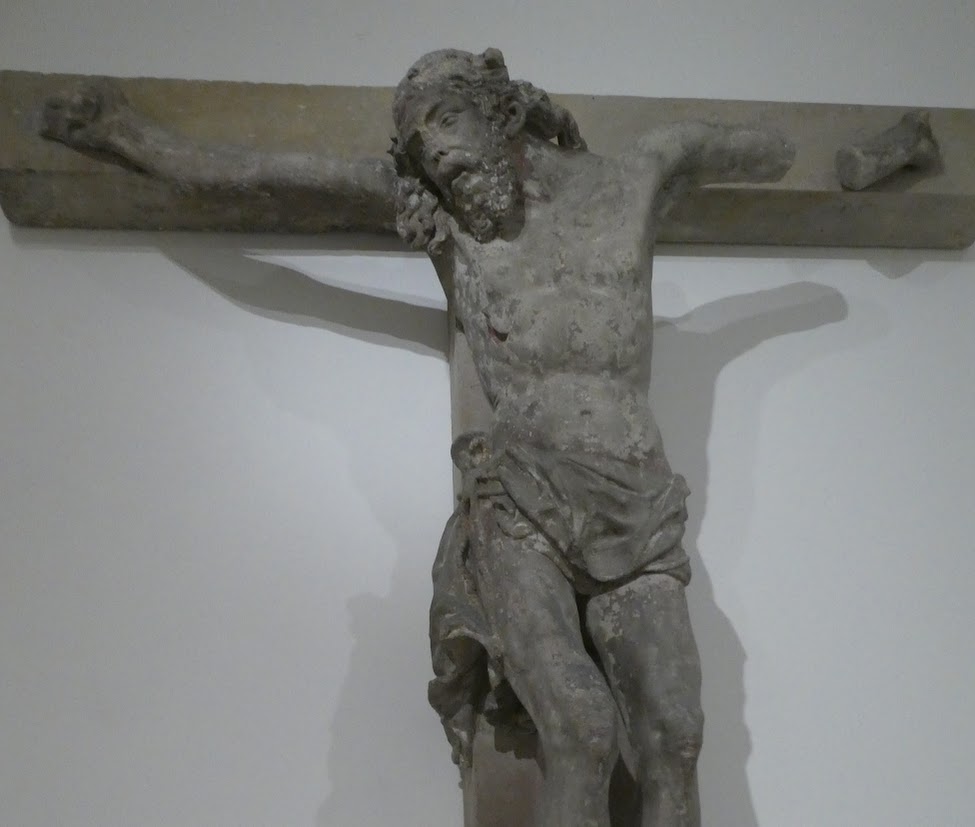
Then, the museum made do with plaster casts loaned from the Louvre. Now, it has an impressive collection of sculpture and altarpieces from a variety of churches in the area.
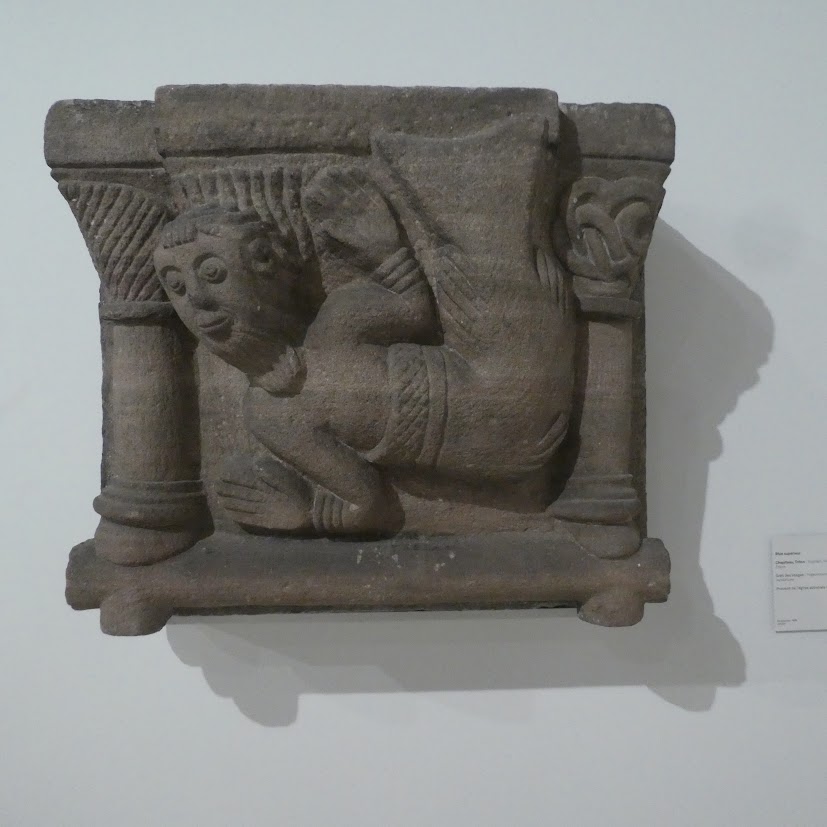
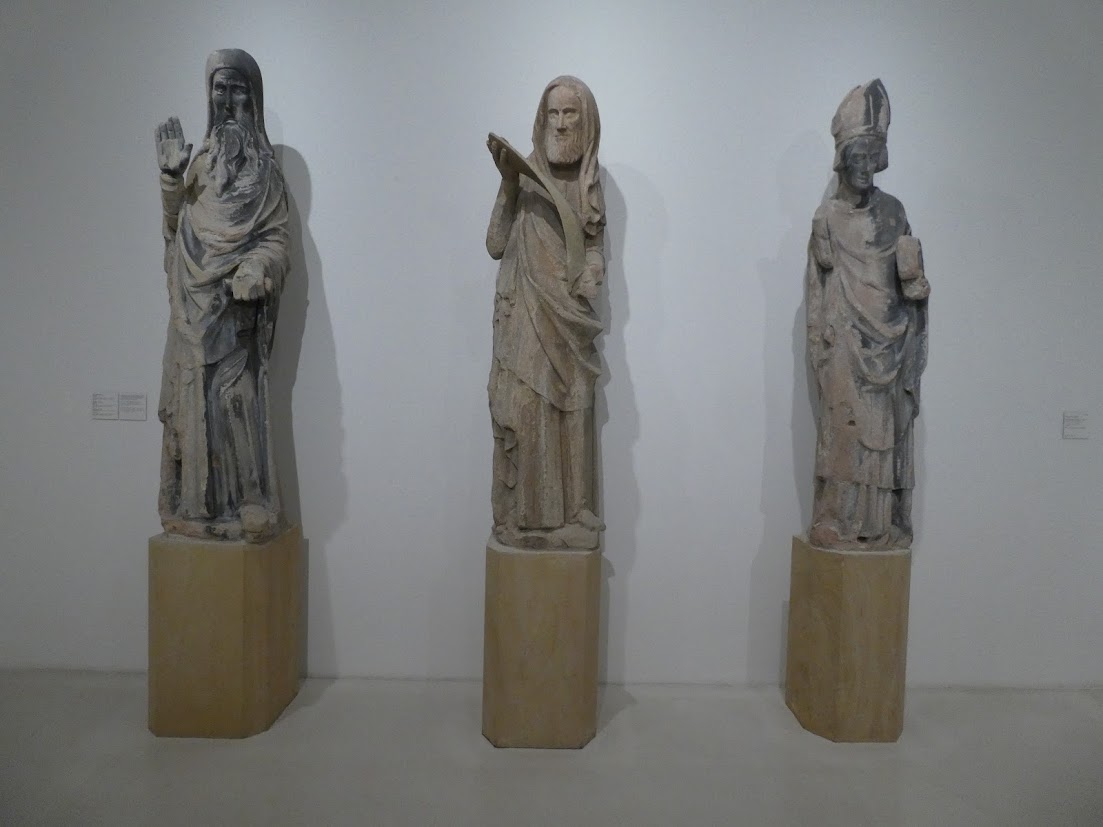
I was quietly impressed by these displays. Simply presented against white-painted walls, these pieces spoke of their spiritual intent, and I spent a long time in their presence, for the most part alone.

These pieces were all acquired in the early 1850s. But the star of the show, then and now, and the reason why most people visit this gallery is to spend time with Matthias Grünewald’s Isenheim altarpiece. As I did. But partly because I have no good images of it, and partly because it deserves a long appreciation, I won’t discuss it here. This is a good article from the Guardian –here.
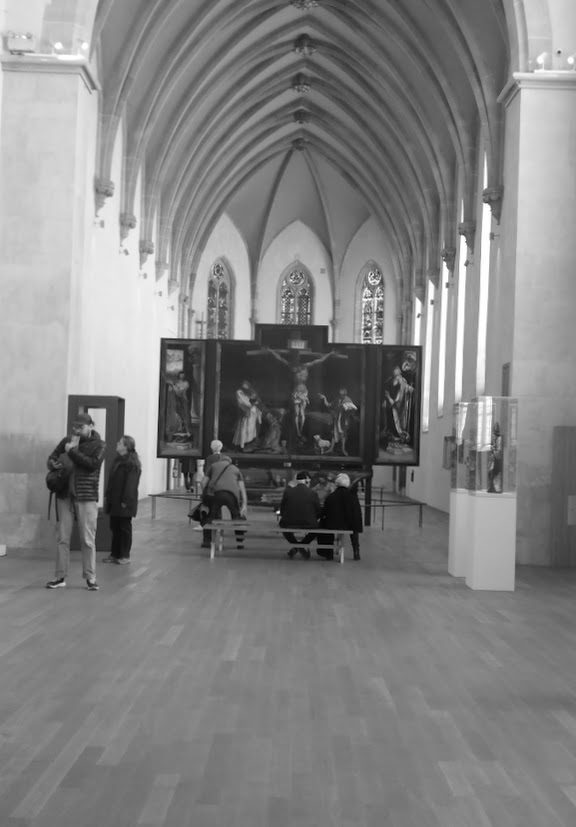
Matthias Grünewald’s Isenheim altarpiece.

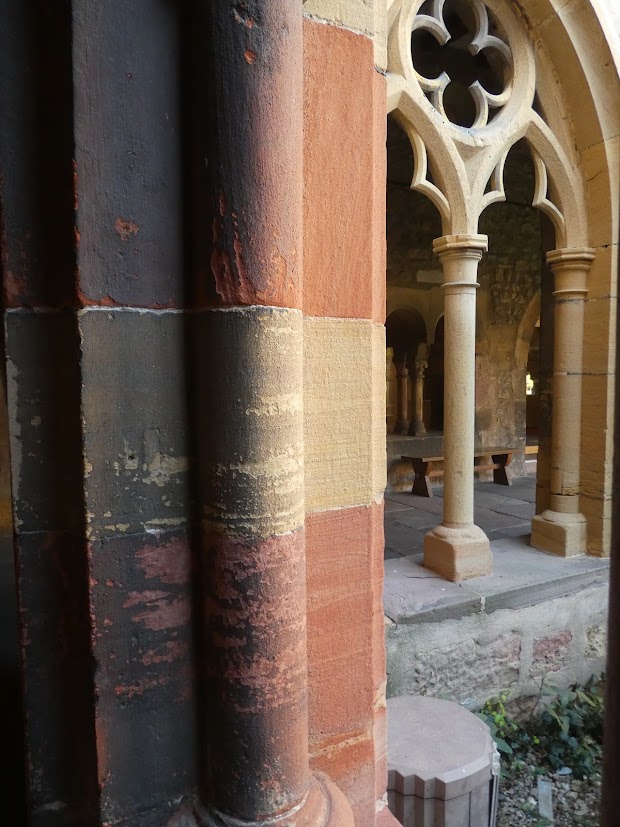
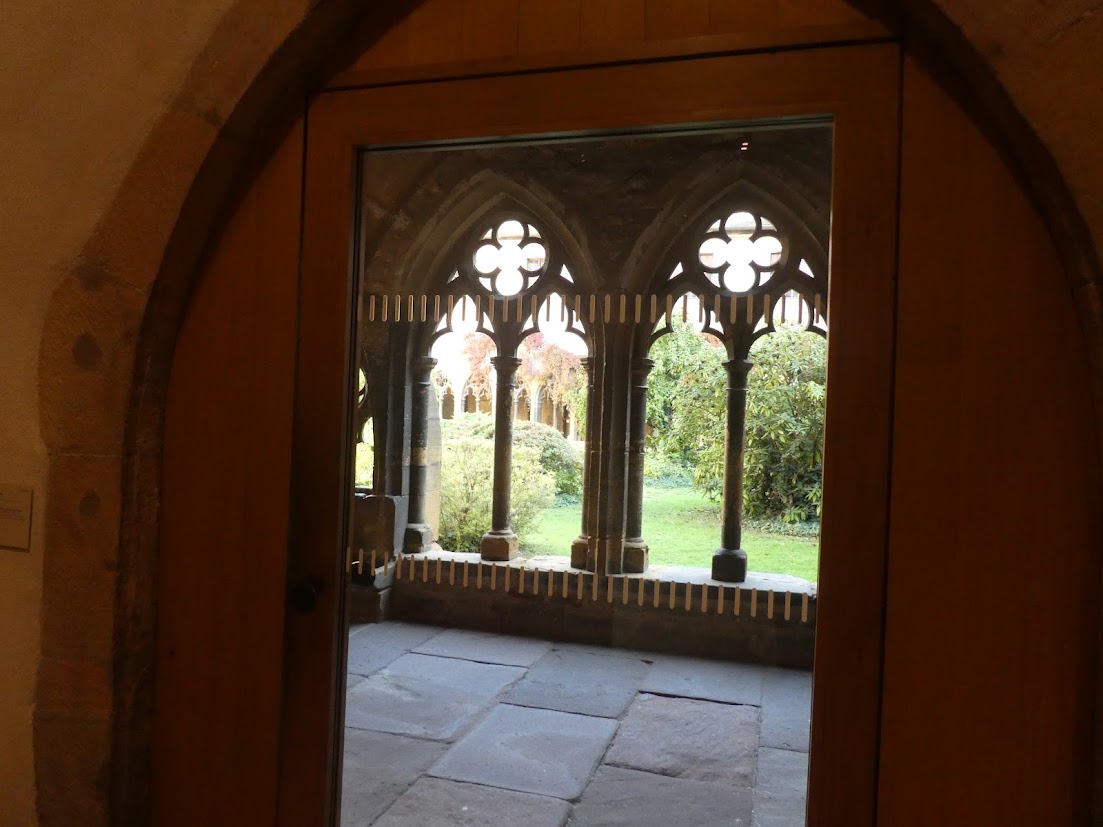
Then there are the cloisters: just the place for more religious statuary.
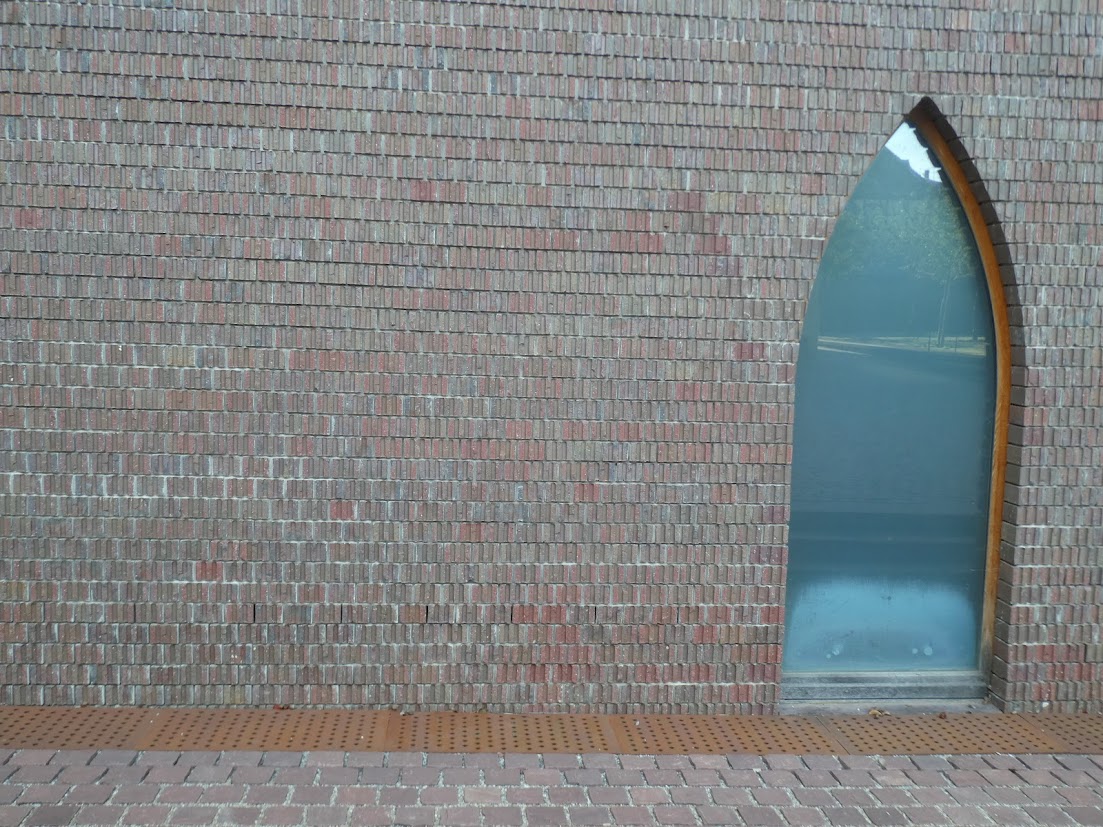
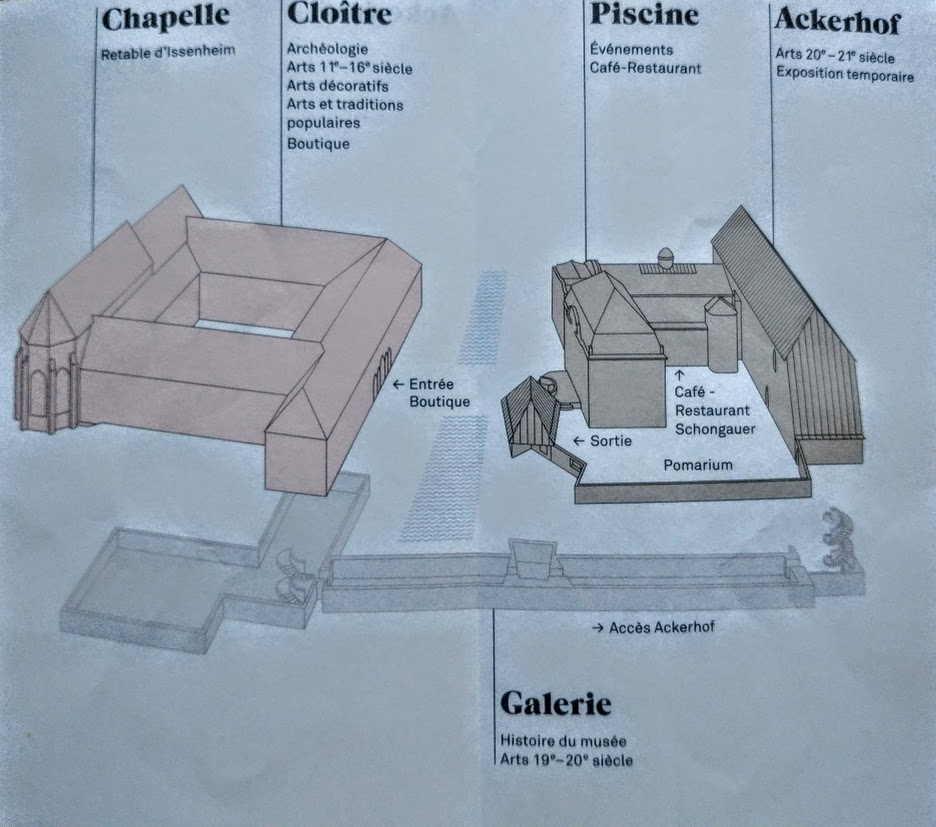
By the early 21st century the museum was running out of space. It was making contemporary acquisitions. It needed a refreshment area. Basel architects Herzog & de Meuron thought outside the box. The 1912 Public Baths on the other side of the road were no longer in use.
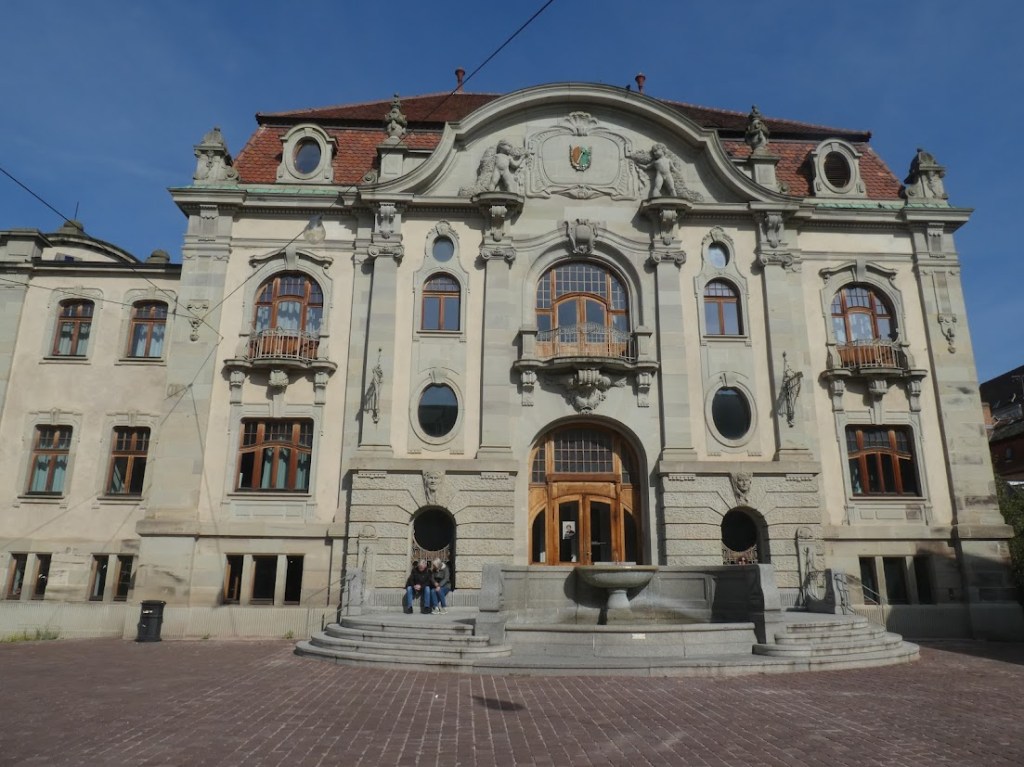
The 1912 former baths

Why not connect the two buldings with an underpass which could also be a display area?

This is the result.
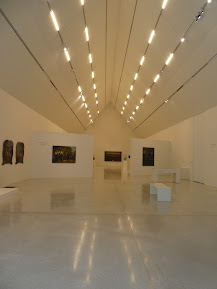
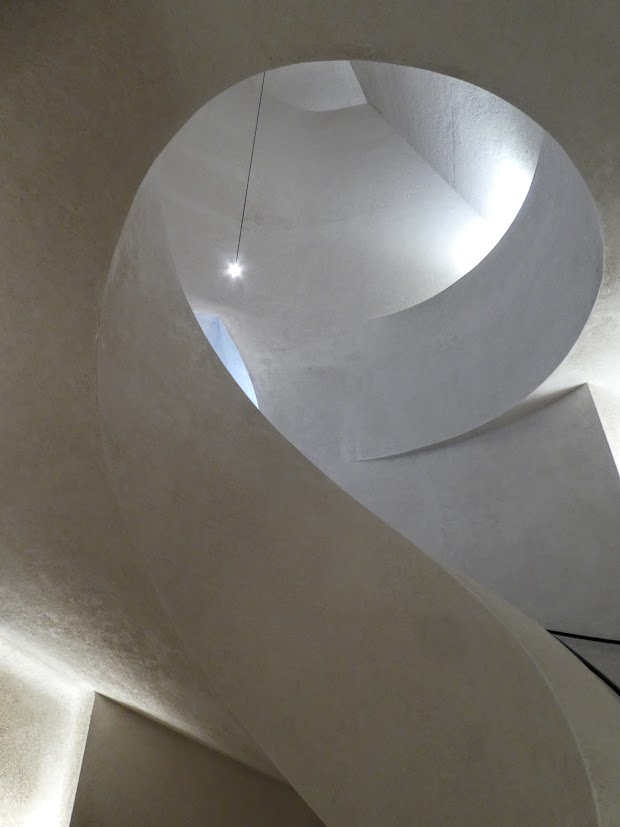
The result is a gallery where the works on display can breathe. Where the newer parts complement the old and reflect its religious past. It’s an exciting as well as a contemplatve space, and I put this gallery down as possibly among the best viewing spaces that I have ever visited.
  • An outside space

I’ll finish by showcasing two or three of the works which appealed to me.
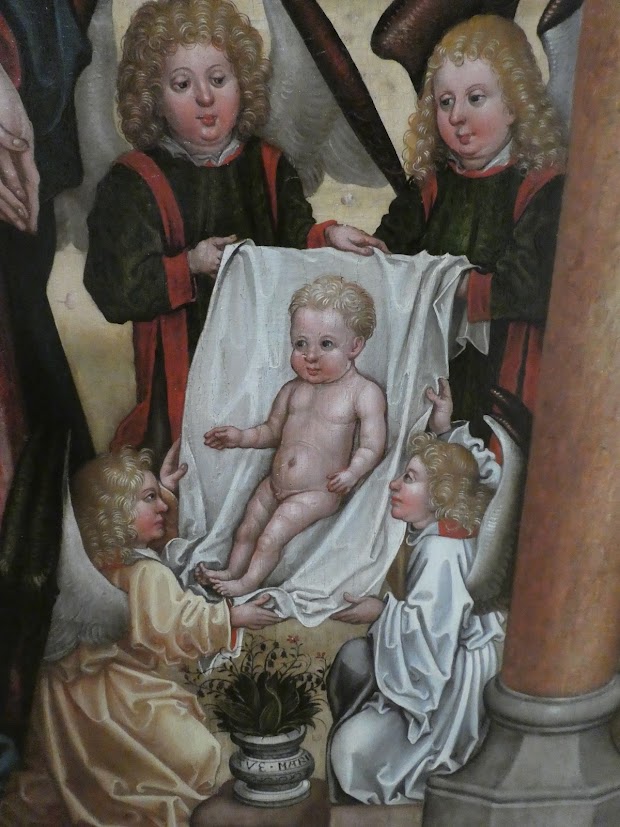
A detail from a 1480 Nativity recovered from an old Franciscan church in Colmar. The infant Jesus is the only one not old beyond his years.
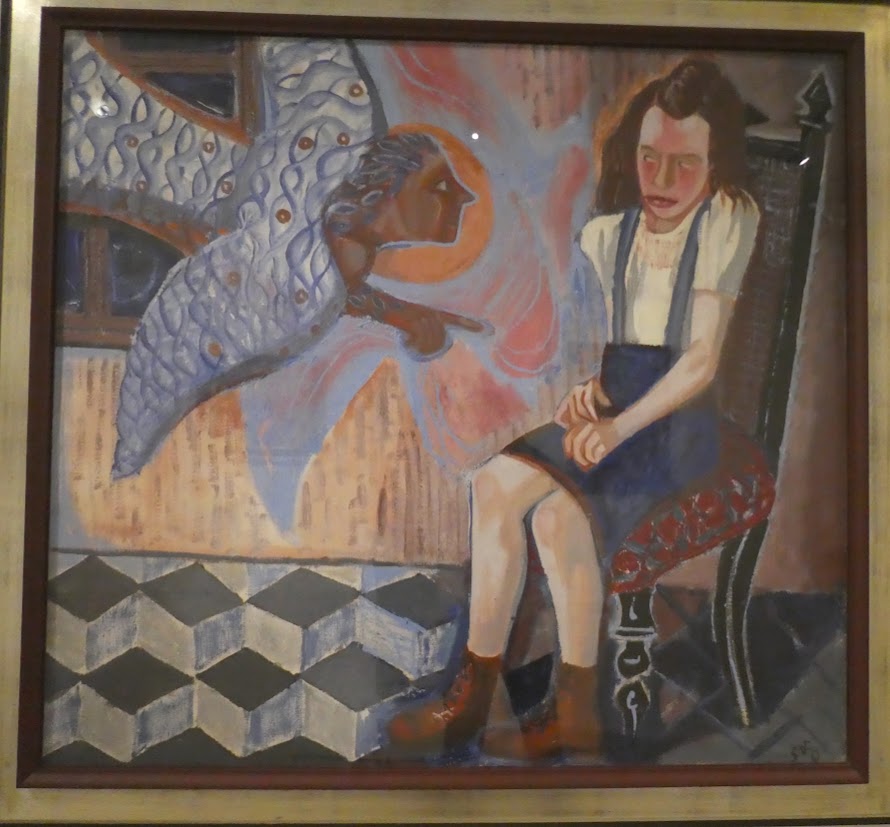
A 1950 Annunciation by Otto Dix. Surely, if there was an Annunciation as described in the Bible, Mary might have been caught not at all in her Sunday best, and just plain embarrassed by the whole thing. What me? Sex before marriage? My mum’d kill me. Me? An unmarried mother? I don’t think so. What would Joseph say?
Paul Rebeyrolle, La Souche (the Stump) 2005. A composite of various organic and inorganic materials: wood, vines, straw, vegetable and animal fibres, wire, expanded polyurethane foam, resin, mortar, adhesive, paints.

Just a postscript. Malcolm didn’t come with me. He thought he was too tired to be able to spend a few hours standing before a succession of art works. If only we’d realised. He could have made use, for free, of one of these flâneuses, or leisurely strollers. What a brilliant idea!
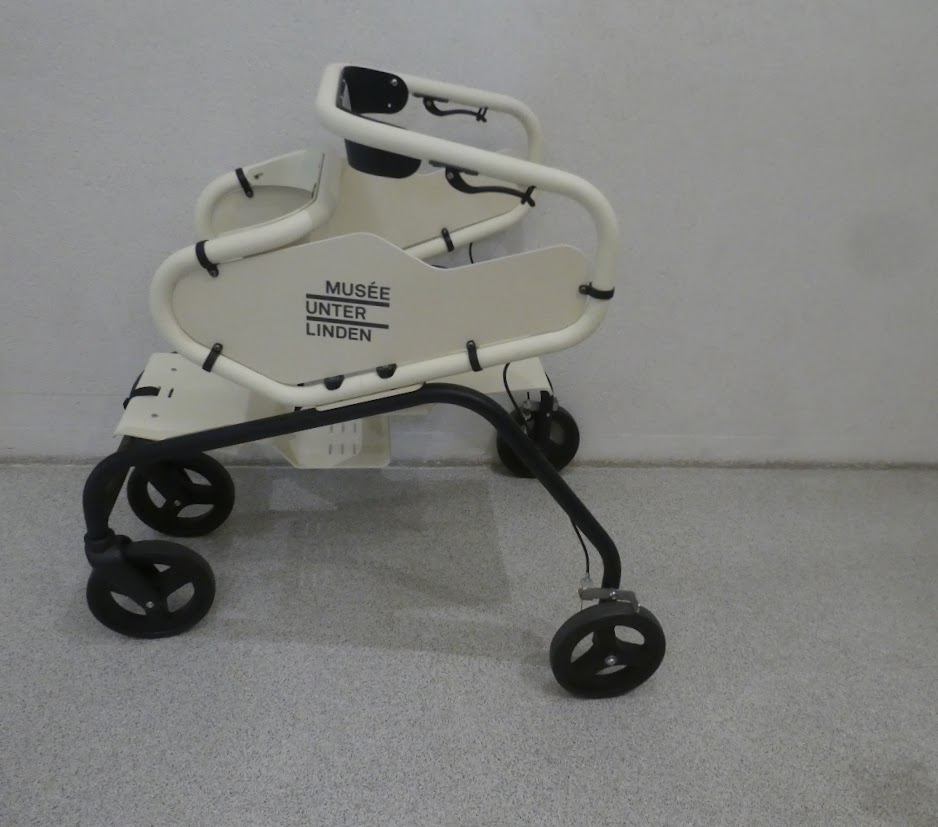
Borrow a flâneuse! It’s free!

Becky, can you find the image + shadow for NovemberShadows? I hope so.

Indian Friday: A Day in Mysore

My diary, revived from my trip to India back in 2007. This second part details my solo travels during the last three weeks or so.

A Day in Mysore

Wednesday 21st November.

Time to say goodbye to everyone: people are off to all points north, south, east and west.

I took a rick to the station, and didn’t manage to change my ticket (Jobsworth in charge) But there was good internet access and I caught up a bit.

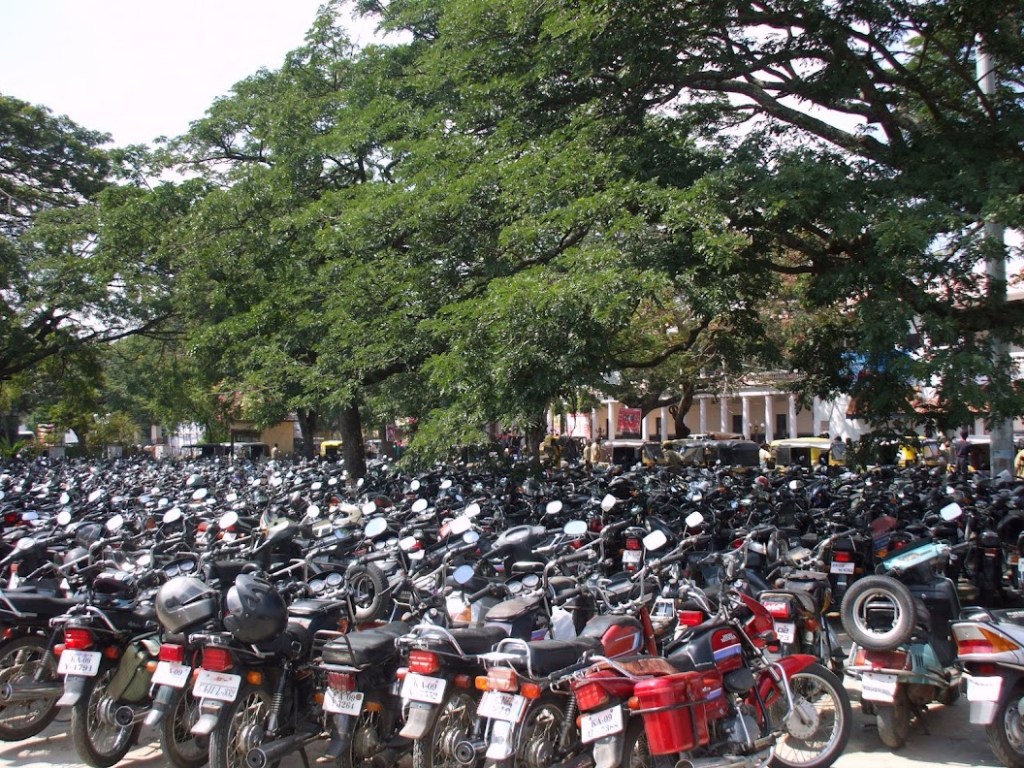
Bike park outside the Station

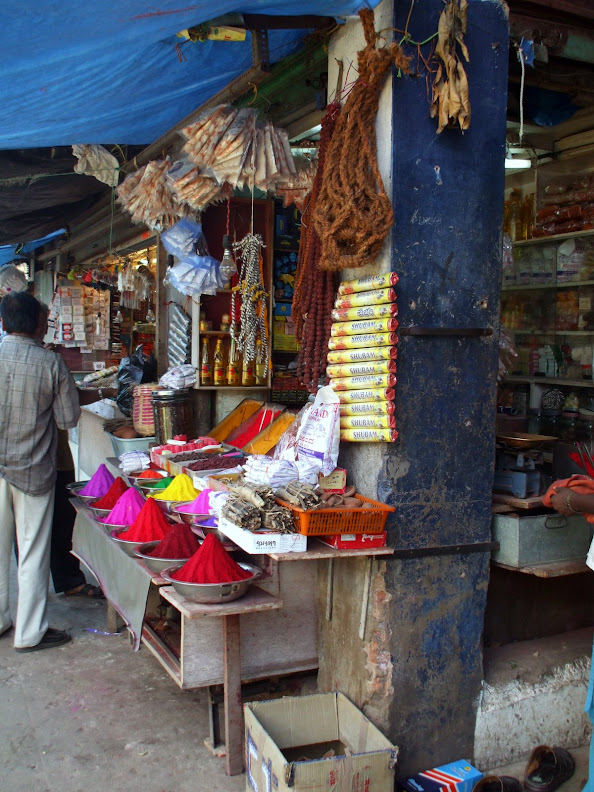
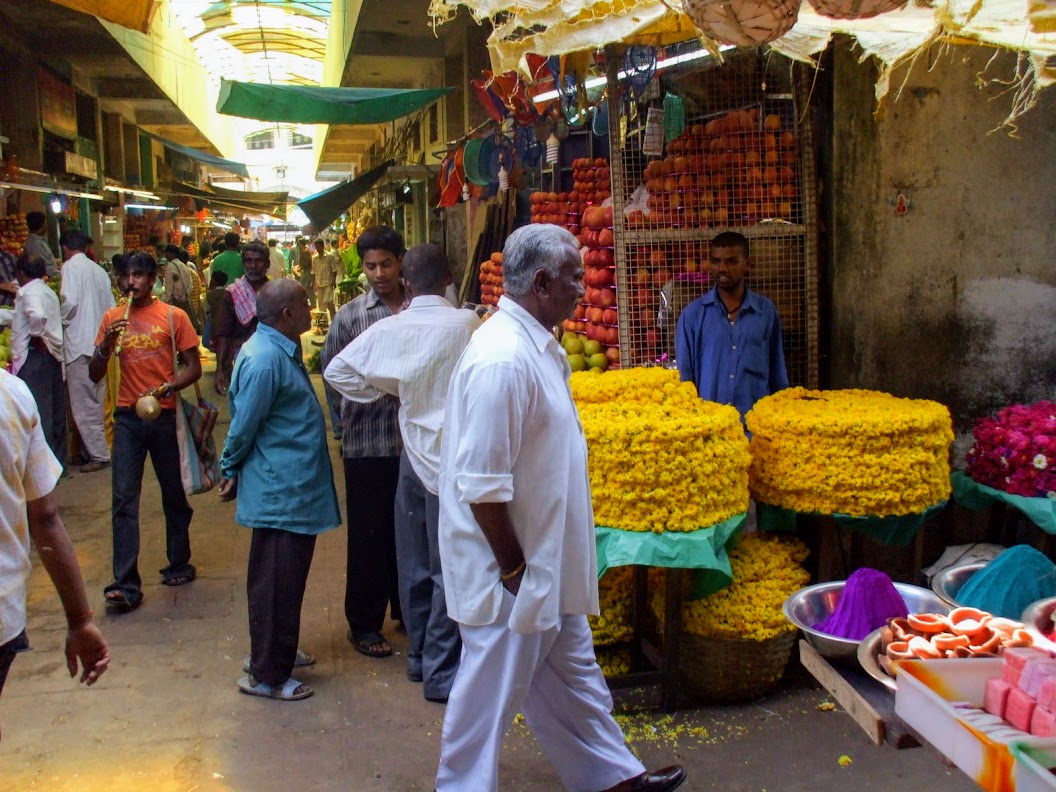
The market, if colourful, was a lot of hassle.  Touts everywhere. Of unbelievable persistence.  A youth selling flutes came down from Rs 280 to Rs 50, unable to take ‘no’ for an answer.  And STILL I didn’t buy (This market remains one of my worst memories of India.  I couldn’t enjoy a single second in peace).  Later though, in a side street, I found a tailor and bought fabric , so that for Rs 600 (not much more than £5.00) I’ll have a custom made salwar kameez by 7.30 this evening.

Lunch was fun, at a local cafe where all the locals were, like me, enjoying the ‘small’ veg thali served on a banana leaf.  A guy with a big canister kept doing the rounds, topping up the already big portions of all the diners. I declined sugar on my yoghourt-for-pudding, but my table mates didn’t, and sugar equal to the amount of yoghourt was spooned into their bowls.

I got quite comprehensively lost after lunch (easy to do.  No street signs.  Stop to look, and a rick driver is on your tail, or a vendor.  Ask the way, and you’ll pick one of the few inhabitants who speaks no English).

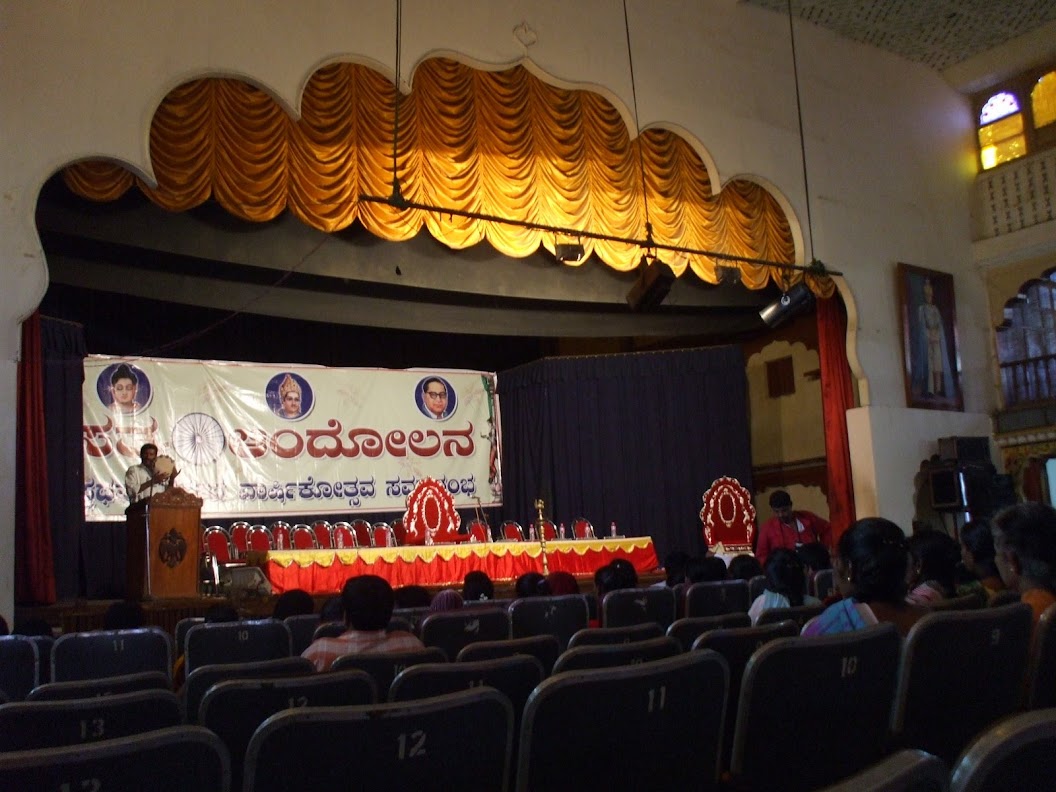
But here I am at the Art Gallery.  There’s supposed to be an Indian Dance Festival, and I’ve been here for about 40 minutes now, with lots of audience, mainly women, sitting patiently waiting … but … nothing.

And that was how it went really.  A ‘warm up’ singer came along, and I quite enjoyed that, as well as watching the stage being set up with plush seating and flower garlands.  I thought I’d leave at one point, but a man implored me to stay, saying it was starting in 10 minutes – which it did … But after the presentation of garlands to the Great and the Good, they moved onto – I dunno – soliloquies, perhaps poetry, impenetrable – to me anyway – so I did go.

And got a rickshaw to FabIndia which has lovely simply styled stuff, so I got a salwar kameez, a blouse, and a kurta for Malcolm.

Rick back to Om Shanti – my driver looked as though he’d just got a place at Oxford: all preppy glasses and smart casual shirt and trousers – perhaps he has! Anway, he was the first person who knew where Harding’s Circus was. Where I had my first disappointing meal: cabbage vadi with some trimmings and a lassi.  Expensive for what it was.  The last time I use Lonely Planet!

Funfair at Mysore

Ran into a young man, Samir, a teacher.  We got ito conversation and he took me to the  funfair. ‘I no try funny business.  You – old lady – like my mother.  Me – like your son’  That went down well. But we were in a public place and it was indeed fine.  He took me round the funfair because it I’d noticed all the lights – it was quite fun.  Then a rick to the market to collect my salwar kameez.  Then, inevitably, to his friend’s uncle, and Ayurvedic practitioner, where I did indeed buy some oils (they were brilliant and lasted me ages).  A rick home was produced and we said our goodbyes.  Market salwar inevitably disappointing:  FabIndia’s – not.

My featured photo was taken at the station. Those schoolgirls have just dismounted from that autorickshaw to hurry off to school. You might be able to see the rickshaw still has several passengers within. The schoolchildren I saw were always smartly dressed. Definitely no customisation of uniforms, with rolled-over skirt waistbands or heavily-adjusted ties, as here in the UK.