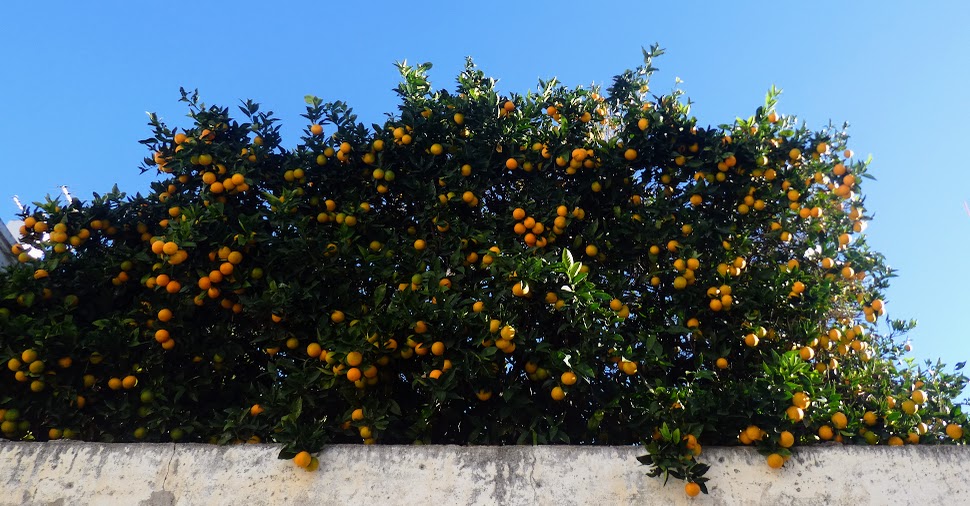
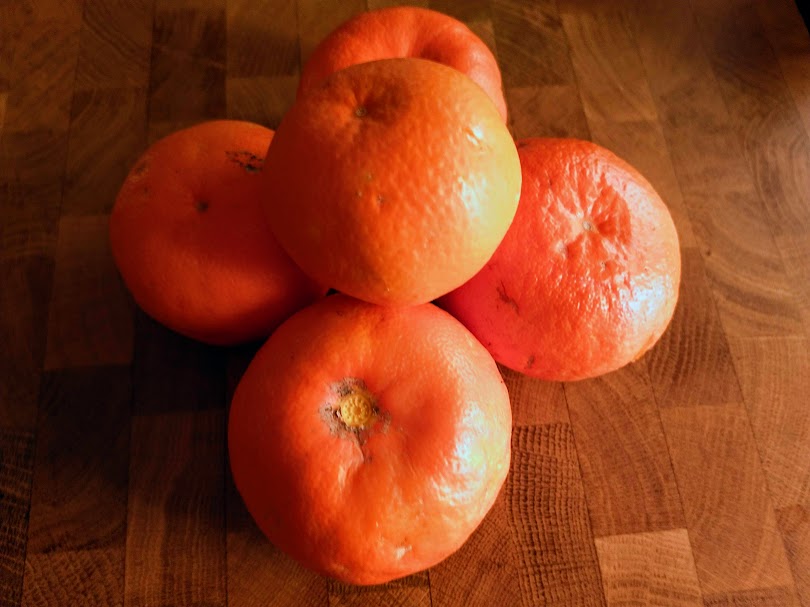
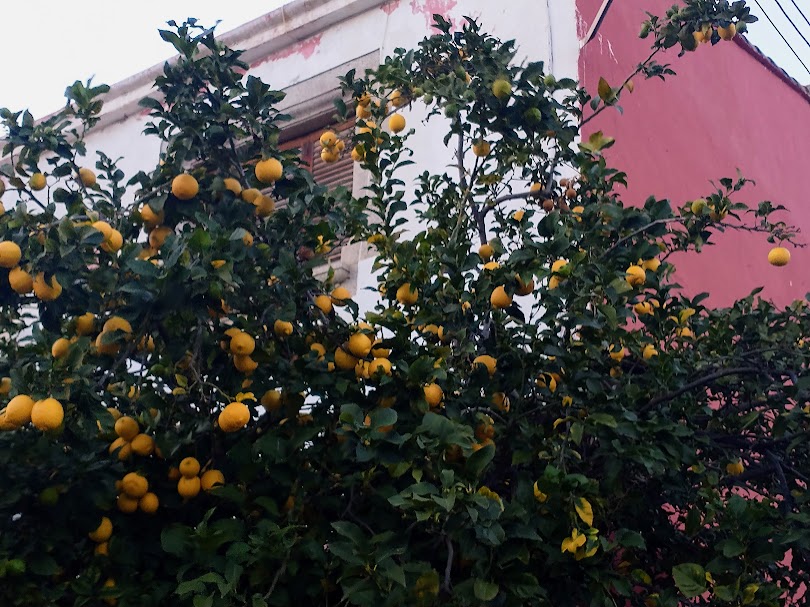
Five o’clock. Time to collect Anaïs from nursery school. Off to the shops first, walking along a street planted with Seville orange trees. The bitter fruits don’t tempt anybody to steal one for a snack. But I’m tempted by windfalls. We collect all we can find so that later, we can scrub them clean and make marmalade.
Up the hill, on the way back, here’s a street still with a few papery autumn leaves …
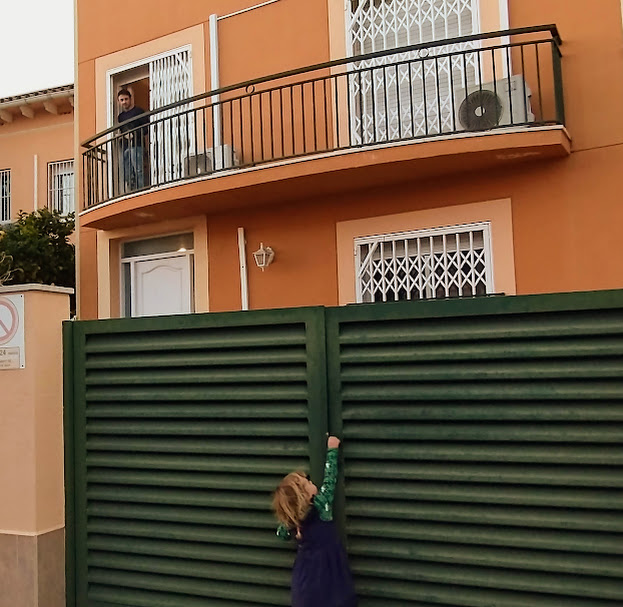
… and a house with a orange tree: sweet oranges this time, and ready to eat.
Any Brit could finish this off for you, no trouble. But just in case you aren’t a Brit, and can’t, here are the words of this music hall song, now over a hundred years old.
And last Monday, the seaside was where we went, for a suitably British day out. To Saltburn-by-the-Sea in fact: ex-smuggling centre, and a popular Victorian resort which still has a charmingly olde-worlde air.
There’s the sea itself. People-and-dog-watching…
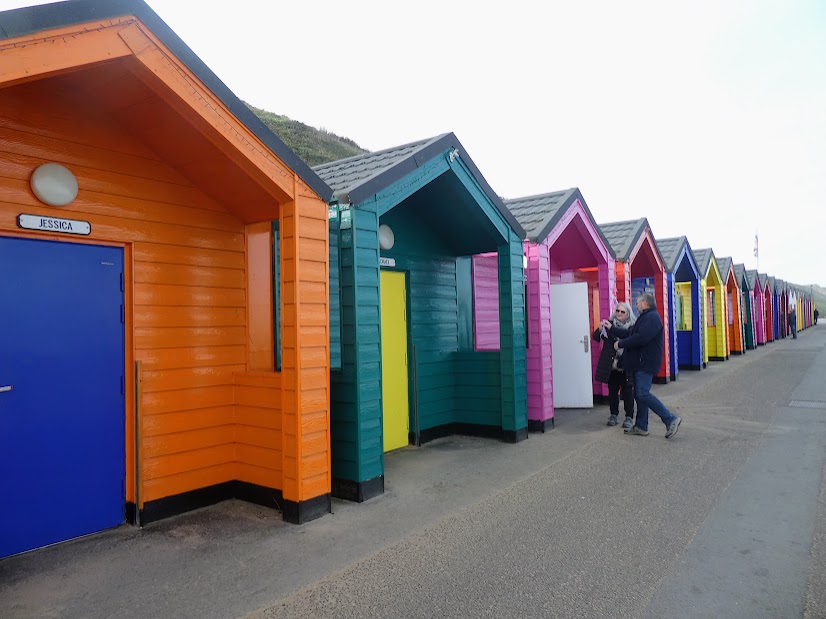
… beach huts …
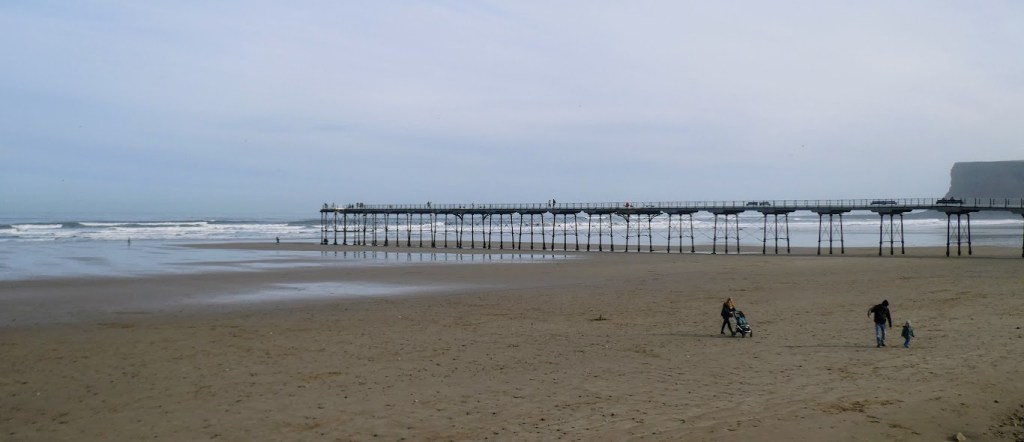
… the all-important pier …
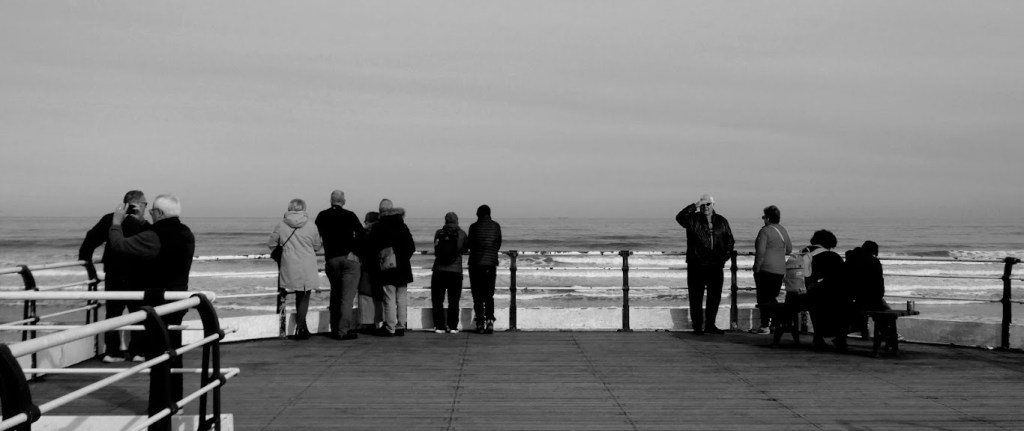
… which it’s obligatory to walk to the end of, to look at the sea again …
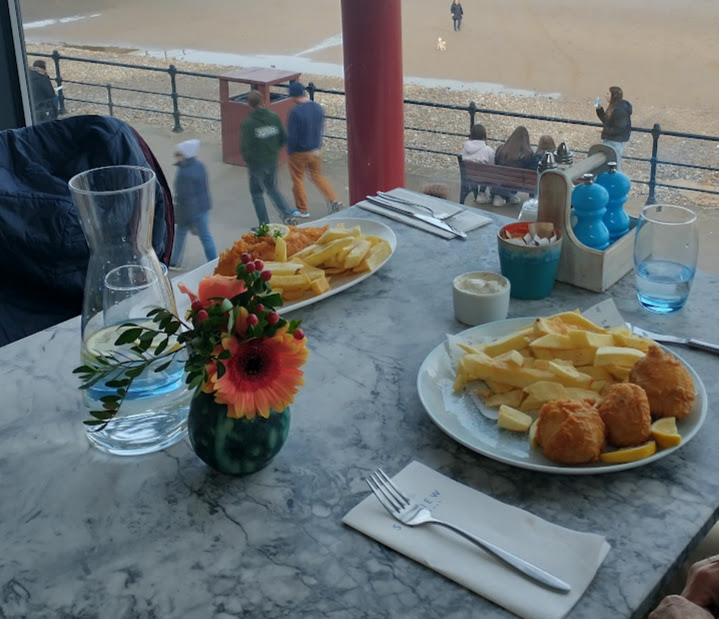
… the equally obligatory fish-and-chip lunch, preferably overlooking the sea …
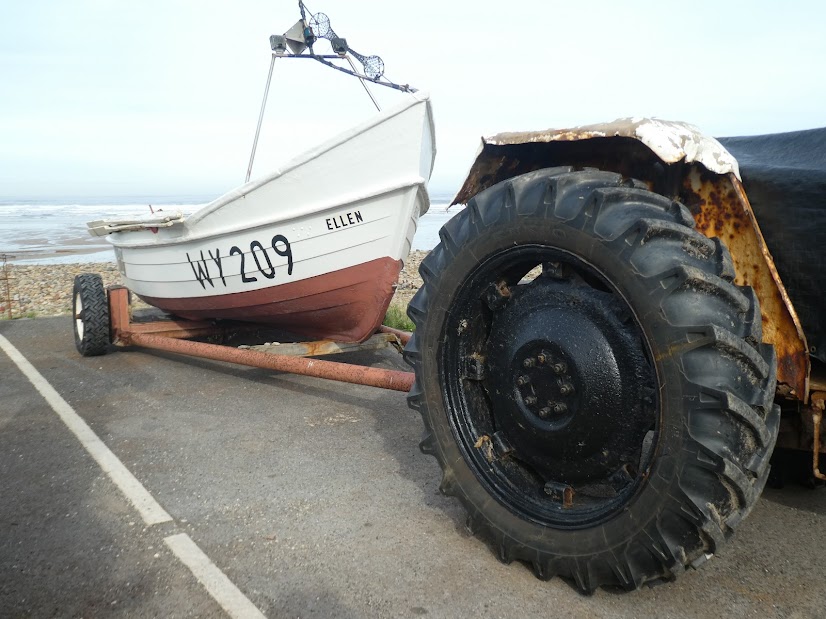
… the boats in the small harbour …
… and the header mops up the final necessary sights: two surf-board enthusiasts, and even one seagull.
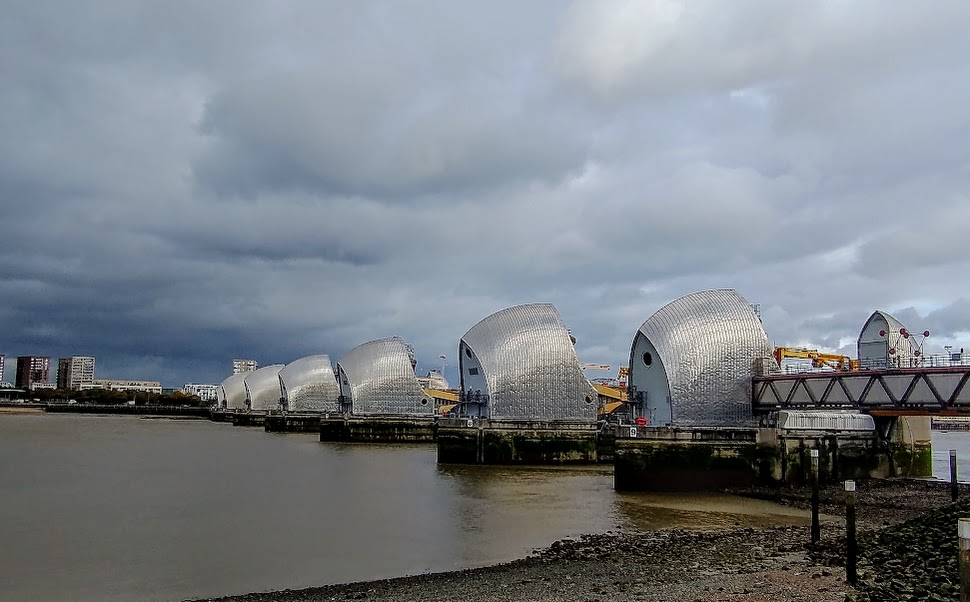
Once upon a time, the River Thames flowed gently through the city, slow and wide, or wider, according to the weather. At various points in the 19th century and particularly when Joseph Bazalgette was master-minding the critical job of master-minding a sewer network , the Thames was edged with a series of embankments. This had the effect of making the river narrower, deeper, and therefore faster flowing.
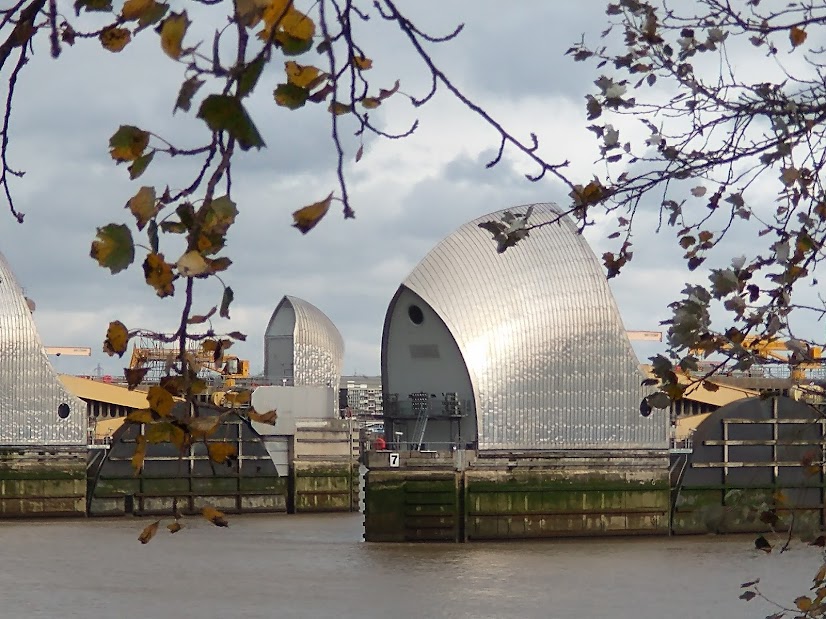
By the middle of the twentieth century, this was becoming a problem. A few times a year, high tides were presenting a danger of flooding to London. Something had to be done. That ‘something’ turned into the Thames Barrier at Woolwich.
In 1972, the Thames Barrier Act and Flood Protection Act was passed by The Greater London Council, and in 1972, work commenced.
'The gates, each of which are 19 metres high and weigh 3300 tonnes, divide the river into six navigable spans, four of 61metres (200 feet), and two of approximately 30 metres (100 feet). The barrier was designed to be solid, durable (serving London until at least 2030), failure proof and bomb proof. It has so far survived 12 collisions with ships without sustaining any serious damage.'
www.cityoflondon.gov.uk
The barrier was originally designed to protect London from a very large flood (1 in 100 years) up to 2030. By October 2021, it had been closed 200 times – it’s 208 times now. And the barrier has been modernised and improved to take it beyond its original shelf-life.
Much of the science behind it is beyond me. But it’s a beautiful thing in its own right, and I can appreciate that: even if I don’t understand the engineering. This short video may help.
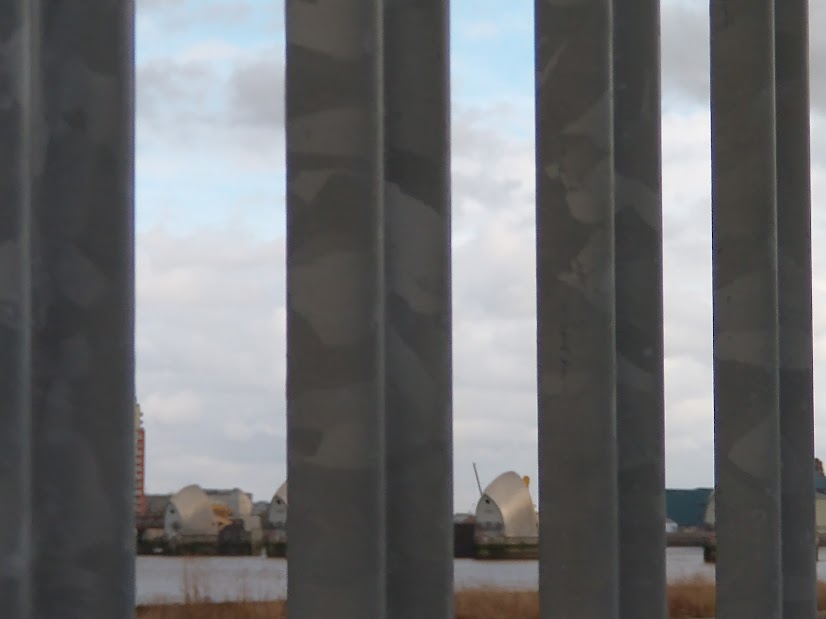
Without the Barrier, all this is at risk.
For Debbie’s Six Word Saturday. And if you haven’t visited this post and voted … please do.
The other day, when I posted some of my favourite photos for Tina’s Lens Artists Challenge, I included a view from my room in the quiet French quarter of Pondicherry of builders with their bullock cart full of bricks . Here’s another snapshot from that same room. It would win no prizes in any exhibition, but it’s special to me.
Sleep eluded me in India. One night, I was watching, as I often did, the street cleaners – all of them women – sweeping the streets with the kind of brooms we expect witches to fly around on, exchanging light-hearted chatter. At about two o’clock, they sat themselves in a convivial circle in the middle of the street, produced their snacks, gossiped, laughed and generally gave the appearance of contentment and good cheer.
Doubtless they could never have afforded my simple hotel room: nor could they have dreamt of travelling half way round the world on holiday. Yet they seemed at ease and content. I hope so.
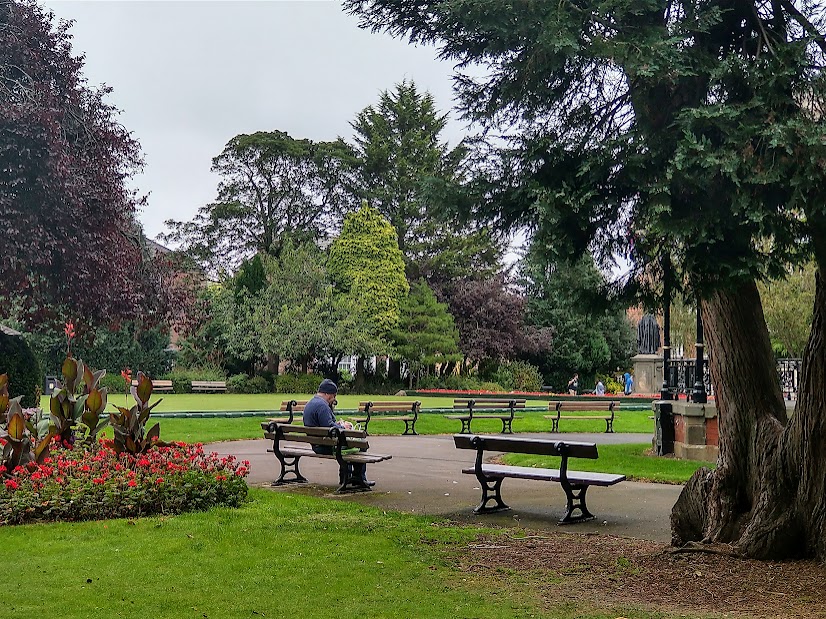
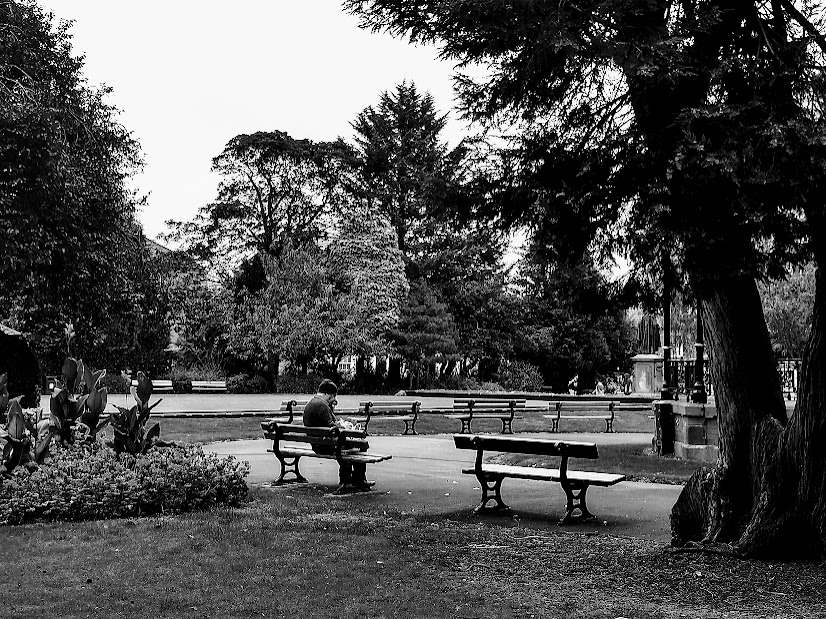
Here was a quiet moment in Ripon Spa Gardens last Saturday. All of us who are Over a Certain Age had formed orderly queues outside every single doctors’ surgery in town – all three of them – to get not only a ‘flu jab, but also an unexpectedly delivered Covid booster shot. You’ve never seen so many older people in town at one time, or witnessed such parking chaos. No wonder the old geezer on the bench wanted a break.
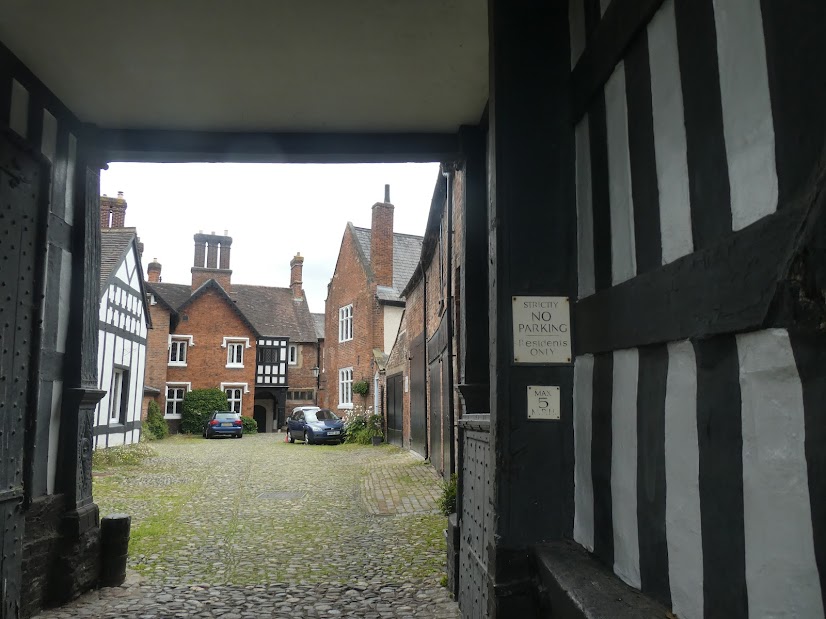
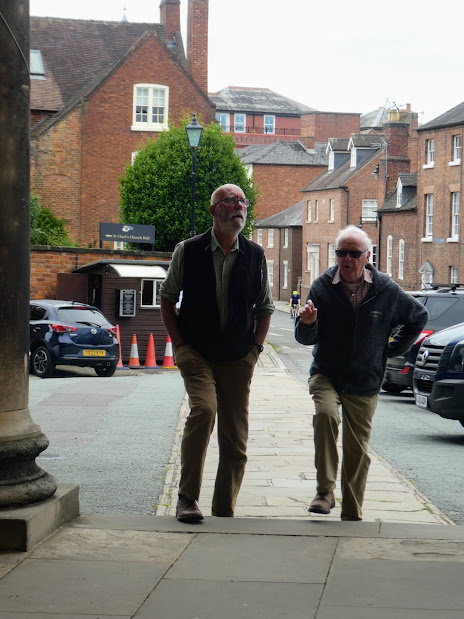
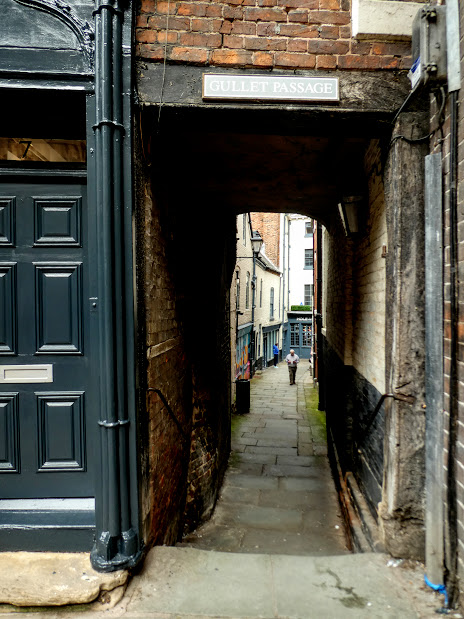
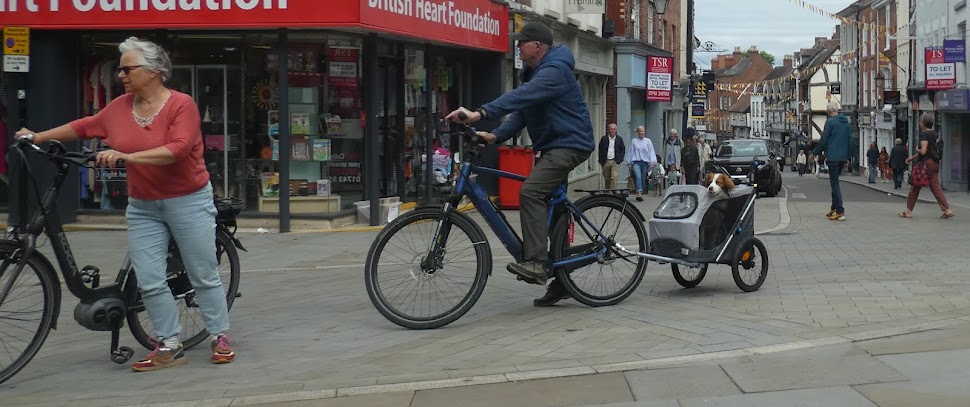
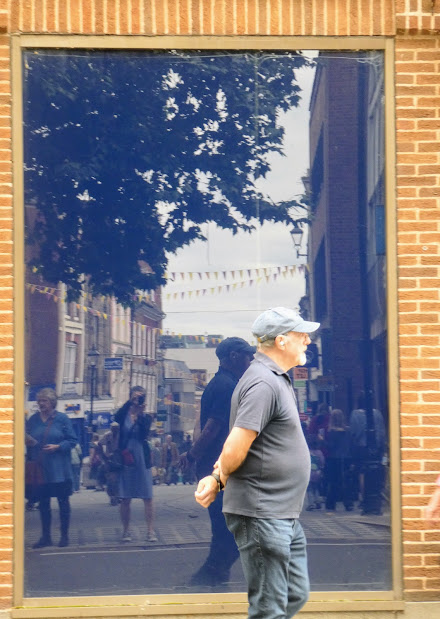
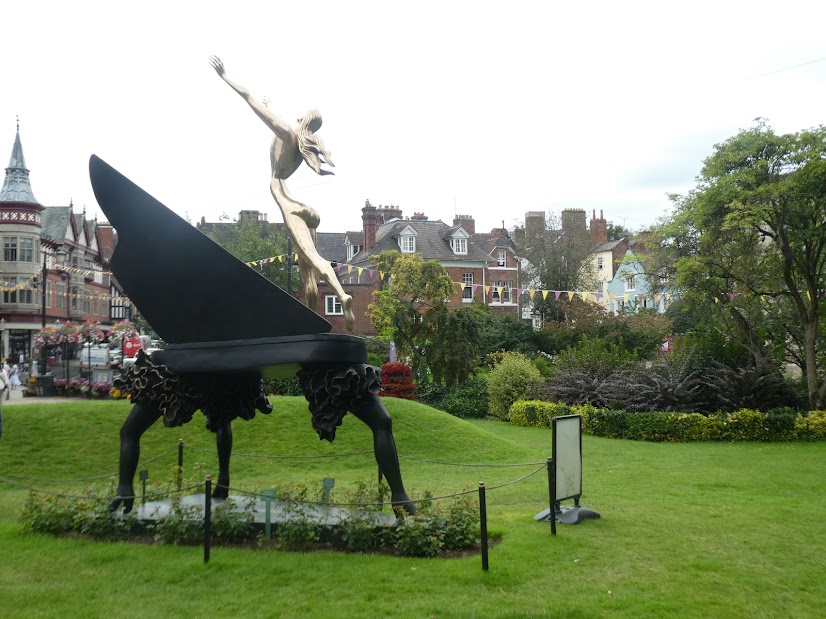
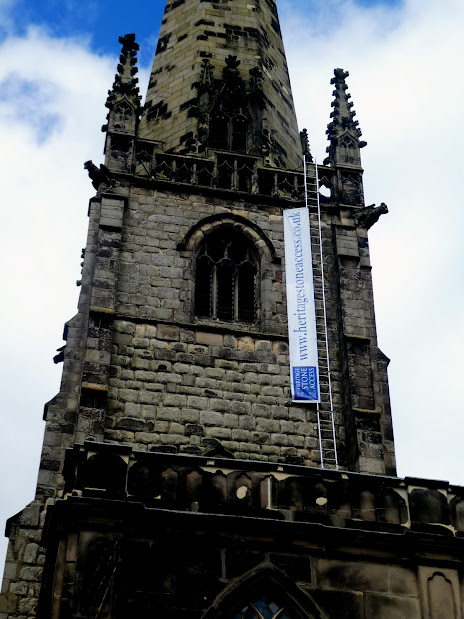
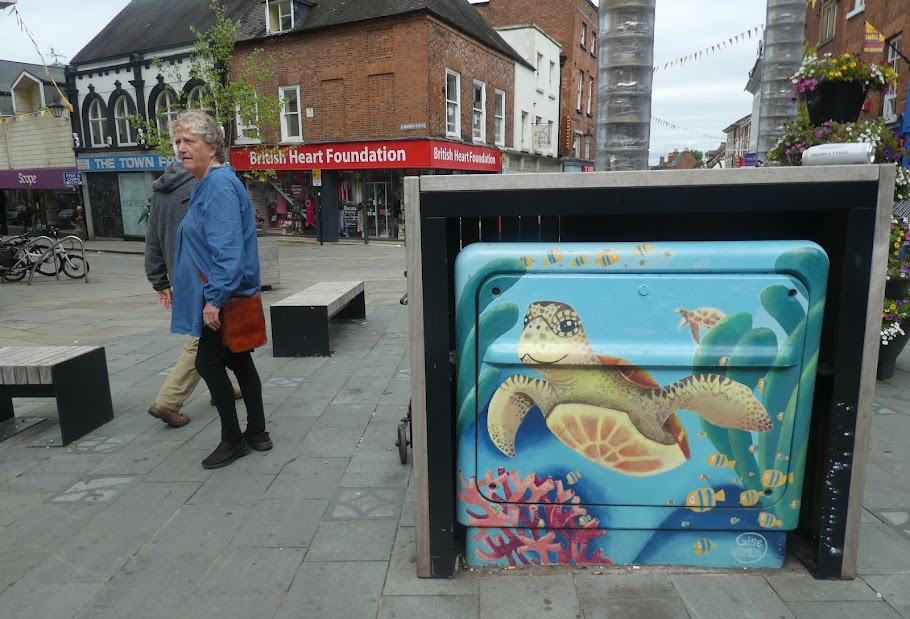
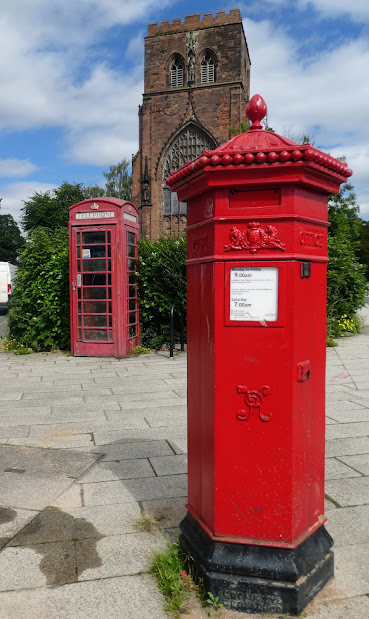
Shrewsbury in Shropshire. How to pronounce it? Shrowsbury or Shrusebury? I was brought up with the former. Apparently most locals prefer the latter. Apart from those who don’t. I give up. Let’s go on a stroll round this lovely, quiet, tucked-away town with oodles of history. Click on any image to reveal it full size, with caption.
Last weekend, Masham, the town up the road had its wildly popular Steam Engine and Fair Organ Rally. With heavy rain forecast, this year we didn’t go to the out-of-town fields (doubtless muddy) where it’s held. Anyway, we had an exhibition to get to – Masham Photographic Club always has a display in town during the Fair, and invites members of the public to vote for their favourite four images, out of – this year – a field of 57.
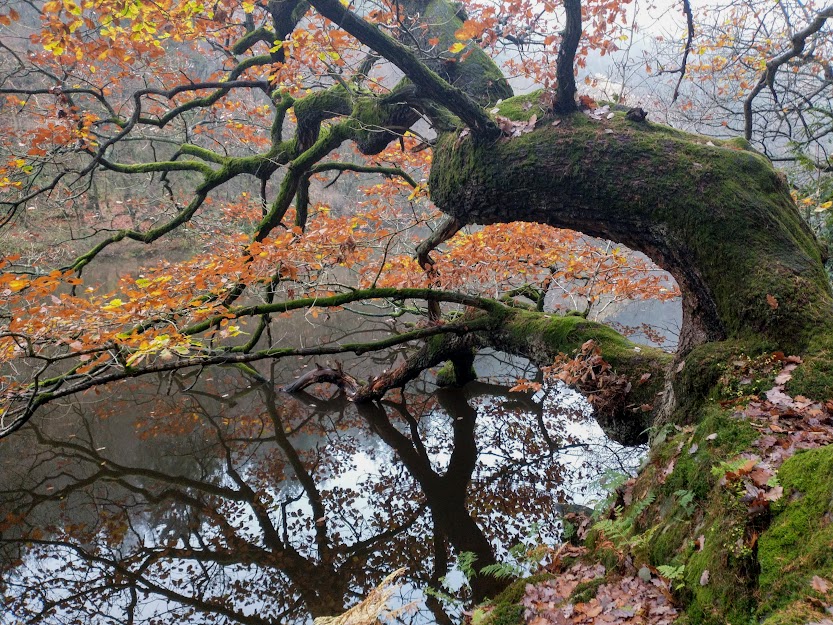
By Monday, the votes were counted and the winners announced. Astonishingly, I took first place. And second. Probably because they’re local views. The winning shot is my header photo, and below is the runner-up.
Eavestone Lake
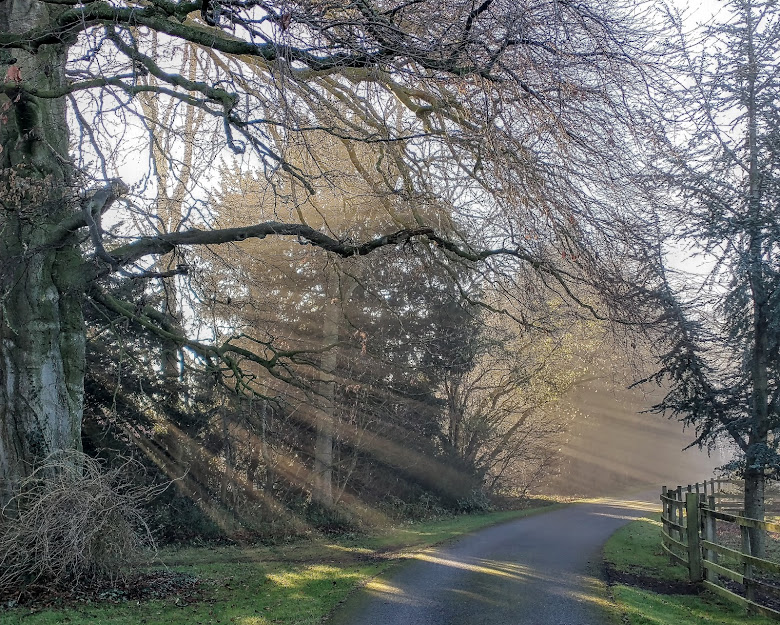
The header photo was just sheer serendipity. Walking down the lane early one morning I saw the scene you see now. I jut happened to have my phone with me, and captured the moment.
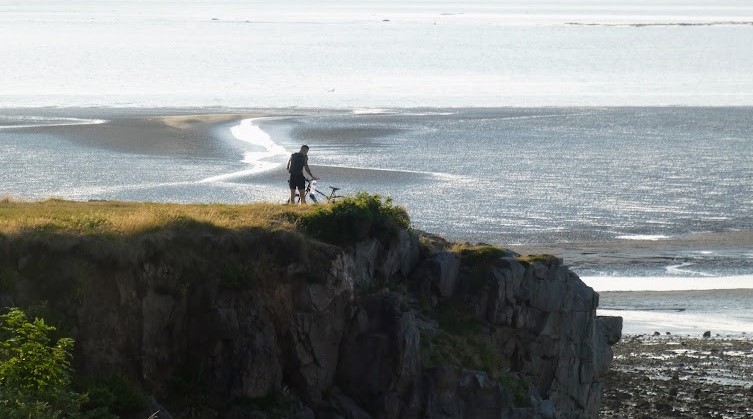
I can’t leave the sea-and-skyscapes of Heysham alone. This is about the sea as much as the sky, and a photo zoomed to within an inch of its life, but I like it. There IS sky above that moody sea – honestly. Look carefully.
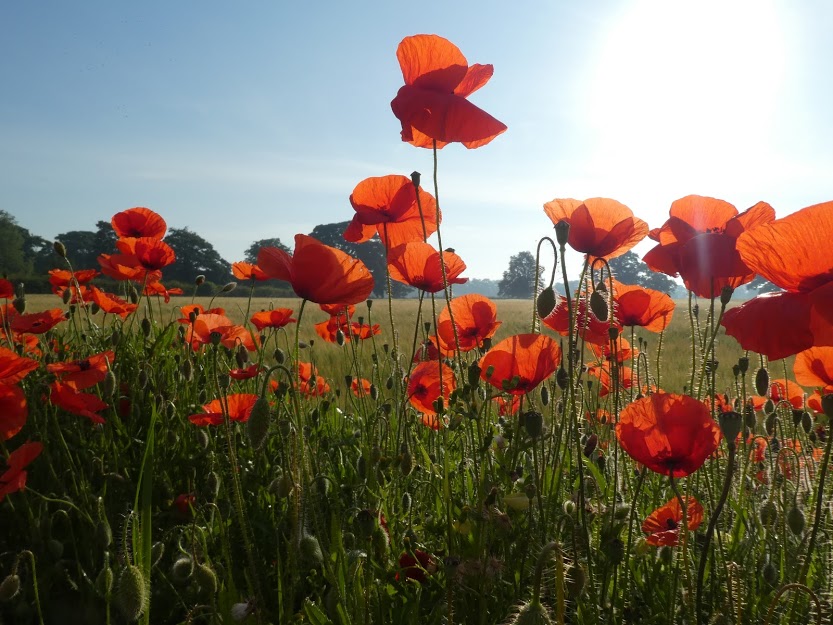
By gum, it’s freezing today. The temperature may decline to rise above zero all day. I’m in urgent need of some of summer’s warmth. Poppies might do it.









 From Pyrenees to Pennines
You must be logged in to post a comment.