Six Degrees of Separation: from Ghost Cities to My Father’s House

On the first Saturday of every month, a book is chosen as a starting point and linked to six other books to form a chain. Readers and bloggers are invited to join in by creating their own ‘chain’ leading from the selected book.

Kate:  Books are my Favourite and Best

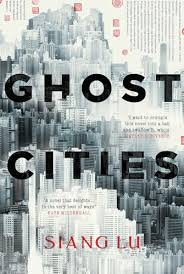
I haven’t read Siang Lu’s Ghost Cities.  But I’ve read several reviews, and it seems that this novel is inspired by the vacant, uninhabited megacities of China, and follows multiple narratives many years apart. In the present day, Xiang is fired from his job as a translator at Sydney’s Chinese Consulate after it’s discovered he’s been using Google Translate. This alternates with stories from the past of a dictatorial Imperial Emperor and his escapades.

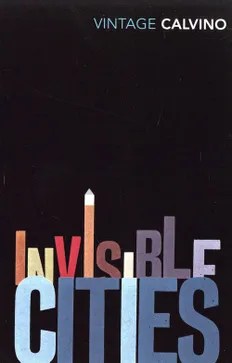
I immediately thought of Italo Calvino’s Invisible Cities, which I read far too long ago to comment on seriously now.  But it begins: ’Kublai Khan does not necessarily believe everything Marco Polo says when he describes the cities visited on his expeditions, but the emperor of the Tartars does continue listening to the young Venetian with greater attention and curiosity than he shows any other messenger or explorer of his.’  And here begins Italo Calvino’s compilation of fragmentary urban images.

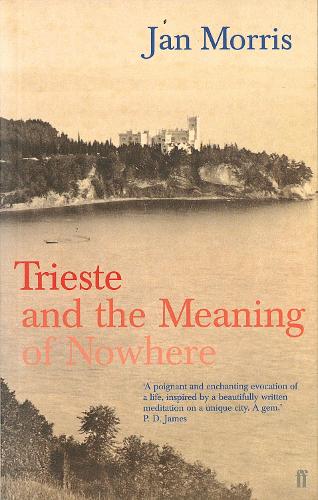
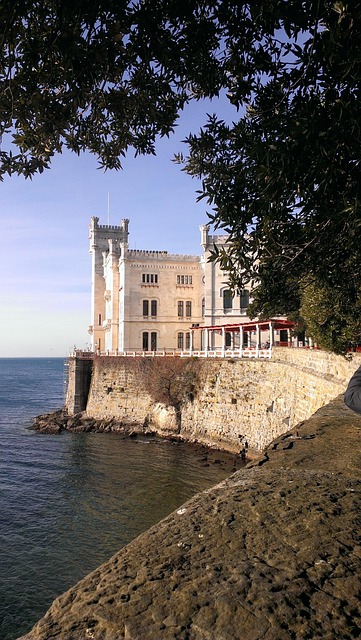
This Italian author made me think of one travel writer’s account of one part of Italy.  Jan MorrisTrieste and The Meaning of Nowhere. I felt a little ambivalent about this book. I wanted to like it more than I actually did. It’s a meditation on, and an exploration of Trieste, a city history has left behind, whose glory days are over, which is top of nobody’s tourist agenda, and which Jan Morris entertains strong feelings for. She discusses its history, its streets, its day-to-day life in a loving, melancholic way, and relates it to her own experience of being outside the mainstream. It’s a book which I’m glad to have read about a part of Italy I don’t know, but which I was happy enough to finish and set aside.

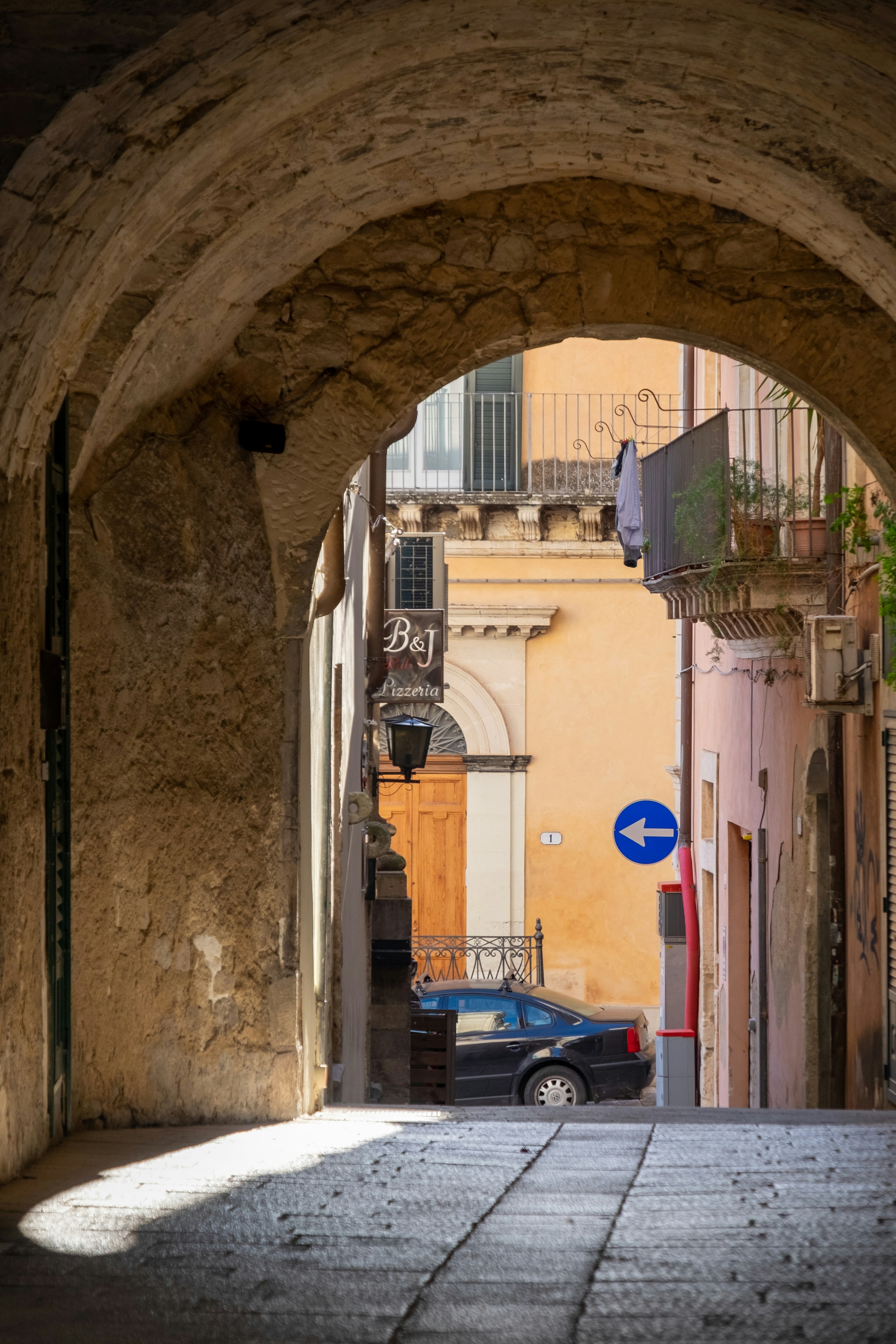
Vigàta in Sicily is another town which time has perhaps forgotten.  It’s also imaginary, and the setting for a series of murder mysteries by Andrea Camilleri. Despite the fact that as a detective series, which therefore concerns murder and other crimes, the Inspector Montalbano books are ones I turn to when I need a bit of relief from weightier tomes. I love to meet the people Camilleri describes. I like to accompany Montalbano as he seeks out delicious meals at home or at neighbourhood restaurants. And I like to observe his relationships with his colleagues. The Voice of the Violin doesn’t disappoint. It’s about a murder which might have taken a very long time to have come to light if the police car in which Montalbano was a passenger hadn’t careered into a car parked outside a villa…. And in due course, Montalbano’s curiosity is piqued … He finds a body, of course. And up to five people might be responsible for the gruesome murder. But who? And you’ll need to read this book to find out why the title it’s been given is so apposite.

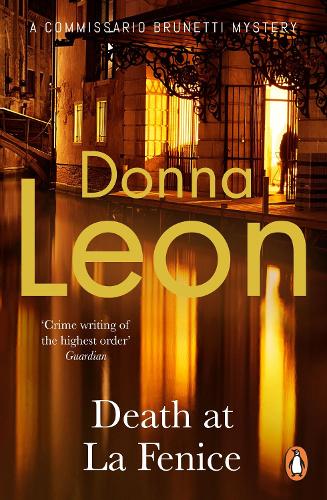
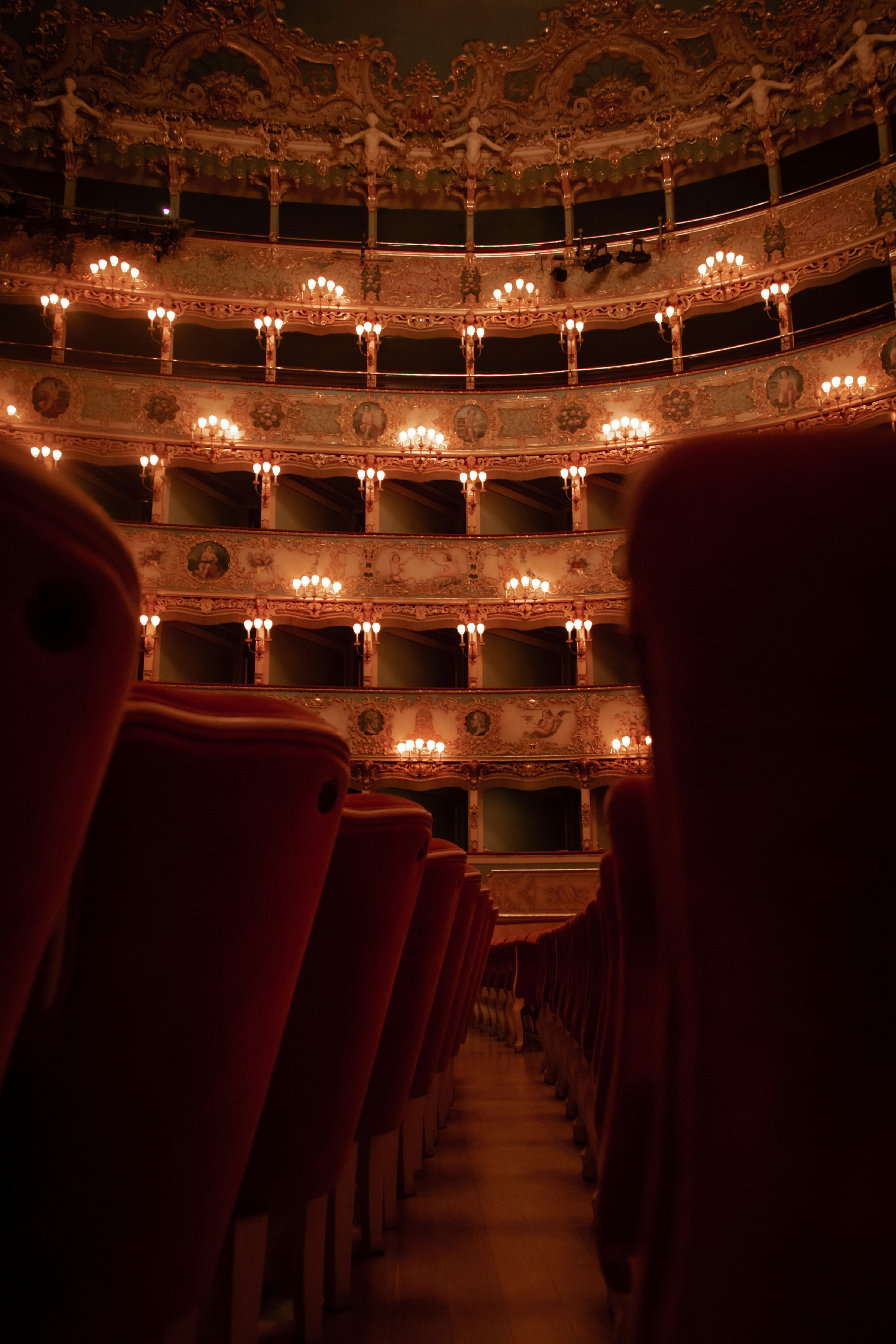
From one Italian detective to another. I love Commissario Brunetti, and I love the picture of Venice that Donna Leon, his creator, always conjures up. The alleys between ancient buildings, those palazzi themselves, the little bars Brunetti frequents…. and so on and so on. So even before I get involved in the plot, I’m absorbed by the ambience she creates. Death at la Fenice is, like all Leon’s tales, a good story. This one features the conductor who’s murdered during the interval at a performance at la Fenice. Whodunnit? His wife? That soprano? Her lover? As ever, the result of Brunetti’s investigation is an unexpected one, and convincing. Read it.

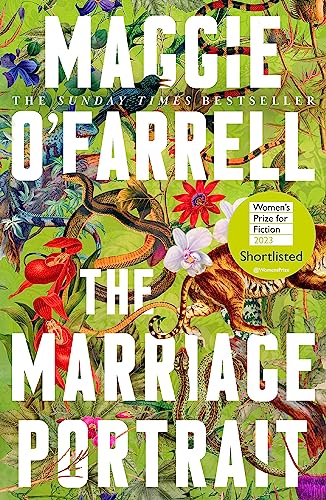
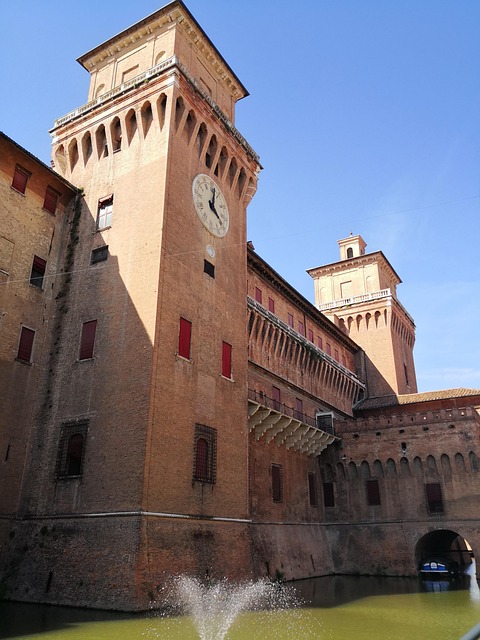
We’re staying in Italy for the rest of this chain.  But we’ll leap back several centuries in Maggie O’Farrell’s The Marriage Portrait.. Lucrezia, third daughter Cosimo de’ Medici, finds herself betrothed, then married to Alfonso, heir to the Duke of Ferrara when her older sister, his original choice, dies. The story flits between her early life in Florence and her early married life. Underneath, throughout her marriage, her conviction that she will be killed by her apparently loving husband bubbles away. She’s a Duchess now, her father-in-law having died. She’s only 15, more than 10 years younger than her husband. Although she’s been brought up privileged, her new status brings with it loneliness and challenges. Virtually her only constant friend is her maid.

This book links with the two previous ones by being rich in quotidian detail. O’Farrell paints the pictures of her privileged life in such a way that we can hear, see and smell the scenes that surround her: her father’s exotic menagerie; her husband’s castrati singers; the sumptuous clothing; the simple bowls of fruit which she examines with her painterly eye – she is a talented artist.  This rich attention to detail brings an already absorbing story fully to life.

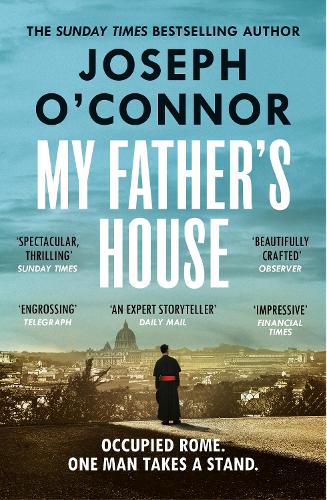
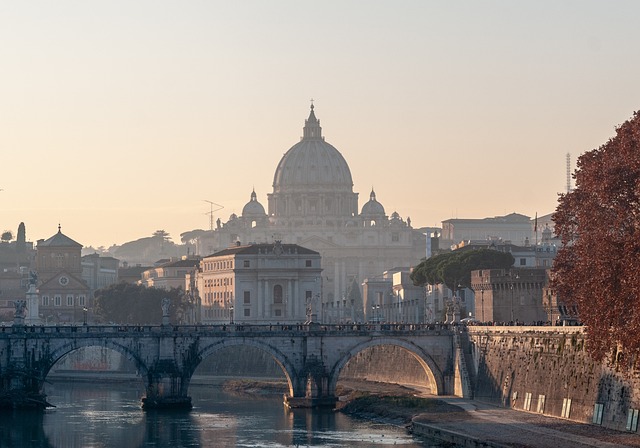
Still Italy, still history, but much more recent in the first volume of Joseph O’Connor‘s Escape Line TrilogyMy Father’s House is an immersive story, taking as its starting point the fact that while Rome was under German occupation in 1942, there was an Irish priest, Hugh O’Flaherty, based at the Vatican who was involved in running an escape line for Jews, escaped POWs and resistance fighters during WWII.

The plan is to evacuate scores of refugees and resistance fighters, all separately hidden, out of Rome on Christmas Eve, when perhaps guard is lowered. Plans take place at the rehearsals of a specially convened Chamber Choir: singing drowns out the mutter of whispered instructions to each singer in turn. Each player in the plot has a role, No one knows what any other individual is required to do. Gestapo leader Paul Hauptmann has his suspicions that a plan is afoot, and O’Flaherty is in his sights.

This is a work of fiction, even though heavily indebted to known facts. It’s told in a series of distinct voices, all characters in the book.  Each voice is distinctive, authentic, even funny: Irish, English, Italian, aristocrats and shopkeepers. An often thrilling, always thought-provoking and absorbing story.

My chain seems to owe everything to Italy, and little to the starter book. I won’t do any better next month. I’m unliklely to participate, as we’ll be away, and I don’t like the idea of not responding promptly to comments. But the starter book will be  Dominic Amerena’s novel about authors and publishing, I Want Everything. I think I’ll try to read it anyway.

With thanks to the photographers from Pixabay whose photos I have used: LeoLeo (cities); VBosica (Miremare, Trieste); Gianni Cio 10 (Sicily); Filip Filopovic (Ferrara); Davide Cattini (Rome).  And from Unsplash, Giusi Borrasi (La Fenice, Venice)

Six Degrees of Separation: The Safekeep to Pachinko

On the first Saturday of every month, a book is chosen as a starting point and linked to six other books to form a chain. Readers and bloggers are invited to join in by creating their own ‘chain’ leading from the selected book.

Kate:  Books are my Favourite and Best

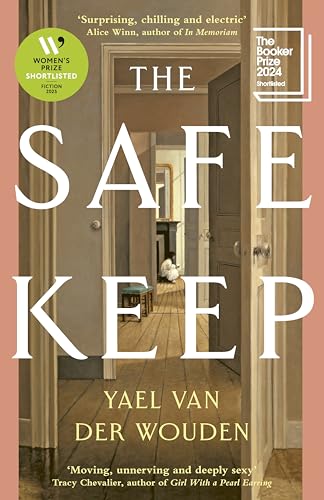
Thank you so much for putting Yael van der Wouden‘s The Safekeep on my reading list Kate. It’s a book which delivered so much, and also invites any number of ways the Six Degrees contributor could go.

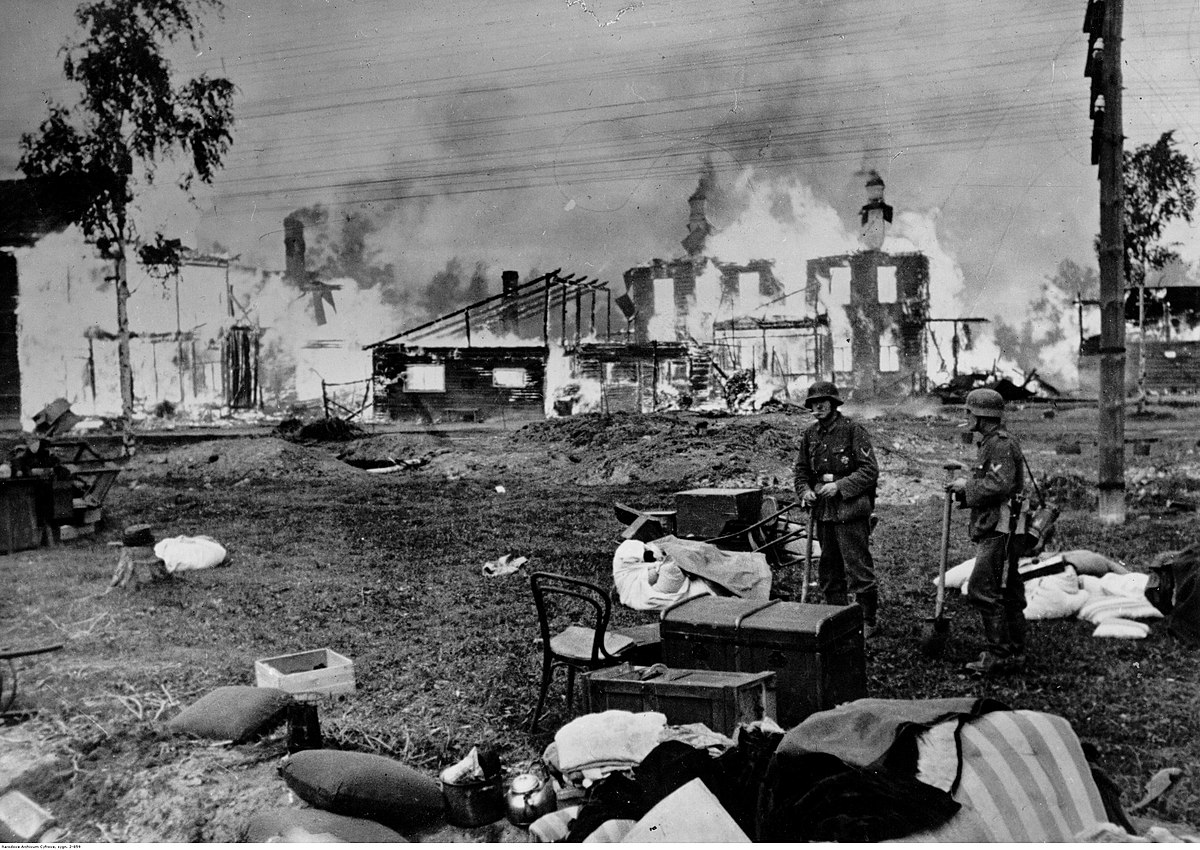
I settled for looking at those parts of WWII little known about here, as far as the German perspective goes. and begin with We Germans, by Alexander Storritt. ‘What did you do in the war?’ a young British man asks his German Grandad. And is told, in the form of a long letter found after his death. In 1944, Meissner, a German artillery soldier, had been fighting with his unit in Russia, in Ukraine. But in Poland, he and a few others somehow got separated when detailed to look for a rumoured food depot. They see Polish villagers hung by unidentified men from a single tree ‘in bunches, like swollen plums.’ They witness rape and crucifixion. They steal a tank and use it against the Russians. They squabble bitterly with each other. They kill enemy soldiers without compunction. This is a well-drawn book, a deft exploration of the moral contradictions inherent in saving one’s own life at the cost of the lives of others. Though fiction, it’s clearly deeply rooted in the reality of the helpless, pointess horror of the last period of the war for those often starving people, both army and hapless civilians who found themselves marooned on the Eastern Front.

A book in a similar vein is Hubert Mingarelli‘s A Meal in Winter (translated by Sam Taylor). An account of three German soldiers whose task on a bitterly cold winter day is to hunt down Jews in hiding and bring them back to the Polish concentration camp where they are based, for an inevitable end. This unenviable task is better than the alternative: staying in camp to shoot those who were found the previous day. They talk – about the teenage son of one of them – and they find just one Jew. Is he their enemy, deserving his fate, or is he just like them, a young man doing his best to survive? What if they return to camp with nobody to show for their day’s hunting? As the men retreat to an abandoned cottage to prepare a meagre meal, their hatred and fear jostle with their well-submerged more humane feelings to provide the rest of the drama for this short, thought provoking book.

This reminds me of a book about the seige of Leningrad, which I read many years ago, but which made a lasting impression on me: Helen Dunmore‘s The Siege. The novel revolves around five interwoven lives during the war when Leningrad was completely surrounded by the Germans. Winter came and there was no food or coal, it was a brutal winter and one half of the population of the city perished. What energy the citizens had was devoted to the constant struggle to stay alive. Some of the strategies they employed will stay with me forever. Soaking leather bookmarks to get some nourishment from the resulting ‘stock’, for instance.

Let’s leave war behind, but looks at another struggle for survival in Cormac McCarthy‘s The Road: another book I read a long time ago. The tale of a father and son trudging through post-Apocalypse America. This is a land where nothing grows, no small animals are there for the hunting: where communities and dwellings are deserted and long-since looted for anything that might sustain life a few more days: where other humans might prove peaceable, but might instead be evil and dangerous. This book is bleakly, sparely written. Conversations between father and son are clipped, necessary. No speech marks. Sometimes little punctuation. Every ounce of energy is needed for the business of staying alive. This book, in which nobody lives happily-ever-after has stayed with me.

Oh dear, back to war, but staying with relationships within a family. V.V. Ganeshananthan‘s Brotherless Night. This book plunged me right into a war that had previously been an ongoing news item from somewhere very far away. The ethnic conflict in 1980s Sri Lanka between the Sinhalese dominant state and several separatist Tamil separatist groups is brought to life by the Tamil narator, Sashi. She’s 16 when we meet her, and an aspiring doctor. She has 4 brothers, 3 older, one younger. We follow the family’s fortunes as an ethic-inspired war breaks out, and daily life becomes more difficult, disrupting her education and resulting in her older brothers and their friend K joining the fray at the expense of their own education. Loyalty to a movement rather than family is alien to their parents. Tensions arise. Tragedy strikes. Normally conforming Sashi is moved to become a medic at a field hospital for the Tigers, because what is more important than relieving suffering, saving lives, whoever needs that help? As the war becomes ever more destructive, her personal conflicts and the family’s day to day arrangements become ever more complex. Years go by as the story unfolds. This story is impeccably and compassionately researched. It is urgent, intimate, written with striking imagery and immediacy. A distant conflict, several decades old is brought right into our homes and becomes alive once more.

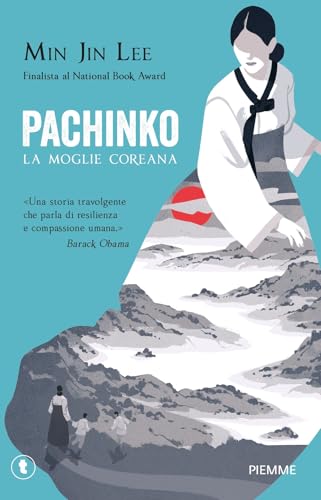
Another book I read ages ago is Min Jin Lee‘s Pachinko. This too is about not civil war, but about two nations – Korea and Japan -who historically have a less than happy relationship, and how this conflict plays out in the life of a single family, throughout the twentieth century. Some stayed in Korea (South Korea in due course), and others tried for a new life in Japan. None found it easy. This is a book about resilience and emotional conflict passing down through the generations. It’s about well-drawn characters making their way in the world, sometimes with great success, but rarely able to escape from the shadow of their past. It’s a real page turner, from which I learnt much about this period of Korea’s history. Highly recommended.

I seem to have wandered rather far from the intimately domestic scale of The Safekeep, and spent a lot of time dwelling on war. I wonder what my next chain will make of August’s book: Ghost Cities, by Siang Lu?

Six Degrees of Separation: From All Fours to Grow Where They Fall

On the first Saturday of every month, a book is chosen as a starting point and linked to six other books to form a chain. Readers and bloggers are invited to join in by creating their own ‘chain’ leading from the selected book.

Kate: : Books are my Favourite and Best

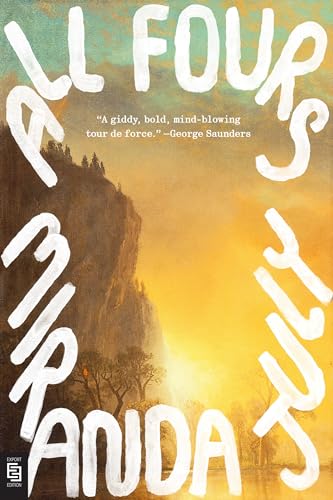
All Fours,by Miranda July and this month’s starter book, is narrated by a 46 year old woman, a wife, a mother, a bisexual, a mixed media artist. I haven’t read it yet, but I think it’s on my TBR list.

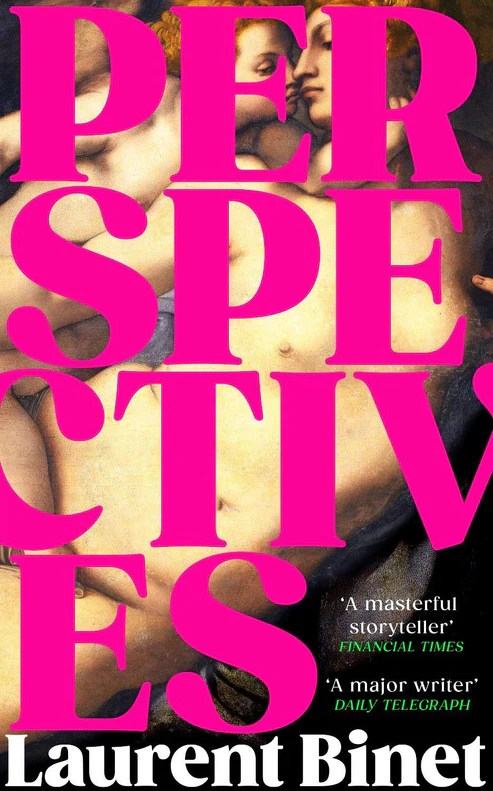
Well, I picked up on the word ‘artist’.  Not a woman, not a family man, but a 16th century Florentine painter, probably homosexual: Jacopo Pontormo.  He’s the sort-of-star of Laurent Binet’s Perspectives. This story relies on a clever conceit: that the author (who unlike the very much alive actual author) finds, towards the end of the 19th century an interesting packet of letters in a curio shop. His interest piqued, he buys, then translates them. And presents them to us here, in this book. We’re in 16th century Florence. The cast list can be found in any history book dealing with that period of political and art history. Cosimo de’ Medici; Catherine de’ Medici; Giorgio Vasari; Michelangelo; Bronzino; Cellini; Pontormo: the list goes on, but this story is entirely untrue. It revolves around the fact that Pontormo, painting a now-lost group of frescoes, is discovered dead at his work. Suicide? Or murder? And if the latter, who’s the murderer? A series of letters between groups of the characters involved, not all of whom know or have dealings with one another, picks over the evidence, relying on actual investigation – sometimes – but more often hunches, gossip and personal ‘intuition’. There are subplots: There’s for instance, Maria de’ Medici, Cosimo’s 17 year old daughter, who’s to be married against her will for reasons of political alliance. When guards search Pontormo’s quarters, they find an obscene painting of Venus and Cupid—with the face of Venus replaced by that of Maria. What a scandal!  This is a cleverly accomplished story, and wonderfully translated. It’s a tight, fast paced whodunnit brimming with subplots, from an author who clearly knows his stuff about the history of the period.

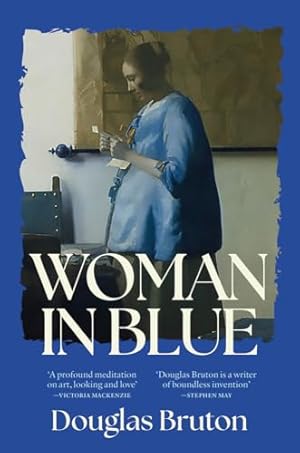
Let’s pass to another artist, Vermeer, in Douglas Bruton’s Woman in Blue. Douglas Bruton must have been fascinated by Vermeer’s Woman in Blue Reading a Letter, in the Rijksmuseum: he knows it so well. He gives this interest – or in this case near-obsession – to one of the two narrators of this book who take alternate chapters throughout. An unnamed man visits this picture every day, for several hours, knows it intimately, interrogates it for meaning. This does not go unnoticed by gallery staff, or by his wife, who does not know where it is her husband disappears to. The other narrator is the young woman in the picture, who describes how it is she comes to sit for this particular portrait, and her own feelings. She is sensitive to the thoughts and feelings of the man who is transfixed by her portrait, amused that he is as in thrall to her as Vermeer himself, though she’s unaware of this man’s musings on previous romantic entanglements and indeed his feelings about his wife.This book explores the boundaries between reality and illusion in art, inspecting the portrait and the two protagonists intimately. It’s a captivating novella, with a surprise ending, and beautifully expressed throughout.

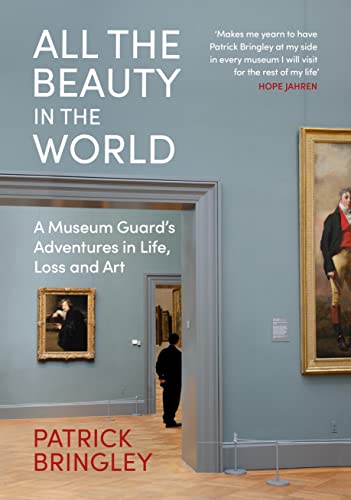
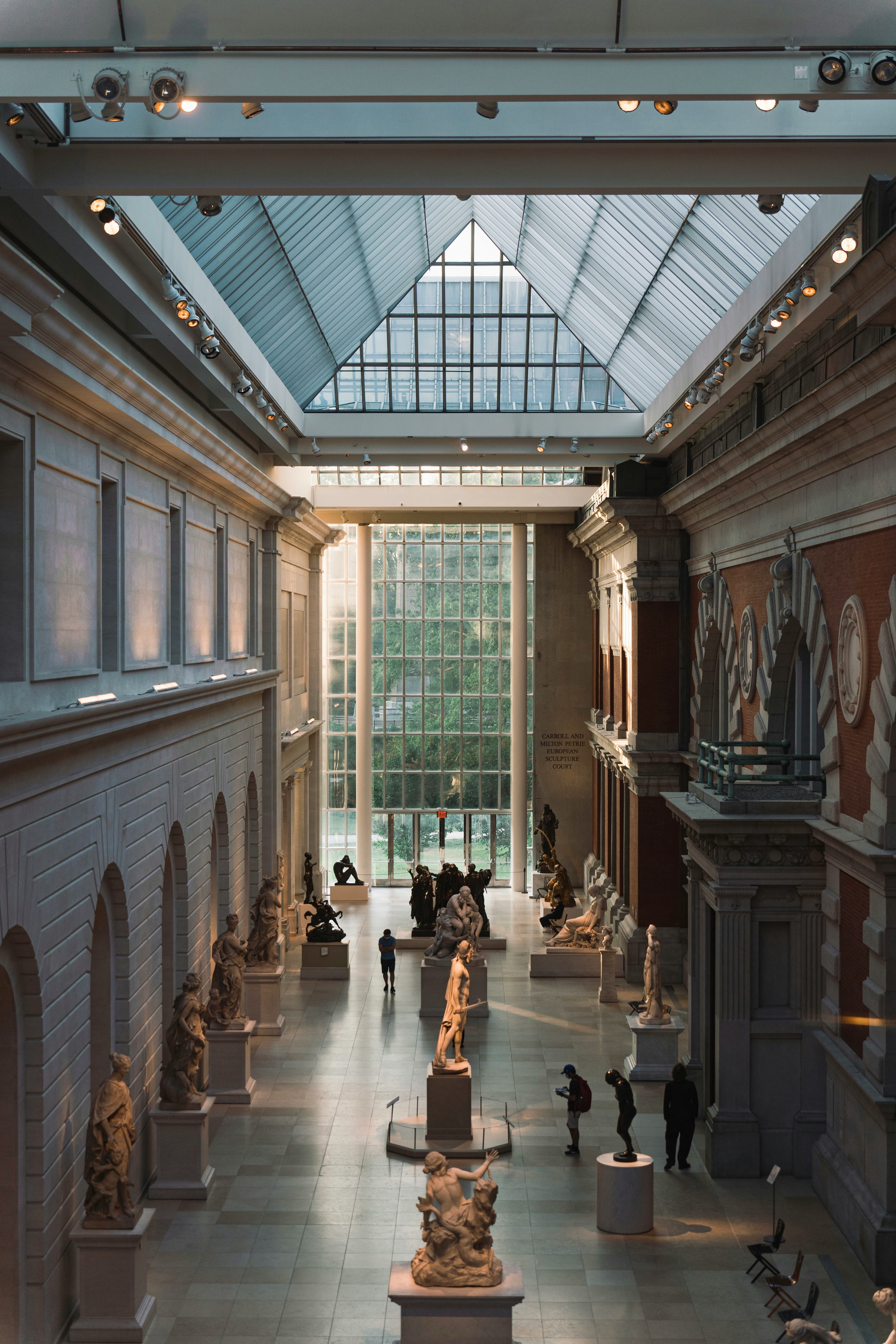
All the Beauty in the World by Patrick Bringley is a book I have only just started.  Bringley was for a period of his life a museum attendant  Here’s what Google Books has to say about his work: ‘A moving, revelatory portrait of one of the world’s great museums and its treasures by a writer who spent a decade as a museum guard. Millions of people climb the grand marble staircase to visit the Metropolitan Museum of Art every year. But only a select few have unrestricted access to every nook and cranny….’

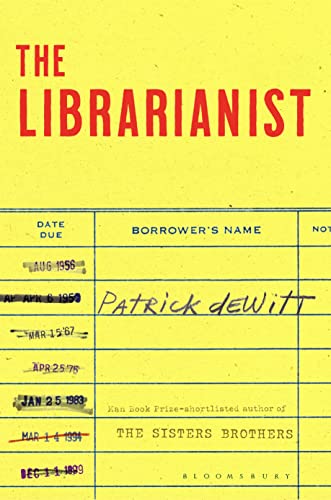
Museum Attendant?  It’s not such a big leap from there to librarian perhaps. The Librarianist by Patrick de Witt.  At first I was prepared to be charmed by this whimsical account of the life and times of Bob Comet. A misfit at school, he became a librarian – of course he did. Then he continued – quite contentedly – his largely friendless existence, living in the house where he’d been born, now his alone since his mother’s death. He meets a young woman – also a social misfit, completely under her father’s thumb – at the library. Reader, he marries her. At about this time, he also comes across the man who becomes his only male friend, and – no, spoiler alert. We are introduced to Bob at the point when he’s long been separated from his wife. And, so far so good. But we plunge back into his younger life and the book loses its way, especially when we spend far too long in the time when he ran away from home as an eleven year old. It’s not hugely relevant to the story or to the man he became. A bit of a curate’s egg of a book then. Good in parts. But I’m not encouraged to read more work by de Witt. 

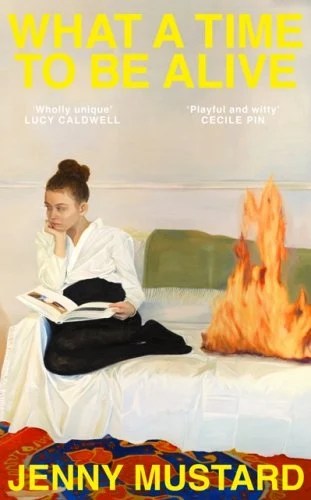
Another book about a misfit.  Jenny Mustard’s What a Time to be Alive. Perhaps I’m too old. This book comes with glowing endorsements on the cover from a number of well-regarded authors. But I just can’t share their enthusiasm. Sickan, a 21 year old student at Stockholm University, comes from a small town where she was often lonely, and seemed a bit odd. She’s determined to reinvent herself but is socially awkward. She seems to make progress: finding a flatmate, beginning to join in normal student life, albeit always feeling something of an imposter. She even finds a boyfriend, who’s charming. It’s a story about loneliness, and the well-remembered awkwardness of becoming an adult and wondering which bits of your true self you wish to hang on to. But although it’s well written, I never really engaged with it. My loss, probably.

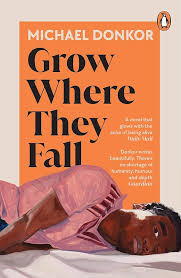
My last book is about a man who isn’t a misfit, because he tries so very hard not to be, in Michael Donkor’s Grow Where They Fall. Here is the story of Kwarme, son of Ghanaian immigrants and living in London. The book is told in alternating chapters: his 10 year old self who attends a multicultural primary school, and his 30 year old self, who teaches in a multicultural high school. Black and queer, Kwame is also a Durham graduate. His flat mate, an upper class white man writing about wine, is very different from his traditionally-minded working class Ghanaian family. Kwame fits in, though never without a conscious struggle. It’s what he always has to do. Conforming is something he’s used to, though his homosexuality is a real challenge to someone of his cultural background. He’s a popular teacher, well liked, but his uncertainties and feelings of being unmoored and a little out of his depth persist. Towards the end of the book, one event, small in itself, assumes huge proportions in his mind and forces him to finally make some big decisions. This is a novel about Kwame finding his place. Finding himself, in fact, and having the courage to live his life. It’s told in the context – often amusingly recounted – of a small boy’s day-to-day struggle to please, and an adult’s wish also to be liked and respected.

I seem to have done quite a bit of travelling this month’s choices (and in real life, as it happens). Next month, Kate starts with the 2025 Stella Prize winner, Michelle de Kretser’s work of autofiction, Theory & Practice. Where will that lead us all, I wonder?

Image Credits

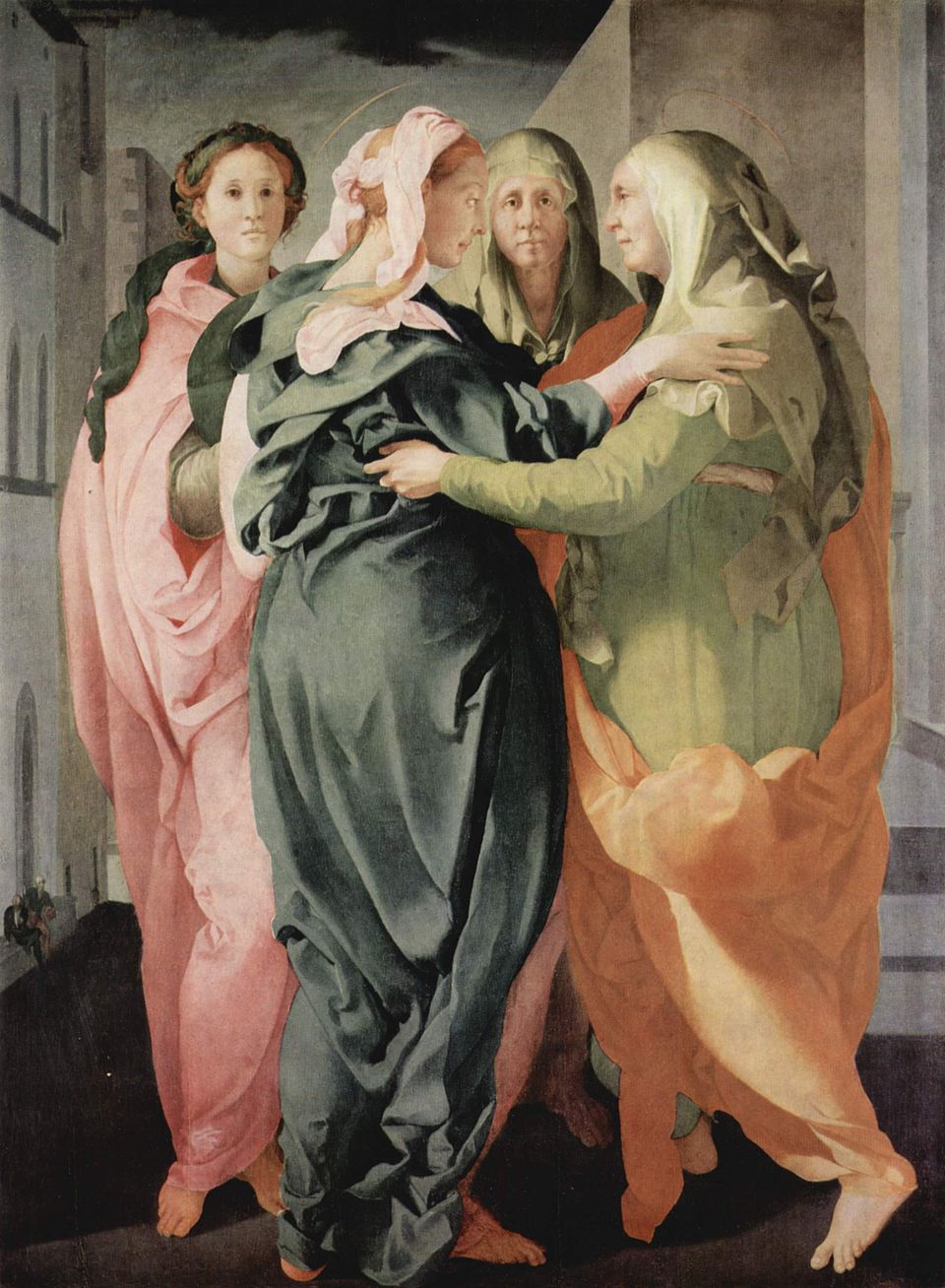
Jacopo Pontormo:  Visitation of Carmagnano, Church of San Francesco e Michele (Wikimedia Commons)

Delft: Who's Denilo? (Unsplash)

Metropolitan Museum of Art: Yilei (Jerry) Bao (Unsplash)

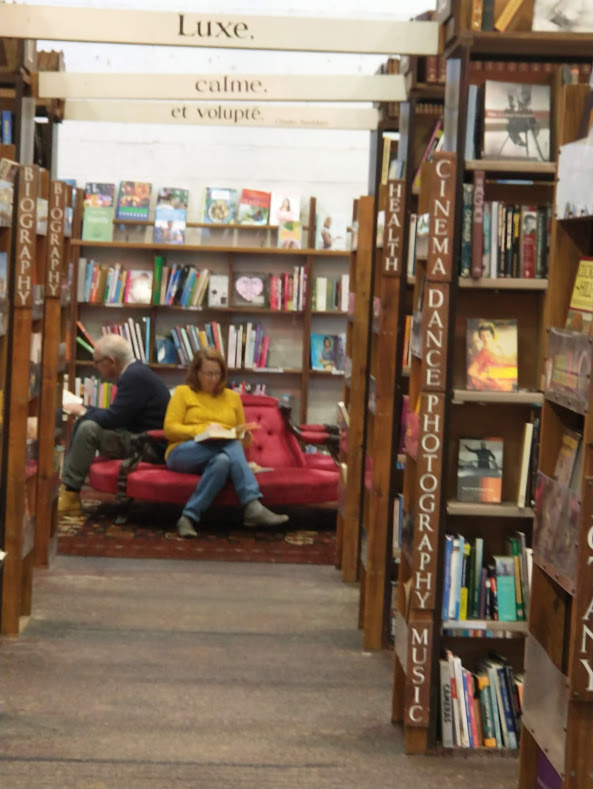
Library image (Actually Barter Books in Alnwick): my own image.

Snow scene: my own image.

Ghanaian man: Kojo Kwarteng (Unsplash)

Six Degrees of Separation: from Rapture to The Island Of Sea Women

On the first Saturday of every month, a book is chosen as a starting point and linked to six other books to form a chain. Readers and bloggers are invited to join in by creating their own ‘chain’ leading from the selected book.

Kate: Books are my Favourite and Best

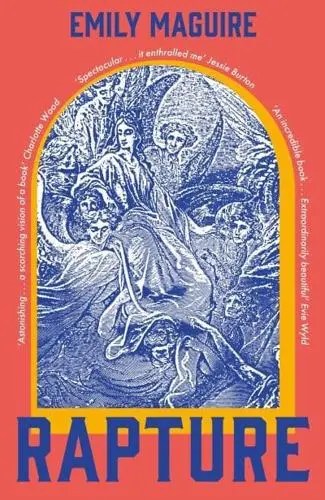
Set within a religious community in 9th century Germany, Emily Maguire‘s Rapture, which I have yet to read, reimagines the life of the first and only female pope.

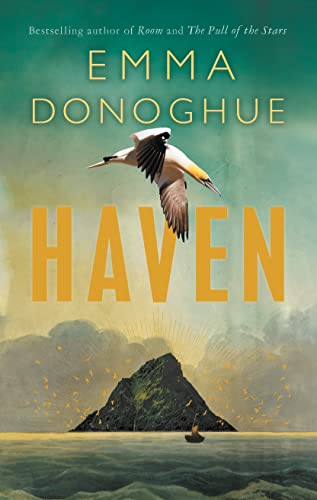
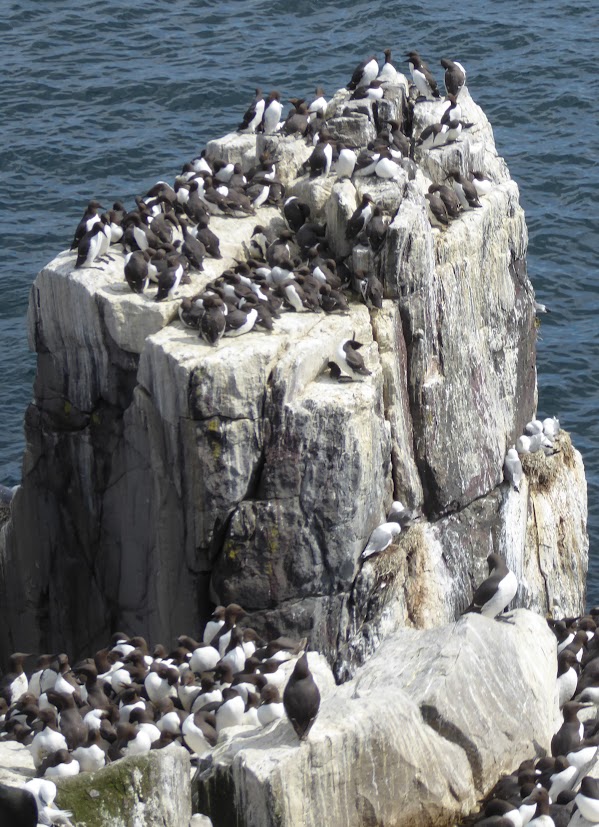
It’s not too much of a stretch to travel to 7th century Ireland in Emma Donoghue’s Haven. Holy man Artt, recently returned from his travels, fetches up at a monastery with a plan to set forth with two of the monks there to set up a tiny community on a totally uninhabited island, to live prayerfully in total isolation. Imperfectly equipped, they soon embark on their journey into the unknown: and Artt insists on choosing not one of the nearby islands, but a distant one that is rocky, bleak, inhospitable. The tough character of this island, with its panoply of resident birds is brought vividly to life, as are monks Cormac and Trian. Artt remains as distant to us in many ways as he is to the two monks. This is a story that cannot end well, as a bad situation becomes worse. But it vividly brings to life the increasingly unbearable conditions made more difficult by a completely unapproachable and inflexible man-in-charge. It’s a quietly engrossing story.

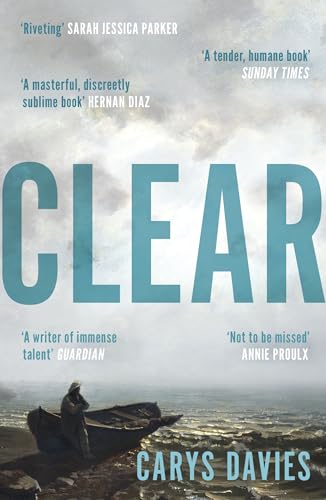
A different remote island, at a different time – the 19th century.  Carys DaviesClear is an engrossing book about a vanished way of life. One which disappeared during the devastating Highland Clearances in Scotland during the 19th century. A man Ivar, the sole inhabitant – with his few animals – of a remote island, is alive to the natural rhythms of the island – the many seasons, winds, mists, rains and tides that govern it. And when John Ferguson appears to evict him, but instead falls into a concussed coma from which Ivar nurses him back to health, he too falls under the island’s spell, and haltingly Ferguson begins to learn the vocabulary, then the language itself which Ivar speaks. The book celebrates that language and the fragility of life in such a spot, as well as asking questions about the future of Ivar, John, and John’s wife Mary, all of whom are in different ways implicated in the consequences of the Highland Clearance.

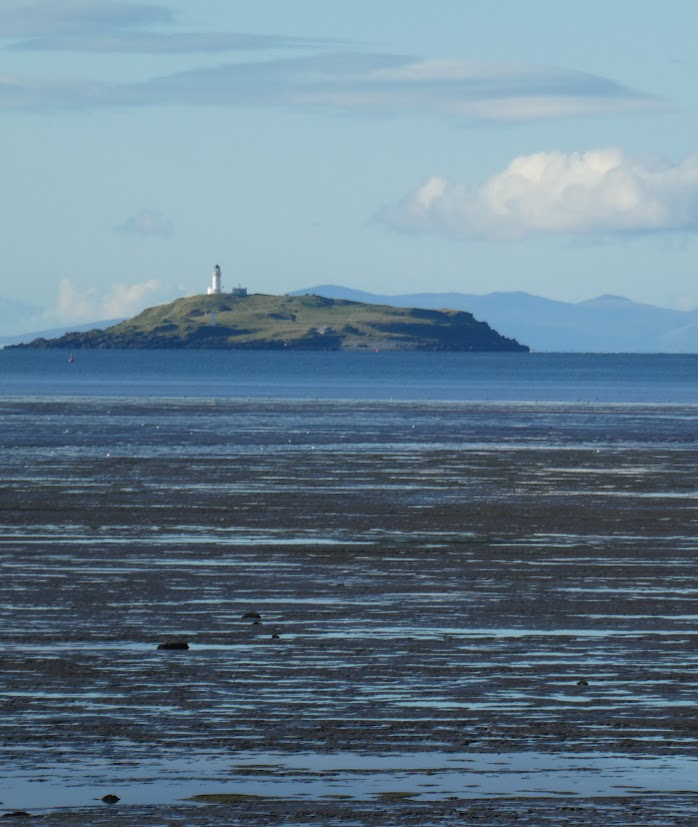
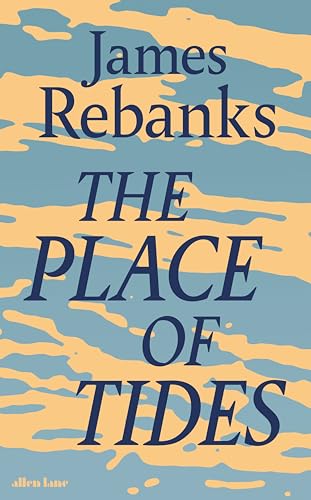
Yet another remote island – off Norway this time – present day Norway.  Author and farmer James Rebanks was going through a tough time mentally.  He needed to get away, and got the chance to stay in a remote and tiny island just below the Arctic Circle, where a woman was continuing the tradition, practised since Viking times of encouraging eider ducks to breed there, so that their valuable down could be harvested for warm clothing and quilts. This book is an account of the island’s astonishingly rich (but always diminishing) range of birdlife; its weather and relationship with the often unforgiving sea. Of how the woman and her friend, and that year Rebanks too, persuaded eider ducks back by building nests for them – yes, really! The protective down could be harvested from the nests when finally deserted, then cleaned and prepared for sale. It’s an immersive tale of a life that’s simple, often monotonous, always hard and often bleak, but with simple satisfaction too.  The tale is told in The Place of Tides.

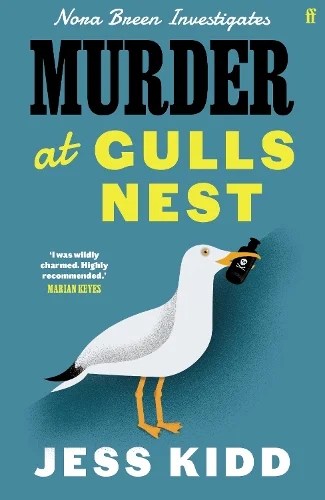
Let’s stay by the sea but lighten the mood, and read Jess Kidd’s Murder at Gull’s Nest.  It’s Cosy Crime, and I don’t like this genre at all.  But Jess came to speak recently at our local independent bookshop. She was a hit. She spoke wittily and enthusiastically about her career as a writer, and about this book, which is only the first of a planned series, following its heroine, a woman of middle years, plain and practical, Nora Breen. Nora links back to where we started from, because she was until recently a nun.  But when her fellow nun and friend Frieda leaves the order, and then goes missing, Nora chooses this event as her reason to abandon her vocation behind and search for Frieda. She begins her search in a seaside town in the south, Gore-on-Sea(!) at a pretty dreadful boarding house (this is the 1950s) called The Gulls Nest, where Frieda herself had stayed till she disappeared, a victim in Nora’s opinion, but not that of the police, of Murder Most Foul. At first I was rooting for Nora, and enjoyed getting to know the half dozen or so other varied characters who populated this book . But improbable incident follows improbable incident. The book’s well written, but it isn’t enough to keep me invested in the events it described.

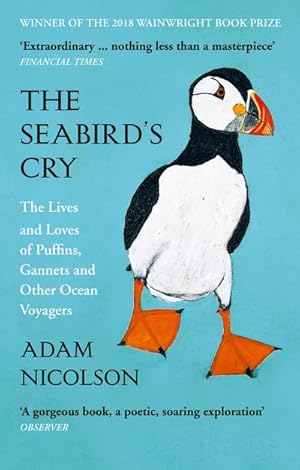
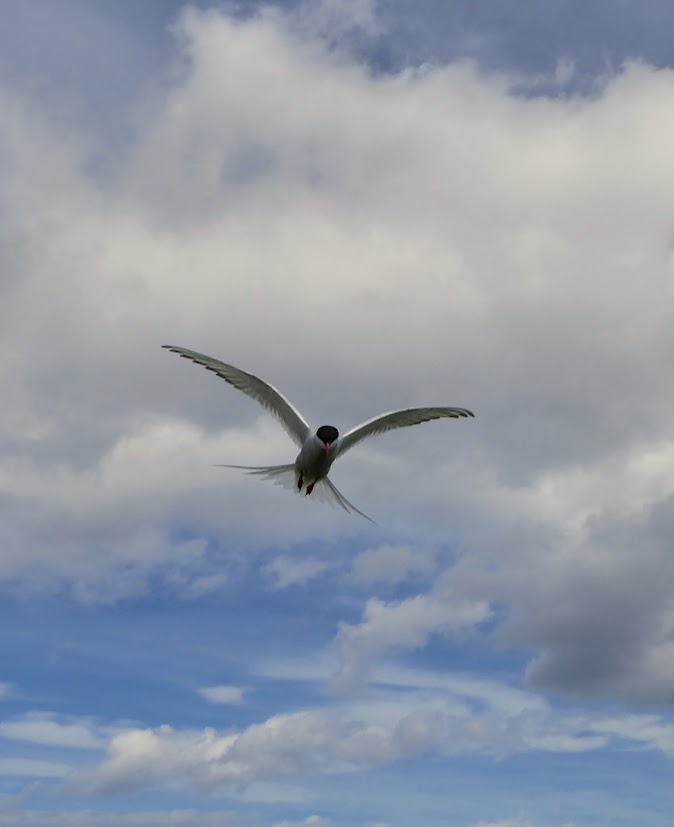
It’s too late now.  I’ll have to stay with the sea for the whole chain, and this time, with gulls too.  But let’s change the mood, and go with non fiction.  Adam Nicolson’s The Seabird’s Cry.  I unreservedly loved this book. Nicolson has long been fascinated by seabirds – not just gulls – and explains how these birds differ so much in habit and lifestyle from the garden birds with whom many of us are more familiar. Then he takes ten different species to examine in turn. He refers to his personal observations, to scientific research, to history and to literature to build a rounded and fascinating portrait of each species he’s chosen. My husband got used to having a daily bulletin of ‘today’s most fascinating seabird facts’ at breakfast each morning. Beautifully written, meticulously researched. readable and involving, this was a book I was sorry to finish.
.

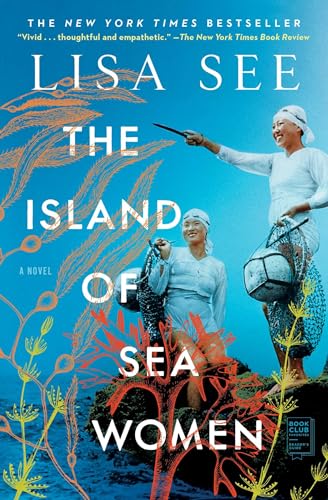
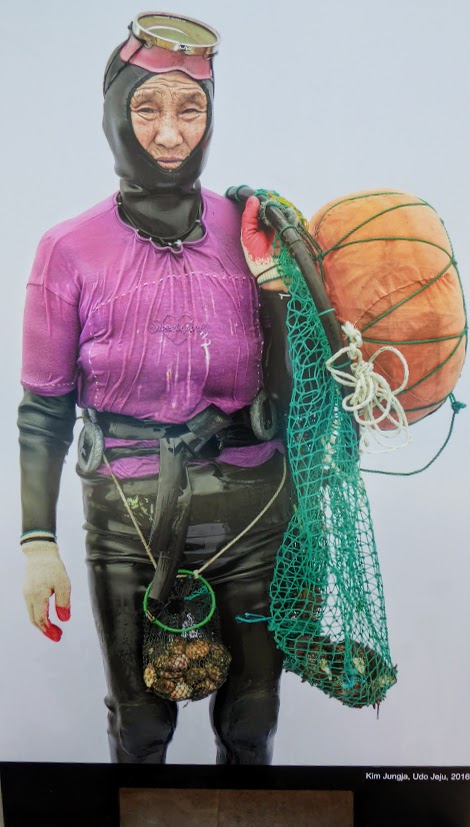
I’ll end in entirely another part of the world – South Korea, and take you to the island of Jeju, in Lisa See’s The Island of Sea Women. I had an immediate interest in this book, having travelled in South Korea – though we didn’t visit Jeju – and having already learnt to be fascinated by the lives of the haenyeo diving women.  These are divers who harvest seafood (sea cucumber, urchins, abalone, octopus) all year round from the sea floor; they can stay underwater for sustained periods of time without breathing apparatus.  This book combines a strong story following the story of two women Young-Sook and her mother, whose lives develop through their membership of the haenyeo culture, as they live through a twentieth century defined in Korea by occupation, internal conflict, deprivation and rapid change. Learning more about this history was in itself illuminating and interesting. It was a backdrop to a story of friendships, broken relationships and family struggle which drew me in to the last page. I was sorry to finish this book too.

It’s not clear to me how I got from a religious life in long-ago Germany to six books involving the sea. But Six Degrees takes us all to unexpected places. Where will next month’s starter book, All Fours, by Miranda July take us?


Six Degrees of Separation: from Knife to The Lightless Sky

On the first Saturday of every month, a book is chosen as a starting point and linked to six other books to form a chain. Readers and bloggers are invited to join in by creating their own ‘chain’ leading from the selected book.

Kate: Books are my Favourite and Best

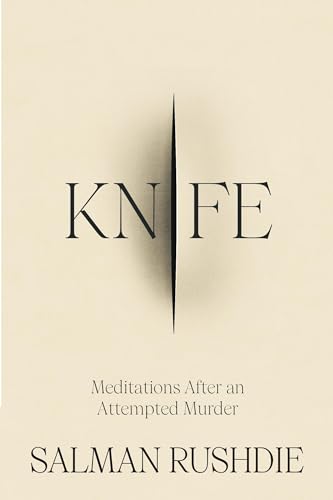
This month’s starter book is Salman Rushdie‘s Knife, a memoir written in the aftermath of the attempt on his life in 2022, and as a result of which he lost his sight in one eye. I haven’t yet read it. But I have read another memoir which deals with the shadow of death.

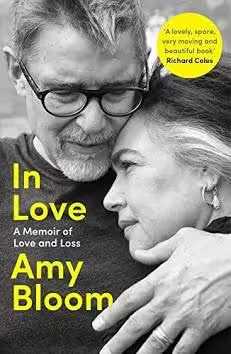
This is Amy Bloom‘s In Love – a Memoir of Love and Loss. Bloom has written a searing account of the last year of her husband Brian Ameche’s life. This became a roller coaster year: except it wasn’t, because as she points out, roller coaster rides are thrilling, fun, and fast and furious. Ameche’s last year of life was none of those things. It was the year in which he received the diagnosis he – and she, and those close to him – feared: dementia. Within a week, he had decided, and never wavered, that he would choose to die rather than totter onwards through some kind of half-life . The book reports, dodging back and forth through time, their exploration of how he might die, and arriving at the decision that Dignitas offered him – well – dignity in dying. Against the odds, this book is often wry, funny, darkly humorous, sarcastic and savvy. The pages turn very easily. It’s a moving, very thought-provoking memoir.

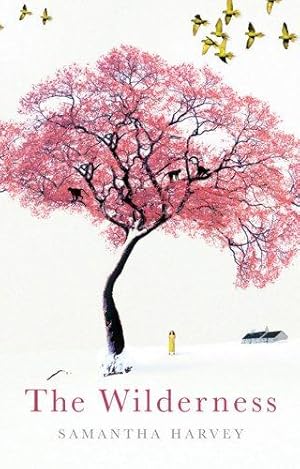
Now to a book featuring a character who has – not dementia, but its close cousin – Alzheimer’s disease. The Wilderness, by Samantha Harvey. This is the story of Jake, 65 year old Jake, whose wife has died, whose son is in prison, whose daughter ….. well, Jake has Alzheimers, and we tumble with him into a tangle of reminiscence, misleading timelines and confusion, as like him, we try to make sense of his new helplessness and puzzlement about the fates of those he holds dear. It’s a wonderfully imagined book, which gave me real insight (and fears) into an existence entirely dominated by unreliable memories, whether of mothers, lovers, or where to store the coffee cups. Here is a man who was once an architect with vision, now reduced to dependency and frustration. Beautifully written, it had me gripped till the last page.

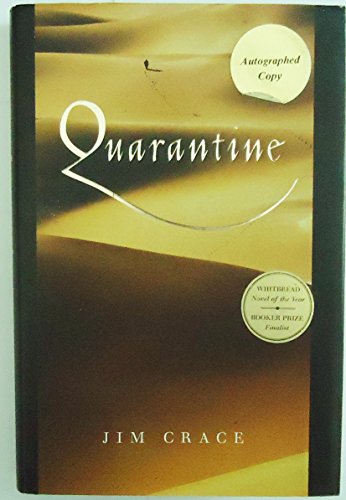
Here’s a book about a wilderness of the natural world kind, by Jim Crace. Quarantine. I read it years ago, long before I kept reviews of every book I read. So I’ll quote Carys Davies, writing in the Guardian. ‘Crace’s masterful novel takes us into the parched and hostile landscape of the Judean desert, where we meet Christ himself – naked and fasting – and a small band of other “quarantiners”, all with their different reasons for being there. A spellbinding tale that is by turns funny and grotesque, lyrical and philosophical; a fascinating study of hope and fear, belief and imagination’.

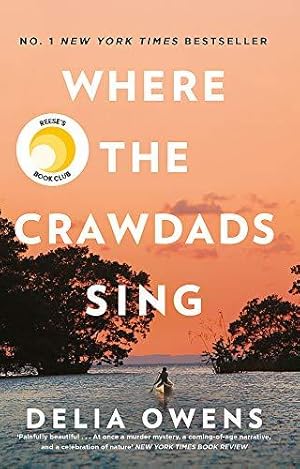
Delia OwensWhere the Crawdads Sing is set in a kind of wilderness too – a wild untamed place at the edge of the sea. Is it the perfect novel? Perhaps. It’s got something for everyone: a coming-of-age story about a young friendless girl, Kya, abandoned by her family and siblings, who has to make her own way in the world as ‘Marsh girl’, living in a shack on the shoreline. It’s a mystery story. Though this element unfolds slowly, once it developed, it had me gripped until the very last page. It’s beautifully evocative nature writing too, informed yet lyrical, capturing the soul of a North Carolina marshland shoreline rich in bird and other wildlife. This is a book about Kya herself, and about the community where she grew up in the 1950s and 60s, with its racial divisions.

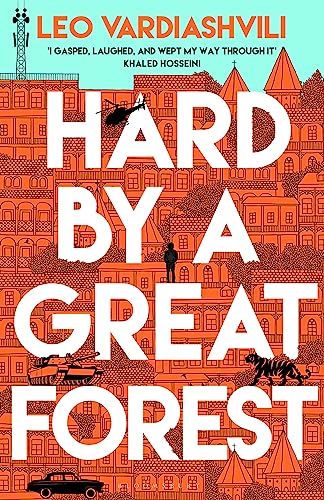
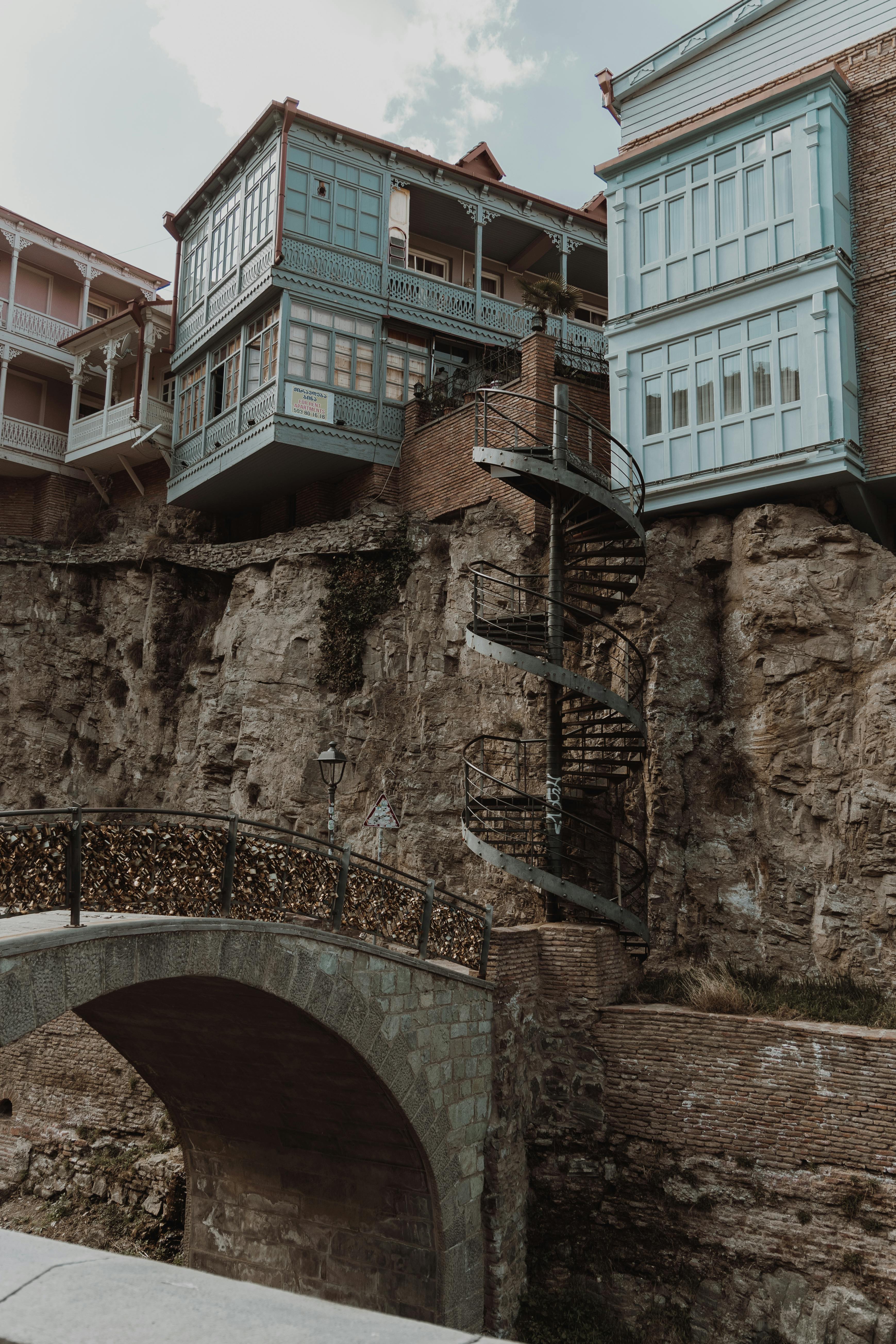
There’s a wilderness of yet a different kind in Leo Vardiashvili‘s Hard by a Great Forest. Saba, his older brother and his father came to England – originally as asylum seekers from Georgia following the collapse of the Soviet Union. They’re dogged by guilt that they never managed to bring Saba’s mother over before she died. Some twelve years after their arrival, the father returns to Georgia, to Tbilisi, then disappears. The same happens with Saba’s brother when he goes to look for him. So Saba goes too. What follows is an adventure that is in turn picaresque and Kafkaesque. His trail is guided by the dead relatives and friends who speak to him from the grave, with their grievances and advice. He is by turns optimistic, melancholy, cynical, and with a great line in absurdist wit. In his quest he’s assisted by the first taxi driver to give him a lift, Nodar, who offers him bed and board, and then all of his time. Nodar has an agenda of his own, which first leads to the story’s first crisis. Their adventures have a nightmare quixotishness which are exhausting to read, and full of menace. Leitmotifs running through the book are the incidents involving the wild animals who have escaped from Tbilisi zoo and roam town and countryside randomly, and sometimes menacingly. This is a galloping adventure story that is at times difficult to read, because rooted in an uncomfortable reality.

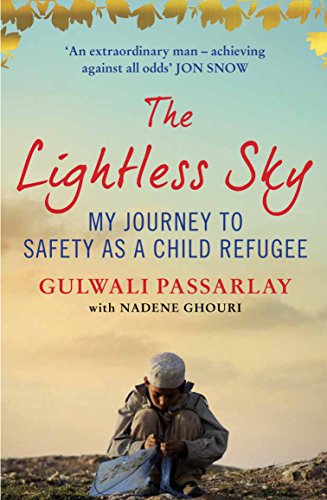
Vardiashvili was himself once an asylum seeker, arriving here when he was twelve. So was Gulwari Passarlay, who wrote The Lightless Sky. This memoir is the story of an ordinary twelve year old Afghan boy, forced to become extraordinary when his family pays traffickers to get him out of the country and into Europe. It’s the story of a child forced within weeks to become an adult confronted with situations nobody should ever have to deal with. It should be required reading for anyone who’s ever complained that such people should get back where they came from, that they are here for the benefits they can extract from their host country. This is a powerful, harrowing book by a boy – now a man – who has survived, and is now making the most of every opportunity that he can to change the situation of refugees and our perception of them.

I’m not going to attempt to link this last book back to the beginning of my chain: except perhaps that both are memoirs. Instead, I’ll tell you that next month’s starter book will be Rapture by Emily Maguire. And I have this evening finished the first book which I’ll link with it.

With the exception of my first image, which comes from the Times’ article about Ameche’s decision to end his life, the rest come from photographers contributing to Pexels: Abdul Rahman Abu Baker; Christyn Reyes; A G Rosales; Roman Odintsov; Tolga Karakaya. Thank you to each one of them.

Six Degrees of Separation: From Dangerous Liaisons to Cloistered

On the first Saturday of every month, a book is chosen as a starting point and linked to six other books to form a chain. Readers and bloggers are invited to join in by creating their own ‘chain’ leading from the selected book.

Kate: Books are my Favourite and Best

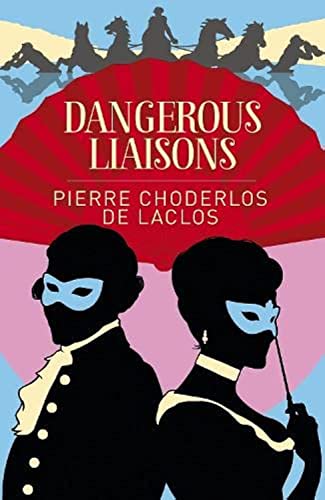
I haven’t yet read this month’s choice: Pierre Choderlos de LaclosDangerous Liaisons.  I ordered it from the library and have only just collected it. 

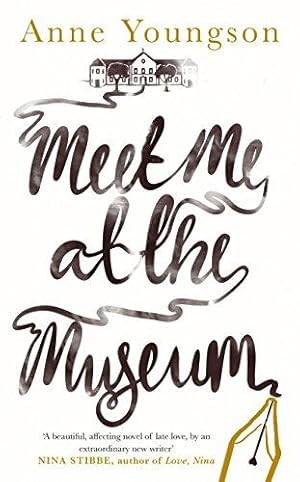
So … I’ll go with the fact that it’s a novel written in epistolary form, and choose another written in this way:  Ann Youngson’s Meet Me at the Museum. A book of considerable charm.  An English 60 year old farmer’s wife writes a letter to a museum curator & professor in Denmark about Tollund Man, a perfectly preserved man from about 300 BCE who is exhibited there.  A correspondence begins.  Initially formal, the letters become more intimate.  This busy outdoorsy farmer’s wife with her chintzy house couldn’t be more different from austere Scandinavian Anders.  But both are lonely and have gaping holes in their lives.  With every letter they disclose more of their joys, disappointments and difficulties and draw inexorably closer.  At the end is a revelation. What effect will this have on them, on their burgeoning relationship? We can only speculate.  A touching and intimate book.

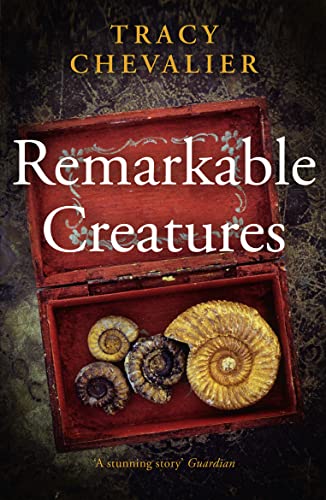
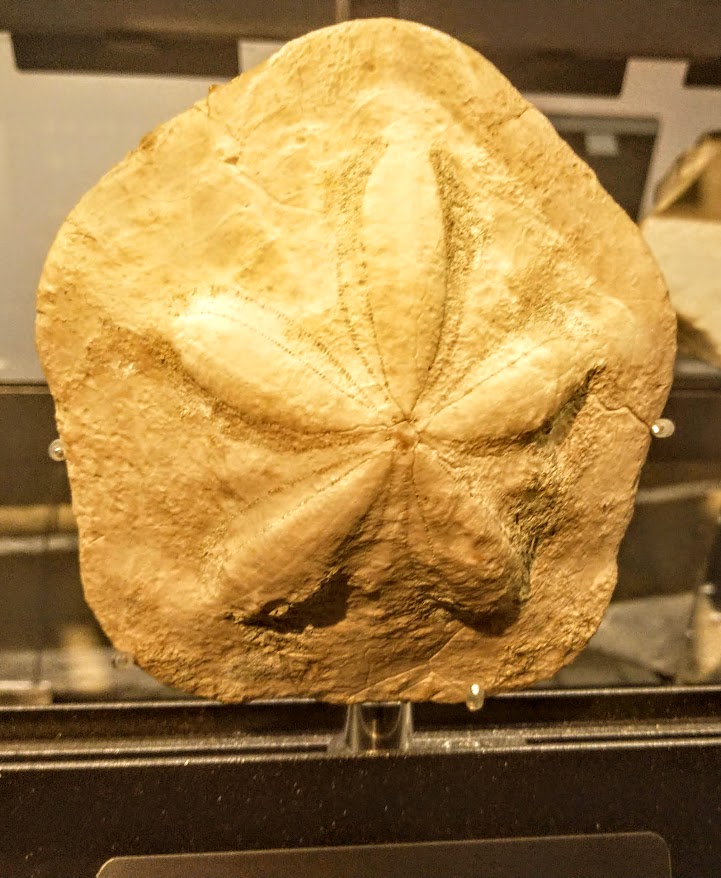
Archaeology and paleontology are not the same, but perhaps it’s not too big a leap to go to southern England in the early 19th century for Tracy Chevalier’s Remarkable Creatures.This book is a fictional account, almost certainly not too far from the truth, about the geological work of middle-class-but-in-reduced-circumstances Elizabeth Philpott, and definitely working class Mary Anning.  Both live in one of the fossil capitals of England, Lyme Regis.  Both spend hours on the beach fossil hunting – Elizabeth for her own interest and as a pastime, Mary for an income, selling them.  It’s inevitable that they should meet, less inevitable that Elizabeth should become Mary’s friend and champion, encouraging her to learn to read and write.This is their story.  And it takes a very long time for it to end well for Mary. An enjoyable, and – yes – an informative read, if not Tracy Chevalier at her best.

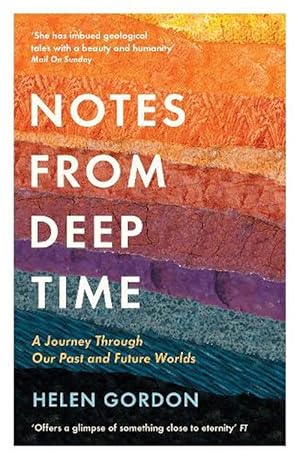
Reading this may whet your appetite for a spot of non-fiction: Helen Gordon’s Notes from Deep Time: an engaging and thought-provoking account of geological time. As a non-scientist, I often find such accounts dry or inaccessible, but this is a highly readable book attempting with some success to engage our brains in comprehending the vastness of time, and the difference between the various eons that constitute the time that the earth has been in being. Who knew for instance that triceratops and tyrannosaurus rex not only didn’t appear on earth at the same time, but in fact were separated from each other by an infinitely longer time span than humankind from tyrannosaurus?  From discussions about the physical appearance of the earth in previous periods, to ongoing research about dinosaurs (what colour were they?) to urban geology, and laying up problems for the future, this is a wide ranging book to which I shall return.

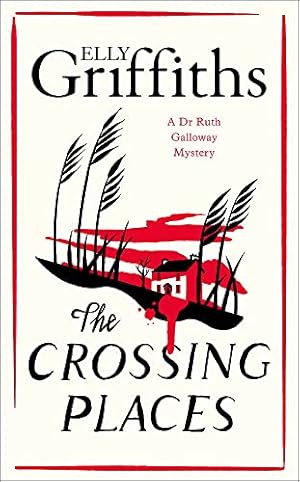
I’m making a great job of mixing archaeology and paleontology, because my next book, The Crossing Places involves a professional archaeologist, Dr. Ruth Galloway, in the first of the popular series about her by Ellie Griffiths.  An involving story, with well-developed, believable characters and a sense of place: the flat Norfolk landscape is well described. I bought into the plot, with Ruth Galloway, young academic archeologist brought into a police investigation to uncover a mystery about a disappeared child whose bones might, just might, be buried on her ‘patch’. The series is some 15 books long and I’ve by no means read them all.  But they’re good for those moments when you haven’t got much bandwidth for anything too demanding.

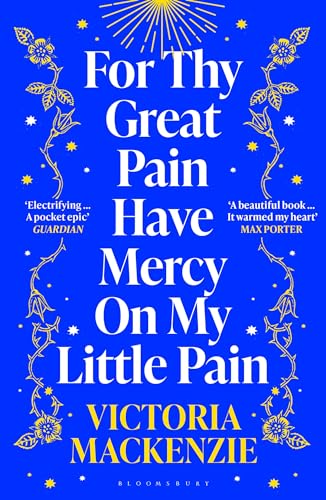
Let’s stay in Norfolk, but delve once more into the past. Victoria Mackenzie’s For Thy Great Pain Have Mercy on My Little Pain. Two female medieval mystics, Julian of Norwich and Margery Kempe tell their stories in alternating short chapters.  Julian is the better known figure, for her ‘Revelations of Divine Love‘, written when she was an anchoress, enclosed in a tiny windowed cell abutting a Norwich church.  Both she and the other figure in the book, Marjorie Kent, had visions. Whereas Julian chooses to see little, but see it intensely, Marjorie is very different.  Illiterate and rambunctious, with little time for her husband and children, she loudly proclaims her visions of Christ to anyone who will listen, and indeed these who do not wish to listen.  Both took risks.  To go against current Christian orthodoxy, especially as a woman, risked excommunication and a painful death.  In the book, and we cannot know if this happened, the two meet, and this unlikely pair make a genuine connection.  Beautifully written, and quickly read, this is a book that will stay with me for a long time.

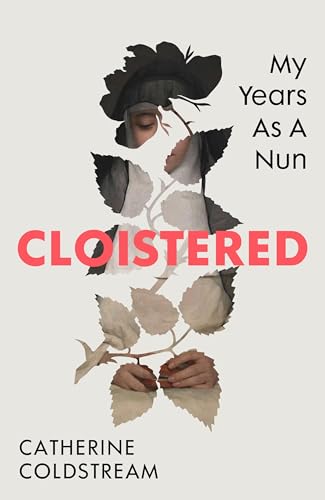
Finally, a book I haven’t read, but intend to because I heard snatches of it being read as BBC’s Book of the WeekCatherine Coldstream’s Cloistered tells the story of her years as a nun in the 1990s, and her eventual flight from the convent – I didn’t hear that bit.  And how did I get from a story about two amoral lovers-turned-rivals to the story of women who’ve taken vows of chastity?  Ah well.  That’s Six Degrees for you!
Next month’s starter is Paul Lynch‘s Prophet Song: a book I very much ejoyed reading last year.


Six Degrees of Separation: from Orbital to Walking the Bones of Britain

On the first Saturday of every month, a book is chosen as a starting point and linked to six other books to form a chain. Readers and bloggers are invited to join in by creating their own ‘chain’ leading from the selected book.

Kate: Books are my Favourite and Best

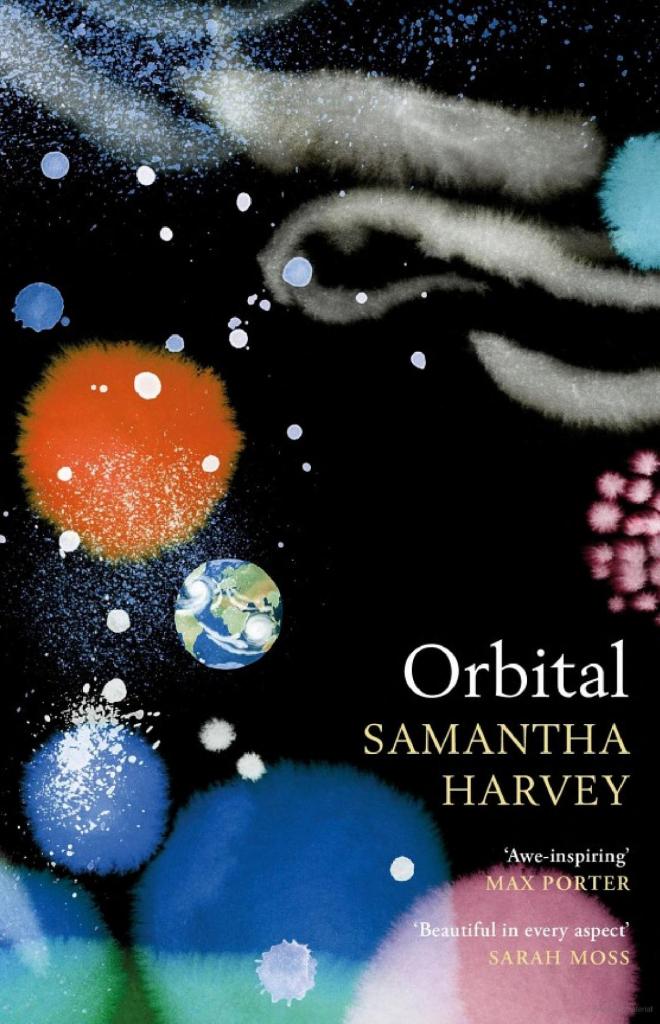
This month’s starter book is the 2024 Booker Prize winner: Samantha Harvey‘s Orbital. I loved it. This book moves through space with six astronauts, viewing the spectacular and the ordinary, distance and intimacy and invites us, the readers, to wonder too.

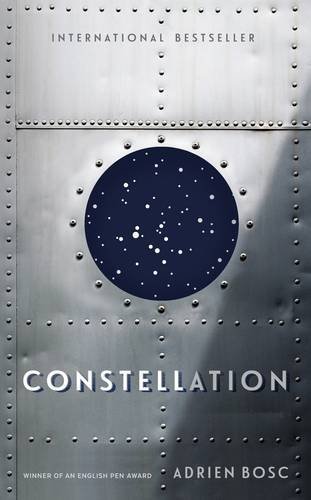
My first link is by book title as much as subject matter. Constellation by Adrien Bosc has pilots rather than astronauts at the heart of his story. Based on an actual plane crash that took place in 1947 in the Azores, on a flight from Paris to New York. Bosc was fascinated by the mysterious history of this tragedy, for which there was little explanation. The flight was carrying a number of well-known people, as well as a group of Basque shepherds. The book tells the story of many of these people, and gives them a voice, as well as piecing together what he can about the story of the crash itself. An interesting blend of actual facts and a degree of surmise. Here’s a story about the inter-connectedness of collective tragedy, engagingly told.

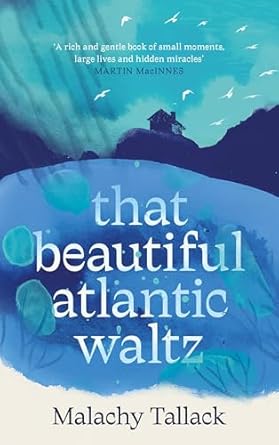
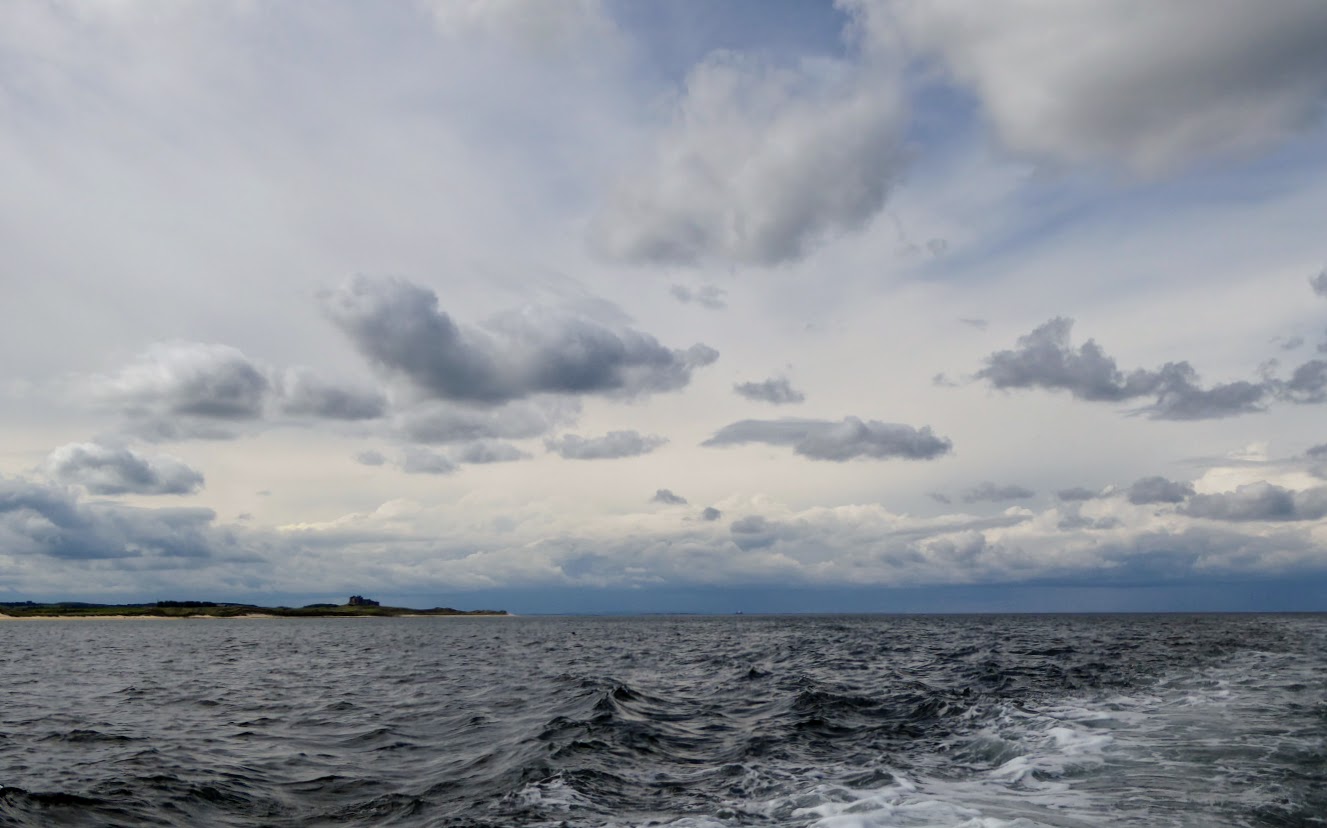
My next book begins with dealing with the elemental natural world in a different way: the sea this time. Mallachy Tallack‘s That Beautiful Atlantic Waltz is a quiet book, telling a story with its roots in the 1950s, when the main protagonists’s father Sonny was working in brutal conditions on a whaling ship before returning to the Shetlands to ask Kathleen to marry him. Jack is their son, and grows up unable to find his place in life, except through the medium of the country and western music he loves. The story of Sonny, Kathleen and especially Jack interweave to tell a story with no great dramas, but which lyrically evoke their simple Shetland lives.

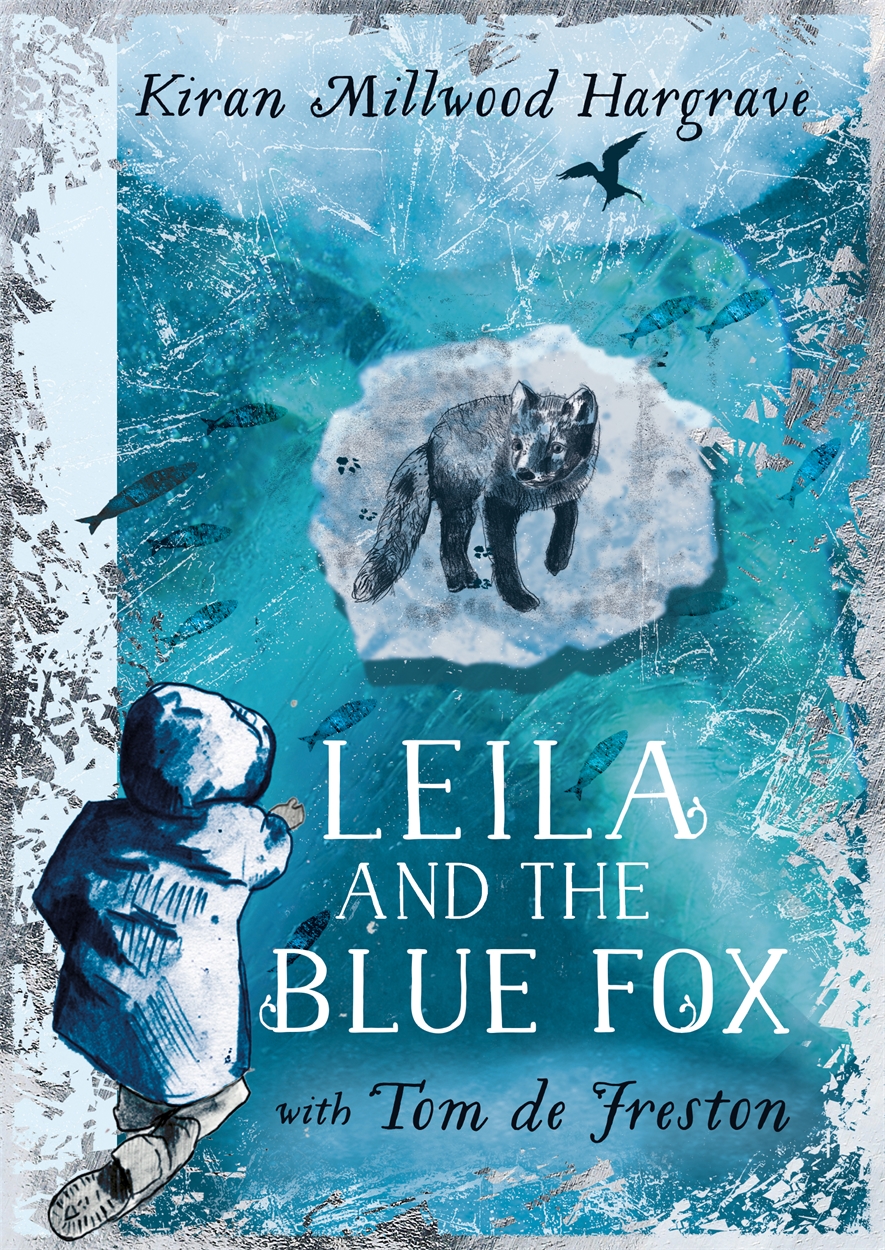
The elements and the natural world come to the fore in my next book, written for children: Leila and the Blue Fox by Kiran Millwood Hargrave. A lovely book for older children, this story is told as much by the glorious blue and black illustrations that illuminate the action described. This is a story of migration. Of Leila, a Syrian asylum seeker who lives in London with her aunt and cousin. Of her mother, who is now an academic in northern Norway, studying climate change as it affects the animal population of the Arctic. And of Miso, the Arctic fox whom she and her fellow research scientists are tracking as she completes her 2000 mile migration from the eastern Arctic to Canada. Leila comes to spend her summer with her mother as the research project evolves by going to follow the little fox ‘in person’. It’s an opportunity to discover the raw beauty of the Arctic, the courage and steadfastness of one little fox, and most importantly, a chance or Leila and her mother to discover and rediscover their bond. A story that invites thought and reflection on the whole issue of migration, and the issues which face those obliged to migrate, whether human or animal.

From Elements to Weather, British style. 188 Words for Rain, by Alan Connor. When I noticed this title at the library, I knew immediately I wanted to read it. A tour of the British Isles looking at all the different words that have evolved over the years to describe this most British of weather phenomena in all its manifestations? I was in! And it WAS interesting, reminding me of many terms I know, and many more that I don’t. Together with engaging weather-related factoids. But it was held together by pointess little anecdotes of imaginary people and their experience of these phenomena, intended to drive the narrative along, but which only succeeded in irritating me. A good idea spoilt.

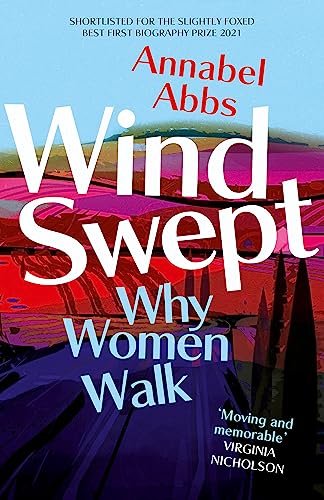
Now why should a book about rain lead me to a book about walking, eh? Must be because I’m English, and a woman who walks. Annabel AbbsWindswept: Why Women Walk is, according to the publisher ‘The story of extraordinary women who lost their way – their sense of self, their identity, their freedom – and found it again through walking in the wild.‘ And this applies to Abbs herself, who interweaves episodes from her own walking life with the stories of famous women, not noted as walkers, such as Simone de Beauvoir and Gwen John, to whom walking was a fundamental need and source of renewal and refreshment.

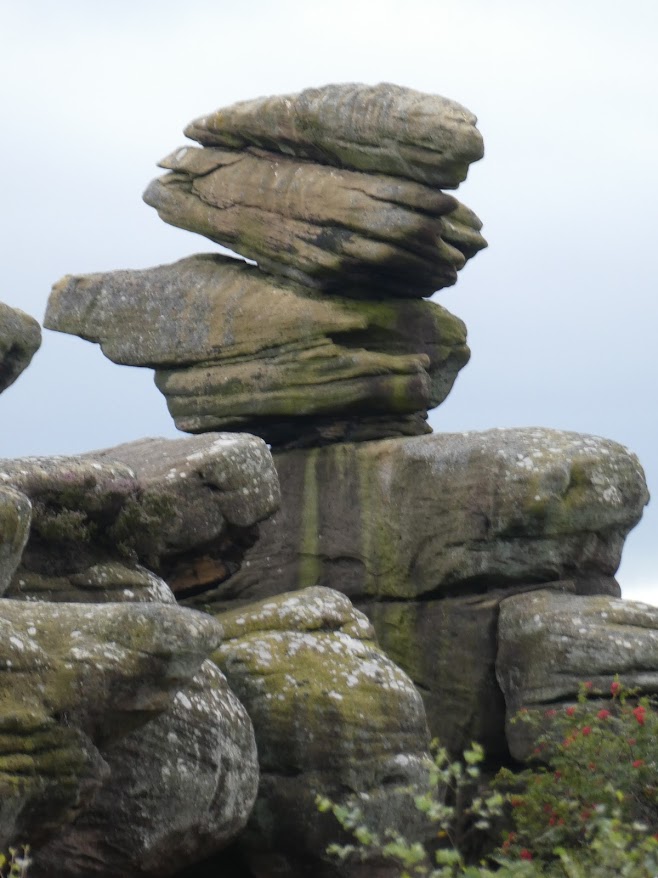
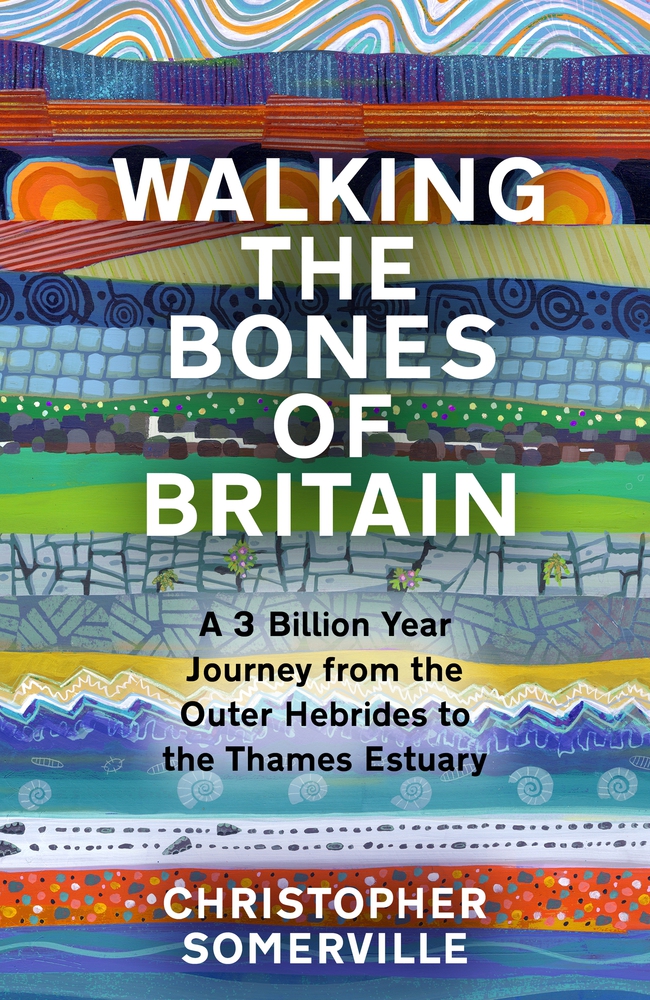
Which brings me to my last book:  Walking the Bones of Britain by Christopher Somerville.  What a rich and immersive book this is. For a small island, our geological story is particularly rich. Somerville undertakes to walk it, from the north of Scotland down as far, slightly oddly I thought, only to the River Thames. And this is what he does. He’s curious to examine the geology of every path he takes, and to understand what effect the geological story has had on the development of the landscape and how it has been exploited by the people who live in it. He’s investigative, humorous, personable in his enquiries, which makes what could be a difficult book approachable. This book has opened my eyes to the landscape, both locally and more widely throughout Britain.Which brings us full circle. In Orbital, our astronauts see the whole earth spread beneath them as they orbit the planet, whereas Somerville examines just a small portion of the planet in forensic detail.

Next month’s starter book is one I don’t know, by an author I don’t know either. Dangerous Liaisons by Pierre Choderlos de Laclos.

Six Degrees of Separation: From Sandwich to My Coney Island Baby

On the first Saturday of every month, a book is chosen as a starting point and linked to six other books to form a chain. Readers and bloggers are invited to join in by creating their own ‘chain’ leading from the selected book.

Kate: Books are my Favourite and Best

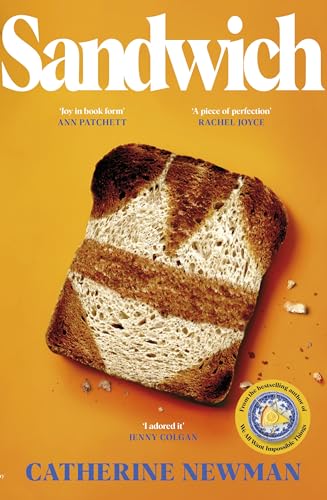
This month begins with Catherine Newman‘s Sandwich. It’s a book I enjoyed – with reservations – but let’s concentrate on the basics. This is a smartly delivered story told through the voice of menopausal Rocky as she goes with her husband; her two grown up children; and for part of their week there, her elderly parents to the same -faintly decrepid – house in Cape Cod that they’ve rented every summer for years and years. This gives me my premise for my Six Degrees this month. All my choices will have a marriage embedded in the story – to a greater or lesser degree.

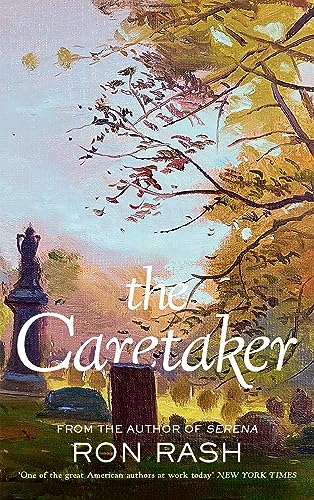
Here’s another American marriage, in Ron Rash‘s The Caretaker. Jacob is called up to fight in the Korean war, and has to leave his pregnant wife Naomi behind. He is from a privileged background, and Naomi most definitely is not. His parents disapprove of the match so much that they set up a subterfuge to ensure that the couple will never see one another again once Jacob returns. Only one person, Jacob’s childhood friend has an idea that something very wrong is taking place. The book quietly presents a story that slowly unfolds when Jacob comes home, invalided out of the war, and believing himself a widower, with a child who never saw life. A cleverly devised plot, which for all its lack of high drama, is suspenseful to the end. My first Ron Rash. But definitely not my last.

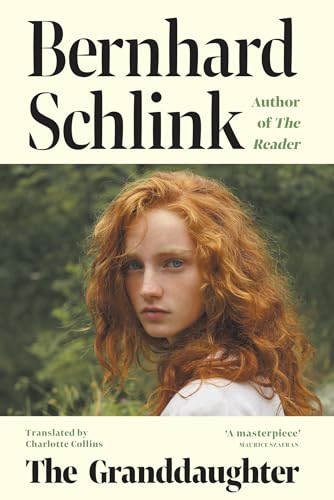
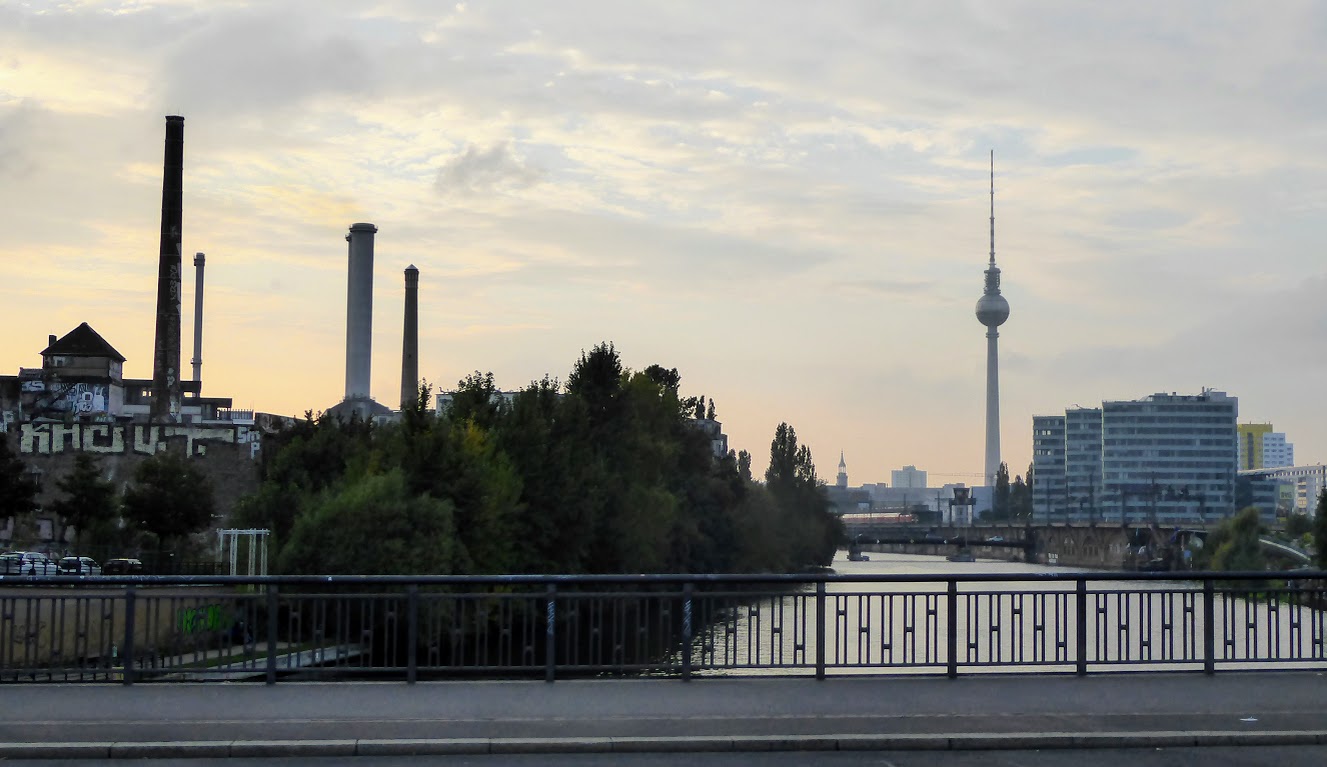
Naomi doesn’t feature directly in Rash’s story. The wife in my next choice doesn’t either: Bernhard Schlink‘s The Granddaughter. 1964. A young West Berliner spending time in East Berlin meets a young woman and falls in love. He contrives her escape, marries her. But they do not live happily ever after. She only half heartedly returns his love, is constantly searching for she knows not quite what, and eventually dies in a drunken stupor. Only then does her husband, a bookseller, discover that she’d had a baby whom she’d abandoned before marrying him. The book describes his search for this woman, who must now be well into her 40s, and it results in his taking the woman’s own daughter under his wing and having her visit him for weeks at a time. A tale of complex feelings: getting to understand that the East was not in fact necessarly grateful to be ‘liberated’: that anger, bitterness, political feelings that resulted in the rise of the Far Right in Germany is one of the consequences of the fall of the Berlin Wall. His granddaughter’s father has passed all this anger onto his child, and this plays out in the latter part of this book. A moving and illuminating account of the feelings informing modern German politics.

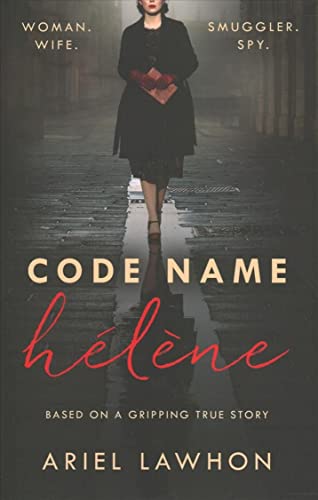
The division of Germany into East and West was a consequence of World War II, so let’s go to wartime France. Code Name Hélène by Ariel Lawhon. A real fast-moving page-turner, detailing the war time adventures of the real-life Nancy Wake. An Australian, Nancy lived and worked in Europe as a reporter in the years before the war. By 1939, she was in Marseille, and it’s here that her story begins – as far as the book is concerned. The plot however, weaves between her four incarnations as, initially an ambulance driver and people-smuggler for the French resistance: and increasingly, under different guises, as a fully fledged member – and commander even – of the guerilla military arm, in her case in the Auvergne. We are also witness, in Marseille, to the slow-burning yet passionate love affair between herself and Henri which results in their marriage. Her war work drives them physically apart, but does not diminish their love for one another. This work cannot be described as a biography. Lawhon has admitted to some characters being composite, some incidents elided or transposed for the sake of the story. And certainly there are scenes here whose veracity could never be proved: though I am sure the general ‘flavour’ remains accurate. Nancy was unusual in being a female commander in a male world, which brought its own difficulties, and also meant she probably had to be larger-than-life. Henri has his own role in the story. But not until towards the end. Because I already am familiar with much of the history of the French resistance, I found this a fascinating and involving story, and I fairly raced through its (almost) 450 pages.

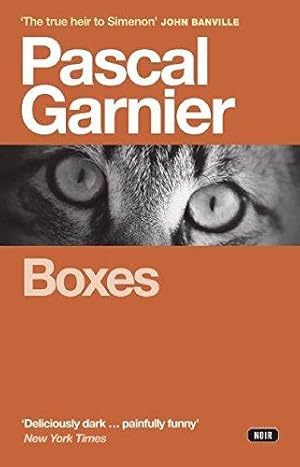
Let’s stay in France and look at Boxes by Pascal Garnier. I simply don’t know what to make of this. Brice’s wife Emma has disappeared, leaving him to manage alone the move into the countryside which she had wished for. In this book, we witness Brice’s descent into depression and madness. We see his developing odd friendship with his neighbour Blanche. Various intriguing hints are dropped, but never ultimately satisfied. For instance, why does Brice so strongly resemble Blanche’s father? The house, the surrounding countryside are described in unsettling ways. Everything is alien. Brice’s past life. His present life. His career, which he abandons, apparently on a whim. Everything’s on a whim: from his shopping choices to the hole he stoves into the kitchen/dining room wall. It was all a bit like watching a certain kind of French film, and I was bemused, rather than enthusiastic about this book.

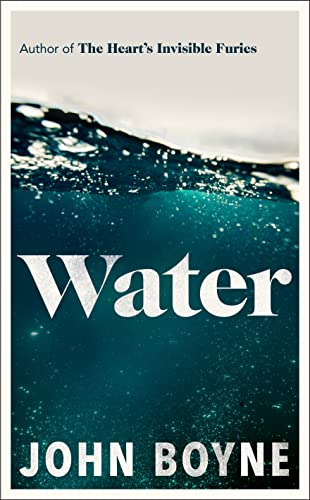
Now for another book where it’s a woman who’s centre stage: Water, by John Boyne. We meet a woman in middle years who has just fled to live in a fairly remote Irish island, changed her name and as far as possible her appearance. Why? Only slowly do we find out. Her husband’s crimes reflect on her: the world assumes she had enabled them – and, she believes, one even greater tragedy. She has done her best to vanish. She meets a few characters who are also uncomfortable with their lives, making relationships with some. Slowly she regains the strength of character necessary to reject her husband and to renew her relationship with her daughter. This book deftly charts her slow, but steady steps to recovery.
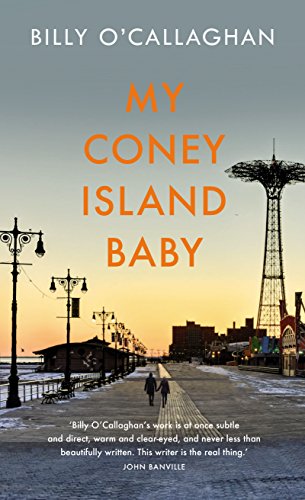
And for our last book, we’ll return to America, though to (like Boyne) an Irish writer, in Billy O’Callaghan‘s My Coney Island Baby. Michael and Caitlin have been meeting as lovers for one day a month, for a quarter of a century. They are married, but unhappily, to other people. The book explores their time together, on a single day. The day when Michael reveals that his wife has been diagnosed with terminal cancer. And Caitlin will reveal that her husband is likely to be promoted, and will require them both to move to Illinois, almost 1000 miles away. Yet despite their marriages’ fading passion, duty and the constraints of middle age will probably keep them tied to their respective spouses. The book swings between the hotel bedroom where the couple meet, and their past lives which have brought them to where they are now, disappointed by the choices they have made. An achingly poignant exploration of an intense and long-held love, drowned out as darkness falls and duty calls.

So that’s it for this month. A selection of marriages and stories, and ending where we began, in America. Next month we leave earth all together, and read Booker Prize-winning Orbital, by Samantha Harvey.

Six Degrees of Separation: from Intermezzo to The Patient

On the first Saturday of every month, a book is chosen as a starting point and linked to six other books to form a chain. Readers and bloggers are invited to join in by creating their own ‘chain’ leading from the selected book.

Kate: Books are my Favourite and Best

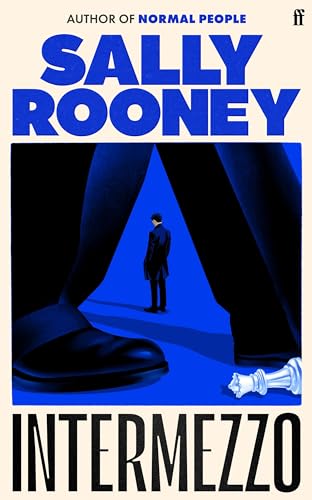
This month’s starter book, Intermezzo, is by Sally Rooney and I have no immediate plans to read it. It’s -apparently – a moving story about grief, love and family. Which seems to leave the field wide open.

Maybe Stone Yard Devotional by Charlotte Wood hovers round the edges of all these themes. I was somewhat unsettled by this book, which reads somewhat as auto-fiction. It presents as a sort of diary of a woman who has abandoned both her marriage and her job, and thrown her lot with a community of nuns, despite having no religious belief. She takes comfort in the daily rhythms of the convent, and its hard physical work. Events arrive, in the form of the bones of a former member of the convent, murdered in Thailand and transported there by Helen Parry, assured climate activist whom the writer had, with others, bullied dreadfully at school. Even worse is the cataclysmic arrival in the convent of an infestation in their thousands of mice, of over a long period. The writer muses on her past, on her relationships, paying great attention to detail. I’ve a feeling this book may stay with me, though I can’t say I enjoyed the experience of reading it.

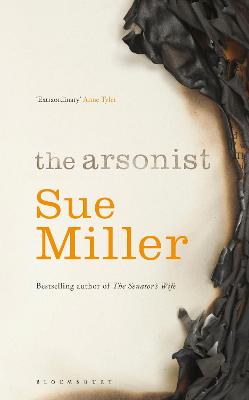
Here’s another woman who’s just made big changes in her life, in The Arsonist, by Sue Miller. It’s an engaging book, whose central character is Frankie, home on extended leave – or is it forever? – from her post as an Aid Worker in Africa. She goes to her parents’ summer house, which on retirement is where they plan to live permanently. And then her father shows increasing signs of Alzheimer’s disease … Frankie’s adjusting to life back in America when a series of arson attacks sweeps the town – just the homes of those who come here only for the summer months. This book is a slow burn in a thoroughly satisfactory way as Frankie starts to find her feet in the community and falls in love. I particularly liked the ending as it (sort of) slowly resolved the mystery surrounding the arson attacks, the changed situation of her parents, her own career plans – and the love affair.
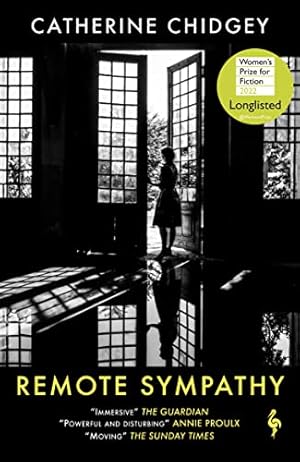
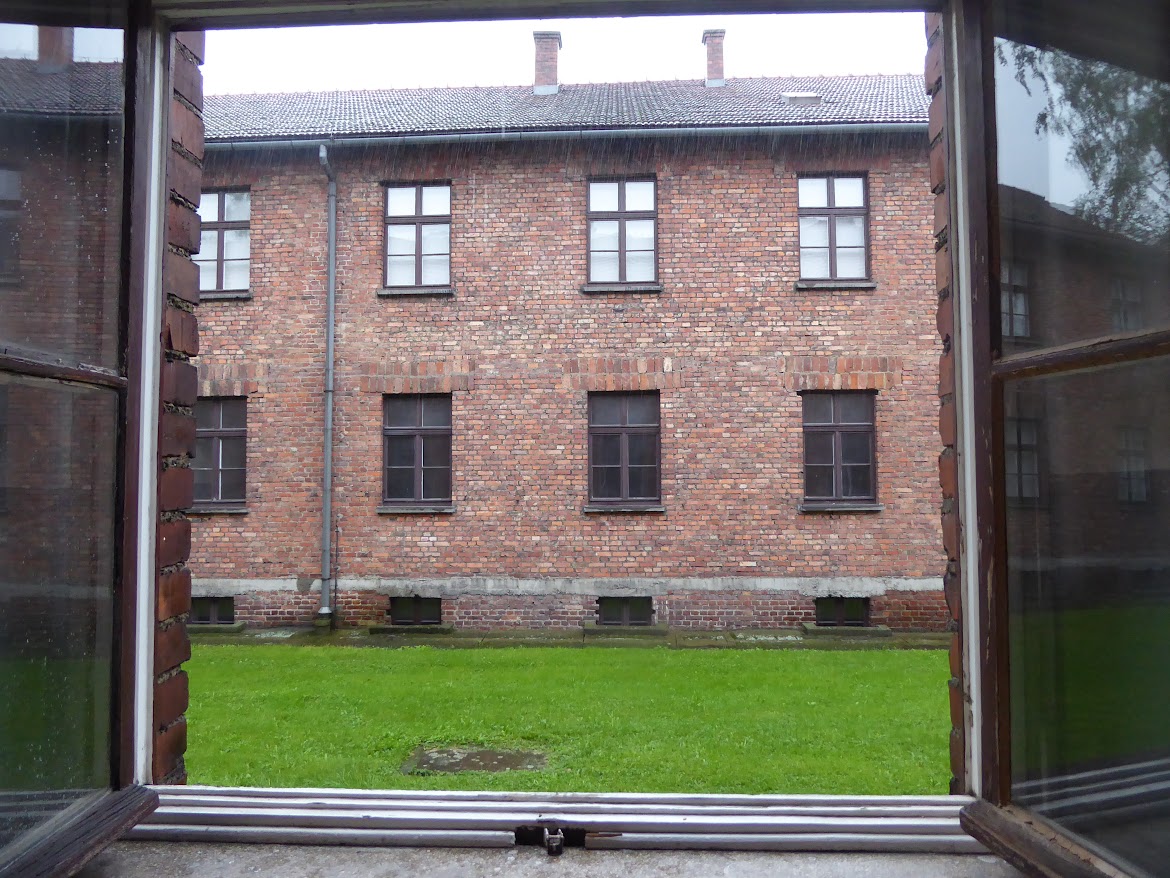
It’s every character who undergoes change in my third book, Catherine Chidgey‘s Remote Sympathy. This is a cleverly constructed narrative, set mainly in and around Buchenwald Concentration Camp, and the nearest town, Weimar. The voices are those of Dr. Weber, a doctor with Jewish ancestors, who is a camp inmate. He has previously invented a cancer-curing machine, only recently found to be ineffective: Frau Hahn, who has reluctantly move to the area with her son, following her husband’s appointment as camp administrator: SS Sturmbannfuhrer Dietrich Hann himself: and a 1000 voces from Weimar – the collective voice of the town’s citizens. The narrative cleverly contrasts the opulence and ease of the Hahn’s lifestyle with that of the camp inmates’. The terrible lies believed by the town’s citizens, and by everyone outside the camp itself are exposed as the plot develops to allow Frau Hahn and Dr. Weber to meet in uncomfortable and deeply painful circumstances. This exhaustively researched novel depicts the holocaust anew. It’s sensitive yet powerful in its exploration of human feelings and emotions, and is both moving and involving.

Family relationships as seen through the prism of politics and power is the theme of Annie Garthwaite‘s The King’s Mother. A fine sequel to Garthwaite’s first book, Cecily. This narrative about the troubled reigns of her sons Edward (IV) and Richard (III) is brought to life in the story told from the perspective of their redoubtable mother. It offers a rounded perspective of life as it must have been at that time. Being rich, powerful and influential was no passport to an easy life, with allies becoming sworn enemies , and enemies friends, for a whole variety of reasons both good and bad. Richard in particular is sensitively portrayed, and is a different one from his image in popular mythology. I paid attention to the genealogical tables and the notes, because the strong list of characters is not always easy to get a handle on. Not Garthwaite’s fault. That’s the way it was. An involving and powerful story from a troubled period of history.

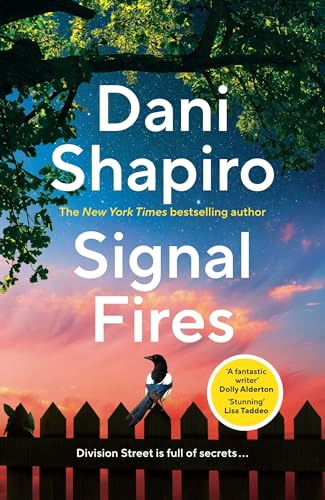
Dani Shapiro‘s Signal Fires also explores relationships. Here is a book about two families living in the same comfortable urban neighbourhood. Their situation – well off, cultured families, one with 2 almost-adult children, the other with one – can’t take away the fact that all is not well. In the doctor’s family, one child was driving the car when an accident they caused resulted in the death of a passenger. The other family’s highly intelligent son disappoints the father, because he’s not following the track his father had mapped for him. The narrative slips back and forth between various decades, allowing each of the principal characters a voice each time. This tender and moving novel with several sub-plots looks at different family dynamics, exploring guilt, penitence and loneliness.

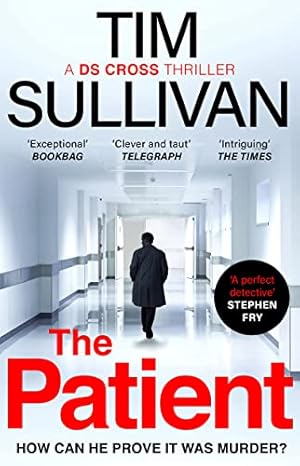
Just to add something completely different to the mix, let’s go off piste and meet someone who’s rubbish at relationships, in Tim Sullivan‘s The Patient. George Cross is an unusual detective, in that he is neuro-diverse. His autism however, is what gives him focus, and an unusually fine attention to detail that others miss. His logical brain stands him in good stead. But he’s often awkward, rude and therefore misunderstood. His single-mindedness means that he determines to follow a case involving a woman who’s died, even though it’s already been decided by the Crime Unit that it’s a suicide. His obstinacy pays dividends, and what had appeared a fairly simply if tragic circumstance is revealed to be something much more complex and wide-ranging. My first George Cross read, but definitely not my last. An absorbing read.

One way or another, this month’s books have all been about relationships. As is next month’s starter book, Catherine Newman‘s Sandwich, which I’ve already read – and enjoyed: perhaps best described as a beach read with a difference.

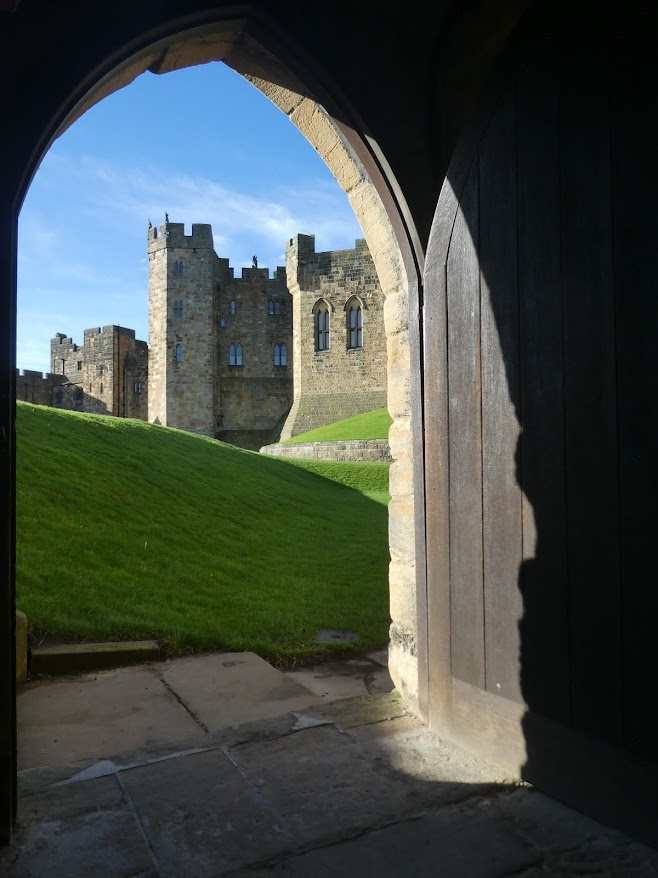
Photo no. 1 is by Vladimir Šoić on Unsplash. Photo no. 3 is my own, but is an accommodation block from Auschwitz, not Buchenwald. Photo no 4 is also my own, of Alnwick Castle: the next nearest castle to Raby where Cecily Neville was born. Photo no 6 is by Gerda on Unsplash. Photos 2 & 5 are also my own.

Six Degrees of Separation: from Long Island to A Girl’s Guide to Winning the War

On the first Saturday of every month, a book is chosen as a starting point and linked to six other books to form a chain. Readers and bloggers are invited to join in by creating their own ‘chain’ leading from the selected book.

Kate: Books are my Favourite and Best

I haven’t managed to read this month’s choice yet: Long Island by Colm Tóibín. I want to, because I loved its precursor, Brooklyn.

It’s about a young Irish woman who leaves Ireland to have a fresh start in America. I’ll begin my chain with a young Irish woman who leaves Ireland to have a fresh start in London. As told in Christine Dwyer Hickey‘s Our London Lives. This could easily turn out to be my Book of the Year. It features three main characters: Millie, who’s run away from Ireland; Pip, an aspiring boxer who drinks at the pub where Millie finds work; and London itself, seen at its best and its worst – its vibrancy, its diversity, but also its expense, its violence and its diminution as a community in the face of capitalist redevelopment.The chapters pass between Millie and Pip. Millie’s story begins in 1979; Pip’s not until 2017 when, a recovering alcoholic, he’s just been released from prison. We don’t read a continuous narrative. Rather it’s a series of vignettes, from which we are able to work out the un-narrated years for ourselves. Real events pepper the narrative: the release of the Guildford Four; the Grenfell Tower disaster, and this contrubutes to the novel’s very real sense of place. Here is a story of flawed individuals who make, and fail to make choices; who miss opportunities and fall through the cracks, but about whom we come to care. I was involved for every one of the book’s 500 pages.

My next book starts with a young girl born in London, Frida -in Flatlands, by Sue Hubbard. A quietly powerful piece of storytelling, set in the flatlands of Lincolnshire near the Wash during WWII. The narrative is divided between 12 year old Frida, evacuated to an impoverished and unfriendly farming couple whose house is also remote: and the more privileged young adult Philip, who as a consciencious objector is working as a farm labourer while developing his painting skills in his spare time. Despite their differences, the two have much in common – their loneliness, their apparent abandonment by those who should love them, their poverty. The wetlands which are their temporary home is also a character: their savage beauty, their harshness. A moving tale, well told.

My next book is also deeply rooted in the landscape, whose main character, the author, has barely moved at all. This is an intensely personal and lyrical memoir from poet Wendy Pratt. The Ghost Lake is embedded in two things: her deep connection to the part of East Yorkshire where she has lived her entire life; and the death, at the moment of her birth, of her much-wanted daughter. She focuses each chapter on a different community surrounding the Paleolake Flixton. This now-vanished lake provides an epicentre to her story. Throughout the book she dwells on its own history; and her own – though not in order. Her father’s decision not to continue the family tradition of farming; her own ‘oddity’ and inability to mix, to shine – despite her intelligence – at school; her chequered job and personal life; her conversion from working class girl to educated and successful – though always working class – career as a facilitator and poet. And always, threaded through the narrative, the much mourned dead baby daughter. A haunting, powerful and poetic memoir, bringing to life the natural world and landscape of her home patch, as well as exploring belonging, and loss.

Death is central to The World After Alice, by Lauren Aliza Green. On page one of this book, teenage Alice stands on a bridge … jumps … and dies. Then the story proper starts, 12 years later. Morgan, once Alice’s best friend is to marry Benji, Alice’s brother, after a courtship long kept secret. In a series of visits to the present day and flashbacks to the period both before and after Alice’s death, we gradually build up a picture of the turmoil her death effects in two increasingly disfunctional families and those who are closest to them – that of Alice, and that of Morgan. This is a story of family dynamics, of love, of loss, of secrets, of individuals who have lost their ability to trust, to communicate. A deftly written and immersive book, and not at all as irredeemably depressing as I have undoubtedly made it sound.

Another story about how life is complicated, and about how past events can cast a long shadow. John Boyne‘s Earth. ‘I became a different boy than the one I was supposed to be. I wanted to be a painter. I wanted to be good. I wanted to love someone, and to be loved in return. But none of those ambitions came to be.’
This is Evan, a young Irish would-be abstract painter – only he wasn’t good enough; impossibly handsome; gay. He’s a top-class football player, against his inclinations – but it brings him money and lots of it. One of his (sort of) friends in the team is Robbie, an arrogant young man whom Evan can’t take his eyes from, as heterosexual Robie is well aware of. After a party in Robbie’s flat, Evan is accused of filming his friend’s rape of a young woman. This is far from a simple narrative. It explores several themes: the long shadow of upbringing; class; homophobia; moral corruption; the way the legal system treats alleged sexual offences. In doing so, it drops several bombshells into the narrative, none more shocking than the one revealed in the last pages of the book. A thought-provoking and well-turned out read.

I’m choosing my final book, because perhaps we need to lighten up a bit. Life doesn’t always turn out as expected, but it doesn’t have to be awful. A Girl’s Guide to Winning the War, by Annie Lyons. This was an entertaining read, and the pages turned themselves easily enough. It’s about how clever, bookish but working class Peggy, and her titled side-kick Marigold become the darlings of the Ministry of Information with their writing and photographic skills, producing heart-warming books about aspects of the war as experienced by ordinary peple, whether serving in the forces or on the home front. Although I enjoyed it, I found the characterisation a bit stereotypical. Warm, loving working class family. Formal, buttoned up, emotionless public school types. Everyone however, if you look hard enough, has a Heart of Gold. A book to curl up with and race through on a foggy winter evening. And to bring us back to London, where I began my chain.

We’ve had a bit of a gallop through a series of books that in different ways touch the heart strings. Next month the chosen book is Intermezzo by Sally Rooney.