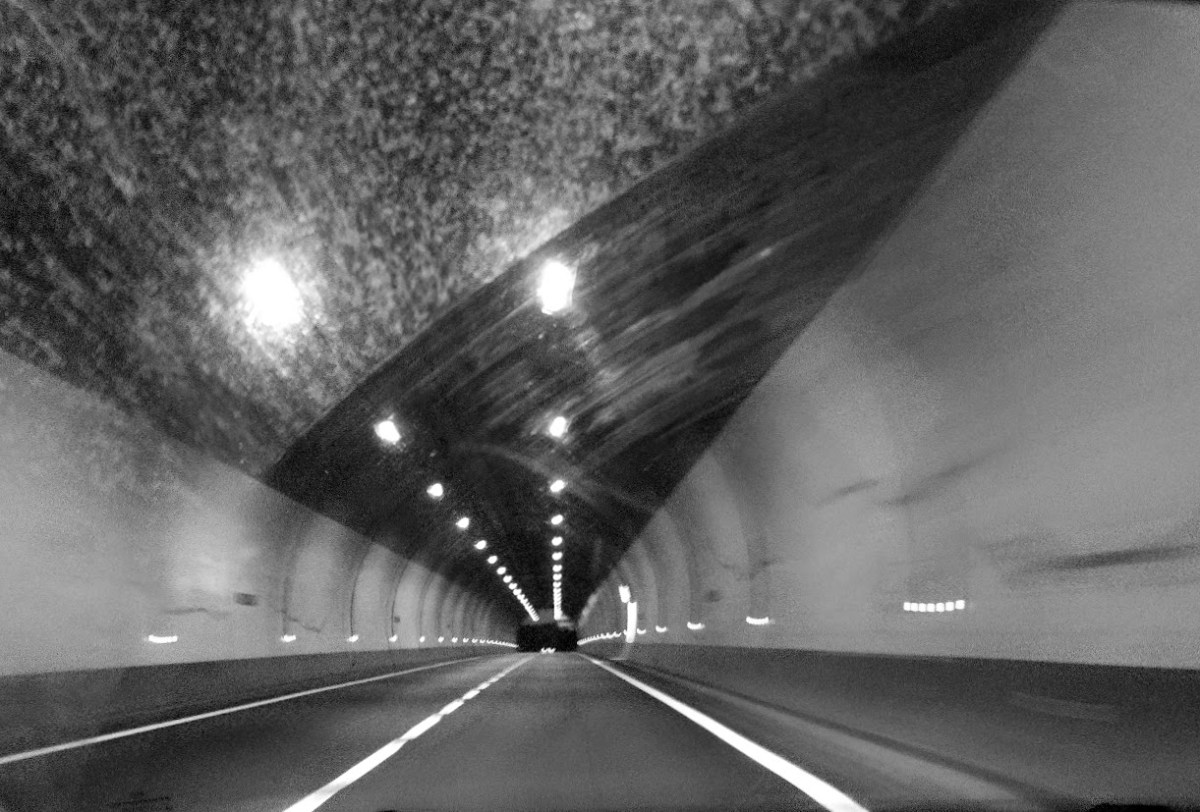
What’s the difference between Vanishing Points and Leading Lines? I asked myself the other day. As you do. Because Sarah had invited us to offer Leading Lines images a while back when she hosted Monochrome Madness. And here I am standing in for Elke offering Vanishing Point. So I asked Google’s AI pal to help. As you do.
Here’s the answer:
| Feature | Leading Lines | Vanishing Point |
|---|---|---|
| What it is | The physical or implied paths themselves. | The destination or endpoint where those lines meet. |
| Role in the photo | Guides the eye and creates movement or flow. | Establishes linear perspective and a strong sense of depth. |
| Do they always need each other? | No. A curved road or a winding river can act as a leading line without ever converging at a vanishing point. | Yes. A vanishing point relies on receding parallel lines to exist. |
It turns out that I can offer several shots that demonstrate Vanishing Points quite clearly. But they’re all a bit samey-samey, with that crucial point of convergence plumb in the middle.
Let’s start off underground. An underpass in London. And a station in Barcelona.
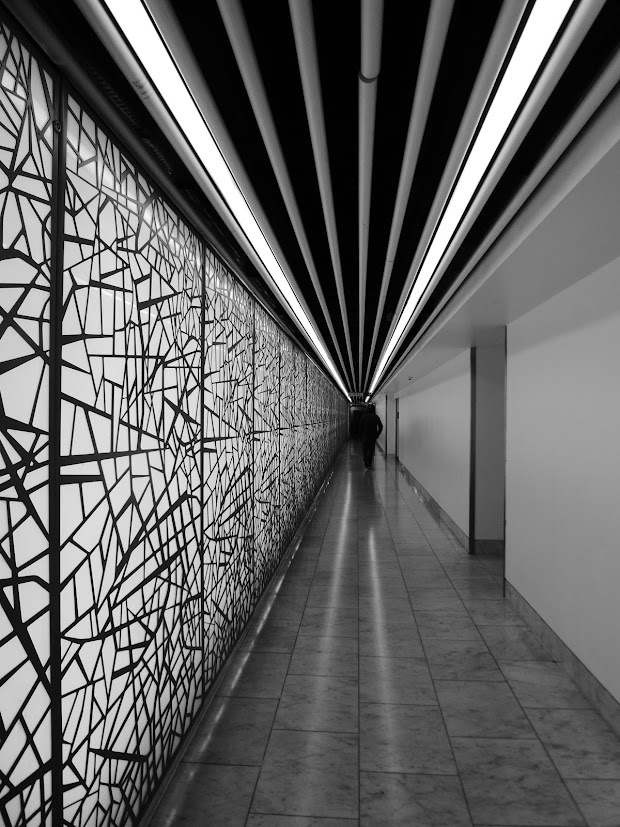
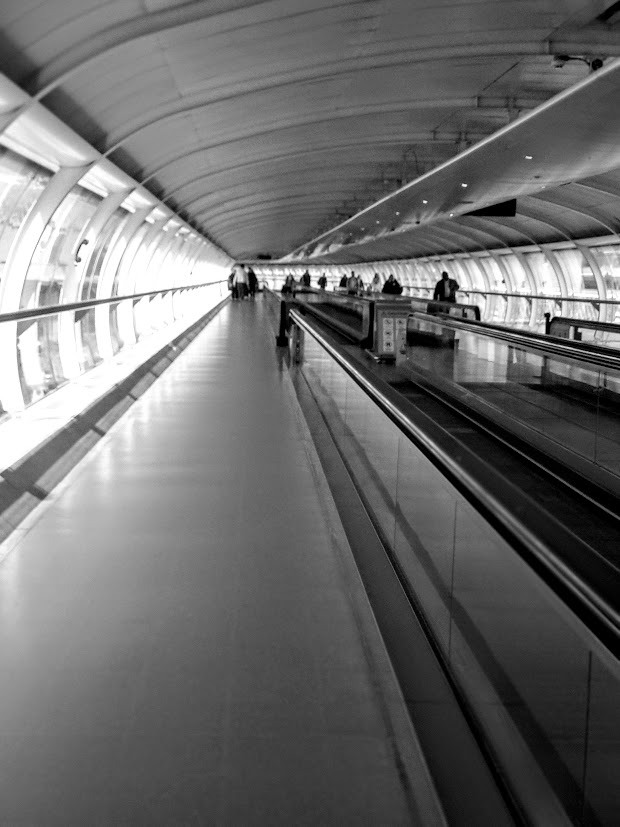
And here we are in San Sebastián in Spain. Oh look, it’s raining! On the other hand, that rain-soaked pavement adds to the general vanishing-point-ness of the image.

We’ll stay in Spain and go to Alicante. Yes, we have a vanishing point. But it’s pleasingly under the radar because so much else is going on: palm trees: an undulating mosaic pavement.

My header photo was taken in a tunnel en route to Spain. Only my underpass shot comes from England: near the Thames Path.
You don’t have to leave the country though to show us your examples of Vanishing Points. Let’s see what you can come up with. And don’t forget to link back to this post, and to Leanne’s: she devised Monochrome Madness to give us all the chance to celebrate photography in black and white. Vanishing Points offer ideal opportunities to showcase monochrome images. Let’s do it!


You must be logged in to post a comment.