What a lightweight. A mere seven library books read in December. To be fair, I also read – and almost finished in December – another book, from The Library of a Friend. But that may not count.
But I had some Right Good Reads.

Simon Jenkins‘ A Short History of America: from Tea Party to Trump got a mini- review here and a ⭐⭐⭐⭐⭐rating .
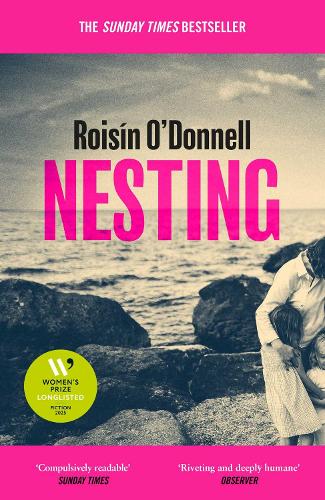
I fairly raced through Roisín O’Donnell‘s Nesting which details the story of Ciara, as she attempts to escape her controlling, domineering husband Ryan with her two small daughters. When she plucks up the courage to go, even finding a bed that first night is a major achievement. This book describes her attempts to move on as she attempts to keep two children fed, clean and entertained from the bedroom of a hotel partly dedicated to the homeless. A difficult subject tackled with verve and compassion by O’Donnell. ⭐⭐⭐⭐
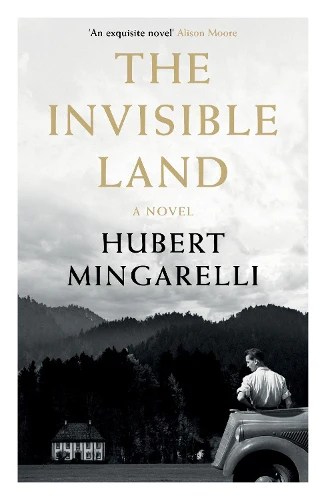
The Invisible Land: Hubert Mingarelli (Translated by Sam Taylor). An unnamed photographer has, just before the book begins, been documenting the liberation of a concentration camp. Now he wants to document ordinary German villagers. What he saw in the camps simmers away, quietly enraging him. We see, as he does, the bucolic calm of the countryside, as an impertinent and shocking contrast. A compassionate exploration of the – often unseen -consequences of war.⭐⭐⭐⭐
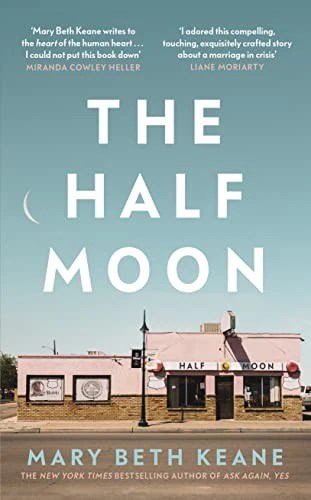
The Half Moon: Mary Beth Keane. Malcolm and Jess are in crisis. She’s just left the marriage for a breather and to take stock. There’s a blizzard in town. Theiy have financial worries. They’ve run through shocking amounts of money spent on unsuccessful IVF treatment – Jess can’t leave aside her dream of having a family. And Malcolm has taken on more financial commitments than he’d let Jess know about when he bought The Half Moon. The bar isn’t now doing well. The books backs and forths through their lives – Jess’s law degree, the community and families that surround them, Jess’s tentative exploration of a new relationship. This is a small town. Everyone knows everybody else’s business. How will things pan out? Only one way to find out. Read the book.⭐⭐⭐⭐
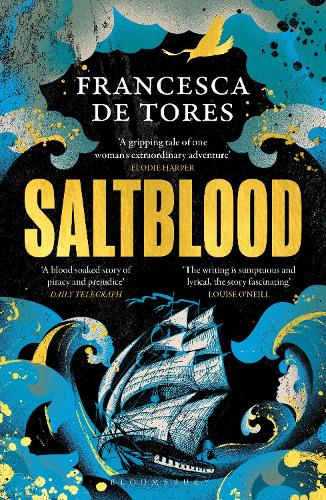
Francesca De Tores’ Saltblood follows the life story of an actual historical figure, Mary Read. Little is known of her but the barest of biographical details, but de Tores fleshes out her entire life to tell an engaging and richly atmospheric tale. Raised as a boy (that’s a story in itself) Mary/Mark first works in service. Then she joins the navy, and later the army – always concealing her female identity in these most male of environments. Read, who narrates her own story, is thoughtful and reflective, describing both humdrum days and moments of danger and adventure . There’s her marriage, her return to the sea, finally as a pirate … This is a well-written and realised drama which brought to life seafaring – and indeed day-to-day existence on land both in Europe and the Bahamas. Transatlantic trade and piracy were part of everyday life. I believe it’s historically correct, and it’s certainly a nuanced and compelling story inviting sympathy for anyone joining this remittingly tough way of life: especially if she’s a woman. ⭐⭐⭐⭐⭐
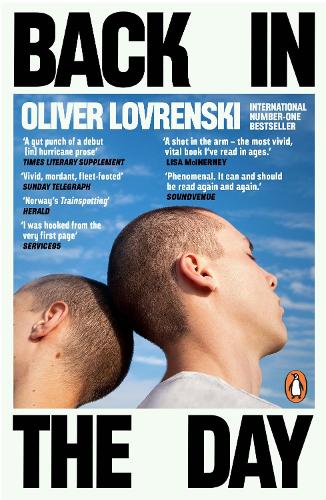
Back in the Day: Oliver Lovrenski. I want to draw attention to the quality of the translation by Nichola Smalley. Largely innocent of capital letters and full stops, this breathlessly episodic story is told in the street argot of the young immigrant who tells this tale. And Smalley has this language, and style of presentation off to a T. The four protagonists have come with their families as immigrants from various parts of the world. Clever and ambitious, they lose interest in school when they overtake their classmates and remain unchallenged. Dreams of becoming lawyers are exchanged for knives and protecting other family members. Drug dealing leads to institutional care for one, and a slippery slope to violence, machetes and guns. Will eventual grief and remorse result in a turning point? This is a tough, intense yet rewarding read by a young Norwegian of Croatian heritage who wrote it when he was just 19. I hope there’s more from him, and from his talented translator. ⭐⭐⭐⭐⭐
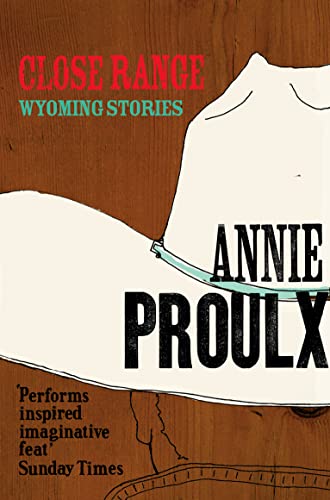
And finally, Annie Proulx’s Close Range. This isn’t so much a review as a place-holder as I haven’t read every story in this collection yet. Mainly because, much as I was enjoying them, I need a break from the colloquial style in which they’re written every now and then, even though it’s precisely this that brings the stories to life and makes them vivid. They’re about insular rugged people living tough lives in an unforgiving landscape – often lonely and contending with daily hardship. This doesn’t make for a bleak read however. The tone and language of the stories brings them vividly to life. More later when I’ve read the lot!
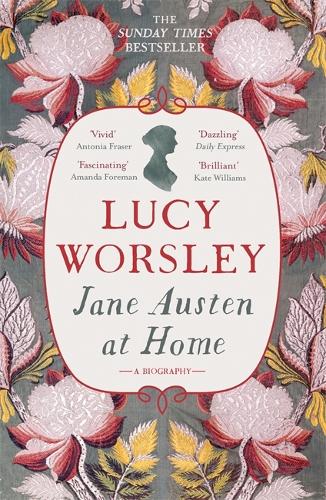
And that other book, lent by a friend? A brilliant evocation of Jane Austen’s life and times, immaculately researched, but immensely readable, by Lucy Worsley: Jane Austen at home. It had to be read, with the airwaves full of Austen memorabilia last year, the 250th year of her birth. ⭐⭐⭐⭐⭐
Unbelievably, I only have two books on loan at the moment. The first, plucked from the shelves on a whim, is proving utterly absorbing: Craft Land – a journey through Britain’s lost arts and vanishing trades, by James Fox. And the next is a doorstopper: Erika Fatland‘s High- A journey across the Himalaya through Pakistan, Indai, Bhutan, Nepal and China. I might need a big dose of fiction after that little lot.
For Rebecca’s Love your Library
 From Pyrenees to Pennines
You must be logged in to post a comment.