Chairs in the Service of Art

Chairs. That’s what Brian of Bushboy’s World fame, and host this week of Leanne’s Monochrome Madness wants us to get our cameras out for. And I’ve decided to show Chairs in the Service of Art

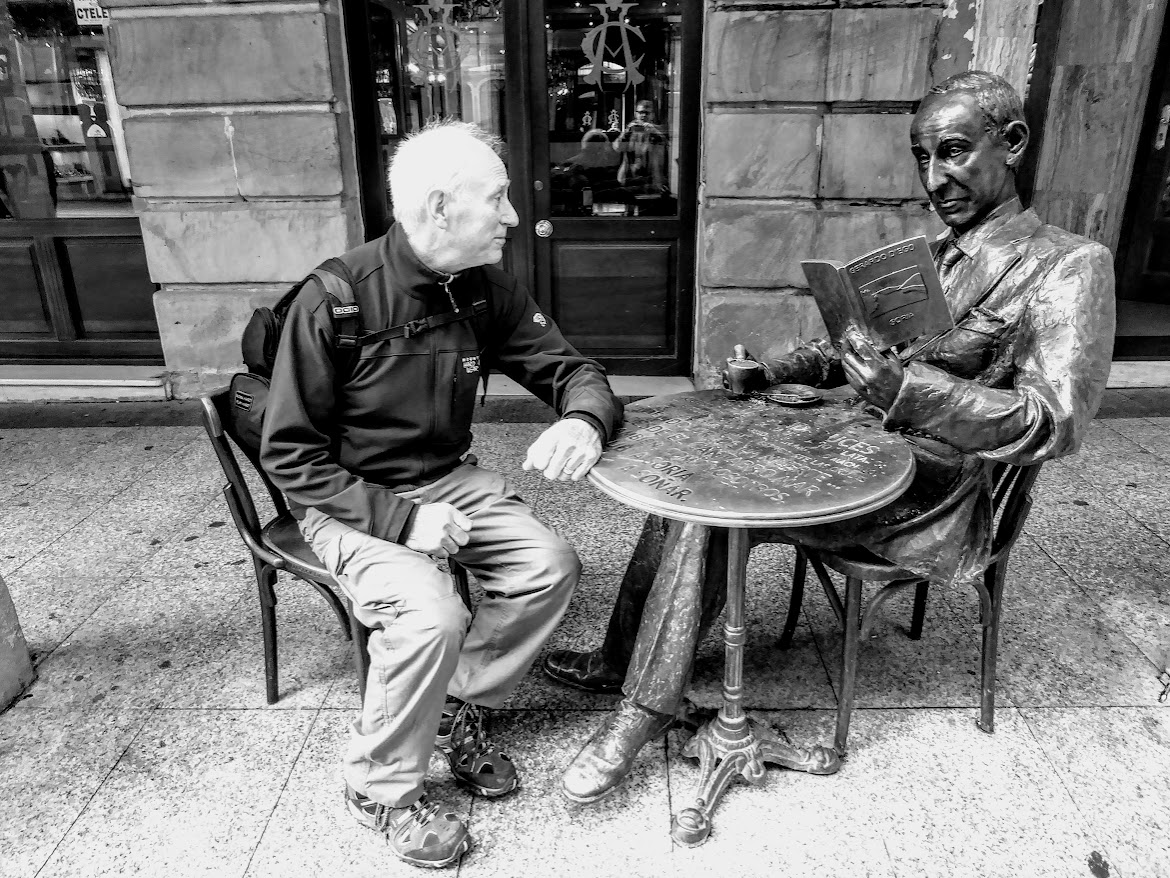
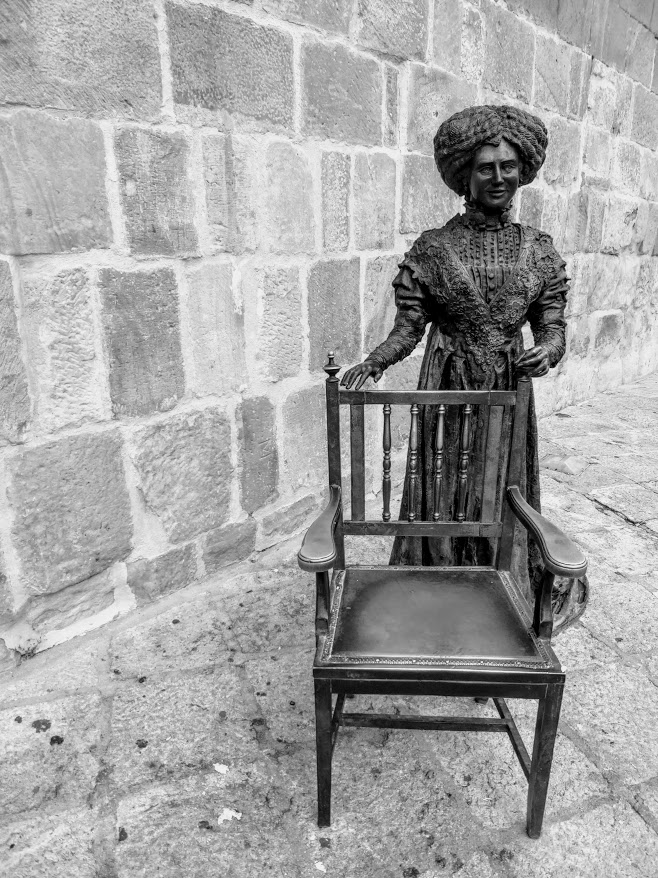
My first clutch of photos all come from Spain. A day out in Logroño, la Rioja, yielded some street sculpture featuring chairs and those who sit in them, whether alive or sculpted.
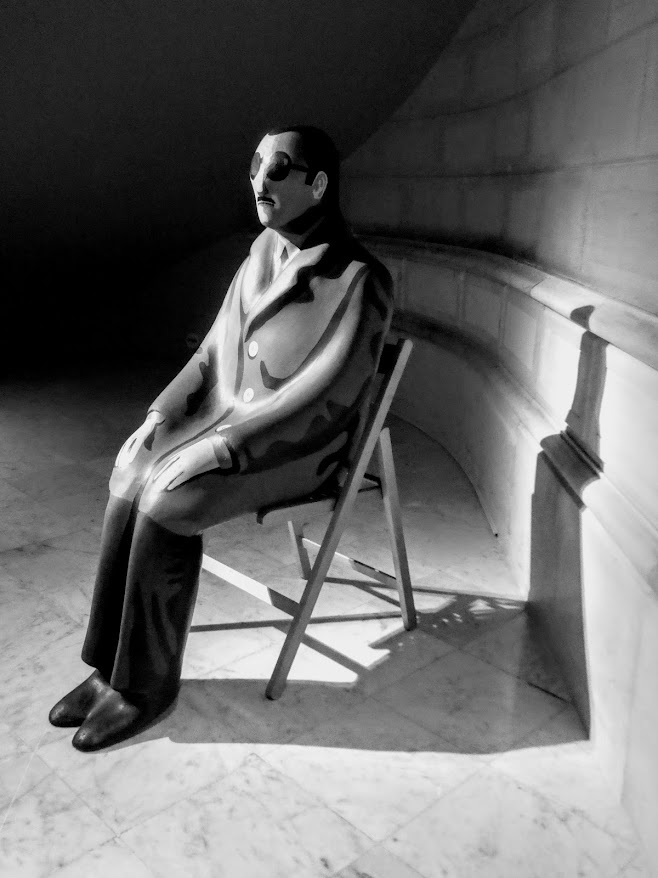
More recently, in Barcelona, I visited of of its newer museums, Museu de l’Art Prohibit – the Musem of Censored Art. It covers political, religious and sexual themes, and is not for the faint-hearted, but I found it fascinating and enlightening.

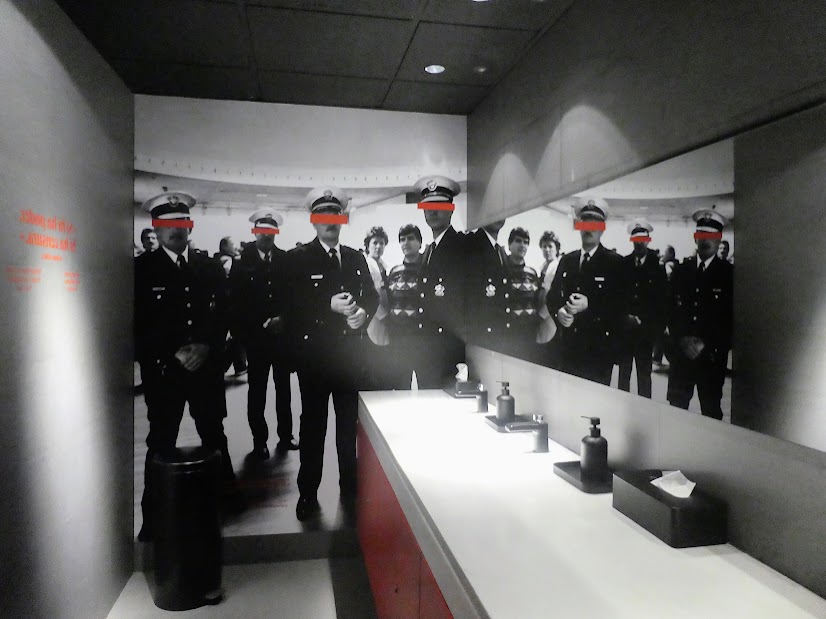
The first image here was exhibited at the Pamplona Festival in 1972 – a brave thing to do, as Spain was still in the grip of Franco’s dictatorship. This depicts one of Franco’s secret policemen.
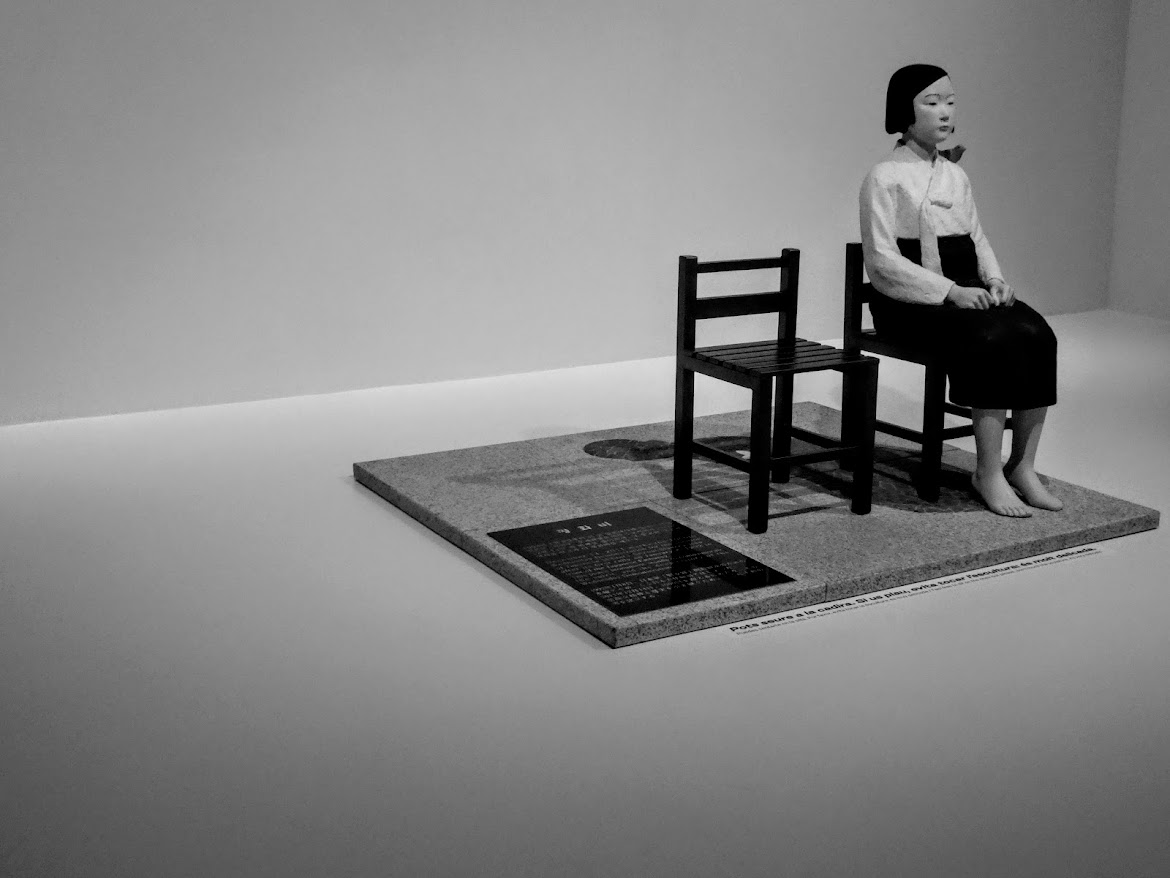
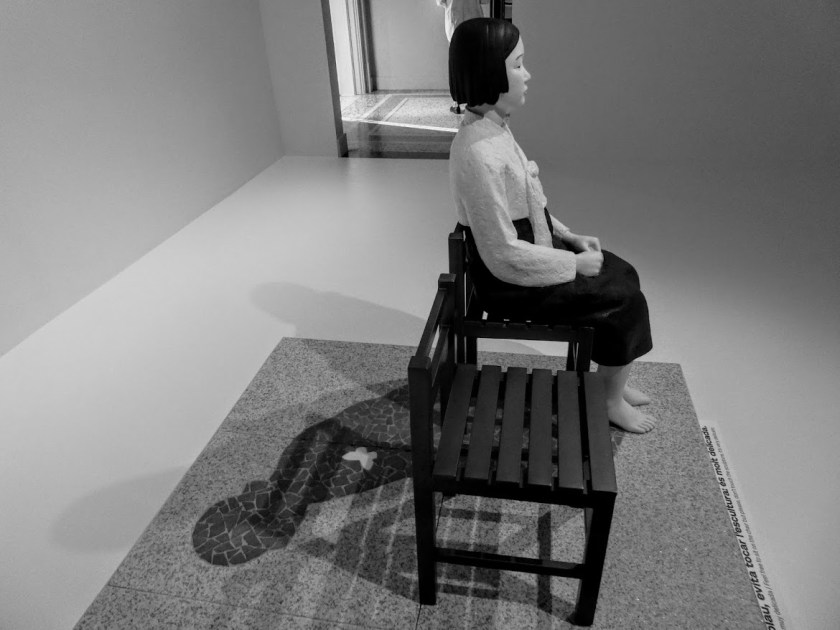
The second is by the South Korean artists Kim Eun-Sung & Kim Seo-Kyung, and shows a Girl of Peace. It was exhibited as part of the Aichi Triennale 2019 in Japan, and received threats of attack for being anti-Japanese propaganda. The exhibition was closed but reactions against its censorship forced it to be reopened. This artwork has caused various diplomatic incidents between Japan and South Korea. For its creators, it is an icon of peace. There’s another view of it as my featured photo.
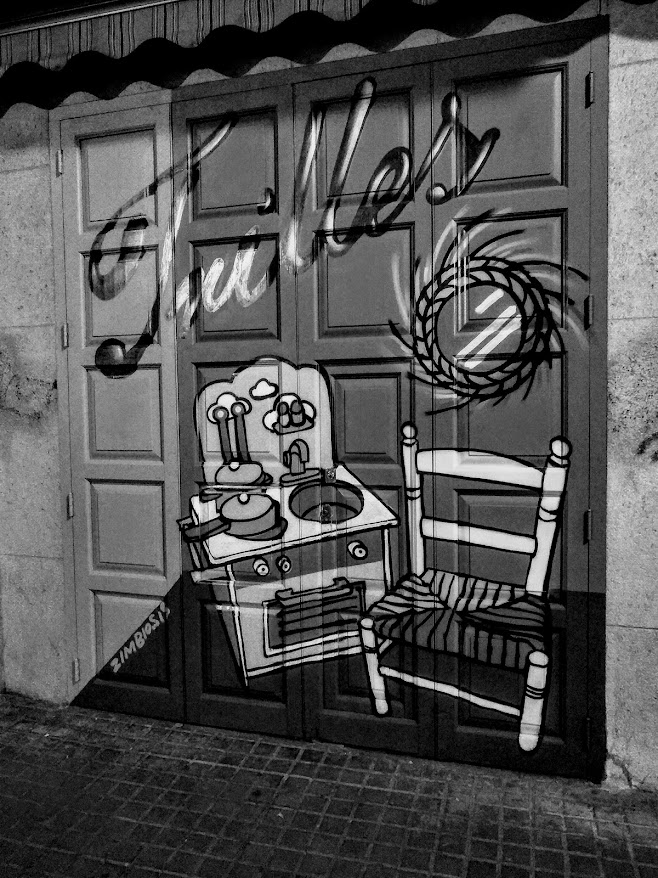
My final Spanish shot is of a chair (and the kitchen stove?) painted on a garage door in a back street in Seville.
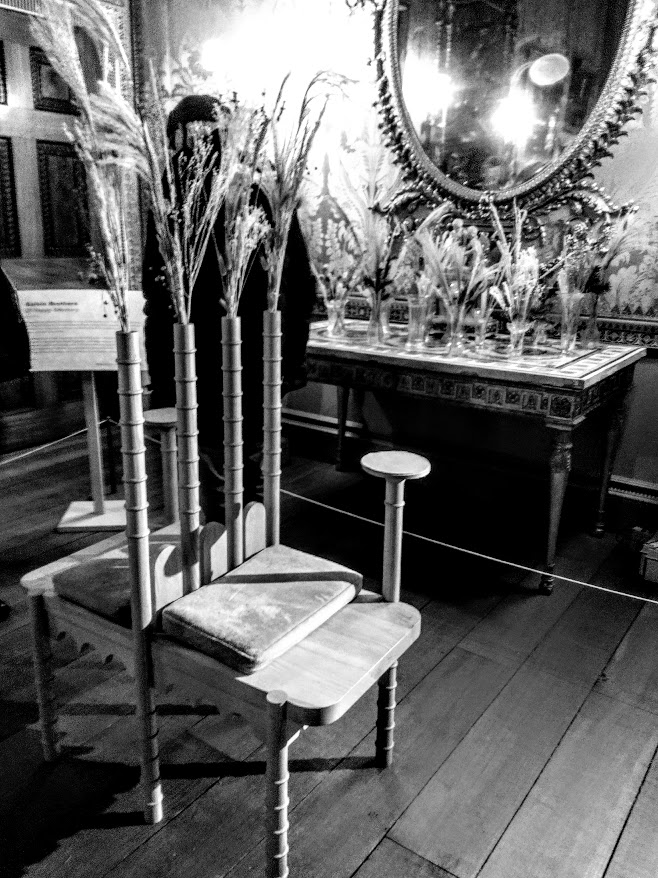
Back in the UK, to visit Harewood House near Leeds, and show an image of a chair constructed by the Galvin Brothers specifically for the house’s Yellow Drawing Room – a place to sit, talk, reflect, share, remember. Created at the time of the death of Elizabeth II, this chair was intended as a sober reflection on her reign. Its design, featuring maturing crops as part of the backrest, references the transient and intangible.
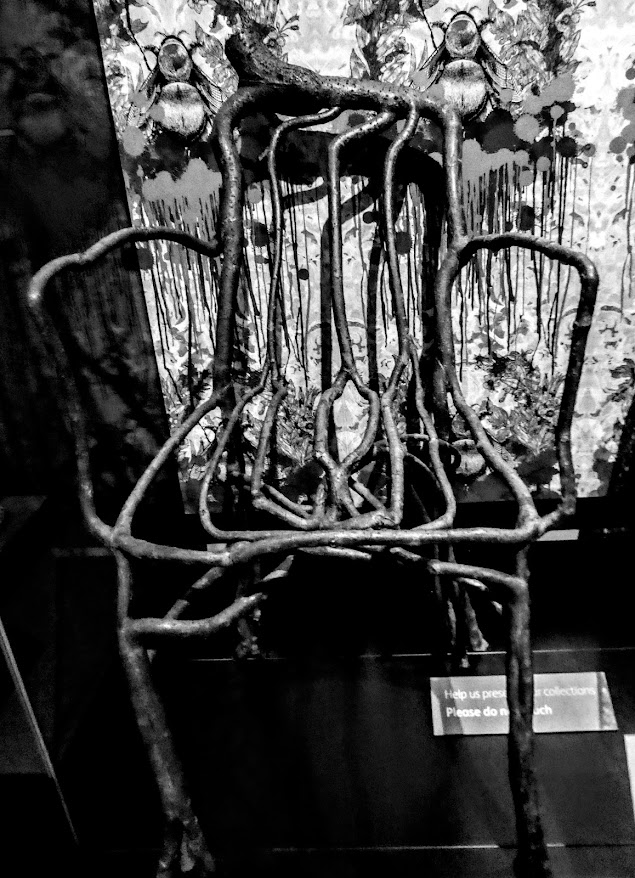
Lastly, I’ll take you to Edinburgh, to the National Museum of Scotland. This is where we saw this chair. An astonishing chair. It began its life as a simple willow tree, but was obliged to convolute itself as it grew into the form of a chair by Gavin Munro. Do have a look at his website.
Well, this hasty tour has turned up quite a few different chairs. It’s perhaps the simplest ones that convey the most potent messages.
You’ve ‘Done’ Barcelona. Now what? (Part One)

Here you are in Barcelona. You’ve strolled down Las Ramblas, and fought your way through the scrum in La Boqueria market. You’ve queued to get round La Sagrada Familia: and in fact visited every other creation you can think of by Antoni Gaudí . At my insistence, you’ve visited the Hospital de Sant Pau (here and here). You’ve got a bad case of Museum Foot, and you’re fed up with the crowds.

Perhaps I could make a few suggestions? One’s yet another museum, but it’s only been opened a for a short while and you may have the place almost to yourself. It’s the Museu de l’Art Prohibit. Here’s the story:

During the ARCO 2018 edition, collector Tatxo Benet acquired an artwork by artist Santiago Sierra, titled Presos Políticos en la España Contemporánea (Political Prisoners in Contemporary Spain). Shortly thereafter … the gallery that sold the piece removed it from its stand. The mere labelling of ‘political prisoners’ triggered its CENSORSHIP

This incident laid the groundwork for conceiving a distinctive collection. Five years later, the accumulation of works subjected to CENSORSHIP, CANCELLATION or DIVERSE FORMS OF ATTACK has given rise to the Museu de l’Art Prohibit. 

The Manifesto: Museu de l’Art Prohibit

Here, you’ll find work by the likes of Goya , Picasso, Banksy, as well as names less familiar to me like Amina Benbouchta and Charro Corrales. The works shown here have fallen foul of political, religious or sexual censors. It’s powerful stuff and I urge you to go and make your own mind up.

It’s not just repressive or totalitarian regimes that practice censorship. It’s not just the Catholic church or hardline Muslims who do so either. I was quite surprised to find that I too was practising self-censorship when deciding which images to share on a public platform. In the end, I went with these.

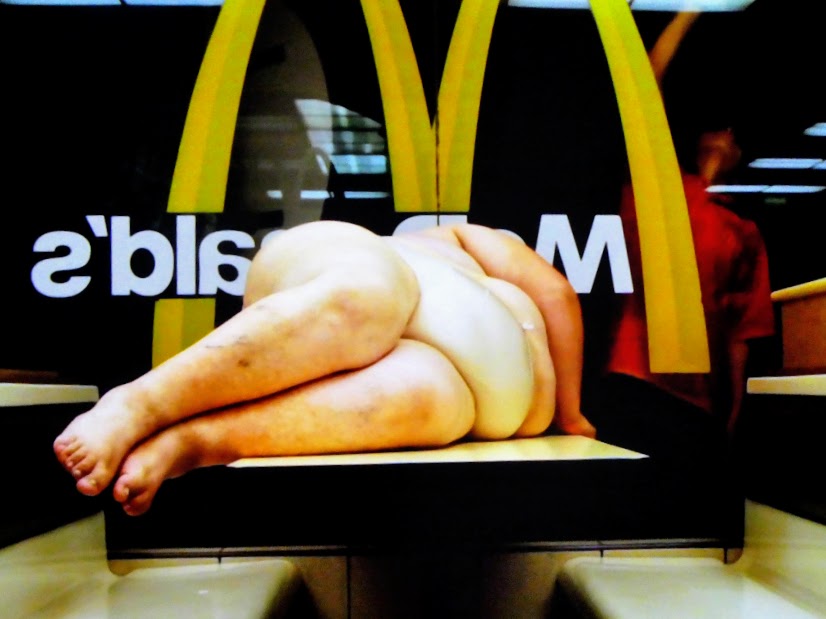
This MacDonald’s refuser really liked this one:

Yoshua Okon, 2014: Freedom Fries, Naturaleza Morta. A London gallery refused to accept this work in an exhibition of Mexican art, because of its ‘political nature’.

There was this:

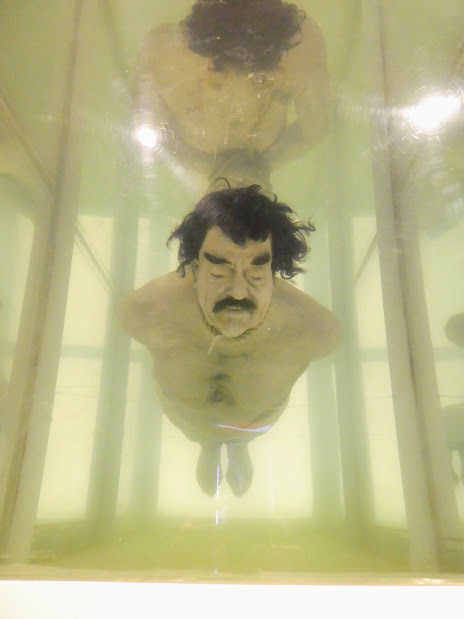
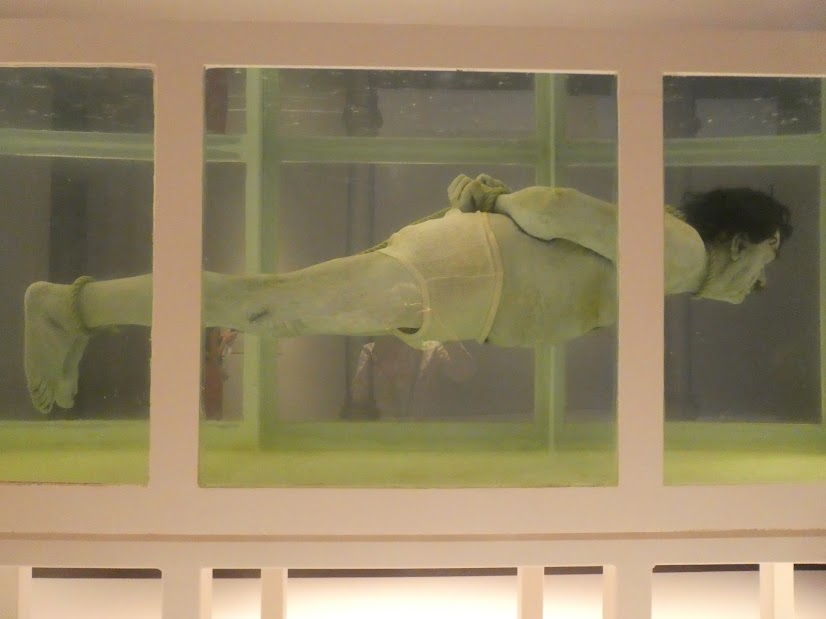
David Cerny 2006: Shark. Saddam Hussein in a shark tank 2005. A Belgian town demanded its removal as being offensive to Muslims and off-putting to tourists.

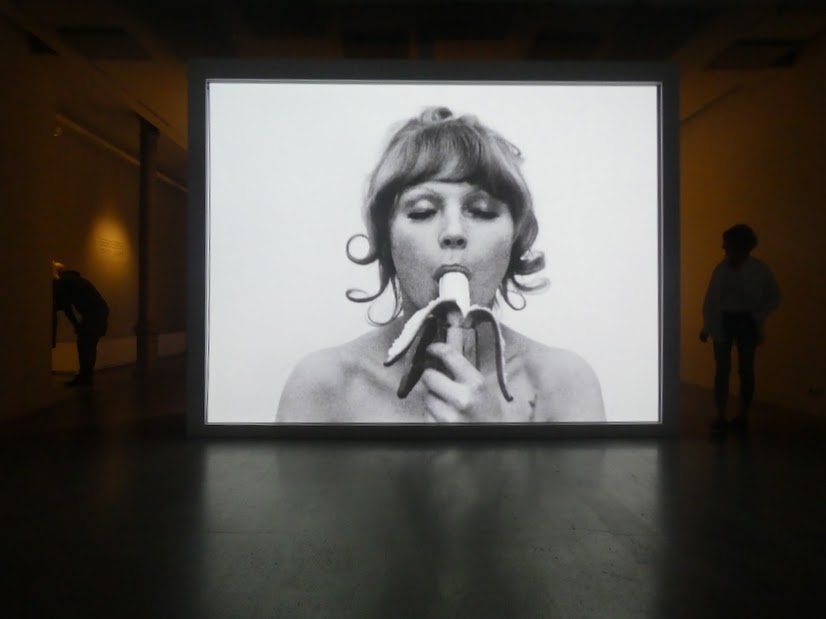
Natalia LL: Consumer Art 1972-75. Following Natalia’s first works in this series, Poles posted posters of themselves eating bananas as a protest against government censorship. One of a large series .

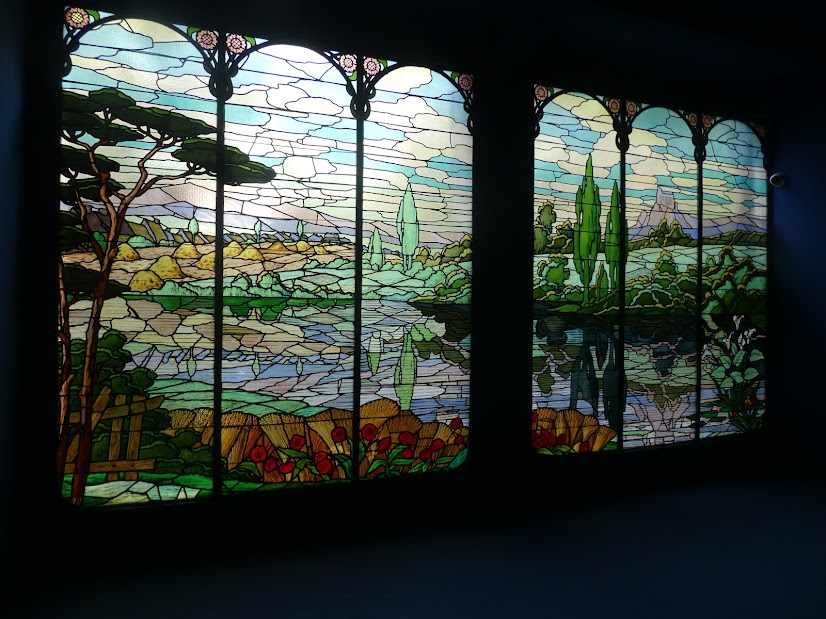
It’s housed in an elegant Modernist building, the Casa Garriga Nogués. These windows give you a taste of it.

These windows are the work of Antoni Rigalt, who was also the creator of the windows at the Palacio de la Música Catalana.

I found the whole thing thought-provoking and was glad to have spent a couple of hours there. I wondered whether I’d been wise to go to the women’s toilets though. The featured photo shows what confronted me as I walked in.

Next week we’ll stay in Barcelona, but I’ll take you somewhere restful and restorative: that’s so long as you don’t get lost. And you will…