We’ve seen all kinds of creatures have their moment as stars of Monday Portraits. But usually animals and birds. Beetles? Not so much. But I find this Forest Cockchafer to be a handsome fellow. We spotted this one on our Balkans adventure last year, but he could just as well have lived in woodland or farmland here.
He’s large – up to 30 mm in length. He’s clumsy, and likely to bump into things. He chomps away on leaves and flowers, but not to a destructive extent. These beetles only live for five or six weeks: even though, as a larva, they spend maybe three to five years growing underground.
He’ll make a large whirring noise in flight and may well clatter into your window panes. Not yet though. Look out for him in May and June. Remember, you saw him here first …
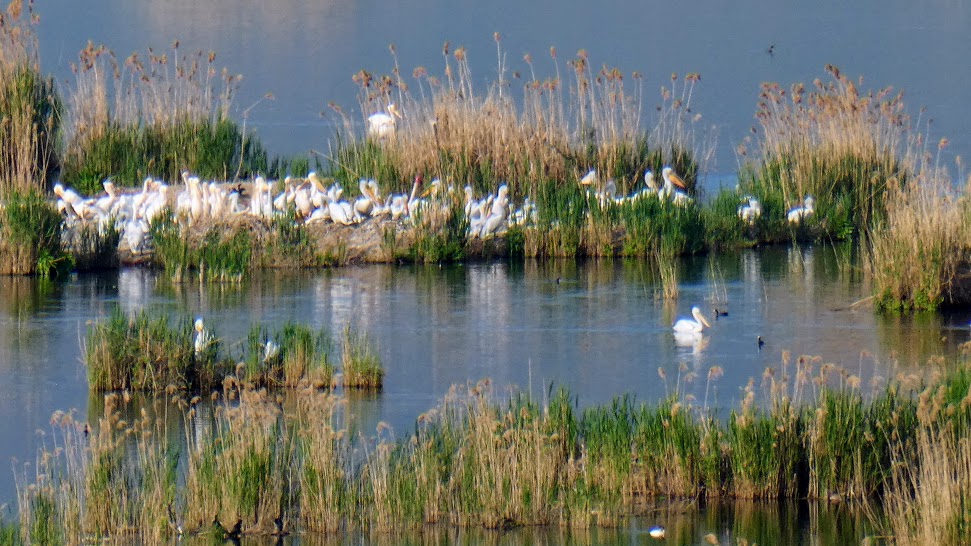
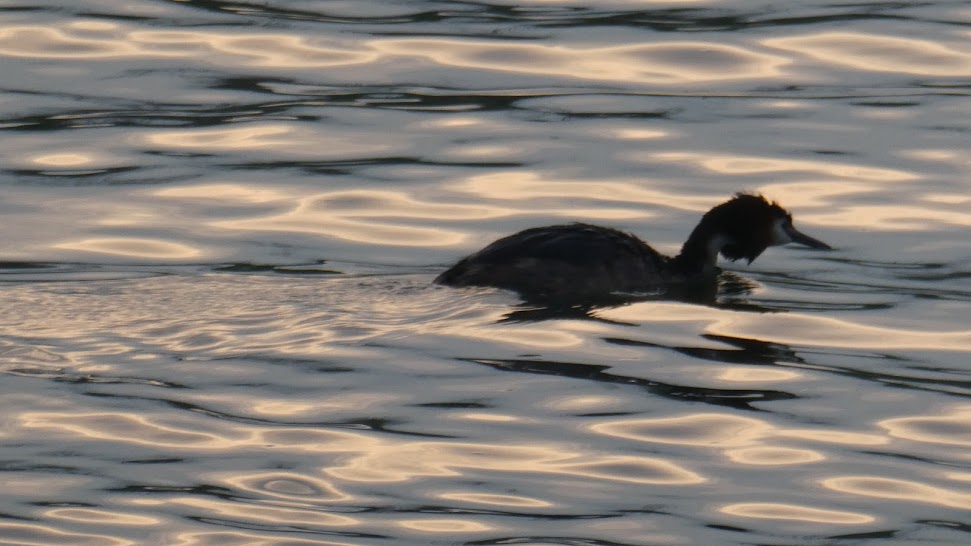
Was it really six months ago that we were in the Balkans? Was it then that we spent our days exploring Lake Prespa, bounded by Greece, Albania and North Macedonia? Apparently so. And these days, the news from there isn’t good. The pelican population, already catastrophically hit by avian flu, has seriously declined again since then. The Great Crested Grebes are still doing well though. Here’s one, featuring as a Monday Portrait, and for Water, Water Everywhere.
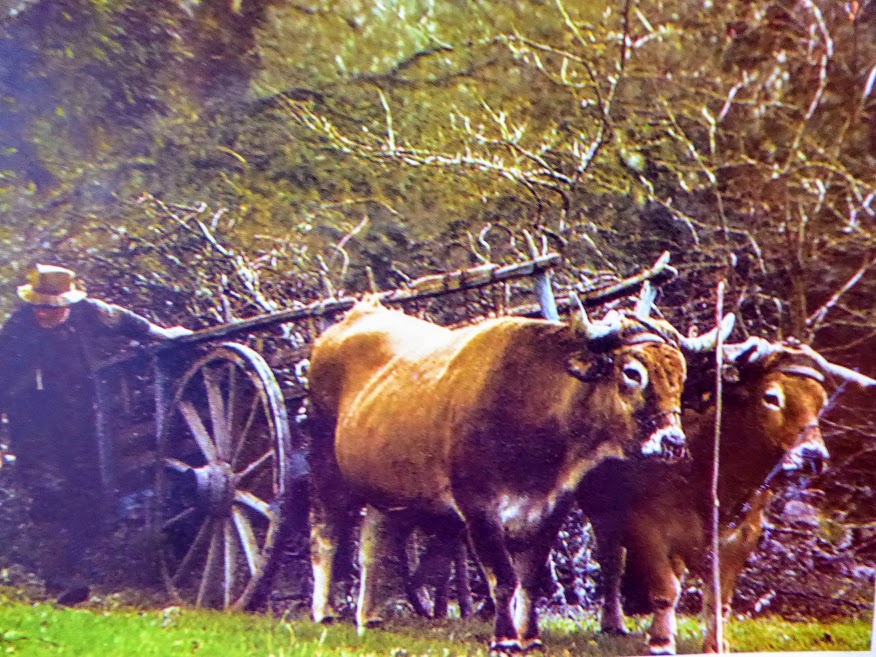
This shot was taken in the Corrèze, a rural part of France where the cow is – er – queen. The header photos shows that within living memory, oxen were still used as tractors. This area still has the feel of somewhere that time has forgotten. Happy souvenirs of a wonderful holiday of walking in gentle countryside with the ancient town of Corrèze as our backdrop.
A walk high above Seven Bridges in Studley Royal. A walk I’ve never done before – a hidden one and not easy to spot. But see what treasures there are here.
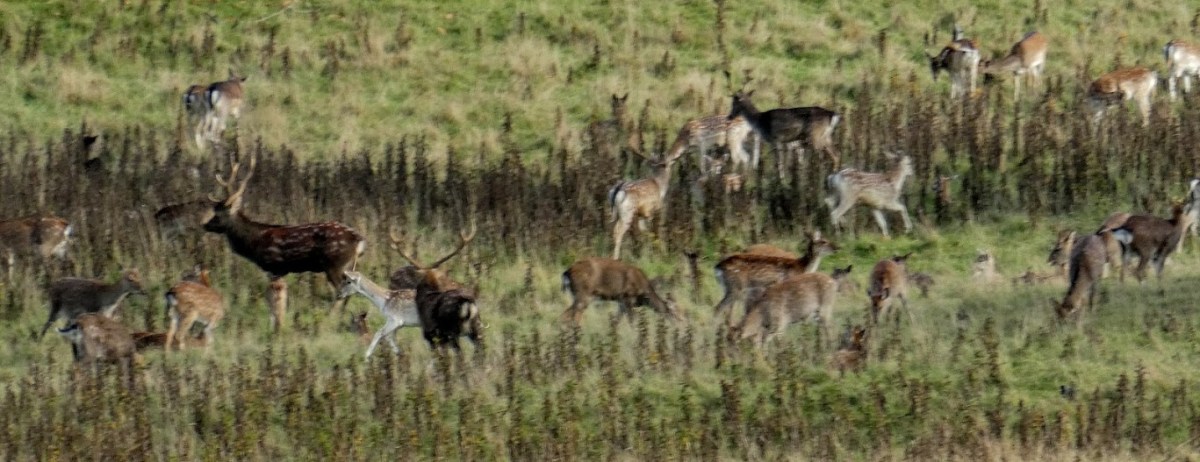
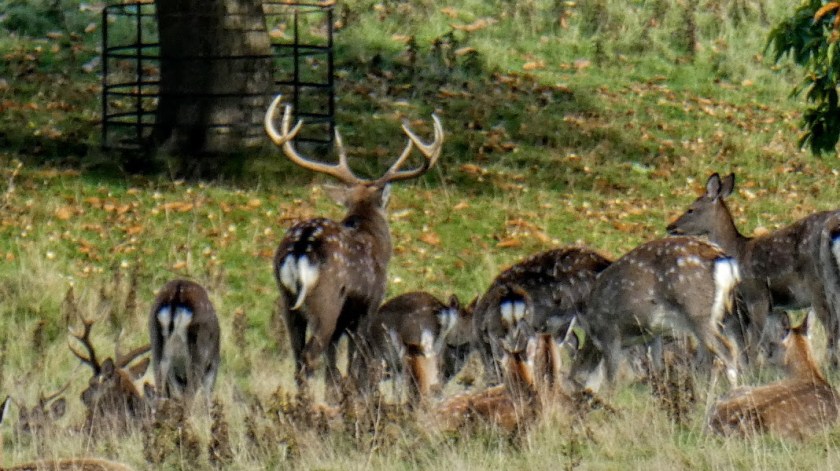
I went on a bit of a safari yesterday. Only down the road to Studley Royal’s deer park. Here are some snippets from the afternoon.
Autumn is the time of the rut, when stags compete to get the biggest and best harem of does, to secure their own blood like survives to the next generation. They wallow in the mud to leave their sexy scent behind, score trees and trash vegetation- they may even aim to toss leaves and grasses to their antlers to make them look even more imposing. We saw none of these behaviours. But we did hear them roaring and making that strange loud roaring belching noise that can be heard from quite a distance, and which warns other males that They Mean Business.
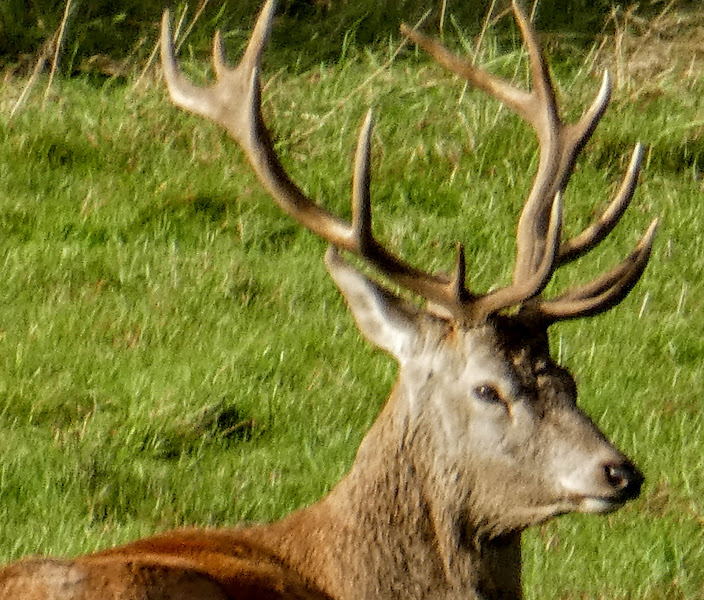
It doesn’t pay to get too near to deer at this – or indeed at any other – time of year, so all of my photos use zoom at its highest setting, which doesn’t make for the crispest of images. But you’ll know you’re in the deer park when you see trees looking like this. That horizontal finish you can see is the browse line – the highest that a red deer on its hind legs can reach to get a mouthful of leaves.
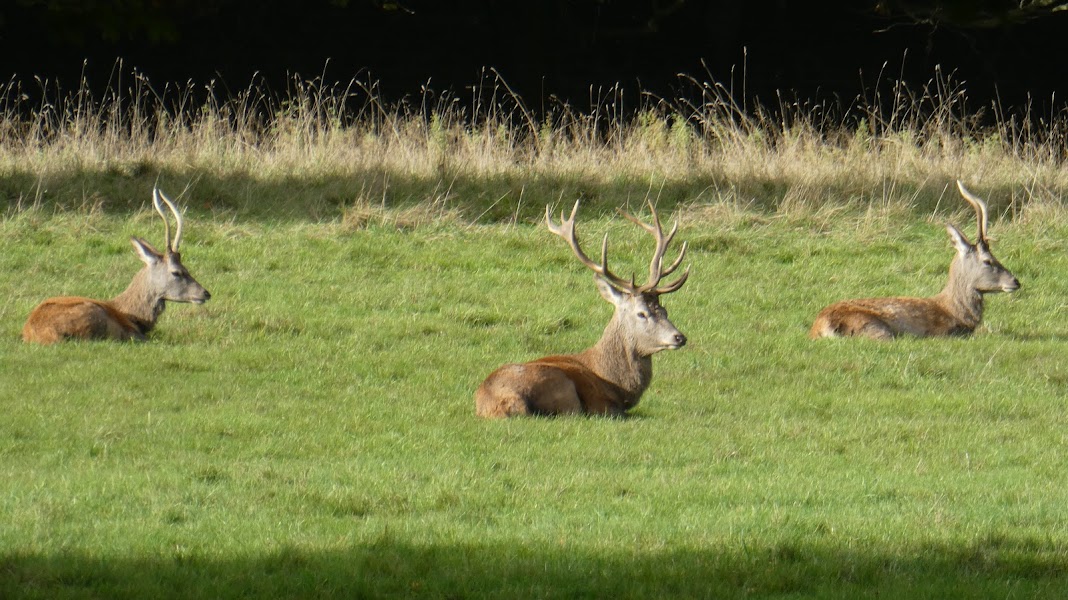
We saw these fellahs next. They’re young stags. They know they haven’t got a hope this year of attracting the females, so they just sit it out. Maybe a bit of play-fighting to get a bit of practice in, but really … it’s just not their party. That first one posed for Monday Portrait.
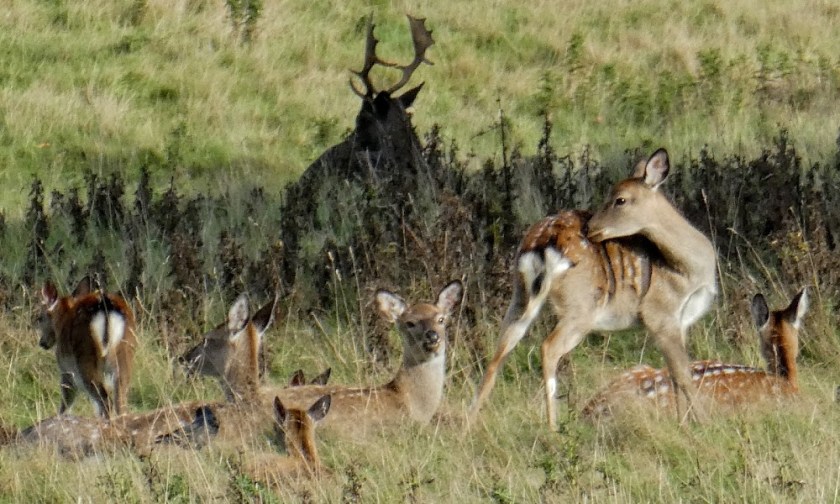
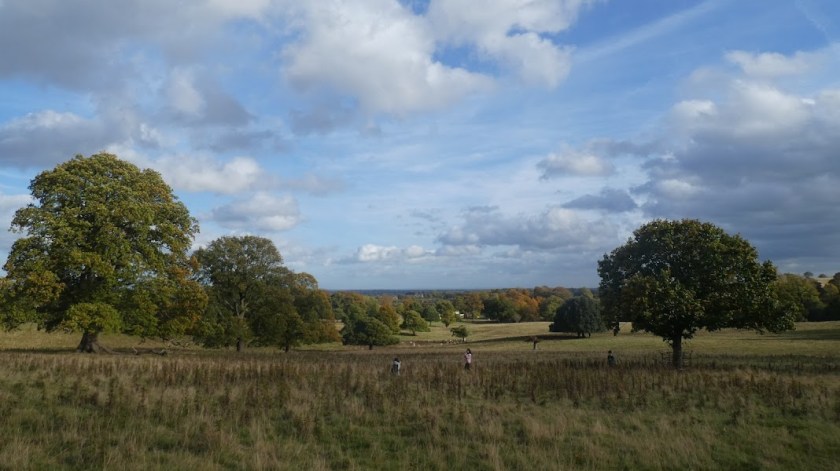
On we walked. Over the old bridge where females often give birth and shelter their young, to the crest of a hill where we have far-reaching views over to Ripon and the North York Moors beyond, And below, deer: fallow deer and sika deer, browsing and grazing together, with their stags keeping a proprietorial eye on them. We kept our distance and just enjoyed watching them.
Younger, older, does and stags …
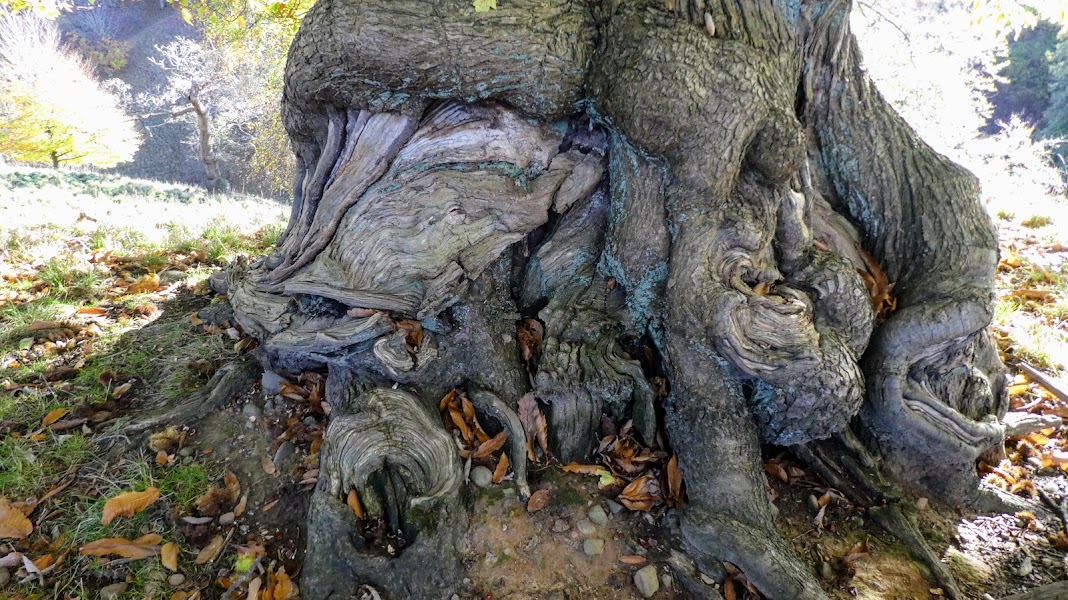
Then onward, past the sweet chestnut trees they love so much at this time of year, for their tasty chestnuts, past a popular wallowing place (oops, forgot to take a photo).
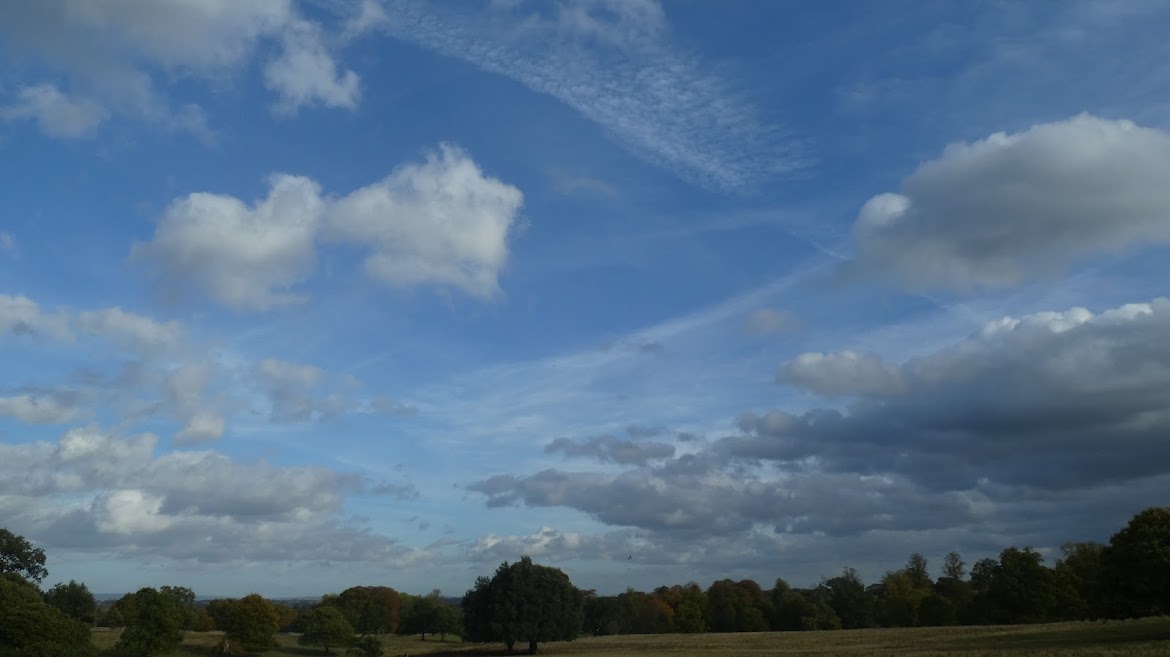
So let’s finish our walk with a few shots of those views I mentioned.
In the shot above, that’s Ripon down below. The eagle-eyed will just be able to spot the cathedral in the centre of the shot, in the distance.
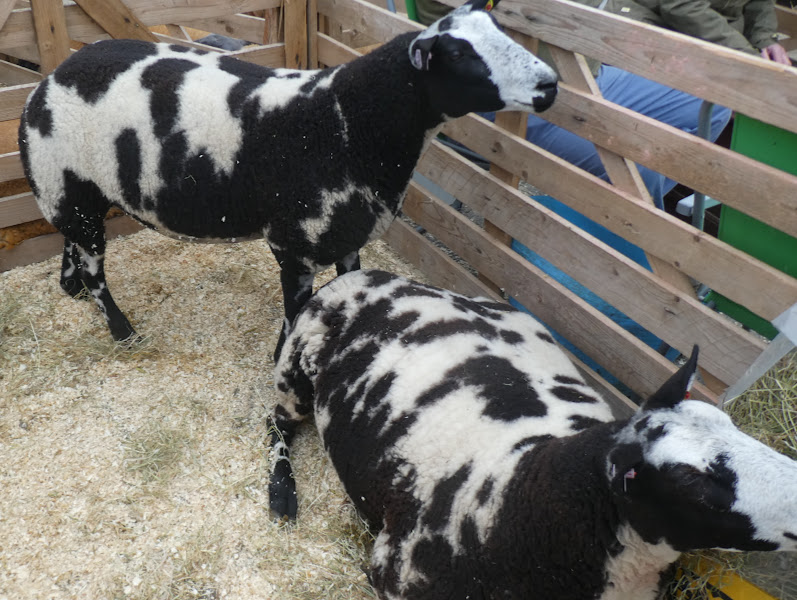
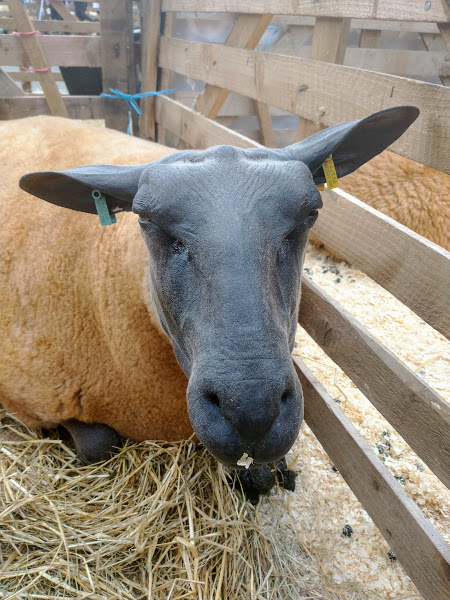
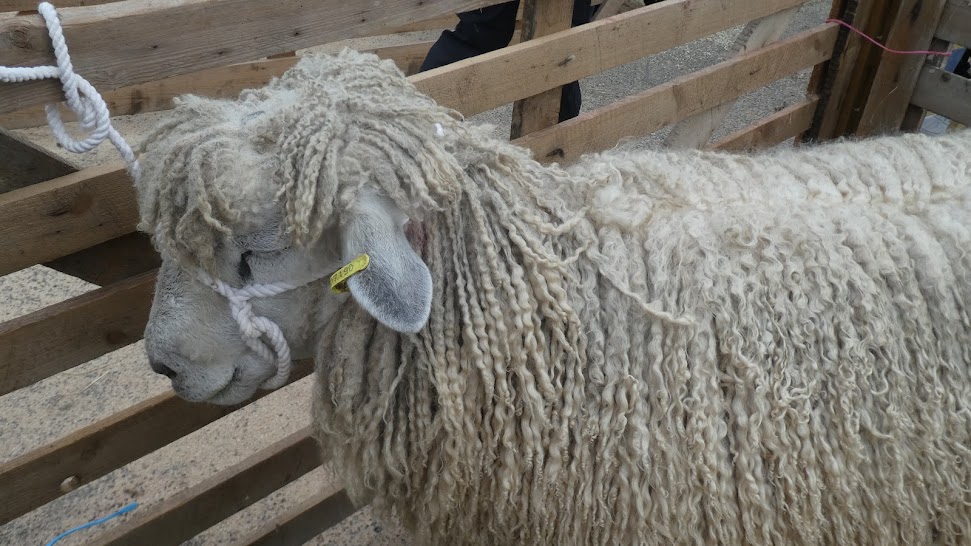
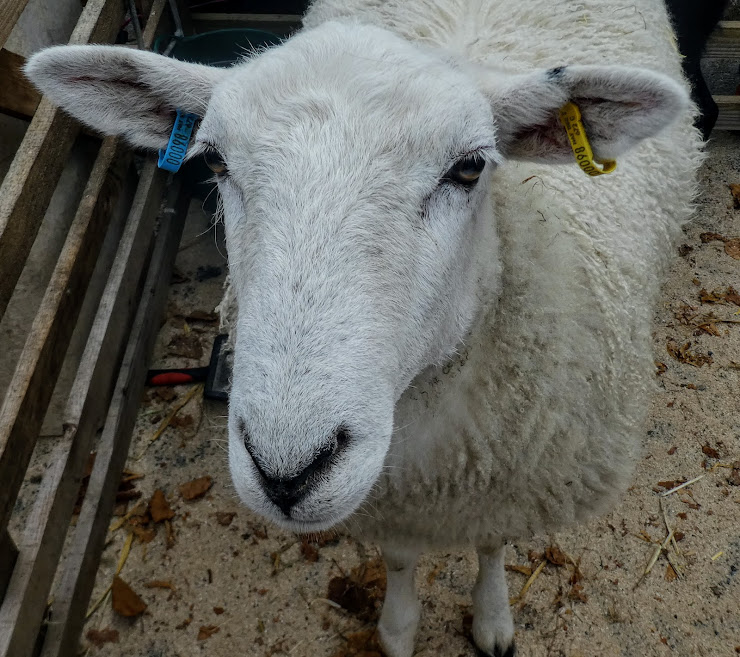
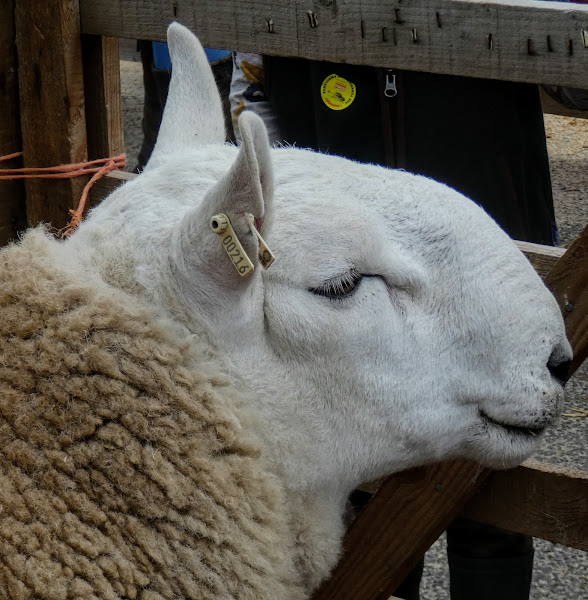
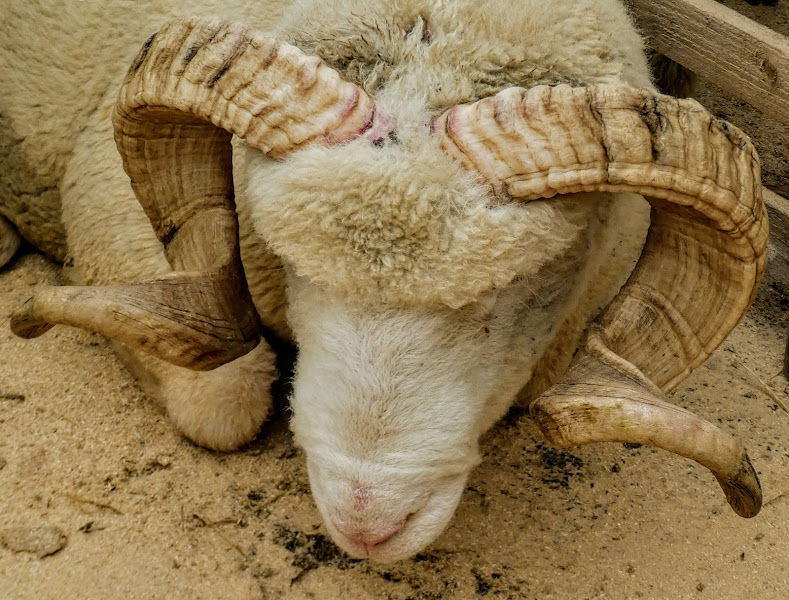
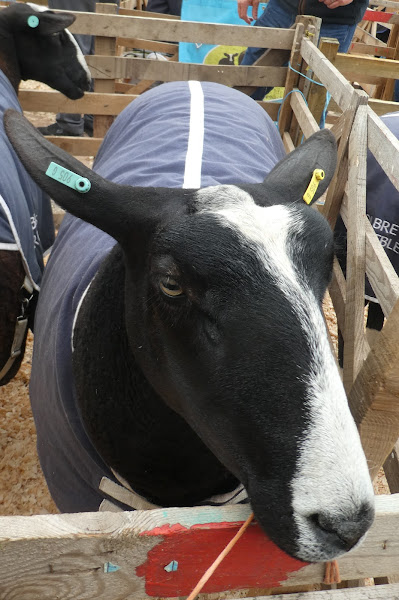
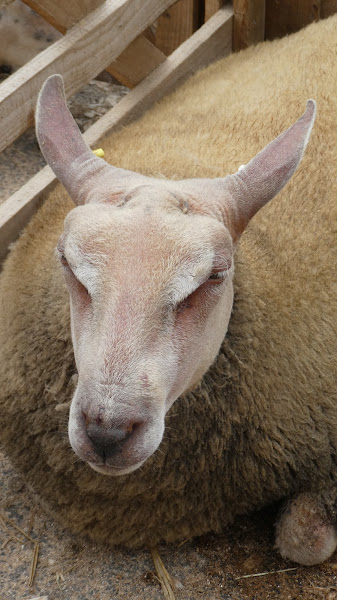
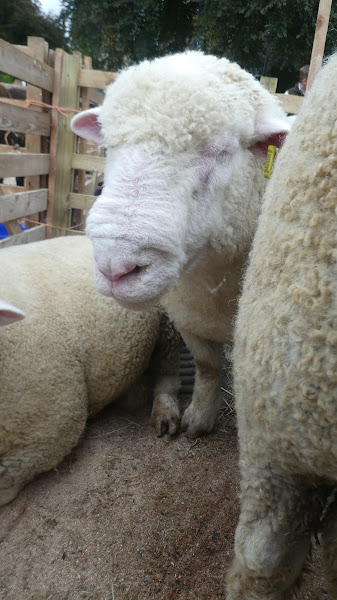
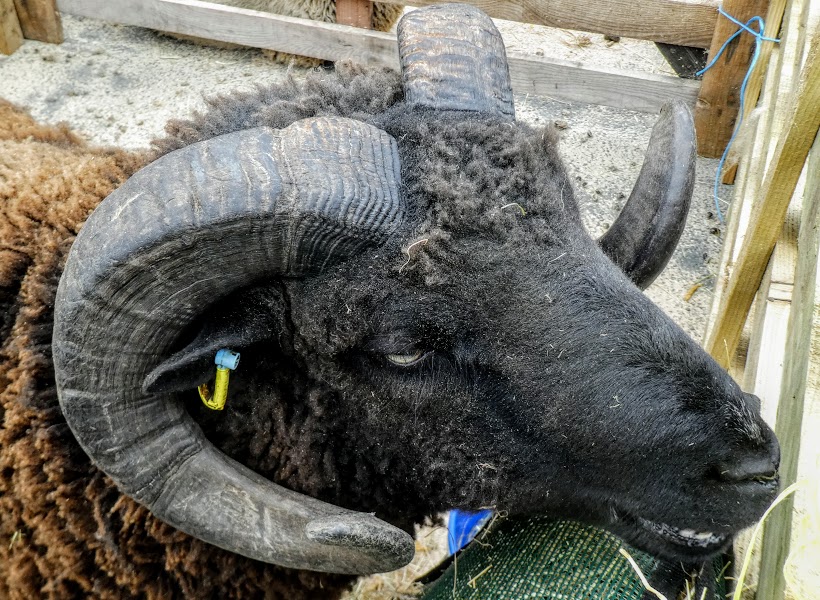
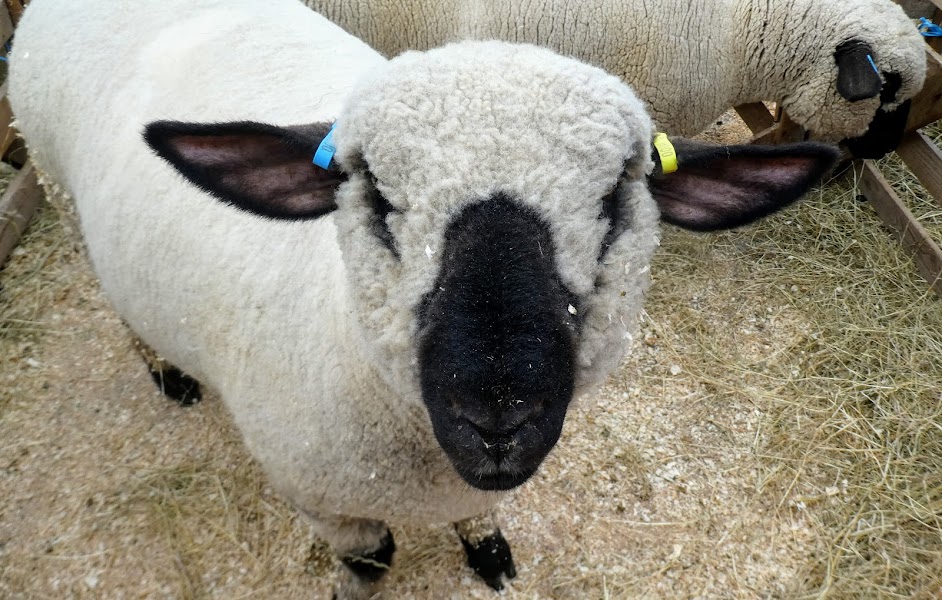
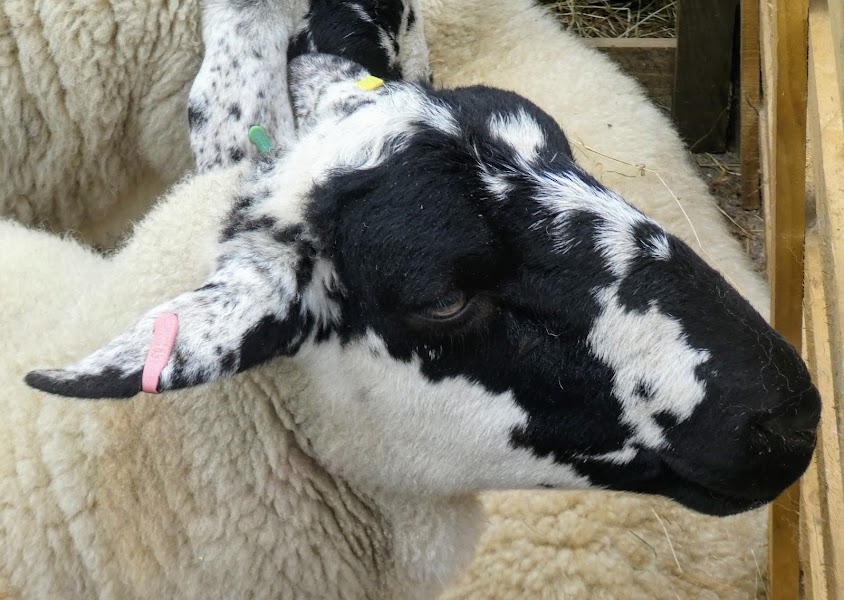
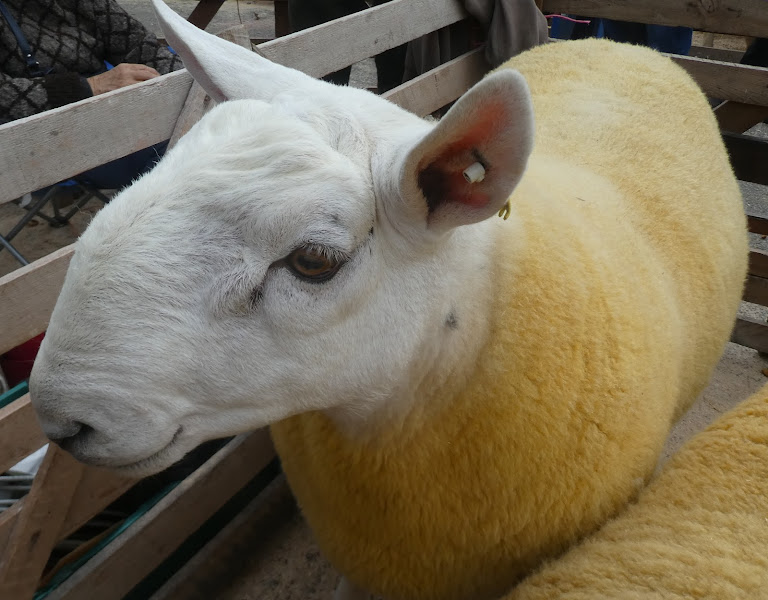
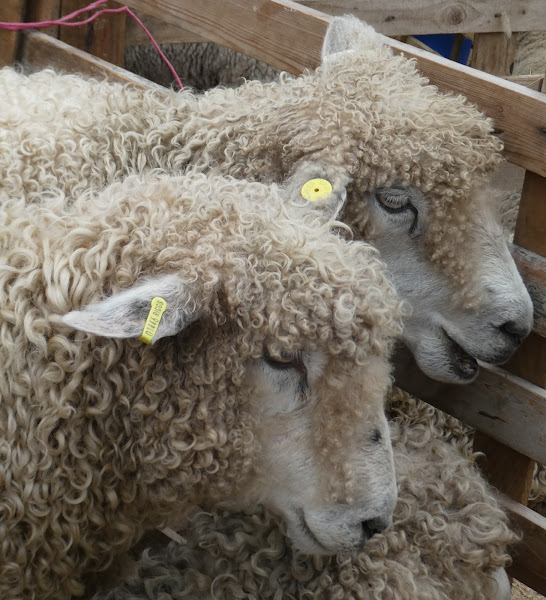
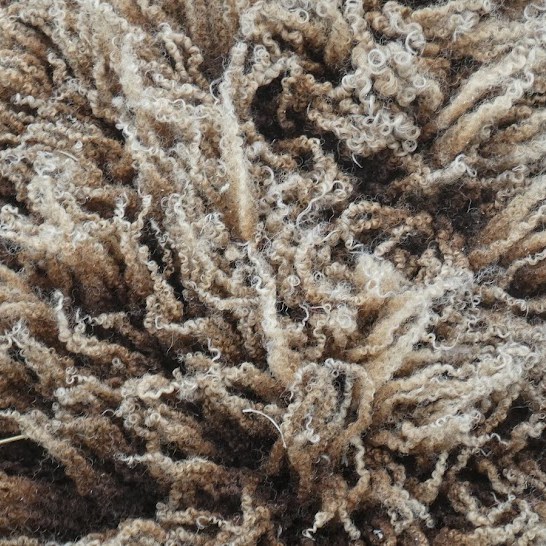
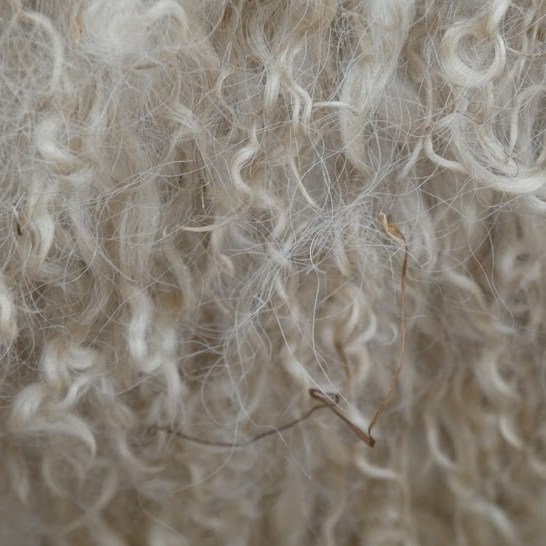
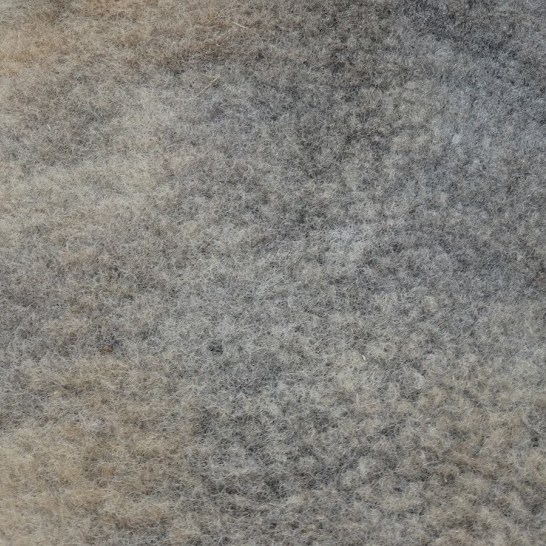
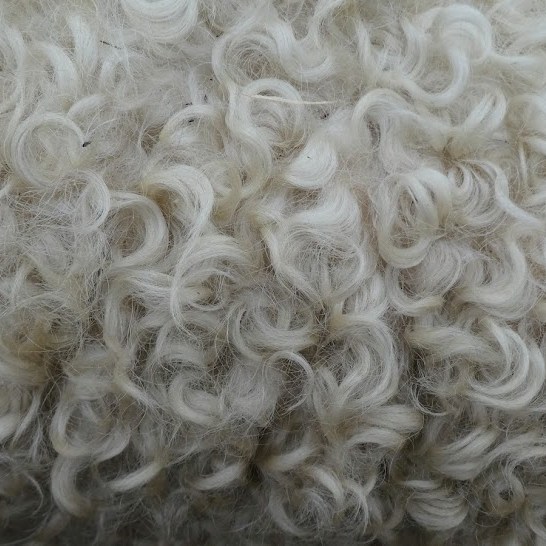
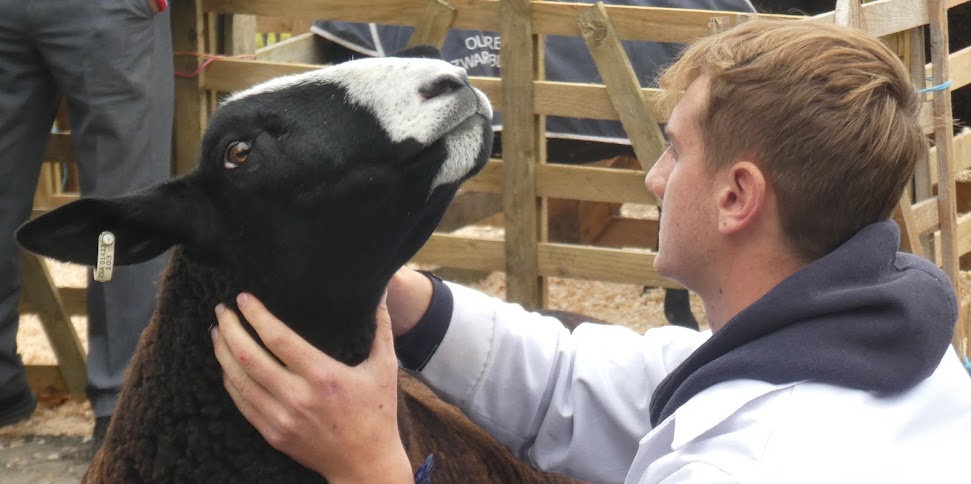
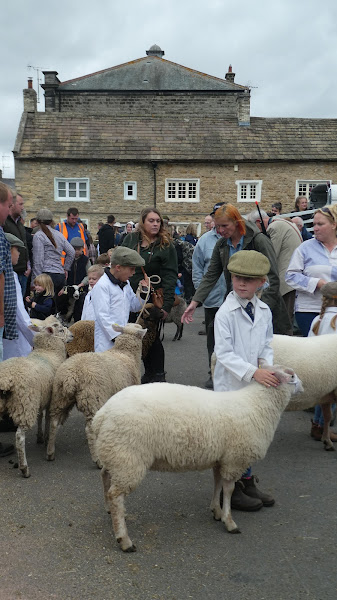
Yesterday, we went to Masham. Here were gathered sheep: dozens of sheep; hundreds of sheep, from every corner of North Yorkshire and beyond. They were all to be put through their paces and judged on whatever esoteric characteristics sheep are judged on, hoping to be awarded rosettes – even cups – as evidence of their good breeding and upbringing. We went early, and talked to owners, many of whom were keen to save rarer breeds from dying out: dying out because their meat is too slow-growing, maybe too flavourful for the mass market. And, as we discover round here every year at shearing time, the wool they provide is no longer a passport to wealth, or at any rate a steady income, but quite simply a drain on the farmer’s budget as there are shearers to be paid. With some exceptions, only traditional spinners, weavers and knitters seek out traditional wool.
Now then, hands up if you thought a sheep was just a sheep.
Or that wool was – quite simply – wool.
Here’s judging taking place ..
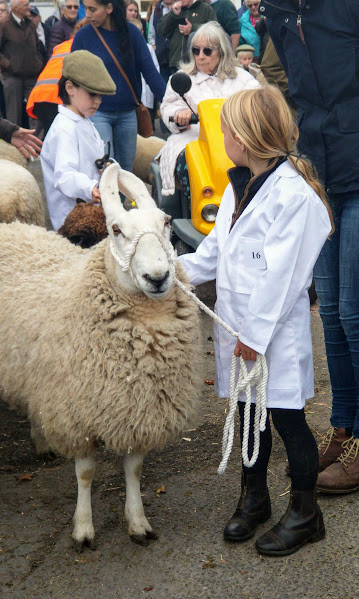
And they start ’em young here. There were classes for Young Handlers, and even an Under Fives category …
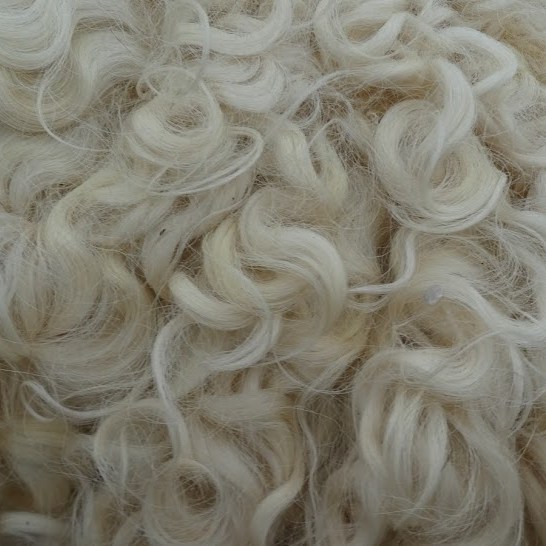
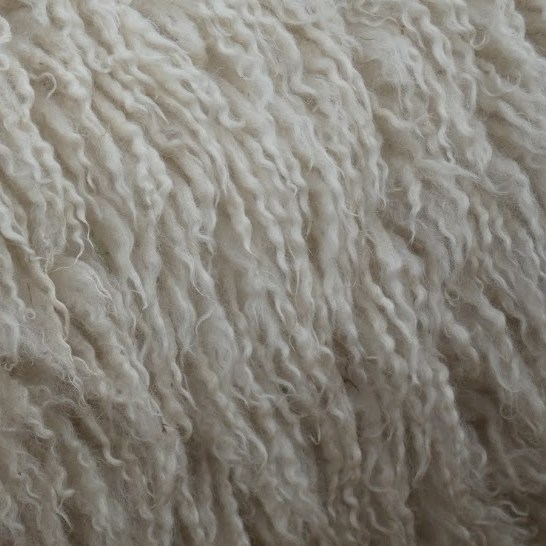
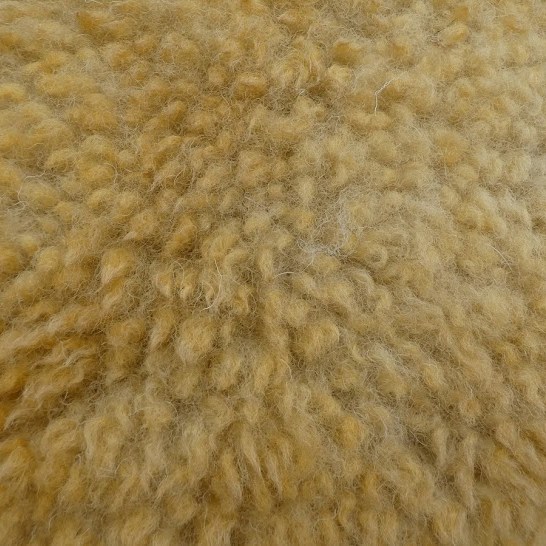
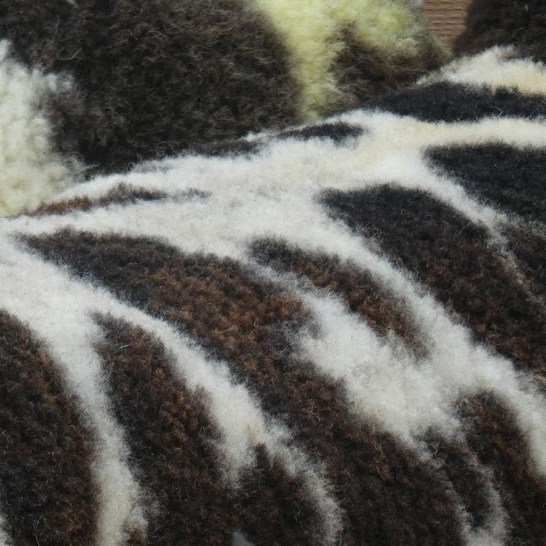
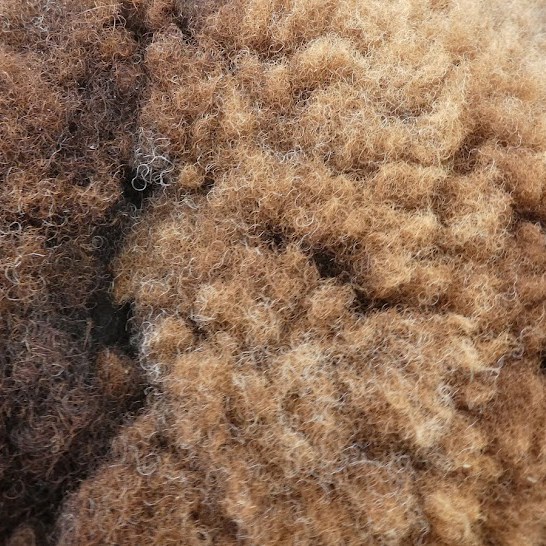
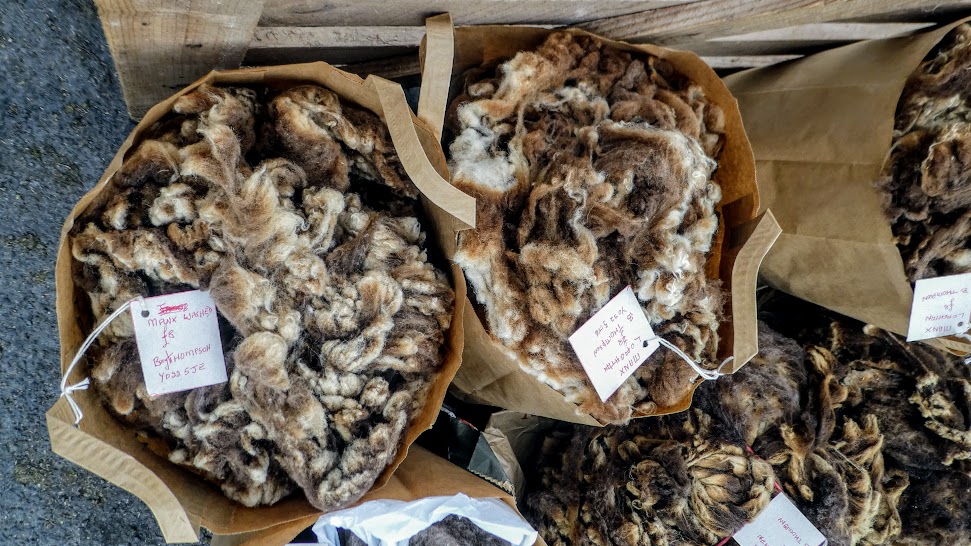
Wool, anybody?
We had to go to the Sheep Dog Demonstration, of course. But that’s worth a post all on its own. To be continued …
















 From Pyrenees to Pennines
You must be logged in to post a comment.