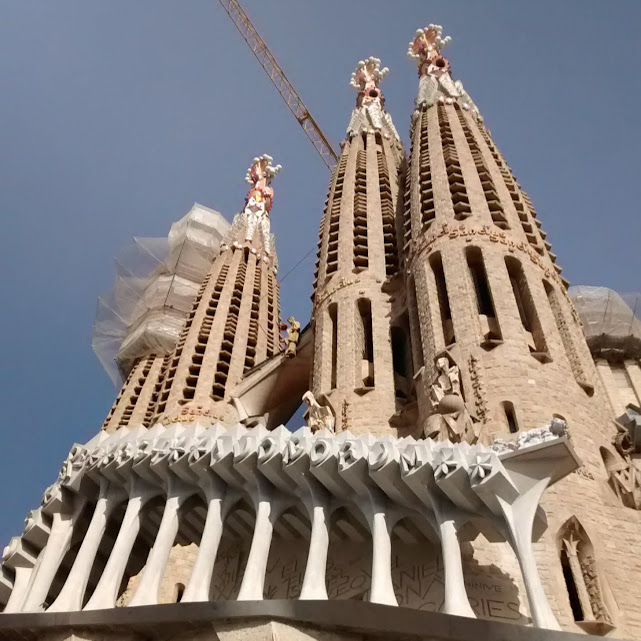
A Bold Building in Barcelona

Anyone and everyone who visits Barcelona has a trip to La Sagrada Familia as a ‘must see’. They come because for almost a hundred years, since he was first involved, Antoni Gaudí’s bold vision of a church has been in the news as a source of controversy. We’ve all heard of it.

For a start it wasn’t commissioned by the diocese, as was usual when a new church was required. Instead, an association founded by a local bookseller wanted it built, and Gaudí wasn’t even their original choice of achitect. Work on the church began in 1882, but Gaudí wasn’t officially involved until 1914. Gaudí himself died in 1926, when the project was barely a quarter complete, and since then, many architects have been involved. Is the building that may be finished next year even reflecting Gaudí’s original vision?

Funds to build it relied and rely on donations from the public. The Spanish Civil War got in the way. In July 1936, anarchists from the FAI set fire to the crypt and broke their way into the workshop, partially destroying Gaudí’s original plans. Later, Covid 19 got in the way. The foundation that manages the finances neither publishes accounts nor pays taxes.

You won’t have to go far in Barcelona to find citizens who are no friends of La Sagrada Familia. They speak of how over-tourism round the church has lowered the local quality of life, and impacted negatively on other tourist sites. They find it ugly, and moving ever further from Gaudí’s original vision. One of the later additions to the plan, to build a stairway which will involve the demolition of local housing has generated a row which I think still isn’t resolved.

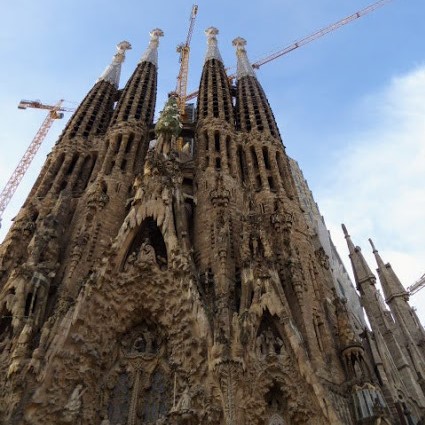
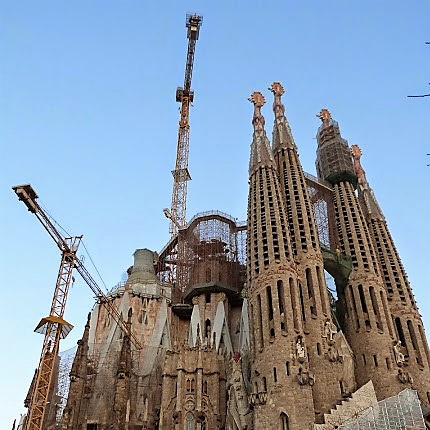
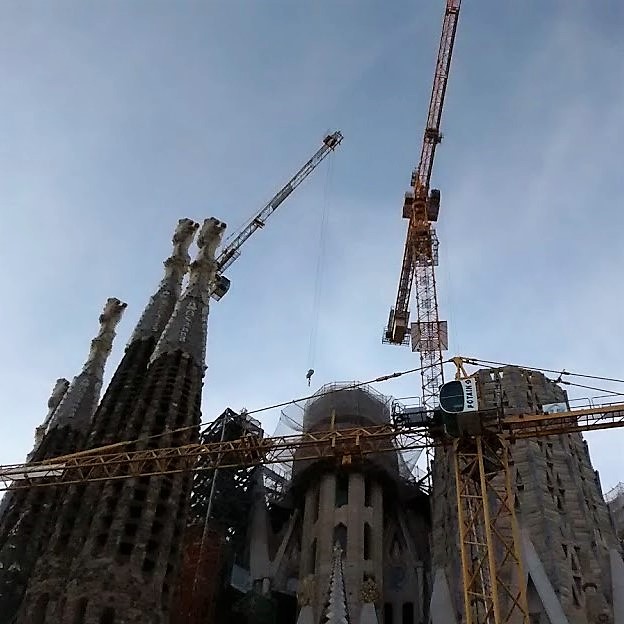
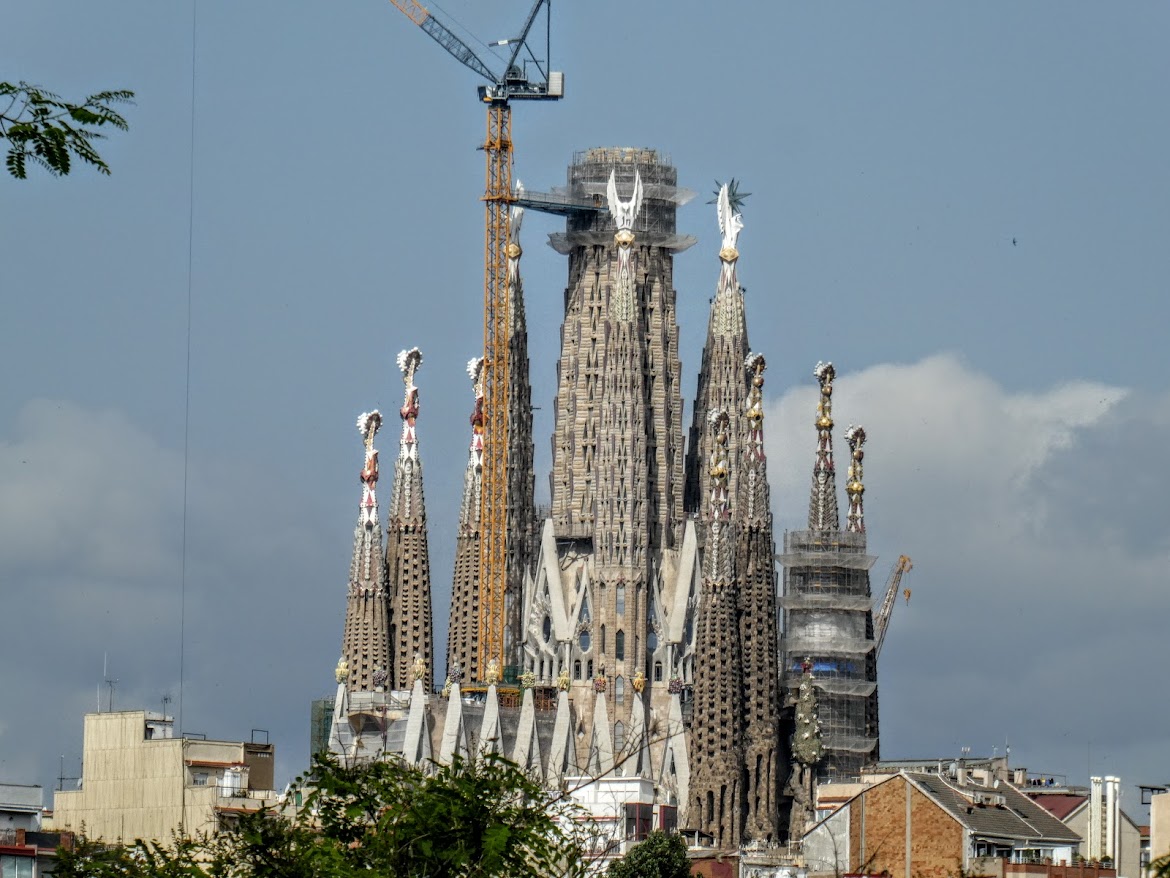
One was or another, I think it’s fair to say that La Sagrada Familia, by its sheer size and complexity, is an audacious bit of planning. Its impact on the city skyline is definitely bold.

If you haven’t yet been, and want to do so, plan well beforehand. Book ahead. It’s a bold and undaunted tourist, or a foolish one, who turns up at the gates and expects to get straight in. Once in, you’ll be shepherded around a prescribed route, and not at your own pace.

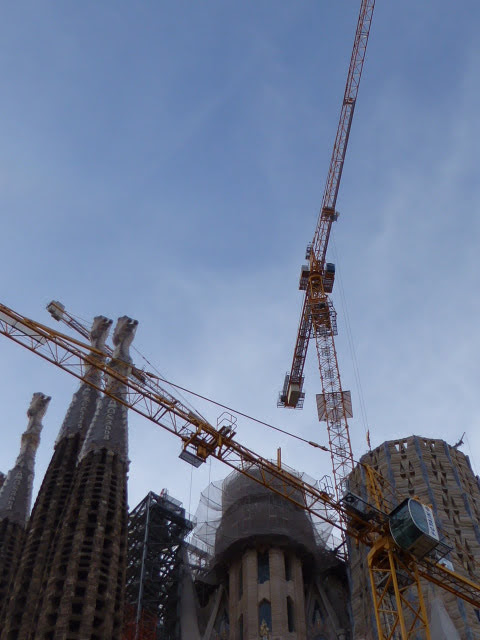
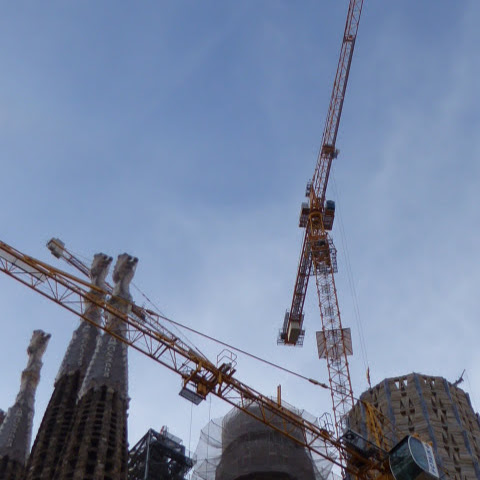
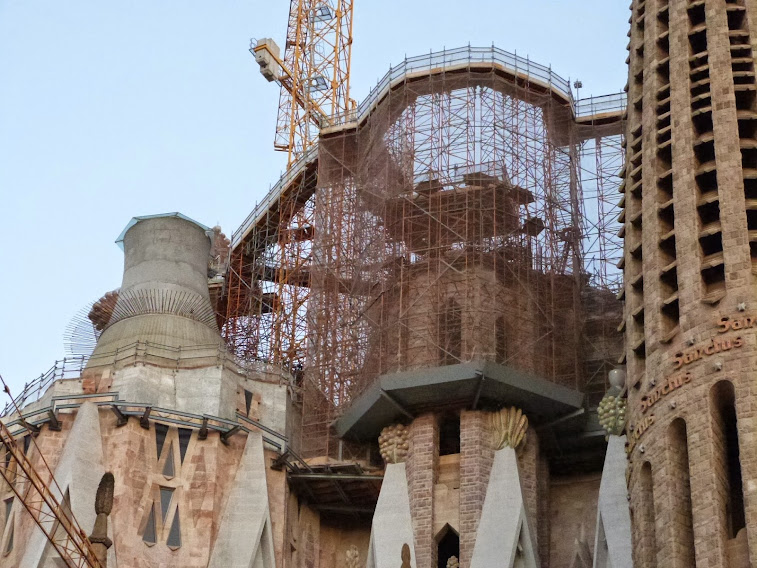
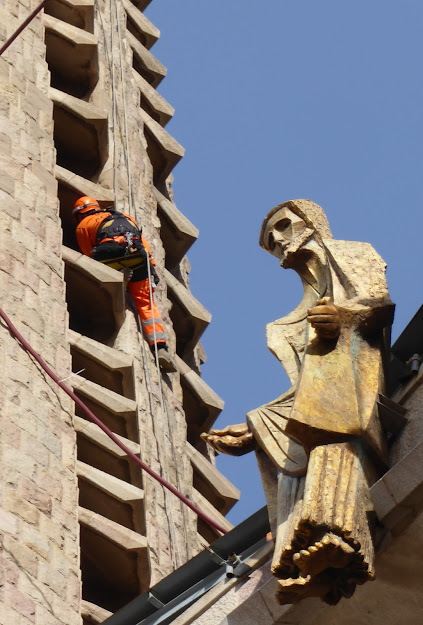
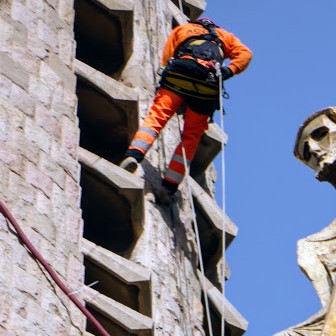
Whatever you think of the church, I think these builders, scrambling up unfeasibly high walls and towers are pretty bold.
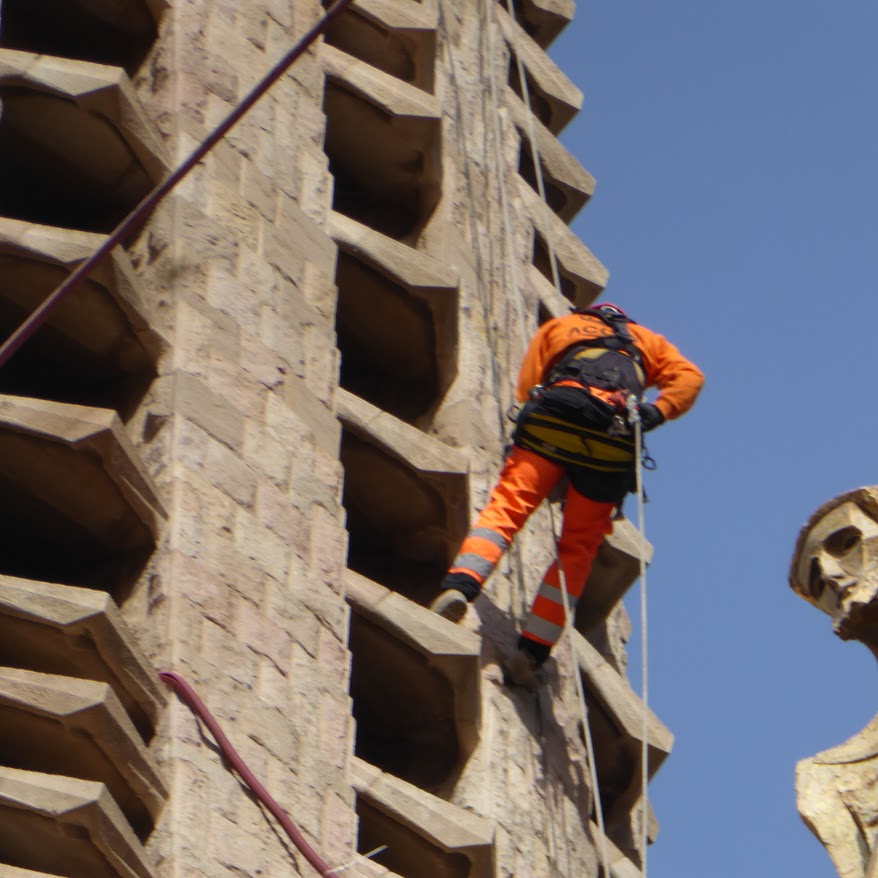
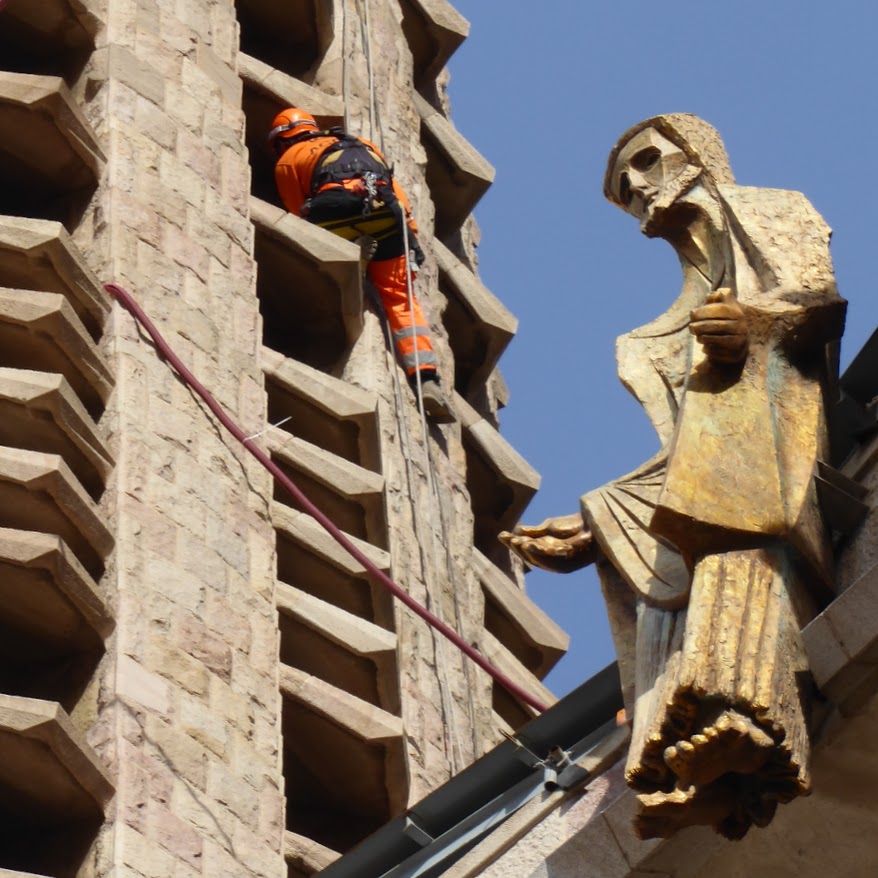
Look how high up some of them have to work.
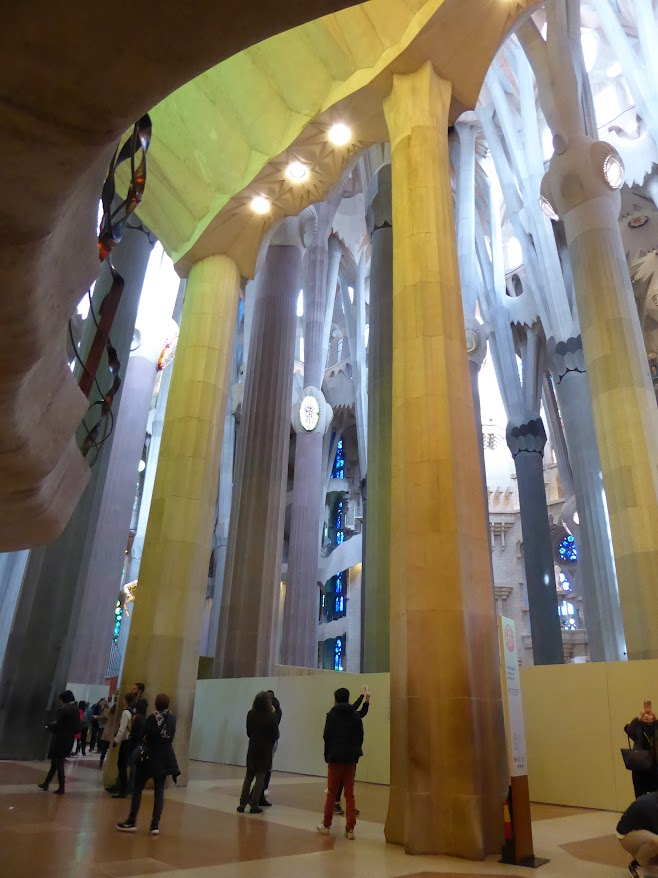
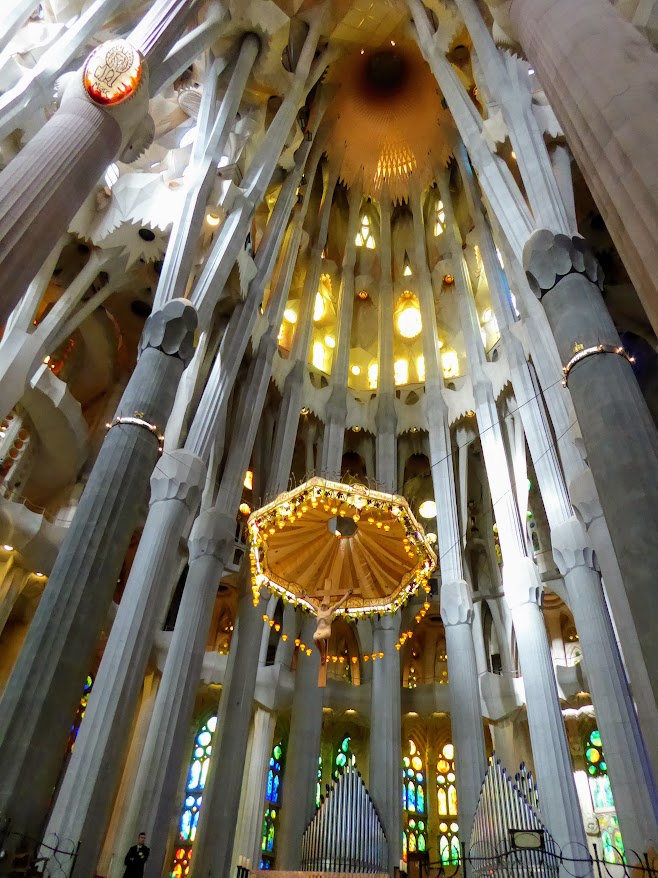
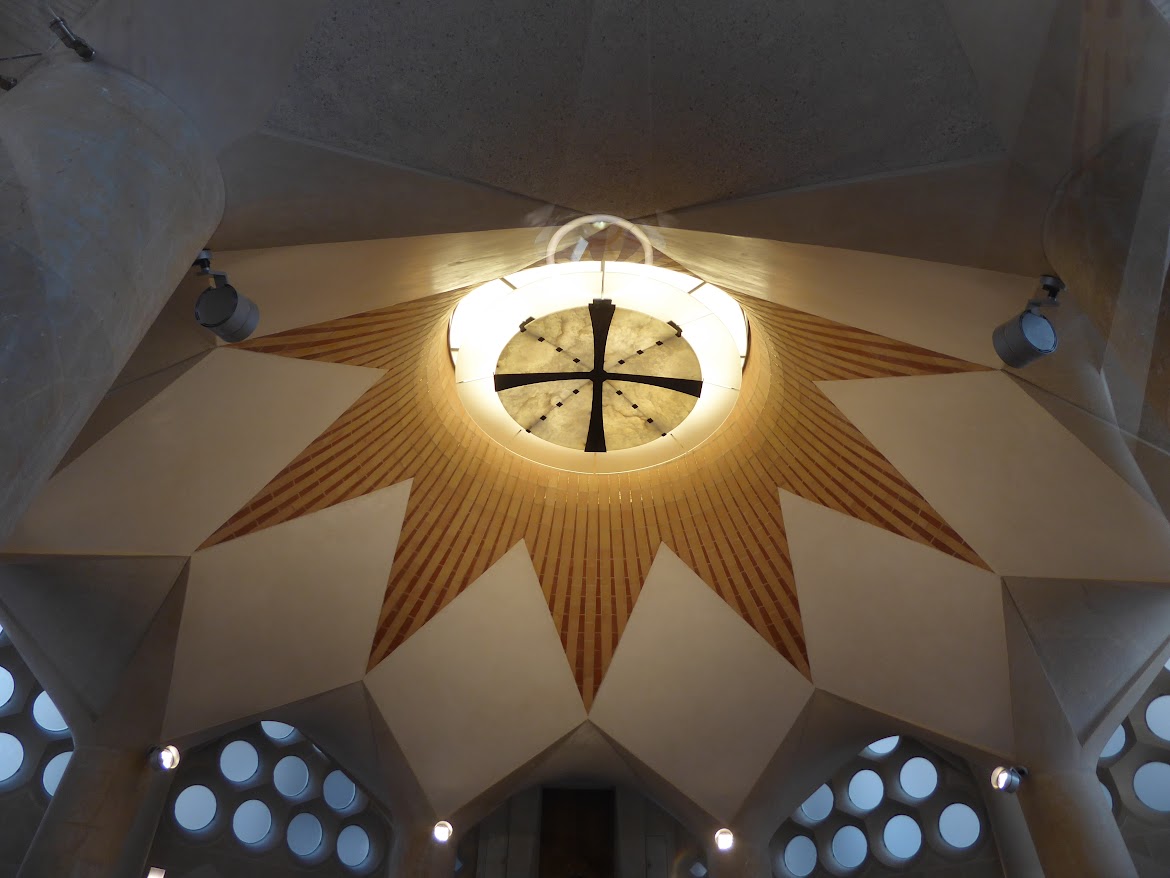
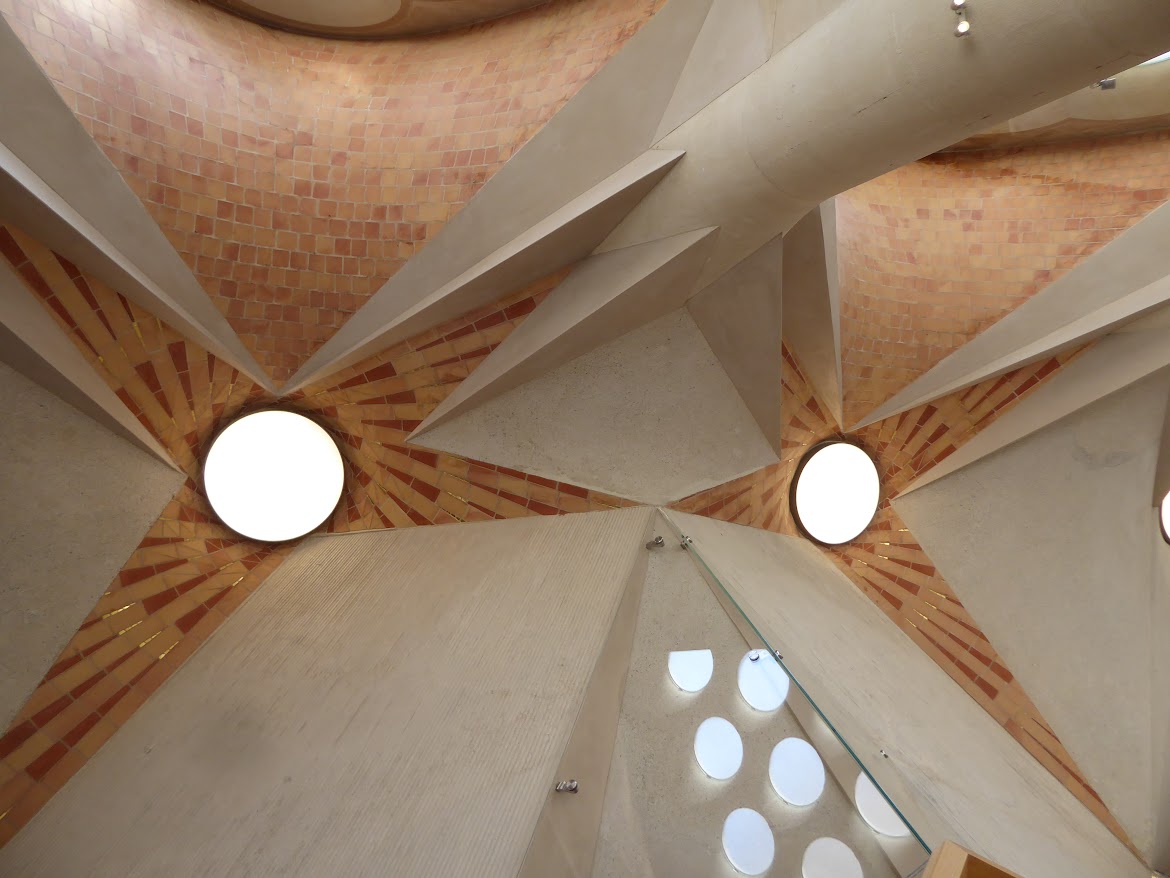
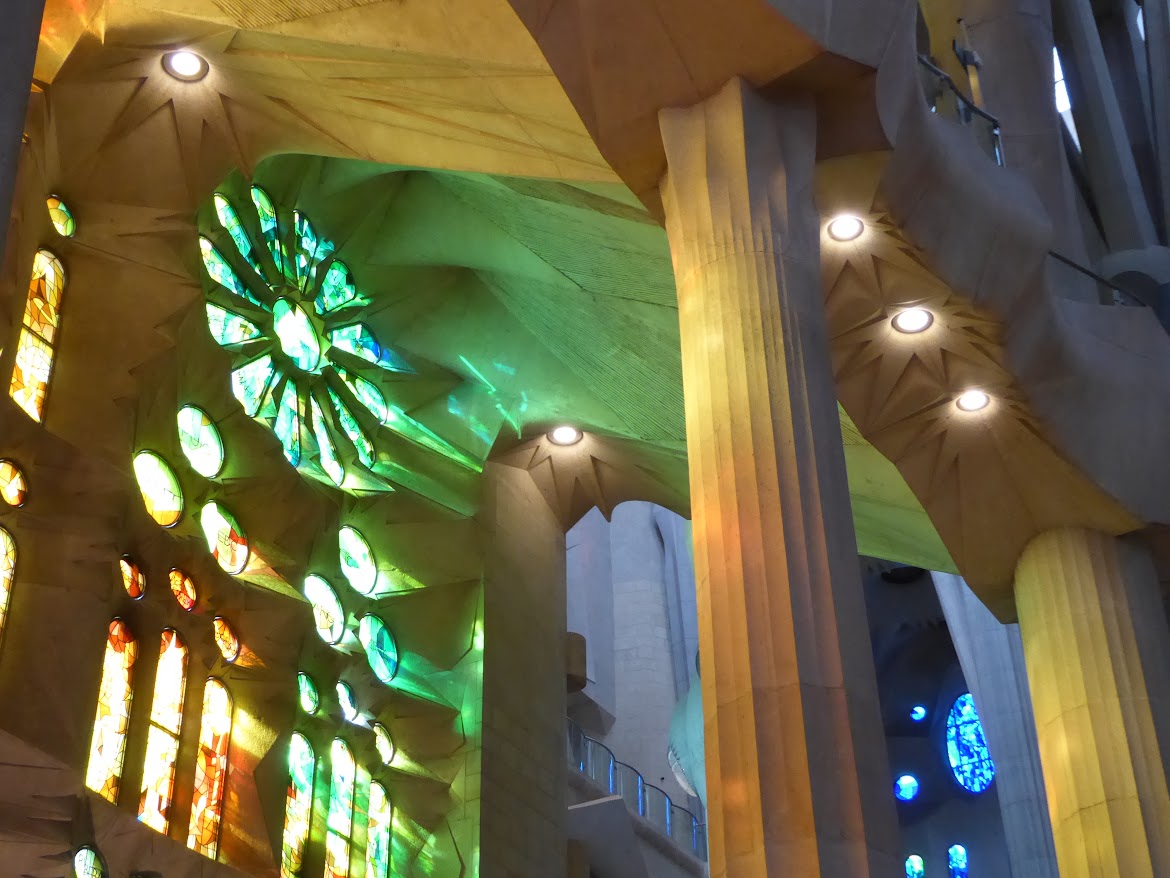
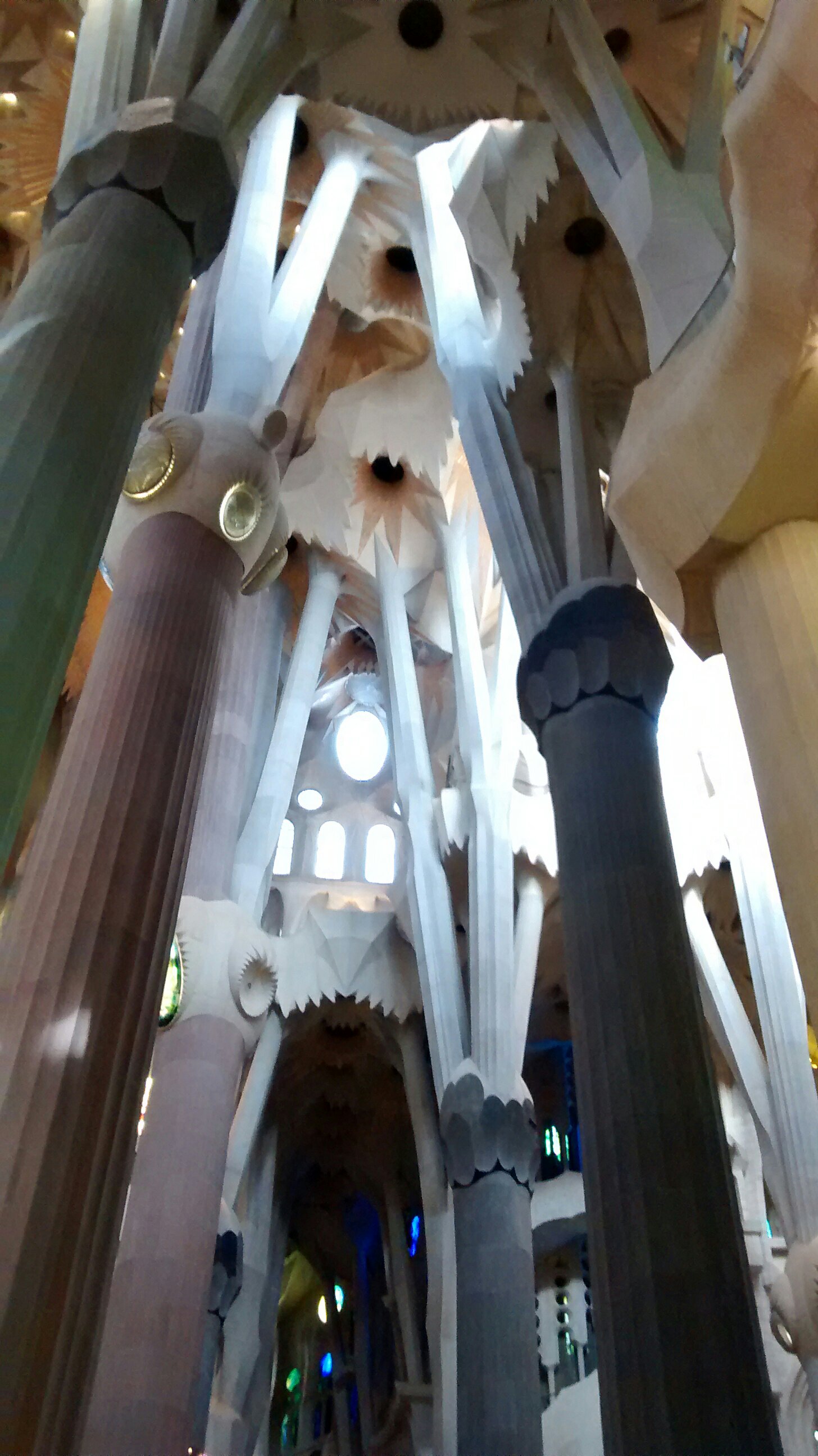
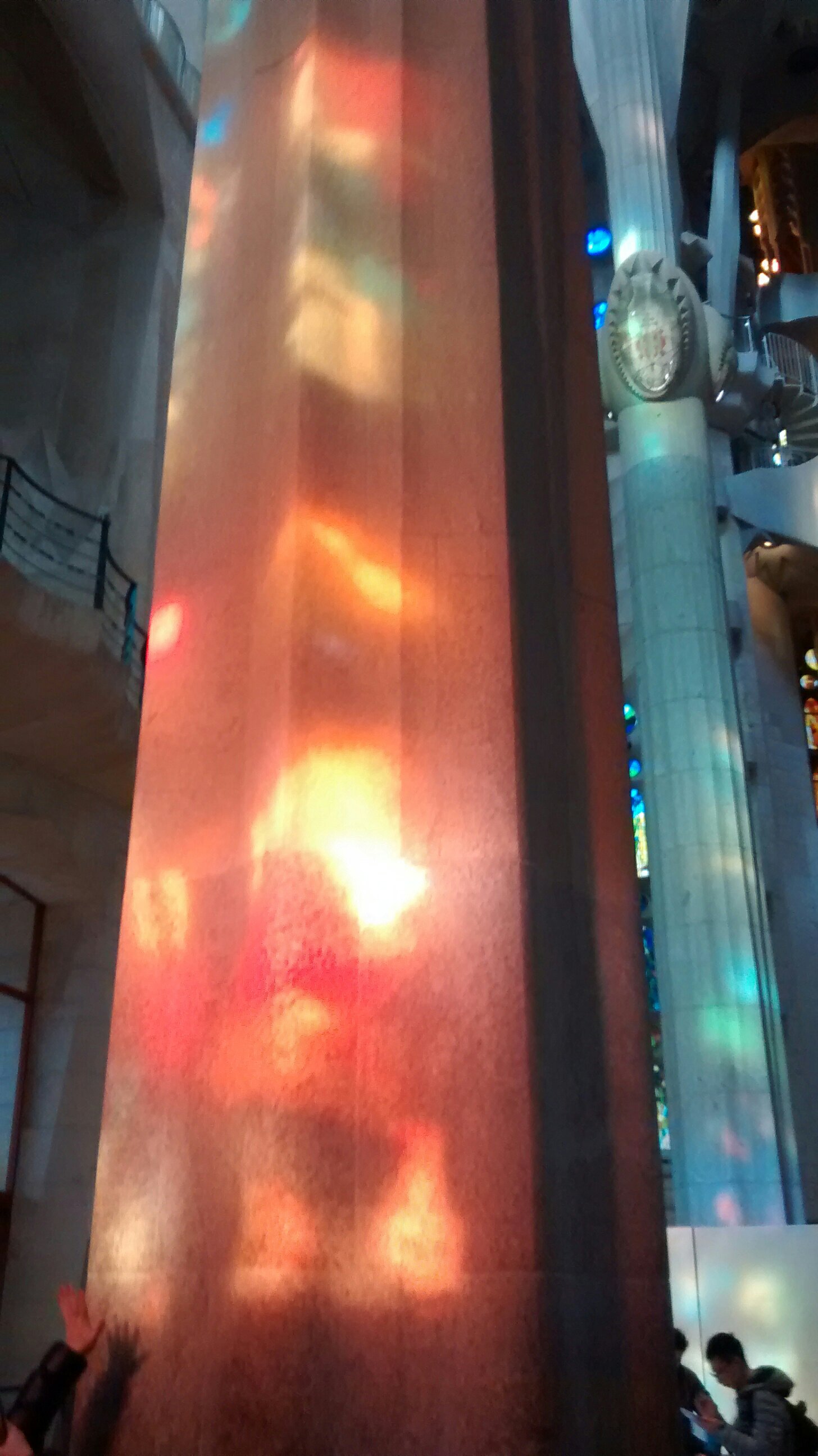
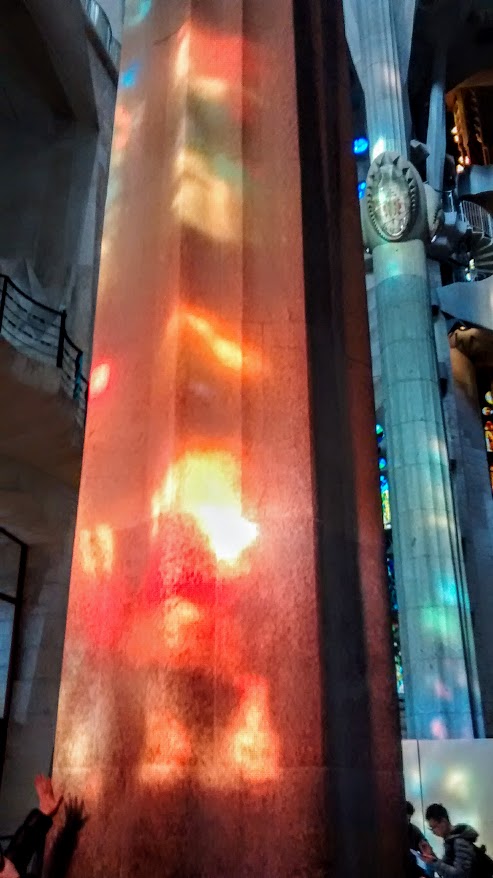
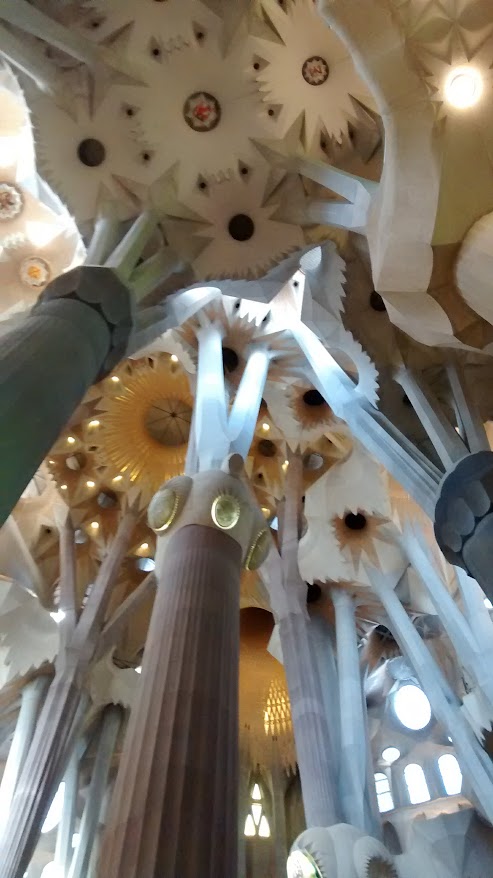
Here’s a miscellany of shots from the interior of the building.
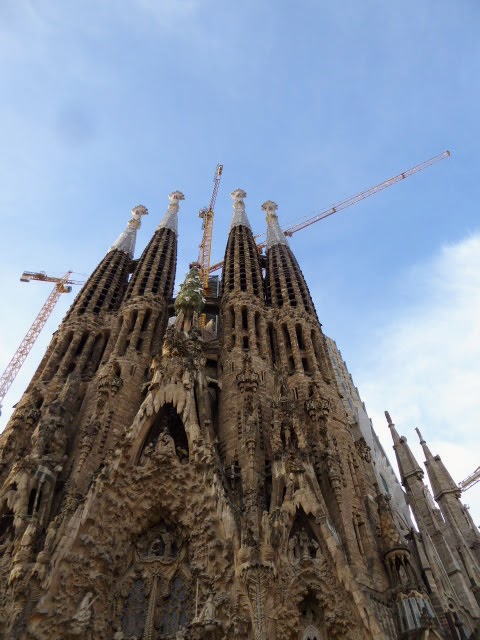
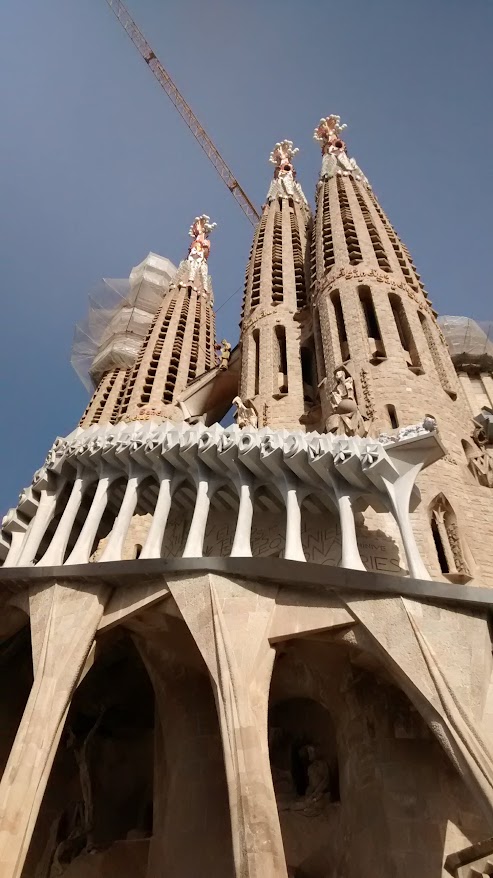
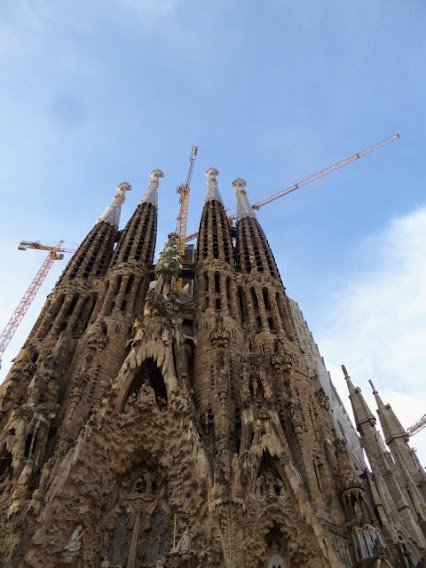
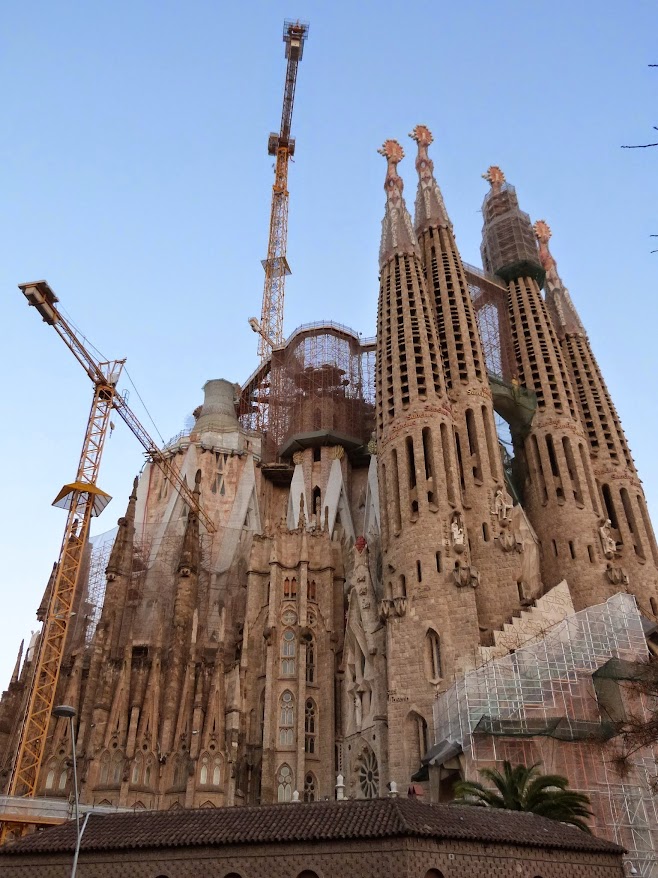
And the exterior.
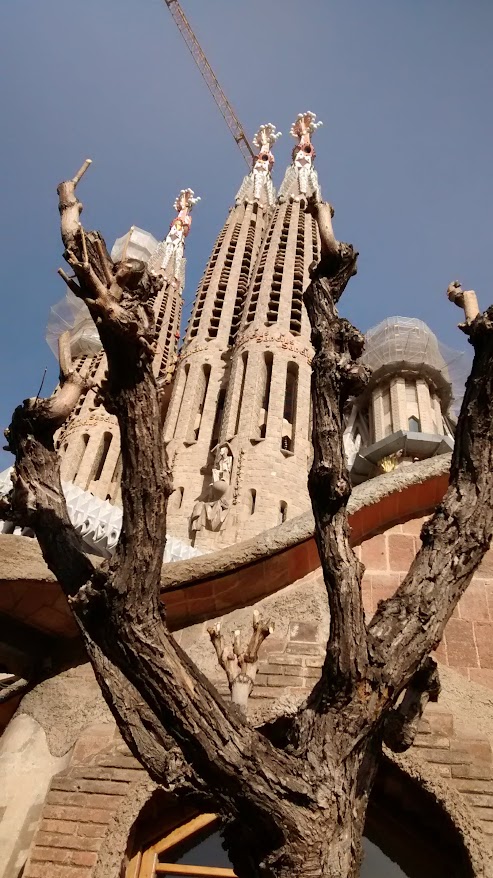
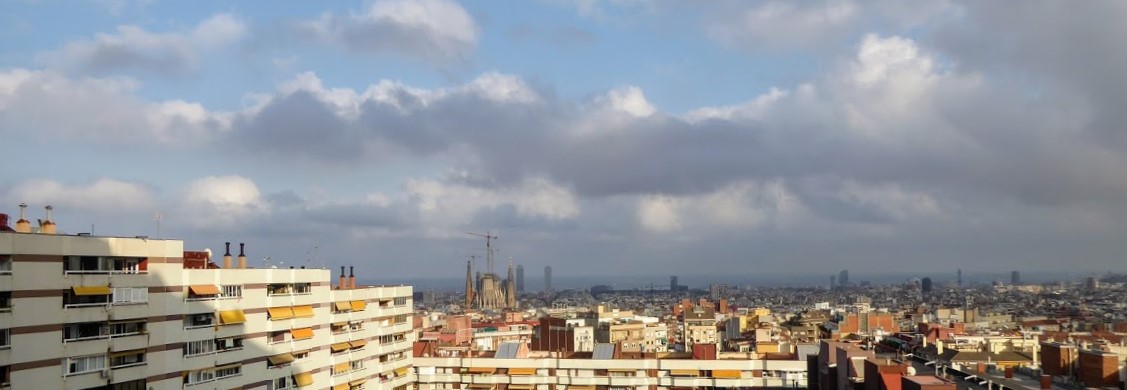
The featured photo is my most recent, taken in January from the Mercat dels Encants, some distance away. As you can see, quite a lot of recent additions have been made since the exterior shots shown above were taken .

What to visit instead? Be intrepid! Make your way (and it’s not that easy) to Colonia Güell, outside town, and visit Gaudí’s incomplete (but bold) church there, the one he expected to make his Magnum Opus until the funding stopped, and the Sagrada Familia presented itself as an opportunity. You can read about it here. You mght be able to tell where my sympathies lie.

For Sofia’s Lens-Artists Challenge #337: Bold

La Sagrada Familia – Constructed at Last?

Everybody knows that Antoni Gaudí’s La Sagrada Familia is the oldest new church in (probably) the world. Begun in 1882, it may finally be finished in 2026. Promises, promises. It’s certainly been burgeoning for years.

The header photo, taken from the flat where Emily’s partner Miquel once lived shows how this monumental edifice dominates the skyline in a city where so many modern buildings scrape the sky.

For Becky’s #SquaresRenew

Building a Skyscraper: Crane required

What a doddle it must be to erect a modern high-rise building, compared with the difficulties faced by those builders in mediaeval times. Their churches and cathedrals soar dizzyingly heavenwards without benefit of modern scaffolding kits, cranes and mechanical diggers.

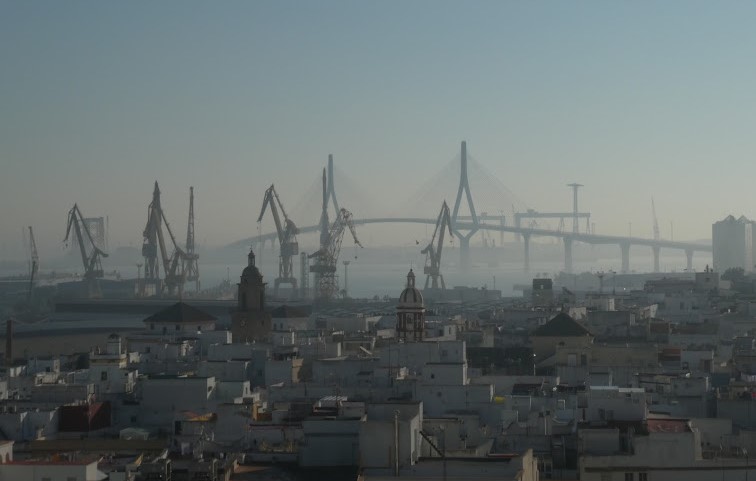
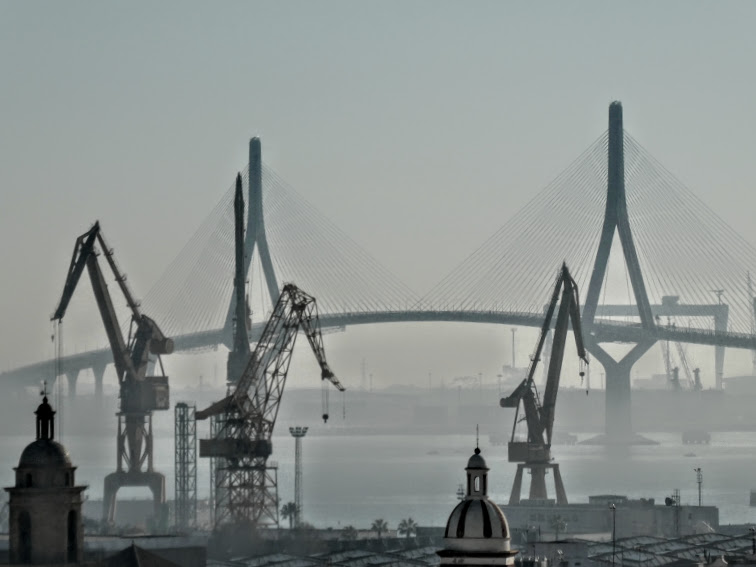
It’s the view of Cádiz shown in the featured photo that prompted thoughts like these. The modern industrial hub is visible from the older city centre. Here’s another view:

Cádiz

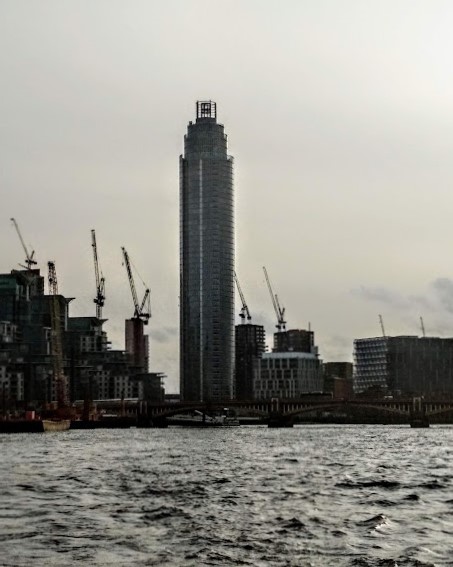
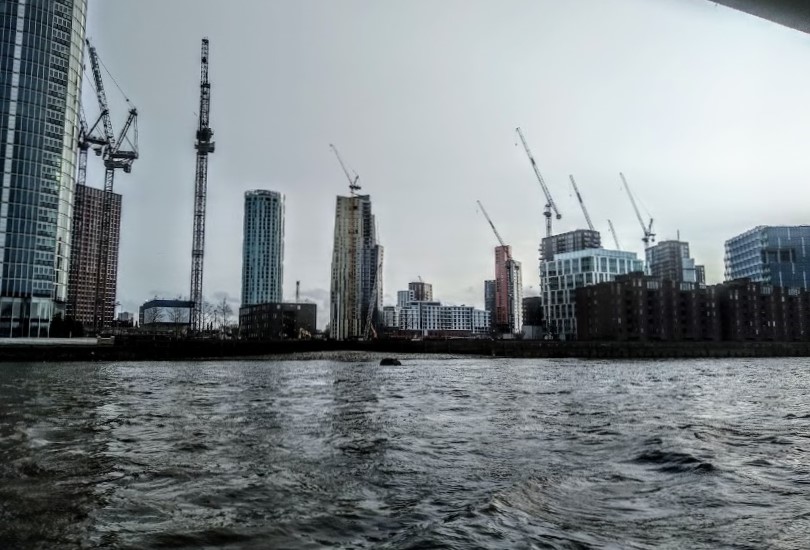
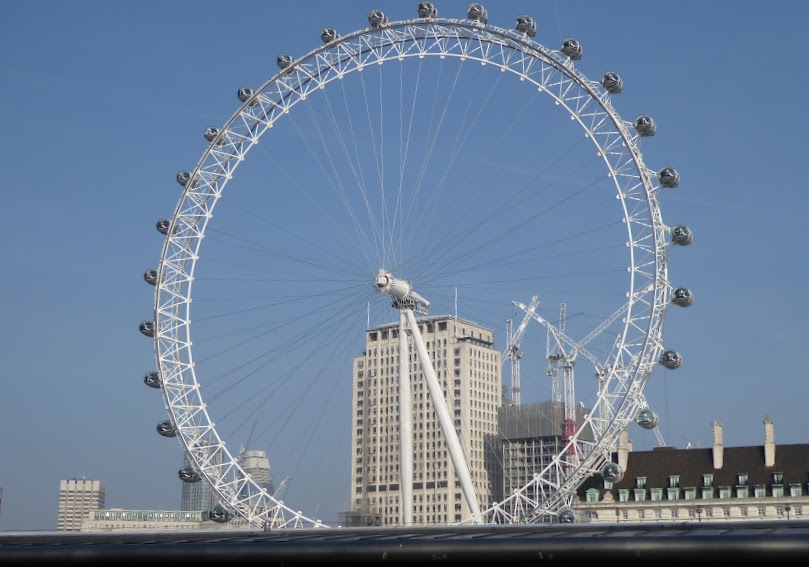
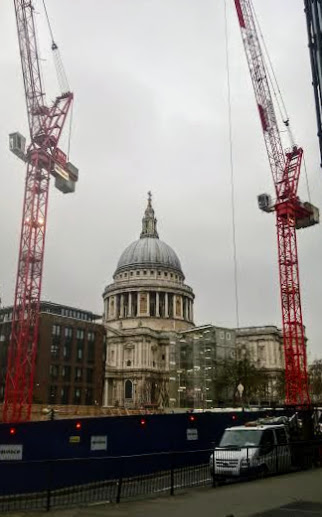
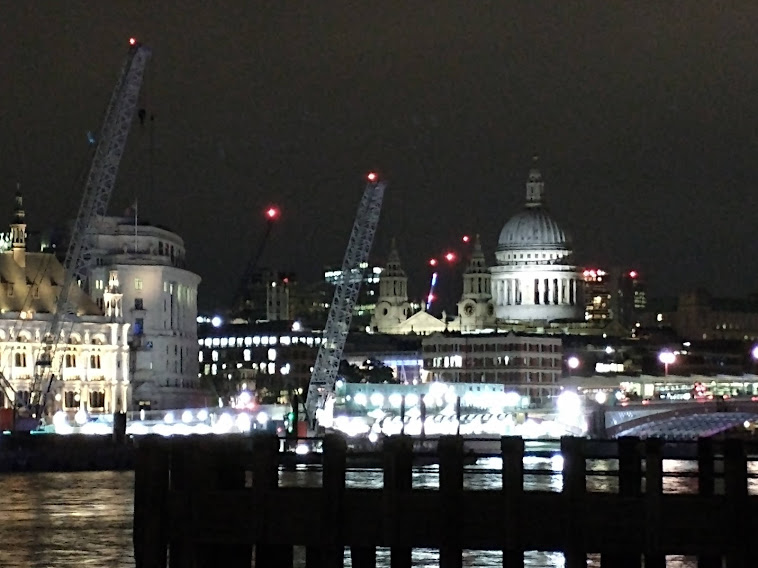
Let’s go to London, a city so changed from the days when I lived there in the 1950s and 60s. Here’s a gallery of soaring towers, and the cranes that made building them possible. There are even cranes surrounding St. Paul’s Cathedral. And The London Eye makes a useful picture frame for yet another high-rise office.

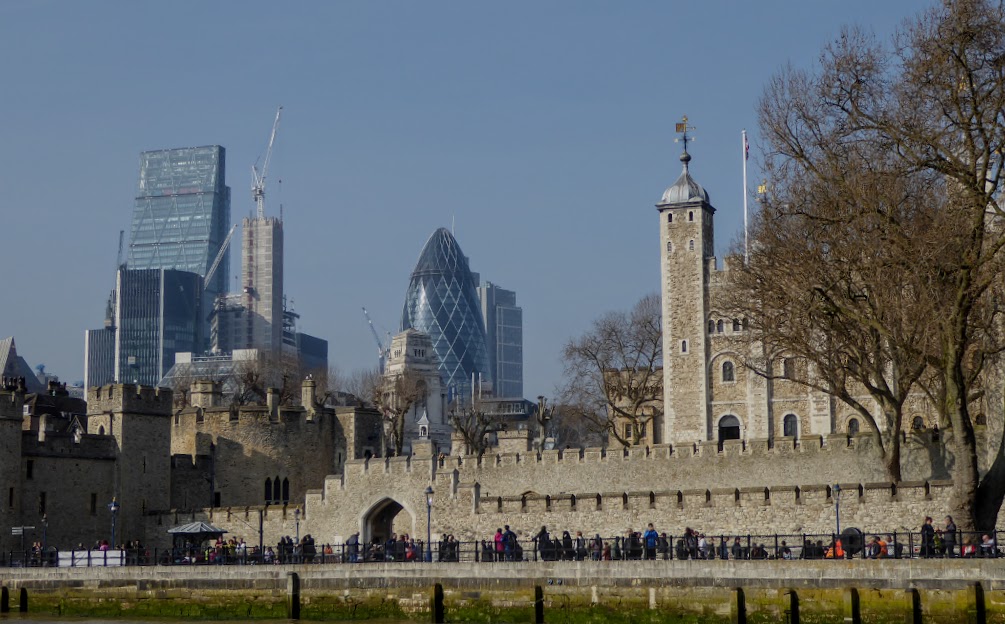
And here’s new and old, juxtaposed: from Gherkin to Tower of London

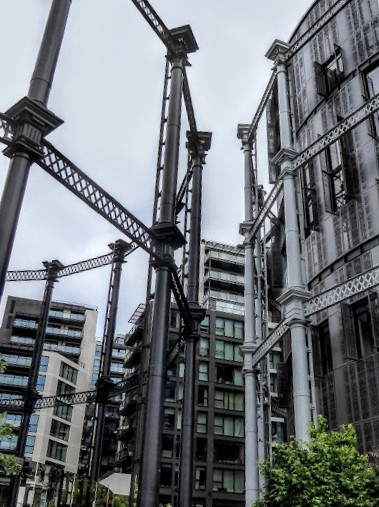
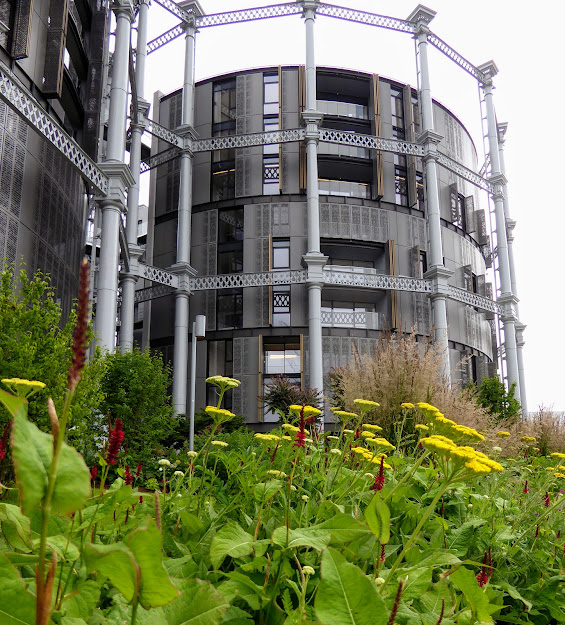
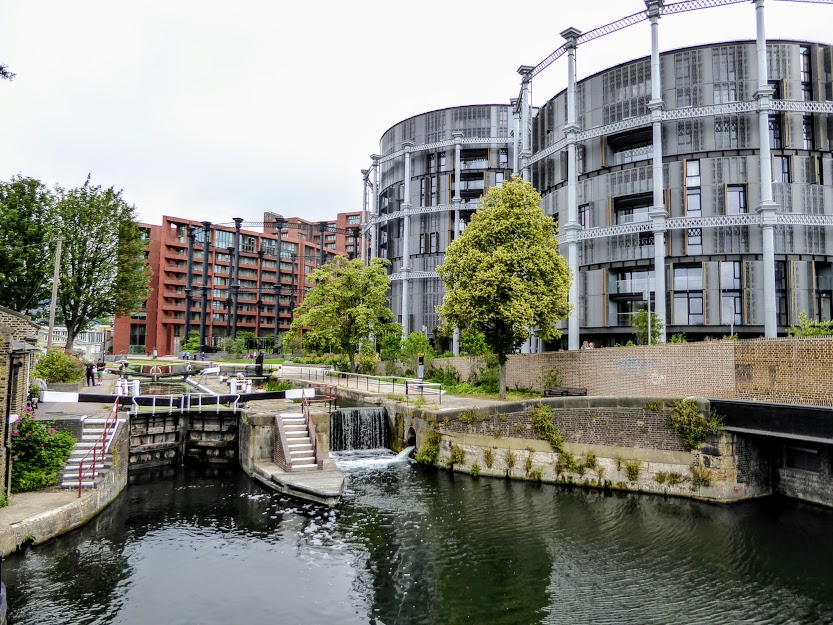
Slightly off-topic, I have to include a few shots from the Gasholder development in Kings Cross. From dirty industrial back streets to desirable address in an imaginative few years.

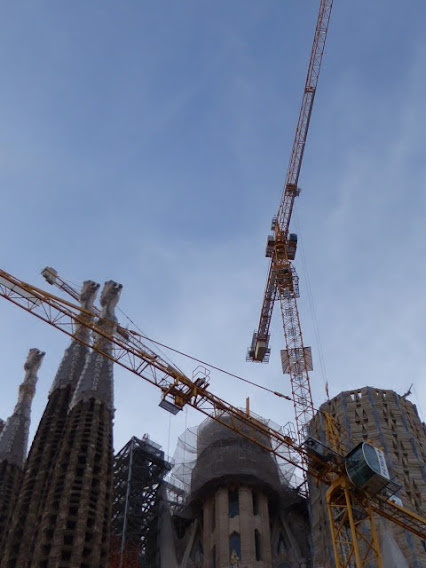
There’s one cathedral still under construction that’s taking even longer to build than its mediaeval antecedents: La Sagrada Familia in Barcelona. Look.
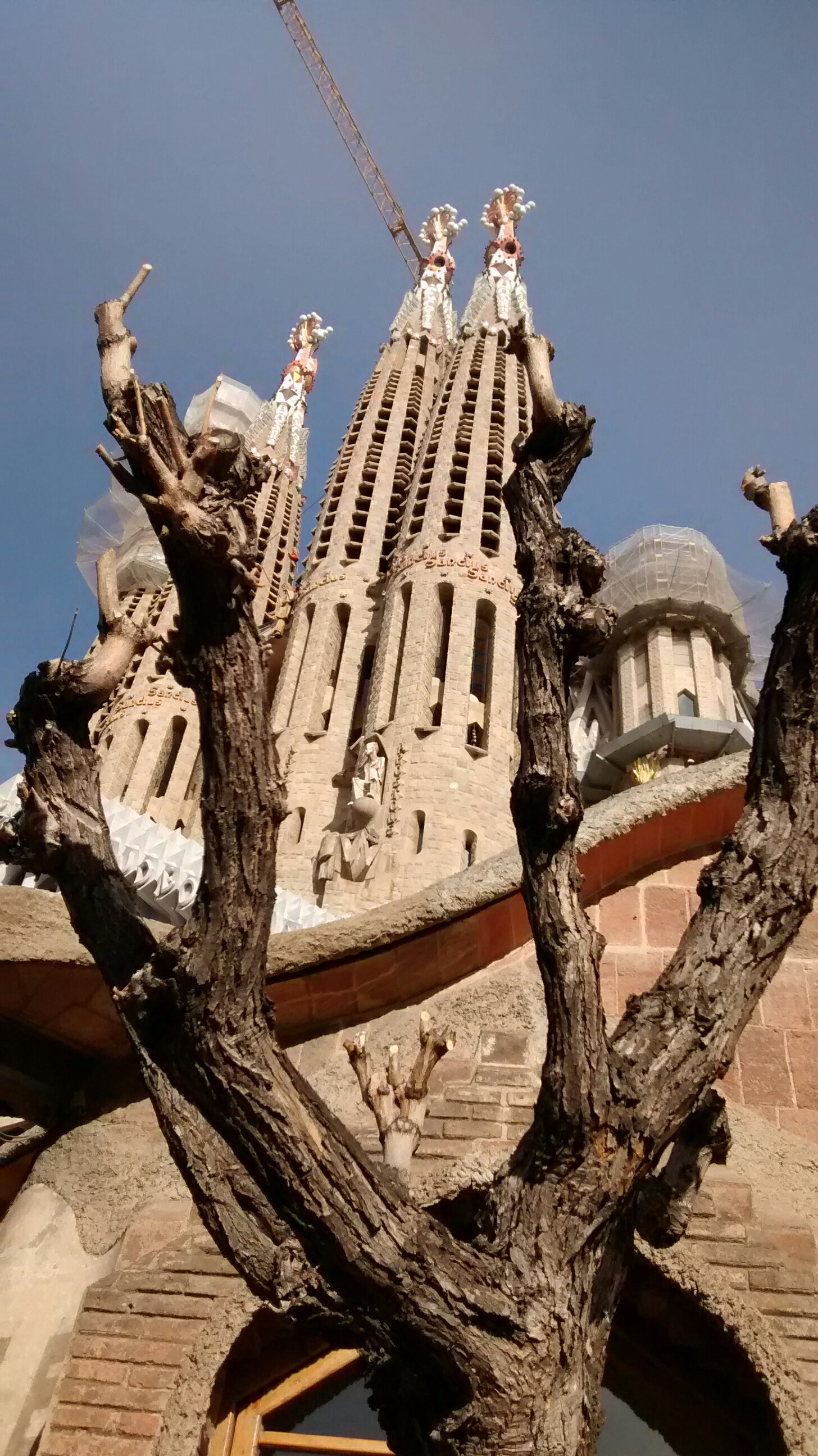
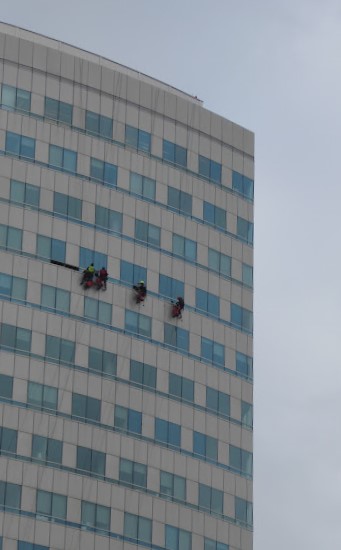
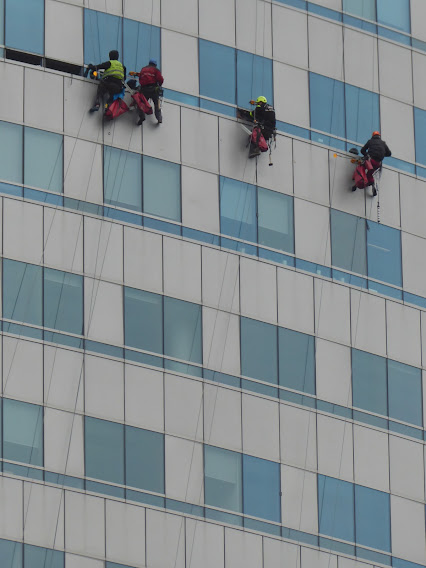
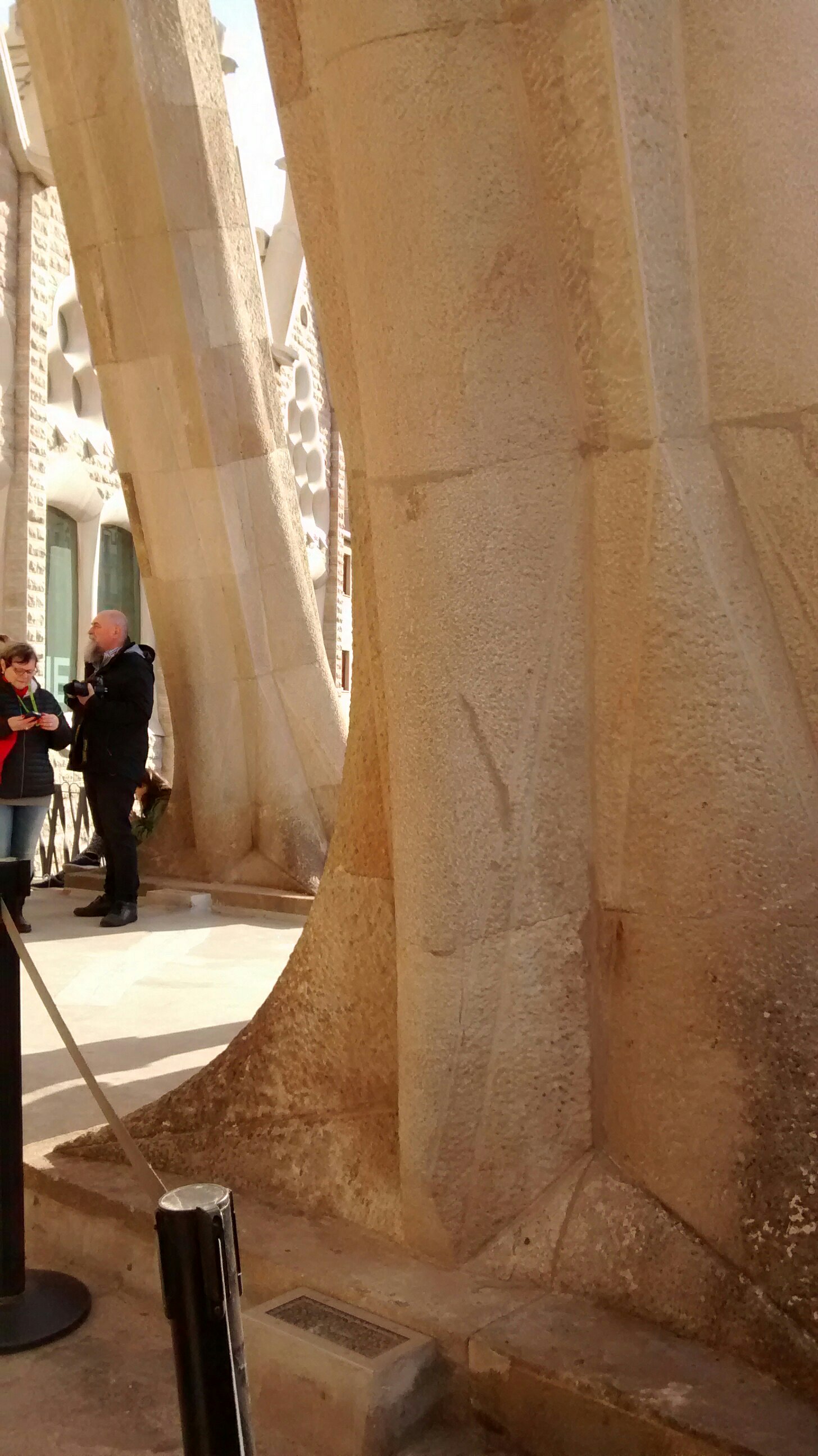
Did you notice the builder in his hi-viz gear and safety equipment? He’s not the only one who needs to have a head for heights on these modern buildings. Here’s a team of window cleaners in Warsaw:
Tina has invited us, in this week’s Lens-Artists Challenge #173 to choose interesting architecture. I’ve chosen to focus on how the buildings I’ve selected reached such immense heights.

The London skyline seen from Greenwich

Building a Cathedral in 144 Years

One of Europe’s emblematic skylines is provided by Antoni Gaudí‘s La Sagrada Familia in Barcelona.  Its construction began in 1882.  It’s due to be completed in 2026.  The cranes which are a constant feature of the skyline will at last become a thing of the past.


Square Perspectives

Snapshot Saturday: many stories – one cathedral

This week’s pictures hint at two or more stories: at that of the life of Jesus, from whose life and teaching spring one of the world’s great religions. And at the building of La Sagrada FamiliaAntoni Gaudí’s cathedral celebrating Jesus’ family, created by thousands of craftspeople with special stories to tell, gathered over the last 136 years …. maybe only another eight or so to go.


‘Story’ is this week’s WordPress photo challenge.  Click on any image to view full size. 

La Sagrada Familia

The last time we went to la Sagrada Familia was maybe twenty years ago. My abiding memory is of seeing a monstrous fork lift truck parked in one of the aisles, totally dwarfed by the Cathedral in which it incongruously found itself.

Today was different. The Cathedral which Gaudí began in March 1882 is due to be completed exactly 100 years after his death, in June 2026: so the fork lift trucks are long gone.

What is there new to say about this inspiring, spiritually uplifting and imaginative building? Even the selfie stick dependent visitors thronging through can’t destroy its power.

Imagine, as Gaudī wanted you to do, walking through an ancient forest, the sunlight filtering through the topmost branches, dappling the trunks and forest floor with dancing daylight. Imagine the changing colours of that forest as the chilly morning sun rises in the east, then finally sets, warm and vibrant, in the west. La Sagrada Familia captures all that. It celebrates nature in stone, glass, ironwork and mosaic tile. Here are just a few shots to try to capture that mood.