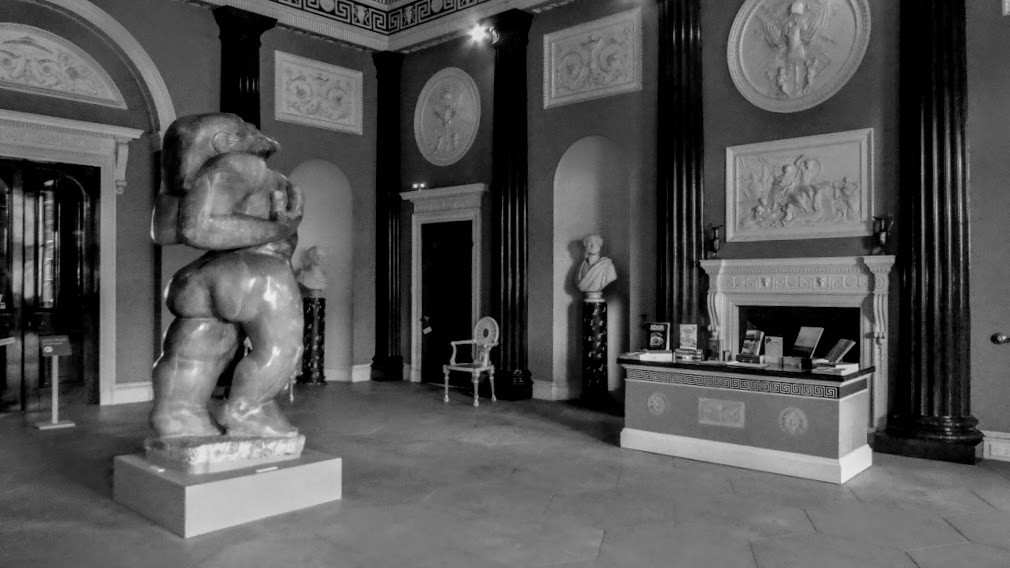
If you’re reading this, the chances are that you’ve also glanced at my previous post today, showcasing Jacob Epstein’s Adam at Harewood House. I’ve been playing with the photos, and have decided I would have done Adam more favours by showing him off, not in glorious technicolor, but in monochrome. What do you think?
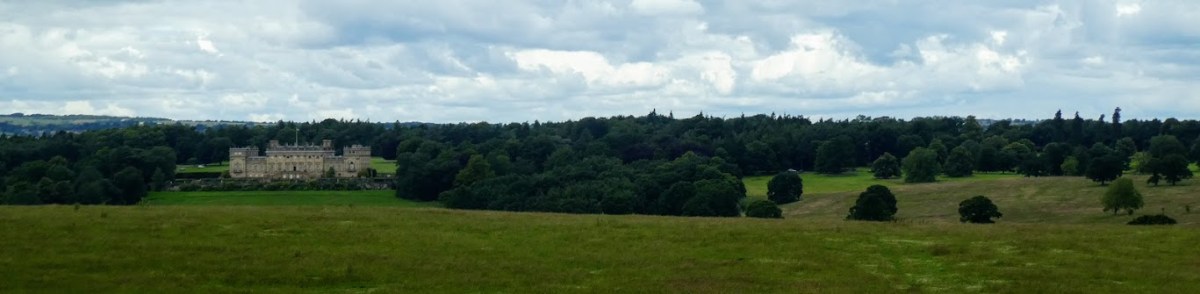
Harewood House is the archetypical country house. Built for Edward Lascelles, the first Baron Harewood, in the mid eighteenth century to designs by John Carr and Robert Adam, it is set in one hundred acres of garden designed by Capability Brown. It’s among Yorkshire’s most prized treasures. These days, such treasure has lost some of its lustre as people remember that the Harewood family acquired their immense wealth from being slave owners and having plantations in West India. The present Harewood family can’t change that past, but their exhibition programme does what it can to redress the balance: this month there’s an exhibition on Windrush generation Arthur France, founder of Leeds West Indian Carnival.
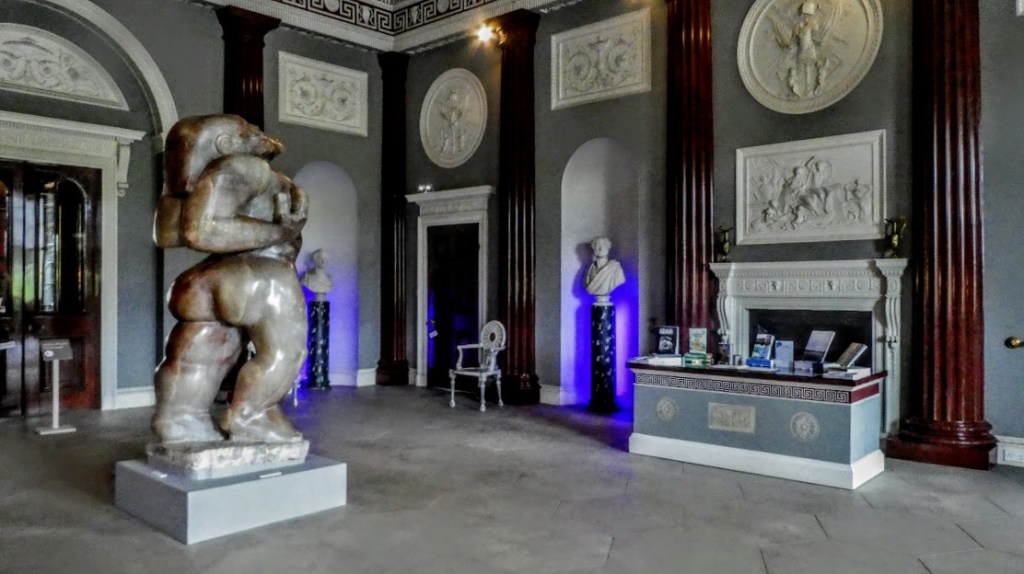
I mention this, because as you enter the house, this is what you see:
A spacious and gracious entrance hall: delicate plaster work, elegant columns: and slap bang in the centre, a mighty sculpture, monumental, assertive and demanding attention. This figure isn’t a slave: he’s not even Afro-Caribbean. No, this is a sculpture by Jacob Epstein, who was greatly influenced by what was in the early twentieth century thought of as ‘primitive’ art – that of Polynesia and Africa. This is Adam.
How he got here is a curious tale. Back in 1961 the then Lord Harewood saw this sculpture in of all places, a Tussaud’s peep show in Blackpool, together with other works by Epstein. A long and complicated story, but he eventually bought it, and now it’s recognised for the stirring and monumental piece that it is, rather than a grotesque to be laughed at. Do look at this post hereto get a flavour of how Epstein’s work was regarded in its early days, at least as it was displayed in Blackpool. The short video below however places Adam in the context of Harewood House.
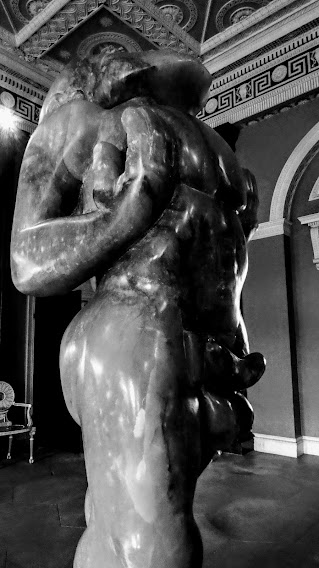
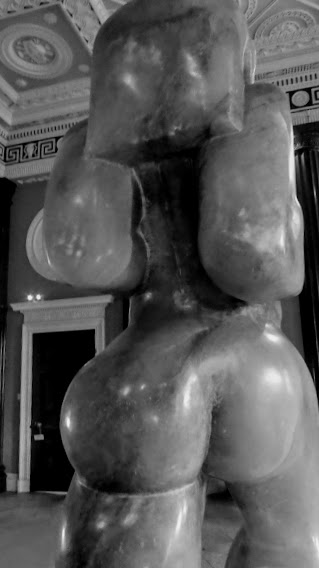
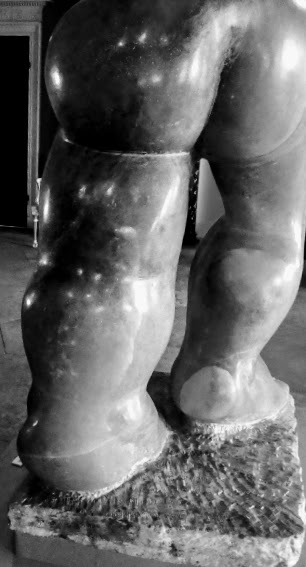
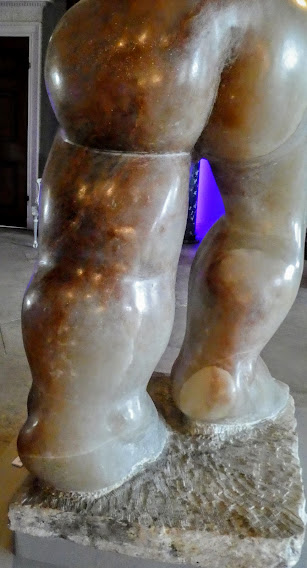
I wanted, for this week’s Lens-Artist Challenge #220 One Subject Three Ways by Patti, to observe Adam in several ways, to look at how this potent figure works in a space to which it seems in many ways unsuited. I found the lighting difficult and am not pleased with my results, but … I did it anyway. You’ve seen the first one already. Here are more…
So … Adam. But knowing the story of Harewood and where the money came from to build it, I found this figure, which relies on an African, rather than an European artistic heritage, makes a powerful statement to those who enter this house to enjoy its treasures and its finely proportioned and handsome grandeur.
I’m going to have another go at the challenge, perhaps tomorrow, when I take a stroll in the artfully designed ‘natural’ landscape of Harewood House.


 From Pyrenees to Pennines
You must be logged in to post a comment.