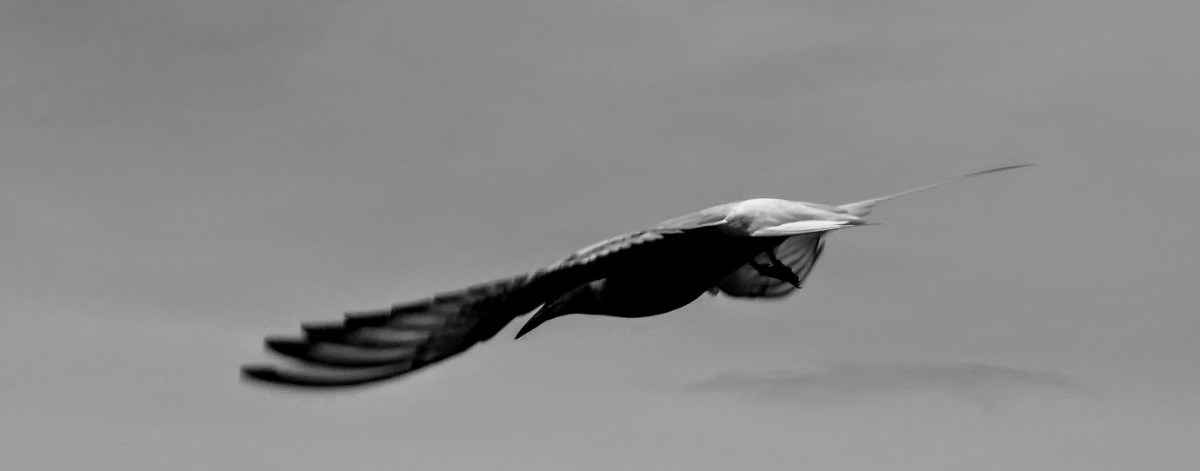
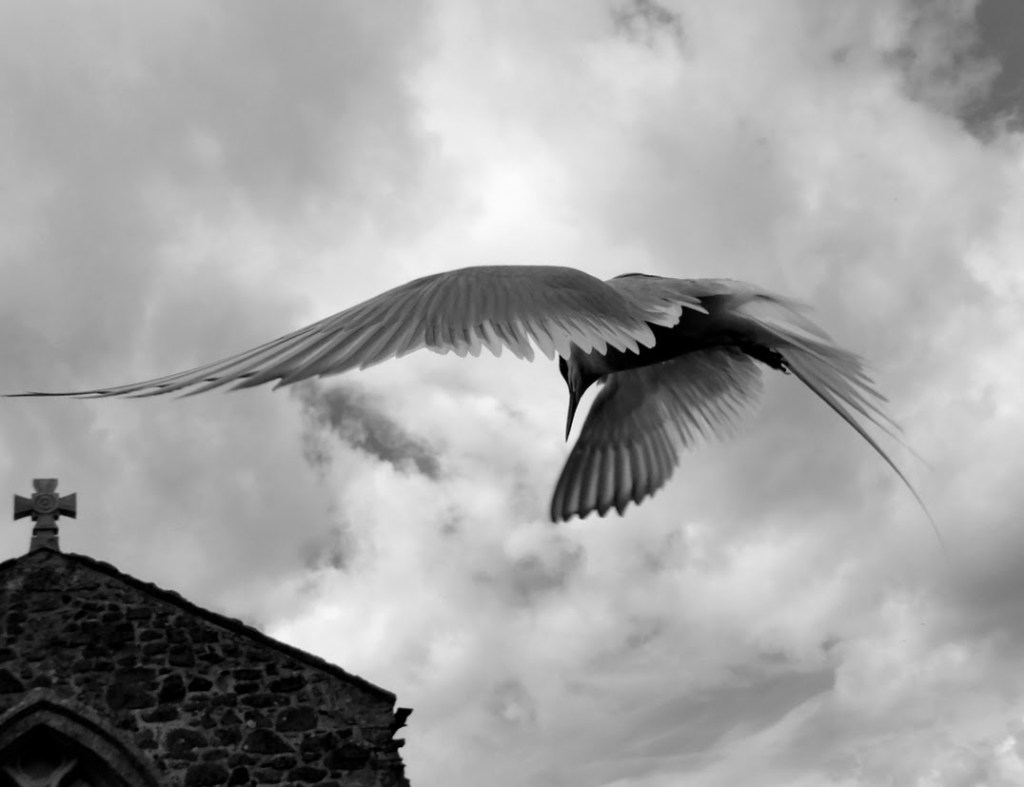
And they’d better be flying, to illustrate William Blake’s thoughts. Here’s an Arctic Tern. There’s another as the featured photo.
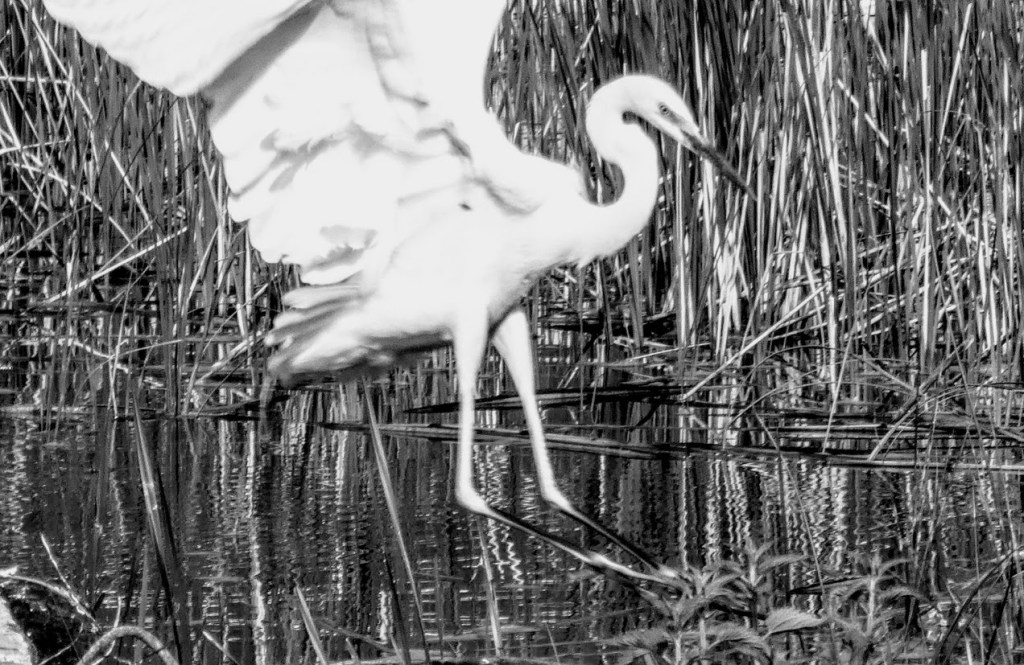
Here’s an egret landing. It caught me unawares, so not the whole of its wings made it into the image.
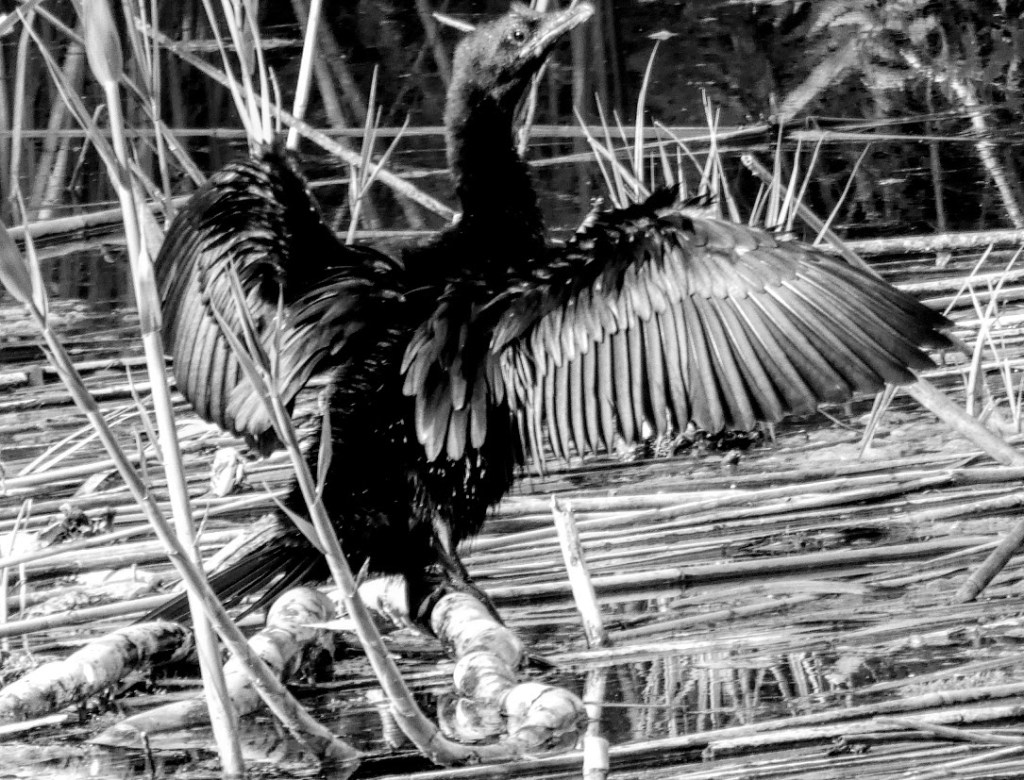
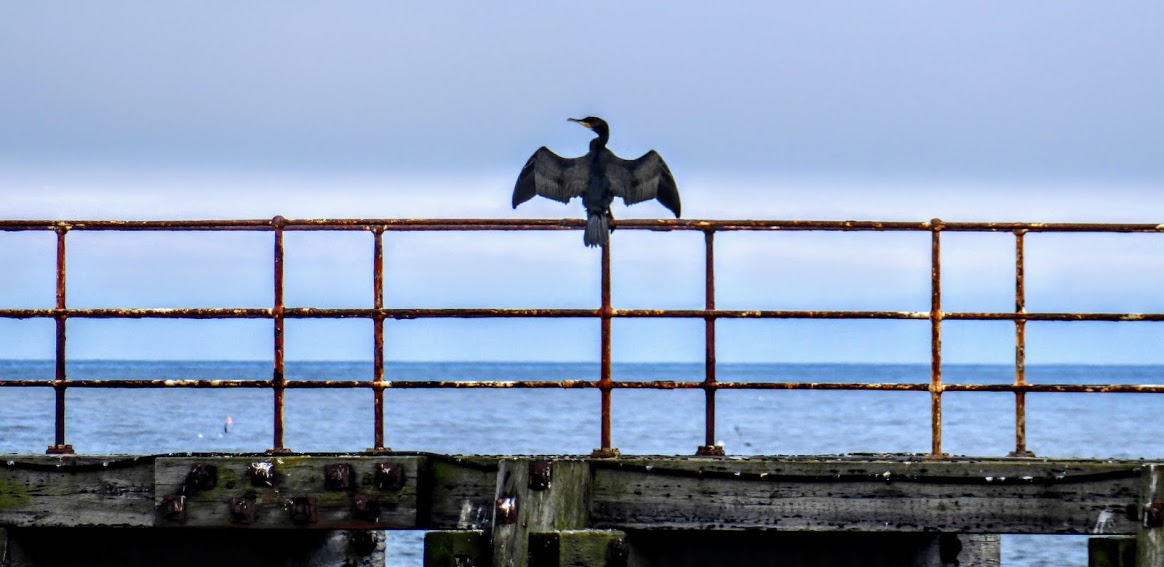
But most of my shots will feature birds at rest – all the better to demonstrate their plumage. Although here is a cormorant with wings extended. Not flying though.
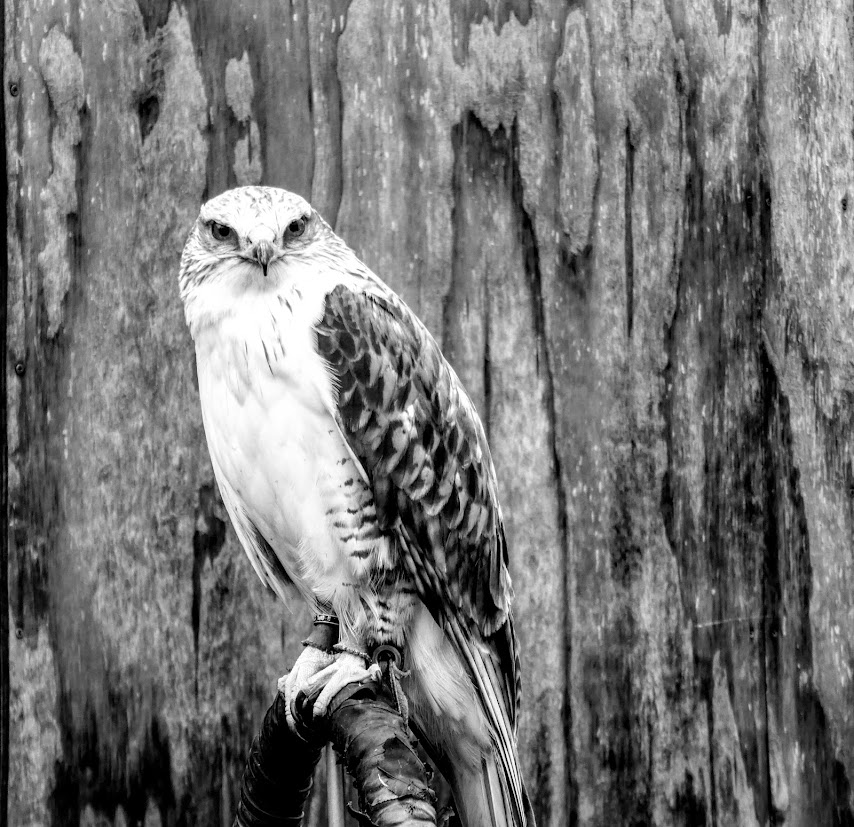
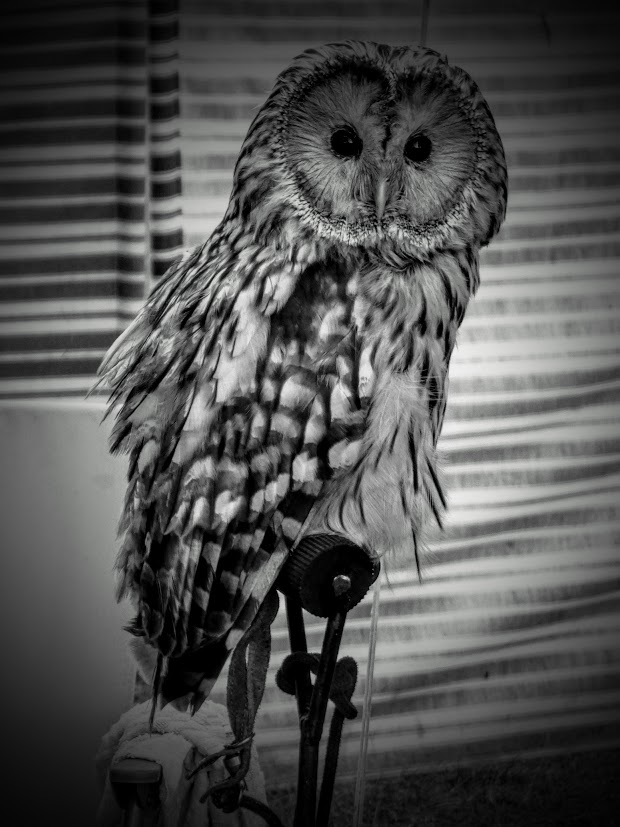
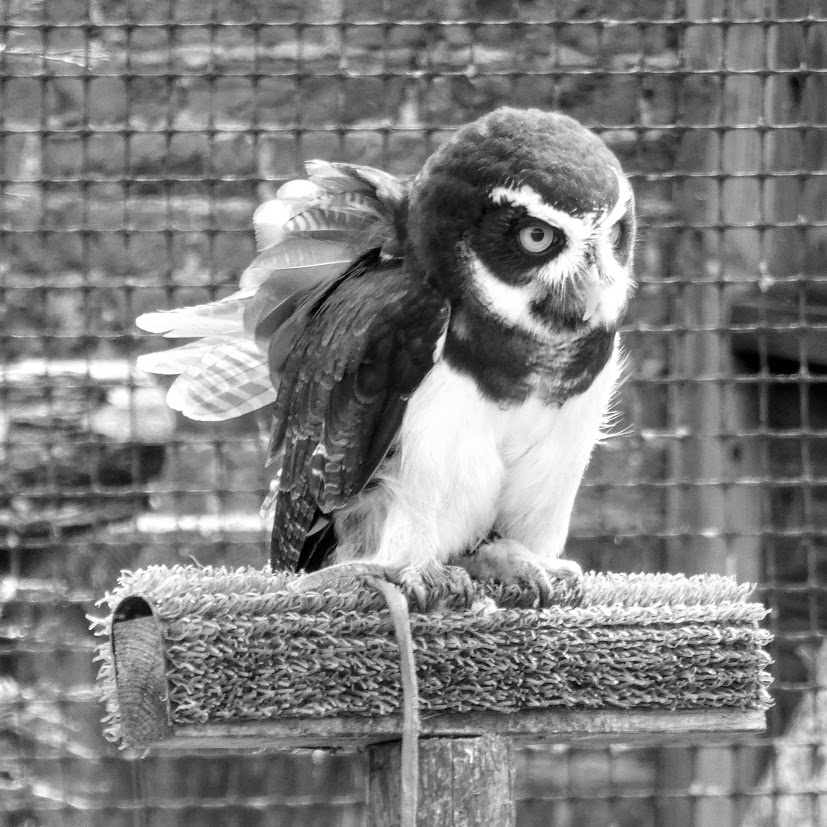
Here are some of the rest. These images were taken at a demonstration at Thorpe Perrow, and while I know the first one is a ferruginous hawk, I didn’t note the owl names. Can anybody help?
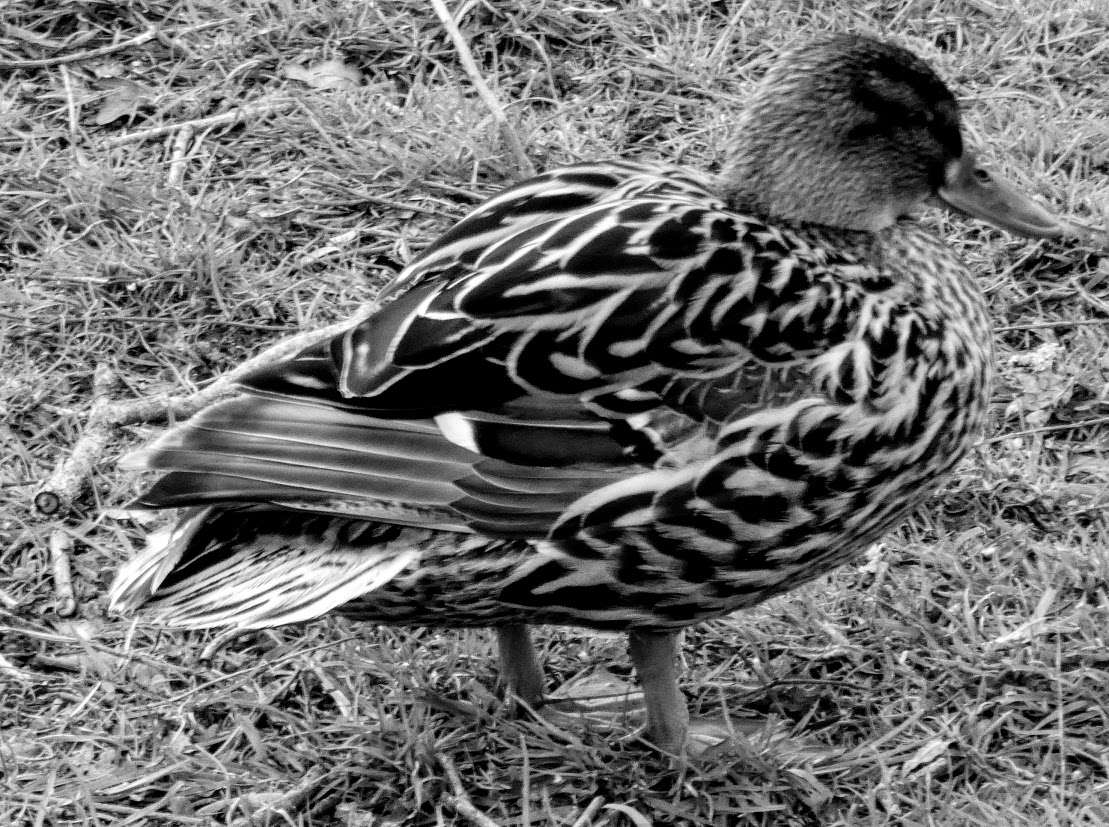
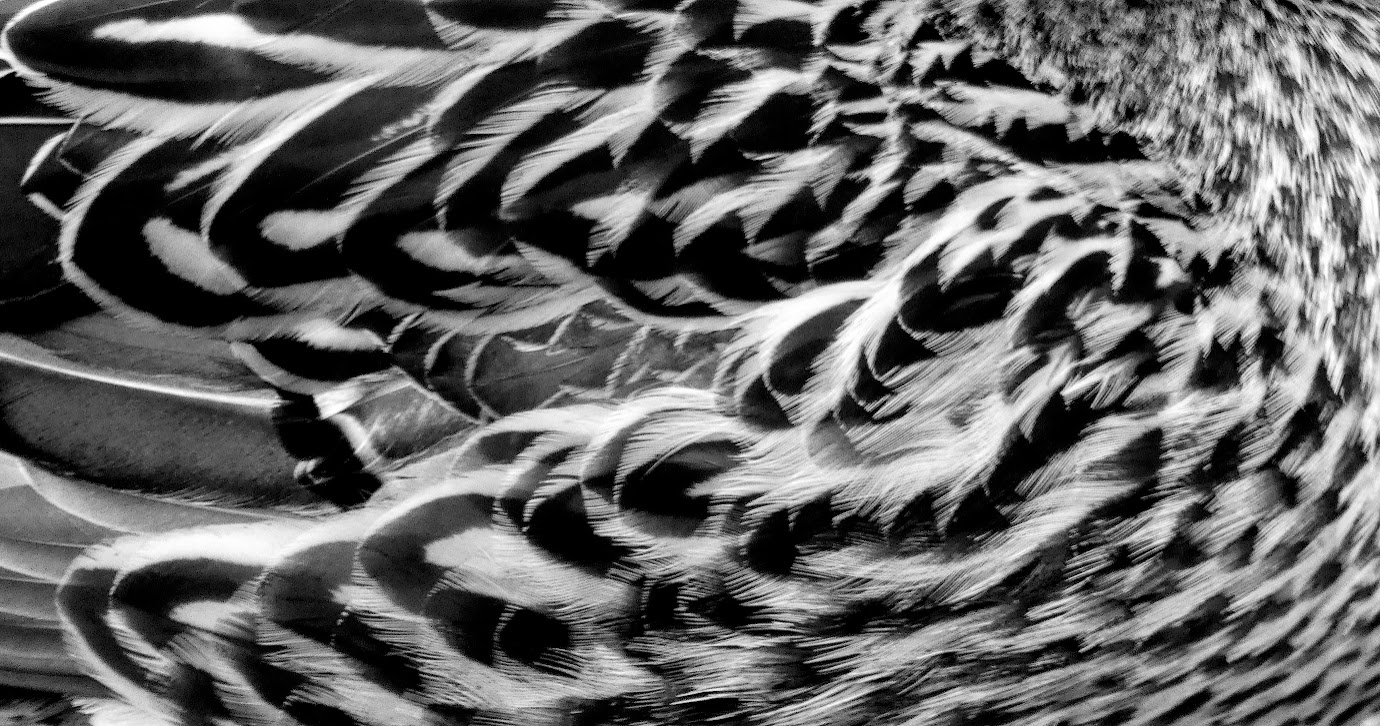
I thought this female mallard deserved a close-up of her wing feathers.
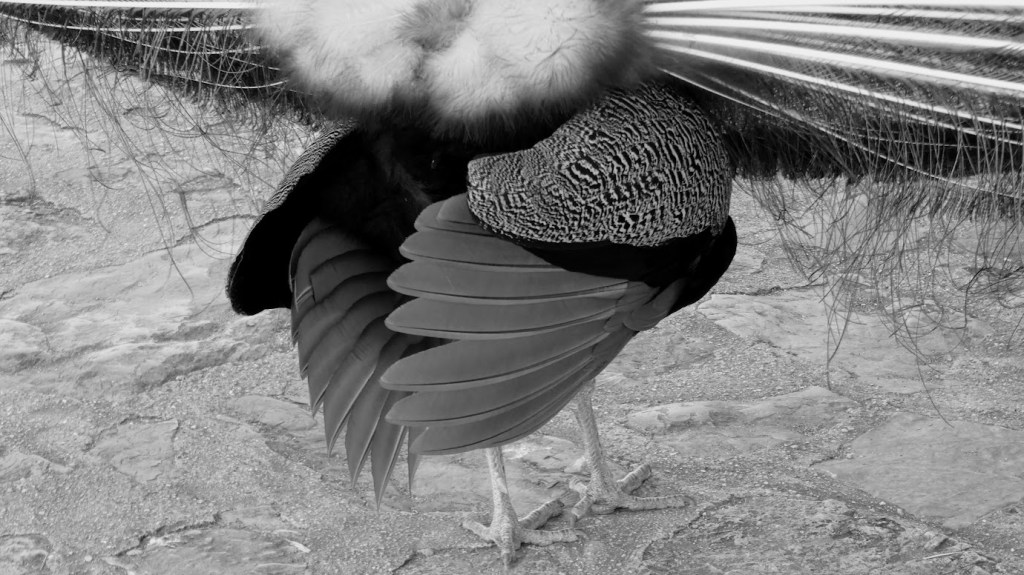
Just as I thought this peacock could afford to show off his wing feathers, and I could for once ignore his splendid tail display.
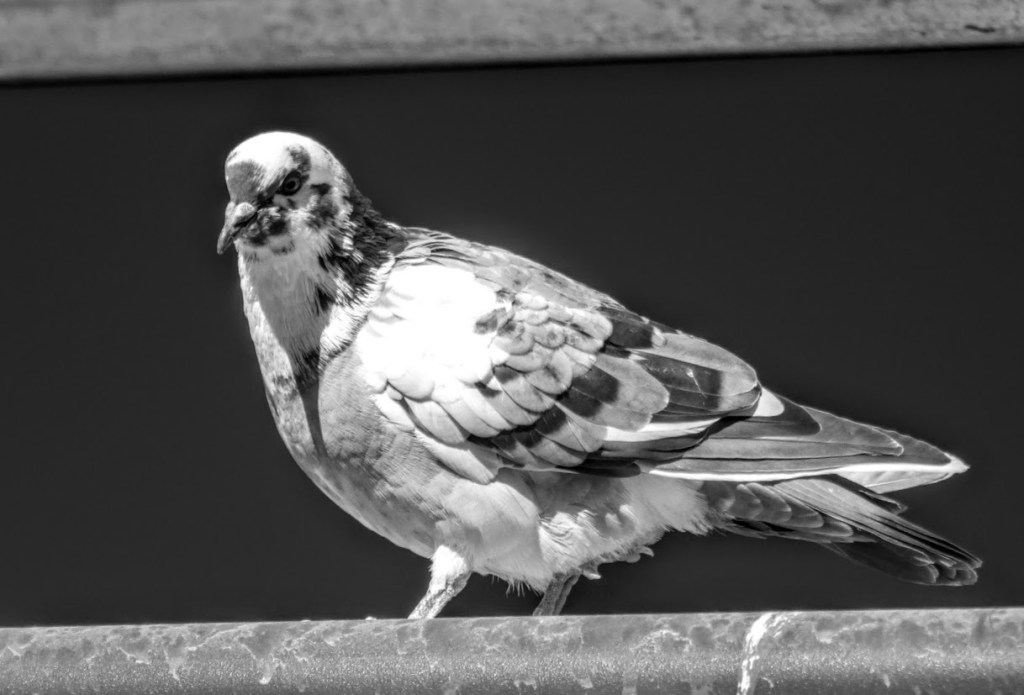
And finally – a pigeon with slightly OTT wing markings.
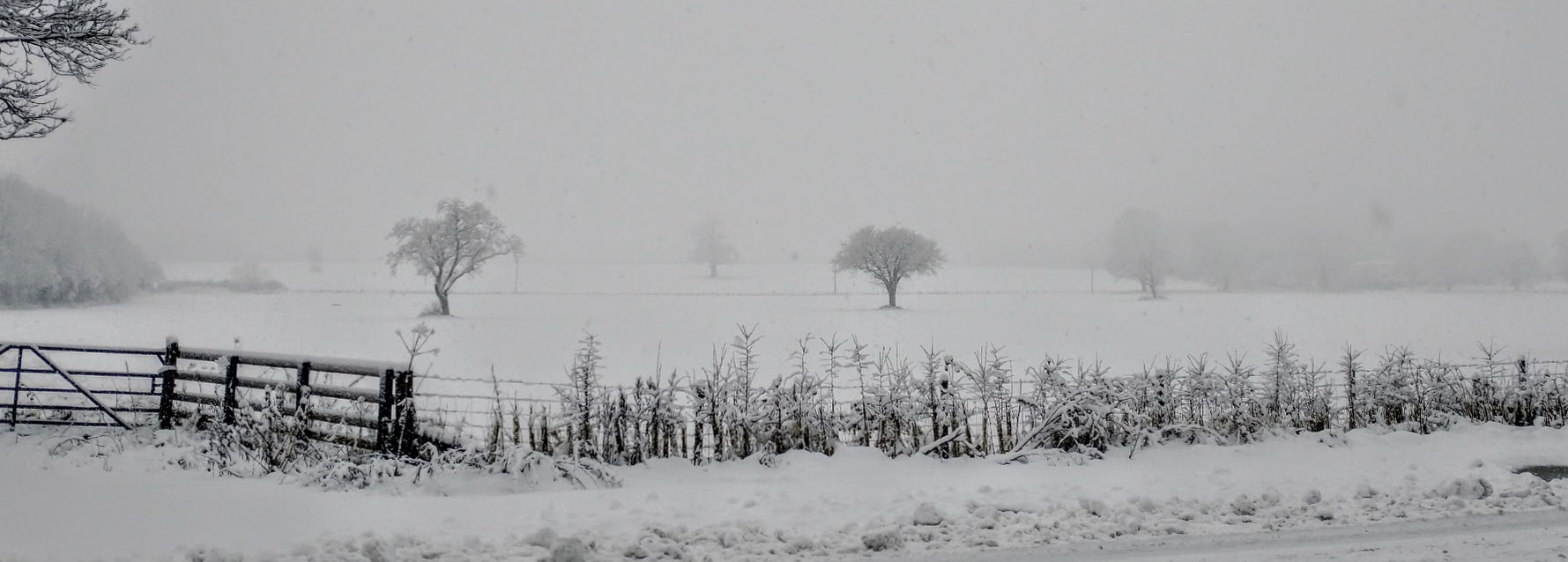
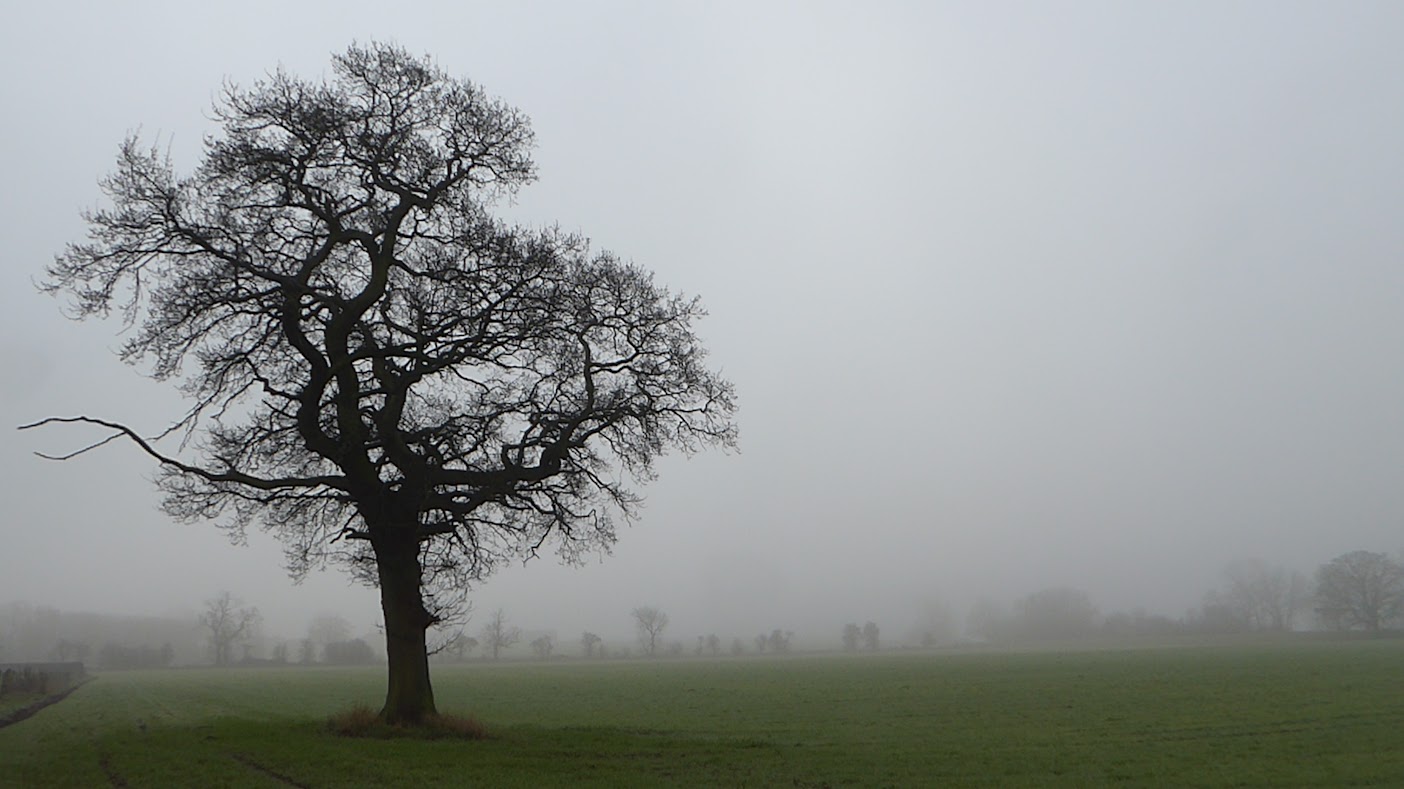
For Monochrome Madness this week, Elke, of Pictures Imperfect, asks us for images which are naturally monochrome. Or in my case, accidentally monochrome. So it’s all about winter then ….
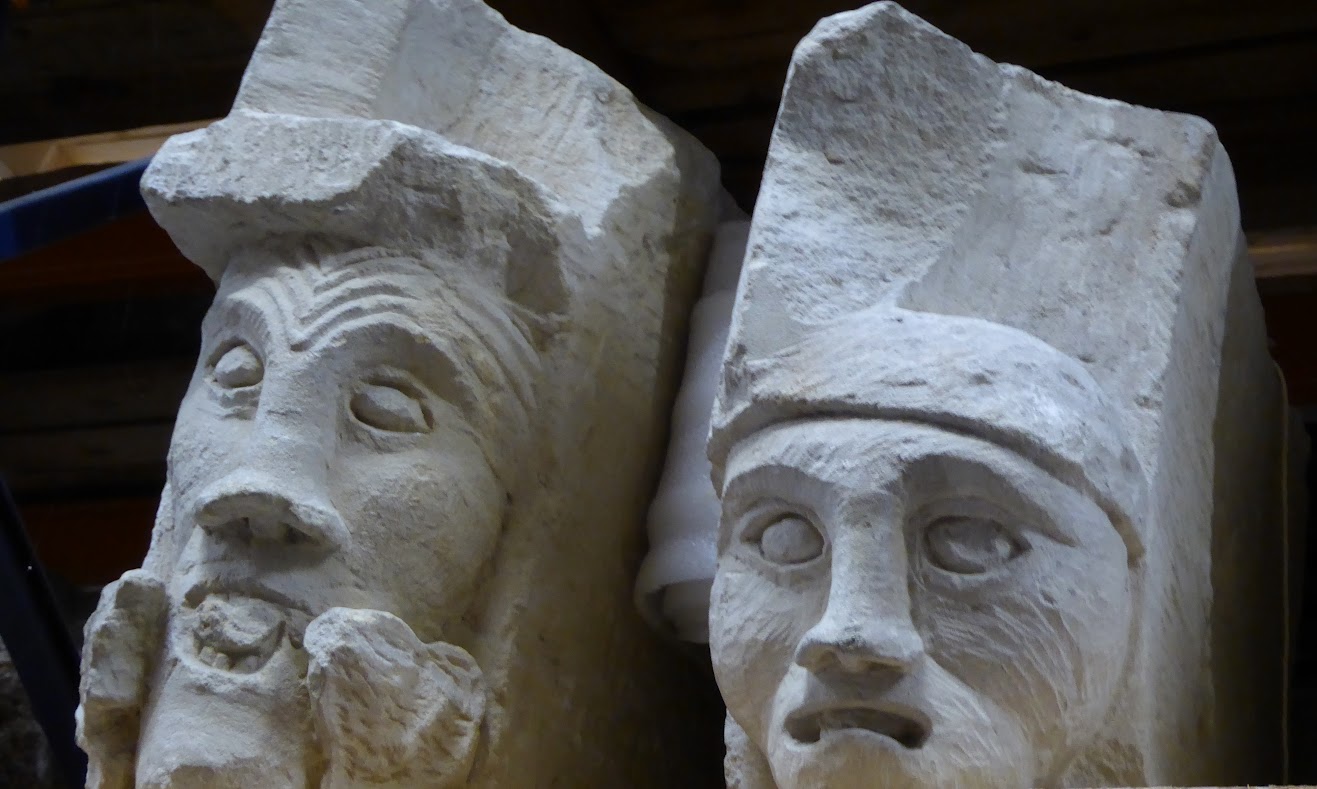
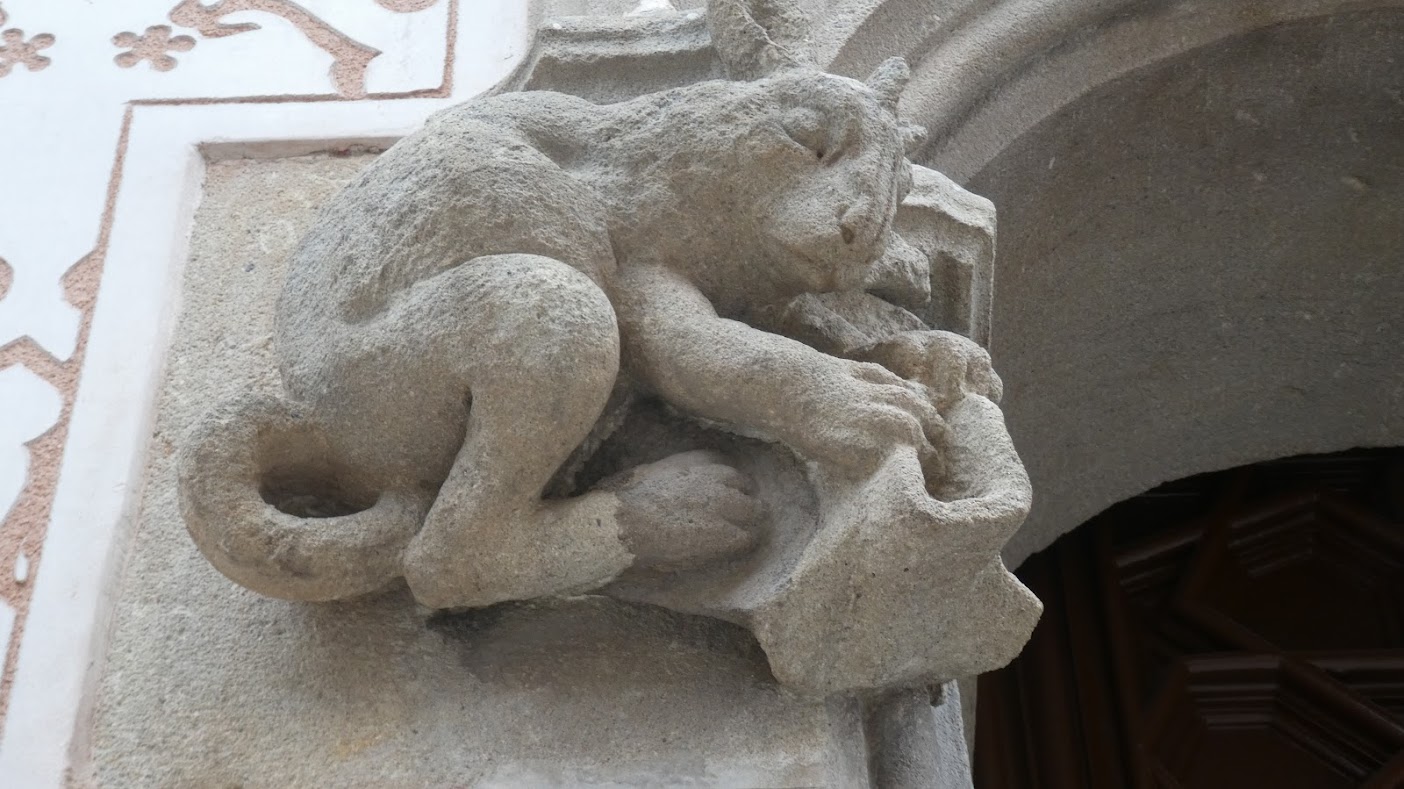
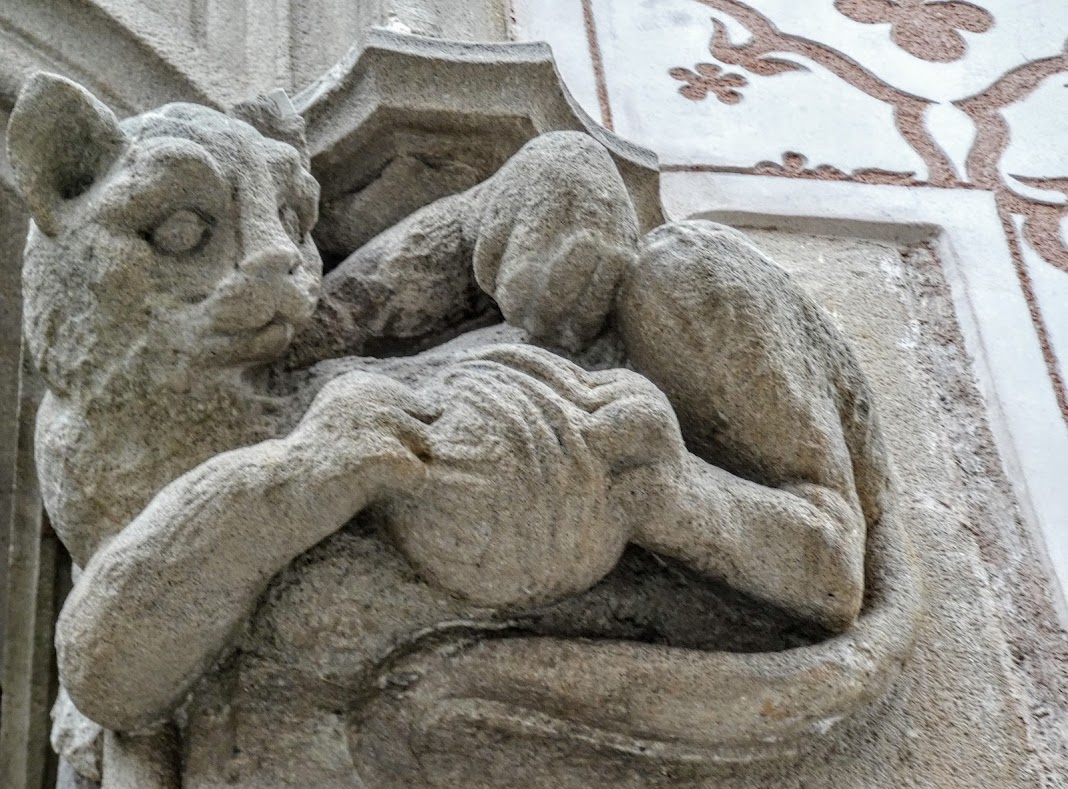
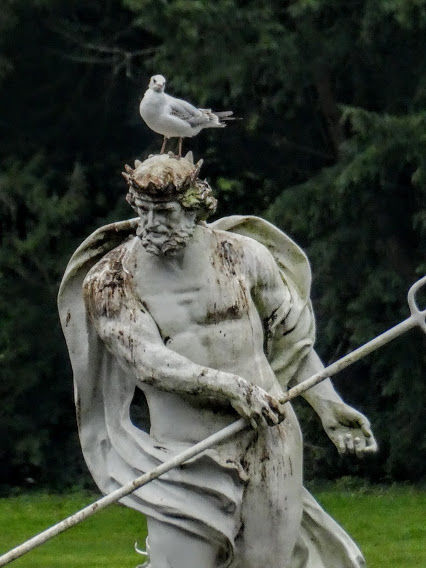
Not necessarily. Statuary answers very well. Here are two chaps seen at English Heritage’s archaeology store in Helmsley, North Yorkshire: and another at Rievaulx Abbey, all in North Yorkshire.
Or these, from door frames at the Modernista Casa Coll i Regàs in Mataró, Catalonia.
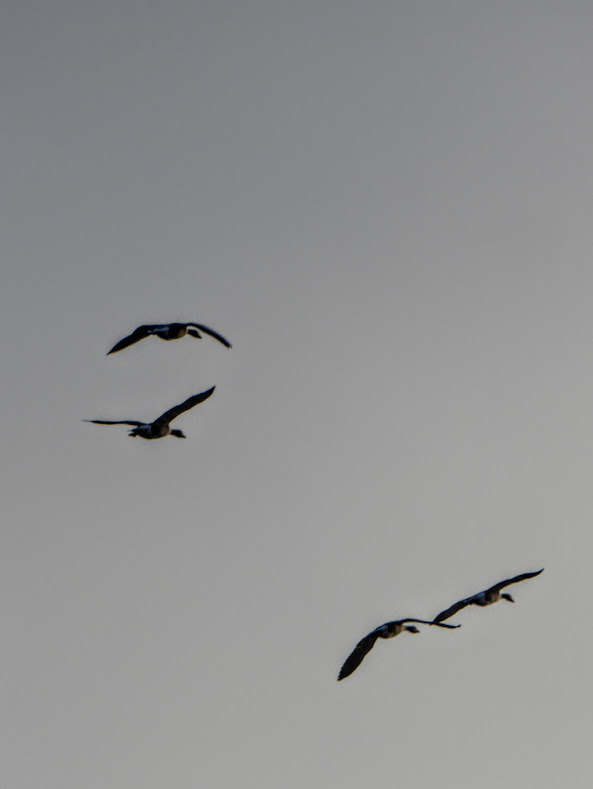
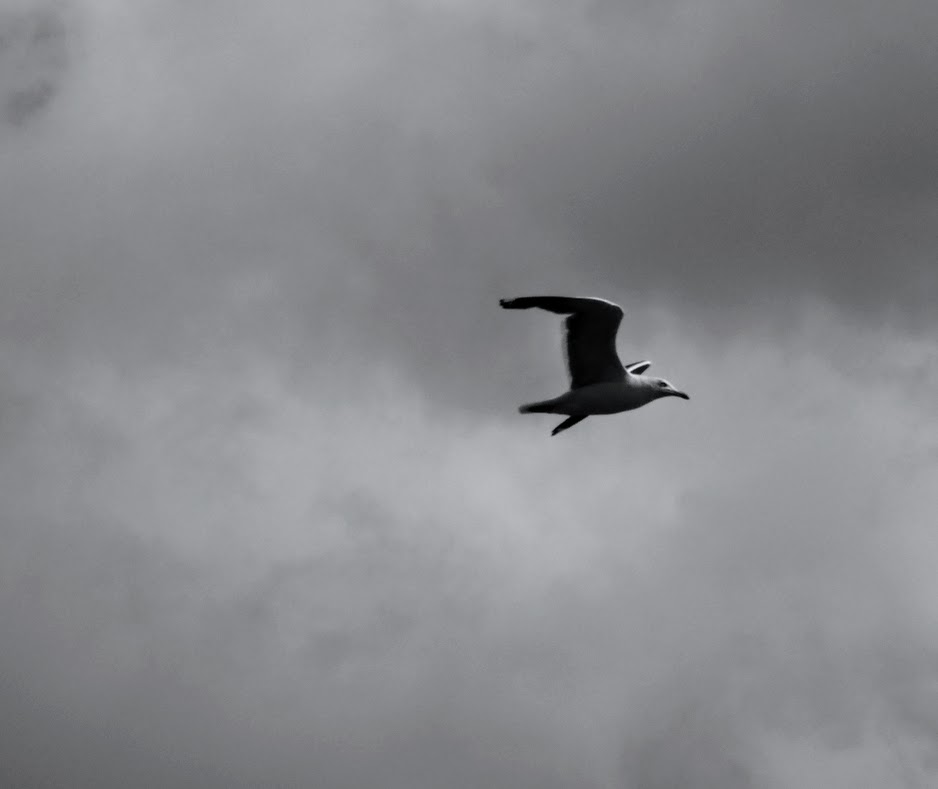
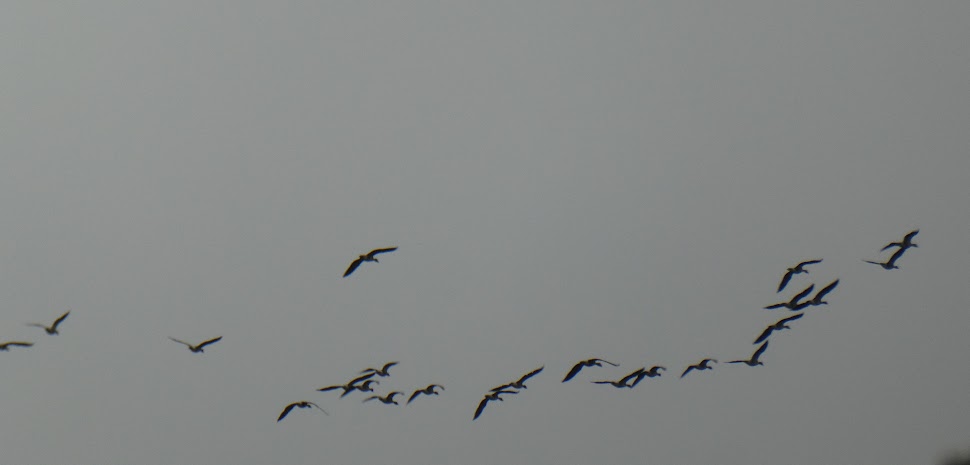
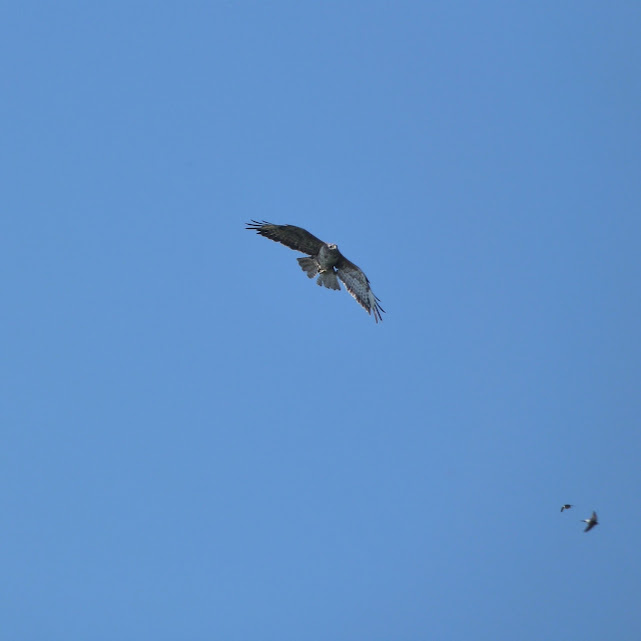
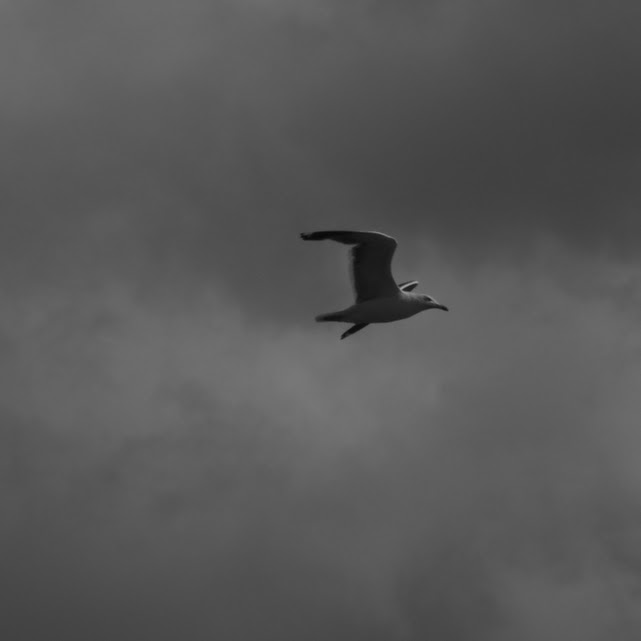
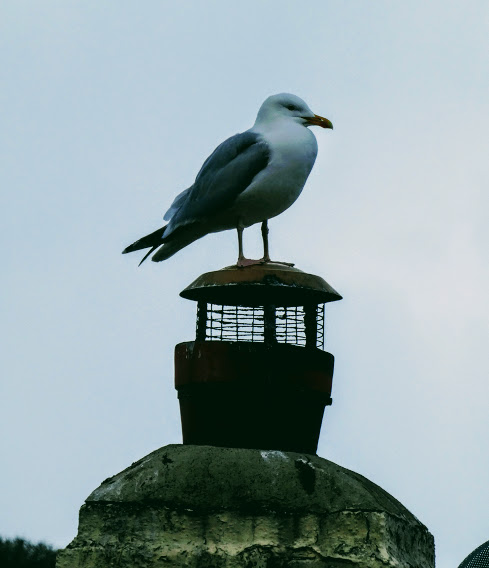
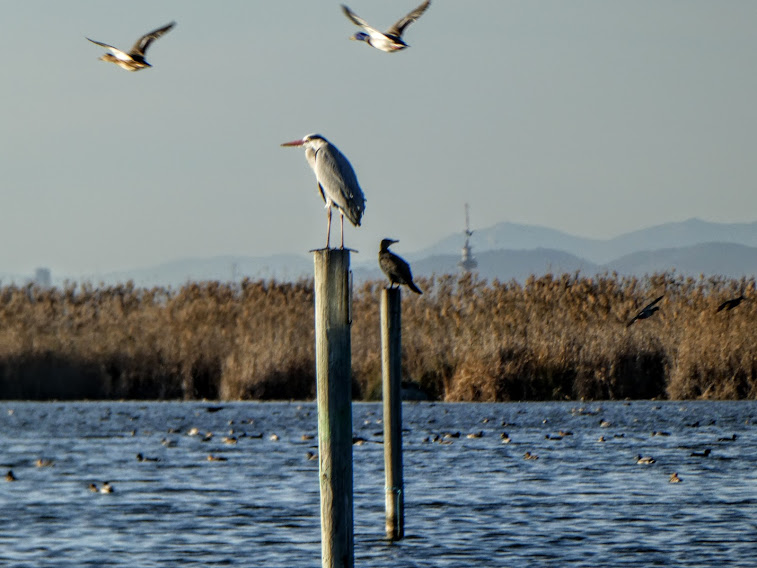
And birds against a reliably grey English sky:
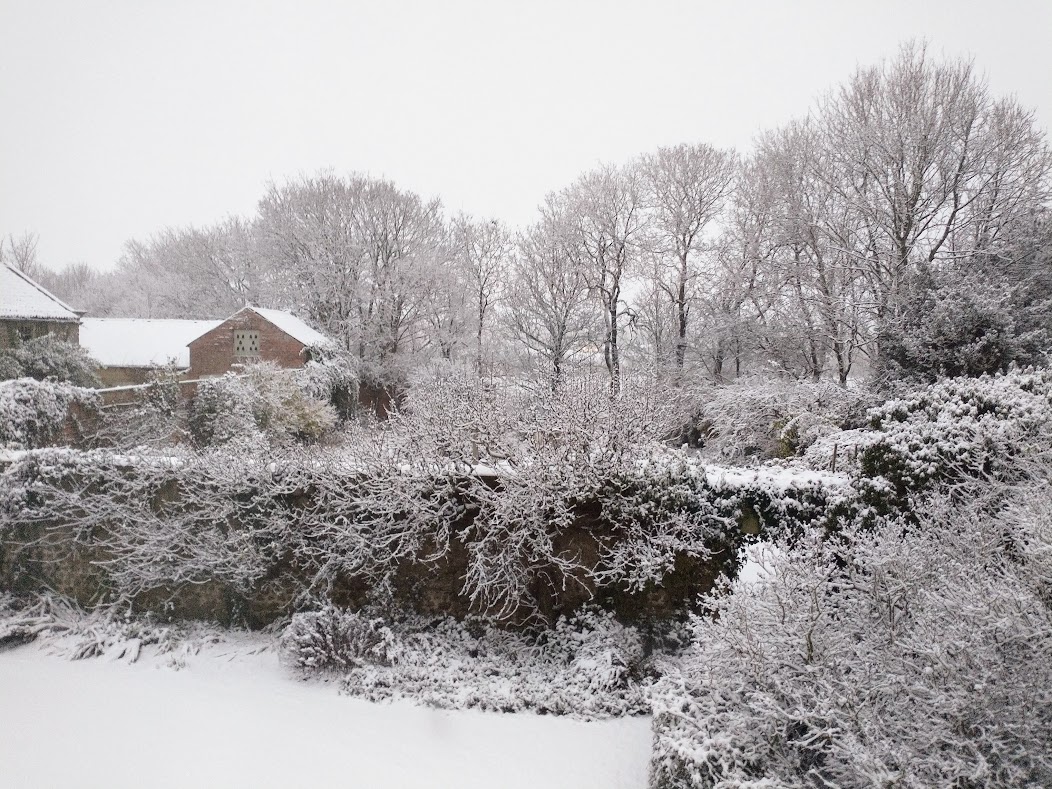
Finally, an all too typical scene from a corner of an English farmyard. I make no apology for not removing the splashes of colour in this, or in my header shot.
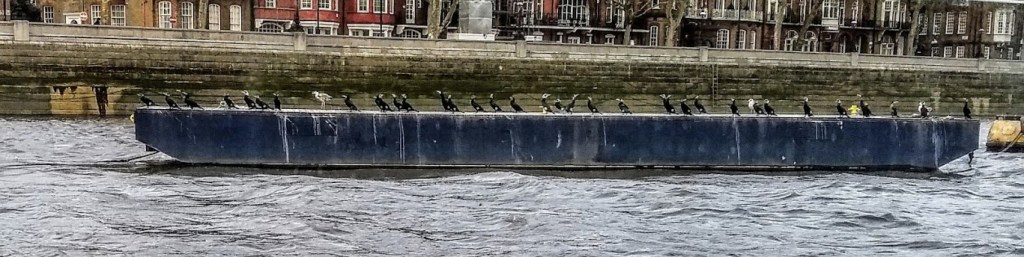
To go with the dismal weather we are having here in Britain this July, Denzil’s Nature Photo Challenge #20 asks us to focus on black. Inevitably, most of my shots are of birds. Let’s go …
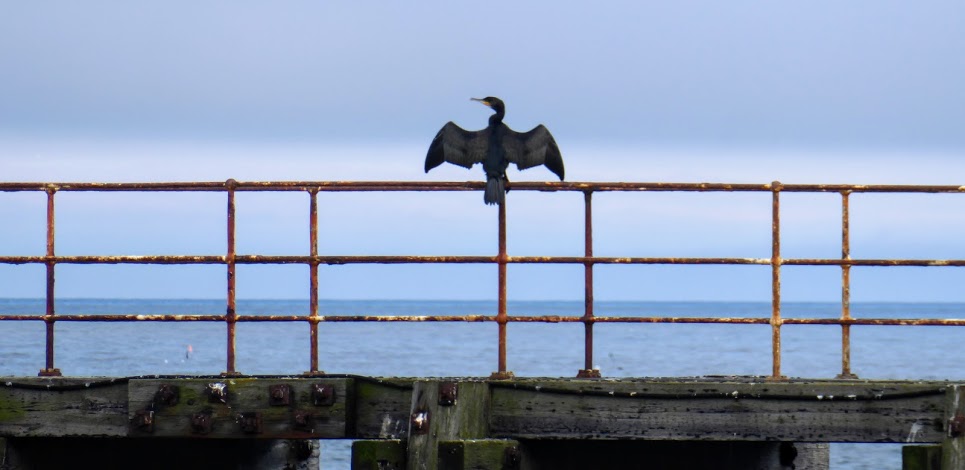
That cormorant spreading its wings at the end of the pier at Whitby is a shot I’ve shown before and will probably do so again. I’m quite fond of it, so I’ve made it my header shot.
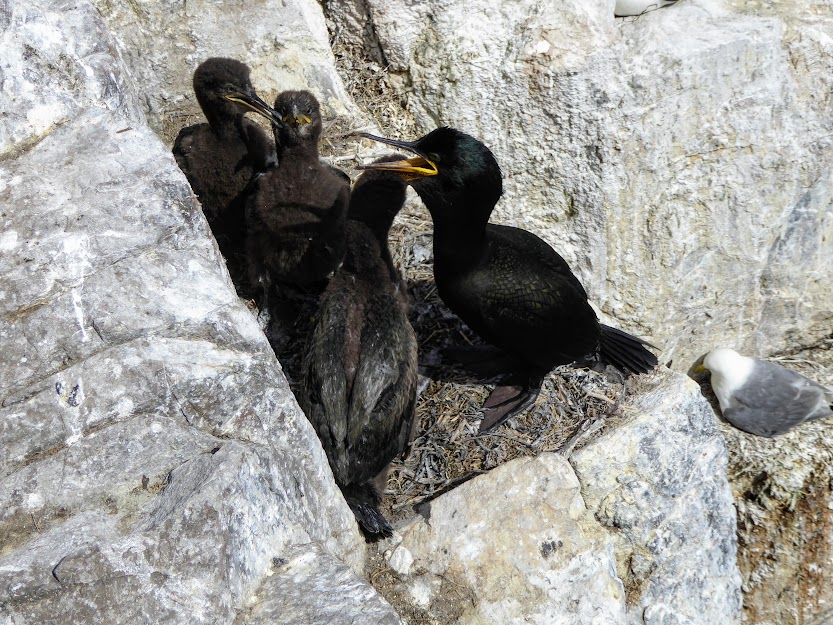
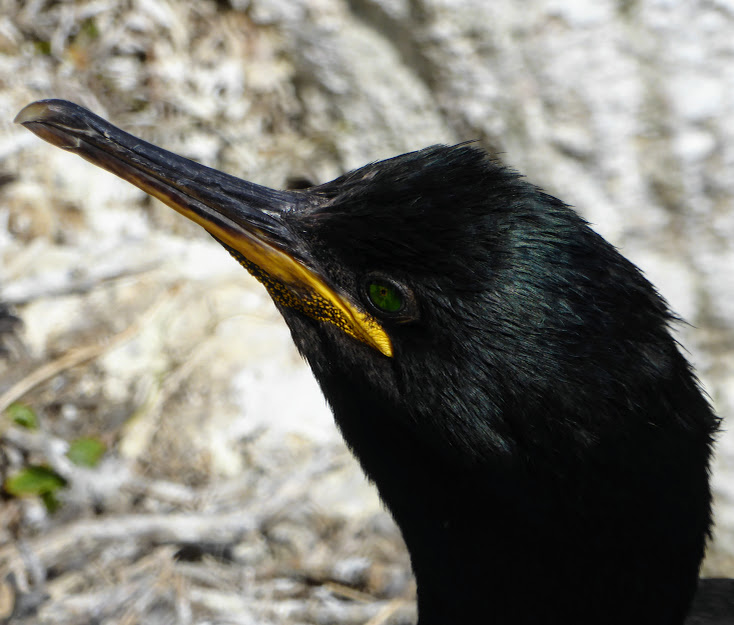
These shags are from the Farne Islands, currently closed to the public during the devastating avian ‘flu outbreak.
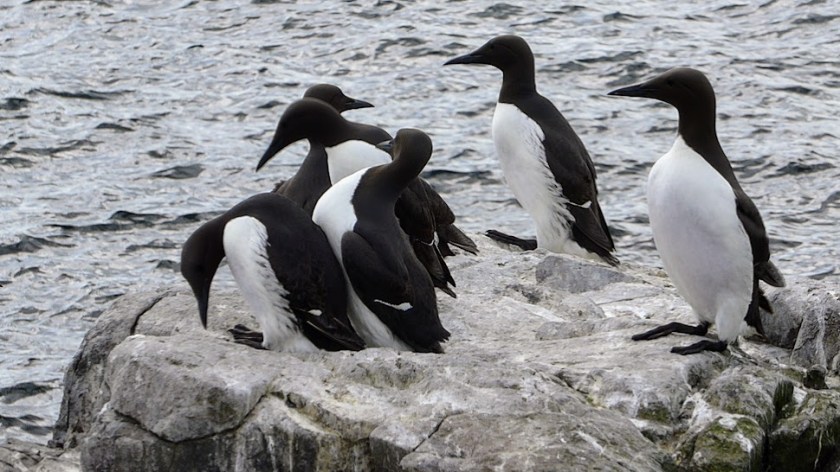
… And this is also where we saw these guillemots.
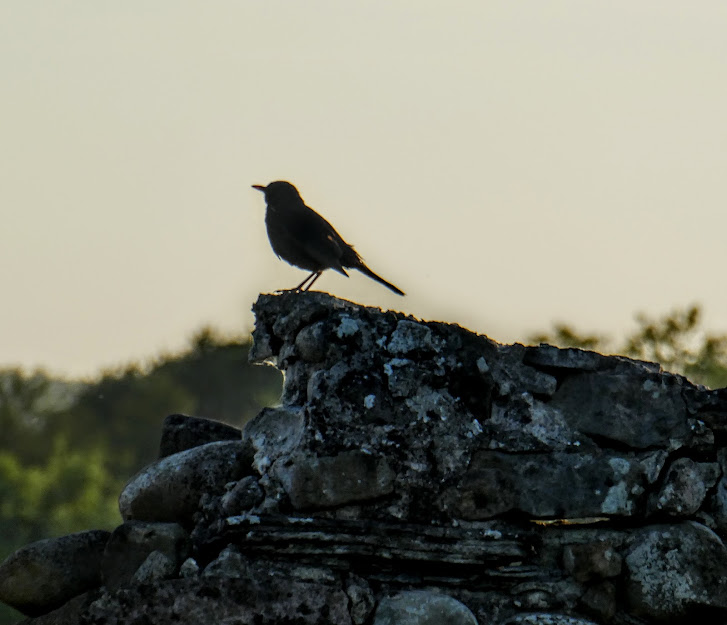
Here’s a blackbird, silhouetted against the evening sky.
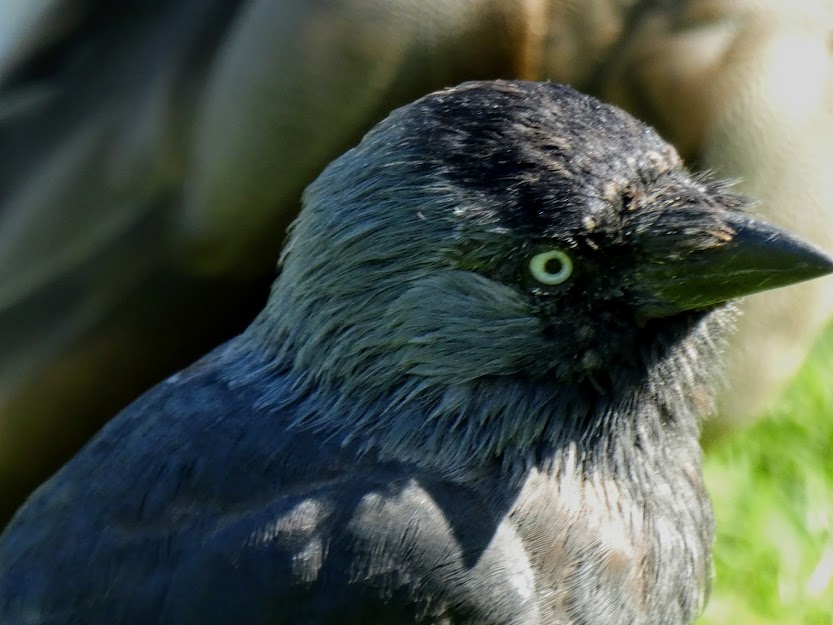
I can’t resist taking you to Studley Royal, where I spend so much time – as do the jackdaws who think they own the place. Maybe they’re as much clerical grey as black. Never mind. I wonder if this is the one that Sarah (Travel with Me) snapped in her own response to this challenge?
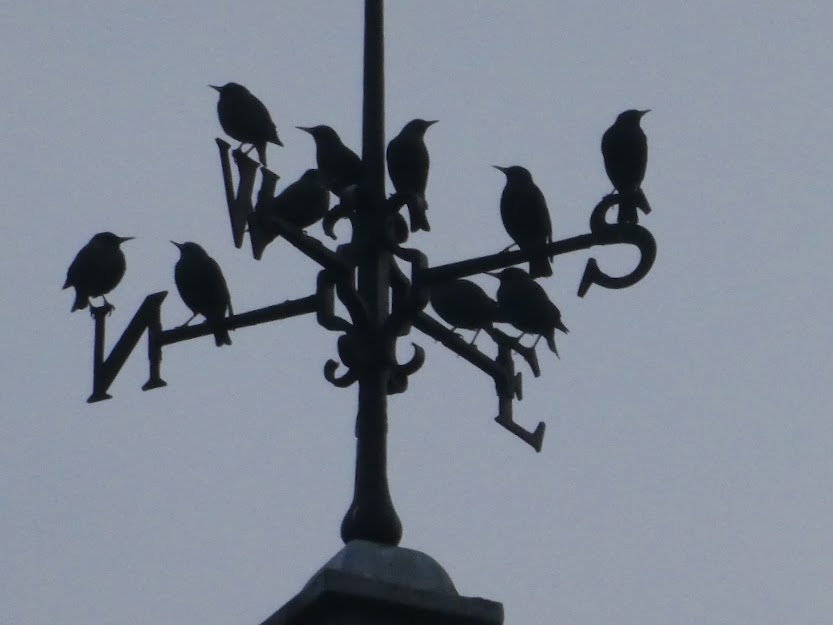
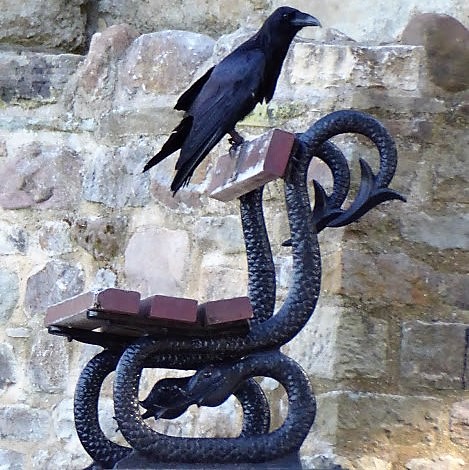
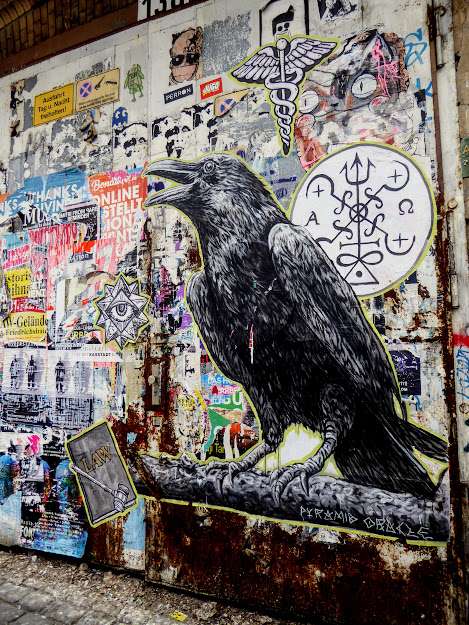
Let’s go into town for the next two shots: starlings gathering on the weather vane of my grandchildren’s school, and a tame raven in Knaresborough.
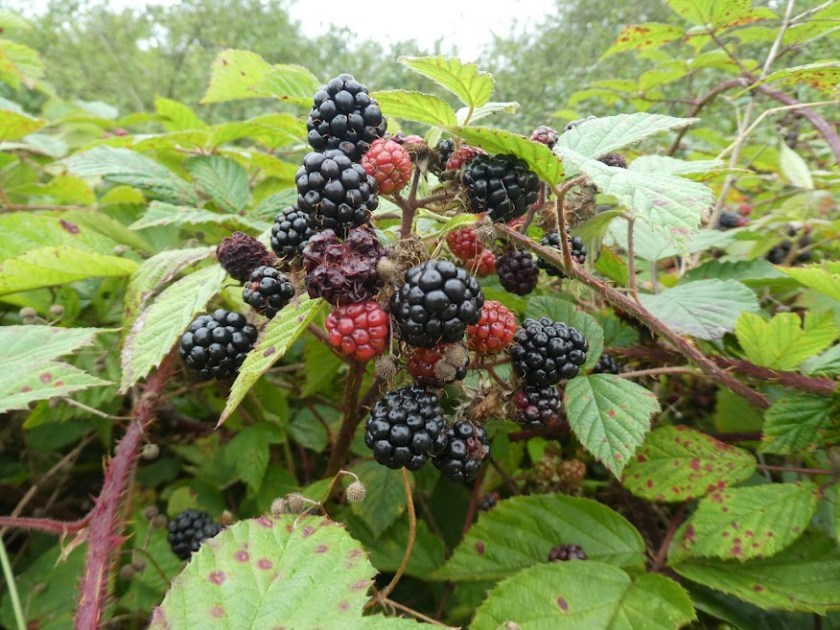
But I can’t let you go without a sweet treat. Here are some juicy blackberries.
Blackberries
And in fact, I still can’t let you go. Not till I’ve shared this crow presiding over a street in Berlin. Or he was when I was last there.
I have just counted. I have offered you ‘Five-and-twenty black birds’. But not baked in a pie. And not twenty four. (English nursery rhyme, non-UK readers!)
And I’m going to add the cormorant – or any other of my featured birds of your choice – to IJ Khanewala’s Bird of the Week challenge.
I seem to have quite a supply of brown birds in my archive, which up until now, I haven’t shared. Here goes:
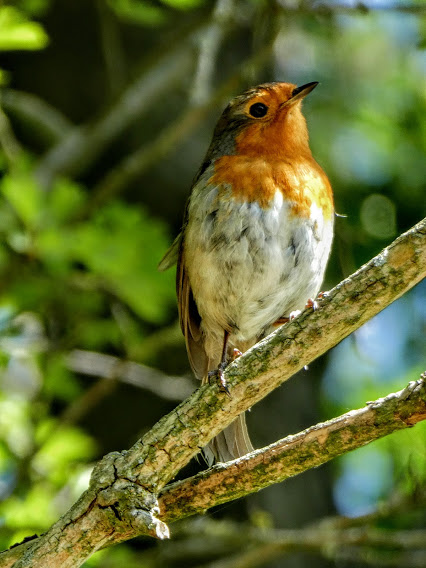
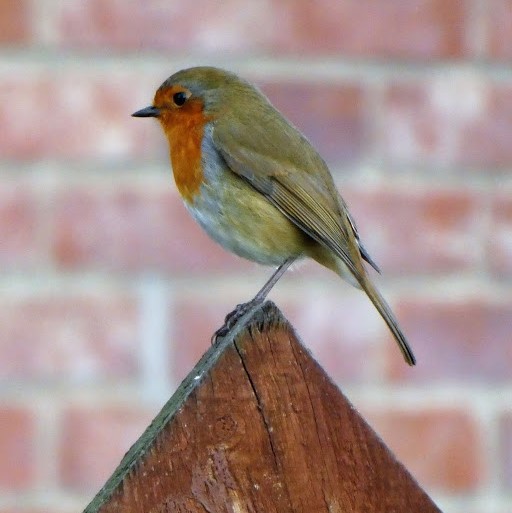
An obliging robin, seen just too late to turn up on a Christmas card. He’s not entirely brown, but he’s such a superb little chap, that I hope you’ll let him off.
The rest aren’t square. But they are brown, so Jude can have them for her Life in Colour Challenge.
A greylag goose on our village pond.
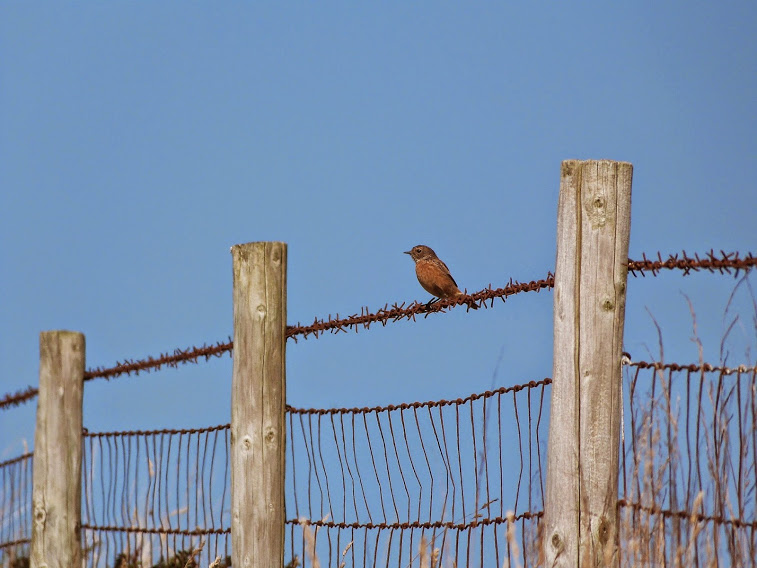
This week’s mystery guest. Please help.
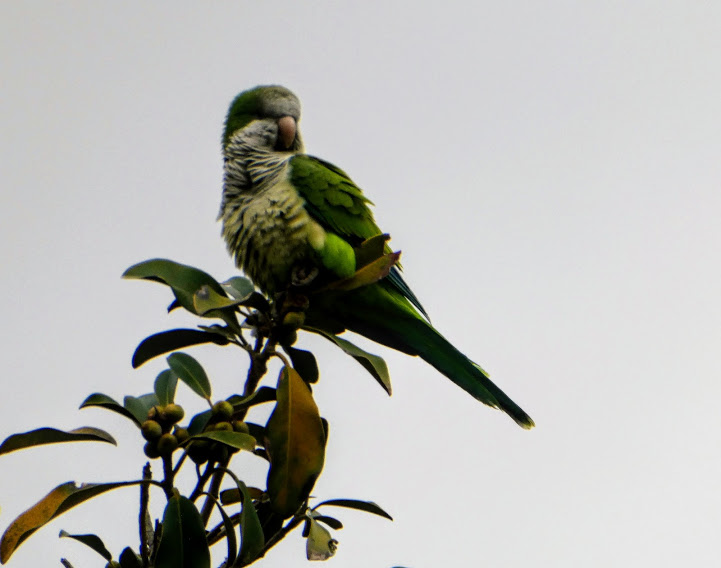
A parakeet in Málaga
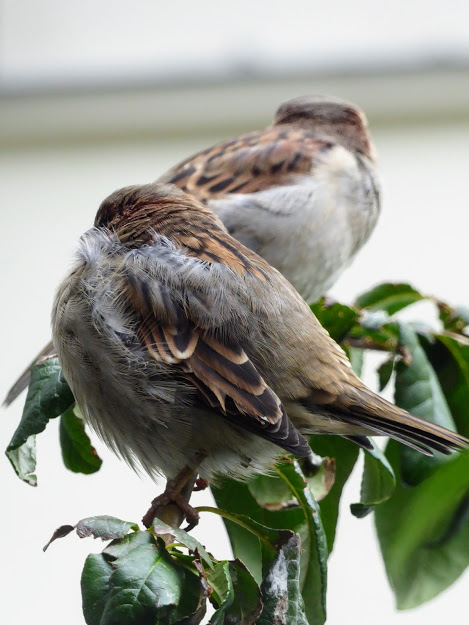
House sparrows in Berlin
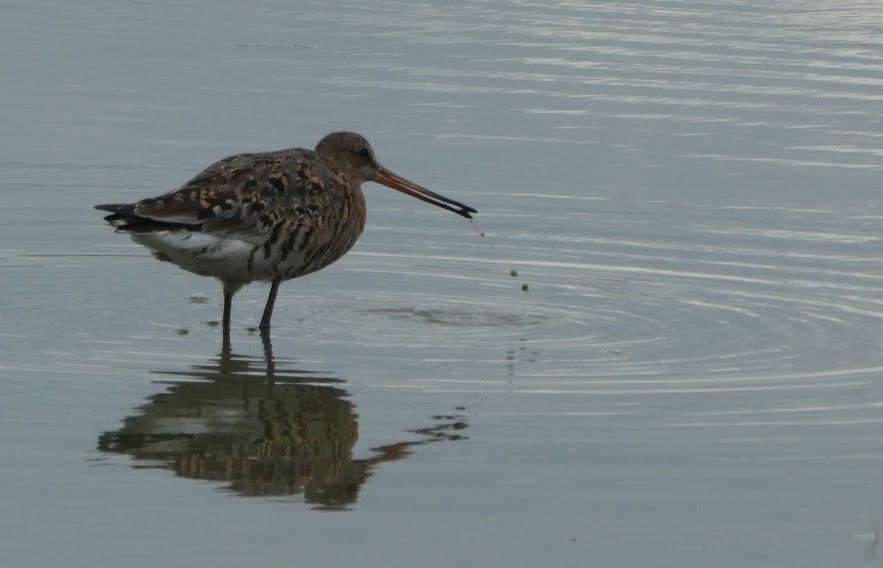
A godwit at Slimbridge.
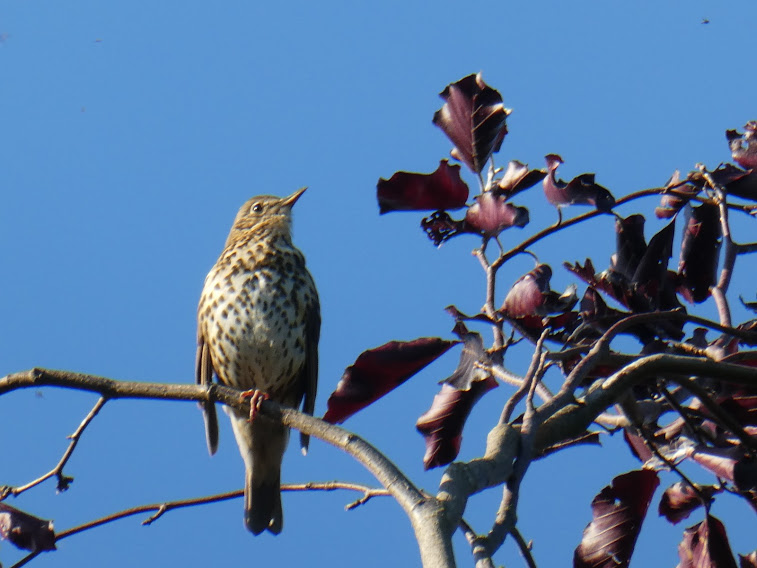
A song thrush in our garden in spring.
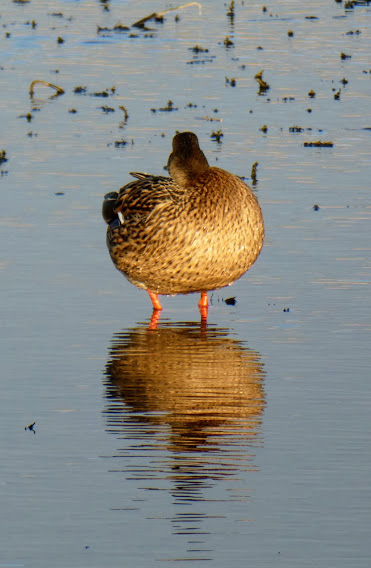
A mallard, RSPB Saltholme
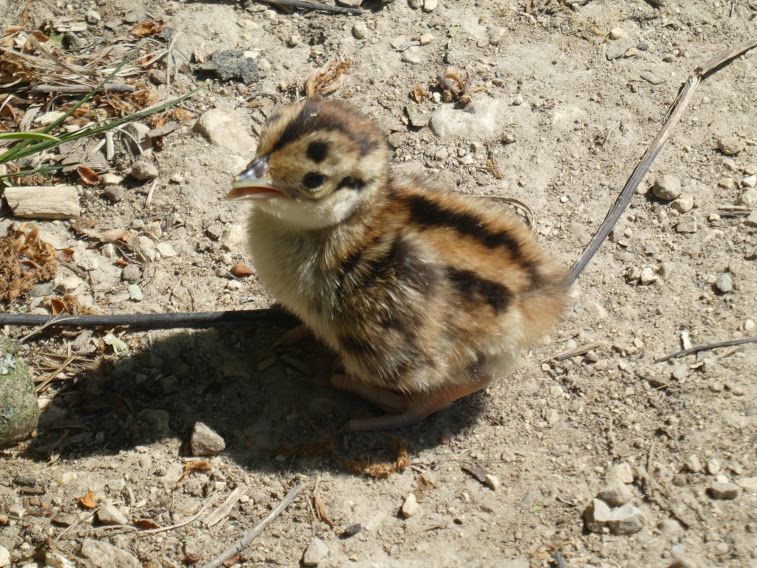
A sad little nestling, probably pheasant.
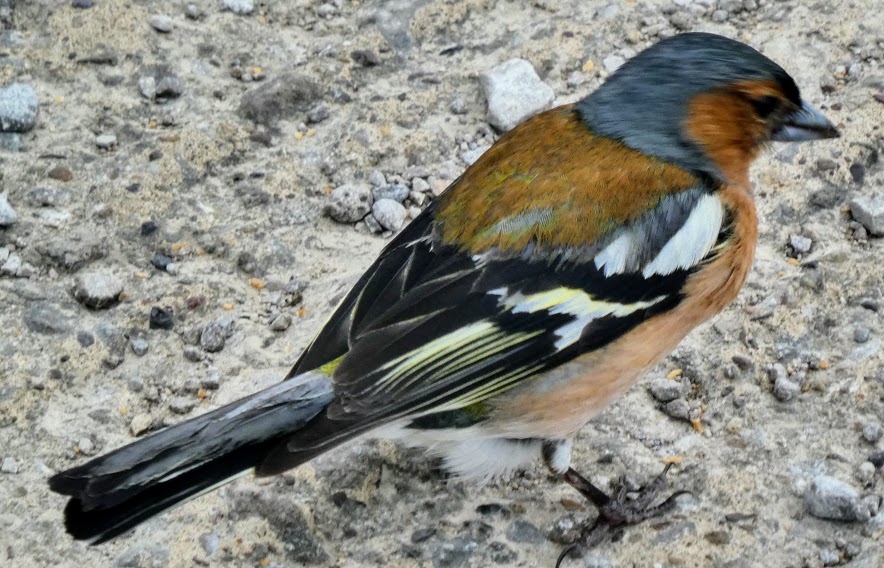
A chaffinch at Scar House Reservoir, Yorkshire
Click on any image to see it in it entirety, full size, and without its being obliterated by captions.
P.S. My mystery bird has now been identified by the wonderful Vogelsnipser, whose blog should be on the list of anyone who enjoys birds. His pictures are fantastic. Here’s what he says: ‘The bird on your photo is a stonechat (saxicola torquatus). males in early-year splendor dress.’
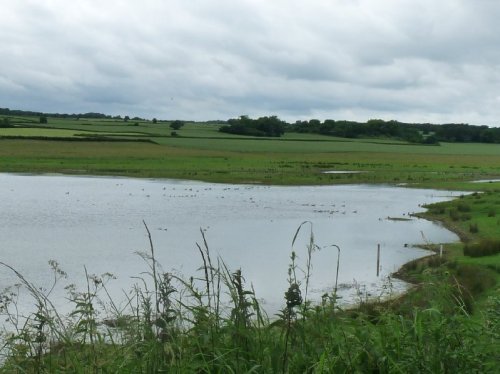
Not far from here, only about two miles as the crow flies, is a nature reserve, Nosterfield Local Nature Reserve. And ‘as the crow flies’ is an appropriate way to measure the journey there, because above all else, it’s a bird reserve. Even more than that, it’s a wetland reserve.
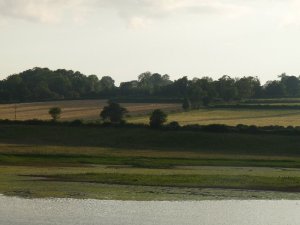
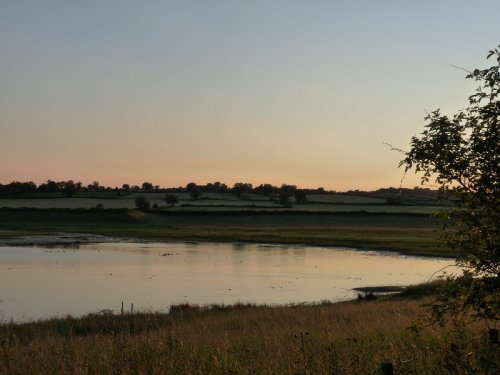
Evening at Nosterfield.
Until the 1990s, this was a landscape quarried for its sand and gravel, exposing the underlying limestone and fluctuating water courses. Even as the land was worked birds flocked here in search of insects. Once the quarries closed, the land proved unsuitable for agriculture: the intermittent flooding saw to that.
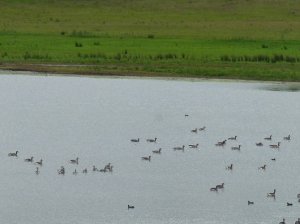
Wildlife took the site over. Wading birds adore the muddy margins and insect-rich grasses. Natives such as lapwing and curlew breed here, whilst many other species, such as sandpipers and godwit drop in as they migrate. Dozens of other species of bird make this their home, holiday destination, or stop-over site. At the moment, harvest time, Canada geese are exploiting the riches of the harvest. If they’re not noisily camping out in the wheat field just behind our house, you can be sure they’ll be at Nosterfield.
Great crested grebe.
Oyster catcher.
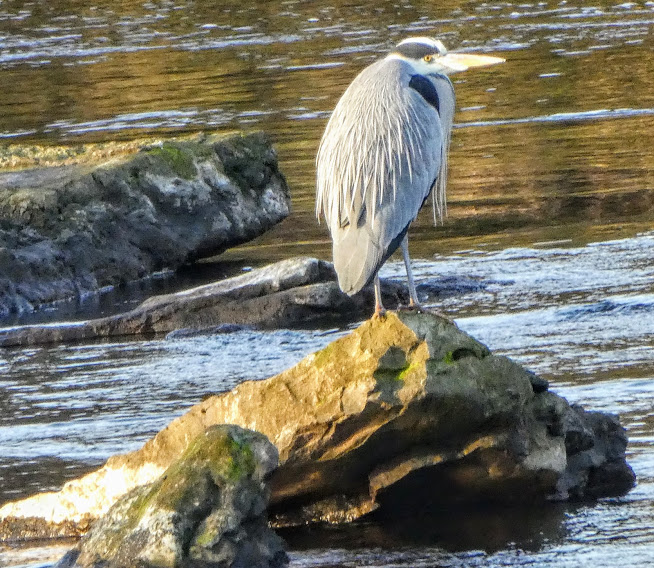
Heron
Since 1996, the area has been a nature reserve. A group of local naturalists succeeded in buying the site, having formed the Lower Ure Conservation Trust. They manage the site to exploit its already abundant resources. The fluctuating water levels – up to three metres a year variation is not unknown – means that there is everything from muddy shallows to small shallow pools to deeper sheets of water. There’s something for everyone, if you’re a bird who likes water. Or even if you’re a bird such as a wagtail, linnet or twite, who doesn’t.
The site supports a huge variety of wild flowers and grasses. That means there are insects, butterflies such as common blue, brimstone, wall brown and white-letter hairstreaks and moths too. There are rabbits and hares: while voles and shrews are preyed on by kestrels and barn owls. Summer-grazing cattle and sheep assist in managing the landscape: one way or another, this is a success story.
A busy evening at Nosterfield
We simply aren’t birders. Not yet. But this reserve is doing much to help change all that. There is a series of well-managed hides, and best of all, a comfortable unstaffed information centre, with piles of illustrated leaflets and books to help us identify what we’ve seen. It’s a serene and beautiful place to spend a quiet couple of hours watching the soap opera of bird life unfold, as they feed, raise young, quarrel, swim and wheel about above. We love visiting at different times of day, and look forward to coming throughout the seasons to see how the local bird population changes. By this time next year, we may be able to identify much of what we see. Maybe.
Easy at first. Up through the woods, bilberry bushes everwhere
A first glimpse of the Pyrénées
…then another….
…. onwards and upwards…
The views come thick and fast
We’ve just come from there
Almost at the top
…and here’s the signpost to prove it
A view in one direction
…and in another direction
Massat’s far below
Tour Lafont
Horses on the homeward stretch
A final view
Every Thursday, Anny leads us on a walk. We might go eastwards to the Aude, south towards the higher Pyrénées….or indeed travel in any direction, certain of a wonderful day’s walking.
Today we met just beyond Foix, and still in our cars, climbed…and climbed…and climbed, steadily for 9 miles. And at the highest point of the Col d’Uscla (1260 metres), we parked. Then we laced up our walking boots, slipped on our rucksacks, and climbed…and climbed…. and climbed.
It was steady rather than challenging, and several times, Malcolm and I remarked that if it were not for the Pyrénées beyond, we could have been on the North York Moors, with added altitude and sunshine. Endless expanses of bilberry plants added to the illusion. Each hill we climbed promised to be the last: but as we reached each summit, another hillside appeared in view.
Our eventual reward was at the Cap-du-Carmil, at 1617 metres, with a 360 degree panorama of the Pyrénées. It was quite, but not perfectly clear, yet we could probably see 50 miles or more in any direction. The only sounds were from the skylarks, joyfully singing way above our heads. I’ll let my pictures tell, slightly inadequately, the story.
Down through more wooded paths, there was the town of Massat below. Once the Ariège’s largest town, its isolated position and failing industrial life means it’s slightly forlorn now. But not when you’re looking down on it, several hundred feet below.
A quick sortie to the Tour Lafont. This was built in the 1830’s, at a time when 12,000 French soldiers descended on the area to fight the ‘demoiselles’, local guerrillas disguised for some reason as women, determined to maintain their rights to collect wood for fuel, rather then allow it to be taken for the industrial economy slowly emerging throughout France. Despite their superior numbers, the soldiers lost the battles, and there are only odd reminders of their presence at the time in towers such as this one.
After lunch, on through the woods, until we rejoined once more our path with its open mountain views. Horses grazed the short grasses, and seemed only mildly curious about us.
And then it was over. Boots and rucksacks off: cold juice, a moist and squidgy chocolate cake (thanks, Anny!), a final chat…. and back down that narrow uninhabited 9 mile road to civilisation , home and a cool shower.
One of the daily pleasures of our Life in Laroque is watching the birds of prey, particularly buzzards and red kites, wheeling above our heads, catching the eddying breezes.
One of our pleasures here back in Yorkshire, is doing exactly that, now that red kites have become almost common round and about Harrogate.
It was back in 1999 that red kites were first re-introduced to Yorkshire, to Harewood. Back then it was a rare treat to spot one, a newsworthy event to share with all your friends. Gradually they became more common, though no less exciting. Then last time we were here, we spotted one lazily coasting over the Yorkshire Showground, only a very few miles from Harewood as the kite flies. Later that day, there were others, this time over the relatively urban Knaresborough Road estate. This visit, we’ve spotted them for the first time in the part of north Harrogate where we used to live.
And then today, after lunch catching up with a good friend – thank you Cath – I took myself off for a walk. Soaring above me, then plunging down, so very close that I could clearly see his breast plumage, was a red kite, nearer to me than one has ever been before. It made my day.
At this time of year, with spring nudging the crocuses, violets and celandine into flower, and encouraging buds on trees to fatten and swell before bursting into flower, it’s time to be busy outside.
My single patch of white violets among all the purple
Our garden’s a minute or two’s walk from the house, and out of sight can mean out of mind. So once there (‘I’ll only be 10 minutes’….), I’ll find all kind of things to do. The grass needs strimming already. The vegetable patch is a disgrace. The fruit trees need attention: they suffered horribly in last May’s heavy snow, and they should really have had careful pruning much earlier this month. The compost heap needs a bit of TLC. Time passes while I prune our ‘vineyard’ – 6 vines. (‘Oh, sorry, have I really been two hours?’)
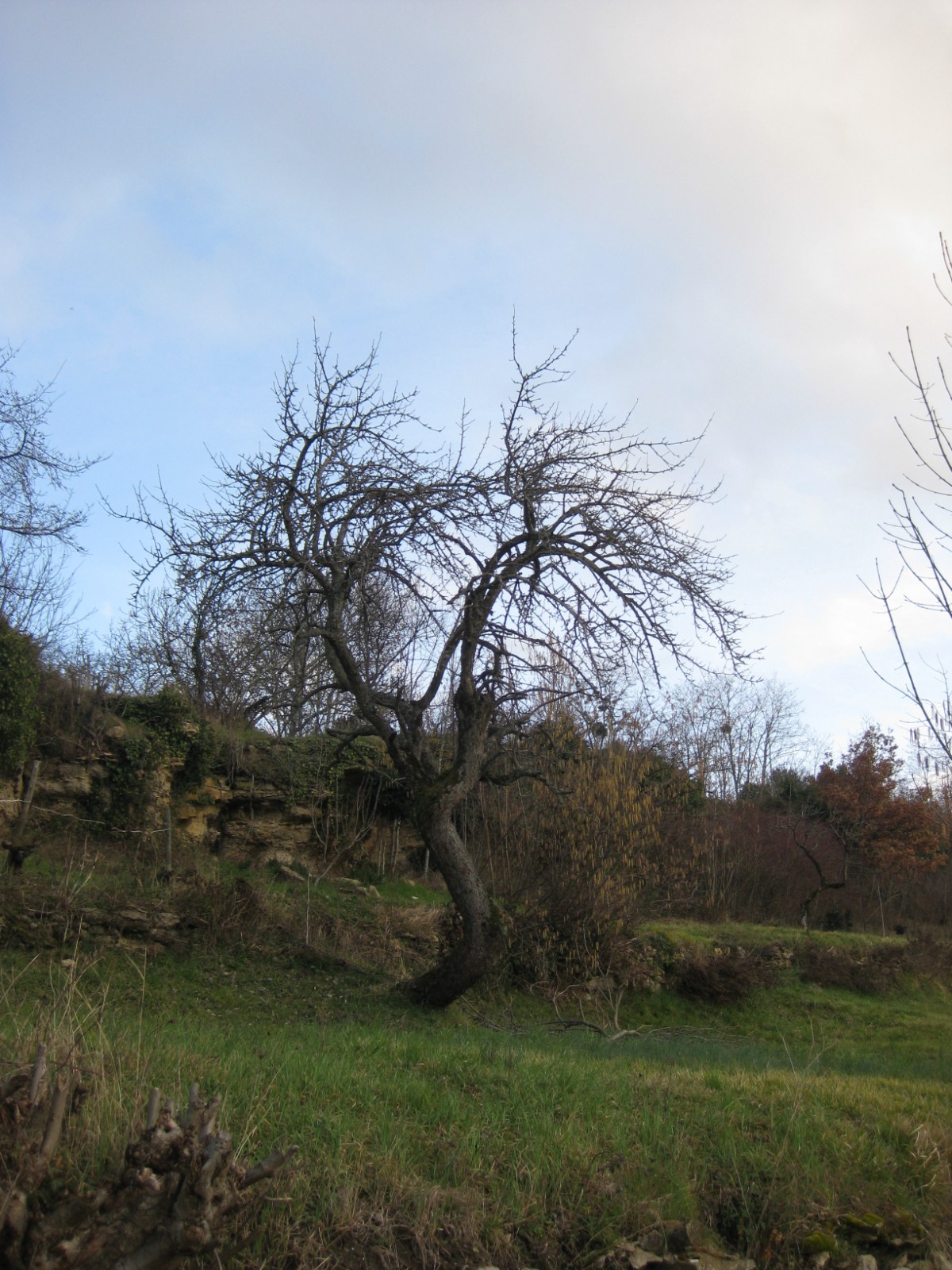
The pear tree: lots of character, not many pears
So I’ve taken a big decision. No vegetable patch this year. That way, the trees may get the extra attention they need: the ivy and brambles may not get the upper hand quite so readily, though I wouldn’t bet on it.
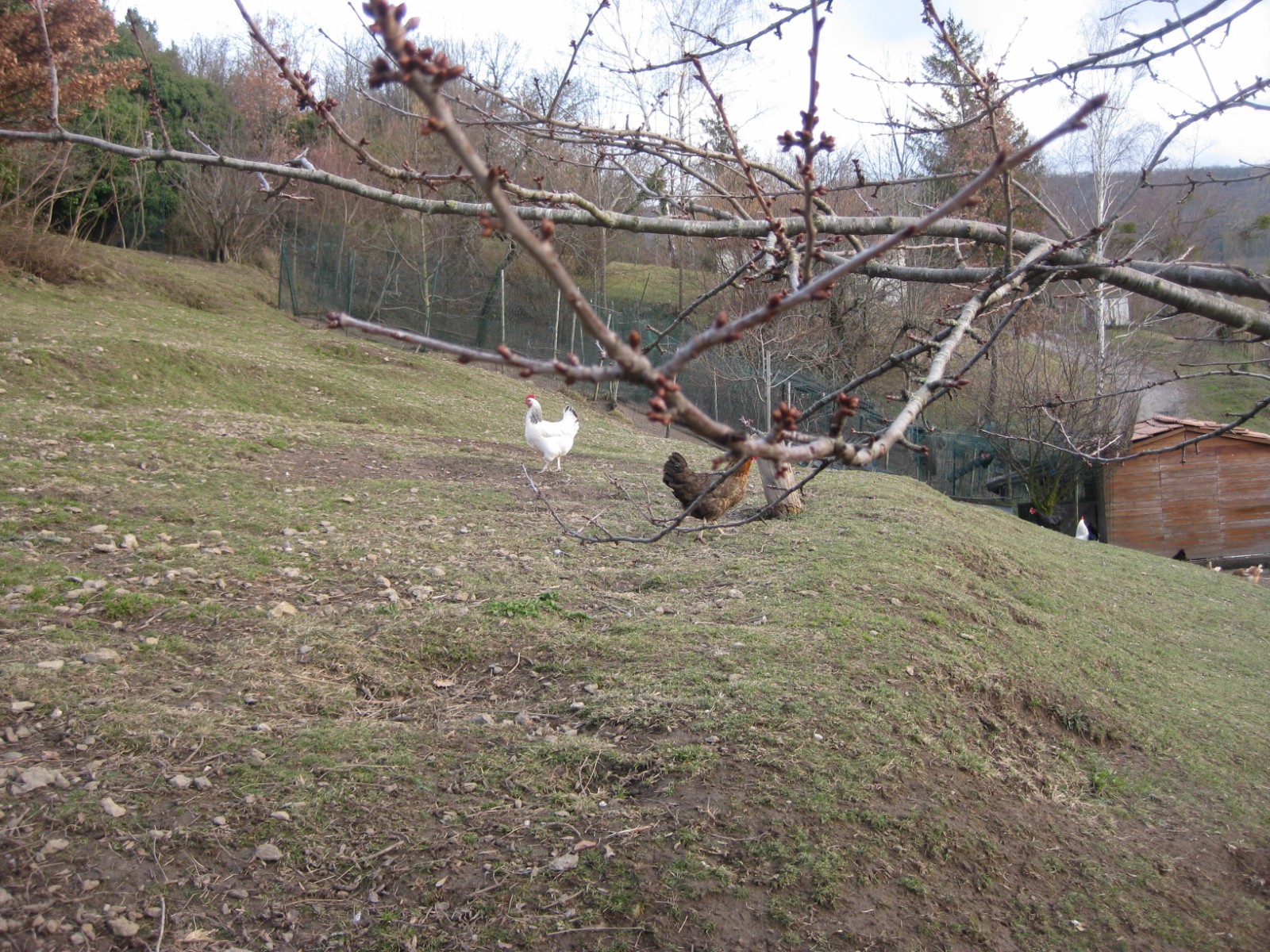
I’m not going to do it on my own though. From Easter, we’re planning new recruits to the garden: a gang of hens, whose job it will be to peck away at all the grubs, and keep the grass trimmed, whilst offering the occasional egg for breakfast.
The hens next door running free
Quite a few friends in England have re-homed ex-battery hens, and I’d love to do this too. I’ve written emails, joined internet discussions, asked around, but it doesn’t look as if I’m going to be able to find any here in France. But the search goes on as we plan the next project: build a hen house.
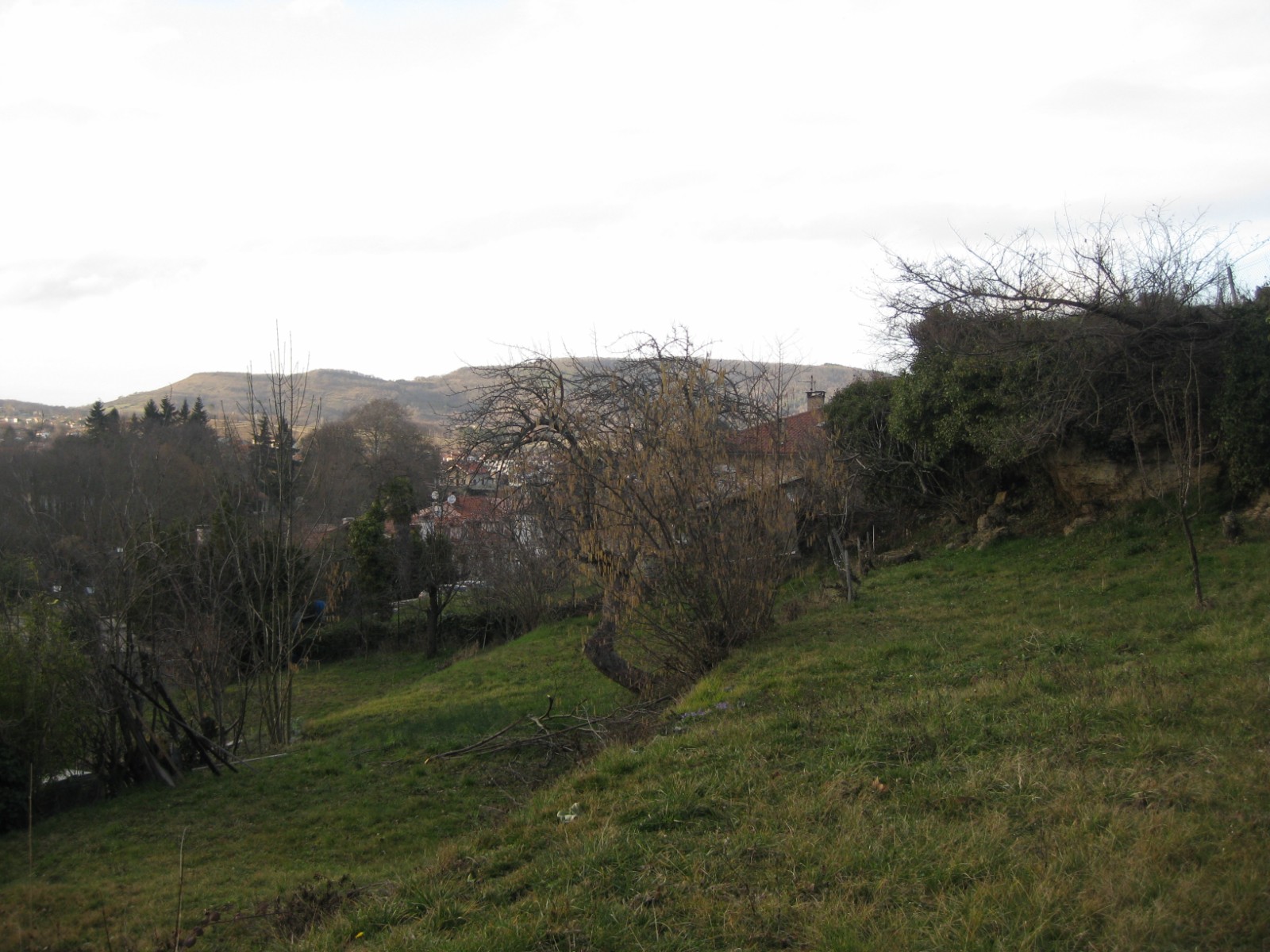
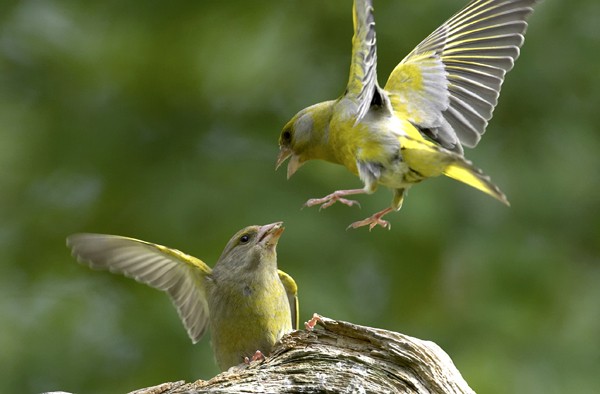
Although it’s often a lot of hard work, this garden’s a really special place for me (and I do mean me. Malcolm’s excused gardening duties so long as I’m excused DIY duties). From it, I can see Montségur, the thickly wooded long chain of hills called the Plantaurel, and the snowy peaks of the Pyrénées behind . So near to town, and away from the house, it’s where I come to get away from it all, and have a healthy workout as I dig, hack, uproot and generally try to keep Nature at bay.By the way: greenfinch update. Enough already! They’ve shown themselves to be belligerent, selfish dogs-in-the-manger, who dive-bomb, use their wings to beat off the opposition, peck, bamboozle – anything to keep any other bird away, even ones who are eating their least favourite thing on the feeding station.
Greenfinch fighting
They’re also extremely messy. I’ve told them. I’m not replenishing the feeder till they’ve eaten every scrap of the food mountain they’ve dumped on the ground beneath.
Oh, and as our lunch guests pointed out, it was a goldfinch, not greenfinch onslaught we had two years ago. We’ve seen none since. They’re all 4 miles up the road at my friend’s house in le Peyrat.

















 From Pyrenees to Pennines
You must be logged in to post a comment.