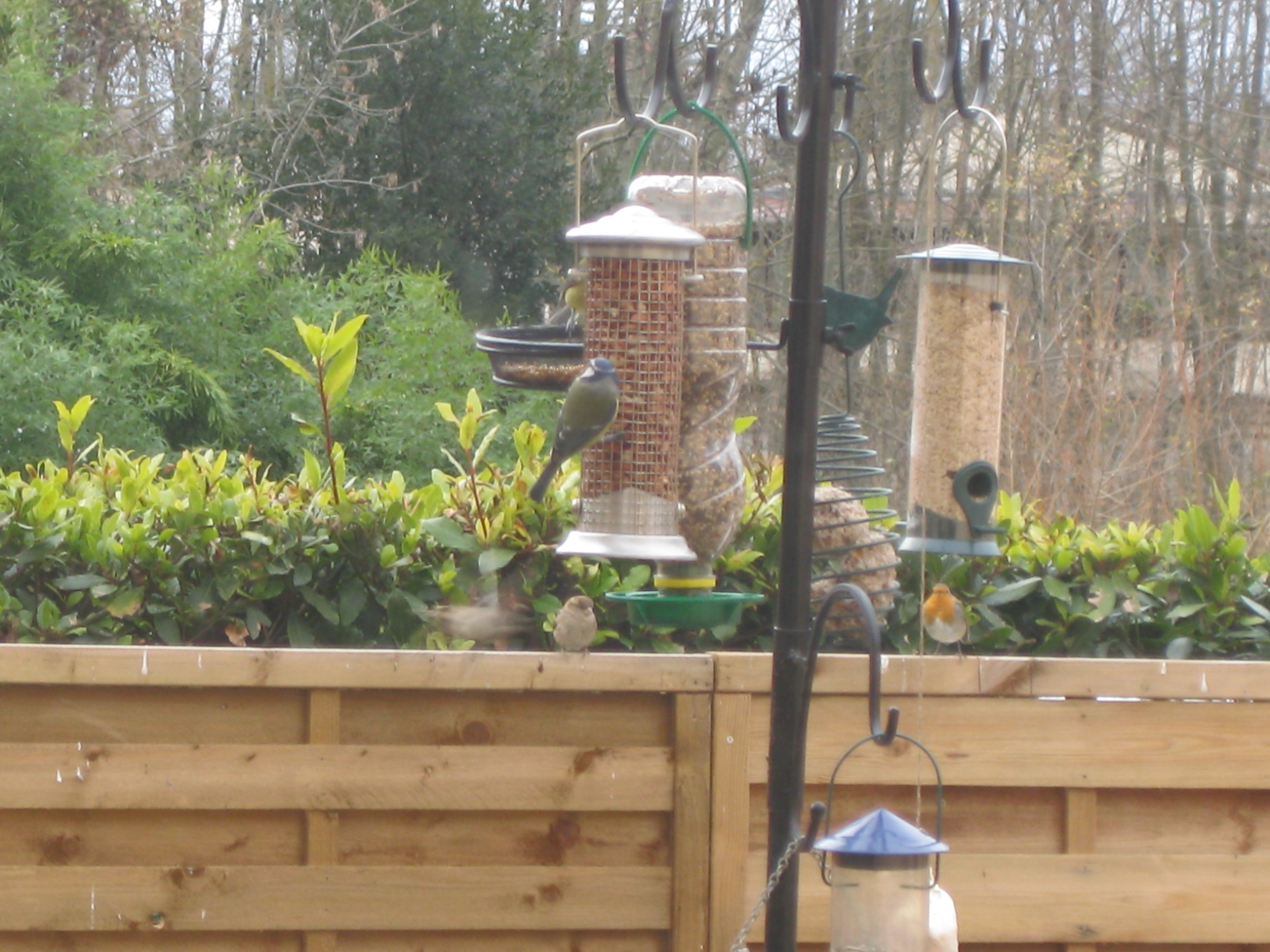
The tale of the cherries and the peach

While we were in England in May, Léonce wrote and said the local cherry harvest had been and gone.  The fruit, thanks to the early heat wave, was wizened, dry, and had peaked far too early.  We wrung our hands in displeasure at having missed the offerings from the two mighty cherry trees in our garden, and tried to forget about it.

On Tuesday, when we got back to Laroque, I went to the garden.  And there were our trees, branches grazing the ground with the weight of their fruit.  I started to pick.  Five minutes later, it was raining.  Stair rods.  I scuttled home with some treasured cherries.

Wednesday morning dawned clear after a rainy night, and straight after breakfast we were up at the garden with buckets, eager to pick all that lovely fruit.  Almost every single cherry had turned mouldy overnight.  We managed to pick a few, half a bucketful.  But back at home, they didn’t stand up to close inspection and we had to discard almost all of them.  So that was that.

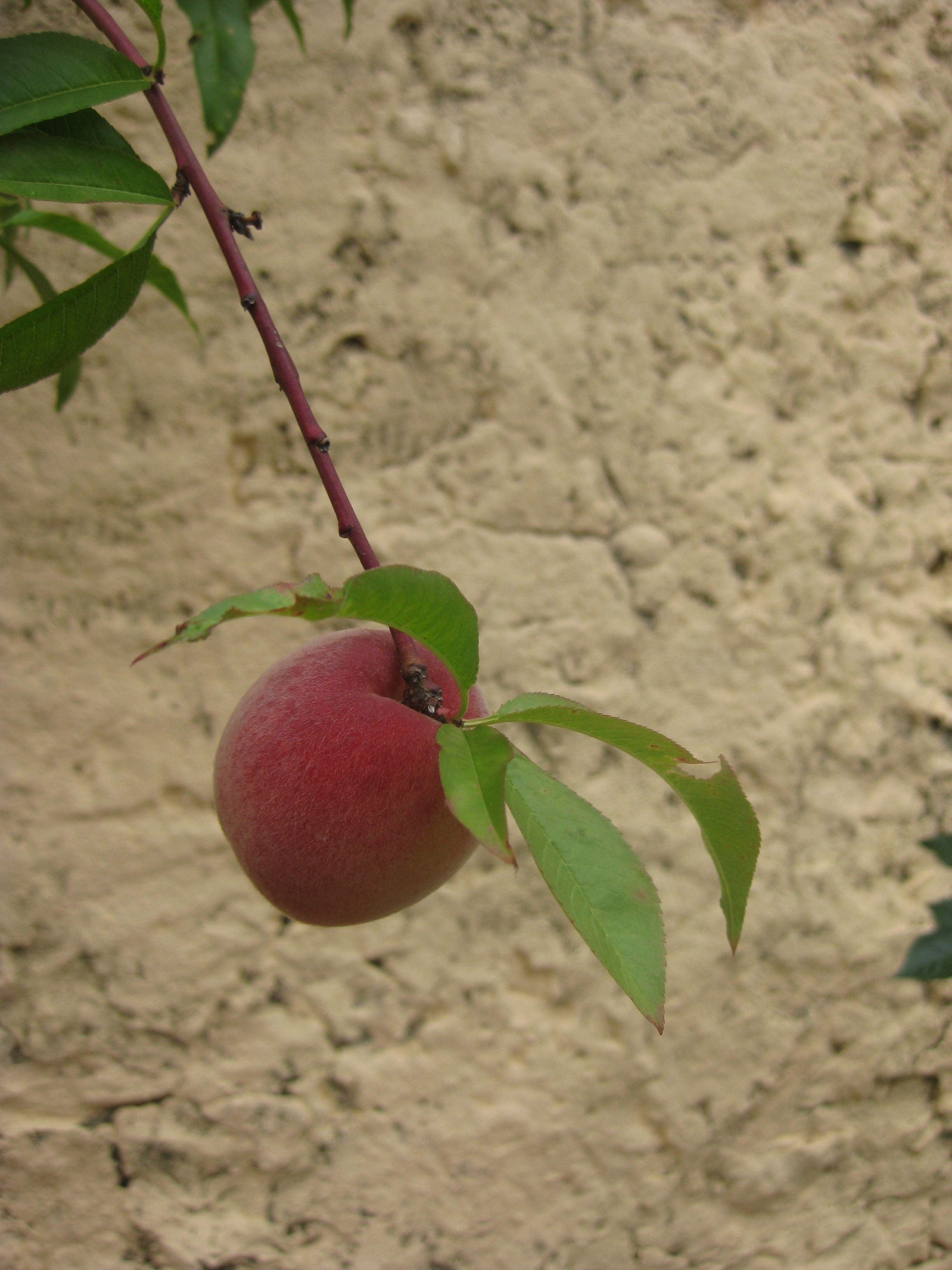
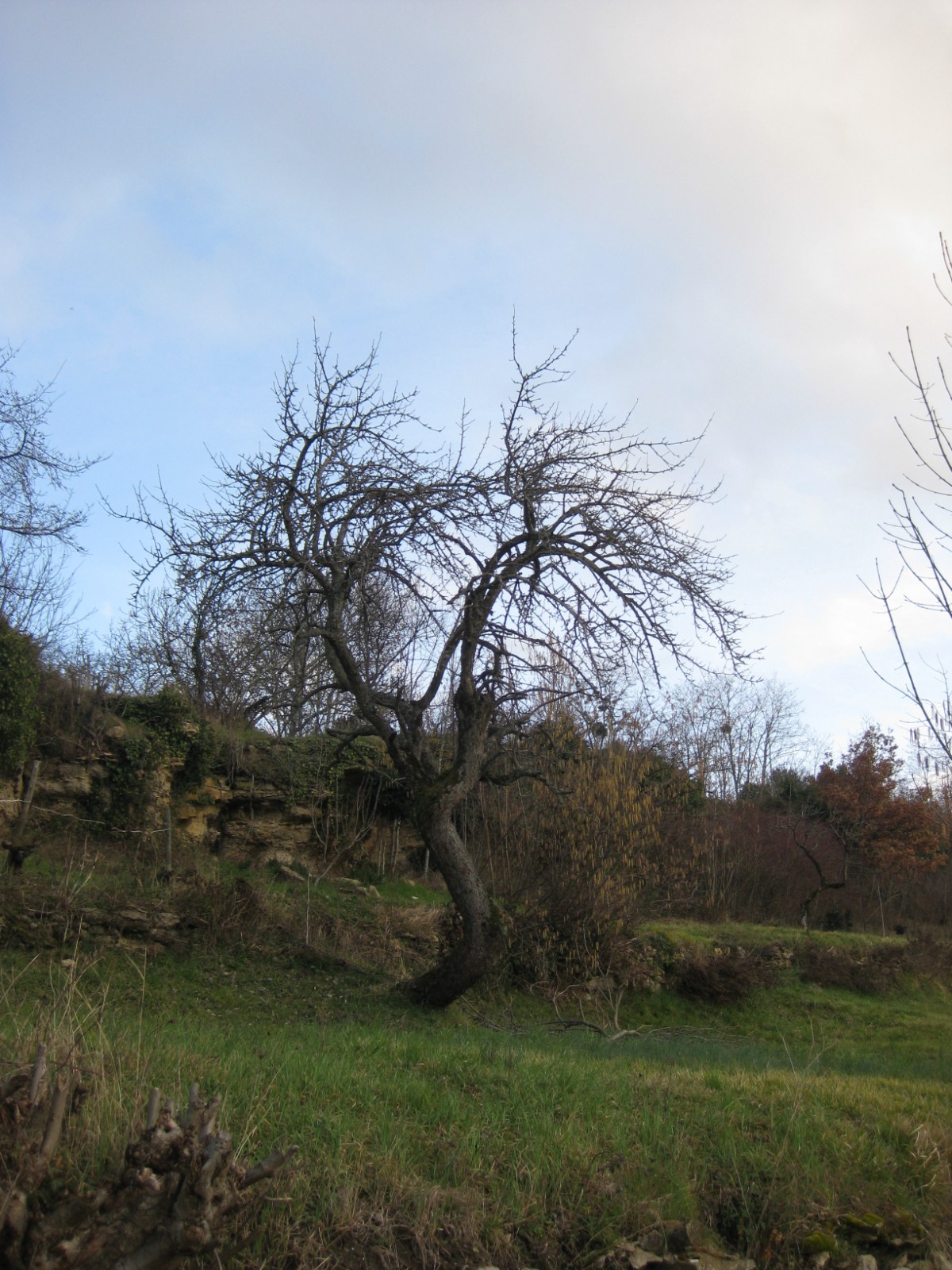
Now for the good news.  In early spring, we bought a peach tree.  We planted it. It prospered.  It flowered.  To give it the best start in life, so the tree would give its energy to putting down roots rather than nourishing its fruits, we removed every single blossom.  Or so we thought.

When we went out to see our little tree on our return, this is what we found.

We ought to pick it and throw it away I suppose, but we haven’t the heart.  Come and visit us in August, and you might get a bite of our very first home-grown peach

Three French Hens

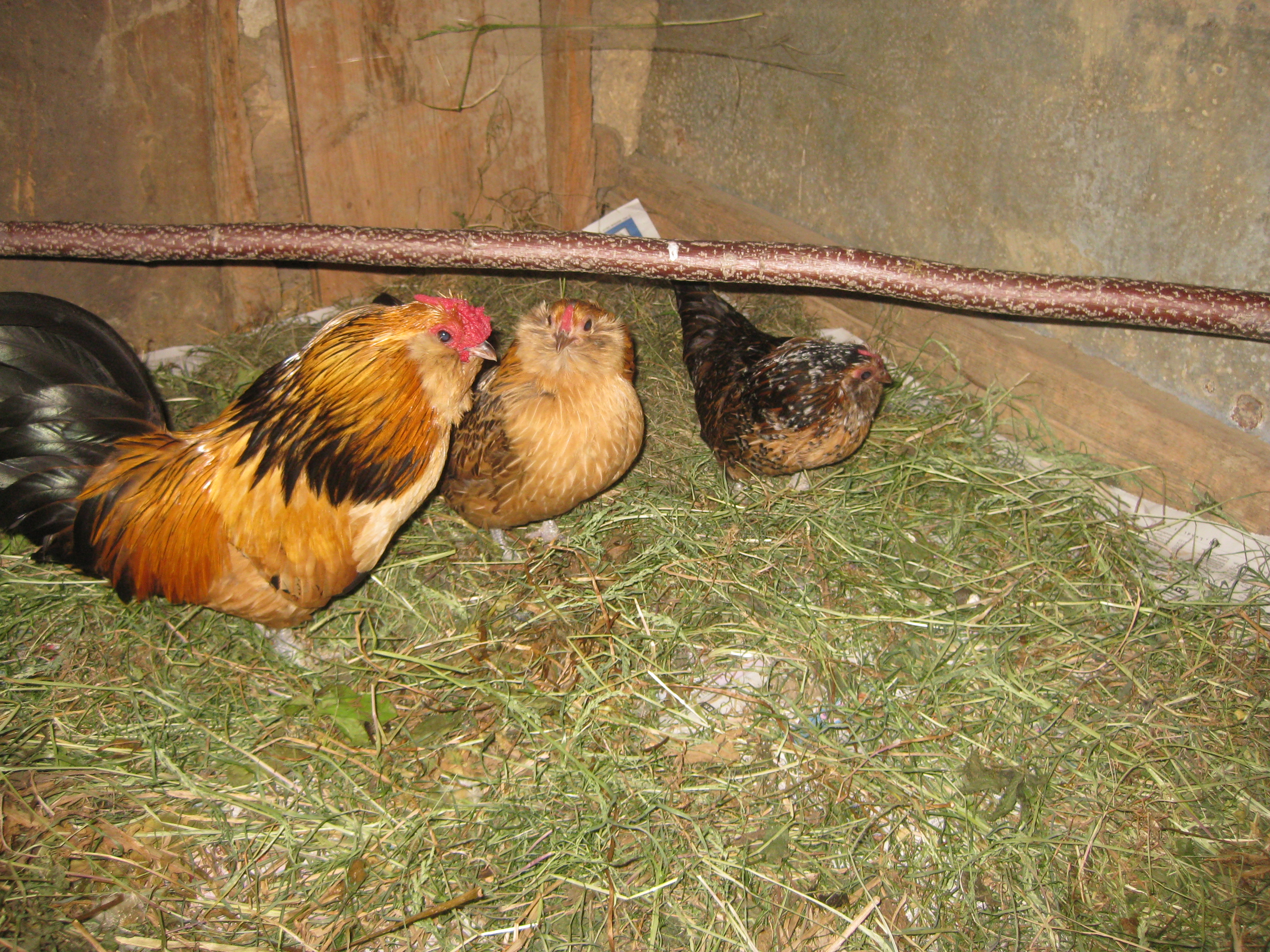
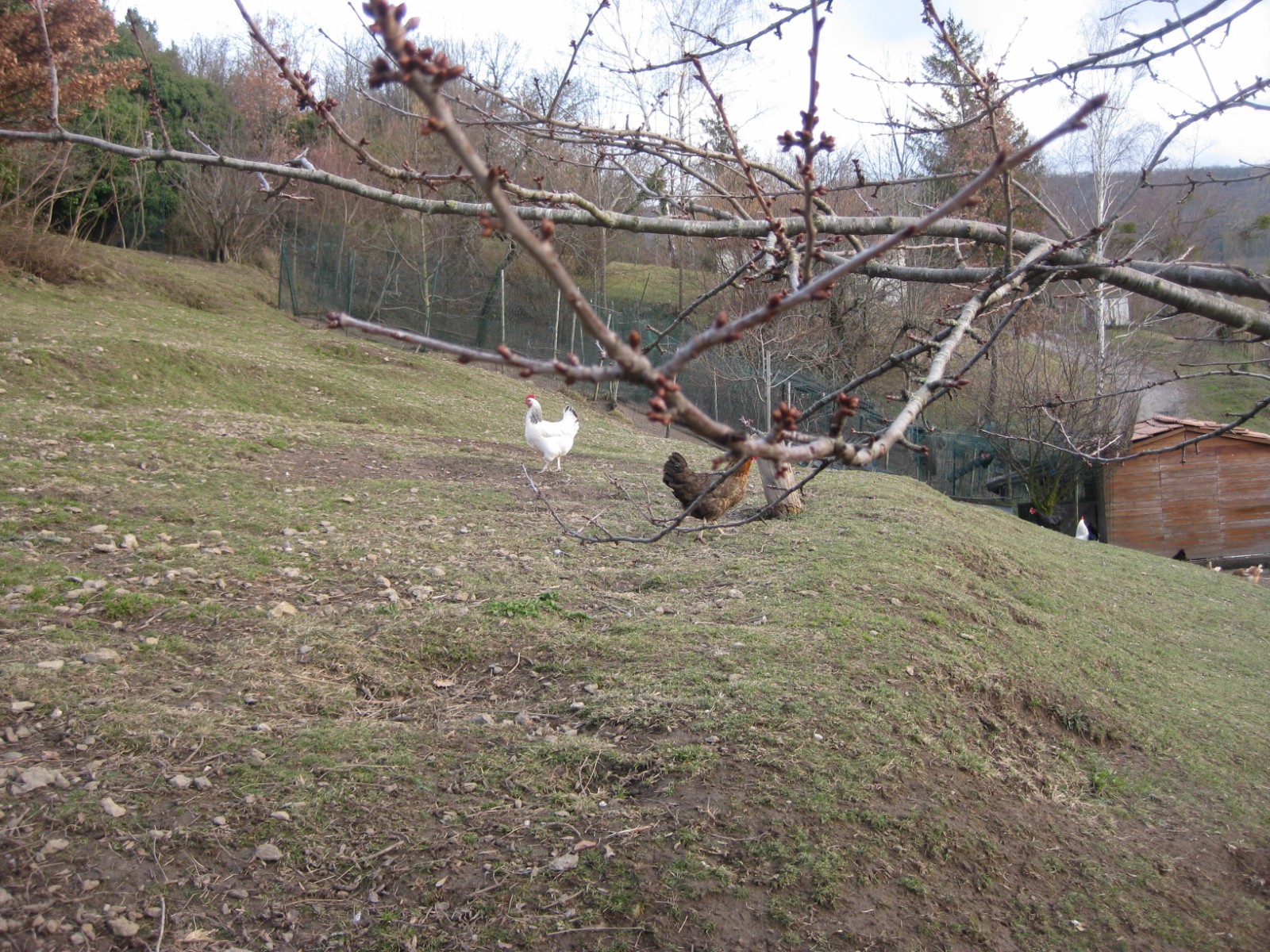
Léonce and I have long wanted hens.  But she’s beaten me to it.  A friend of Henri’s keeps quite a brood: lately, one of the cocks has been having a go at a quiet little trio – a cock and his two hens.  So Henri’s friend decided, sadly, that they’d be better off elsewhere.

We went for a tour of inspection last week.  Léonce was charmed by their pretty colours and diminutive stature and promised to buy.

She’s got the hen house finished off, and now….because of what’s happening over in the UK this week, she’s named the new additions to her family.  Let me introduce William, Kate…..and Queenie

Food for free

In the UK, Richard Mabey’s the original, and still the best known proponent of foraging for good things to eat in the countryside.  Here in our patch of France, it’s Stéphane Martineau, and we spent yesterday afternoon with him, strolling down the lanes near Roquefort les Cascades, nibbling at petals, leaves and roots.

It was a free afternoon organised by Alptis, who provide us with the health insurance we need to complement the state-provided health service, and we enrolled as soon as the invitation came through the post.

Stéphane encouraged us to look carefully at each plant, at how it’s structured, what it feels like, what the crushed leaves smell like.  That afternoon, we found leaves that reminded us of mushroom, garlic, mint, cloves….

We began to understand how welcome the new spring growth must have been to villagers over the centuries.  After months and months of bland beans and turnips, the tasty bitterness of black bindweed, eaten raw or lightly cooked like asparagus must have been a real treat.  Its other name is l’asperge aux femmes battues – battered wives’ asparagus, because it’s also good at relieving bruising and swelling.

At this time of year, before many of the plants have flowered, and growth is young and fresh, there are so many tasty additions to the salad bowl.  Garlic mustard has both leaves and flowers to offer.  Hedge woundwort has nettle like leaves and a slight mushroomy odour.  Primula gives a pleasantly bitter taste so use it sparingly, and creeping Charlie  makes a lively addition to a salad, or an unusual addition to soup or lasagne.

Nettles are of course the kings of country flowers, packed with vitamins, minerals and even proteins.  They can be eaten raw (with a thick and tasty dressing) lightly cooked, or included in sauces and stews and baking.  Fermented, they make an all-round fertiliser, and gardeners dig them into the ground too, to enrich the soil.

We found plants to cure warts, substitutes for aspirin and for the cloves that we’re supposed to tuck next to a throbbing tooth.  We even learnt that horsetail, just as it first thrusts above the ground, makes a good mineral-tasting asparagus substitute. Failing that, once it’s matured, a big bunch tied together is a good pan scourer.

Just one plant was completely new to me: purple toothwort.  It’s a mauve parasitic plant, looking rather like a small clutch of rhodedendrons in bud, and modestly hidden under grasses at the foot of trees.

I’ve got pages of notes about plants I plan to look out for and try: using only a few specimens from each patch, of course, and just taking  a few of the very youngest leaves, as instructed.
Just before we all headed off home, we shared a foraged snack which Stéphane had prepared earlier.  Nettle blinis, Douglas fir cordial, various jams and jellies.  Good stuff, this food for free.

This slideshow requires JavaScript.

Spring has sprung

All over Europe it seems, people are shedding their woolly pullies and revelling in the  balmy air, as plants unfurl new leaves and flowers, and animals mate and give birth.

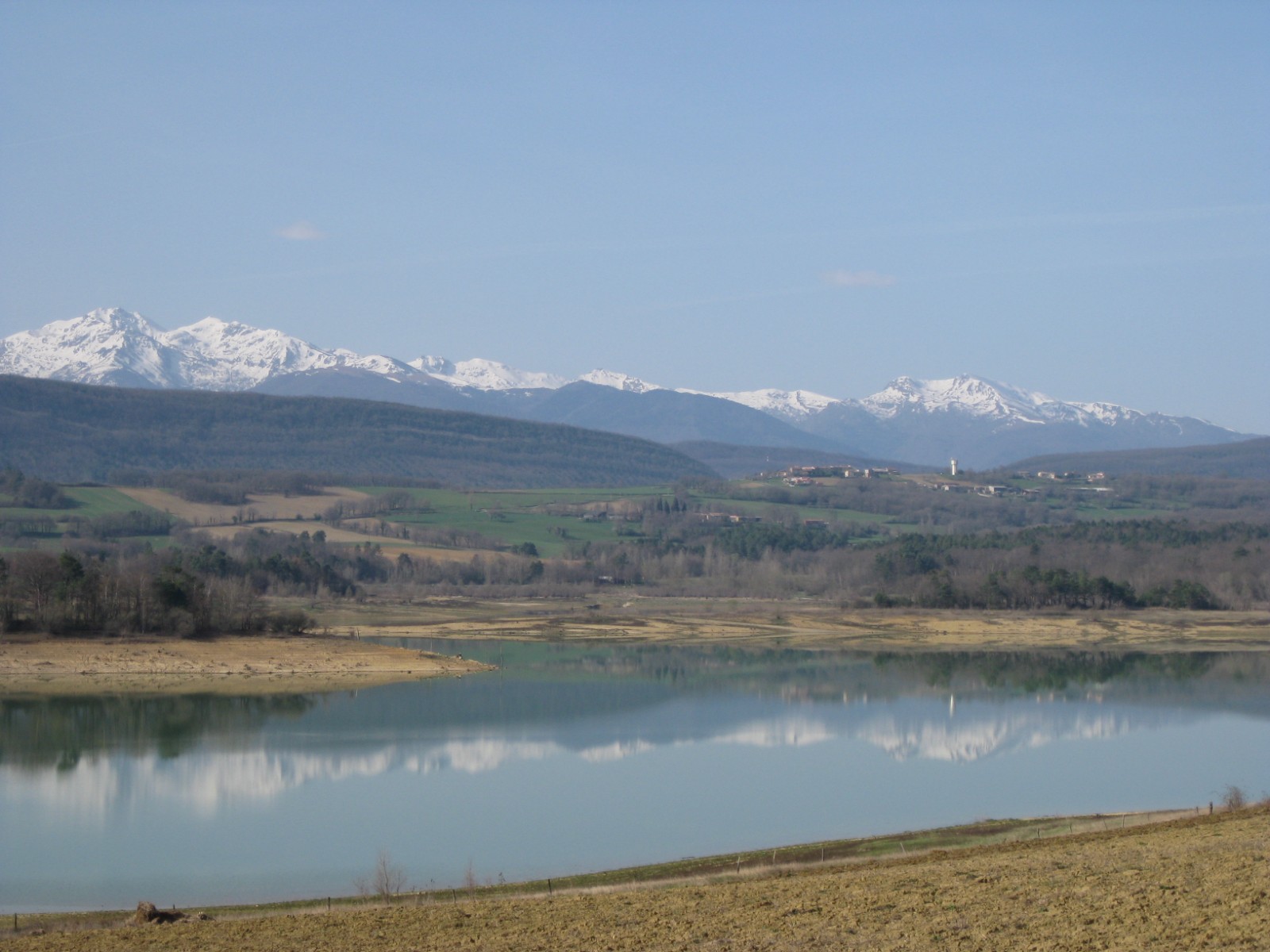
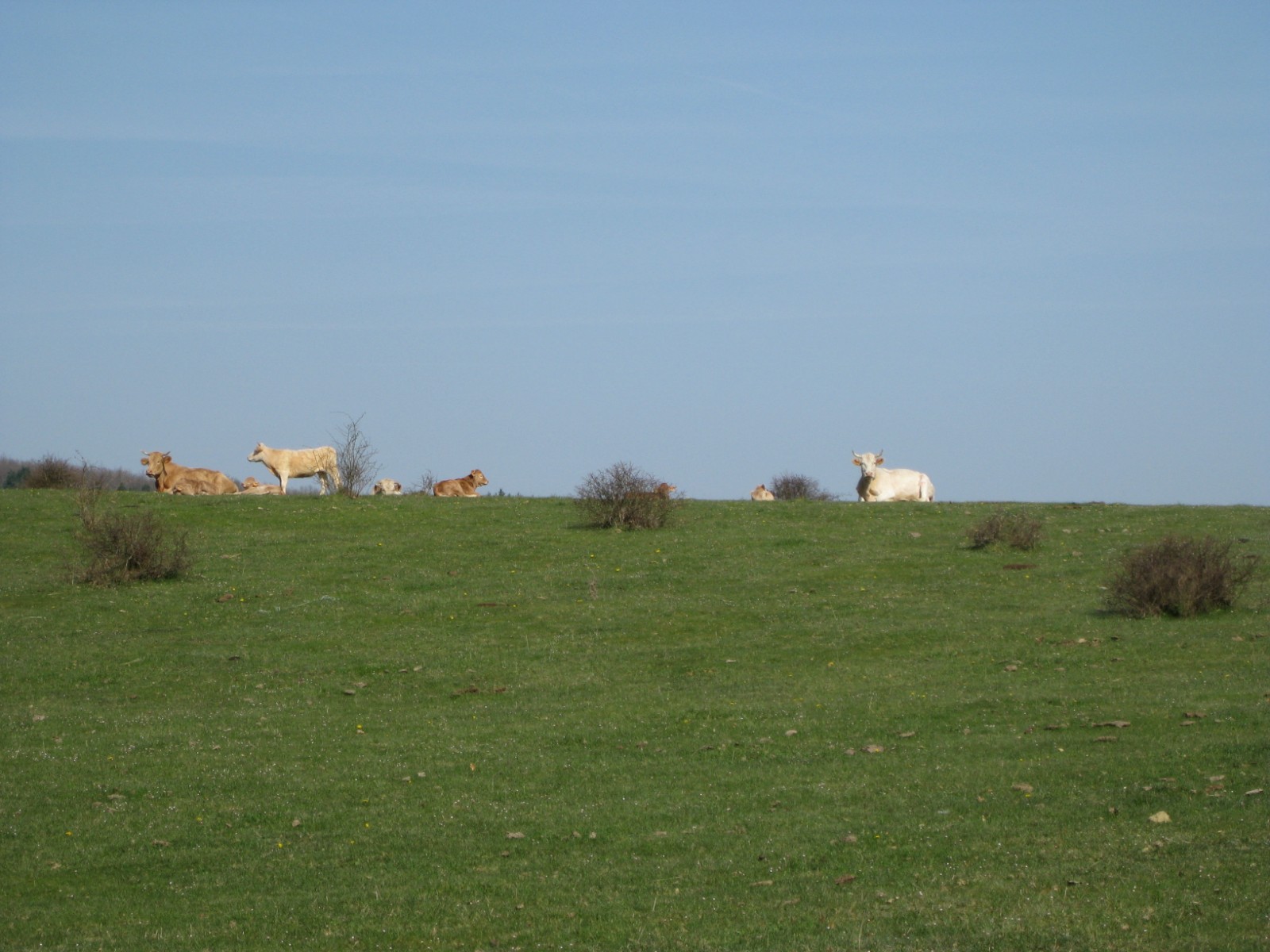
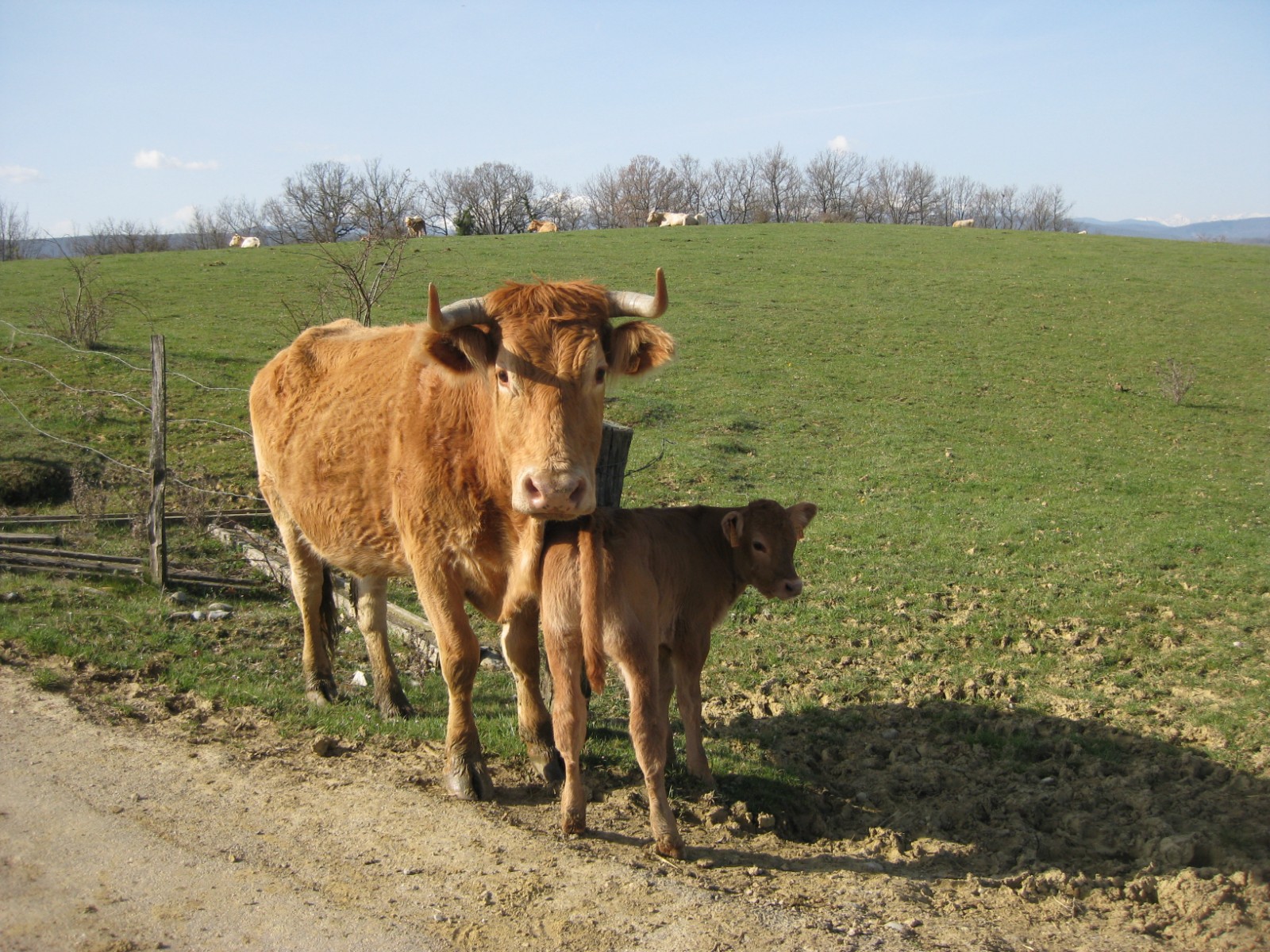
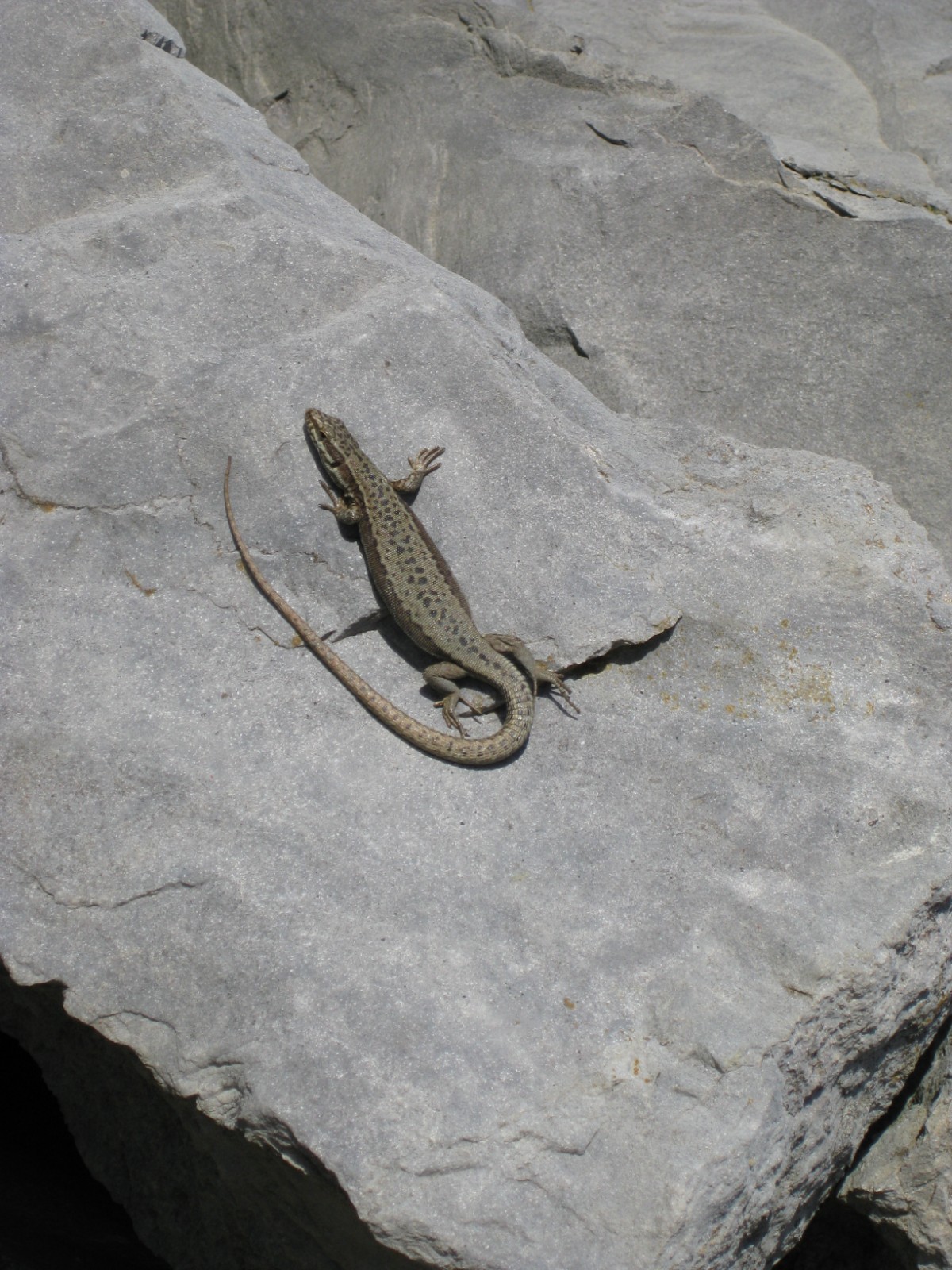
This was the lac de Montbel at the very end of last week.We enjoyed the views.  The cows enjoyed the views.Though this mother preferred to keep her calf safe at her side.Dozens of lizards sunbathed on the newly warmed rocks.  Here’s one.And here’s some sloe blossom.  I’ll be back in the Autumn for the mouth-puckeringly sour fruits  to make sloe gin or vodka.There’s only one problem.  The warm weather has brought out all the biting insects.  They soon found me.

A Walk with the Pine Processionary Caterpillars

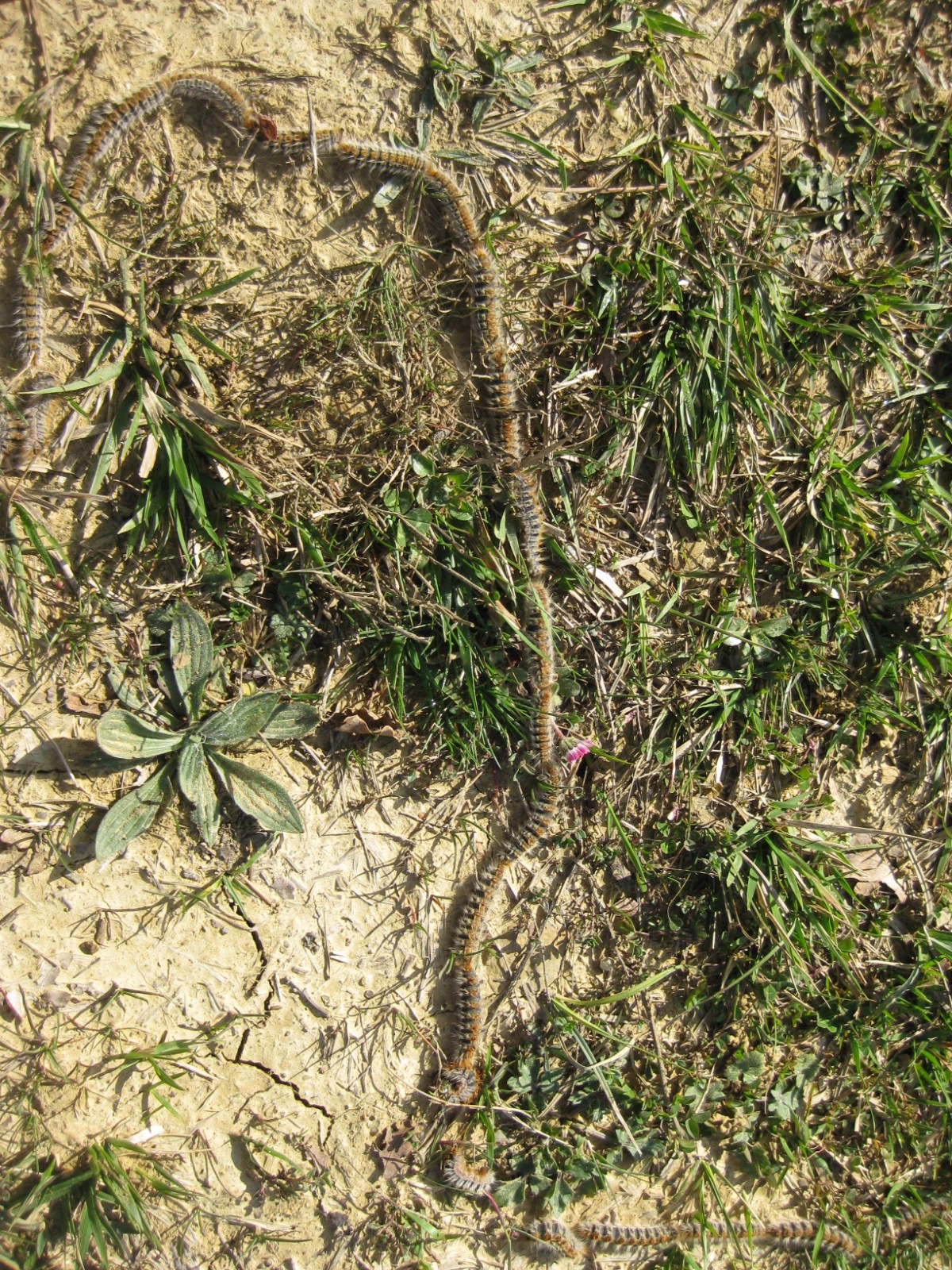
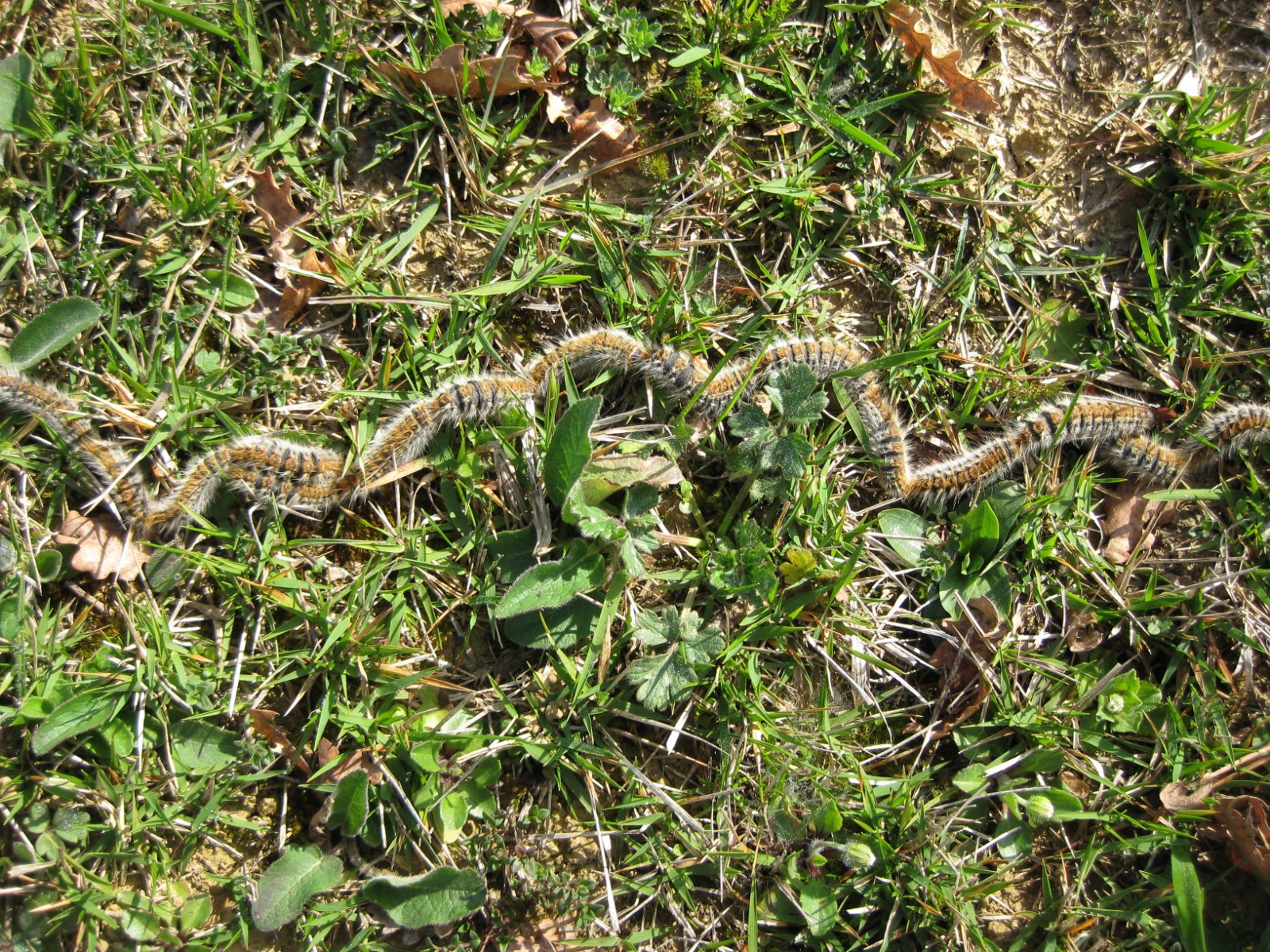
Out for a walk yesterday, we met about 600 caterpillars, also out for a walk.  Pine processionary caterpillars.  They’re extraordinary creatures, brown and hairy, that travel in long undulating lines, head to tail, looking for sandy earth to burrow into.  We saw 2 processions in as many minutes, each more than 6 metres long. It’s quite an impressive sight, and at first glance, looks exactly like a long, thin, sinuous snake.

A caterpillar that somehow becomes isolated from the one in front writhes about in agitation until it manages to absorb itself into the group again.  Something about these dependent creatures reminds me of those tragic World War One pictures of blinded soldiers advancing unsurely forward by hanging onto the shoulders of the man in front.

Don’t be seduced into thinking they’re rather sweet though.  They’re a real danger, especially if you’re a curious small child or dog.  When humans and our pets come into contact with the barbed and easily shed hairs, they can suffer reactions ranging from mild inflammation and irritation to severe anaphylactic shock.  Some victims have even died.

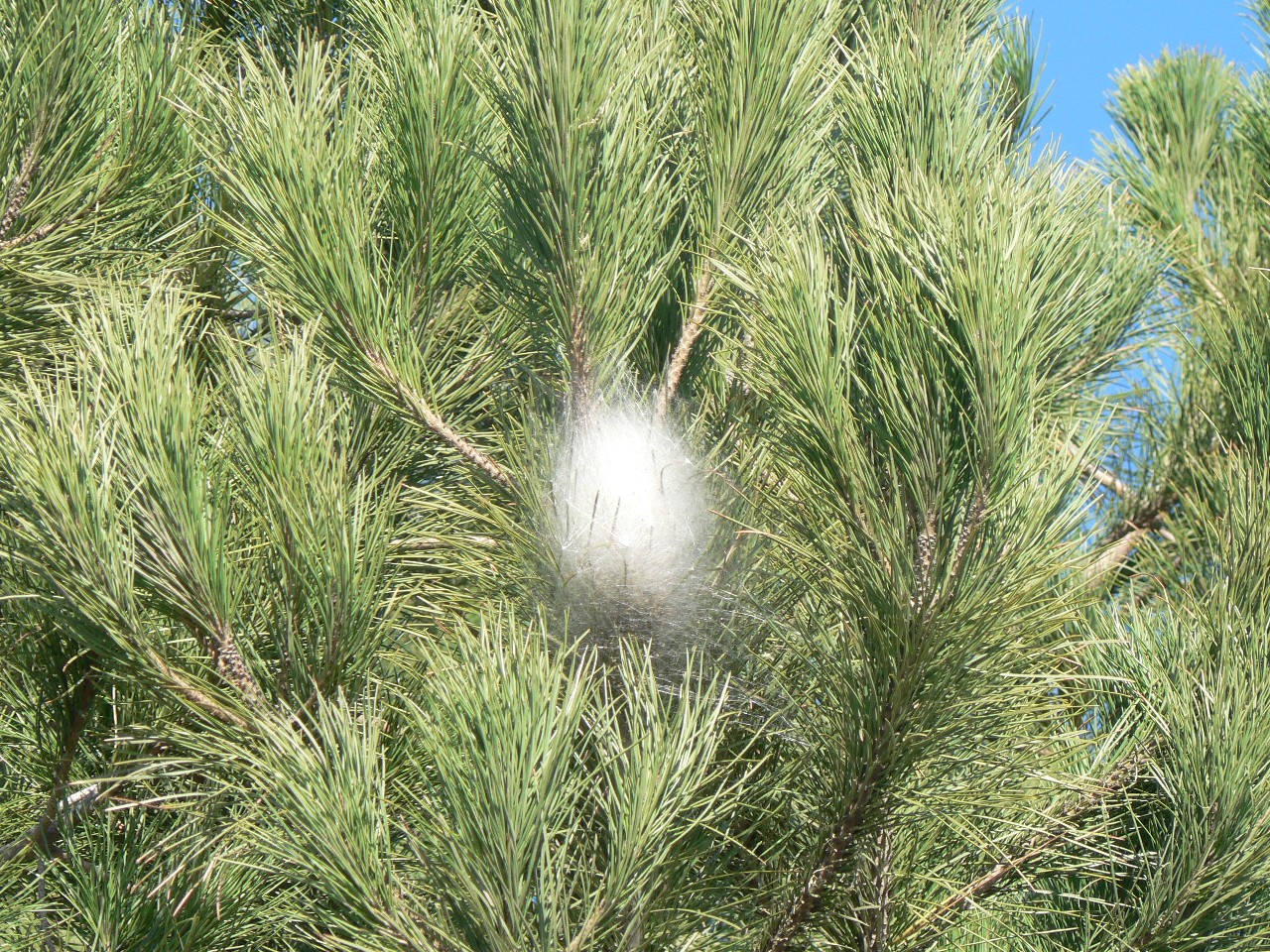
If you’ve ever walked in the countryside here, you’ve almost certainly seen them, even if you’ve never come across a procession.  Those candy-floss balls of delicate spun silk in so many pine trees round here are their nests and their original home as they developed from eggs to caterpillars.

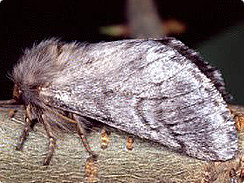
When they grow up, they’ll be harmless and rather dull moths.  You probably won’t even notice them.

Carnival at Laroque

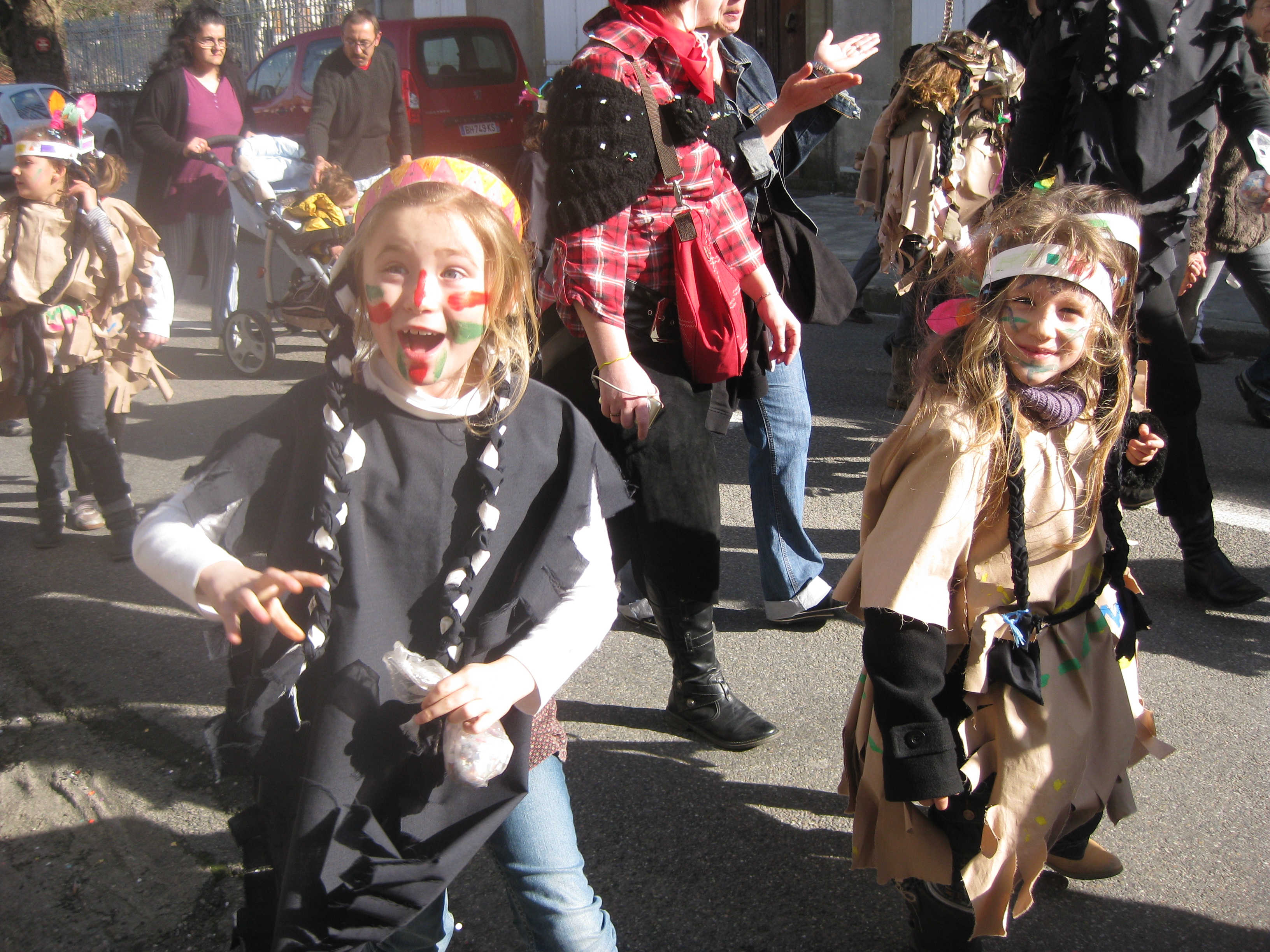
Lydia: our favourite Native American

But don’t get too excited.  It’s only dear old Laroque, and little old Laroque falls between two stools.  It’s not small enough to get every single person in the community involved in some way in this local festivity.  Nor is it big enough, or rich enough, to throw money at it.

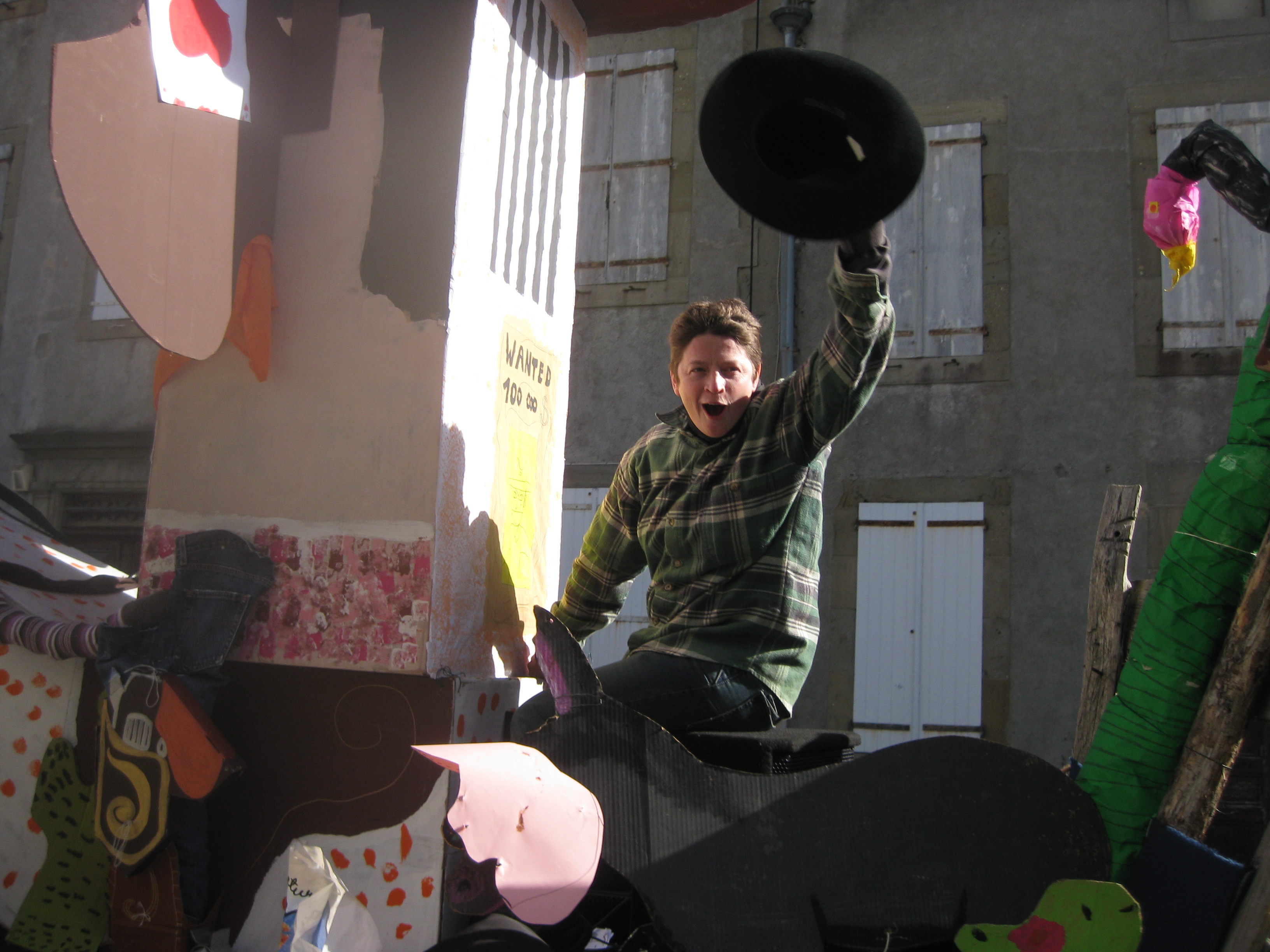
Miriam atop a float

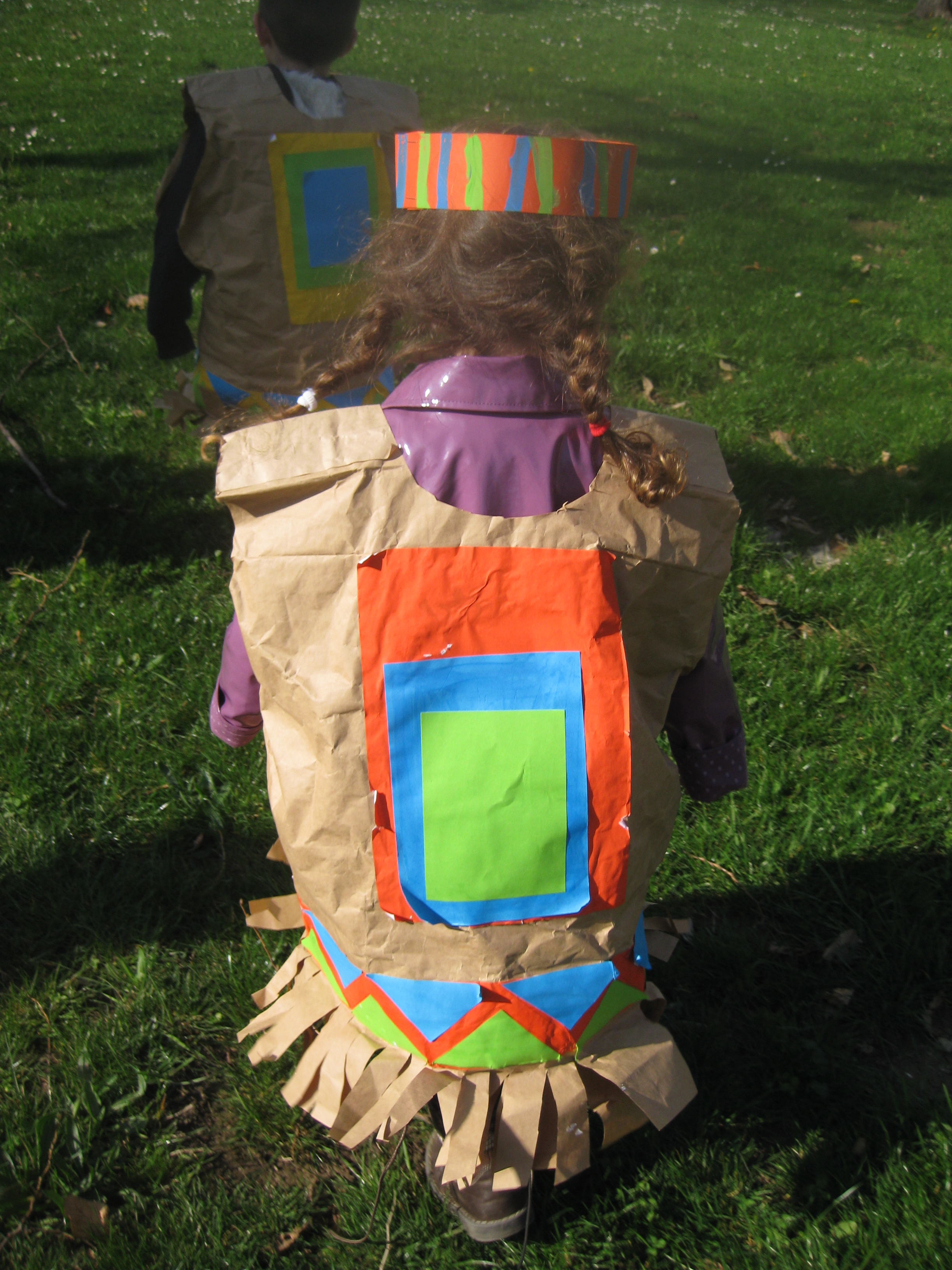
So the primary school is the key.  For several weeks the children have been focusing on the ‘Far West’, and making Native American costumes, cowboy outfits, totem poles and so on, and learning songs and music to fit in with the theme.

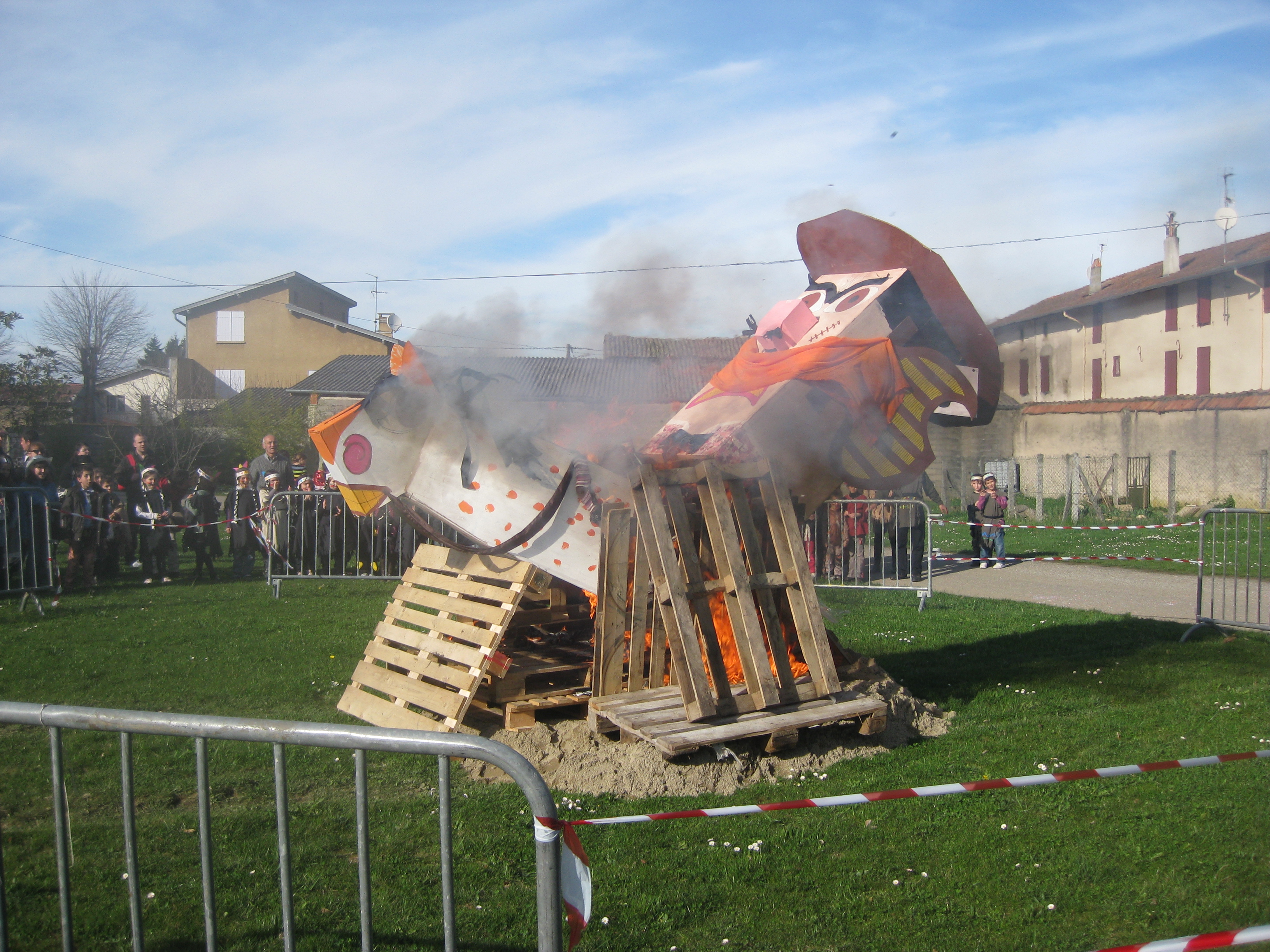
Today was the day they put it all on show.  They processed round town.  Tractors with floats trundled round the streets  and into the grounds of the Château.  The poor old cardboard cowboy on his horse the children had so painstakingly made became a sort of Guy Fawkes figure burning on a bonfire.  The schoolchildren sang their songs.  Grillades (a barbecue).  As darkness fell, everyone moved off to the MJC (Maison de Jeunes et Culture).  More grillades, more bands, dancing.  A concert featuring our Music Centre.  General merriment, a late night for the children.  A good time had by all.

The end of the road for this poor old cowboy

Le P’tit Marché d’Is@

If you live within the long oval that has Mirepoix at the top, and Tarascon at the bottom, you might be lucky enough to get your fruit and veg. from Le P’tit Marché d’Is@ – Isabelle’s Little Market.

Isabelle, a young woman from Montferrier, has recently started a vegbox and grocery business, and it really is ‘the business’.   My memories of veg.boxes a few years ago in England are of worthy offerings that always included rather more soil-encrusted swedes than anybody could reasonably want.

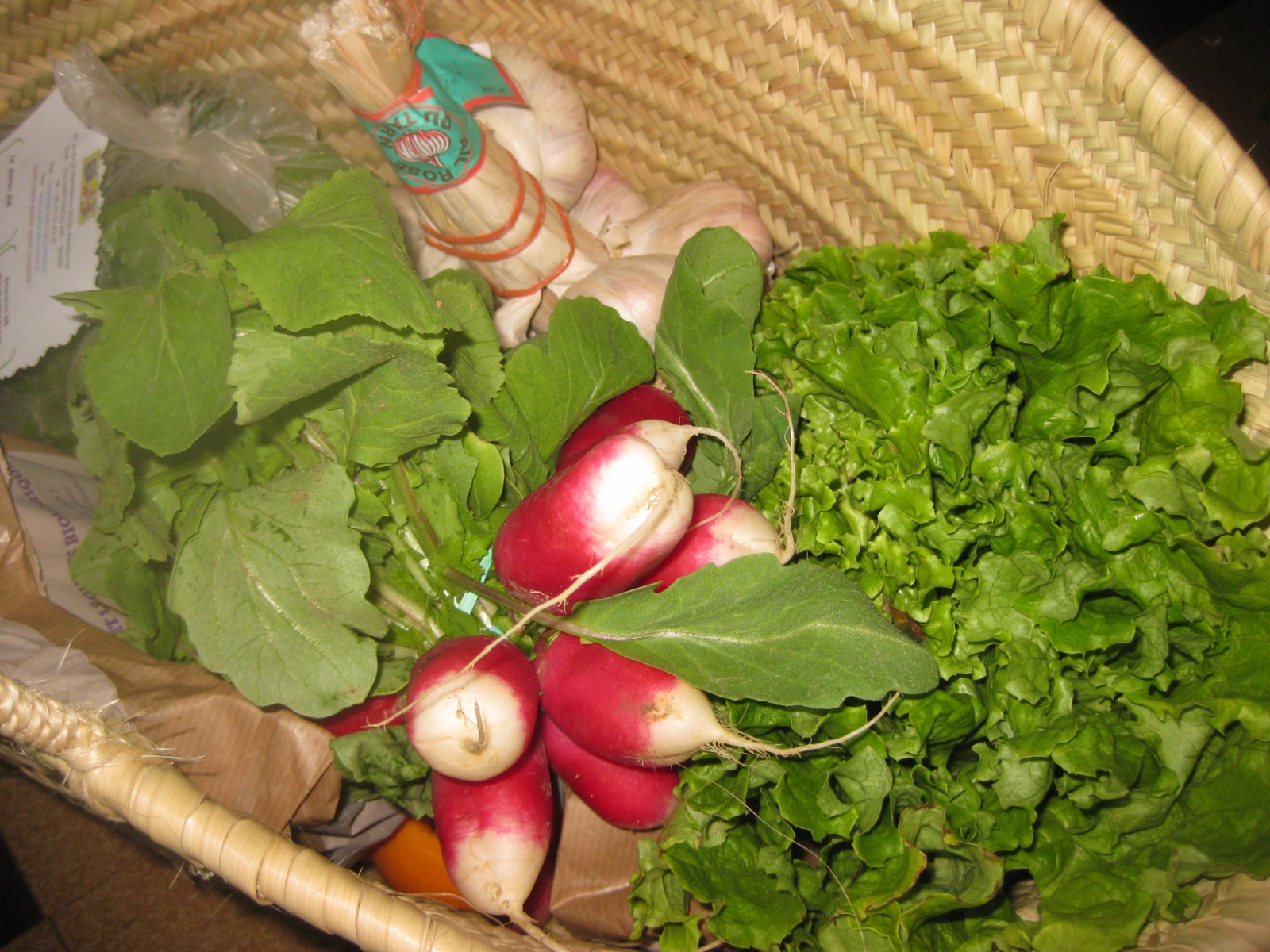
My panier, last week

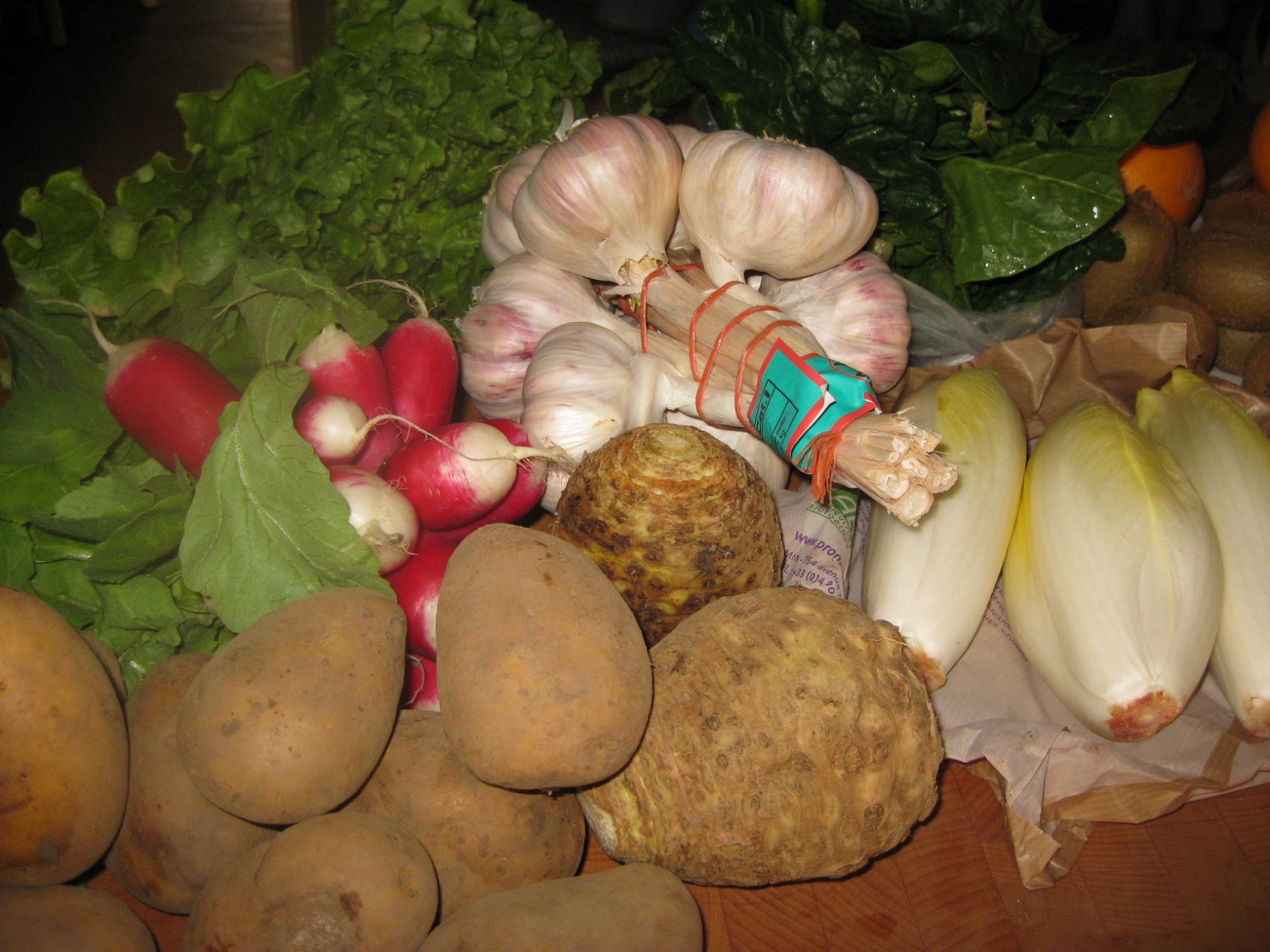
This isn’t like that. Her fruit and vegetables are organic or Agriculture Raisonnée, (limited use of drugs, fertilisers etc. permitted, within strict guidelines) all locally sourced: this week’s panier included potatoes, carrots, radish, celeriac, cabbage, spinach, chicory, lettuce, kiwi fruit, oranges and apples, all organic, and squeaky fresh. Last week’s, apart from the basics of potatoes, carrots and apples, was quite different.

Sorting out the shopping

Besides this, she’ll sell individual quantities of various fruit and veg , and she also has other lines. Poultry, pork, dairy products including various Ariégeois cheeses and yoghourts, all from farms no more than a few miles away.   Groceries include wonderful organic flour from a mill near here, pasta, beers, and from slightly farther afield in the Pyrénées Orientales, oils, dried fruits, nuts,tapenades etc.

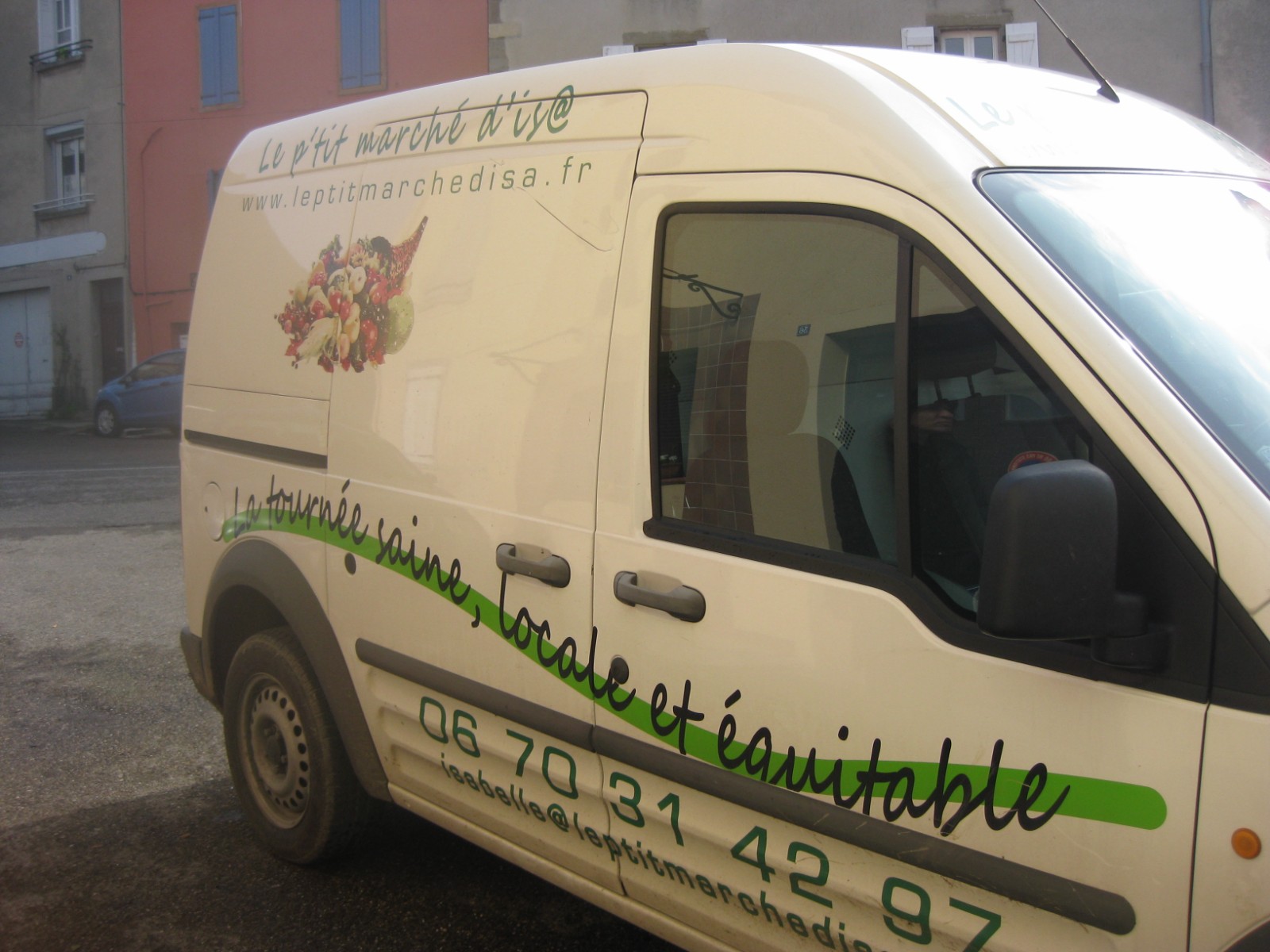
Just arrived and ready to deliver

It’s very simple: you order by Monday midday for delivery later in the week.

Now I really look forward to 11 o’clock on Thursday mornings when her little white van swings into the parking space outside our house, and she cheerily hands over her bulging panier of shopping for us to unpack and plan the menus for the next few days (she even has a recipe idea or two tucked in the bottom of the basket). It even beats market shopping.  AND it’s made me feel not quite so unhappy about deciding not to grow my own vegetables this year.

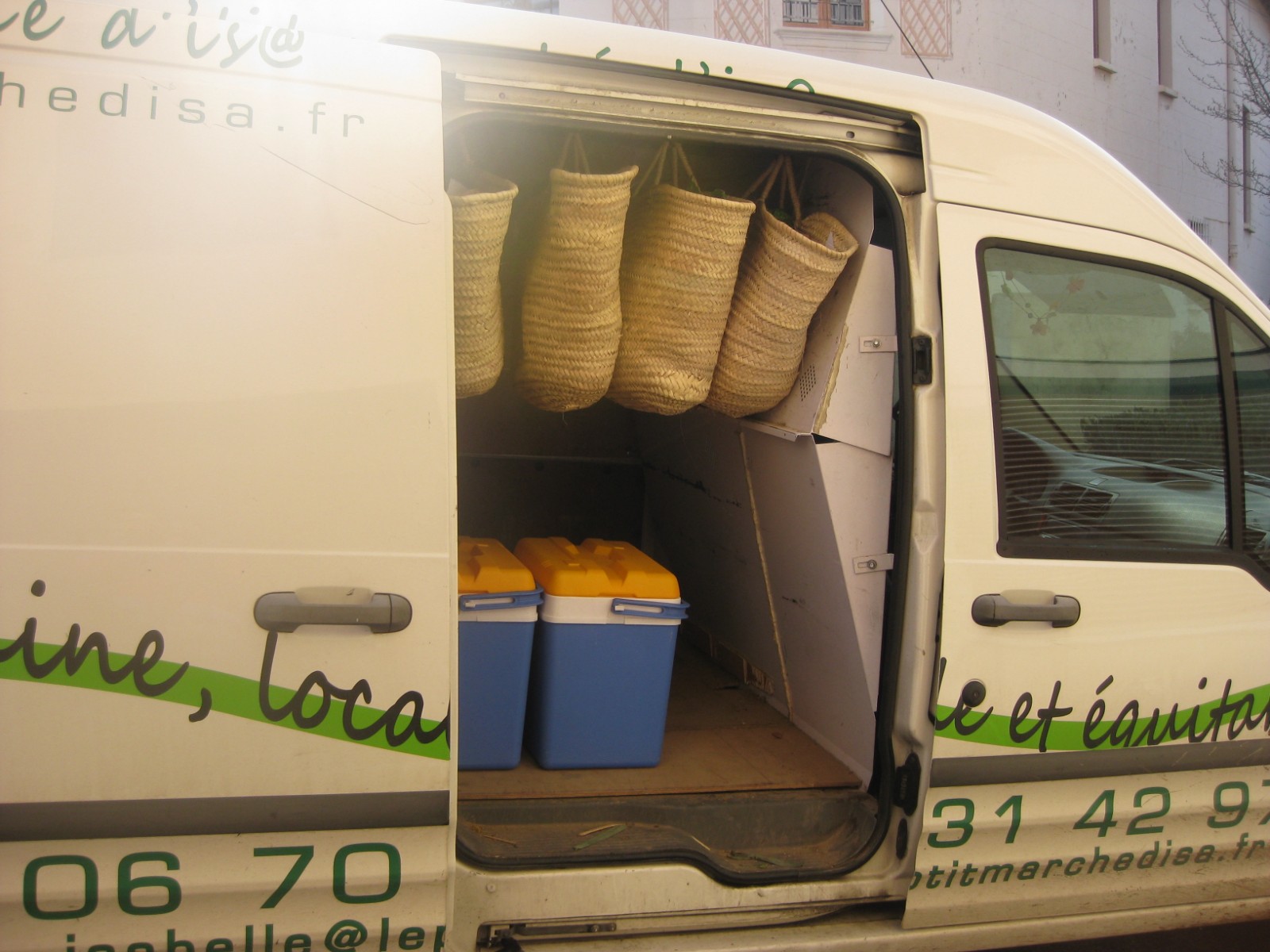
Her morning's work all lined up in the van
Isabelle's morning's work all lined up in the van

The Garden of Earthy Delights

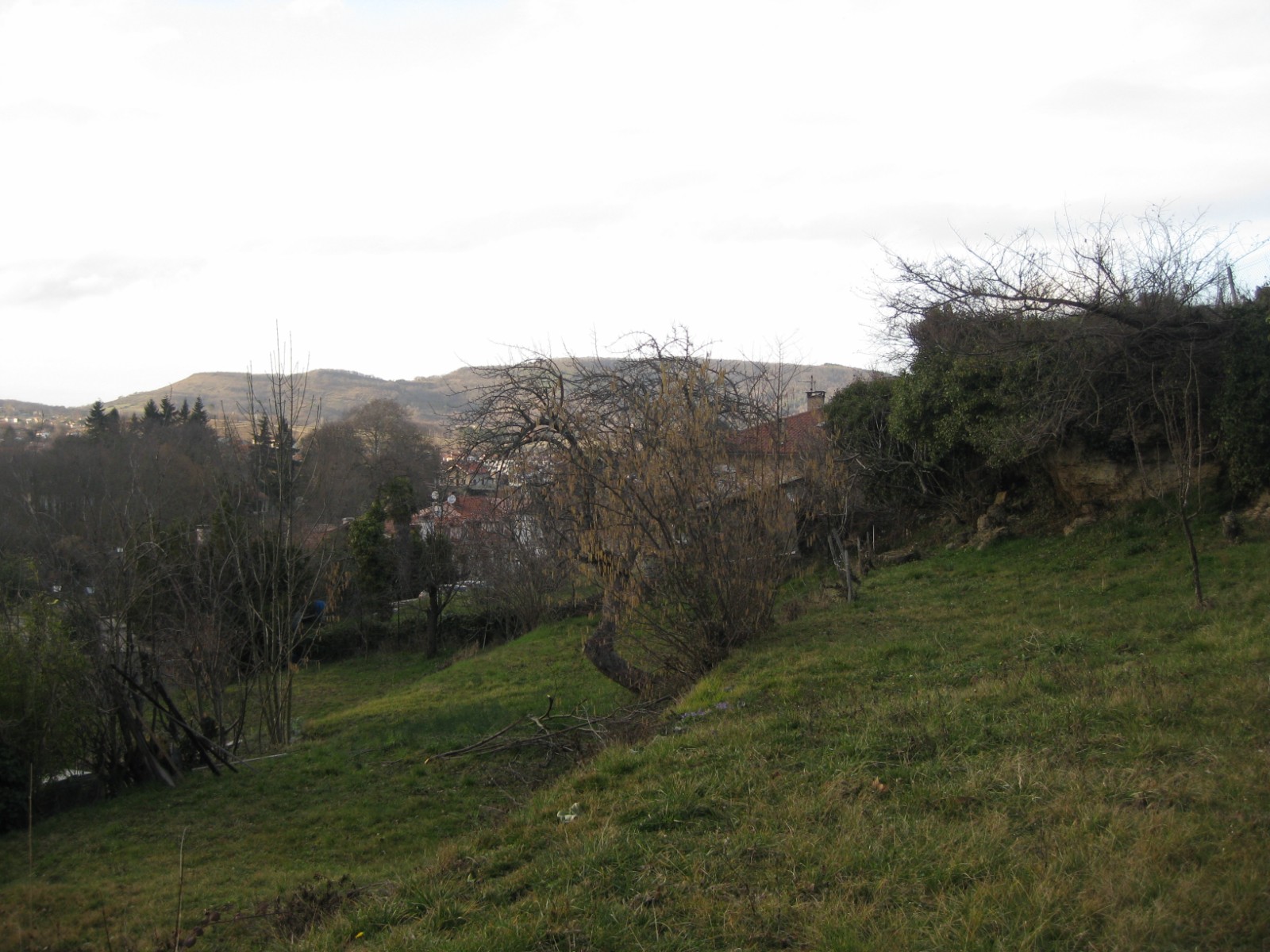
At this time of year, with spring nudging the crocuses, violets and celandine into flower, and encouraging buds on trees to fatten and swell  before bursting into flower, it’s time to be busy outside.

My single patch of white violets among all the purple

Our garden’s a minute or two’s walk from the house, and out of sight can mean out of mind.  So once there (‘I’ll only be 10 minutes’….), I’ll find all kind of things to do.  The grass needs strimming already.  The vegetable patch is a disgrace.  The fruit trees need attention: they suffered horribly in last May’s heavy snow, and they should really have had careful pruning much earlier this month. The compost heap needs a bit of TLC.  Time passes while I prune our ‘vineyard’ – 6 vines. (‘Oh, sorry, have I really been two hours?’)

The pear tree: lots of character, not many pears

So I’ve taken a big decision.  No vegetable patch this year.  That way, the trees may get the extra attention they need:  the ivy and brambles may not get the upper hand quite so readily, though I wouldn’t bet on it.

I’m not going to do it on my own though.  From Easter, we’re planning new recruits to the garden: a gang of hens, whose job it will be to peck away at all the grubs, and keep the grass trimmed, whilst offering the occasional egg for breakfast.

The hens next door running free

Quite a few friends in England have re-homed ex-battery hens, and I’d love to do this too.  I’ve written emails, joined internet discussions, asked around, but it doesn’t look as if I’m going to be able to find any here in France.  But the search goes on as we plan the next project: build a hen house.

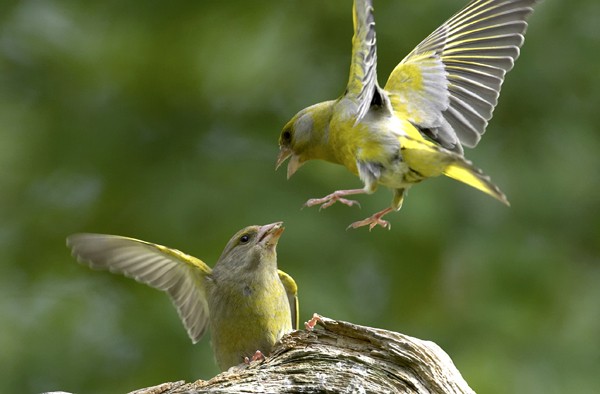
Although it’s often a lot of hard work, this garden’s a really special place for me  (and I do mean me.  Malcolm’s excused gardening duties so long as I’m excused DIY duties).  From it, I can see Montségur, the thickly wooded long chain of hills called the Plantaurel, and the snowy peaks of the Pyrénées behind .  So near to town, and away from the house, it’s where I come to get away from it all, and have a healthy workout as I dig, hack, uproot and generally try to keep Nature at bay.By the way:  greenfinch update.  Enough already!  They’ve shown themselves to be belligerent, selfish dogs-in-the-manger, who dive-bomb, use their wings to beat off the opposition, peck, bamboozle – anything to keep any other bird away, even ones who are eating their least favourite thing on the feeding station.

Greenfinch fighting

They’re also extremely messy.  I’ve told them.  I’m not replenishing the feeder till they’ve eaten every scrap of the food mountain they’ve dumped on the ground beneath.

Oh, and as our lunch guests pointed out,  it was a goldfinch, not greenfinch onslaught we had two years ago.  We’ve seen none since.  They’re all 4 miles up the road at my friend’s house in le Peyrat.

“No sky in all France is more blue than that of Collioure”: Henri Matisse. Not this week……

Because of our 6 weeks’ hard labour, because the weather here is so unseasonably gorgeous, and most of all, because it was Mal’s birthday yesterday, we decided on a Mid-Week Break.  A friend had just posted some photos of the sea at Collioure, radiant in the early spring sunshine, and we thought we’d like an off-season visit too.  The Pyrénées Orientales are nearly always sunny, with high temperatures and blue skies, even if we’re shivering over here, so we never bothered to check the forecast.  Big mistake.

Half way through our journey to the coast, the mist descended.  The sky turned pale, then grey.  The temperature fell.  Sea mist, we thought.  It’ll burn off.  It didn’t.

So our afternoon consisted in making the best of a bad job.  Which worked.  Rather than stop for lunch first at Collioure, which we feared might be closed for business, winter, mid-week, we went on to Port-Vendre.  This is still a busy fishing port, with tuna and sardine canning factories, so we had the idea that we’d be lunching with fishermen in oilskins.  Well, not at all actually, but fishy menus are centre stage, and we ate well – very well.

Then we came back to Collioure.  As we’d thought, nearly everything was closed, and without the sun to add sparkle and joie de vivre, we contented ourselves with an invigorating walk along the front before moving on: this is a region with plenty to offer.

This is Catalan France. It’s been ruled by Spain, by France, back and forth over the centuries, and many of its current inhabitants fled from Spain during the Franco regime, so it does have a very Spanish feel.  The frequent change of rule means that many bloody battles have taken place here too, and back in the 13th century, the fortified town of Elne suffered cruelly.  Under Catalan rule at the time, the troops of French king Philip the Hardy laid waste the town.  The townspeople fled to the traditional sanctuary of the church.  There the soldiers killed the menfolk, raped the women before the altar, and flung small children against the walls before burning the church, which still bears scorch marks on the main doorway.  It was this church, Sainte-Eulalie and its cloister we’d come to see. The church itself is a strikingly simple Romanesque building, beautifully lit and inviting quiet contemplation. It’s a little reminiscent of Durham Cathedral, but on a more domestic scale.  The cloisters are really special.  Partly Romanesque, partly Gothic, the capitals and pillars have been immaculately carved with foliage, animals and biblical scenes still in crisp and fresh condition.  It’s a lovely, quiet place.

We stayed the night at a traditional Catalan 19th century farmhouse, Mas Bazan.  After a night in our elegantly simple room, we enjoyed a ‘bio’ breakfast of home made cake and jams, newly baked bread, and the company of our stimulating and cheery hostess.  It was she who planned our day for us, suggesting things we might enjoy.

The misty weather limited our choices to some degree, but we had two highlights.  As we left the coast, we climbed upwards into the scrubby, shrubby Mediterranean hillside which we now know is called ‘maquis’, rather than ‘garrigue’, because the soils are different in each.  And we spotted in the distance our first destination, Castelnou,  not destined to be twinned with Newcastle.  A mediaeval castle and village appeared through the mist, with beyond, tantalizing glimpses of the massif of the Canigou.  As we wandered round the village, a few minutes later, we wondered who would choose to live in such a picturesque museum, overrun with tourists in summer, its several restaurants and craft showrooms overflowing, while in winter nothing, apparently, happens.

We had lunch in Ille-sur-Têt, which also has medieval streets, but ordinary small town life goes on there: it’s no tourist showpiece.  We’d come to see Les Orgues, north of the town.  These take the form of an amphitheatre of cliffs which the elements have eroded, and continue to erode, into extraordinary columns and pillars.  It’s arid, quite desert like, and quite ephemeral in that it’s constantly changing as the sand from which these structures are formed wears away and is re-deposited.  The photos I took record them as they are at the moment.  In a few years they’ll be different again.

And then we wound our way home, on a series of snaking backroads through the maquis.  The nearer to the Ariège we got, the hotter the sun became, the bluer the sky.  It’s not supposed to work like that.

This slideshow requires JavaScript.
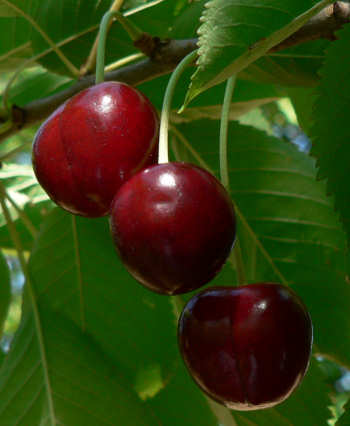
On the day before Christmas, my true love showed to me….

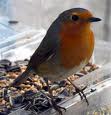
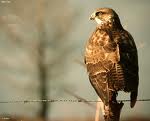
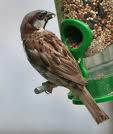
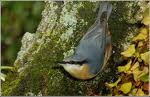
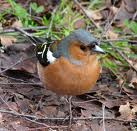
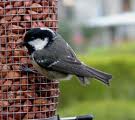
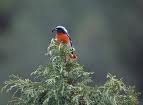
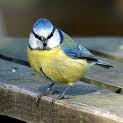
…1 flying heron..2 bright kingfishers3 Christmas robins4 mighty buzzards5 shy pied wagtails6 cheeky sparrows7 busy nuthatches8 chaffinches feeding9 active coal tits10 cheery redstarts11 hungry blue tits…..and 12 busy birds round our birdfeederHappy Christmas, everyone.

I chose these birds because, apart from the nuthatch, they can all be seen from the house.  In fact the heron cruises past down onto the river to feed once, maybe twice, every day.  We still get quite excited every time it happens.

But in most cases, not so very different from England, eh?