More than half way though the year. The longest day has come and – oh woe! – gone. And quite a few book-bloggers whom I follow have been joining in Six in Six, a way of recording at least some of the books read and enjoyed in the first part of the year, hosted by Jo of The Book Jotter. She proposes all kind of headings for lists-of-six. I’ve interpreted these fairly liberally. Here are mine.
Six books set in a country not my own:
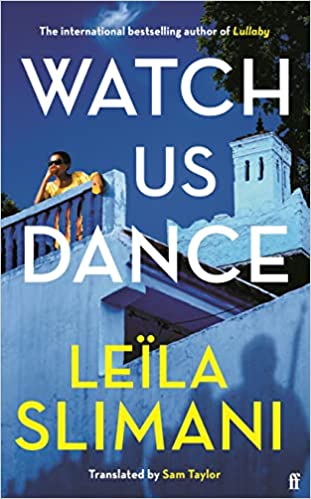
Leila Slimani: Watch us Dance (Morocco)
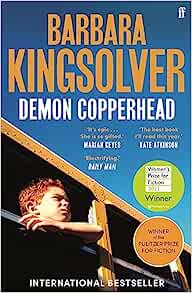
Barbara Kingsolver: Demon Copperhead (USA)
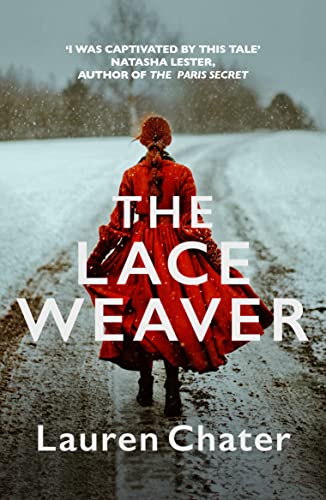
Lauren Chater: The Lace Weavers (Estonia)
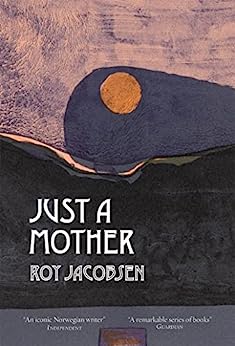
Roy Jacobsen: Just a Mother (Norway)
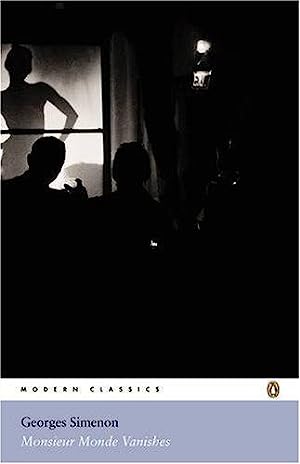
Georges Simenon:Monsieur Monde Vanishes (France)
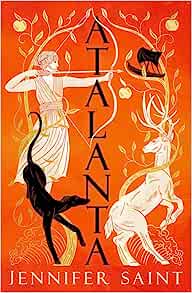
Jennifer Saint:  Atalanta (Greece)
Six books in translation:
Philippe Claudel: Monsieur Linh and his Child (French)
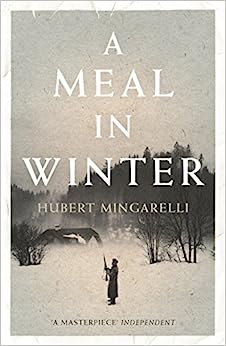
Hubert Mingarelli: A Meal in Winter(French)
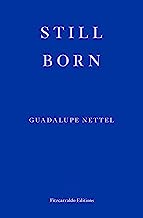
Guadalupe Nettell: Still Born (Spanish)
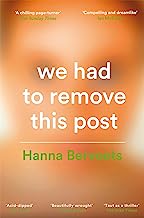
Hanna Bervoets: We had to Remove this Post(Dutch)
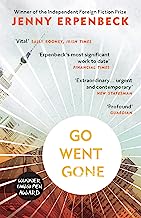
Jenny Erpenbeck: Go, Went, Gone (German)
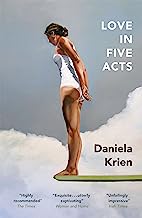
Daniela Krein: Love in Five Acts (German)
Six books set in the past:
Kiran Millwood Hargrave: The Dance TreeLauren Goff: Matrix
Victoria Mackenzie For Thy Great Pain Have Mercy on my Little Pain.
Peter Ackroyd: The Lambs of London
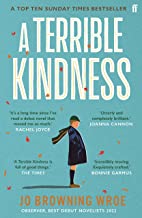
Annabel Abbs: The Language of FoodJo Browning Wroe: A Terrible Kindness.
Six works of non-fiction:
Dan Saladino: Eating to Extinction
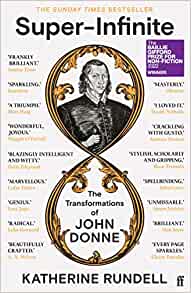
Katherine Rundell:  Super-infinite
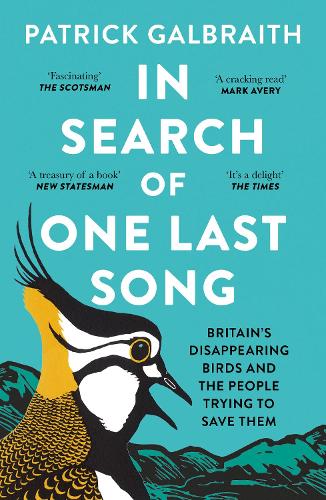
Patrick Galbraith:  In Search of One Last Song
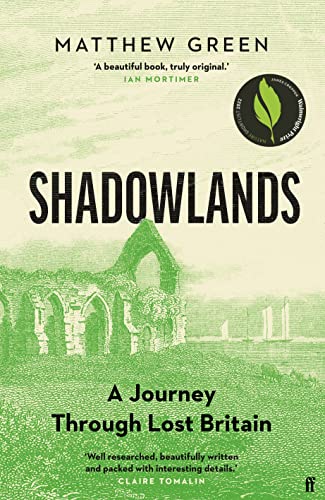
Matthew Green: Shadowlands
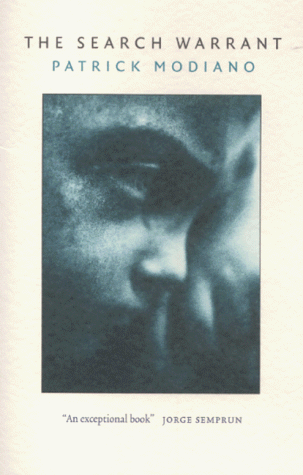
Patrick Modiano:  The Search Warrant
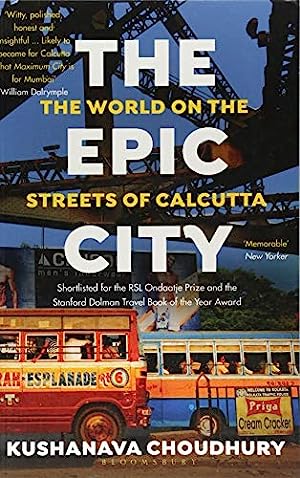
Kushanava Choudhury: The Epic City: the World on the Streets of Calcutta.
Six books set in Ireland:
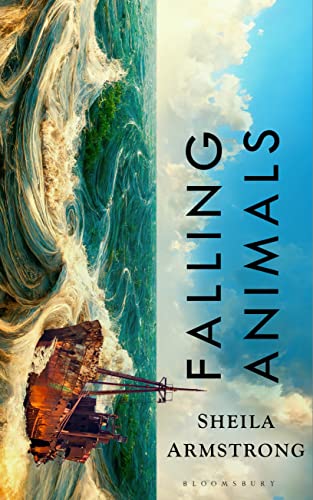
Sheila Armstrong:  Falling Animals
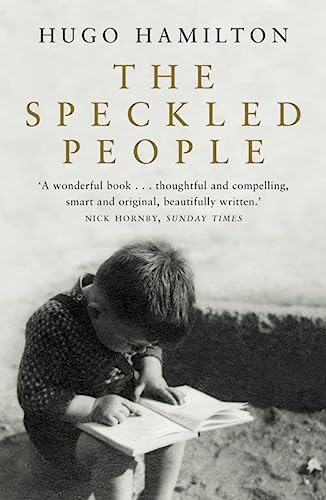
Hugo Hamilton: The Speckled People
Audrey Magee:  The Colony
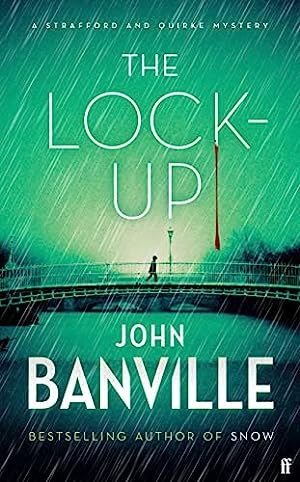
John Banville:  The Lock-up
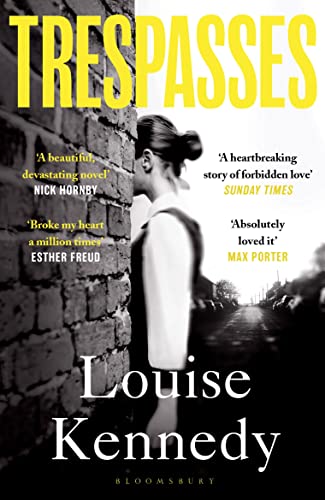
Louise Kennedy:  Trespasses
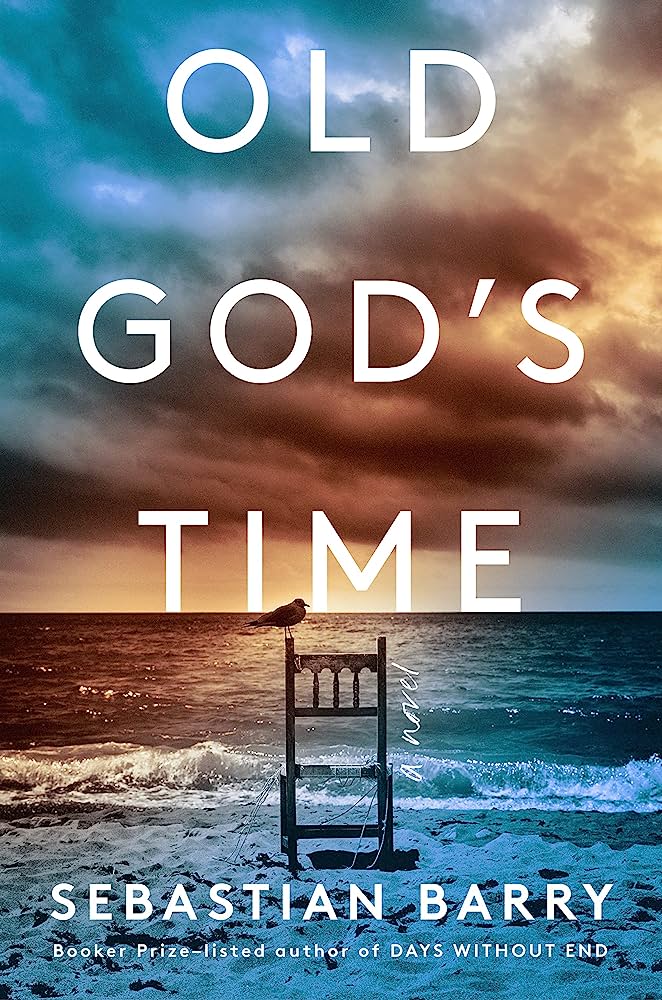
Sebastian Barry:  Old God's Time
Six books I enjoyed and haven’t yet mentioned
Caleb Azumah Nelson: Small Worlds
Shelley Read:  Go as a River
William Trevor: Last Stories
Kate Grenville:  A Room made of Leaves
Elizabeth McCracken: The Hero of this Book
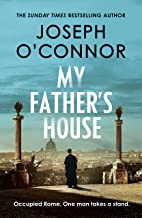
Joseph O'Connor:  My Father's House
This has been a bit of fun, revisiting books I’ve enjoyed and authors I’ll read again. Popping books onto the appropriate list was a challenge in itself . Many of them fitted into two, if not three categories. Have you any particular favourites from the books you’ve read this year? Do any of my choices appeal to you? Thanks for a fun challenge, Jo!
My header photo was taken in the Bosu-Dong Book Alley in Busan, South Korea.
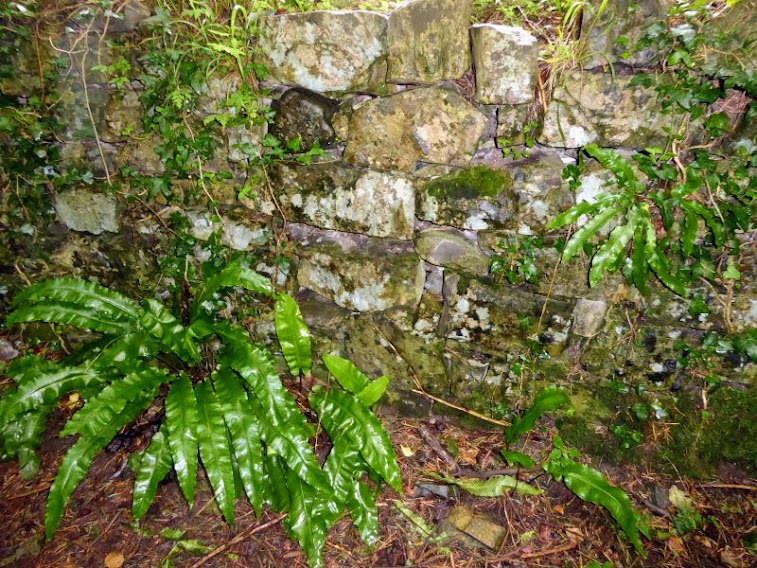
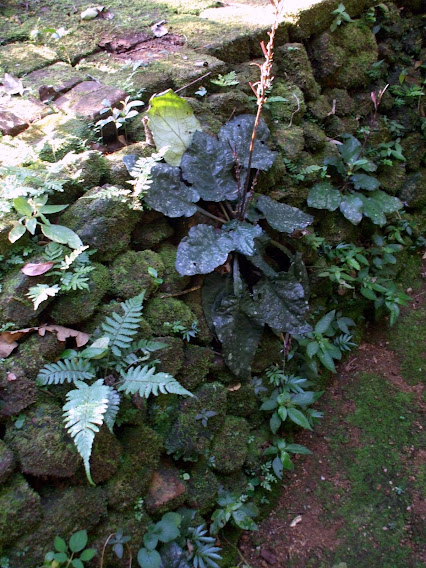
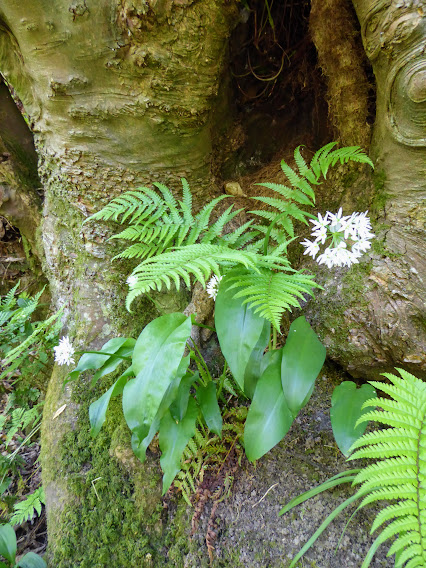
Ferns often enjoy the dark and dank corners of a wood. They opportunistically commandeer spots next to an ancient wall, or a mossy tree trunk. These are the ones I’m showcasing for Denzil’s Nature Challenge.
And finally … living proof, from the gardens of the Horniman Museum in London, that ferns were around in the times of the dinosaurs.
I’m - fairly - intelligent. Just like a rat.
Empathetic. Just like a rat.
I laugh when I’m tickled.  Just like a rat.
I need companionship. Just like a rat.
And I’m - usually - clean.  Just like a rat.
So why don’t I want to be … just like a rat?
My header image comes from Slyfox Photography at Unsplash, and my second, also from Unsplash, from Dave Alexander.Oddly, I have not a single image of a rat in my photo archive.
I was in London last week. And the highlight – apart from being with family of course – was a day mooching round Spitalfields with fellow blogger Sarah of Travel with Me fame. We’d planned to meet, and I’d appointed Sarah as Tour Guide. Good plan. She knows Brick Lane and the area well.
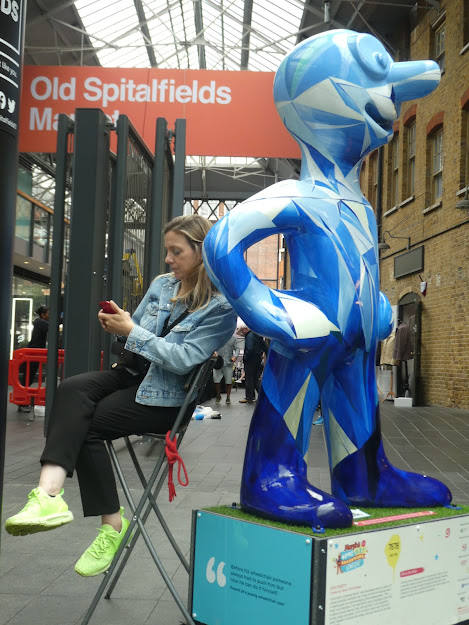
We started in Spitalfields Market, and immediately spotted Morph, well known to all British children and their parents of a certain age (1970s) through the TV series Take Hart. He and his acolytes are making guest appearances throughout central London this summer for the charity Whizz-Kidz.
Coffee next. You’ll never be short of a refreshment stop round here, though the one shown here wasn’t ours. We chose somewhere cosier.
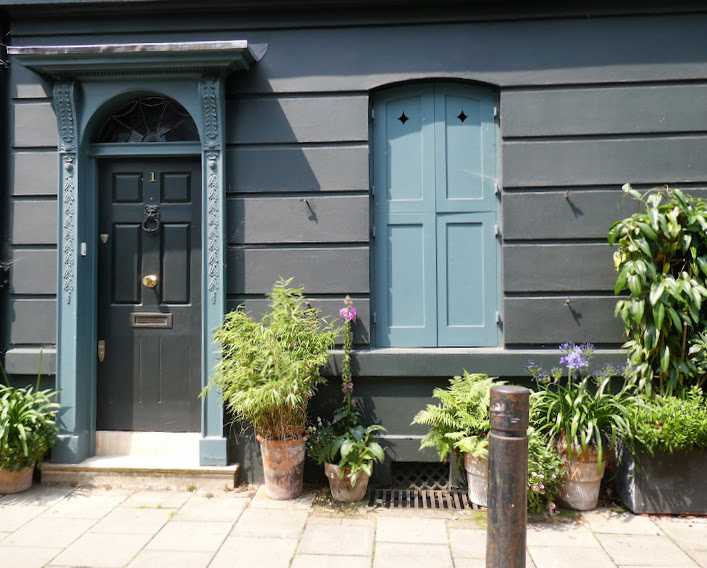
Spitalfields was once the heart of the Huguenot community in London – Protestant refugees from persecution in 17th and 18th century Catholic France. They brought their skills as weavers with them, and formed a community here, which still has the houses from that era at its heart. For many, these houses have now become a desirable address.
We chanced upon the Town House Gallery here, and rather wished we’d stopped here for our coffee and cake. Another time.
Spitalfields has gone on being an area welcoming those seeking a fresh life away from persecution and poverty, more recently Bangaldeshi citizens who’ve now made their own mark on the area.
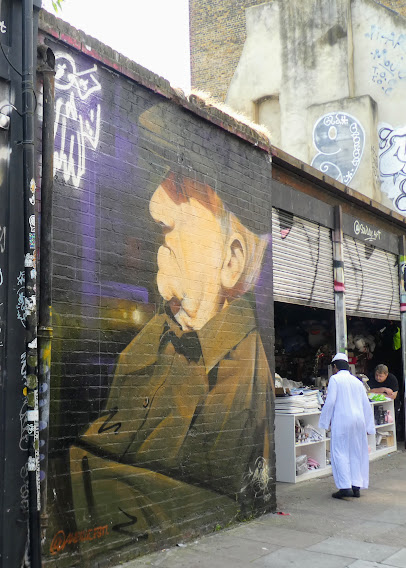
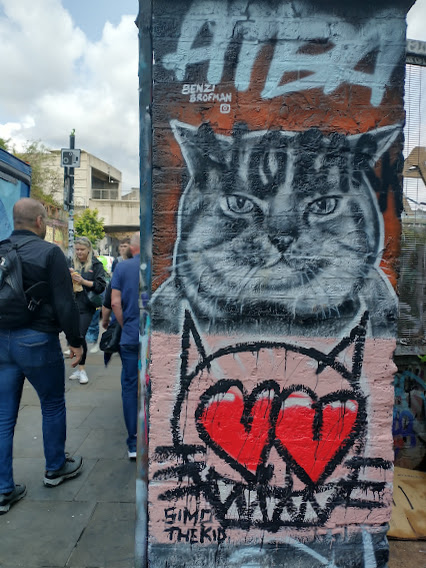
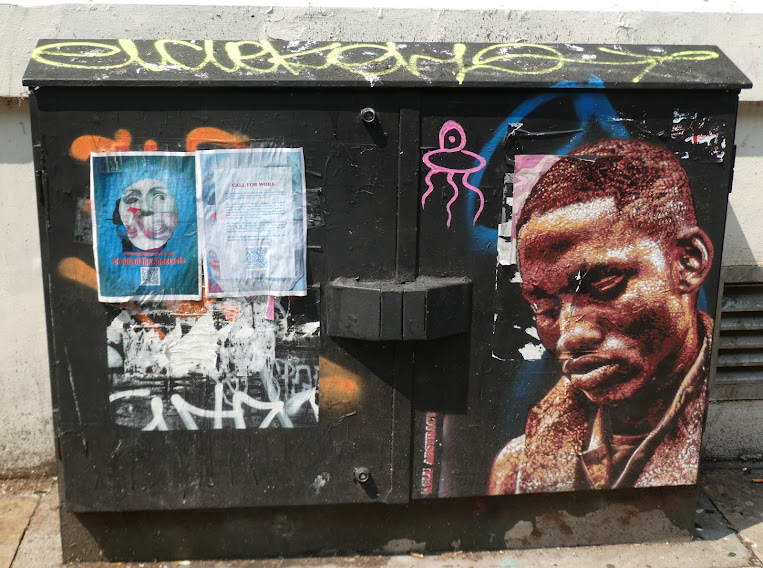
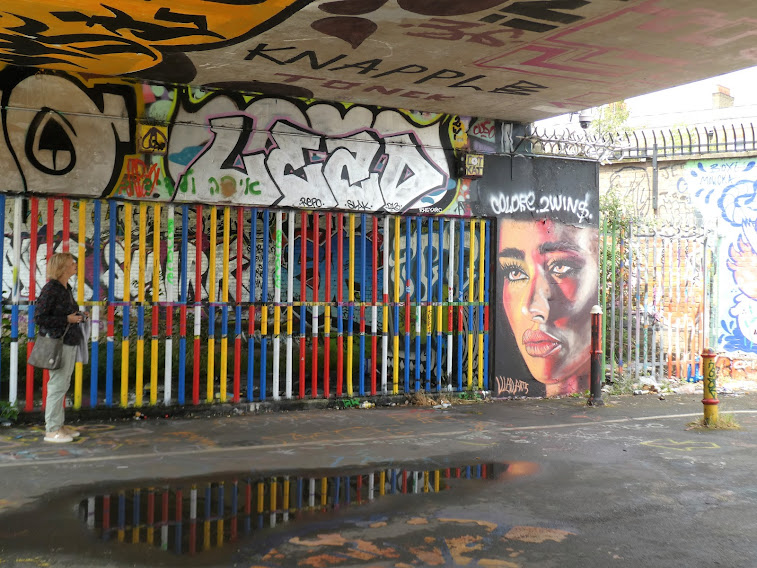
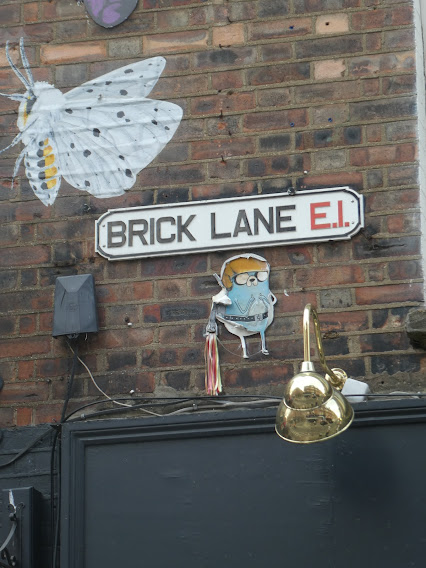
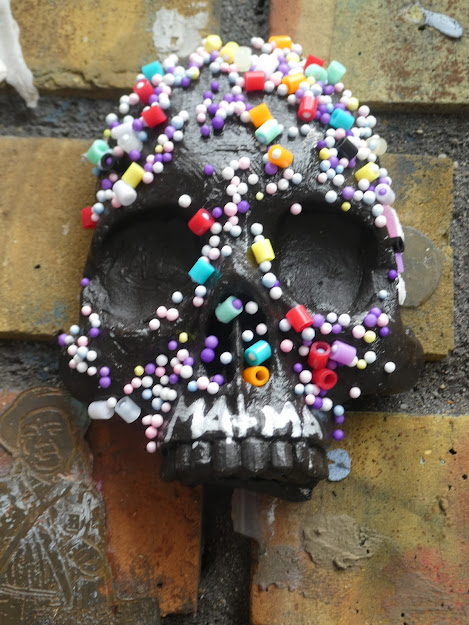
All the same, it was street art we’d come for, and that meant Brick Lane, and the streets round and about. Sarah’s already posted about our walk, and as so many of you already read her (and if you don’t already, you should – link above) I’ve tried to choose different images from those she shows: click on any one to enlarge.
You don’t even need a spare bit of wall:
We didn’t just have street art to keep us amused. There was filming going on. A documentary? A drama? We don’t know. Maybe we’ll find out one day.
Then under a railway bridge …
… a promising back street – a couple of street artists preparing the ground for a new work. I’m just going to show you the preparations in action. We popped back a couple of hours later to inspect progress, but were underwhelmed.
A lunch stop, then we retraced our steps. Don’t forget to look up! We were intrigued by the lines of broccoli we kept on coming across, above eye level, but they remained a mystery.
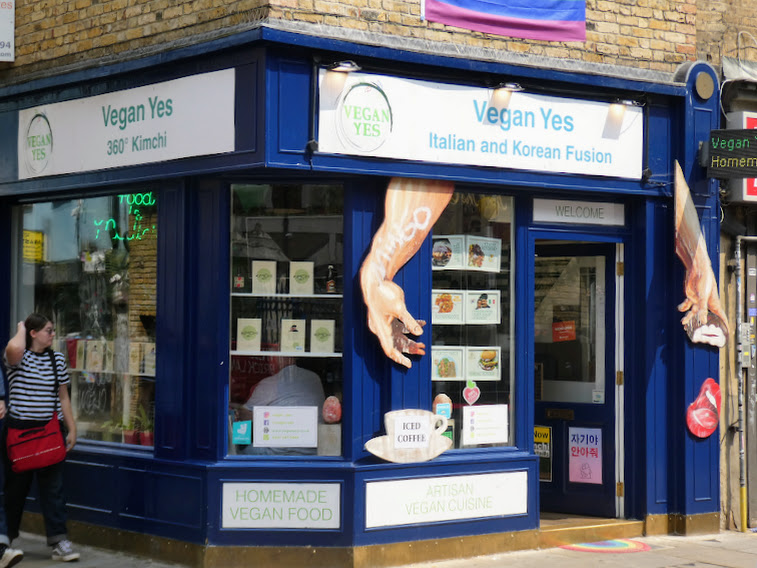
Should we instead have stopped here for lunch? We’d both have settled for Italian food. Or Korean. But that particular fusion?
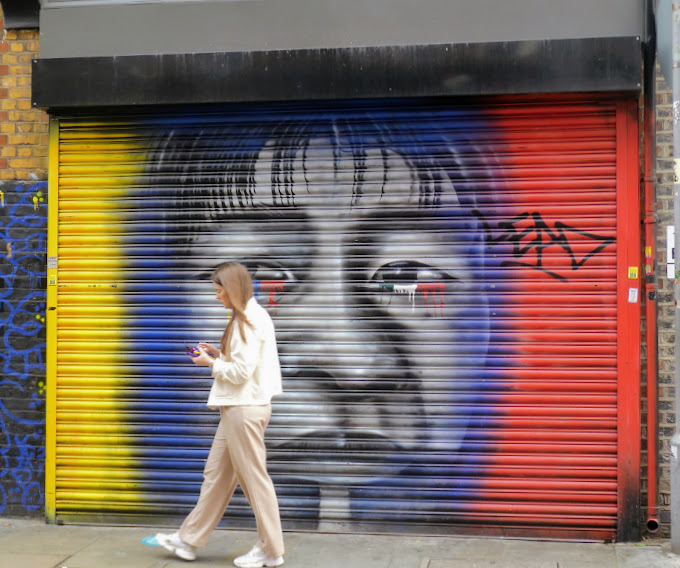
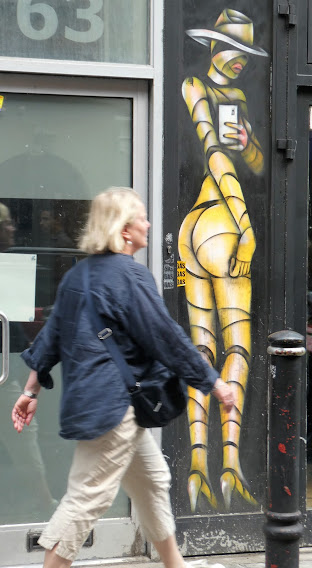
Just a couple more images, of passers by oblivious to their surroundings. Which we certainly weren’t. A day full of interest. A day well spent. Thanks Sarah!
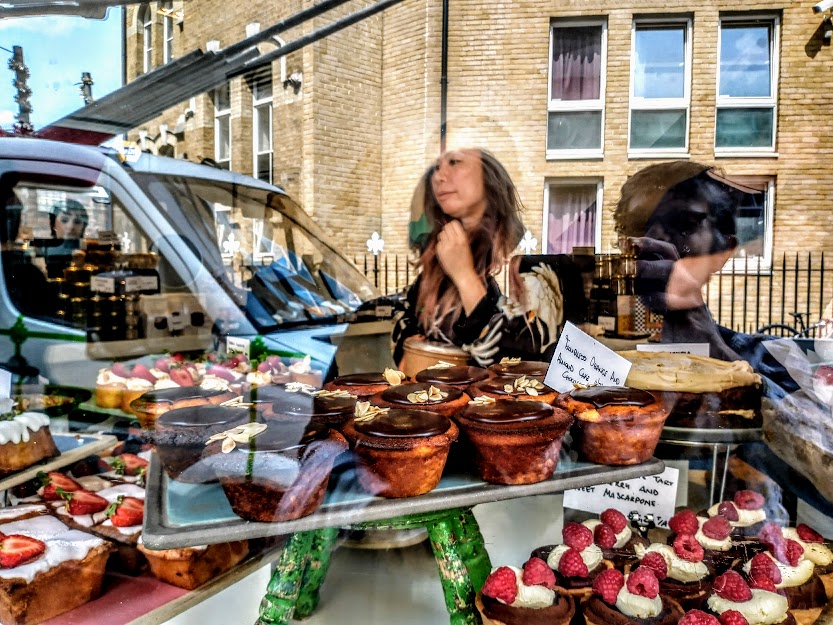
Oh, hang on. This bit’s for Jo. We found the all-important cake shop, but it wasn’t a coffee-stop too. We contented ourselves with gazing through the window, and I got an oddly surreal image of us both, with Sarah having another woman’s head superimposed on her own.
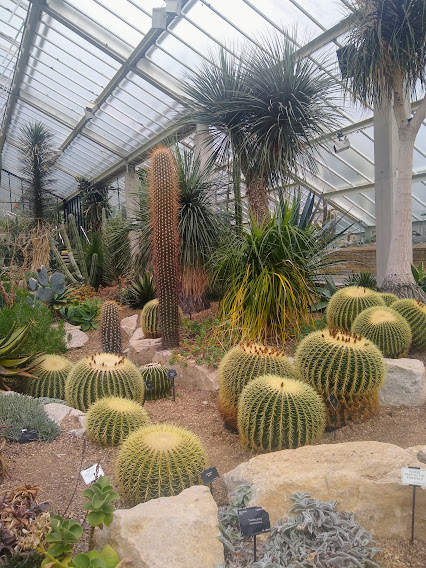
This week, Denzil’s Nature Photo Challenge #18 invites us to look at cacti. Well, apart from this one, taken in Kew Gardens, London, I have nothing to offer from England.
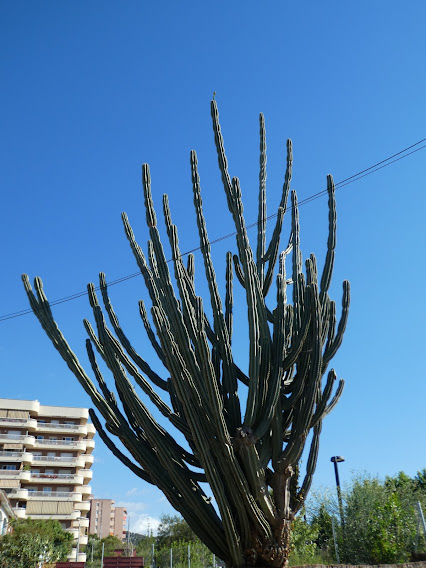
In Spain however, they are two a penny. Here are two from ordinary back gardens in daughter Emily’s home town near Barcelona.
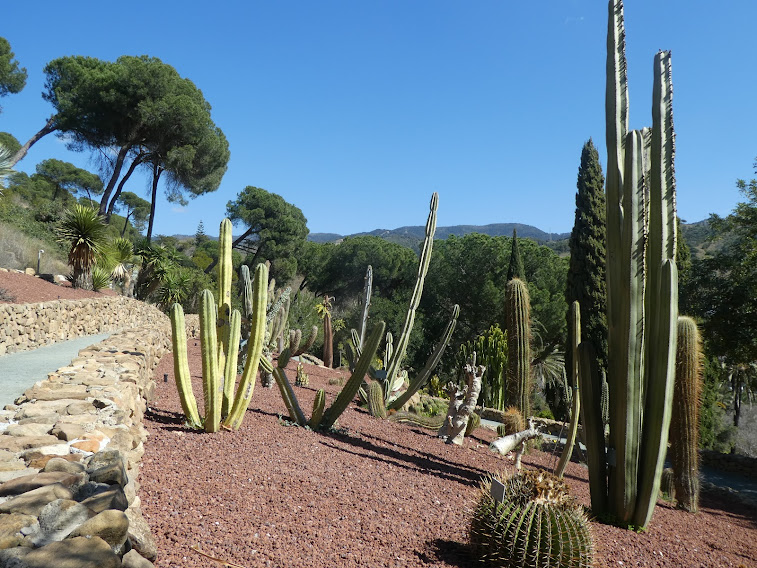
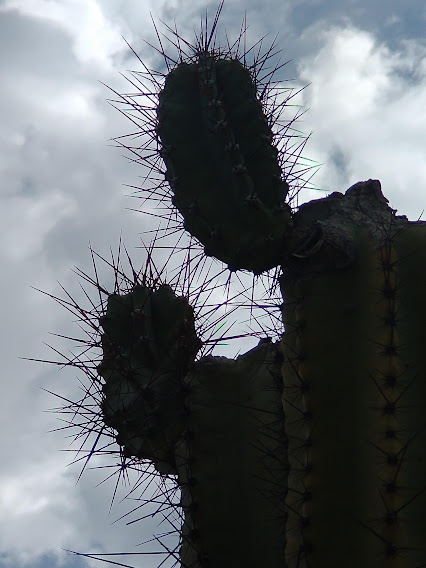
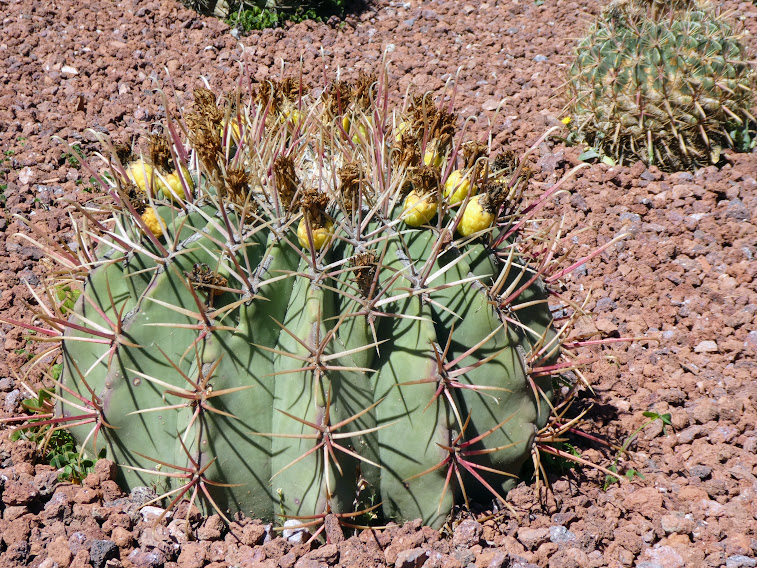
And here, more spectacularly, are a few taken in Jardín Botánico Histórico – La Concepción, Málaga. That’s where the header photo comes from too.
They’re striking things of course, cacti. But I tend to keep a very respectful distance from them. I’m quite relieved to have as the backdrop to my walks cowparsley, daisies and dandelions.
On the first Saturday of every month, a book is chosen as a starting point and linked to six other books to form a chain. Readers and bloggers are invited to join in by creating their own ‘chain’ leading from the selected book.
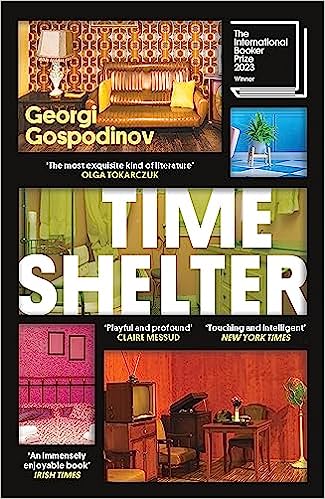
I reserved this month’s starter book, Time Shelter, by Georgi Gospodinov from the library, but it’s only just come in, so I have yet to read it. However, I gather that an enigmatic flaneur named Gaustine opens a ‘clinic for the past’ that offers a promising treatment for Alzheimer’s sufferers: each floor reproduces a decade in minute detail, transporting patients back in time.
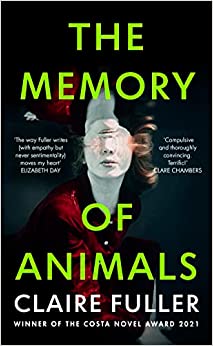
This immediately reminded me of Claire Fuller’s The Memory of Animals, which also opens a window on the past. This is a novel no doubt inspired by Lockdown, in which our young heroine is incarcerated in a hospital as part of a drugs trial which isn’t completed because the world at large goes into melt-down as a result of an untreatable variant of the virus rampaging round the world. Whilst there, another participant introduces her to the Revisitor, a device which allows her to re-experience her past life, which has been full of drama and error. It’s all a bit odd as a device for flashback. As are her letters to H, the revealing of whose identity would be a spoiler alert. Unsatisfactory, uninvolving, with too many plot-lurches, this is far from Fuller at her finest.
We travel to the past in my next book: Sheila Armstrong’s Falling Animals.When Oona spots a man apparently resting on the beach in a small Irish seaside town, it’s not immediately that she realises he’s dead. Who is he? How has he died? These questions remain unanswered by Police, the pathologist, and he is finally buried, unknown. But it’s not the end of the story. Each chapter of this lyrically written book introduces us to someone else who may have had a connection with the deceased – often very many years ago. We travel to other countries, to ships at sea: and connections with the man, and with this small town weave themselves into the story from distant lands and cultures. It’s deftly, often poetically done, and the book ends a year after the body was first discovered. Is the man finally identified? You’ll have to read the book to find out, and I highly recommend you do so.
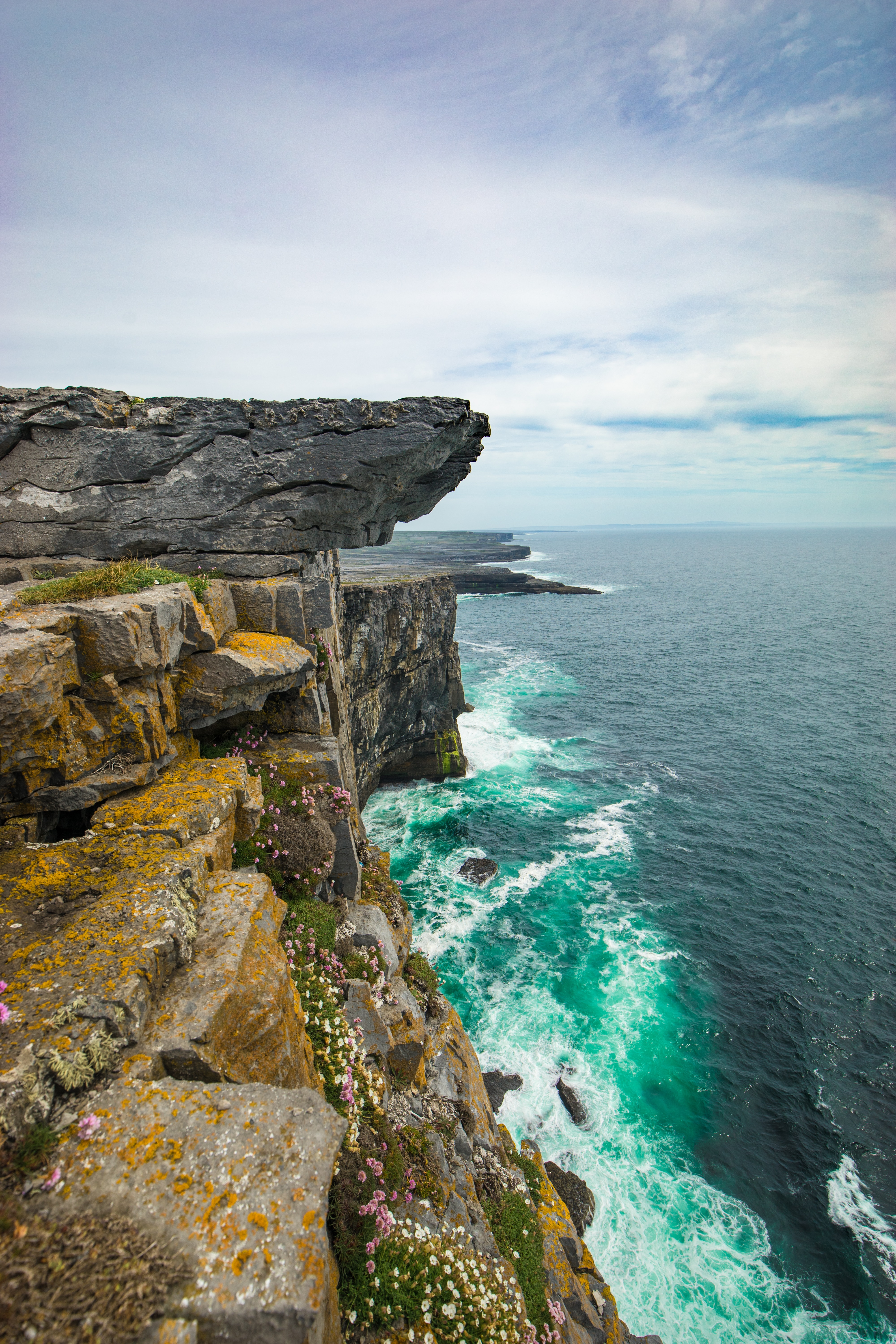
Looking to the past informs my next choice: The Colony, by Audrey Magee. We’re in Ireland in 1979, on a small, sparsely populated and isolated island, whose inhabitants have only recently started to learn and use English. Two visitors come to spend their summers there. Mr. Lloyd is a painter who wants to explore the landscape. He’s rude and entitled, but interesting to young islander James who has ambitions to go to art school. Masson, known as JP, is a French academic, keen to preserve and promote the Irish language, whether the inhabitants want it or not. Each chapter is interspersed with a terse newspaper-like account of a sectarian murder on the mainland, whether of a Catholic or a Protestant. At first these almost seem an irrelevance. Gradually, the penny drops that these incidents are deeply rooted in the history of the English towards their Irish ‘colony’, and do much to explain the largely hostile feelings both of the islanders and its two visitors. The book paints a picture of an island in many ways left behind, whose characters still struggle to find their place in the world, as indeed do the two visitors. A book to provoke thought long after the last page has been turned.
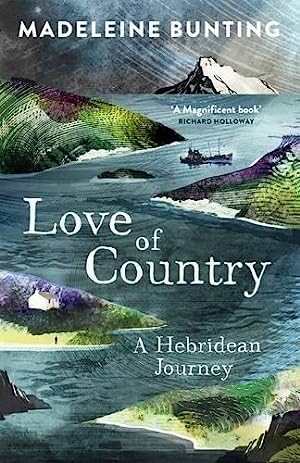
Let’s stay in Gaelic territory, but shift to Scotland. Love of Country by Madeleine Bunting. I’ve never been to the Hebrides, nor even really thought of going. This has changed, thanks to this book. Bunting makes a journey through the wild and remote islands of the Hebrides, focusing on seven in particular. This book recounts her explorations. Everything is potential material. The wild and severe beauty of the place touches her soul, and she writes poetically and personally about this. She explores geology, natural history, bird life, literature, and above all the sad and often wretched history of the people of these isolated places, and the people who sought to dominate or exterminate them. I found this a moving and fascinating book, and I’ll return to read other work by Bunting.
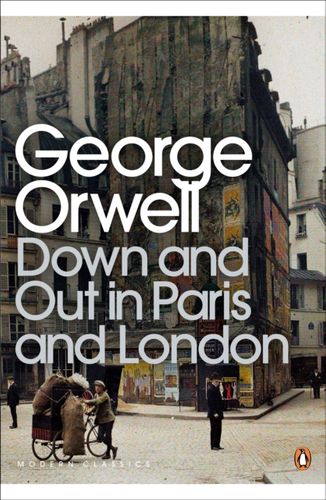
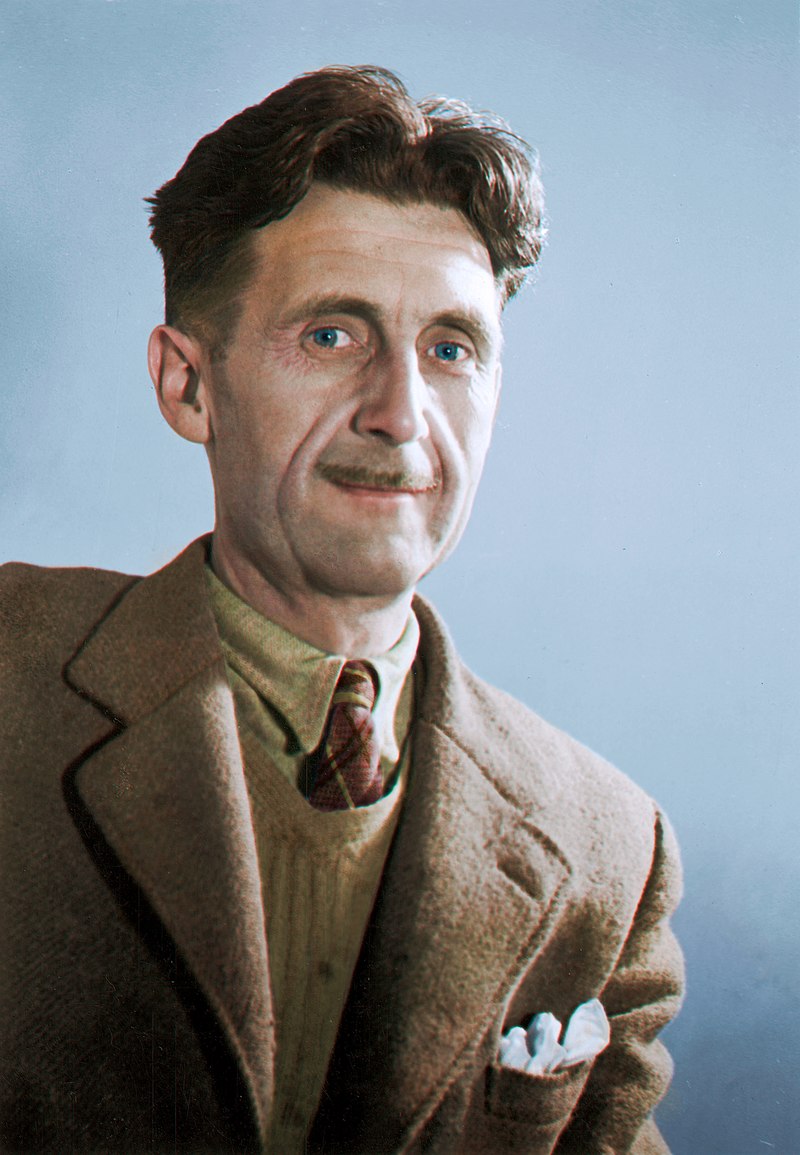
Poverty is what defines my next book: Down and Out in Paris and London, by George Orwell, set in Paris and London in the late 1920s. In one sense an easy read, in that the narrative sweeps the reader along: in another, difficult, because the story, describing conditions of brutal poverty as a ‘plongeur’ in a Paris hotel kitchen, then as an English tramp in southern England is unappetising in the extreme. The diary-like narrative is interspersed with anecdotes from the lives of other characters, such as his Russian friend Boris, and with more political reflections to make a striking and unforgettable short book. His characterisations of the men that he meets – and they’re nearly always men – are lively, and rounded, and put us in touch with the reality of existing on a meagre diet lacking substance and nourishment, of always being hungry, of either being unrelentingly overworked (Paris) or unrelentingly under occupied and bored (London) . The spikes may have changed, but is the reality of existence for the homeless really so very different now?
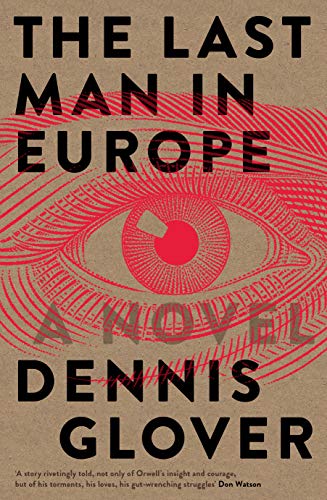
My last choice links with Orwell, with a Gaelic location and not much else. It’s The Last Man in Europe, by Dennis Glover. Focusing on the last years of his rather brief life, while occasionally diving back to earlier times – Orwell’s part in the Spanish Civil War for instance – this fictional-though-based-on-fact account mainly has as its subject Orwell’s last years on the Scottish island of Jura. This is a bleak and wholly unsuitable place for a man already dying from tuberculosis. Orwell was there to write his last novel, at first called The Last Man in Europe. We know it by the title he soon gave it – Nineteen Eighty Four. The book is assured in painting a picture of Orwell’s life in shabby-genteel poverty, of his somewhat cavalier attitude towards his colleagues and the women he bedded, and his wives, and most particularly of his changing political thought processes which would come to fruition in his last and probably greatest book. Now I need to go back and read the lot again, and not just Down and Out ….
This month’s chain barely ventured beyond the British Isles and Ireland, but next month we begin in America, with Curtis Sittenfeld‘s Romantic Comedy.
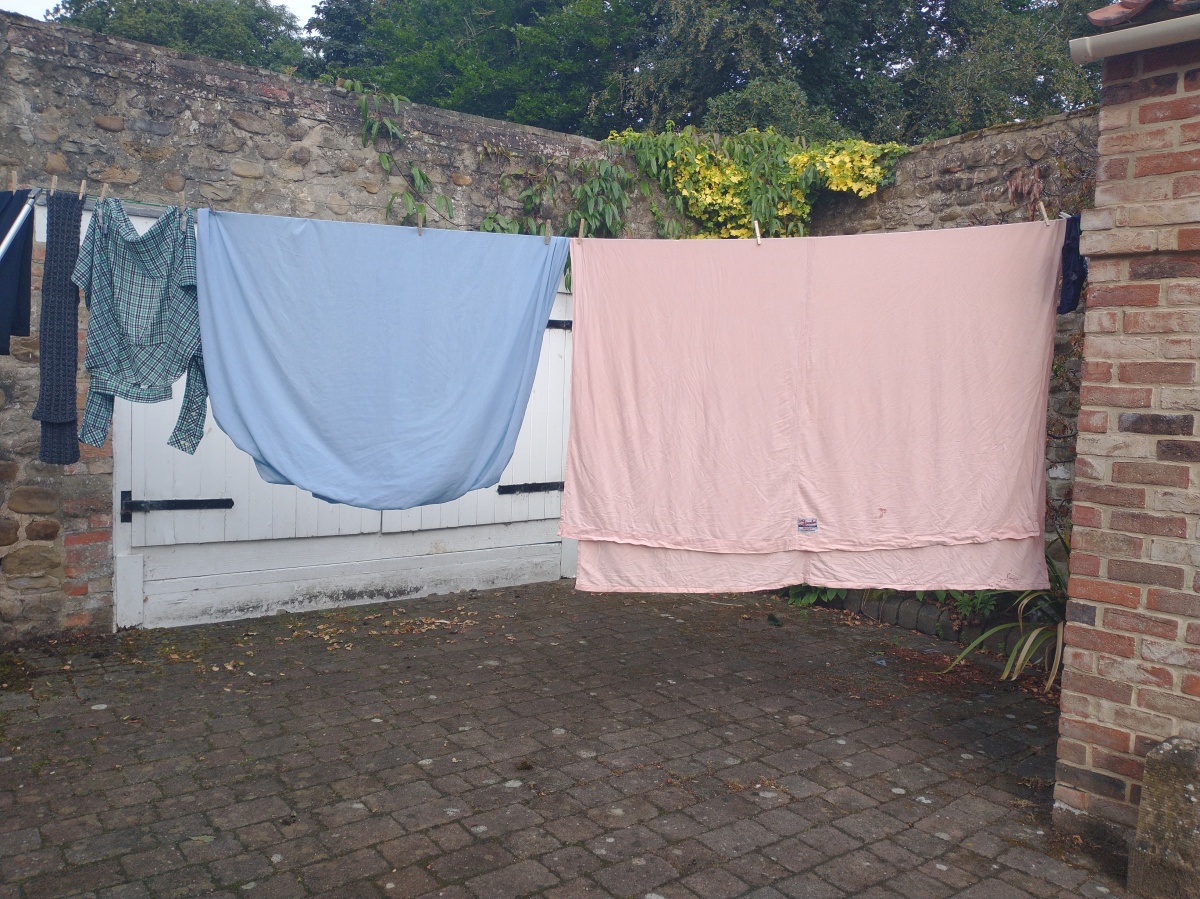
Only older readers will know what I’m talking about. The Good Old Days when worn sheets were not discarded, but cut down the middle, flipped round so the edges became the centre to be joined together, and the middles re-hemmed as edges. Reader, we still have such a sheet. Pink flannelette, and doing duty as a protective under- sheet. It was already old, already sides-to-middled when I was a small child. I reckon it’s at least 100 years old.
But I’m that make-do-and-mend generation. Only the other month, my husband asked whether we could find a seamstress in town who could turn the collar on a favourite shirt so he could get some more wear out of it. I drew the line at that one. I reckoned it would cost far more than a new shirt.
What about you? Do you make-do-and-mend? Do you buy soap ahead of needing it, so it can dry out in the airing cupboard and therefore last longer? Or maybe you have other strategies that make any Generation-Whatevers roll their eyes heavenwards. Please own up in the comments.
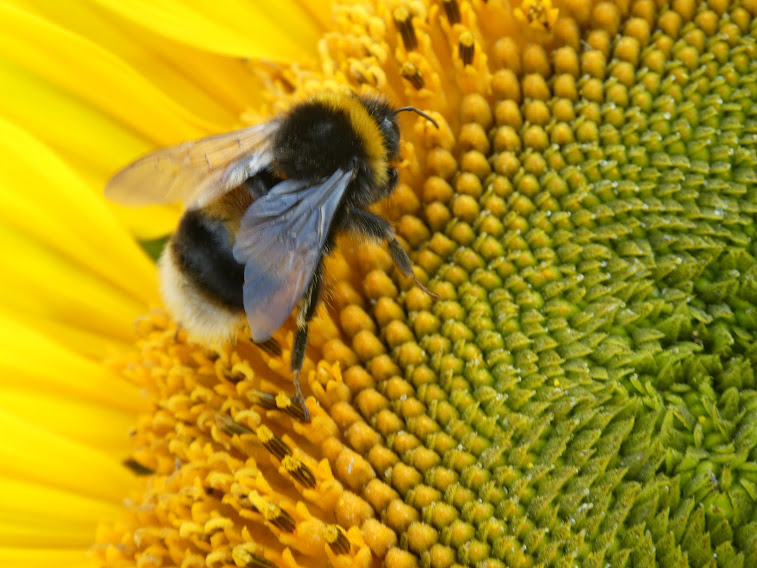
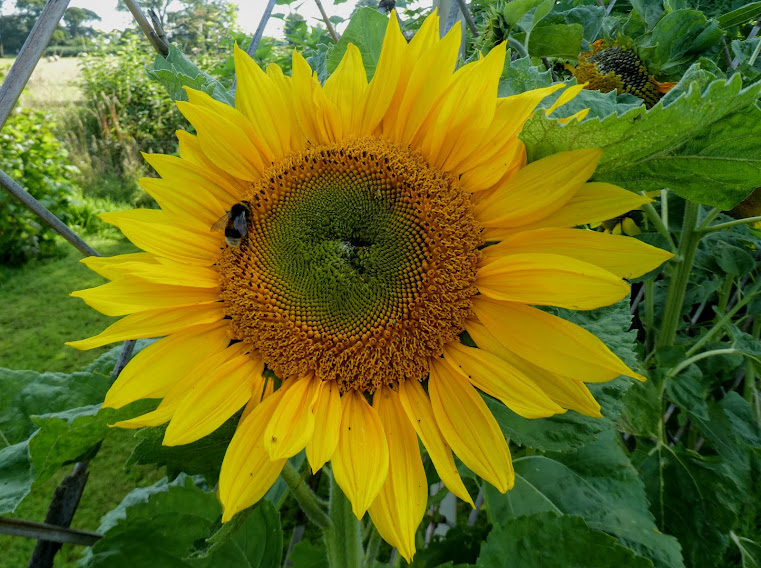
The quotation that forms my title is by William Blake. I have no idea whether it’s true that bees have no time for sorrow, but it’s certainly the case that bees are busy. Yesterday, and unforgivably without even my phone as a camera, we saw – or rather heard at first – a brightly yellow hypericum thronged with bees, buzzing energetically, and hurrying round each flower, their pollen sacs already bulging bright and yellow. This YouTube video tells a similar tale:
My own photos come from a friend’s sunflowers …
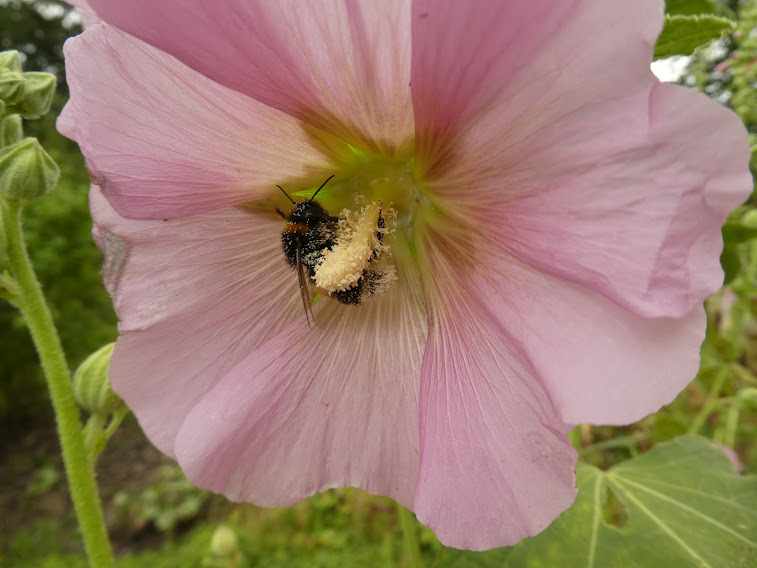
… and from elsewhere in her garden, as a bee apparently all but drowns in pollen.
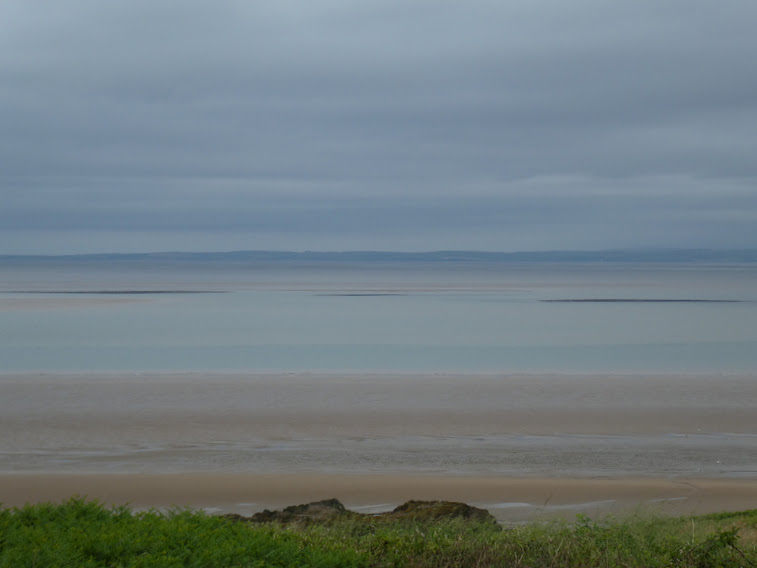
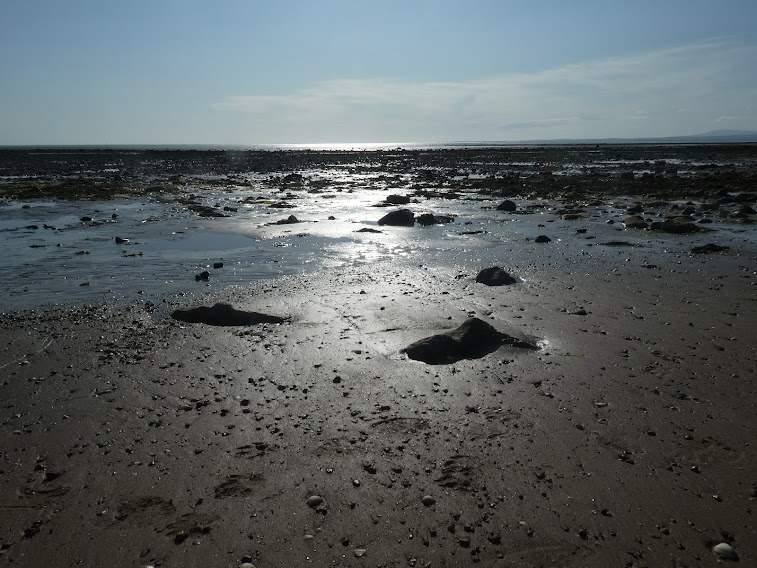
I can’t leave the sea-and-skyscapes of Heysham alone. This is about the sea as much as the sky, and a photo zoomed to within an inch of its life, but I like it. There IS sky above that moody sea – honestly. Look carefully.
I sent a postcard from Heysham in Lancashire on Monday (pronounced Heesham, by the way, not Haysham). And I found myself drawn to this spot time and again during our short stay.
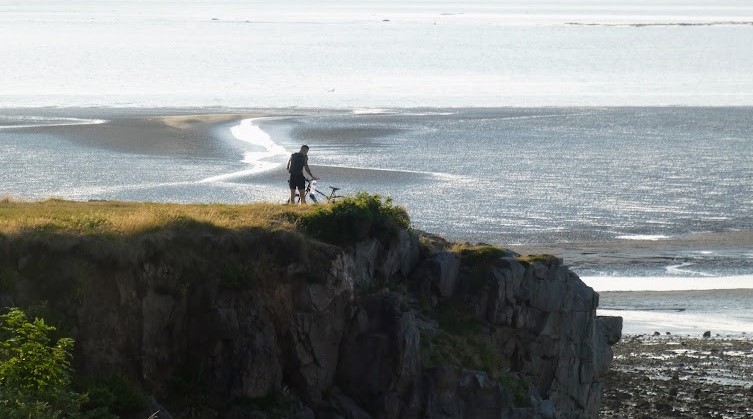
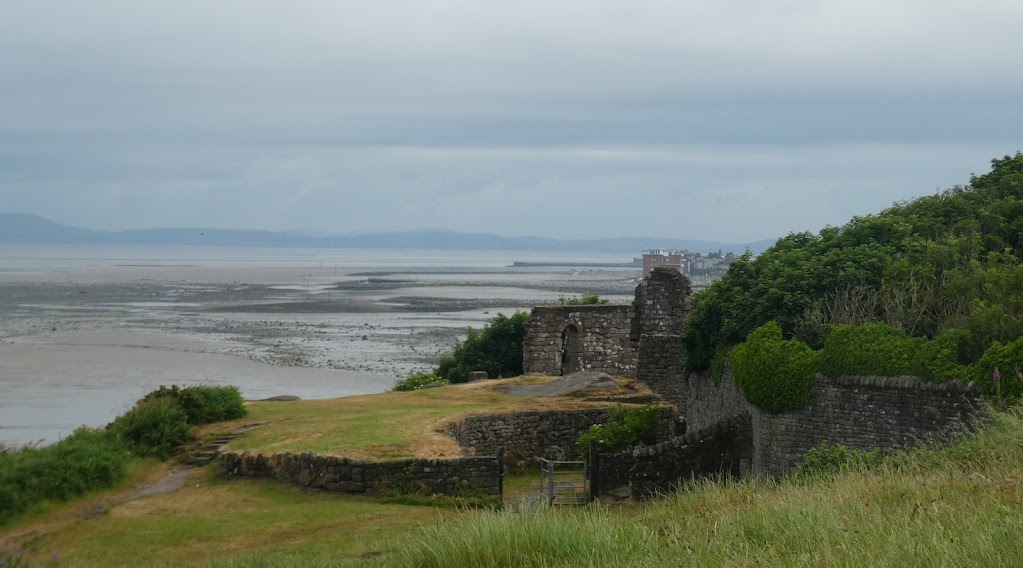
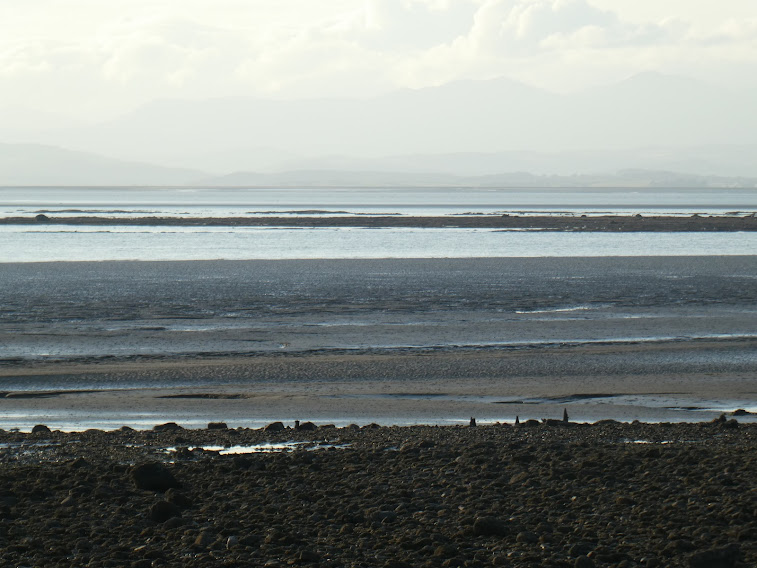
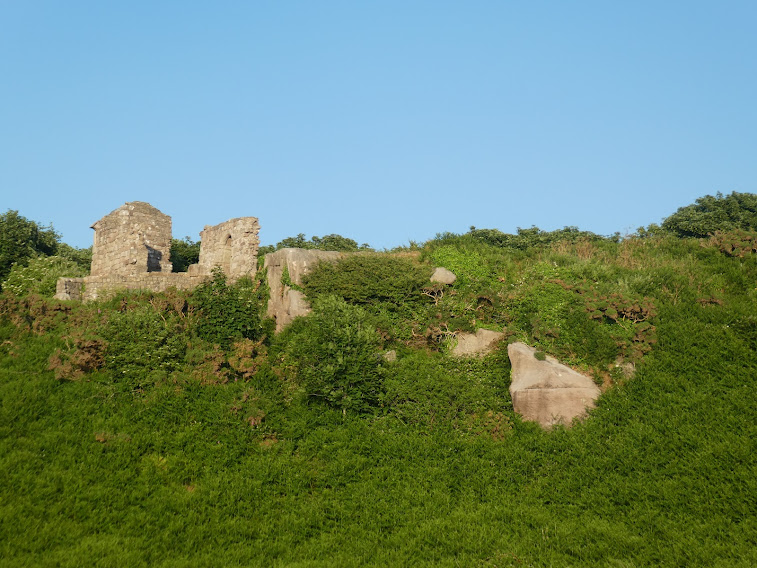
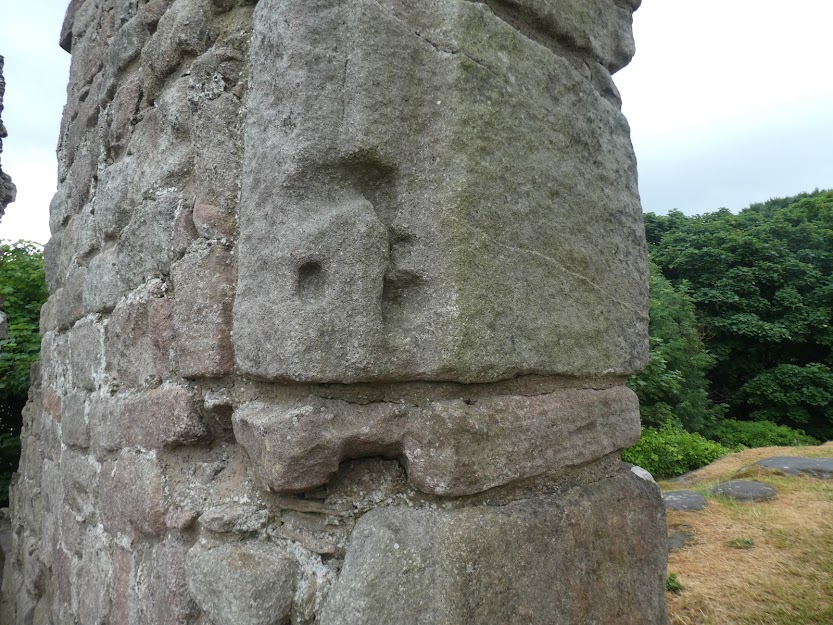
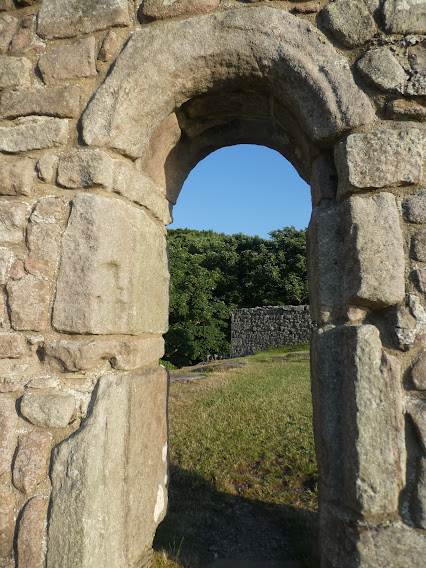
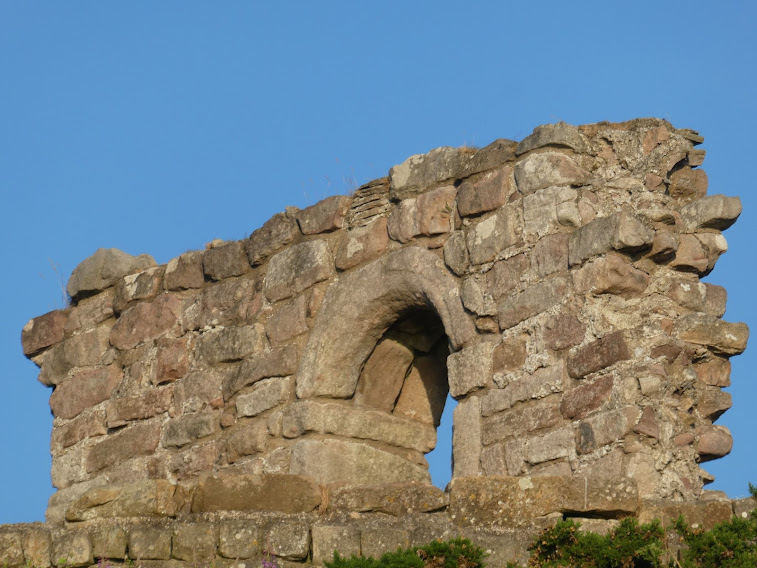
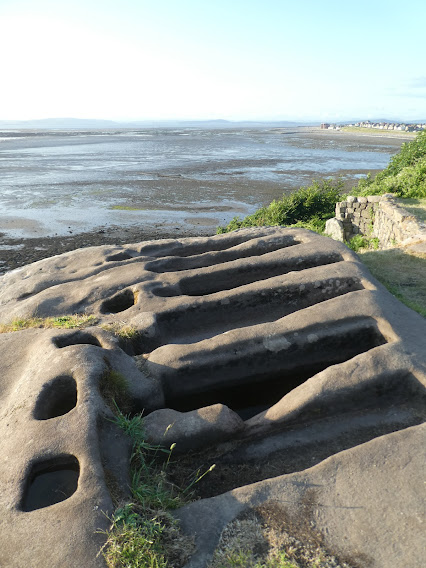
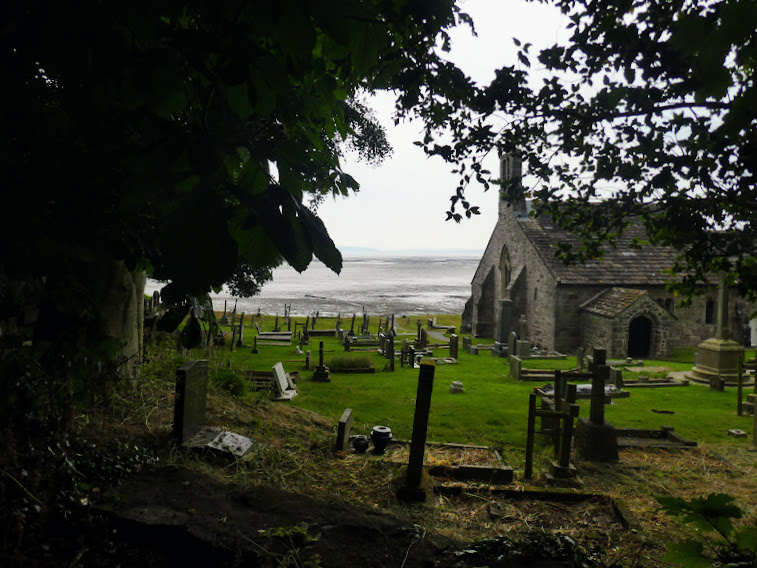
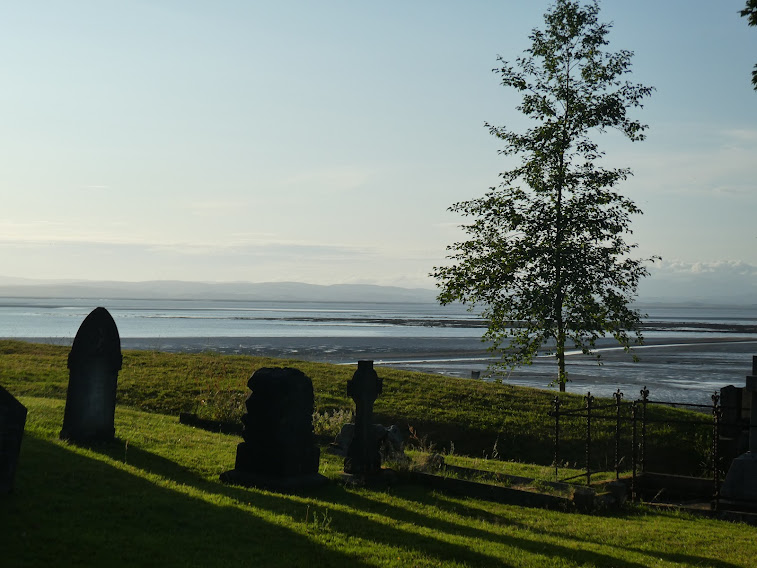
A scrub-tangled cliff-side looked across the stony, muddy shoreline of Morecambe Bay and to the mountains beyond. This was the view the Vikings had as they landed and began to make their homes here. This was the view the early English had as, in the eighth century, they built a chapel right here at the edge of the cliff, and dedicated in to Saint Patrick. Yes, THAT Saint Patrick, patron saint of Ireland. Born in Cumbria, he was captured and enslaved in Ireland. After six years, he escaped and fled on a ship bound for France. But the ship blew off course and wrecked on the English coast – here in Heysham . From here he went to France as planned to continue his religious education before returning to Ireland to convert the population there. The reason for the chapel was probably as a place of rest for those pilgrims who visited the rock-cut graves I showed you in my postcard – and now again, here. As the years went by, the chapel was enlarged and the ground around it became a burial place – over 80 bodies have been found.
And what about those rock-cut graves? Despite their human shapes, it’s thought the bones kept there were disarticulated, and may have been those of local saints and important Christians – even perhaps Saint Patrick himself? That’s why they became a place of pilgrimage. Once, they will have been topped off with heavy stone slabs, and those sockets at the head of the graves would each have held a cross
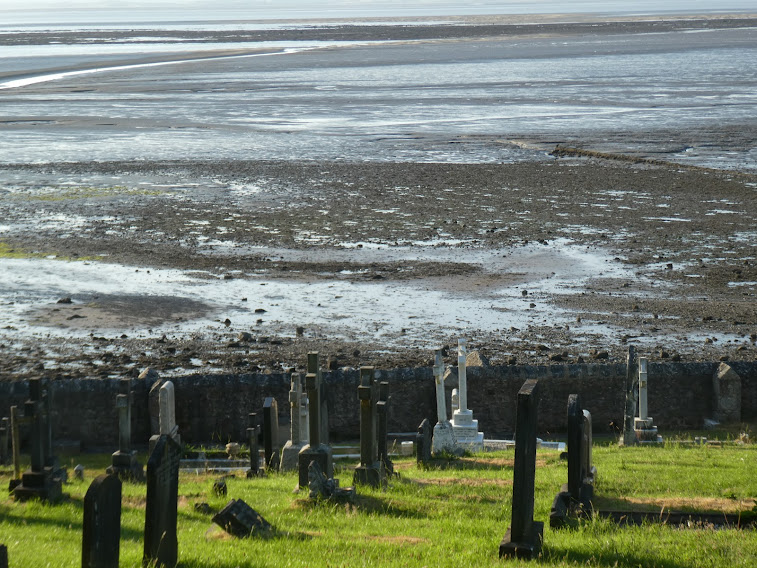
Almost next door is a church. This church, dedicated to Saint Peter also has 8th century origins. I wish we could have gone inside to explore, but we didn’t manage it. Now it’s the parish church, with a graveyard below sweeping down to the sea.
Something about the site ensnared me. Isolated, and with atmospheric light and views, it’s become my choice for Tina’s Lens-Artists Challenge #254 this week: Spiritual Sites.






























 From Pyrenees to Pennines
You must be logged in to post a comment.