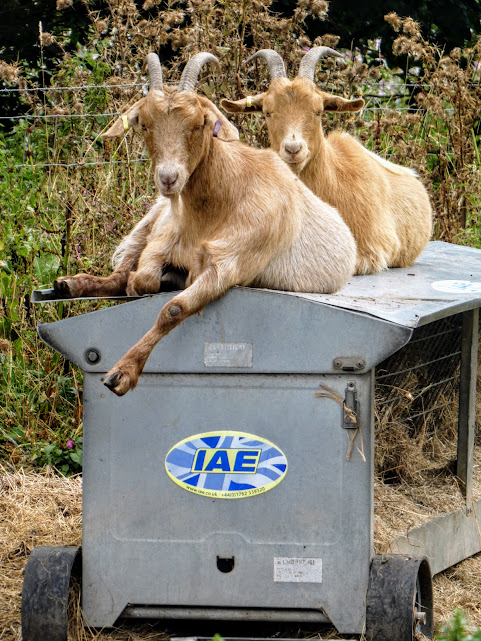
Spotted on a farm near where we’re based. One of them was enjoying a mighty good scratch …
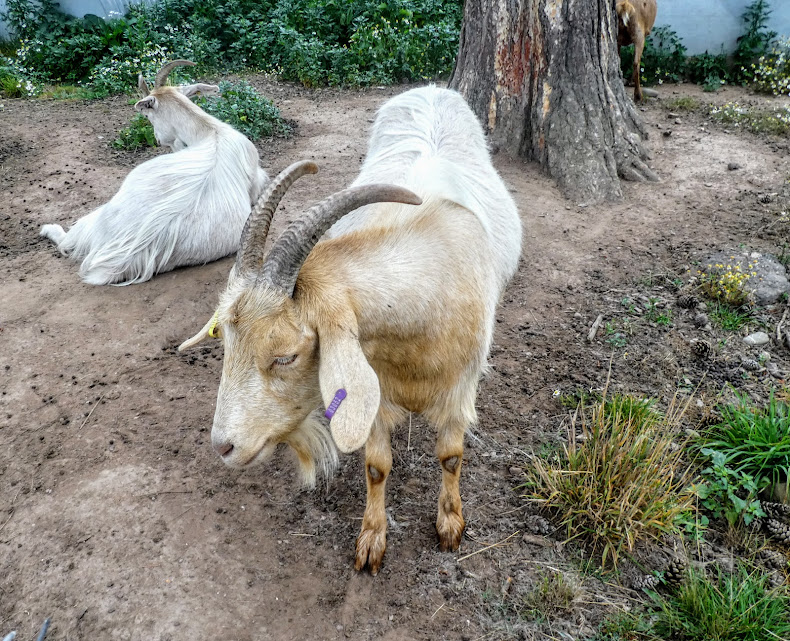
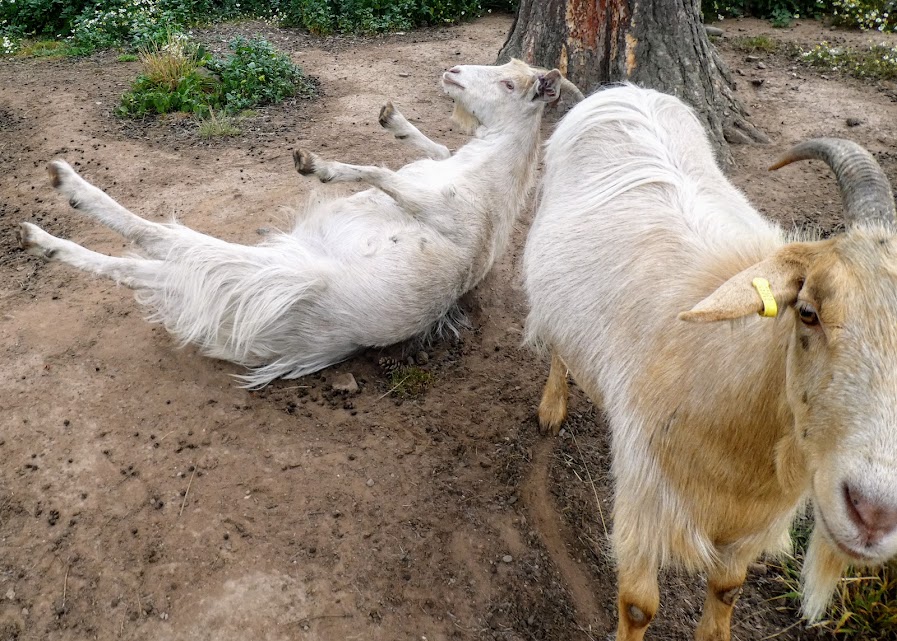
This Shropshire Postcard (2) is for Monday Portraits.
Spotted on a farm near where we’re based. One of them was enjoying a mighty good scratch …
This Shropshire Postcard (2) is for Monday Portraits.
We’re staying near Shrewsbury just now, vegetable-garden-minding for friends. This mainly involves eating quantities of just-picked produce, to prevent the courgettes becoming marrows, the lettuces bolting, and the beans giving up bothering.
This is not however a full-time job, so I’ll be sending you postcards from time to time. The first is from Shrewsbury Flaxmill Maltings. This was built in 1797, the very first building in the world to use an entirely iron frame. And that made it fireproof. Mill buildings – full of dust, fluff, combustible fibres and fabrics – largely built round a wooden carcass, had a nasty habit of burning down. BUT an iron frame was fireproof. And then it offered another advantage. Buildings made this way turned out to be strong enough to support mulltiple storeys. The way was paved for the skyscaper to be developed.
And the long and varied story of this mill deserves to be told – another day.
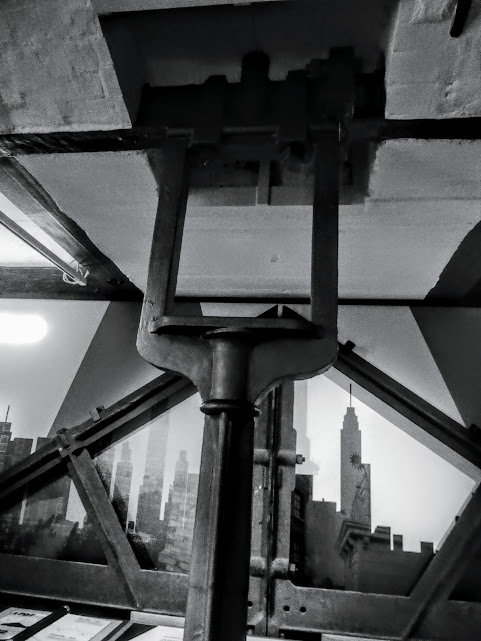
Postcards from Shropshire (1)
This week’s Lens-Artists Challenge from Ann-Christine asks us to focus on gardens. We’re out and about travelling, so new posts are beyond me. But at this time of year, I always remember the annual garden extravaganza that took place a few miles away from where we lived in France: Le Jardin Extraordinaire. Here’s why …
That’s what our little traveller seems to be thinking …

For Debbie’s One Word Sunday: Lime. Could I get away with ‘One Phrase Sunday’, do you think?
Indeed they are – at Newbiggin-by-the-Sea, Northumberland. This ‘Couple’ by Sean Henry has been standing on a platform on a breakwater gazing out at sea since about 2008. At any moment of the day you’ll be able to spot passers-by gazing at them.
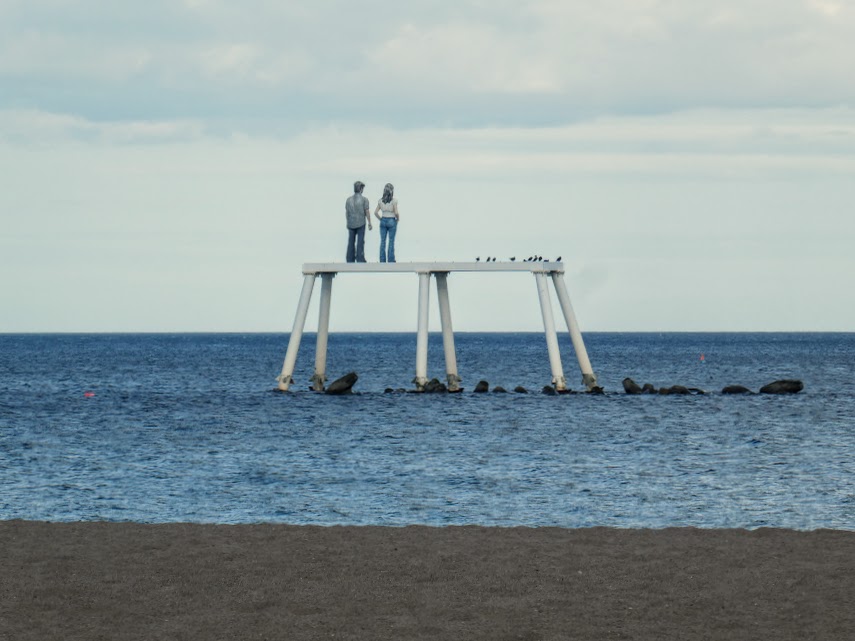
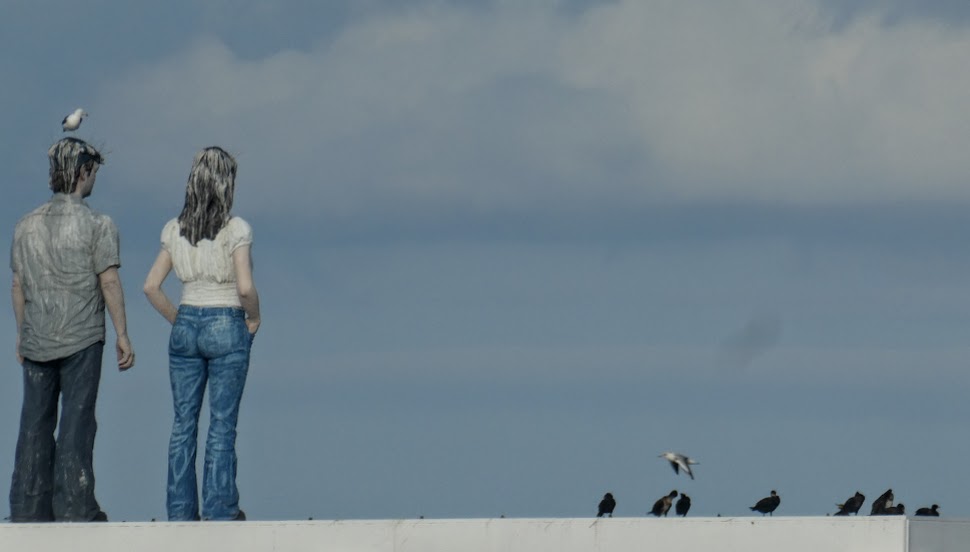
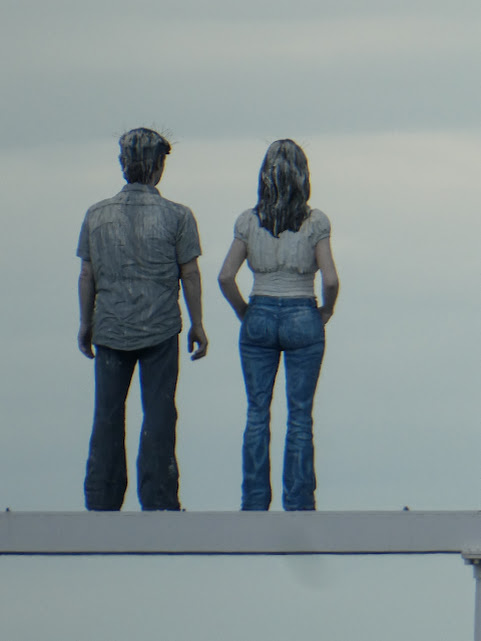
For Debbie’s Six Word Saturday.
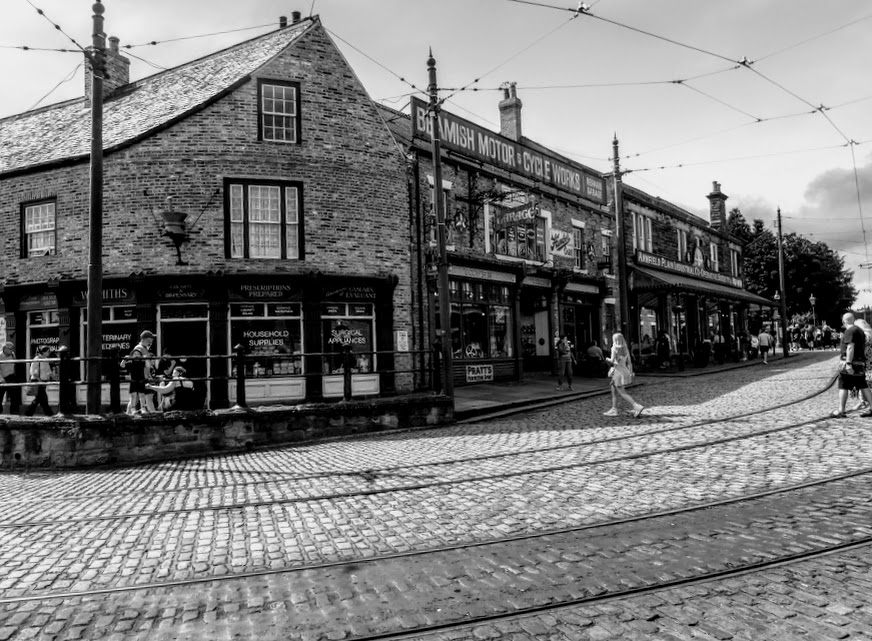
We went to Beamish the other day. The museum here is an open-air experience which brings the history of North East England from about the 1820s onwards to life. The shops, trades, homes from the different periods on show all open their doors to visitors. The longest queue was outside the sweet shop from the early days of the twentieth century … It seemed the perfect day out for the Spanish branch of the family. Life’s far too busy just now for an extensive post, but here are just a few modes of transport that we saw, and in some cases travelled on during the day. More in a later post, I’m sure.
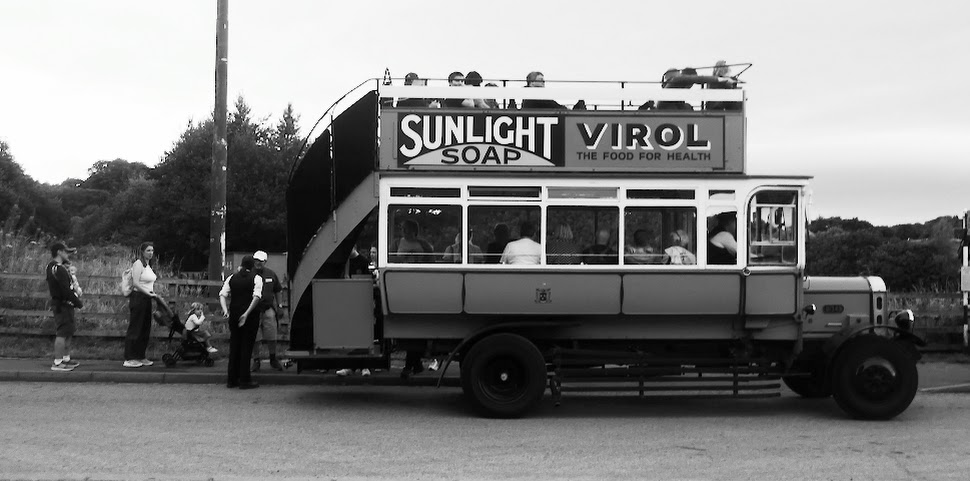
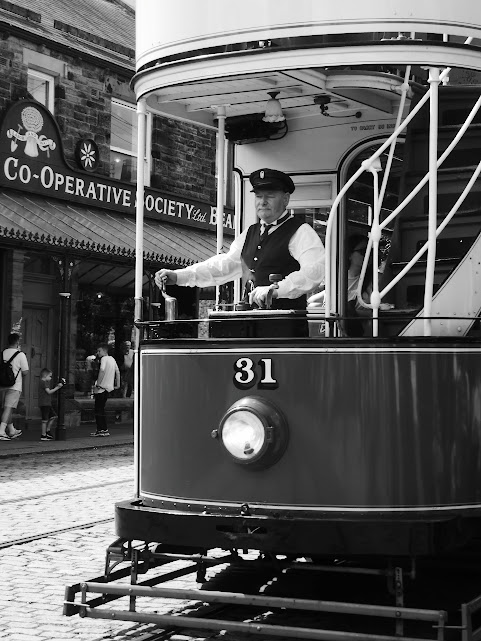
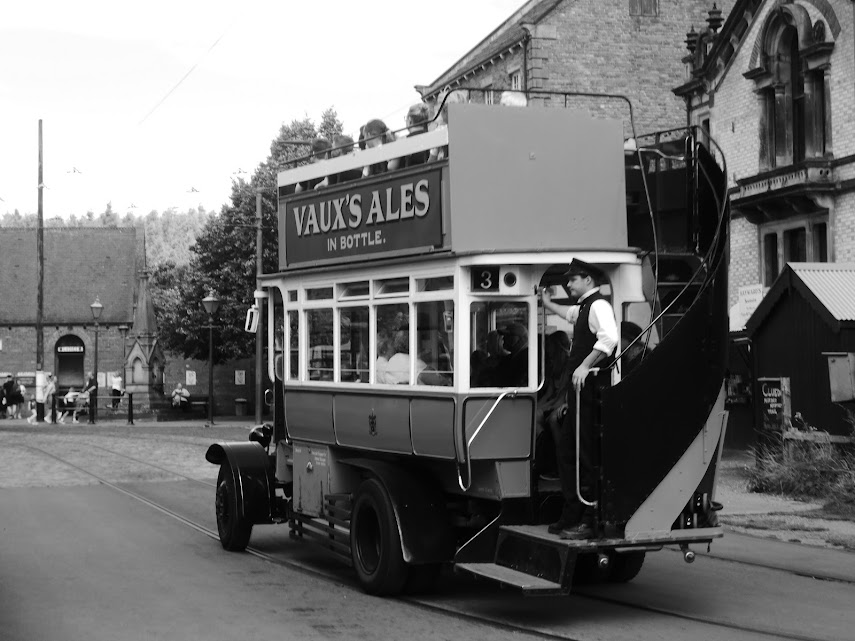
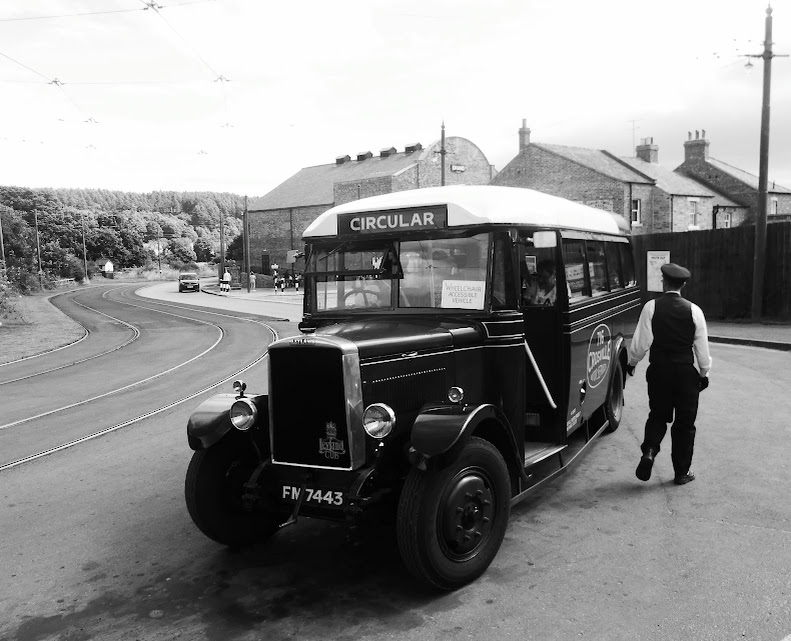
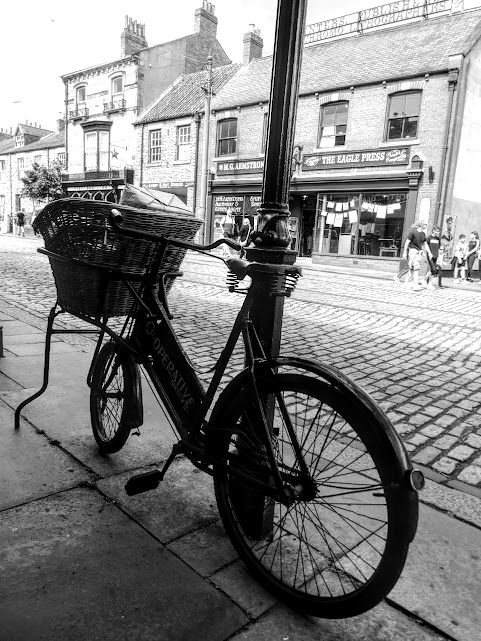
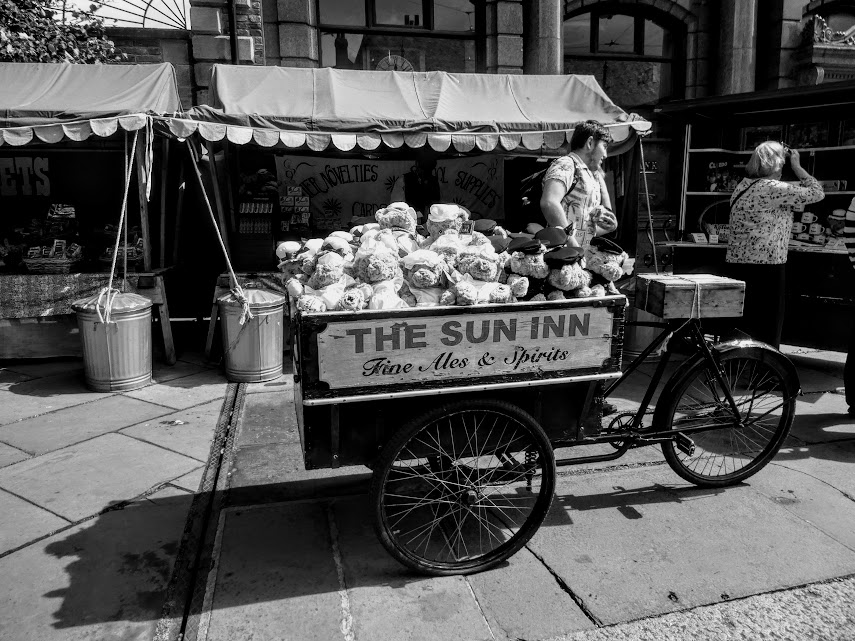

Midweek Monochrome
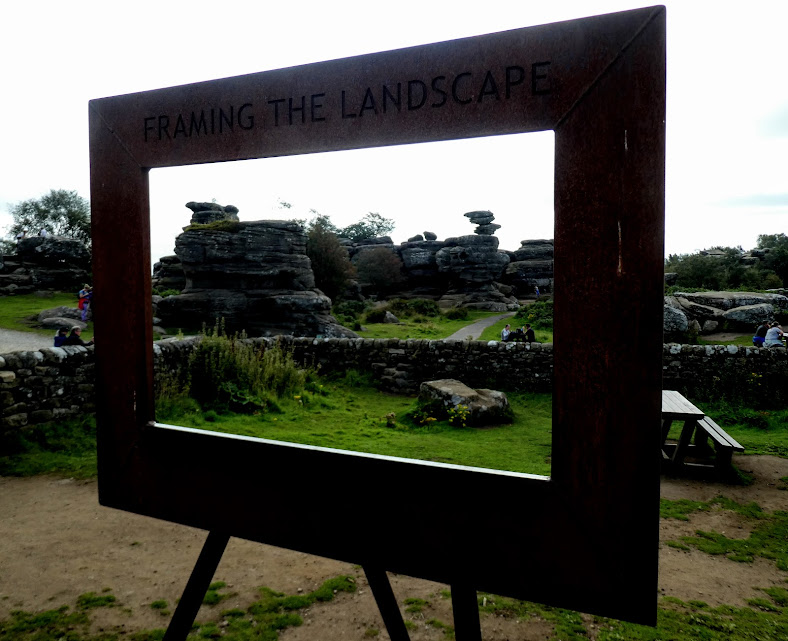
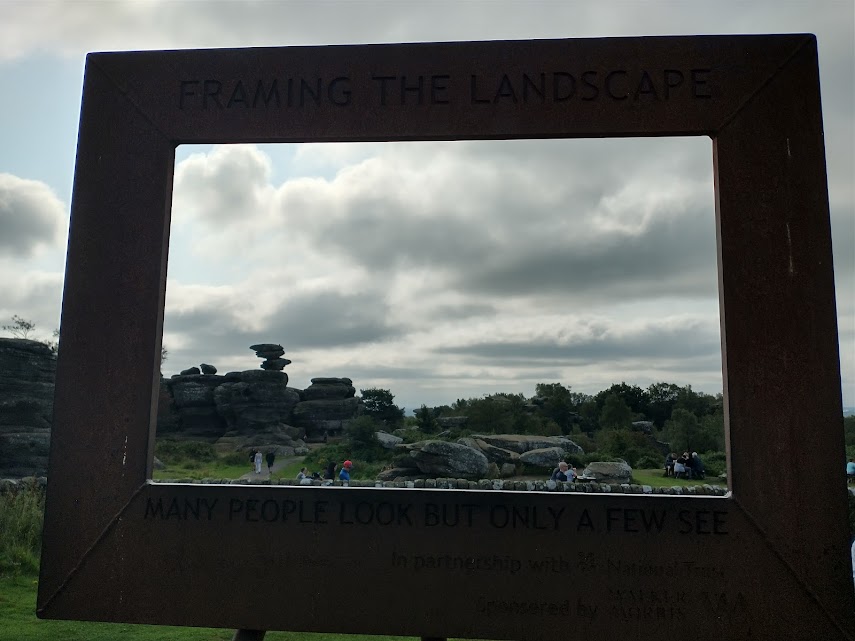
For One Word Sunday this week, Debbie asks us to provide an image, a ‘framed’ image. Luckily, at Brimham Rocks, there is a ready-made frame available for us all to use to capture that Perfect Picture Postcard.
On the first Saturday of every month, a book is chosen as a starting point and linked to six other books to form a chain. Readers and bloggers are invited to join in by creating their own ‘chain’ leading from the selected book.
Kate: Books are my Favourite and Best
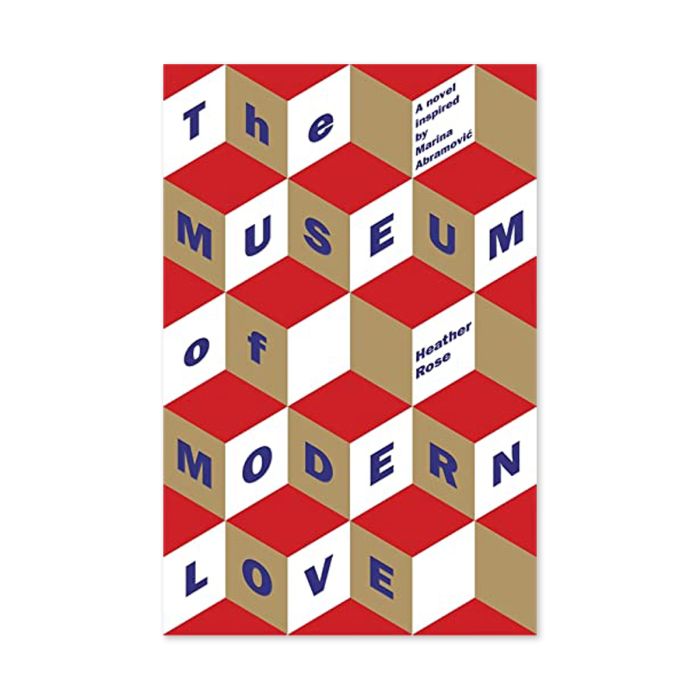
This month’s starter book is The Museum of Modern Love by Heather Rose, and I really enjoyed it. I’d like to thank Kate for drawing our attention to it. It’s an illuminating and satisfying examination of how we interact with art and what we get from it. It’s told from the perspective of Arky Levin, a composer whose terminally ill wife has forbidden him from visiting the hospital where she is dying, so he can get on with his career, and from a clutch of – very different – subsidiary characters. The real hero of the book is performance artist Marina Abramović, who in 2010 sat immobile in MoMa’s atrium while spectators queued up to take turns sitting opposite her while looking into her eyes.
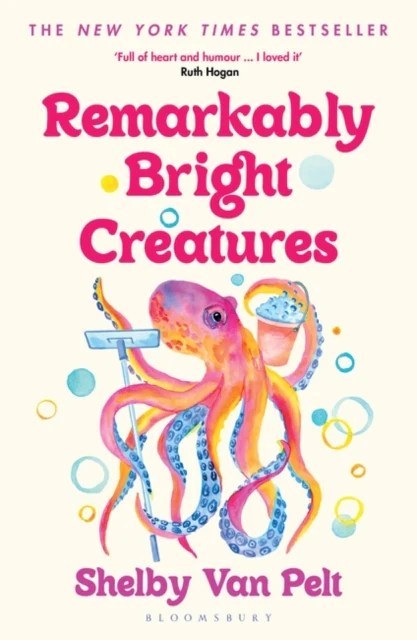
Marina Abramović was an exhibit. So’s my next character. He’s an octopus in an aquarium, and his story is told in Shelley Van Pelt‘s Remarkably Bright Creatures. Seventy year old Tova Sullivan needs to keep busy since her husband died. She’s needed to keep busy for years in fact, since her son Eric was apparently drowned – his body was never found. So she works as a cleaner in the town’s aquarium. And it’s here she establishes a bond with an elderly octopus, who also gets to tell his story in short occasional chapters. Suspend your disbelief. This works. The other main character is Cameron, a man with a chip on his shoulder searching for the father he never knew. This book tells the story, the journey of each of them, with a light touch: with humour and with wit. A light, yet involving and engaging read.

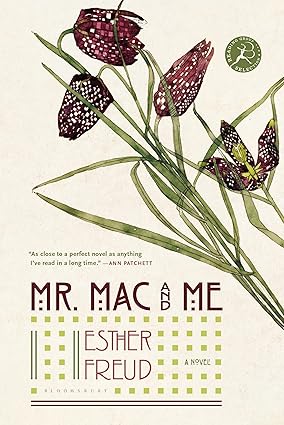
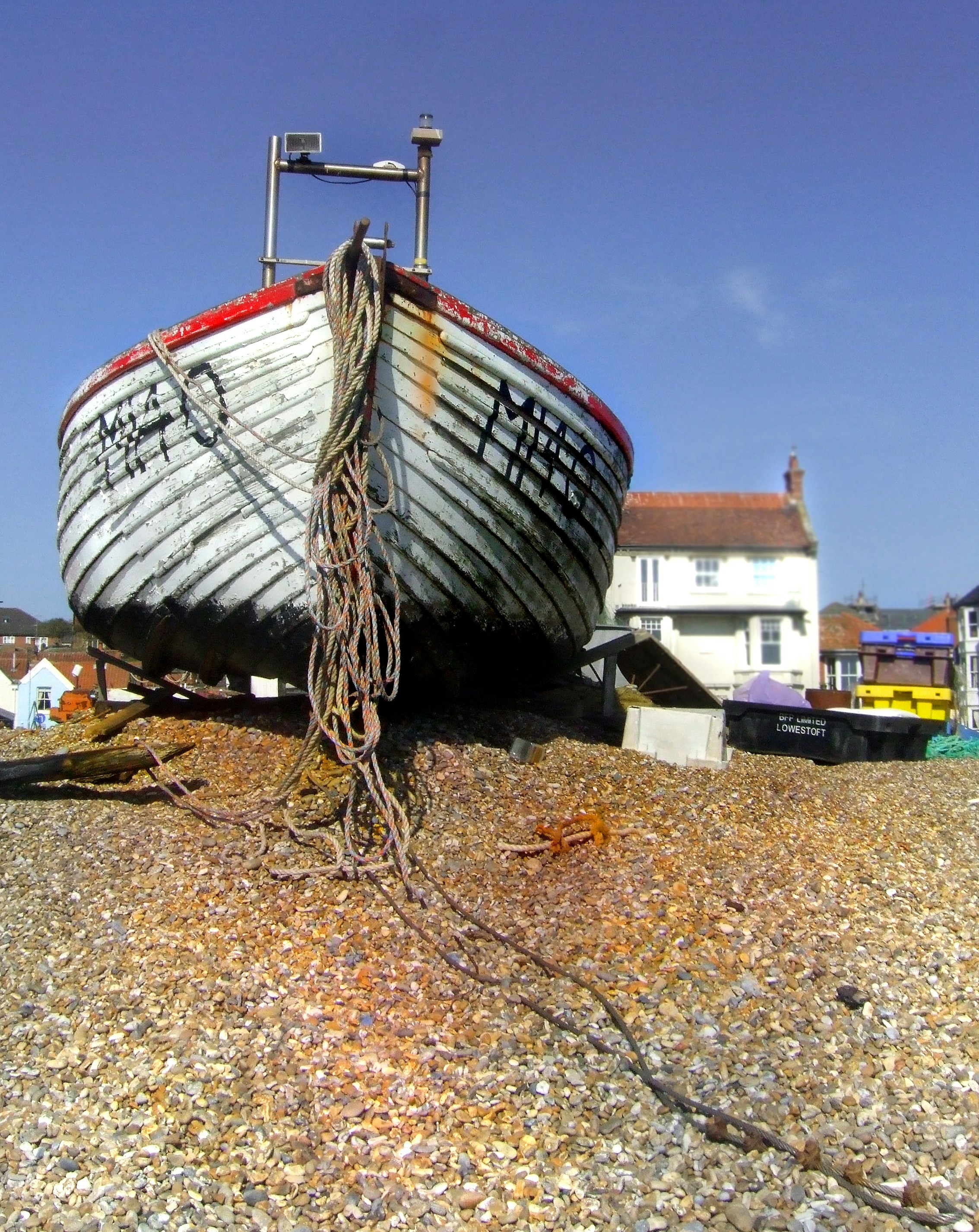
From an unhappy octopus to an unhappy – and creative – man: Charles Rennie Mackintosh. He and his wife fetched up in a Suffolk coastal village at the beginning of WWI, to nurse his wounded ego, with commissions unforthcoming, and his Glasgow School of Art unrecognised. His story, and that of the community where he’s settled for a while is told through the voice of 11 year old Thomas Maggs whose own family life is difficult. This book – Mr. Mac and Me, by Esther Freud paints a picture of life in a working coastal village as well as that of the life of a poverty-stricken and disappointed artist. An absorbing story.
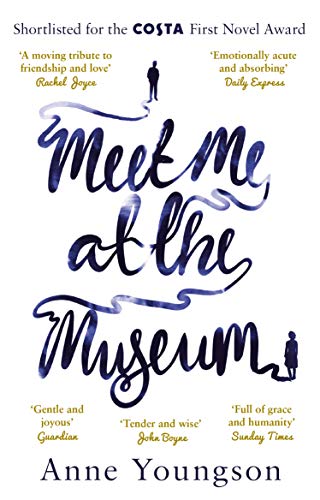
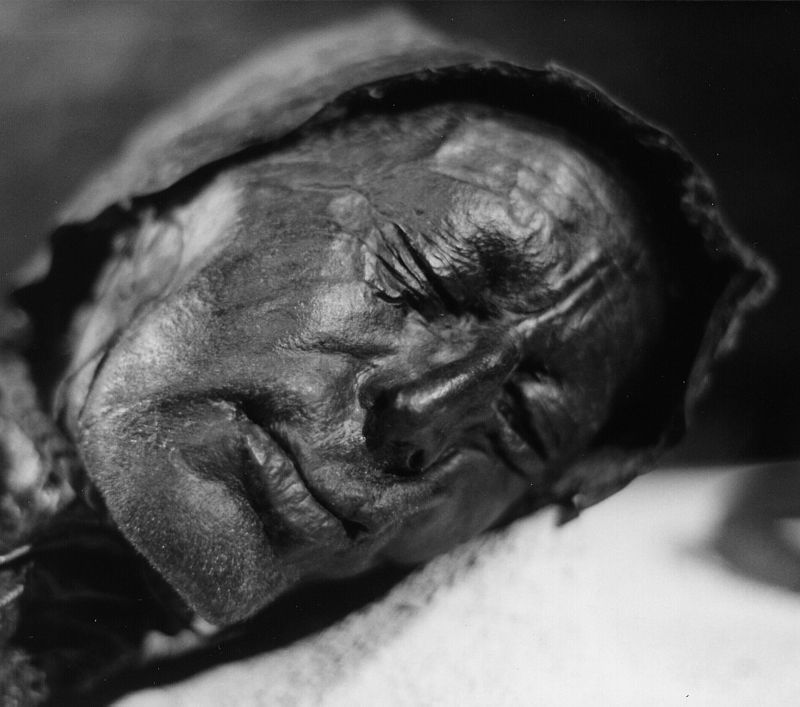
Two more disappointed people: in Ann Youngson’s Meet Me at the Museum. This book of considerable charm is told entirely in an exchange of letters between an English 60 year old farmer’s wife and the curator of a Danish Museum which houses the Tollund Man. Initially formal, the letters become more intimate. This busy outdoorsy farmer’s wife with her chintzy house couldn’t be more different from austere Scandinavian Anders. But both are lonely and have gaping holes in their lives. With every letter they disclose more of their joys, disappointments and difficulties and draw inexorably closer. At the end is a revelation. What effect will this have on them, on their burgeoning relationship? We can only speculate. A touching and intimate book.
These two characters are in different ways rooted in their local surroundings. Anita Sethi in a British born woman of British Guianan heritage who suffered a racist incident while travelling by rail which resulted in a conviction for the abuser. It prompted her to plan and execute a journey along the backbone of England – the Pennine Way – which she records in I Belong Here. This was for her, an inexperienced walker, a journey of healing and a time for reflection. It also became an extended metaphor for her feelings about her status as British person from an ethnic minority; the Pennines as ‘backbone’; of ‘making your own path’; of ‘ruggedness and strength’; of laws which protect landscapes and humans .. and so on. She muses on community, on history, on legislation as she walks an area I know well, and gave me, a white person with roots in this part of the country, plenty to think about. I’ll be interested in how the rest of the proposed trilogy develops.

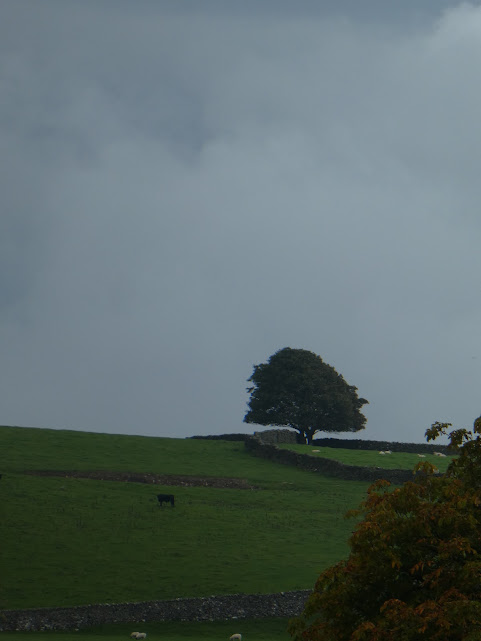
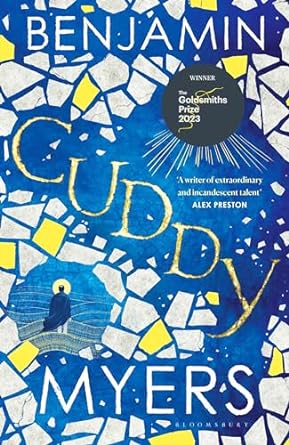
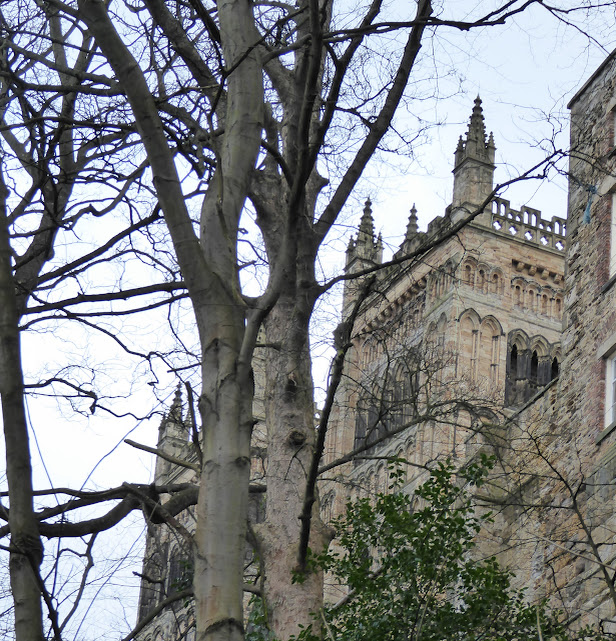
Here’s another book which begins with a journey through northern England. Cuddy, by Benjamin Myers. I know little about Saint Cuthbert beyond the fact that he was a simple man, much venerated in his own time. Which explains why a motley band of monks and devotees intermittently spent years moving his remains around to save him from the depredations of Viking raiders. And we meet some of them here, in the first section of the book set in 995CE, where orphaned Ediva, in her breathless disjointed but poetic prose recounts their journey, the landscape, and her vision for his final resting place. In Book Two, set in 1346, masons are enhancing and repairing the mighty hilltop cathedral (Durham). The wife of one meets and succumbs to another …. Then we leap to the 19th century to meet the opinionated and cocksure Forbes Fawcett-Black who has been invited to join the team exhuming the saint to see if the legend that his flesh is incorruptible is true. And finally we are in 2019, where a young under-educated man who cares for his dying mother is employed as a gopher to the current restoration team. His eyes are opened to a world and a heritage he had not known about. How different and yet how connected the sections are to each other. The language of each couldn’t be more different one from the other: free-flowing yet poetic; dense blocks of prose; a pastiche Victorian ghost story; a rich narrative in which sense of place and societal deprivation are juxtaposed The kinds of story told are utterly different. Yet links are there – there’s always an owl-eyed lad in the narrative, for instance. A richly complex feast of prose and poetry, provoking thought and discussion long after the last page has been turned. This is a book inviting – and deserving – several readings.
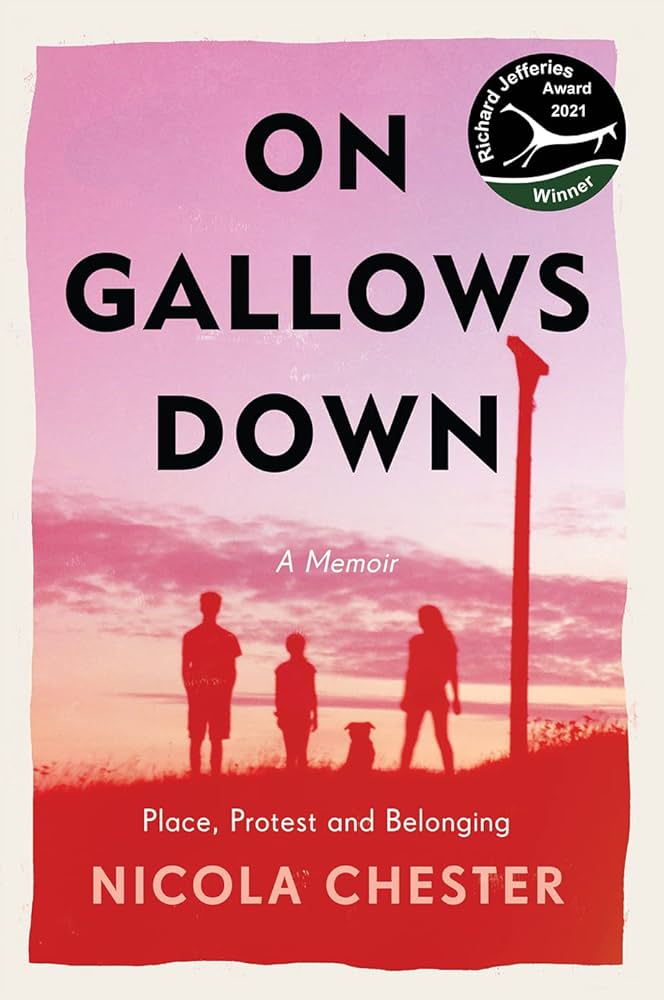
My last book is also rooted in the British landscape. But Berkshire this time. On Gallows Hill, by Nicola Chester. Nicola Chester has lived her whole life in Berkshire. This area has had a history of rebellion by the under-represented. John Clare wrote his poetry here. The Civil War had bitter battles here. Tenants throughout the centuries rebelled against their landowner masters. It’s where Greenham Common, site of the women’s peace camps, and Newbury Bypass, a much fought-over project which destroyed so much natural and rural history when it was sited near her homes. Chester has been a tenant all her life, and understands powerlessness. She also understands the natural world, and deepening her understanding of it, spending time in it with her family, particularly her children, is her salvation. Her battles change to doing her part to save the natural world. She has her nature writing accepted by the RSPB, the Guardian, her local paper, and this becomes part of her fight. She writes with lyricism and passion, describing the seasons, the creatures that form part of her day-to-day environment with incisive, poetic words and concludes ‘Anyone could make a place their home by engaging with its nature’. A book to read slowly, and to savour.
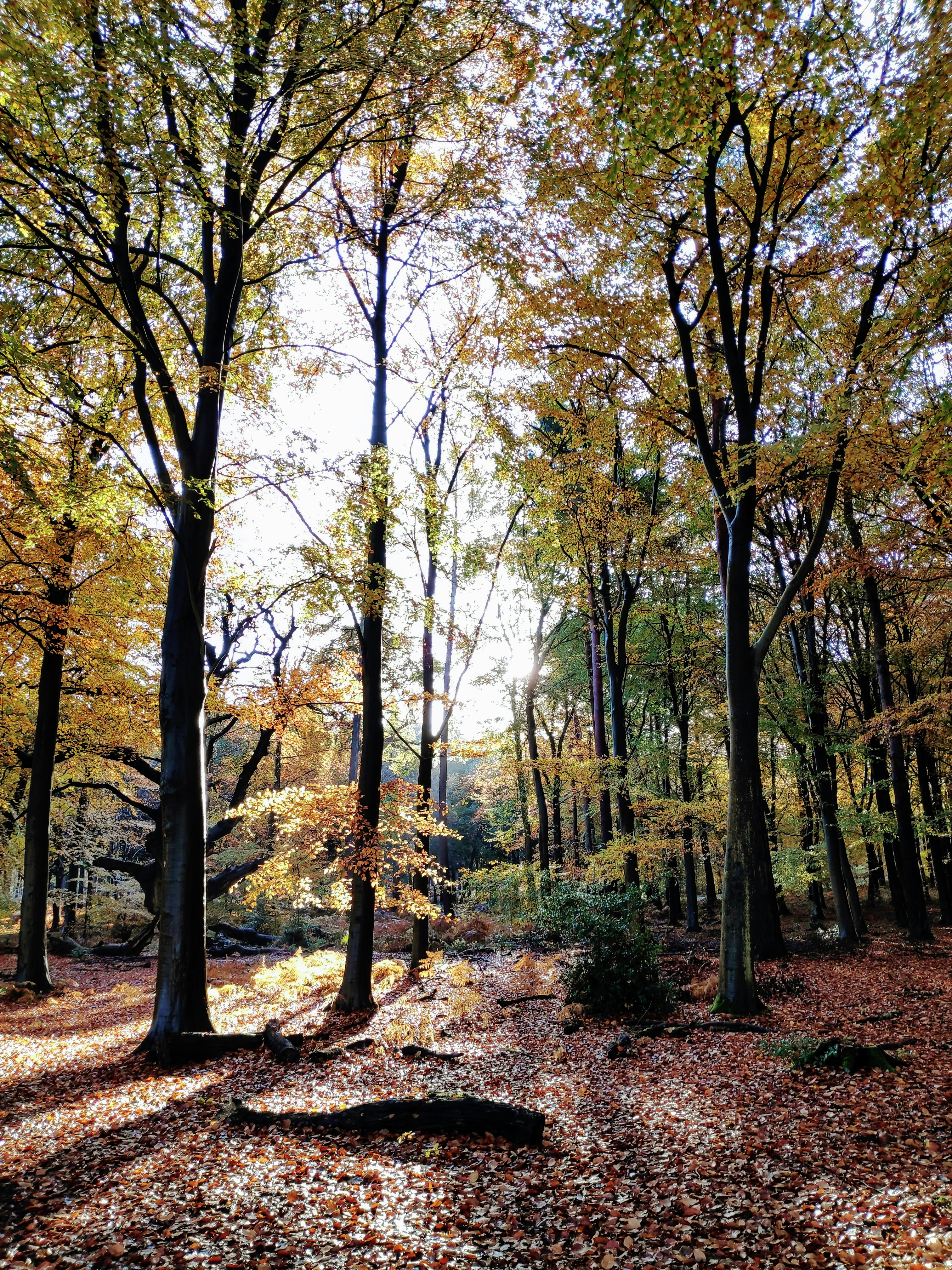
I think we can link Chester back to Abramović, since both share a passion for the things that matter to them, and go to often uncomfortable lengths as they invite the world to share their compulsive interest.
Next month? Our starter book will be After Story, by Larissa Behrendt.
Several illustrations are via Unsplash: (i) K Mitch Hodge (ii) Pete Williams and (vi) Frances Synge. (iii) Tollund Man is in the Public Domain: Sven Rosbum . (iv) Durham Cathedral and (v) Pennines landcape in North Yorkshire, are my own.
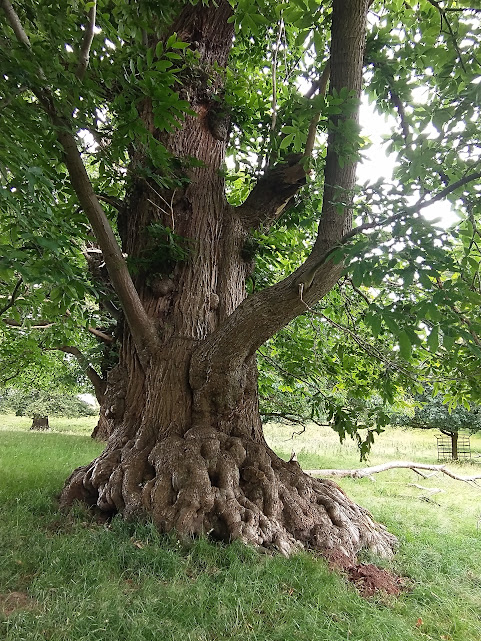
A veteran sweet chestnut tree at Studley Royal.
Oh, I’ve just remembered. Happy Yorkshire Day.

For Brian’s Last on the Card: July 2024.

This week, Leanne’s Monochrome Madness has no theme. She has chosen to showcase lighthouses. We’re rather thin on lighthouses round here, so I won’t join her. Instead, I’ll show just a few towers I’ve seen this year.
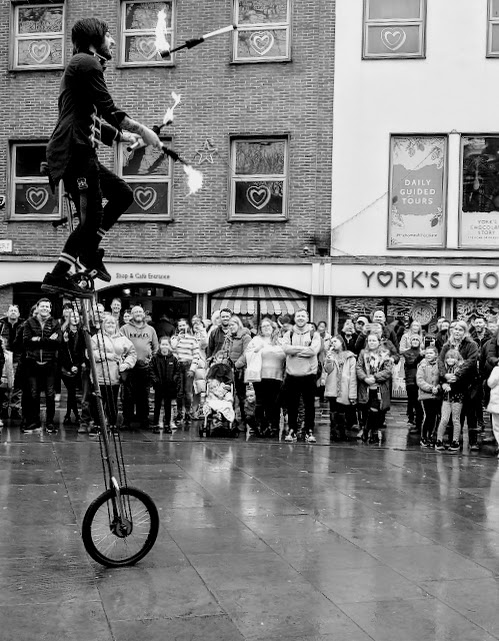
My first tower of the year was a human one, seen in York.
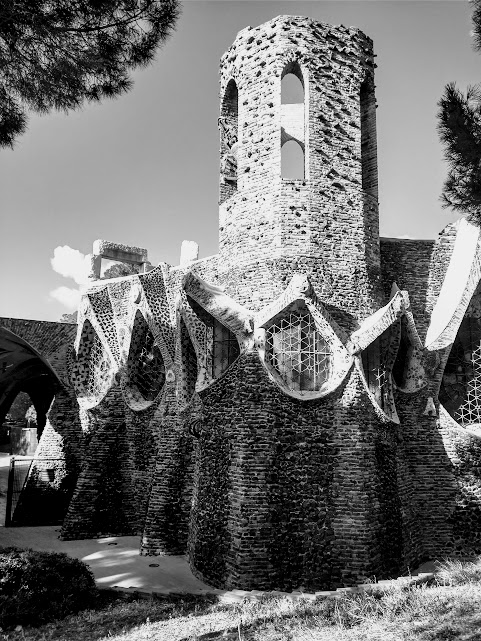
Then we went to Spain to meet our new granddaughter. And do a spot of discovering too.
And later, I went back to Spain again, to lend a hand as my daughter’s maternity leave ran out. I still had moments of sightseeing.
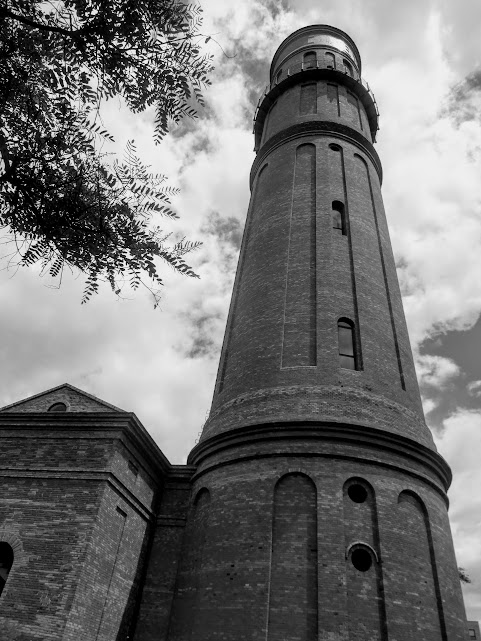
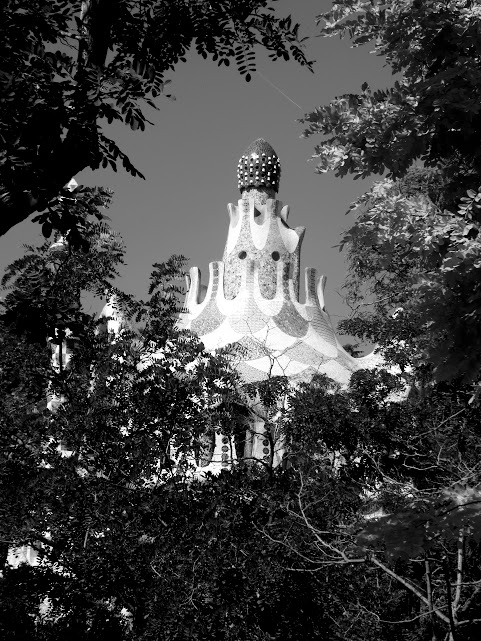
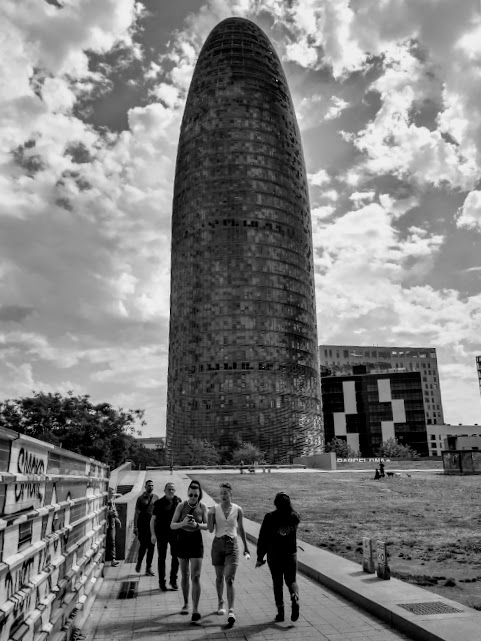
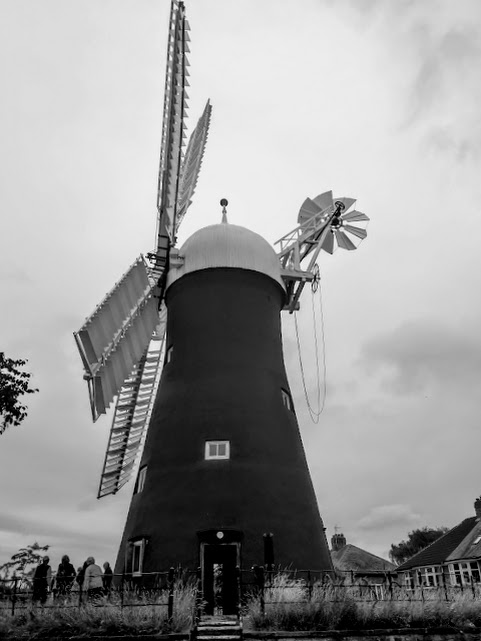
And most recently, it was off to Holgate Mill, a fully functioning windmill slap in the middle of a housing estate in York. I must introduce it properly soon.
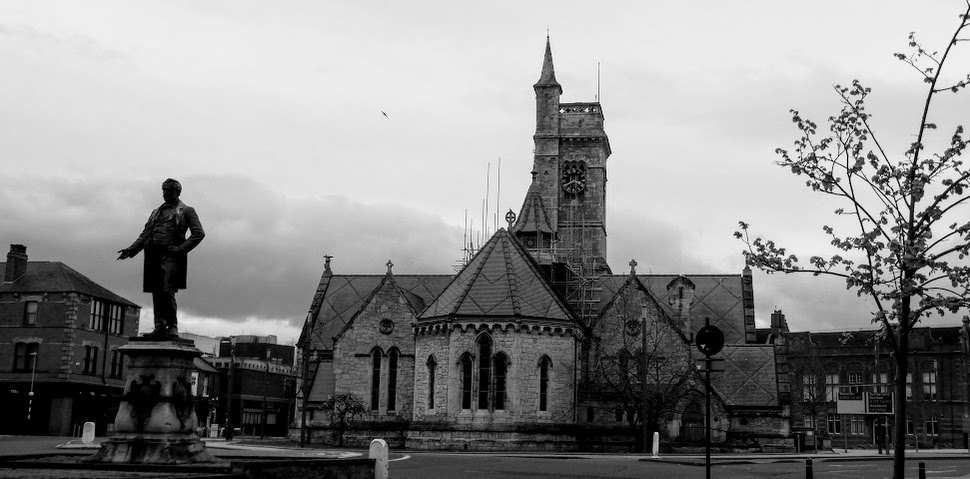
My featured photo is of Christ Church Hartlepool, now an Arts Centre. I was going to add in an AI generated photo too. Just for fun. But they were no fun, so I abandoned the idea.





You must be logged in to post a comment.