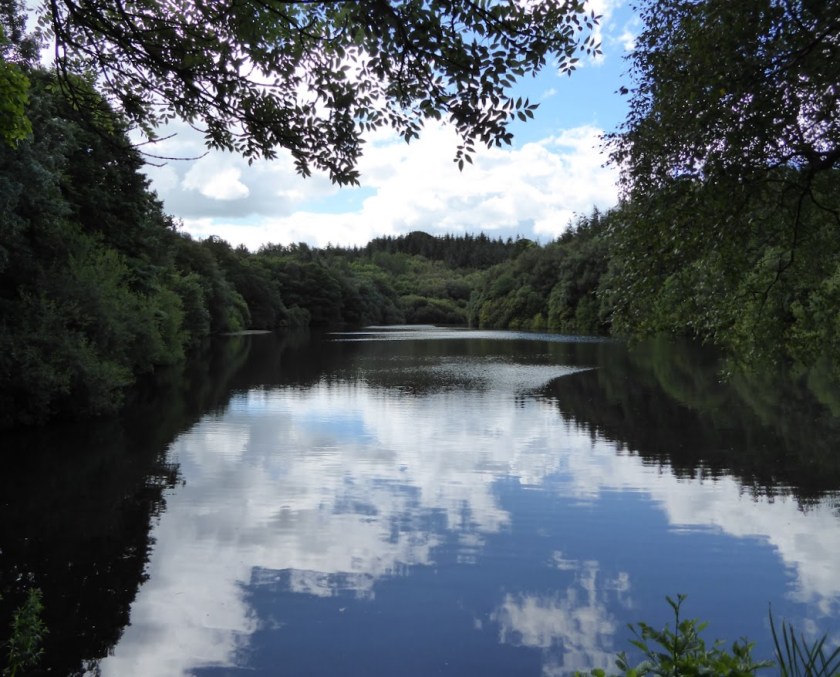
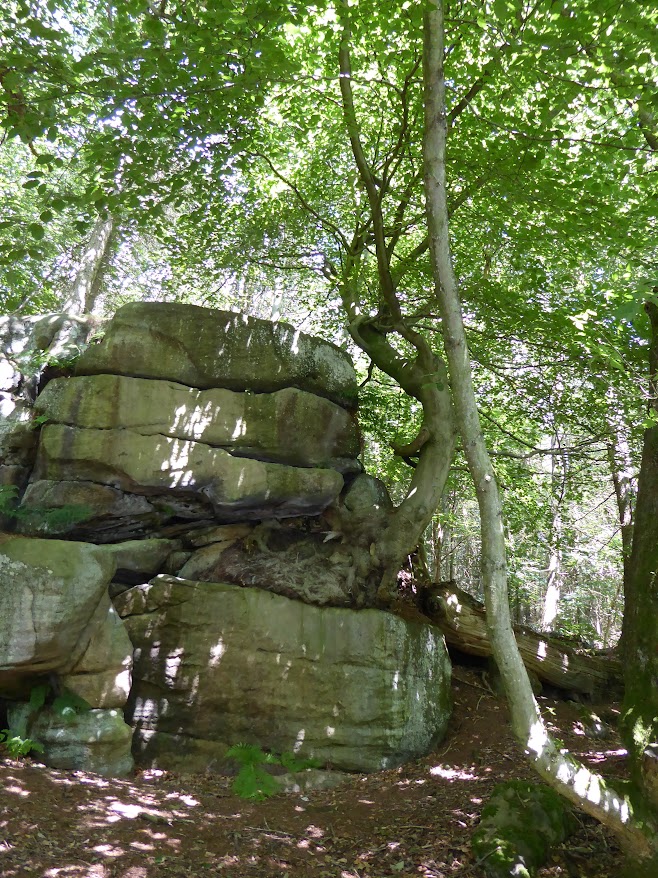
After I showed the photo that won me a popular vote a couple of years ago, some of you were kind enough to ask to see the one that came second. I’m pretty sure I may have shown it before, but here we are. It’s of a lake not too far from here: a wooded location that’s quite well known and appreciated hereabouts, despite not being tremendously accessible. Here’s Eavestone Lake in summer …
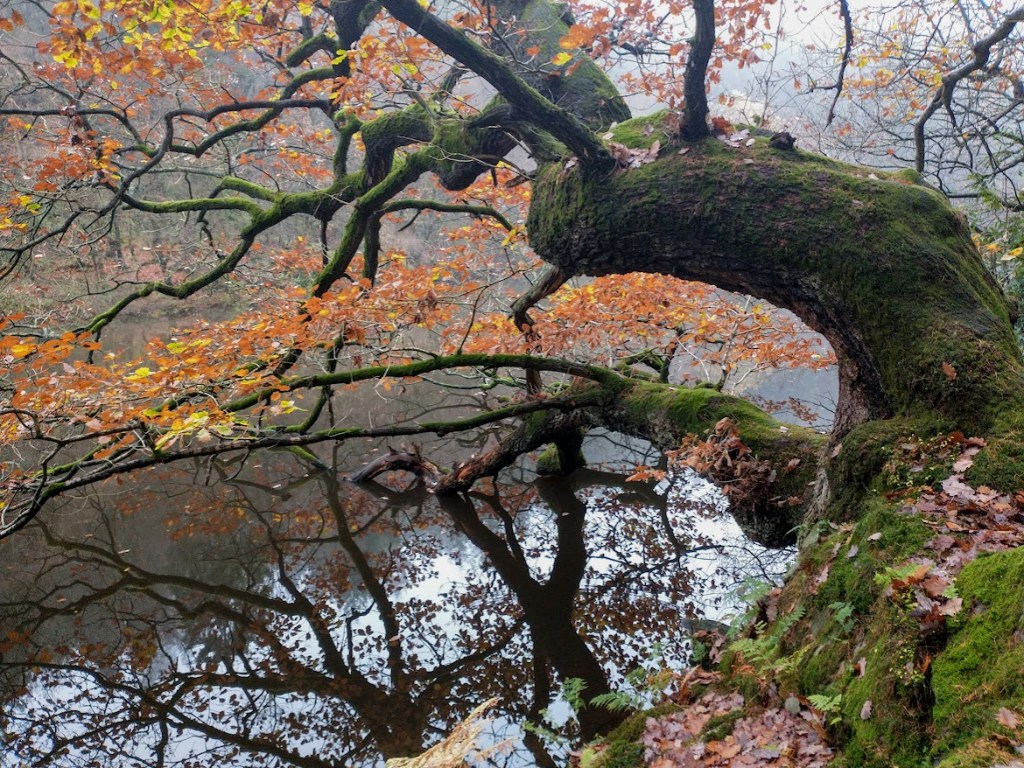
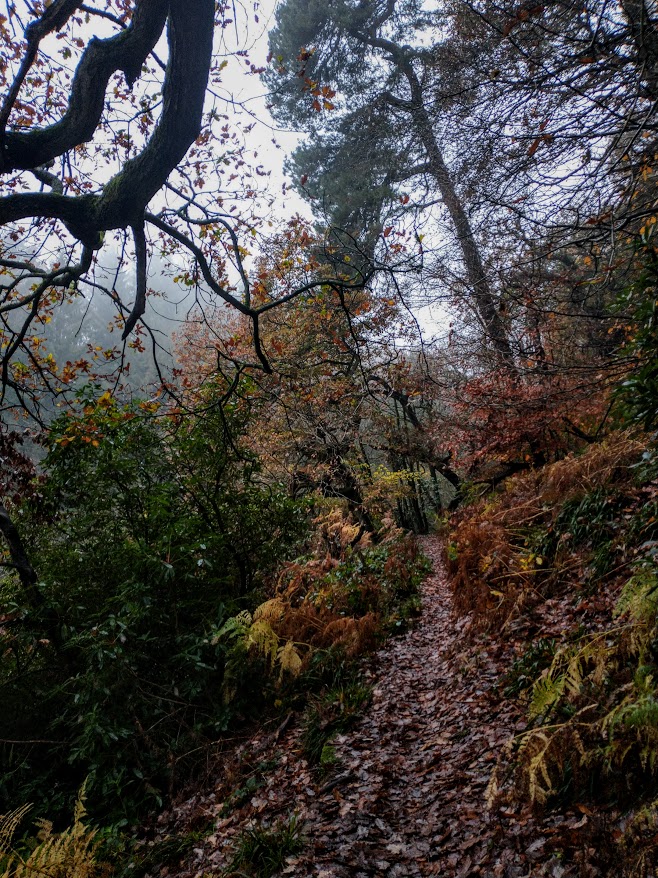
…. and in autumn, when the successful shot was taken…
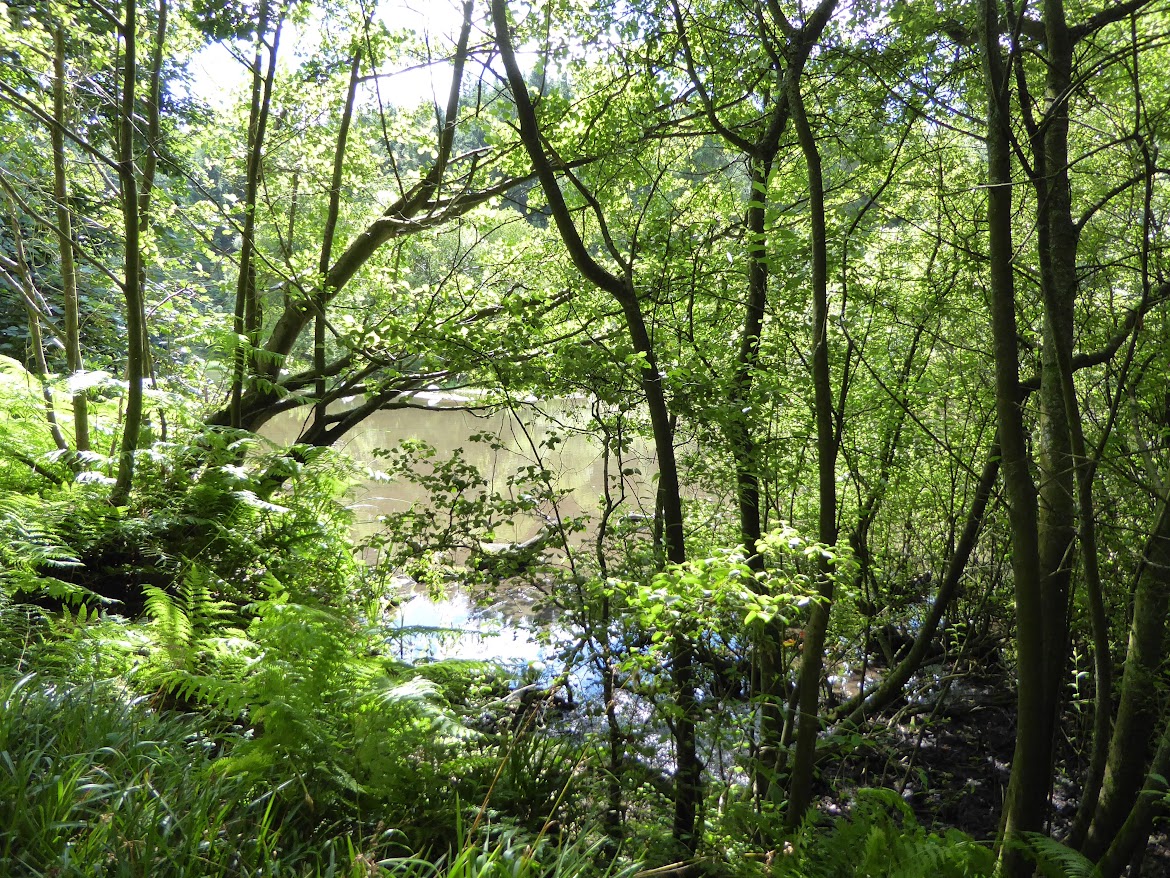
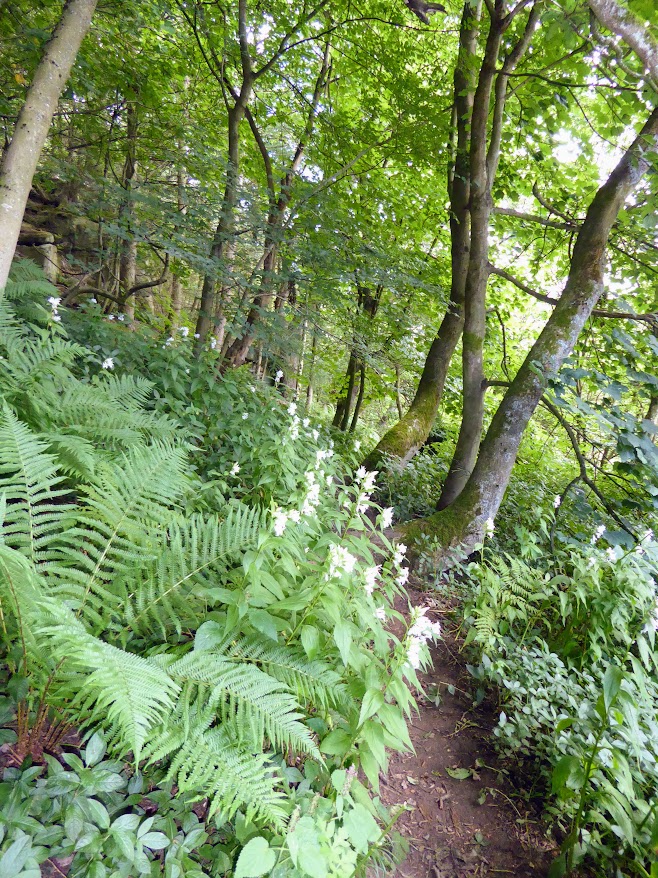
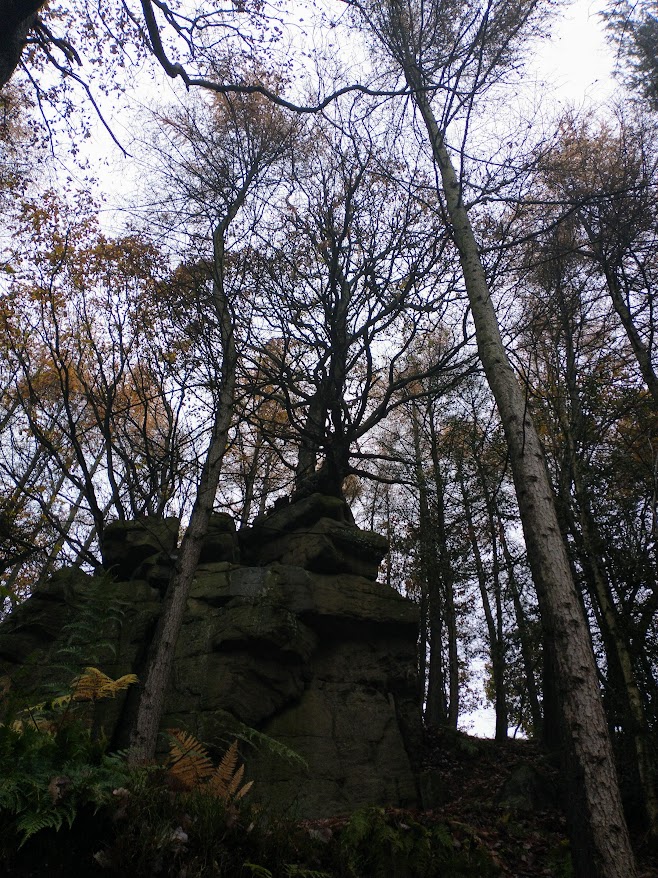
It’s set among rocks, to which trees sometimes cling tenaciously, and it’s hard to navigate your way through. Eavestone Lake may once have been a mediaeval fishpond for nearby Fountains Abbey. There’s even evidence that later, it may have formed part of a designed landscape: the lake has been dammed, and there are signs of careful planting if you know where to look (I don’t).
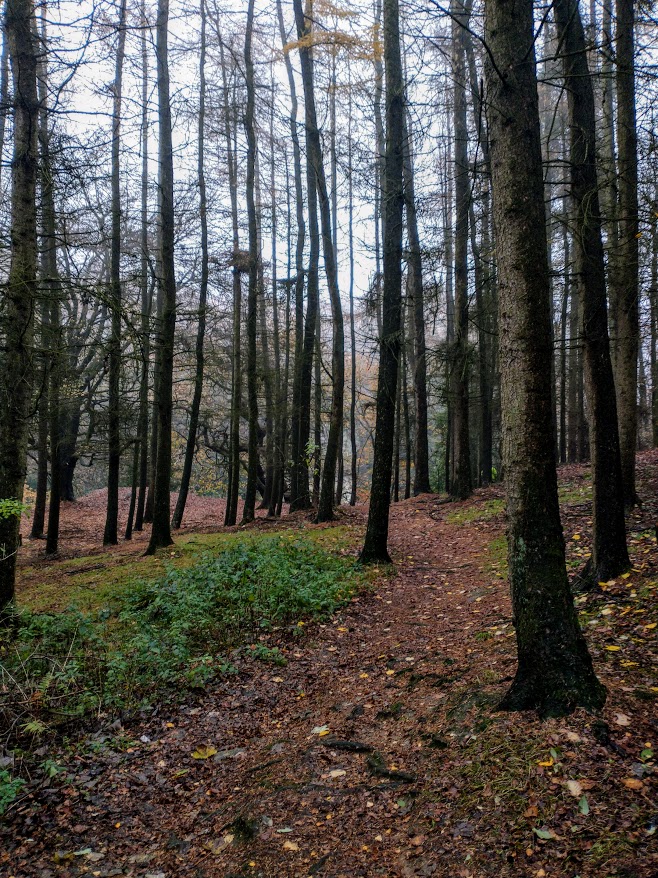
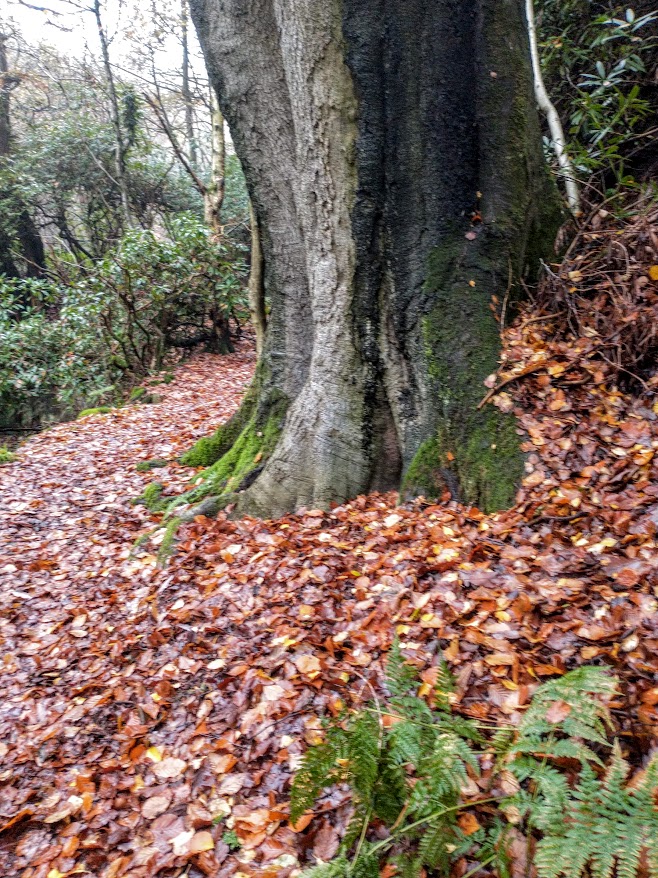
We once met an Oldest Inhabitant there, and he told us that the whole area had been almost entirely hacked back to the bone in the 1930s, for logging purposes. Abandoned, the trees took matters into their own hands to regenerate. They’ve done a pretty good job, I’d say. And they are part of a special area. Nidderdale Area of Outstanding Natural Beauty.
When I was a schoolgirl living in London, I often walked through Saint James’ Park. I liked the waterbirds on the lake, and sometimes fed them. In the far corner of the lake was a small island. And on this island were pelicans.. Such an exotic sight! But they made sure we saw little of them, and kept themselves strictly to themselves.
More than half a century on, something has happened. The descendants of ‘my’ pelicans have become bold, and saunter round the park , making their presence felt. As you see. Before long, they’ll be sitting on those benches.
This isn’t – I hope – the best image that I’ll ever produce. Nor is it even one that tugs most at my heartstrings. It’s a bit of pure serendipity. Early one winter’s morning I was nipping out to get the paper, just as the sun was rising. Unusually, I had my phone with me. My bargain-basement-bottom-of-the-range smartphone. Well, here was a scene that demanded to be recorded. So I did. And I like it. It reminds me how lucky we are to live in this quiet spot, where scenes like this are part of our everyday.
A few weeks later, I joined our local photo club. And a few weeks after that, we were all invited to submit two photos to an annual event: the photographic exhibition held as part of Masham’s Sheep Fair. No subject specified – just two photos. The public are invited to cast three votes – first, second and third – for their favourites. And the winner gets the honour and glory: though not a lot else. Reader – I won. Even though we have some pretty good photographers who can be relied upon to deliver wonderful images of the natural world; landscapes; action shots; street images … you name it. But the Great Masham Public decided on this occasion that Early Morning in Sleningford was what they liked. Even more embarrassingly, I took second prize too.
We were in York with the grandchildren on Monday. Its annual Viking Festival has begun.
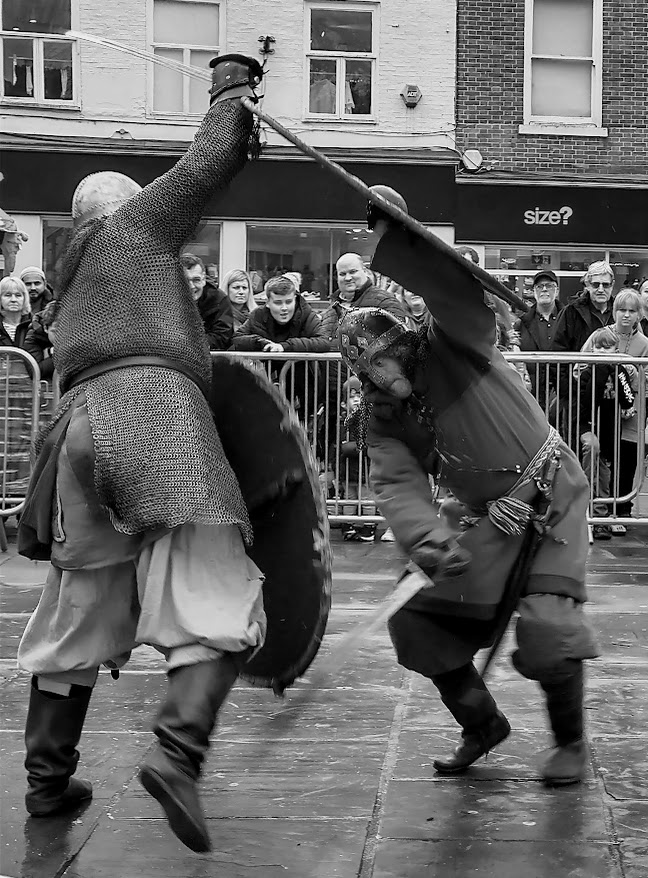
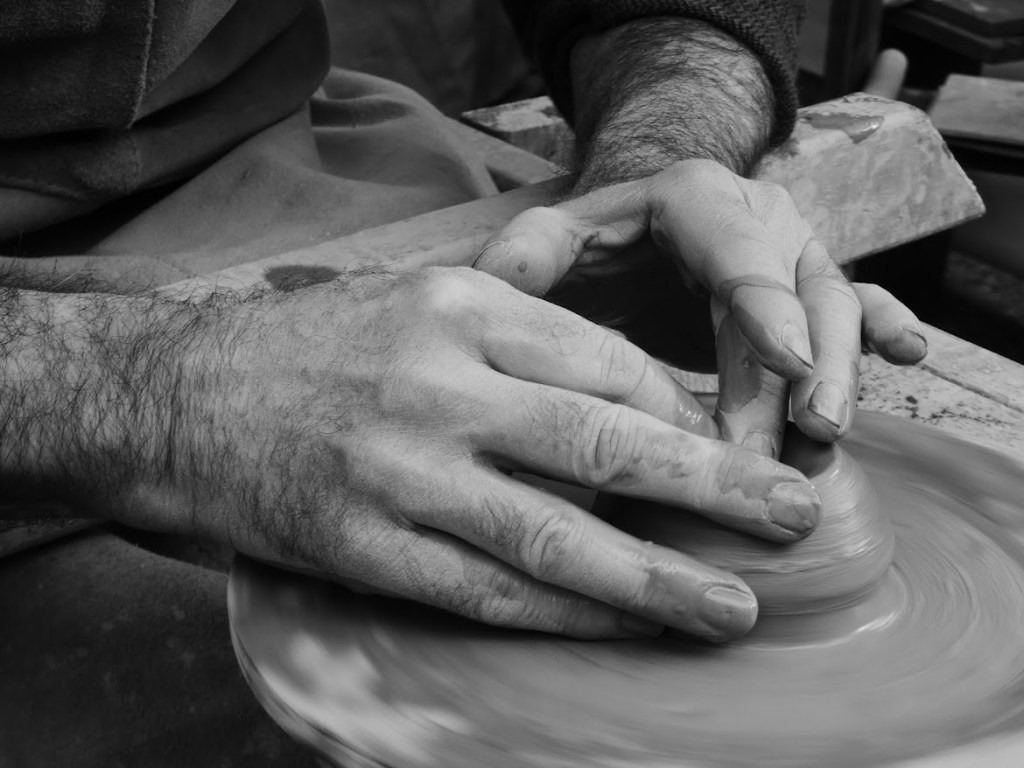
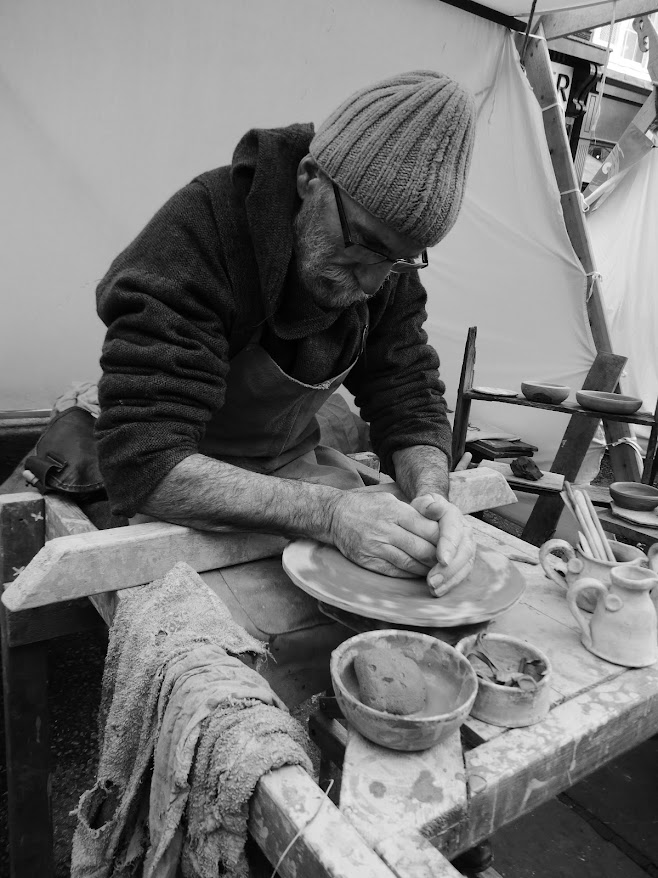
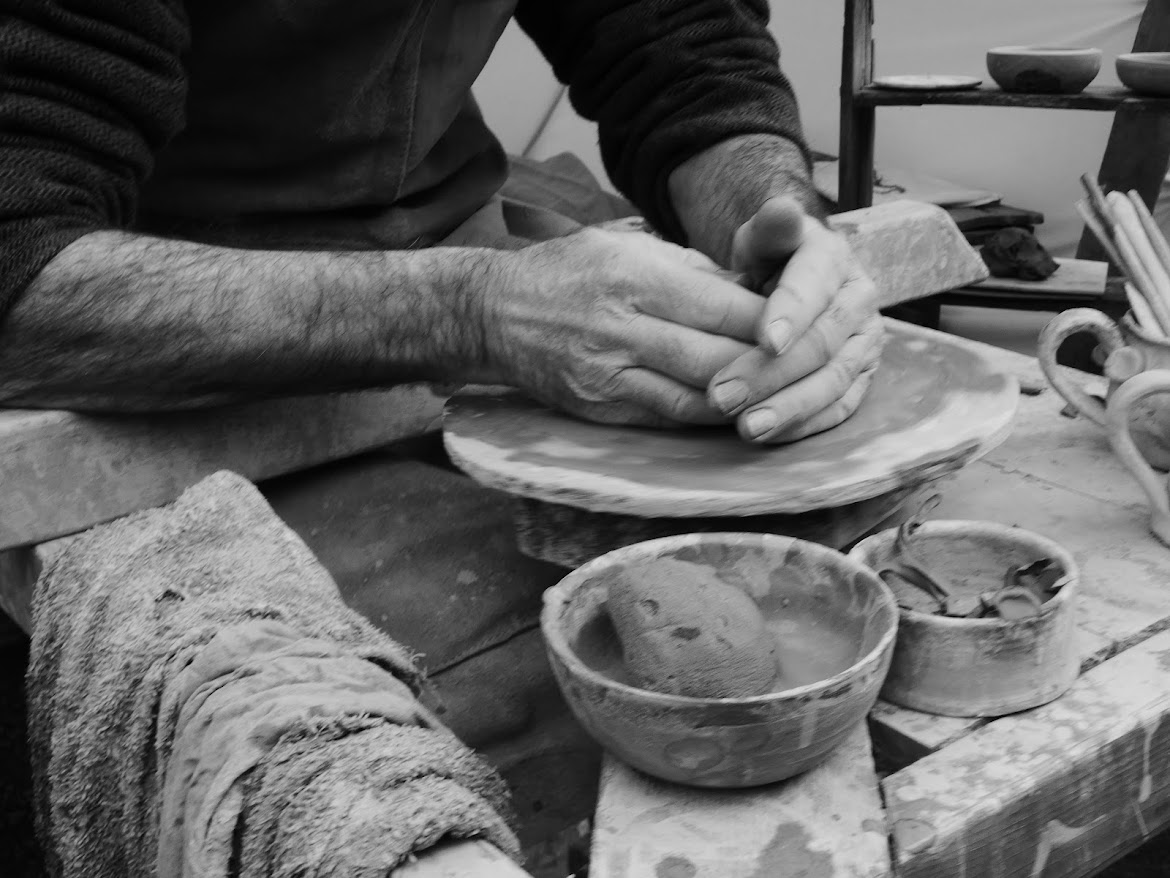
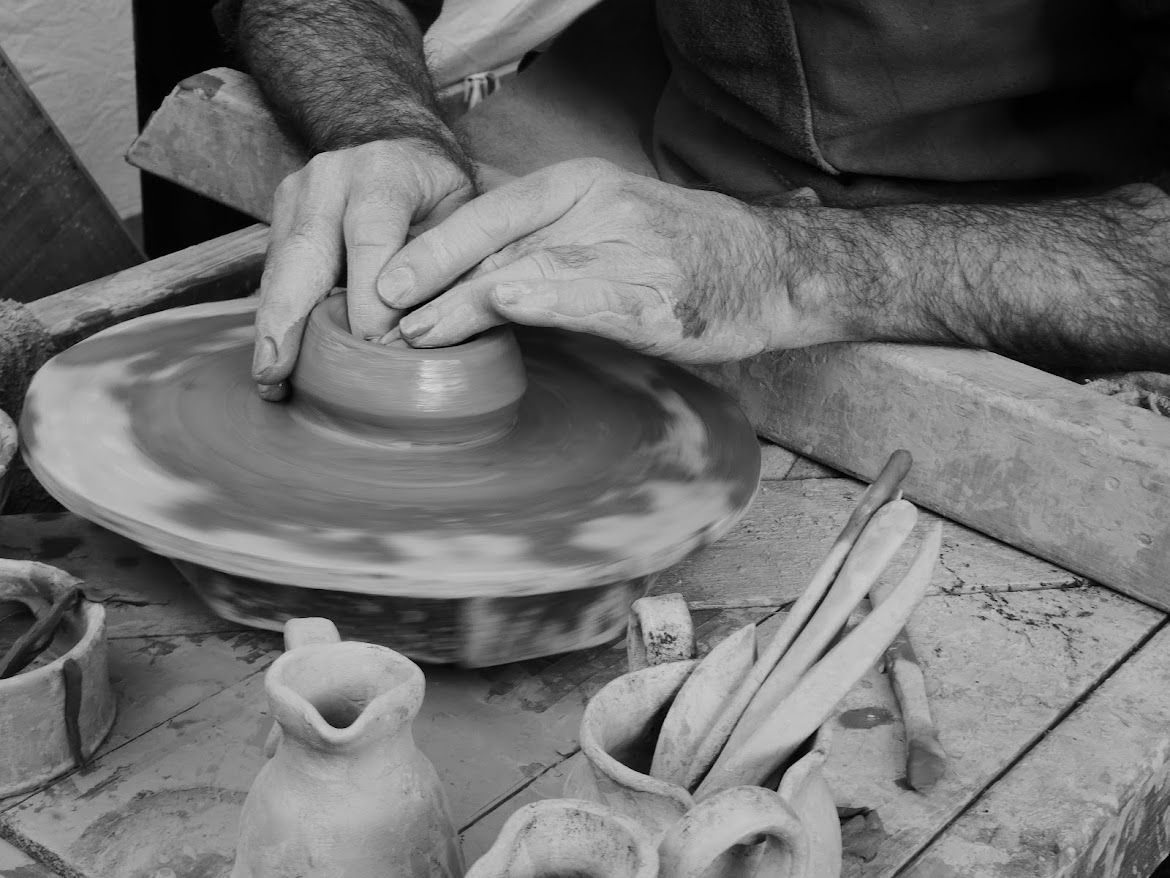
Norsemen from Scandinavia went looking for places to settle, often in England and Ireland from about CE 800 to CE 1000. Like the Romans before them, many settled in the fertile lands round York. We came to find out more. We looked at demonstrations of working with wool. We attended a Brassica Massacre, where no hapless human was harmed as a doughty ‘Viking’ explained the ways to win in hand-to-hand fighting, by killing a cabbage impaled on a spike. And we chatted to a ‘Viking’ potter, as he worked away in freezing conditions to throw a simple pot.
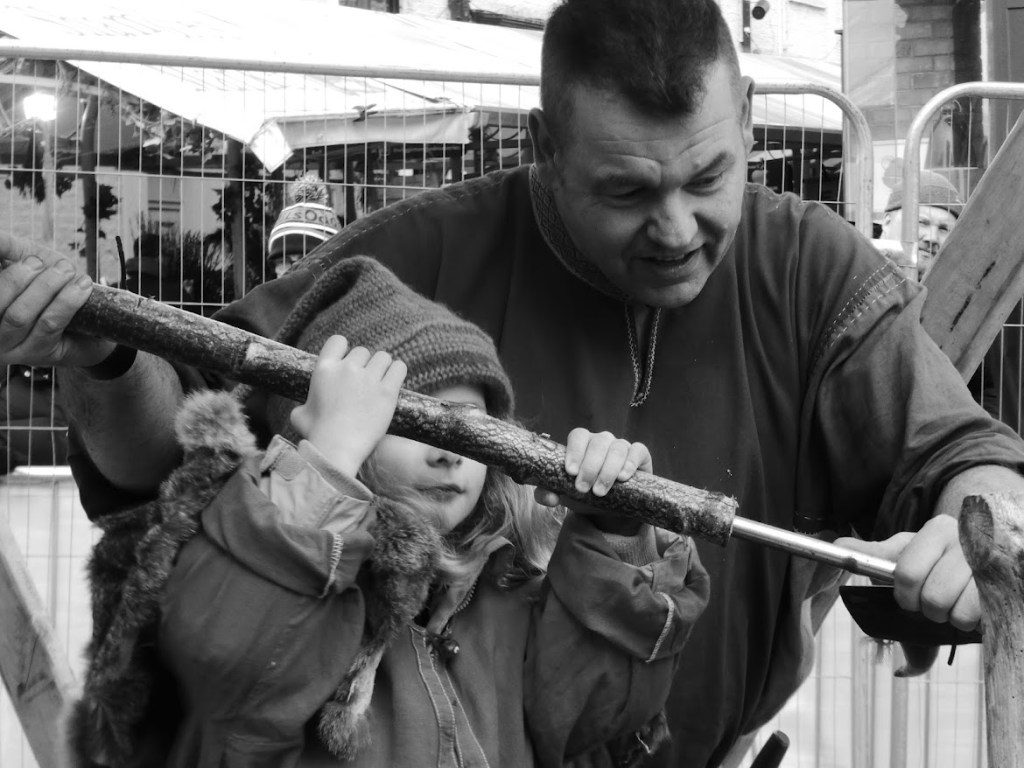
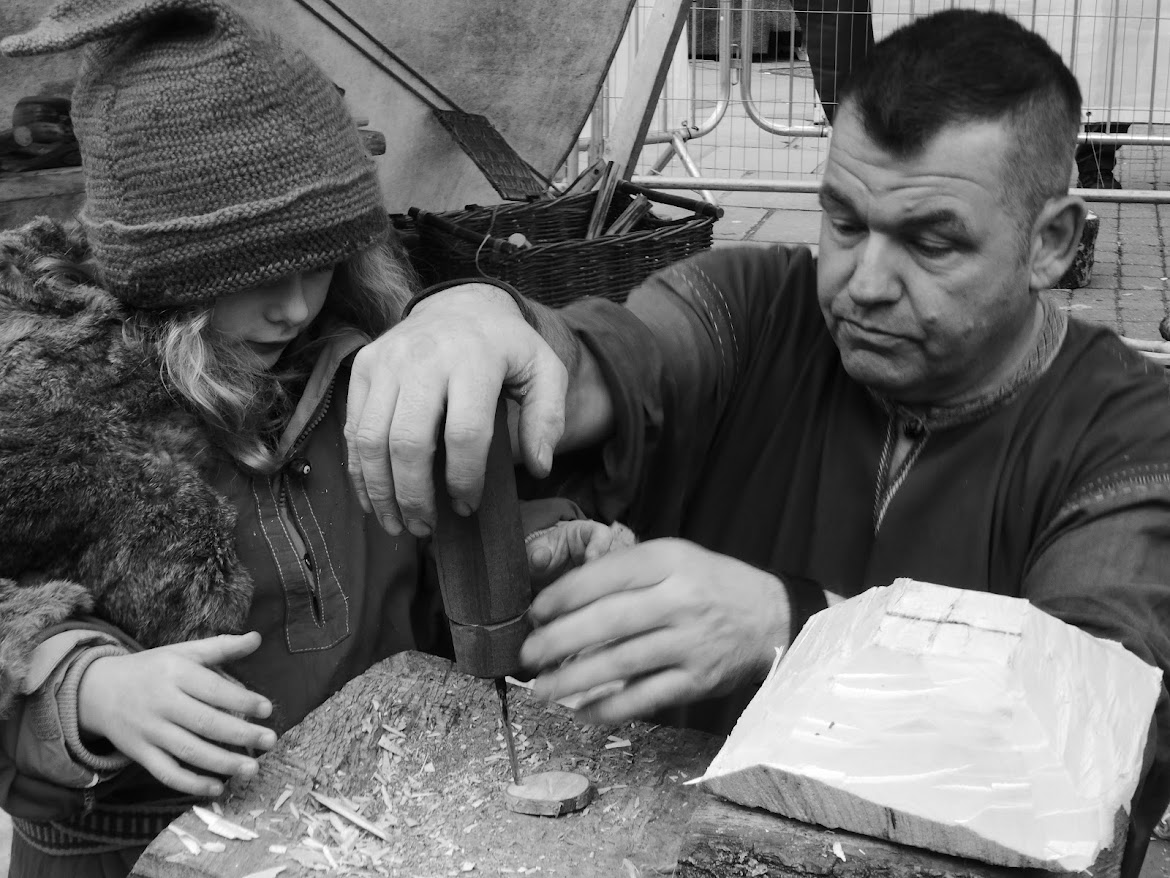
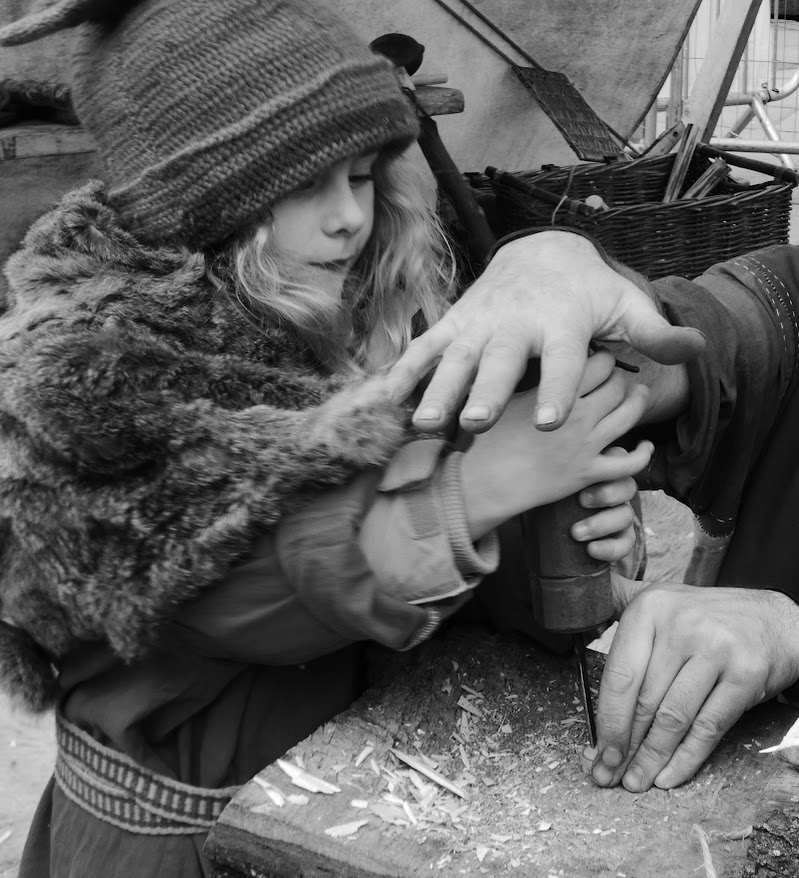
Later, we were chuffed to bits to discover that the same master who had enslaved a willing William for twenty minutes or so last year was back again. This time Zoë couldn’t wait to have a go, and The Boss thought that if she came from the same stock as her brother, he couldn’t turn her down. After she’d swept the floor (inadequately), he set her onto a spot of woodturning – with his help. Many hands make light work.
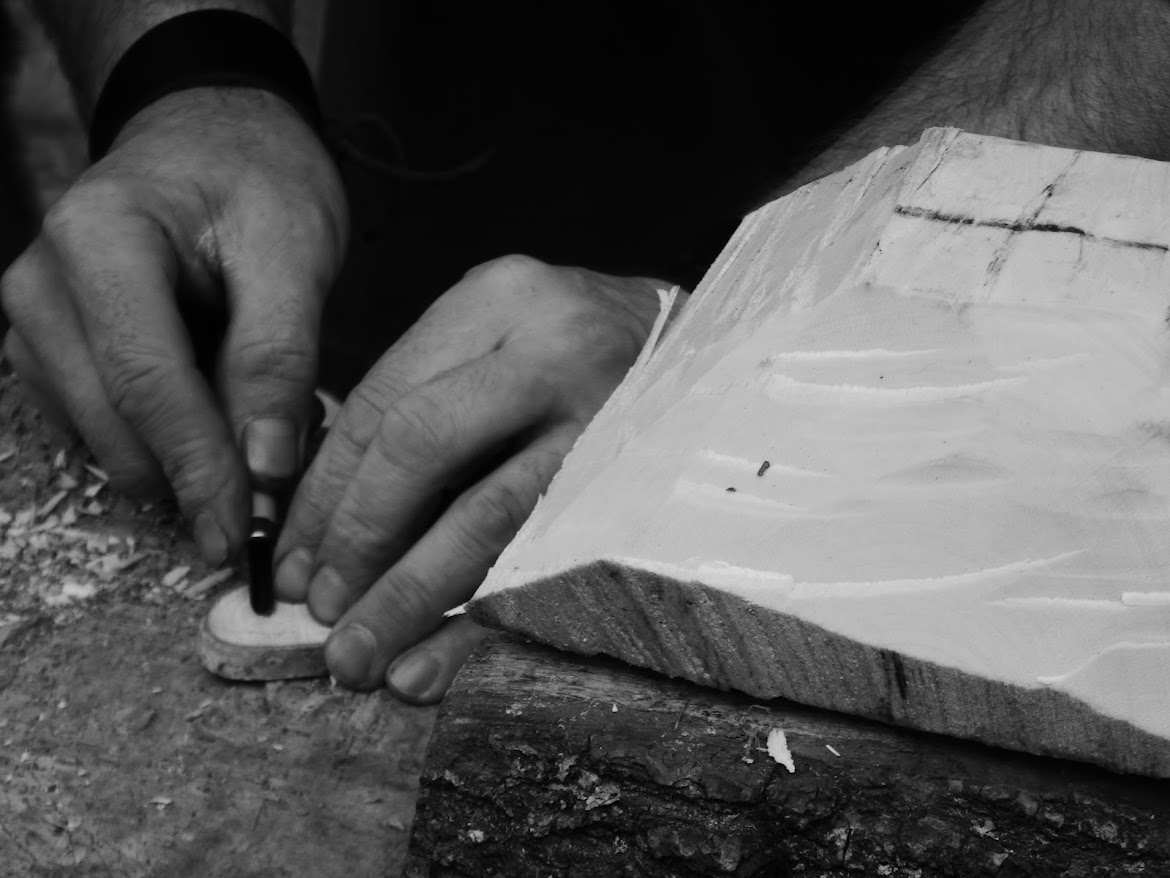
Then he set about making Zoë a wooden medallion to thank her – and enlisted her help again. He was a good-humoured and generous master.
We had an excellent time. But we were pleased to retreat afterwards in our cosy modern clothing to a cosy house, and the comforts of 21st century living.
The header photograph shows hand-to-hand fighting in York – last year.
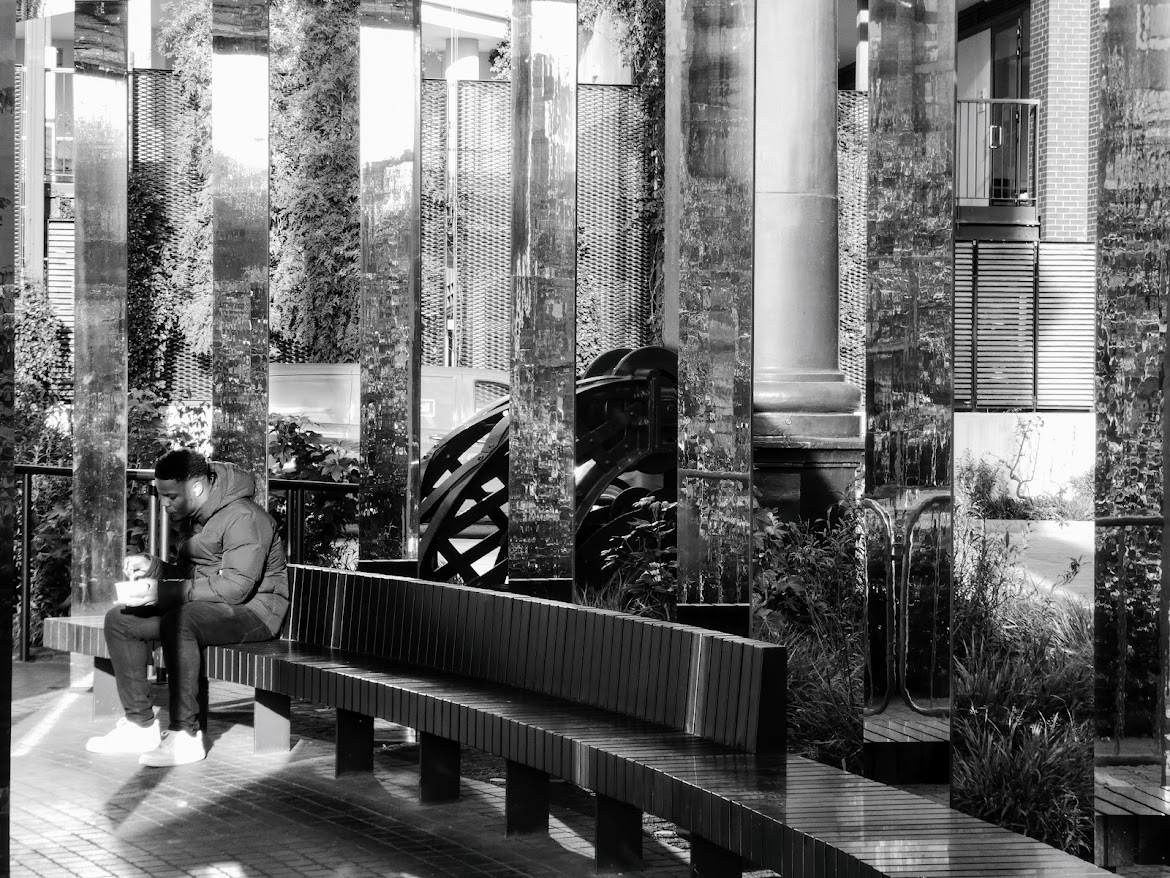
Once upon a time, round about the 1850s, gasholders started to become a part of the urban ladscape, storing gas which was then sent on to bring light and warmth to local homes. Their distinctive presence came to be loved and loathed in equal measure by those who lived within sight of them. Many have now been destroyed, but some have been repurposed and redeveloped as up-market housing: as here , near Kings Cross in London. These are a couple of people enjoying a quiet moment in one of the urban gardens here, protected from the rigours of English weather. I rather like the slightly hard-to-read nature of these images, where shadows battle with columns to confuse the eye.
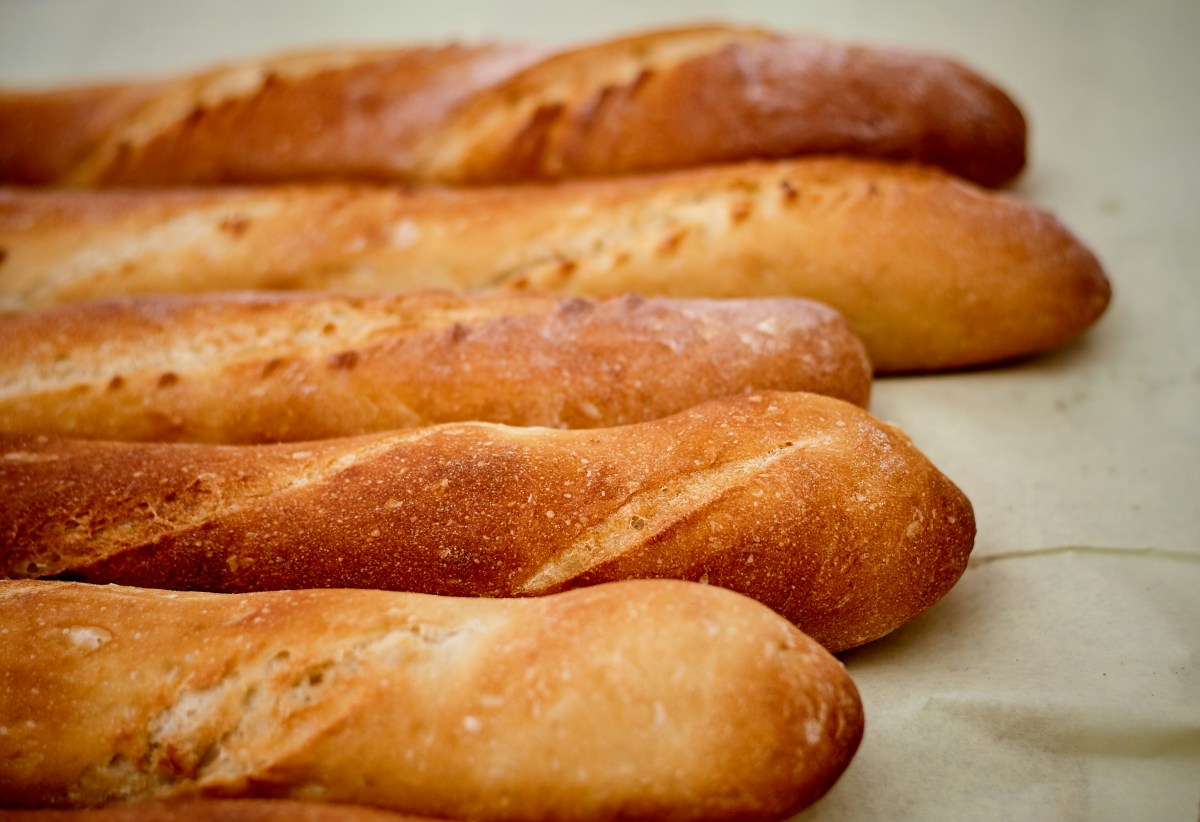
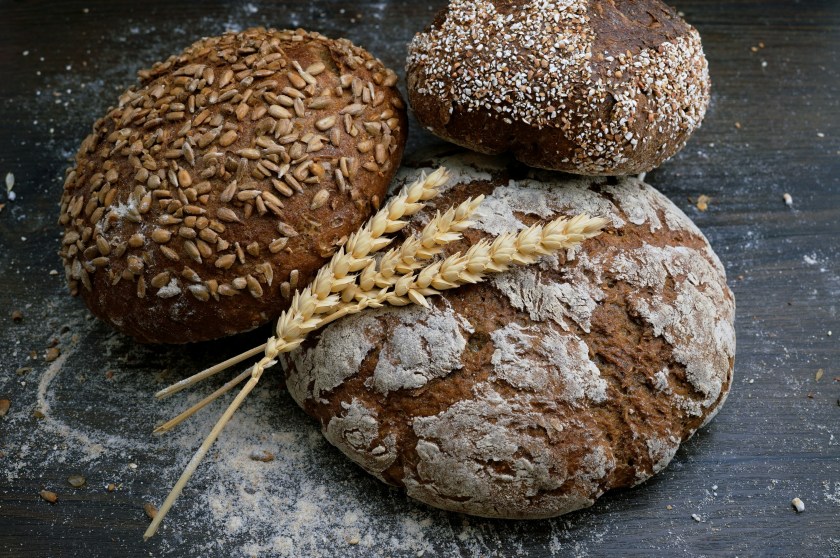
Here’s a post which I wrote fifteen years ago, when we lived in France. At the time, it pointed up the difference between bread-buying in England, where bread had too often become an industrial product, and the more home-spun approach we appreciated in our small French town. Now however, artisan bakers in England are two a penny. Their stuff is good, but when we want to frighten ourselves to death, we comment to eack other ‘What WOULD our mothers have said at handing over just shy of £5 for a loaf of bread?’ That’s was Malcolm’s dad’s entire weekly earnings.No wonder I’ve taken to making my own.
Give Us This Day Our Daily Bread
25th February 2010
How could they? I mean, what ARE they playing at? All last week, and most of this, the baker’s shop down the road has been closed. Instead of rising at 2.00 a.m. to get busy making baguettes, flutes, ficelles, baguettes a l’ancienne, flutes tradition, pain noir, chocolatines, croissants and so on and so on, our bakers have chosen to lie in till – ooh, 7 o’clock perhaps – and then spend the day catching up with their families – the children are on half term.
It’s a family business, our baker’s shop. M & Mme Fonquernie owned it, and now, although officially they’ve retired, they help out all the time. M. Fonquernie is the one who drives his little white van round the local villages which have no shops, delivering bread. Their two sons have now taken over the day-to-day baking. One is responsible for all those loaves, while the other specialises in patisserie. Their wives divide the work of running the shop between them with Mme Fonquernie Senior’s help.
Mme. Fonquernie presides over the shop on most days.
So our morning routine has been disrupted. First thing each day, one of us usually walks down the road to get our favourite pain noir, hot and crisp still from the oven. The other day, the baker forgot the salt. The bread wasn’t half so nice, but I rather liked this very human error. It proved that our loaves are still ‘artisanale’, rather than being churned out by some computer-assisted machine. There’s generally someone in the shop to chat to, or to walk back along the street with, and so neither of us looks on getting the bread in as a chore.
We’re lucky, I suppose, that there are three bakers in town. Last week, we went to the shops at Castellanes to the baker there. No pain noir at this shop, so we chose their unbleached white. The small one’s a slender baguette shape – an Ariegeoise (female) – but buy the larger butch version, and you must ask for an Ariegeois (male).
But then what happened? A notice appeared in the shop: from Sunday, they too would be closed for a holiday. So for a few days this week, we have to patronise shop number three. Everybody moans ‘C’est pain industriel ça’. It’s true. It comes all the way from Lavelanet, from a bakery which has three shops. That’s mass production, and it shows. Roll on Thursday, when the Fonquernie family re-opens its shop doors.
And here’s a short scene from the baker’s about 18 months later, exposing the use of the most useful word there is in French …
Voilà!
7th September 2011
Here’s what happened at the baker’s this morning. Translations appear in brackets.
Me: Oh! Isn’t the pain bio ready yet?
Madame: Voilà! (Nope. Quite right)
Me: So if I call in after 9, you’ll have some? Could you please save me a loaf?
Madame: Voilà! (Yes, and yes). Would you like to pay now, then it’ll be all done and dusted?
Me: Voilà! (Makes sense. I’ll do that)
By the way, I was all grottily dressed in my oldest paint-spattered, holes-in-the-knee-ready-to-face-a-morning’s-tiling gear. This is Laroque after all: no shame in working clothes here.
Madame: You’re looking very chic today, if I may say so.
Me: Voilà! (And don’t I know it).
Why bother to learn more French? Voilà donc!
Only the photo of Mme Fonquernie is my own. The rest come courtesy of Unsplash, and are (reading from top to bottom) by Sergio Artze;Wesual and Markus Spiske.
This week, Patti has invited us to explore colour photography, as against black and white for her Lens-Artists Challenge. She’d like us to present the same image both in colour and in monochrome. Because I do very little post-processing, I’ve used the fairly limited options offered by Google Photos.
What to choose? I decided to pick images that I thought were sure to work best in colour, and see what happened if I imposed a monochrome palette on them. I was quite surprised.
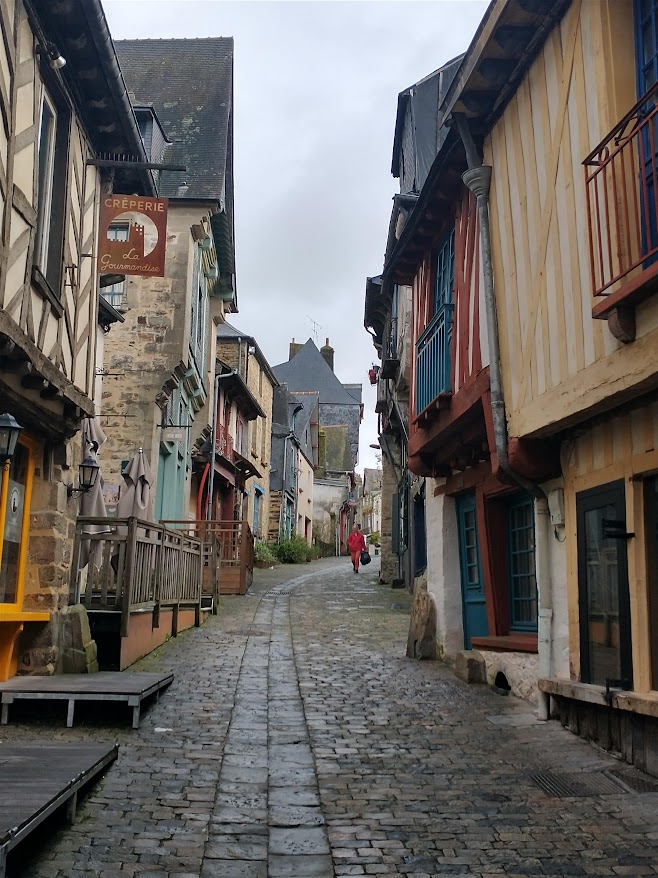
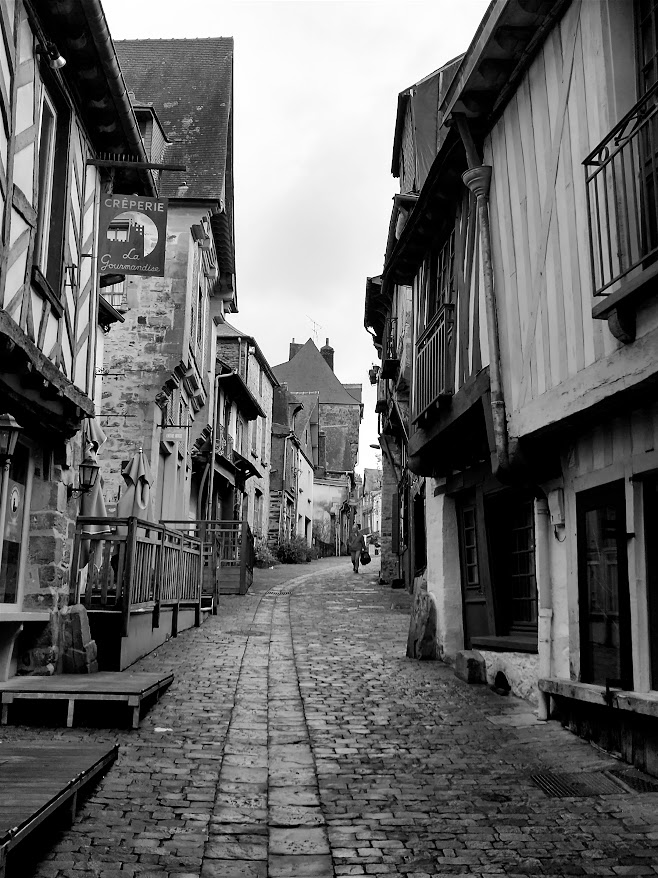
First of all I looked at my images of Vitré, the charming French commune I shared with you a couple of weeks ago. Surely it’s all about the colour of the gaily painted houses there?
The Old Town, Vitré
I surprised myself. I liked both – perhaps because there’s a bit of an expectation that half-timbered houses, in England at least, tend to be in black and white. What gives the coloured image the edge in my eyes though, is the lucky chance of that figure in bright red strolling down the street. It just lends an extra focus to the shot lacking in the monochrome image.
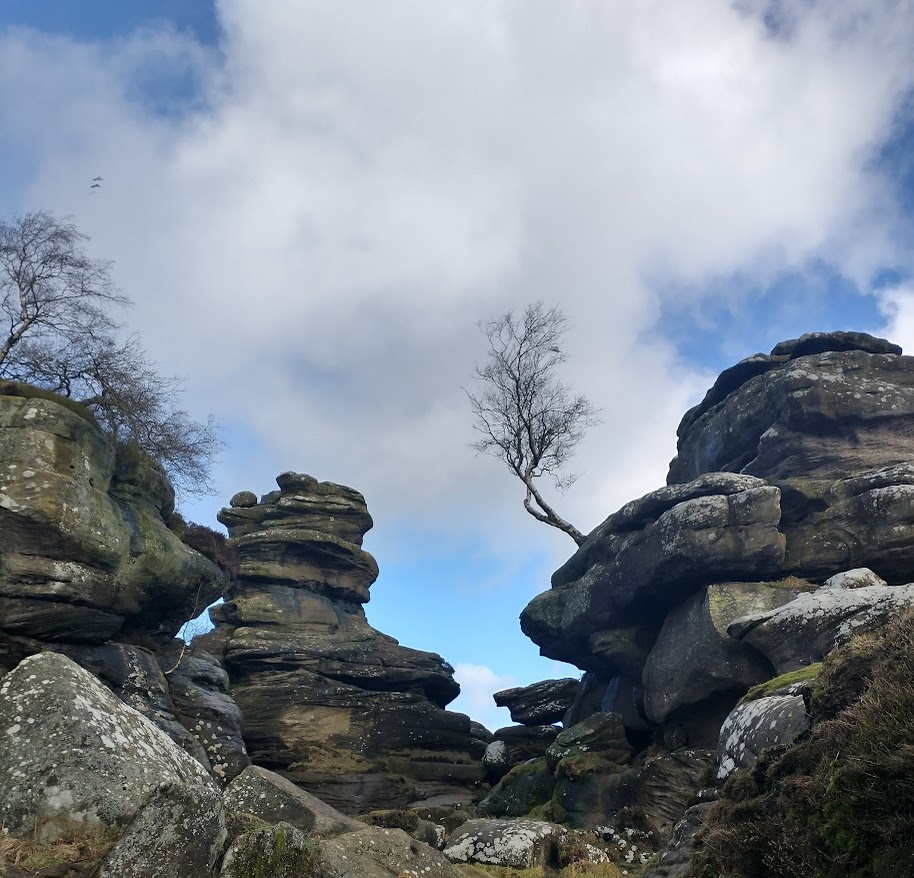
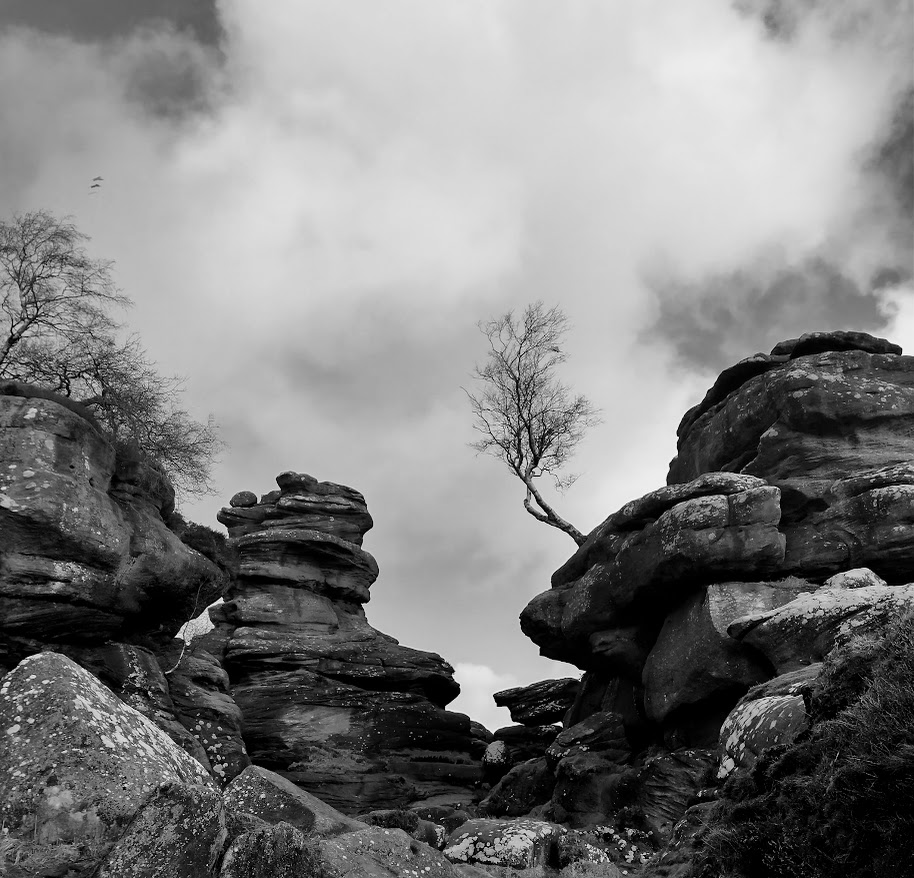
Then I went to familiar stamping grounds. Brimham Rocks.
Brimham Rocks, North Yorkshire
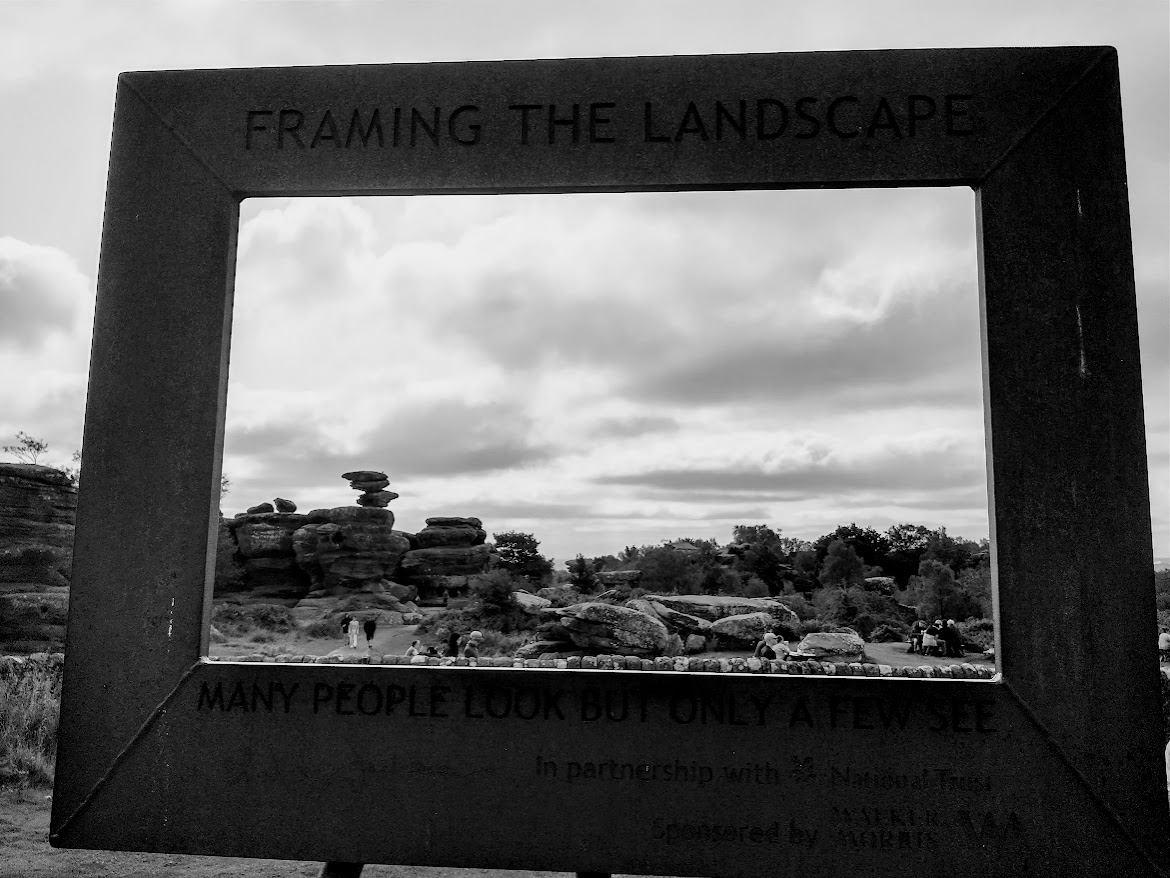
I’m pretty happy with both. Those puffy cumulus clouds help to lighten the sky in the black and white image. It might otherwise have been a little uniformly grey. I’ve just popped another image in as the header photo. The rocks as seen through a conveniently sited picture frame. Trust me. The colour image is barely any different. It was a very overcast day.
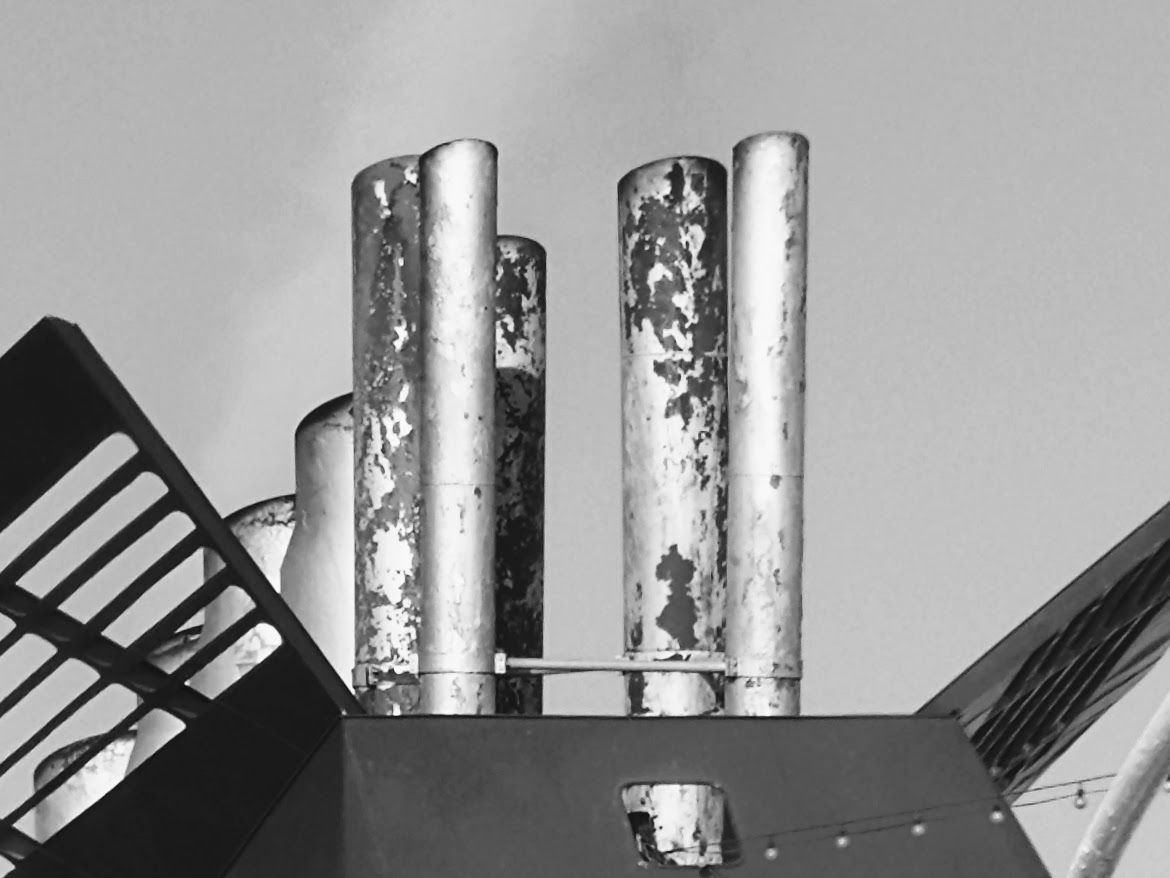
The last image is of the simply appalling ferry we took from Rome to Barcelona the other year. Those rusting chimneys have their visual appeal, but the rest of the ship was like that too! Would they work in black and white? Let’s see.
Our Grimaldi lines ship. Avoid.
Hmm. I think it’s OK. The rusty pipes have sufficient contrast to work even without colour. In my opinion.
So there we have it. Are you a fan of colour, monochrome, or both? And do you have any strong feelings about what works, or doesn’t, here?
I decided to include this post in Leanne’s Monochrome Madness challenge. She can close her eyes to the colour versions.
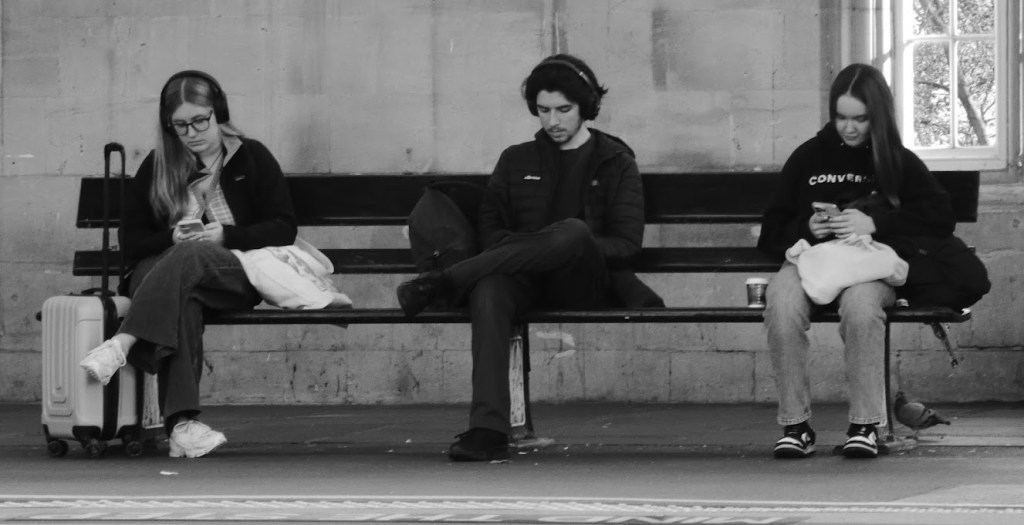
Spotted at Bradford-upon- Avon, where we were saying goodbye to Becky (Queen of Squares) who had been a brilliant host to Anabel (Glasgow Gallivanter) and me when we stayed with her last Autumn. Here is a bench, providing space for three young people to do what they do best. Scrolling.
We don’t have a pet, though we’ve had cats in our time. I admire their independence, their insistence on setting the terms of any relationship they choose to establish with you.
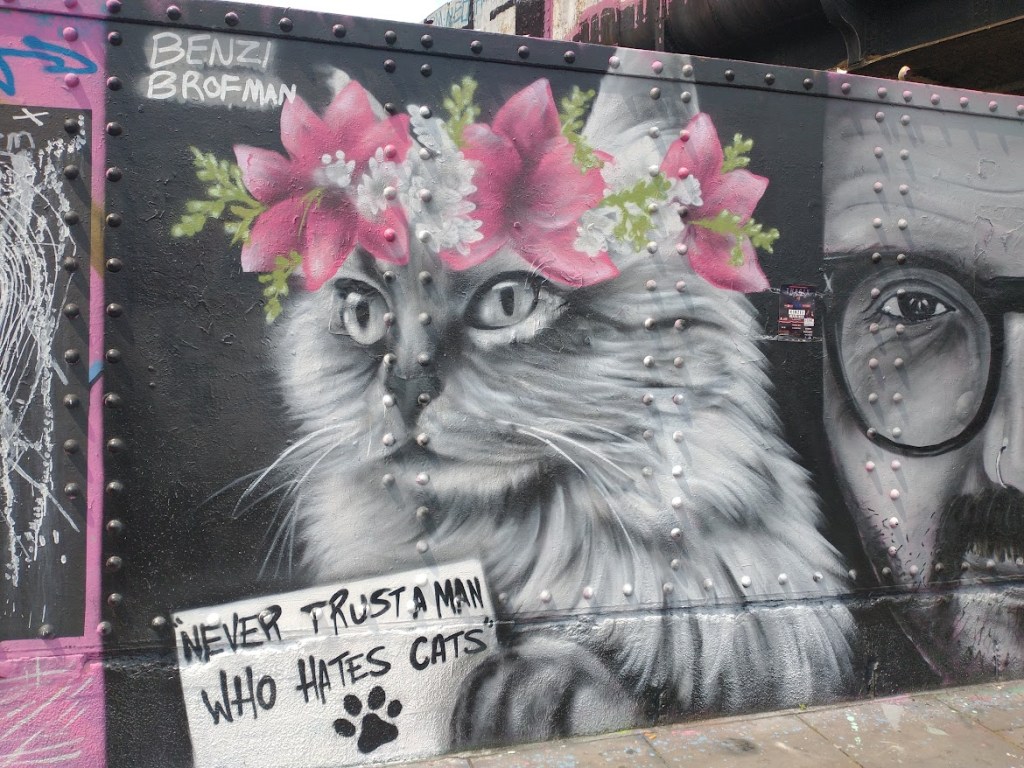
My daughters have cats though. They would agree with this piece of street art in Brick Lane.
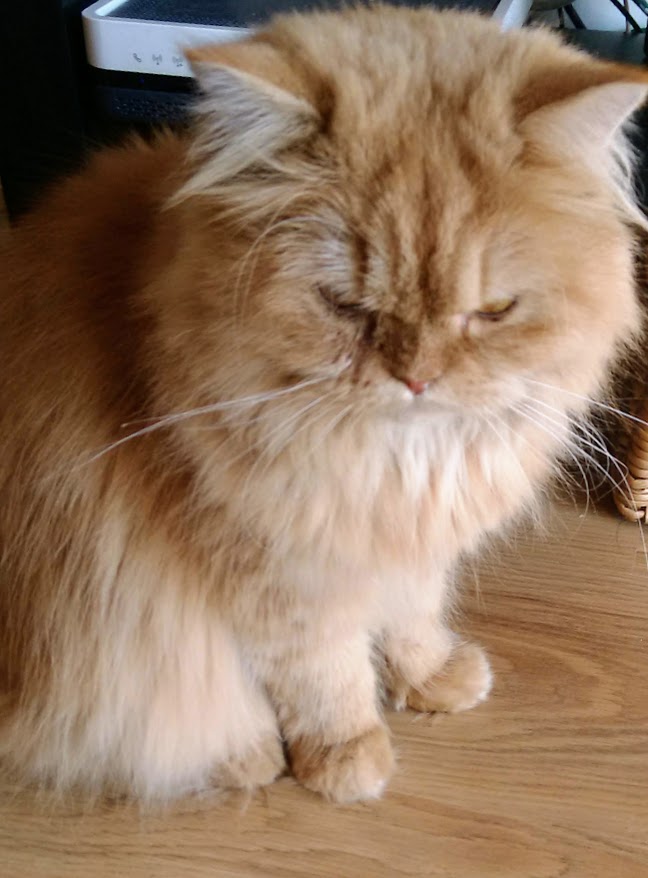
Miquel passed the test with Emily, and forthwith got his own cat, the supercilious Lulu. Who does not get on with…
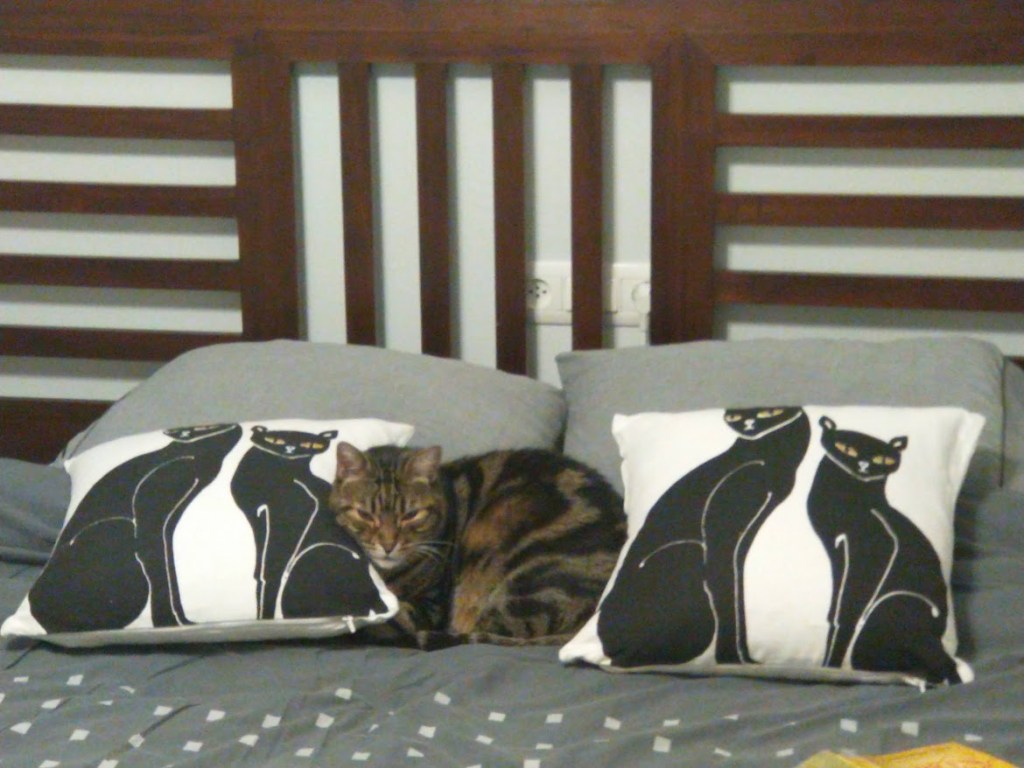
… Emily’s Archie.
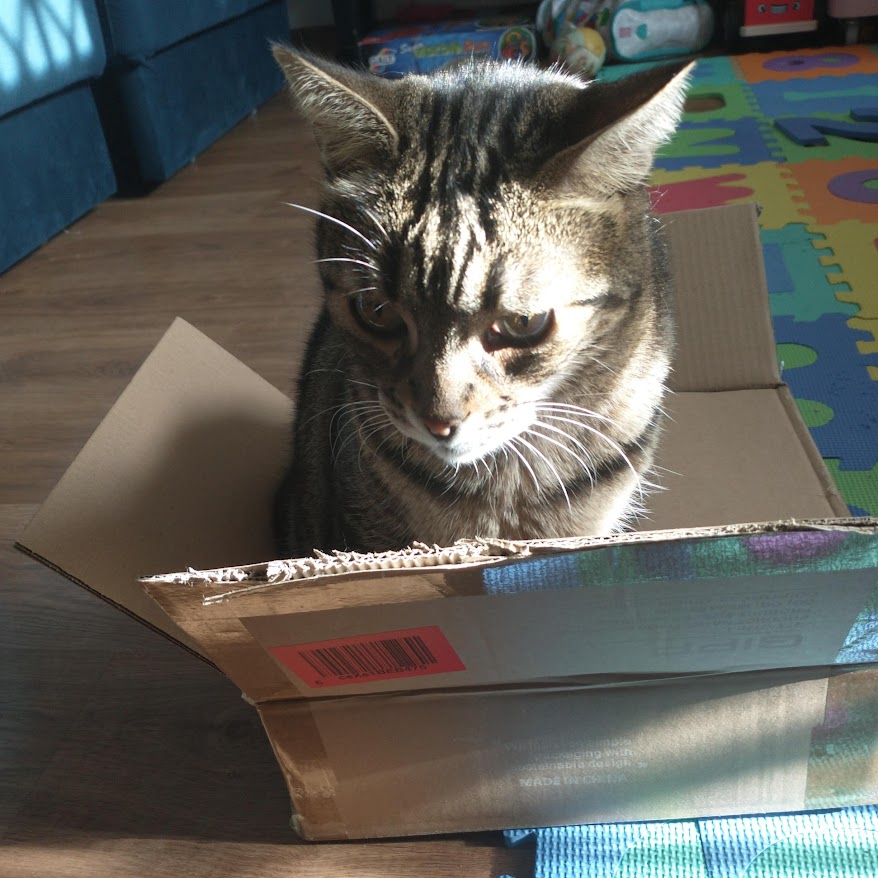
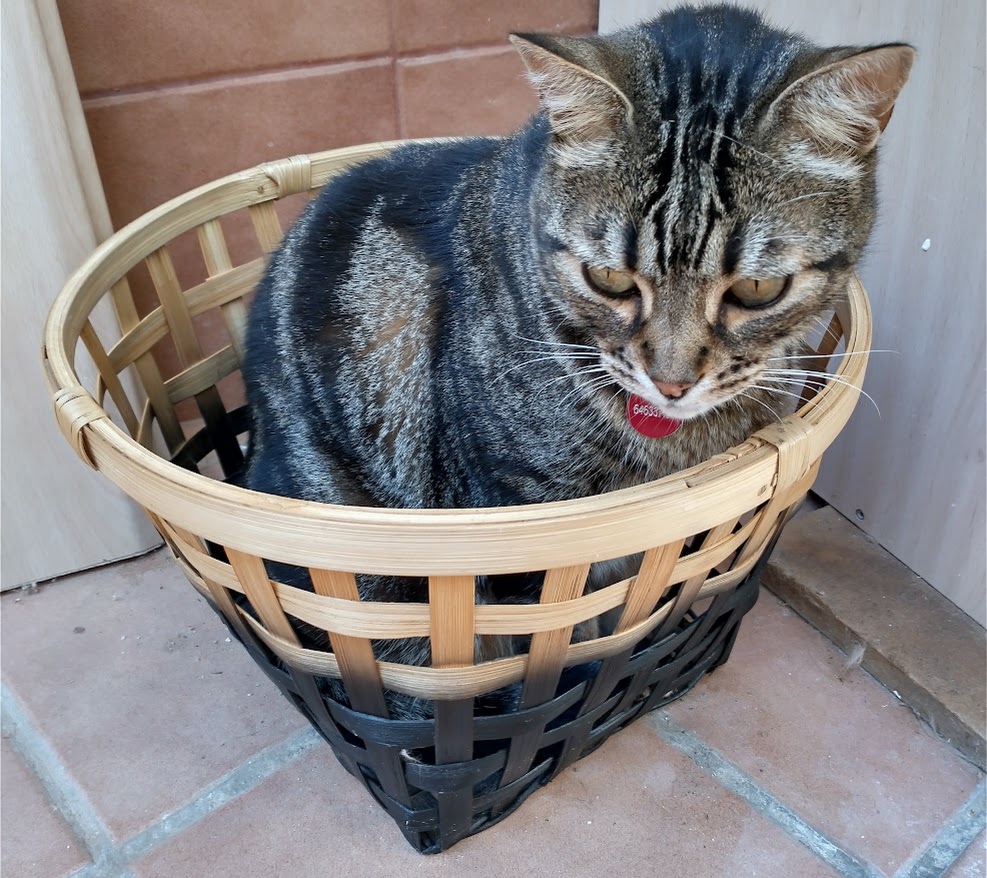
Archie likes to hide in boxes … or carrier bags … or baskets …
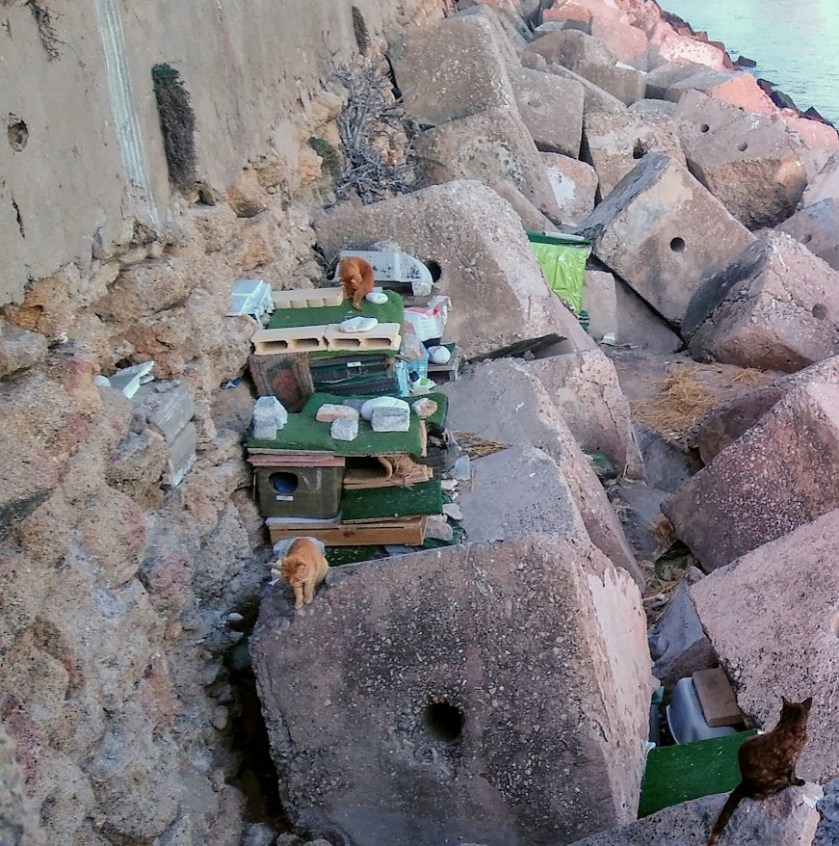
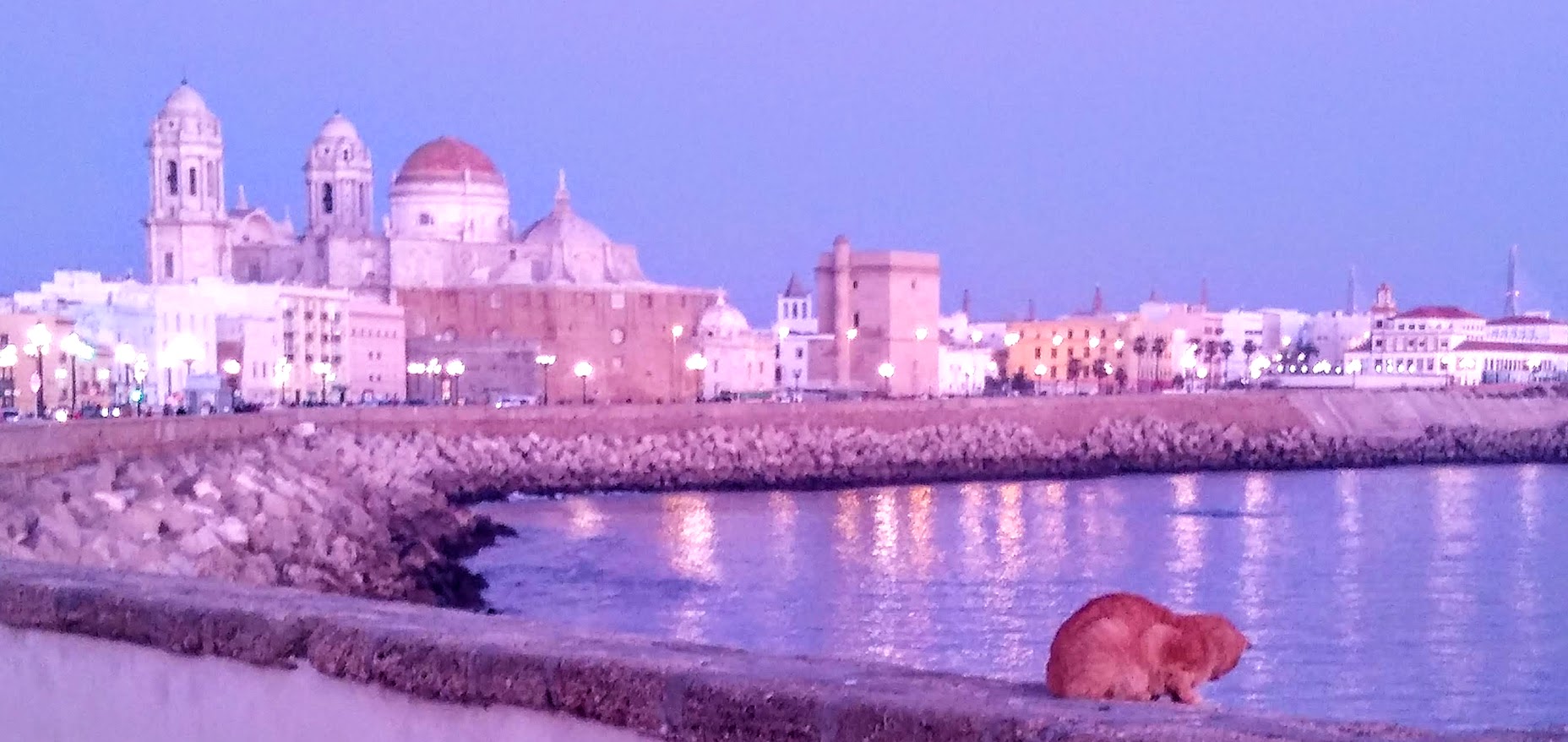
At least they have a home. On our travels, we’ve met plenty of feral cats. We’ve learnt not to feel too sorry for them. Clearly they are loved and cared for by some people in the community. Cádiz has its feline shanty towns, constructed with human help, on the rocks by the sea. Dinner is served here every evening by willing waiting staff. Probably breakfast too, for all I know.
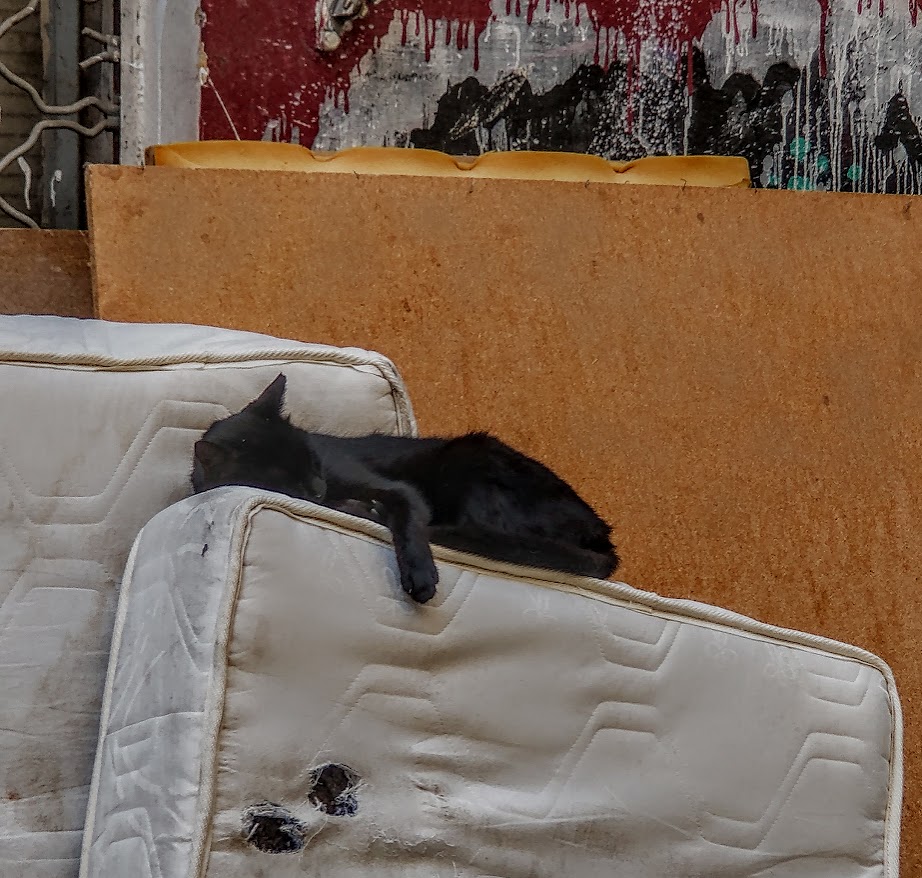
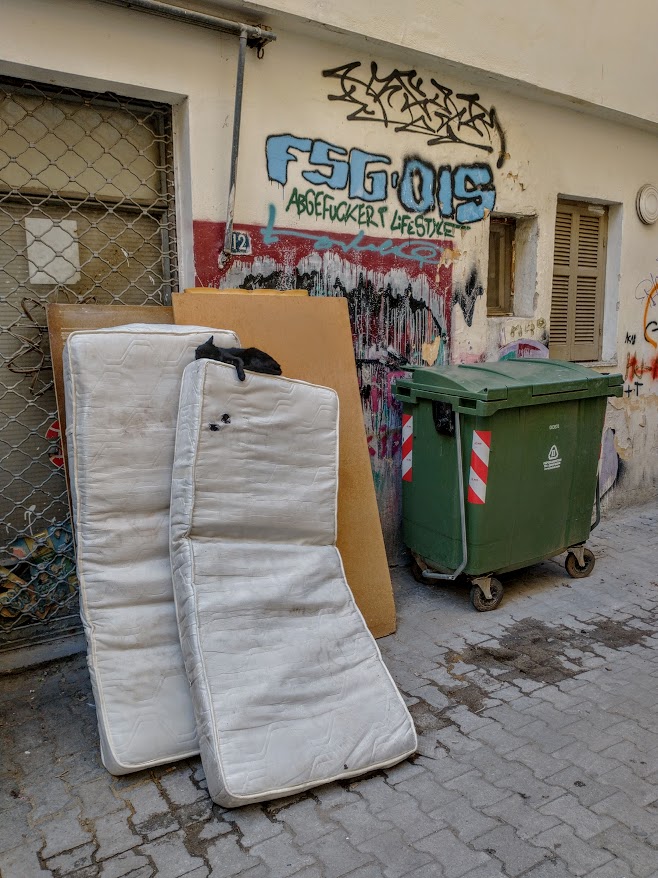
Thessaloniki has its bed and breakfast accommodation sorted.
And a siesta is easily come by.
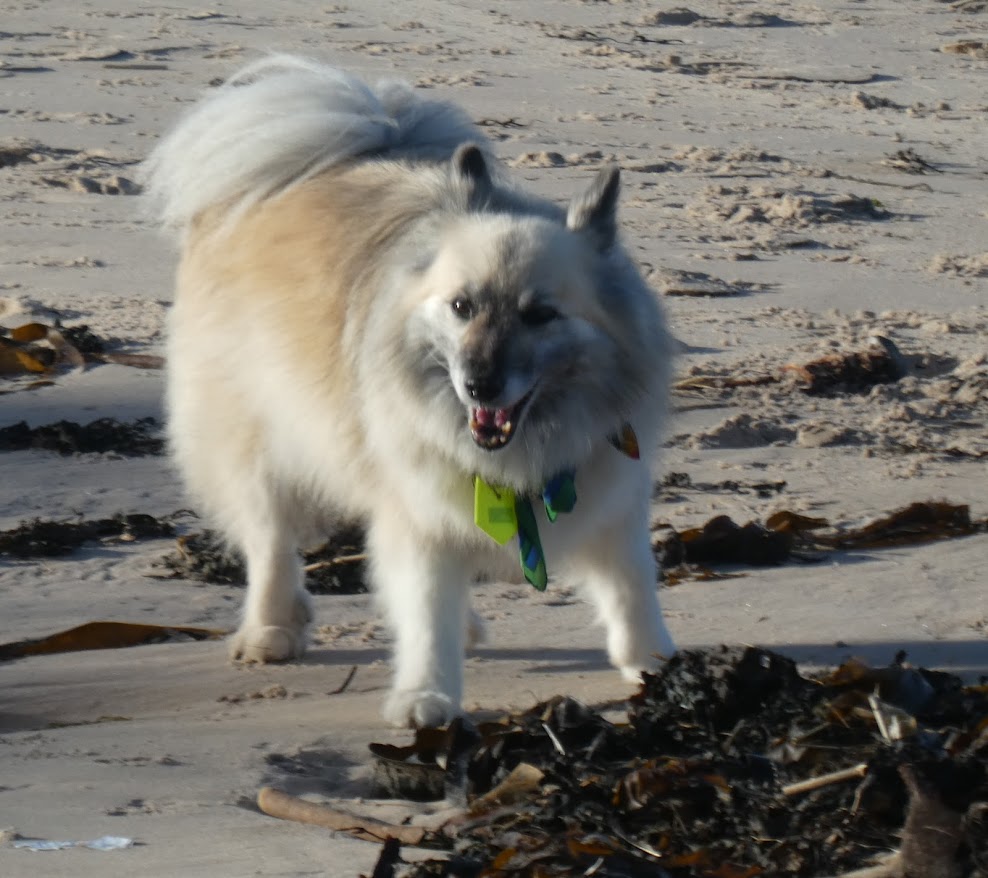
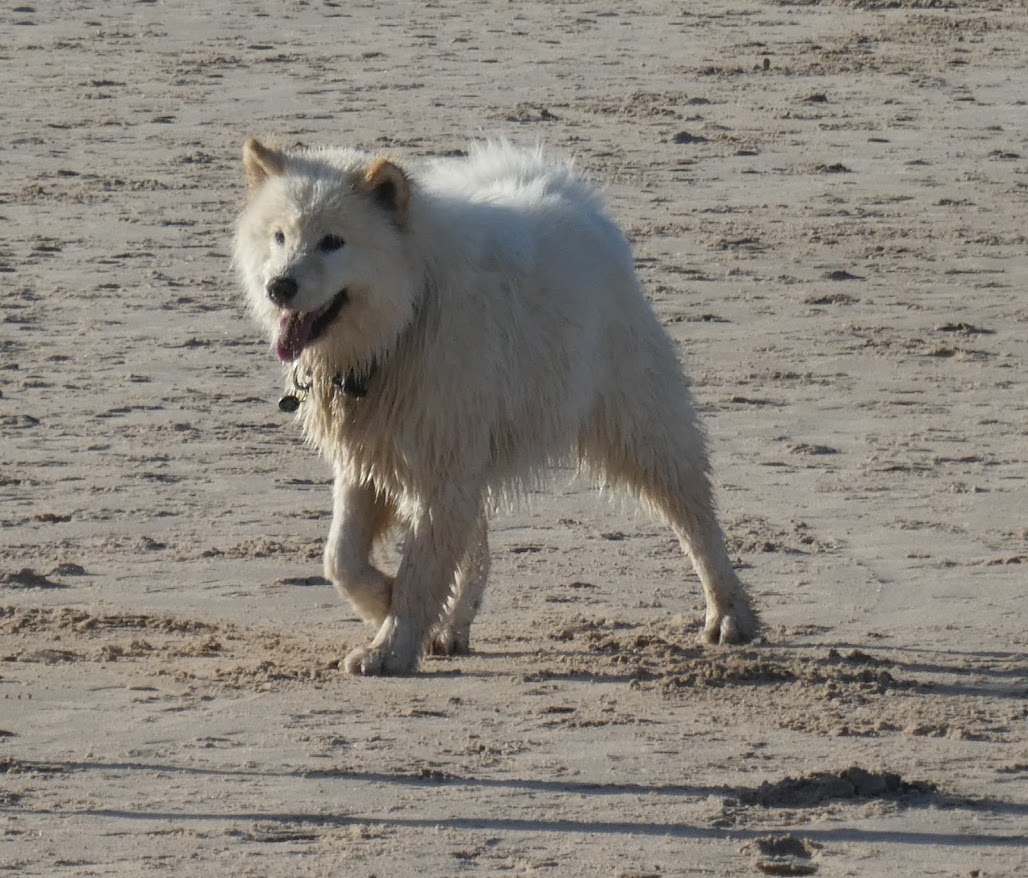
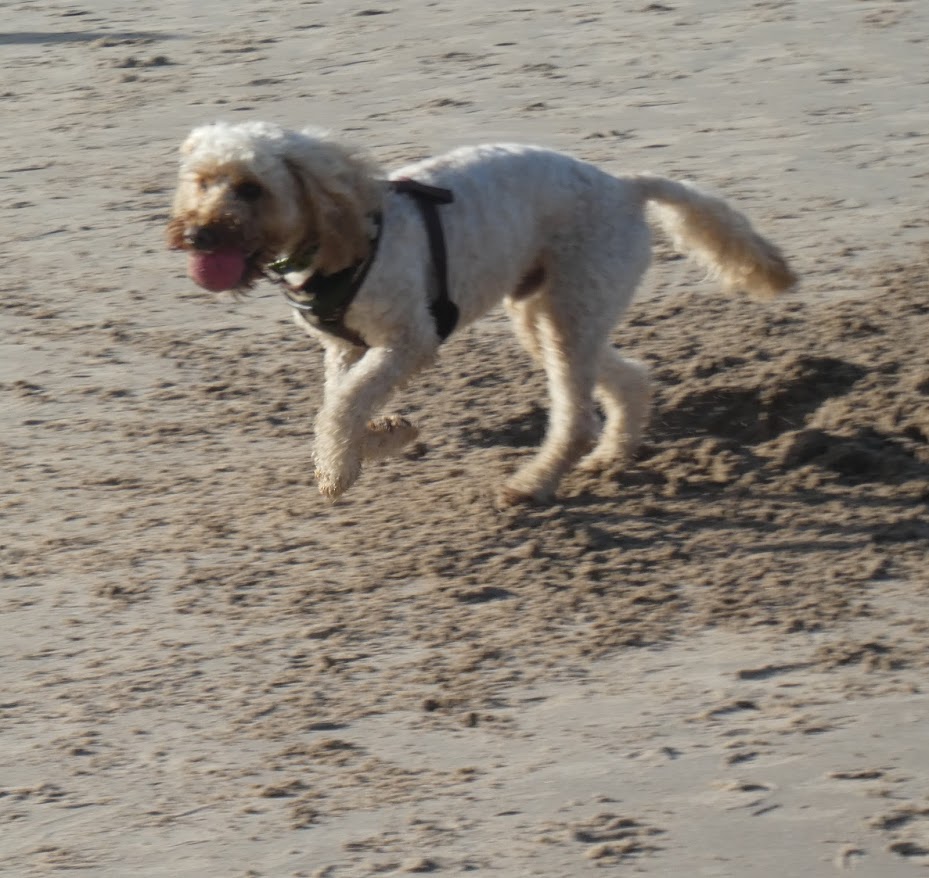
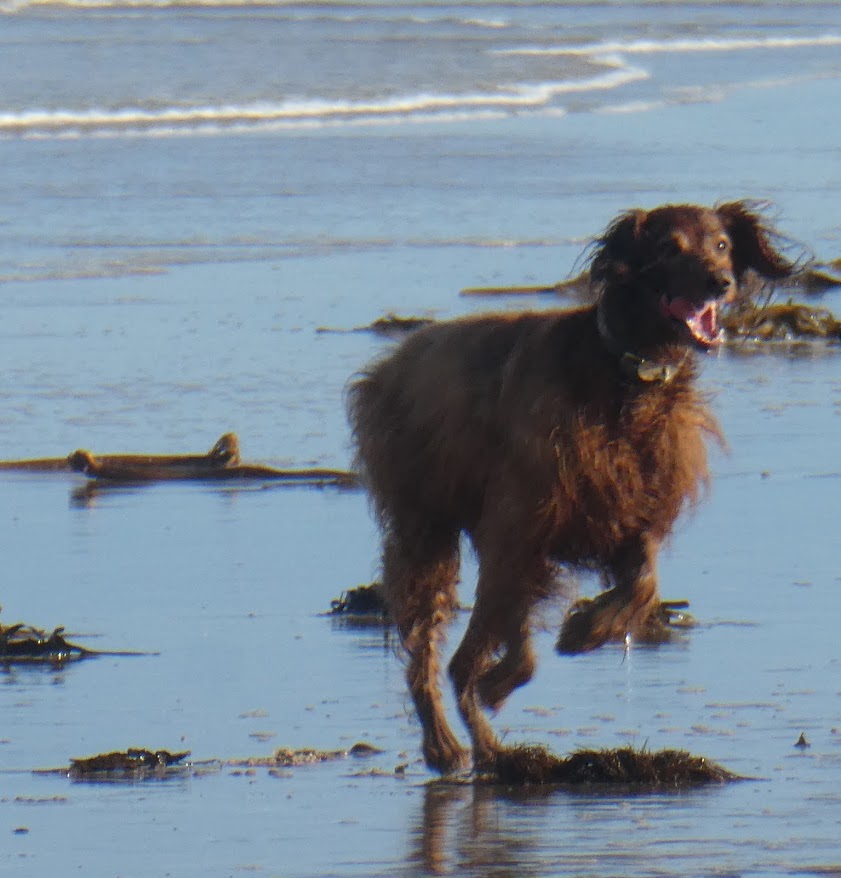
Dogs though. Dogs just want to have fun. As I found out on the beach at Bamburgh last October…
… unless they’re waiting for their owner…
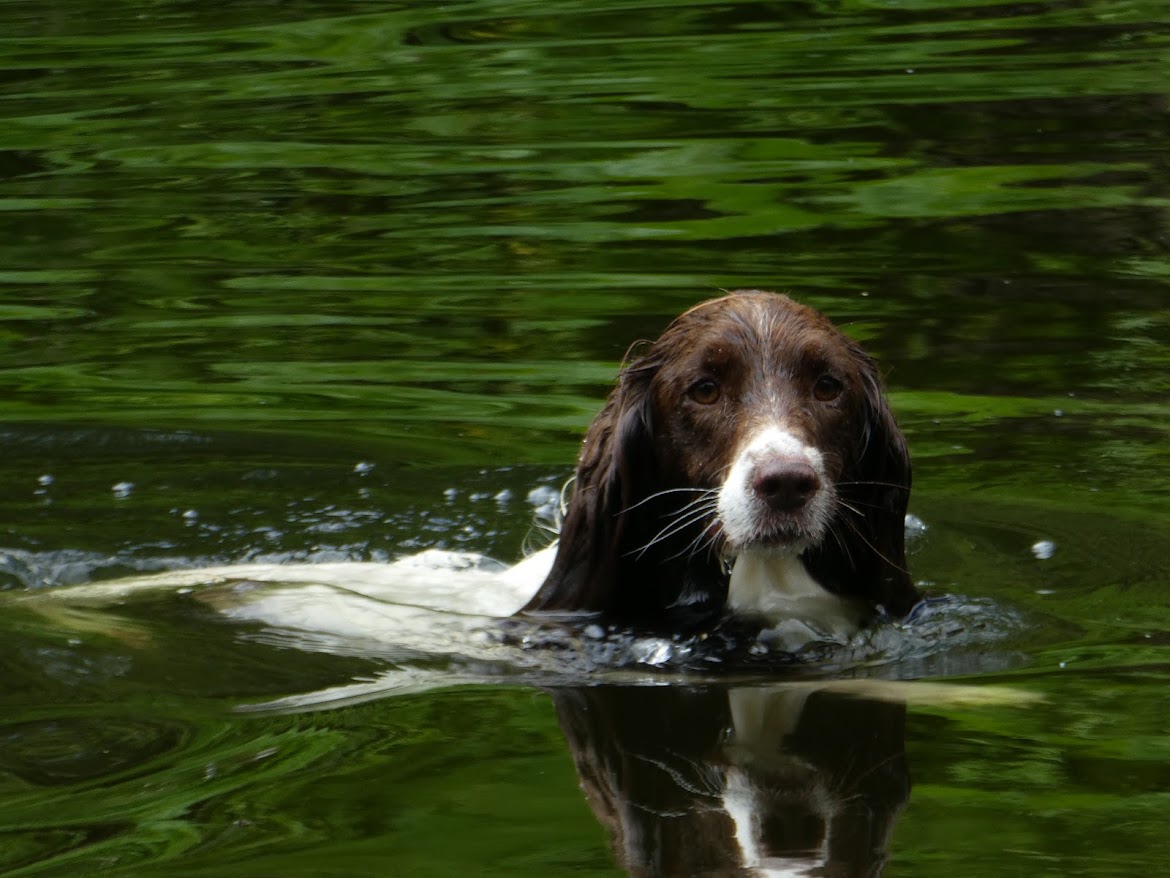
… or swimming in the river, as my friend Dilys is doing in the featured photo. Though she, like the beach dogs, is having a pretty good time.










 From Pyrenees to Pennines
You must be logged in to post a comment.