A Bold Building in Barcelona

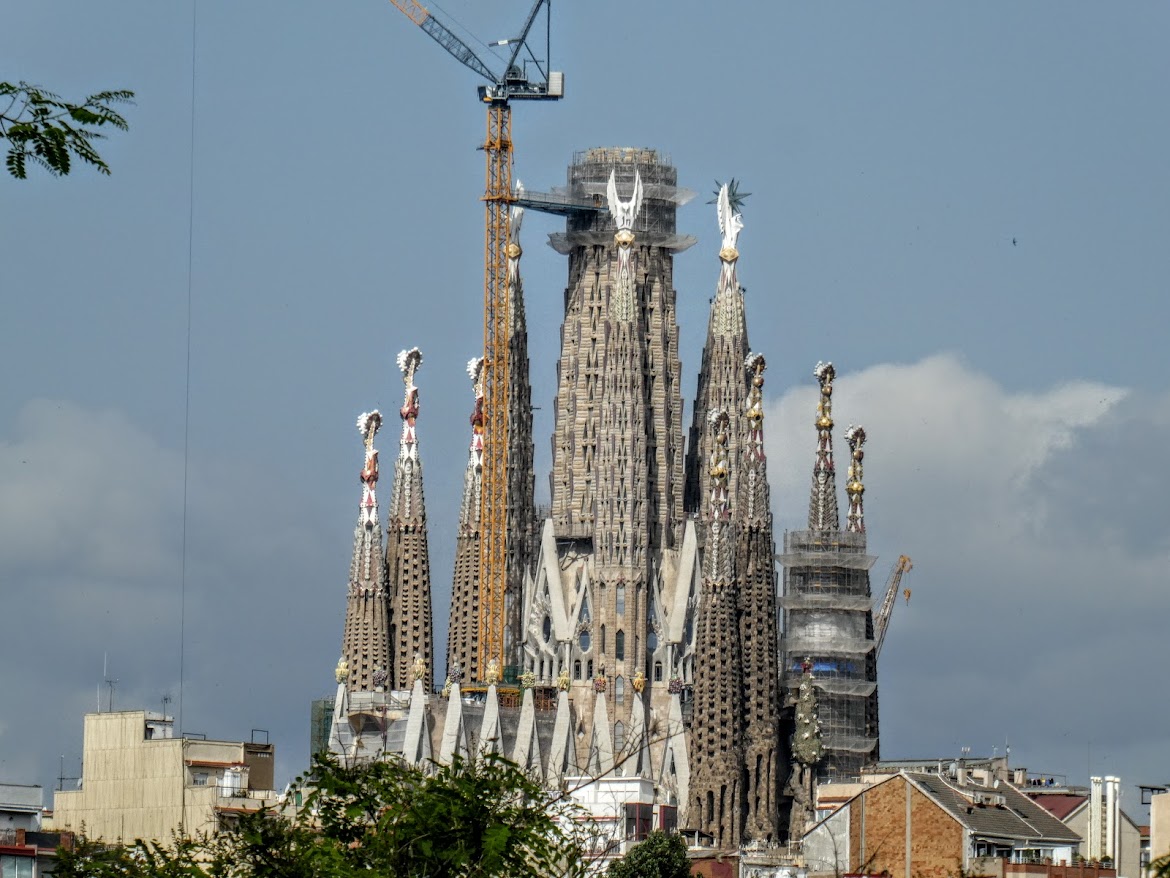
Anyone and everyone who visits Barcelona has a trip to La Sagrada Familia as a ‘must see’. They come because for almost a hundred years, since he was first involved, Antoni Gaudí’s bold vision of a church has been in the news as a source of controversy. We’ve all heard of it.

For a start it wasn’t commissioned by the diocese, as was usual when a new church was required. Instead, an association founded by a local bookseller wanted it built, and Gaudí wasn’t even their original choice of achitect. Work on the church began in 1882, but Gaudí wasn’t officially involved until 1914. Gaudí himself died in 1926, when the project was barely a quarter complete, and since then, many architects have been involved. Is the building that may be finished next year even reflecting Gaudí’s original vision?

Funds to build it relied and rely on donations from the public. The Spanish Civil War got in the way. In July 1936, anarchists from the FAI set fire to the crypt and broke their way into the workshop, partially destroying Gaudí’s original plans. Later, Covid 19 got in the way. The foundation that manages the finances neither publishes accounts nor pays taxes.

You won’t have to go far in Barcelona to find citizens who are no friends of La Sagrada Familia. They speak of how over-tourism round the church has lowered the local quality of life, and impacted negatively on other tourist sites. They find it ugly, and moving ever further from Gaudí’s original vision. One of the later additions to the plan, to build a stairway which will involve the demolition of local housing has generated a row which I think still isn’t resolved.

One was or another, I think it’s fair to say that La Sagrada Familia, by its sheer size and complexity, is an audacious bit of planning. Its impact on the city skyline is definitely bold.

If you haven’t yet been, and want to do so, plan well beforehand. Book ahead. It’s a bold and undaunted tourist, or a foolish one, who turns up at the gates and expects to get straight in. Once in, you’ll be shepherded around a prescribed route, and not at your own pace.

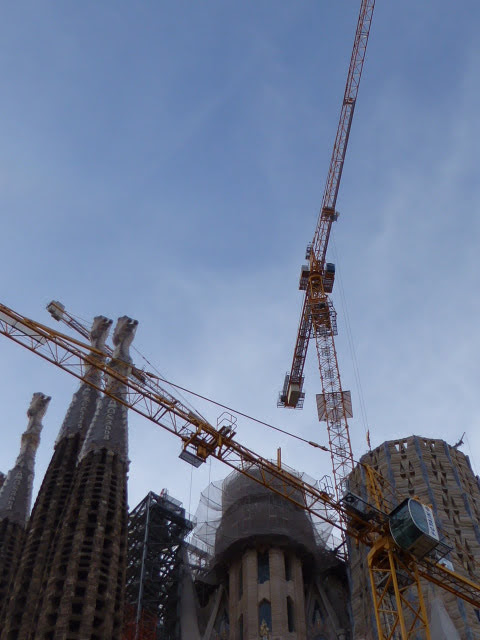
Whatever you think of the church, I think these builders, scrambling up unfeasibly high walls and towers are pretty bold.
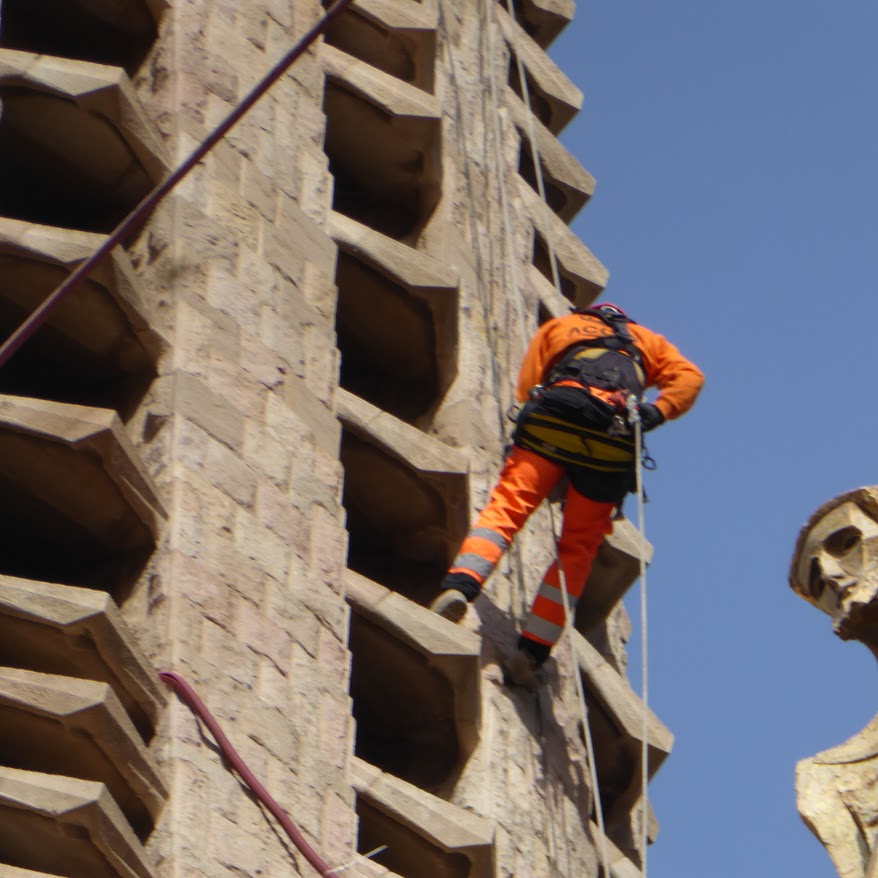
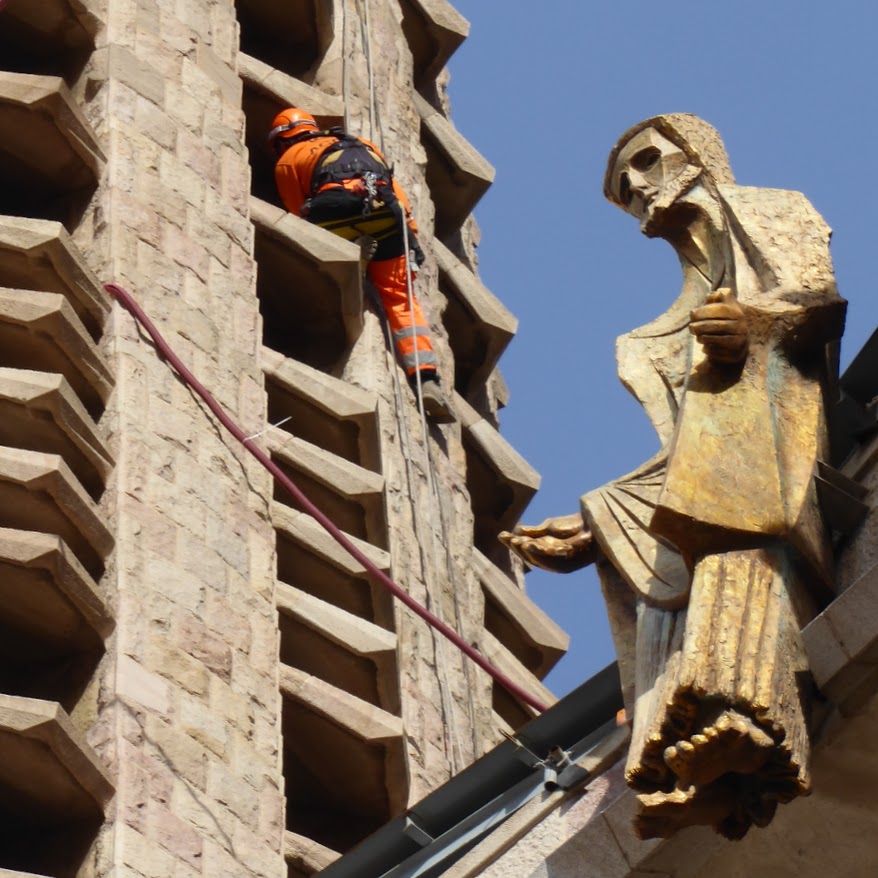
Look how high up some of them have to work.
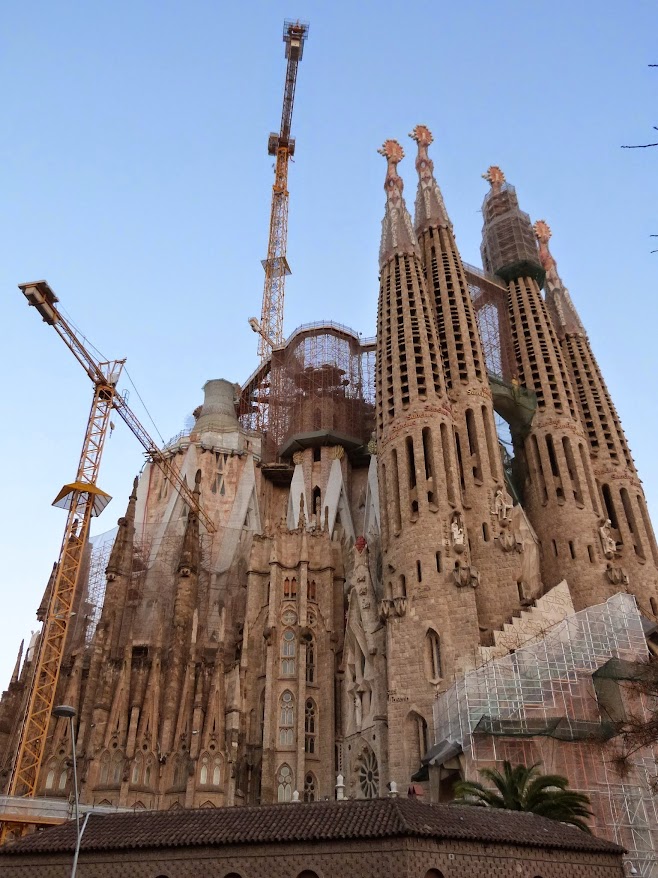
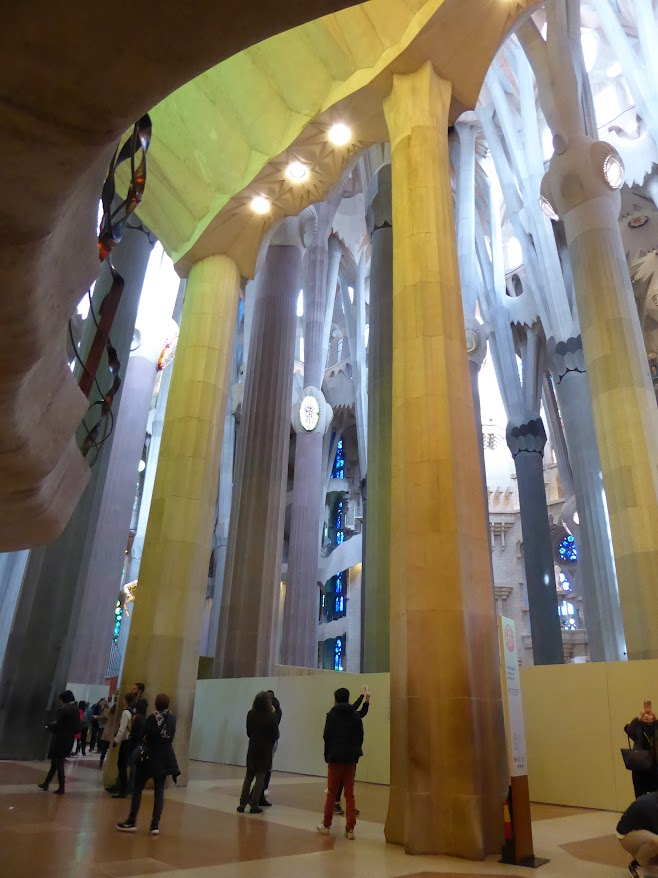
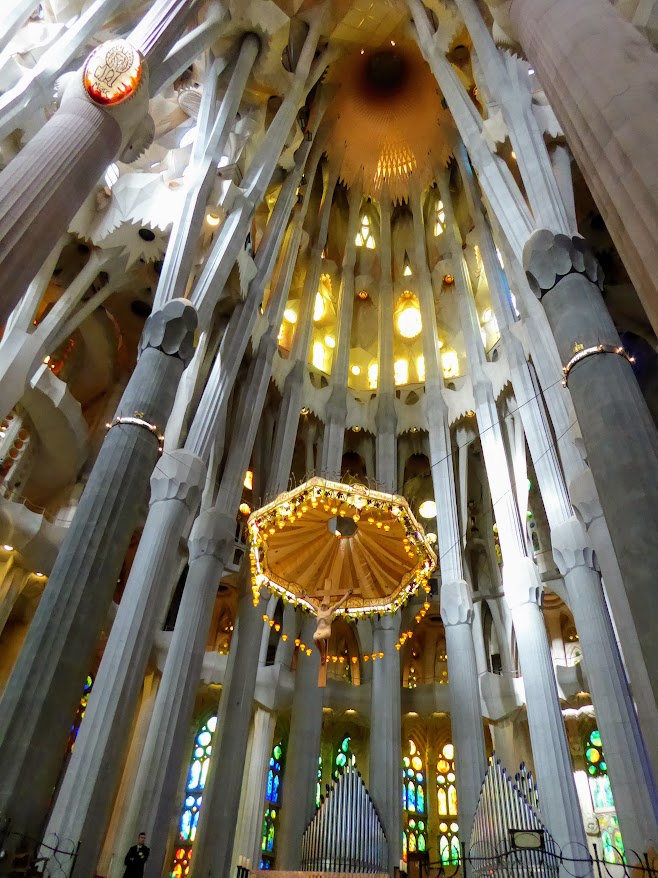
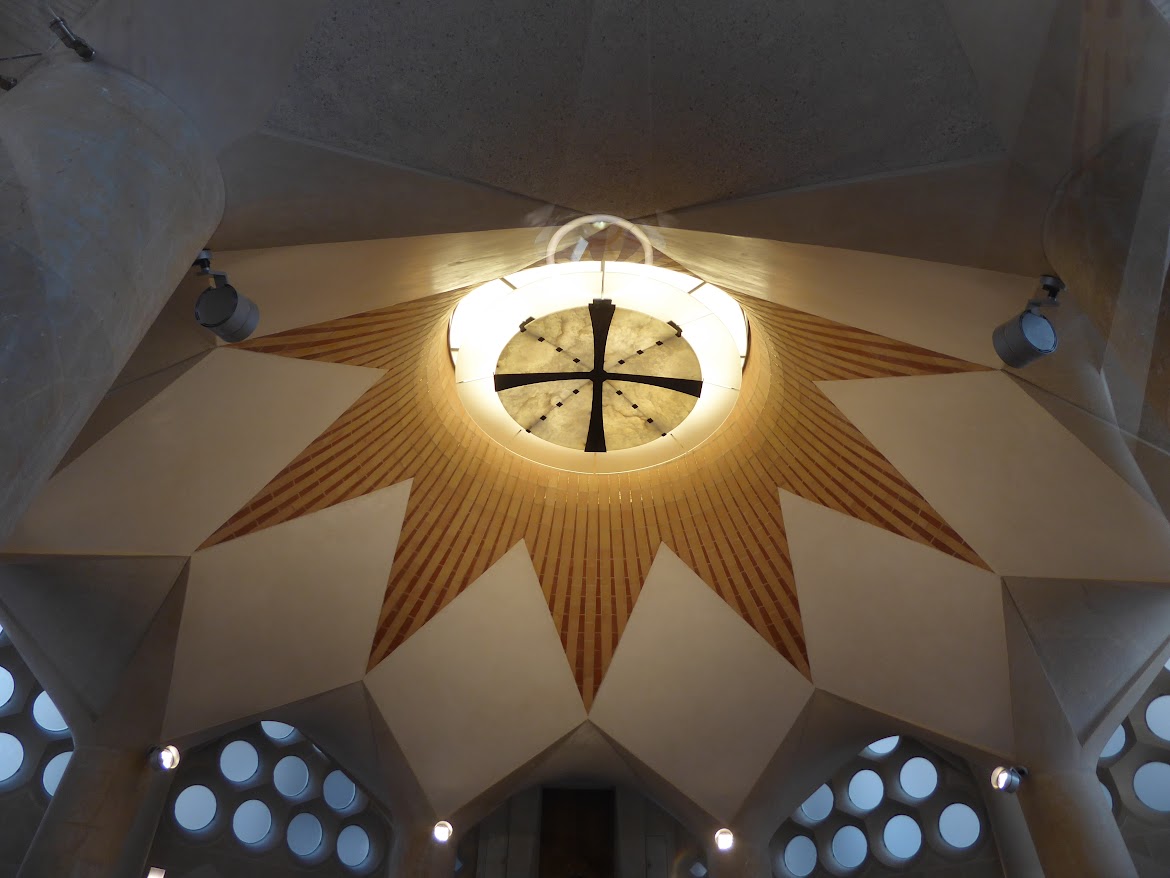
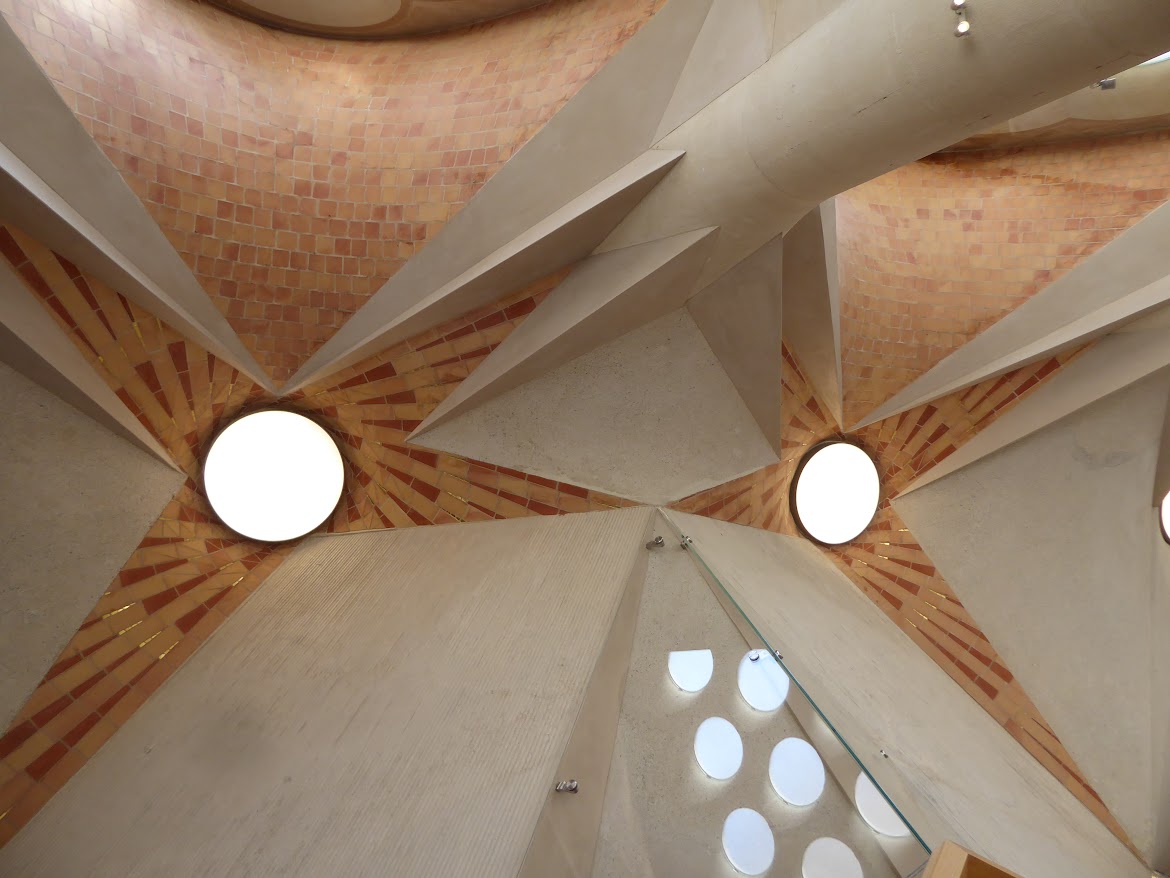
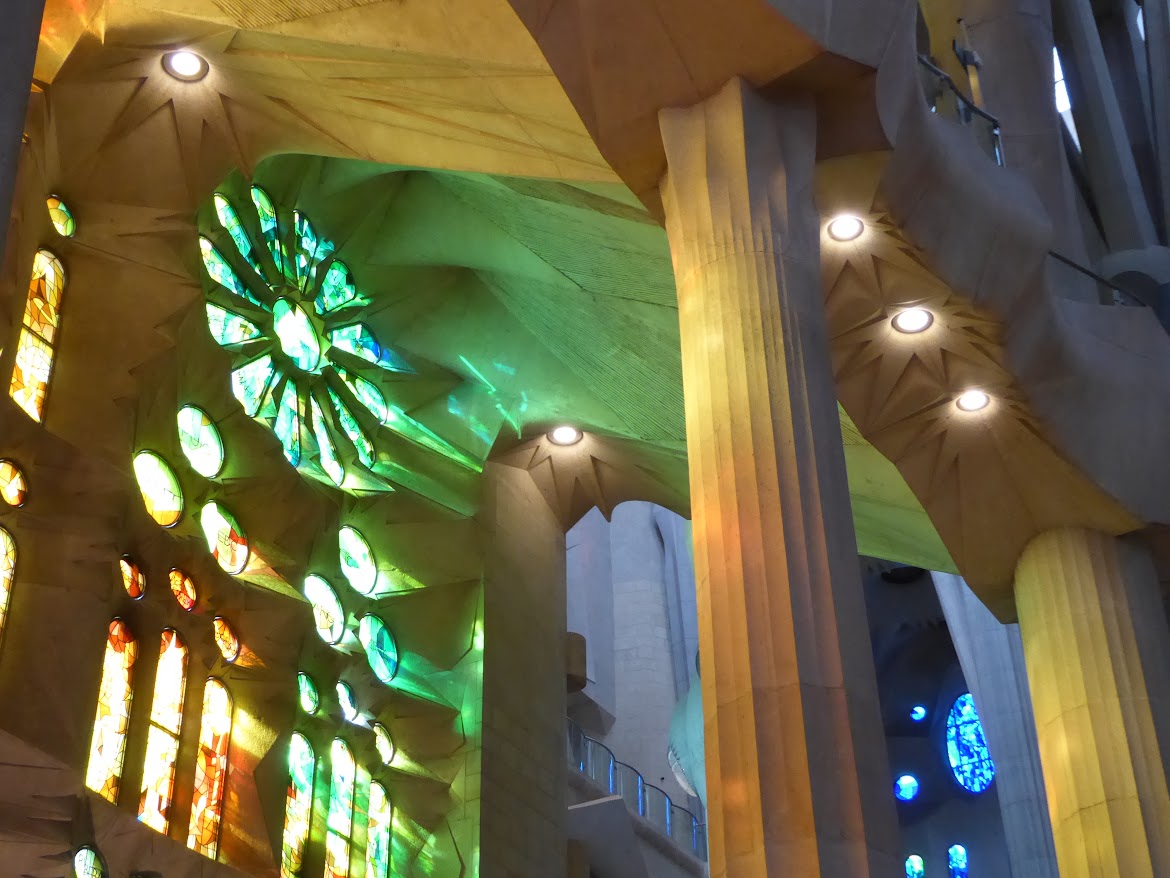
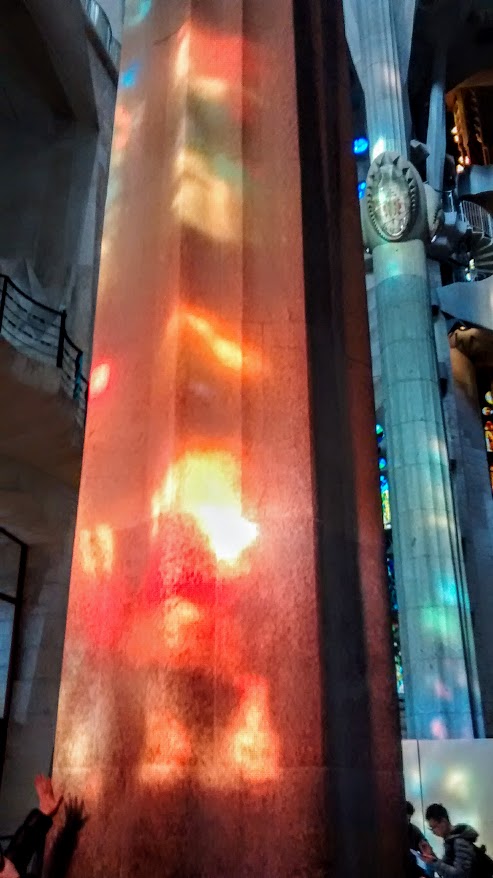
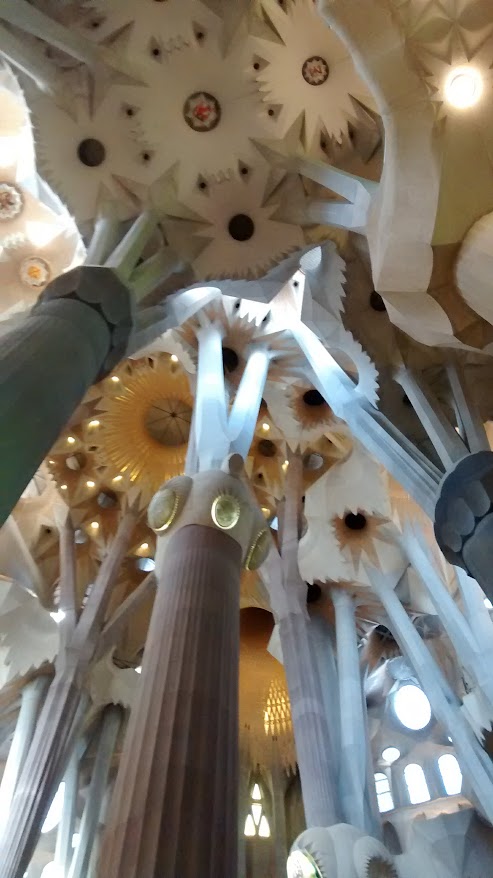
Here’s a miscellany of shots from the interior of the building.
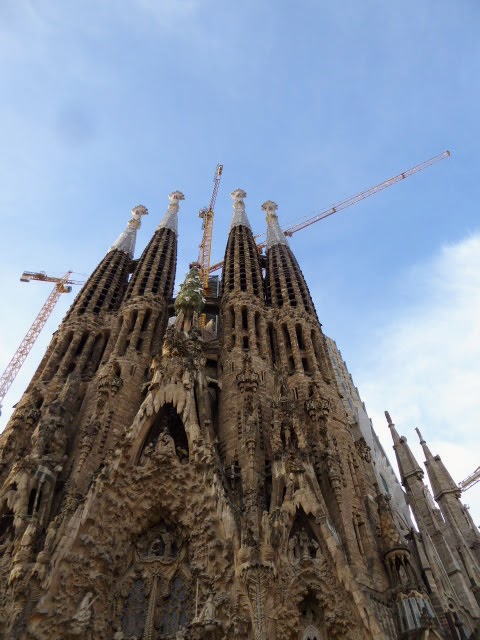
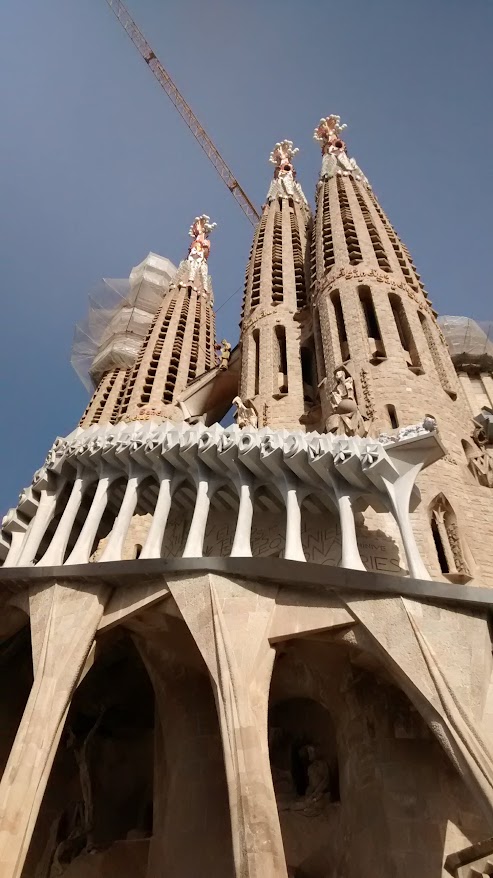
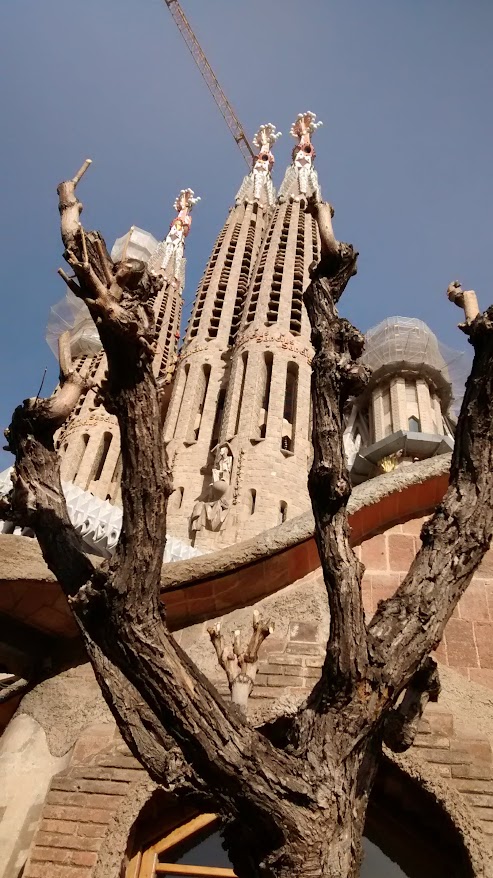
And the exterior.
The featured photo is my most recent, taken in January from the Mercat dels Encants, some distance away. As you can see, quite a lot of recent additions have been made since the exterior shots shown above were taken .

What to visit instead? Be intrepid! Make your way (and it’s not that easy) to Colonia Güell, outside town, and visit Gaudí’s incomplete (but bold) church there, the one he expected to make his Magnum Opus until the funding stopped, and the Sagrada Familia presented itself as an opportunity. You can read about it here. You mght be able to tell where my sympathies lie.

For Sofia’s Lens-Artists Challenge #337: Bold
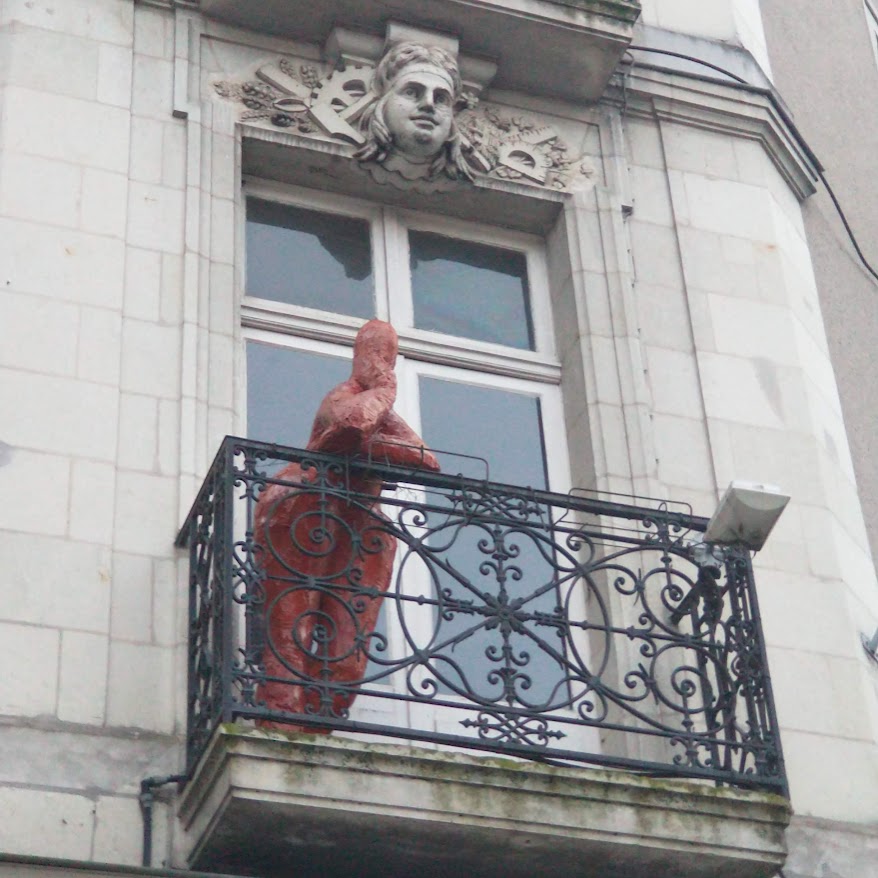
Geometry in Museu Blau

Our last day in Catalonia. Malcolm and I took ourselves off to the Museu de Ciències Naturals de Barcelona, commonly known as the Museu Blau. It’s in a really new part of town, Diagonal Mar. As the name suggests, it’s a thoughly geometric sort of area. Look.

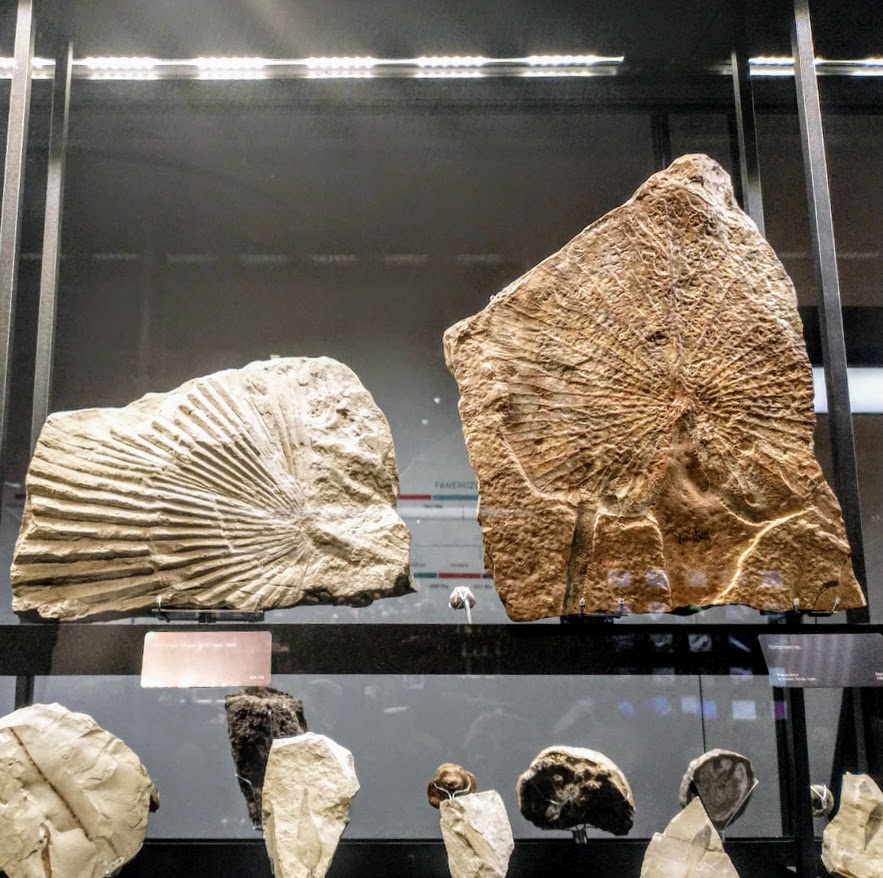
And many of the museum’s contents are pretty geometric too. These fossils for instance …

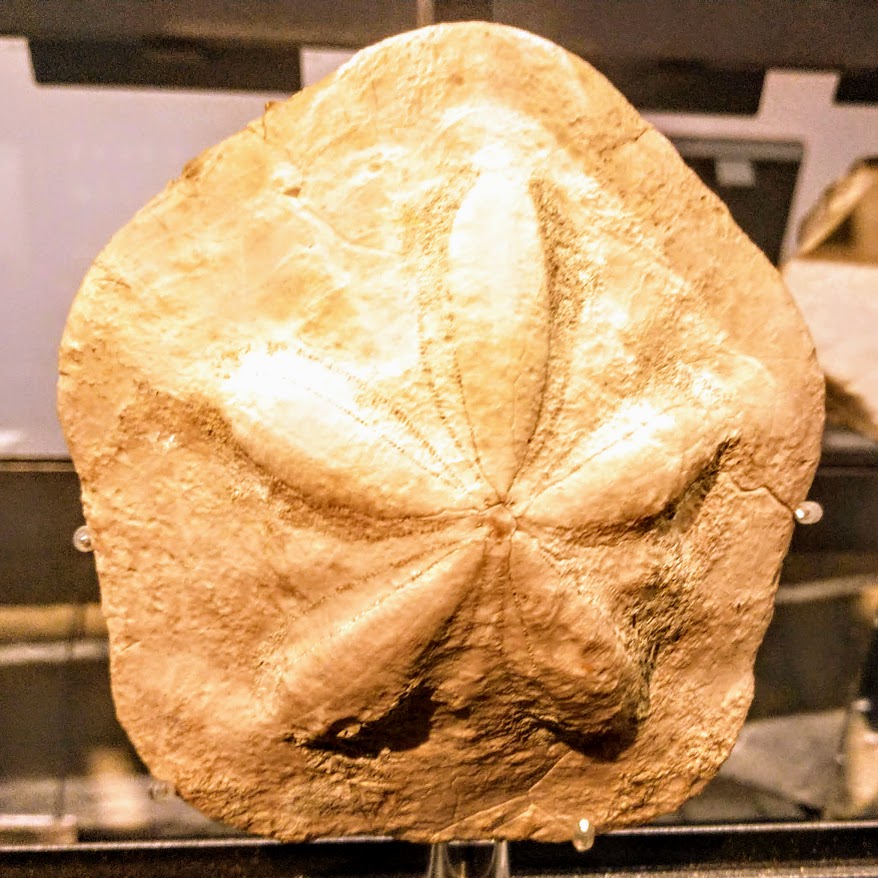
… or shells …

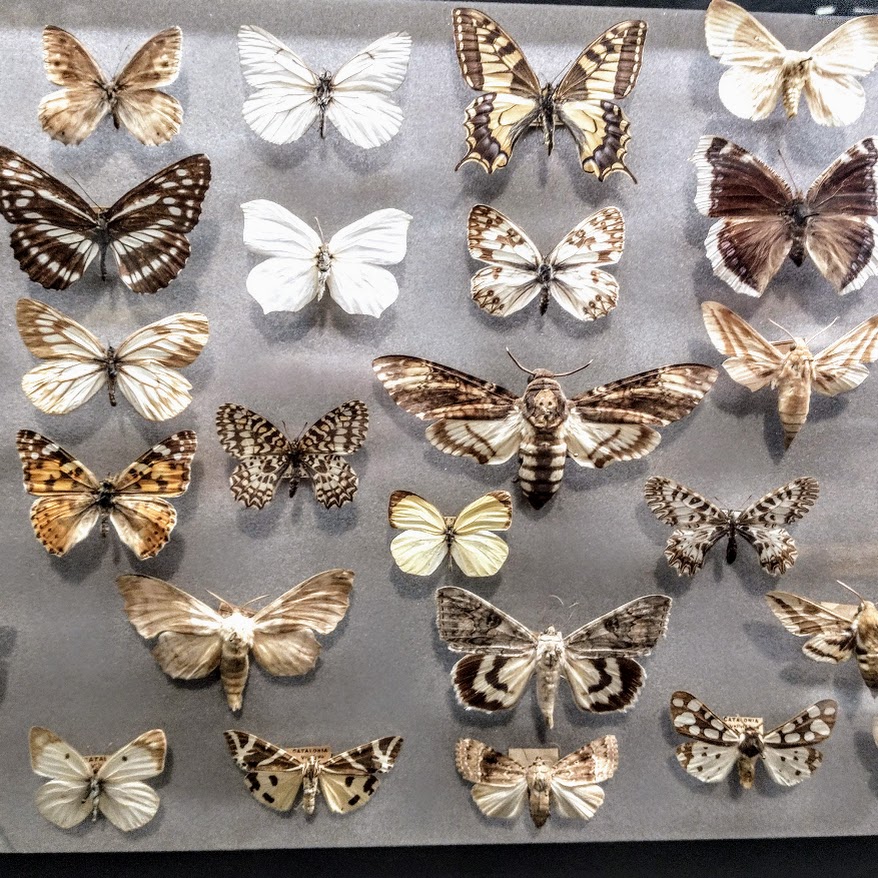
… or butterflies & moths …

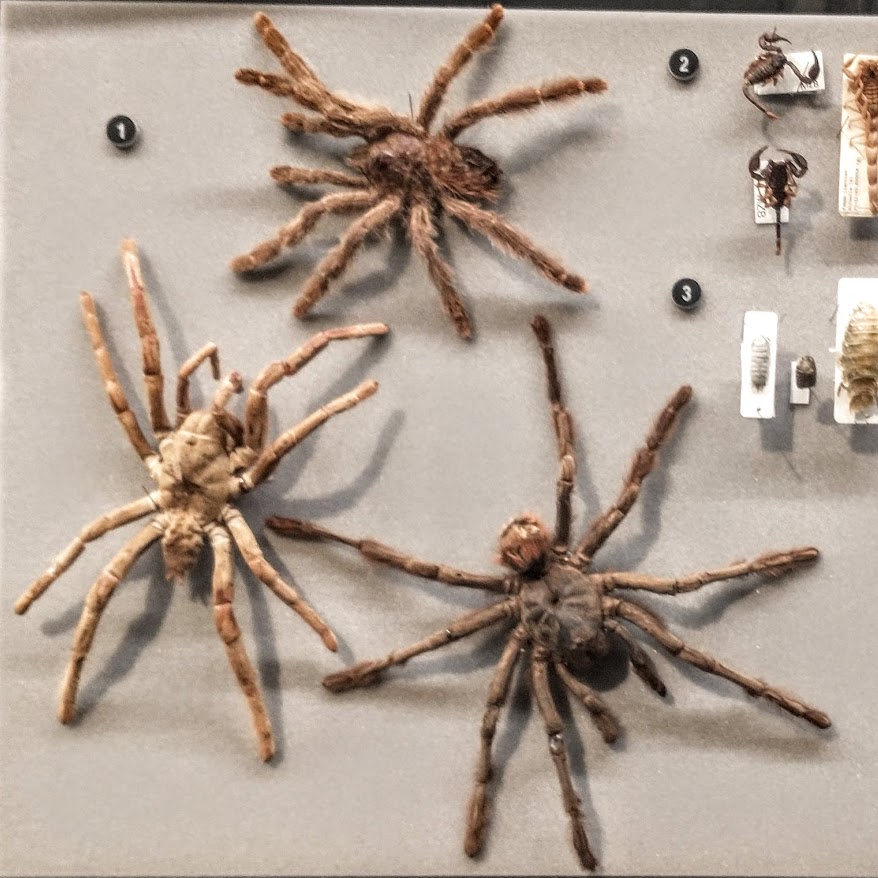
… or arachnids.

It’s a pretty fine museum. In an interesting area. And not on the tourist circuit. Yet. Recommended.

GeometricJanuary

Geometry at the Hospital Sant Pau

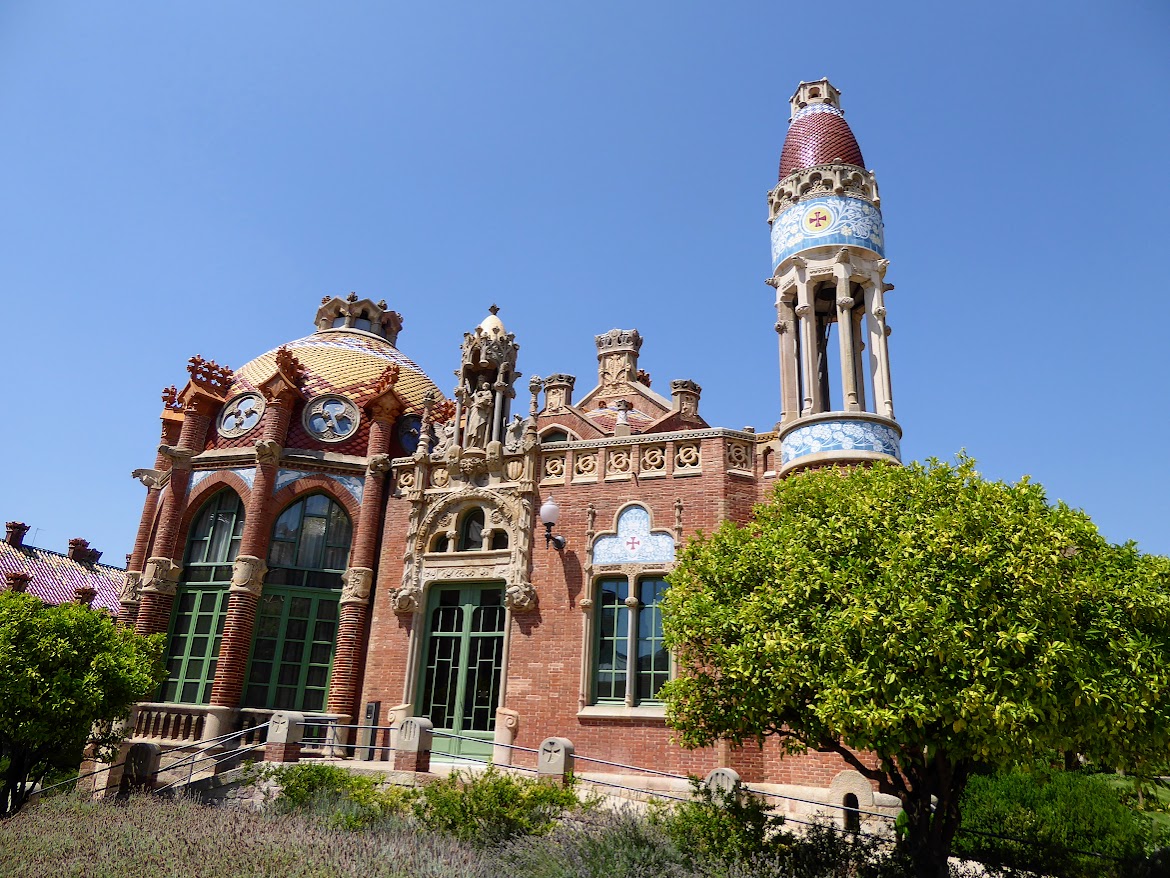
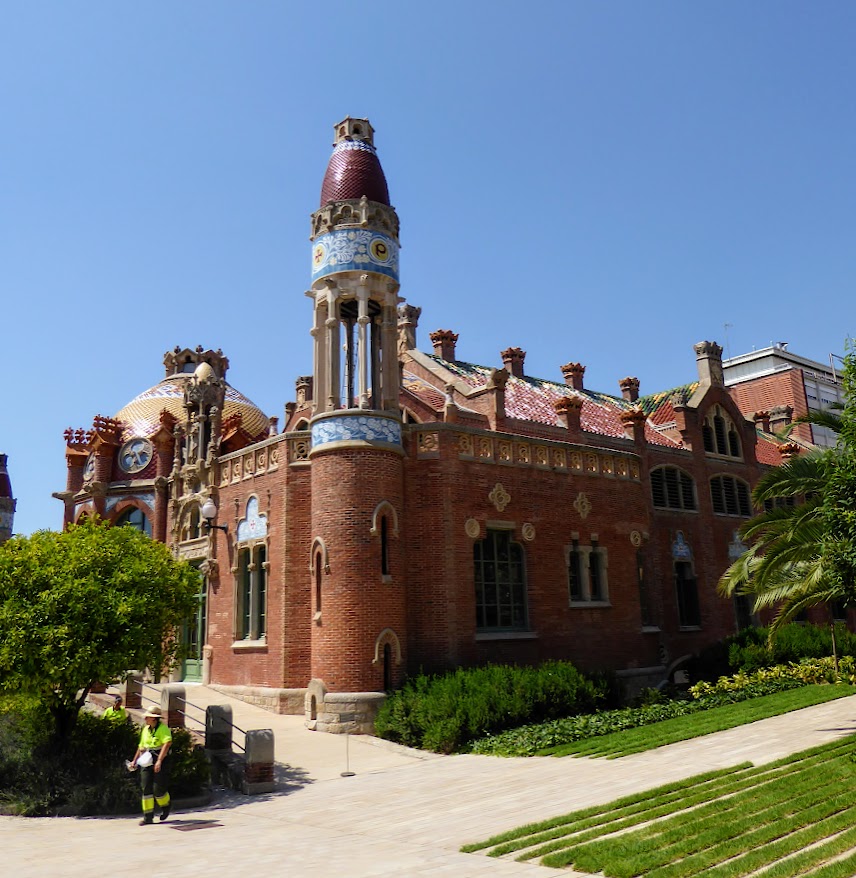
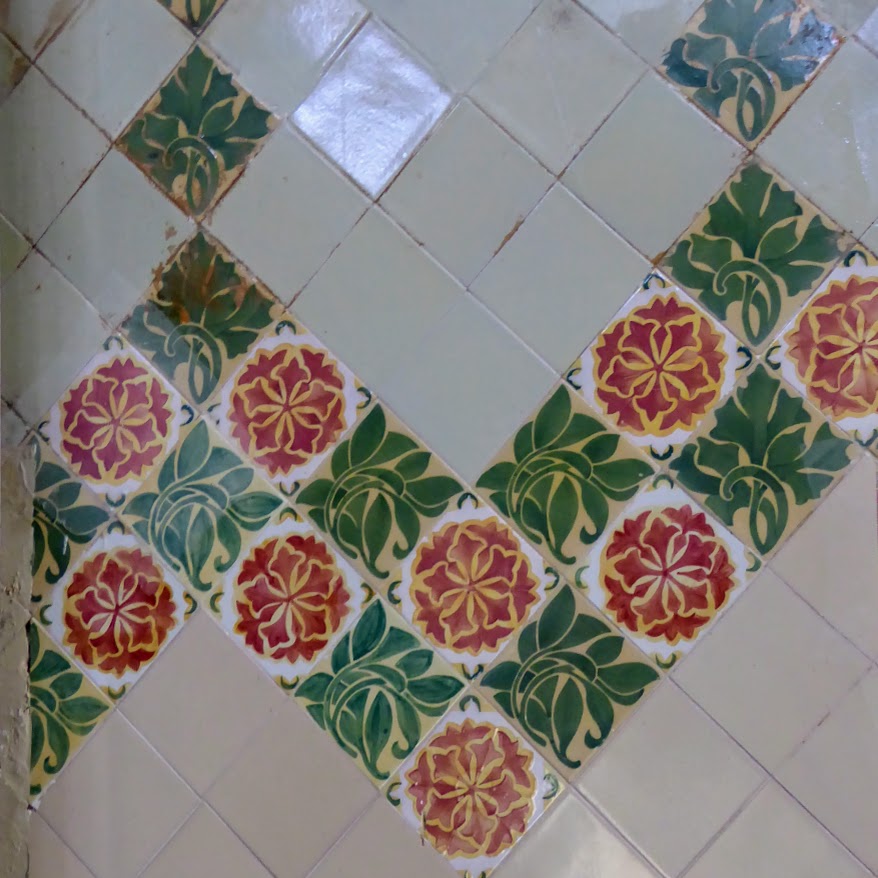
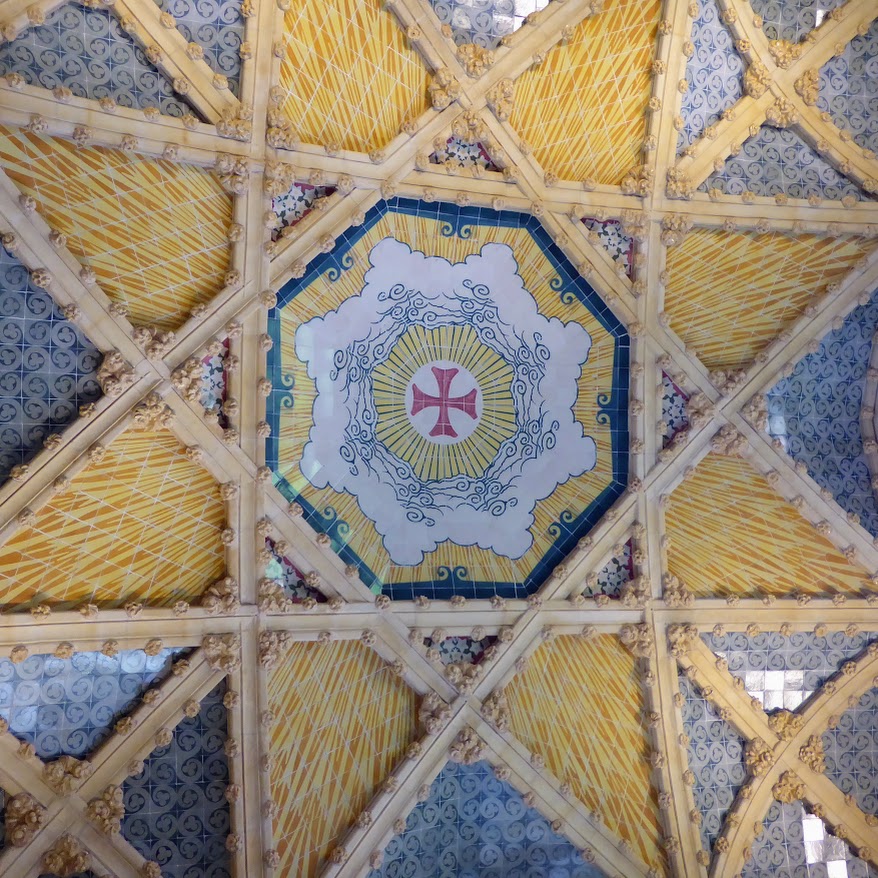
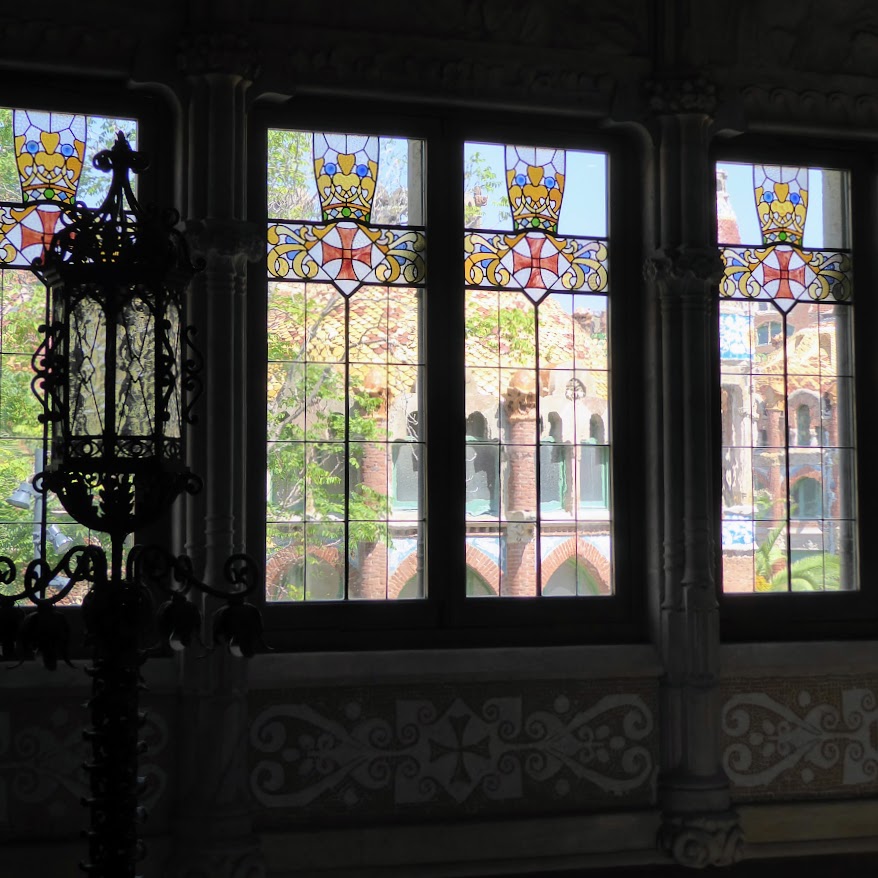
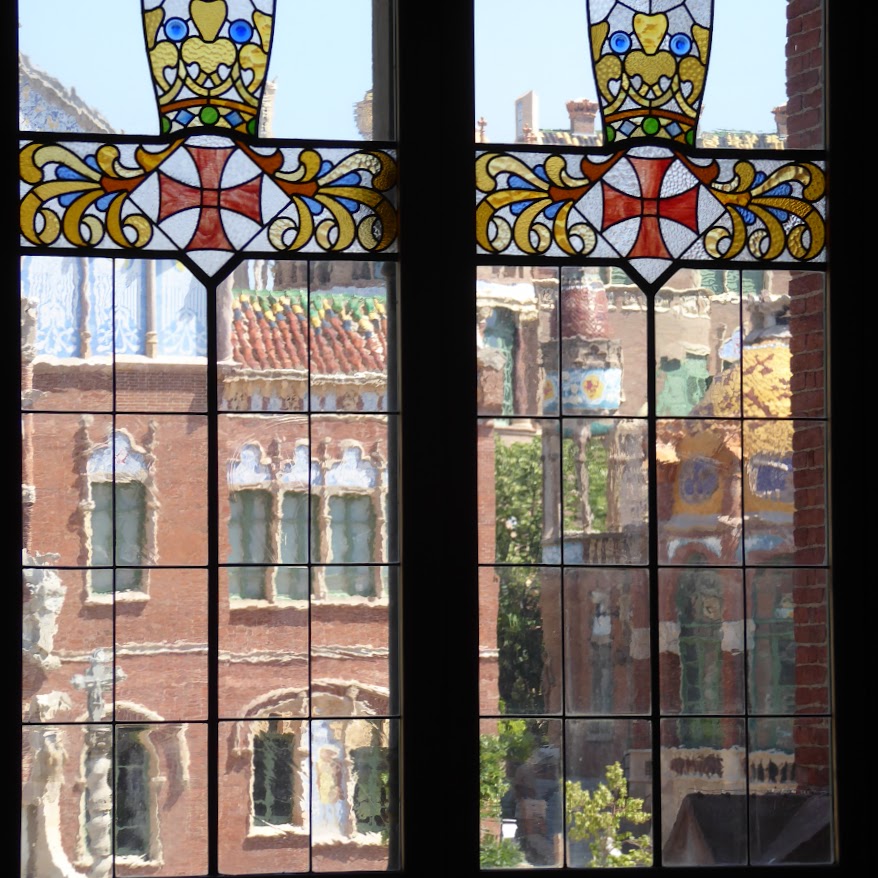
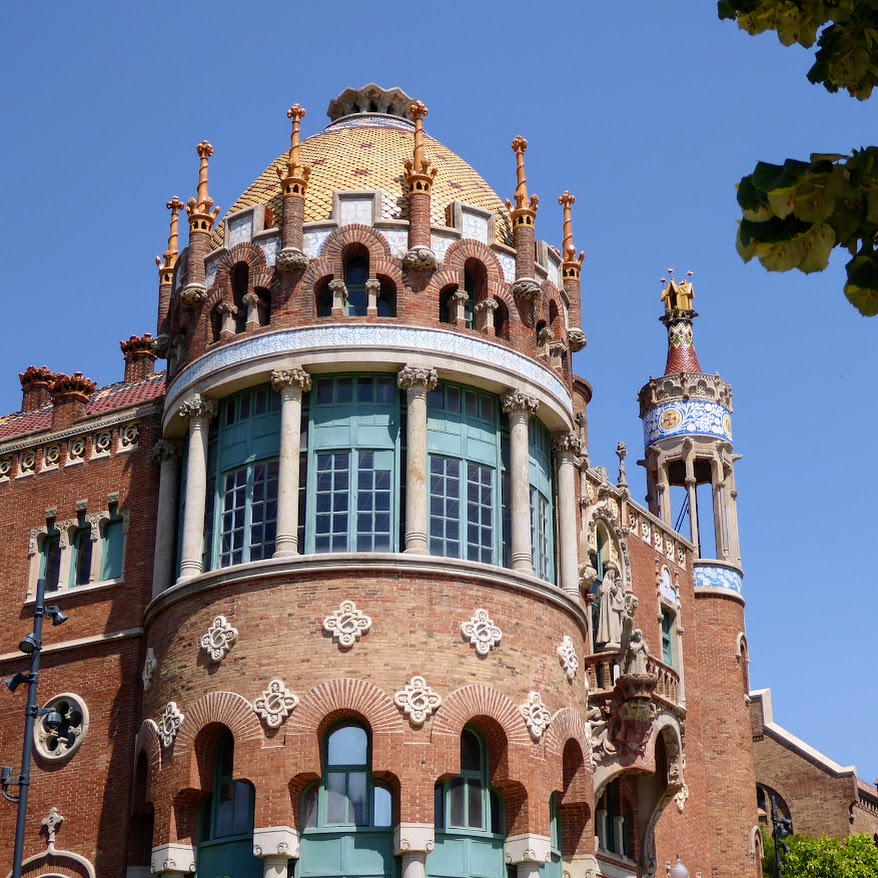
One of my favourite building complexes in the whole world is that of the original Hospital Sant Pau in Barcelona. It sits alongside its more modern successor, a centre of excellence for modern medicine. In its day, when it was first built in the early years of the twentieth century, before the days of the kind of universal health services we now take for granted, it was a wonder. It cared for all comers, and recognised that part of any treatment was access to beautiful spaces, to fresh air and access to nature. And it shows.
I’ve written about it here, and here. So let’s just look at some of its wonders as part of GeometricJanuary.

Geometry in Alella

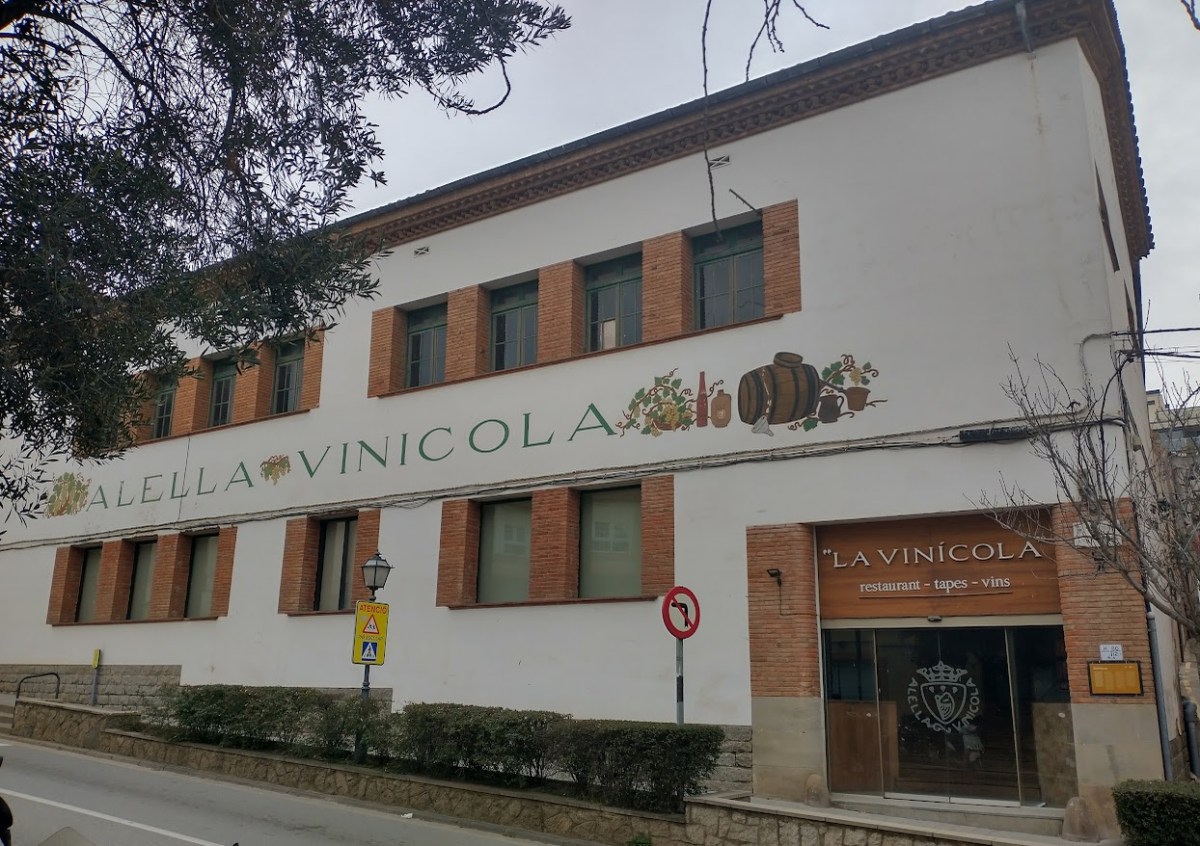
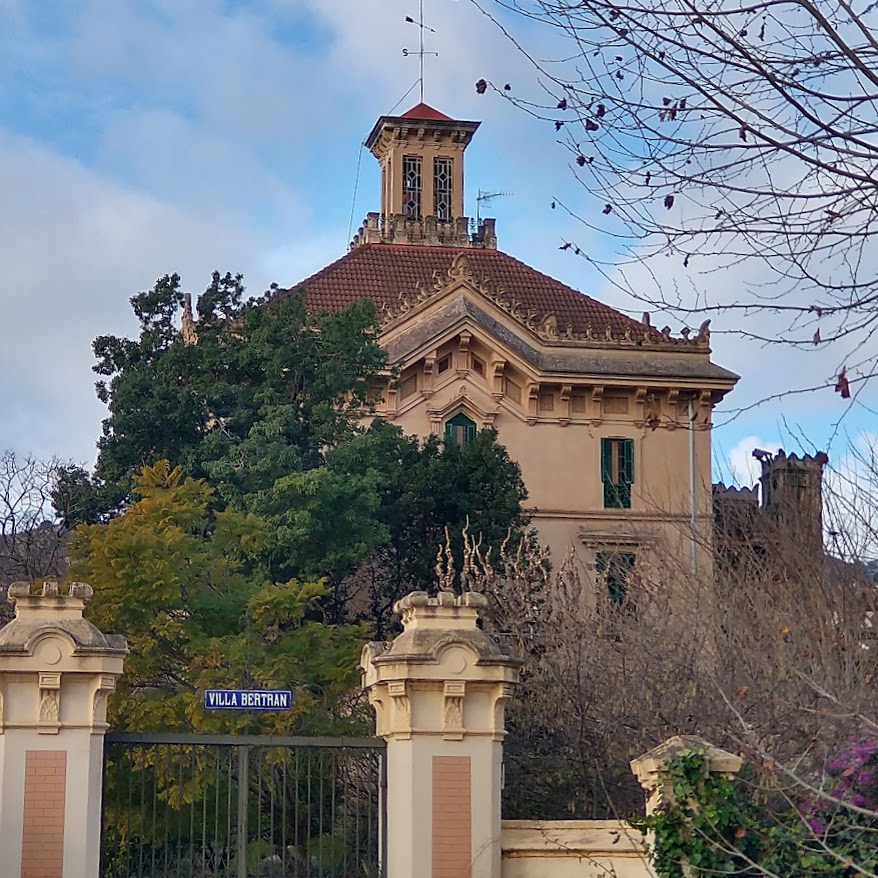
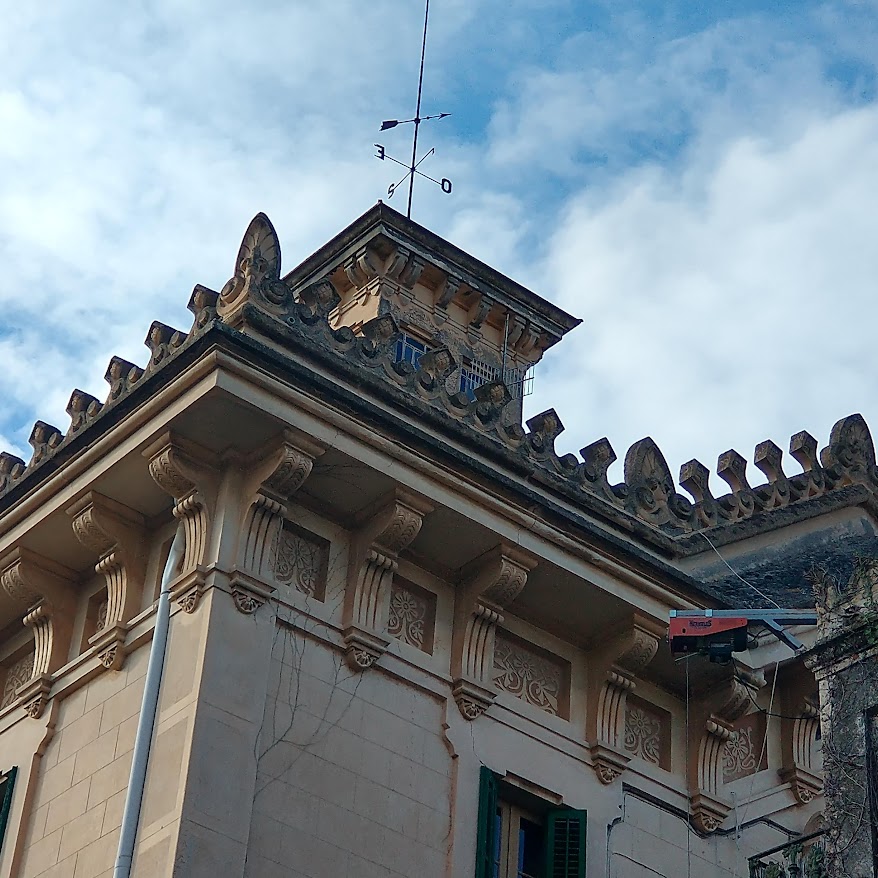
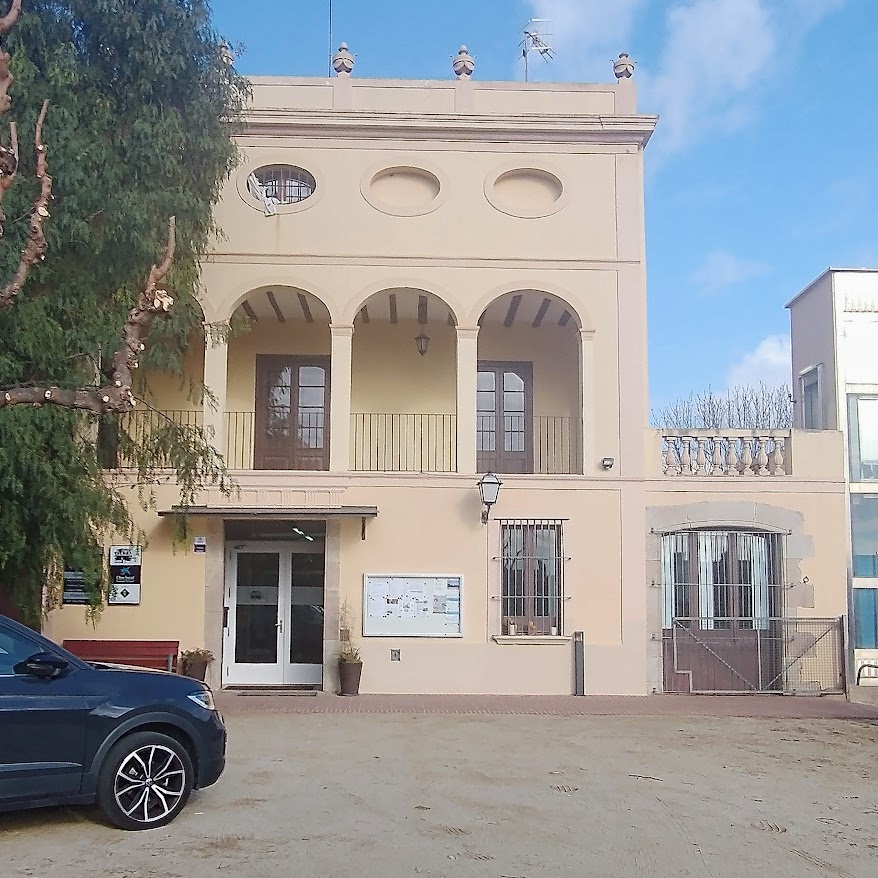
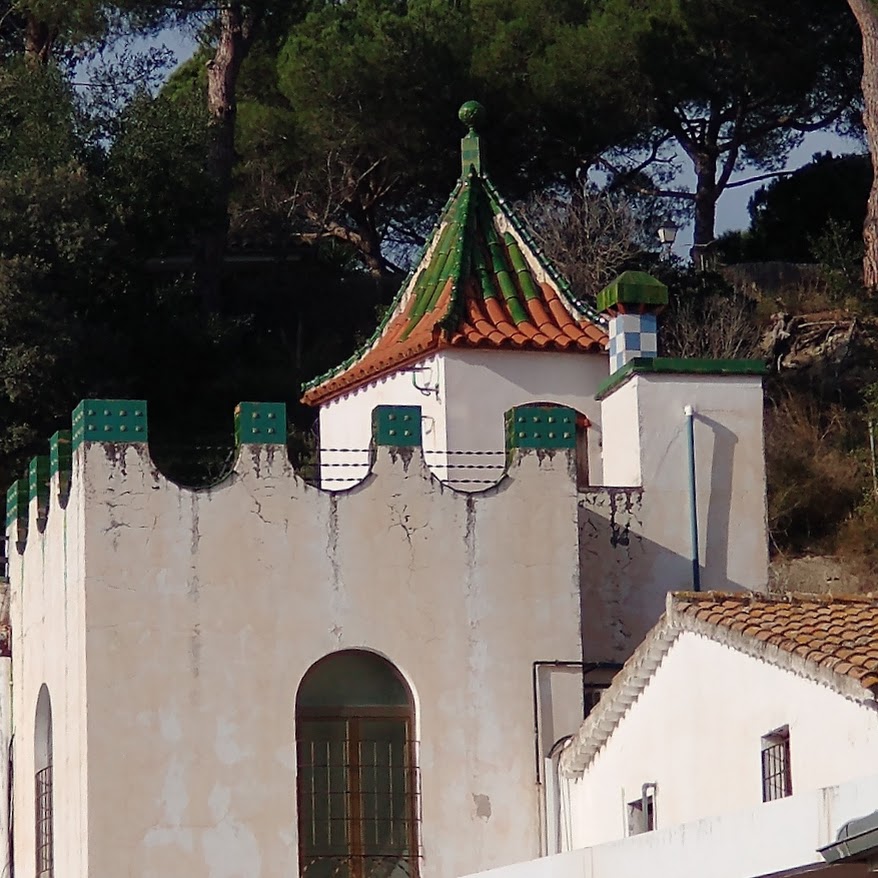
Alella is a well-heeled little town in the hills, about half way between here and Barcelona. It sits comfortably in productive wine country, and in the 19th century, wealthy landowners – often the aristocracy – either bought plots on which to build, or else knocked down and rebuilt or extended existing properties they already owned. Malcolm and I went to have a look today. A few are still in private ownership, but most have passed into other uses, such as clinics or residential accommodation for those with various disabilities. Come and stroll round town with us – no history lessons – just enjoy the varied, always geometrical and often quirky buildings we found, and plan to research later.

This was the most extravagant of all, and the one we saw first.

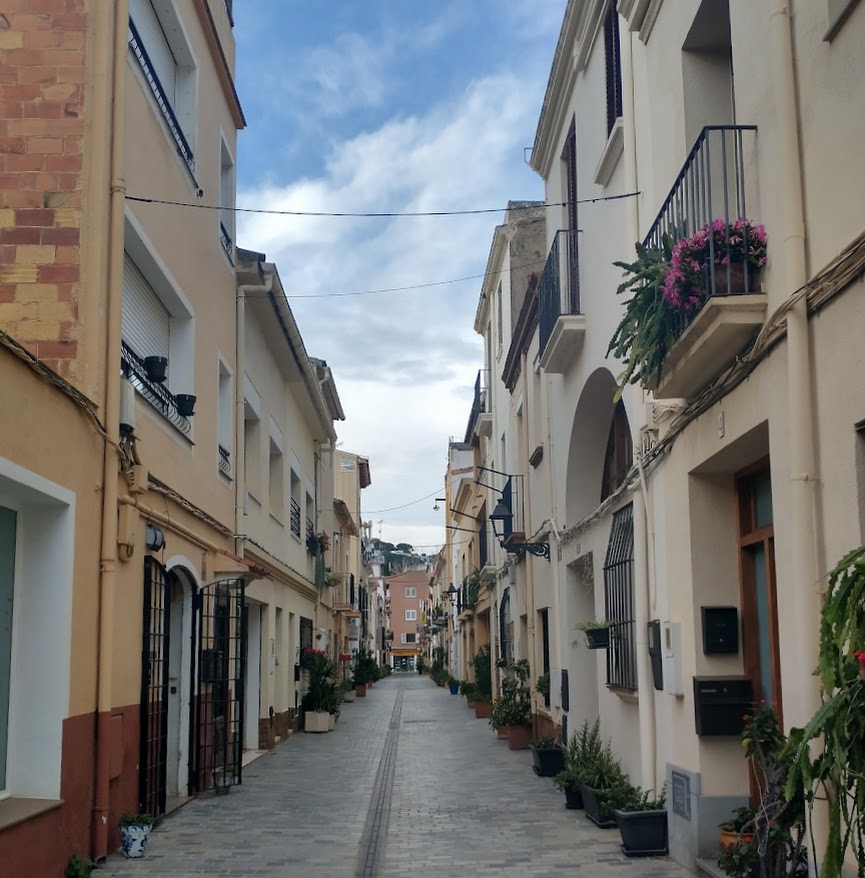
We saw ordinary streets too. Like this one …

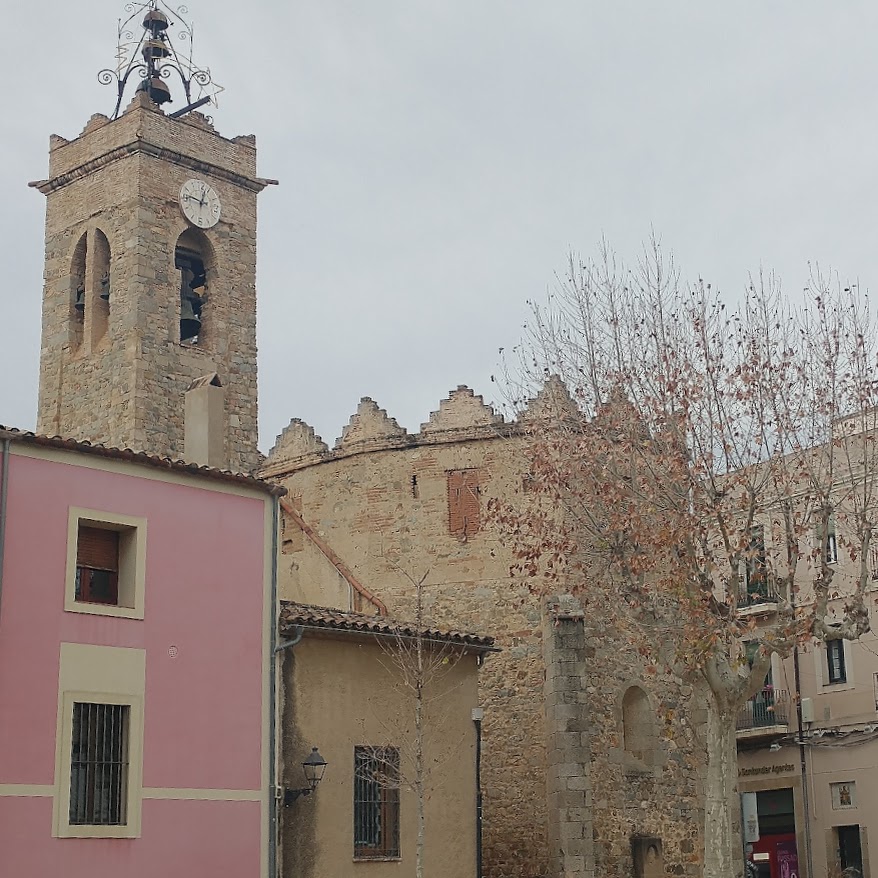
…and a church, Sant Feliu, in a pleasant square.

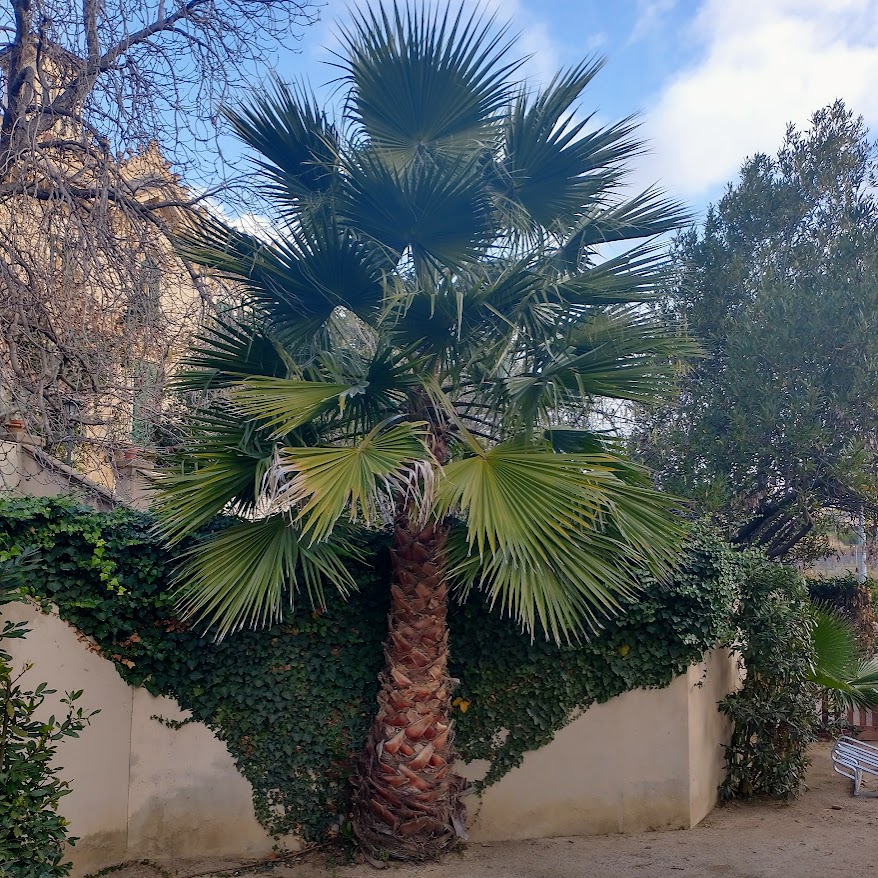
… and some geometric plant life …

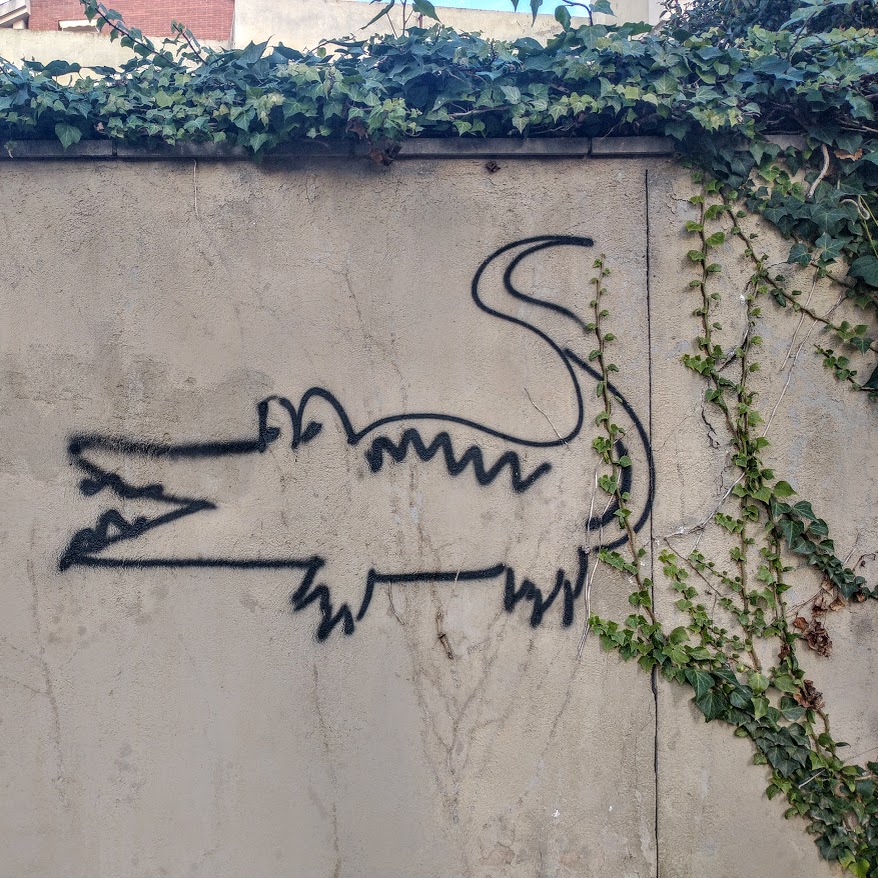
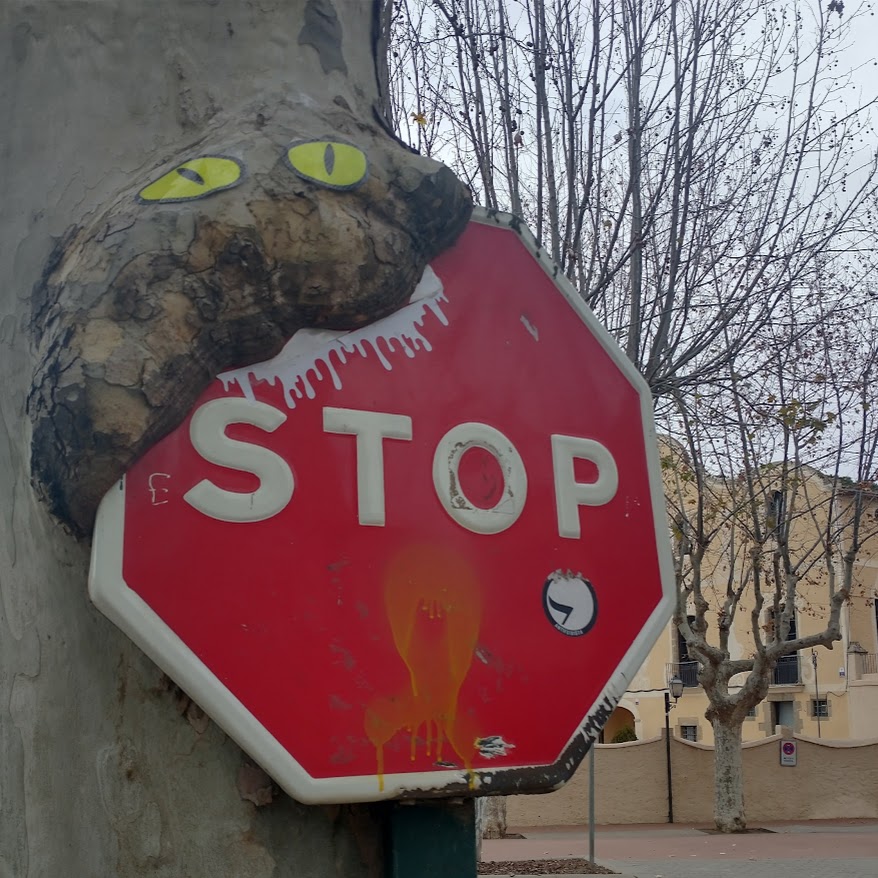
What town is complete without a sense of humour? The first image isn’t geometrical at all, but I’ll include it anyway. And the second is a road sign that was once geometrical until the tree it was placed on started to grow over it, and the Town Wag took matters in hand.

We liked you a lot, Alella. We’ll be back.

GeometricJanuary.

Geometry in a Sunset

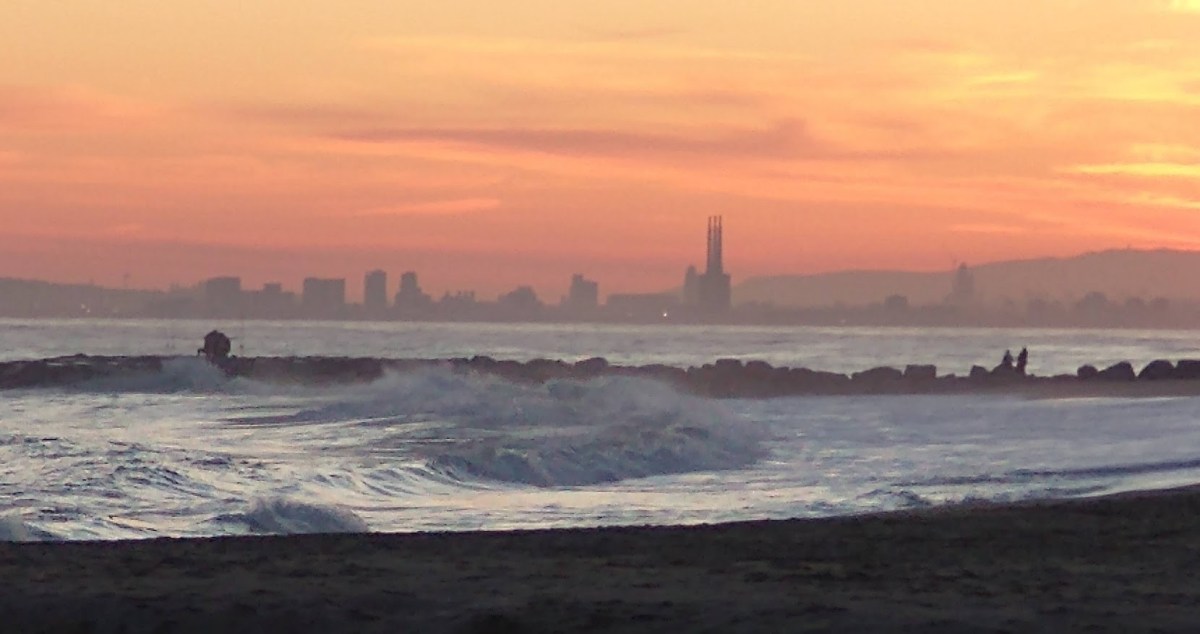
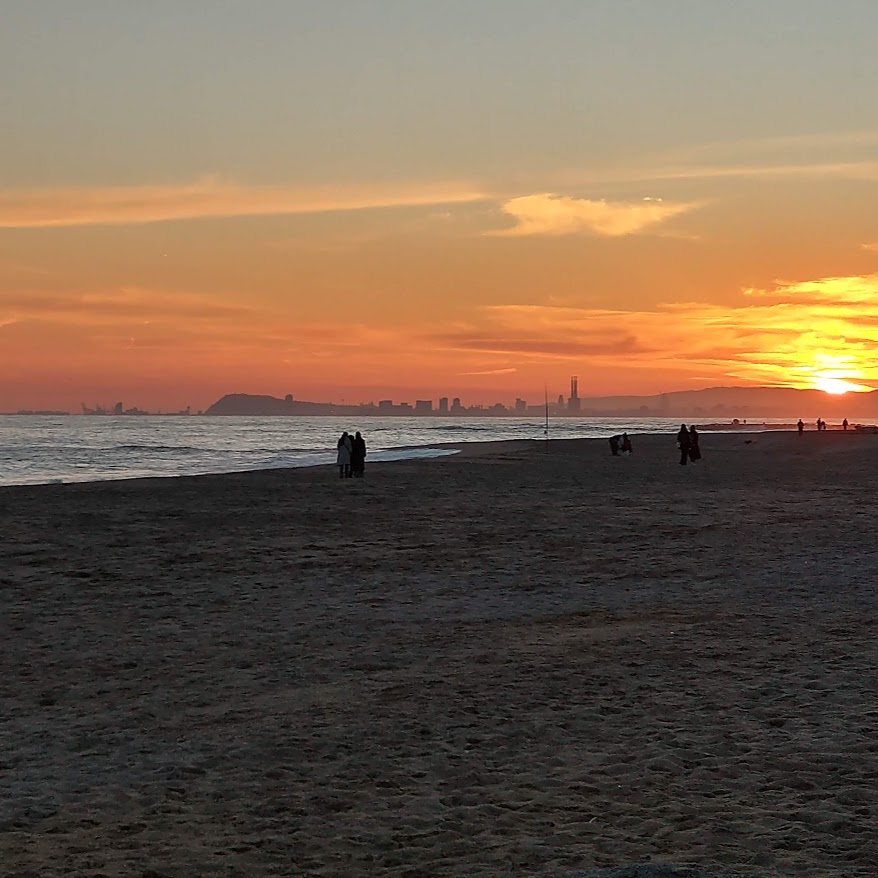
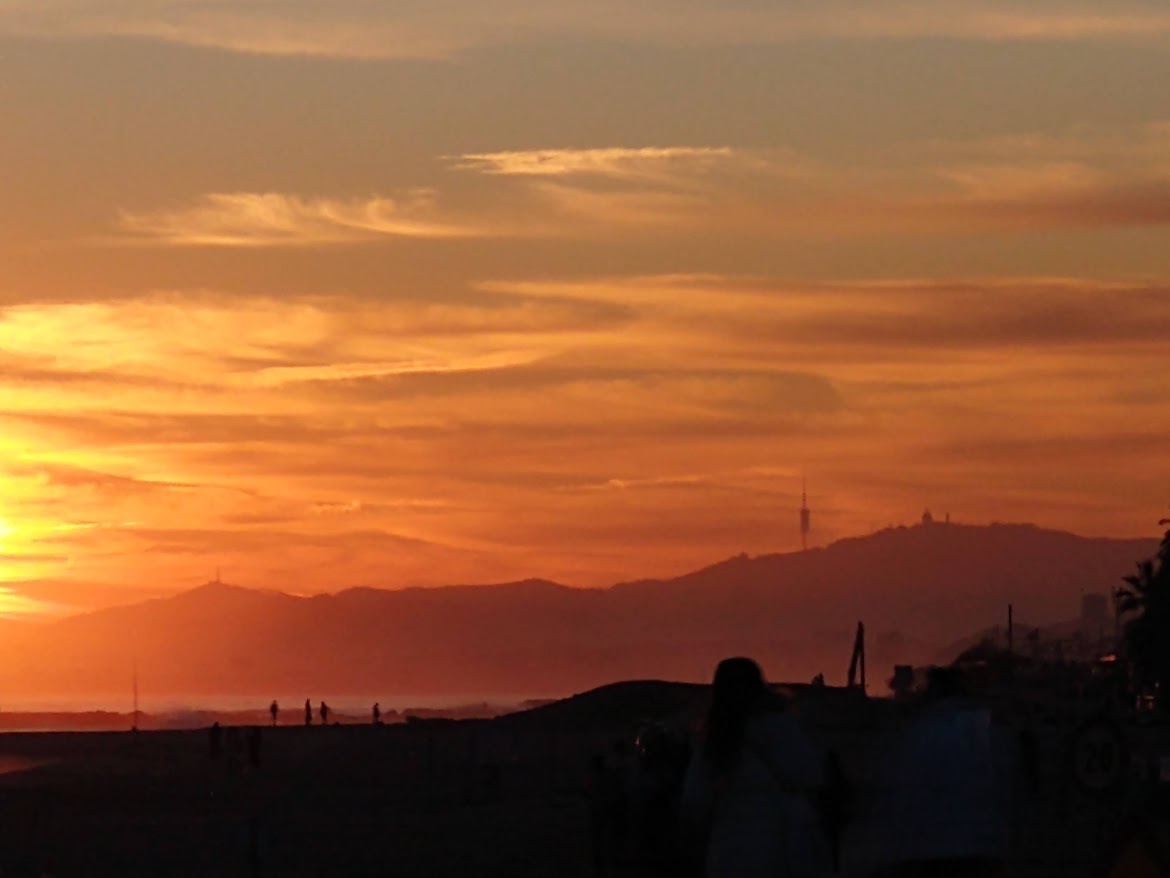
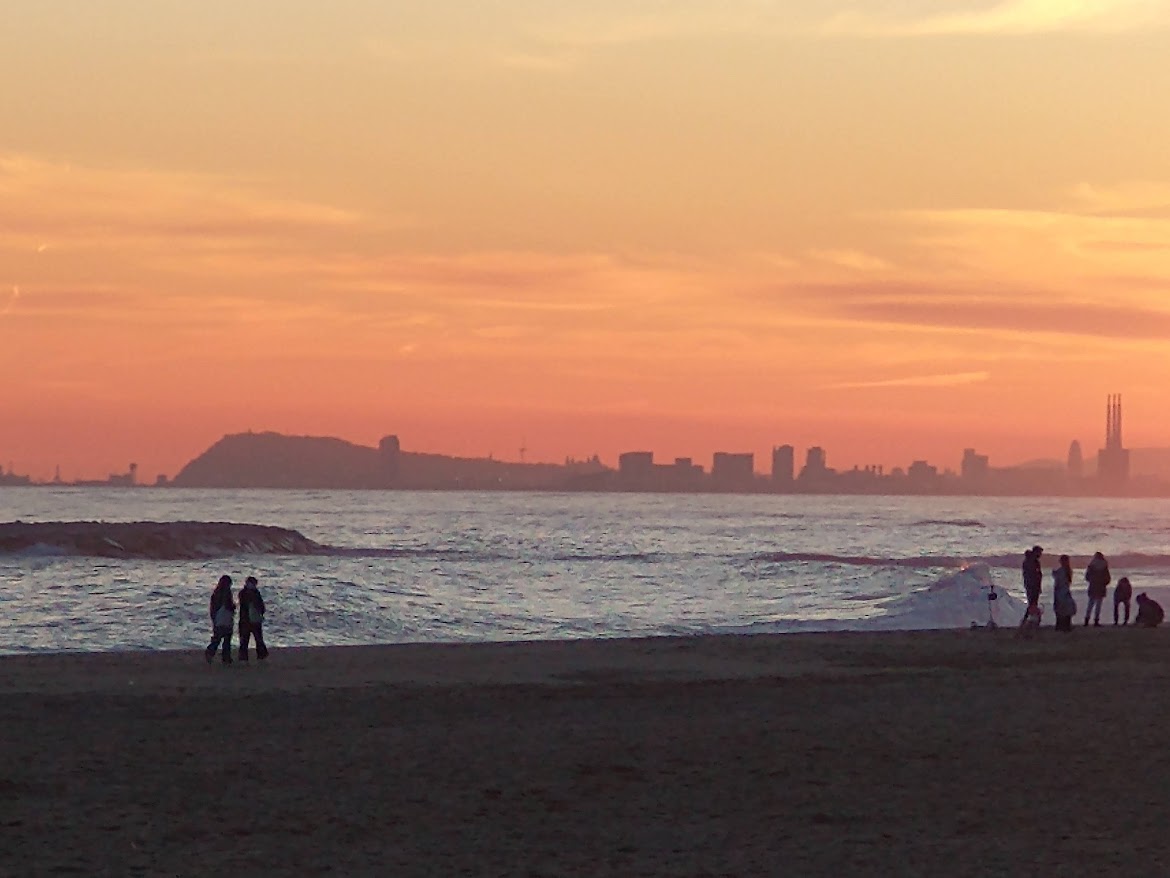
I am looking for an excuse to share images of yesterday evening’s sunset, down on the beach at Premià. And I found it in the views of Barcelona, some 20 km away. Its skyline features suitably geometric buildings, so here’s my square for today.

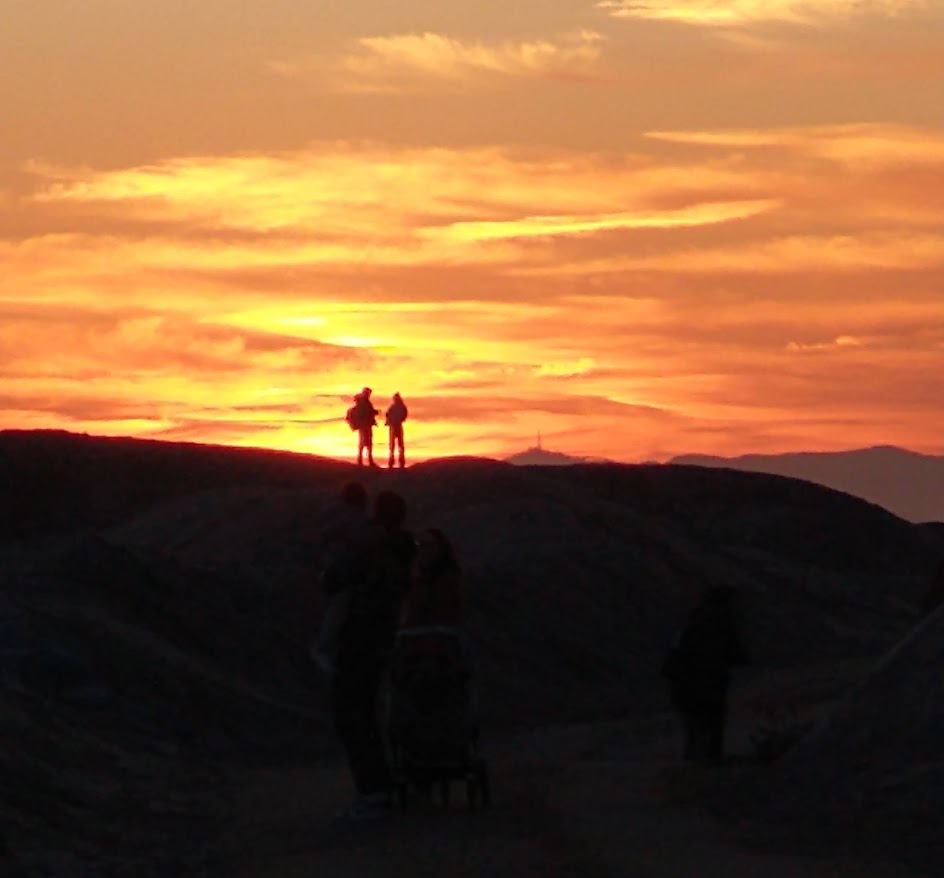
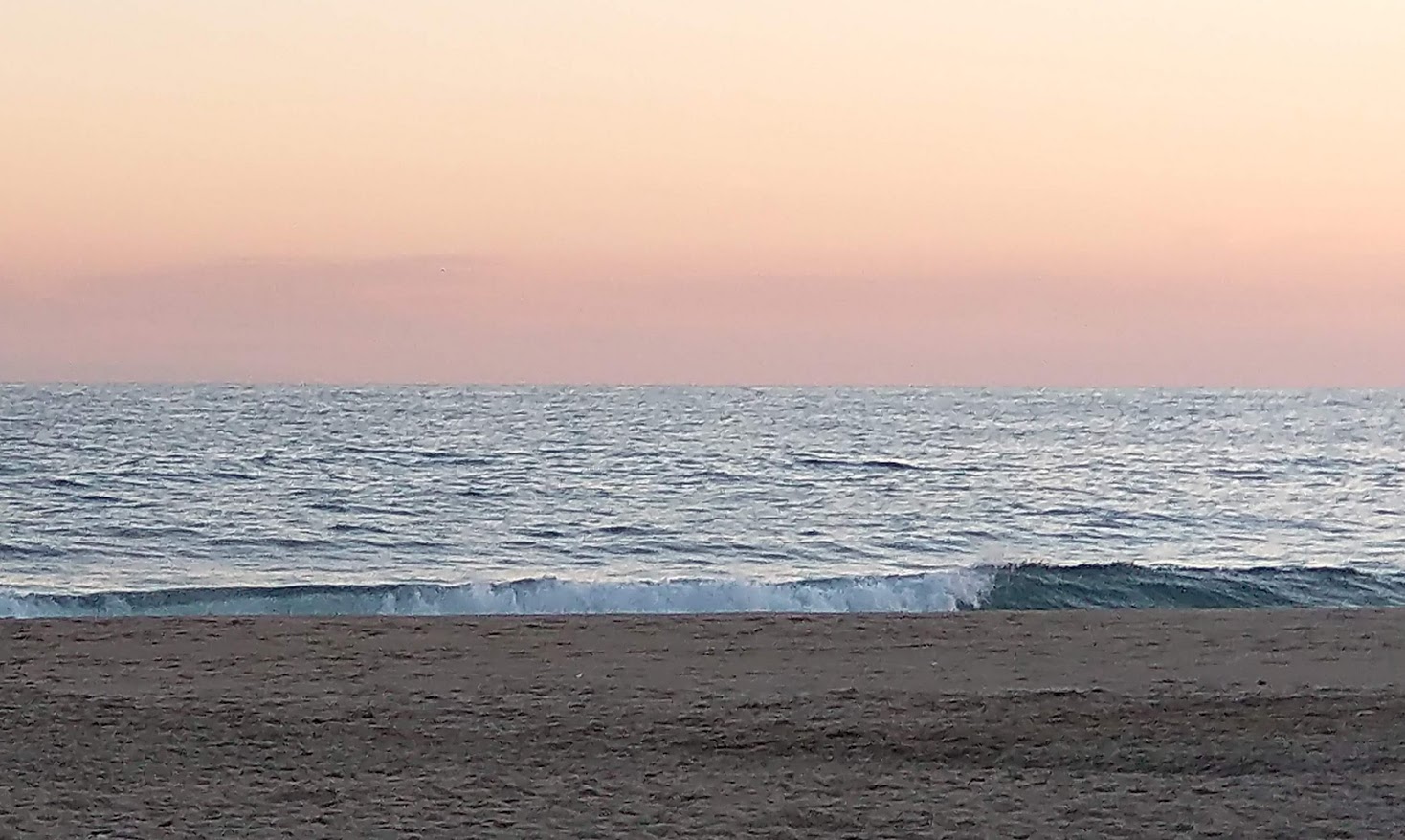
And here are a few more – unsquared – views, so I can share them with Hammad, of Weekend Sky fame.

It’s not often that we’re down on the beach in January, as the sun is setting. We should do it more often.

GeometricJanuary

Geometry at a Restaurant

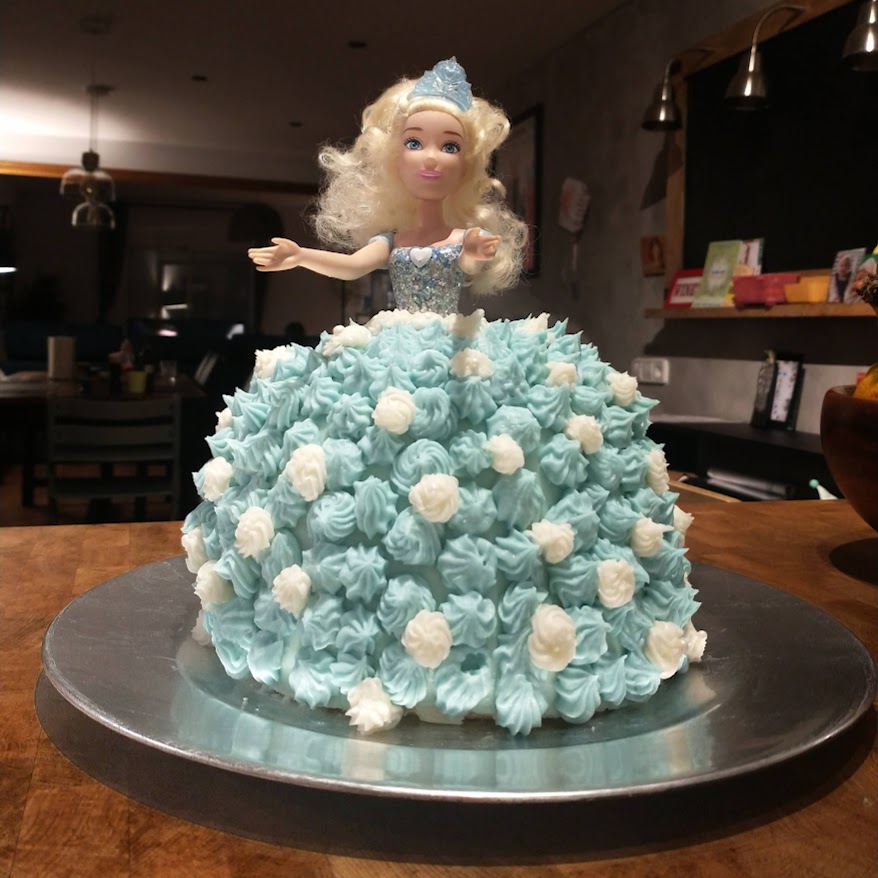
Today’s the day I show off Anaïs’ completed birthday cake. However, it looks even less geometric than it did yesterday. Look.

A lot of you guessed what the carcass I showed yesterday was going to be. Becky knew because her mum had made her a similar cake when she became eight.

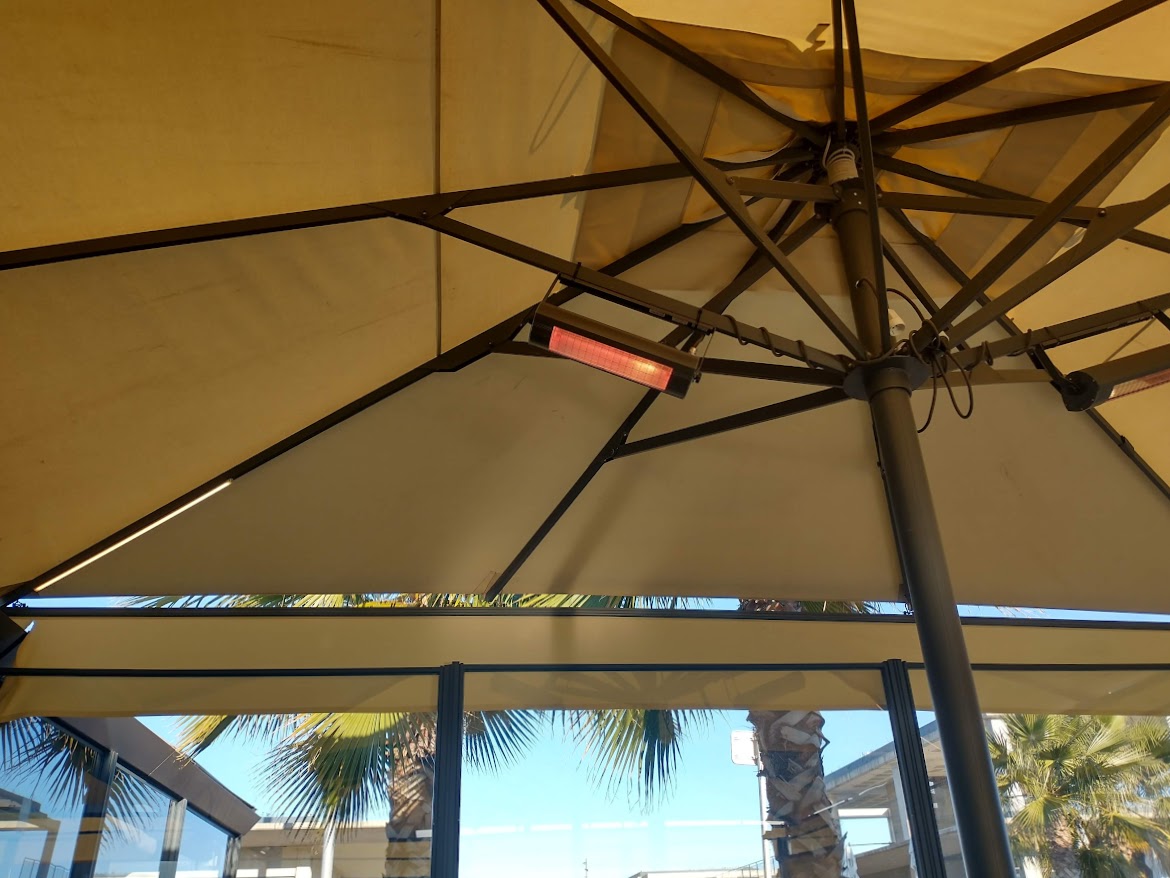
Today’s been a bit full on, with lunch at a pizza restaurant down at the port with Anaïs’ wider family. No time to think about geometry. So I’ll just include a couple of somewaht geometric shots taken at our table, outside-yet-inside on this balmy January day. I hope I get away with it.

GeometricJanuary.

Geometry at Glòries 

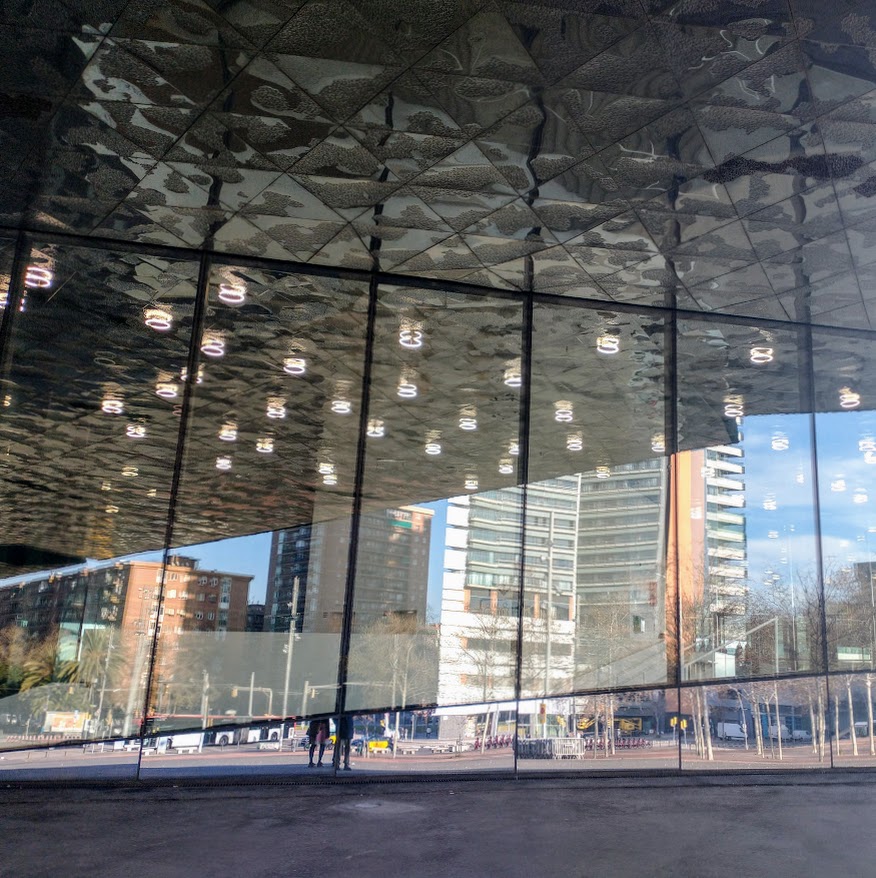
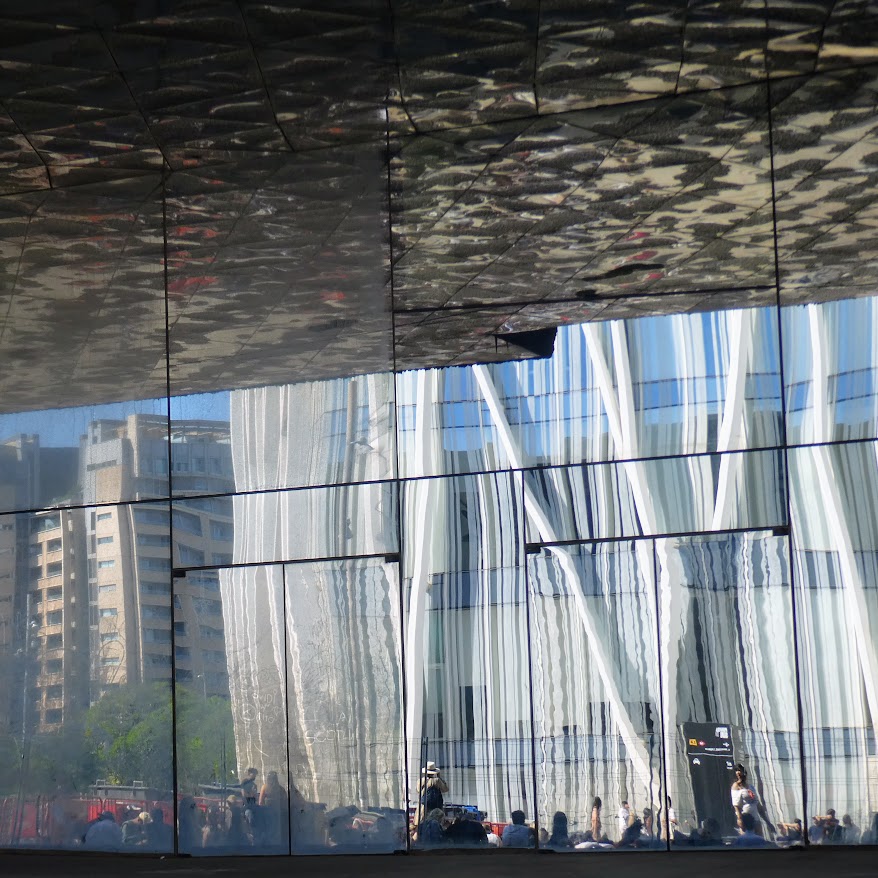
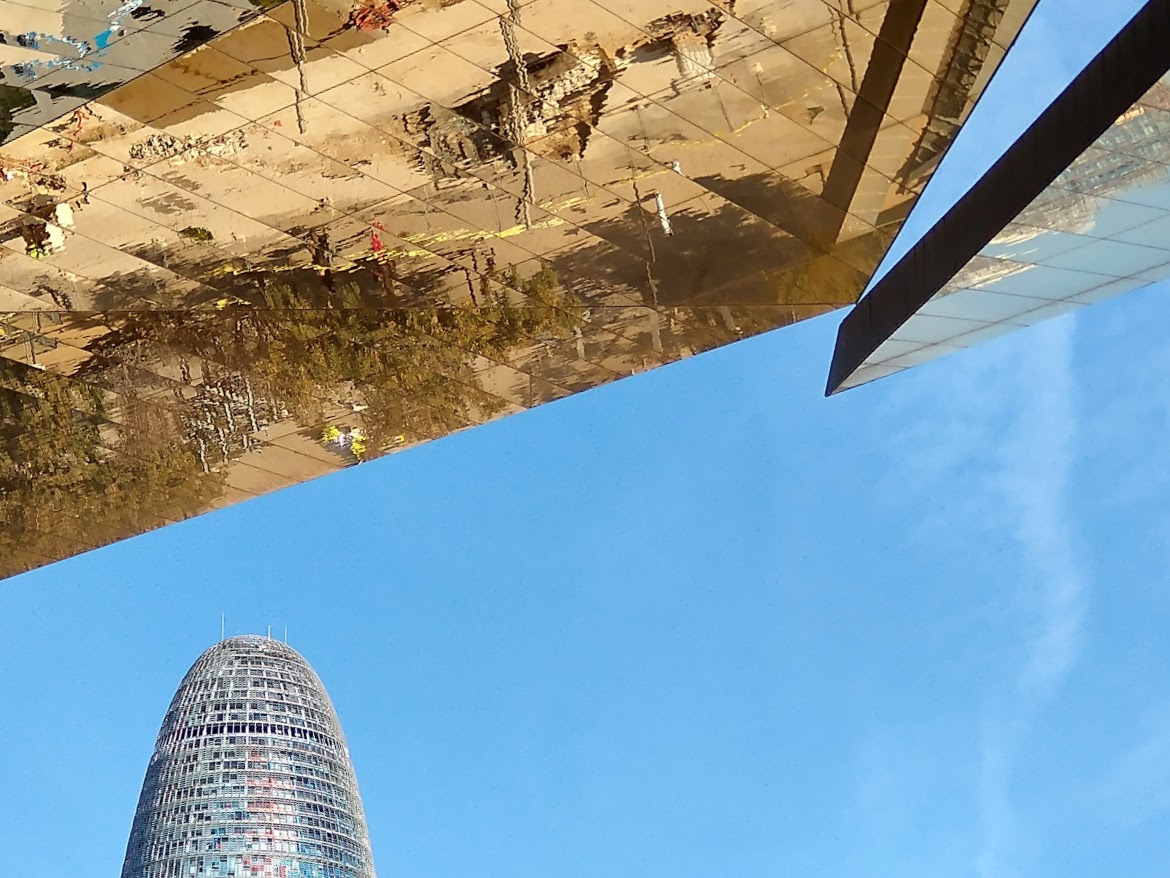
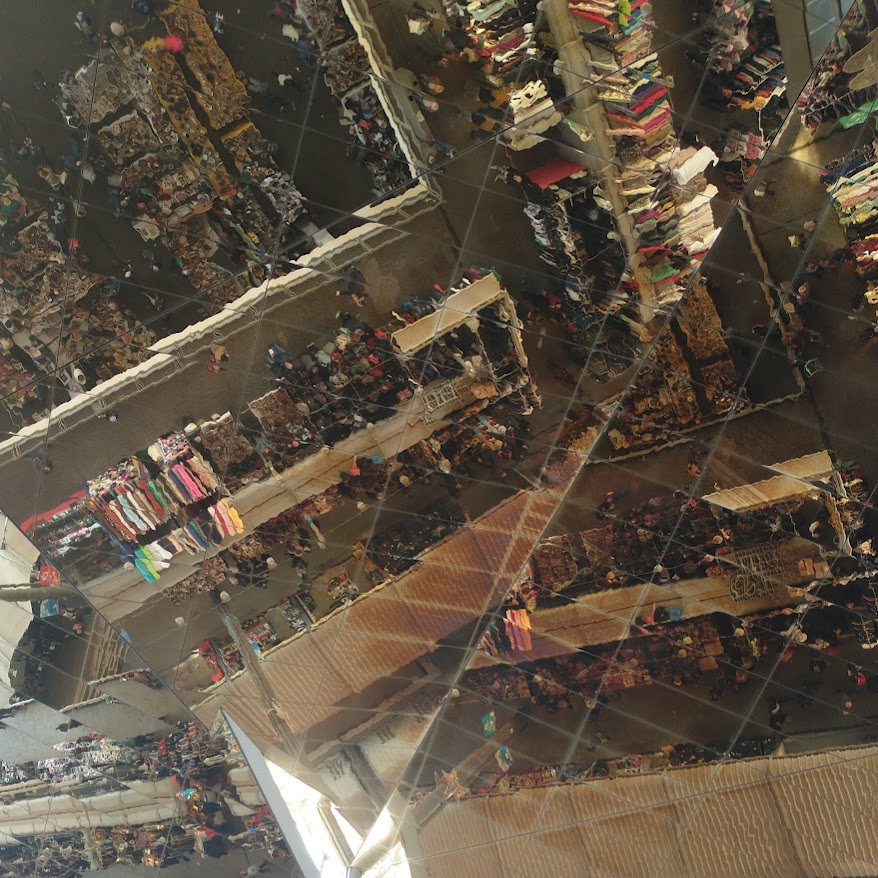
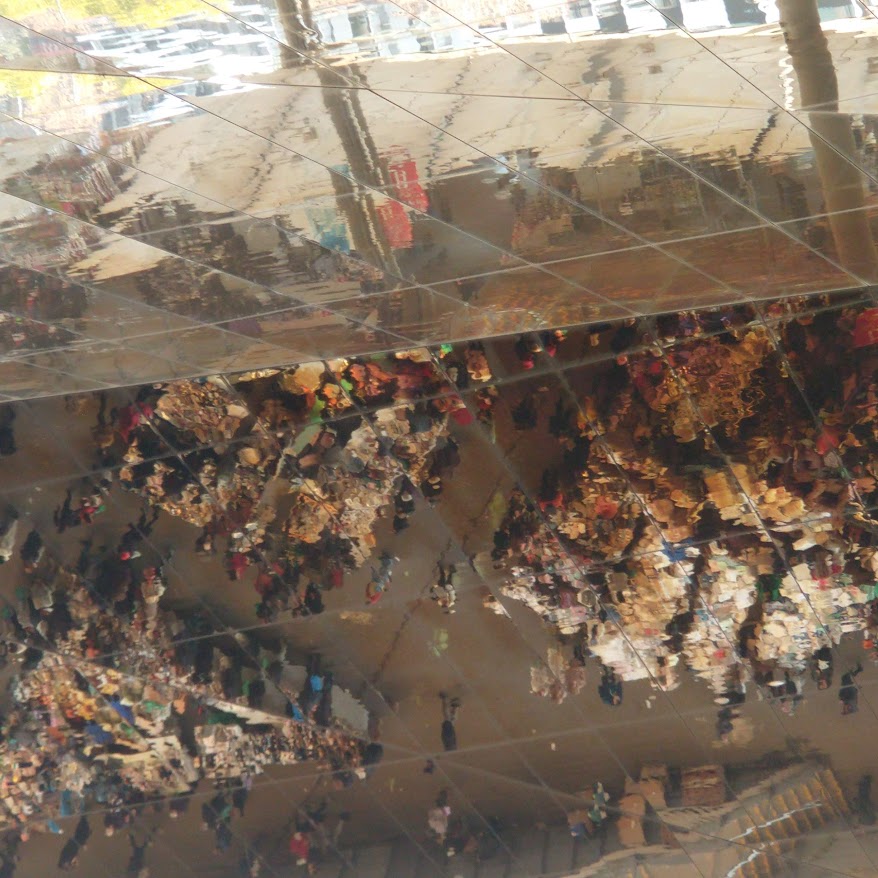
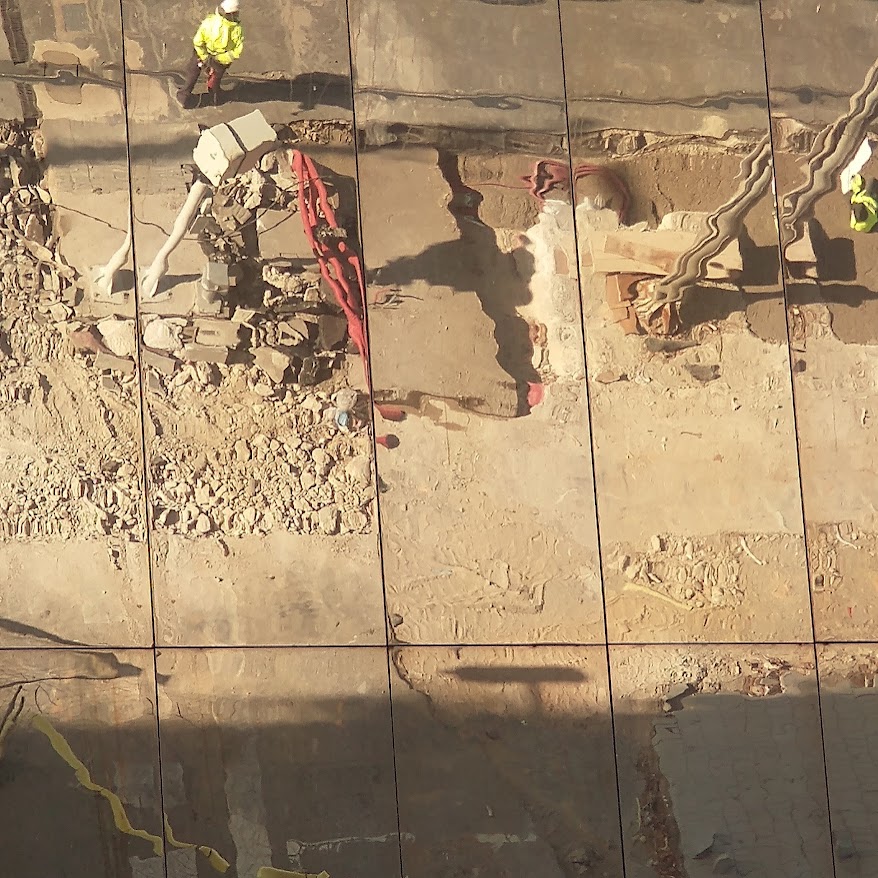
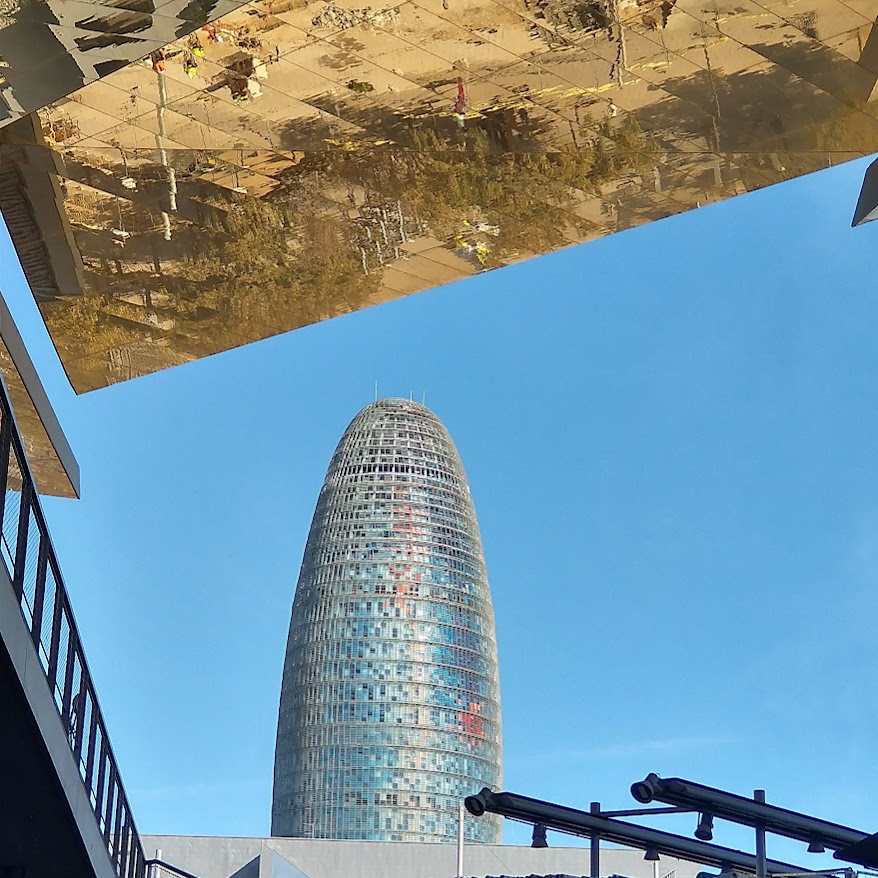
Yesterday, returning from Ciutadella Park on the tram, we broke our journey at Glòries. This is an area that is being re-invented and opened up to the pedestrian in a big way, though it IS a work in progress. Here’s where you come for the huge flea market that is Mercat dels Encants (The Market of Charms), which is indeed an astonishing place to visit. Hundreds of stalls selling cheap clothing, fabrics, electrical goods, and the fag-end of a thousand house clearances and jumble sales have been re-homed into an astonishing building, the underside of whose roof has been plated with thousands of rectangular mirrors reflecting the teeming activity going on underneath.

Here’s the actual scene:

The roof also reflects the building and excavating and walkway-making going on below.

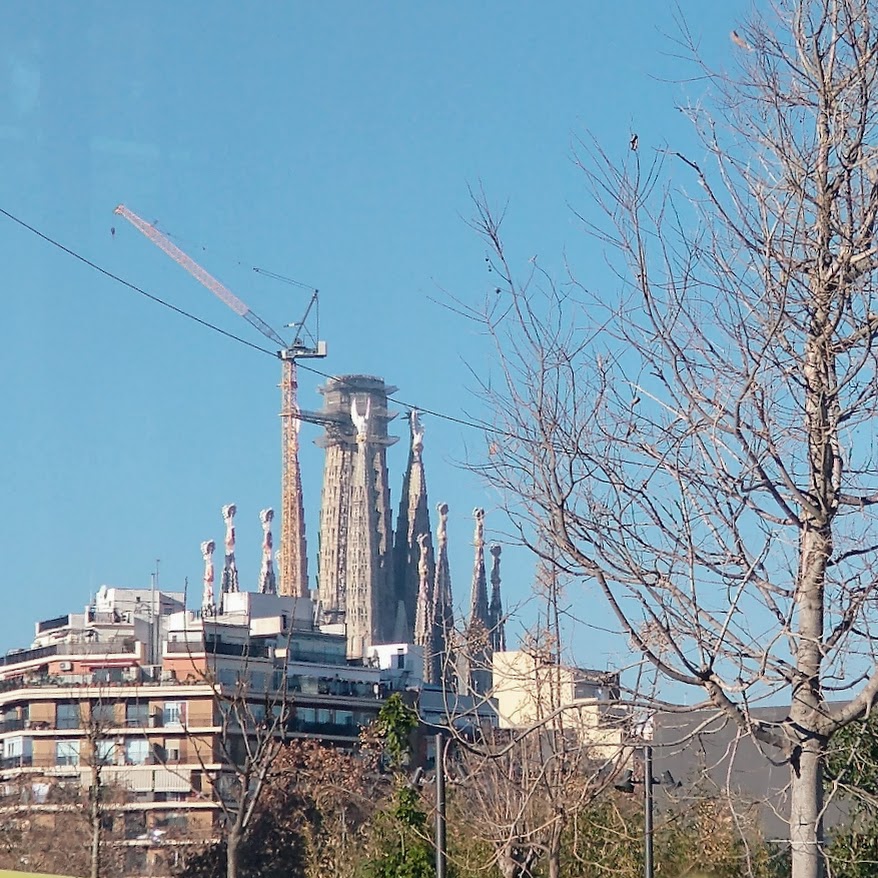
Or your eyes can look further, and see the distant Sagrada Familia …

… or the much nearer Torre Glòries, which we really need to climb one day to see the views.

An engaging way to spend an hour or two, and once the work on the area has been completed, it’ll be a wonderful addition to the Barcelona experience.

GeometricJanuary.

Geometry in a School

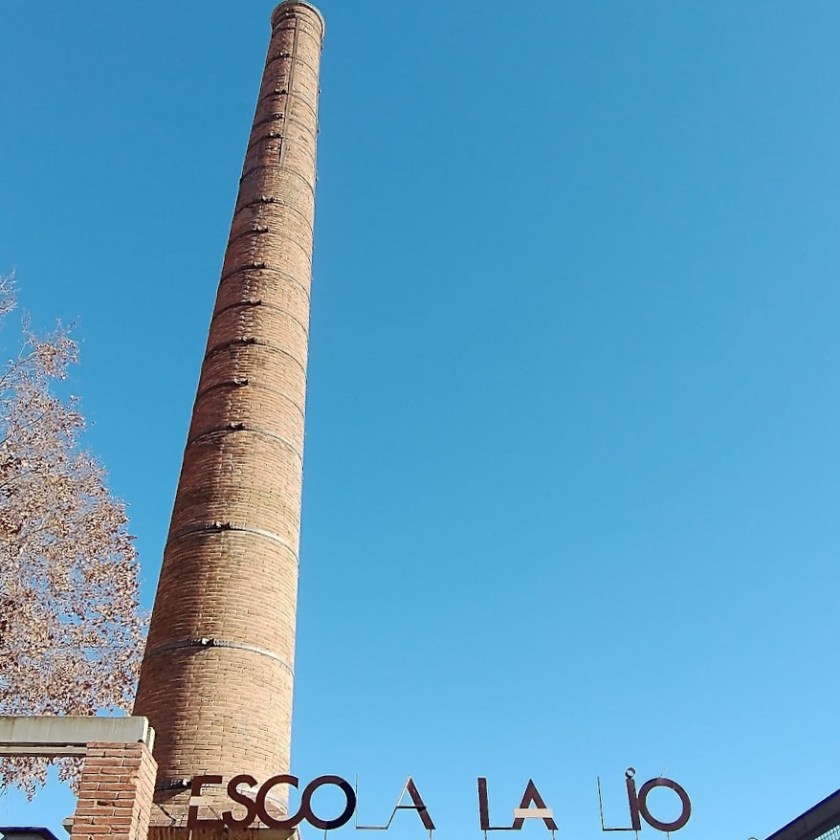
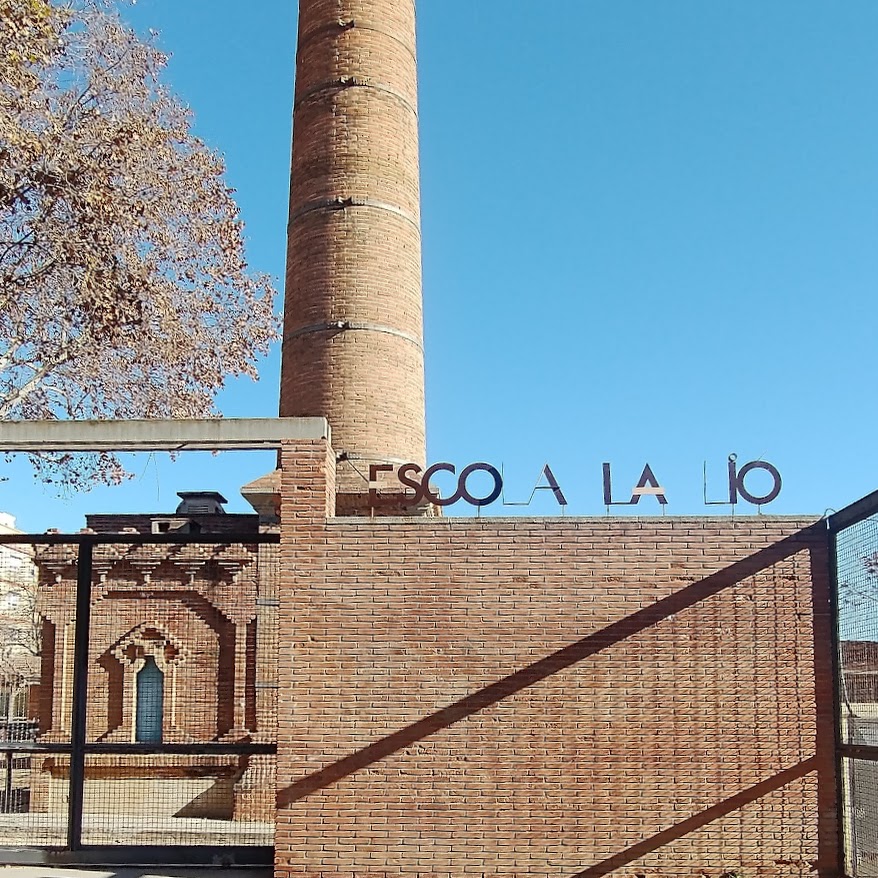
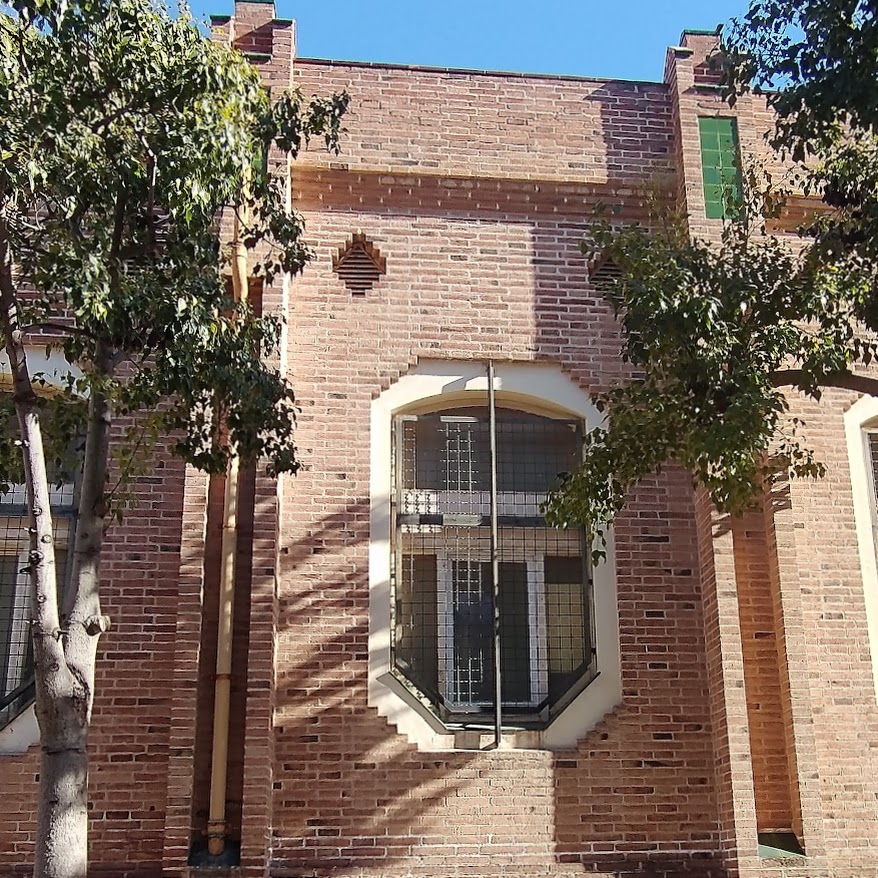
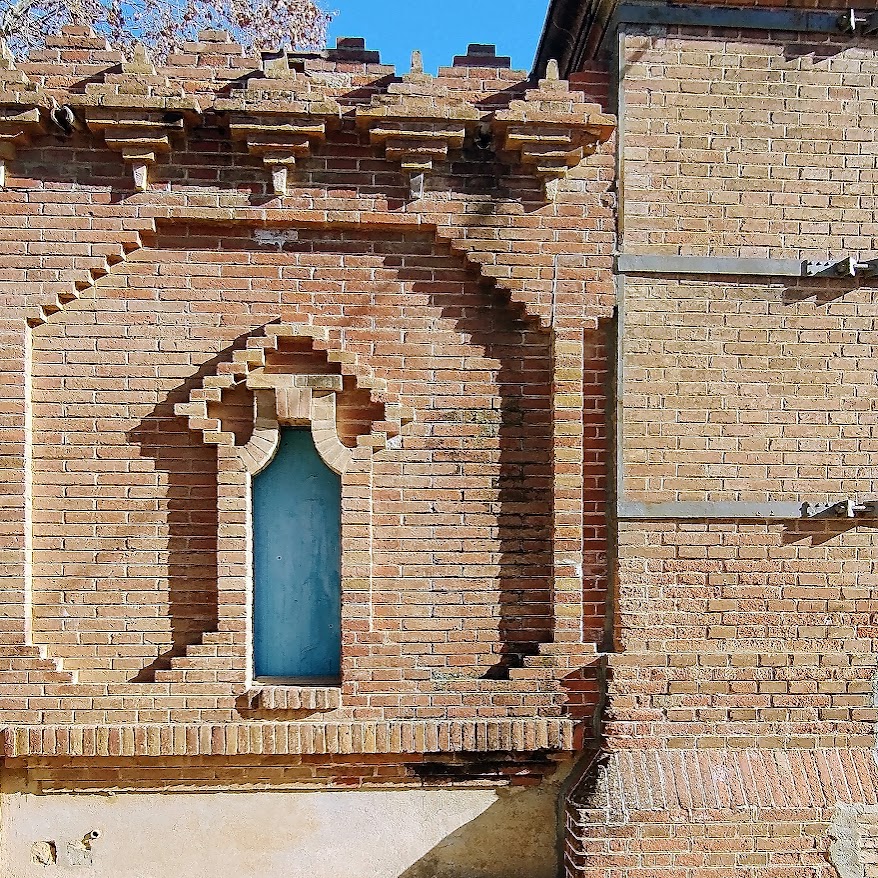
There’s a school here in Premià de Mar that I always enjoy walking past. It’s a handsome Modernista building that’s next to impossible to photograph, set as it is in narrow streets and surrounded by a high wall. It wasn’t always a school.

It was built in 1898 as a textile factory, dealing with almost every process: spinning, weaving and finishing. But here, as in England, and in the Ariège where we once lived, this once-thriving industry declined rapidly during the twentieth century. The factory closed in 1928, but re-opened in a last gasp attempt to make it work, as a silk-sceen printing works, the first of its kind in Spain. The owner was a man from Lyon, a M. Badoy, and locals came to call the factory La Lyon. The factory was forced to close its doors for good in 1979, but everyone saw that this important building must be saved, for historic and artistic reasons. So it reopened as a school in 1984. And it’s now called La Lió, and is quite the local landmark, with its tall – and entirely unused these days – factory chimney.

GeometricJanuary.