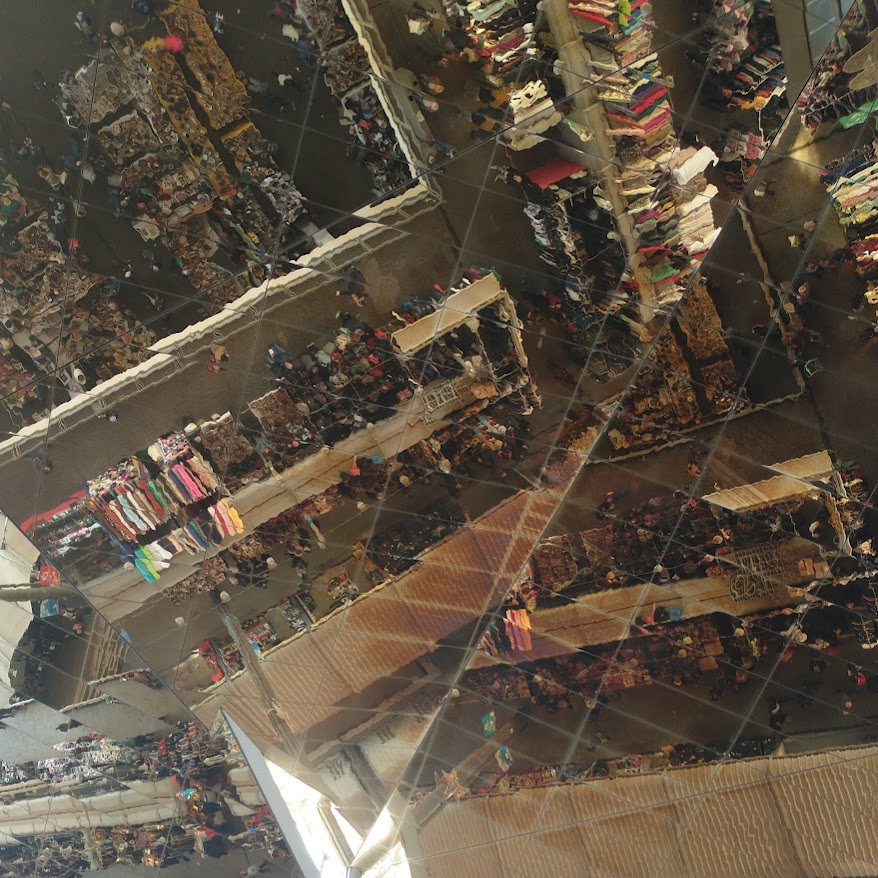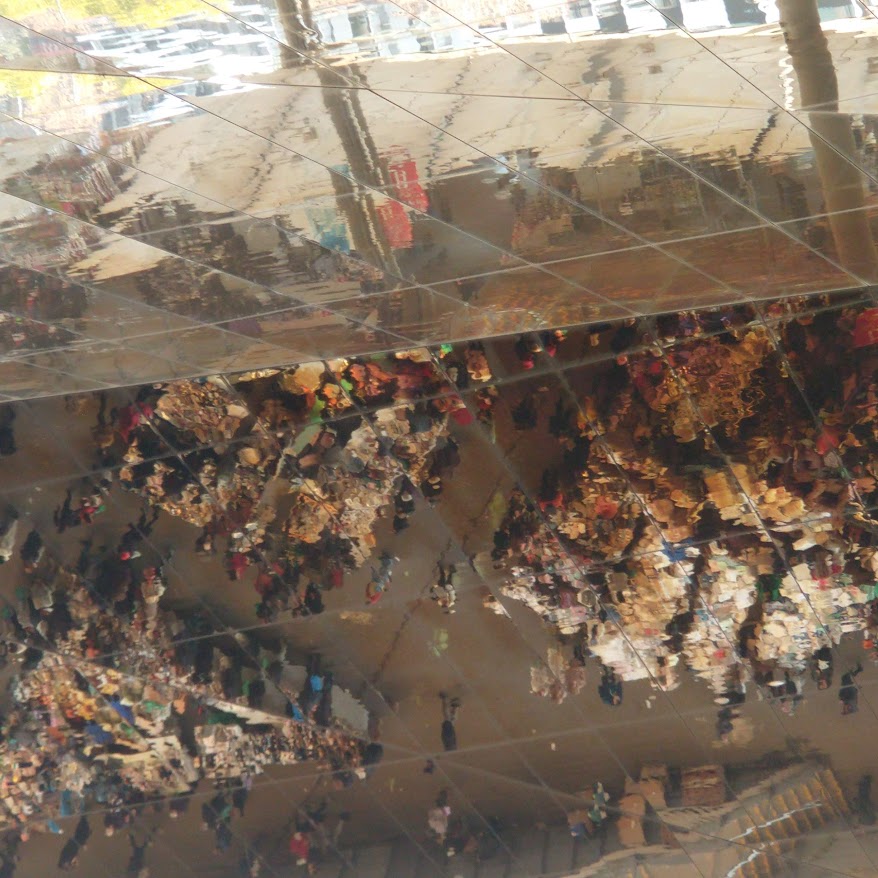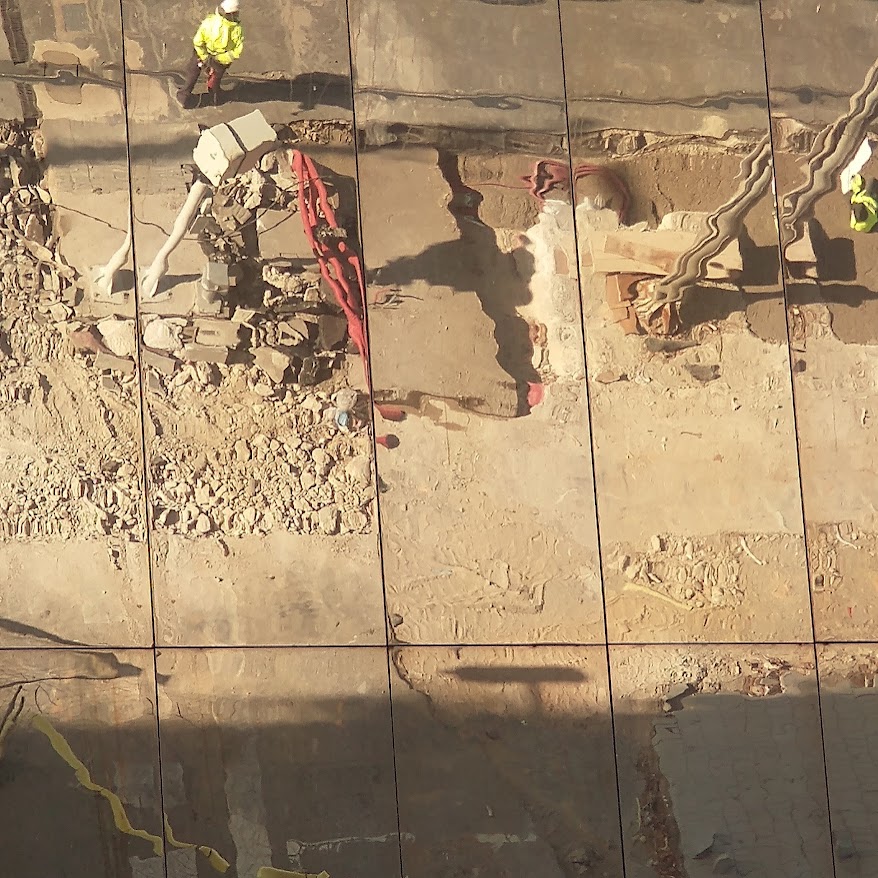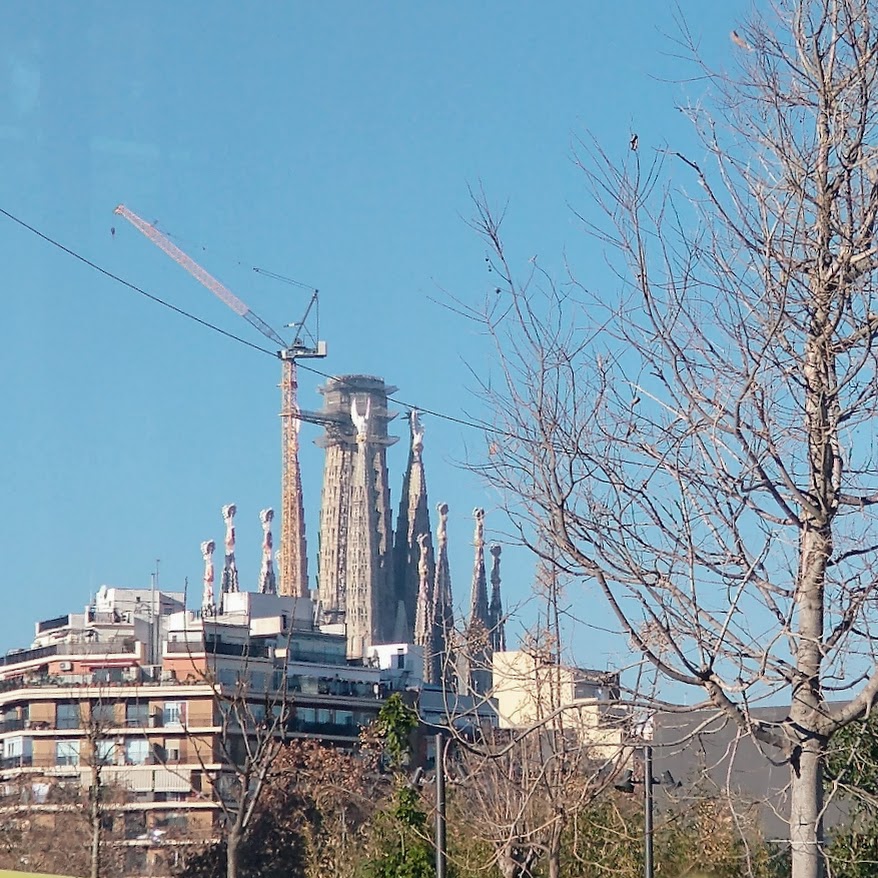
Here in the UK, we know a lot about clouds. And at this time of year, we know a lot about grey clouds. Looking out of the window just now yields an unending vista of smoky grey, darkening over Mickley way to gunmetal and slate. No cotton-wool puffs of cumulus for us.
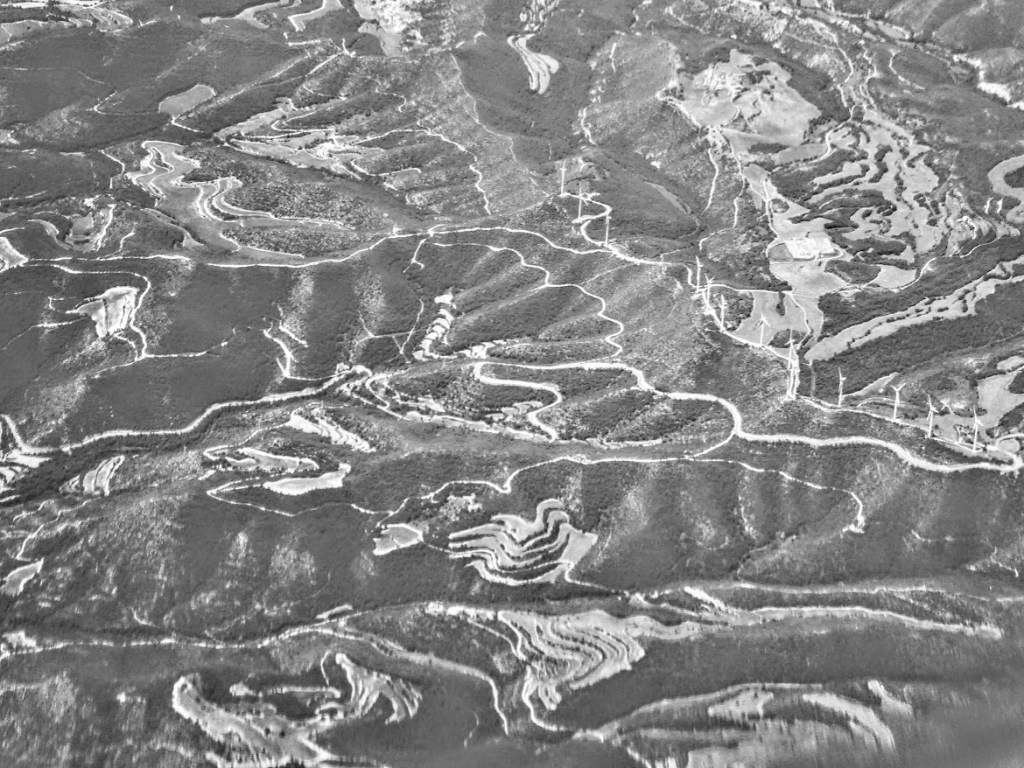
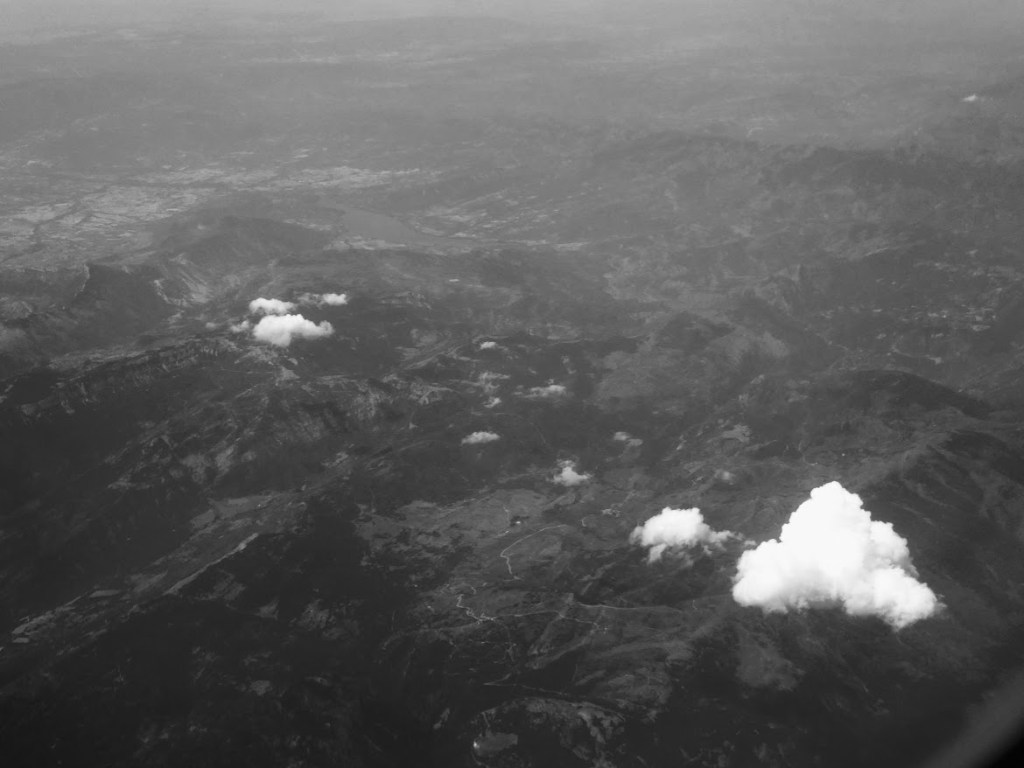
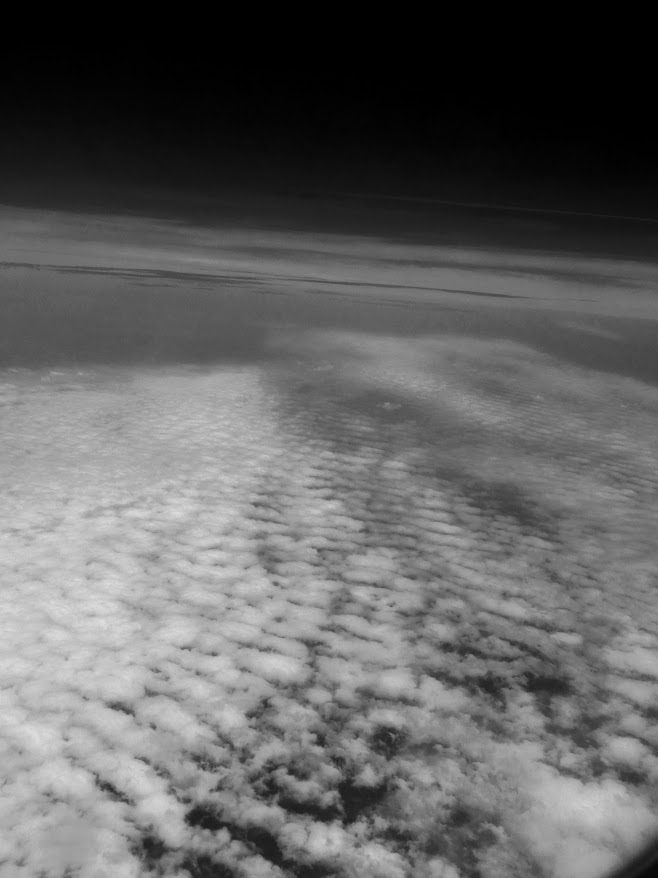
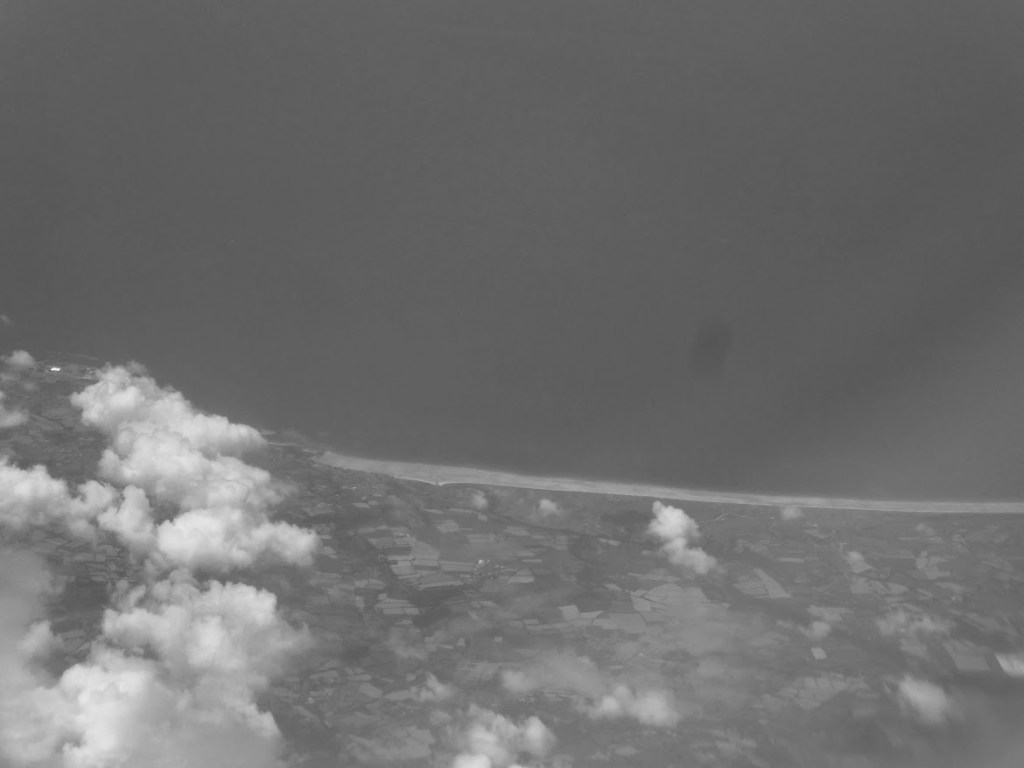
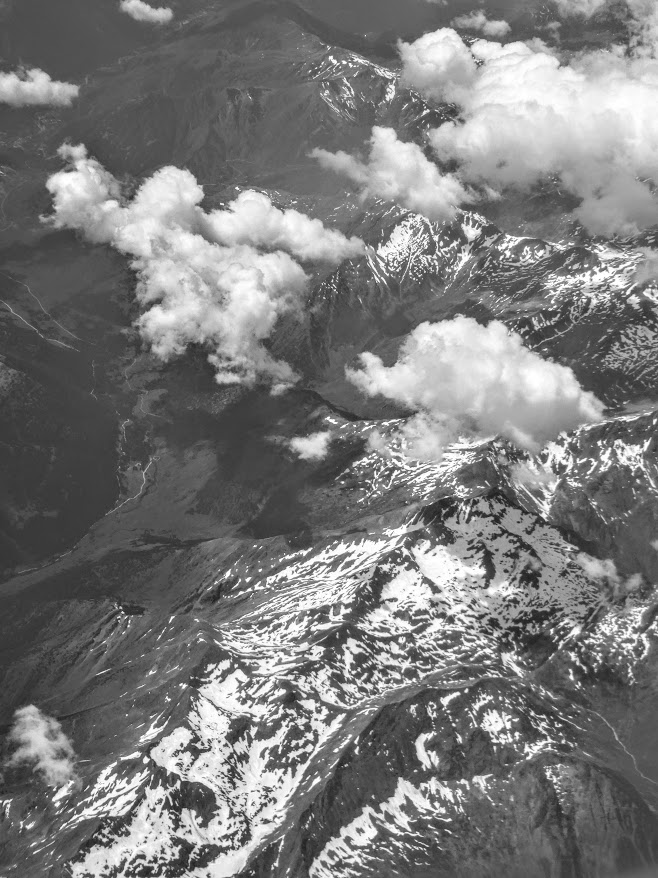
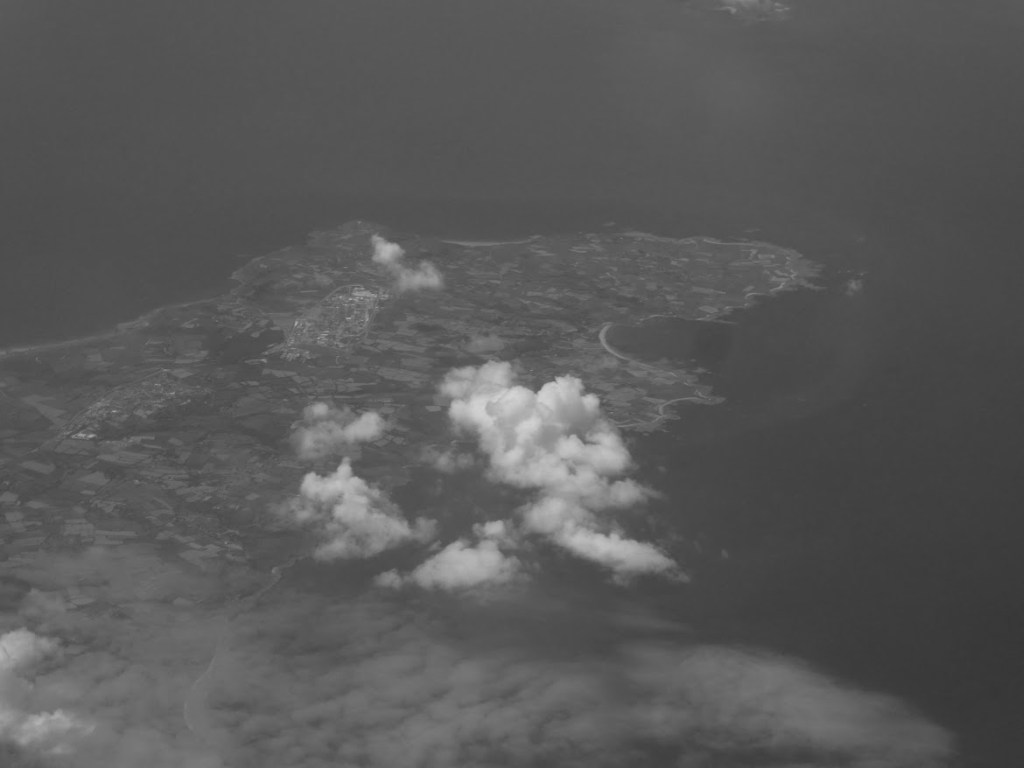
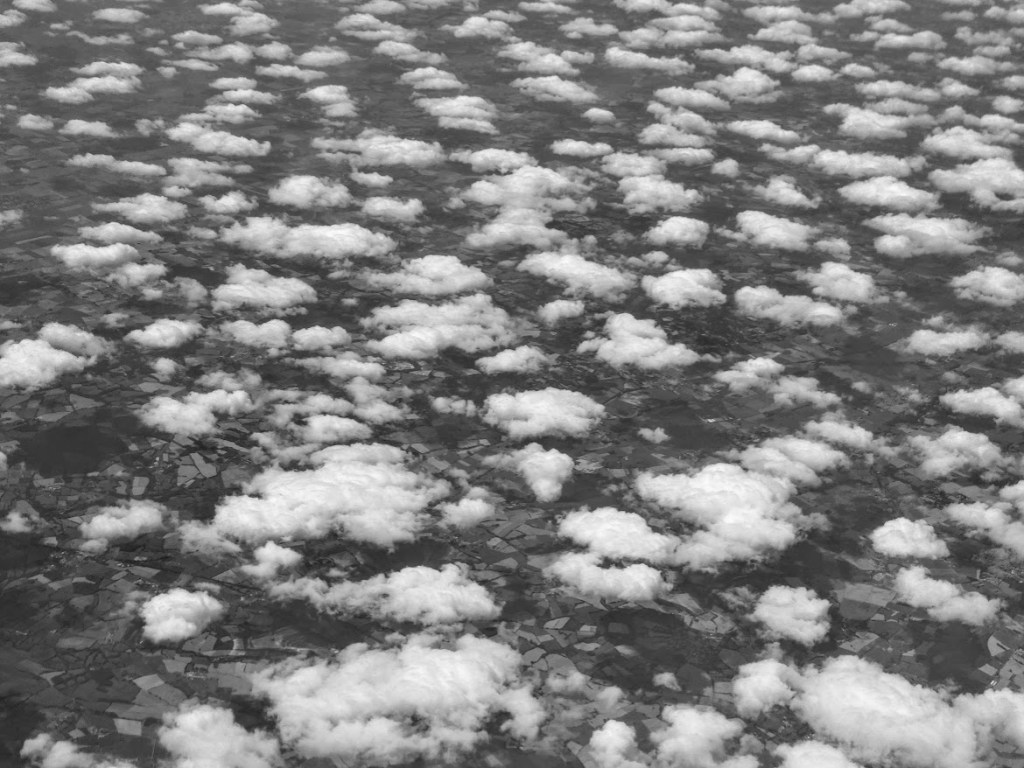
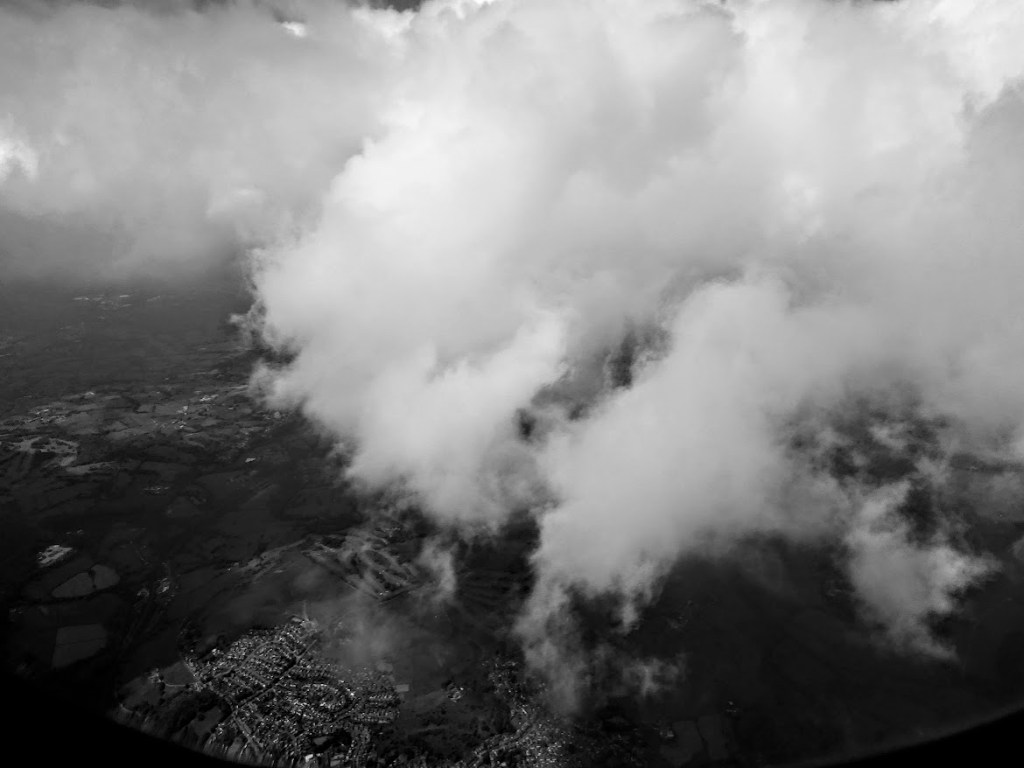
So let me whisk you to a day in June, when the plane transporting me from Barcelona to Leeds offered me a constantly changing cloudscape below me, with tantalising glimpses of beaches, landscapes and the Pyrenees, the Atlantic coast, and then crowded old England. The featured photo shows us just leaving Barcelona – hardly a cloud in the sky. And then …
Mist rather than cloud, to start with.The foothills of the PyreneesWell, who can tell?Cresting the Pyrennean peaksOver the French coast now…Here too.Still FranceNearly homeEven more nearly home.
Although generally a big fan of monochrome, on a grey day like this, I’m not sure I like these clouds and vistas in black and white. My memory of that summer day was of clear bright and optimistic colours. But needs must. This is for Monochrome Madness, and hosted this week by Brian, of Bushboy’s World.
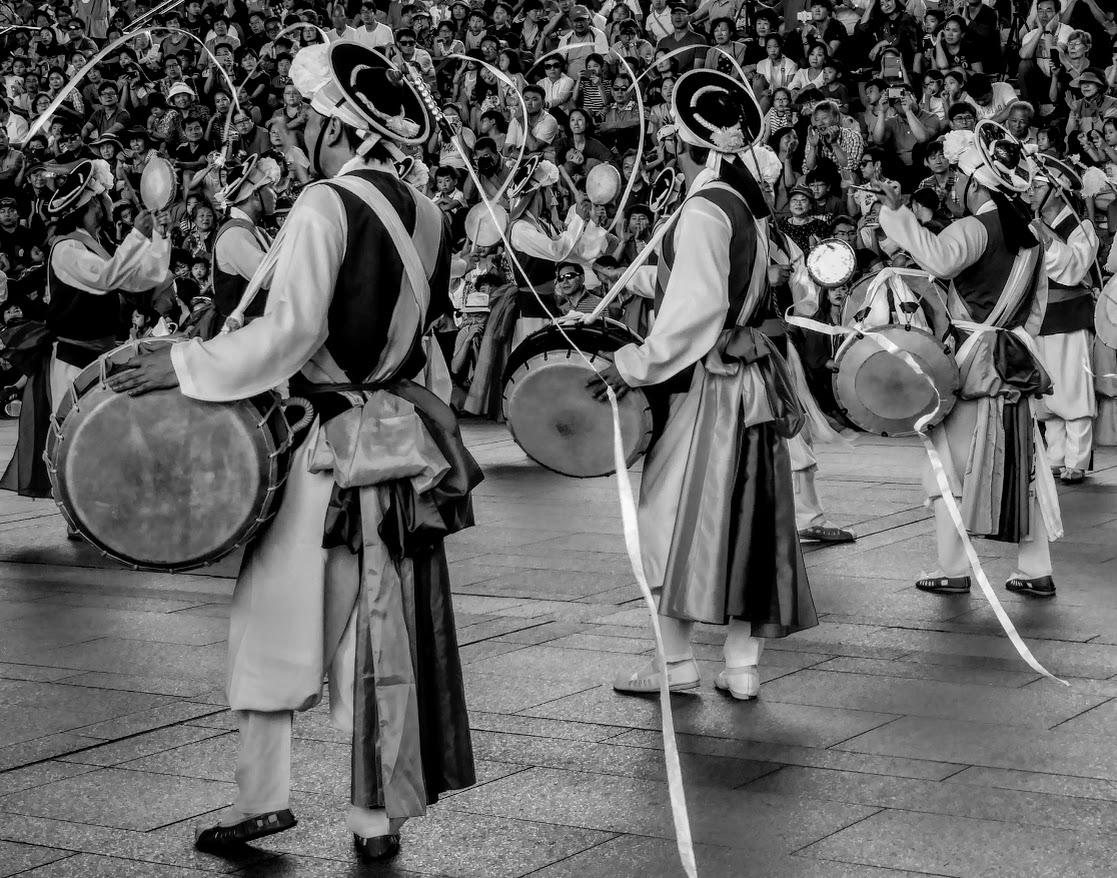
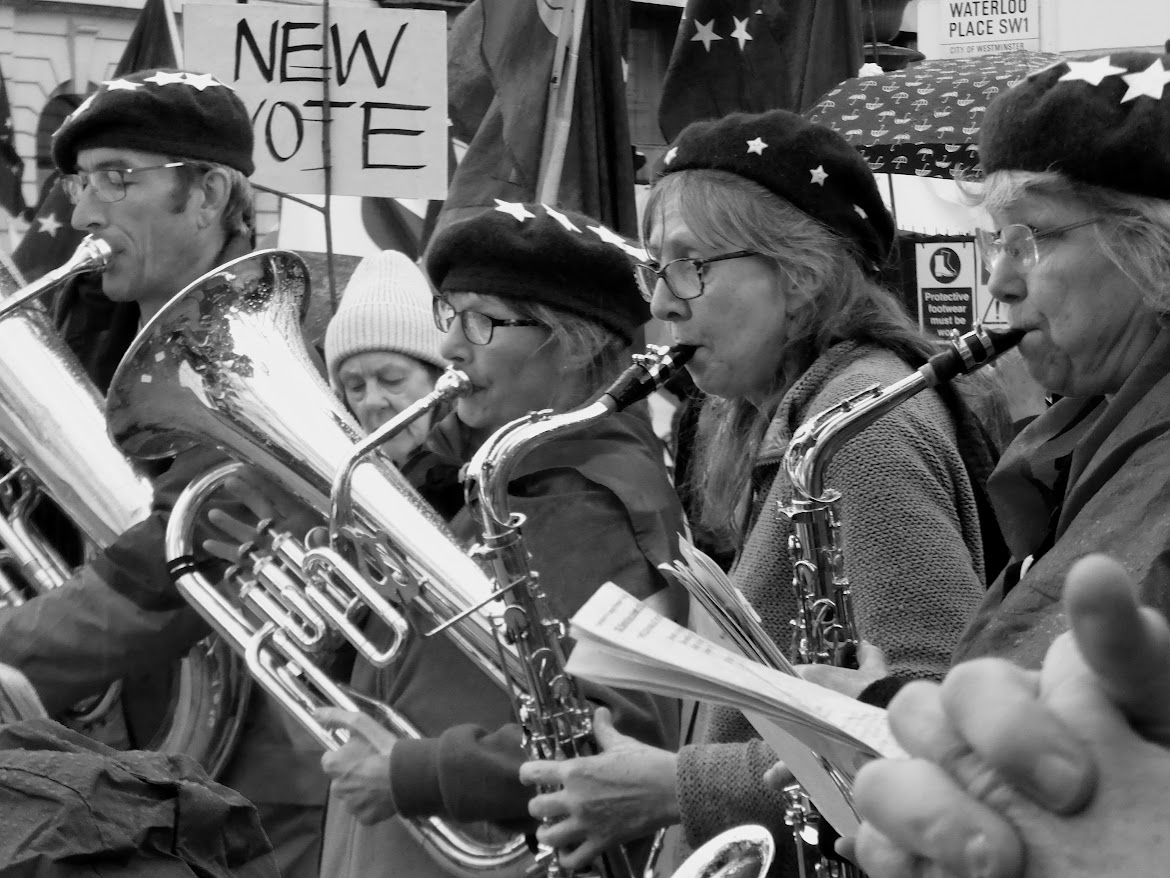
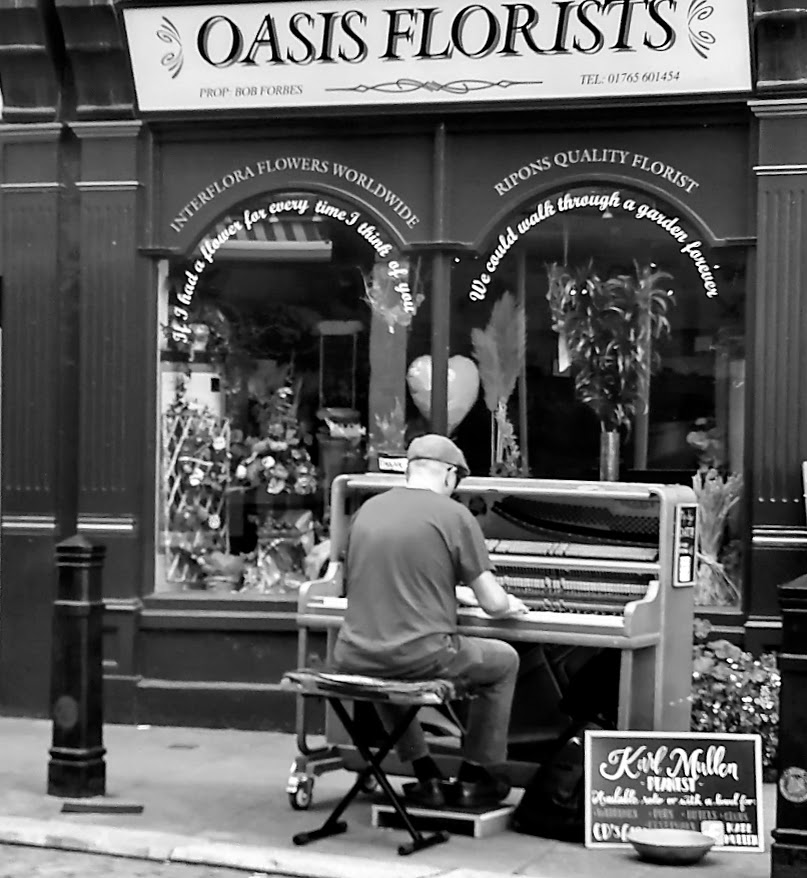
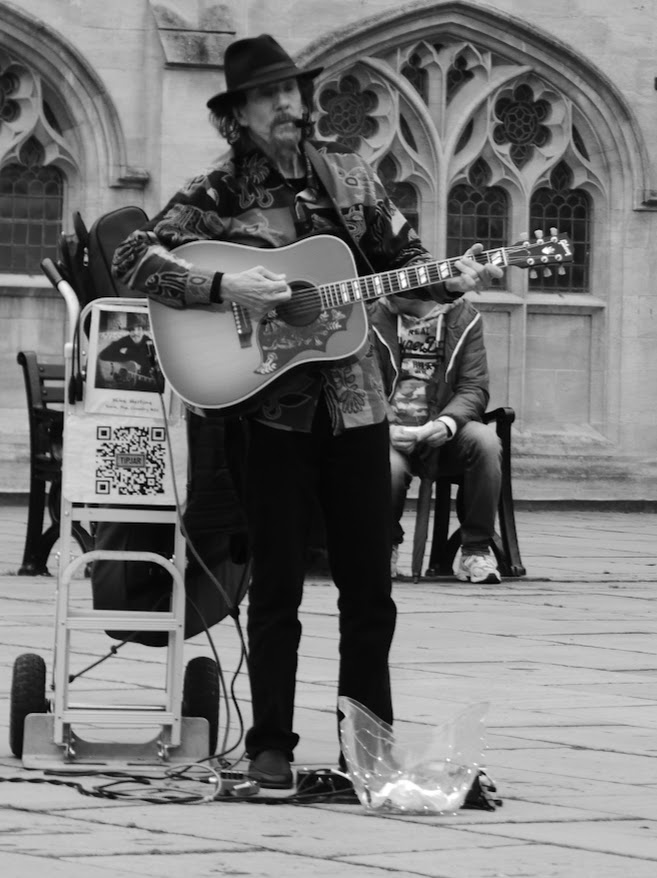
Where words fail, music speaks: so said Hans Christian Anderson. And when Leanne invited me to host Monochrome Madness for One Week Only, I thought Music might be a good theme. We bloggers come from all over the world. Though many of us, in many nations, have English as our first language, there are dozens of different ones in the WordPress melting pot. But we can all enjoy music together, whether singing, playing instruments, or dancing, Or all of the above at once. Let’s do it.
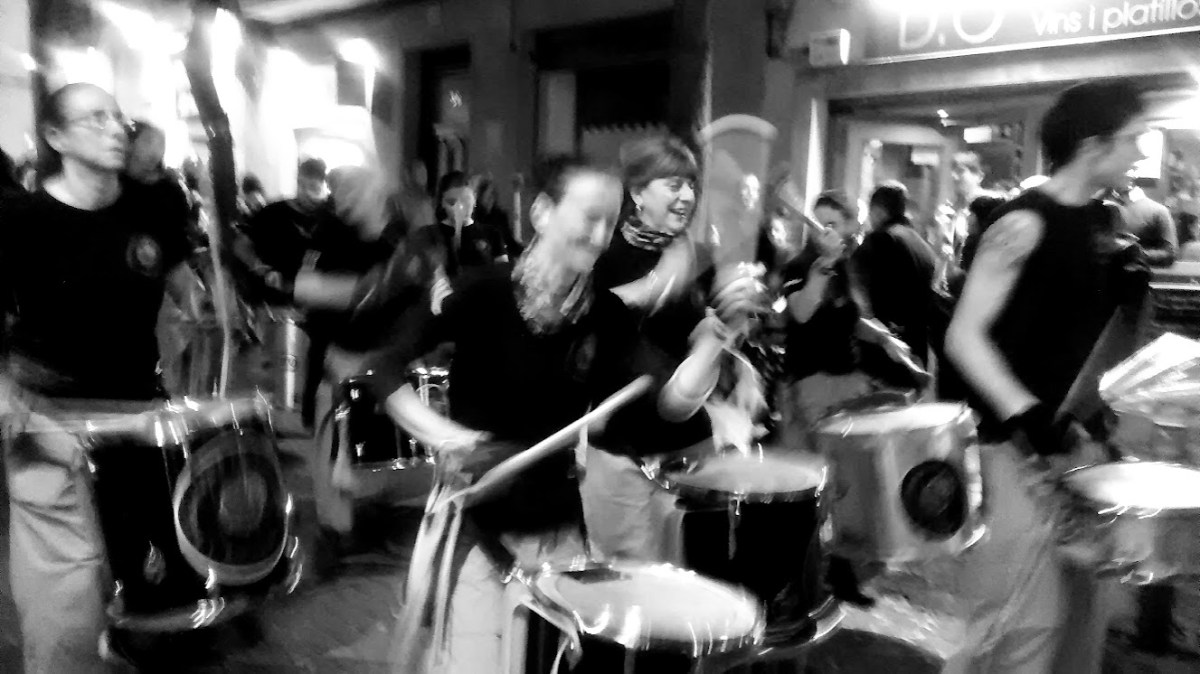
My header image was taken at the neighbourhood Festa Major in Gràcia, Barcelona. It’s out of focus, and I don’t care. It captures I think the verve and enjoyment of those performing drummers.
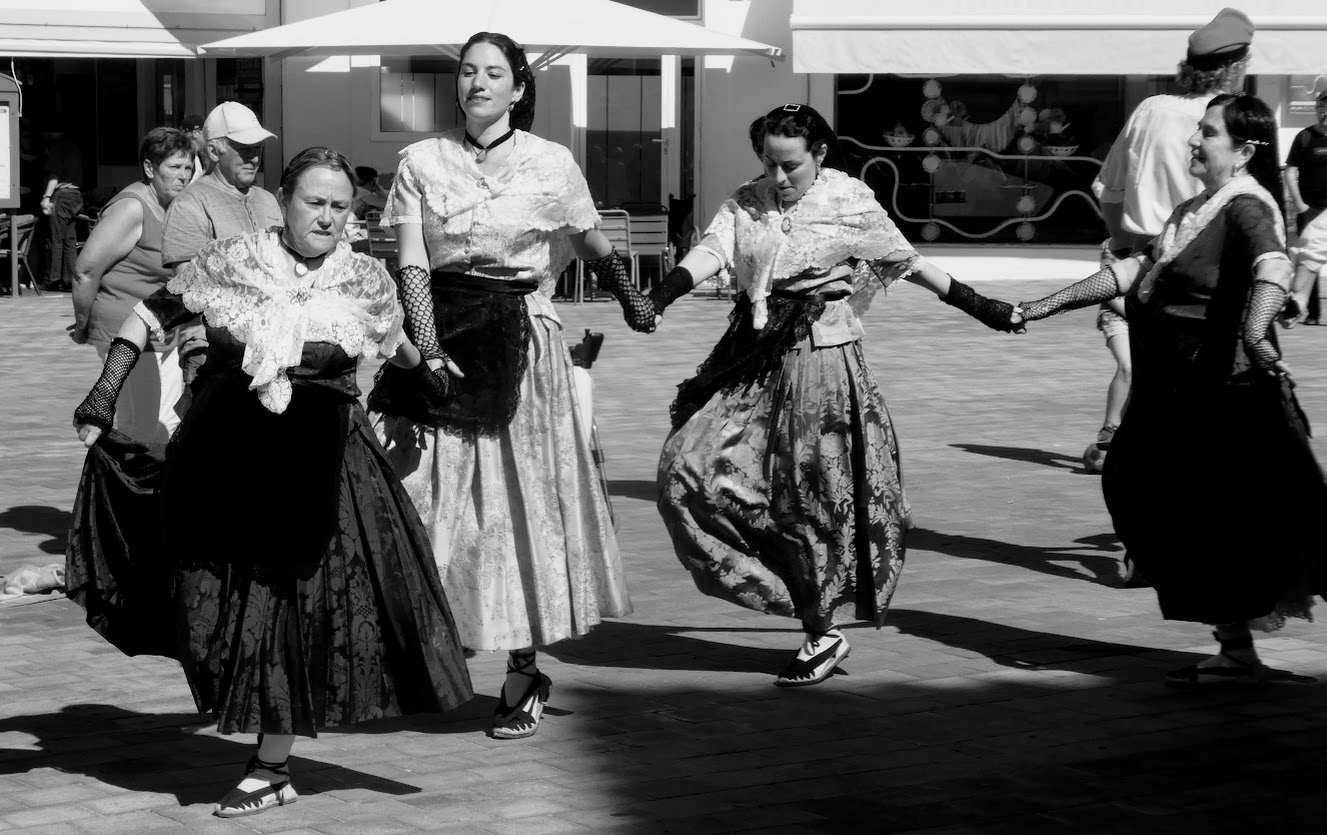
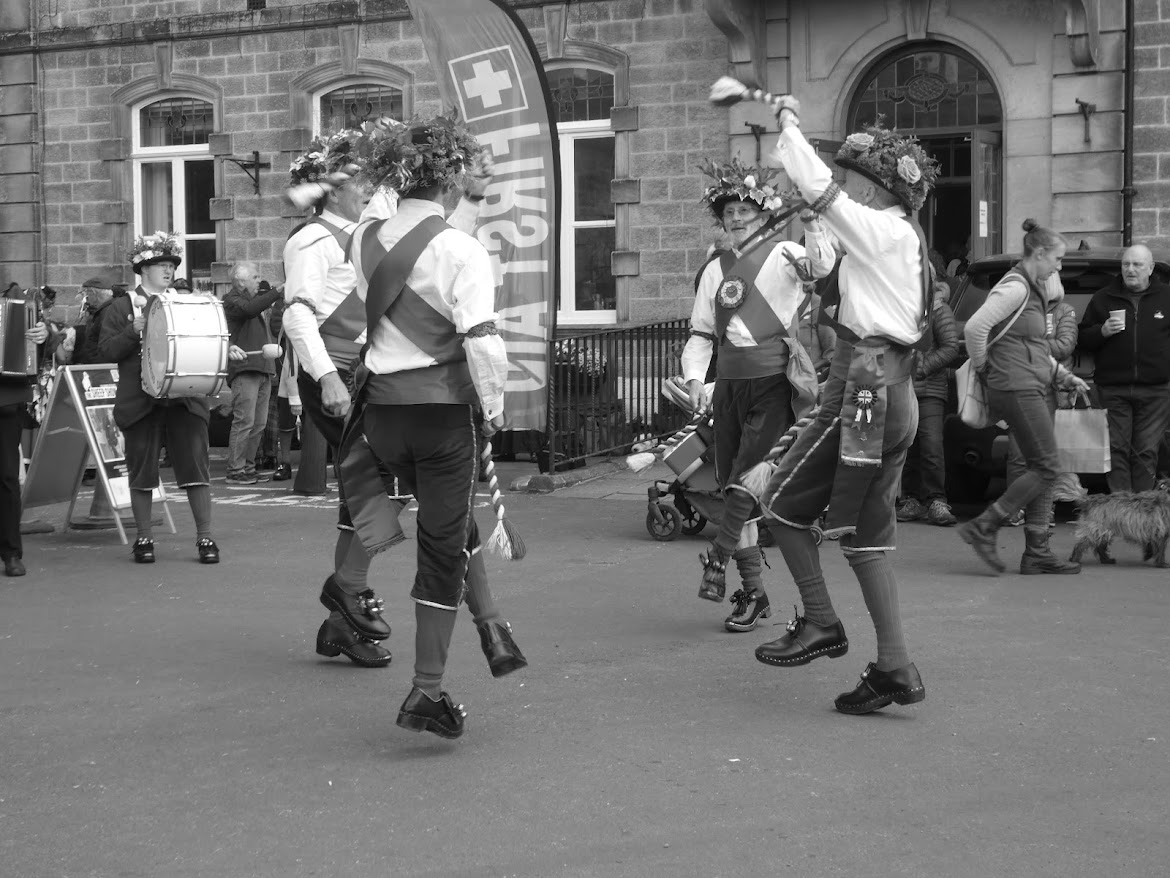
Here are some dancers in neighbourhood festivals: in Catalonia; and in England – Morris Men.
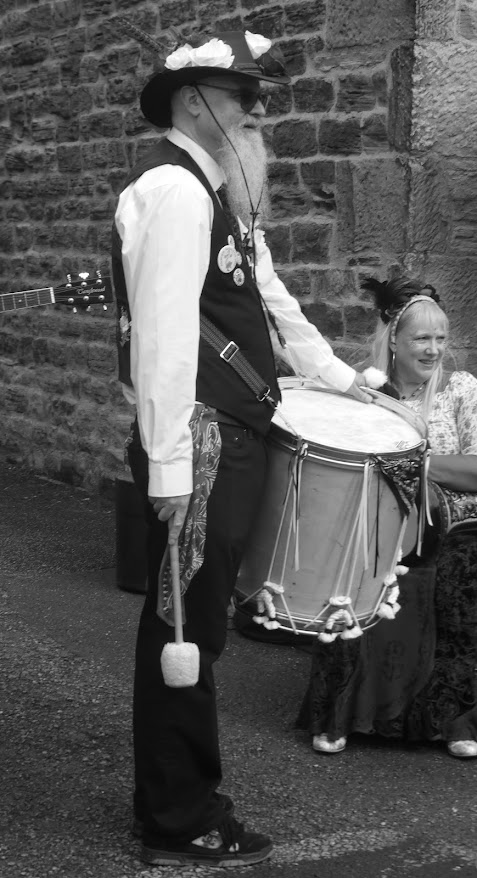
Instrument players now. The drummer accompanying the Morris dancers; drummers celebrating Chusak in South Korea, and brass players marching in London in those heady optimistic days when some of us still thought Brexit might not happen.
Of course some instrumentalists out in the street are trying to earn a living. Here are buskers in Ripon and Bath.
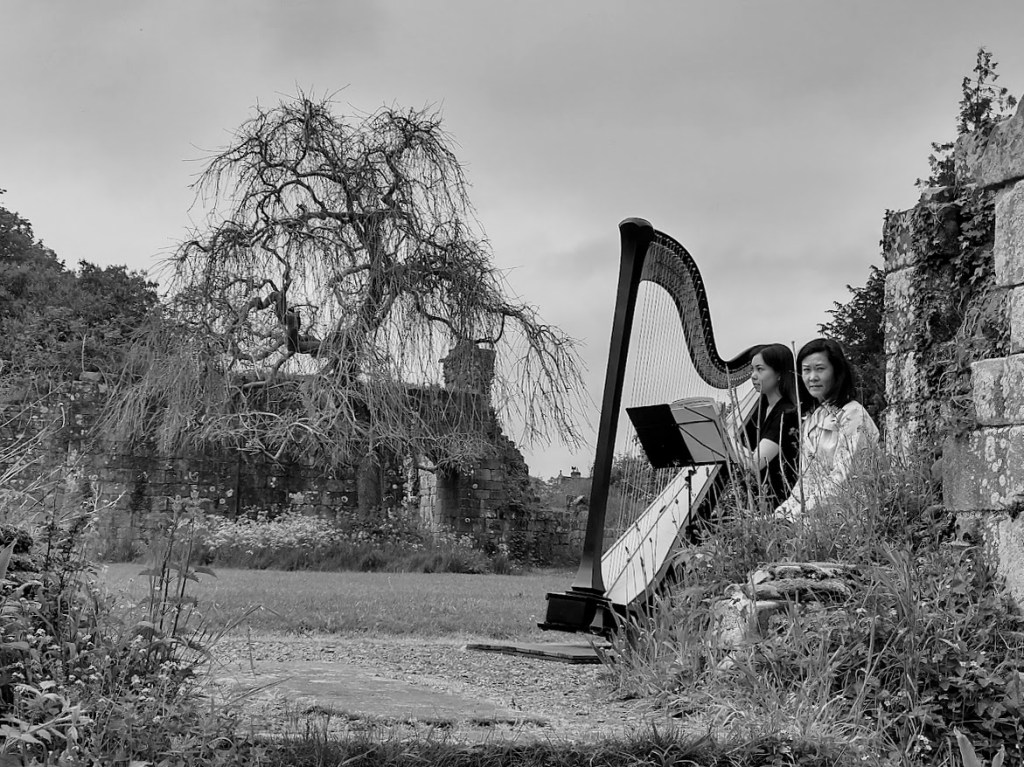
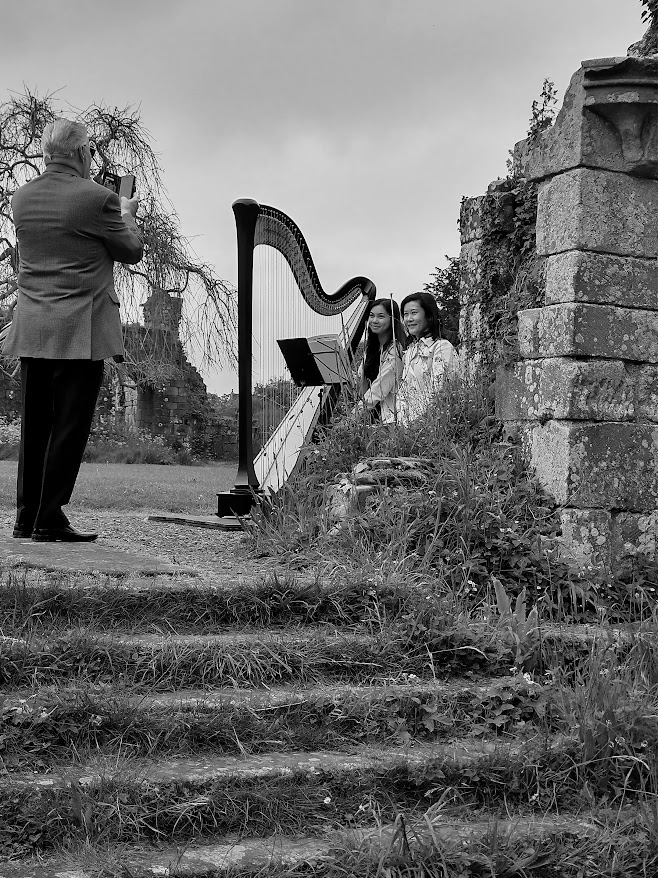
And a harpist playing at a friend’s wedding in the grounds of the ruined Abbey at Jervaulx ….
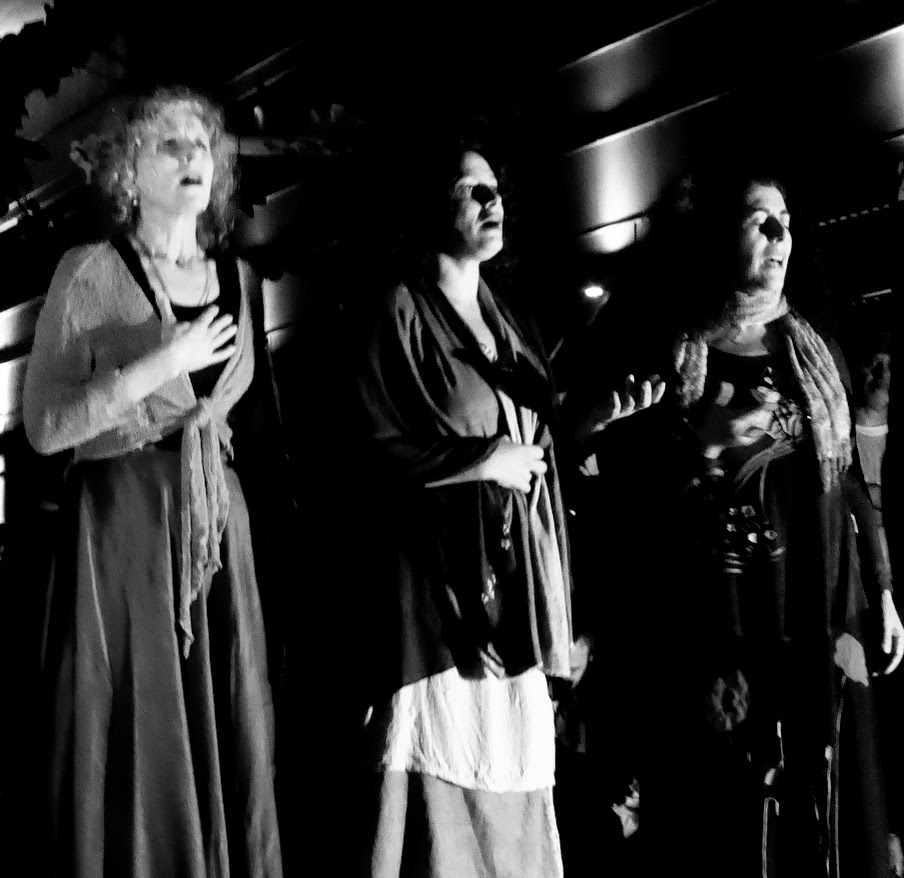
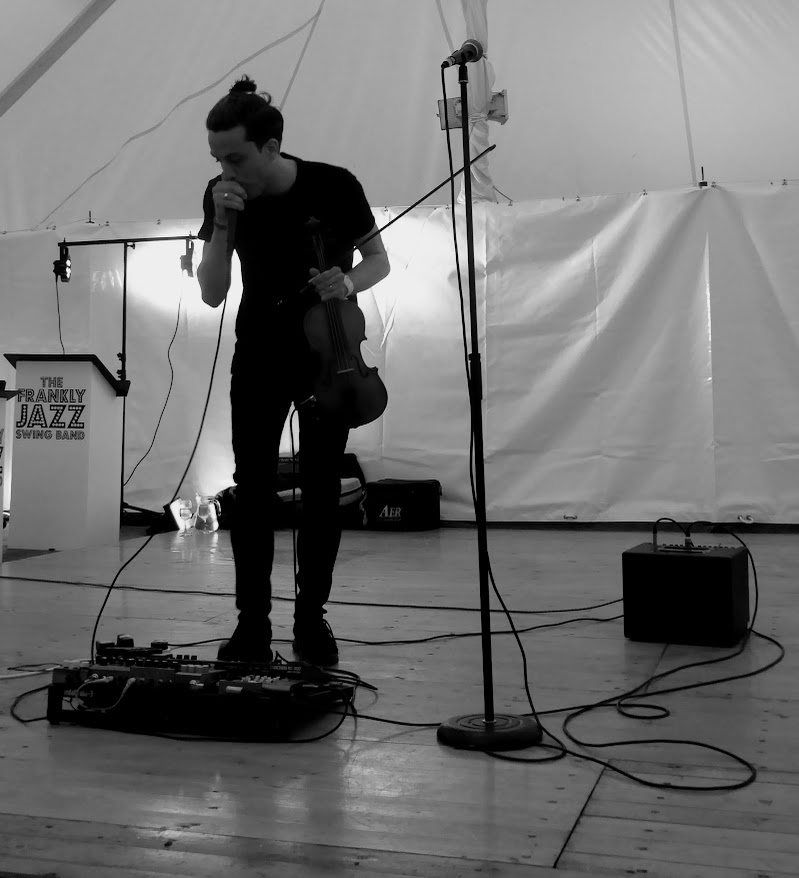
Here are singers in Seville, relying simply on the beauty of their voices; and a singer-instrumentalist, heavily dependent on a supply of electricity to produce a sound.
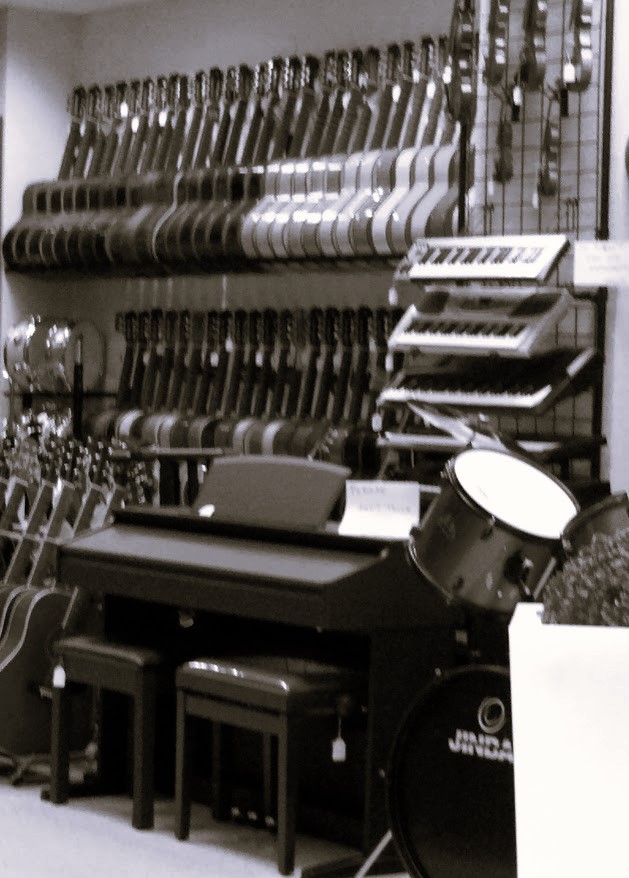
Of course, first you have to have your instrument. Here’s a music shop in Málaga.
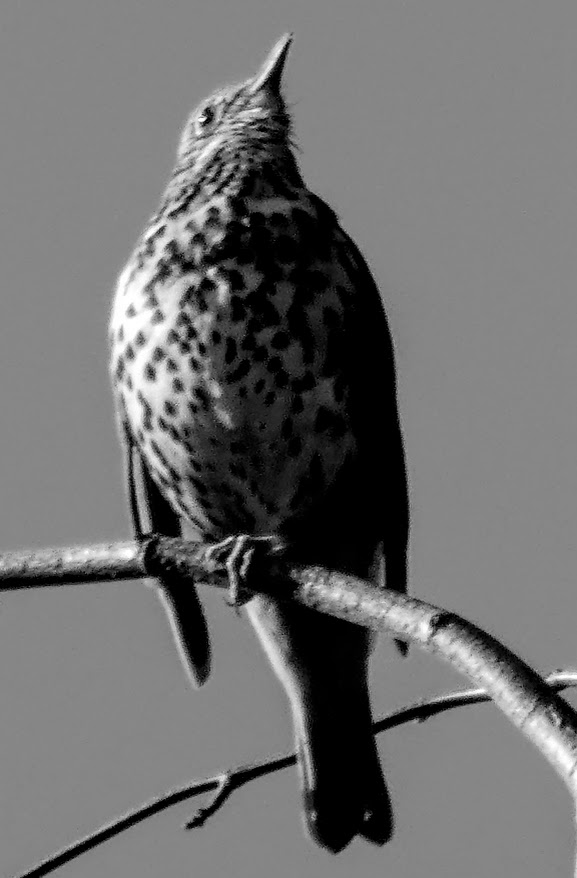
This thrush is a musician from the natural world. He commandeers a high branch here, spring after spring, and simply sings his heart out from early morning to early evening, almost without stopping. I wish you could hear him.
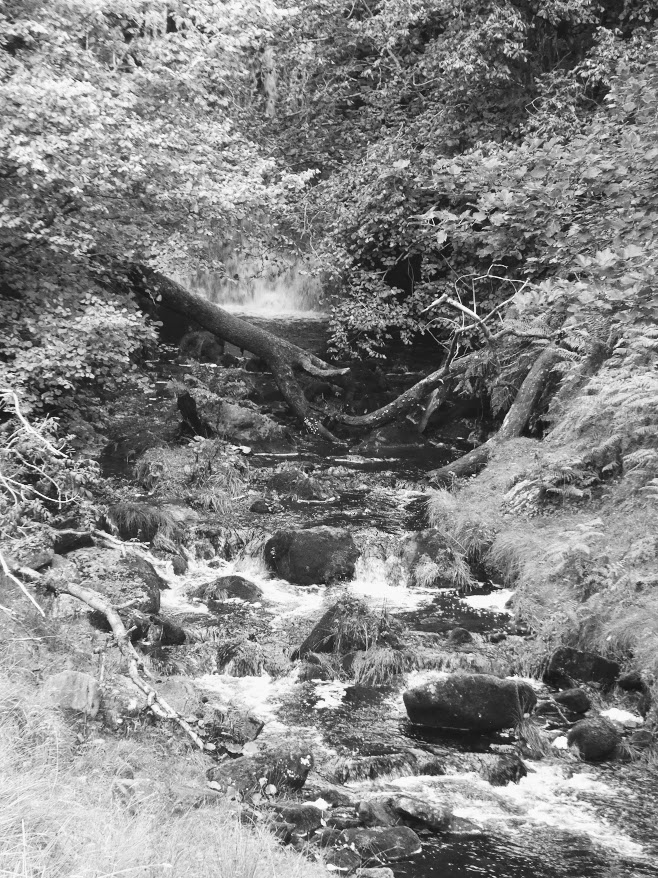
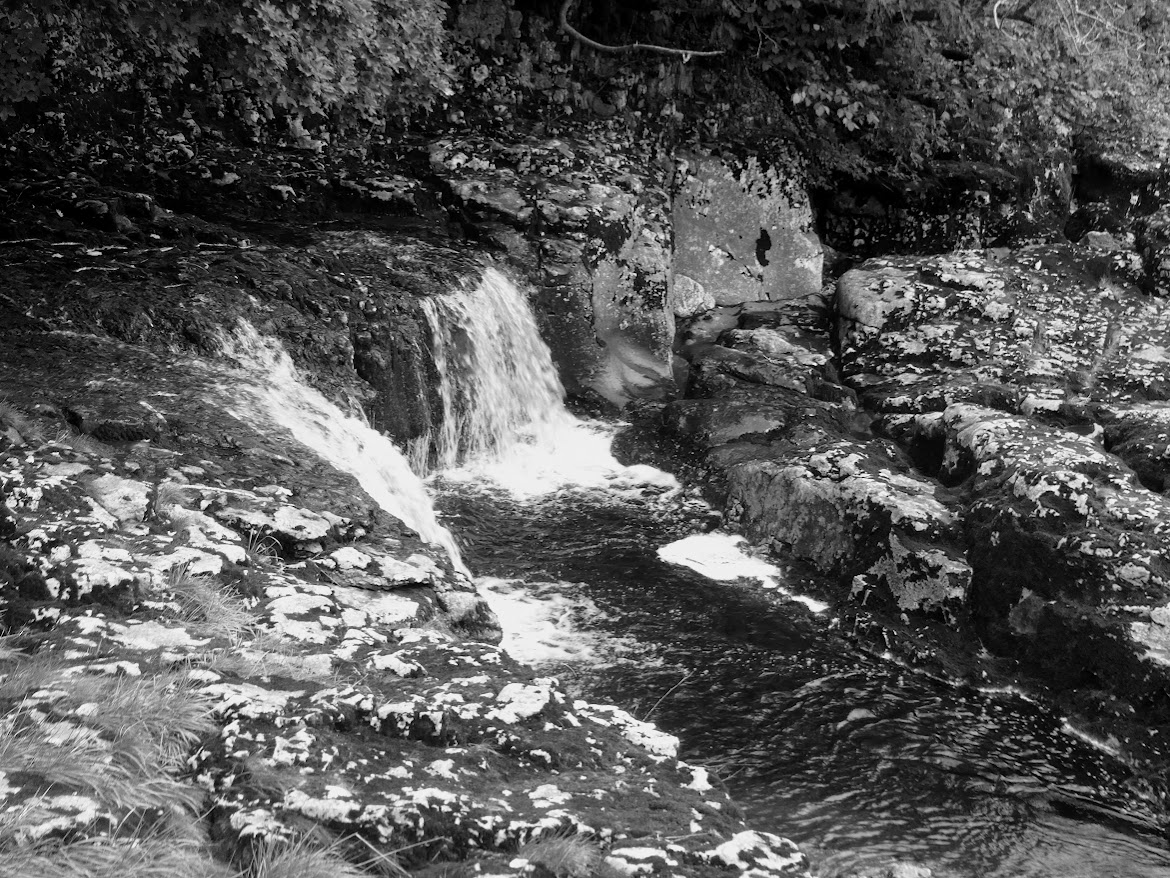
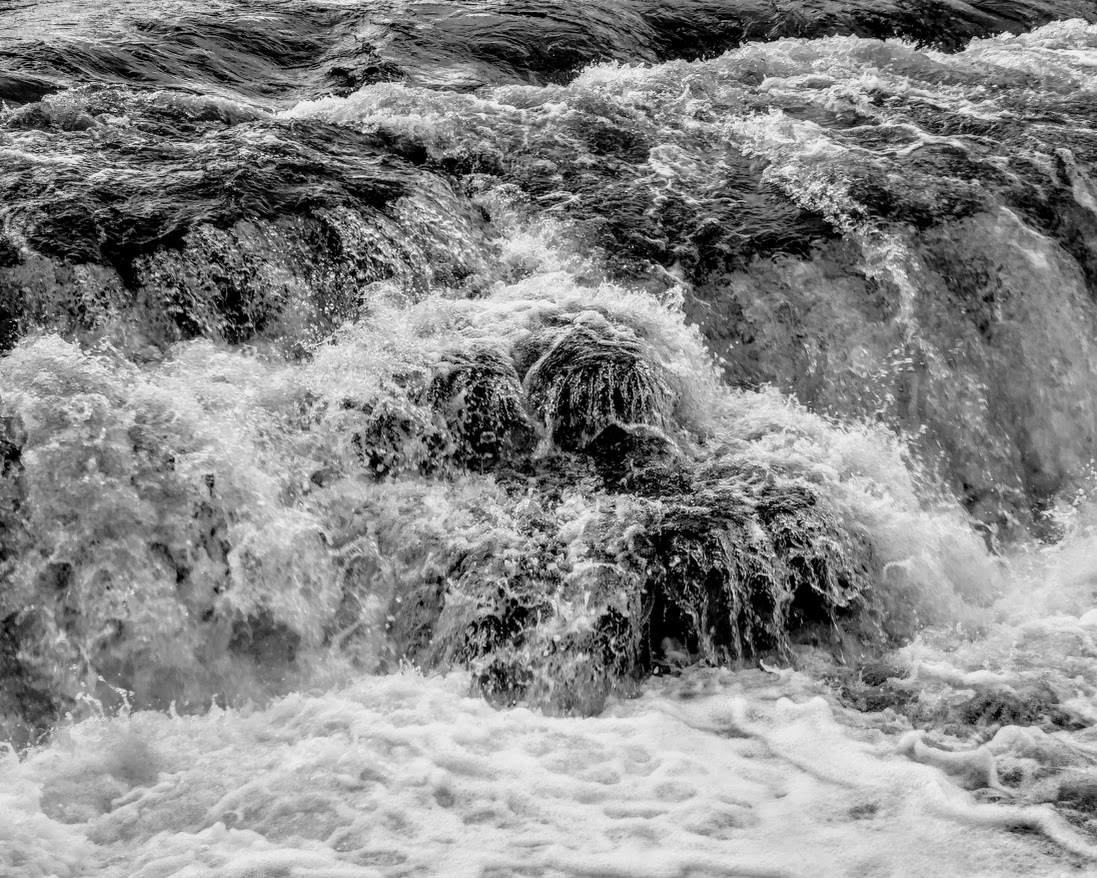
And while we’re in the Great Outdoors, is there anything more musical than a tinkling and plashing stream, tumbling tunefully over rocks?
Please do join in with your own musical offerings. And link back both to this post, and to Leanne’s site too, here.
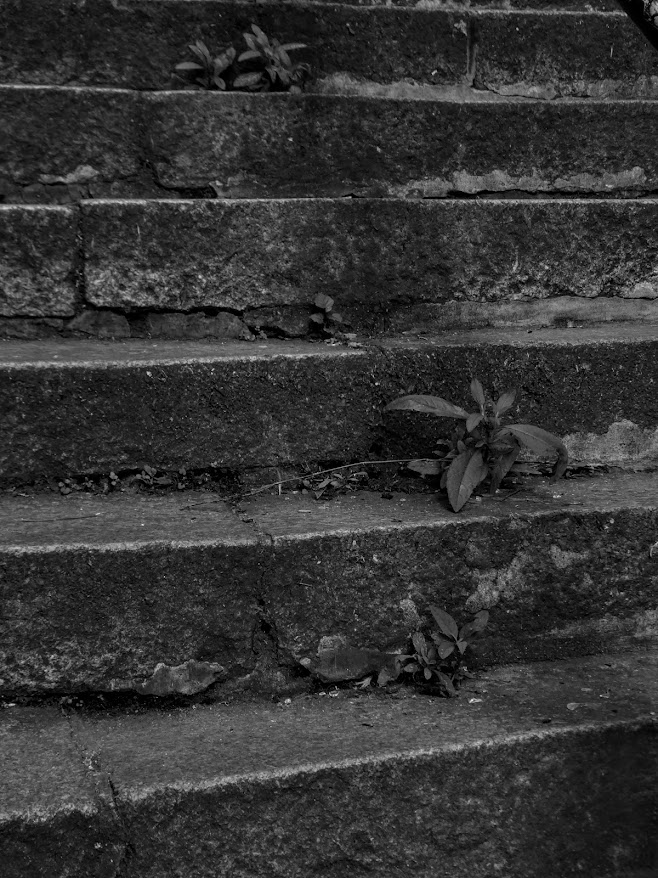
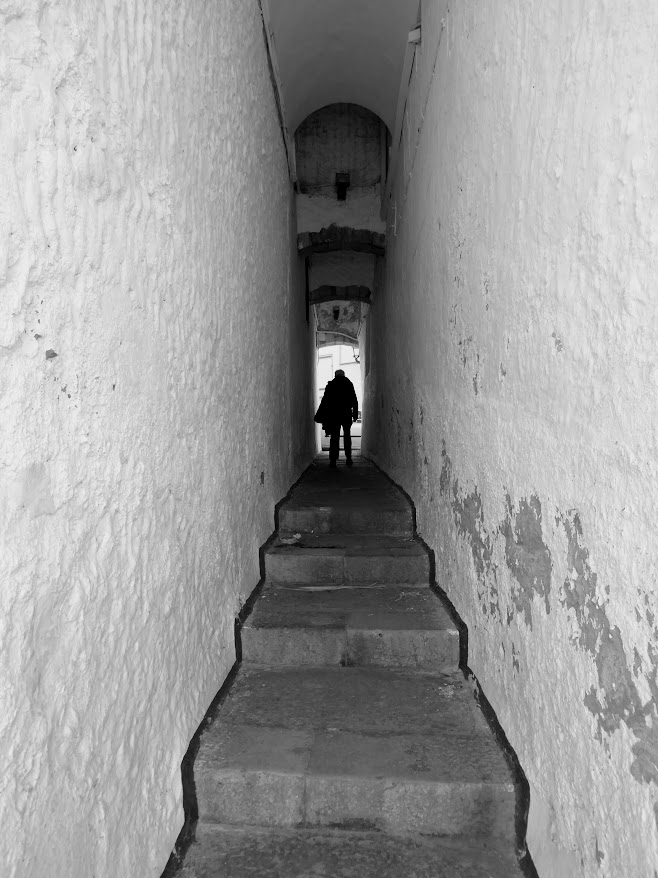
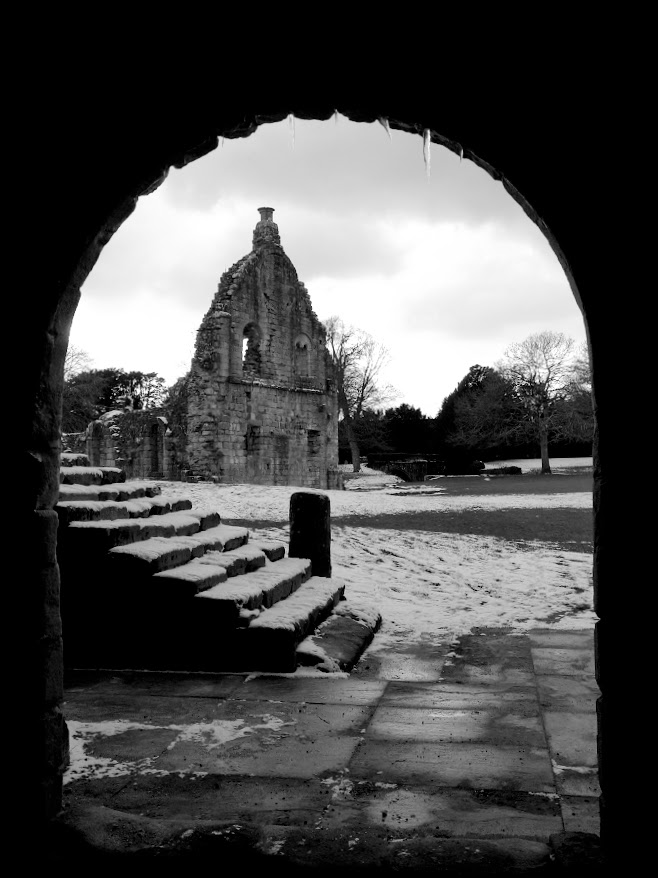
This week’s Monochrome Madness theme is proposed by Aletta of nowathome: and she’s chosen Steps or Stairs. It’s an interesting idea, and one where I could have chosen the grand and elegant staircases gracing the finest palaces and country houses of the rich, titled or famous.
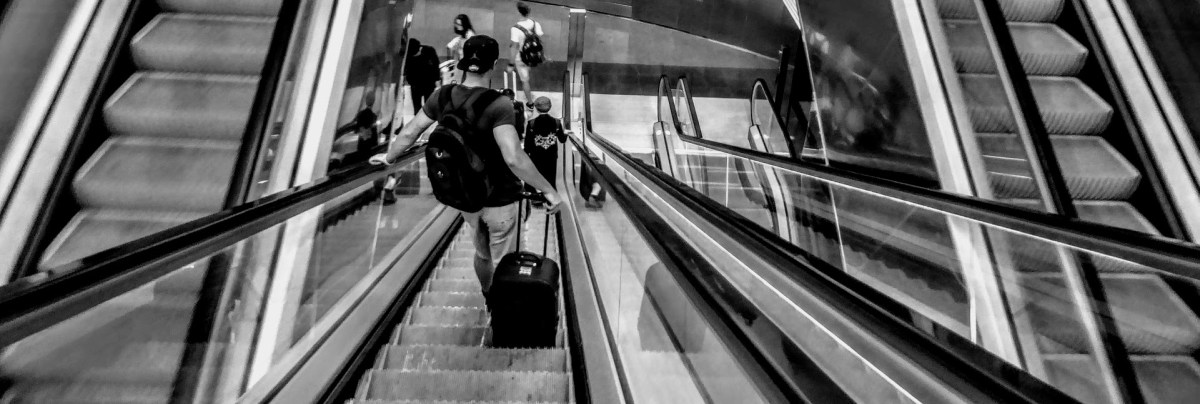
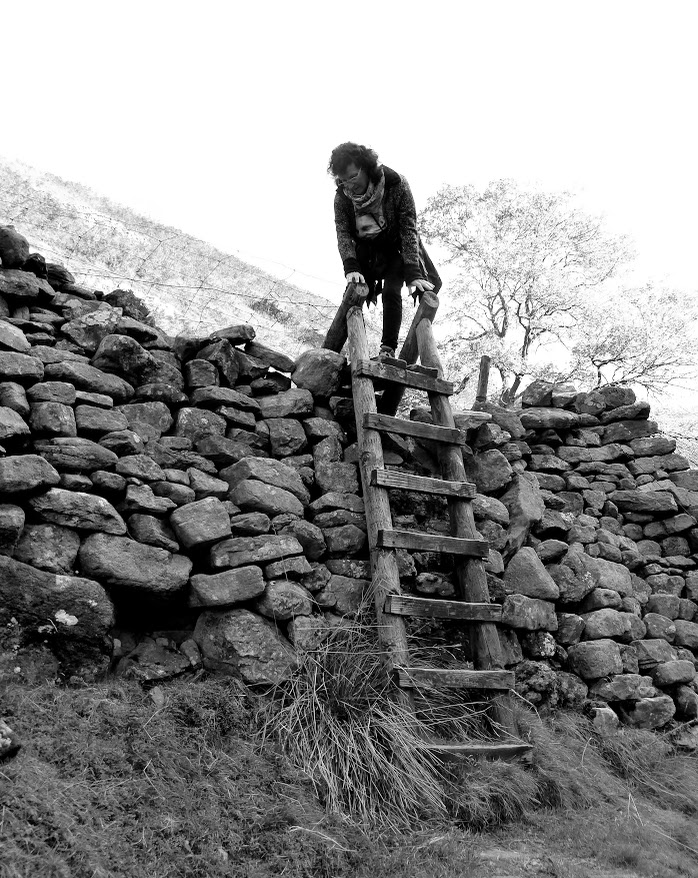
Instead I’ve chosen the steps trodden by ordinary folk on their daily round in Barcelona (featured photo), Newcastle and Sitges; or by monks engaged in their spiritual duties at Fountains Abbey; or by a hiker, needing to nip over a few drystone walls on her several mile journey from A to B.
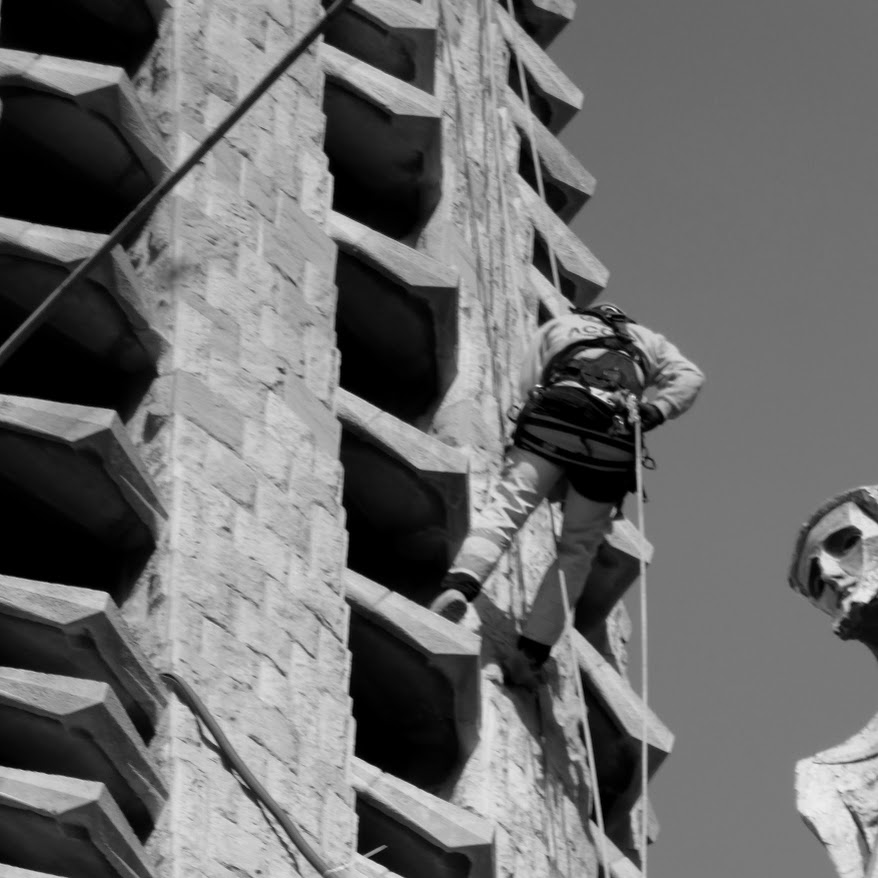
Or there’s the worker helping construct la Sagrada Familia in Barcelona. It might be one of the most famous buildings in Europe, but shinning about its heights looking for footholds is just part of his 9 – 5, every working day.
Works conttinues at La Sagrada Familia, Barcelona
And I’ll leave you with one little treat. A harpist at Jervaulx Abbey this summer, playing at the wedding of some good friends of ours. She was working, even if the rest of us weren’t.
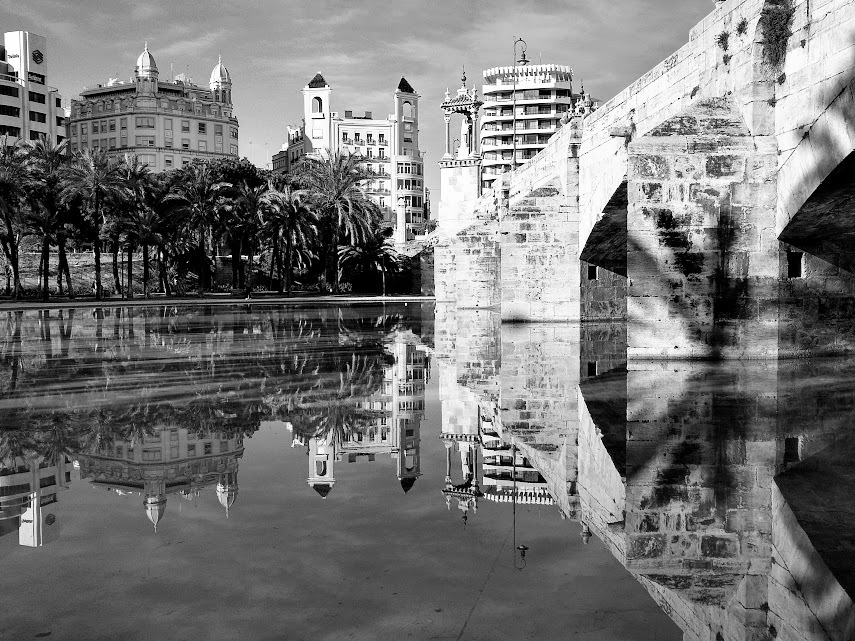
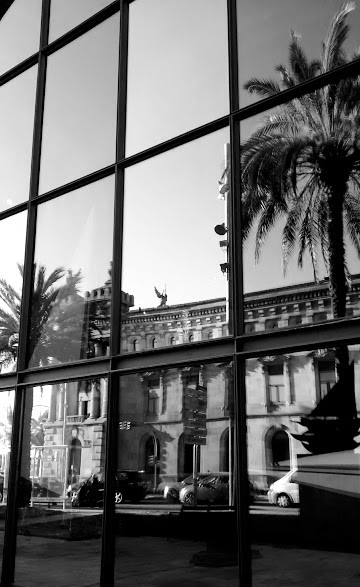
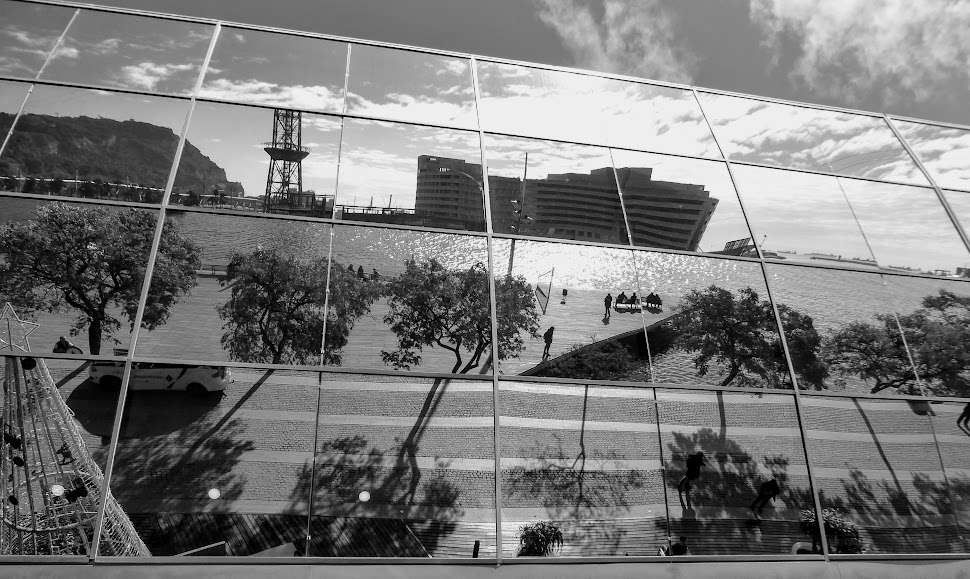
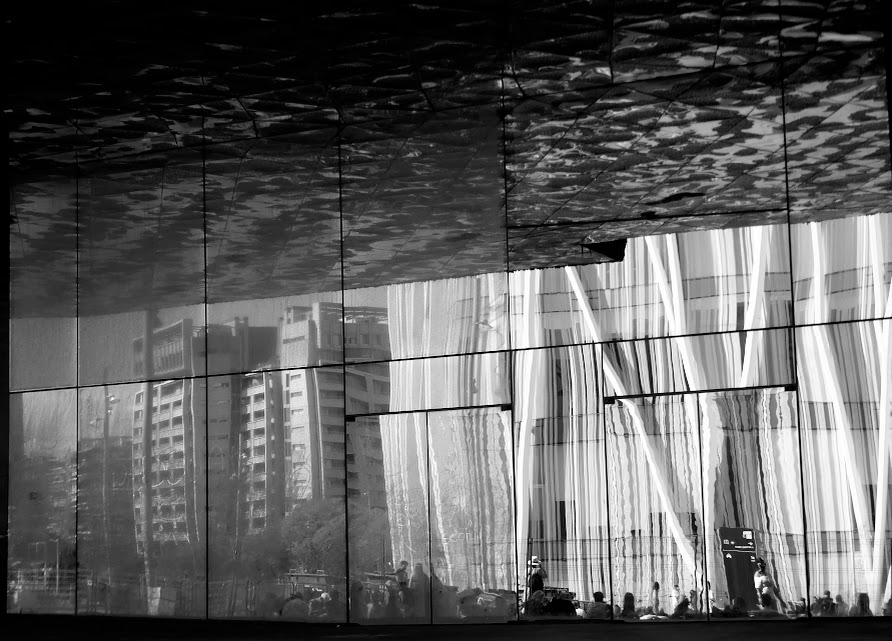
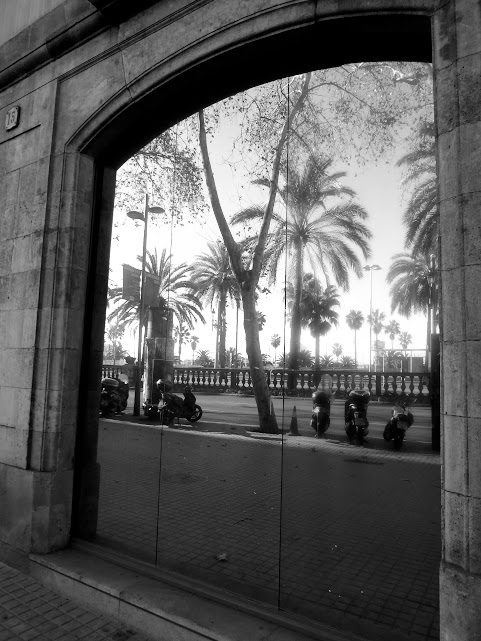
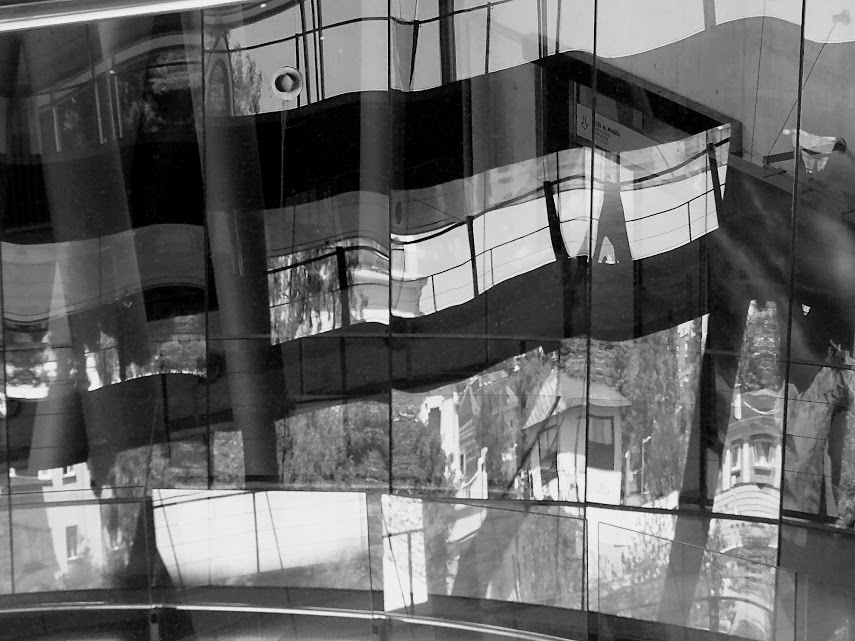
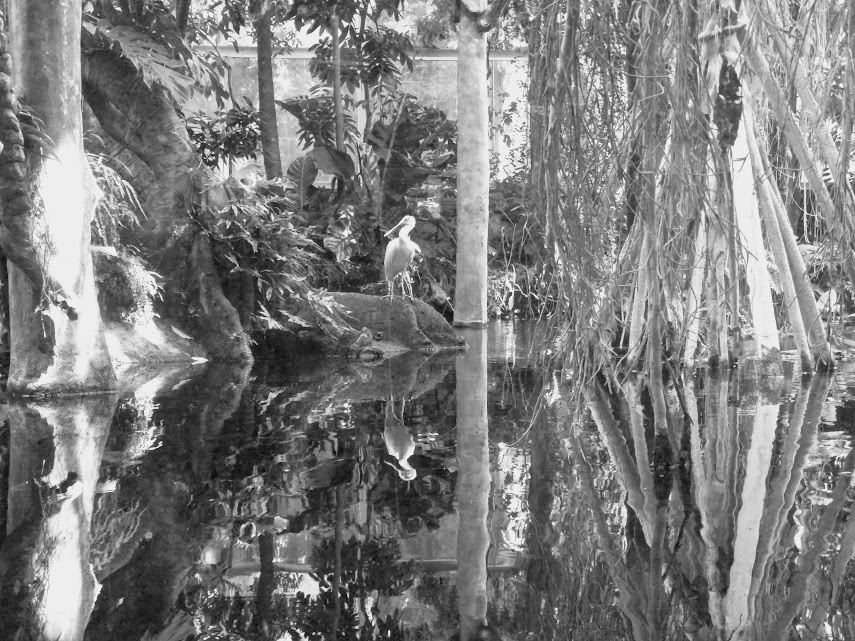
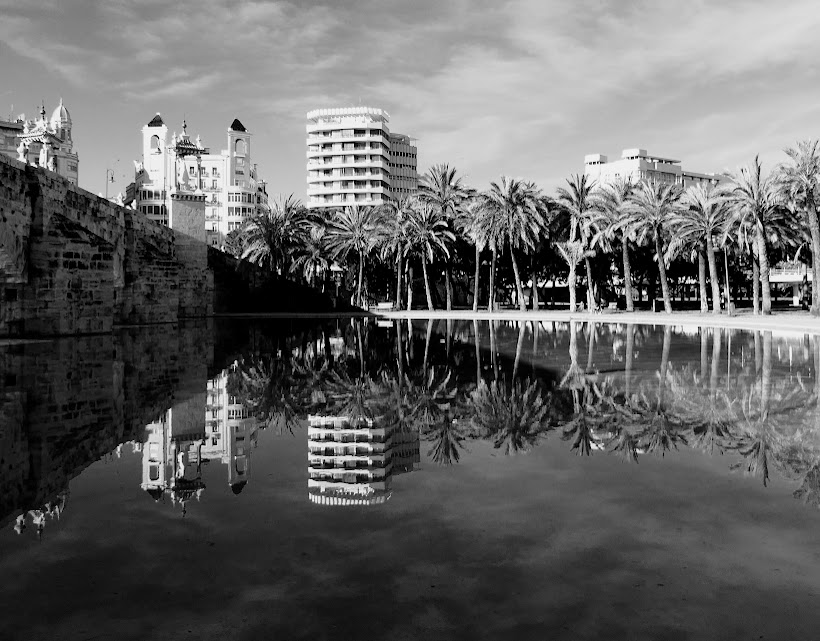
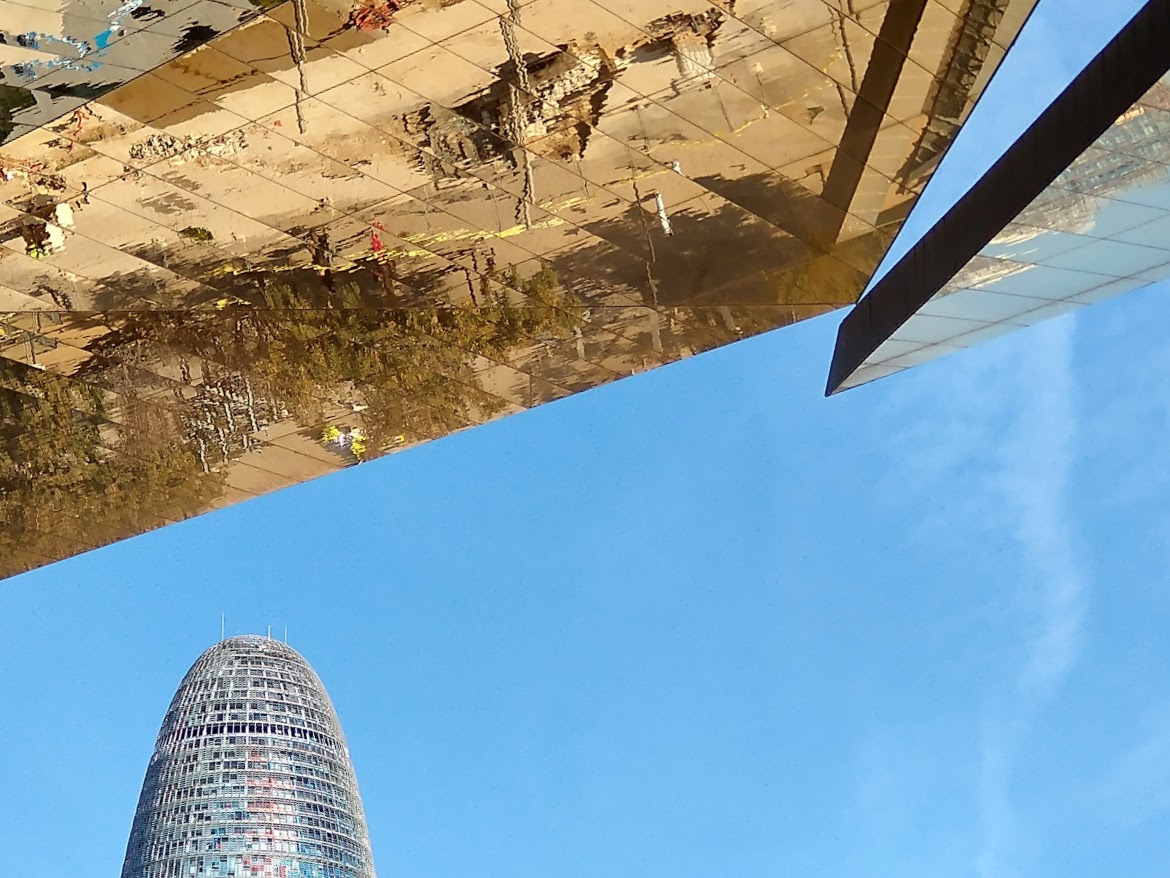
A few weeks ago, I posted a picture of the Puente del Mar in Valencia. Today, my feature photo displays a different image of this bridge, because this week, Leanne has asked us to post reflections for Monochrome Madness .
And I’m going to stay in Spain, and take a stroll round maritime Barcelona. Yet not a watery reflection in sight.
Let’s start with a Roman Bridge, in Córdoba. It’s called the Roman bridge, because it was first built during the Roman colonisation of southern Spain. But it was overhauled in the 10th century. Then in the Middle Ages. Then in the 16th and the 17th centuries, when a statue of St Raphael was added. Lights were added in the 19th century, and it was pedestrianised in 2006. It’s a wonder it can still be called the Roman Bridge. But it can. The 14th and 15 arches are still the original ones.
El Puente Romano de Córdoba.
We’ll leap forward to the Renaissance, but stay in Spain, in Valencia, and visit the Puente del Mar. Flooding in the River Túria swept away an old wooden bridge, so in 1591, it was replaced with this:
Puente del Mar, Valencia.
Stone, brick, wood: all these were the traditional bridge -building materials of choice down the centuries. Until the Industrial Revolution here in England, whose original epicentre was in Coalbrookdale, thanks to its wealth of natural resources all conveniently in the same area. The world’s first iron bridge was built here in 1779.
The Iron Bridge, Coalbrookdale, Shropshire.
This bridge is the grandparent of almost all bridges built – in the UK at least – since then and into the 20th century. Here are three: Vauxhall Bridge, completed in 1906; the Tees Transporter Bridge, completed in 1911, and the Tyne Bridge, completed in 1928.
Let’s leap briefly into the 21st century, and look at one of the bridges in Valencia’s assertively future-facing Ciudad de las Artes y las Ciencias, created between 1998 and 2009.
Ciudad de las Artes y las Ciencias, Valencia.
And finally, the Millau Viaduct, sweeping more than 300 metres above the Tarn in southern France, designed by Norman Foster and completed in 2004. Like Valencia’s Science Park, it’s a destination in its own right.
Millau Viaduct, Occitanie, France.
But we can’t leave without mentioning the featured photo: London’s iconic Tower Bridge, open to traffic since 1894: both road traffic, and when regularly lifted, to river traffic beneath. The photo demonstrates why the extra height is necessary: that’s HMS Belfast in the foreground.
And to finish off, let’s stop at something that’s even older than bridges as a way of allowing travellers to cross water. Stepping stones. These are at Redmire Force, and are still a popular way of crossing the River Ure.
This week, for the Lens-Artists Challenge, PR invites us to present balconies we’ve met. I love leaning over a balcony, with the chance to relish a bit of sunshine whilst enjoying some people -watching. But it turns out that I haven’t got a single shot of residents enjoying their bit of outdoor urban space.
Lots of apartment-owners turn their balconies into gardens. Although the resident in my first shot hasn’t allowed a lack of an existing one to thwart plans. How about repurposing a few chairs? And the second one earns a place to show how so many Spanish and Portuguese balconies are tiled on the underside. Such a good idea!
Then – obviously – there’s Balcony as Washing Line. Here are two from Spain.
Vic, CataloniaSants, Barcelona
Sometimes a balcony is ideal for posting a protest. Here the citizens of Berga demanded Independence from Spain for Catalonia. Five years on, the cries don’t seem to be quite so strident. And in the adjacent images, citizens in a run-down neighbourhood in Seville sought a touch of cultural revival, accompanied by lively illustrations.
Sometimes it’s just about cheering up the neighbourhood. Here we are, first in Berlin, then in Málaga.
And sometimes, balaconies just wish to speak for themselves. Here are two fine examples.
This building is now the Tourist Office in Manises, a town near Valencia which was formerly one of the most important producers of ceramics in Spain. Sadly, its glory days are over.
A fine Modernista building in Mataróby Josep Puig i Cadafalch, the Casa Coll i Regàs.
And some people just don’t have a balcony. So they have to paint one instead.
Two examples of trompe-l’œil in Tournus, Saône-et-Loire, France
My feature photo is of an ordinary street in Argentona, Catalonia – where every house is sporting a balcony.
Thanks, PR – this was an inspired post to set us in the mood for summer travels, and mooching around to find balconies to admire.
Here’s a challenge and a half. Take five words, chosen monthly by Paula of Lost in Translation, and illustrate them. Here are the words: MONASTIC; ABANDONED; CRYSTAL; ECHOING; AFFABLE.
Monastic was easy. Of course I chose Fountains Abbey, a religious community from 1132 until Henry VIII caused it to be surrendered to the crown in 1539, under the Dissolution of the Monasteries. It’s where I have the privilege of volunteering, so it’s almost become my back yard. Here, in my featured photo, is the Abbey in autumn.
Abandoned? So much choice. I’ve picked a rather wrecked house in Seville.
Crystal was trickier. I don’t move in the right circles. But here is a crazed plate glass window on a ferry bound for Spain which has a slightly crystal-ish look.
You may not think my next photo illustrates ‘echoing‘. But trust me – it does. I was among the first passengers to arrive at London Bridge Underground Station just after 5.00 a.m one morning recently. There was not another soul on my platform. Only me. It echoed.
And we’ll stay in London for my last image, a cheery one. This affable chappie was snapped on a day out with Sarah of Travel with Me fame. He was part of a fun sculpture trail for children’s wheelchair charity Whizz Kidz.
So there you have it. Following the links to Paula’s and Sarah’s posts will show you very different interpretations, and perhaps you’ve seen others in blogs you follow too.
For this week’s Lens-Artists Challenge, Egidio asks us to consider compositions relying on two rectangles for their success. So I thought I’d offer a featured photo with lots of rectangles: the basic two, with sky at the top and earth at the bottom, and then, confusingly, a town square entirely tricked out in … squares. Emily and her Catalan family are looking out to sea.
I thought I’d include a couple more using this simplest of devices. The first from my beloved l’Albufera, which I’ve written about before – here (among several others).
And here’s another, from Lake Prespa in Greece, where the water reflects the sky above: the lower rectangle a pleasing echo of the upper.
And here’s one closer to home, in Whitby, a cormorant posing at the end of the pier.
A cormorant on railings at the end of the pier, Whitby, North Yorkshire.
Let’s stay beside the water: one a ferry across to Spain, spying on my fellow-passengers. At the Baltic Gateshead, spying on my fellow River Tyne enthusiasts, and in London, over looking the South Bank.
And finally we’ll whizz over to Barcelona, and wander round El Clot, and then Gràcia, where this view has two rectangles and includes any number of smaller ones, and the daily washing line.
There were times during my recent trip to Spain when I was part of a street-side audience. But there were those who had a prime viewing spot. They lived in an apartment immediately above the action. I have a few shots of them peering down at the events below.
On my first Saturday, we popped over to Barcelona, for a neighbourhood festival: La Festa Major de la Esquerra de l’Exeimple. Early in the morning (well, early for Spain) we happened upon a communal keep-fit session. So did this older inhabitant, who chose to maintain her distance.
This is what she was missing:
Then the next weekend, nearer home, was Rebombori, which I reported on here. As the gegants plodded through the streets, at least one chap had a ringside view.
And when they arrived in the town square, one set of young people had the best view of all:
My header photo is another from the Festa Major, when we were all ‘just looking’ at the Gegants de la Pedrera, the neighbourhood’s very own gegants, celebrating Antoni Gaudí, whose buildings are generously scattered throughout the area. And indeed at the locals who were adding a bit of colour (if not in this photo) by dressing up quite splendidly in Edwardian costume.
You must be logged in to post a comment.