Yesterday, we randonneurs headed for the Aude, for a pleasant easy 18 km. walk round a man made lake, la Ganguise. Not too much climbing, just open views across the lake itself, and to the Pyrénées beyond. François pointed out that the lake got bigger some three years ago, when more land was flooded to increase its capacity. Drowned footpaths had not yet been replaced, so we’d simply be walking at the edge of the lake. A healthy, but not too hearty day out. Or so we thought…… Here’s our day, in pictures
Category: Pyrénées
…..now Snow’s the Big Story
Everyone in Europe, it seems, has been battling with snow this week. Everyone that is, except us and anyone within easy driving distance of our part of the country.

Night after night the French news bulletins have been full of tales of woe, endurance, hardship, slipping and sliding and Dunkirk Spirit in Lyon, Orléans, Brittany, and Strasbourg. Before passing on to the rest of the news, we’d then have a shot or two of traffic jams on a motorway outside Newcastle, or a firmly shut-for-business Gatwick Airport. Neighbours and friends gleefully filled us in on how dire they’d heard things were in the UK.
Finally, yesterday morning, the snow arrived here too. Frankly, we knew we weren’t going to get the news crews down here looking for a story. It hardly settled, and then it began to disappear. Still, I found excuses in the afternoon not to get on, but to sit next to the woodburner and do some jobs on the computer. I got distracted. Somehow, although it’s not at all my newspaper of choice, I started to look at the readers’ photos on the Telegraph website. They’re terrific. Gorgeous snowscapes from all over Britain; funnies, such as the rabbit tentatively sniffing at a snowman; curiosities such as the milk bottles out on the step whose contents had expanded to make tall chimneys of frozen milk extrude from the top. Sorry – my links won’t lead you to the exact photos, because the Telegraph’s organized them into galleries. But have a look anyway. You too may spend quite a while browsing through for your favourite.

And now here are our snow photos, taken on the way to Pamiers, and home from Foix. We were meant to be Christmas shopping. Well, that didn’t last. A cup of decadently rich smooth hot chocolate at a chocolatier in Pamiers, and we were off. The pretty way home, via Foix, seemed a much better idea. My photos will impress nobody who’s been battling with the real stuff this last week. But we like them anyway

No snow yesterday: mountain views and a Benedictine abbey
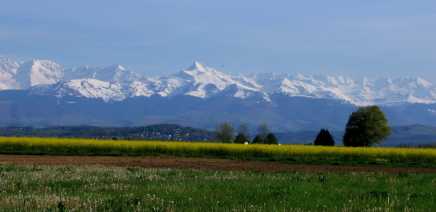
I gather that the last thing anyone in England needs right now is someone chirruping about how beautiful the snow is. Well, here in the foothills of the Pyrénées, we’ve been almost alone in France in being a snow-free zone. But please note: ‘the foothills’. The mountain tops have been covered for some weeks, and over the last week, the snow levels have crept down..and down…and ever nearer. And it’s quite simply beautiful.
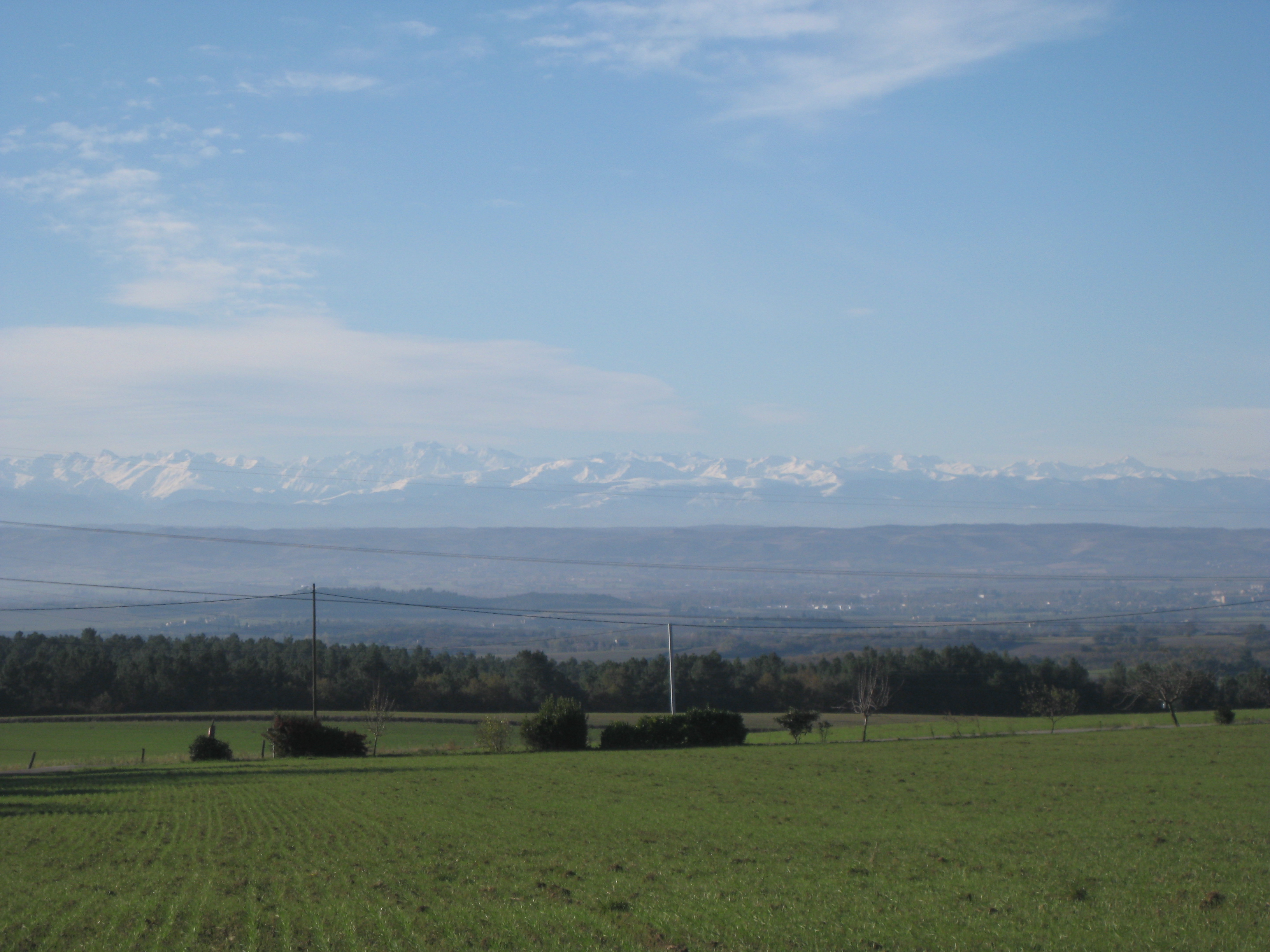
Yesterday we went walking in the Lauragais. That’s a gentle, verdant region north of here on the edge of la Montagne Noir. Perhaps the most wonderful thing about the walk we had here, through sandy woodland paths, crunchy with fallen leaves, were the views across to the Pyrénées: mile after mile of distant peaks blanketed in blue-white snow beneath a bluer sky. If only my camera began to do justice to this impressive sight.

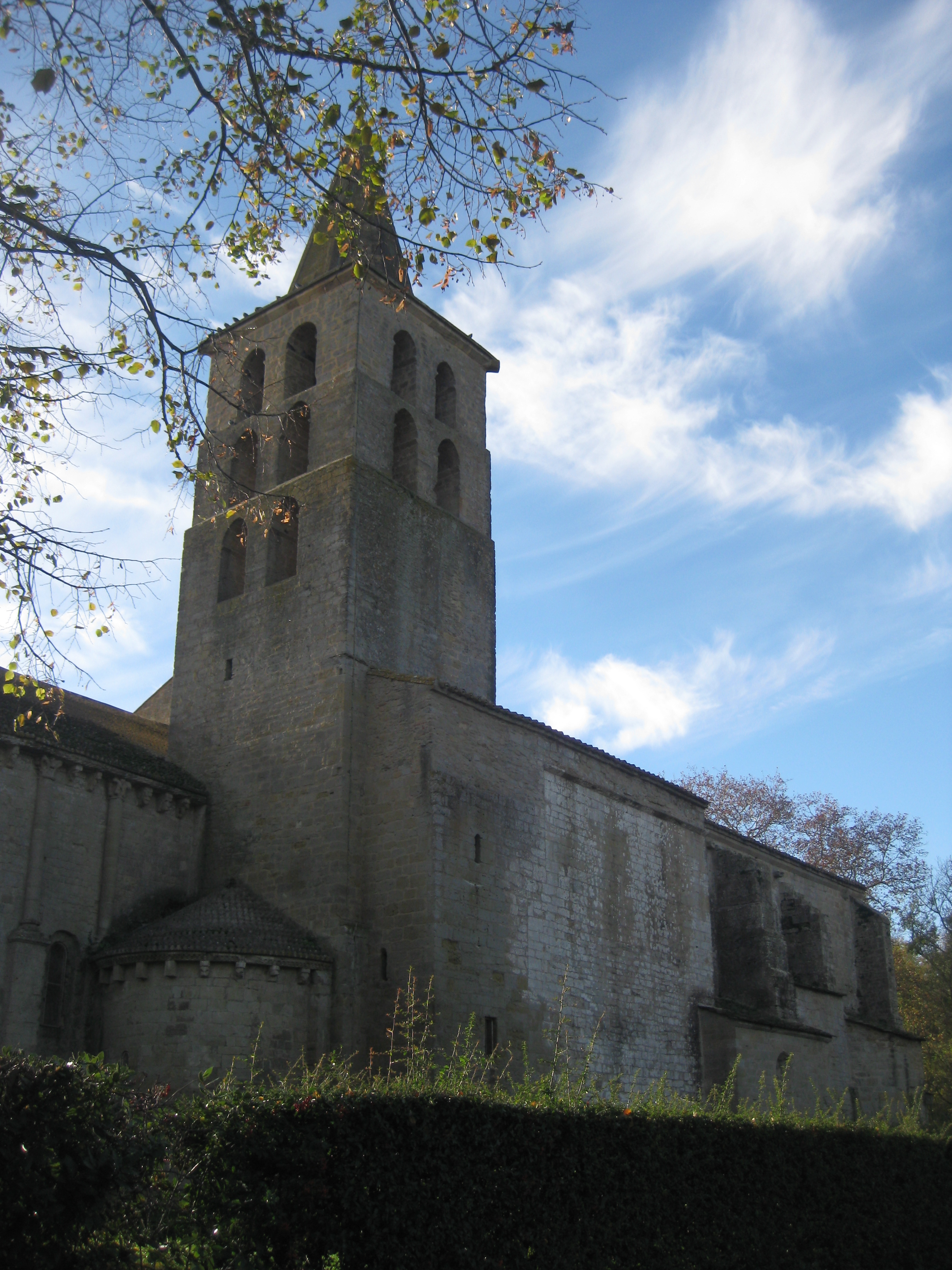
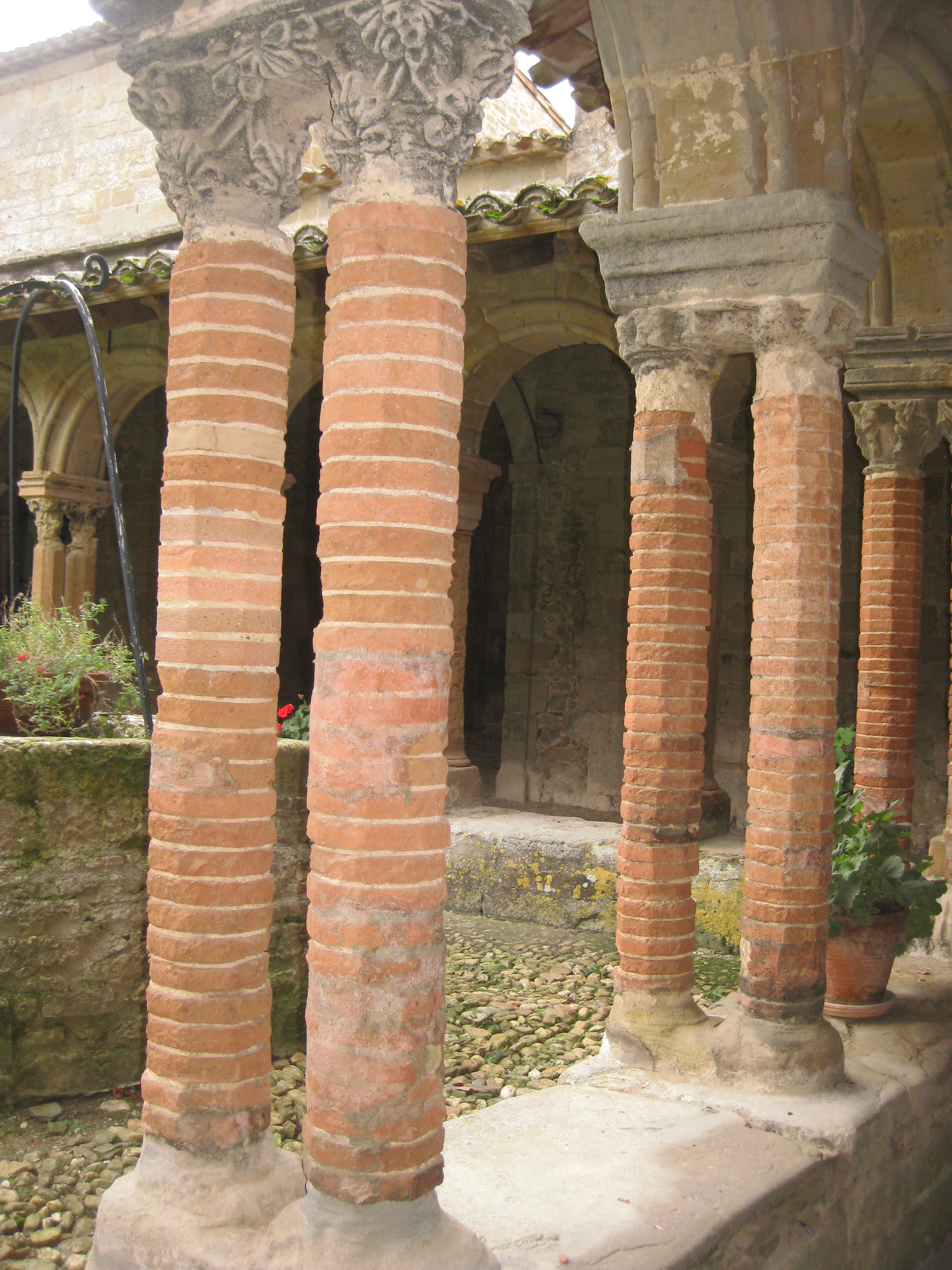
Healthily exercised, we came down to the village of Saint Papoul, and looked round the Benedictine Abbey of the same name. I found myself lingering in the 14th century cloisters and in the abbey itself, inspecting the misericords, the small decorated wooden shelves hidden under the seats to provide a bit of support for the poor monks as they stood for long hours during their religious devotions.
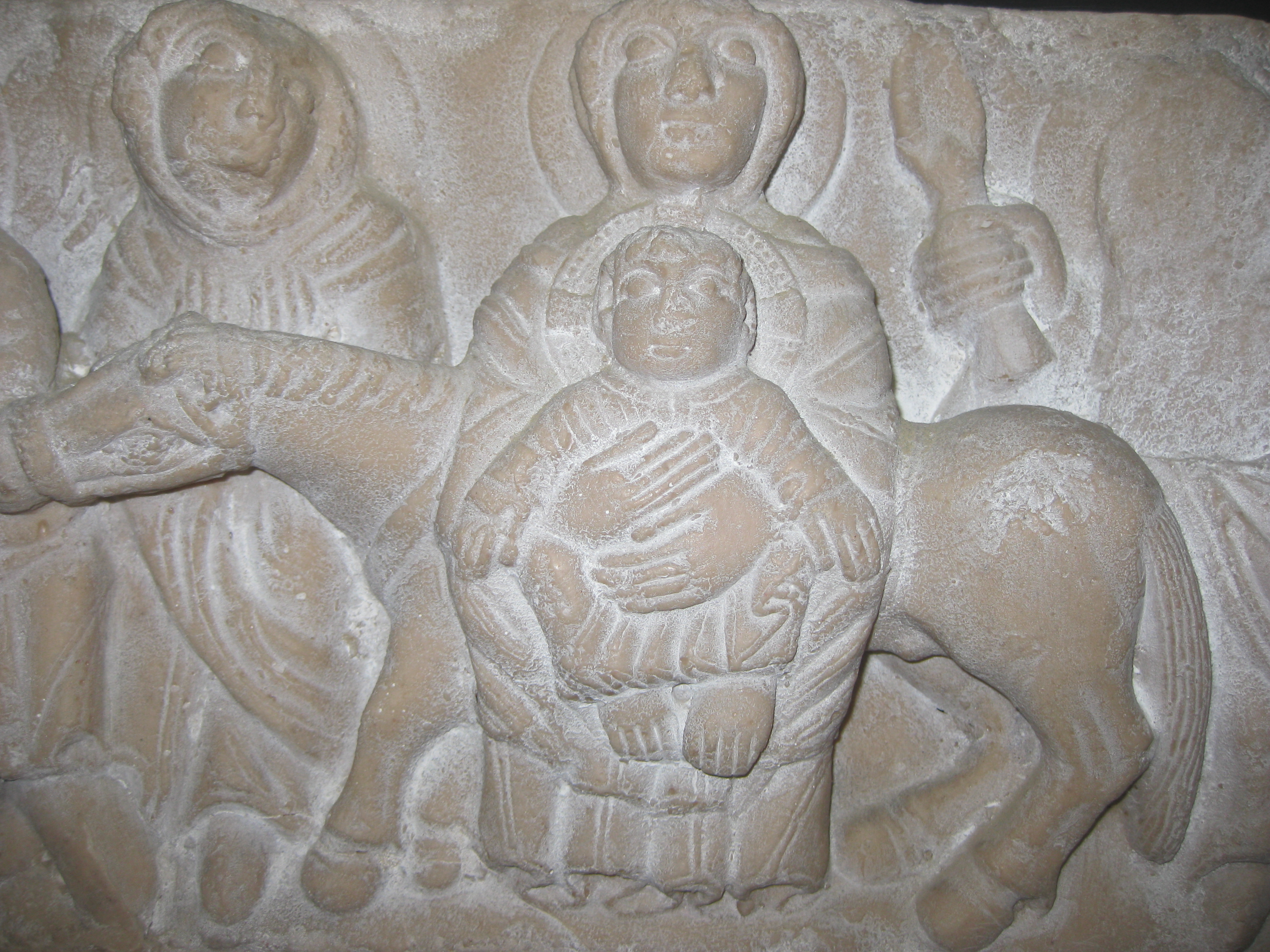
Perhaps the most enjoyable bit of our visit was a chance to look at the special exhibition devoted to le Maître de Cabestany, a Romanesque sculptor who seems to have left his mark on many of the pilgrimage churches on the route from Rome to Compostella.
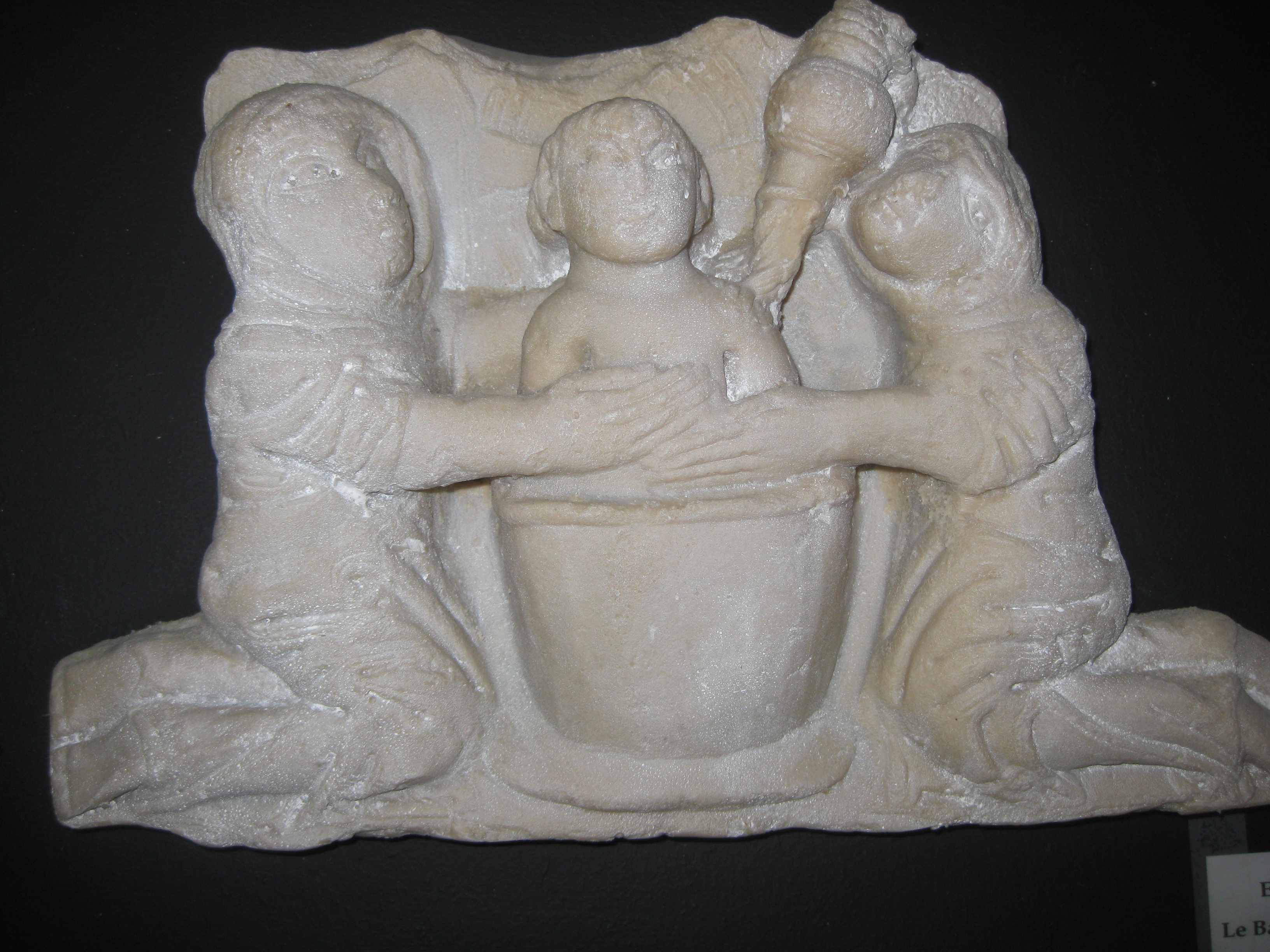
His figures, despite their realism, their chunky hands and elongated eyes, seem to have a slightly supernatural feel to them and they were fun to explore and enjoy.
It was cold though. Snow threatened, but didn’t fall in the end. We decided against a mooch round the village: probably something to do in the future, and scurried back home to toast our toes and fingers
Something delicious, down in the woods
A friend brought us some mushrooms yesterday. I’m not going to tell you which friend. And I shan’t tell you where he found them either. He was ranging about in the woods, snaffling mushrooms. If the forest ranger or a landowner had caught him because he’d strayed onto private land, they could have fined him. 150 Euros. And the friend who was with him, another 150 euros. It’s a lot to pay for half a pound of mushrooms, but everyone does it.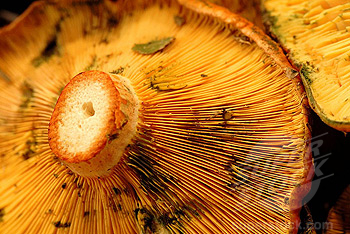
Nobody however, wants to kill the goose that lays the golden egg, and most people, like our friend, pick carefully and respectfully so that mushrooms will still be growing there tomorrow, and the next day, and for as many years as there are people wanting to eat them.
The ones he brought us are lactaire delicieux – saffron milk caps. I know they exist in England, because Googling produces a score of recipes from the UK, but I’ve never seen them there.
In fact they’re native to this part of the world, both in France and Spain, and live in the acidic soil under Mediterranean pine trees. They’re yellowy orange, and exude orangey milk when broken or cooked. Roughly handled, they develop a scary green stain. But that doesn’t mean they’re poisonous. Anything but.
Here’s what he suggested we do with them.
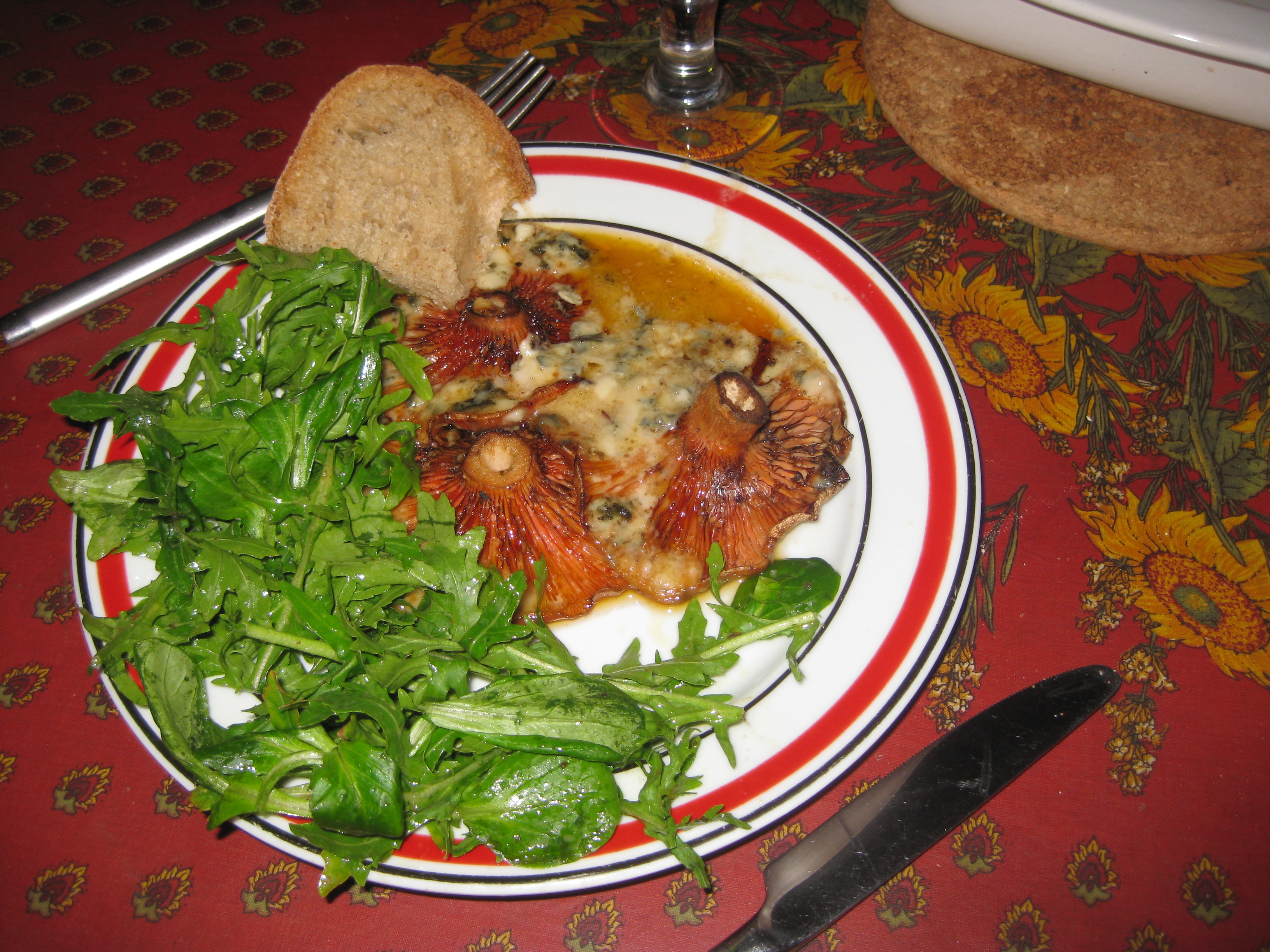 You’ll need at least 2 or 3 large ones each. They’re often small though, so you may need more. Clean them by brushing them gently and lay them cap side down in a shallow buttered oven dish. Cover generously with knobs of butter and Roquefort cheese – 4 parts cheese to one part butter. Grill till the cheese is melted and the mushrooms cooked. Serve with lots of crusty bread to mop up the juices, and a green salad.
If he brings any more, or if we’re lucky enough to find some ourselves, I’ll be Googling again, because there are any number of simple ideas, just waiting to be tried and enjoyed.
Espezel, Potatoes and the Plateau de Sault
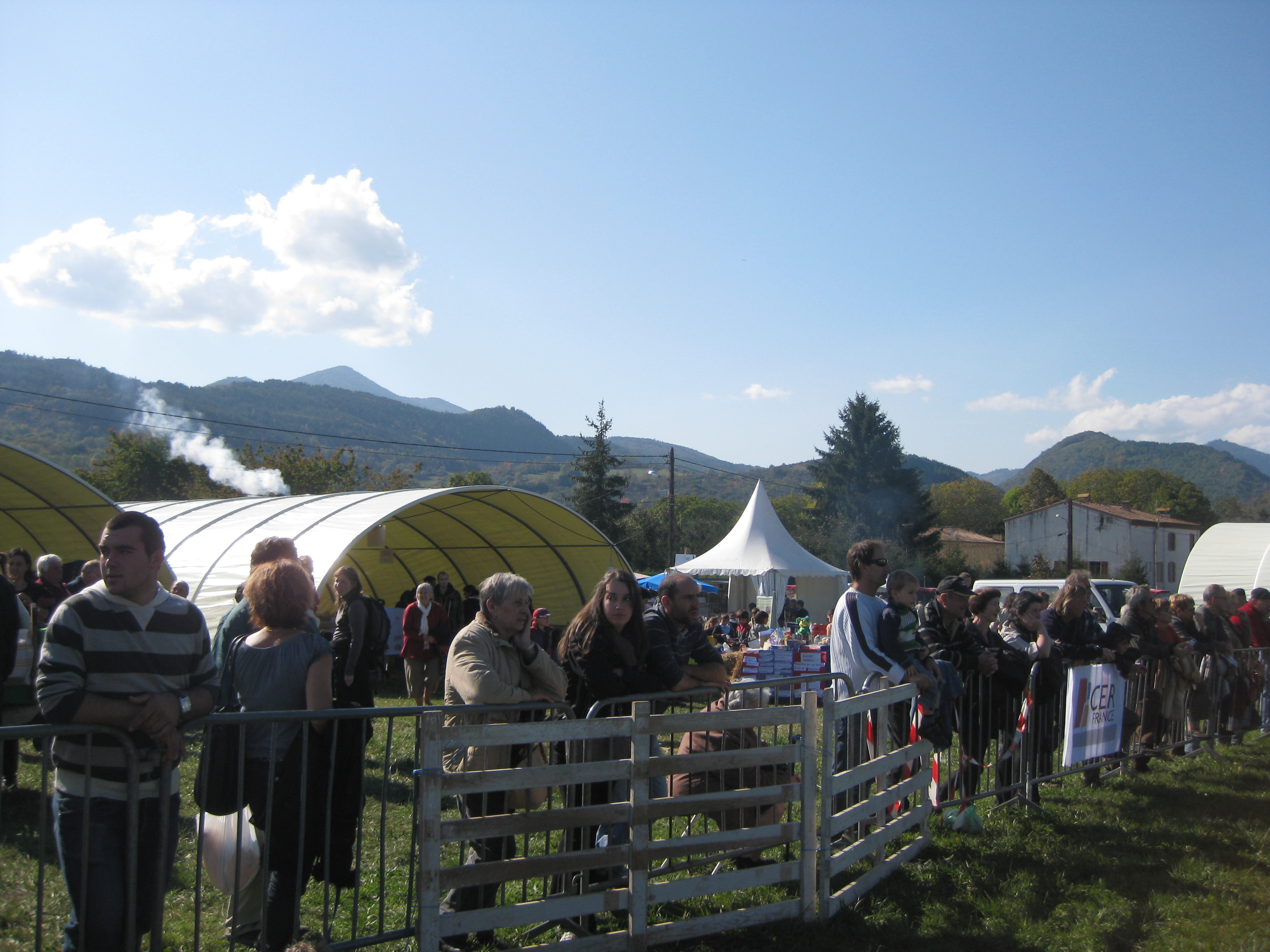
If you live round here, you’ll know about the Plateau de Sault. It’s where the potatoes come from.
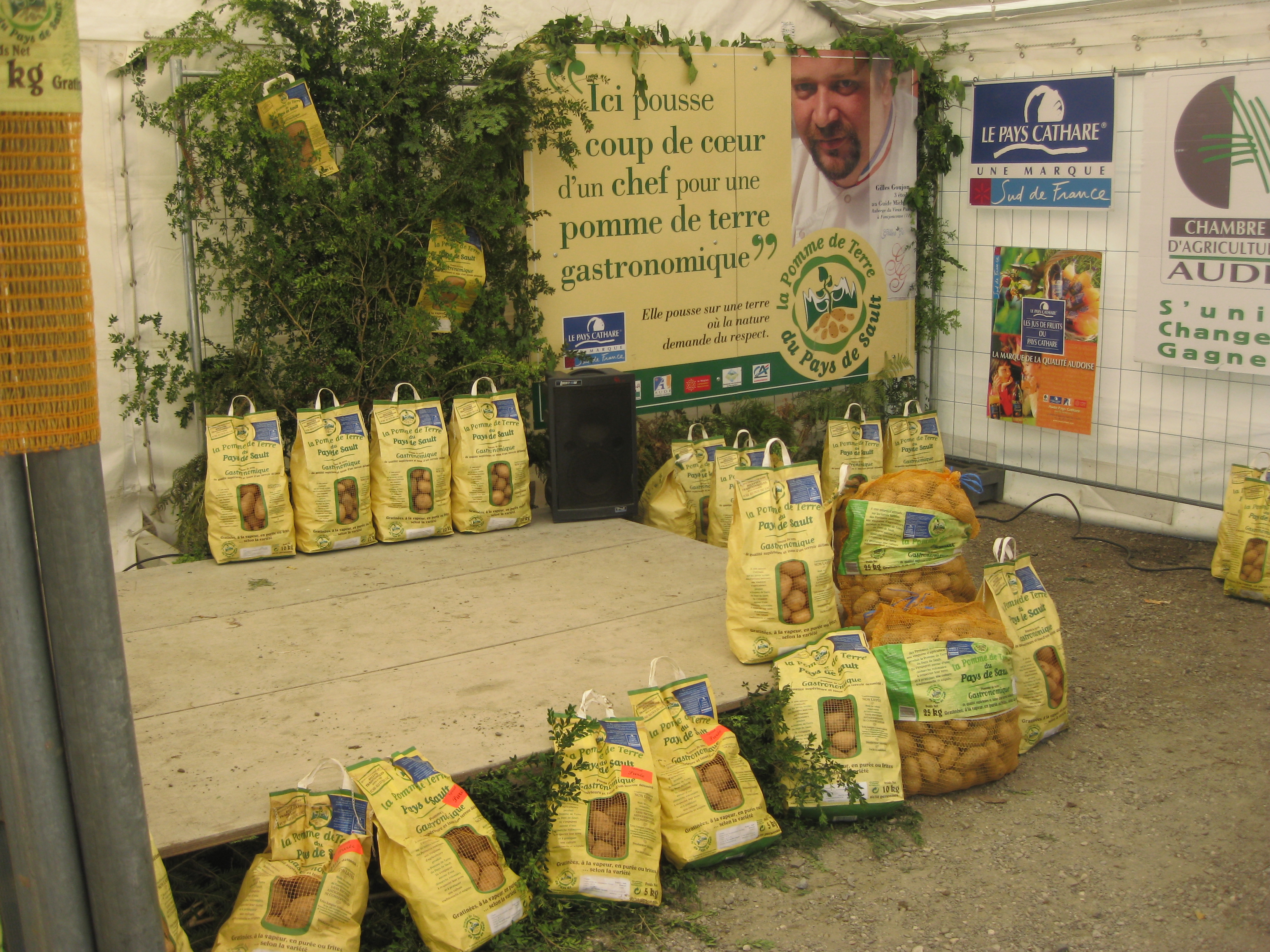
They’re very proud of their potatoes. They’re also proud of their country fair, la Foire Départementale de l’Elevage, held at Espezel. Though this fair, held in October each year, is less about potatoes, and more about animals, as the name suggests.
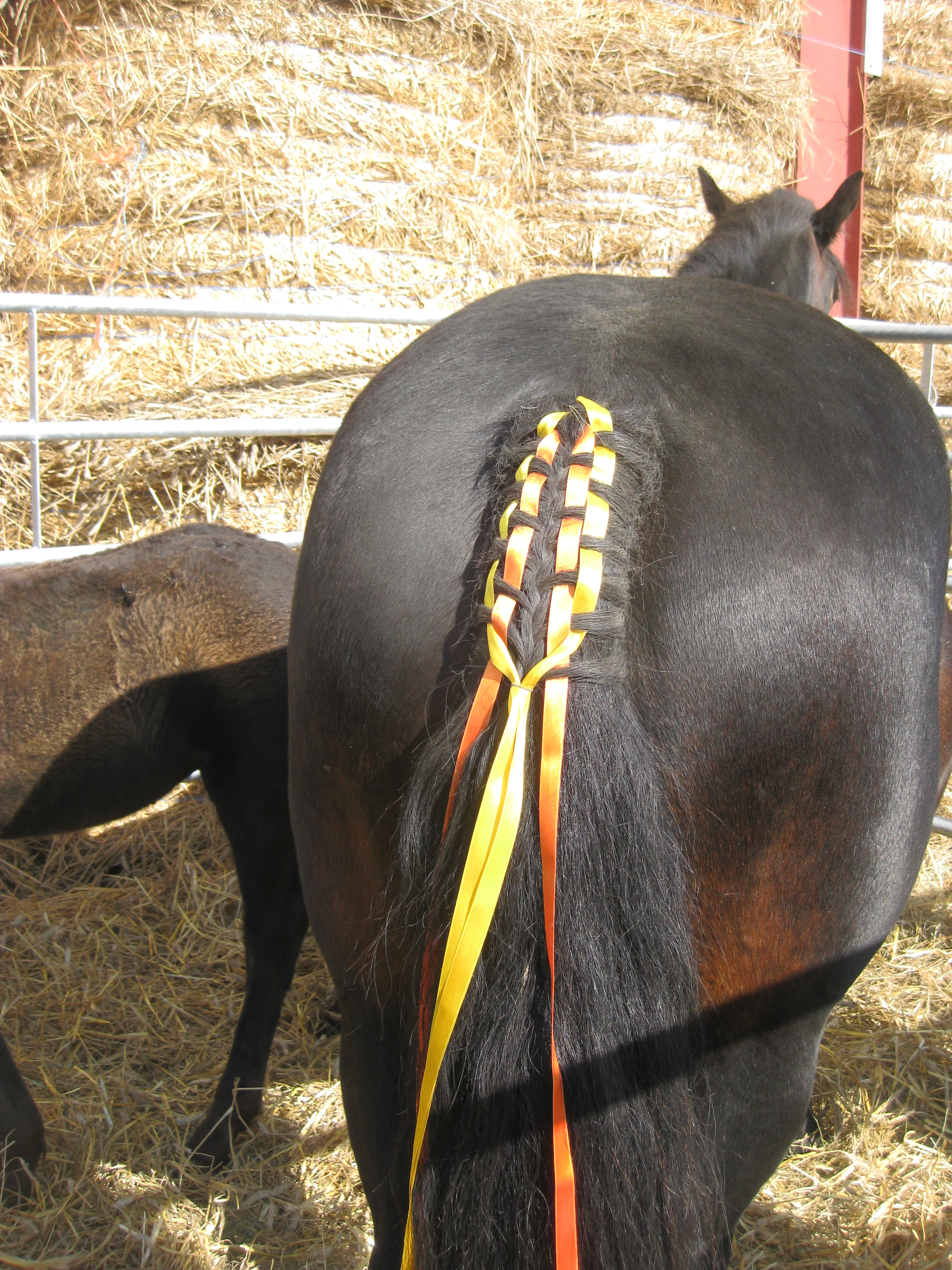
Working horses, bulls with a reputation, Jack-of-all-trades Tarascon sheep, sheepdogs, pigs, rabbits and chickens were all there, together with state of the art tractors and farm machinery.

There were food stalls, clothing stalls, catch-penny stalls: plenty to keep us busy. Gill and David, our guests from England, who are County Fair Connoisseurs and stalwarts of shows all over Yorkshire, spent their time eyeing up horses – particularly the heavy, working Castillon horses, while we enjoyed the working sheepdogs.
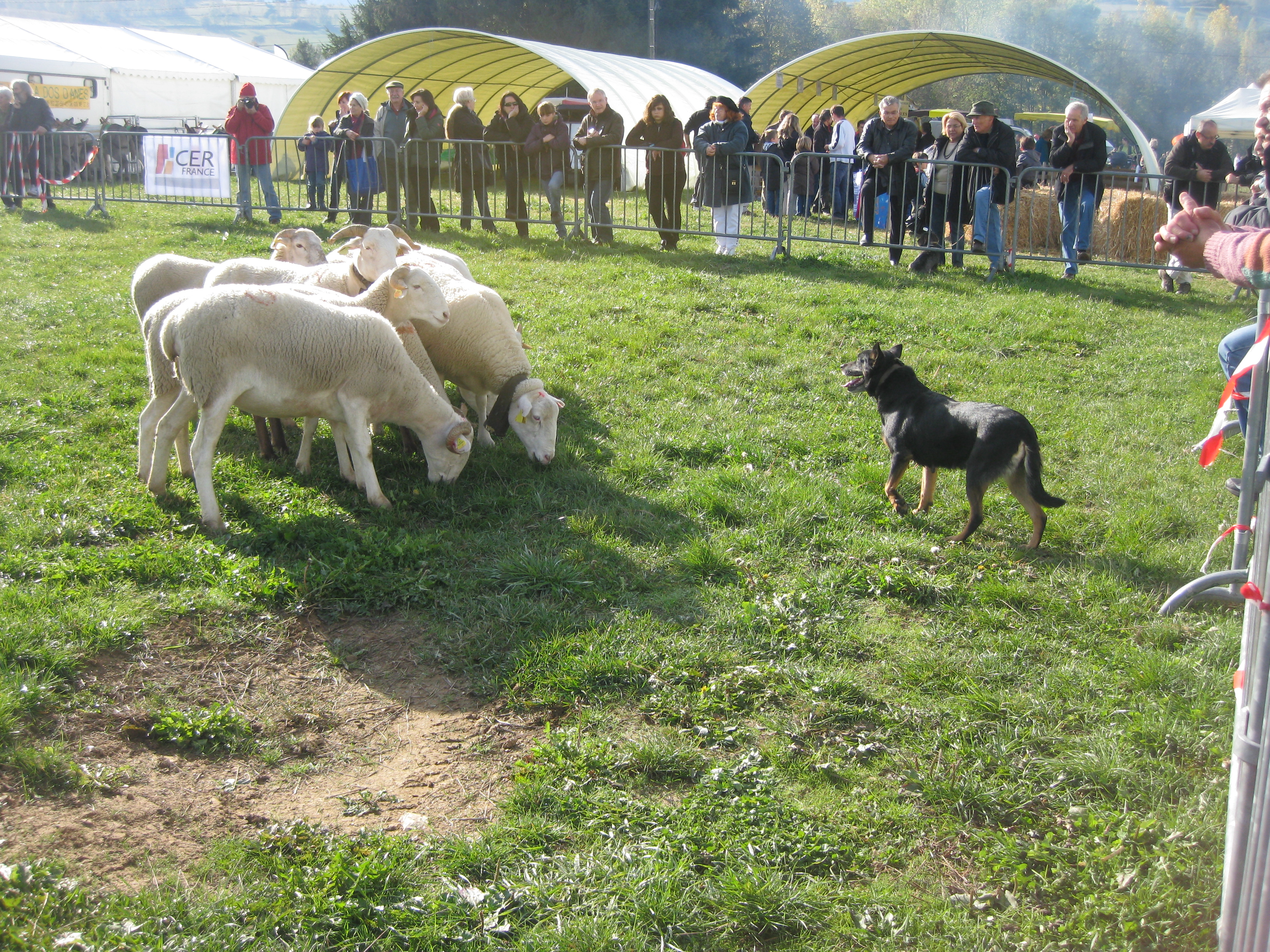
As in England, most sheepdogs are border collies, but some are Australian sheepdogs, crossed with dingos. They might look fierce – the sheep certainly think so – but they’re gentle and tractable, and do the business.
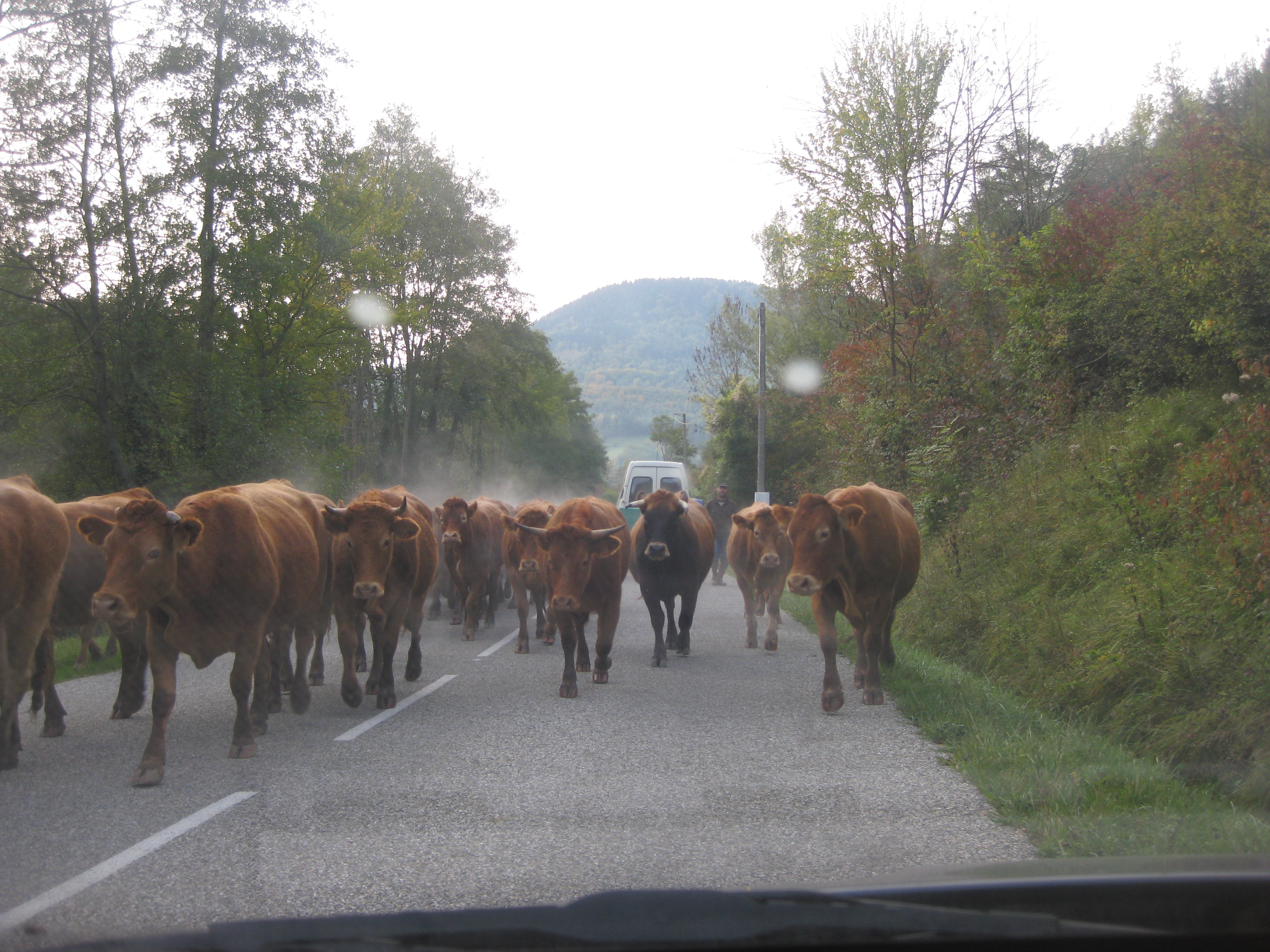
Oh, and on the way there, we had a piece of luck. We got held up, and it was a traffic jam we really didn’t mind. On the road to L’Aiguillon, a slow moving car with a sign reading ‘Transhumance’ flagged us down. Dozens of cows were being brought down to their lowland home from their summer pasture, and a score of cowherds and hangers on accompanied them on their long walk from Comus on the Plateau de Sault, to Mirepoix. That’s a 50 km. journey, but they probably didn’t walk it all. They’d have hitched a lift in a cattle transporter for at least part of the way, more than likely. We however, saw the picturesque procession, and it began our day on a suitably bucolic note.
The High Life at Lanoux
We’ve just had a wonderful weekend at Lanoux. Well on the way to Andorra and Spain, the reservoir at Lanoux is high up (7261 feet) in the Pyrénées Orientales. It’s a natural lake, enlarged by the creation of an immense barrage that enables it to produce quantities of electricity for the area and for industry in the Ariège. Building this barrage must have been quite an undertaking – it took 20 years from 1940-1960: up there, it’s a good 2 ½ hour walk down to the nearest road (though they did have a cable car, since removed), and the winter months are given over to deep snow. And of course there was a world war on in the 1940’s. We stayed in the refuge used by the construction workers at the time, a simple structure with a dormitory of three storey bunk beds, a large kitchen-living room, two hole-in-the-floor toilets, and … one washbasin just inside the entrance. Everything we ate, everything we needed, we had to carry up – and bring any rubbish down again. But our two days there were memorable. Why?
Was it the landscape? Our walk from the valley floor began with wooded green meadows, and as we climbed, we saw lakes, crossed 20 or more streams, and followed the course of a dozen others. Higher, the landscape became starker with slatey outcrops that reminded us of the Lake District or North Wales, though on a much bigger scale. Even though it’s June and the weather was warm, we soon reached what was left of the snowfields. We were surrounded by peaks higher still than we were, such as le Carlit, over 9 ½ thousand feet high
The flowers? Early June is a wonderful time to do this walk. The azaleas aren’t quite out, but we saw Alpine & spring gentians, both a brilliant royal blue, orchids, sempervivum (joubarbe), vividly yellow gorse, creamy rock roses and saxifrage, tiny pink and white moss campion, delicate mauve violets, bilberry flowers, even a few late daffodils
The animals? Lower down, we spotted a herd of isards (Pyrenéan chamois) bounding across a meadow where semi-wild black Merens horses grazed. Near our refuge, there were chestnut horses too, with their leggy young foals. We spotted distant mouflons, and on the way down from Lanoux, marmots chasing and playing on the rocky grass.
The water? The lake itself is sternly beautiful, set among the slatey mountains of le Carlit, and the area is criss-crossed by deltas of streams and rivers, with splashing cascades as the water tumbles down the mountain sides. There are ponds and lakes at every turn, and in every distant view.
Friendship? Weekends like this are the chance to nourish existing relationships, as this weekend with our Laroquais friends showed. Up at the refuge though, we were joined by a group from Toulouse, who’d come, like us, to enjoy the empty countryside and to spend time together. They all knew each other very well, and could have resented our intrusion: but instead, we shared some very special moments. We pooled our food and drink, ate their homemade pâtés, and drank their homemade apéros. We talked, laughed, played silly card games, and the next morning, went walking together. So now we have some new friends too.
Ronde de l’Isard
This is the time of year when France begins to limber up for the Tour de France, which happens this year between the 3rd and 25th July. In truth, cycling never really goes away in France. Out driving the car, one of the occupational hazards is overtaking largish groups of keenies togged up in bright Lycra cycling gear, with bikes that in some cases have cost more than a decent second hand family car.
I’d forgotten that this weekend is the Ronde de l’Isard. This is a 4-day cycling event held here in the Ariège that began in the late 1970’s as a bit of a competition between local clubs. It’s since grown to have entrants from nearly as wide a range of countries as the Tour de France itself.

So, this morning I was strolling along to the baker’s – rather late – it was almost noon. Suddenly, I could hear hooting, sirens, tannoyed announcements, and a fleet of vehicles led by smartly polished blue gendarmerie motorcycles advanced down the street towards me. Ronde de l’Isard, Advance Guard. As with the Tour de France, they had gifts, and as I was the only person on my side of the street, they made sure I got the lot: a spotted baseball cap, a key ring, and a leaflet from Tourist Information.
And that as it, for half an hour. At precisely 12.33, as advertised, the riders themselves tore into view. The whole of the rest of the Ariège gendarmerie were there on their motorbikes, advance vehicles of various kinds, and then – whoosh! – the cyclists, a l-o-n-g streak of them, flashed past: to be followed by support teams carrying spare bikes, ambulances, press.
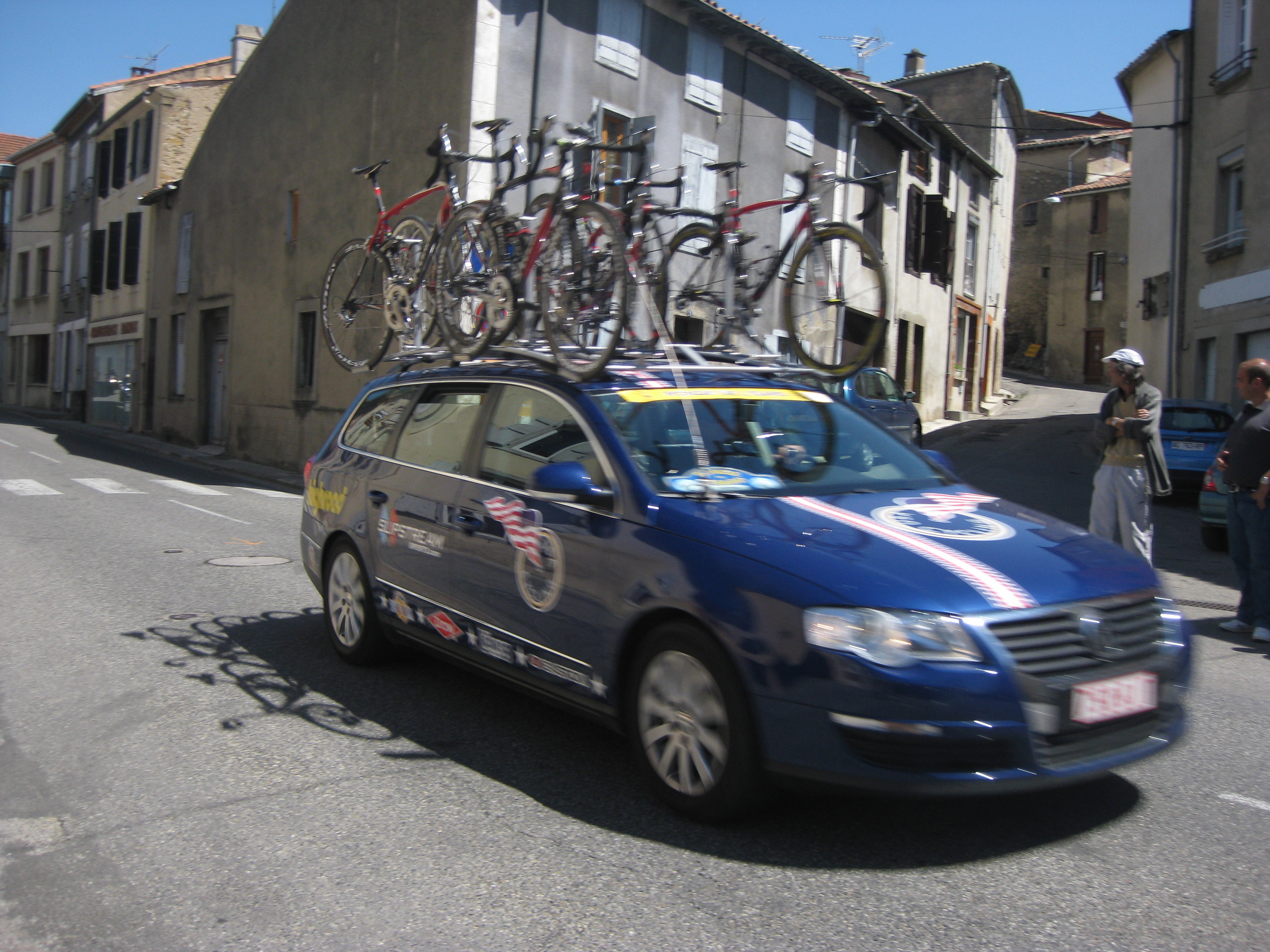
Today they only had 149.1 km to do. Just now, the thermometer at the back is reading 37 degrees. Still, yesterday, just as hot, the distance was 175.5 km. The winner for the day managed it in 3 hours 55.9 seconds. Count me out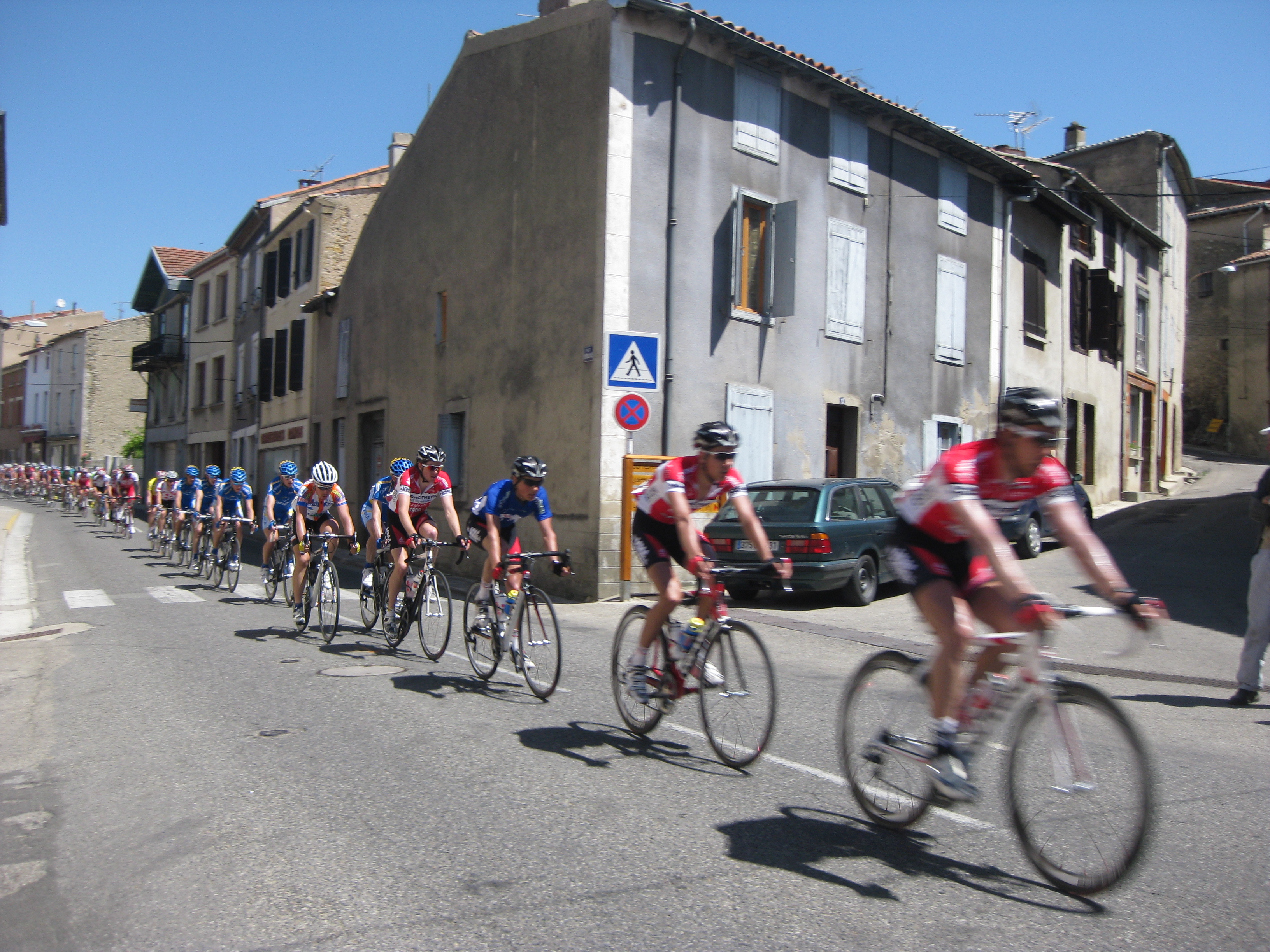
Malcolm and the Microlight
Malcolm and the Microlight
..celebrating in style for a 70th birthday
Starring Malcolm and Jacques.
Director: Henri
Producer: Margaret
Assistant Producers: Léonce & Brigitte
Script: Malcolm
Wardrobe: Jacques
Shot on location in the Ariège by Jacques, Malcolm & Margaret.
A Lawrenson-Hamilton-Clift Production MMX
‘Curiously, I had no feelings of fear or apprehension, perhaps because of what our friends had told us about Jacques, the pilot, and his machine – it’s his pride and joy, and he takes great care of it.
There was a sharp feeling of exposure after take-off – we were not in a cabin, there was no protection from wind, we were just vulnerable beings in a powered shell under a giant wing – it reminded me of riding pillion on a motorbike, but this was in the air.
The various destinations came up quickly – not like travelling on the ground, even though our speed was only about 80-85 kph.
Over the mountain peaks, it was very cold – temperature had fallen from 13 or so on take-off to minus 1 over the snowfields and the flat white surfaces of isolated frozen lakes were still clearly to be seen. And suddenly, directly underneath, a herd of Pyrenean chamois, running and leaping, disturbed by the engine’s sudden sound in their snow-quiet world
A few minutes more and we were at 2600 metres, when the mountains seemed so empty and cold, even in the lovely morning sunlight. We could see long distances in the clear air at this altitude – 200 km away, we could see the Pic du Midi
The warmth after we left the mountains behind and lost altitude was welcome, and I could concentrate on the views of walks we had previously done, and which had sometimes seemed long and meandering, but were now clearly visible with their beginnings and ends.
Then back to the field and the short grass runway. As we flew over, I could see Margaret far below, waving. Then it was down, very smoothly, and a turn, and back to rest. What an experience! And how kind of my family to make this possible.’
 From Pyrenees to Pennines
You must be logged in to post a comment.