For this week’s Lens Artist Challenge, Beth asks us to show shots of what has astonished us, and takes her inspiration from this short poem by Mary Oliver.
For some reason, my mind was drawn back to Lockdown. For us, Daily Exercise was one of the pleasures of that peculiar time. Country dwellers, we could range freely over our home patch without meeting a soul. And here, it happened to be a wonderful spring, where plants, birds and all life could flourish in balmy temperatures and just the right amount of rain.
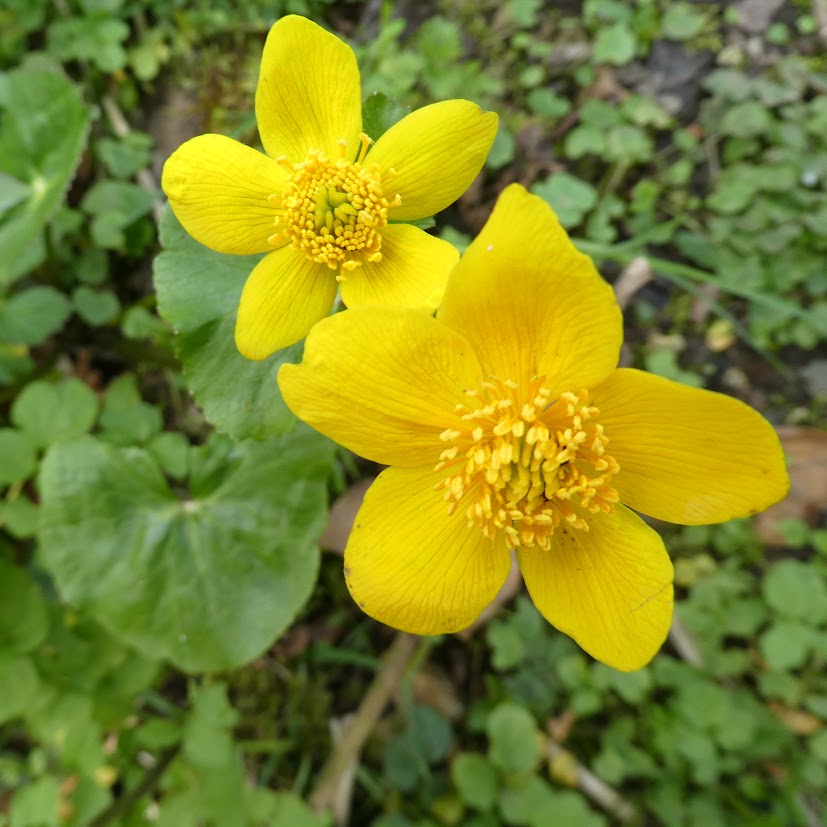
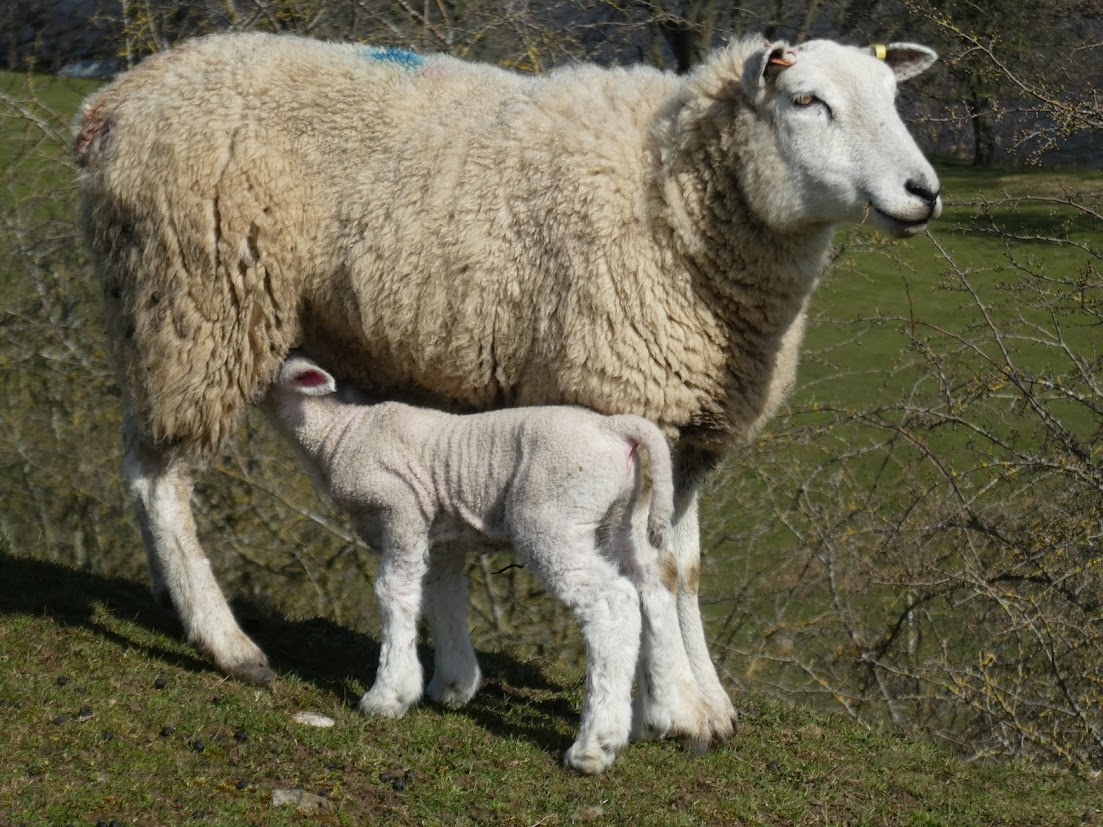
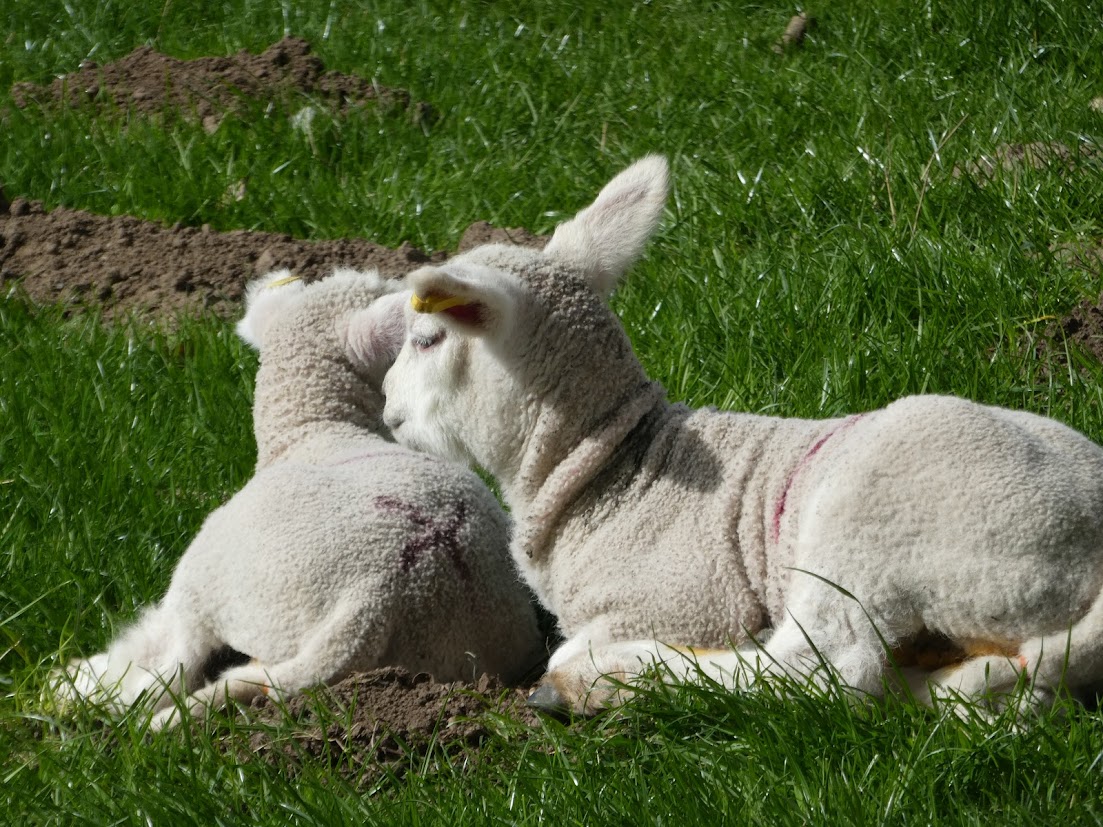
Walking by myself down deserted paths – M was exploring on his bike – I discovered Wonder and Astonishment anew. Day by day, I could watch leaves unfurl from tightly-bound buds; flowers appear; lambs totter their first hesitant steps.
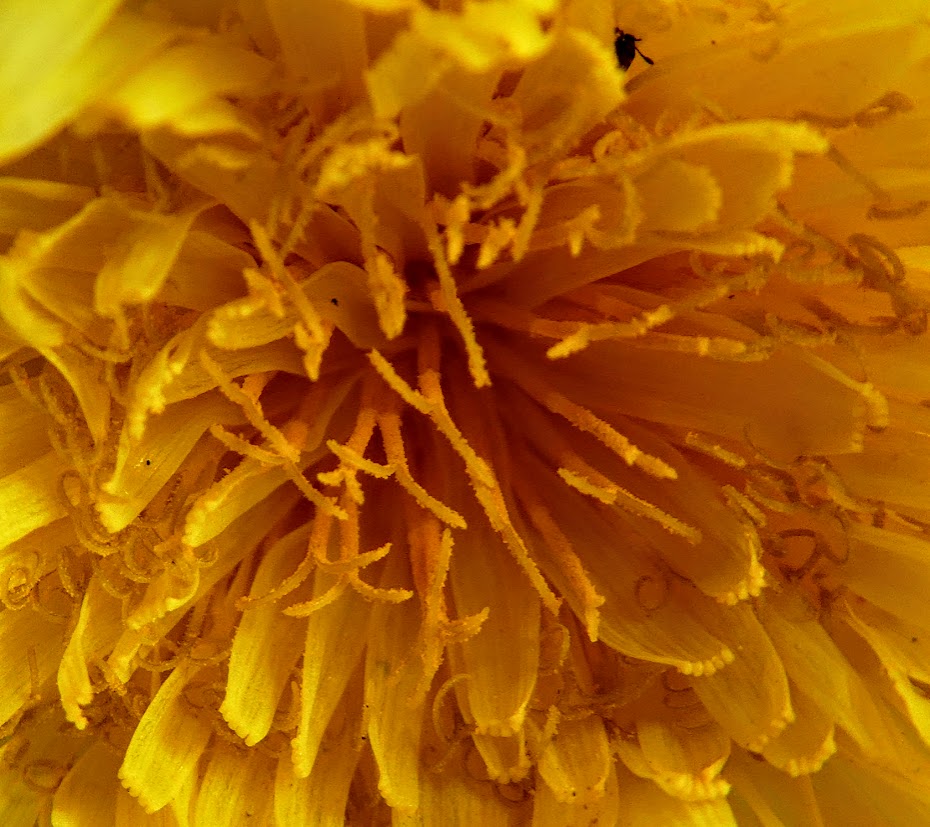
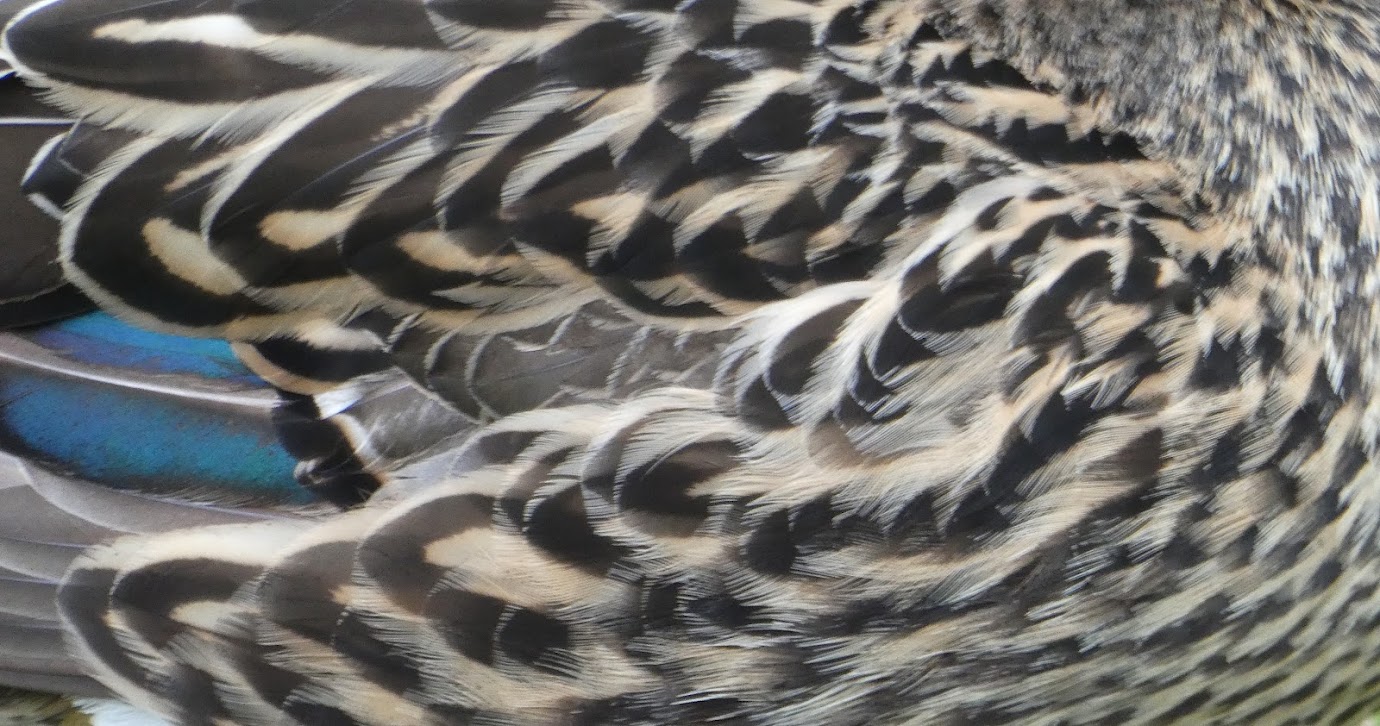
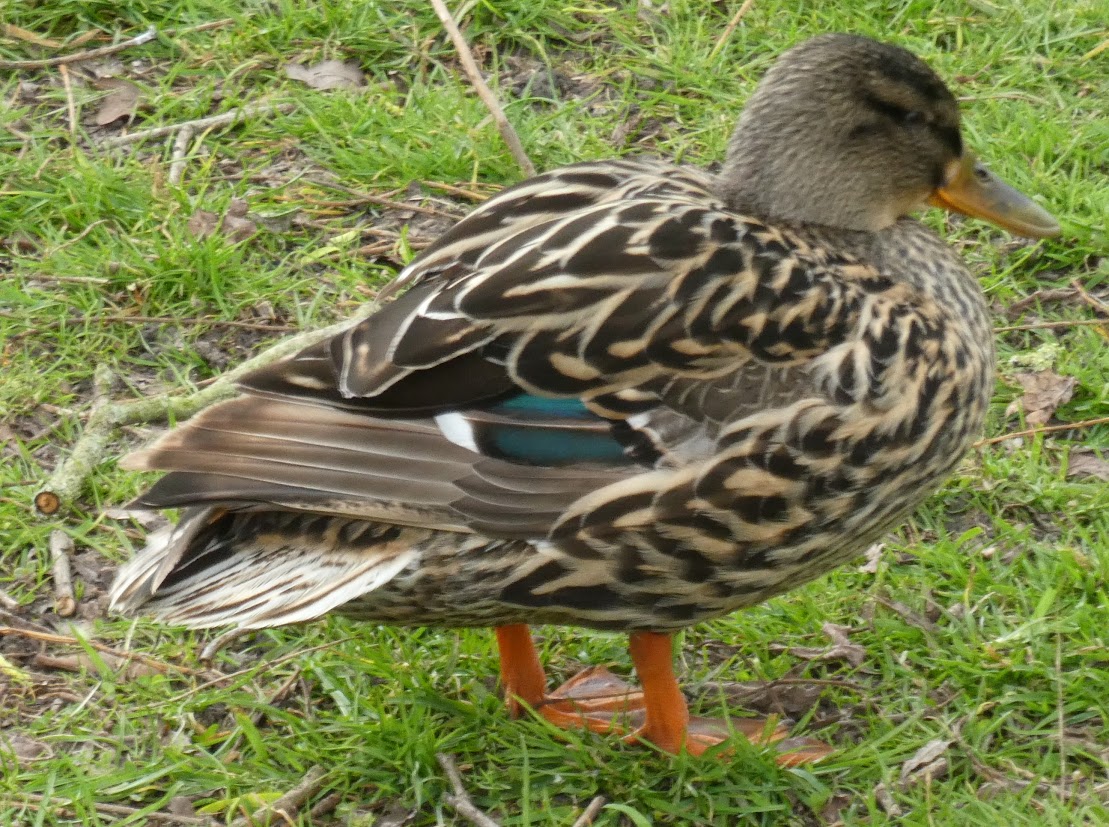
I had the leisure to enjoy the intricately-designed feathers of a common-or-garden mallard, or the complexity of dandelion petals.
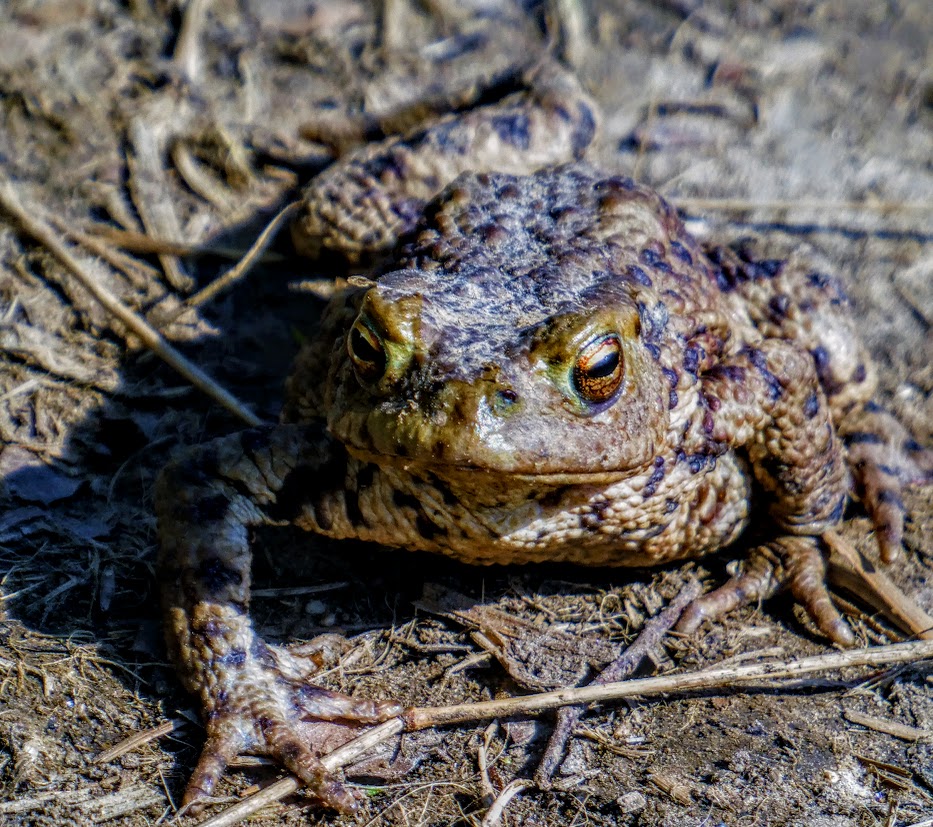
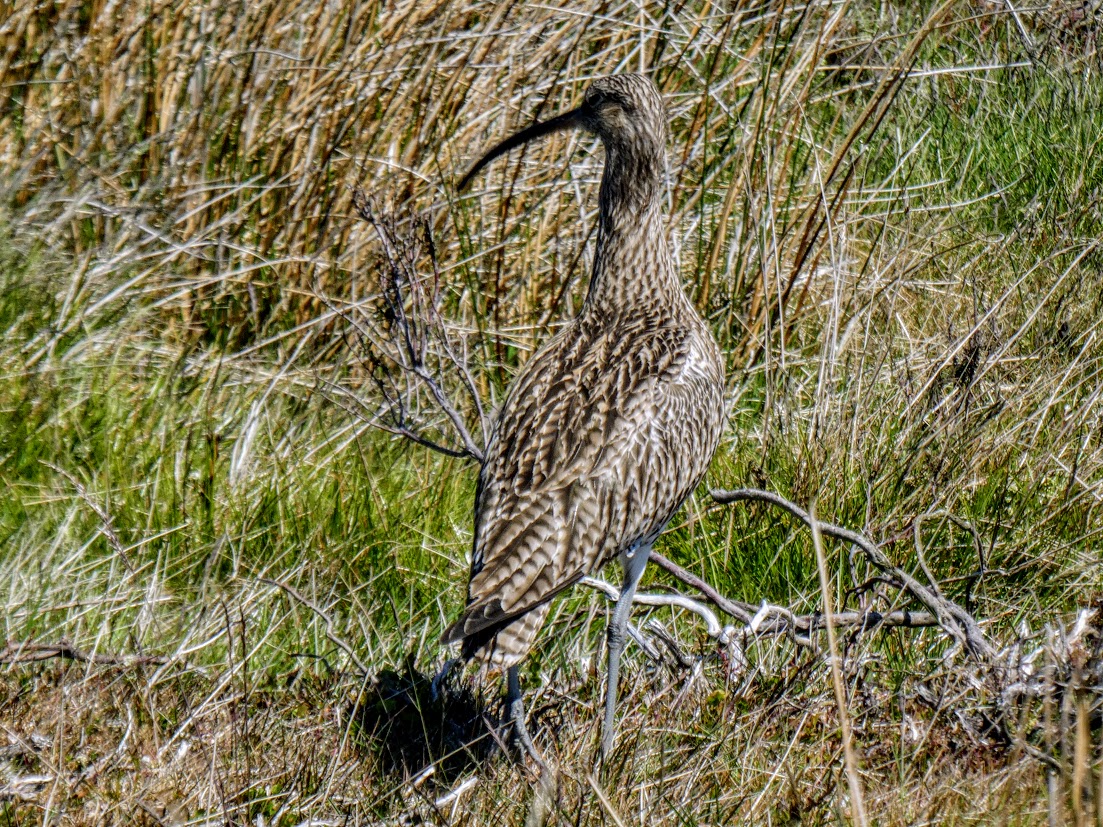
Best of all, creatures we rarely saw close up crossed my path. Who expects to stumble by a toad on a riverside stroll? Or, best of all, come across shy curlews nesting within a foot of a normally well-used road across the moors.
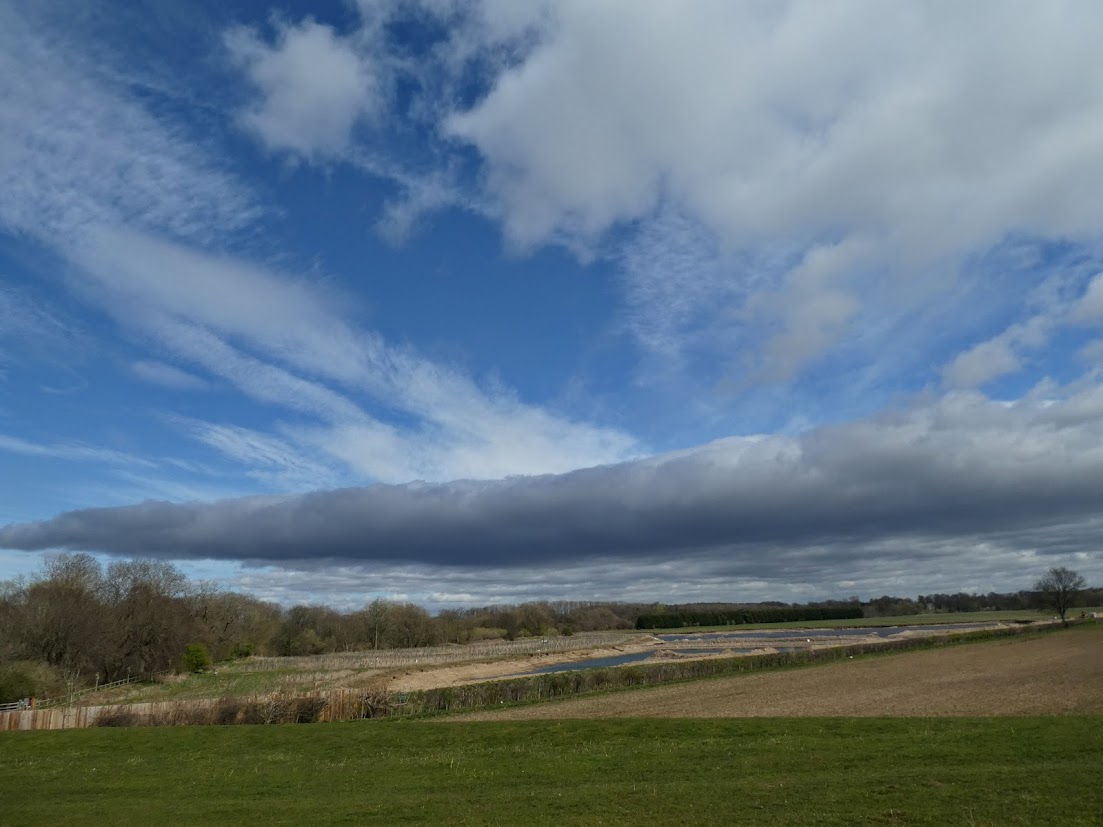
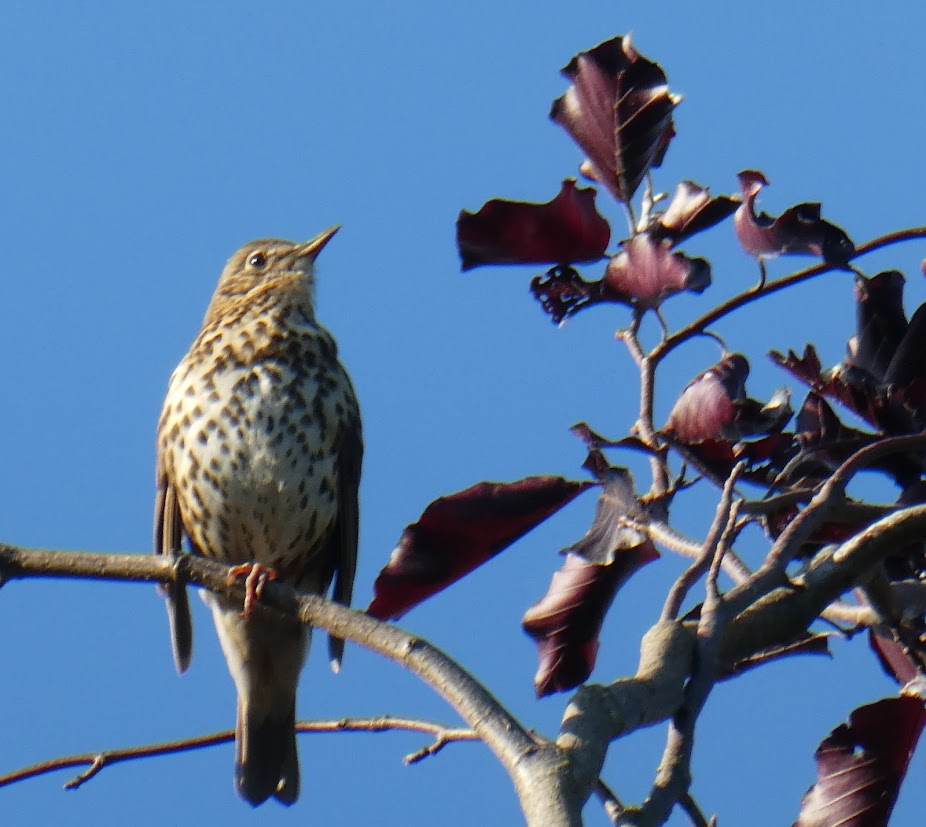
Skies, undefaced by plane trails seemed more multi-faceted and interesting. And back home, day after day, hour after hour, from dawn until darkness, this thrush gave an apparently unending performance with almost no breaks.
Such a time of loneliness, grief and isolation for many remains in my memory a period of joy in the rediscovery of the astonishment offered by the countryside just outside our front door.
It’s November, so leaves and petals in the UK have largely done a bunk. Still, maybe I can find a little spring and summer time cheer in the archives, and fulfill my obligations to Monochrome Madness‘ host this week, Dawn; as well as to Becky’s NovemberShadows.
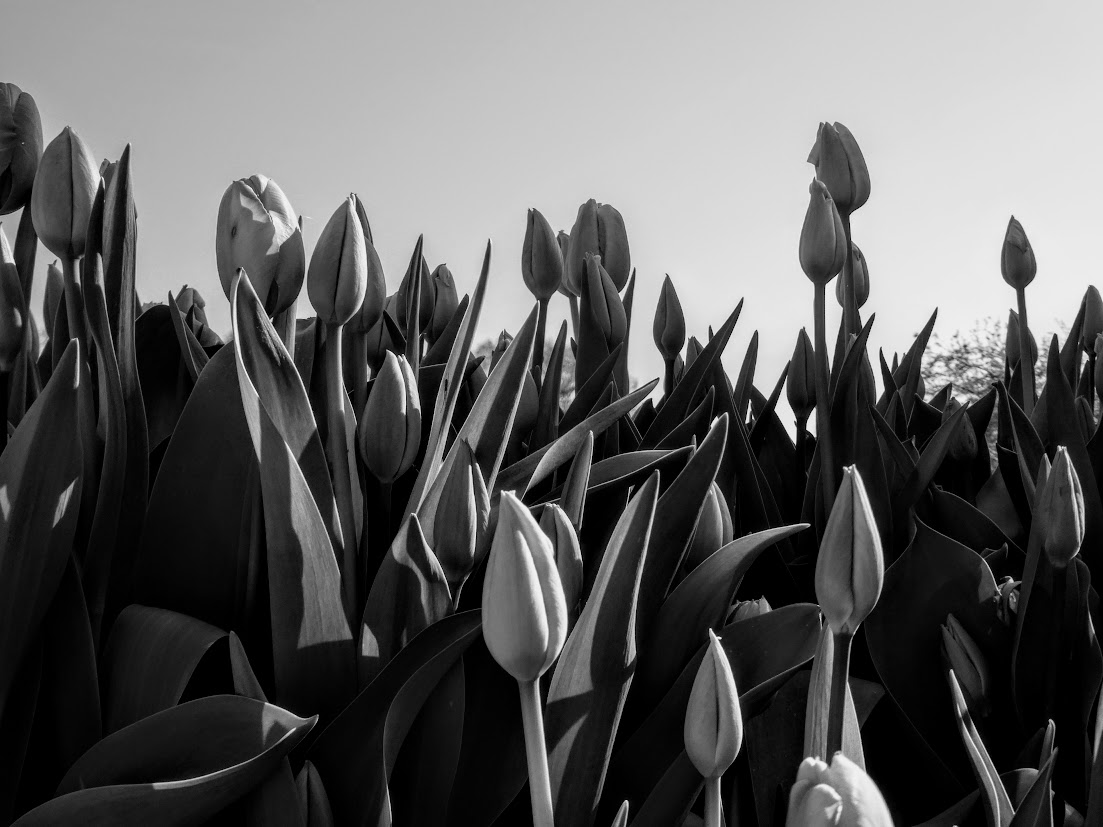
The header photograph includes both: tulip leaves shafting upwards, and topped by the simple clean lines of the tulip flower.
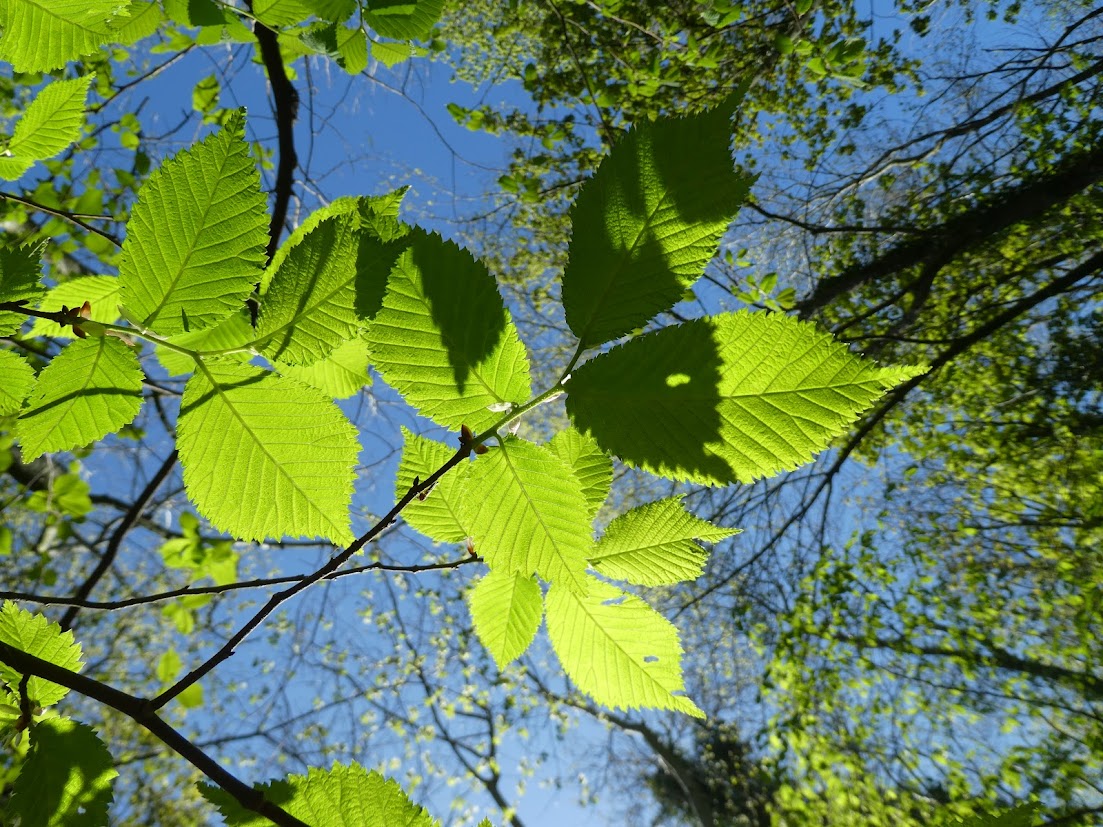
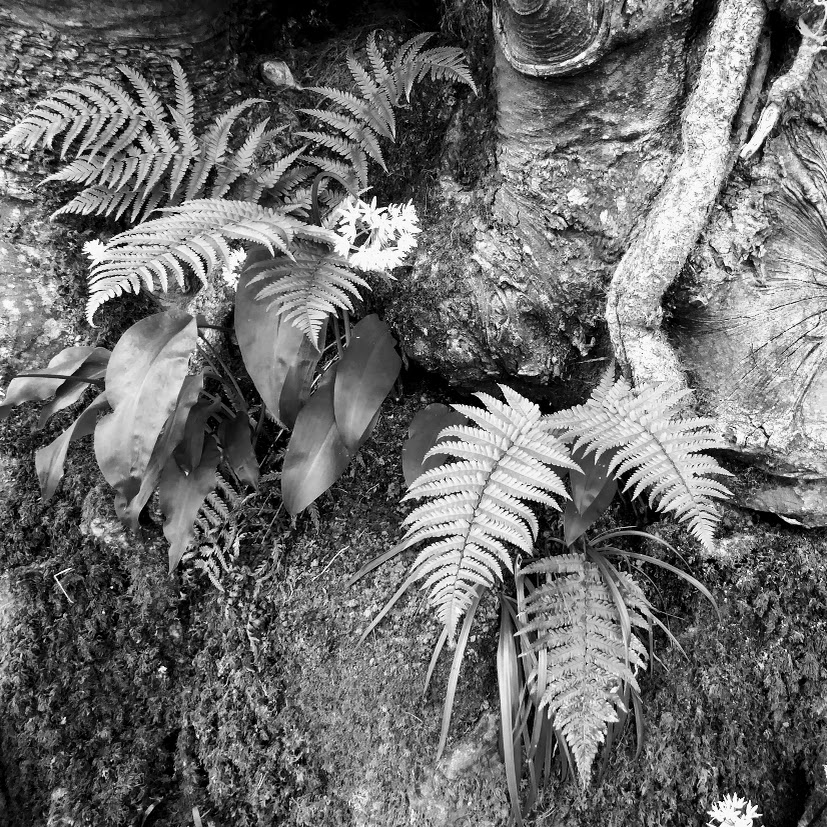
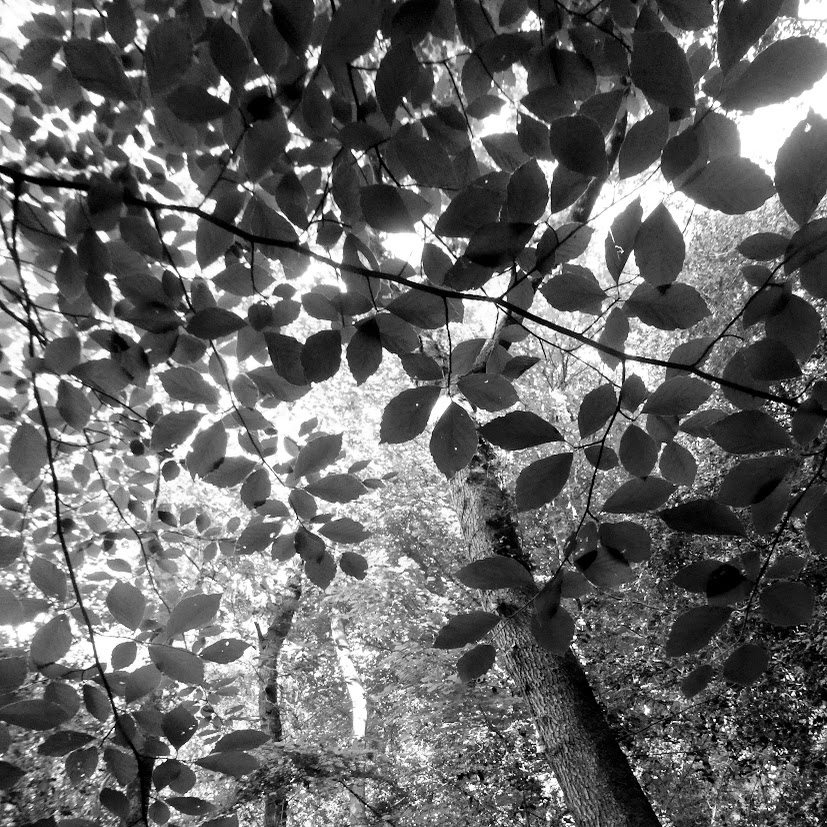
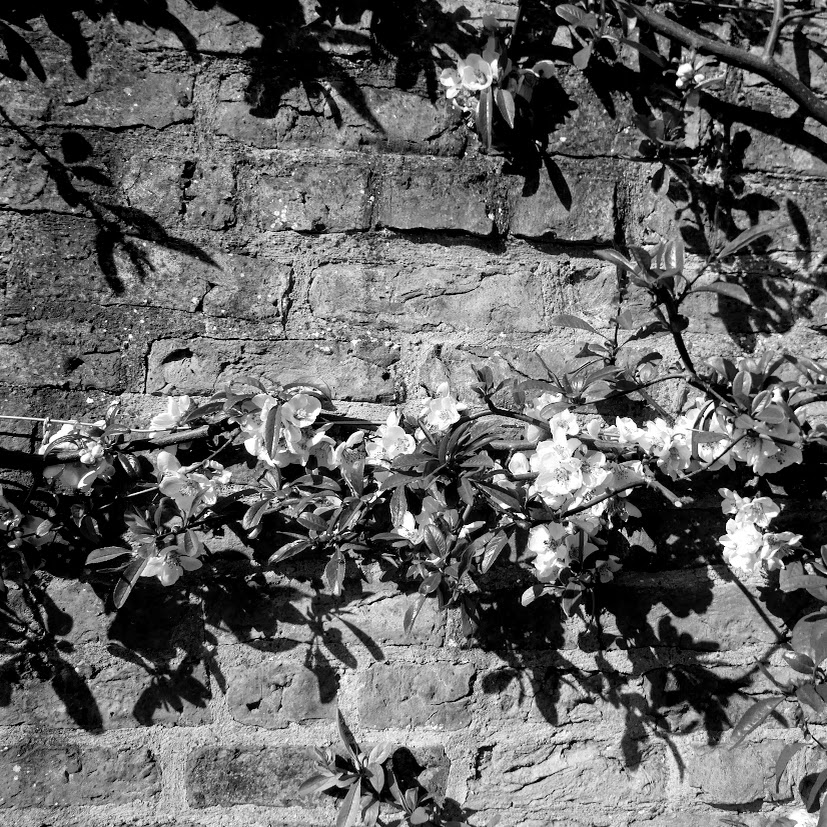
For the rest, it’s a miscellany that took my fancy. But all are either in shadow, or casting a shadow. So first … leaves…
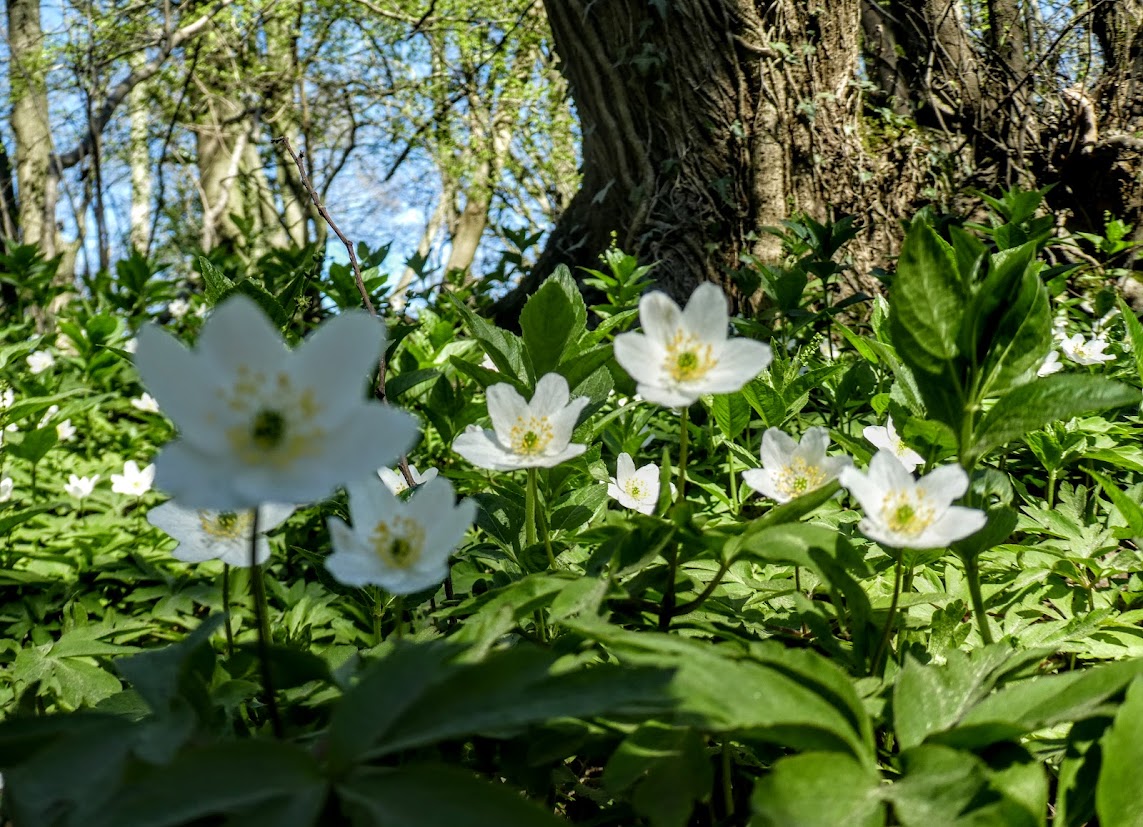
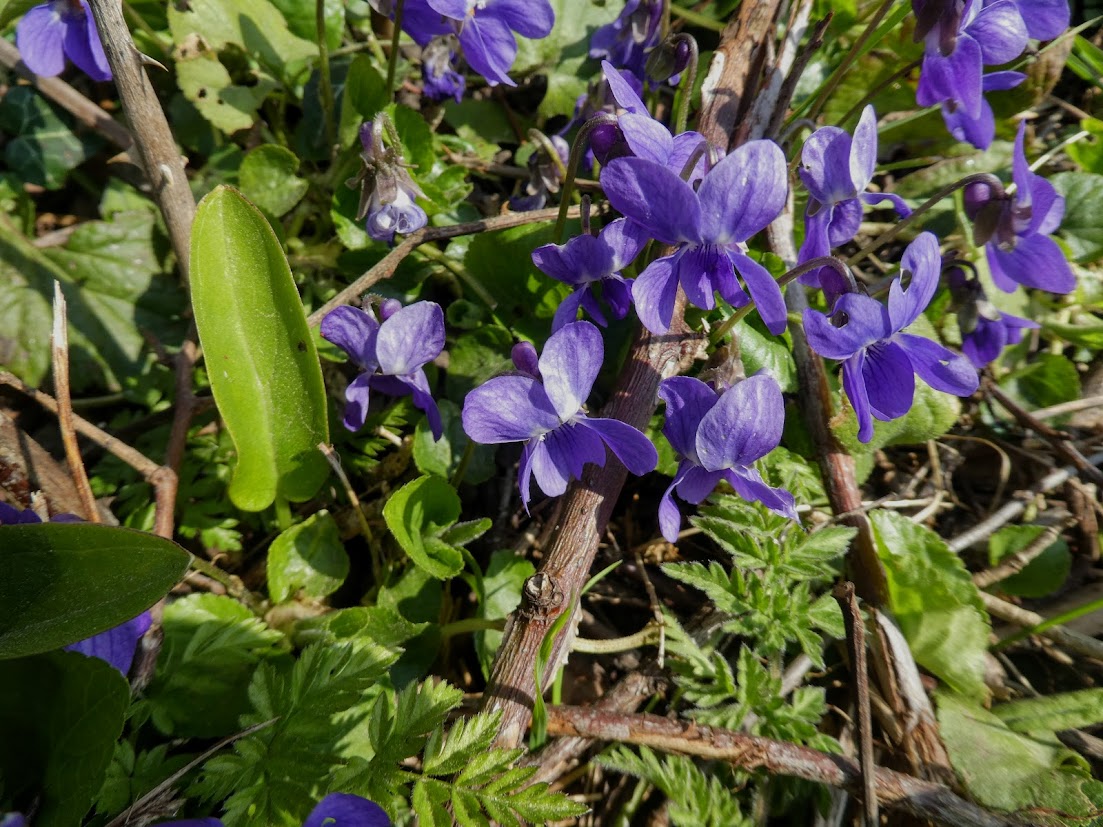
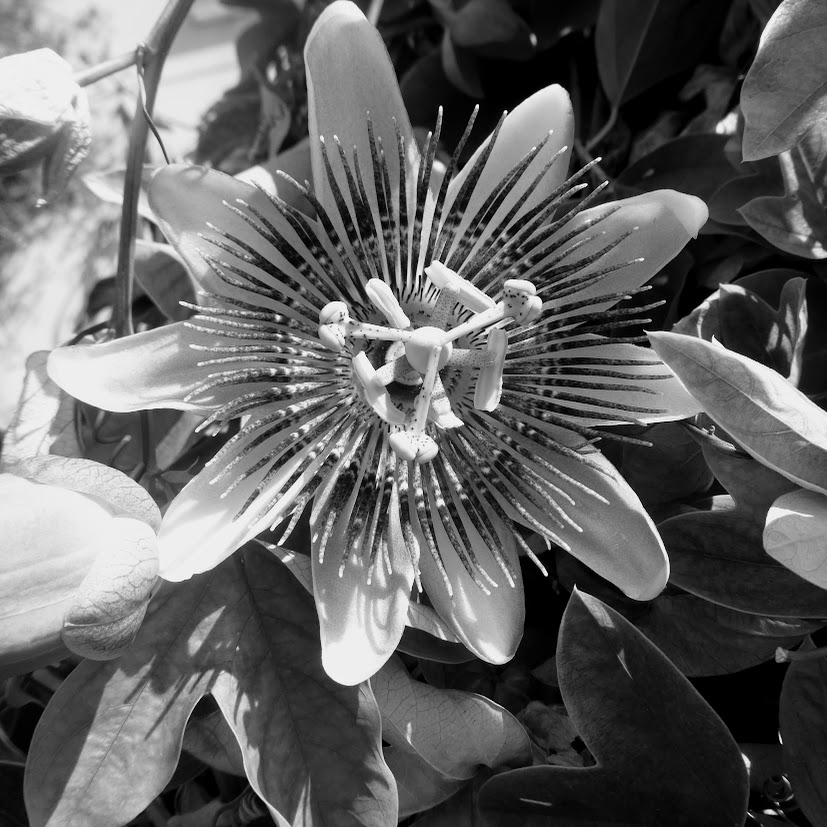
… and flowers…
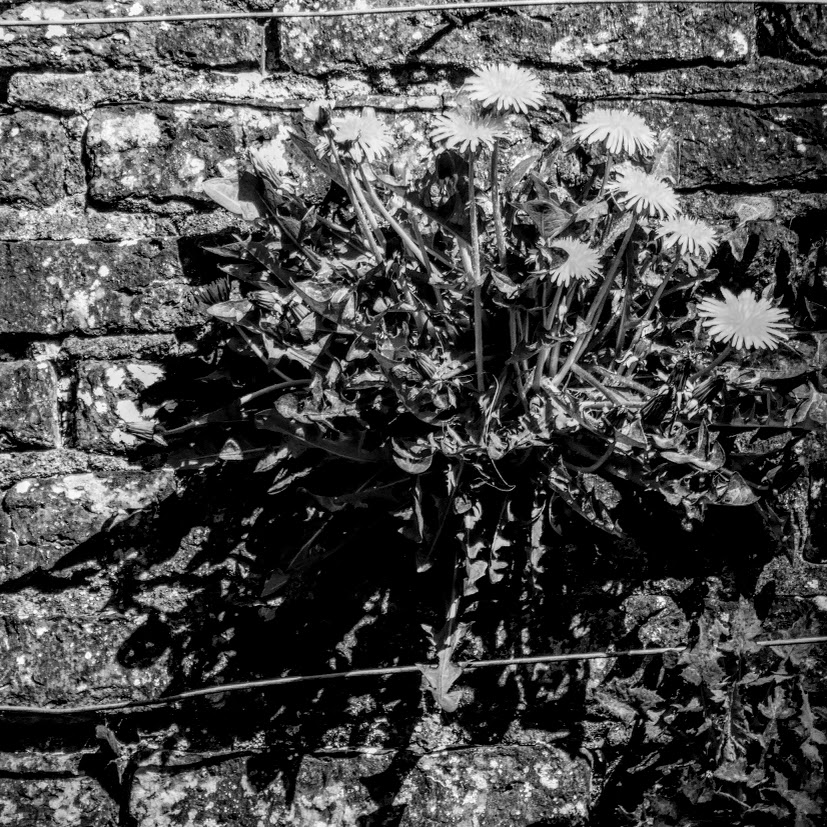
And finally, a doughty dandelion, flourishing on a brick wall in the gardens of Beningbrough Hall, near York. How it nourished all those leaves and petals is quite beyond me.
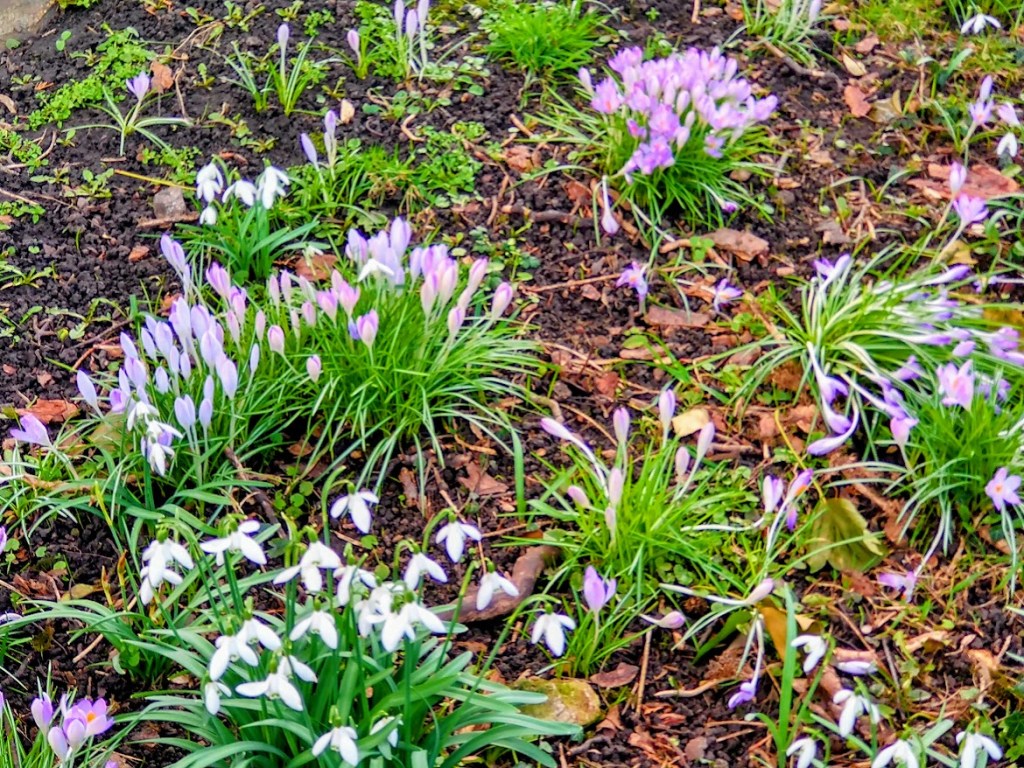
Spotted in the graveyard of the village parish church . At last! The poor crocuses have been firmly shut and shivering against the cold, but on the last day of February, they dared to be a little bolder.
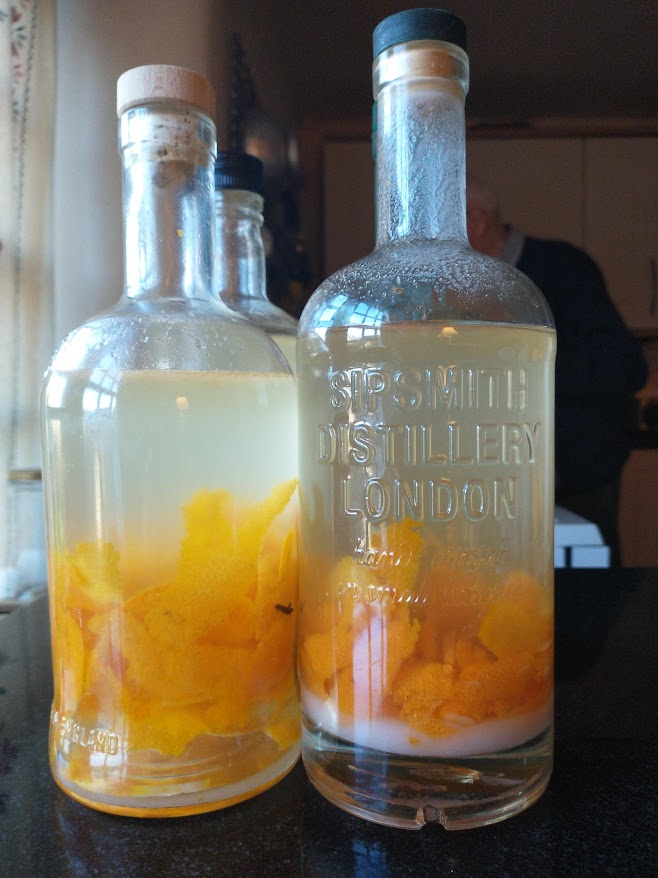
And I can’t resist showing you the shot just before that one. We were busy making Seville Orange Gin last week. Steep the peel and sugar in gin now, and it’ll be ready in time for Christmas, or preferably the one after that. Even better the one afer that …
Look what I spotted while strolling through the village yesterday. And us int’ Frozzen North an’ all.
Silent Sunday.
PS. I’m aware that on mobile phones (certainly Android ones anyway) the featured photo never displays to readers. Is there a way of fixing this? Either as a poster, who would prefer their photo to be visible, or as a reader of the posts of others? I’ve tried to research this, with no success.
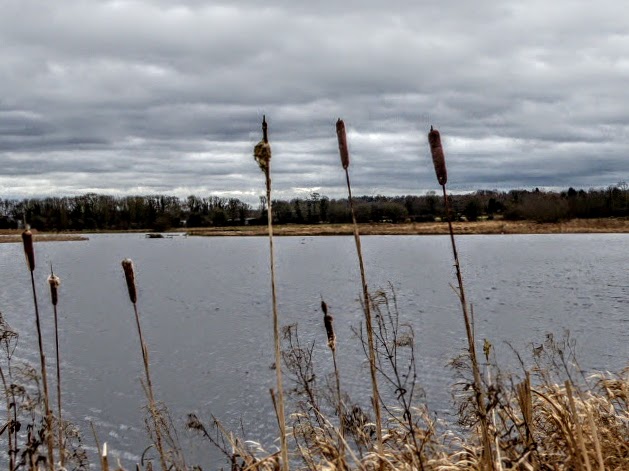
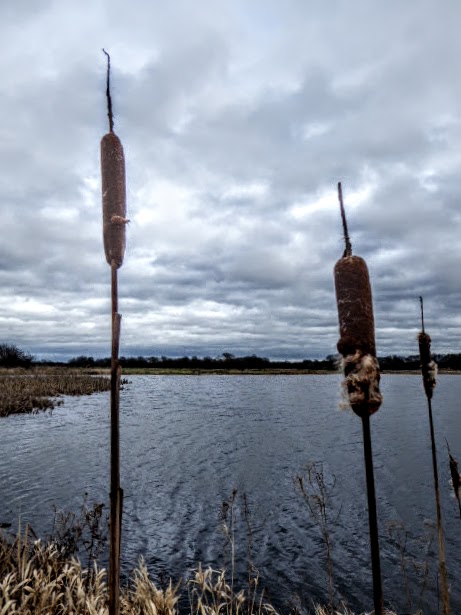
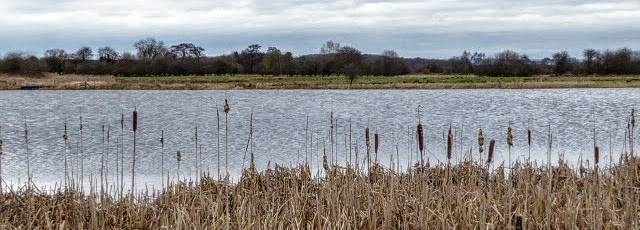
Our local Nature Reserves tend to be chilly in December. Especially when, as today, the wind is making its presence felt. Best to rush round the bulrushes and hurry home for a mug of hot chocolate. Sunny days, though, are available, for a gentler amble. My header photo is from Nosterfield on a sunny day. A wintry trip to Staveley was distinctly nippy,
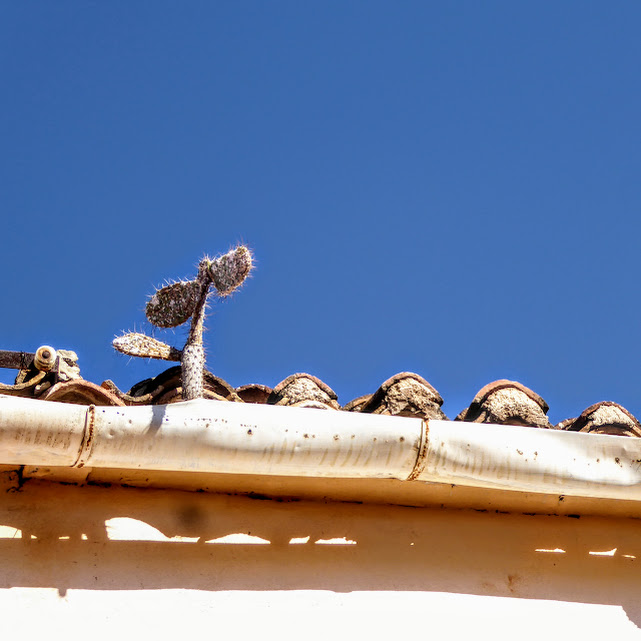
Don’t you just love this doughty cactus, intent on moving forward, keeping the family gene pool alive, putting roots down in an exposed gutter in Downtown Valencia?
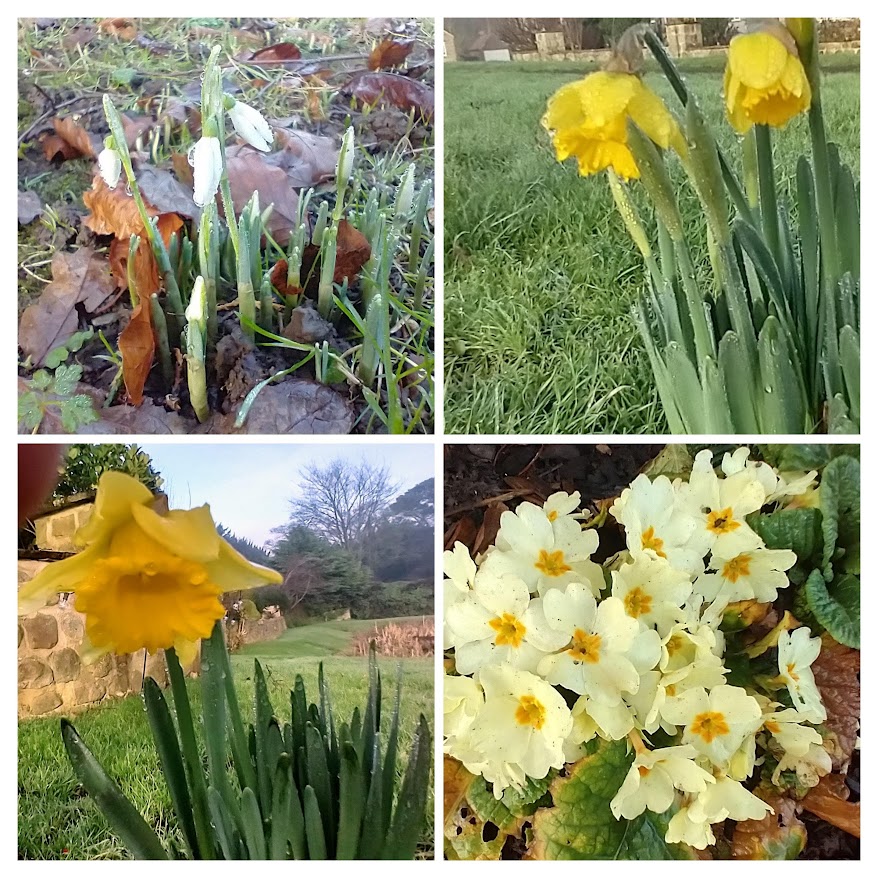
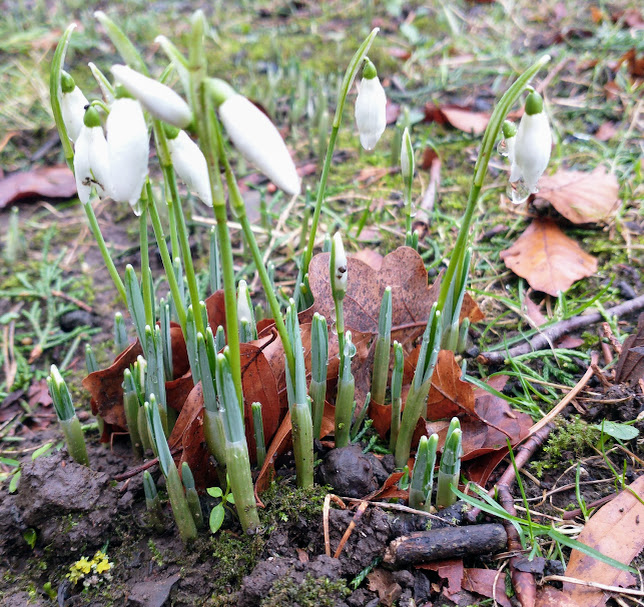
I went down to fetch the paper yesterday morning, and what should I see but … snowdrops, as shown in the featured photo.
Spring, and after that sumer is i-cumen in, as we’ve known since the 13th century at least. Our choir loves to sing about this – and no, the video below is not our band of singers.
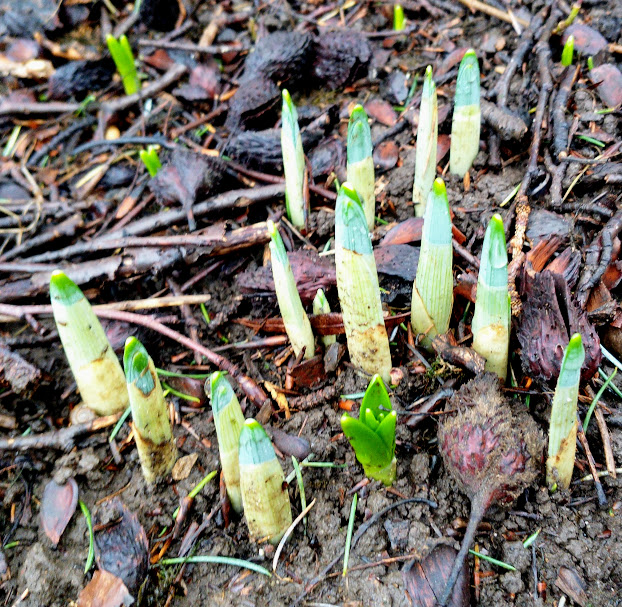
And if snowdrops are here, can daffodils be far behind?
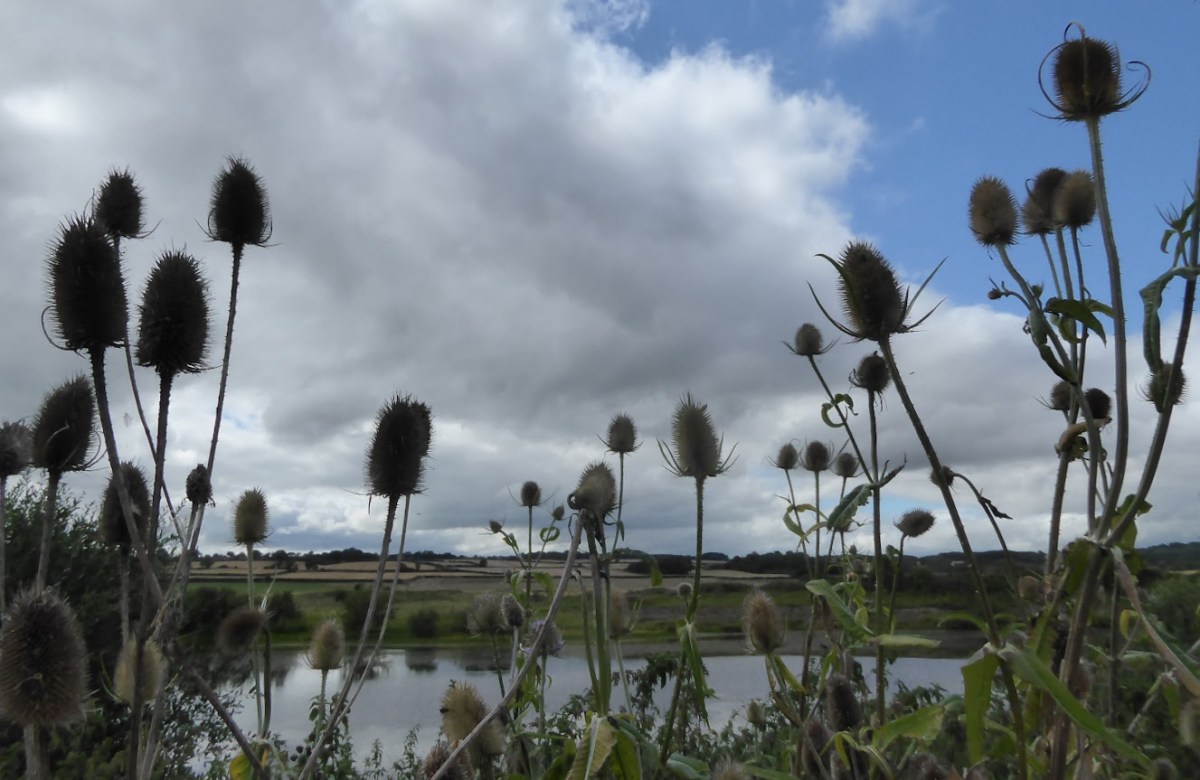
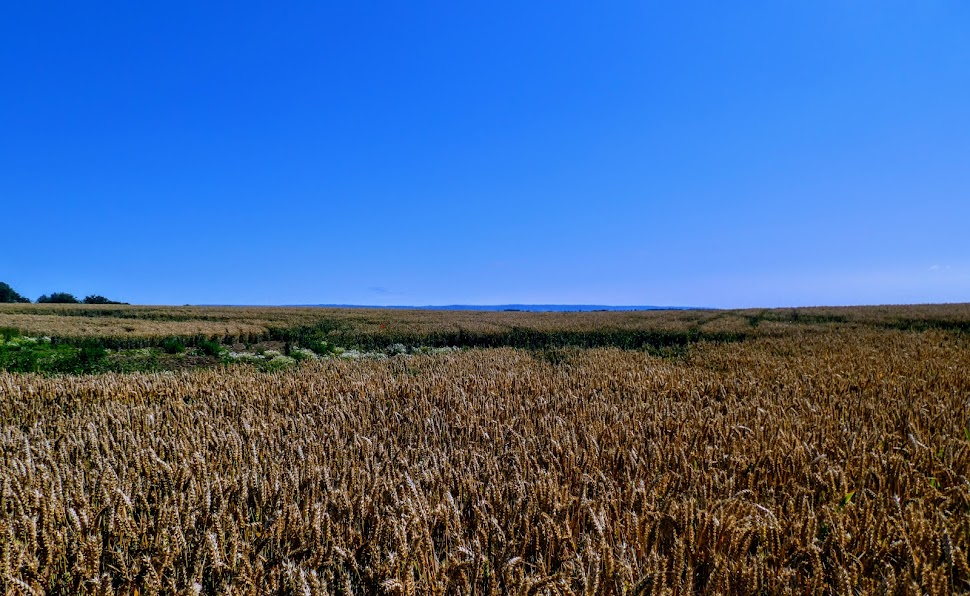
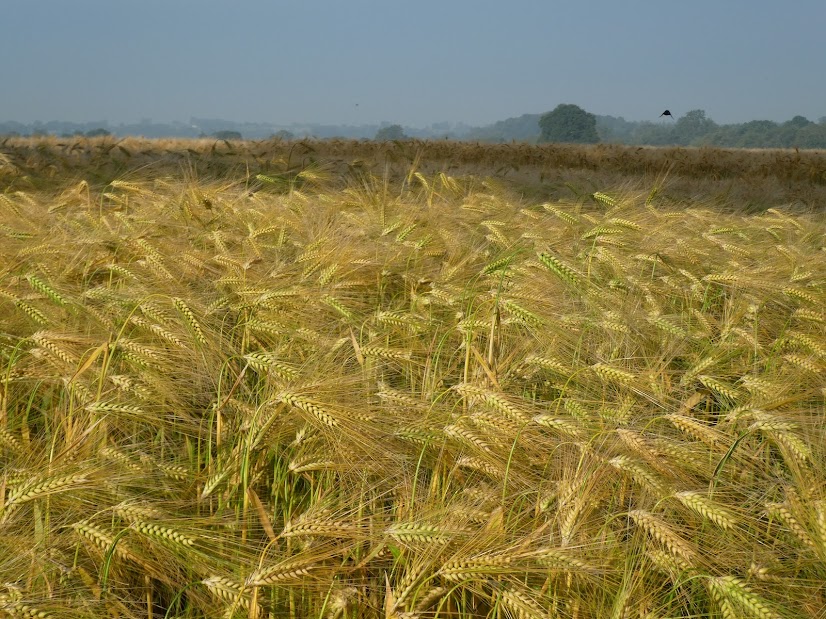
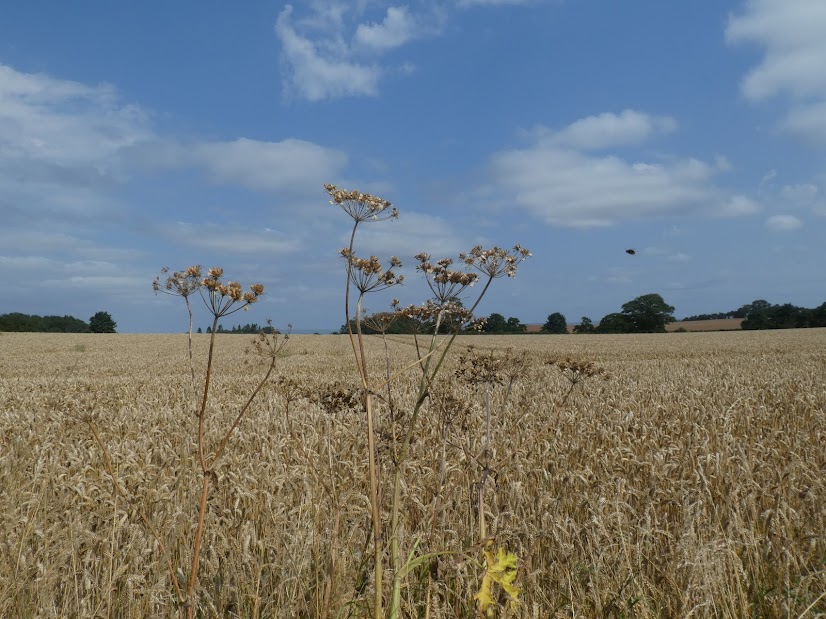
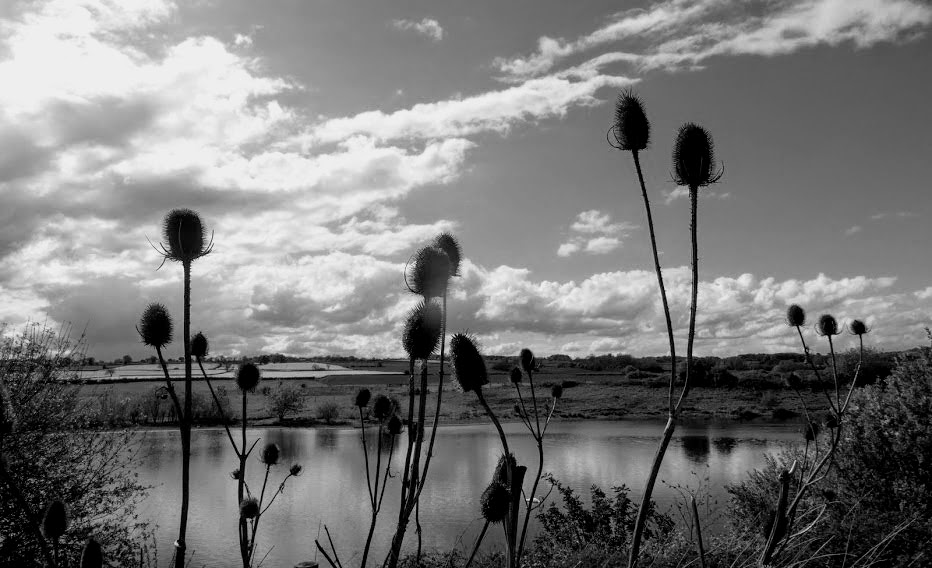
In this week’s Nature Photo Challenge, Denzil has asked us to focus on seedheads. You won’t get any more ripened seeds in one place than in a field of cereal crops awaiting harvest. Here’s a local example in my header photo.
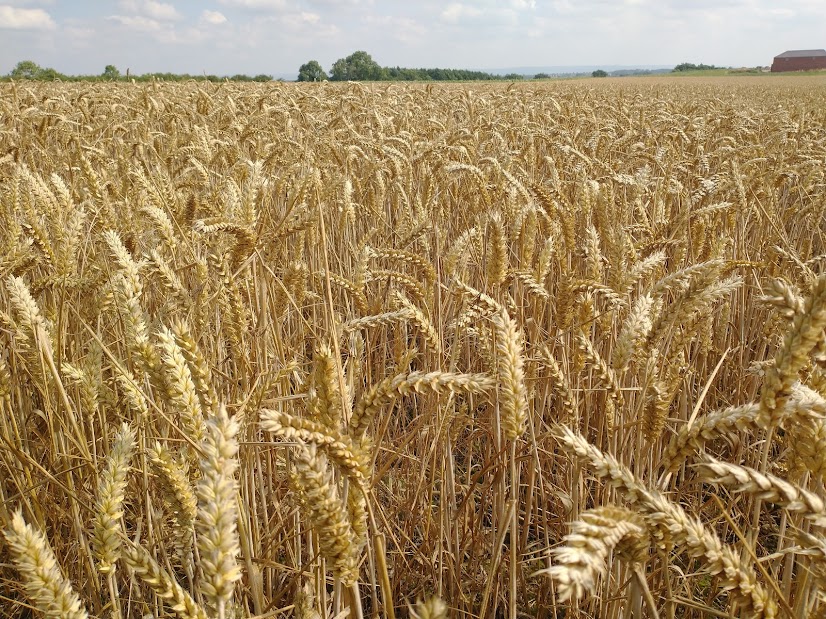
And here are some close-ups of barley and wheat.
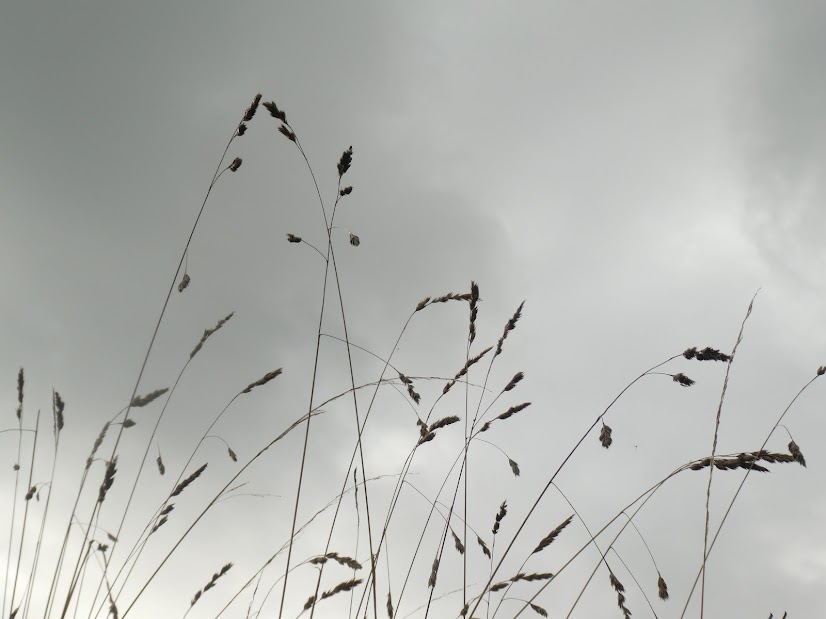
And here’s a gallery of their wild cousins – grasses. Not one of which I can more accurately identify. Any offers?
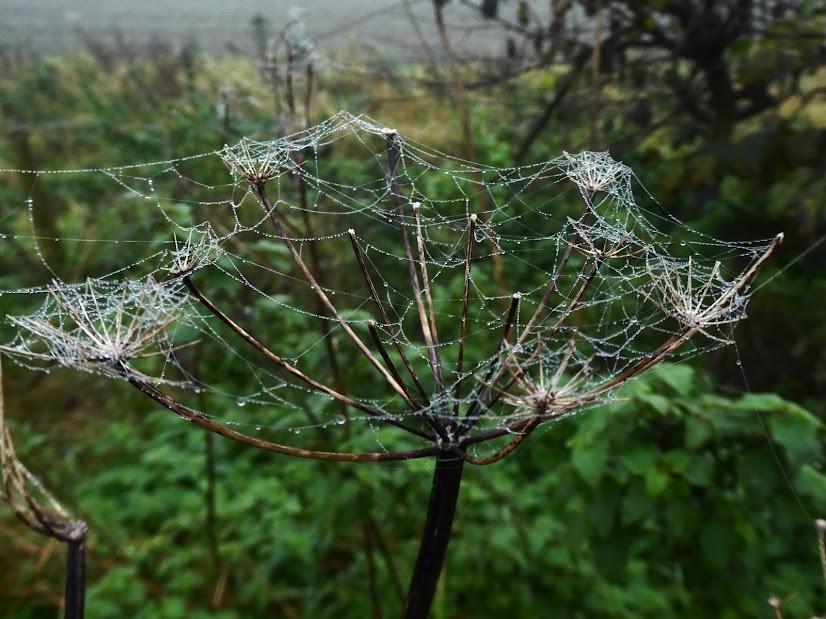
Then there’s cow parsley -or a close relation. It can be yielding its seed, perhaps in the midst of a field of crops round about now, or picturesquely hosting a spider’s web in misty November.
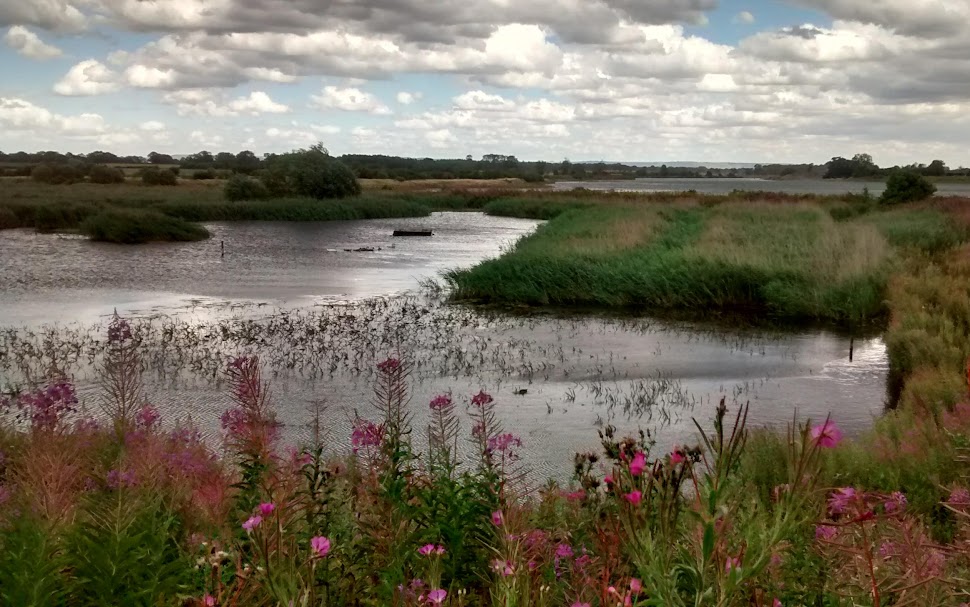
At this time of year too there’s rosebay willow herb: it seems to develop seed pods earlier every year. Here are some at a local reservoir, Grimwith.
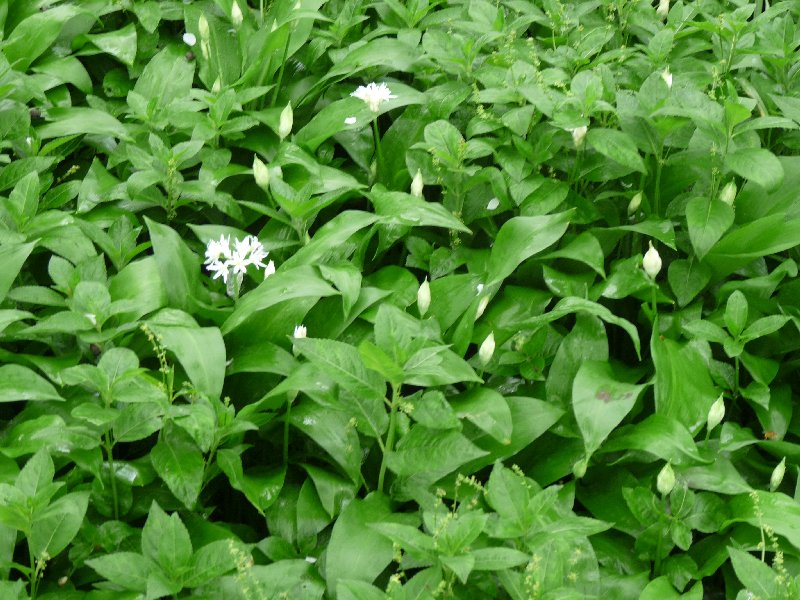
As regular readers know already, I’m a huge fan of Food for Free. Especially at this time of year, I never leave the house without a useful ‘au cas où’ bag stuffed in my pocket . This is a bag that any rural French person will have about their person always – just in case they find something useful – a few nuts, berries, fungi or leaves to add interest to the store cupboard. At the moment, this is all about the apples, blackberries, bullace and mirabelle plums all growing wild locally. At other times it might be young nettles, wild garlic or other leaves. Soon it will be puffballs. I’m not especially knowledgeable, but I do my best.Yesterday’s haul? Windfall apples (simple stewed apple) mirabelles (frangipane and jam) and bullaces (crumble and bullace cheese – think a plum version of membrillo – very labour intensive).
Although I was brought up foraging, my commitment to it was sealed when we lived in France. Here’s a post I wrote in October 2012.
‘All is safely gathered in, ere the winter storms begin’*
October 25th, 2012
Well, at this time of year, it isn’t really a case of ‘au cas où’ . You’re bound to find something. A fortnight ago, for instance, Malcolm and I went on a country stroll from Lieurac to Neylis. We had with us a rucksack and two large bags, and we came home with just under 5 kilos of walnuts, scavenged from beneath the walnut trees along the path. A walk through the hamlet of Bourlat just above Laroque produced a tidy haul of chestnuts too.
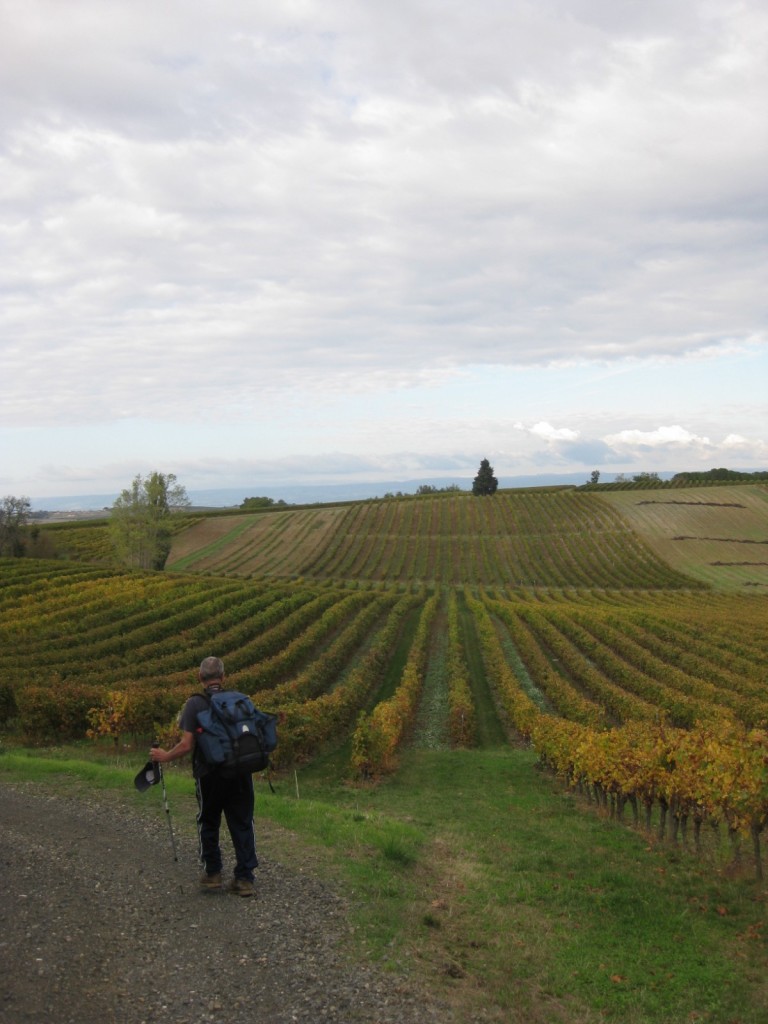
Yesterday, we Laroque walkers were among the vineyards of Belvèze-du-Razès. The grapes had all been harvested in the weeks before, but luckily for us, some bunches remained on the endless rows of vines which lined the paths we walked along. We felt no guilt as we gorged on this fruit all through the morning. The grapes had either been missed at harvest-time, or hadn’t been sufficiently ripe. They were unwanted – but not by us.
So many vines: there’ll be unharvested grapes there somewhere.
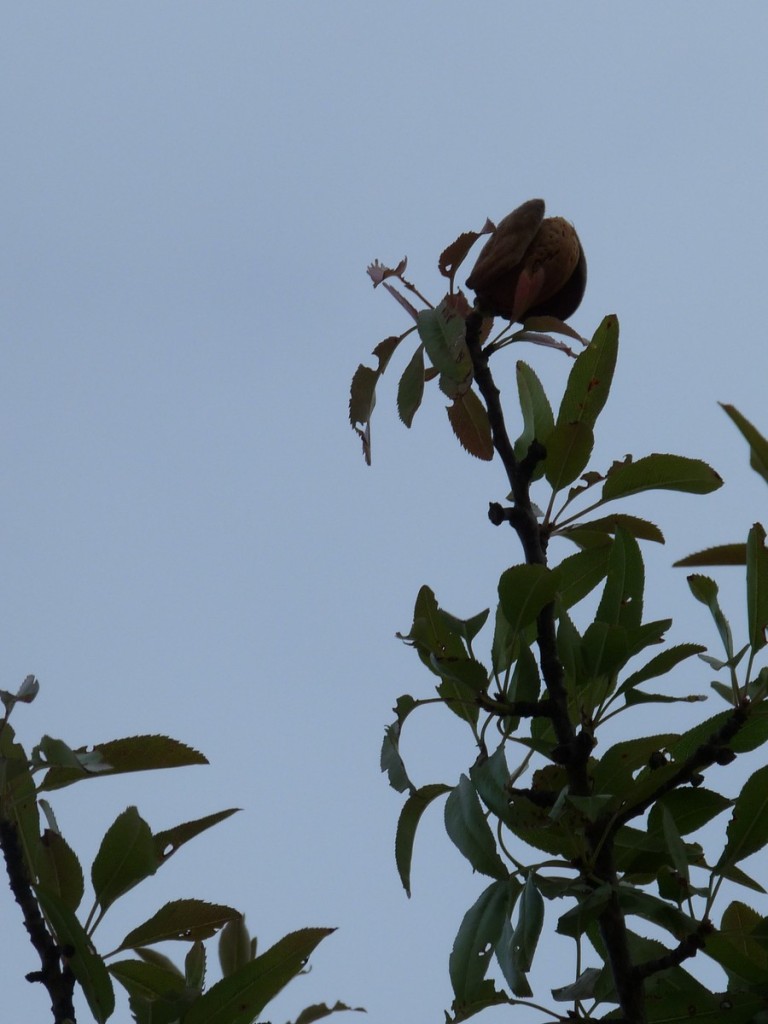
The walnuts we’re used to in the Ariège are replaced by almonds over in the Aude. You have to be careful: non-grafted trees produce bitter almonds, not the sweet ones we wanted to find. But most of us returned with a fine haul to inspect later. Some of us found field mushrooms too.
A solitary almond
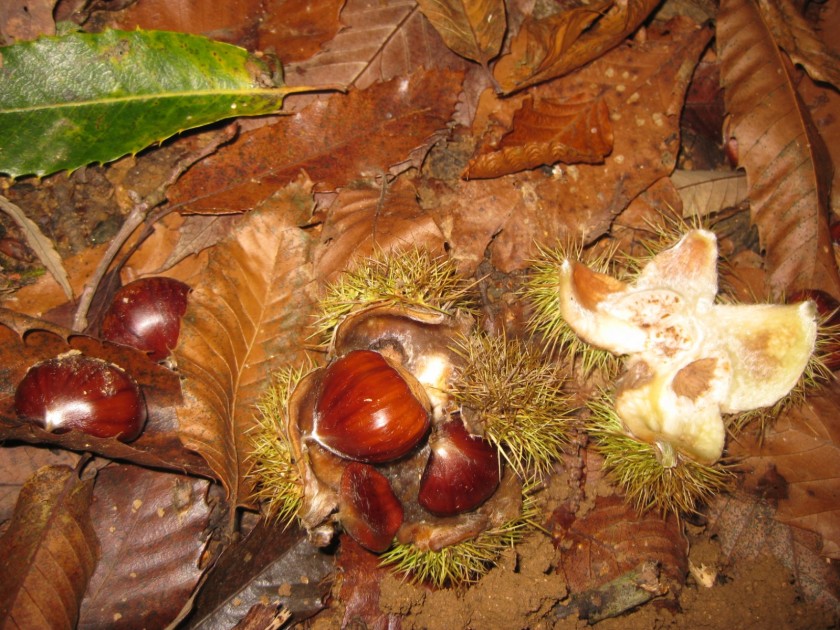
Today, the destination of the Thursday walking group was the gently rising forested and pastoral country outside Foix known as la Barguillère. It’s also known locally as an area richly provided with chestnut trees. Any wild boar with any sense really ought to arrange to spend the autumn there, snuffling and truffling for the rich pickings. We walked for 9 km or so, trying to resist the temptation to stop and gather under every tree we saw. The ground beneath our feet felt nubbly and uneven as we trod our way over thousands of chestnuts, and the trees above threw further fruits down at us, popping and exploding as their prickly casings burst on the downward journey.
Just picture whole paths, thickly covered with chestnuts like this for dozens of yards at a time.
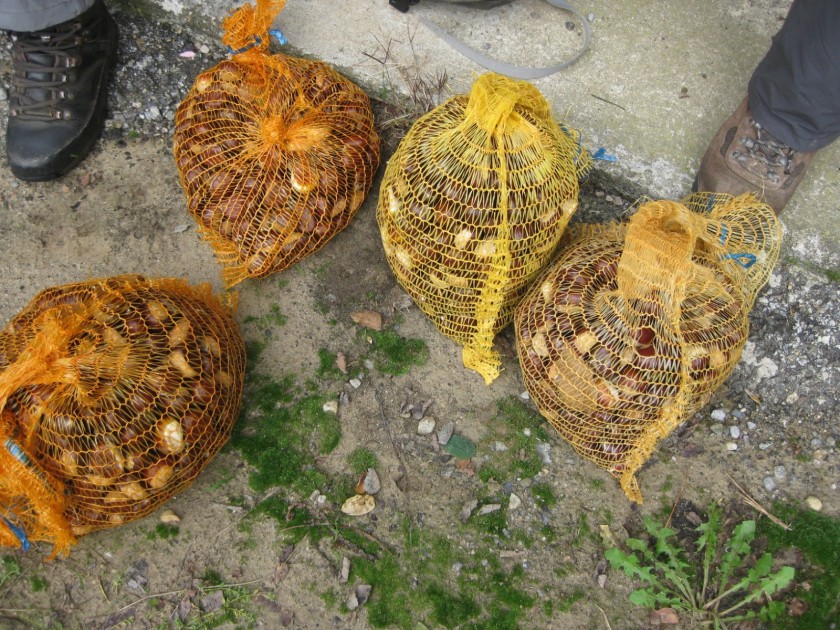
As our hike drew to an end, so did our supply of will-power. We took our bags from our rucksacks and got stuck in. So plentiful are the chestnuts here that you can be as picky as you like. Only the very largest and choicest specimens needed to make it through our rigorous quality control. I was restrained. I gathered a mere four kilos. Jacqueline and Martine probably each collected three times as much. Some we’ll use, some we’ll give to lucky friends.
I think these chestnuts represent Jacqueline, Martine and Maguy’s harvest.
Now I’d better settle myself down with a dish of roasted chestnuts at my side, and browse through my collections of recipes to find uses for all this ‘Food for Free’.
*From the words of an English hymn sung during Harvest Festival.






 From Pyrenees to Pennines
You must be logged in to post a comment.