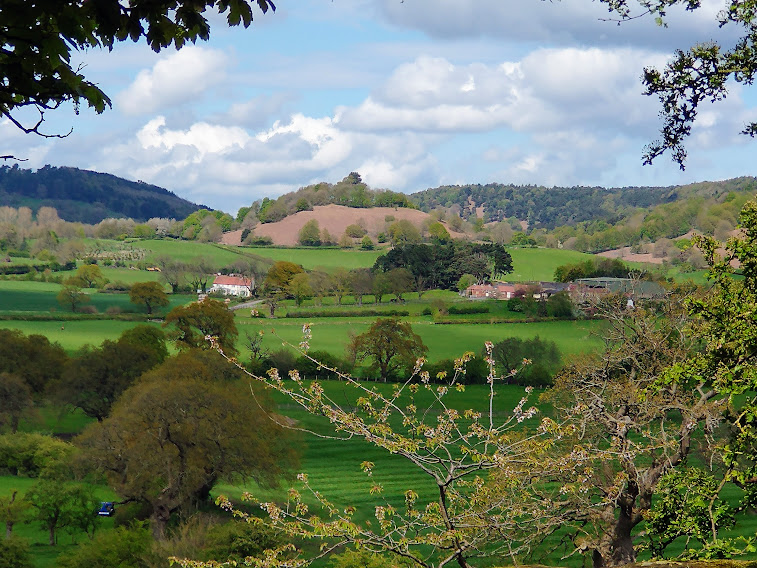
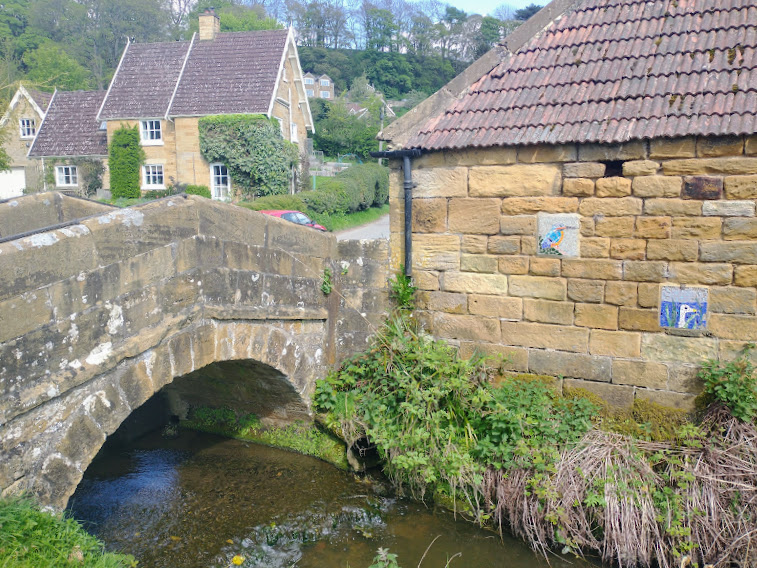
A Work in Progress

That’s this post, really. We’ve been away all week, discovering Shropshire with friends who’ve moved there. Getting to know this county and its landscapes, its industrial history, its towns and villages is a work in progress for us. But it’s left me only with time to throw together a quick response to Ann-Christine’s Lens Artists Challenge: Work in Progress.

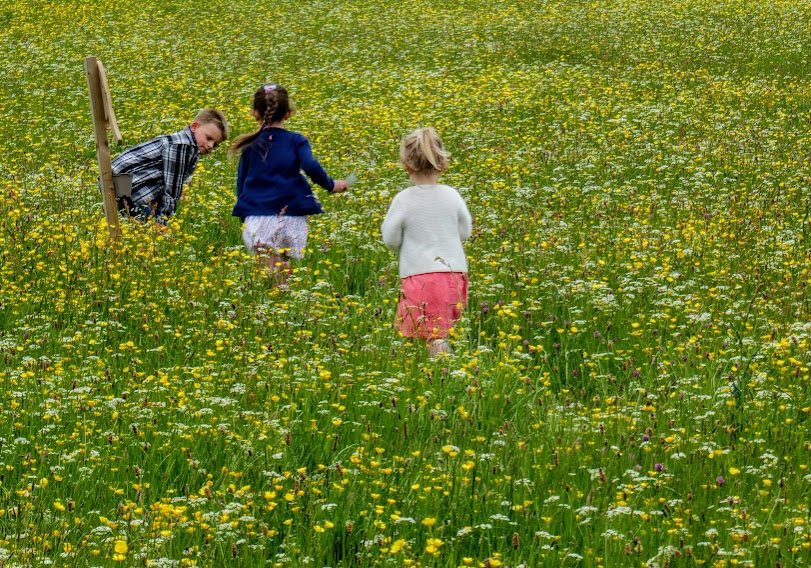
We’re all Works in Progress – all our lives. But children especially so. Fierce concentration here, and enjoyment too …

Hard at work with bucket and spade.

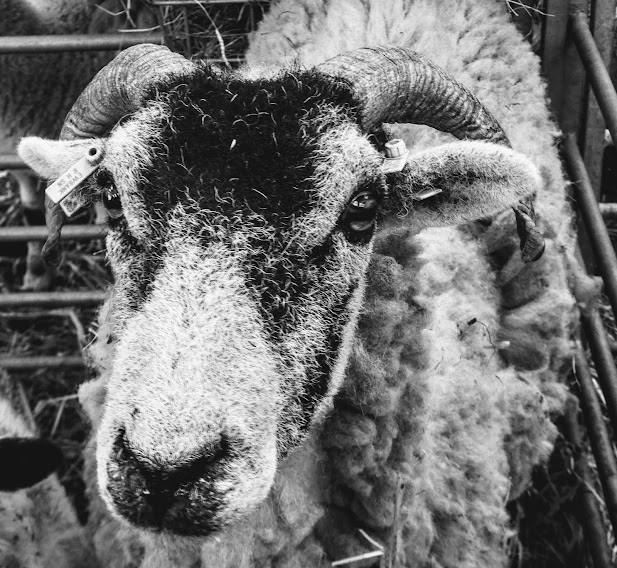
Slightly older children can hold their own with adults when it comes to demonstrating proficiency – in this case sheep-handling at Masham Sheep Fair.

Sheep-handlers young and old at Masham Sheep Fair

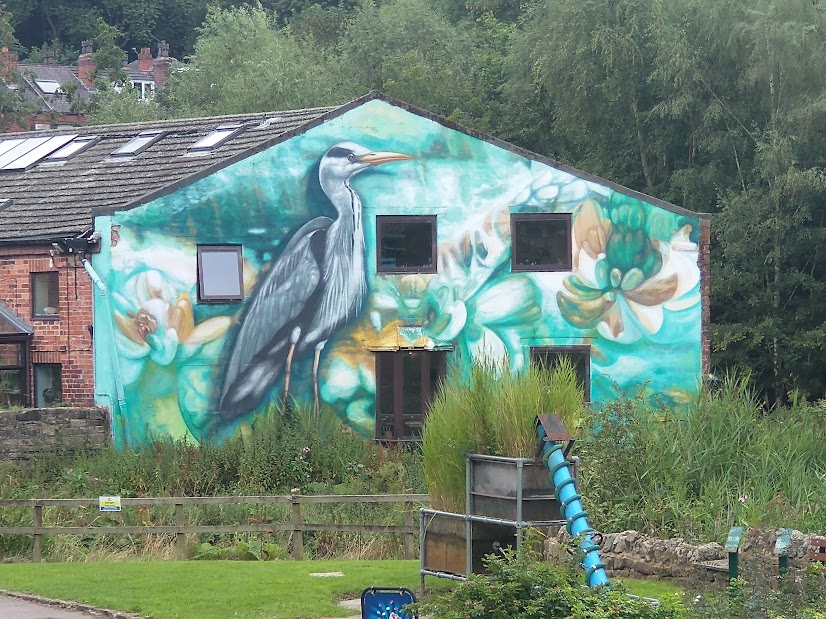
Over in the city, street art out-numbers sheep. Here are two works in progress: the first in Valencia, Spain, the second near Brick Lane, London.

And finally, two shots from India that I remember well: the house opposite my hotel in Puducherry, whose construction was a work-in-progress from about six, till late… it’s up there as my featured photo … and a metalworker hard at work producing figures inspired by the nearby temple at Kumbakonam in Tamil Nadu.

Bronze worker in Kumbakonam

Townie Toddler in the Countryside

Townie Toddler has gone back to Spain. The house suddenly seems unwontedly calm and quiet. Rather dull really. This is probably because the two old fogies who live here have no remaining energy – for a day or two at least.
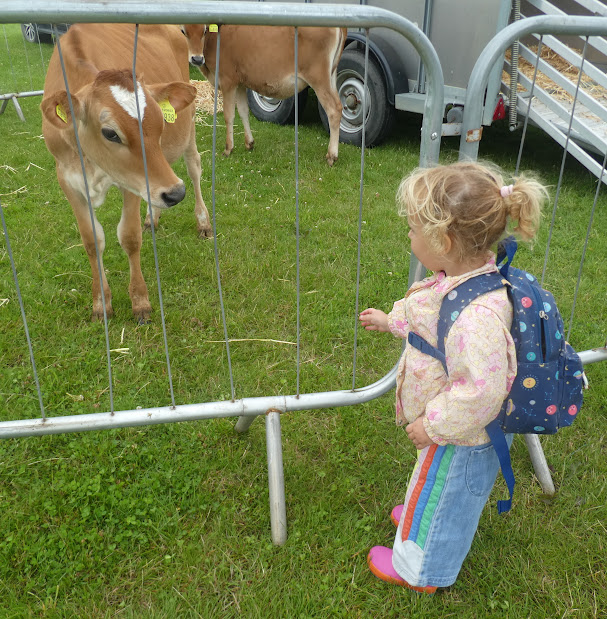
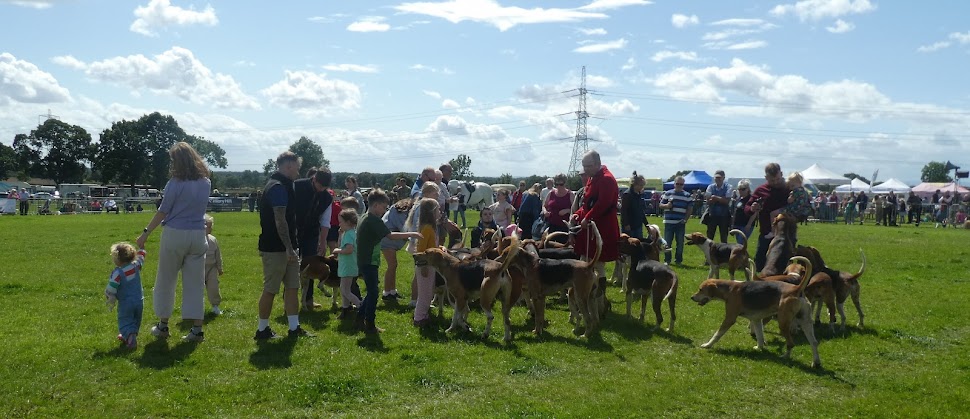
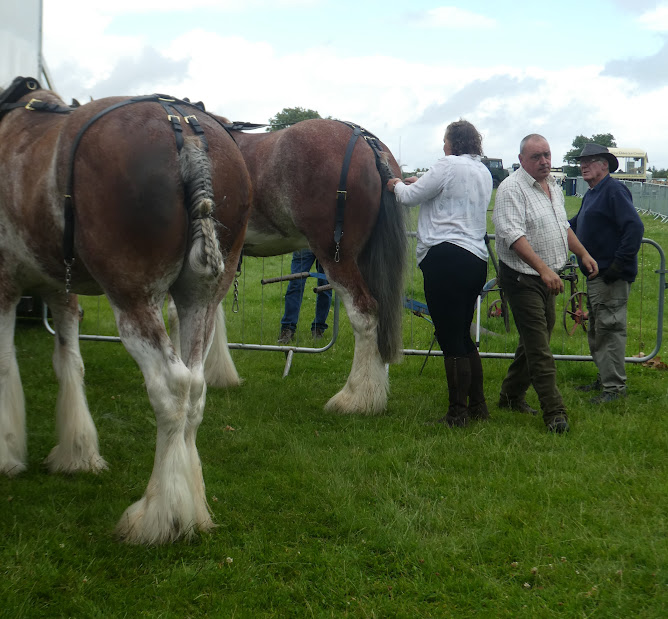
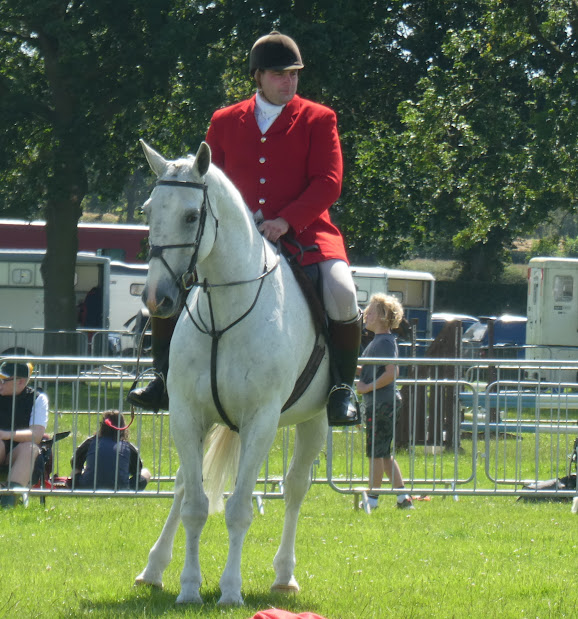
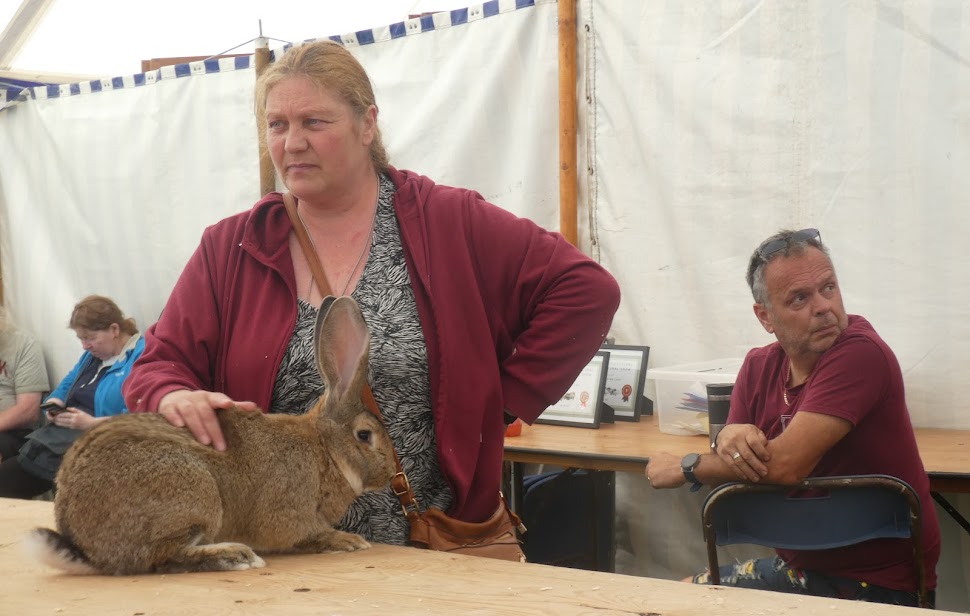
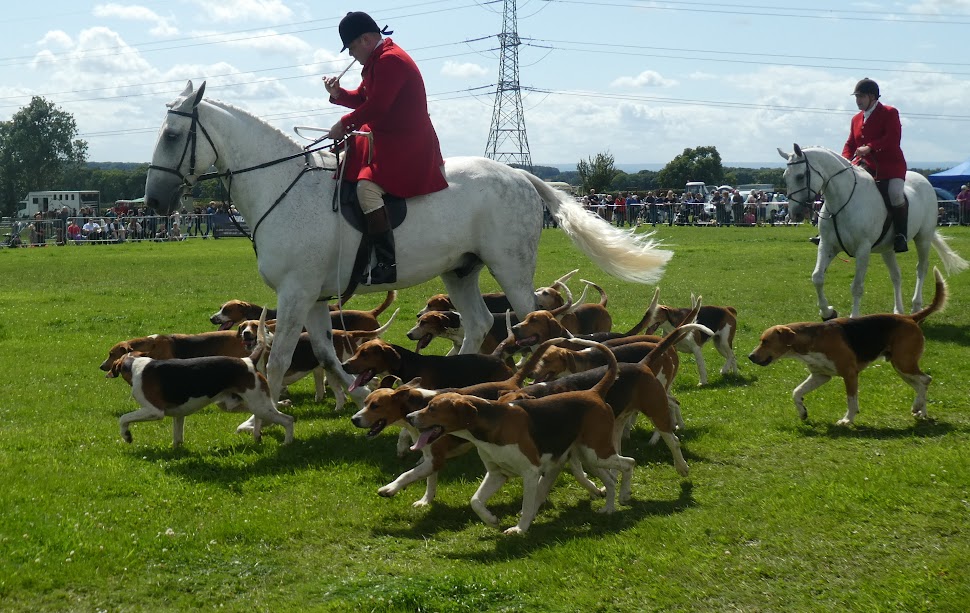
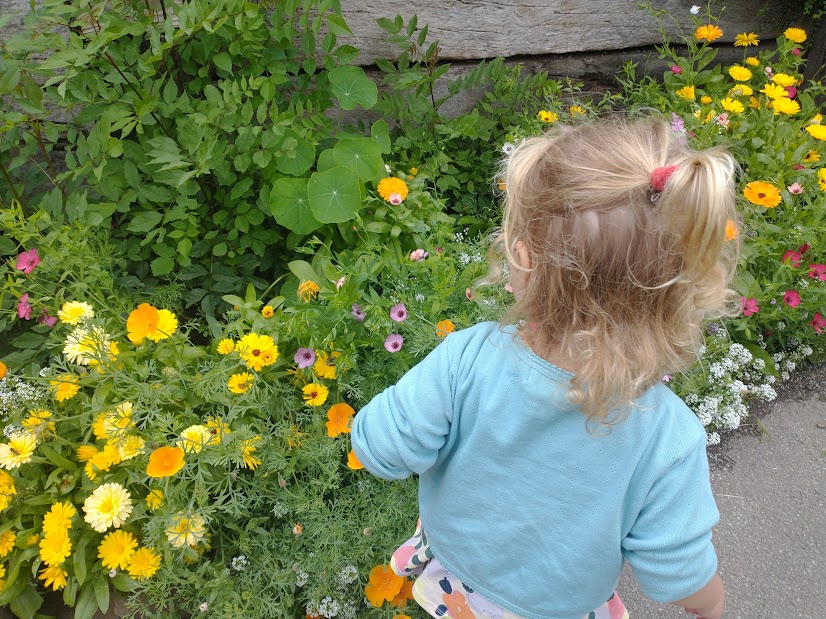
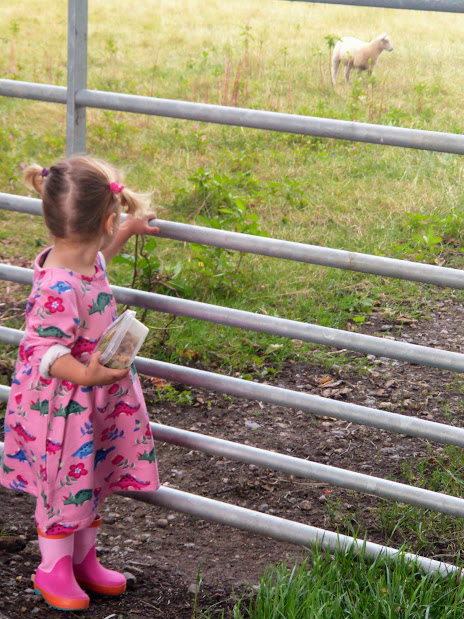
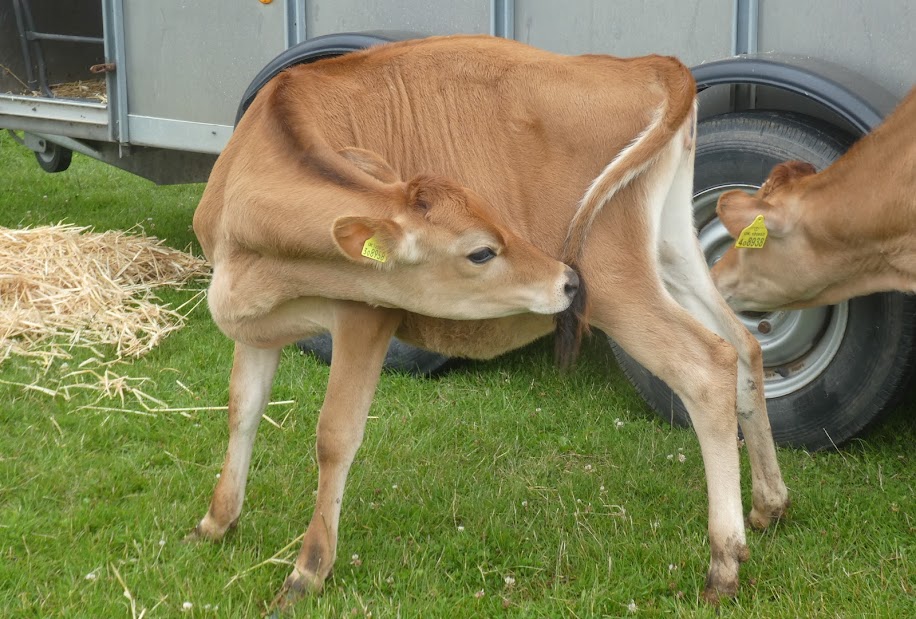
Townie Toddler’s mum wanted her daughter to spend time being a child of the countryside – spending time with its animals, plants and wide open spaces. So off we went on Saturday to Borrowby Show. Horses from shire horses to the tiniest of ponies, sheep, dogs and small animals were all Being displayed to best advantage. Oddly, the only cattle were two charming Jersey calves. One of the set pieces in the afternoon was of The Hunt. Definitely NOT our thing. But Anaïs enjoyed the chance to meet the docile and well-behaved beagles who later tore round the show ring in pursuit of – luckily – a less than realistic hare, who doubtless smelt right.

Here’s our day:

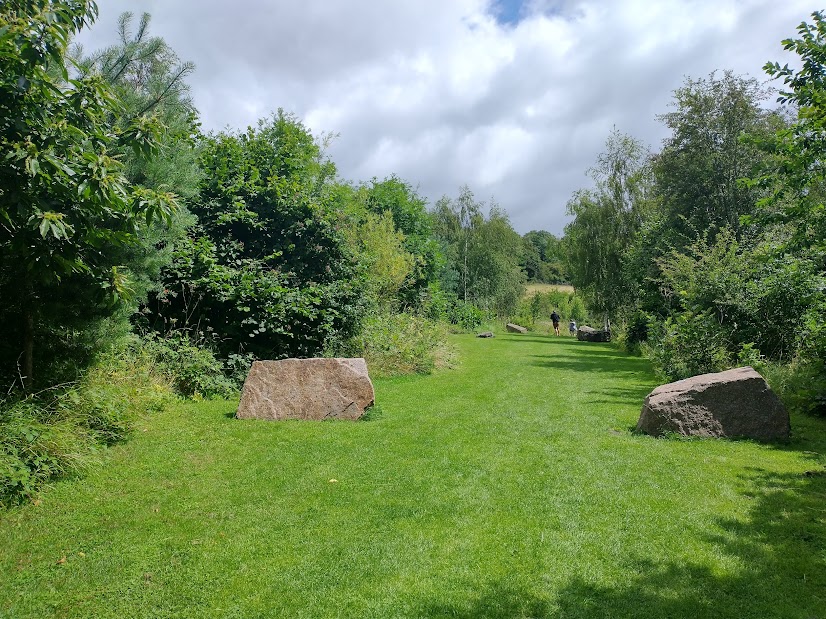
Then the next day, on our way to the airport, it was Meanwood Valley Urban Farm. It was somewhere we often went when we lived in Leeds, and the children were smaller. We loved it then. Now it’s re-invented itself. It’s larger. It has peaceful walks where you can lose yourself in dense copses and apparently distant views. It has all the farmyard animals you’d expect. Yet it’s within walking distance of Leeds City Centre. It has a vegi-box scheme. A bike workshop. It works with volunteers, those with learning disabilities, disengaged young people, and is a welcoming and environmentally focussed part of its local community. It also has a really great café. We spoke to staff and volunteers who talked with pride and enthusiasm about this special place. Almost worth moving back to Leeds for. It was a wonderful finish to Anaïs’ and Emily’s English break.

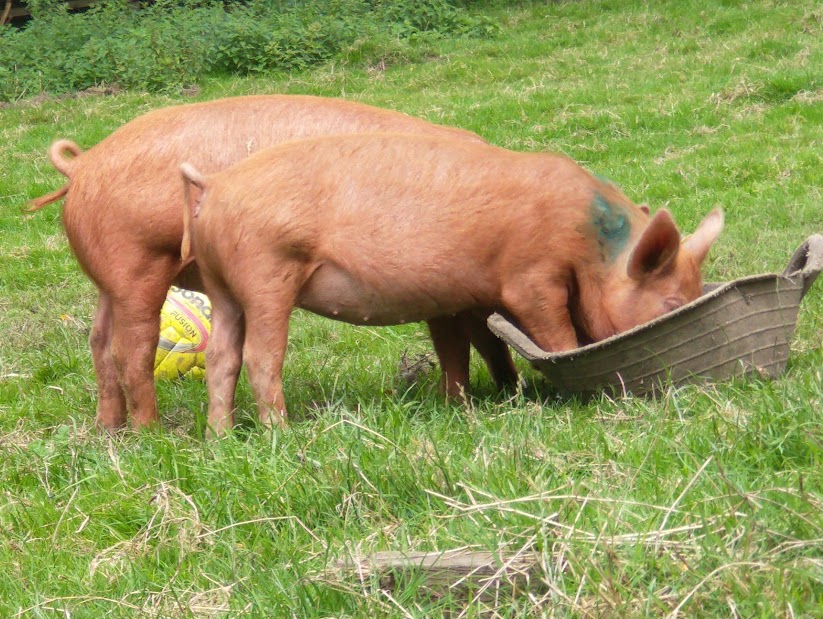
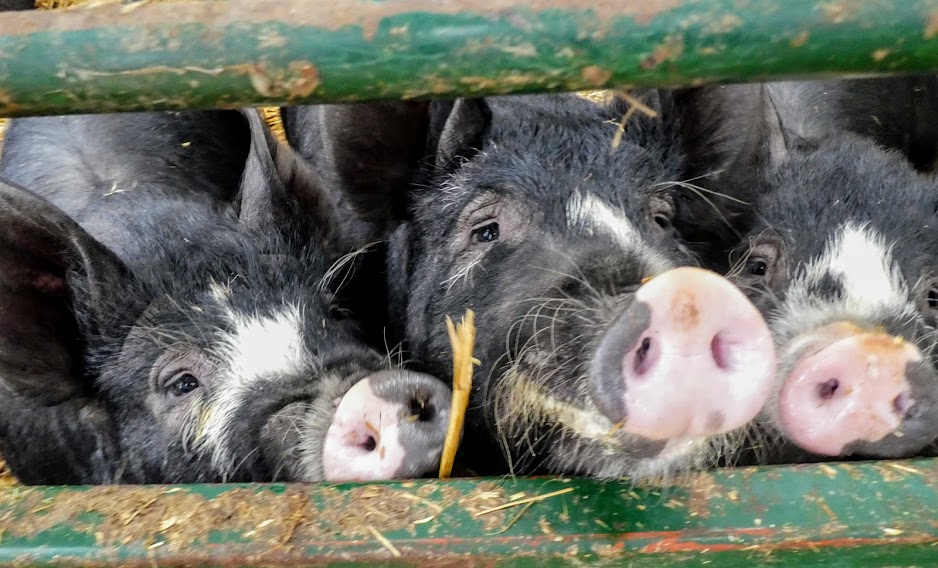
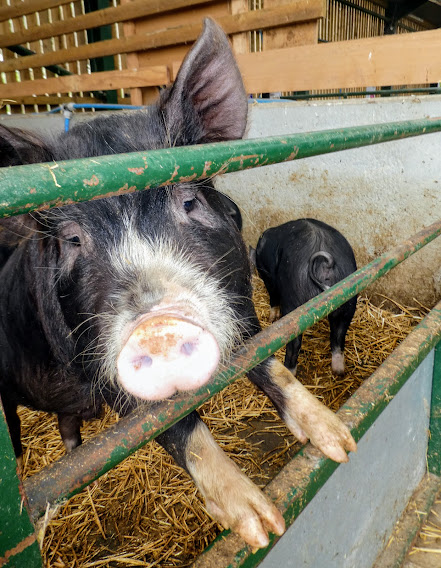
Brian? Do you see those pigs? That shot’s my Last on The Card in July.

A Simple Holiday

It’s summer – well, here in Europe it is anyway – and our thoughts turn to holidays. So when Philo of Philosophy through Photography fame threw down the challenge to celebrate Simplicity for Lens-Artists Challenge #257, I thought I’d leaf through my holiday albums and see what I could find.

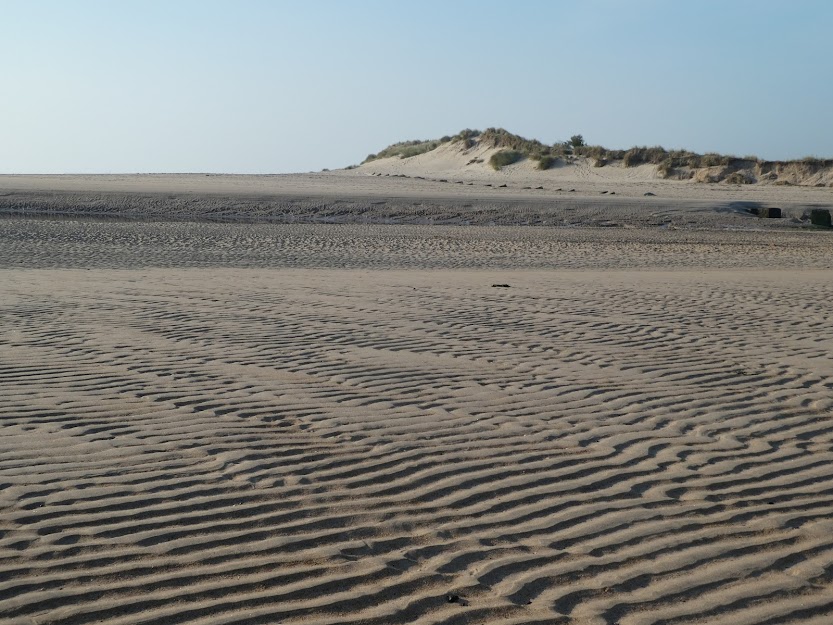
Let’s go to the beach first, in Alnmouth Northumberland.

And then back to Yorkshire, to Wharfedale, where water coursing down the limestone slopes has formed this dramatically undulating landscape.

Let’s stay in Yorkshire, for harvest time at Sutton Bank.

Still, we can’t stay in England forever. Let’s catch a ferry across the North Sea.

We’ll nip across to Valencia, to l’Albufera: send a postcard as the header photo, before going south to Cádiz …

 … and all the way over to Greece …

… before coming back to England ..

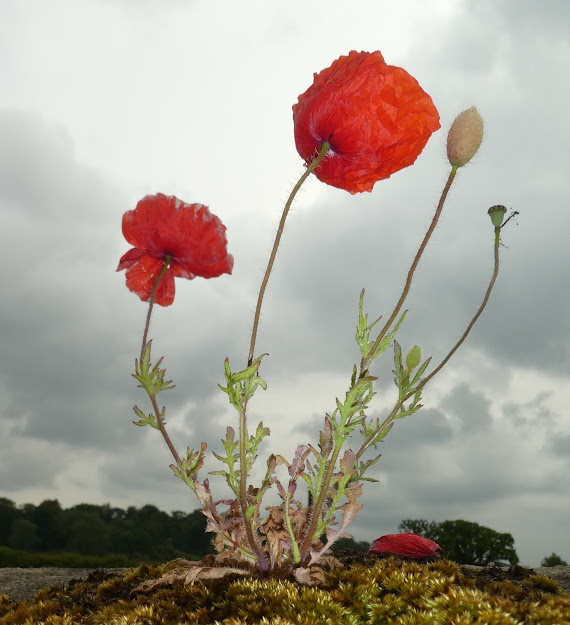
…where poppies blow …

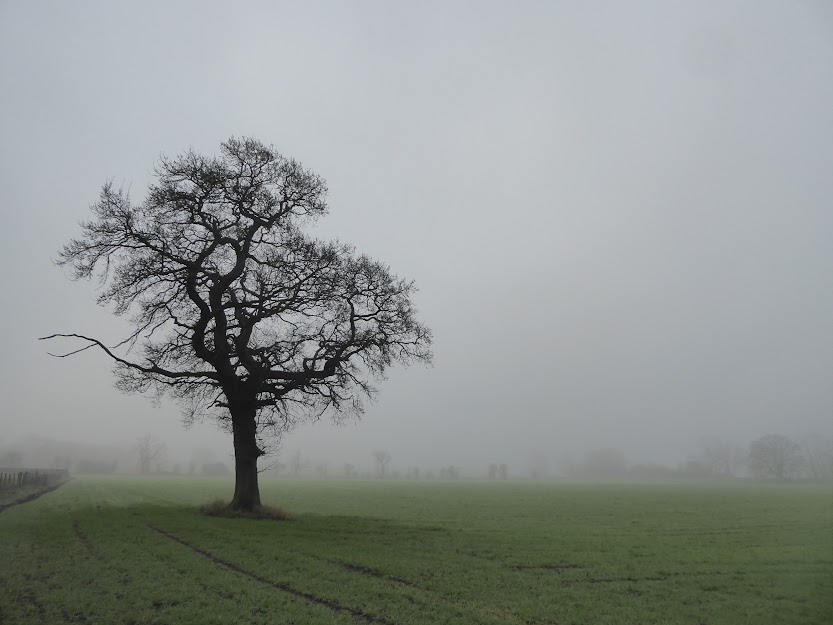
… and the fog descends…

Holiday well and truly over, I think.

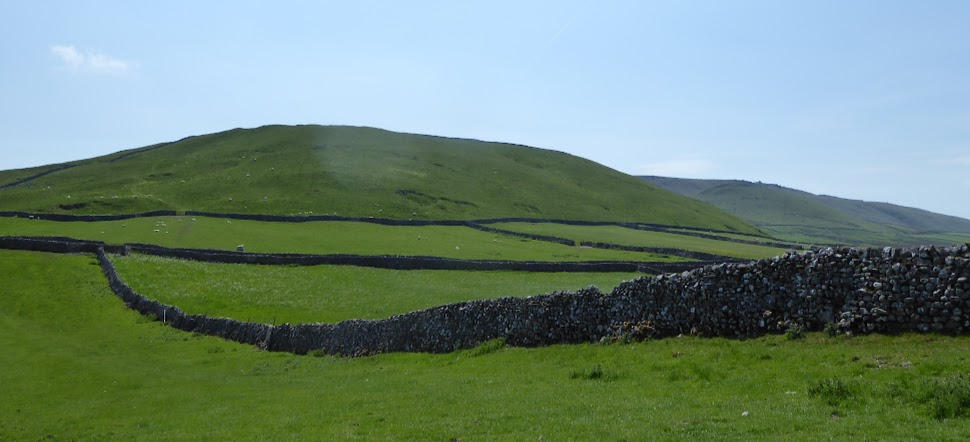
Dry stone walls: fragments of history

I have chosen dry stone walls in response to Brian Bushboy’s Lens-Artists Challenge #253: Fragments. Which is rather odd of me.

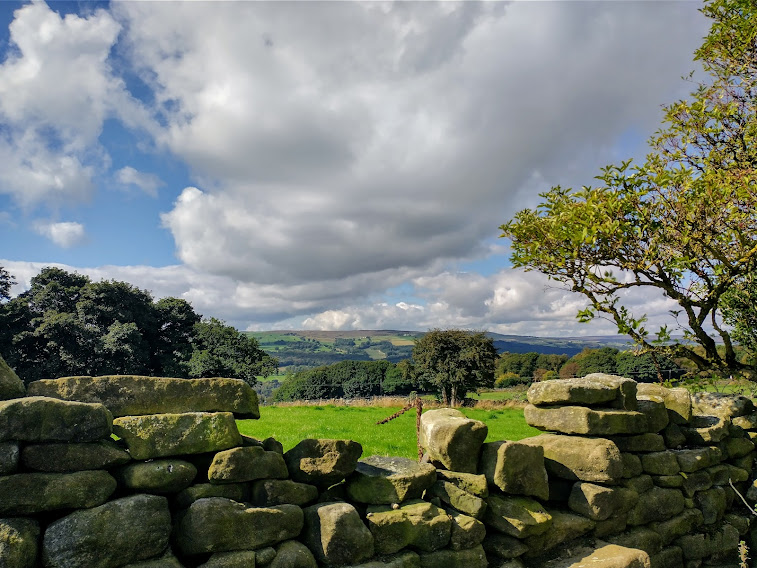
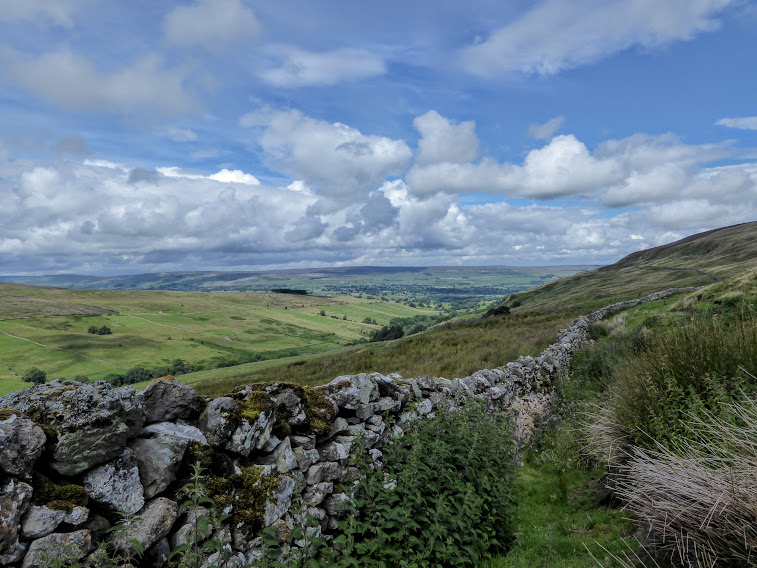
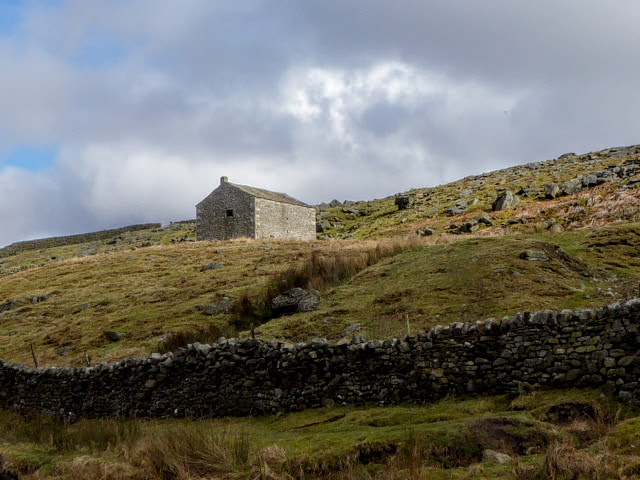
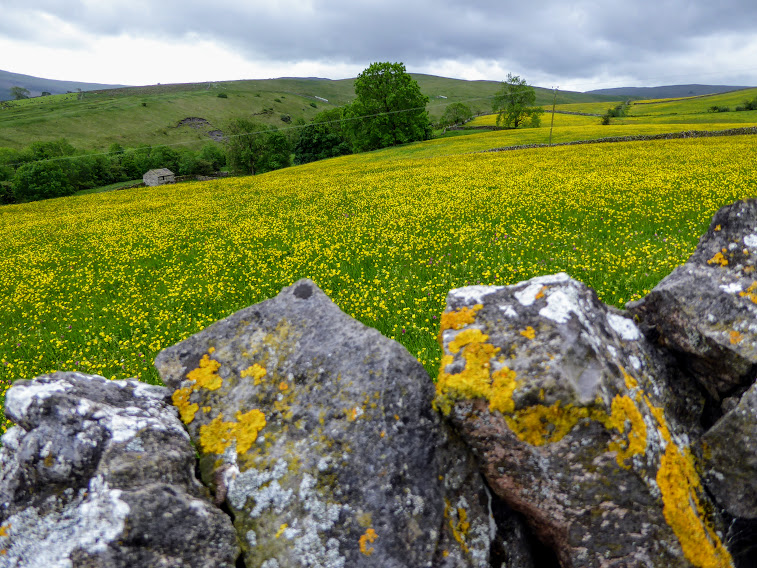
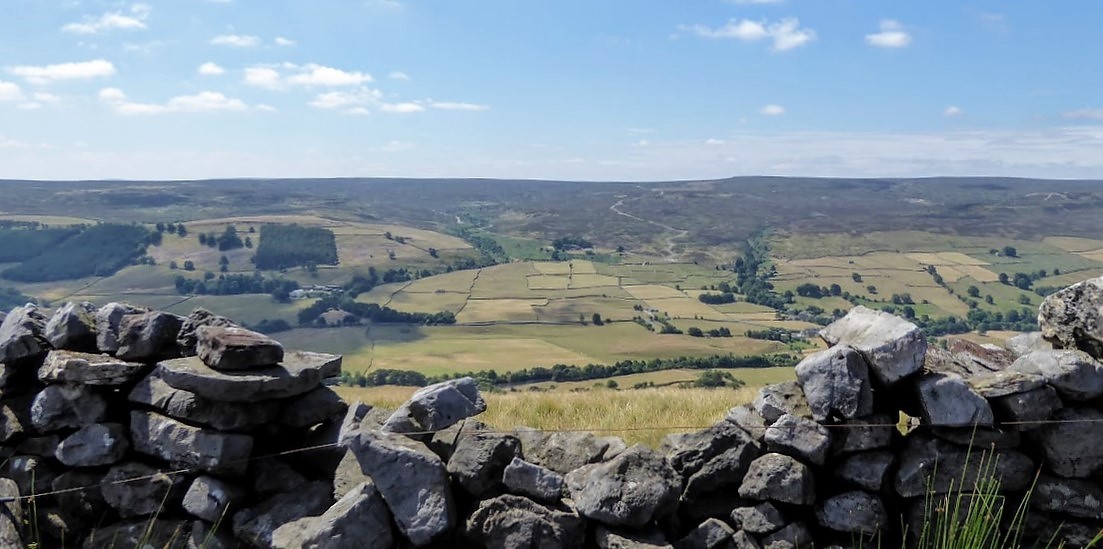
Dry stone walls are far from fragmentary. These walls march across the moorland and pasture landscapes of much of northern- and parts of the rest of – England, dividing farm from farm, and fields from their neighbours. Labour-intensive to construct, they can last for centuries: carefully assembled courses of locally-found stone with not a splash of mortar to be seen. The ancient craft is still alive and well, and the modern apprentice can hone his or her skills through Levels 1, 2 & 3.

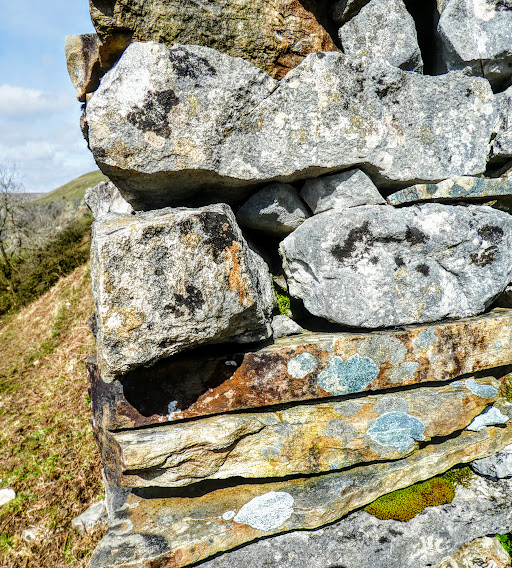
Still, the stones used in their construction are fragments of an ancient landscape of local rock: of millstone grit, of limestone, flint, granite: whatever is locally available. Some elderly walls are fragments of older, longer ones, and some are indeed somewhat broken.

Really, I just wanted an excuse to celebrate this much loved feature of our landscape, telling a story of centuries of farming in harsh conditions where man has worked tirelessly to make a living.

A Walk through the Good Old Days

A request came into our photo club. Did anyone fancy coming along to a local farm open day to make a record of the day in pictures? Three of us did. And we had the best Sunday out.

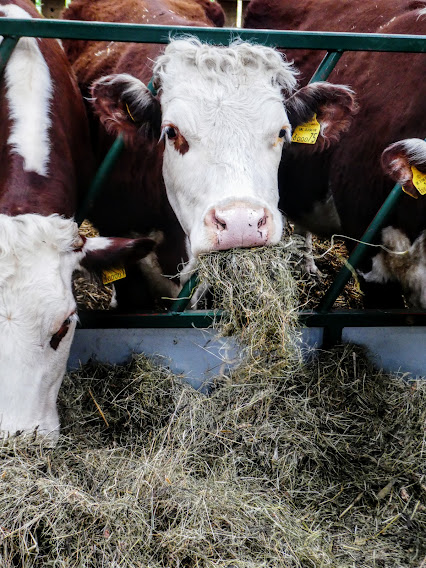
Rock House Farm is near Bedale: a member of LEAF, an organisation promoting sustainable farming. As modern farms go, it’s small. Just some cows, sheep and pigs, hens (for eggs) and turkeys (for Christmas). And an allotment, which supplies the family as well as providing fruit for the (fresh and delicious) jams and chutneys they sell.

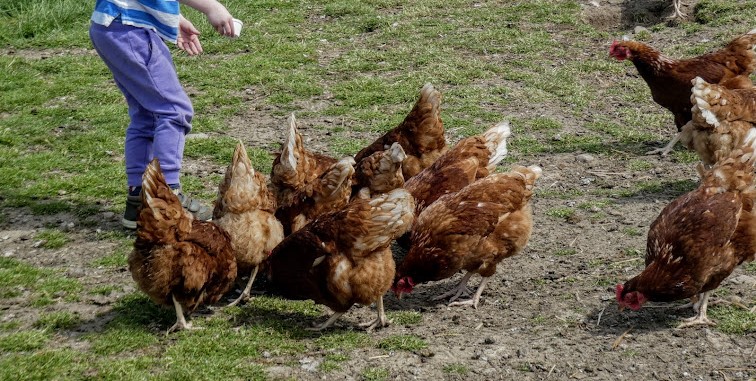
Our morning was spent with the animals – and visitors . We got photos of children’s delight at enjoying getting so close to them, at feeding the hens, and chatting to piglets . Although parents had given permission for them to be photographed, it doesn’t seem fair to display them on the internet, so I won’t show you this special part of the day.

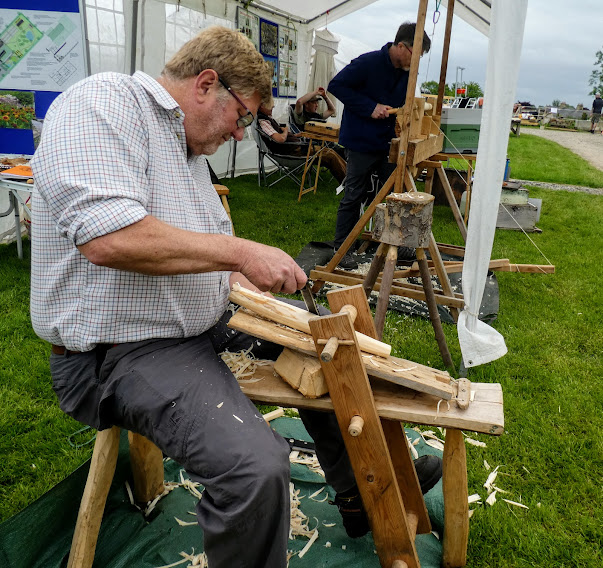
There was a woman fashioning wooden spoons, a wood turner, local heather honey on sale.

There was lunch, made using their own-produced meats and sausages, served with salads then home-made cakes, eaten with views of flower-meadows and long-ranging views of the Yorkshire countryside. I was too busy enjoying it all to remember about taking photos.

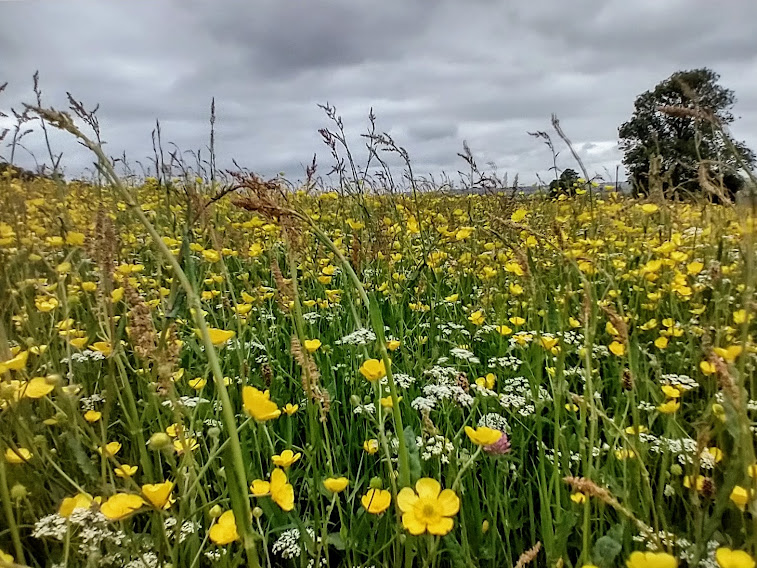
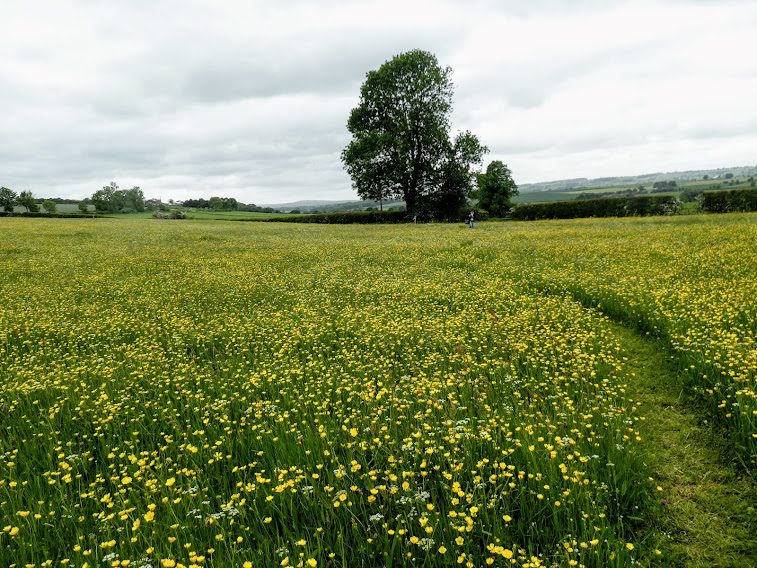
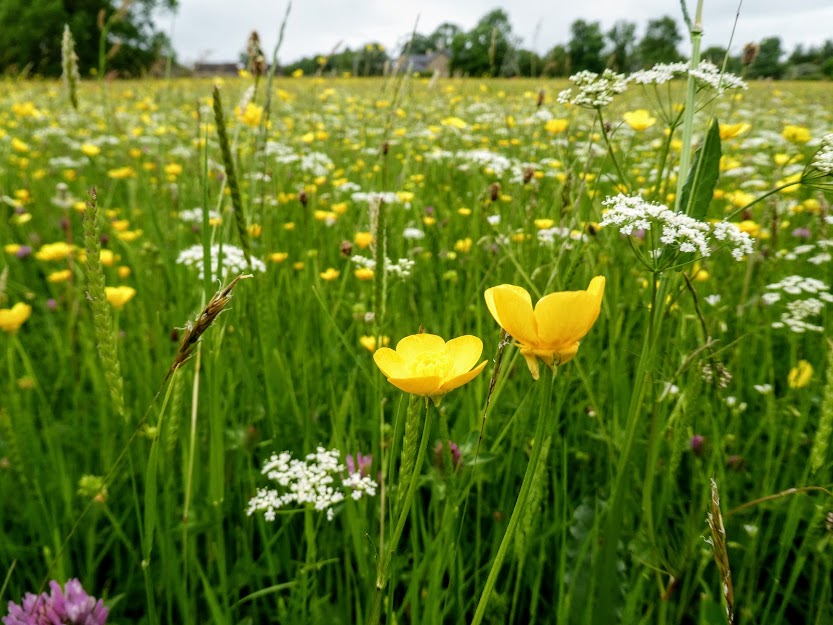
What I can share with you is what for us was the highlight of the day. We’re old enough to remember when meadows full of wild flowers were quite normal in the countryside. Now the ones on this farm are sufficiently unusual that they’re Sites of Special Scientific Interest, rich in colour and buzzing with insect life. We spend a happy hour following the meandering mown path which wandered through these riches.

We’ll be back for sure. We eat little meat, but the animals raised here have good lives, mainly in the open, and we’d have confidence in buying here. As well as their fresh eggs, and tasty produce.

This farm had been obliged to hold their open day on the Wrong Day for family reasons. The real LEAF Open Farm Day event this year is this Sunday, 11th June, so if you live in the UK, you can find out if there’s a farm open near you, here. Highly recommended.

For Jo’s Monday Walk

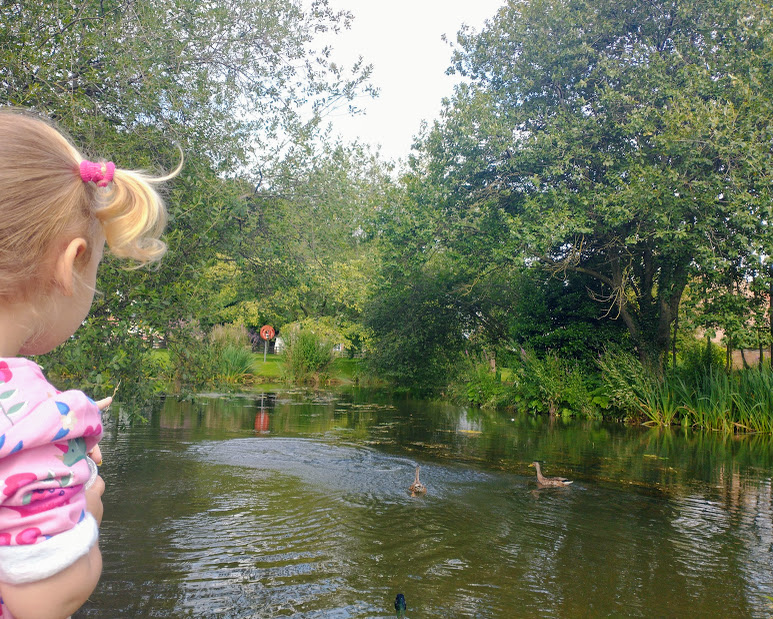
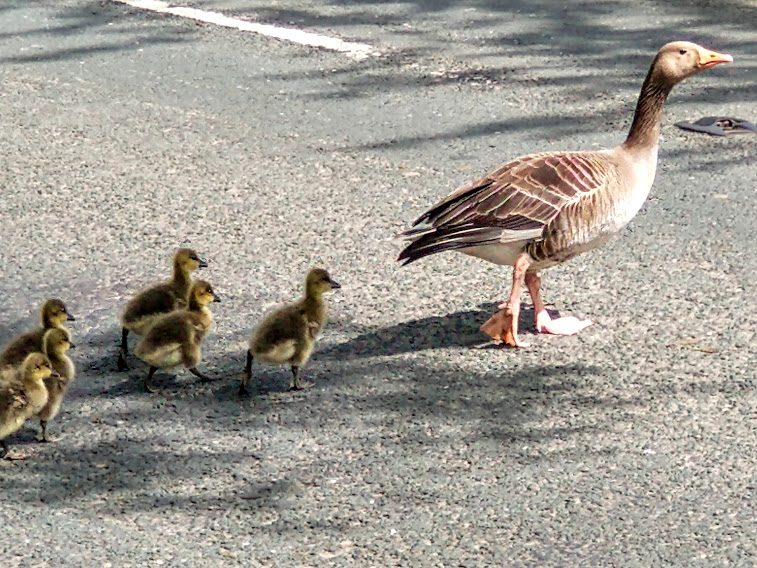
Why did the Greylags cross the road?

We don’t know. In the village, we have ponds on either side of the road, so why bother? I suspect they enjoy having every car, motorbike and lorry grind to a halt, allowing a small and patient queue of traffic to form in both directions. Sadly, I’ve always been just a little too far away to get a photo that properly represents the tailback.

Practising road-crossing skills on a footpath.

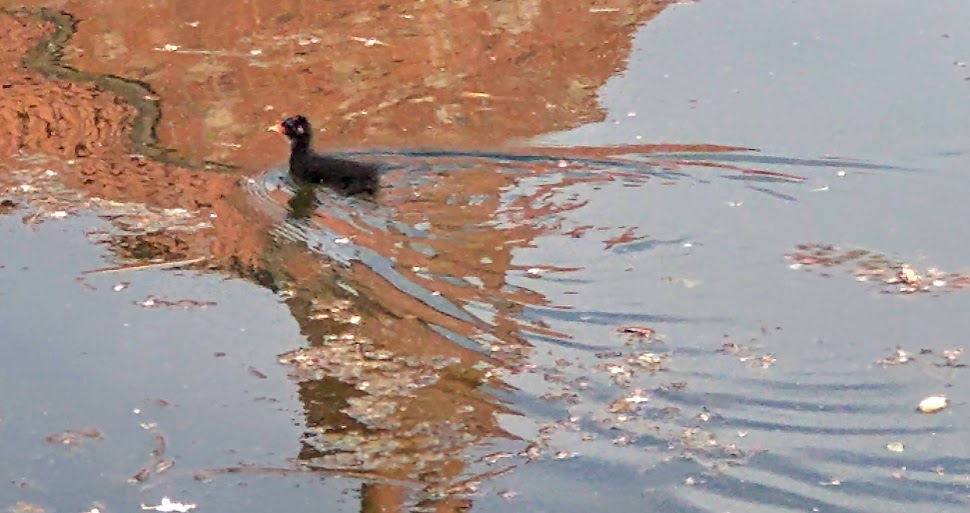
Our geese are less than popular here. Because of them, our mallard population’s efforts to breed come to nothing. So far this year, no duckling has survived longer than two days. I’m more hopeful for the moorhens.

A solitary baby moorhen.

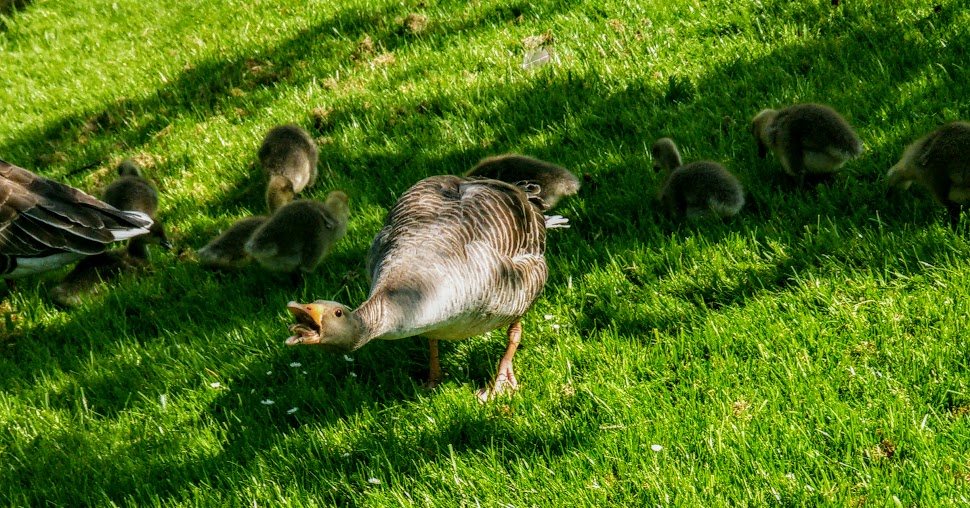
The pavements are thick with goose droppings and hard to dodge, especially if you’re a toddler. The geese have spread from their traditional home down the road at Lightwater Valley, where there’s still room for them. On our smaller village ponds, they’ve chased away any of the quite large variety of ducks who used at least to call in for a while.

They’re hissy, protective parents.

Looking around the area – generally, it seems that geese – generally – are out for World Domination. They’re tough enough not to be predated, and are fierce unfriendly neighbours. Does it look that way where you are ?

I’m getting in early for Brian’s Last on the Card. Just to make sure I don’t cheat and take any more photos this month, I’ll leave my phone behind, and not take my camera with me when I go out.

Last on the Card: May 2023

And also I J Khanewala’s Bird of the Week. This is a relatively new challenge- quite a few of you have great shots of birds – why not join in?

My Haven of Peace

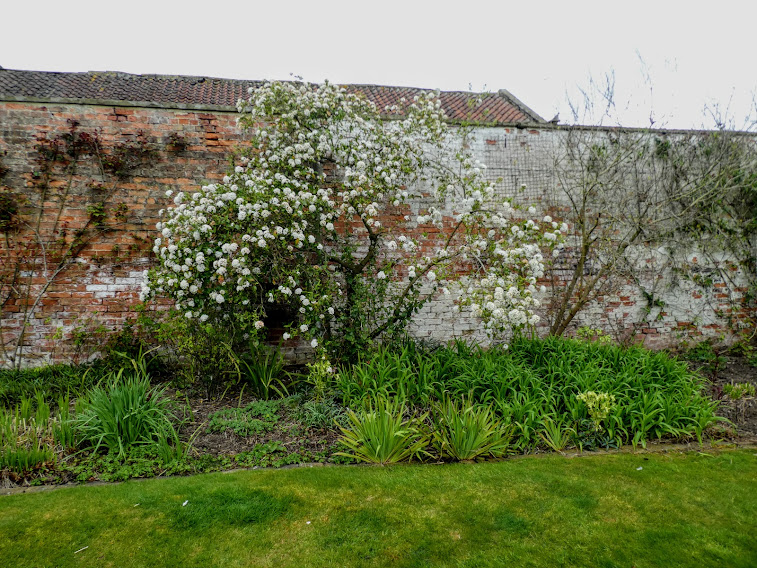
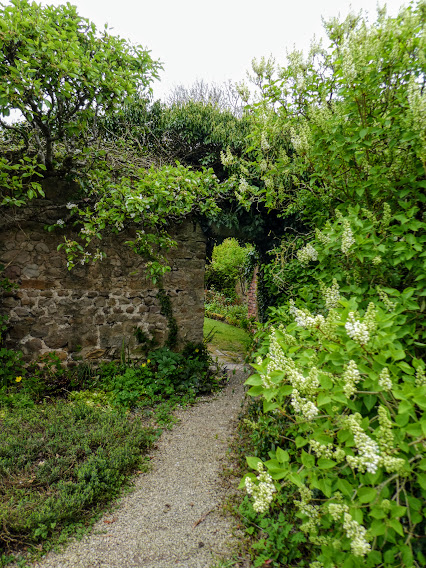
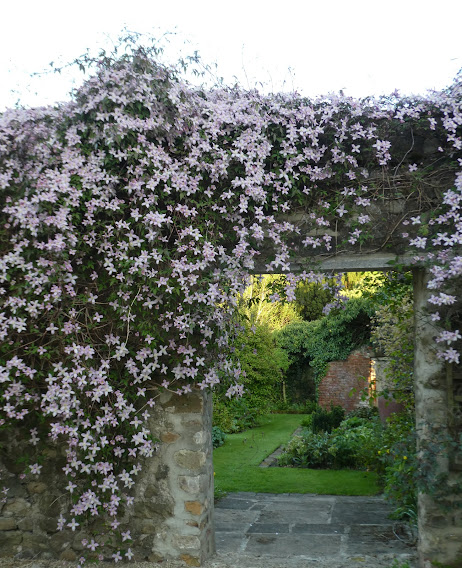
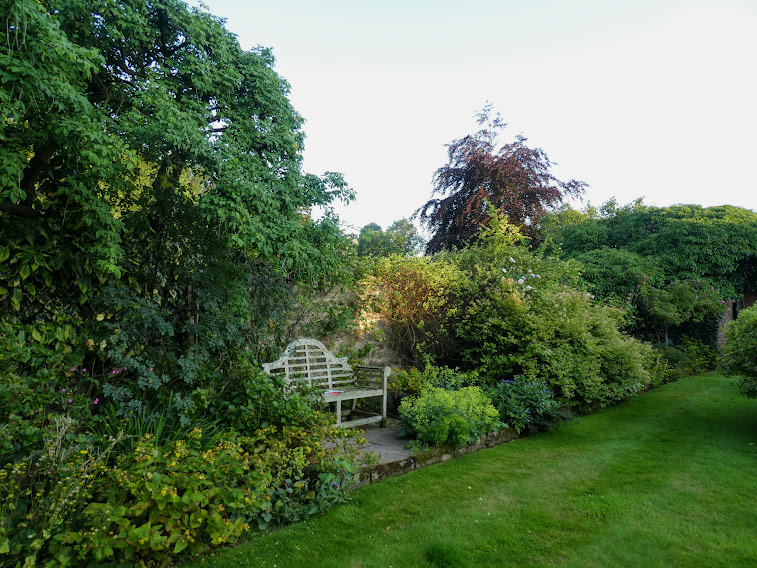
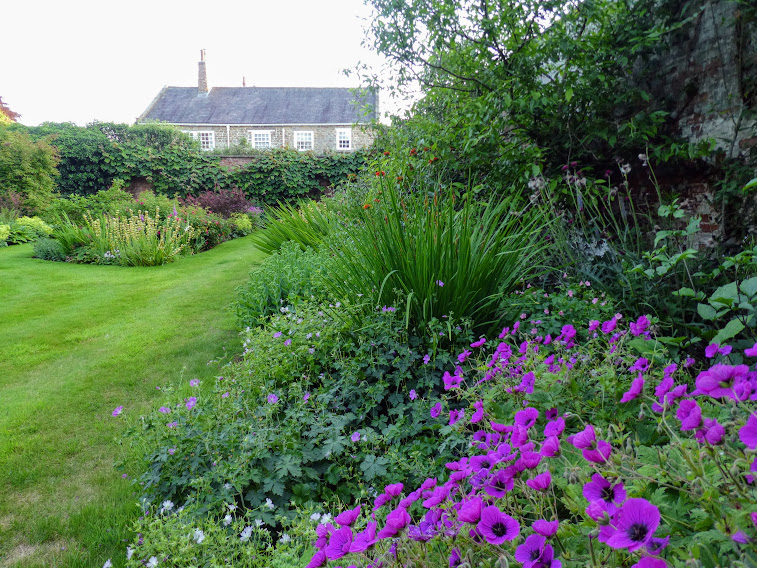
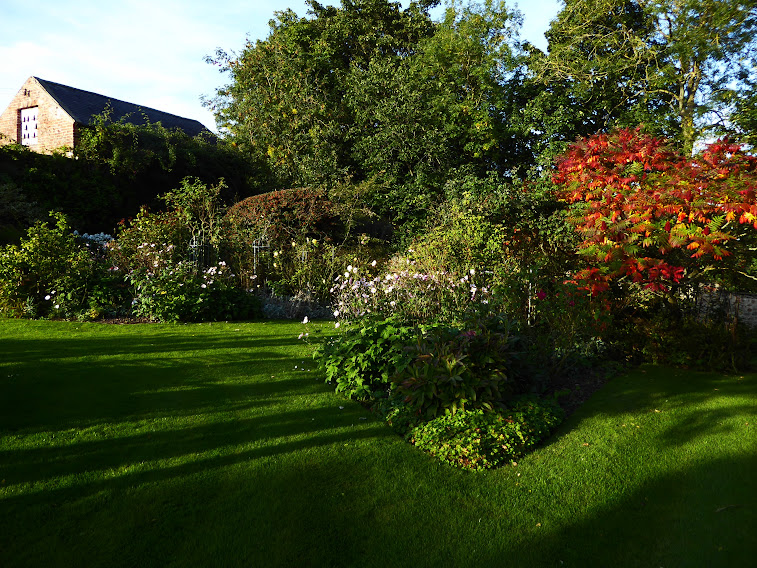
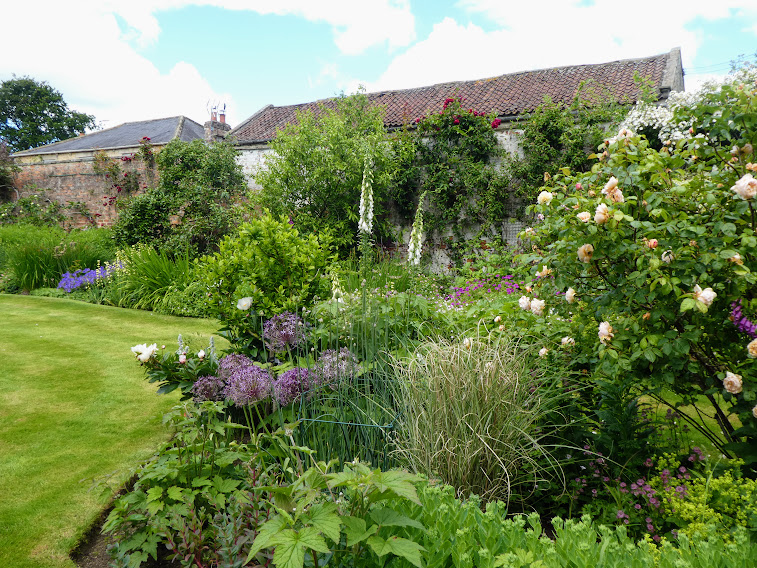
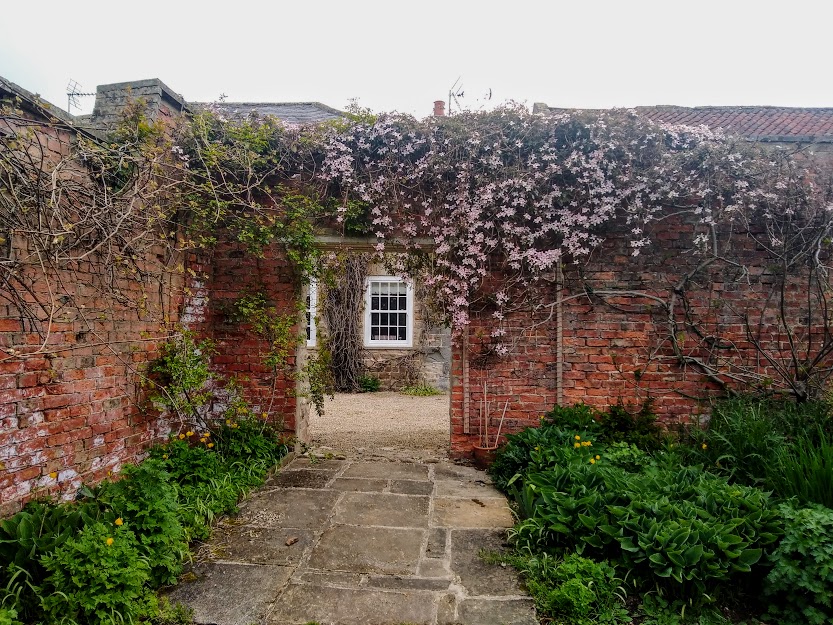
What’s your haven of peace? … asks Denzil, for this week’s Nature Photo Challenge. I don’t have to stop and think. I look out of the kitchen window, and there it is. The walled garden. It’s not ours – it belongs to our landlords. But they are eager to share it, and as they have more garden here, this space is often ours, and ours alone.

It’s a quiet place. Unless you count the birds: trilling, warbling, cooing, admonishing, singing. From our point of view, they’re often at their most tunefully loquacious in the early evening, when we’ll just go out there with a glass of something and enjoy their concert ahead of an evening meal.

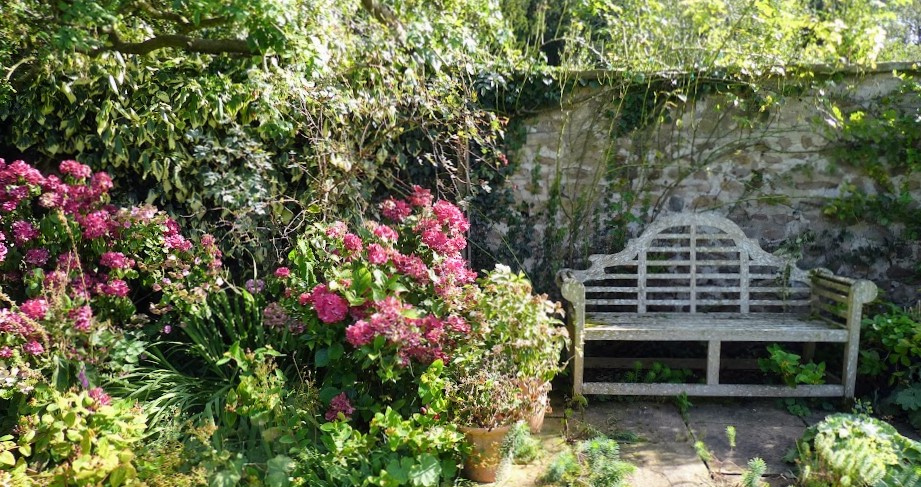
That garden seat in the header photo is the place where I’ll go for a while in the afternoon, perhaps with a good book. It’s an ideal vantage point for butterfly-watching too.

Sometimes we feel it’s only right that we should do our bit towards maintaining this special space, so we wander about doing some weeding (leaving the nettles well alone for those butterflies).

We enjoy watching the seasons pass here too: from the first snowdrops and hellebores of winter, to the springtime tulips and daffodils, through to the abundance of summer and the rich russet and burnished tones of autumn.

Our special place: our haven of peace.

Skyscapes

Amy has invited us to thumb through our archives for this week’s Lens-Artists Challenge #250 and choose skyscapes and clouds. I’ve found it impossible to be dispassionate about this. There’s something about these images that’s so bound up with memories that I can’t distinguish good photos from the merely ordinary. I’m transported to that place, that time, that set of souvenirs.

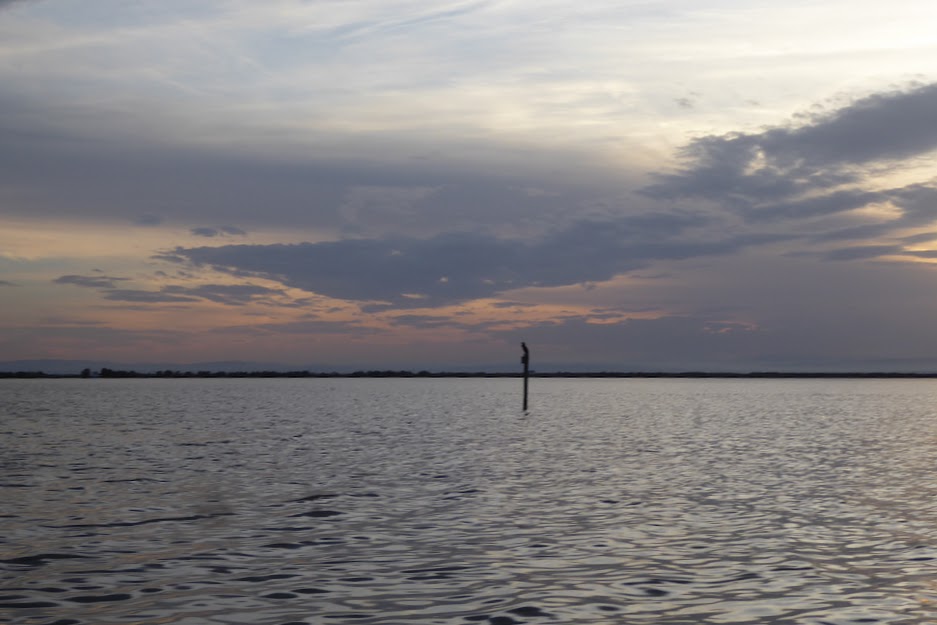
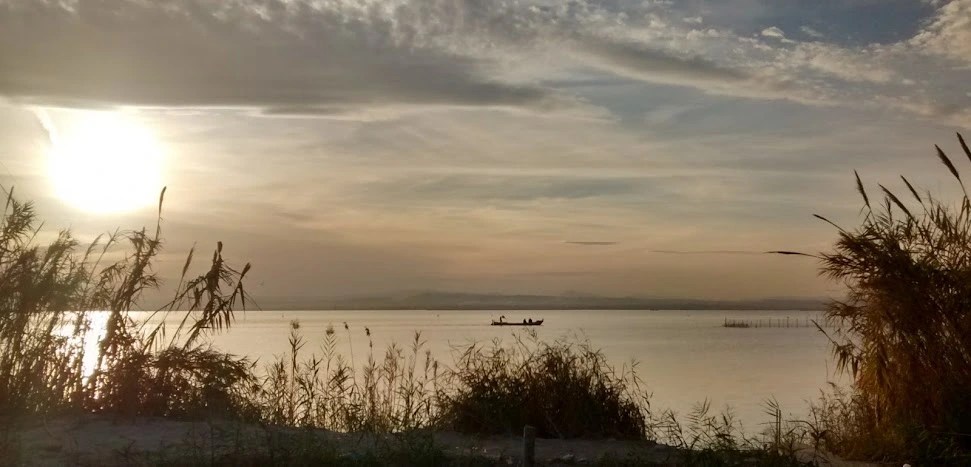
Take my header photo, for instance, which I’ve posted before, more than once. It takes me immediately to that special day when I was part of an evening boat trip quietly floating through the lagoons of l’Albufera near Valencia, while birds made their final flights as the sun settled below the horizon. It’s a memory which will never leave me, whether the photo is a winner or not.

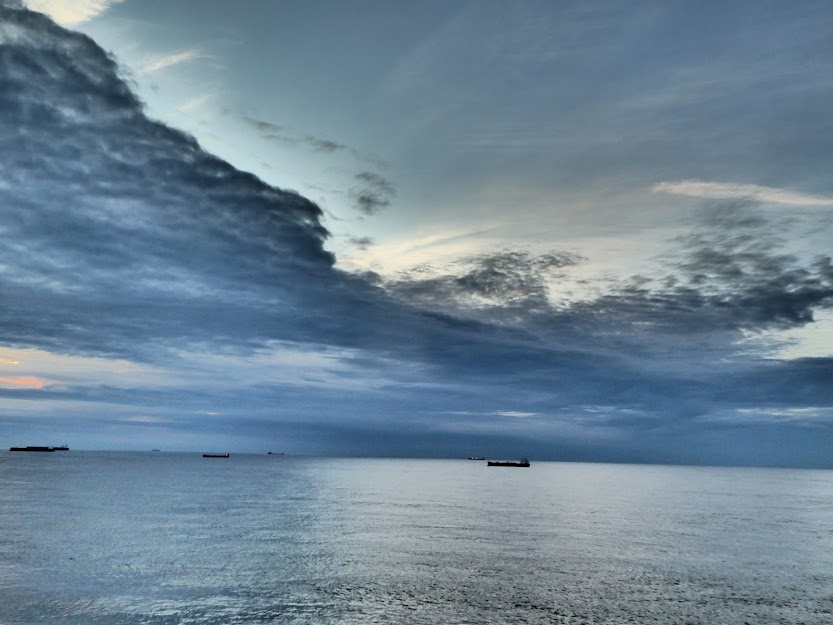
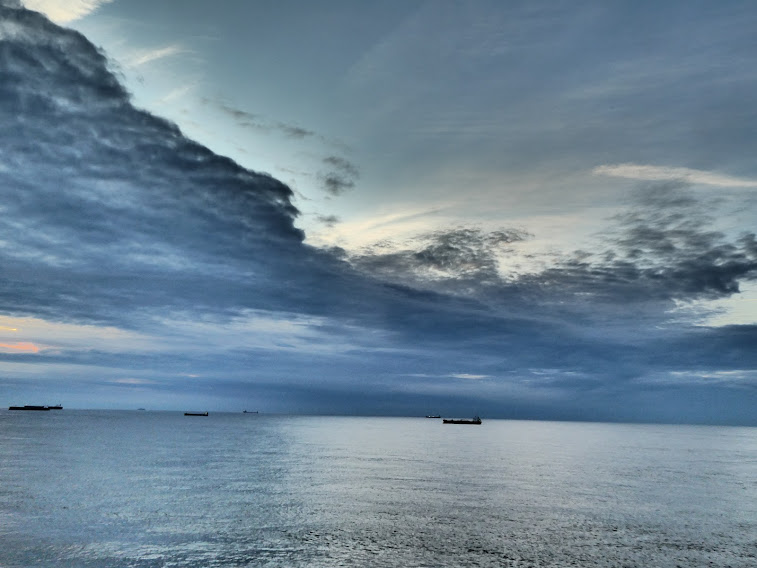
Longish sea trips to the continent bring memories of languidly looking at cloudscapes from early morning till nightfall as our ship smoothly purrs towards its destination. Here’s one …

… or this…

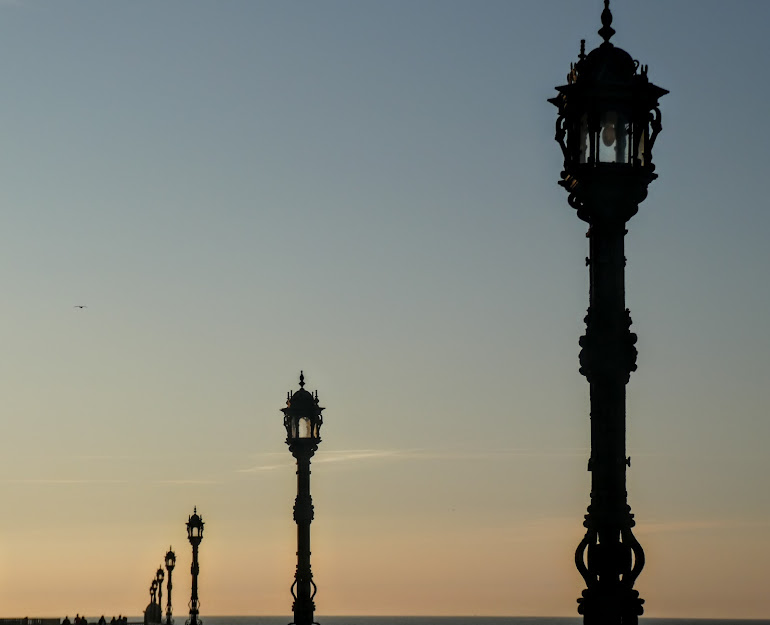
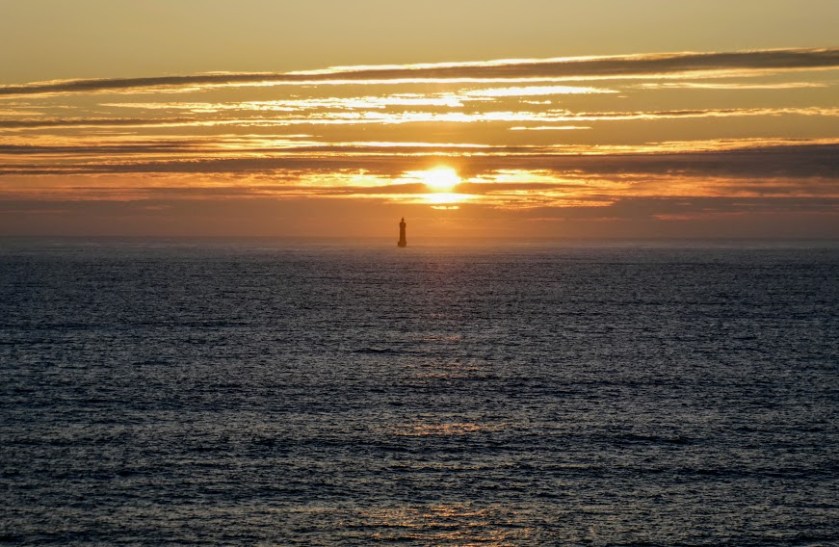
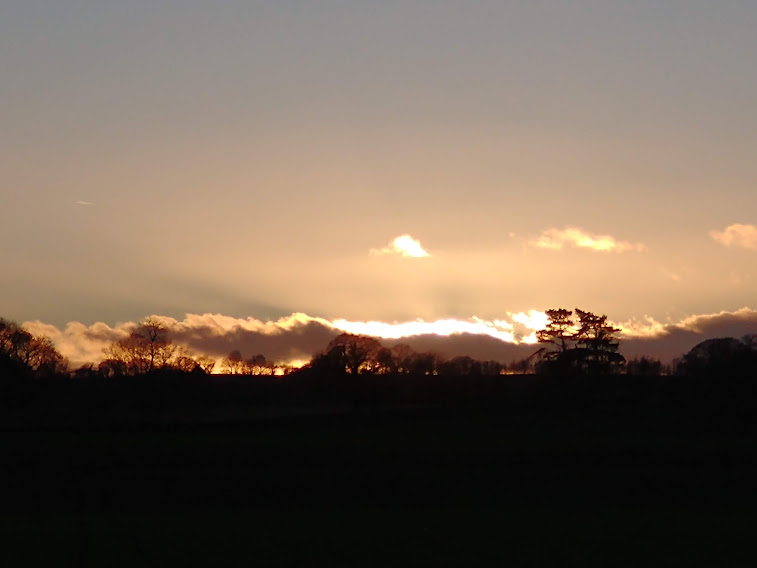
Or there are those memories of January days in Cádiz. An unmissable part of our routine was to head to the beach at dusk to watch the sun slowly disappear into the sea.

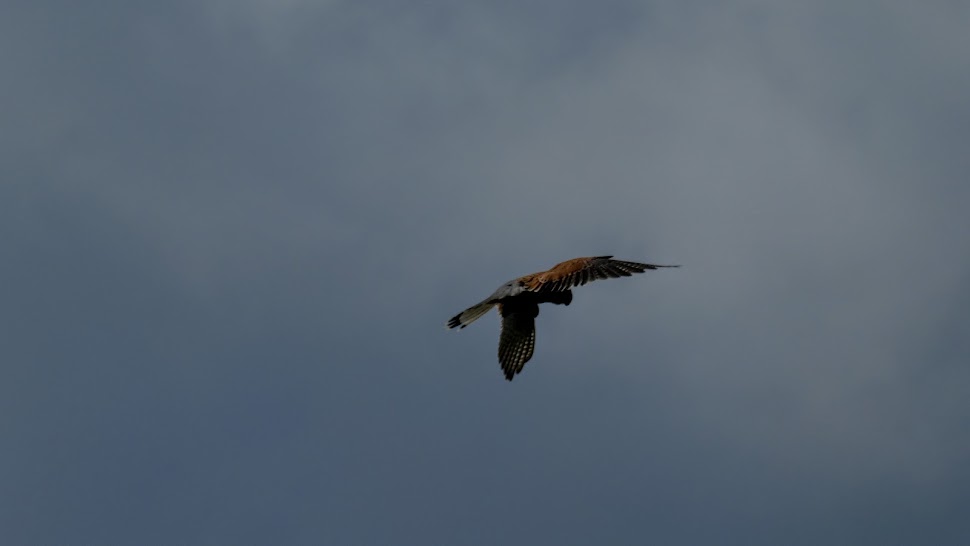
This shot, from our time in the Balkans shows that a slightly neutral skyscape can be a perfect backdrop for a questing bird of prey. And this was a holiday of birdsong, wild flowers – and memories of a still wild landscape.

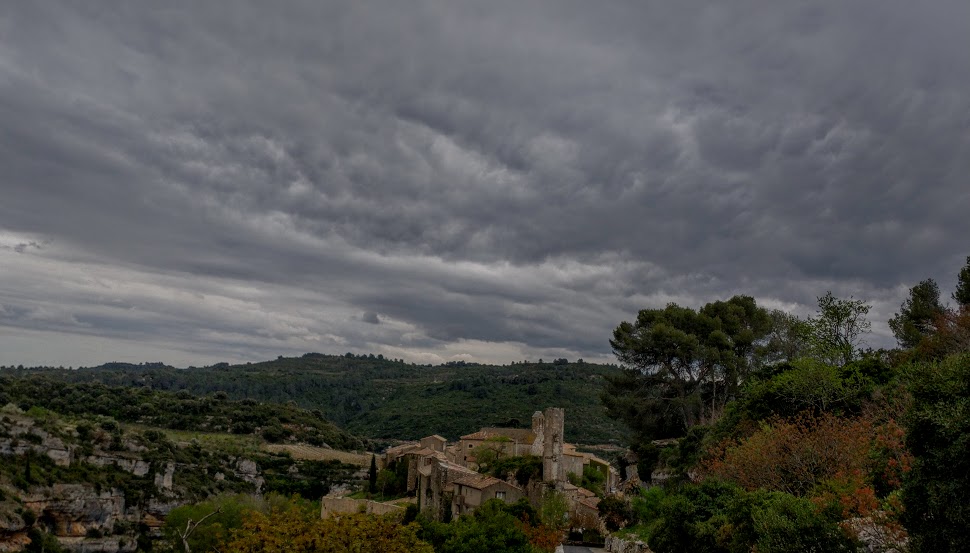
A quick visit to France, to the Minervois for a moody sky. This was a trip just a few weeks ago, when on the same day as this shot was taken, we saw tiny daffodils sheltering from the brisk wind.

I can’t leave this post without a local shot, taken as we walked a habitual path alongside our River Ure.

At the Edge of the North York Moors

Sunday. A day that promised sunshine, maybe showers. A day to get out of the house somewhere a little more distant and explore.

My friend Sandra and I picked Boltby. It’s on the edge of the North York Moors, but fertile farming country, transected by rippling streams and glades of trees. Before setting out, we found a wonky-lozenge-shaped network of paths that would take us to another village – Felixkirk – in time for lunch before returning us, wonkily – to Boltby on the other side of the lozenge.

The feature photo shows how the walk started. Honestly, it wasn’t as grey as it appears. Just moodily misty: a warning that it might – just might – rain. It didn’t.

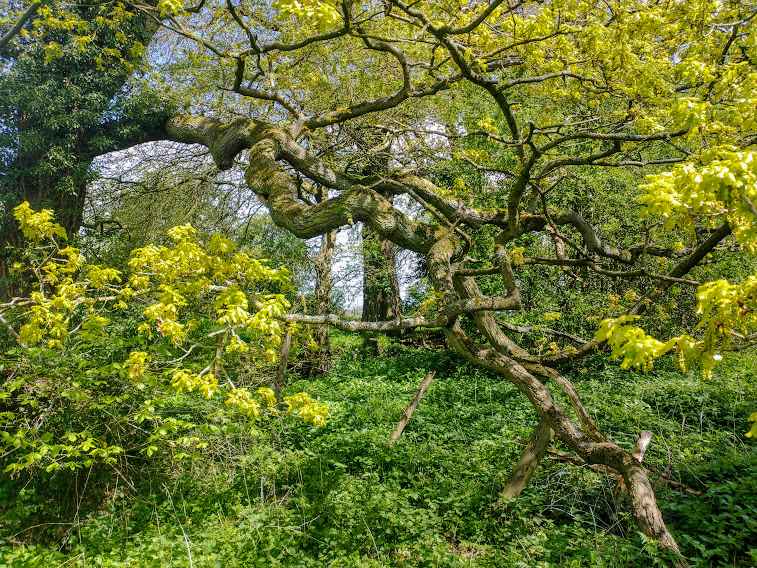
Instead, we enjoyed noticing how the gnarled and characterful trees were at last springing into leaf: bright and sappy.

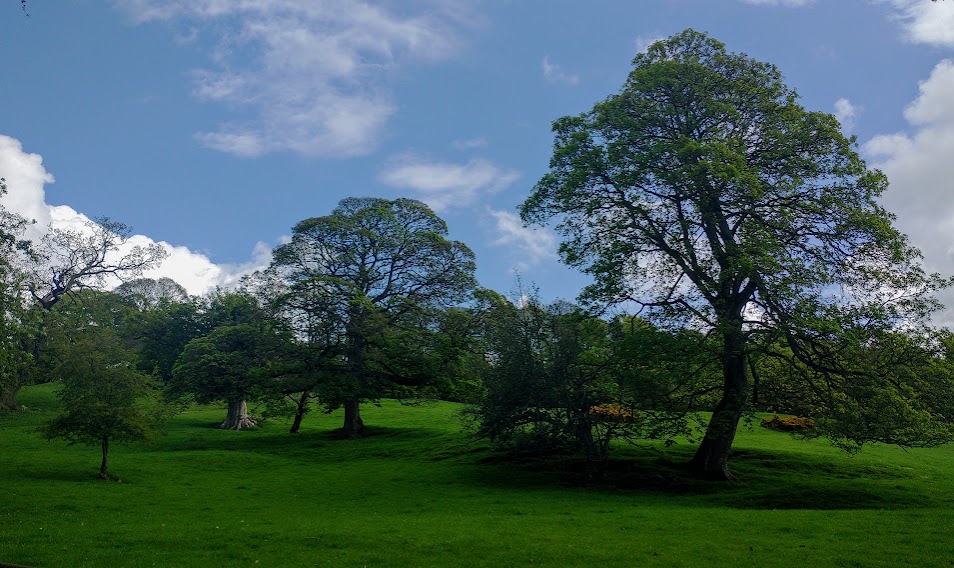
Our feet bounced along on the springy (though wet) turf, and we made good progress until we hit a series of stream-crossings. I should have taken photos of the battered little bridges, in once case so falling-apart that we forded the waters instead. We should have recorded evidence of stiles so past their use-by date that they swivelled and see-sawed as we tried to use them. We soldiered on. By now the mists were gone, the sun was out, and this was the scene.

Then Felixkirk. We sat with our sandwiches on the village green and enjoyed watching the villagers strolling towards the village hall with offerings of scones, sausage rolls and cakes of all kinds ahead of an afternoon dedicated to celebrating Saturday’s Coronation.

After lunch, the walk became more open, with long-distance views. We were on the home straits, with one more village – Thirlby – in our sights.

Then finally – back to Boltby, with a spot of bad planning: a hill at the very end, just after crossing its ancient pack-horse bridge.

But Boltby has no teashop. To Thirsk then – after four o’clock. All tea shops closed. So instead, we bought ginger beer, and sat on the market square enjoying the Coronation yarn bombing. At least King Charles had his cup of tea. And cake.

Here’s the walk we did. In our opinion (that of Sandra’s app anyway) it was just shy of 10 miles. A good day out.

For Jo’s Monday Walk.