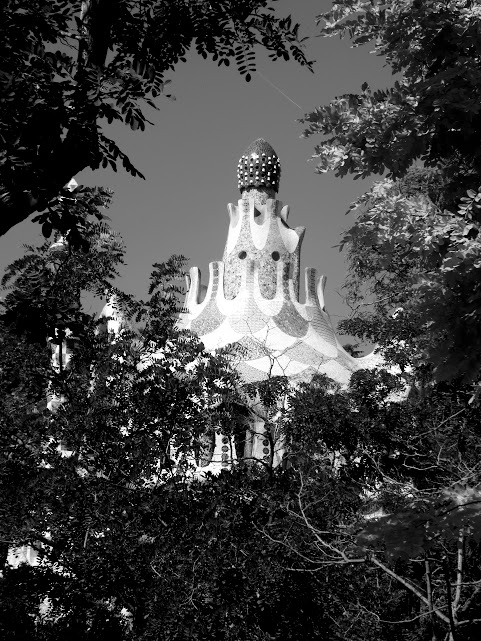
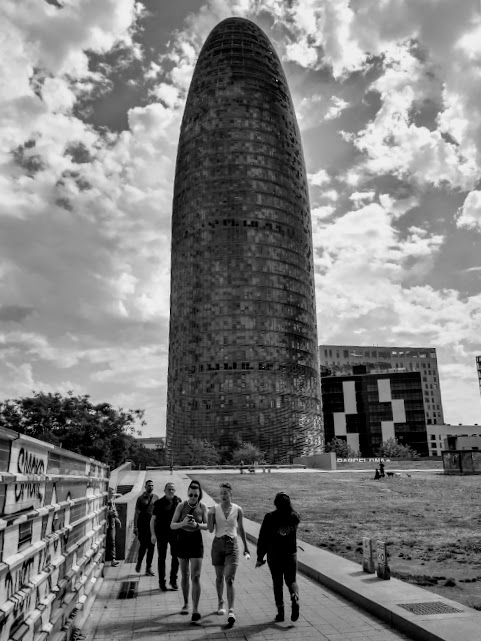
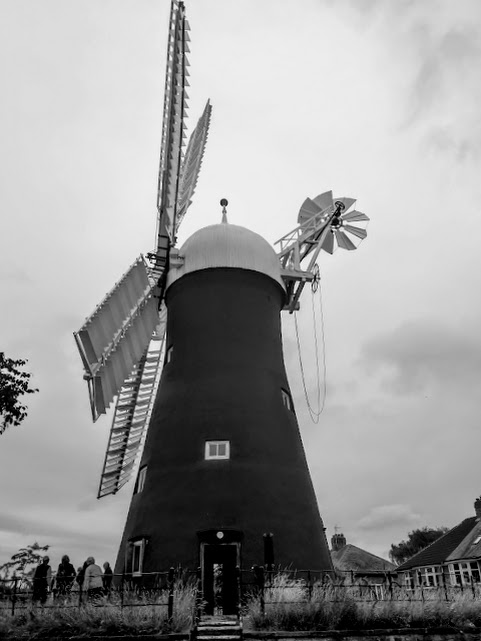
This week, Leanne’s Monochrome Madness has no theme. She has chosen to showcase lighthouses. We’re rather thin on lighthouses round here, so I won’t join her. Instead, I’ll show just a few towers I’ve seen this year.
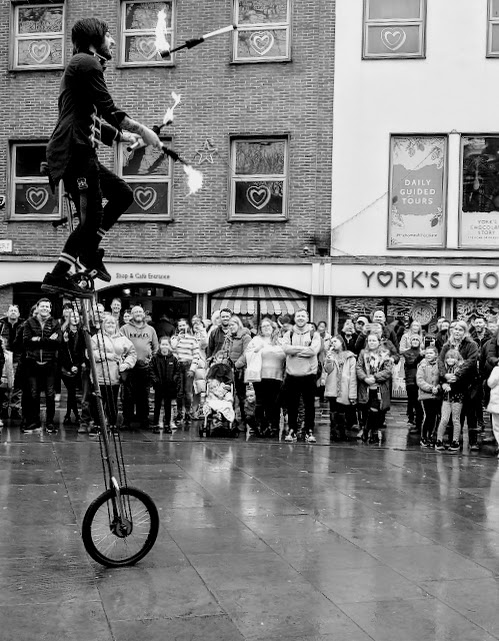
My first tower of the year was a human one, seen in York.
Then we went to Spain to meet our new granddaughter. And do a spot of discovering too.
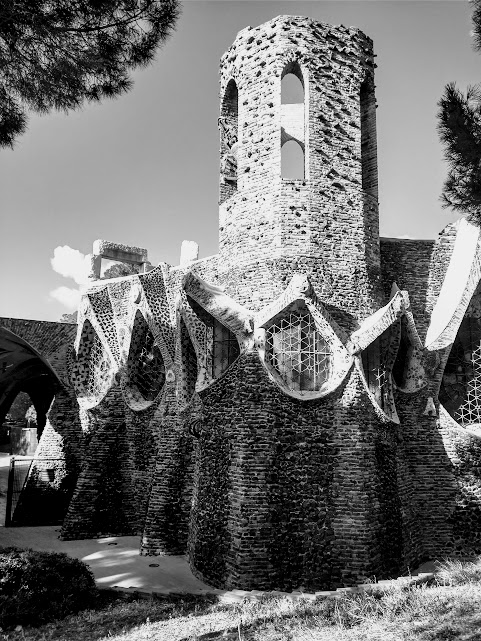
Gaudi’s church in Colònia Güell
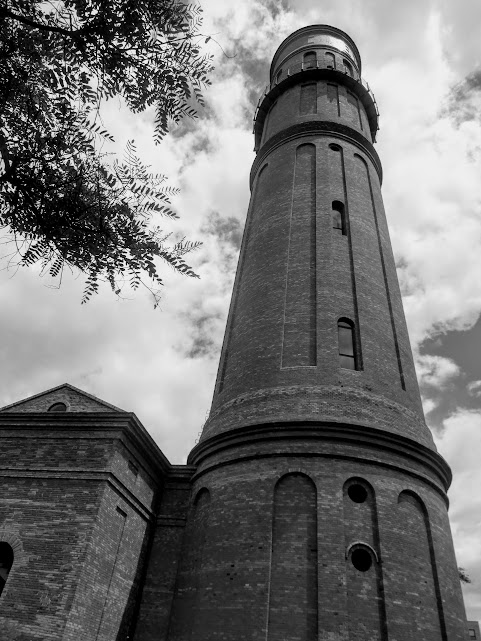
And later, I went back to Spain again, to lend a hand as my daughter’s maternity leave ran out. I still had moments of sightseeing.
And most recently, it was off to Holgate Mill, a fully functioning windmill slap in the middle of a housing estate in York. I must introduce it properly soon.
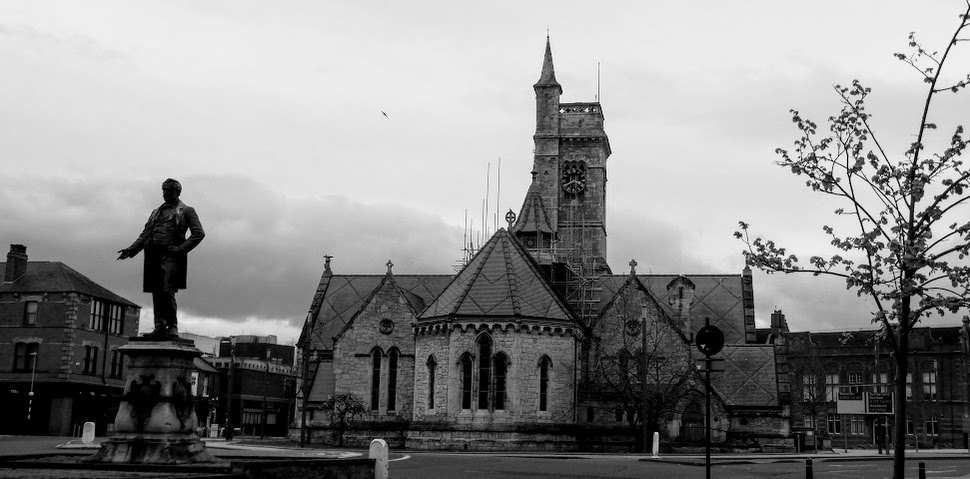
My featured photo is of Christ Church Hartlepool, now an Arts Centre. I was going to add in an AI generated photo too. Just for fun. But they were no fun, so I abandoned the idea.
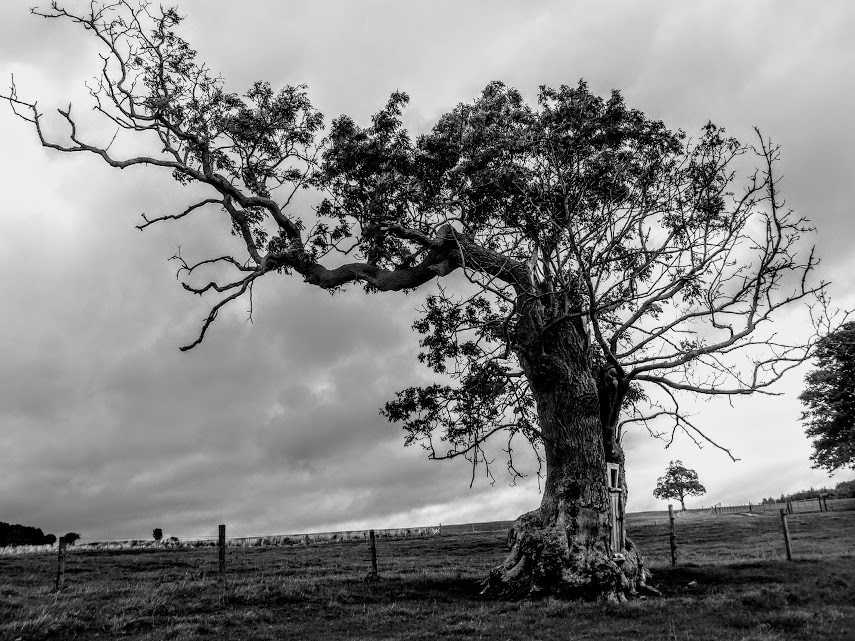
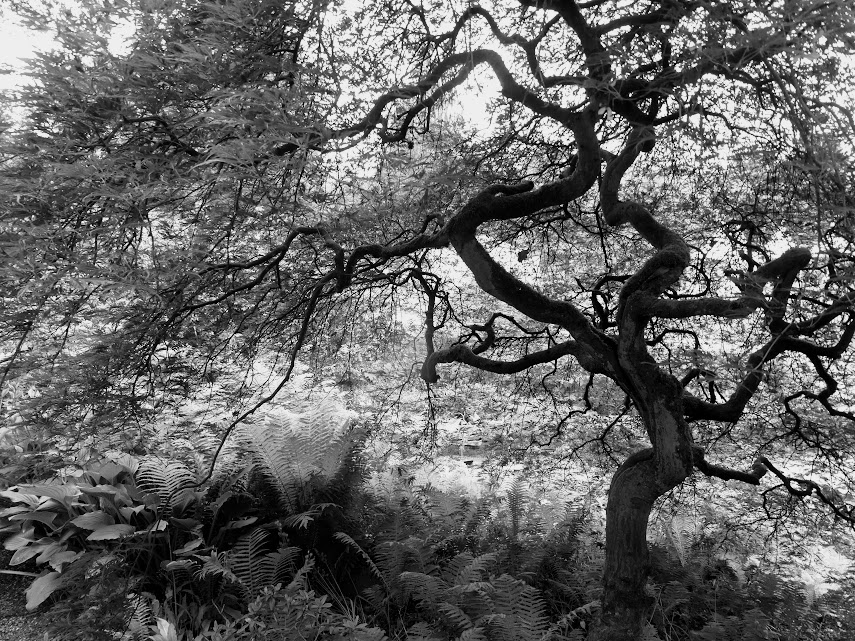
I feel so lucky that the area where I live is rich in trees, because not so very long ago, the local copses were woods, and the woods were forests. Here’s one favourite, an ancient oak: frustratingly, it’s not possible to stand far enough away to get it all in frame. But I love visiting this near neighbour of ours. How many centuries ago did it begin its life?
An ancient oak near North Stainley
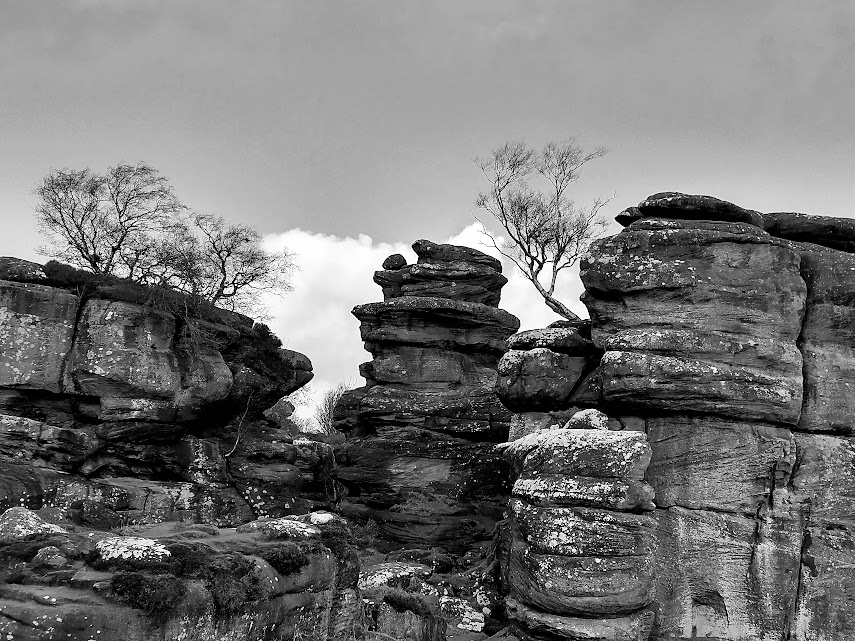
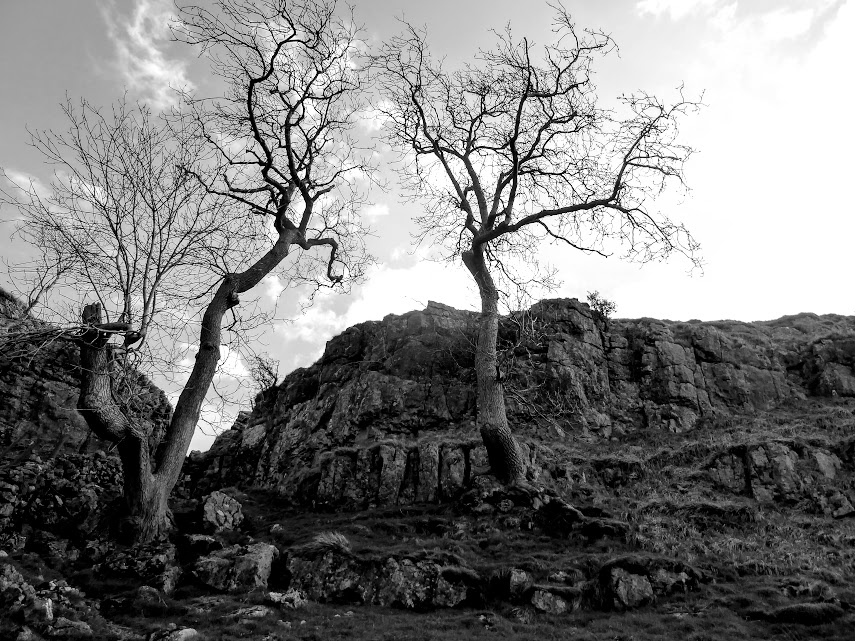
There are trees that flourish against the odds. The feature photo shows two trees at Brimham Rocks. Where have they burrowed their roots? Where is the soil that nourishes them? And here are two we meet when walking near Coniston in Yorkshire.
Two trees near Coniston, Grassington
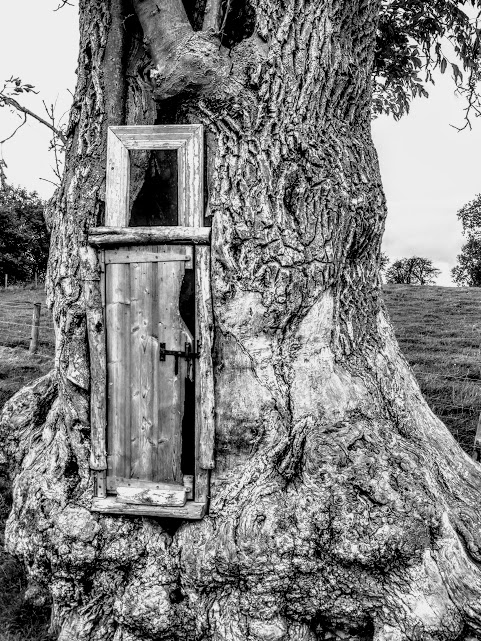
I’m always fond of this tree near Jervaulx Abbey. And I always wonder who the lucky child was who had a second home there.
Here’s another from Jervaulx Abbey itself that always makes me laugh.
The grounds of Jervaulx Abbey, North Yorkshire
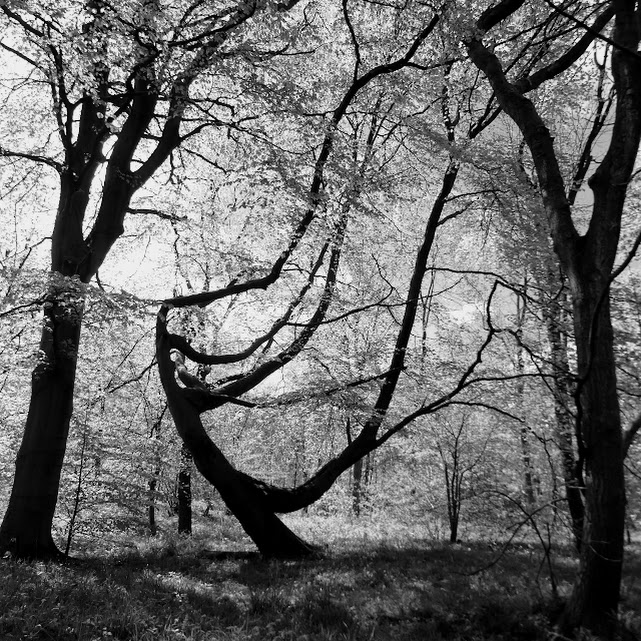
This one’s a favourite in our nearby woodland at West Tanfield.
Greensit Batts, West Tanfield
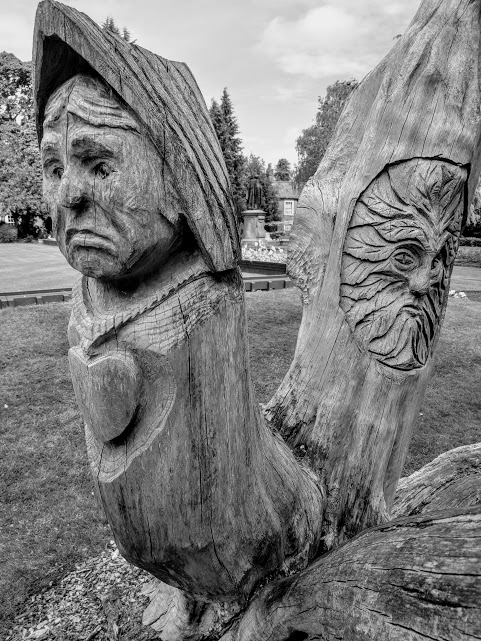
And here’s just another local specimen. Not weird. Just wonderful.
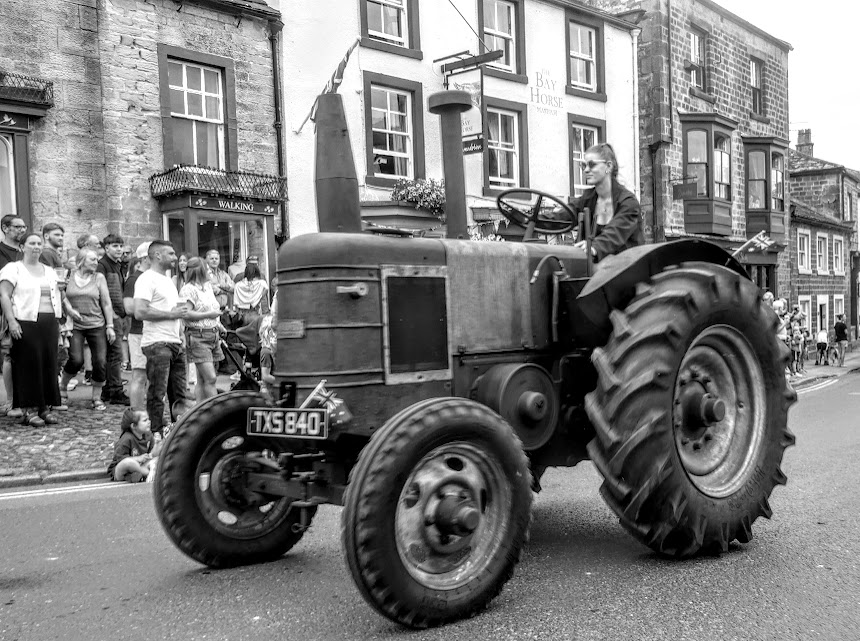
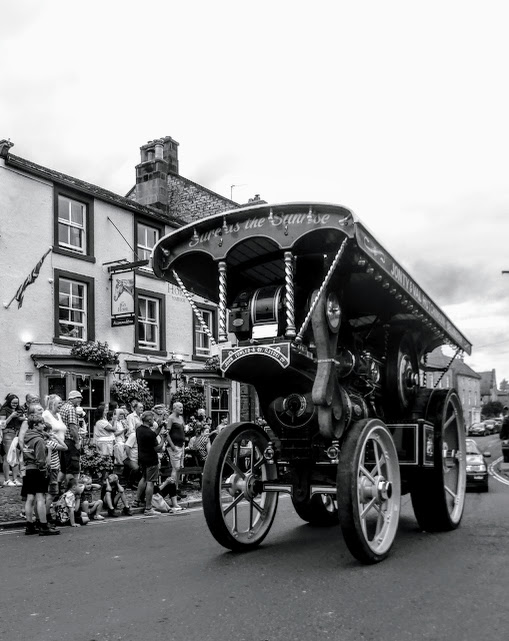
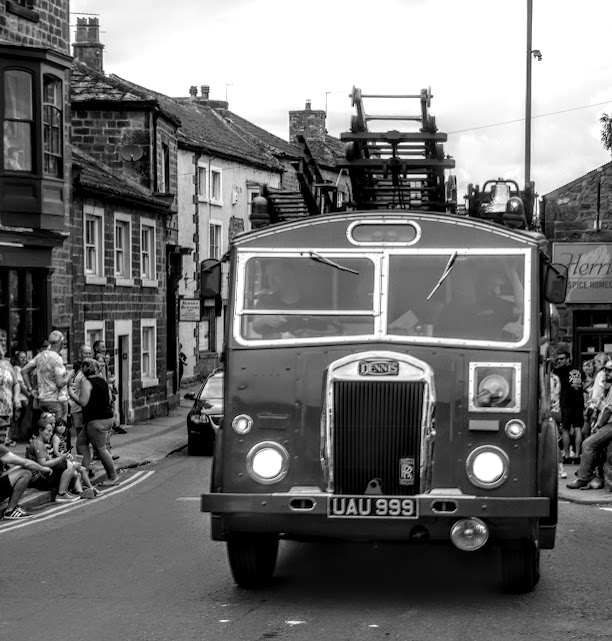
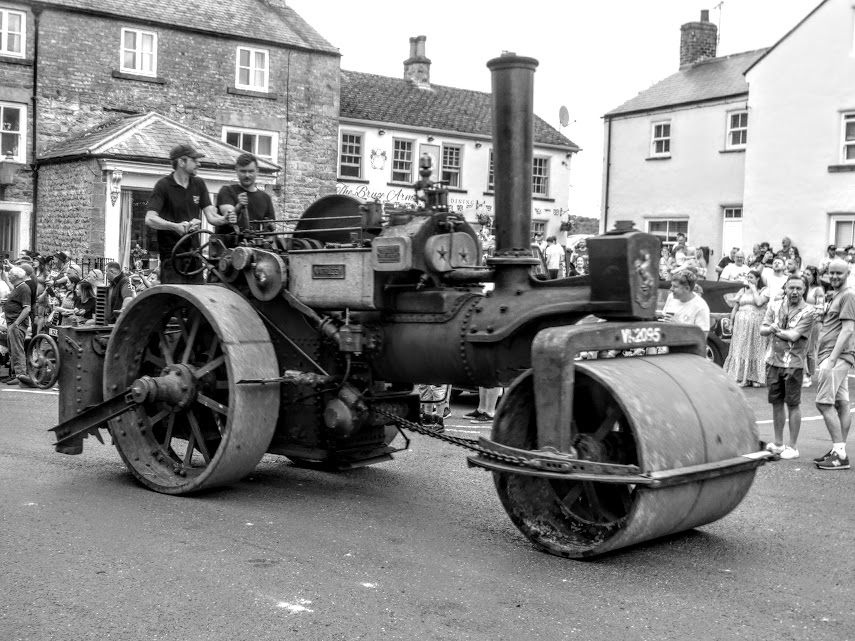
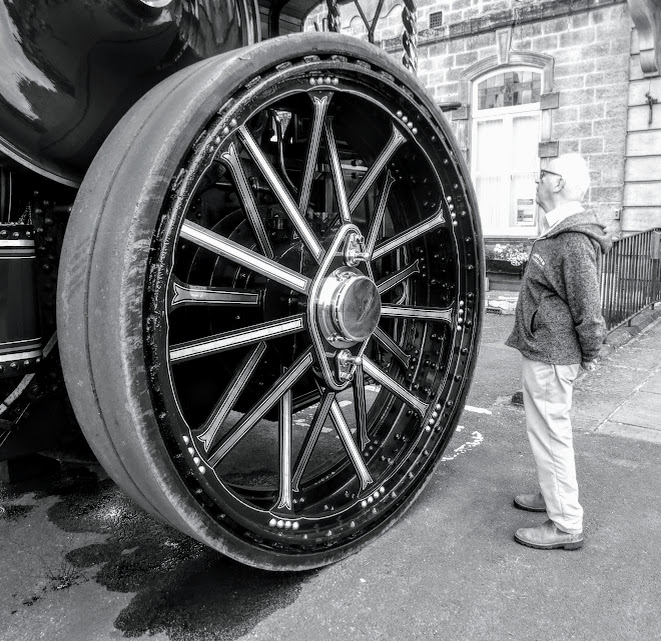
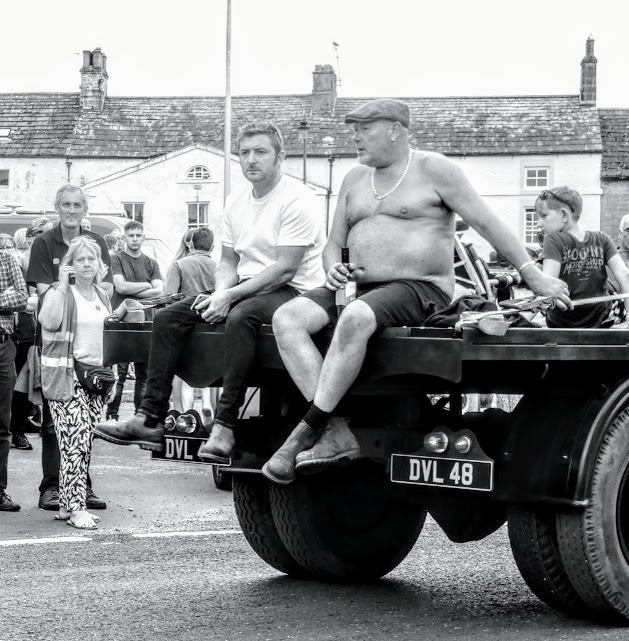
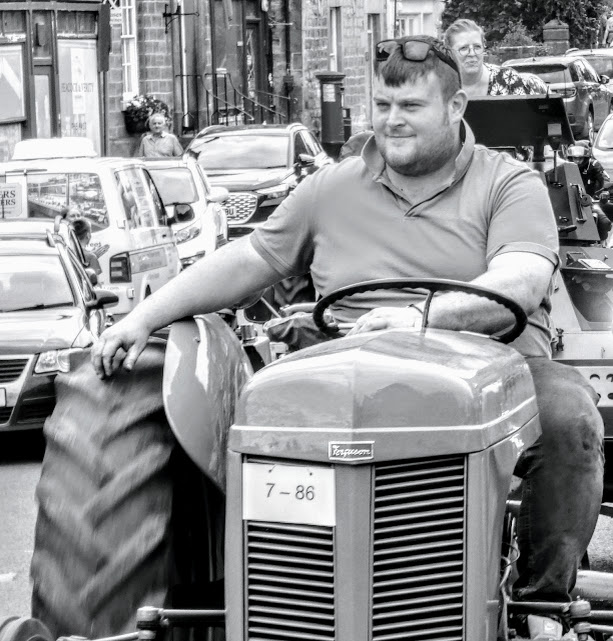
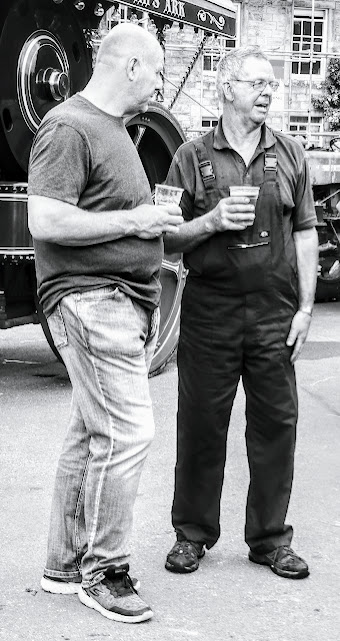
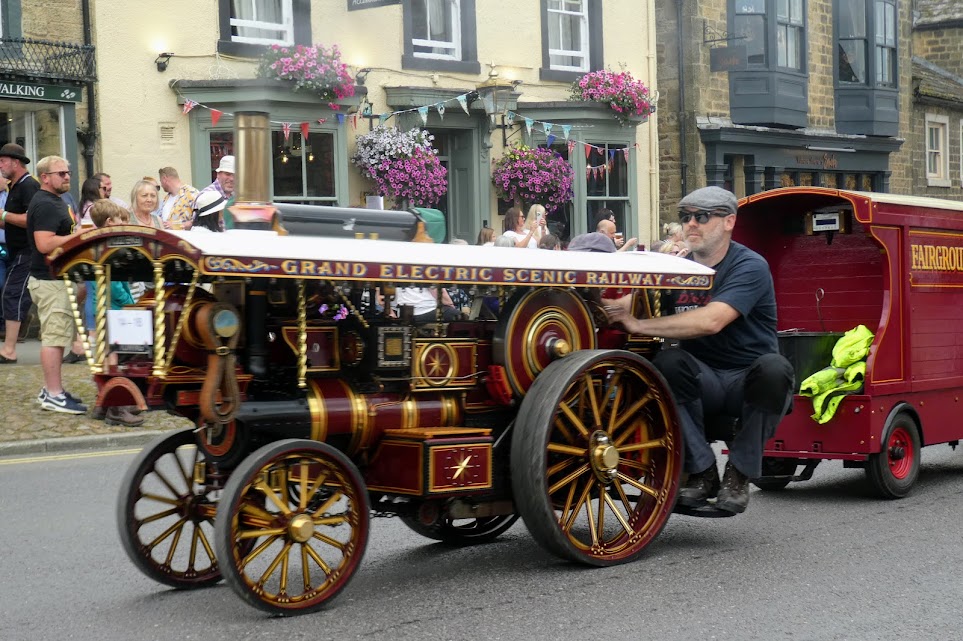
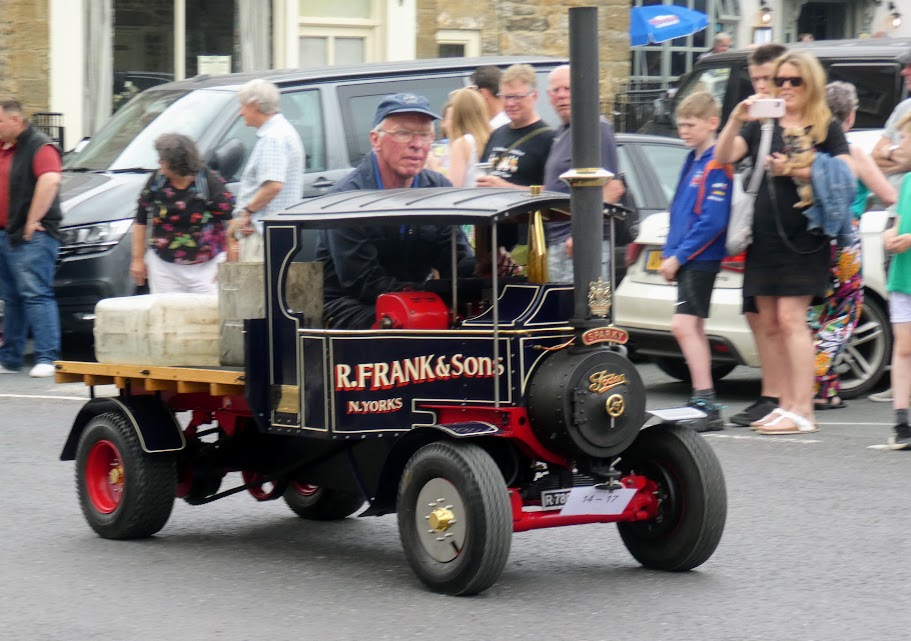
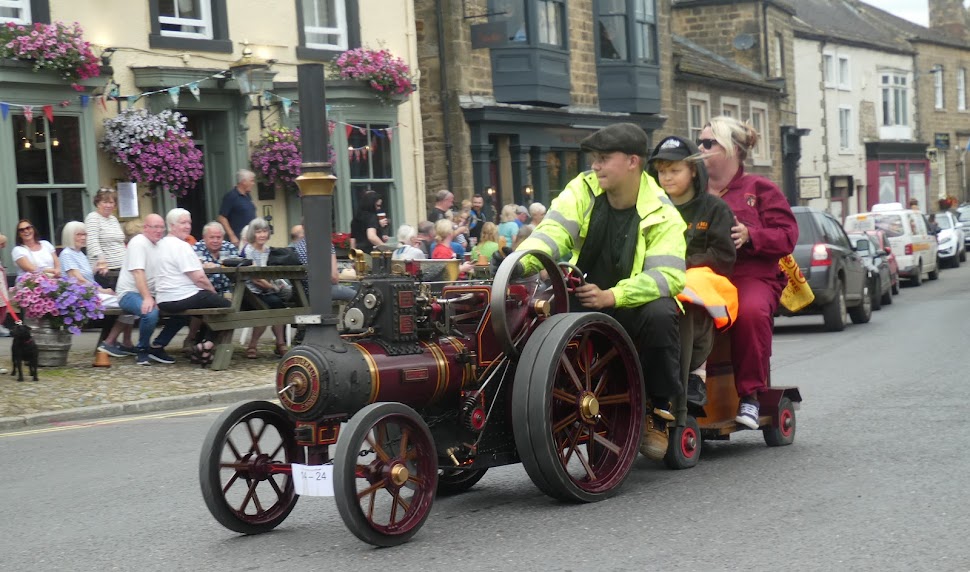
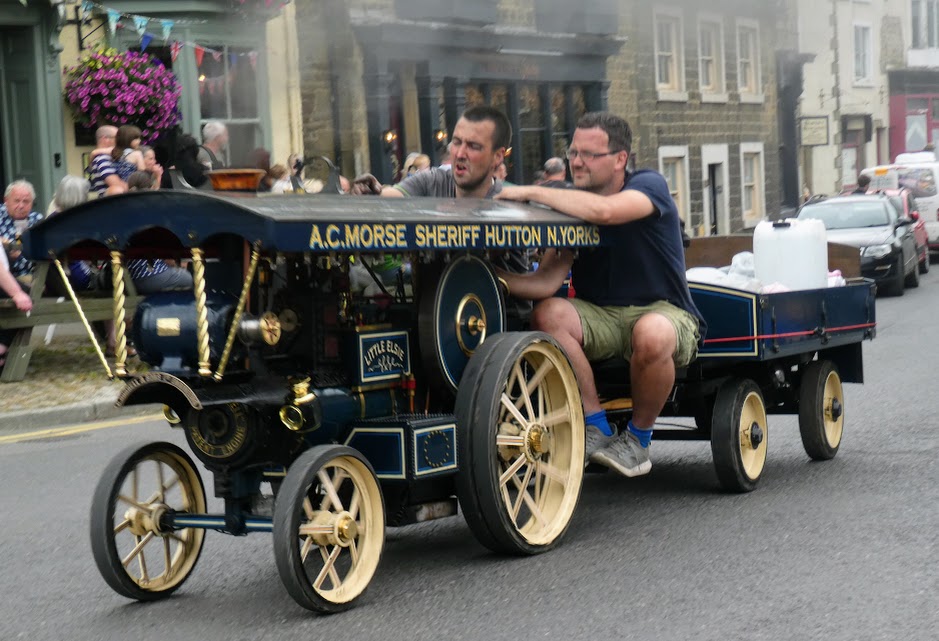
Here are some more images taken in Masham as dozens of historic vehicles trundled slowly through town last Saturday in the early evening sun to take their place in the Market Square to be gazed at by the curious – or closely inspected by fellow enthusiasts.
And some children, schooled by the parents – or grandparents more likely – rushed out into the road before each vehicle passed to place pennies in the path of oncoming vehicles. Malcolm remembers the excitement, as a boy, of finding their now unspendable coins flattened into large discs by those trundling steam rollers and similar. My London childhood denied me such pleasures. Though I do remember fire engines like the one shown as the fourth image here, with one frantic fireman at the front constantly pulling at a rope to ring the tinny bell urging people out of the way.
And here are the children and their pennies …
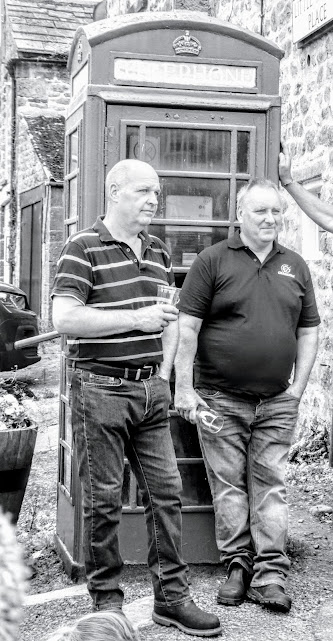
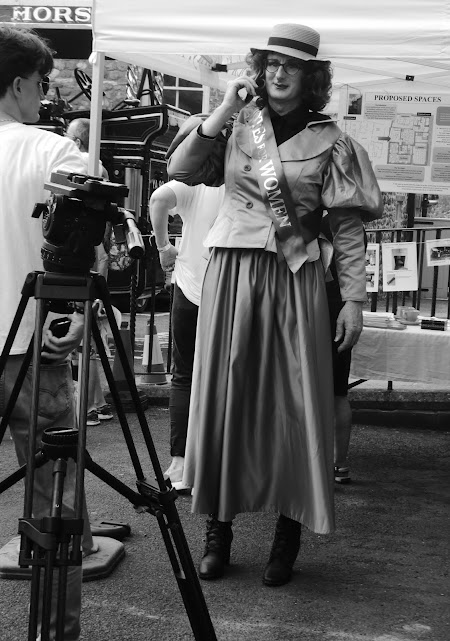
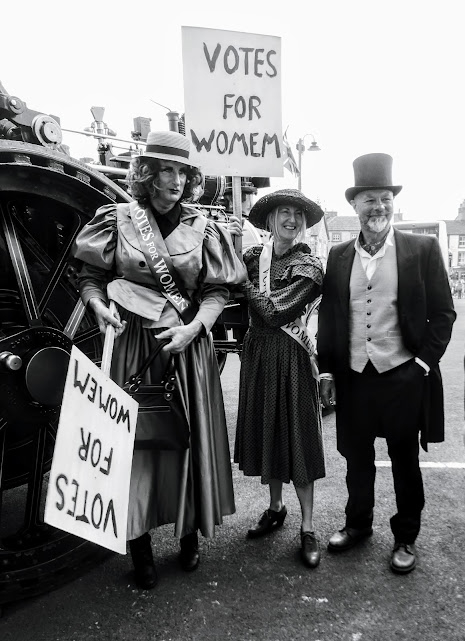
And here are some of the characters we saw. Though what one little group was doing canvassing for Votes for Womem (sic) escaped me.
This last weekend saw the annual Masham Steam Engine and Fair Organ Rally take place. Unaccountably, we’d never been before. But at 6.00 in the evening we turned up to watch these lovingly restored vehicles parade through the town. And before the Parade Proper started, these rather charming miniature engines had their moments of fame.
The parade of the Real Steam Engines is for another day.
Perhaps only British readers will be interested in this one. Let’s see. We’re going to visit Masham, our neighbouring market town: population – just over 1000. Main employers: two breweries – Black Sheep and Theakstons. It’s an attractive place, much loved as a stopping off place and watering-hole by visitors to the Yorkshire Dales. But it’s nobody’s idea of the beating heart of the country, or even the county.
What I’ve only just found out is this. Boris Johnson, one of our (several) recent Prime Ministers (2019-2022), and Jeremy Corbyn, leader of the Labour Party from 2015 – 2020 both had antecedents in Masham. No love was lost between the two politicians as they faced each other across the despatch box. Yet once upon a time – about 170 years ago, when Queen Victoria was on the throne – their ancestors were neighbours up here in Yorkshire.
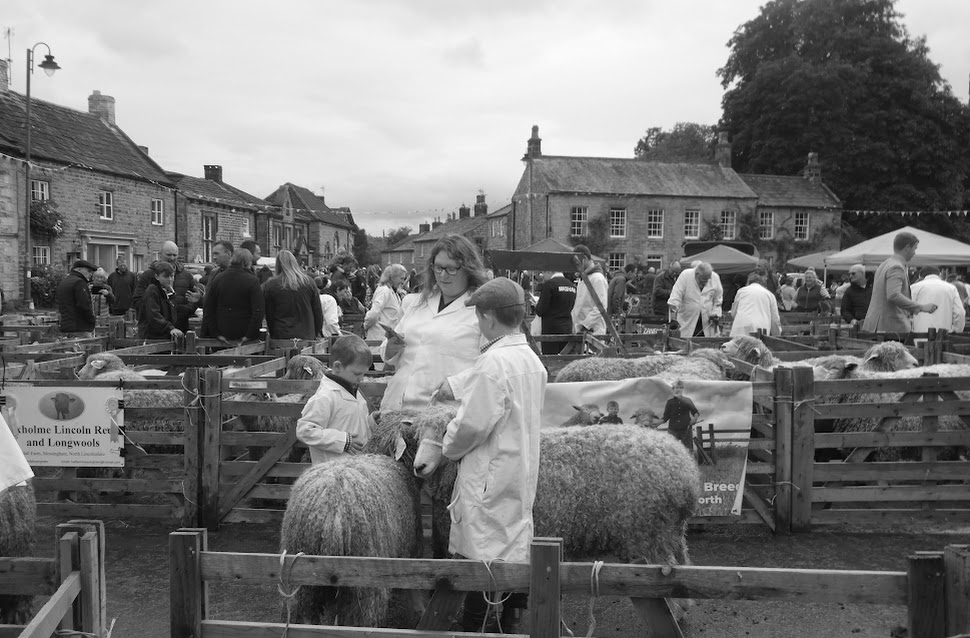
This is the Market Square on the best weekend of the year. The annual Sheep Fair.
A saddler called Mr. Stott lived in the Market Square. He was twice married and fathered 7 children, so you might think this makes him Boris Johnson’s forbear. No, he’s Jeremy Corbyn’s ancestor. His neighbour was a confectioner, a widow, a Mrs. Raper. And her sister-in-law was Miss Raper, who married the Prime Minister’s great-great-great grandfather Thomas John Johnson.
The smallest house on the Market Square. And it’s not the family seat of either the Johnson or the Corbyn family.
Both families had probably lived here for generations. Mr. Stott and Mrs Raper were certainly neighbours from before the census of 1851, and still lived next to each other when Mr Stott’s second wife Sarah died in 1871.
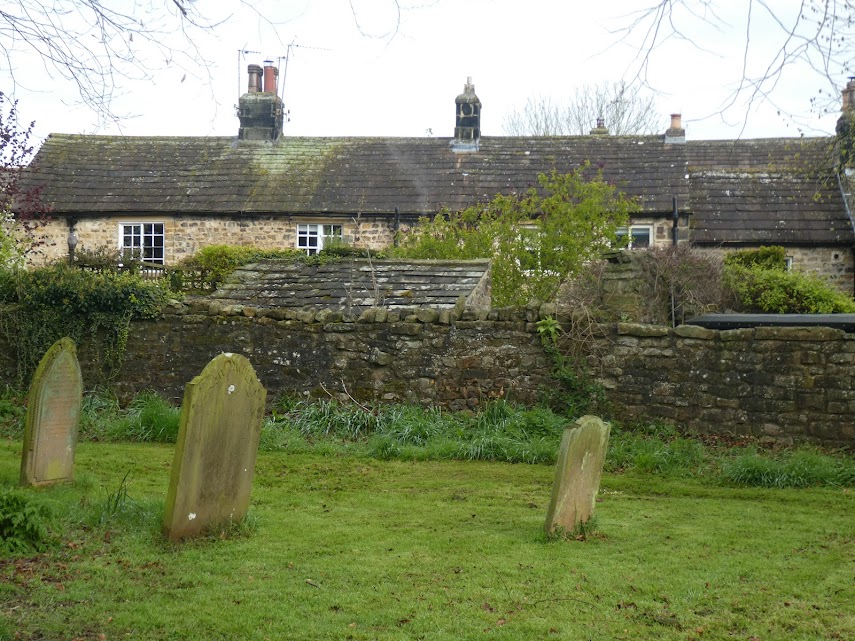
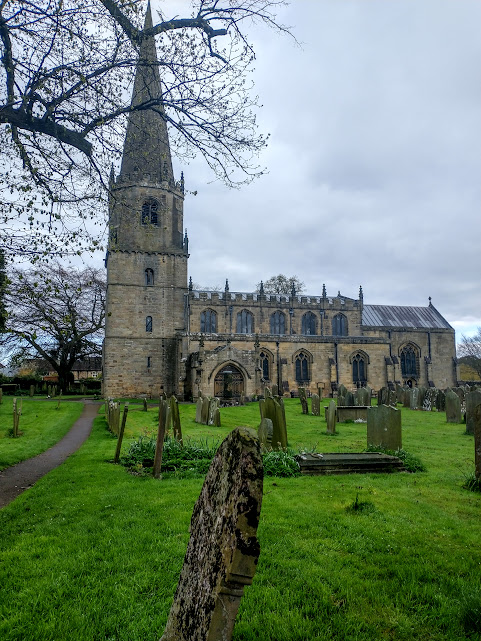
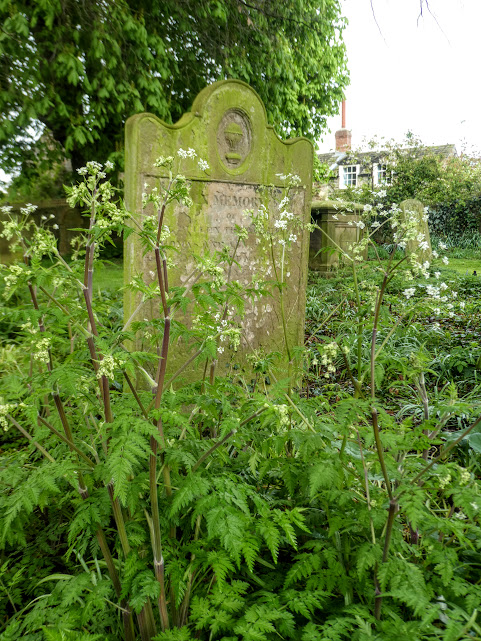
And both were buried in Masham Churchyard, though I haven’t yet spotted their graves.
*This is a reference to the BBC documentary series Who Do You Think You Are? which traces the family history of people in the public eye.
Monochrome Madness this week asks us to feature statues. I could show you Michelangelo’s David. I could feature statues of The Great and The Good, as featured in all big cities everywhere. Or Nymphs and Greek Gods from set-piece fountains everywhere. But I’ve decided to go low-brow and show you pieces destined to appeal to children, or adults in search of their inner child.
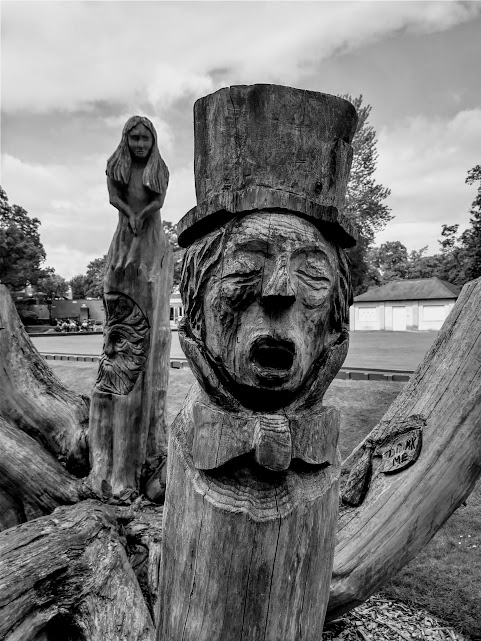
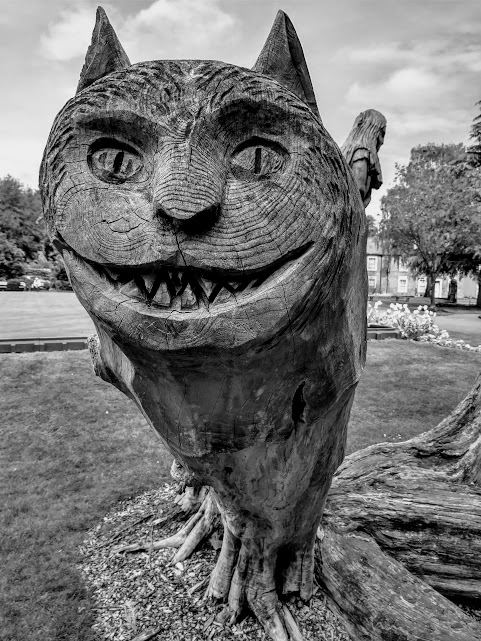
Then we’ll stay local and inspect the Alice in Wonderland characters you’ll find in Ripon Spa Gardens. Lewis Carroll spent part of his childhood in Ripon, because his father was a canon at the cathedral here.
I hope you recognise the Mad Hatter, the Cheshire Cat and the Queen of Hearts.
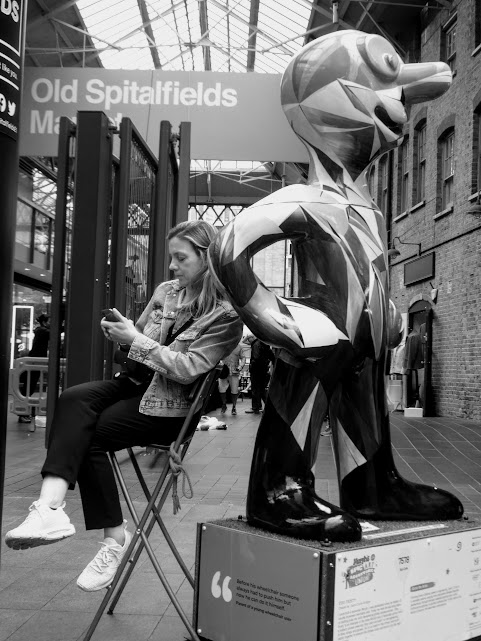
Then there’s this fellow, part of a sculpture trail promoted recently in London by the children’s charity Whizz Kidz.
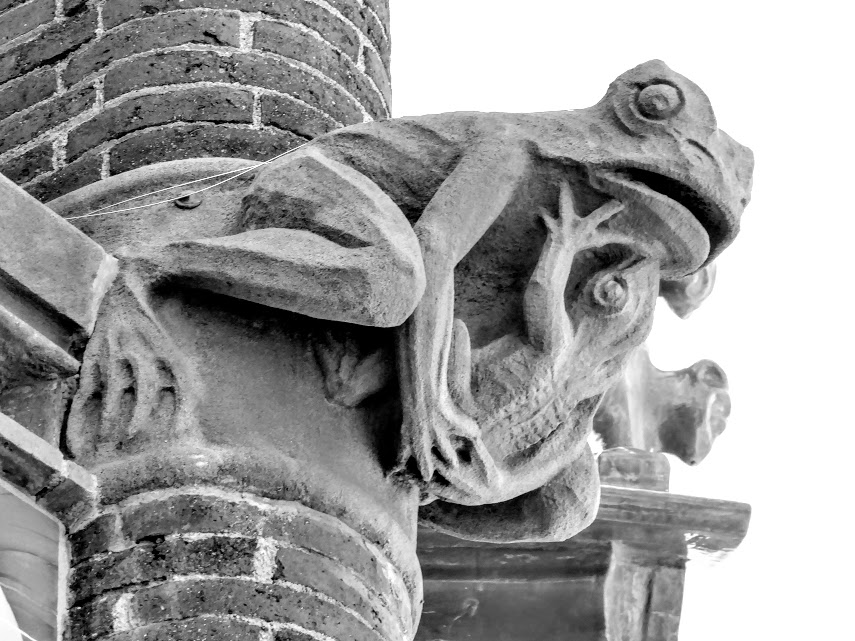
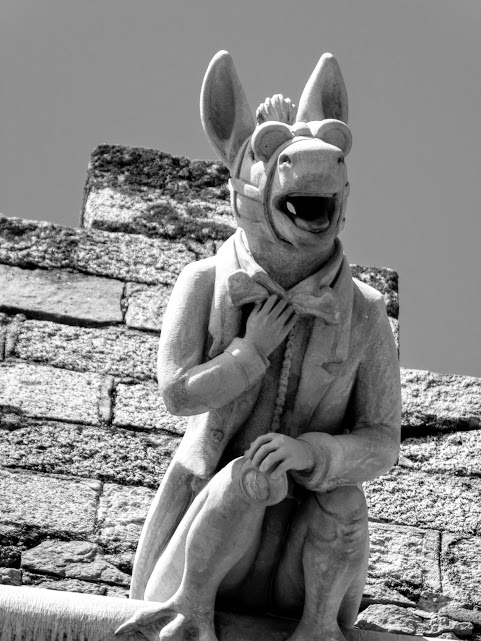
Here are some gargoyles, not necessarily designed for children, but certainly appealing to them: from the Hospital de Sant Pau, Barcelona, and the Església de Sant Julià in Argentona.
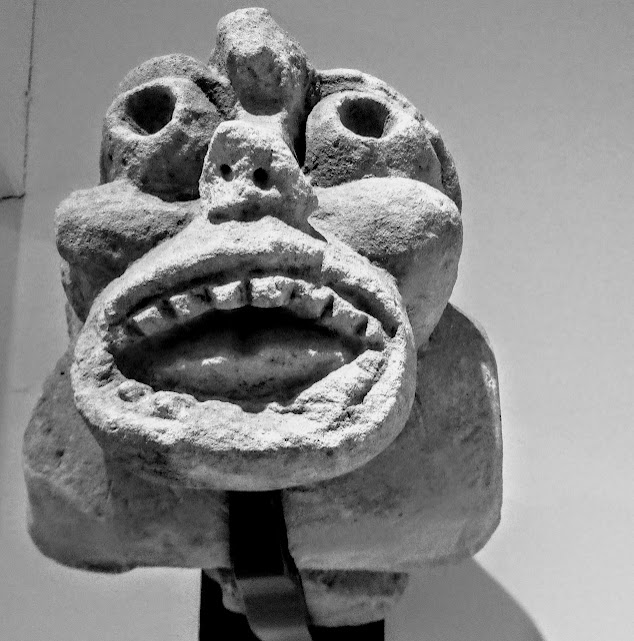
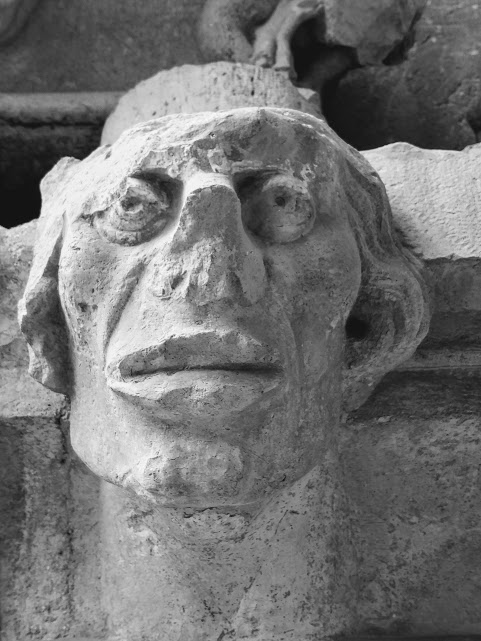
Monks and the Christian faithful – or certainly the masons working for them – generally weren’t above fashioning satisfyingly scary pieces. Here are two battered relics: one from Rievaulx Abbey, and the other from Rheims Cathedral.
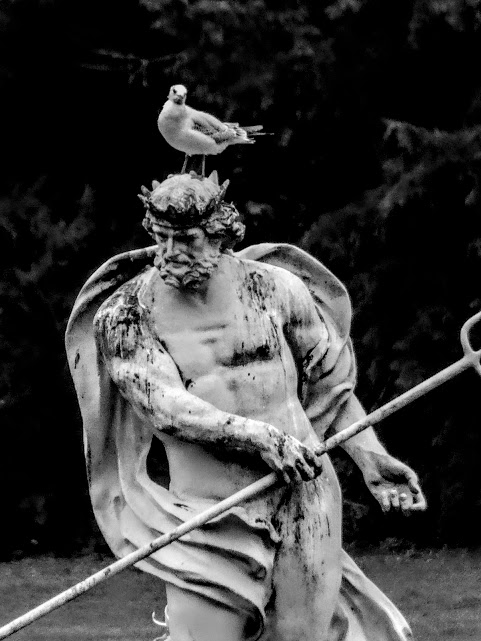
My last image isn’t of a statue designed to be amusing. But Neptune at Studley Royal always makes me and any children I happen to be with laugh when the poor fellow is sporting a seagull headpiece.
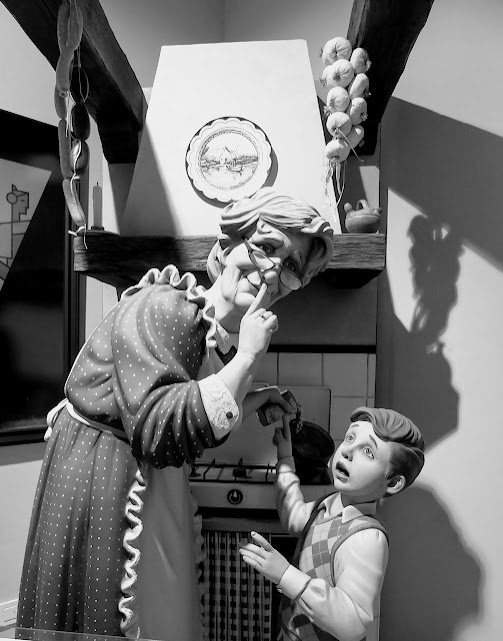
And my feature photo? Are they even statues? Well, I don’t know what else to call these two. They’re from Valencia’s annual Fallas Festival, where humorous figures, originally made of wood, are toted round town in March each year to celebrate the arrival of spring.
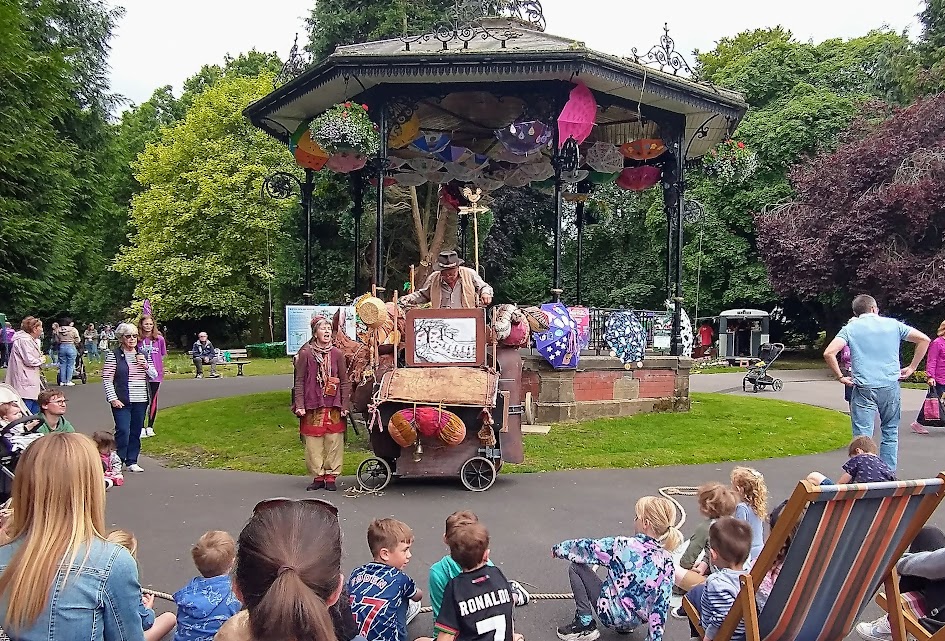
It was Ripon’s third Theatre Festival last week, and the weekend was to be given over to the streets and the park for theatre-in-the-street. The first two festivals had been sunny, warm, and everything good the weather could offer. Last weekend’s forecast was unremittingly vile. Rain, wind, thunder … everything you don’t want. Ripon’s luck had run out.
Except it hadn’t. Apart from one short sharp shower in the middle of Sunday, the weather was – sunny, warm enough, and everything anyone could have wished for.
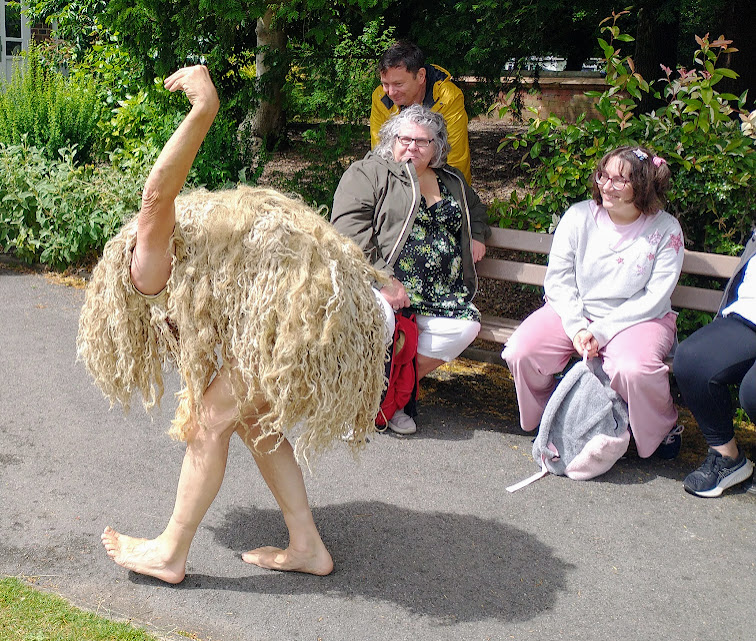
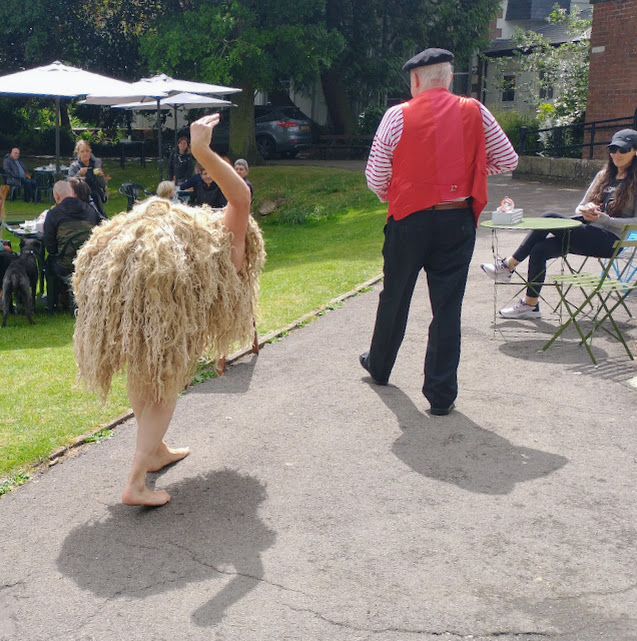
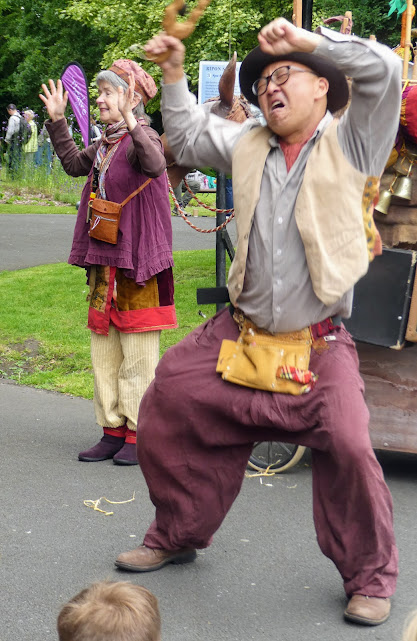
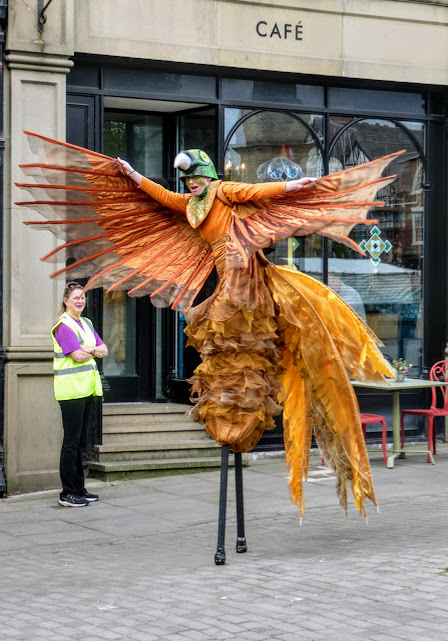
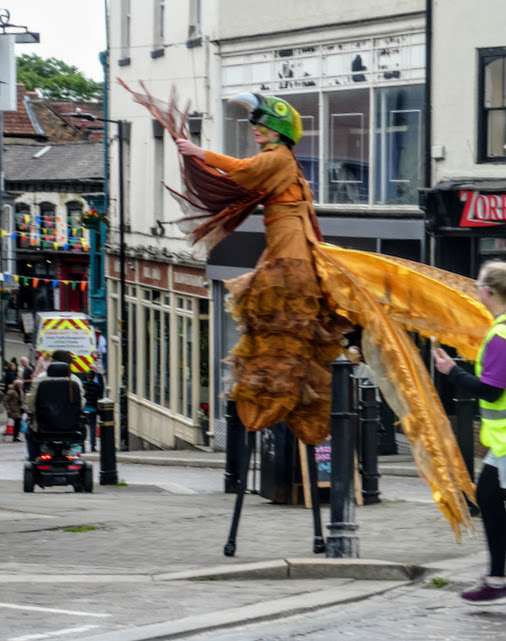
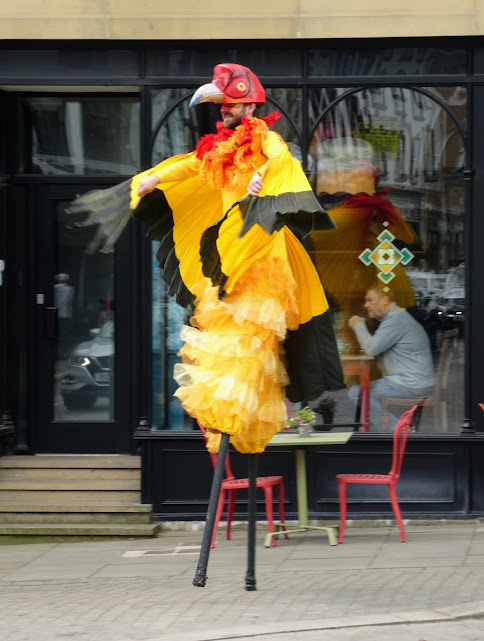
Come and have a stroll. We could join Struzzo the ostrich and Maxim as they wander round the park.
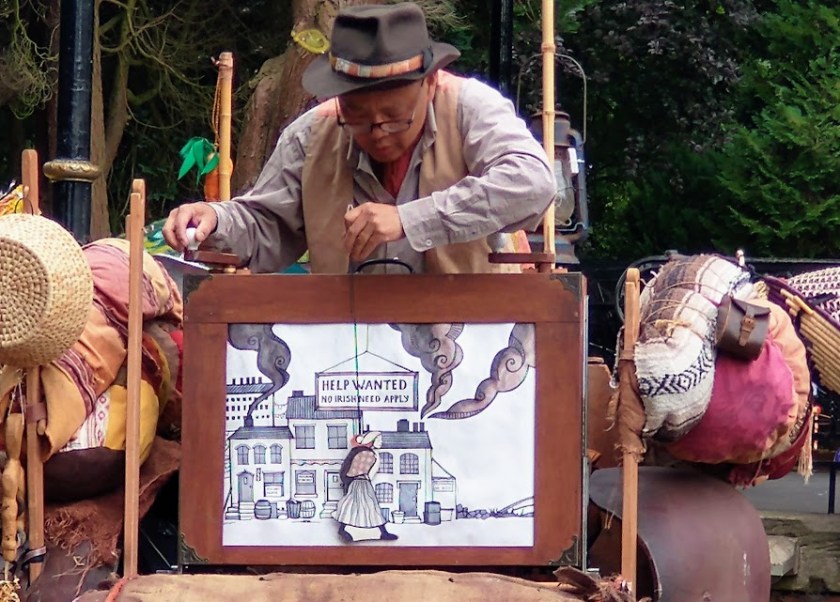
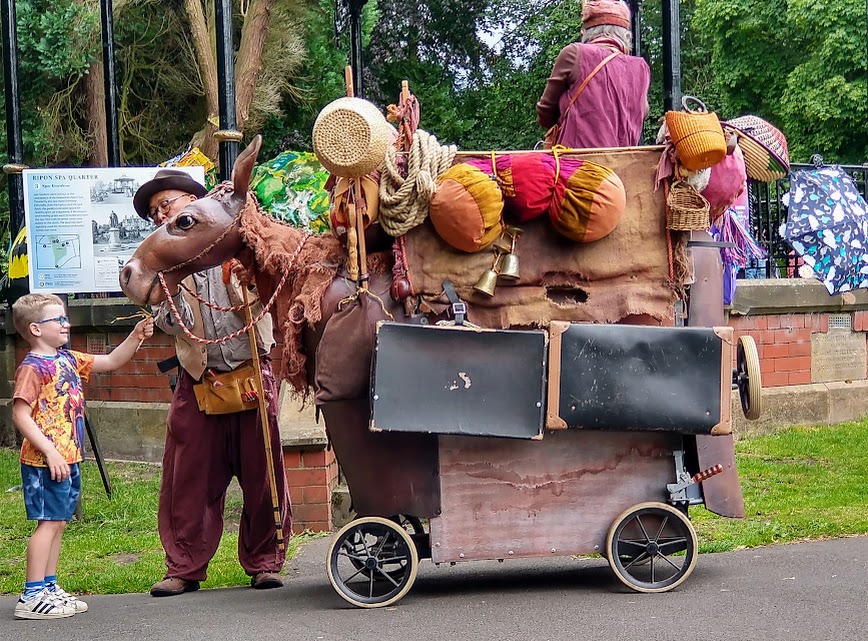
Kit and Caboodle told a good yarn from their laden mule- cart. It was nicely illustrated by a moving picture show, transcribed onto an apparently unending scroll of paper unfurling before our eyes. And with added paper puppets.
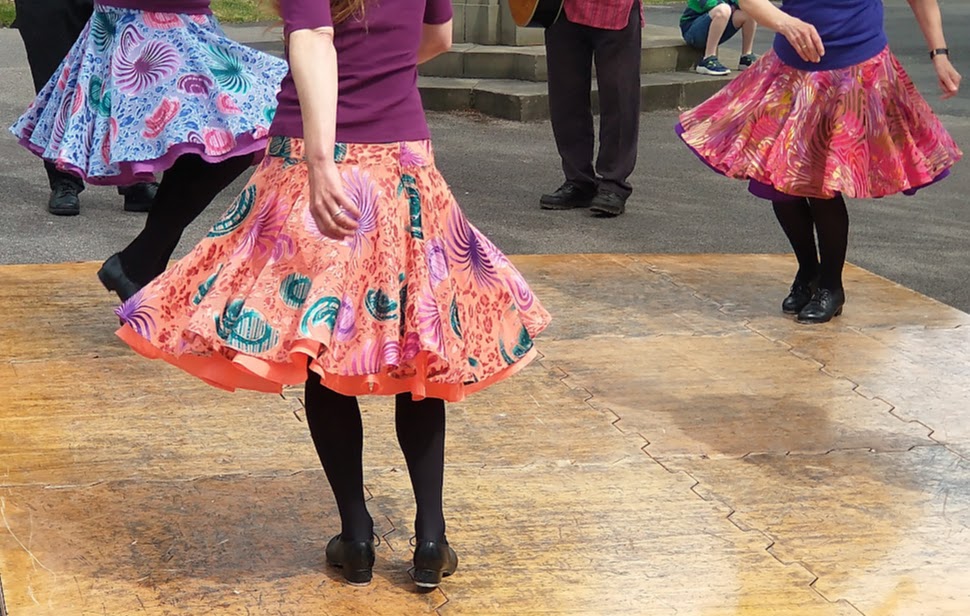
We could watch the swirling-skirted clog-dancers rhythmically and musically clickety clacking their clogs.
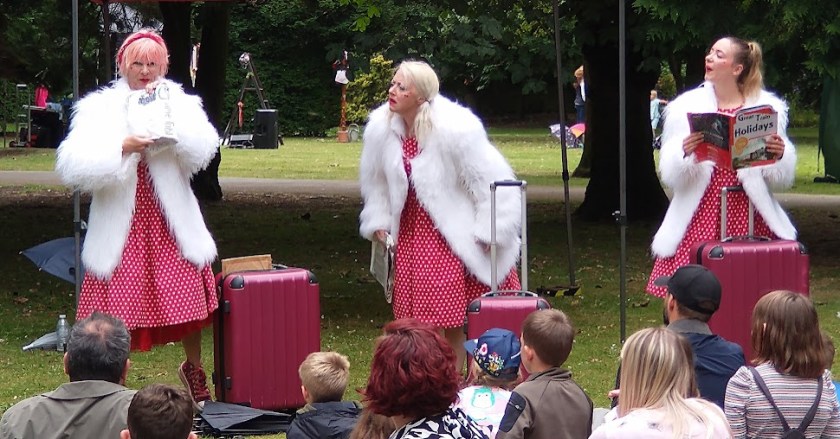
Or we could wait for a train with the Rhubarb Theatre and their Three Suitcases as they try to set off on holiday. We’d have a long wait. Ripon doesn’t have a station.
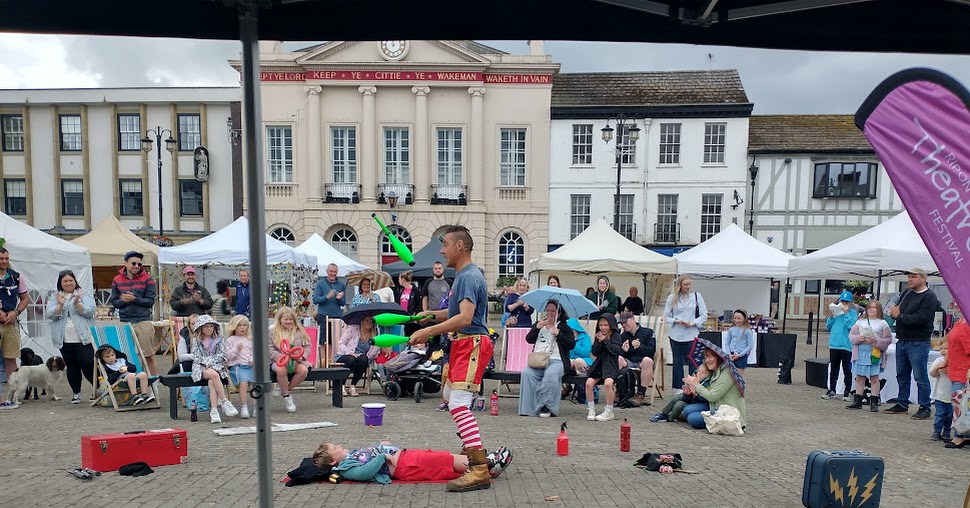
Oh, hang on! There’s plenty going on near the Market Square too…. such as Fireman Dave …
… I want to catch the Bachelors of Paradise …
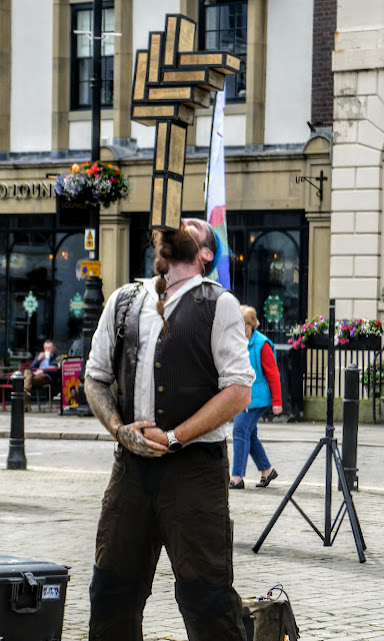
… and Logy on Fire, who does astonishing feats of acrobatics and balance with batches of discarded cigar boxes …
And there’s so much more. I only managed to see Four Hundred Roses, whom I photographed here, as they wandered up Kirkgate between performances.
I wish you could have been actually – rather than virtually – there too. Maybe next year?
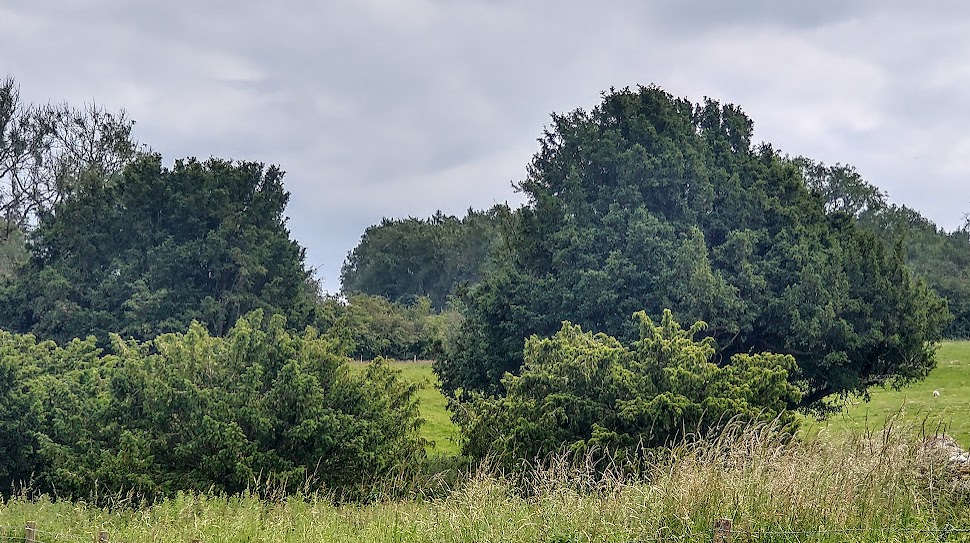
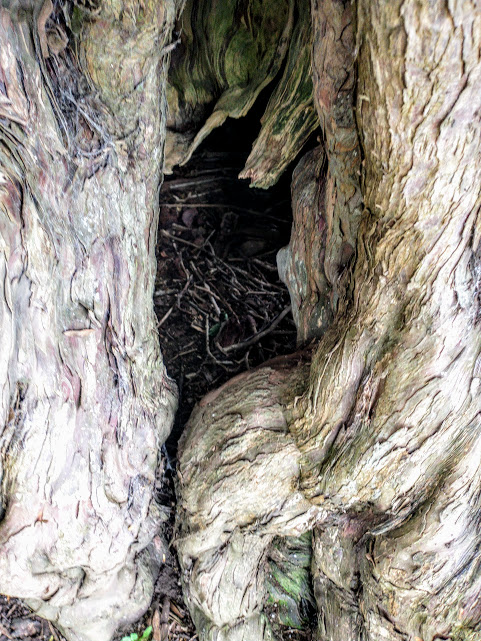
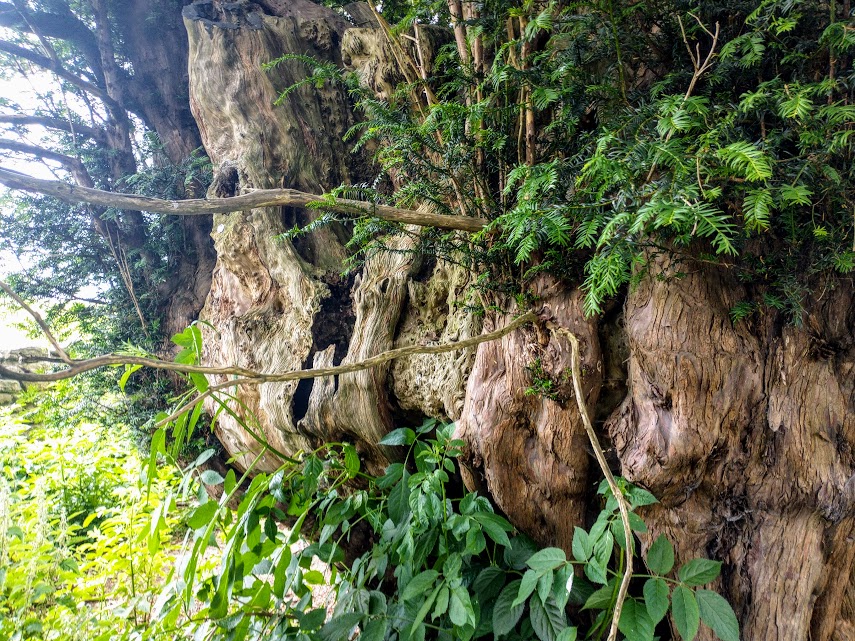
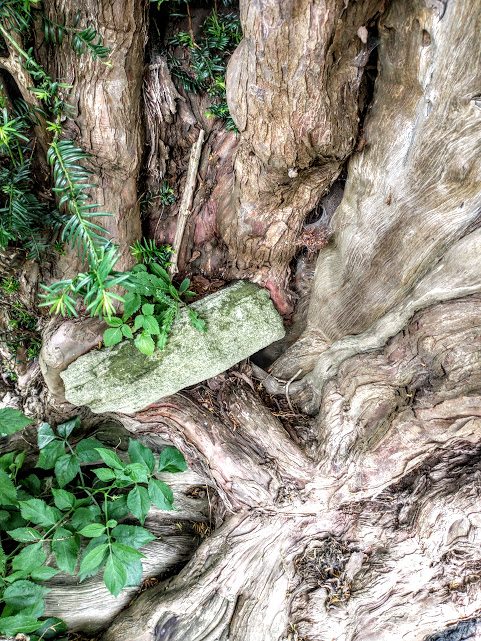
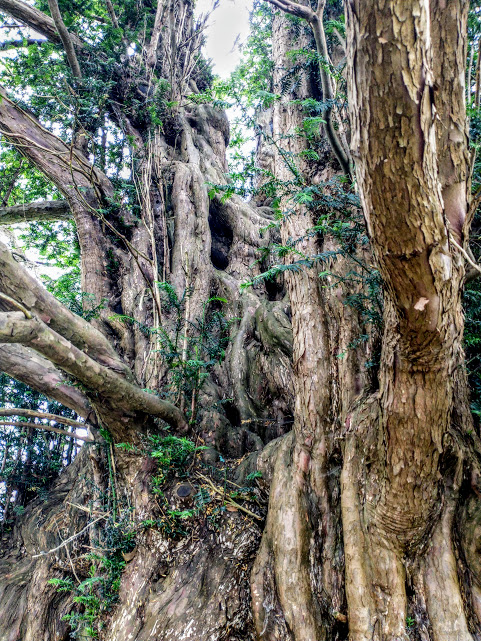
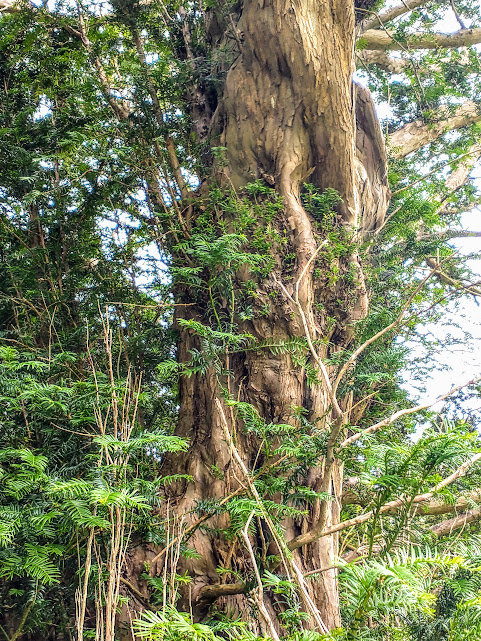
Just beyond the walls surrounding Fountains Abbey estate is a farm rented by a tenant farmer. It includes a small patch of land, untended and fenced off, because several trees got here first. They’re yew trees, and they’re thought to be about 1400 years old.
Think how long ago that was. It was only a couple of hundred years after the Romans had finally left these isles. It was several hundred years before the Norman invasion of 1066. By the time a group of monks from York had come to the site to build a Cistercian community here in 1132, those trees were already some 500 years old. This area would have been wooded, wild and interspersed with occasional farms. There would have been wolves, wild boar, lynx, otters, red and roe deer. But no rabbits. There’s no archaeological evidence for rabbit stew in any of the nation’s cooking pots from those days. They probably came with the Normans.
Those trees – once seven, now only two – would have been witness to the monastic community maturing: to the abbey and all its supporting buildings and industries developing. They would have seen the community grow, then all but collapse during the Black Death in 1248: and slowly prosper again. Until Henry VIII dissolved all the monastries, and Fountains Abbey’s roof was hauled down in 1539, leaving it pretty much the ruin it is today. By then, the trees were working towards being 1000 years old.
They’ve always been a bit out on a limb, these trees, and that’s what has made them such a rich habitat. They offer protection and nest sites for small birds, who can also eat their berries . Caterpillars feast on the leaves. These days, they’re home to eight species of bat, and a wide variety of owls. Yew trees are famously toxic to most animals – that’s why they’re fenced off – but badgers are able to eat the seeds, and deer the leaves.
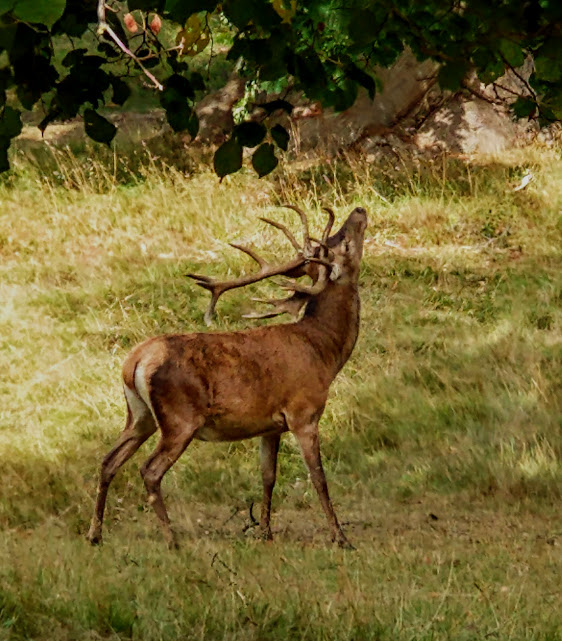
A red deer stag grazing on leaves: not yew leaves this time.
I can’t show you any of the creatures for whom these trees are their neighbourhood – apart from a grazing deer at nearby Studley Royal. Just the ancient trees themselves, the nearby Fountains Hall, built in late Elizabethan times when they were already 1000 years old, and a slightly more distant view of Fountains Abbey itself. My featured photo, the last image I took in June, is of those yew trees, looking as though they’re ready for the next 1000 years.
Fountains Hall, as seen from the yew trees.Fountains Abbey, as seen from the yew trees.
The other day, a friend and I took ourselves off to the Ryedale countryside to reconnoitre a route. It turned out to be not only the Longest Day, but the First Day of Summer, in the sense that the weather was wonderful – hot and sunny .
Setting off on a shaded woodland path, we criss-crossed a flowers-edged stream several times.
We forged our way up a steep – unending – hill. Is that even a path?
We exchanged woodland for fields and open views, with clouds above:
We met a ford which lapped along a long stretch of road. Luckily there was a footpath through a field nearby, and edged with iris too.
Sheep looked on, and ancient walls often marked our way.
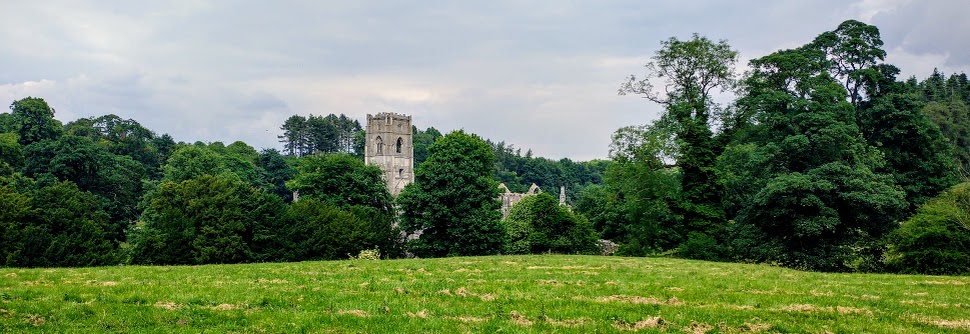
And at last, below us the ancient ruined Cistercian Abbey of Rievaulx.
Now let’s run this in black and white.
We criss-crossed a stream:
… and later, the woods opened out into farmland. Crazy sky!
Luckily, we were able to dodge fording the ford: or testing our brakes.
As an alternative to sheep-watching, we chose shadow-watching on the narrow road that was part of our route.
And soon after that, Rievaulx Abbey was no longer below us, but alongside.
And as our walk finished, the road sign confirmed that we had indeed seen Rievaulx.
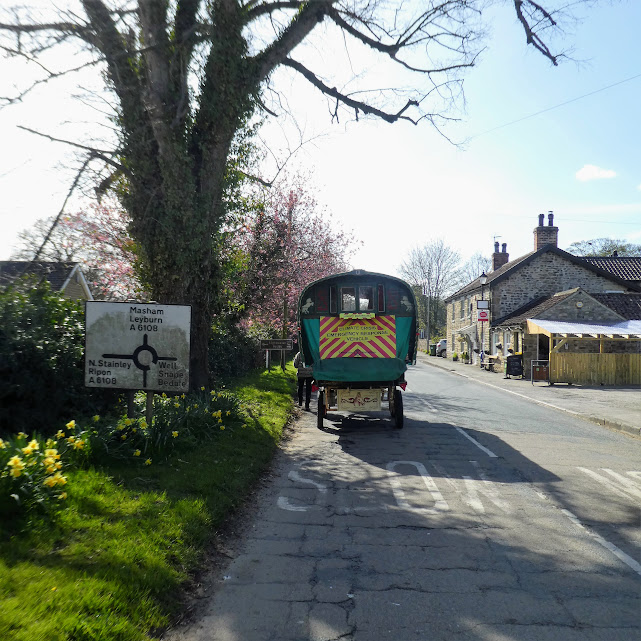
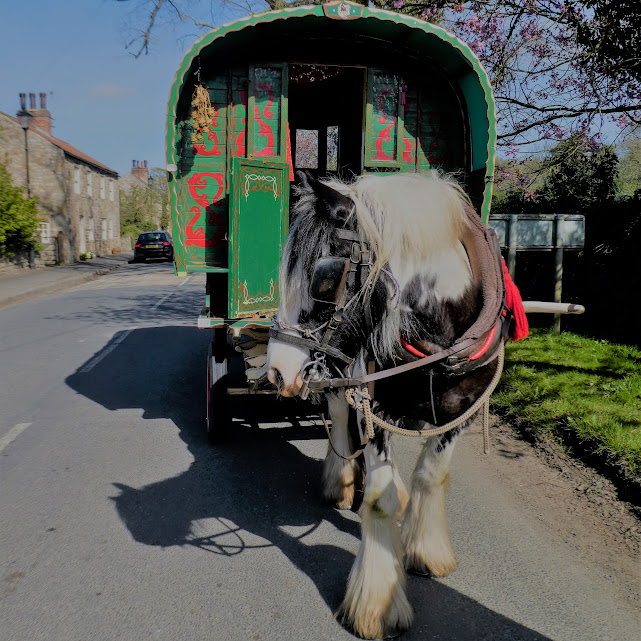
Today’s post features photos I’ve shown before, but I think the travelling-arrangements shown here deserve another outing on my blog. The rovers in this traditional vardo have renewed their attitude to travel and urge us to do the same: to journey slowly and reflectively, taking time to revitalise their contact with the areas they travel through, and making no negative impact.
To my shame, tomorrow I’m not following their excellent example. I’m off to Spain for a couple of weeks, to offer a hand to my daughter and her family as she returns to work after maternity leave following the birth of a second daughter. And I’m flying to Spain. I’m not pleased about this at all – but however we looked at it, the train journey was just beyond budget.
All my remaining posts for the month have been scheduled: I’m rubbish at posting from my phone – or at any rate in making links. What could possibly go wrong? Each one will be set in Spain, though from some previous visit. And I may be rather slow at responding to comments, or in reading posts from fellow-bloggers. Hasta pronto!
For Becky’s #SquaresRenew Challenge, she’s inviting us to post square – only square – photos on the themes of Burgeoning; Moving Forward; Reconstruction; or Renewal.










 From Pyrenees to Pennines
You must be logged in to post a comment.