
For Six Word Saturday.
https://travelwithintent.com/2023/10/28/more-than-just-opera-and-ballet/
For Six Word Saturday.
https://travelwithintent.com/2023/10/28/more-than-just-opera-and-ballet/
Once upon a time, the River Thames flowed gently through the city, slow and wide, or wider, according to the weather. At various points in the 19th century and particularly when Joseph Bazalgette was master-minding the critical job of master-minding a sewer network , the Thames was edged with a series of embankments. This had the effect of making the river narrower, deeper, and therefore faster flowing.
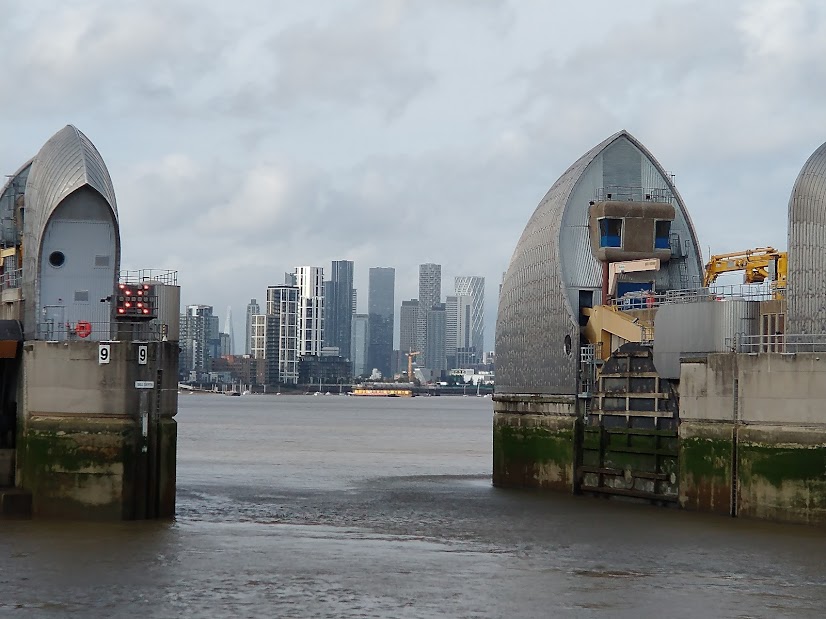
By the middle of the twentieth century, this was becoming a problem. A few times a year, high tides were presenting a danger of flooding to London. Something had to be done. That ‘something’ turned into the Thames Barrier at Woolwich.
In 1972, the Thames Barrier Act and Flood Protection Act was passed by The Greater London Council, and in 1972, work commenced.
'The gates, each of which are 19 metres high and weigh 3300 tonnes, divide the river into six navigable spans, four of 61metres (200 feet), and two of approximately 30 metres (100 feet). The barrier was designed to be solid, durable (serving London until at least 2030), failure proof and bomb proof. It has so far survived 12 collisions with ships without sustaining any serious damage.'
www.cityoflondon.gov.uk
The barrier was originally designed to protect London from a very large flood (1 in 100 years) up to 2030. By October 2021, it had been closed 200 times – it’s 208 times now. And the barrier has been modernised and improved to take it beyond its original shelf-life.
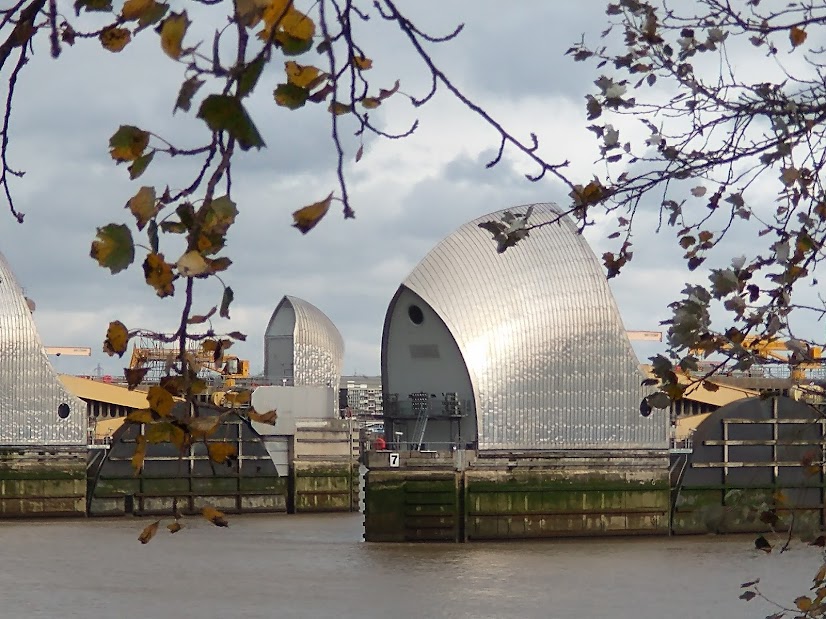
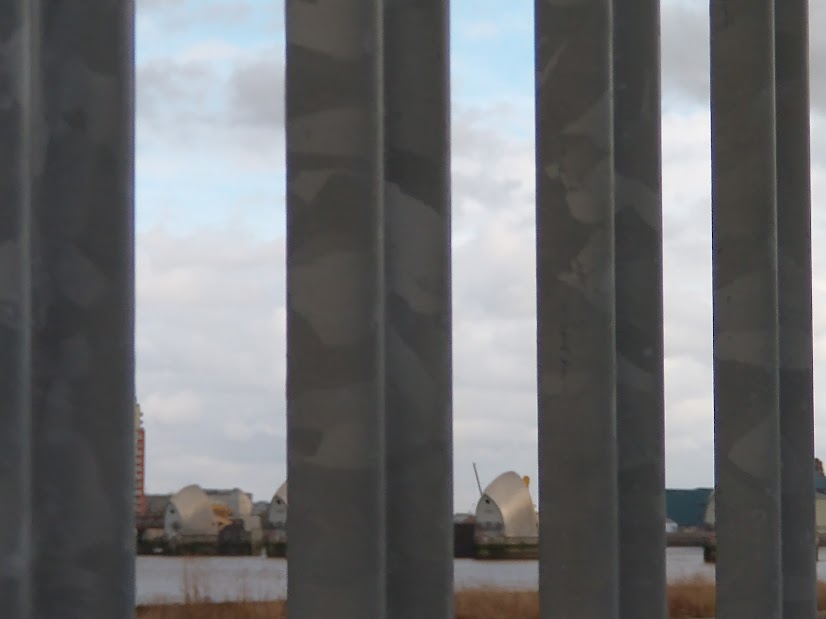
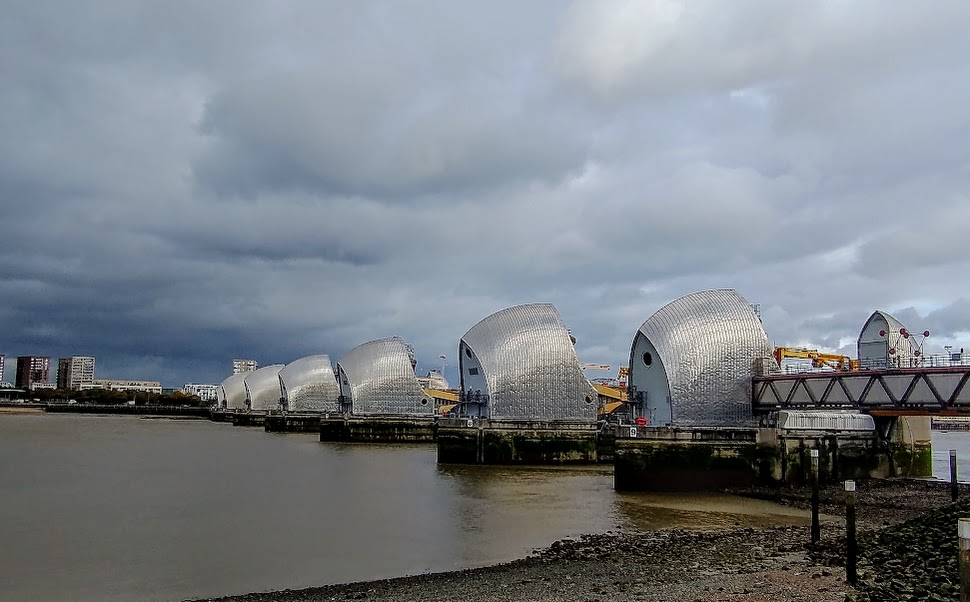
Much of the science behind it is beyond me. But it’s a beautiful thing in its own right, and I can appreciate that: even if I don’t understand the engineering. This short video may help.

For Debbie’s Six Word Saturday. And if you haven’t visited this post and voted … please do.
For Debbie’s One Word Sunday: Barrier
Poor Algernon (if I may be so familiar). I abandoned my Major General last month as he planned further destinations in a trip to invigorate him in his old age. He’s my stooge as I attempt to complete Paula’s Pick a Word Challenge. The five words Paula offers us are intended to be a stimulus to us to choose five appropriate photos: I decided a bit of verbal silliness would add a little extra difficulty. Not ‘alf. These are Paula’s chosen words: distinctive; floating; fortified; playful and saddle. Make something of that, Major General!
In case you’re not familiar with him, this is how his saga began …
A retired Major General from Hove
with the moniker Algernon Gove
said ‘Before life unravels
I must finish my travels.’
And forthwith he made plans to rove.
But it gets worse …
His next plan was to go pony-trekking.
He booked something in Wales without checking.
It might be quite a chore ?
He could get saddle-sore?
Oh dear no - there’s a plan that needs wrecking.

Our old chap nursed a long-term ambition
to explore sites with years of tradition.
A castle, he voted,
fortified, or deep-moated.
He’d find one - he'd make that his mission.

Perhaps all his plans were restrictive?
He should aim now for something distinctive.
Something playful and fun.
‘Cos when all’s said and done
to enjoy life should just be instinctive.

He knew he’d no taste for long trips
that took him o’er oceans in ships.
But he’d go in a boat
floating nowhere remote -
while enjoying some fresh fish and chips.
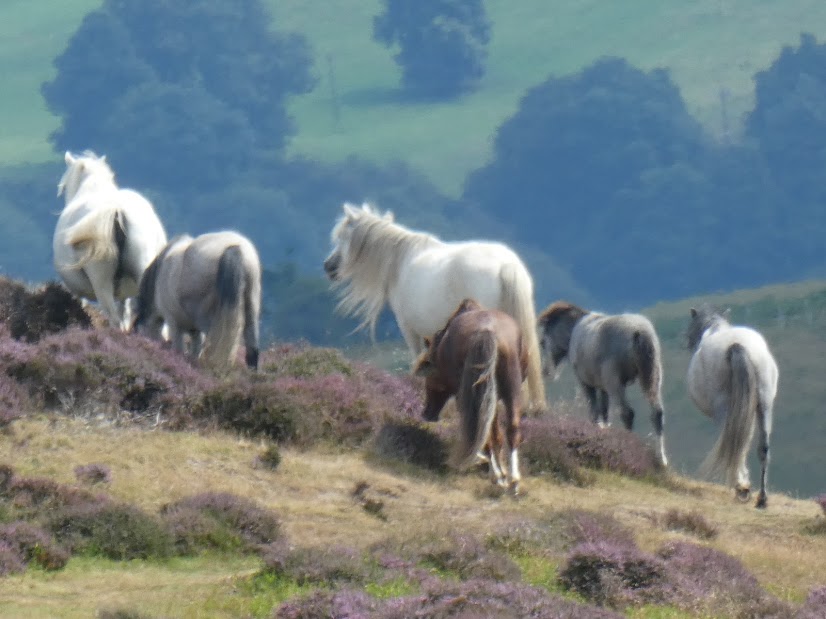


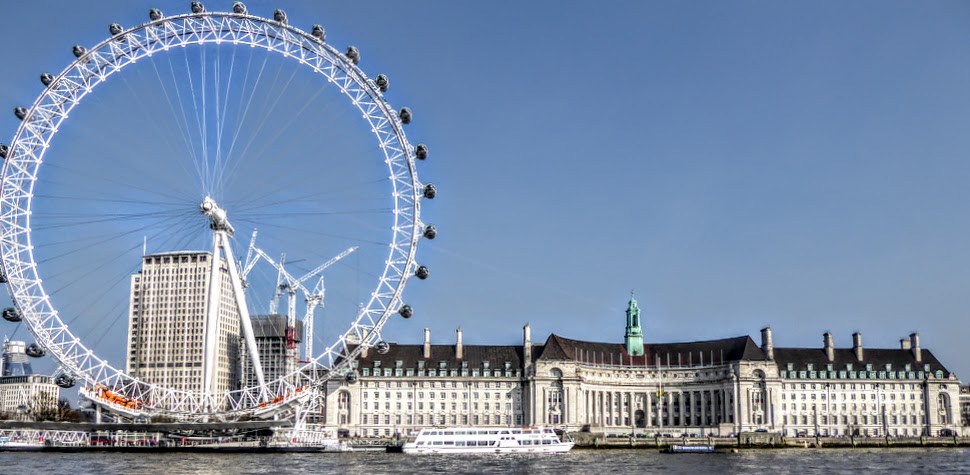
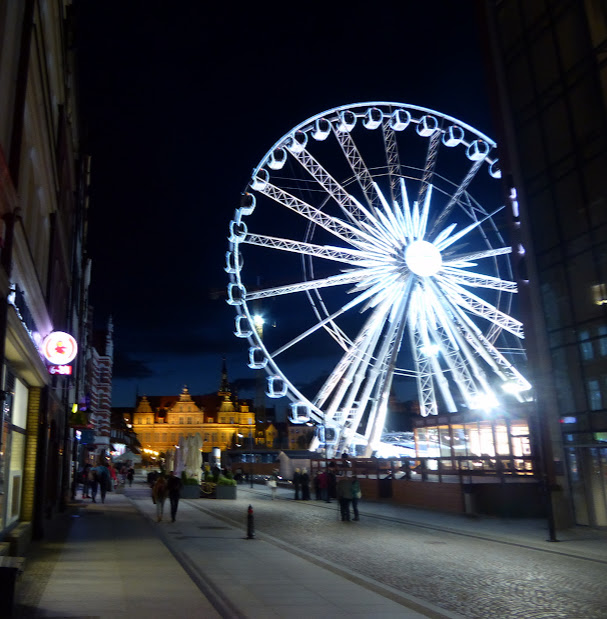
You can have a playful time on London’s South Bank, and at the London Eye. But it’s more distinctive to discover pastures new – at the evening fair in Gdansk, perhaps.
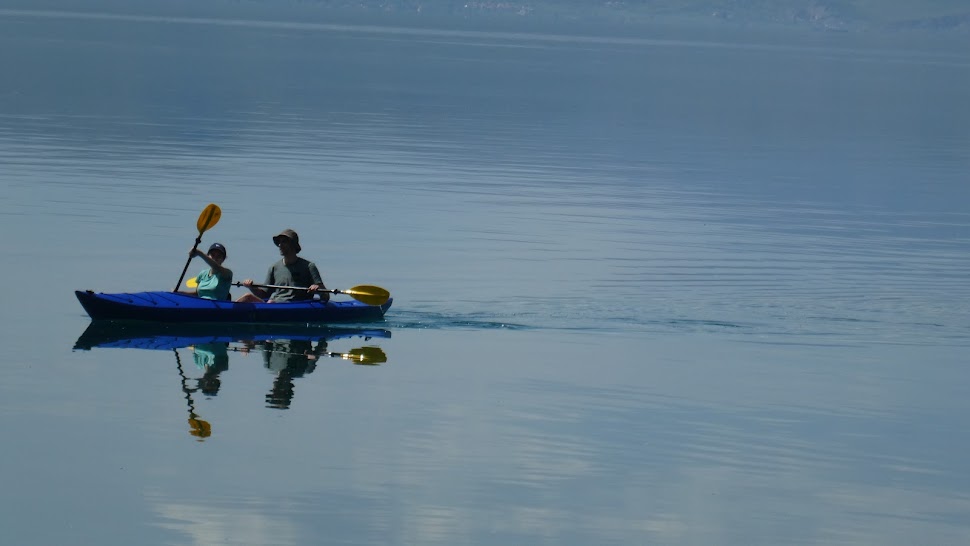
WP is being very irritating today. It won’t let me centre some of my photos, or alternatively to align all my shots to the left, whatever I try, and however loudly I shout at my laptop. So I have to admit defeat.
This week, for the Lens Artists Challenge, Amy asks us to consider ways of framing our shots. So my featured photo doesn’t do that. The frame shown here, at Brimham Rocks IS the subject of the shot.
Sometimes, the photographer finds a frame has been fortuitously laid on. Here we are on the Regents Canal in London, in maritime Barcelona and at Harlow Carr Gardens in Harrogate.


Sometimes a window – an actual window, or a suitably-shaped hole-in-the-wall provides that frame. Here’s the South Bank in London, a shot taken while sailing to Bilbao, another view at Harlow Carr, and a convenient window overlooking the River Thames near Blackfriar’s Bridge.


In her post about framing, Sarah of Travel with Me fame took us to Fountains Abbey and Studley Royal. We’ll go there too, but wander through the wooded area of the High Ride, and into the parkland of Studley Royal, allowing the trees themselves to frame the picture.


And lastly, another view which didn’t work as well as I hoped, through a chink in a drystone wall in the Yorkshire Dales.

That’s this post, really. We’ve been away all week, discovering Shropshire with friends who’ve moved there. Getting to know this county and its landscapes, its industrial history, its towns and villages is a work in progress for us. But it’s left me only with time to throw together a quick response to Ann-Christine’s Lens Artists Challenge: Work in Progress.
We’re all Works in Progress – all our lives. But children especially so. Fierce concentration here, and enjoyment too …

Slightly older children can hold their own with adults when it comes to demonstrating proficiency – in this case sheep-handling at Masham Sheep Fair.

Over in the city, street art out-numbers sheep. Here are two works in progress: the first in Valencia, Spain, the second near Brick Lane, London.


And finally, two shots from India that I remember well: the house opposite my hotel in Puducherry, whose construction was a work-in-progress from about six, till late… it’s up there as my featured photo … and a metalworker hard at work producing figures inspired by the nearby temple at Kumbakonam in Tamil Nadu.

I was in London last week. And the highlight – apart from being with family of course – was a day mooching round Spitalfields with fellow blogger Sarah of Travel with Me fame. We’d planned to meet, and I’d appointed Sarah as Tour Guide. Good plan. She knows Brick Lane and the area well.
We started in Spitalfields Market, and immediately spotted Morph, well known to all British children and their parents of a certain age (1970s) through the TV series Take Hart. He and his acolytes are making guest appearances throughout central London this summer for the charity Whizz-Kidz.
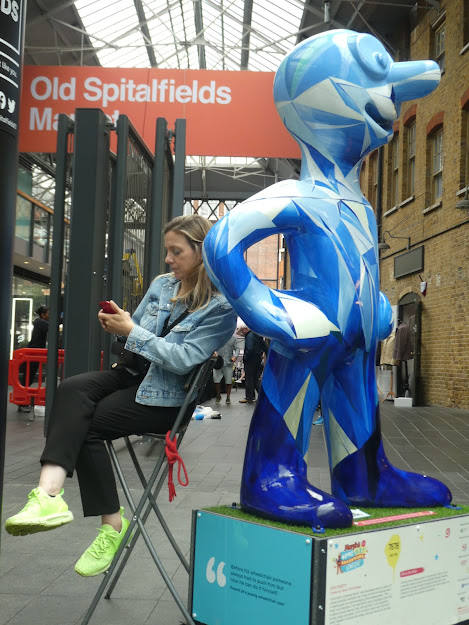
Coffee next. You’ll never be short of a refreshment stop round here, though the one shown here wasn’t ours. We chose somewhere cosier.

Spitalfields was once the heart of the Huguenot community in London – Protestant refugees from persecution in 17th and 18th century Catholic France. They brought their skills as weavers with them, and formed a community here, which still has the houses from that era at its heart. For many, these houses have now become a desirable address.
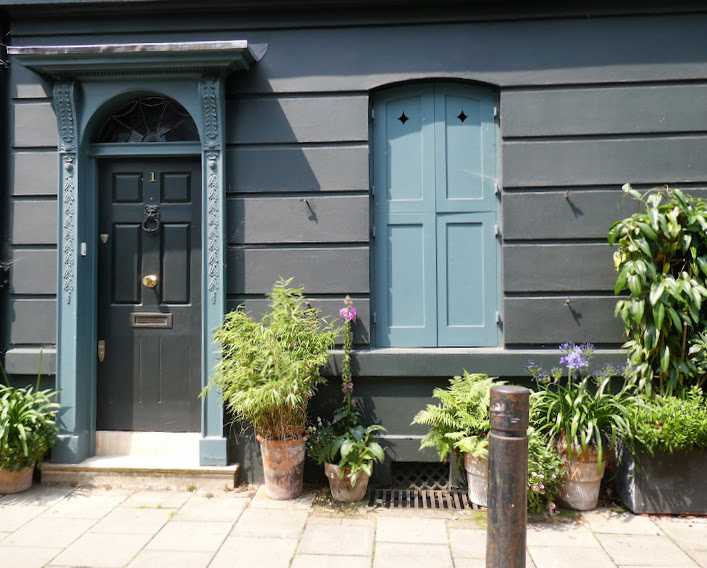
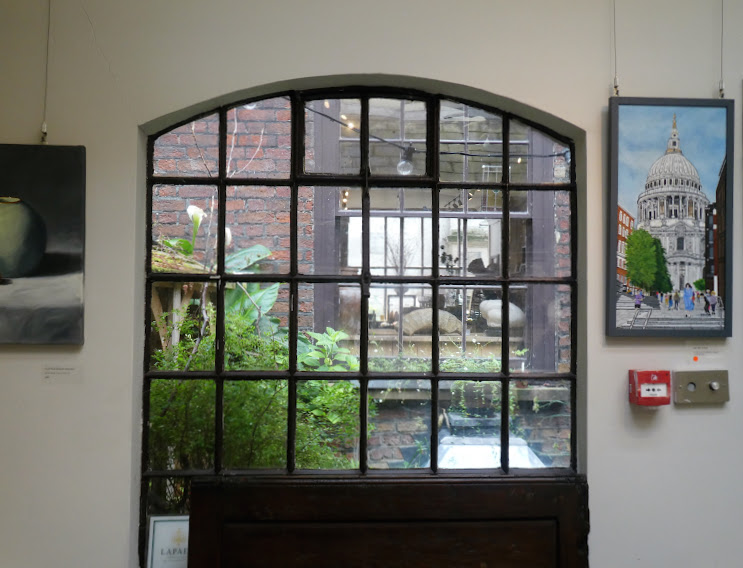
We chanced upon the Town House Gallery here, and rather wished we’d stopped here for our coffee and cake. Another time.
Spitalfields has gone on being an area welcoming those seeking a fresh life away from persecution and poverty, more recently Bangaldeshi citizens who’ve now made their own mark on the area.

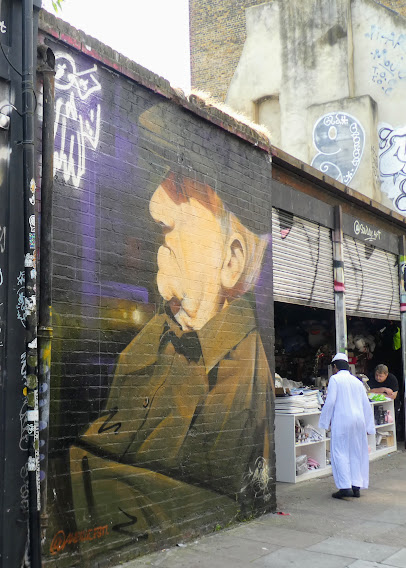
All the same, it was street art we’d come for, and that meant Brick Lane, and the streets round and about. Sarah’s already posted about our walk, and as so many of you already read her (and if you don’t already, you should – link above) I’ve tried to choose different images from those she shows: click on any one to enlarge.
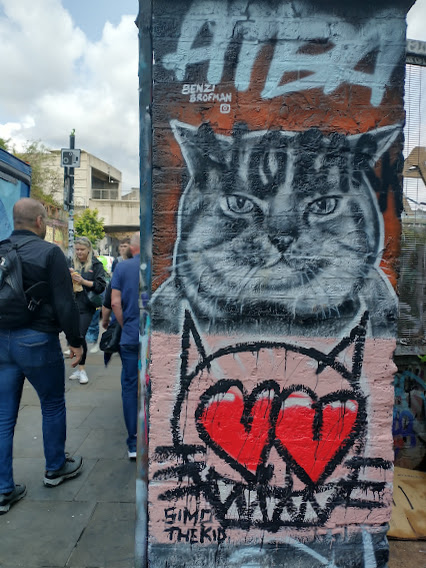


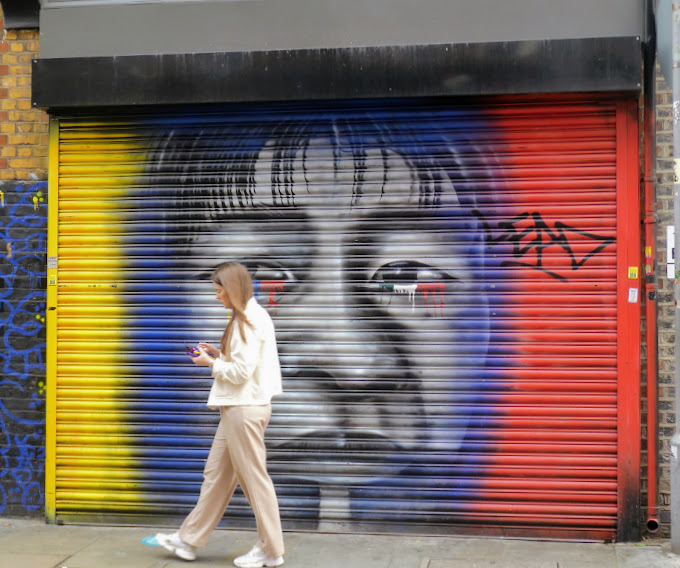
You don’t even need a spare bit of wall:
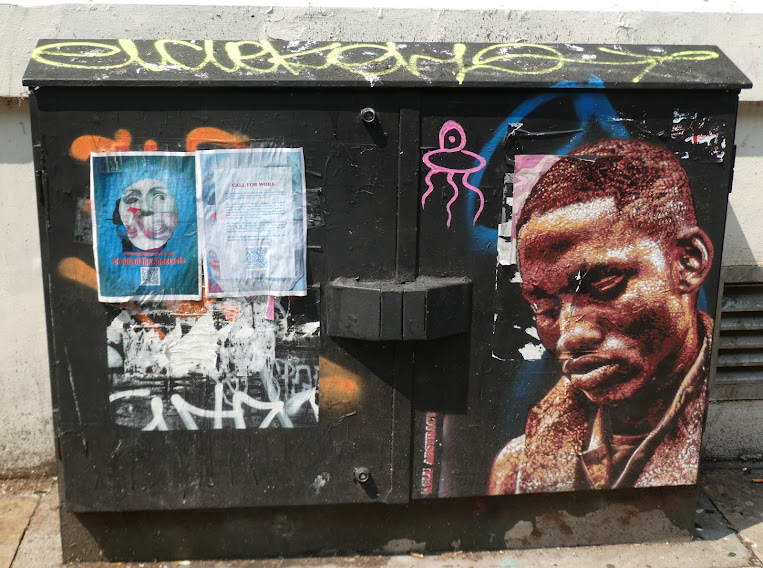
We didn’t just have street art to keep us amused. There was filming going on. A documentary? A drama? We don’t know. Maybe we’ll find out one day.

Then under a railway bridge …
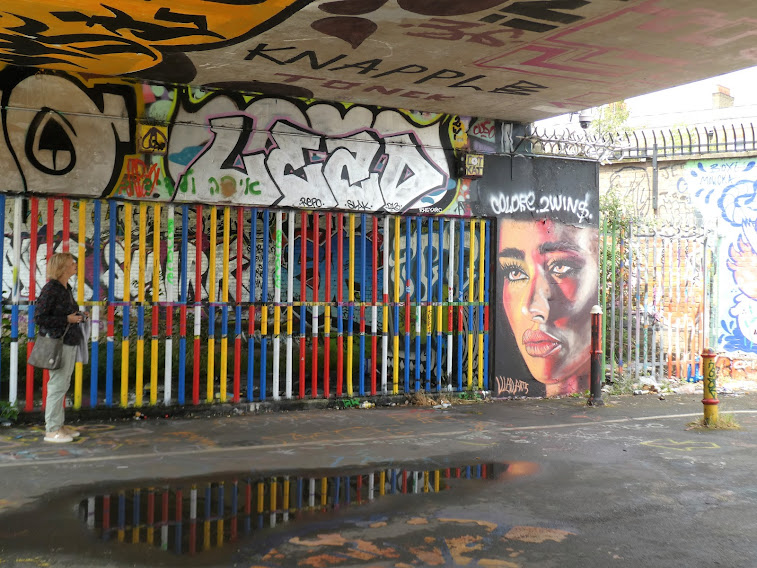
… a promising back street – a couple of street artists preparing the ground for a new work. I’m just going to show you the preparations in action. We popped back a couple of hours later to inspect progress, but were underwhelmed.

A lunch stop, then we retraced our steps. Don’t forget to look up! We were intrigued by the lines of broccoli we kept on coming across, above eye level, but they remained a mystery.

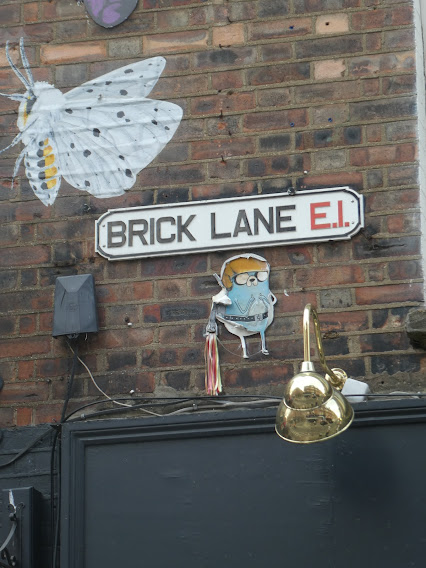

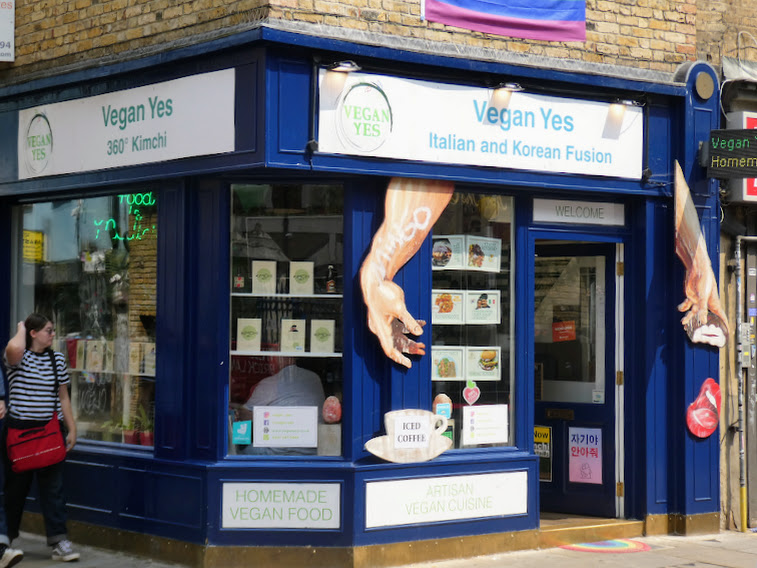
Should we instead have stopped here for lunch? We’d both have settled for Italian food. Or Korean. But that particular fusion?
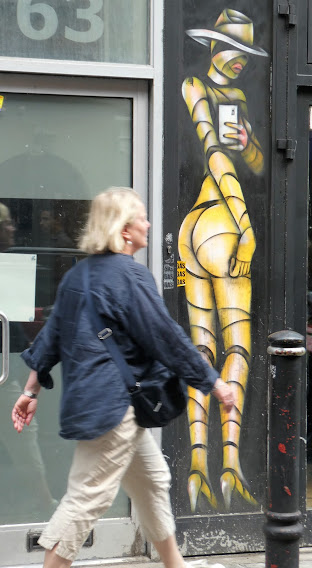
Just a couple more images, of passers by oblivious to their surroundings. Which we certainly weren’t. A day full of interest. A day well spent. Thanks Sarah!

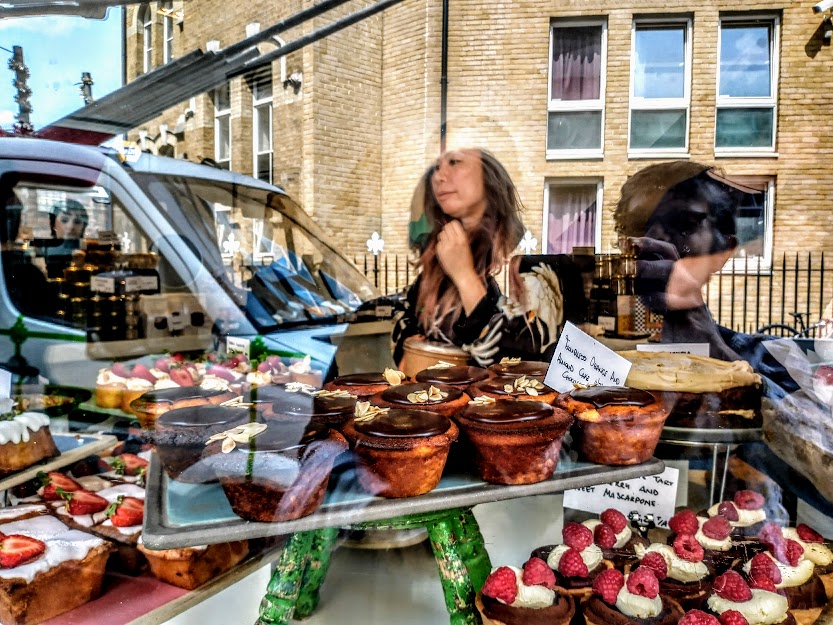
Oh, hang on. This bit’s for Jo. We found the all-important cake shop, but it wasn’t a coffee-stop too. We contented ourselves with gazing through the window, and I got an oddly surreal image of us both, with Sarah having another woman’s head superimposed on her own.
For Jo’s Monday Walk, and Natalie’s Photographing Public Art Challenge
Walk along any street, anywhere, and it won’t be long before you come across a message. Maybe light-hearted, like this one spotted in Liverpool …

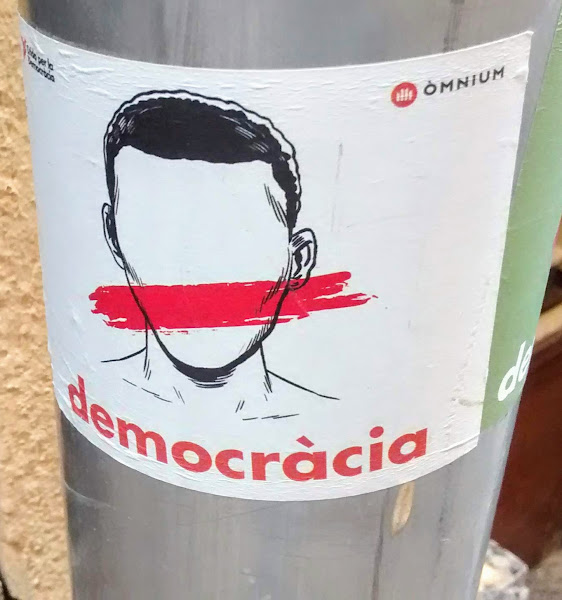
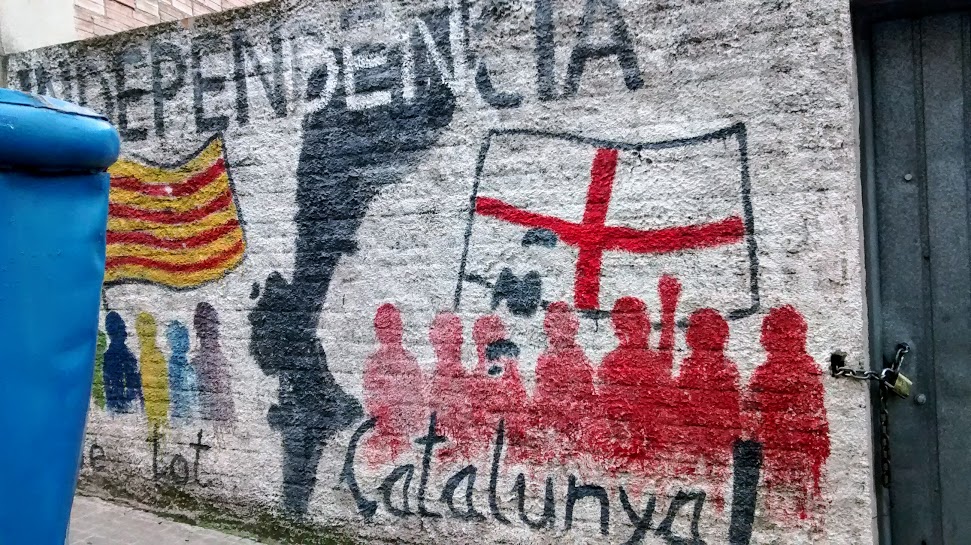
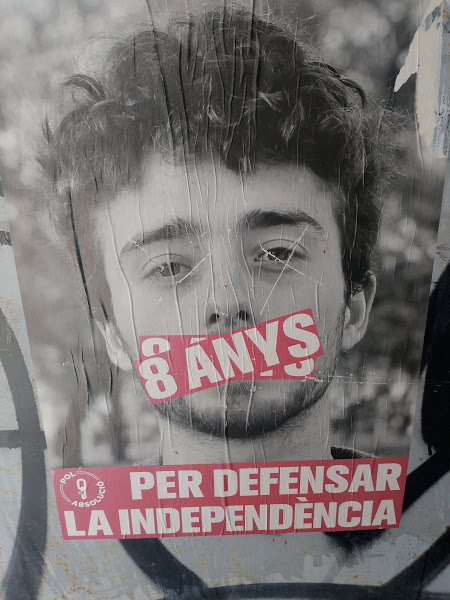
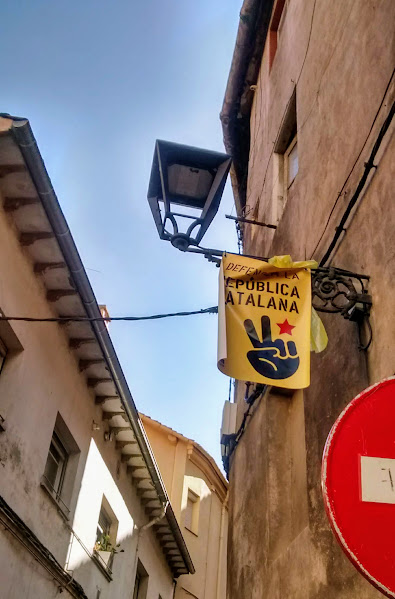
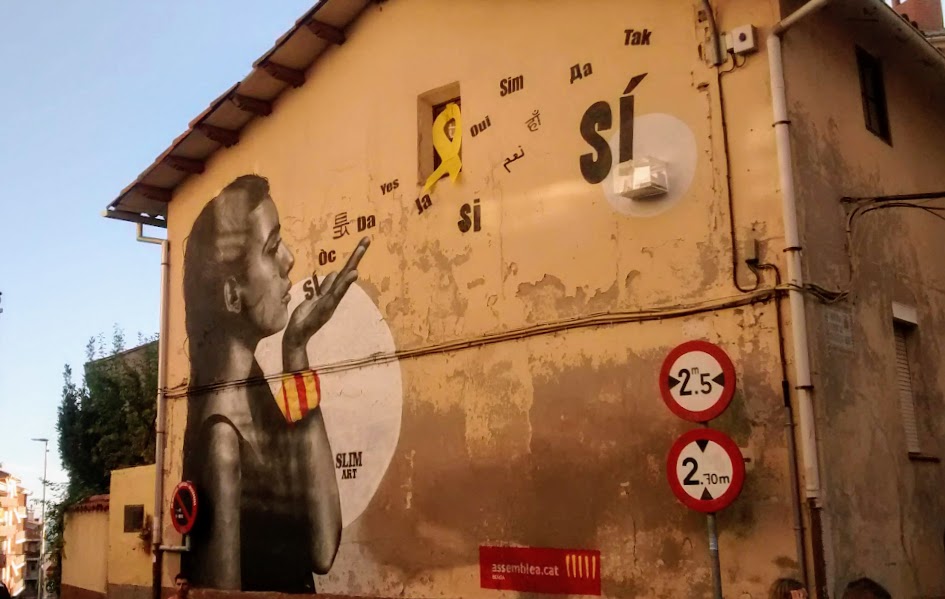
… maybe political. You can’t go far in Catalonia, Spain without coming across messages and slogans demanding independence. These shots were all taken in Berga, where the mood of virtually the entire population there was not in doubt.
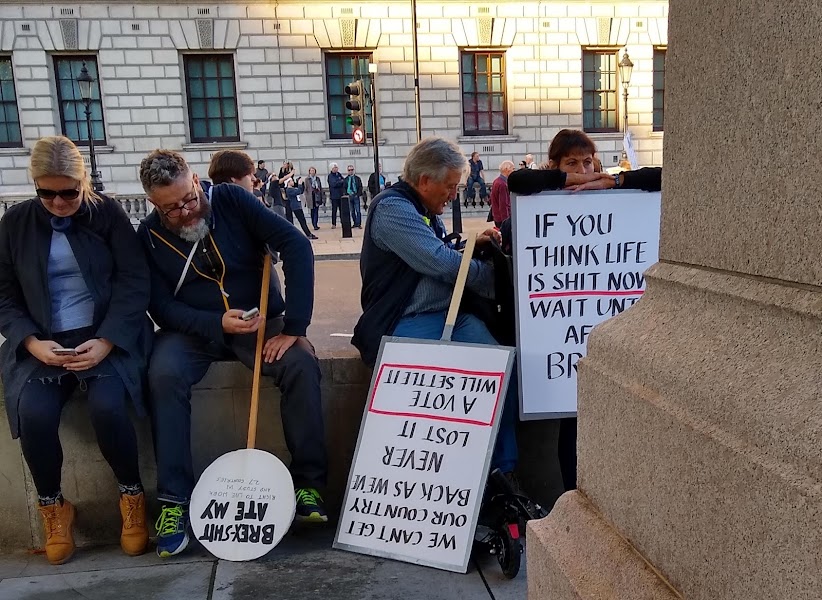
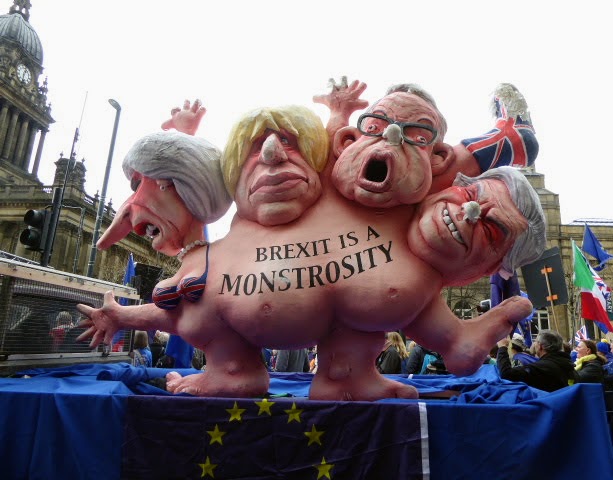
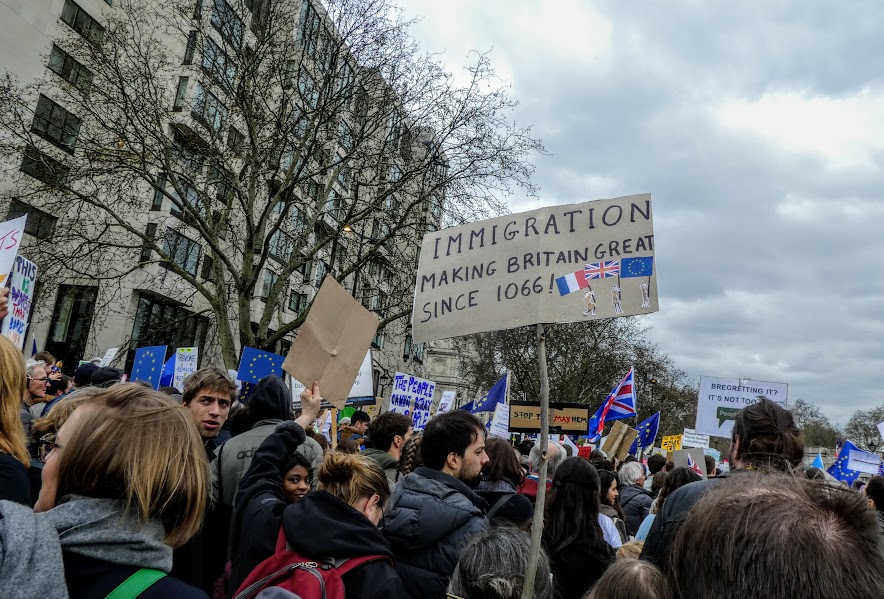
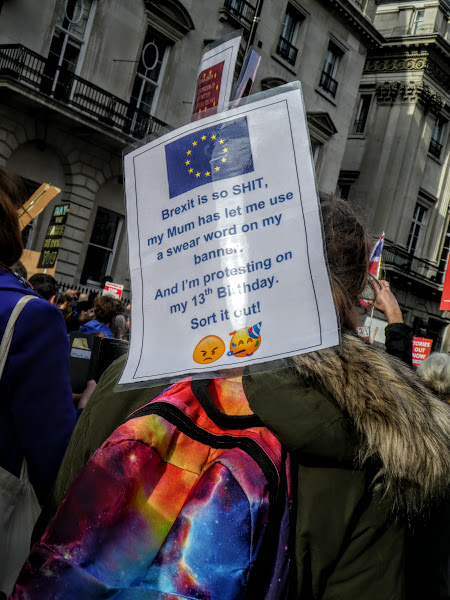
The next shots were all taken when thousands of us took to the streets, again and again, in 2018 and 2019 voicing our misgivings about the prospect of Brexit. It gives us no satisfaction whatever to see that our fears were entirely justified.
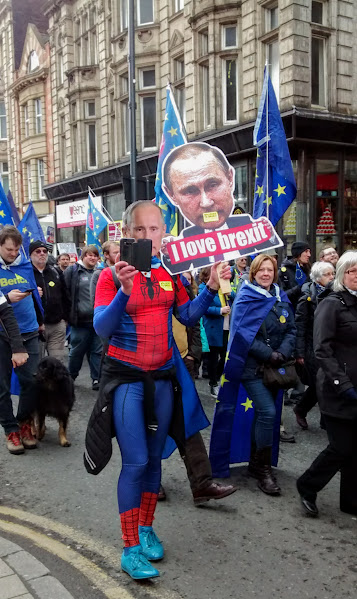
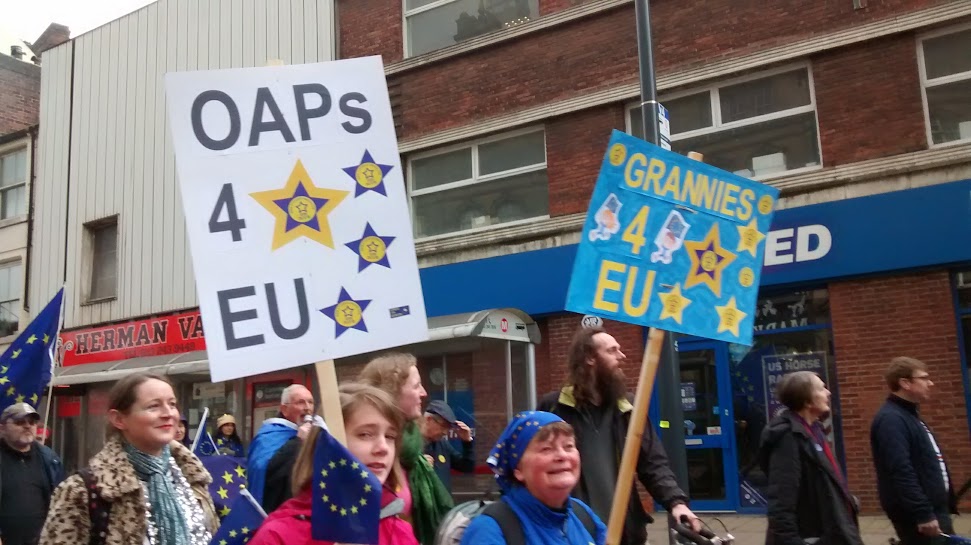
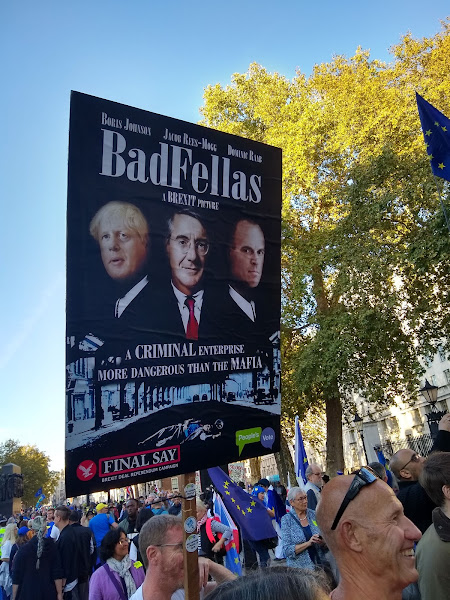
In India, I saw messages that were more like public service announcements ..

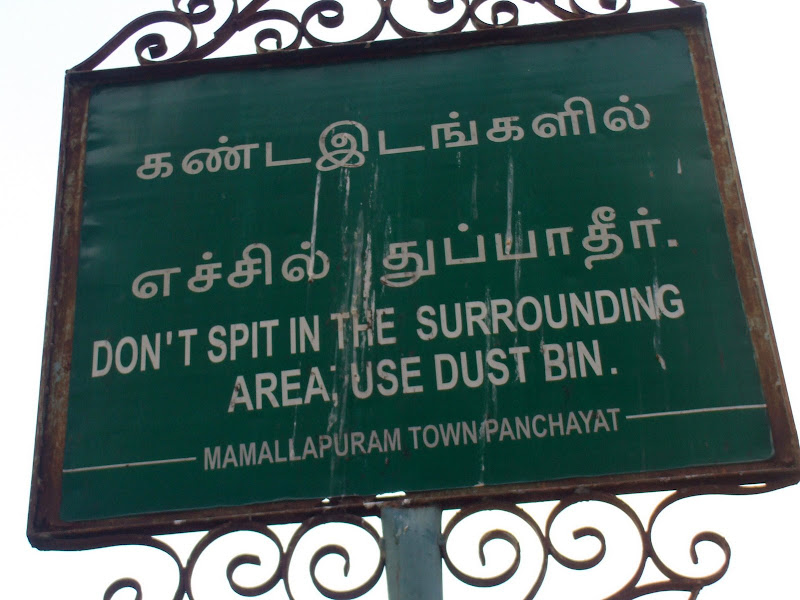
And in Edinburgh, in the National Museum of Scotland, this …
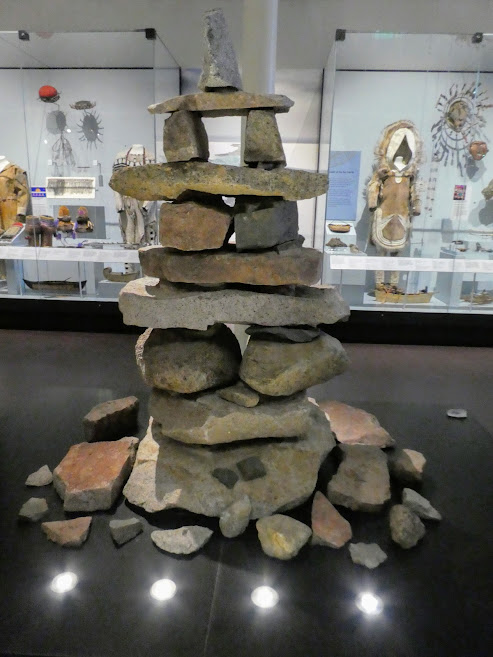
Inuksuk, by Peter Irniq, 1998, uses a traditional technique used by the Inuit to convey messages about good fishing grounds etc.
Let’s end though, as we began, with a message, this time in Thessaloniki, simply intended to bring good cheer …
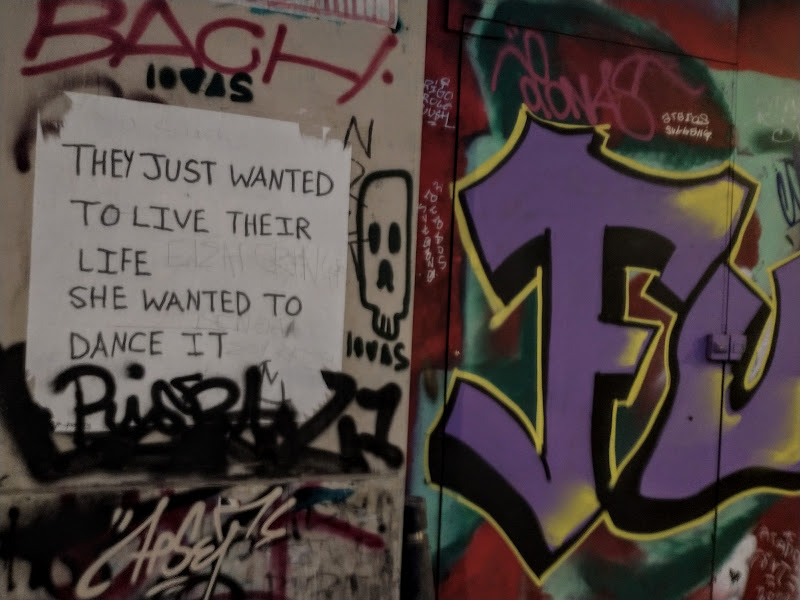
For Donna’s Lens-Artists Challenge #234: Messages
When I was five, and shortly after Queen Elizabeth’s coronation, my family moved from the rural North Riding of Yorkshire to London, where my Polish father had found work. What a grubby, shabby place it was. The war was long over, but still streets had jagged gaps in them, with piles of rubble on which hardy buddleia plants gamely tried to put on a floral show. It was a grimy and often unlovely experience.
Many years later, long since moved away from London, my visits there revealed a city that had thoroughly re-invented itself, while leaving plenty of traces of its history behind. And there’s no better place to inspect it than from a boat on the Thames, or by walking one of the many paths alongside the river. Come and visit twenty first century London with me for Sofia’s Lens-Artists Challenge – Urban Environments. I’ve shown quite a few of these photos in the past, but for me, they bring memories with them.
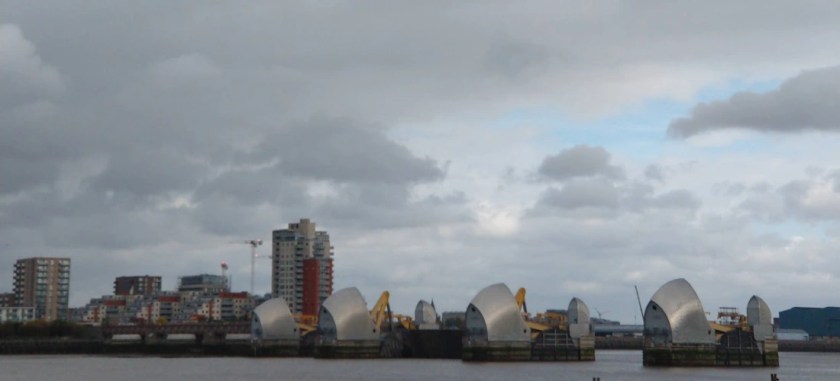

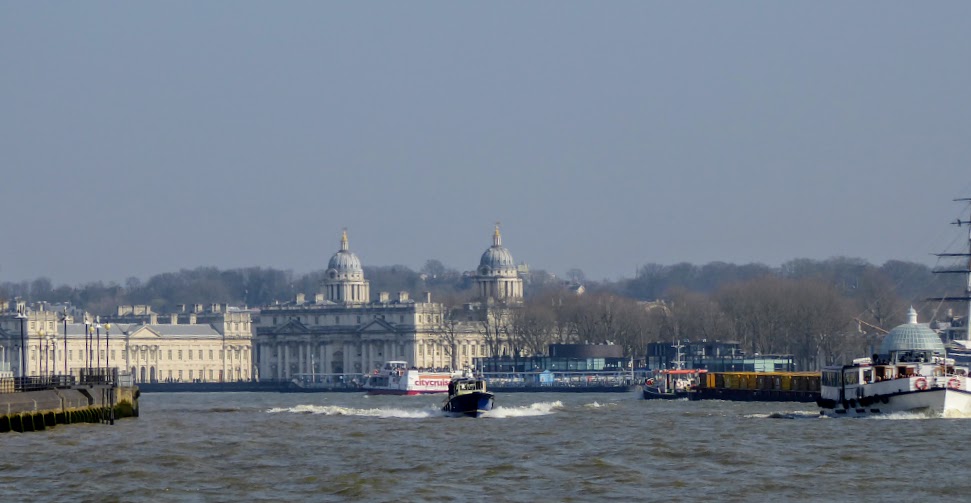
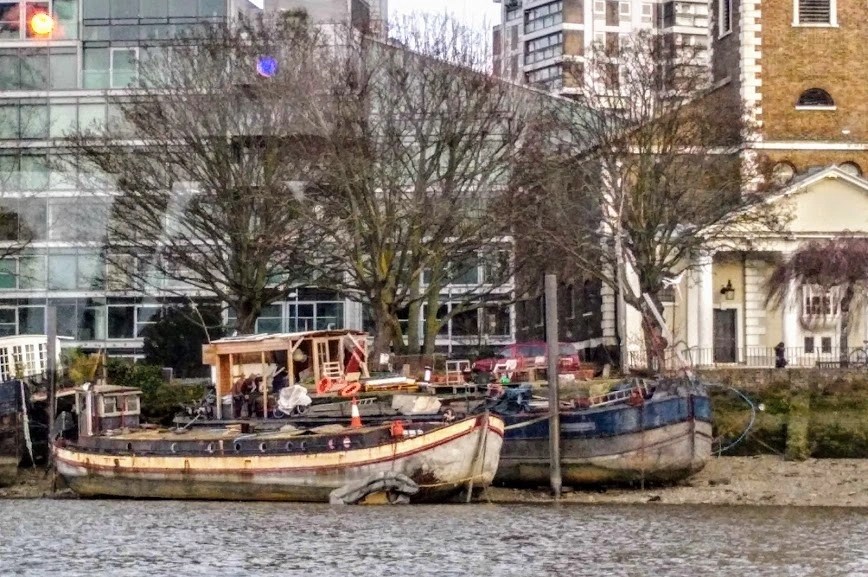
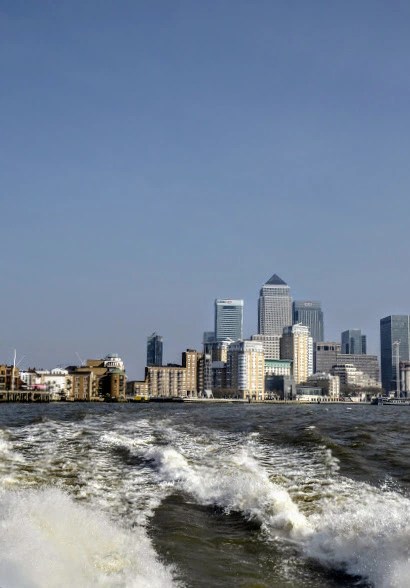
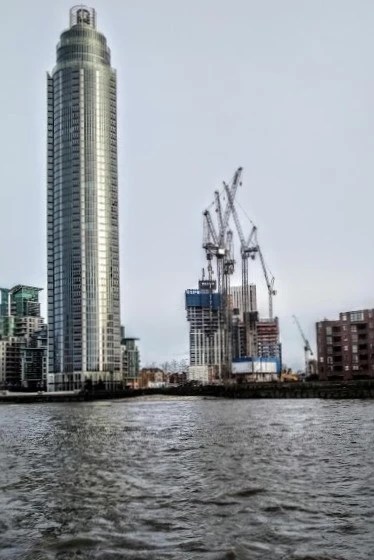


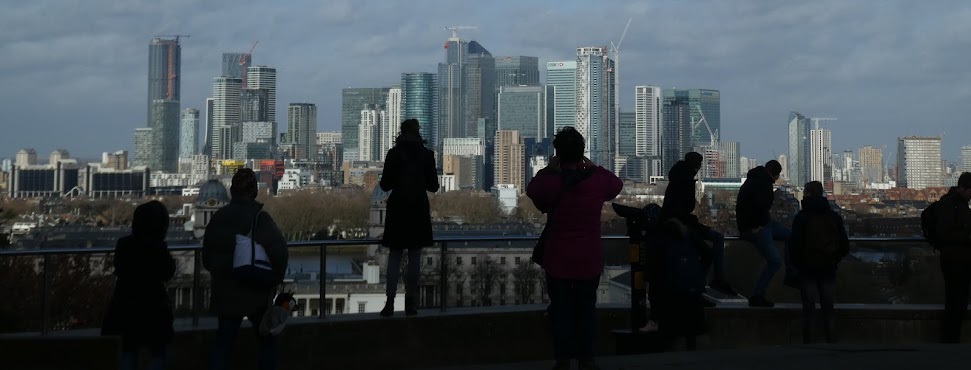
The header photo is taken – not from the banks of the Thames – but from next to the Royal Greenwich Observatory and the Prime Meridian Line.
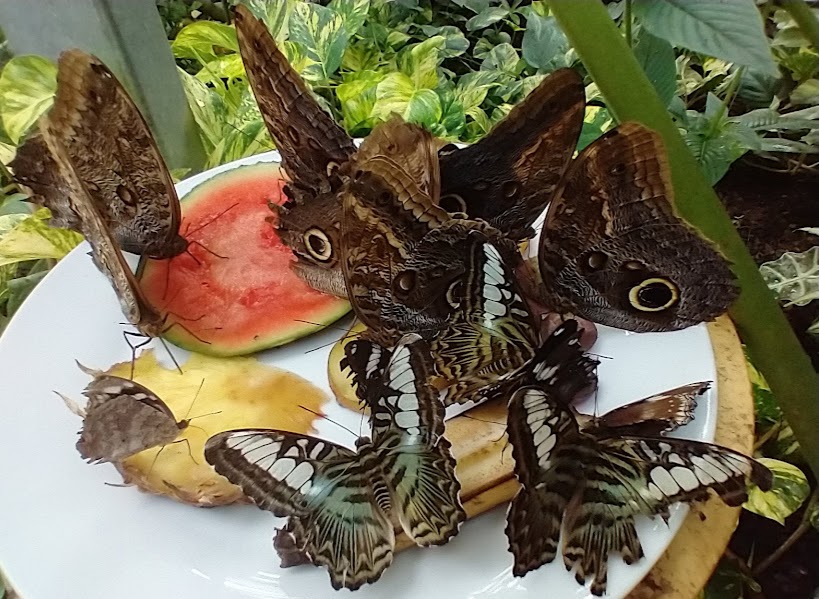
Still at the Horniman Museum, I’m going to take you to the Butterfly House, and show you the Owl Butterfly.
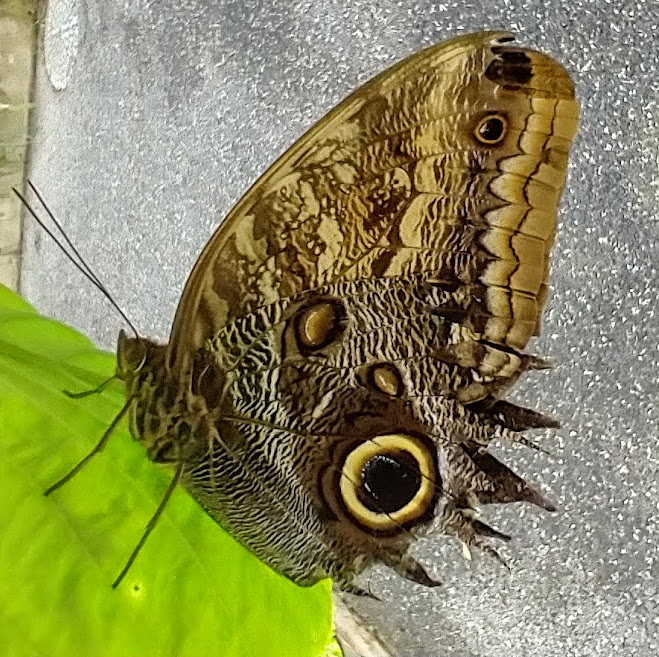
These impressively large butterflies come from Central and South America, and feed on the juices of fermenting fruit, as the feature photo shows.






You must be logged in to post a comment.