The So-Bad-It’s-Good Experience

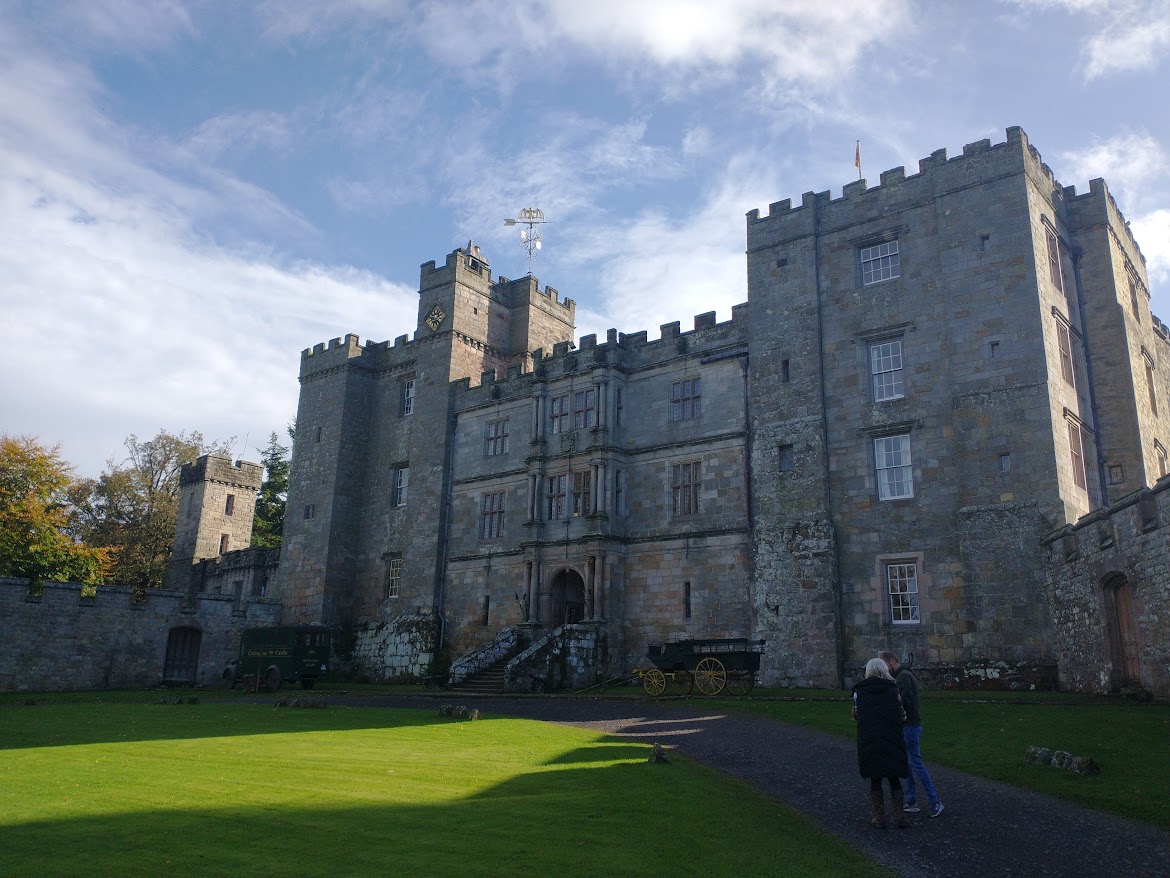
Well, we ‘did’ the Chillingham Cattle. So now, maybe some culture, some history at the nearby Chillingham Castle, parts of which date from the 12th century?

Perhaps we should have guessed. We drove through the gates, then bumped along the drive, deeply pitted with pot holes. The parking area was filled with random notices relating to a golf course that was nowhere in evidence. We found the entrance, where a slightly surly individual examined our pre-booked tickets and gestured us through a door. ‘Ramshackle’, rather than ‘weathered’ was the term that occurred to us as we passed through the courtyard. Still the cafe offered home made soup and cakes, so that was alright.

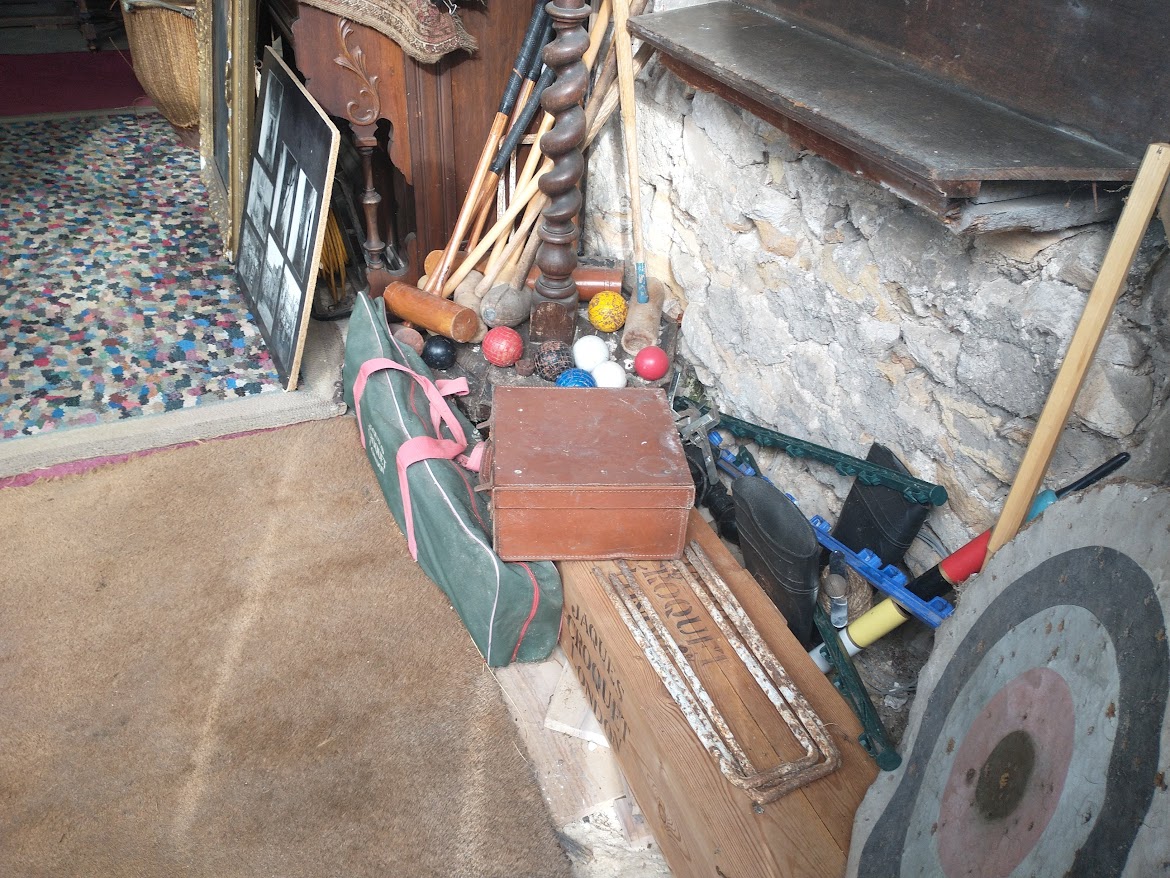
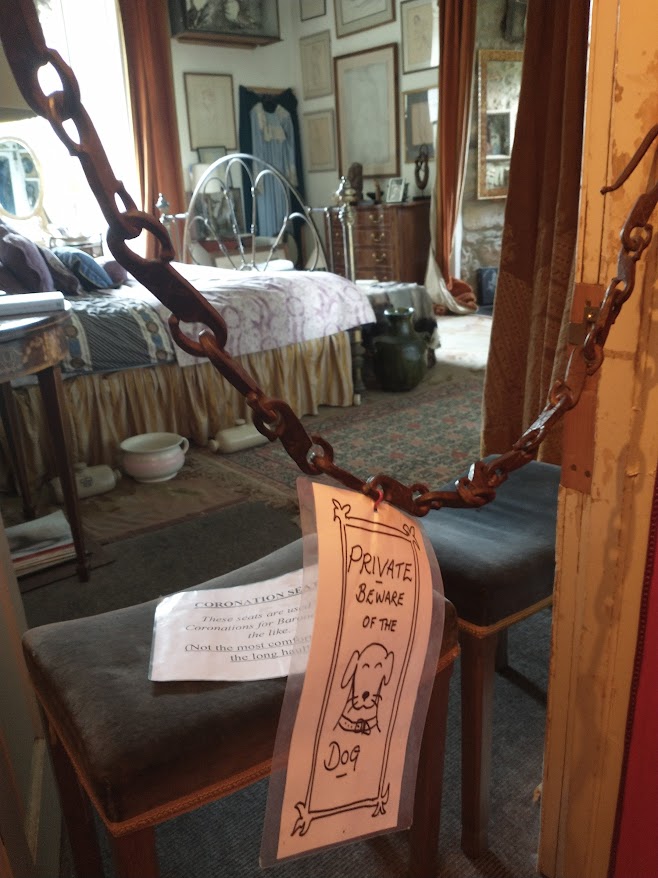
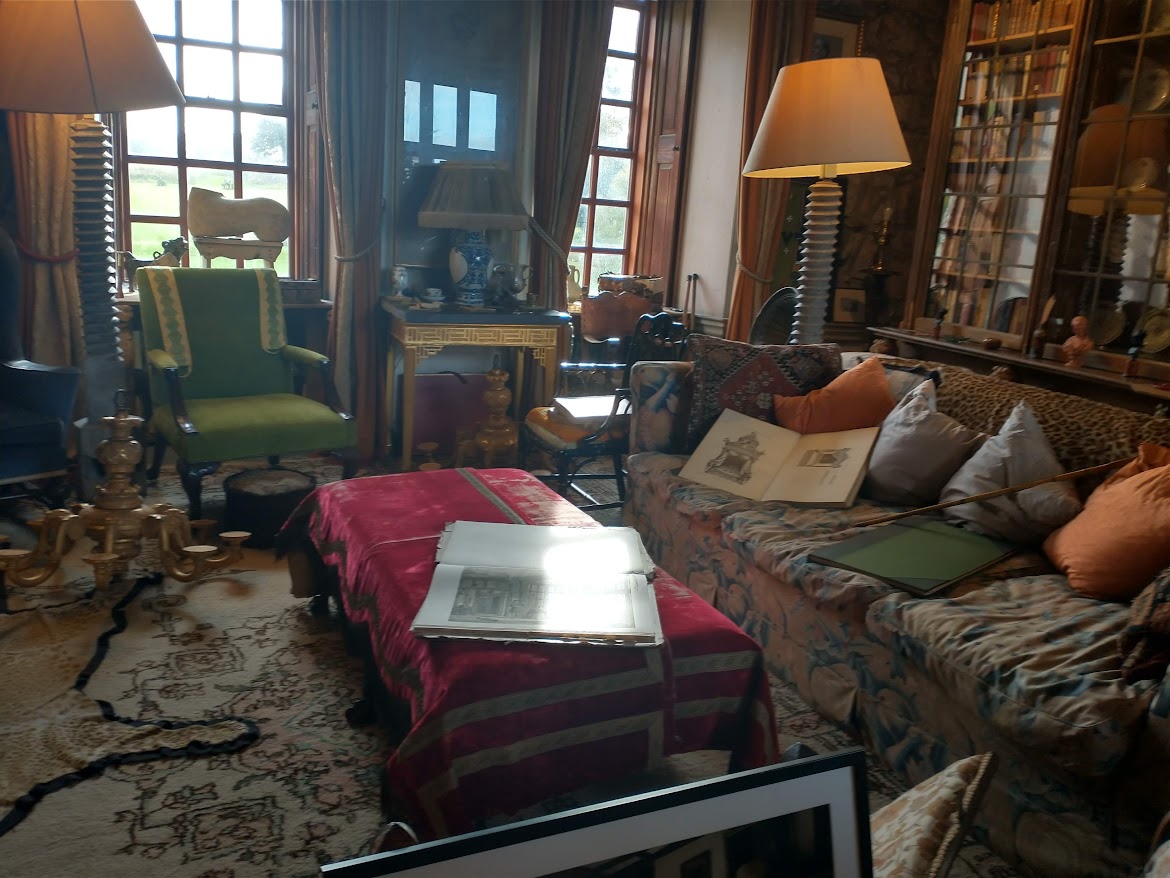
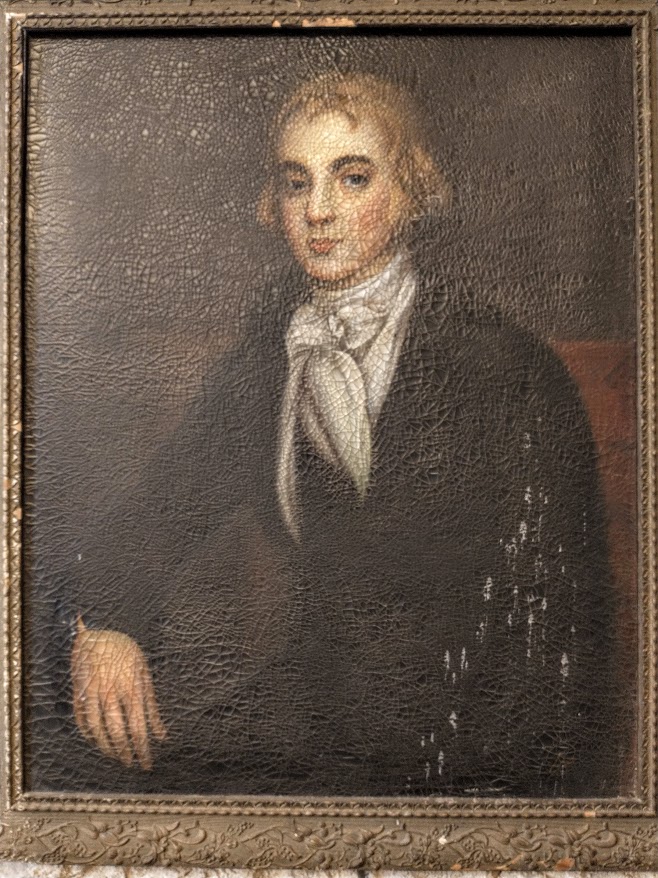
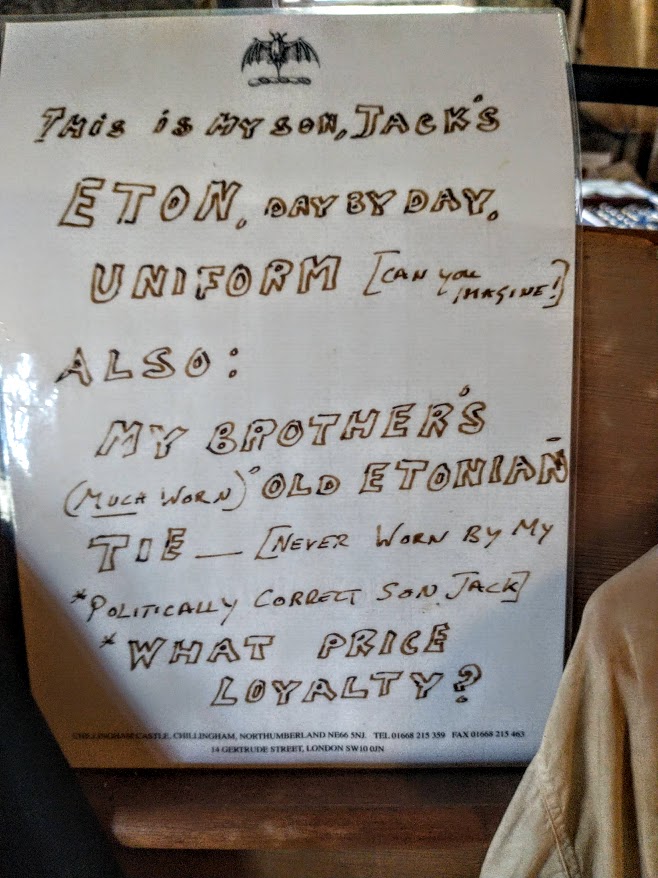
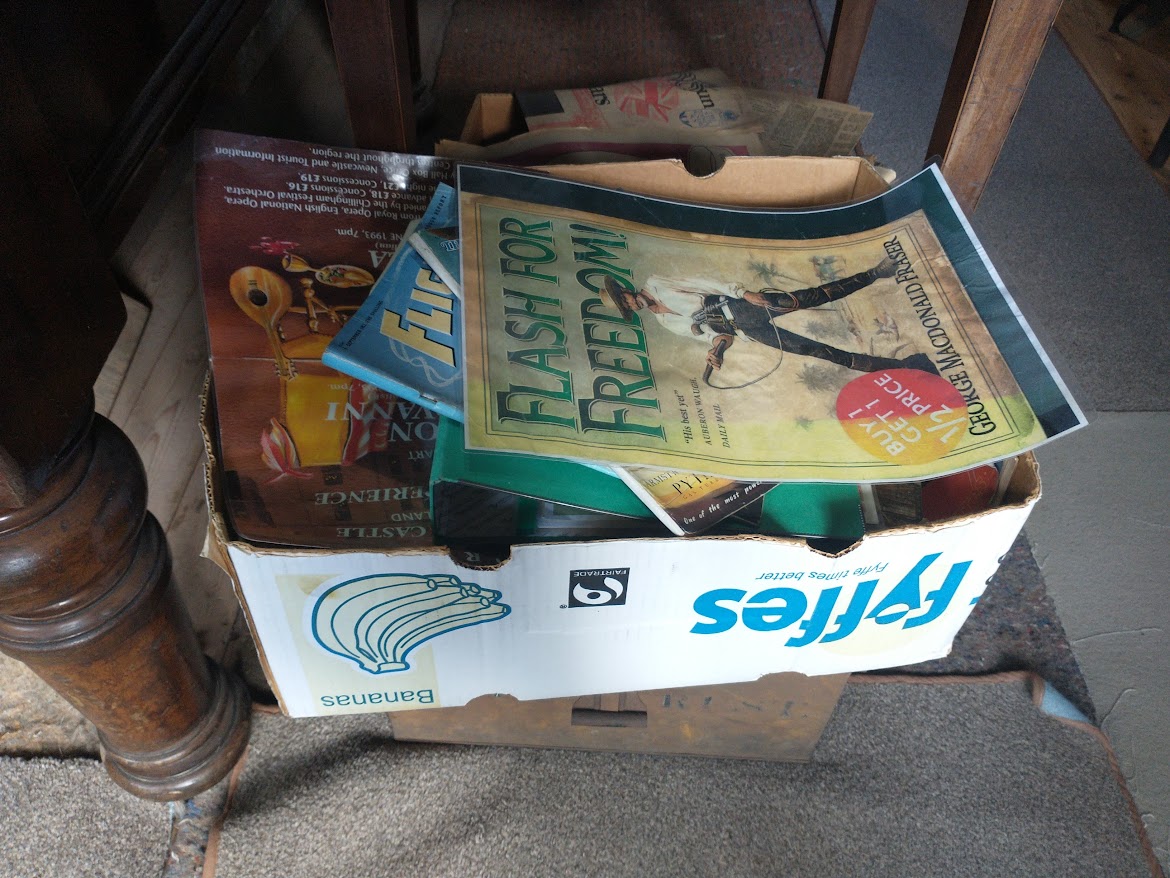
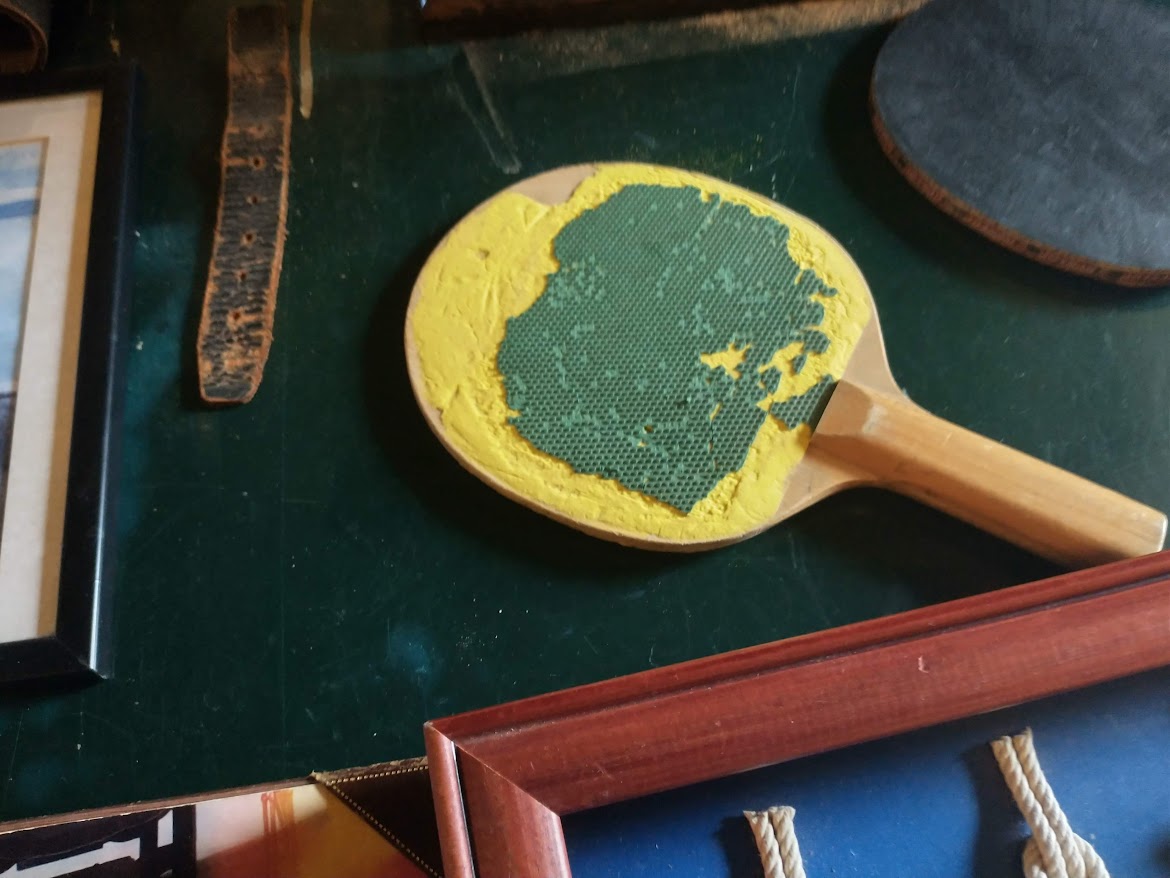
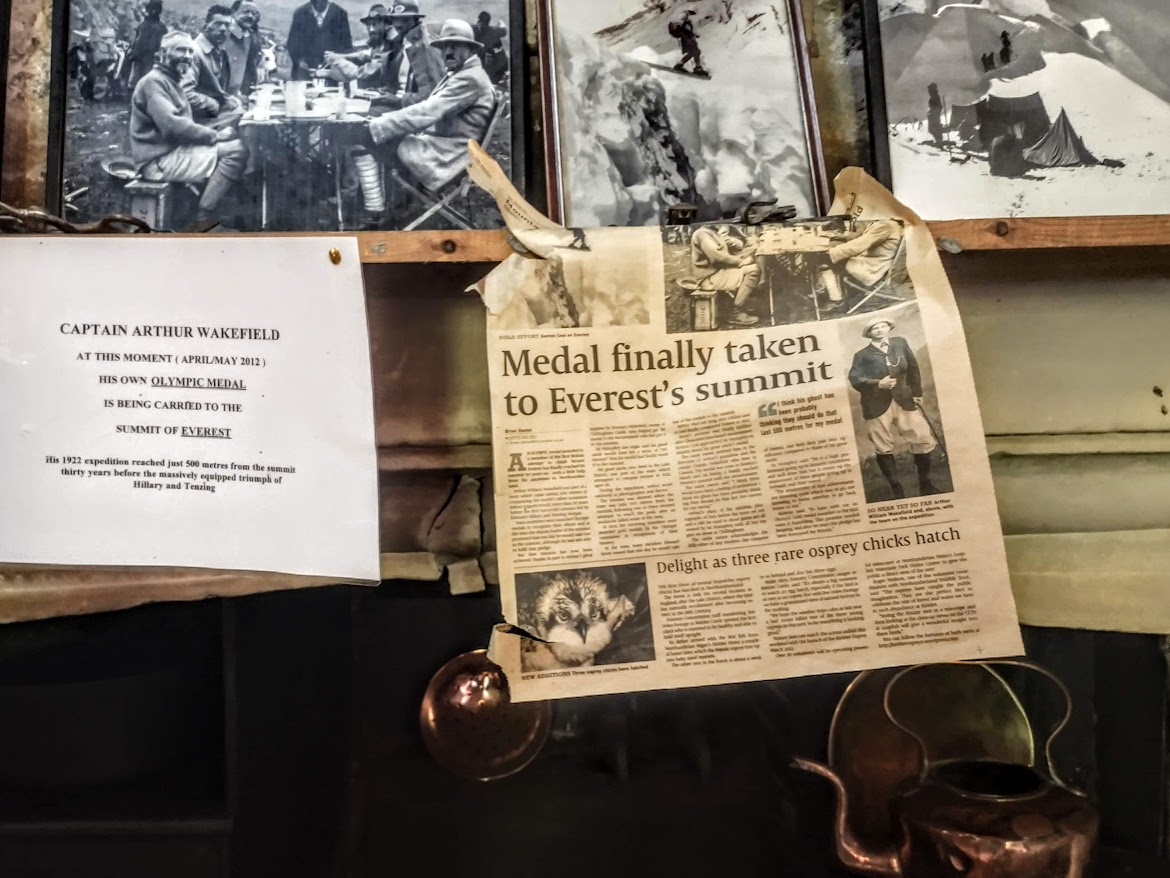
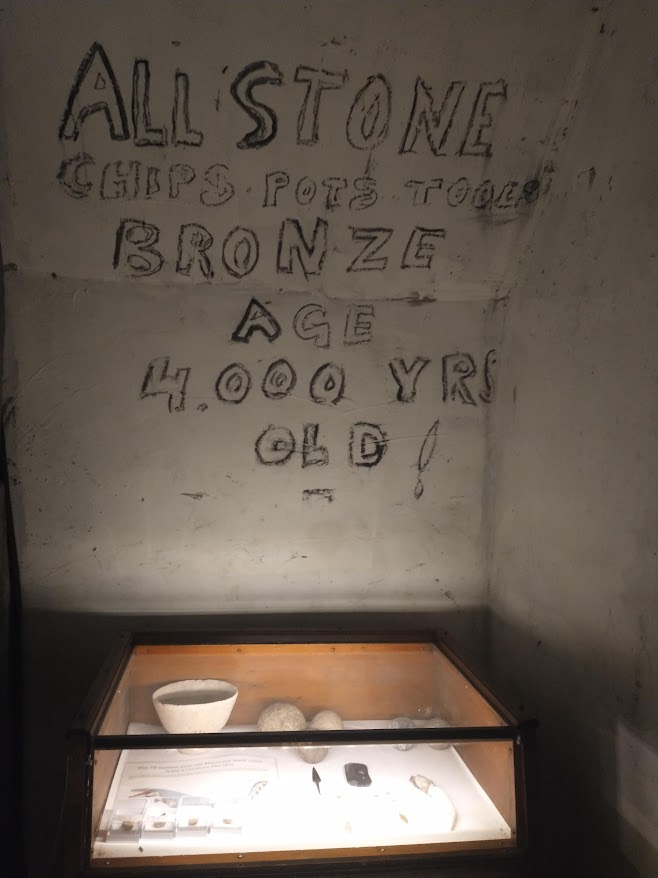
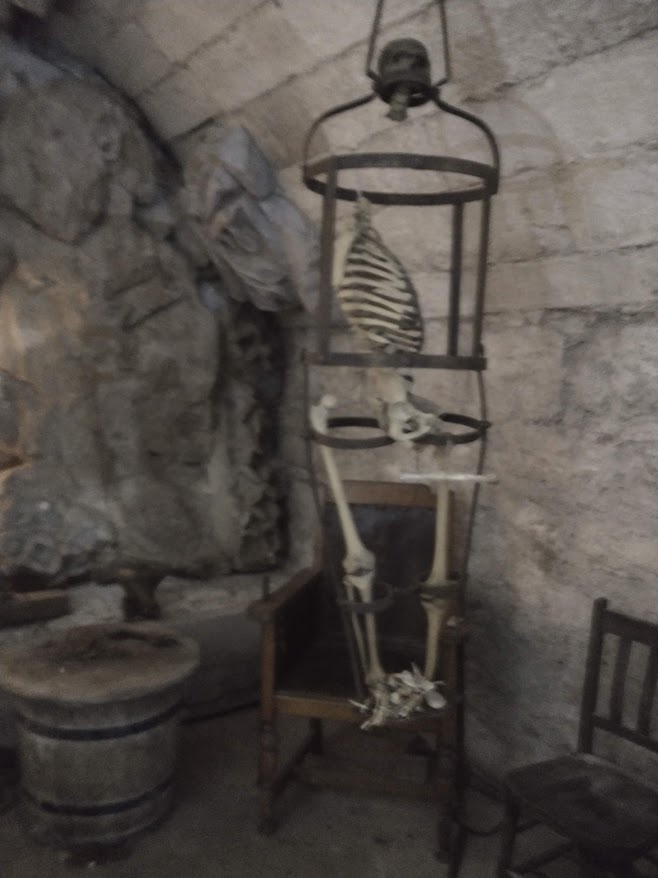
But our visit! An ill-lit room offered instruments of torture, in no way explained or contextualised, but which included a broken down skeleton in a broken down wheelchair. Progressing further, we found halls scattered with elderly croquet mallets, rooms featuring peeling table tennis bats, torn and yellowed newspaper cuttings roughly pinned to a mantelpiece – one drawing pin having fallen out. A box of magazines from a bygone age tossed into a Fyffes banana box. Windows dressed with rotting and ripped curtains. Somewhere in among all this, it was just about possible to pick out a family story, and witness at first hand a high-born family descending into genteel poverty.
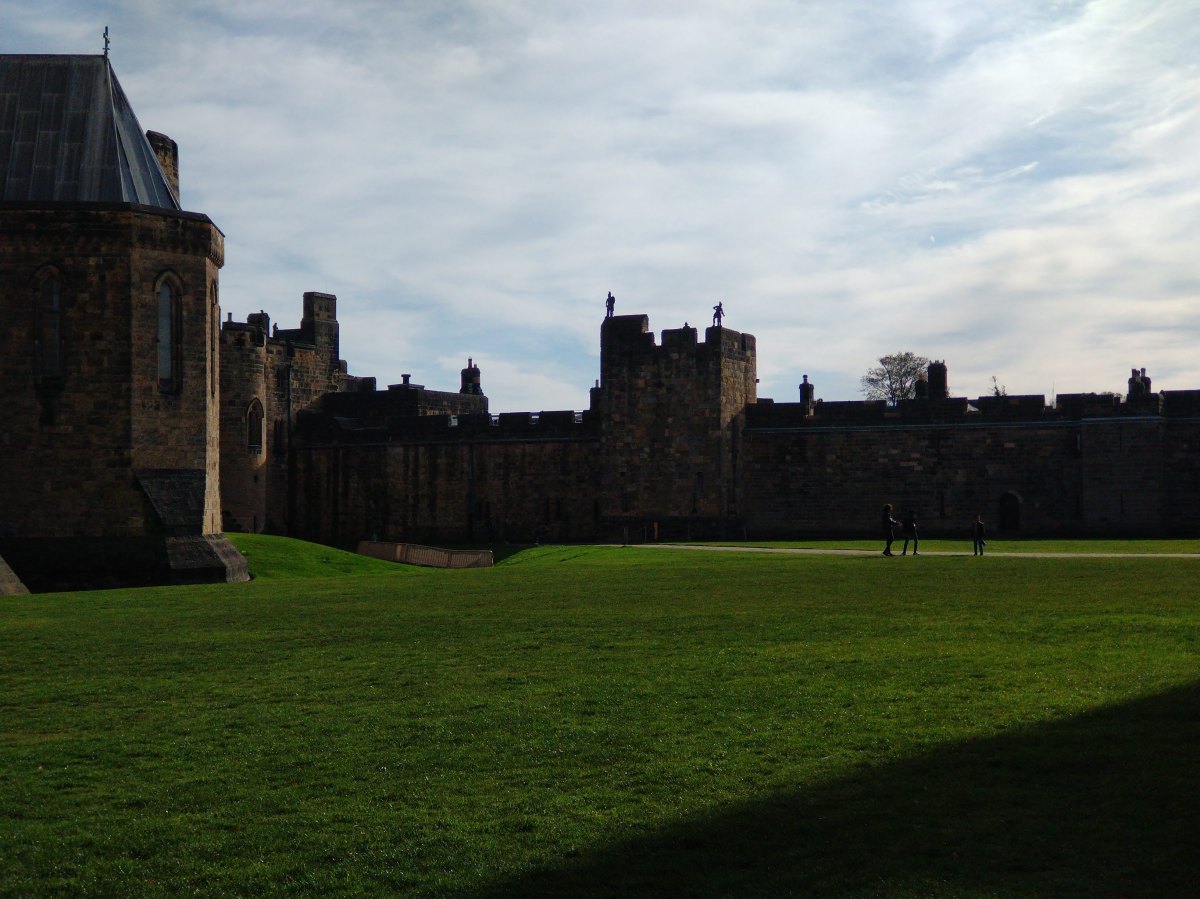
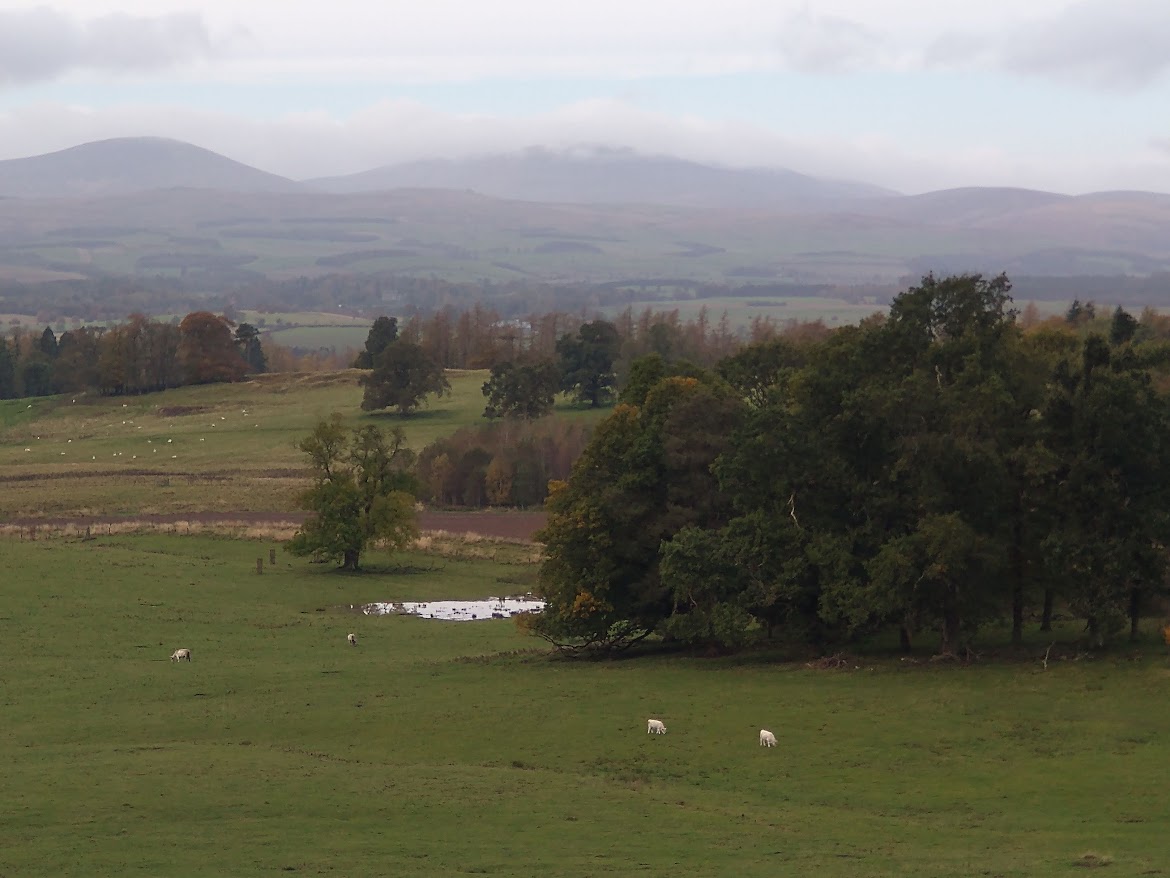
Actually, the formal gardens weren’t too bad. Here’s a view from the roof.

But perhaps we’re miserable old curmudgeons, unable to recognise a National Treasure when we see one. Here are some reviews from Trip Advisor. There are those who loved their visit. Is it now on your ‘must visit’ list?
The Wild Cattle of Chillingham

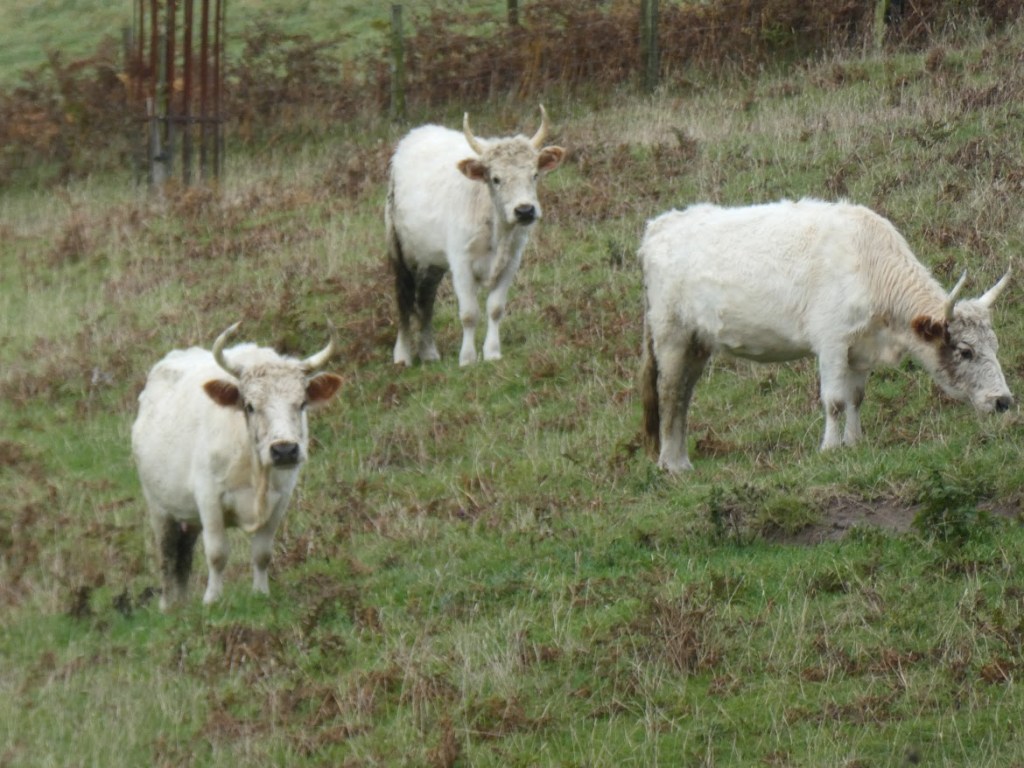
Venture to north Northumberland near the Cheviot Hills and the Scottish border, and you may find yourself near Chillingham. If you do, be sure to visit its wild cattle. Yes, for maybe 700 years, a herd of cattle has lived and prospered here, always untouched by man – no farmers, no vets, no medical treatment, no cowsheds, no milking.

Though their territory is large, there is inevitably a fence round their domain. But there are no other cattle like them anywhere (except cousins in Scotland who are kept there just in case anything happens to this lot). so genetically, they are in-bred. Normally, this leads to all kinds of problems. Remarkably, not with these creatures.

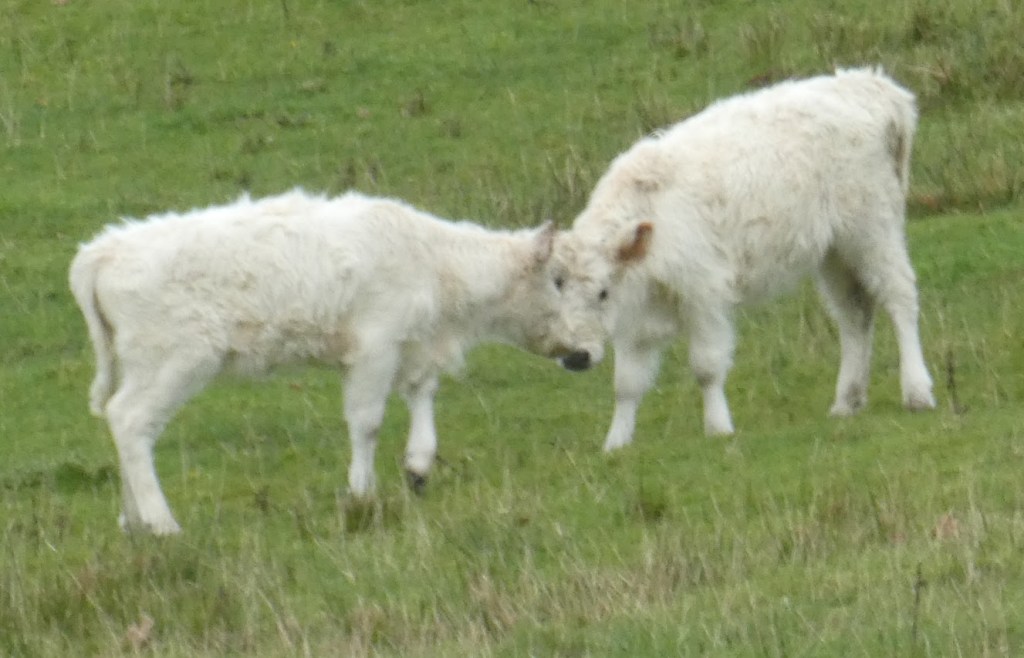
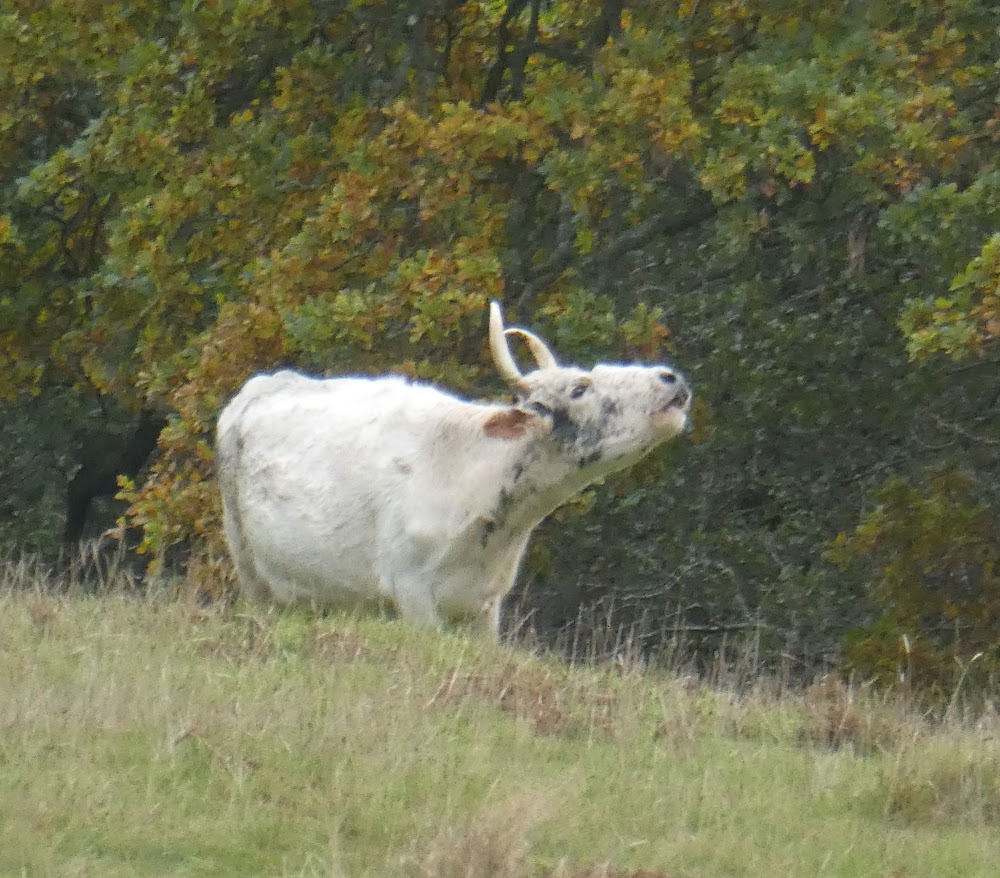
These feisty cattle – the females anyway -can bear a single calf at absolutely any time of year: snow, hot summer – they don’t care. Males will fight – sometimes bitterly – for the privilege of breeding with females. They’re herd animals, and their society is matriarchal, so an older female will call the shots in deciding where they’ll move off to next for safe and worthwhile grazing. Here’s a matriarch summoning her companions with her slightly underwhelming ‘moo’.

It was Charles Darwin who encouraged records to be kept on the breeding behaviour and numbers of the Chillingham cattle. They’re still being studied today. And visited too, by interested onlookers like us, who definitely keep a very respectful distance.

A day in Alnwick

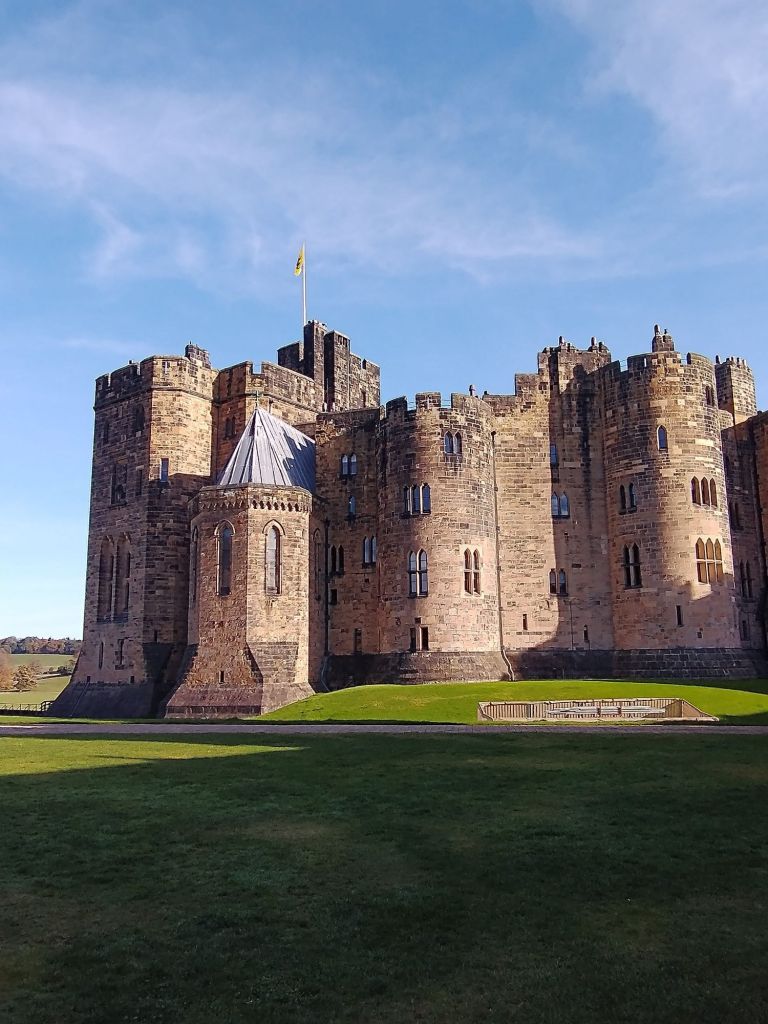
Why does anyone visit Alnwick, Northumberland? The castle, with its long history going back to the 1300s is one. Though if you’re a child, you may be more interested in the fact that scenes from Harry Potter films were shot there. In fact there was a Quidditch lesson taking place when we got there. We found the real history, and the political intrigues and bloody battles of the Wars of the Roses and after more interesting.
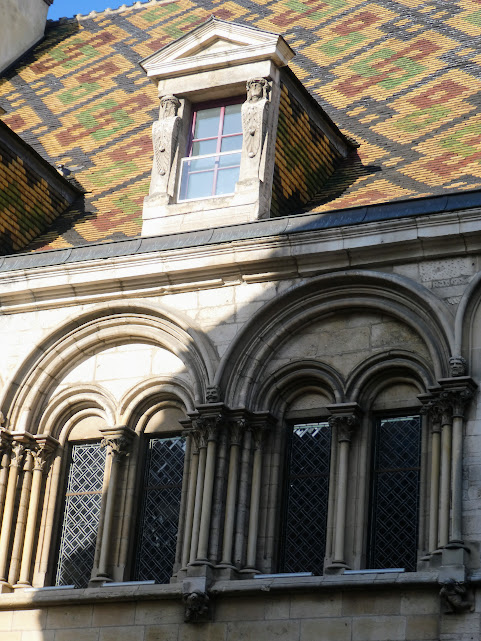
Alnwick Castle

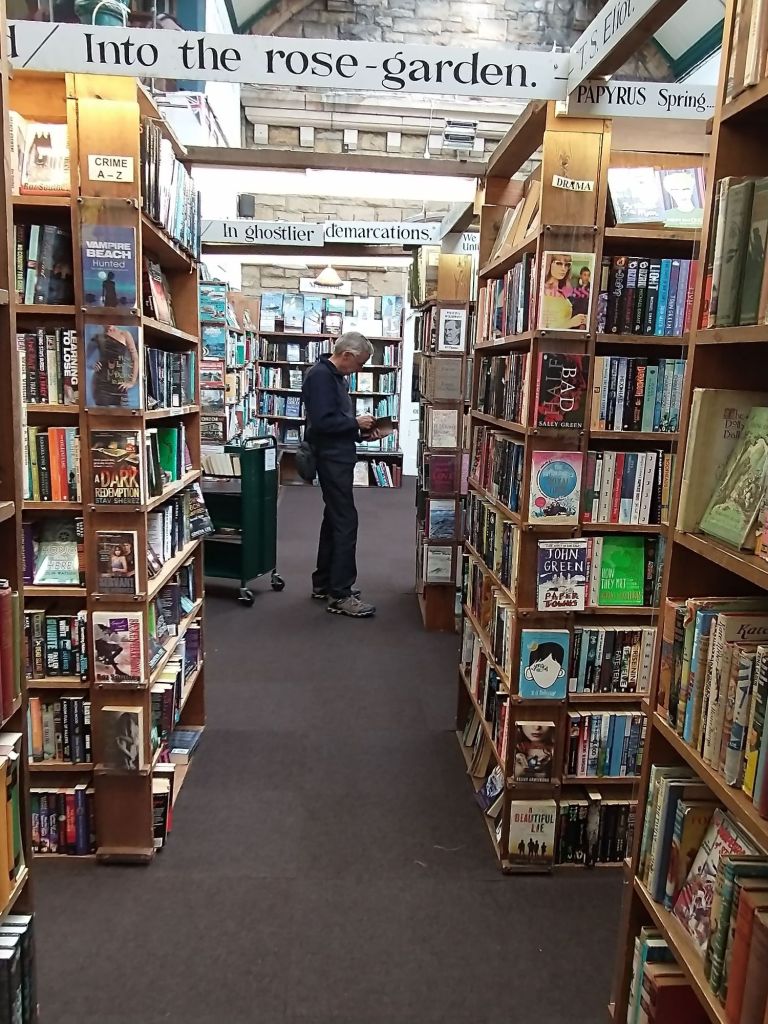
And another reason is to visit Barter Books. This emporium of second hand volumes is housed in a whole railway station. You’ll need to make use the refreshments in the waiting rooms.

Barter Books

A Welsh Postcard – Sent from Shropshire

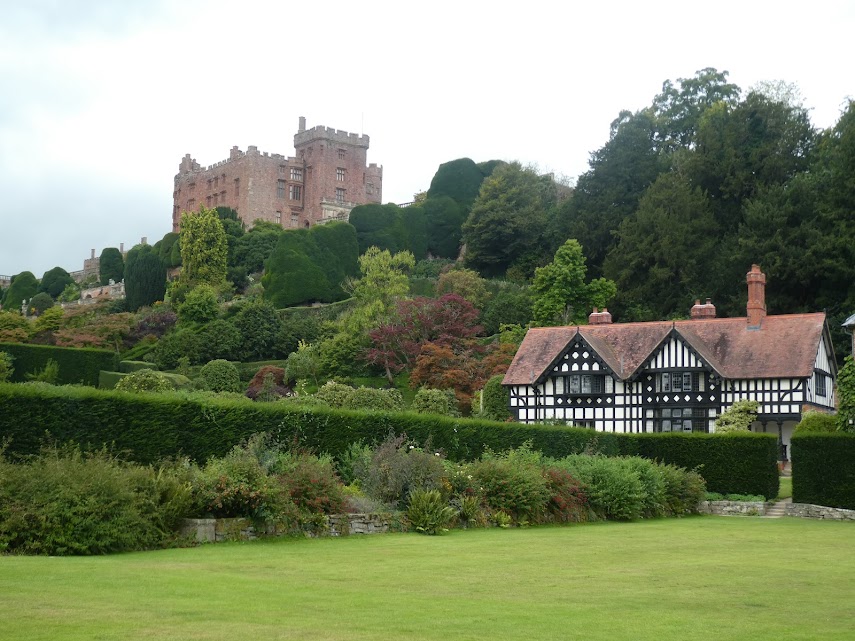
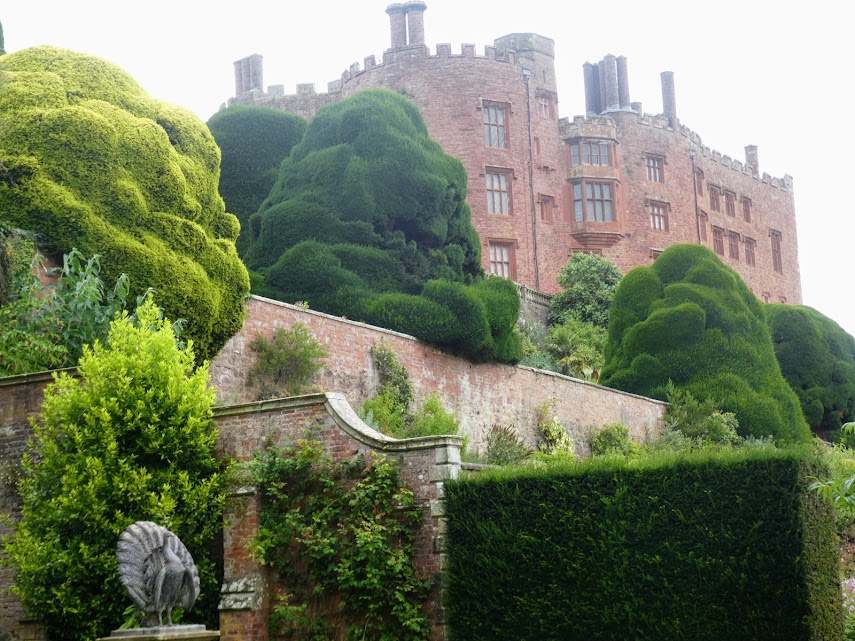
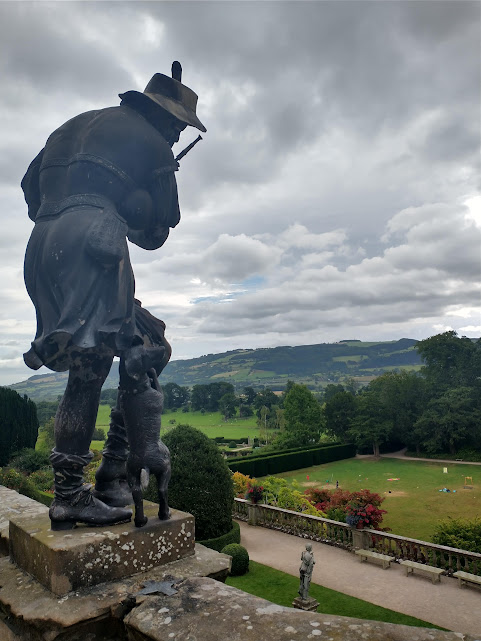
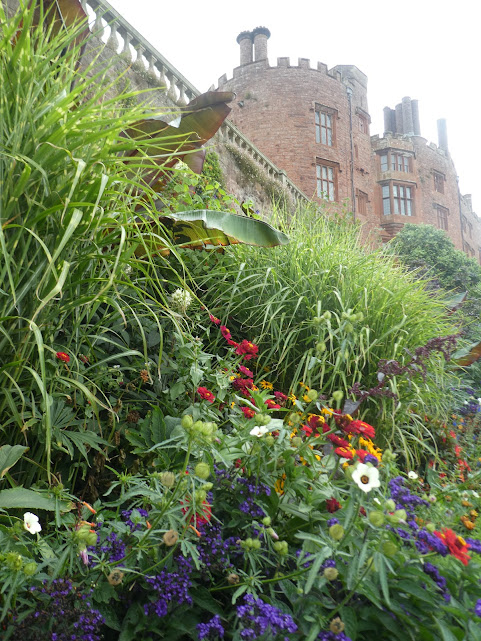
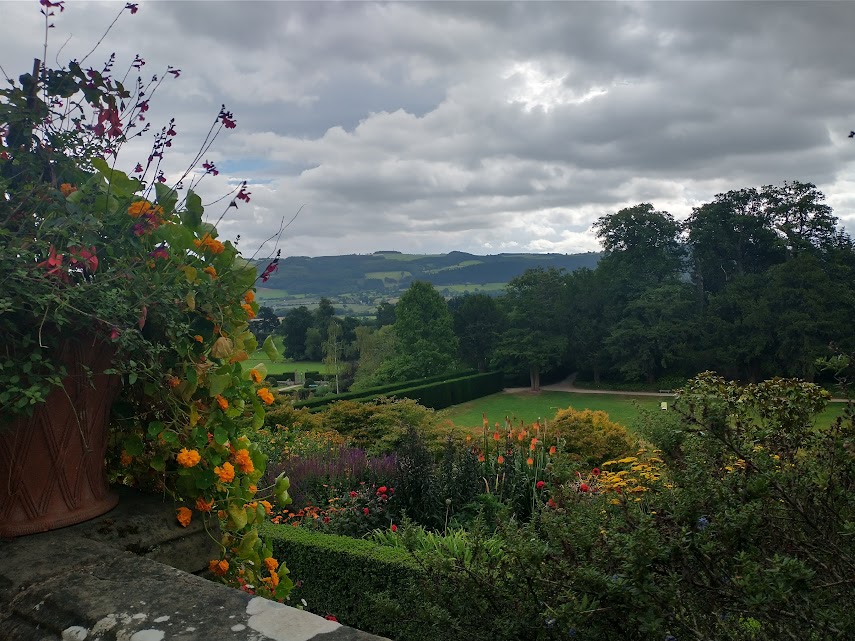
One of our last days in Shropshire saw us pop into Wales, to Powis Castle and its gardens. The castle itself was built largely in the mid thirteenth century, and modified, restyled and redecorated many times since until as recently as the 1950s. Photography was not allowed, but as we found it a somewhat gloomy place, we were happy to focus on the gardens.

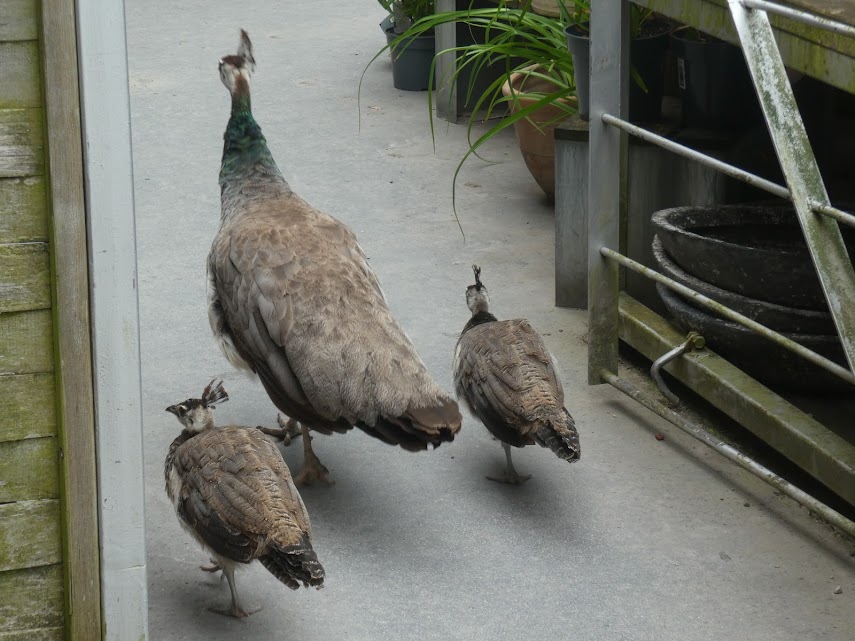
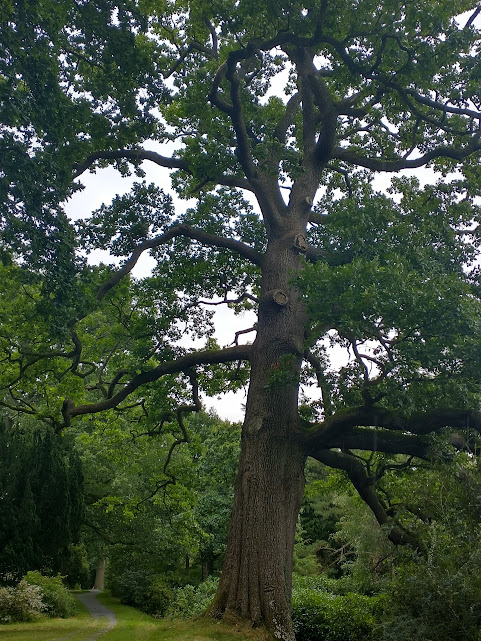
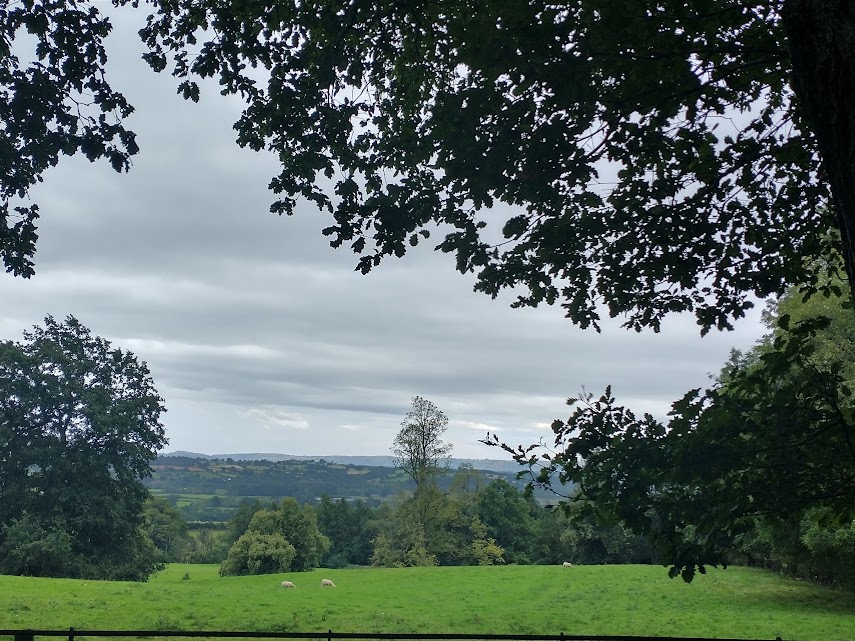
These are magnificently planted steep terraces, largely in the 17th century Italian style. There are large, rather formidable yew hedges. There is statuary. You’ll find a formal Edwardian garden with century-old apple trees, a walled garden, and beyond, carefully managed woodland inviting visitors to enjoy a gentle stroll while peeping through the trees at the landscape in one direction, the castle and gardens in the other. And peacocks and peahens, with their youngsters in tow. Here’s a small collection of postcards.

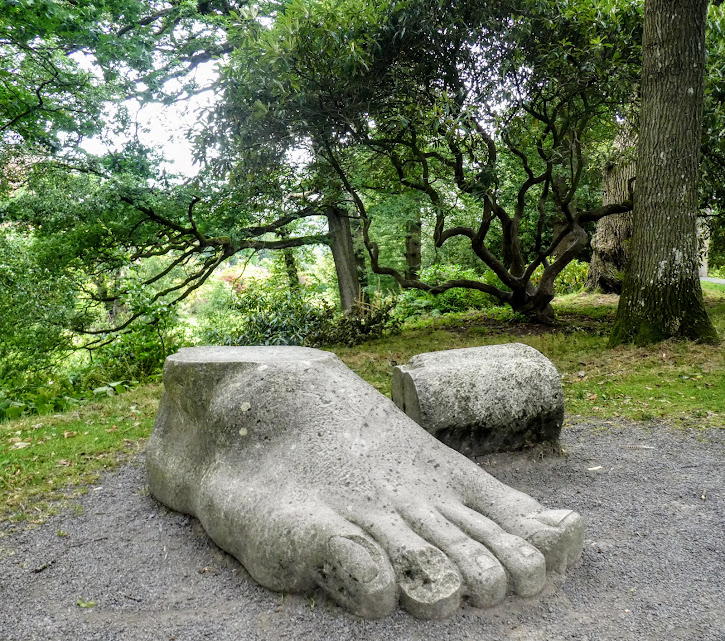
Don’t ask me about that giant foot, found in the woods. Haven’t a clue, and nobody would help me out.

My last few Shropshire Postcards: for Six Word Saturday.

Here’s the Grandfather of the Skyscraper

We’re staying near Shrewsbury just now, vegetable-garden-minding for friends. This mainly involves eating quantities of just-picked produce, to prevent the courgettes becoming marrows, the lettuces bolting, and the beans giving up bothering.

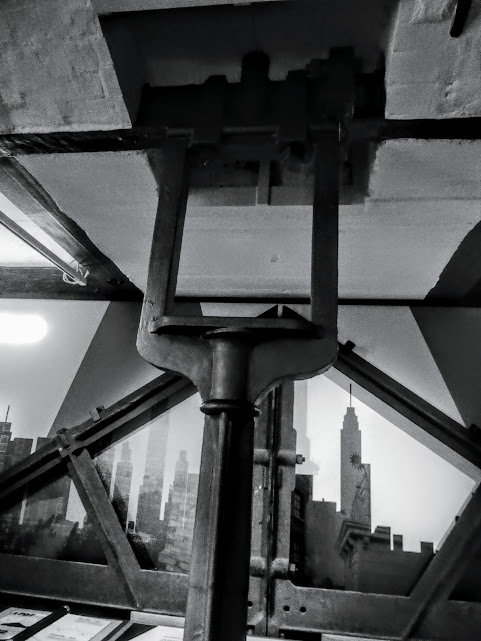
This is not however a full-time job, so I’ll be sending you postcards from time to time. The first is from Shrewsbury Flaxmill Maltings. This was built in 1797, the very first building in the world to use an entirely iron frame. And that made it fireproof. Mill buildings – full of dust, fluff, combustible fibres and fabrics – largely built round a wooden carcass, had a nasty habit of burning down. BUT an iron frame was fireproof. And then it offered another advantage. Buildings made this way turned out to be strong enough to support mulltiple storeys. The way was paved for the skyscaper to be developed.

And the long and varied story of this mill deserves to be told – another day.

Here’s one of those cast iron pillars holding the building up, with photos of more modern steel-framed buildings in the background.

Postcards from Shropshire (1)

Six Word Saturday.

Time Travel

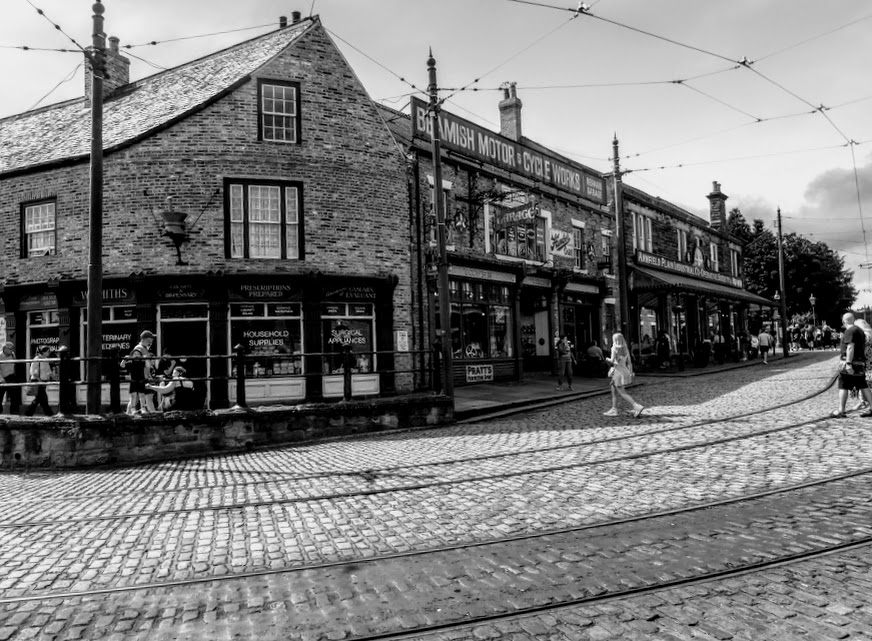
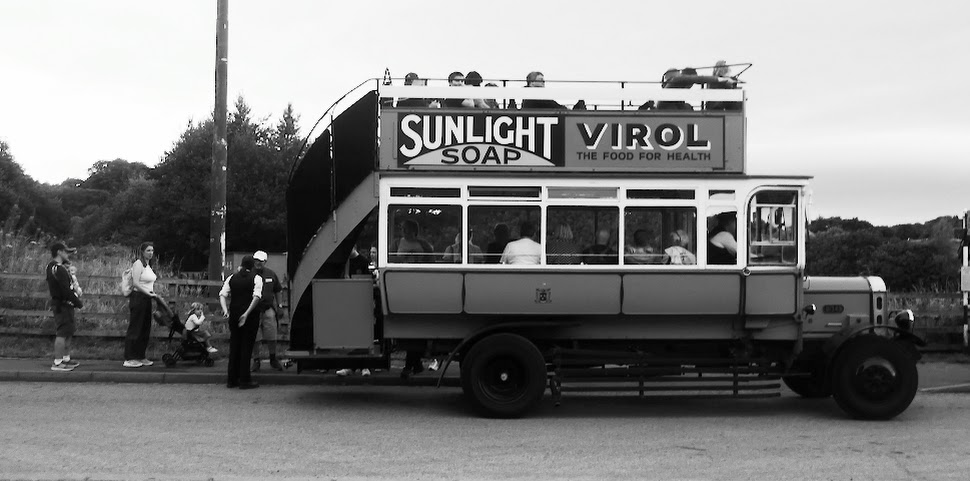
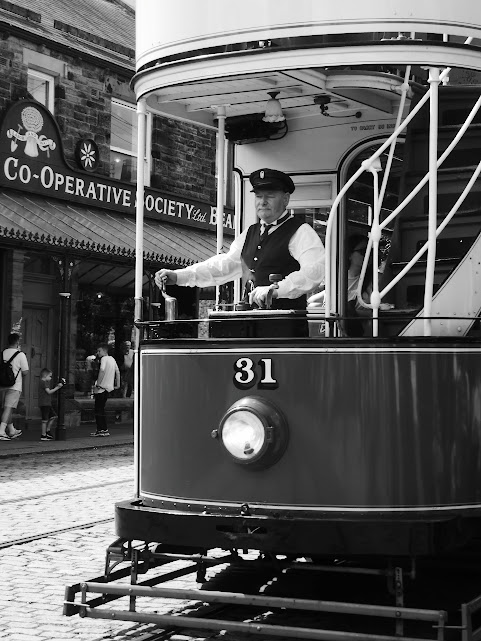
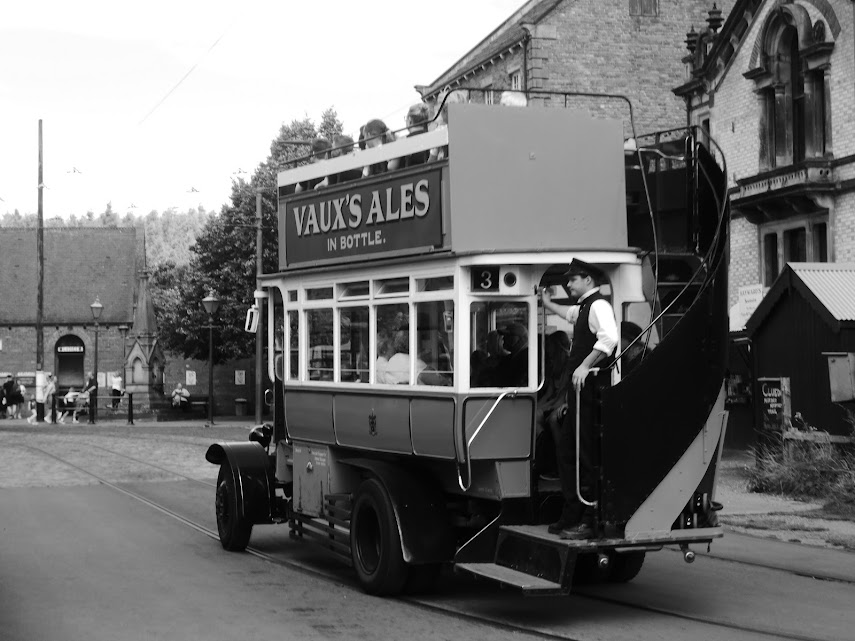
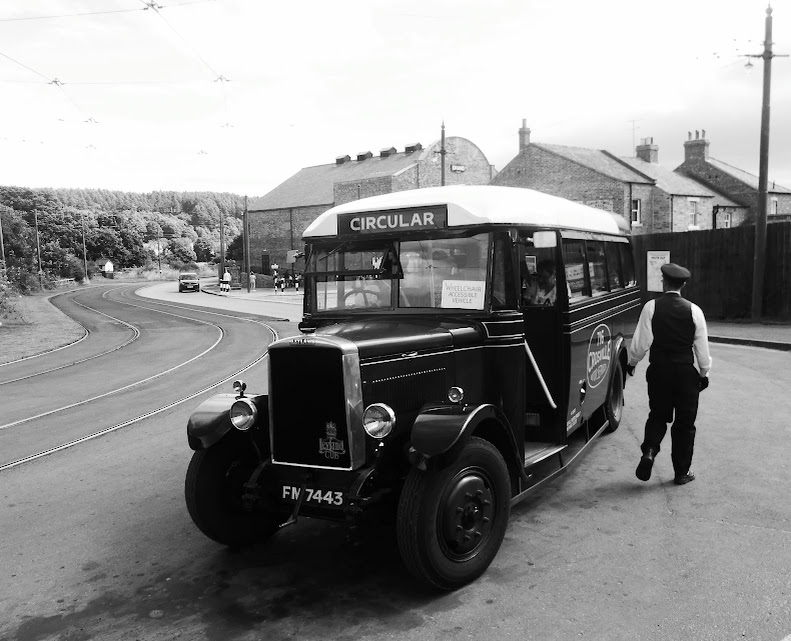
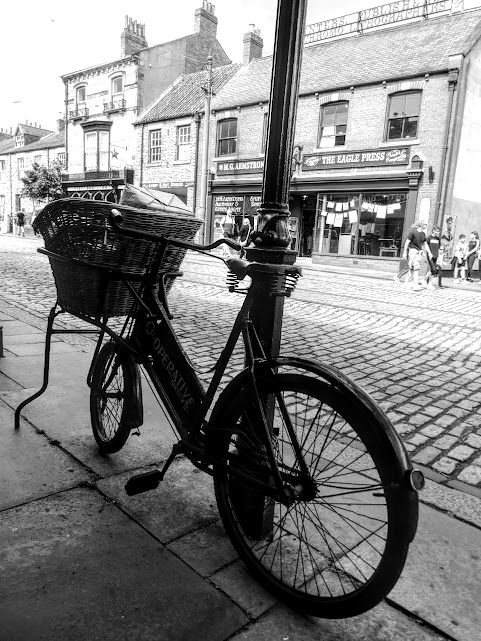
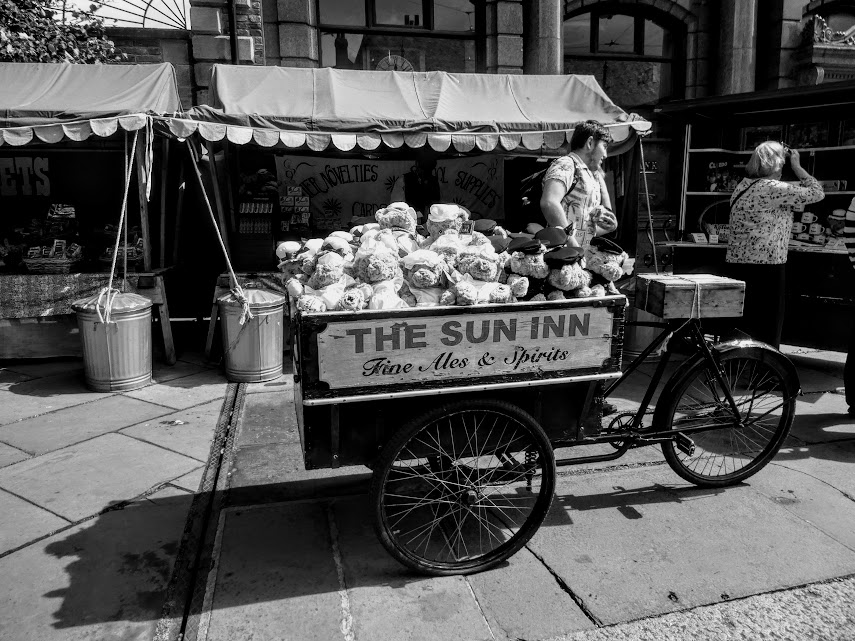
We went to Beamish the other day. The museum here is an open-air experience which brings the history of North East England from about the 1820s onwards to life. The shops, trades, homes from the different periods on show all open their doors to visitors. The longest queue was outside the sweet shop from the early days of the twentieth century … It seemed the perfect day out for the Spanish branch of the family. Life’s far too busy just now for an extensive post, but here are just a few modes of transport that we saw, and in some cases travelled on during the day. More in a later post, I’m sure.

Midweek Monochrome

The Wrong Kind of Renewal

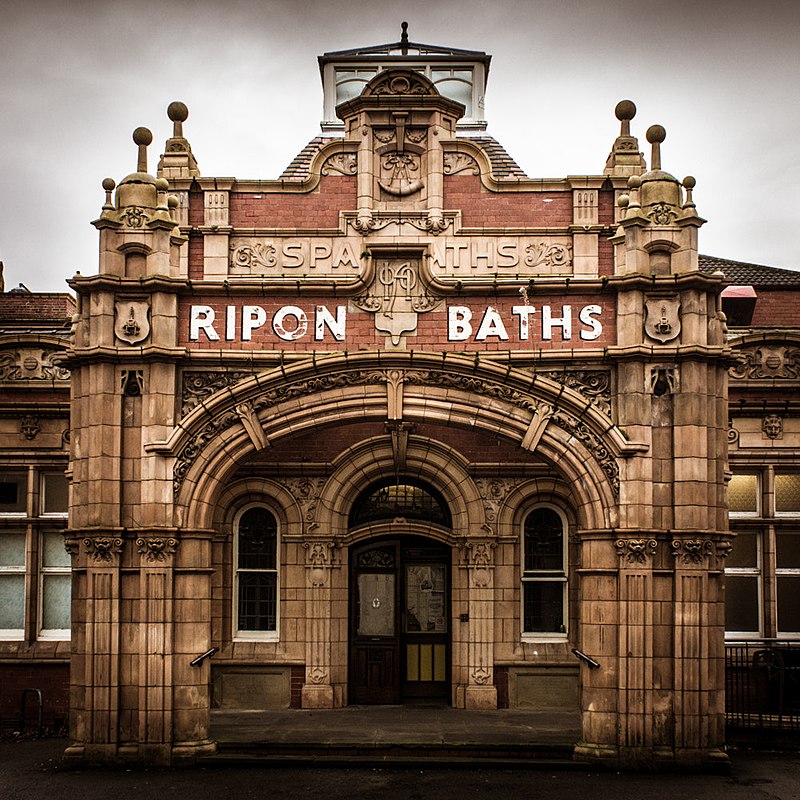
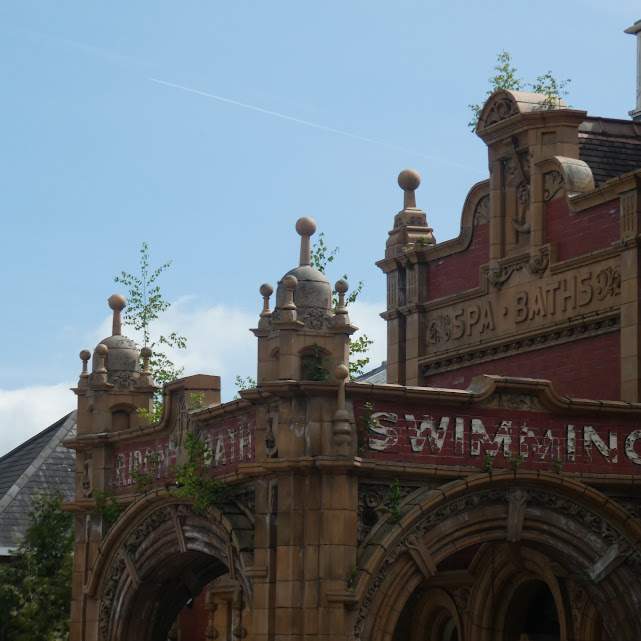
Poor old Ripon Spa Baths. A hundred and twenty years old, and now – quite literally – put out to grass. We have a new Leisure Centre here in town now. These Edwardian baths are now surplus to requirements and up for sale. Meanwhile, doughty seedlings and saplings commandeer cracks in the mortar and gaps in the tiling: putting down roots that will let water in and begin to crumble brickwork.

The header image is courtesy of Wikimedia Commons, Brian Shore.

For Becky’s #SquaresRenew

19th Century, 18th Century, 21st Century

Here’s a view of the National Museum of the Royal Navy, Hartlepool. In the background is HMS Trincomalee, built in Mumbai (Bombay then) just after the Napoleonic Wars. Then there is a row of Georgian buildings, now housing many of the museum’s displays. And in front of them is … the car park.

For Debbie’s Six Word Saturday.