Footnotes in History: The Nuns of Thorn

On our recent trip, mainly to Alsace, but with sorties to Germany and the Netherlands, we came across several stories from the past which we’d known nothing about, but found engrossing. For the next few Fridays, I’ll share these stories with you. And oops. Last Friday I quite forgot what day of the week it was. So here, a whole week late, is a Friday Footnote.

The Nuns of Thorn

Our German friends live very near the Dutch border, so on our first day with them, they proposed an outing to Thorn, in Limburg. They promised a pretty little town with an interesting abbey. We got so much more than that.

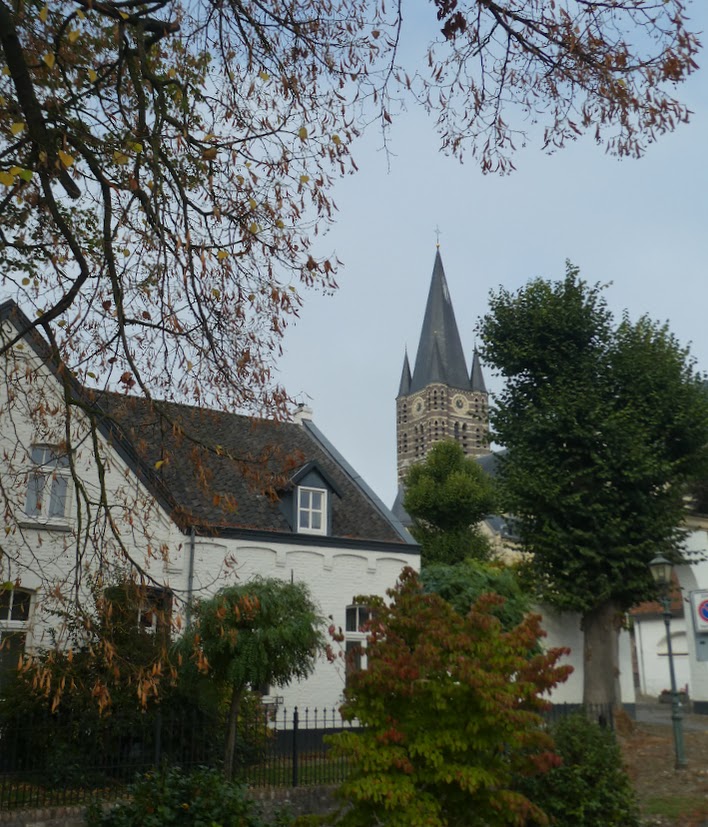
Almost every town in Thorn is painted white – in fact it’s known as ‘The White Town‘ -more about that later. And the Abbey itself dominates the town. Nobody quite knows when it was built: but sometime in the 10th century. The bishop of Utrecht and his wife had it built for their daughter who became the first abbess of the convent. You thought Catholic priests were celibate? So did I. But apparently they could get away with marrying and fathering children at the time, despite official disapproval. Things only got tightened up a century later, when religious leaders realised that wealth was being passed down to sons and daughters rather than to the church.

This is the church as it became in the 18th century: polychrome, gilt wood and stucco. Spacious and elegant.

Put aside any thoughts you might have that a convent was a place for pious women who wanted to live a simple life of devotion to God. The abbess was assisted by a chapter of six to twelve ladies from the aristocracy who brought with them – and could keep – all their earthly possessions. They were therefore able to accrue land over a wide area, which they farmed out for huge profits. The convent turned into an elite place where one could be accepted only if both parents, and all grandparents up to the great-great-grandparents on both sides were of noble birth. Impoverished nobility need not apply. Here is an example of the kind of family tree needed to prove eligibility:
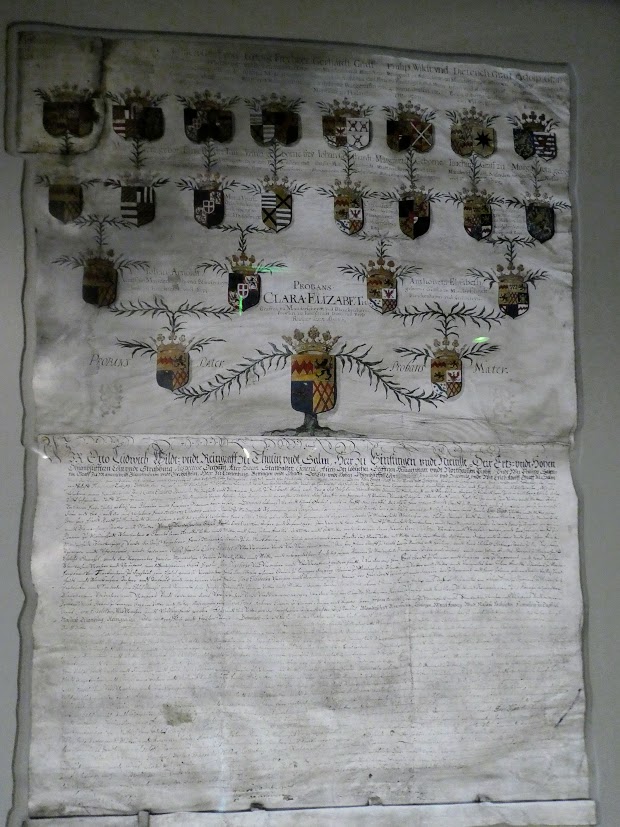
Pedigree of Clara-Elisabeth Manderscheidt-Blankenheim, 1640

By day, the canonesses could stay in their homes in Thorn, with their servants and worldly goods, returning to the convent only at night to sleep. Even this rule was abandoned. They petitioned the pope in 1310 to be allowed to relinquish their sombre black tunic with a white wimple.

By the austere standards of many convents, even this habit was rather elegant.

But they had to wait 180 years for this request to be granted. Though once it was, this was what a nun here might look like:

Unknown artist, Portrait of Maria Kunigunde of Saxony (1740-1826), abbess of Thorn and Essen, daughter of Augustus III of Poland, 1755
Staatliche Kunstsammlungen Dresden

By the end of the 15th century the abbey was granted ‘imperial immediacy‘ which turned it into an Imperial Abbey within the Holy Roman Empire. In the 16th century the abbess already had one seat in the district council of Westphalia and in the 17th century a seat in the discussion forum of the Empire, known as the Imperial Diet, giving this (relatively) tiny abbey an important role within Europe. It was actually an independent city-state.

All this brought prosperity to Thorn. Lands were farmed out, and although the peasants paid rent, no taxes were levied: This was just as unthinkable then as now. In the 16th century, the abbey even had its own mint. Till it was shut down, when it was discovered the coins’ silver content was falsified, and was too low.

The French Revolution put a stop to all this. The Low Countries were invaded and fell under French Rule. In 1796, all religious establishments were abolished, and even though the abbess tried to argue that as the nuns didn’t live together it wasn’t a religious establishment, it was all in vain. The palace of the abbess and all abbey buildings were demolished. Only the Abbey Church survived.

Thorn became part of France – Meuse-Inférieure. The French didn’t like the fact that Thorn was a tax-haven, and started to impose taxes. One of the taxes was based on the number of windows a house had. So …inhabitants of Thorn bricked up the windows to pay fewer taxes. And to cover it all up, they whitewashed the walls of their houses, to conceal the scars.
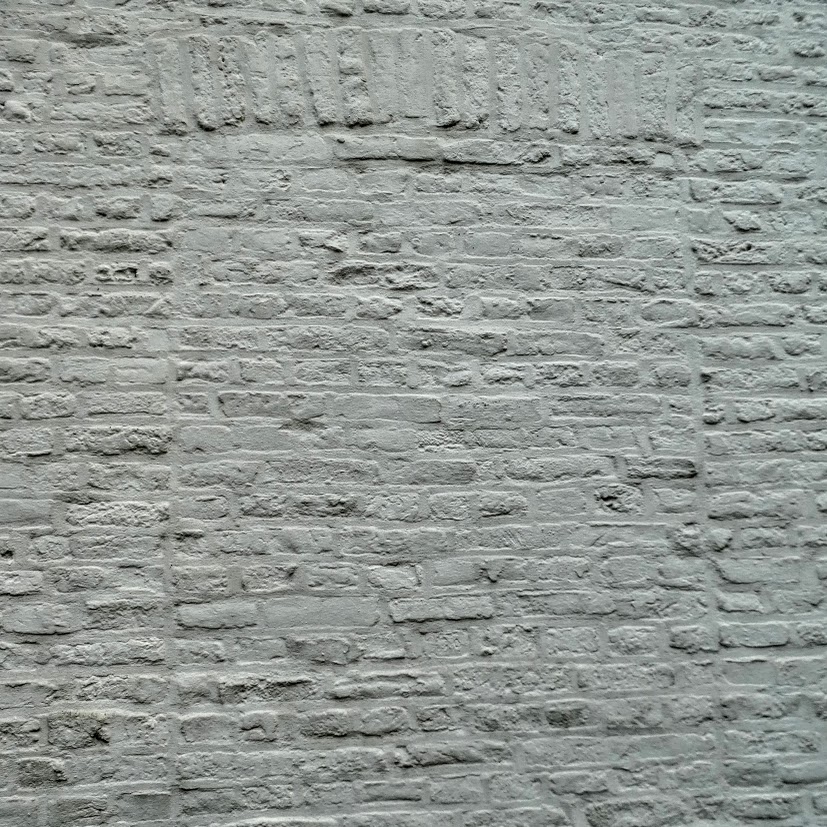
The ‘shadow’ of a once-upon-a-time window.

Thorn became a white town. Here in Britain we also had a much-hated window tax, in force between 1696 and 1851. It may be the origin of the phrase ‘daylight robbery‘.
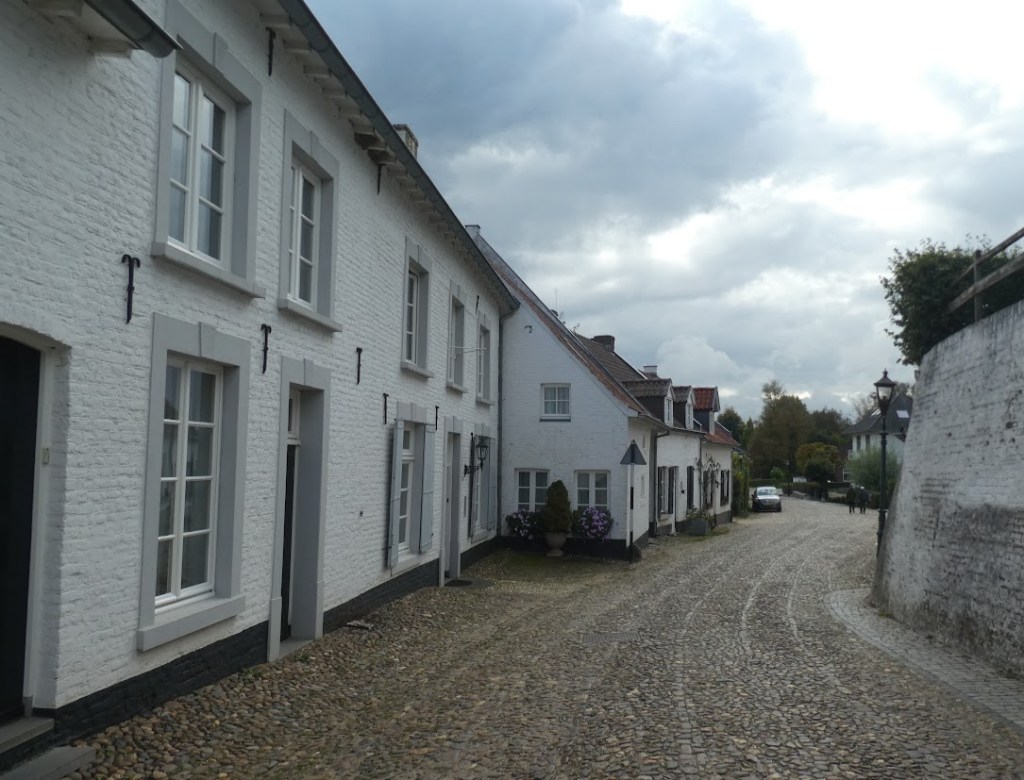
A typical street in Thorn.

Thorn remained part of France until 1815 when at the Congress of Vienna it was given to the United Kingdom of the Netherlands. But it remained, then as now, a White Town.

So there we have it: a town of powerful women (whether God-fearing or not I don’t know), of economic prosperity for all, and free of taxes. Well worth a detour for any travellers to Limburg.

For Becky’s NovemberShadows today, look for the ‘shadow’ of a window in Thorn.
Ruined Statuary

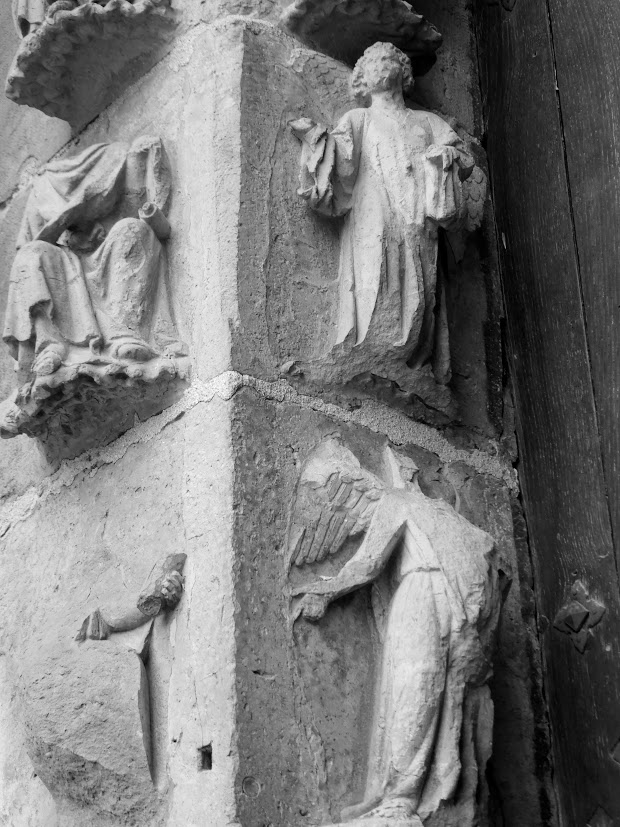
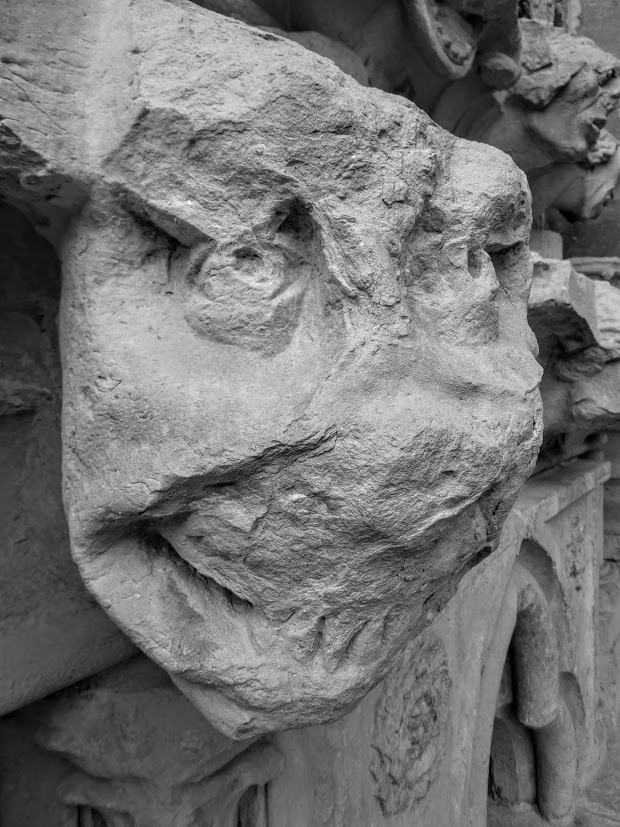
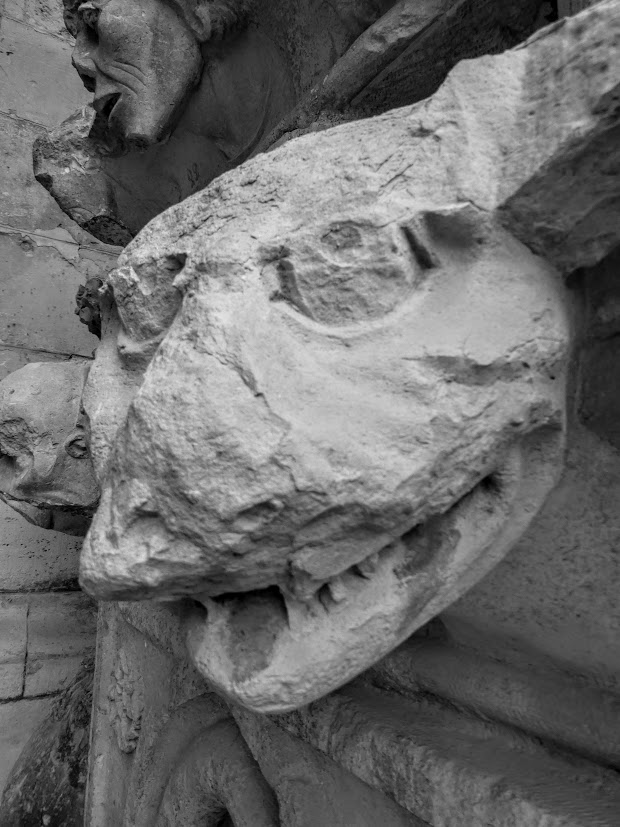
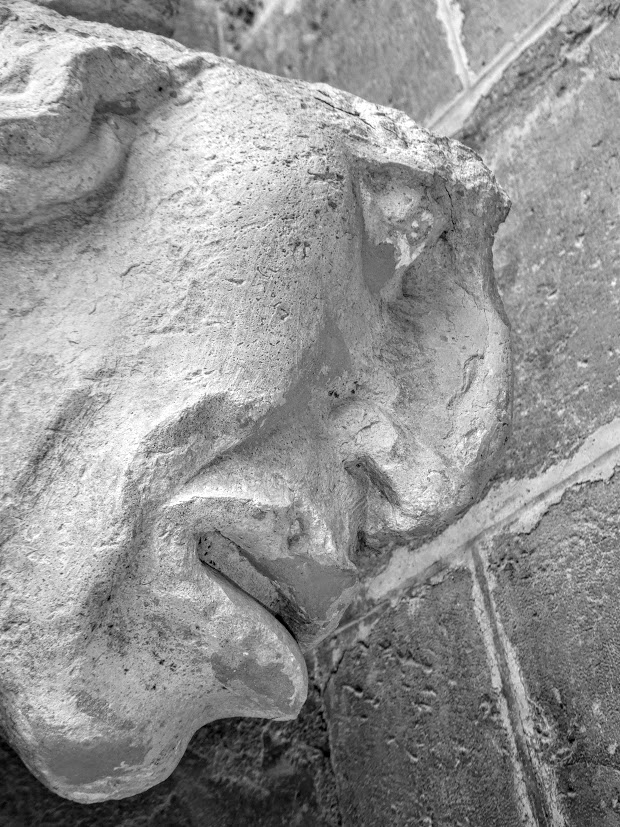
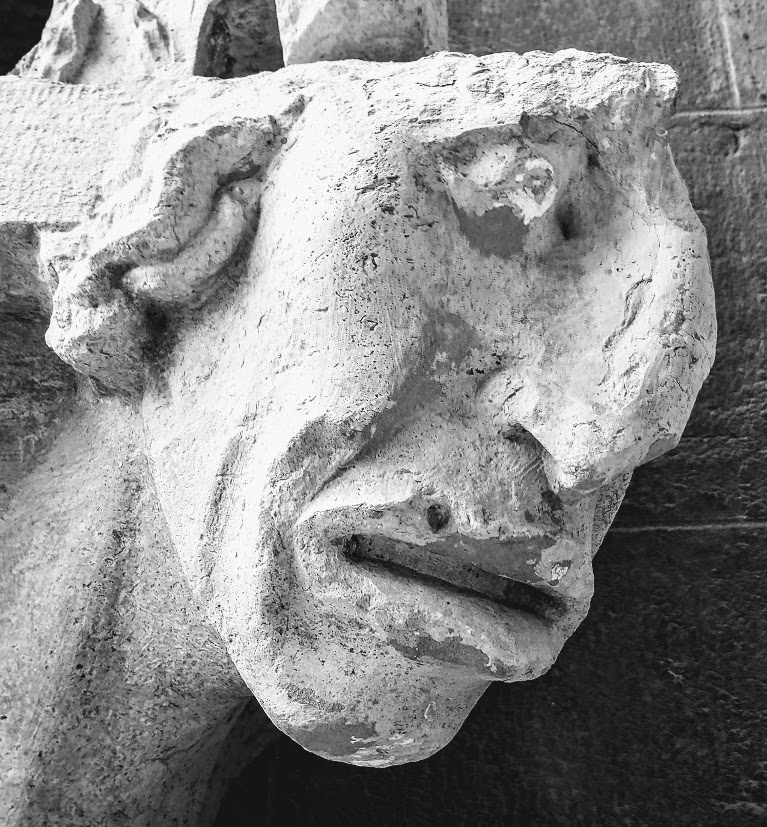
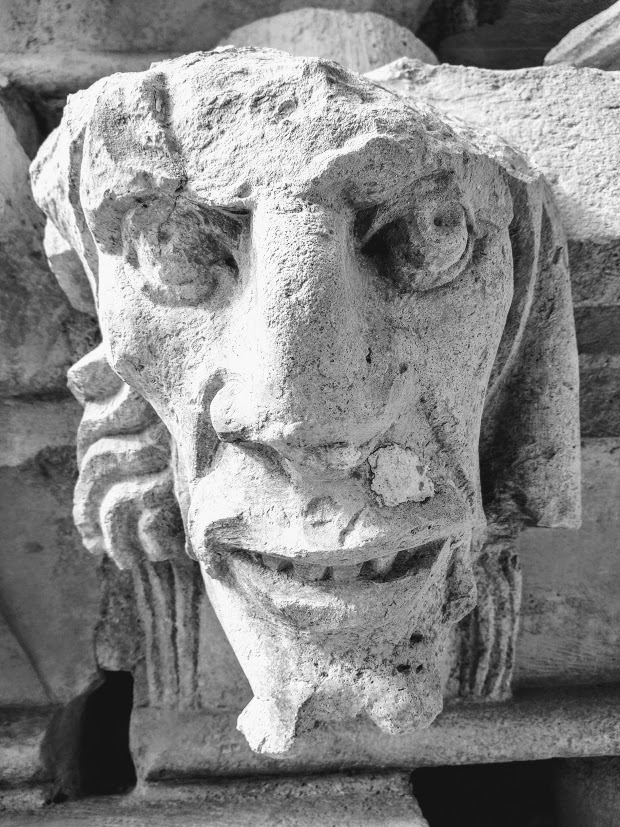
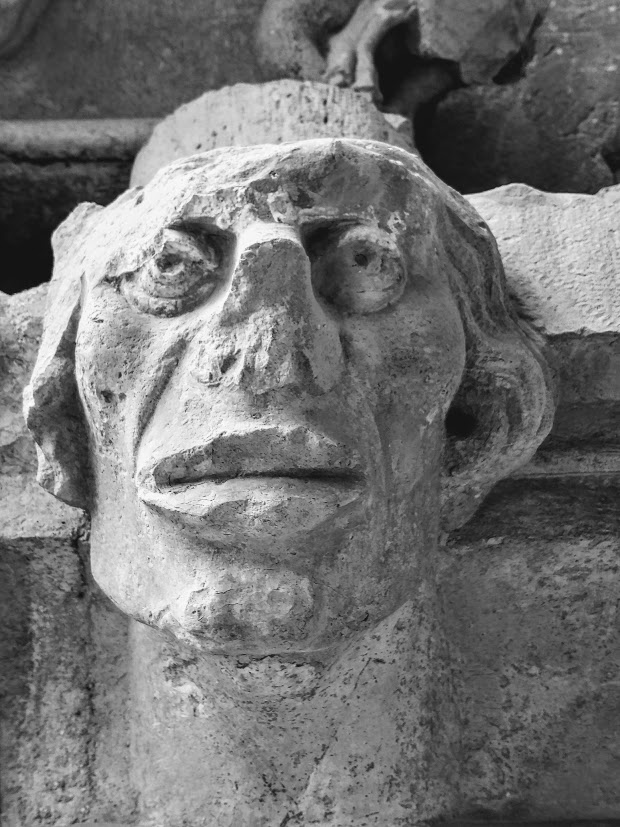
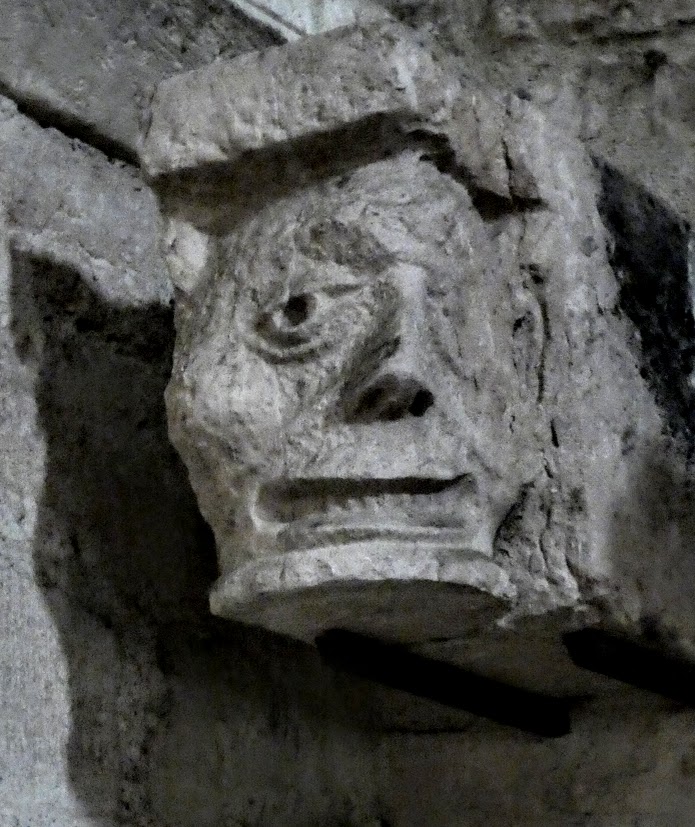
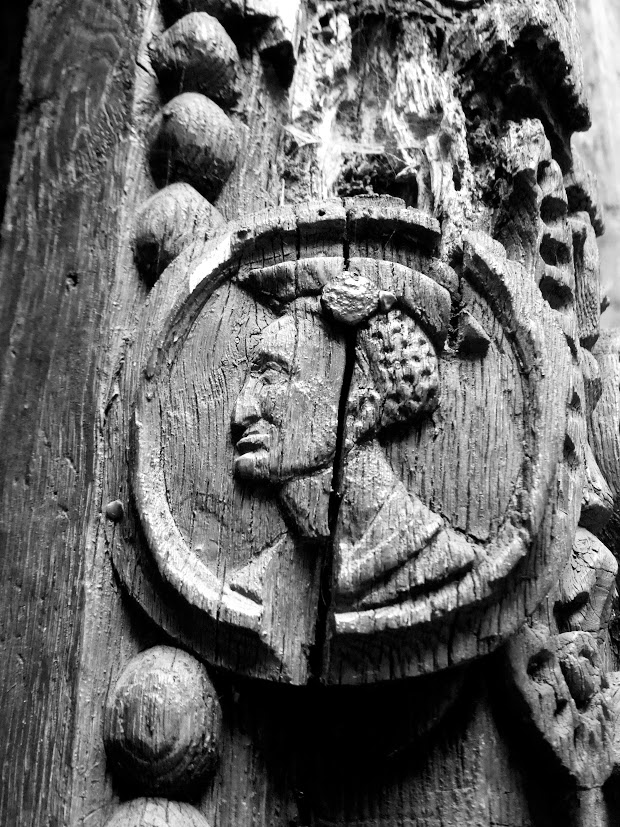
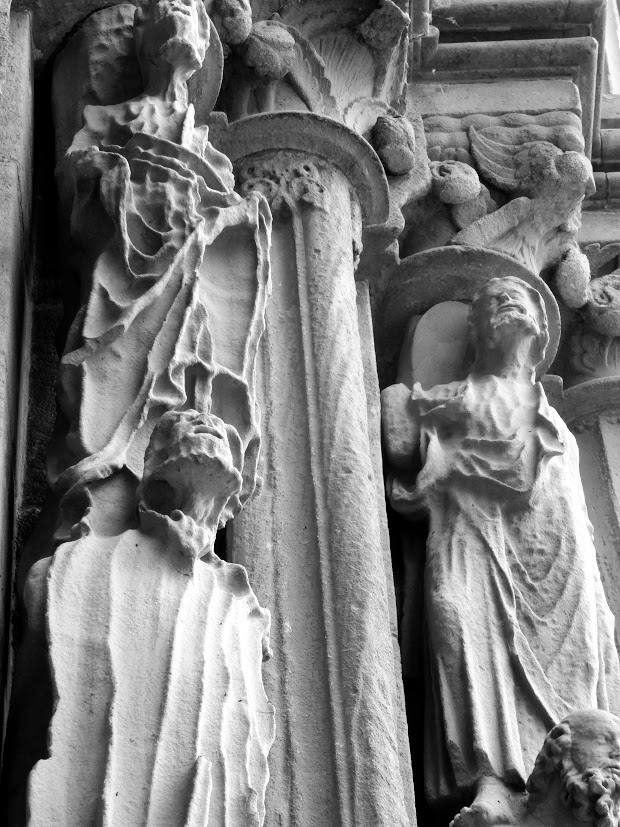
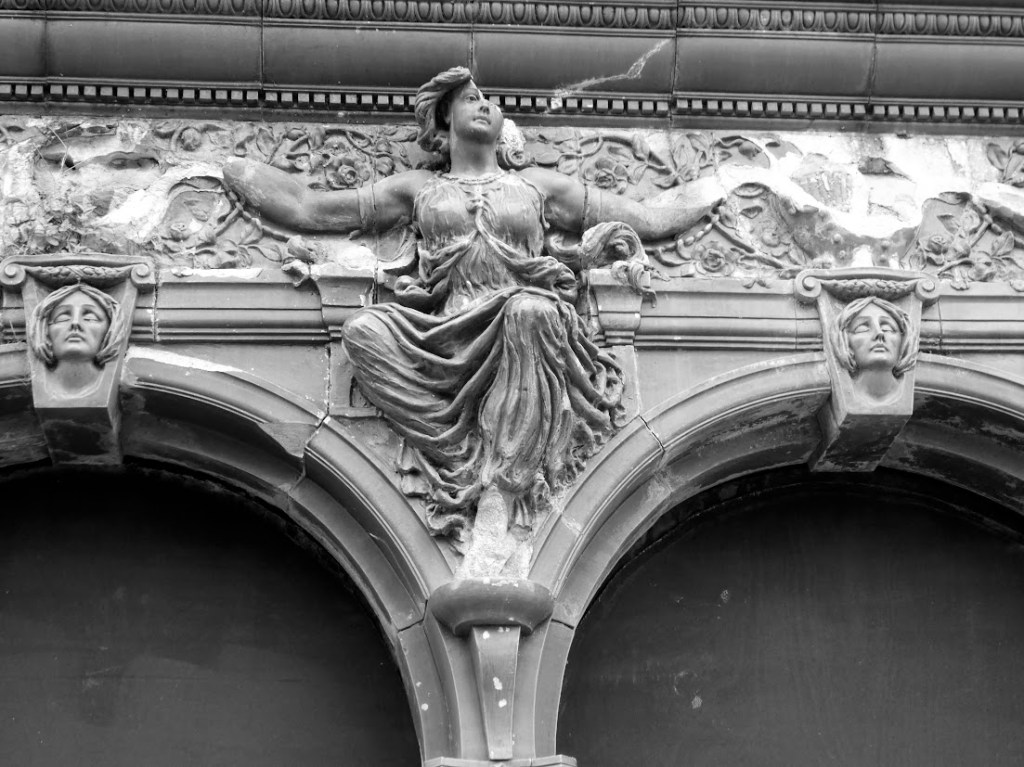
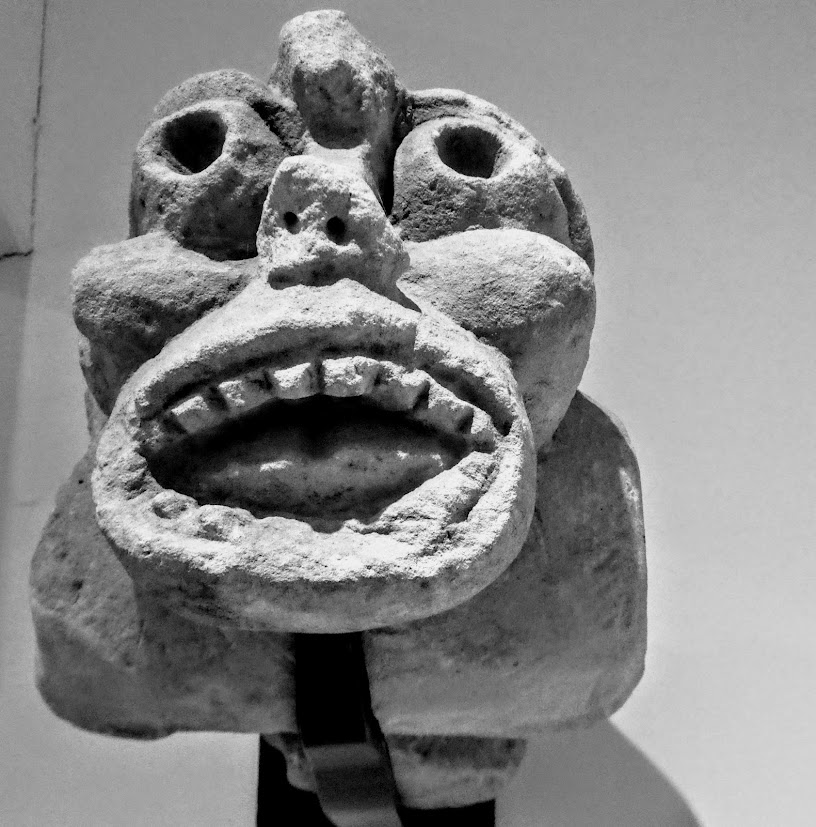
Today, for Leanne’s Monochrome Madness, Sarah of Travel with Me invites us to photograph ruins. I could so easily take you (yet again) to my favourite ruined abbeys: Fountains Abbey, Jervaulx, or Rievaulx. But Sarah herself has shown Fountains Abbey off in her post. I could take you to ruins all over this country and beyond. Instead, I thought that I’d show you not buildings, but their statues, often ruined by weather, by warfare, or quite simply the passage of time.

Best start in Rievaulx though, where carvings in its museum gave me the idea.

Off to North Eastern France, where the churches and cathedrals of Rheims, Laon and Tournus (to name but a few) have all mightily suffered from the weather eating into into the local limestone from which these were built.

And in Troyes, wooden buildings have taken a weather-beating too.

A church in Bamberg has suffered mightily from having been contructed from limestone.

But even more recent buildings have been ruined a bit. Come to Hartlepool with me.

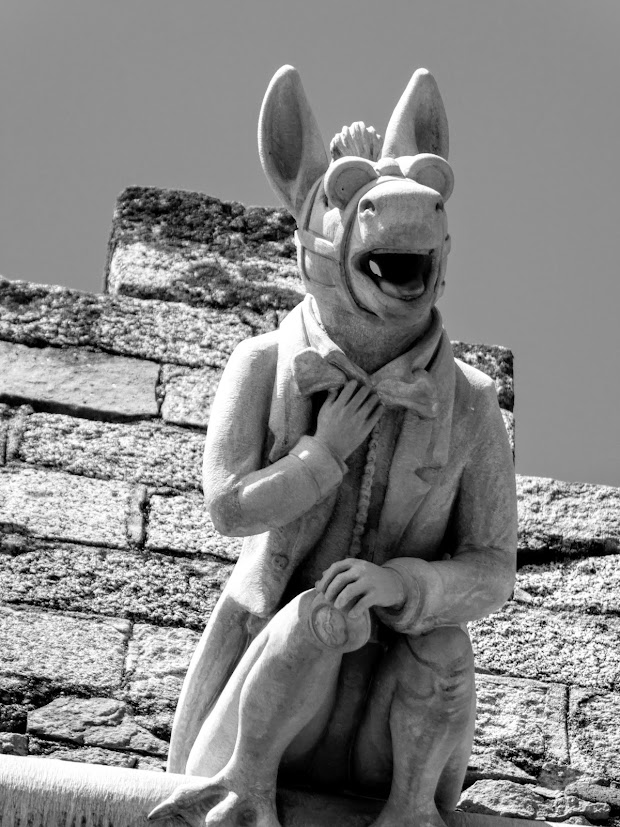
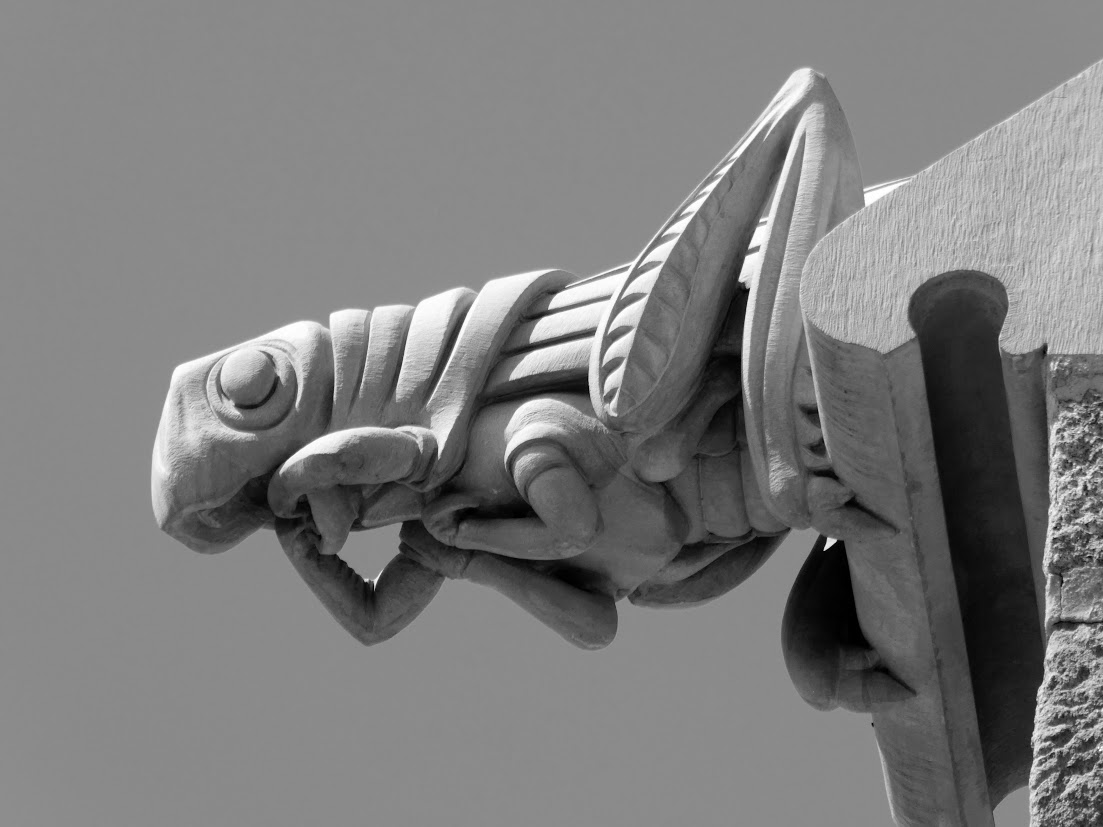
Let’s finish off by disobeying the challenge completely, at Sant Julia church, in Argentona, Catalonia. Its gargoyles were so ruined they pulled them down. And replaced them. Like this.

By the time you read this we will be at least half way down England, in transit for eastern France – Alsace. So you won’t get prompt responses to any comments I’m afraid, as we shan’t finish travelling till Friday. But I will send a postcard before the weekend is out!

The Railway Children

This year Bradford is the UK’s City of Culture. This might seem unlikely. Once a town prosperous thanks to the textile industry which thrived there in the 19th and early 20th century, its vitality decreased thanks to the collapse of this industry during the mid 20th century, not long after the time that thousands of Pakistanis and Indians came to work in those textile mills. Now it’s once again finding its feet, and is a lively multi-cultural city. We don’t visit as often as we should.

But in late August, we did. We had to see the show that everyone was talking about.  In Edith Nesbit’s 1905 book The Railway Children, often since adapted for stage and screen, siblings Roberta, Peter and Phyllis are forced to move with their mother to a country cottage after their father is unjustly imprisoned for espionage. Living by a railway, they become fascinated with the trains, stop a runaway train to save lives by waving flags, and befriend their mother’s wealthy, kind neighbour, an ‘Old Gentleman’, who helps their family and ultimately finds their father. Conveniently, in this Bradford production, the mother is an Indian woman whom the children’s father met whilst working there. This allowed the children to be played by British Indian actors, to celebrate the Indian aspect of Bradford’s heritage.

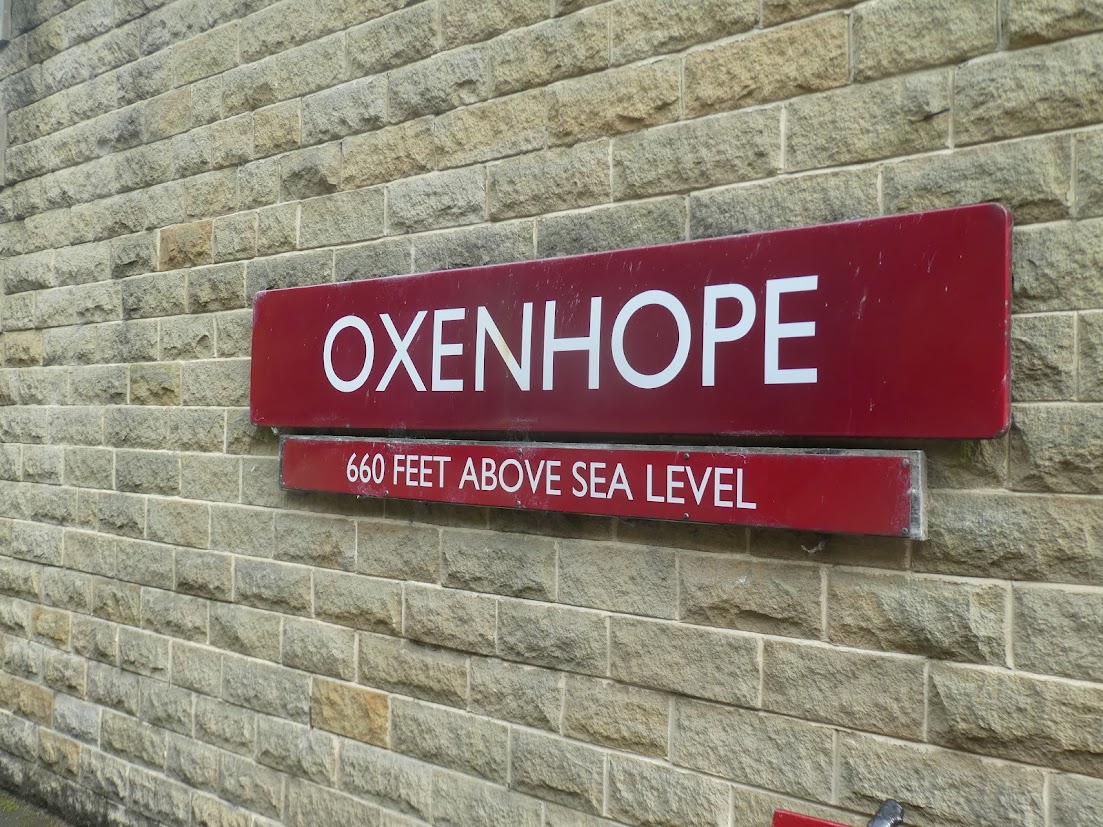
Well. Anyway. This wasn’t any old play. We had to report, several hours before the production began, to Keighley Station. Which is part of Bradford Borough. Why? Because we were to be transported by steam train to Oxenhope where the play would take place in a re-purposed engine shed.

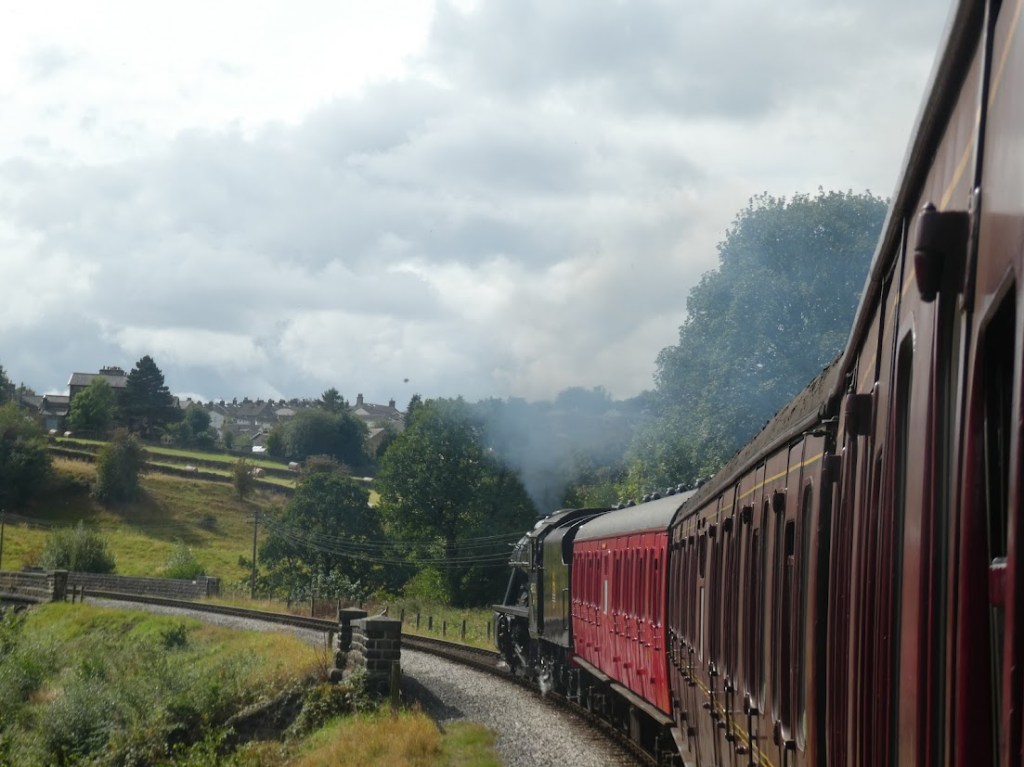
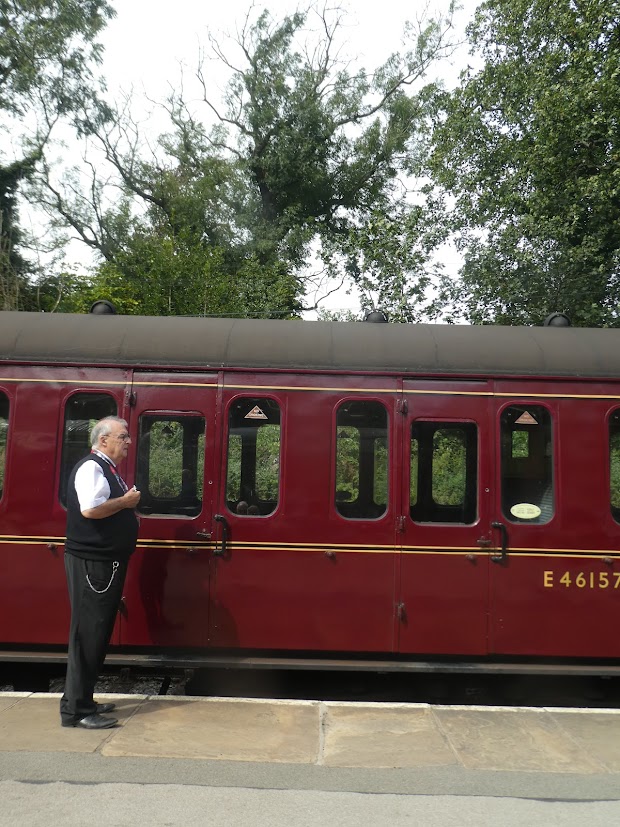
A long queue formed there and at the advertised time, we all filed forward to be packed into elderly – but spick and span – carriages and transported several miles to Oxenhope Station. We all relished the background chuffing sound, the loud, echoing sound of the steam whistle, the rhythmic clanking of the running gear and of course the distinctive mildly sooty smell, and enjoyed the instant camaraderie struck up amongst fellow passengers.

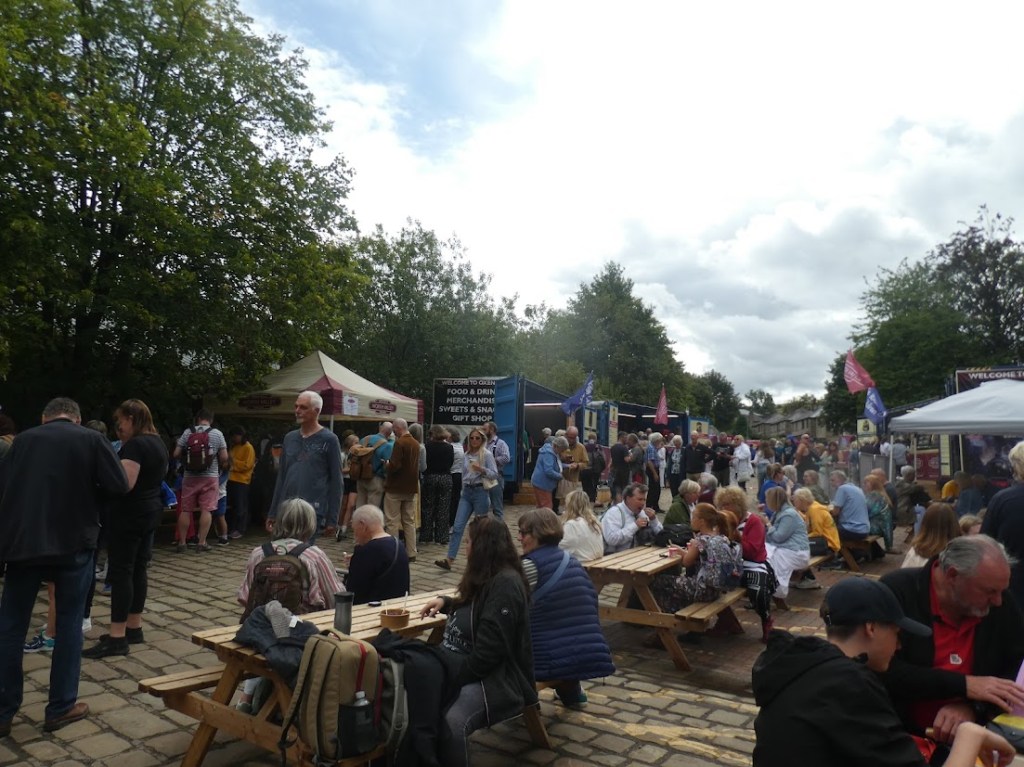
Then we arrived. Long before the play started. That was OK. We had a picnic. There was a cheery market full of food stalls and relevant souvenirs. It was sunny. Everyone was in holiday mood.

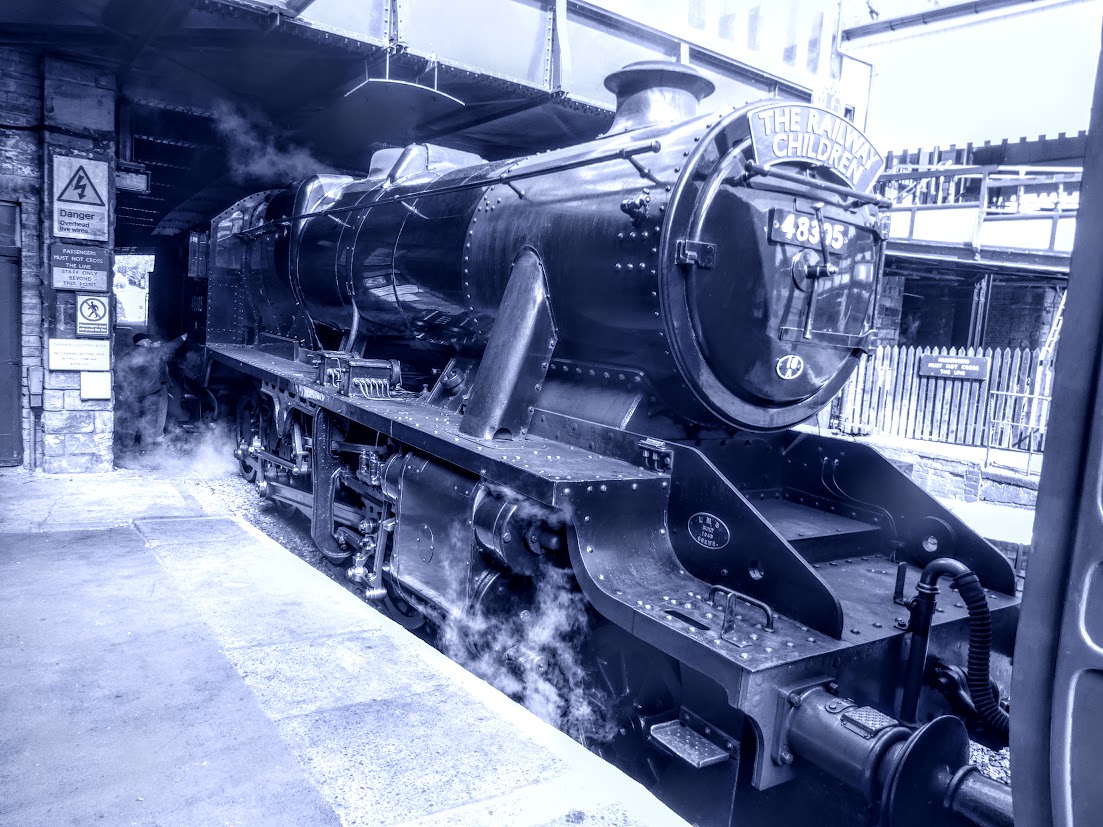
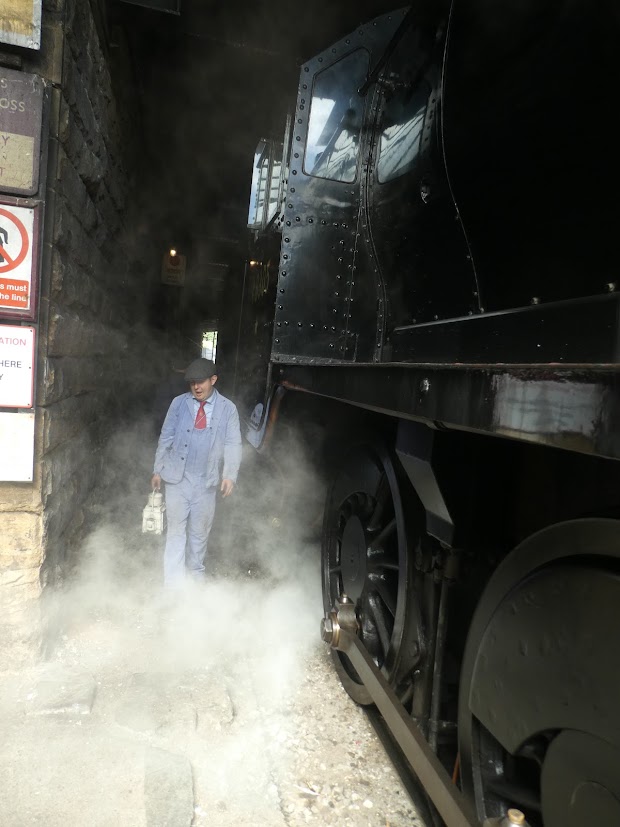
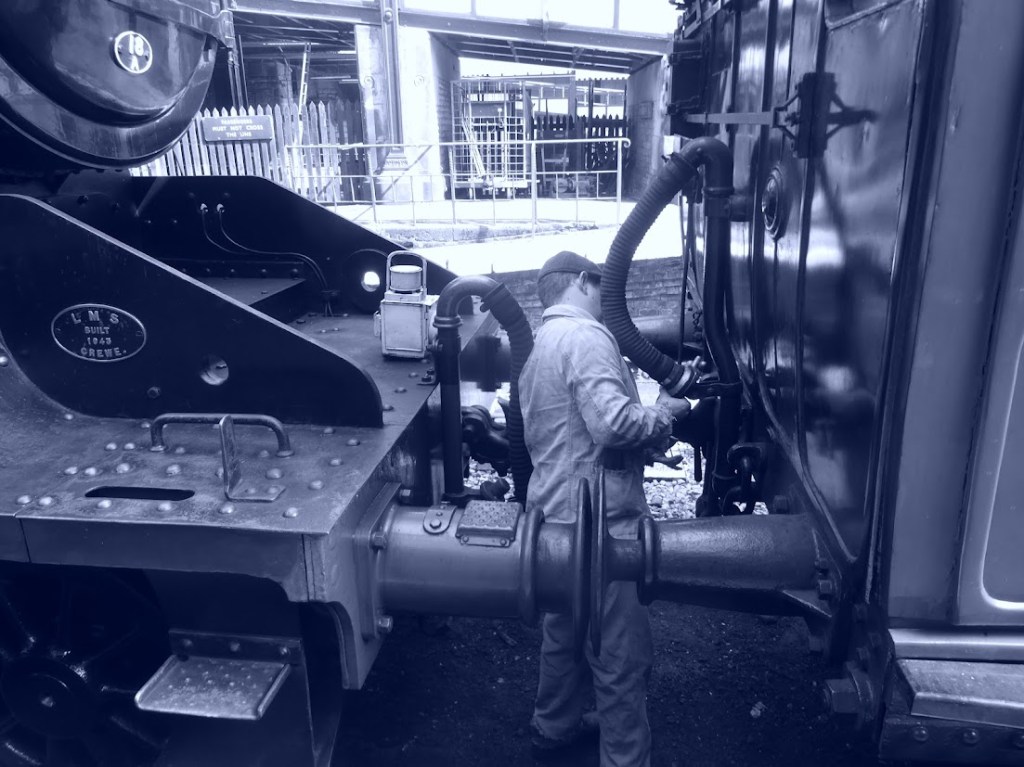
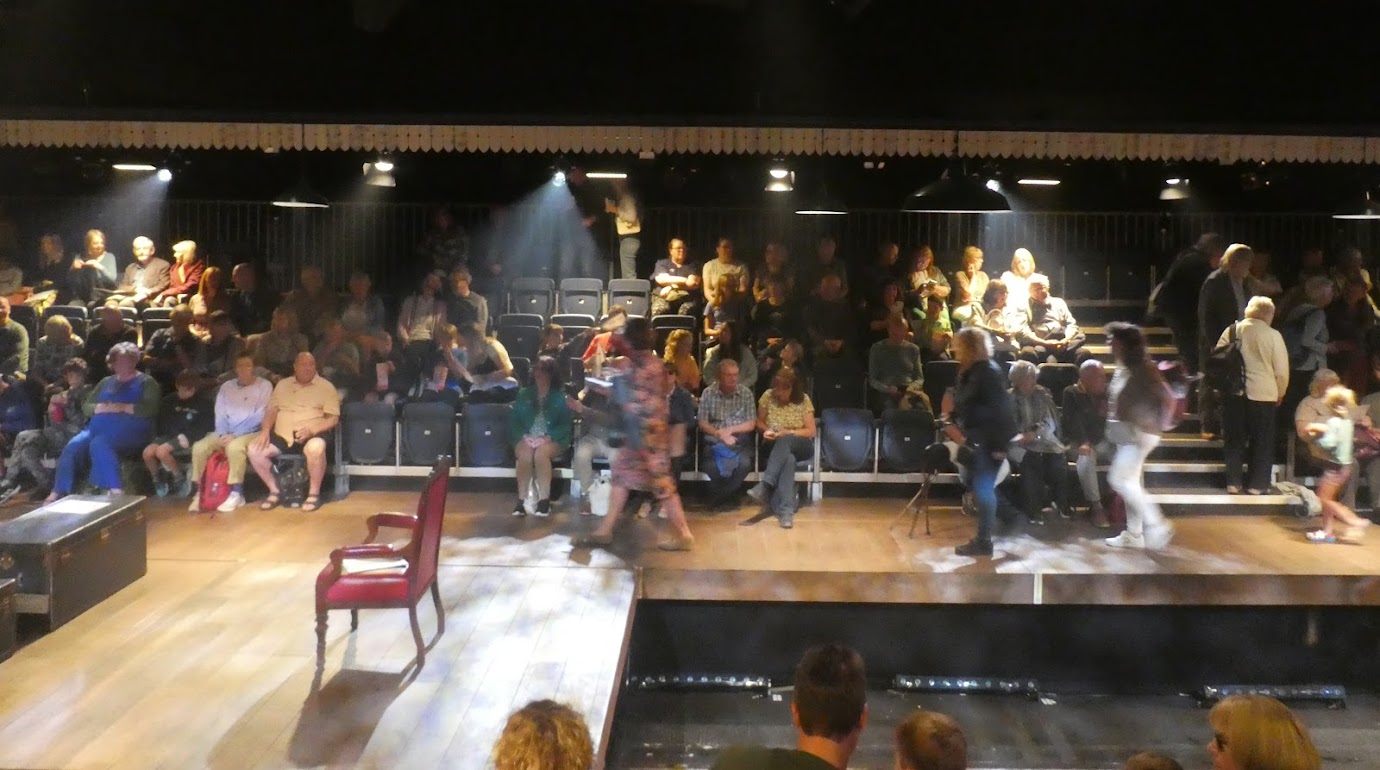
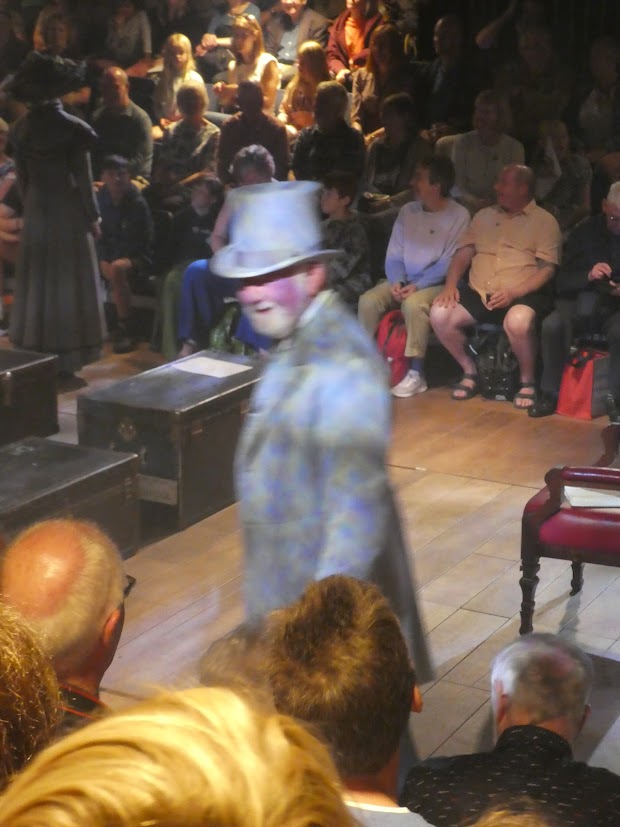
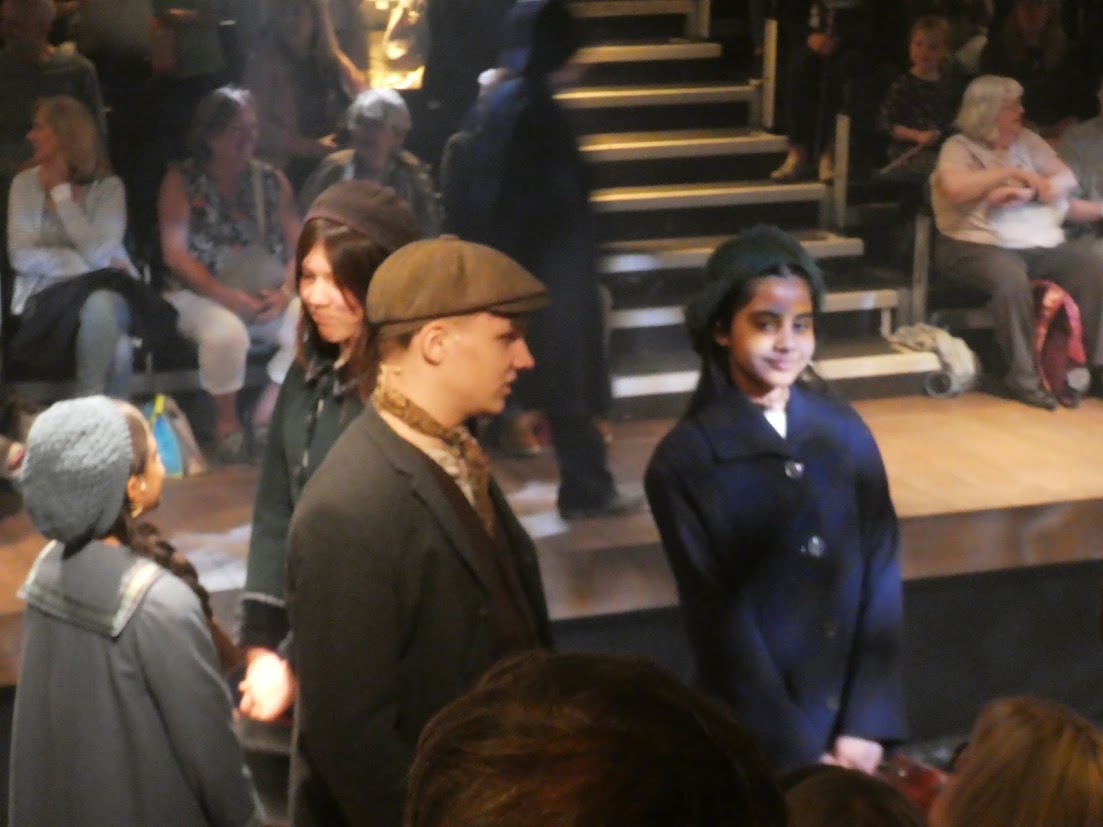
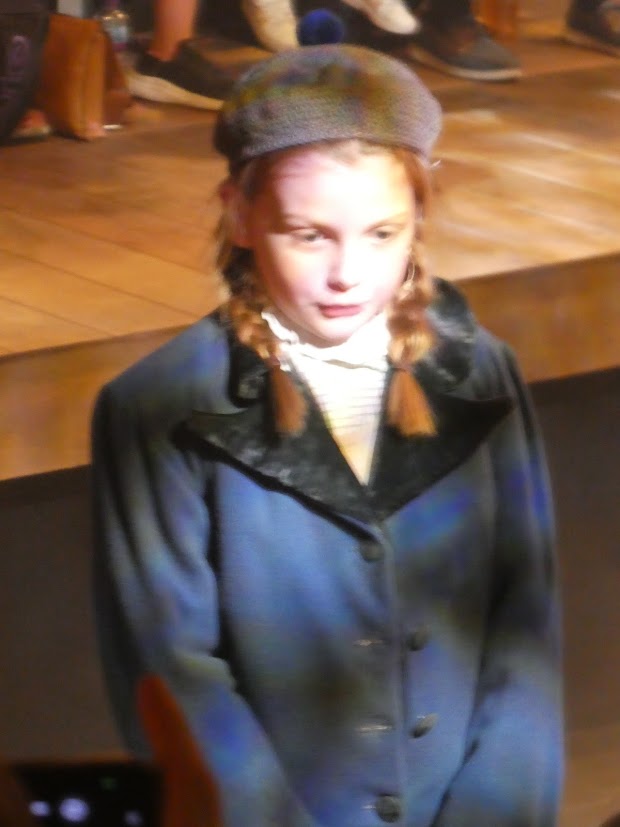
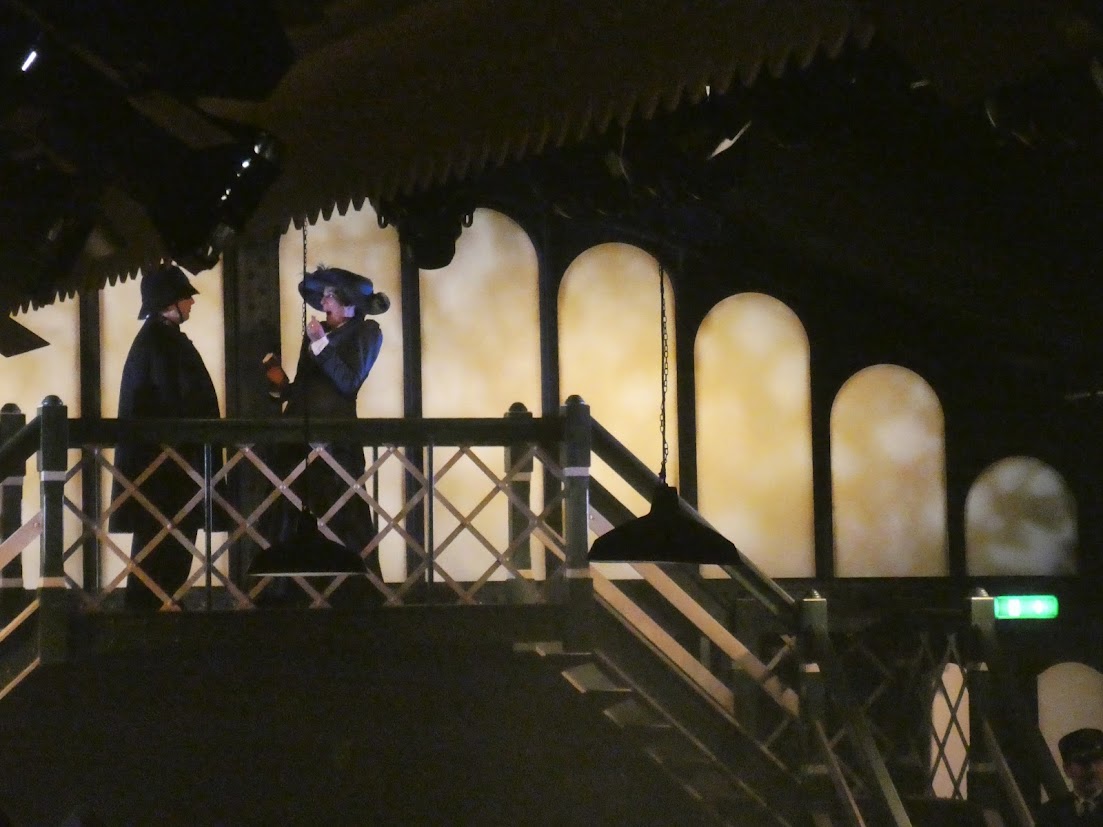
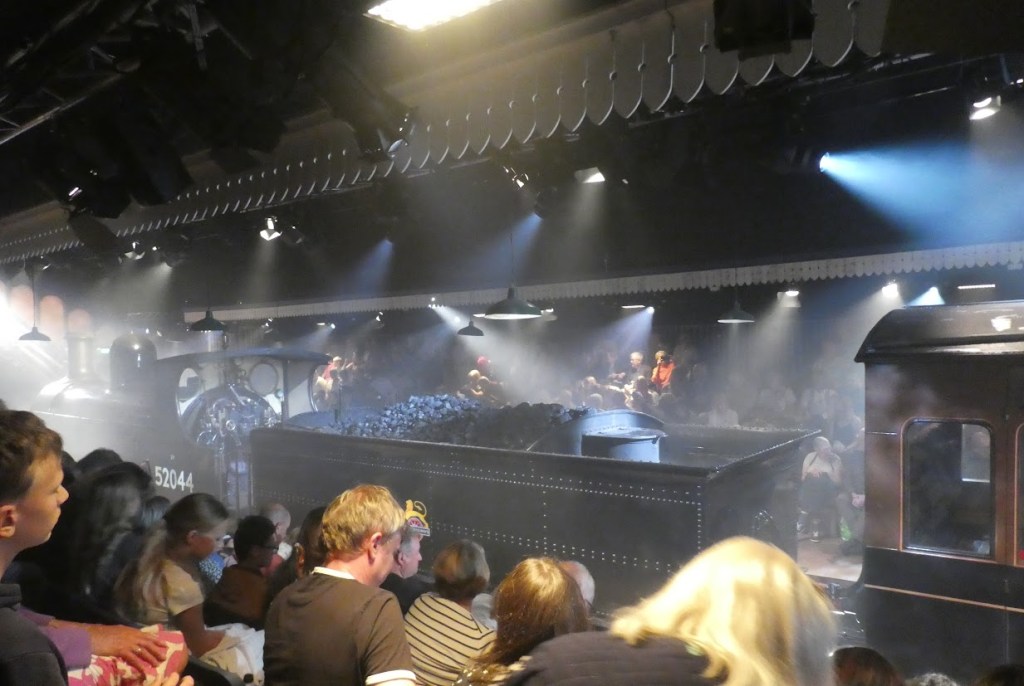
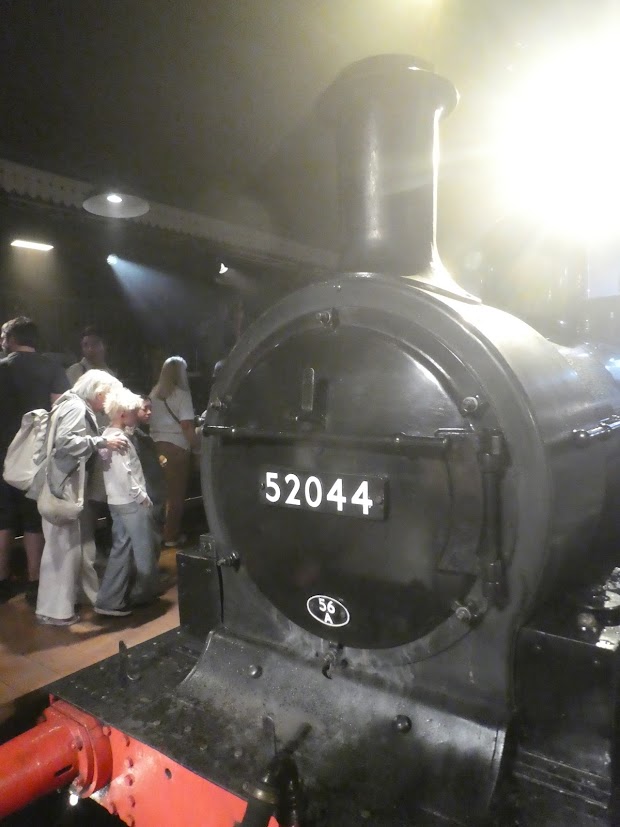
Finally though, it was time to file into the theatre. Or engine shed. Two large banks of seats rose up on either side of a railway track, above part of which was a stage: a moveable stage, as we would eventually find out. Once we were seated, the cast, all costumed up for the afternoon drifted in and mooched round among the audience, chatting and laughing . My images come from those moments, as photography was forbidden during the performance.

Which, when it came, entranced us. We entered into a world of family disappointment, moving downmarket, and adaptation to a new way of life. How those children grew to love the railway line that was their nearest neighbour! And how thrilled we were when the children noticed a runaway train advancing unexpectedly along the track – an actual train, surging into the auditorium before our very eyes. Waving flags and the girls’ red underskirts as a warning, the children brought the train to a halt. Just in time for the interval.

A sneaky shot of the train departing.

More happily mooching around in the market and on Oxenhope station before returning for the second half, which brought the story to its happy conclusion.

Leaving the auditorium, we got a final glimpse of the Star of the Show

Then it was back onto the platform at Oxenhope where our train soon appeared to take us on board and return us to the station at Keighley. A very special afternoon.

Getting round Beamish on Public Transport

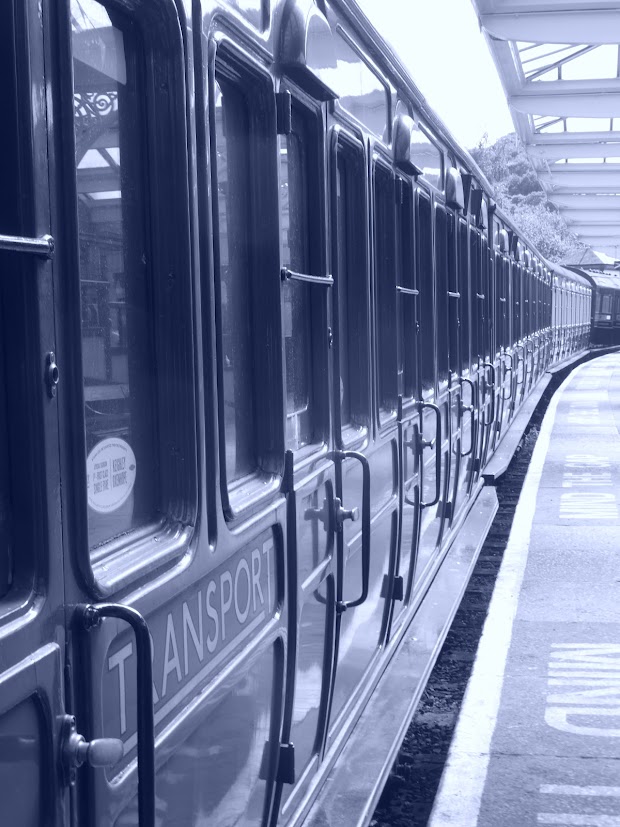
The theme Dawn has chosen for this week’s Monochrome Madness is Transport. That’s a bit of a facer. I’m not the sort of person who ever thinks to take a shot of a car, or be part of a cluster round someone’s state-of-the-art motor bike. I only notice trains or buses if they’re late, and you’ll never catch me on a bicycle.

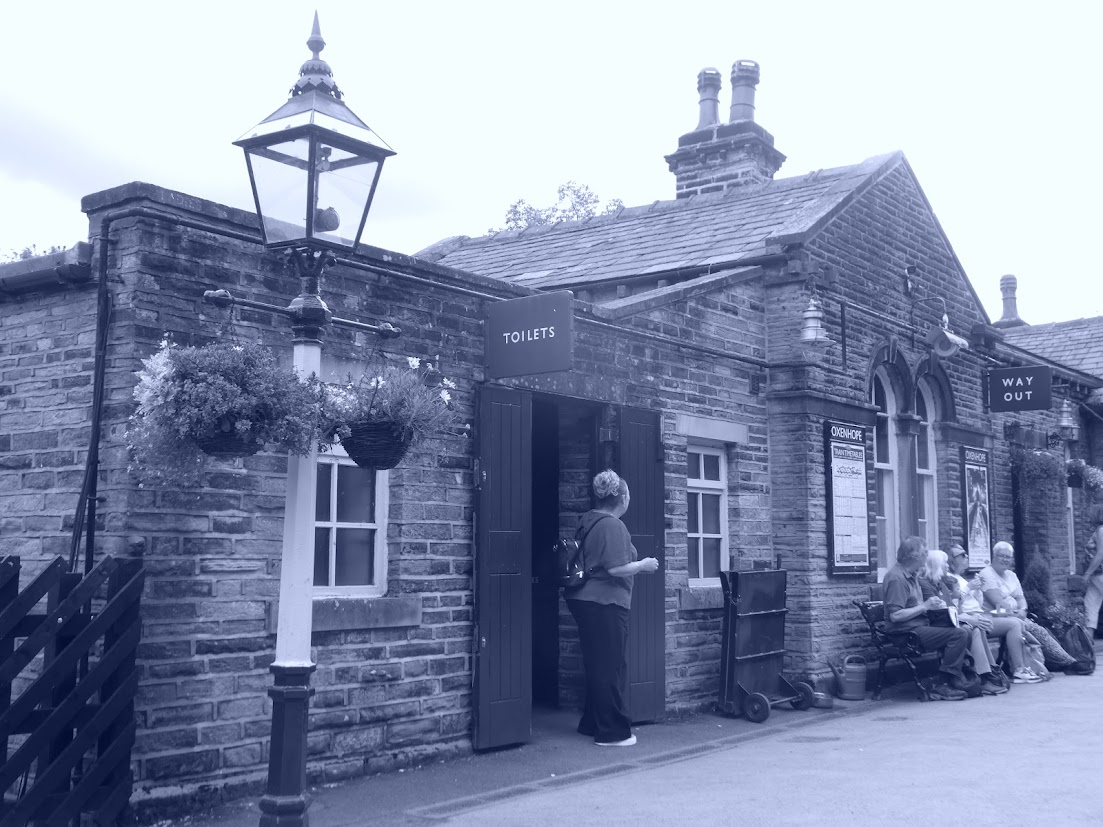
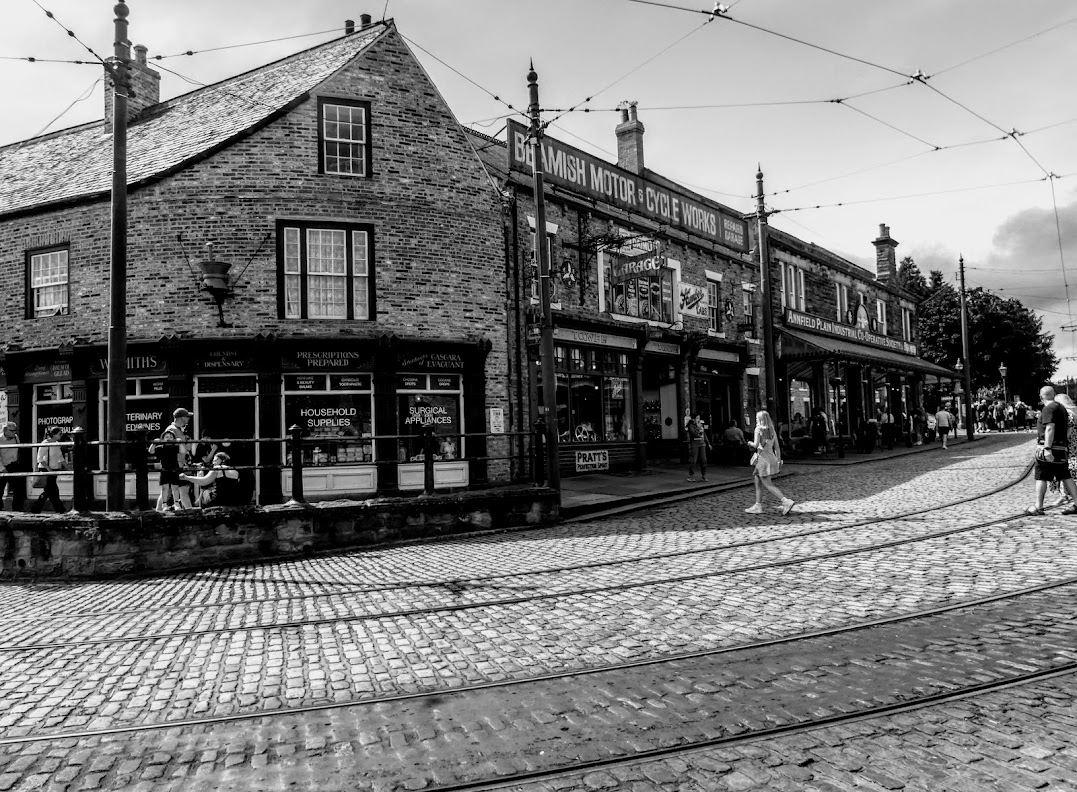
So my best bet seems to be a visit to the past, and a trip we took last year to Beamish, a wonderful open air museum,  telling the story of life in North East England during the 1820s, 1900s, 1940s and 1950s.

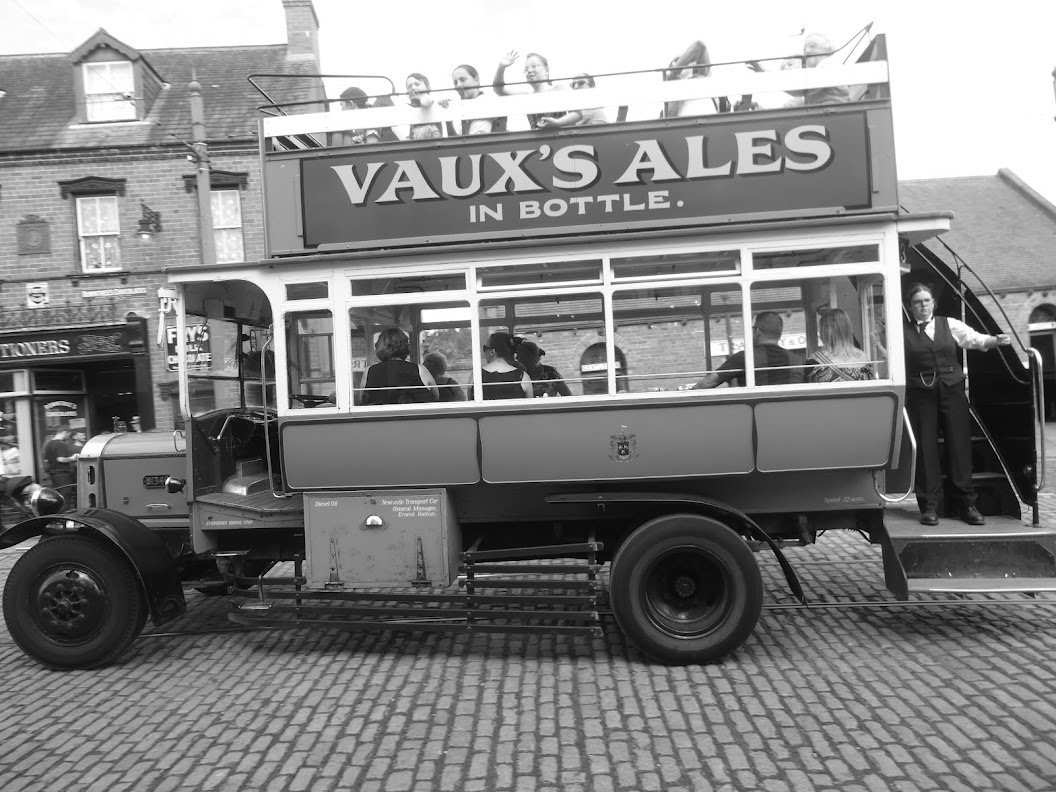
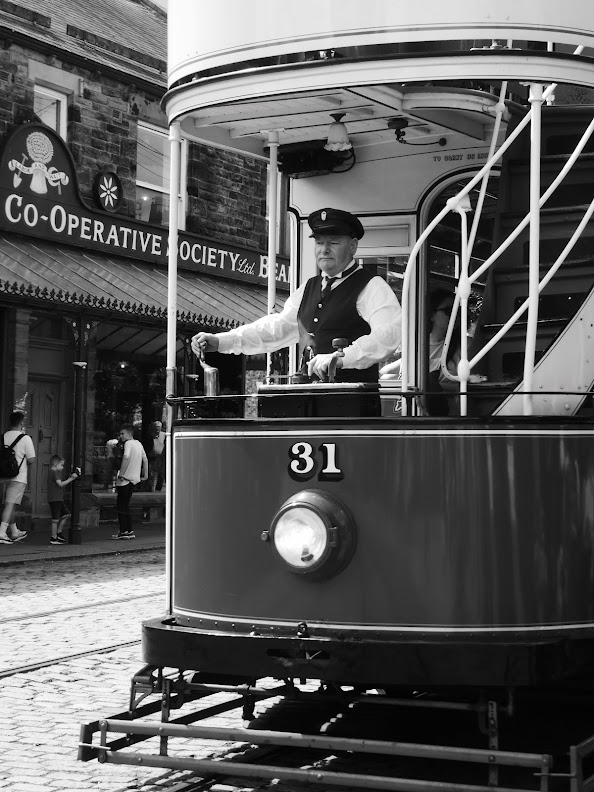
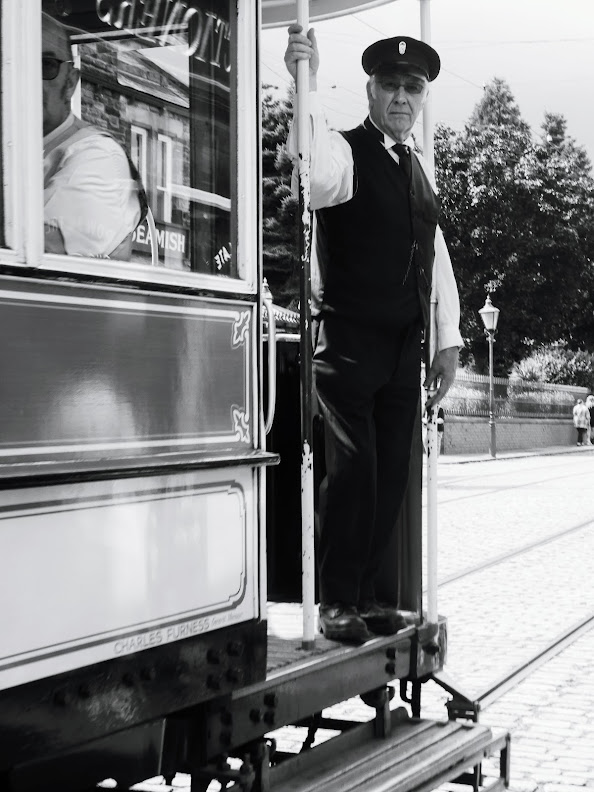
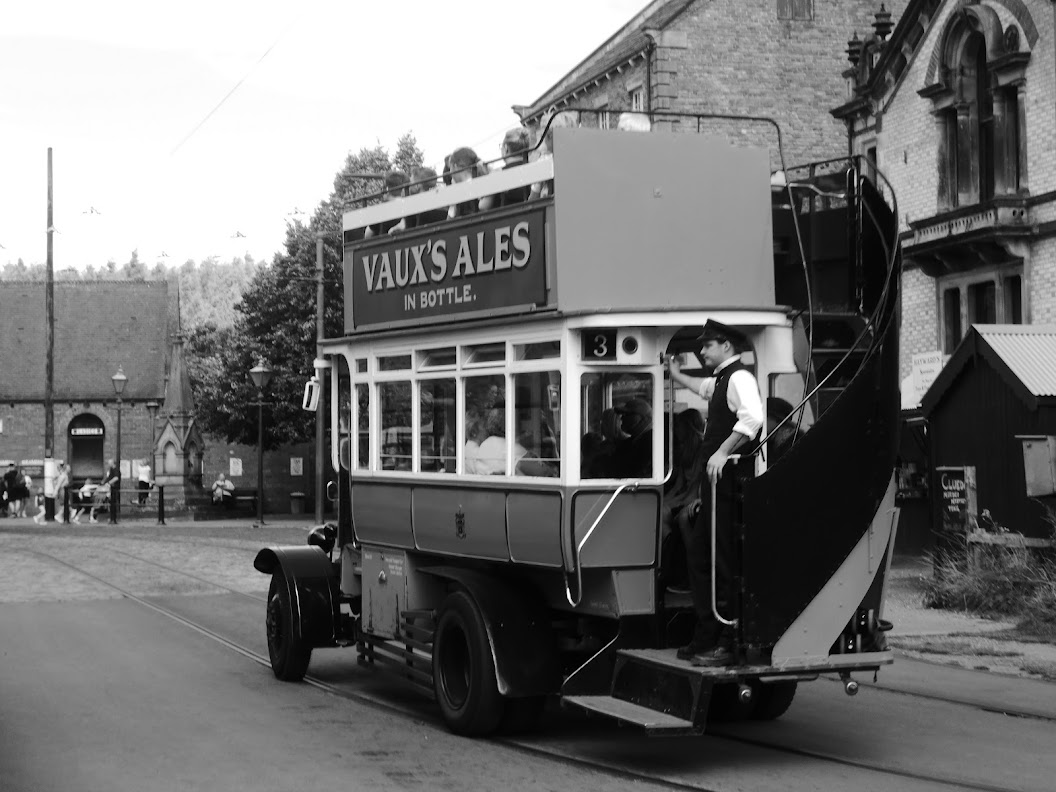
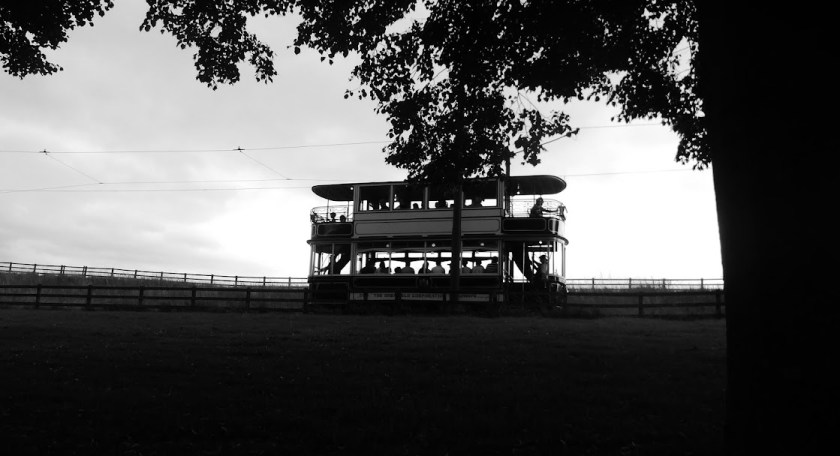
The site is huge, and public (well, public to those who’d paid to get in) transport a necessity. We had fun popping on and off trams, trolleybuses, and single decker buses, and inspecting the bicycles of delivery boys.

My feature photo shows no trams and bikes. There are tramlines, but what it illustrates is the most common form of transport there is, world-wide. Shanks’s pony. I’m not sure if this phrase has spread as a description of walking beyond the UK, nor am I sure of its origins. There ARE various theories on the internet: but I believe none of them.

Here’s a gallery of all the transport we used as we explored this site.

Trams …

… and buses …

… and bikes.

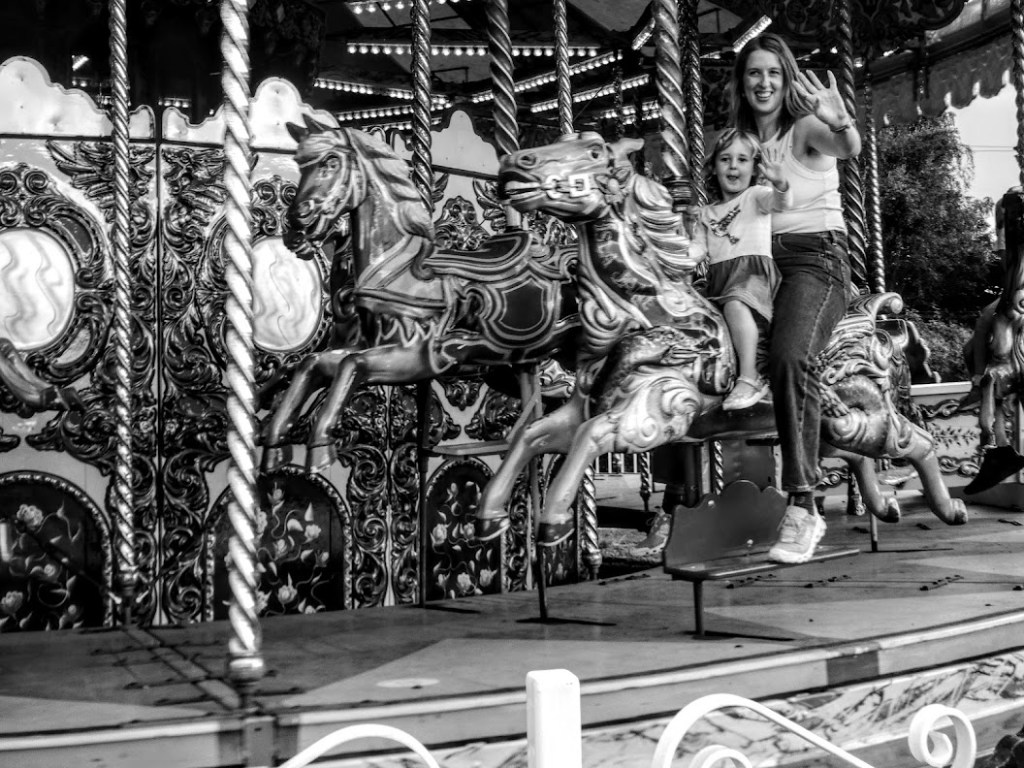
And does a merry-go-round horse count as transport? My granddaughter thought so.

And here’s a final photo, as evening drew in, and people hurried onto whatever form of transport they could find to take them towards the car park, and their journey home.

Exactly a Year Ago Today, We Were in …

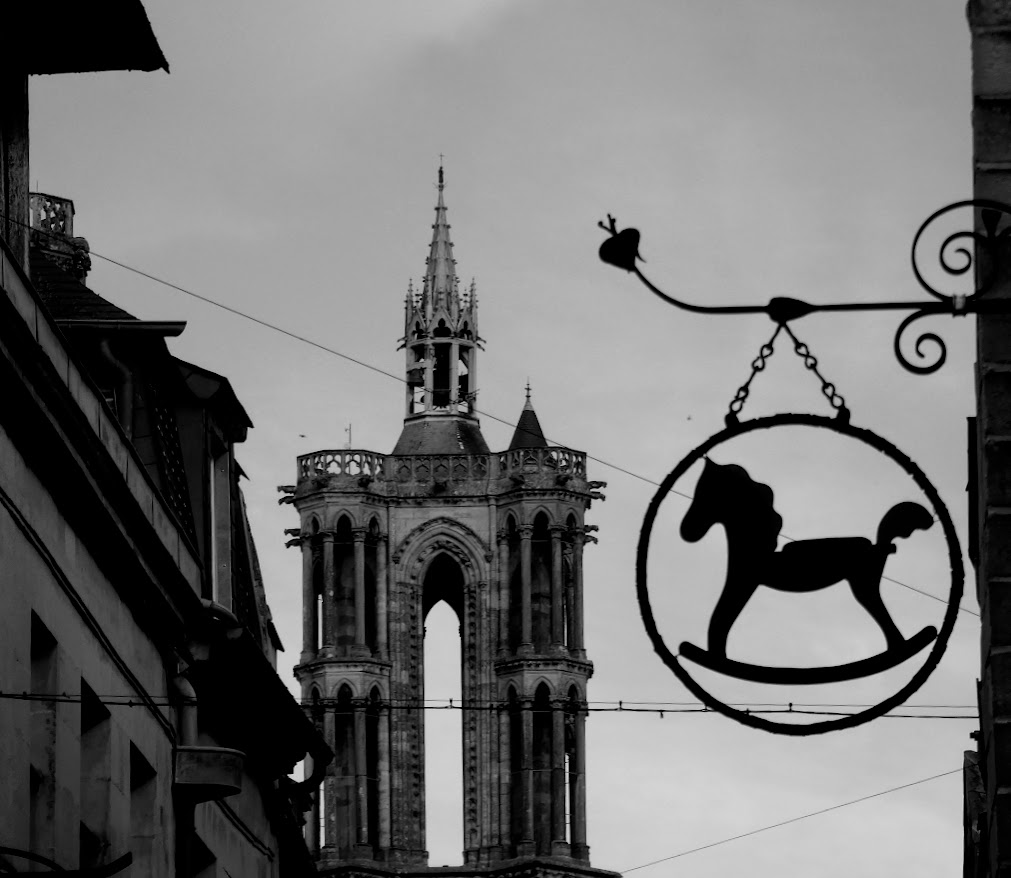
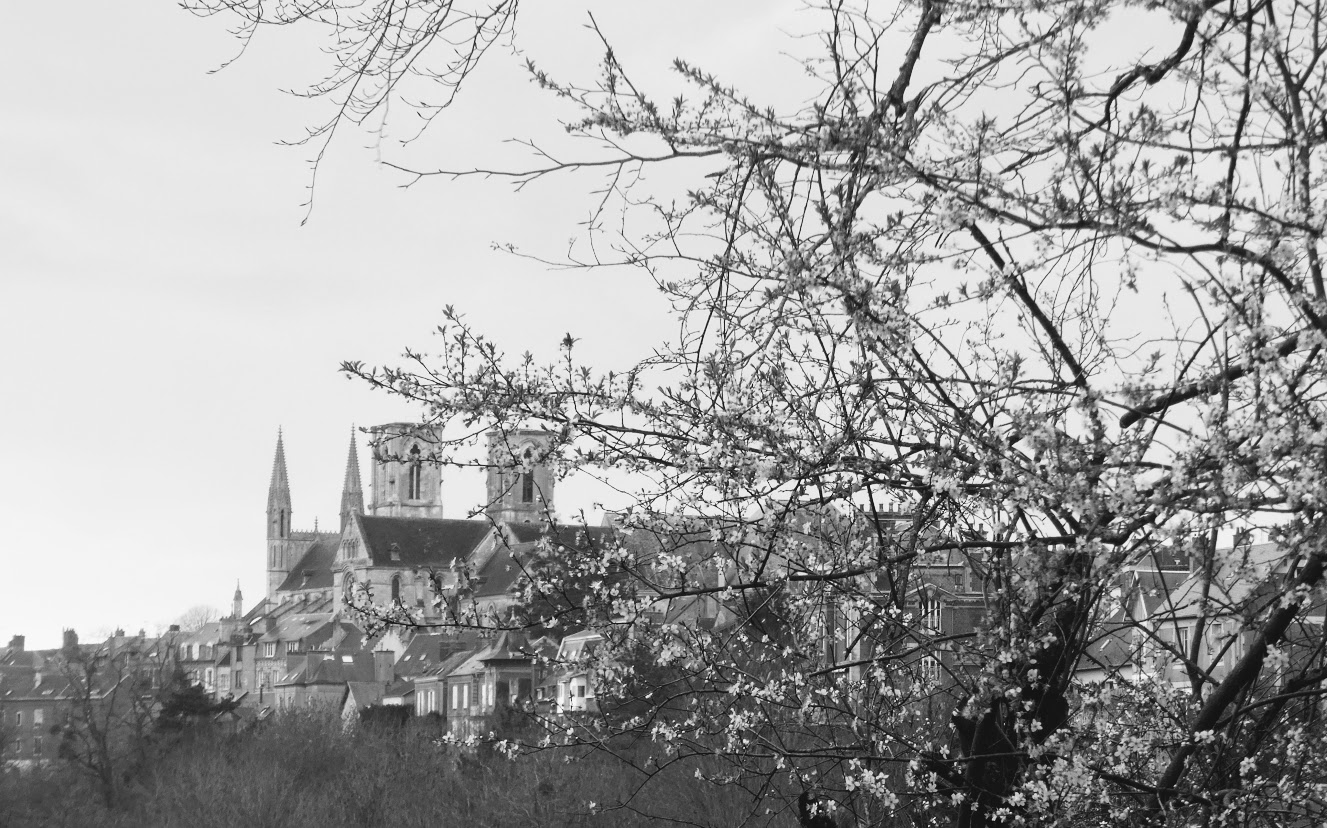
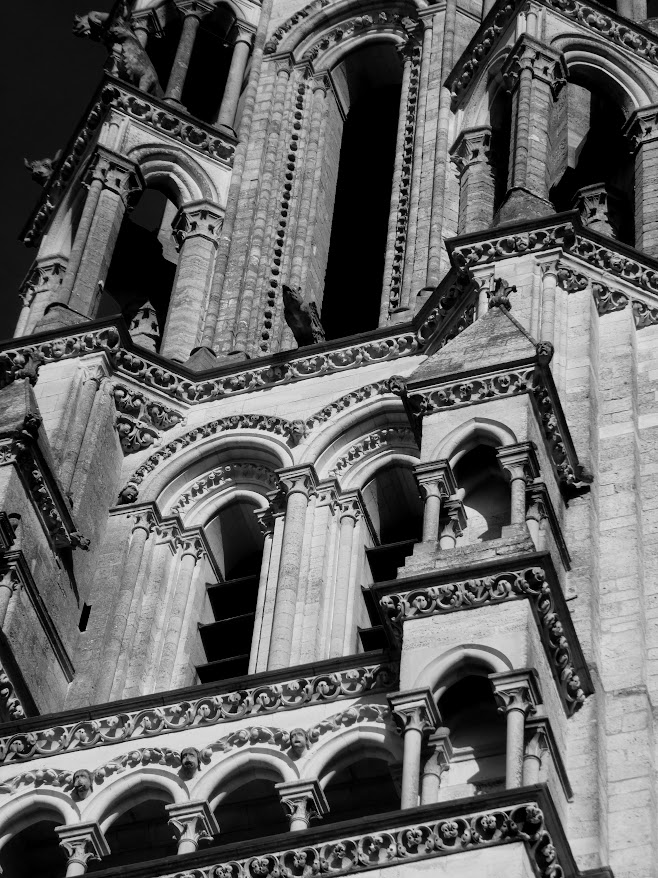
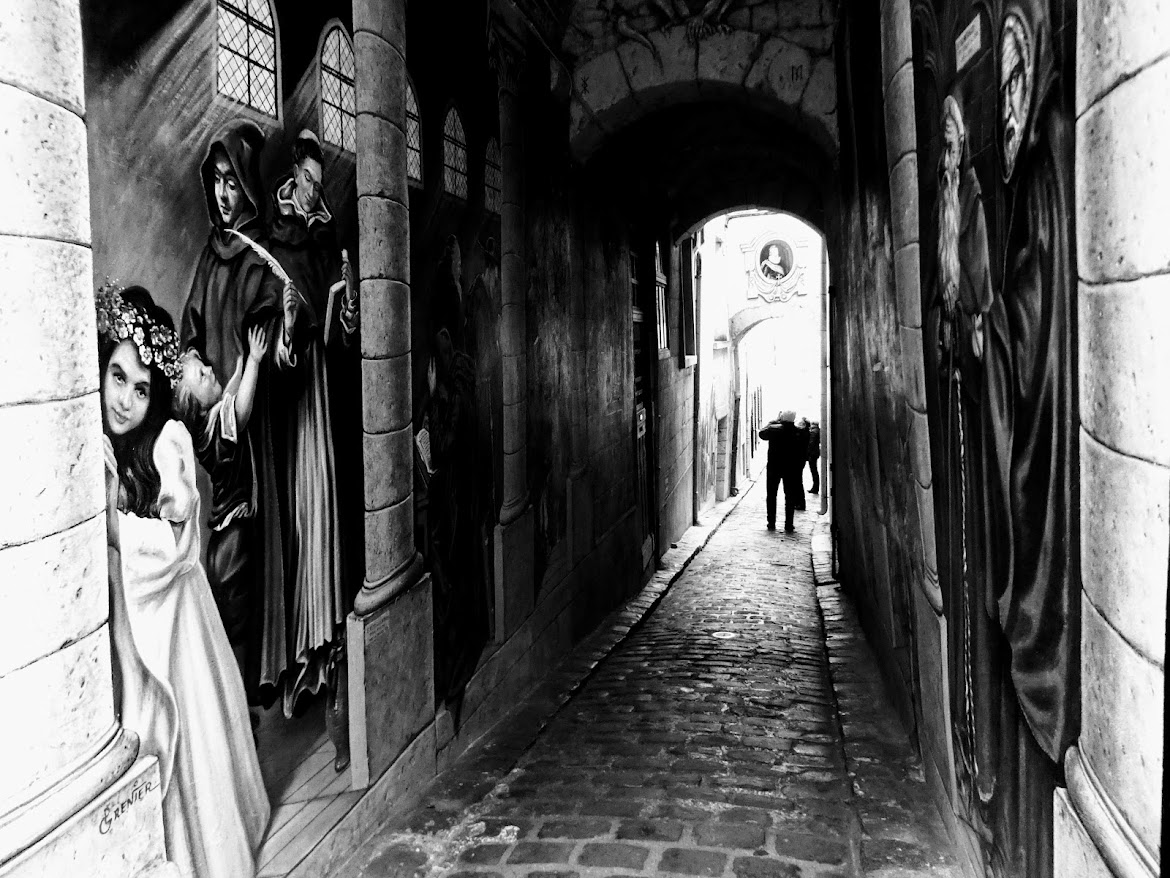
Laon, as we made our way down eastern France towards our daughter’s family in Spain. This is a lovely place. We zig-zagged our way up the steep slopes of a hill straight out of a children’s picture book and found ourselves in a perfect mediaeval town. It used to be quite a place. Important in Roman times; a hub of the Carolingian Empire, it was capital city of this part of France – until 987 CE, when the baton passed to Paris. The 12th century cathedral testifies to the fact that the city remained a religious hub for long after that. These days it’s an administrative centre and modestly-sized industrial hub, and well worth a day of your time as a tourist.

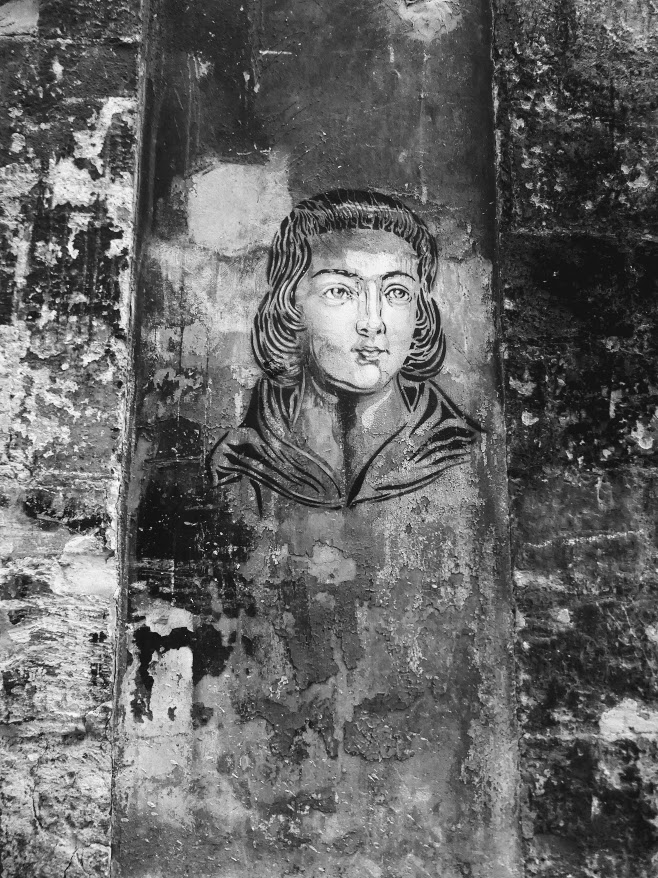
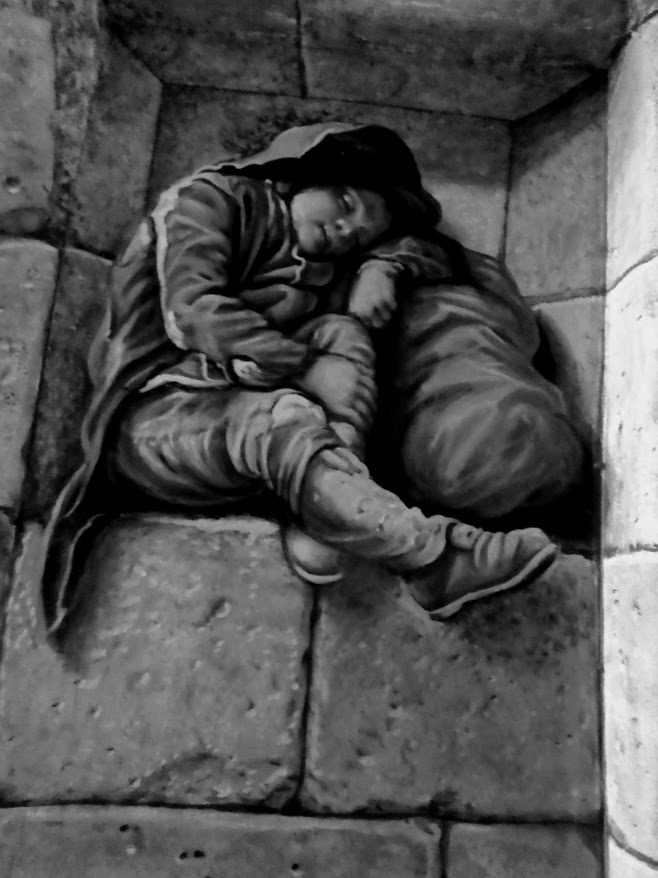
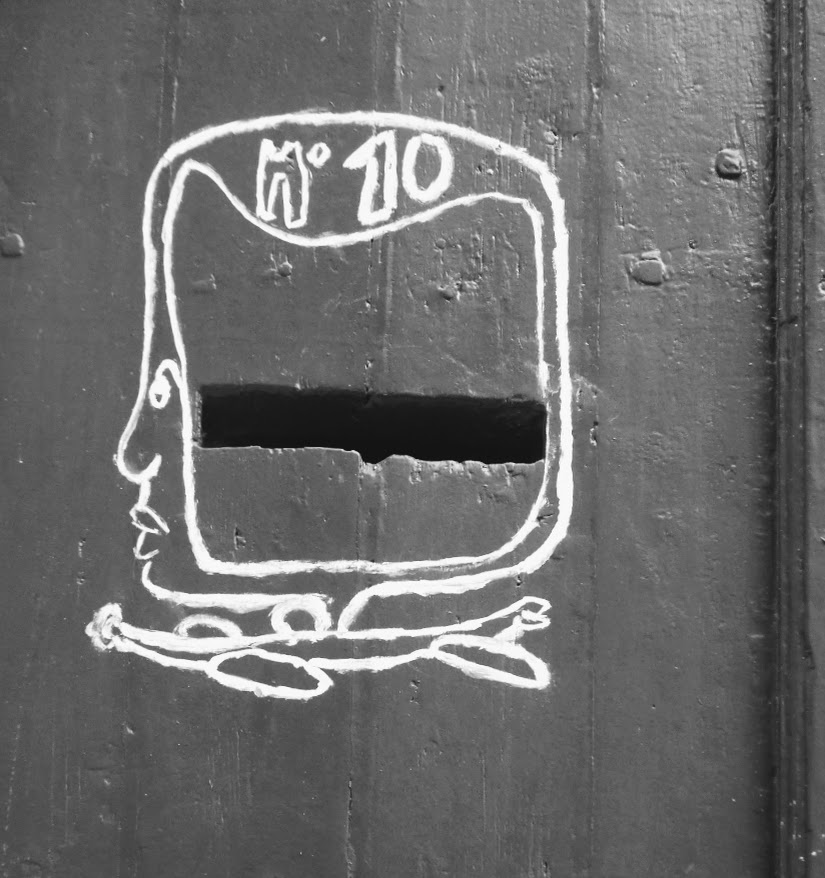
I’m focussing, for today’s Monochrome Madness on some of the more quirky recent features of the town – the mediaeval-style signs above the shops announcing their trade, some street art – some formal, and other more idiosyncratic items. The cathedral barely gets a look in – we weren’t allowed to visit much of it it inside, and it was raining outside. But I’ve given you a glance at it.

A final image from an unloved corner, where ancient buildings had been deserted before they tumbled down an eroding cliff-face.

Leeds: A Whistlestop Tour

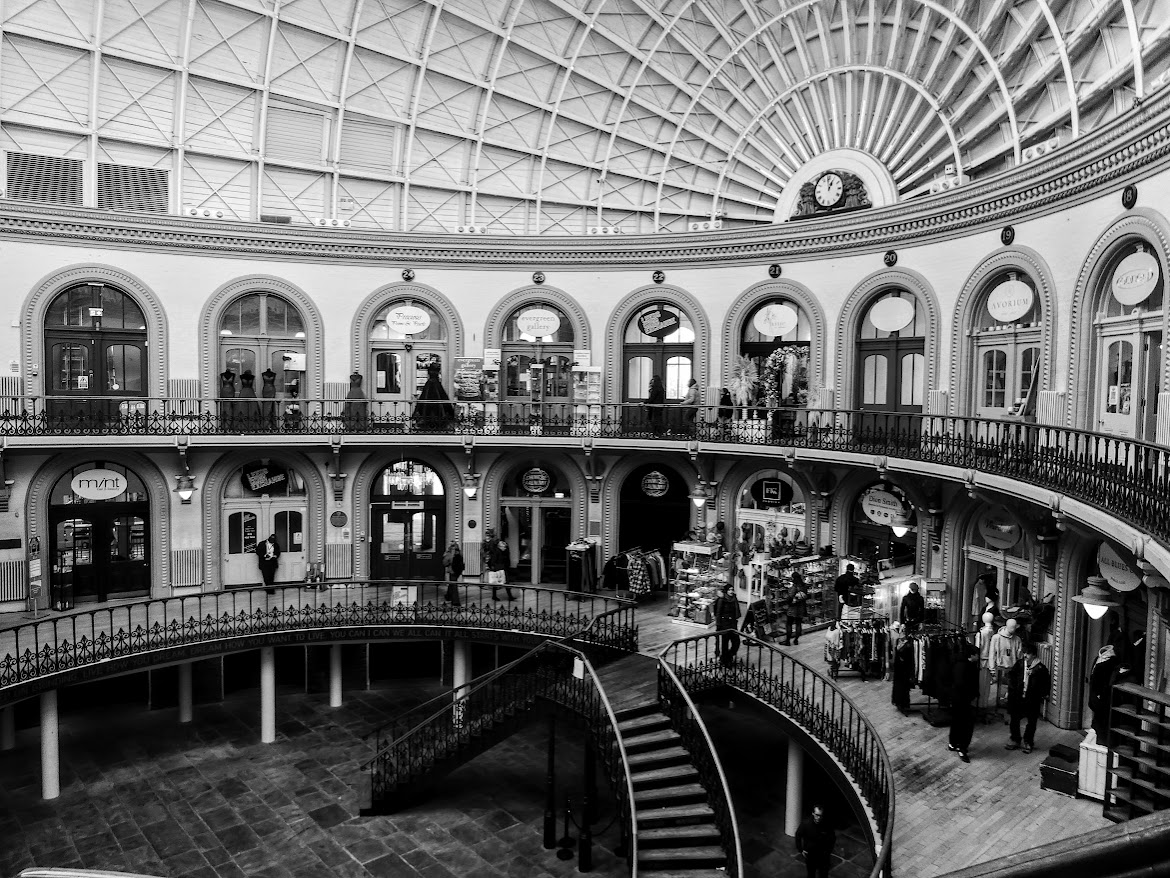
Leeds is a Victorian industrial city that has vigorously embraced the 20th and 21st centuries. We’ll explore a tiny part of the central area, as we did with the London branch of the family at half term.

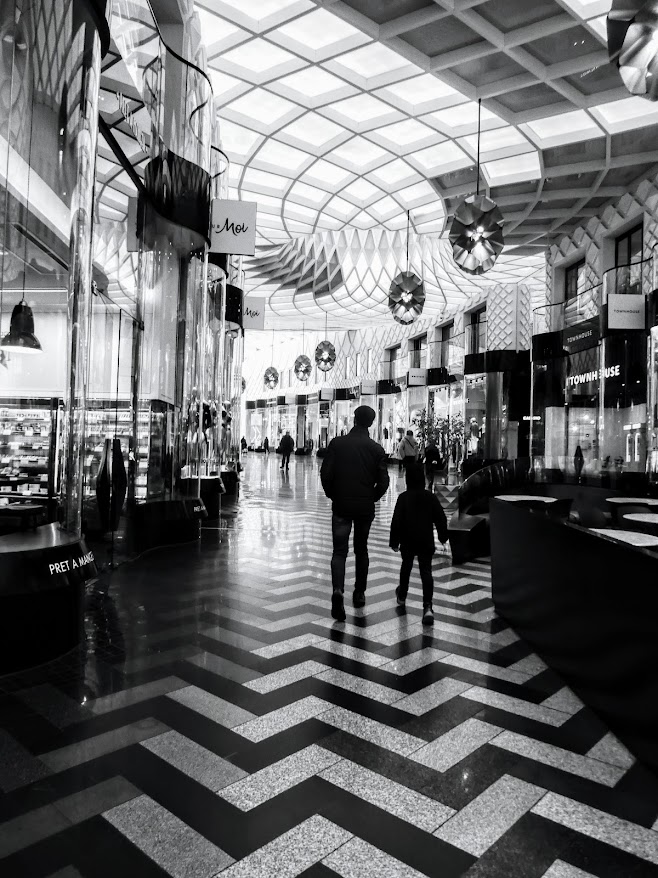
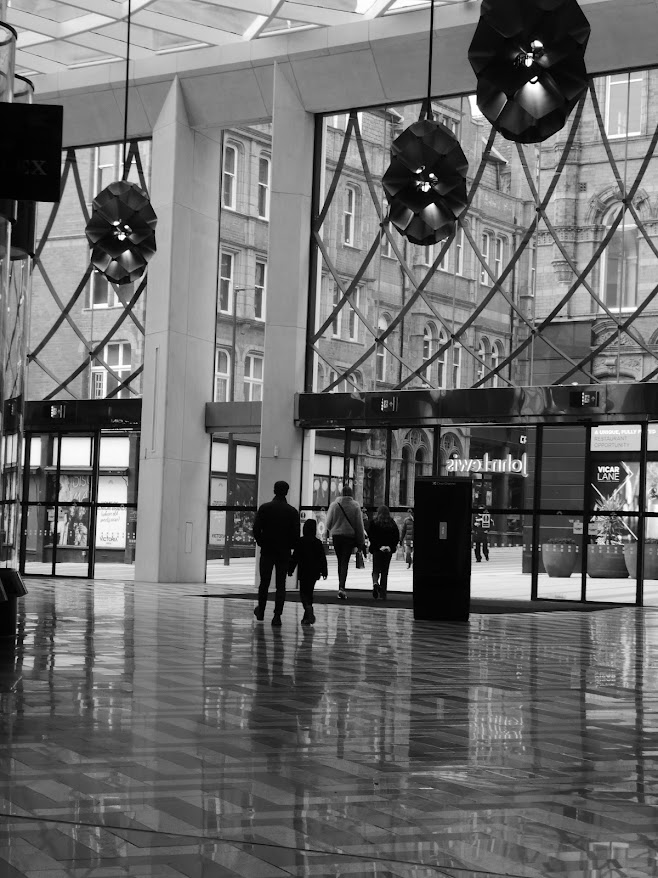
We’ll start in a modern shopping centre..,

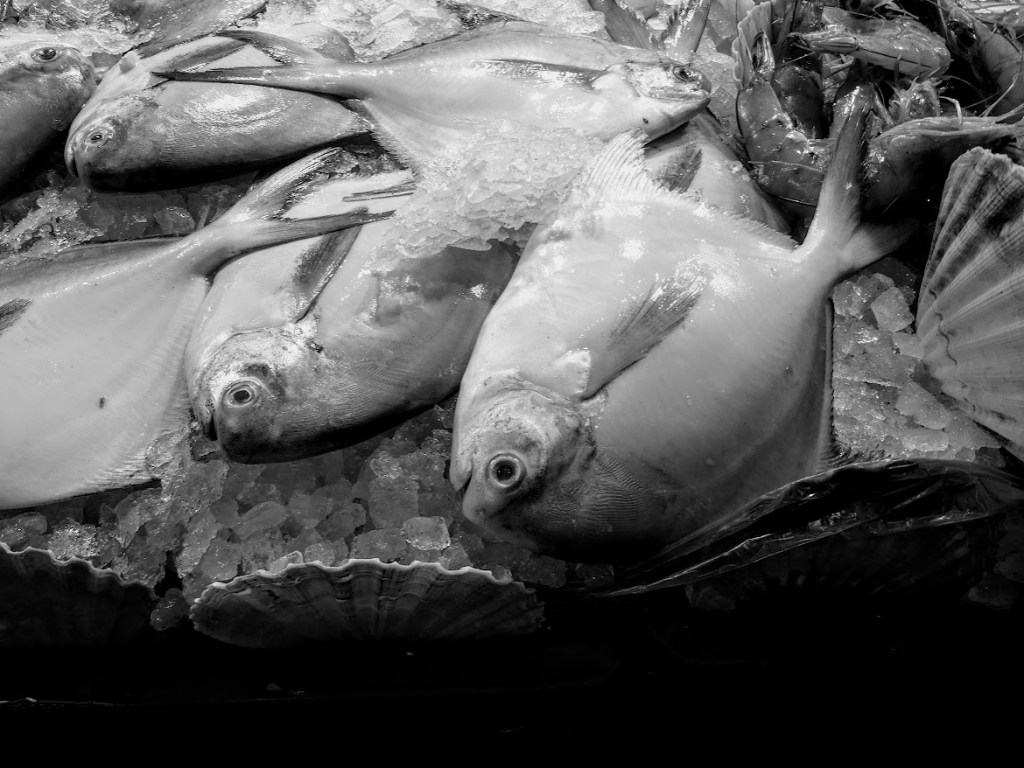
… and wander through the late Victorian covered market, stopping at one of the fish stalls.

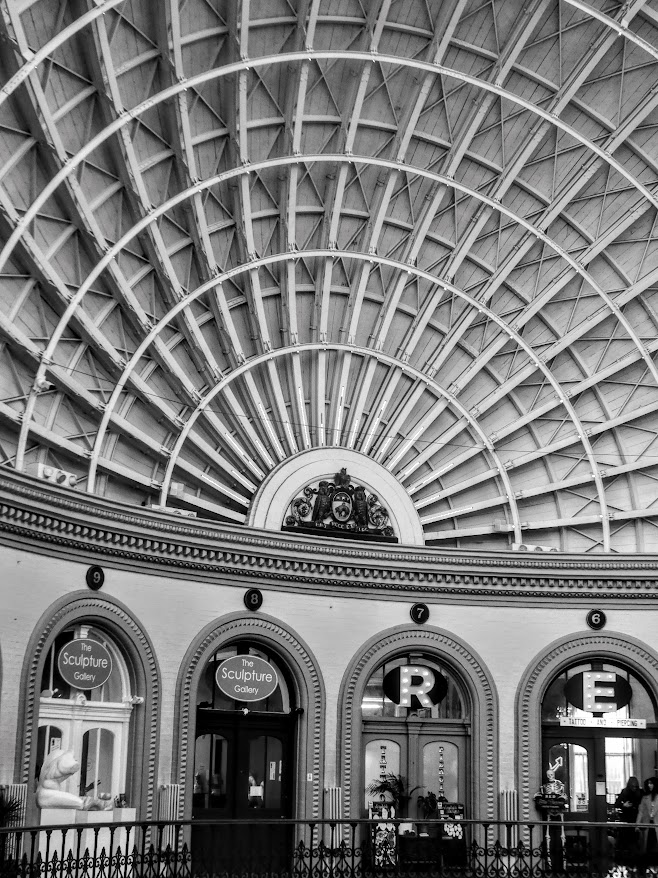
The Corn Exchange was built at much the same time as the market, to trade corn. These days it’s the home of independent vendors selling to those looking to while away a pleasant hour or two finding something out of the mainstream.
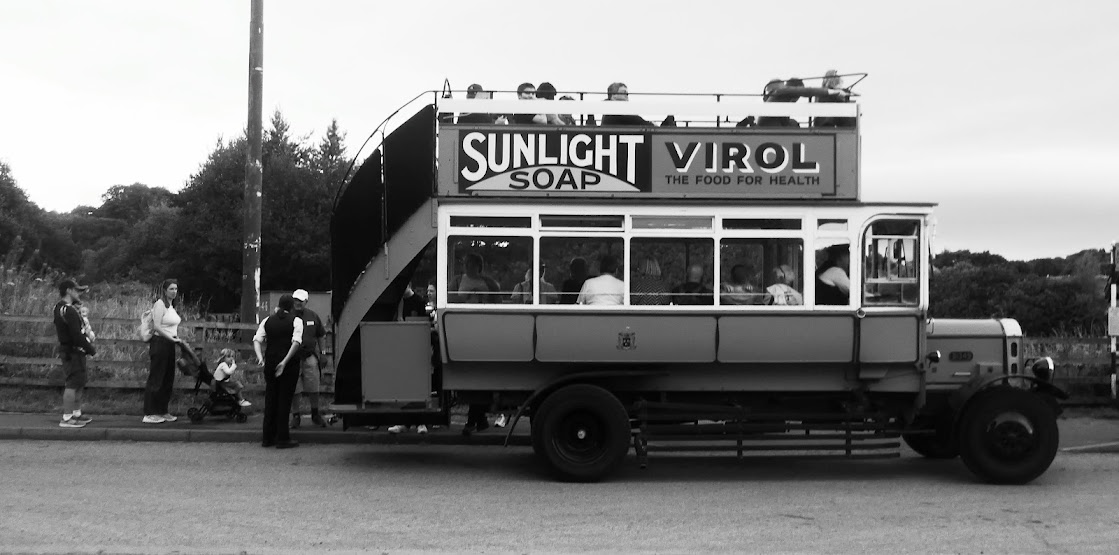
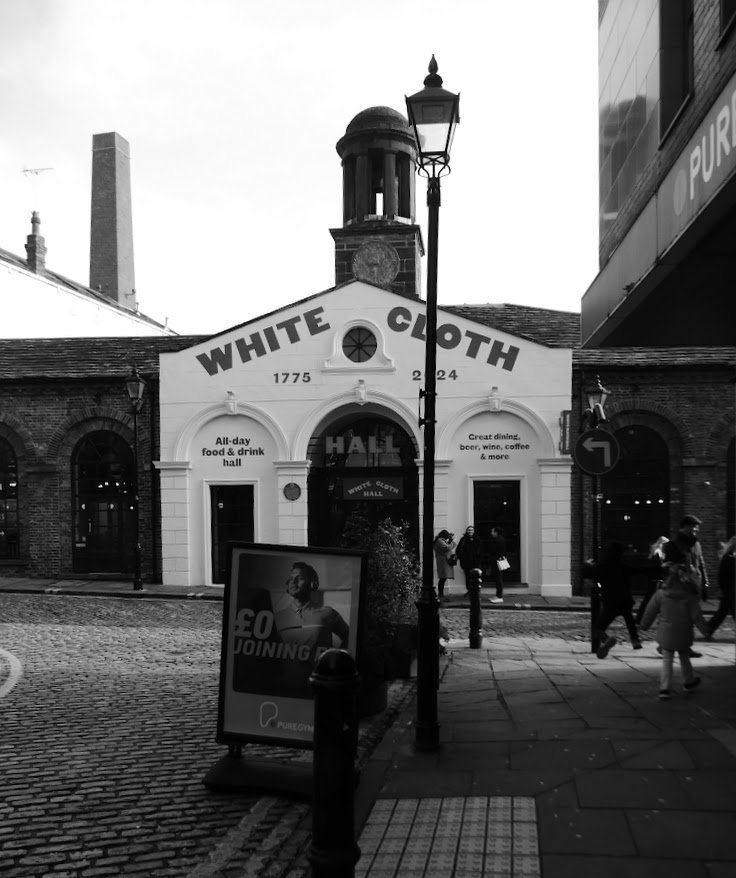
We’ll wander down some older streets …

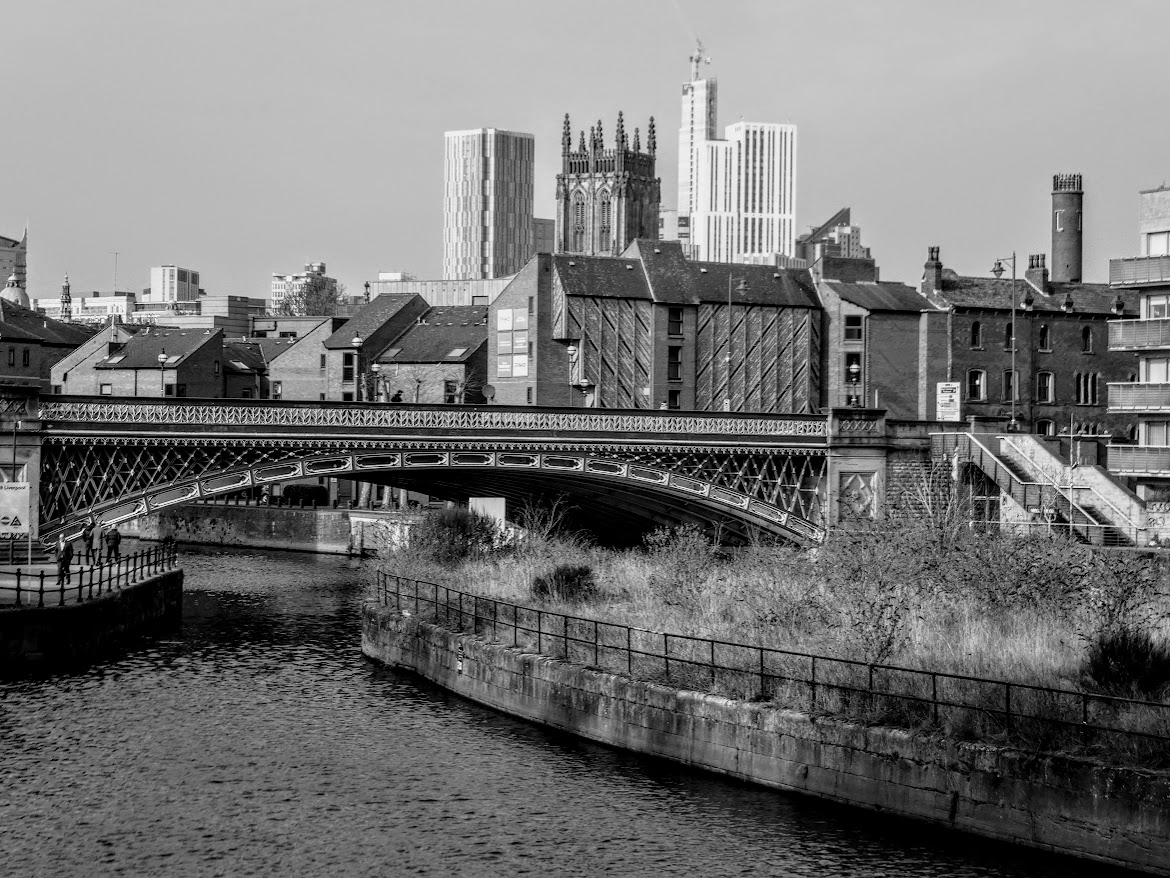
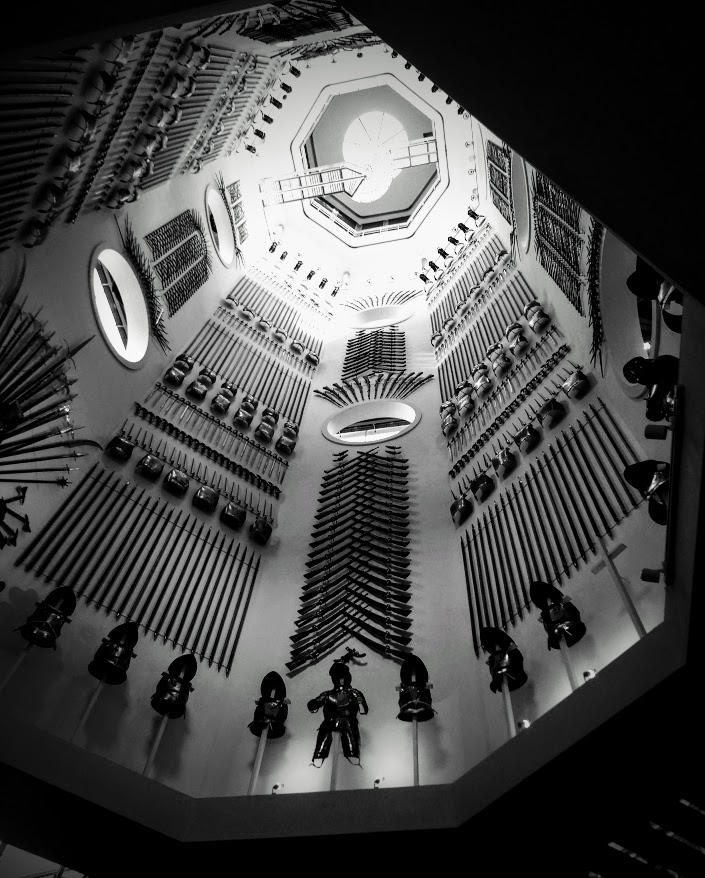
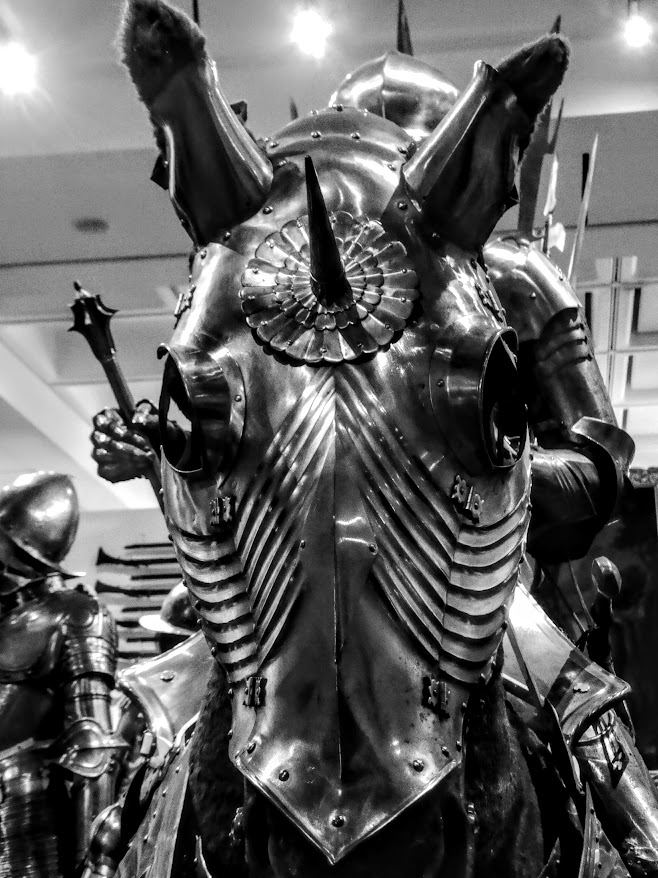
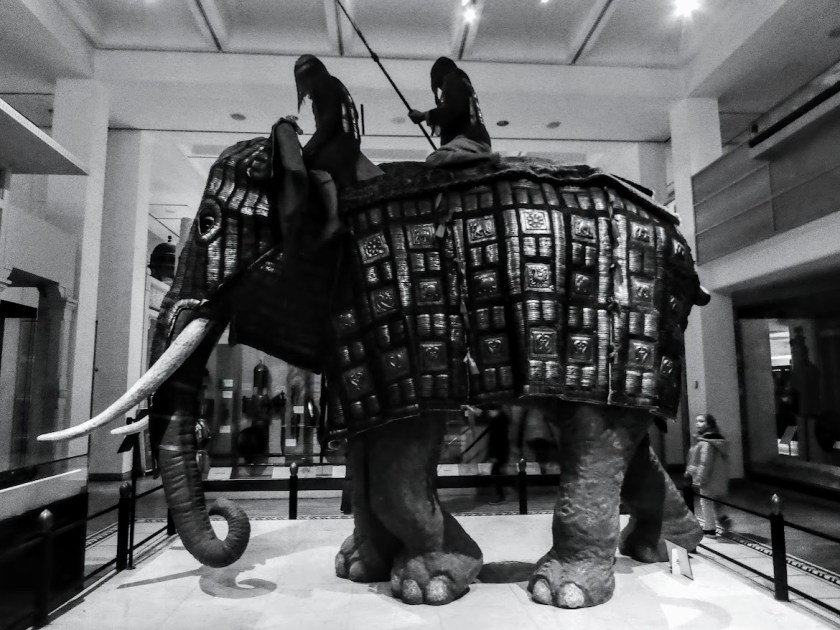
… then onto the newly developed banks of the River Aire. Industrial grot has been replaced by both student and up-market flats, and the featured photo shows the view of Leeds old and new. The Royal Armouries Museum was supposed to be our destination, but at half-term it was way too busy, so we didn’t stay long . Here’s a taster, showing that even horses and elephants can get togged up for war, and that swords never seem out of fashion.
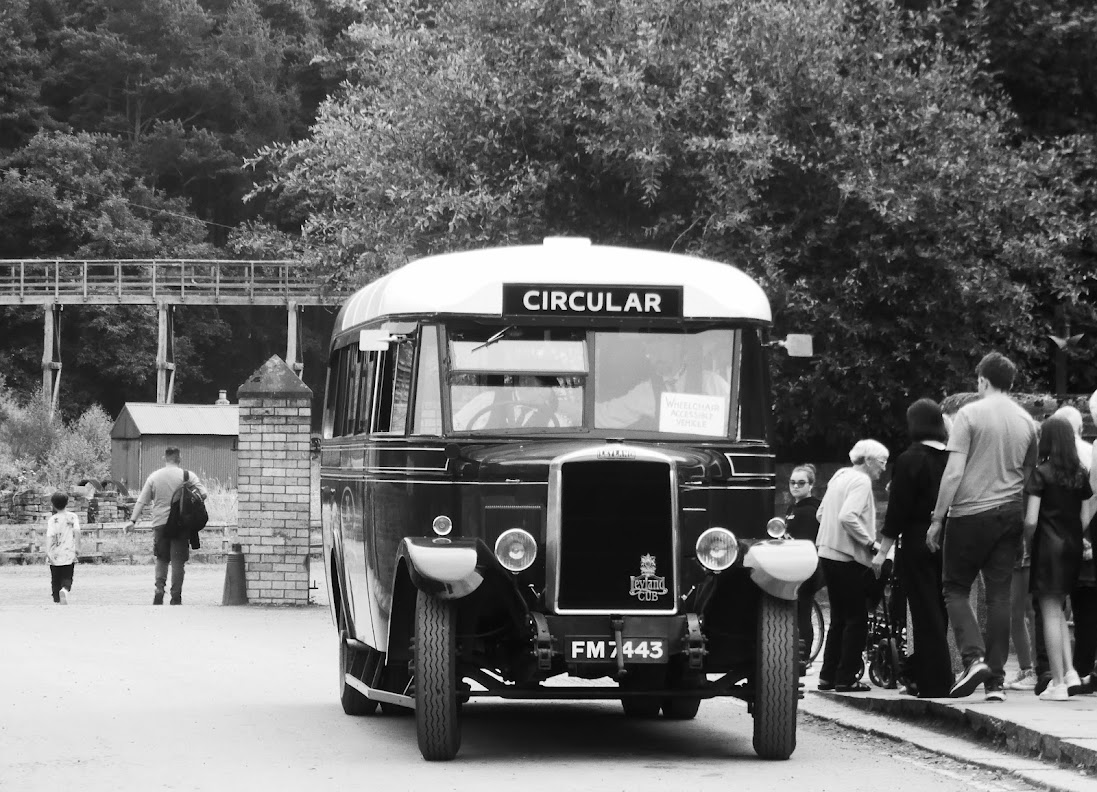
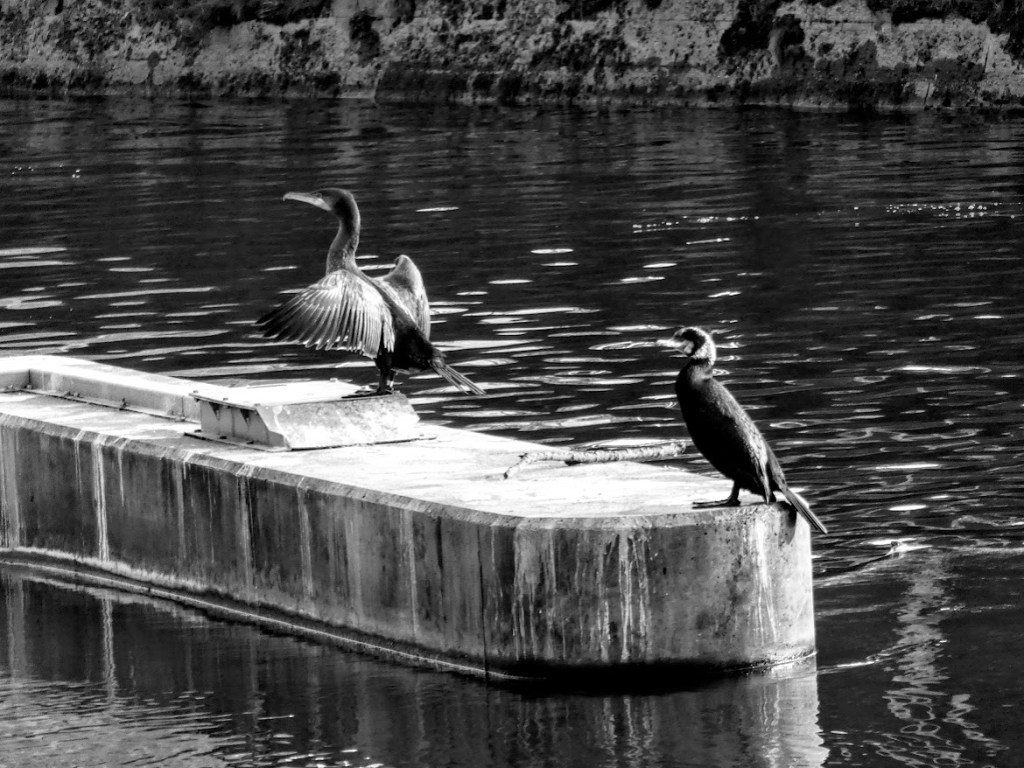
Tired now. We’ll wander back along the Aire, spotting a couple of cormorants on the way. That means there must be fish to be had these days. It was a filthy river in the bad old days.
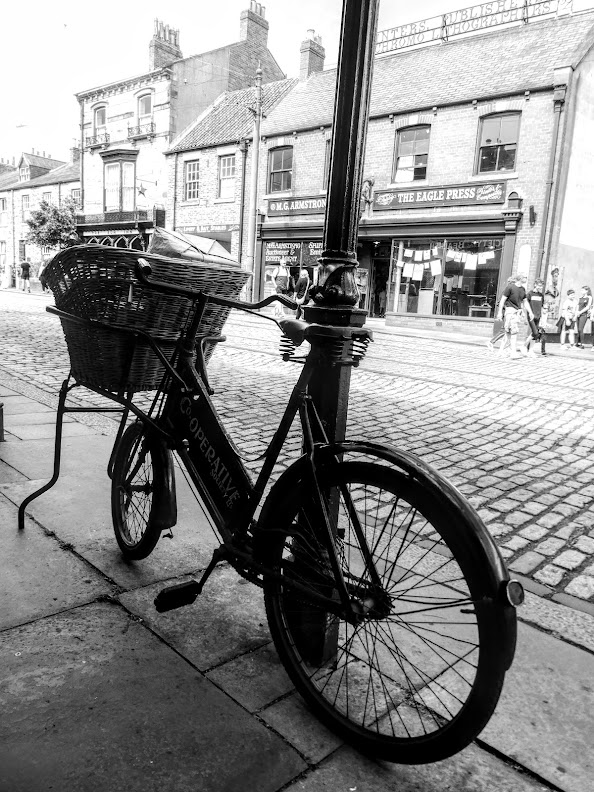
We’ll be back another day. I hardly recognise the city I called home until about twenty five years ago.

For Leanne’s Monochrome Madness

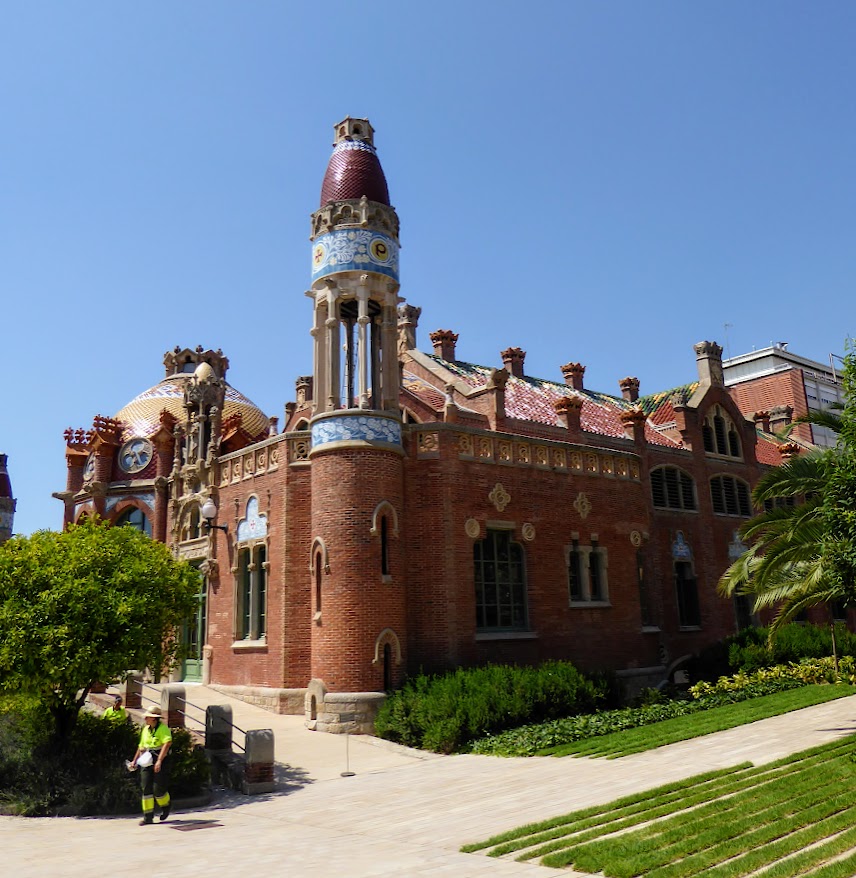
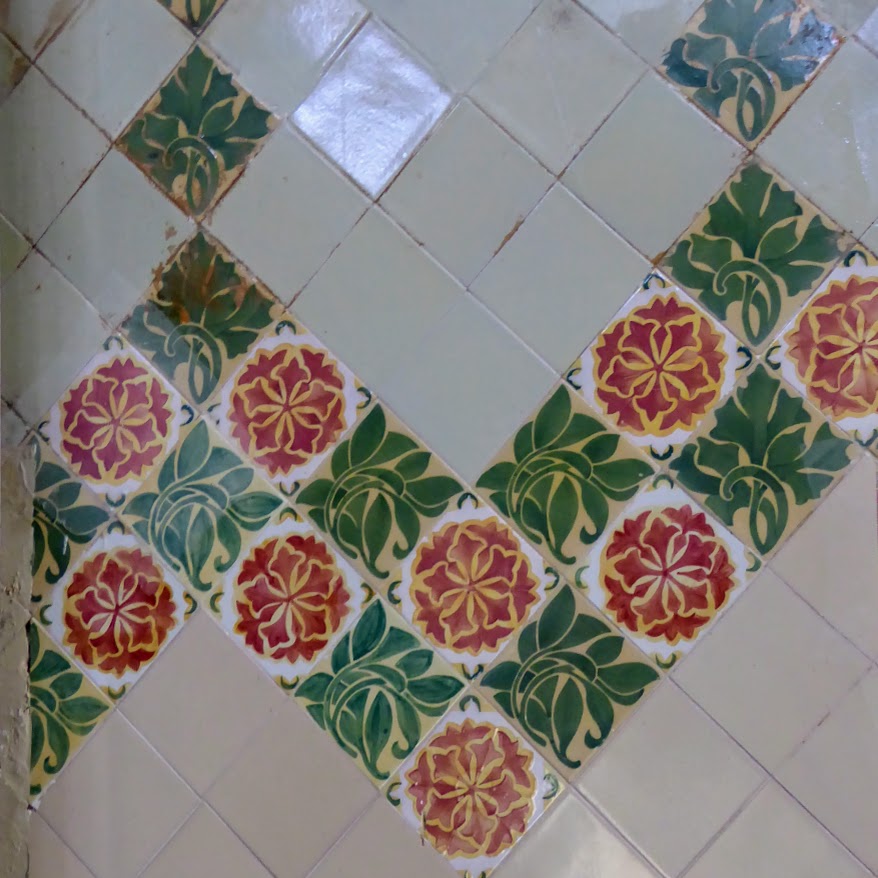
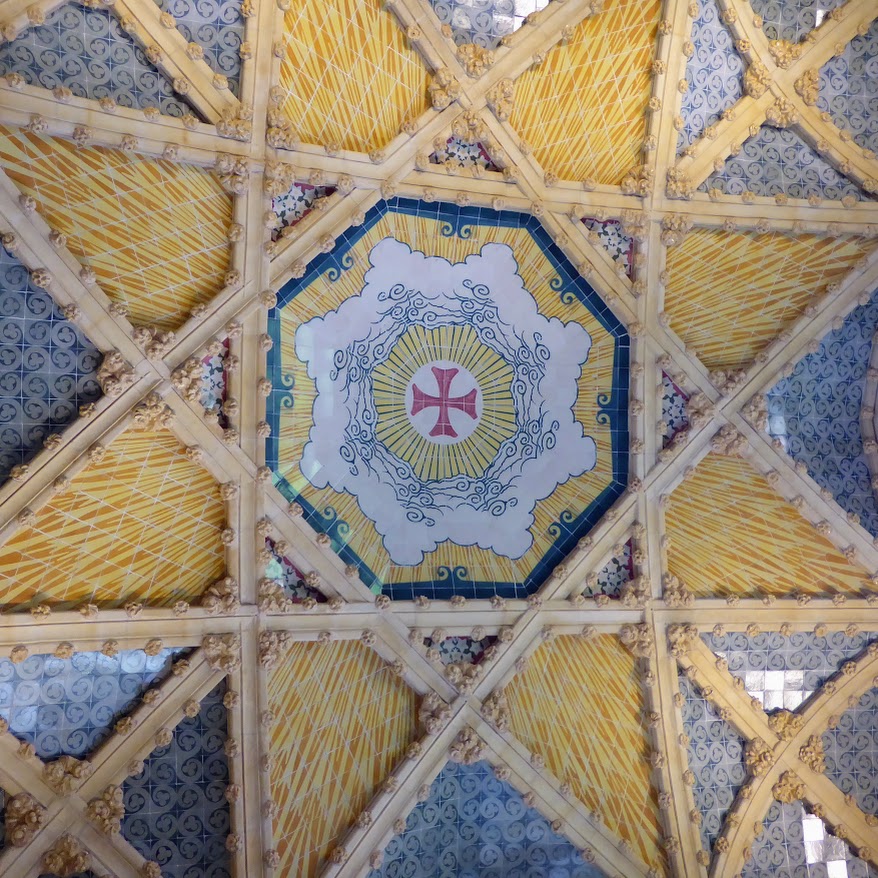
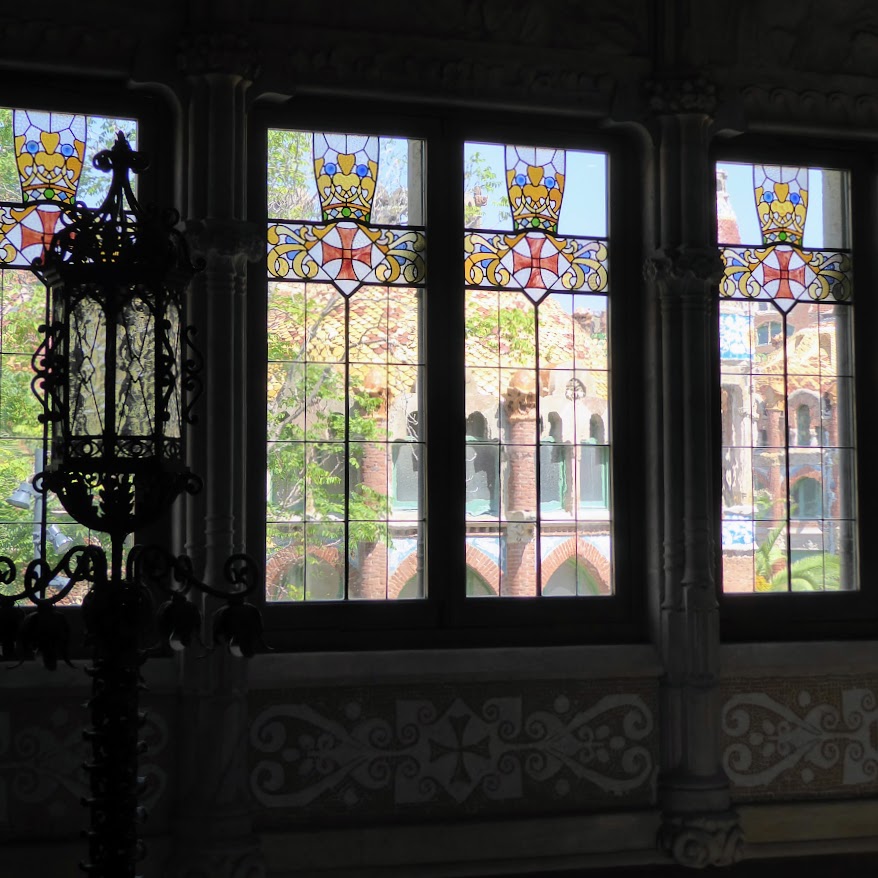
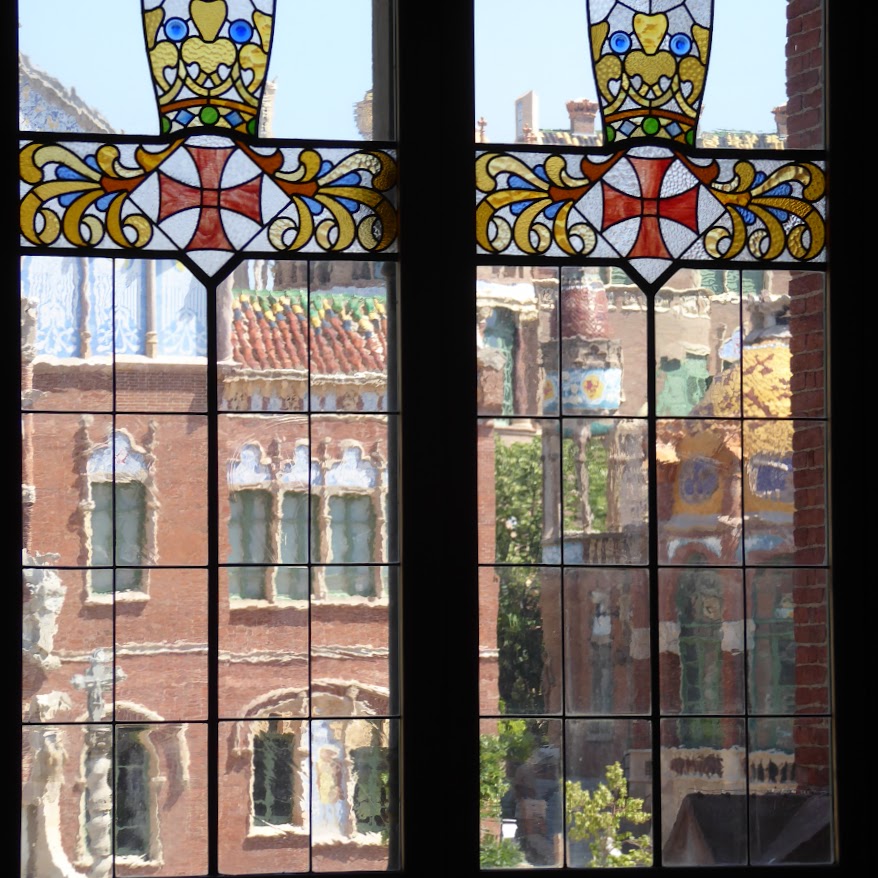
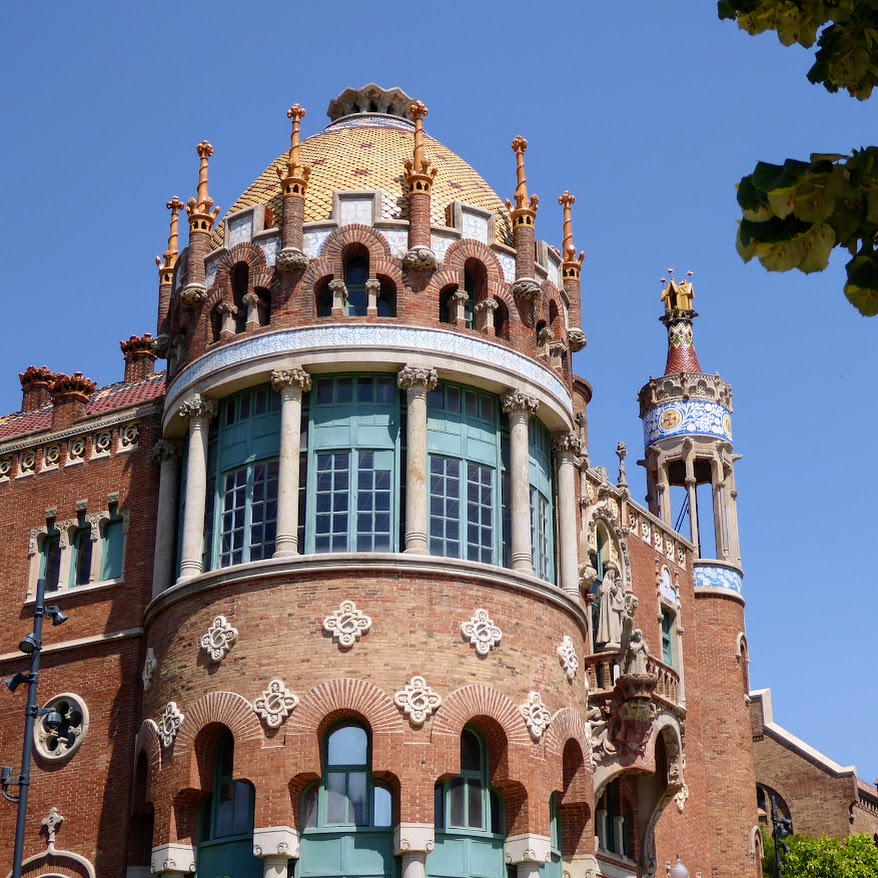
Geometry at the Hospital Sant Pau

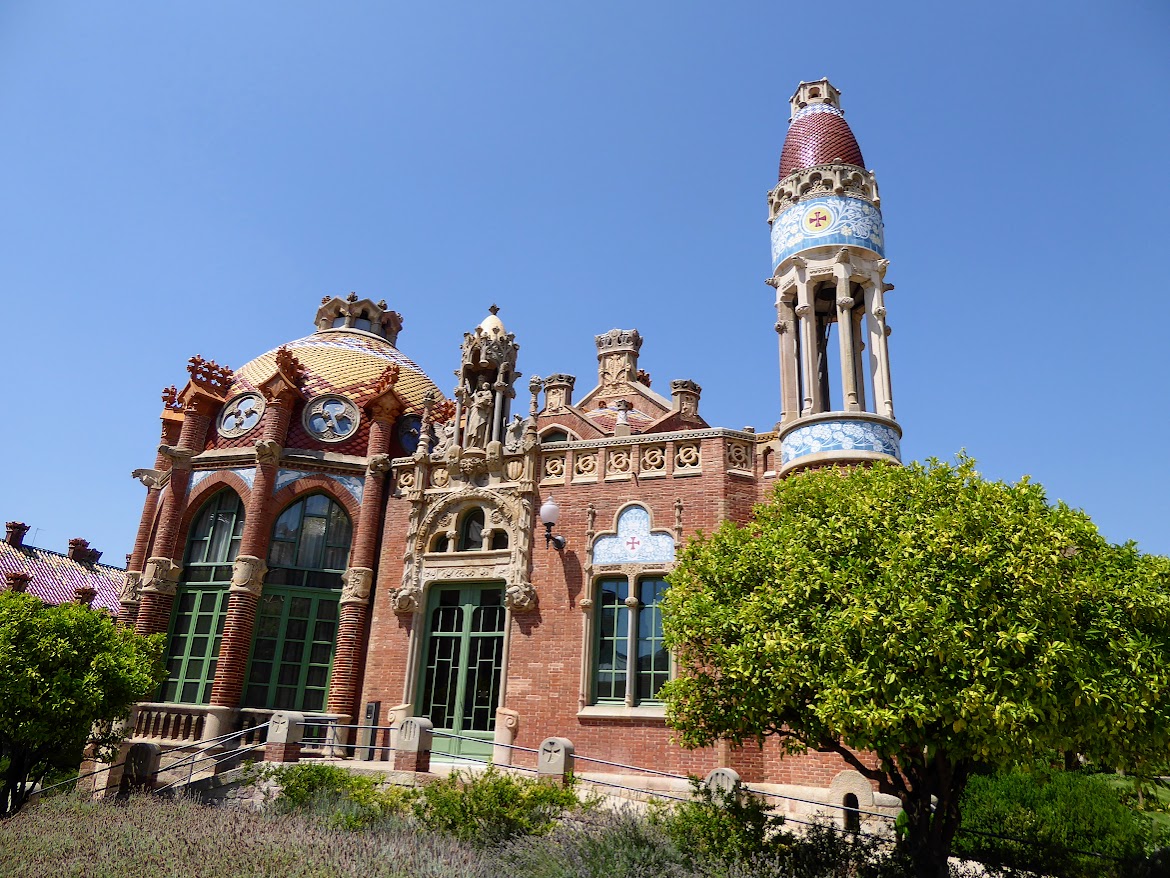
One of my favourite building complexes in the whole world is that of the original Hospital Sant Pau in Barcelona. It sits alongside its more modern successor, a centre of excellence for modern medicine. In its day, when it was first built in the early years of the twentieth century, before the days of the kind of universal health services we now take for granted, it was a wonder. It cared for all comers, and recognised that part of any treatment was access to beautiful spaces, to fresh air and access to nature. And it shows.

I’ve written about it here, and here. So let’s just look at some of its wonders as part of GeometricJanuary.

Geometry in Cabrils

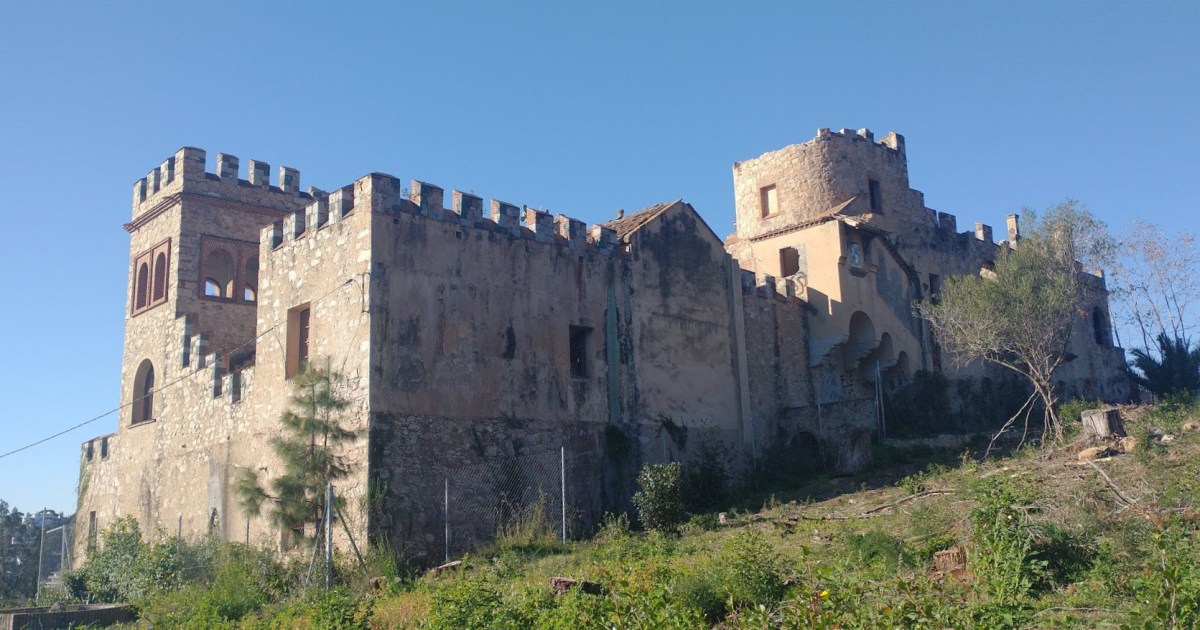
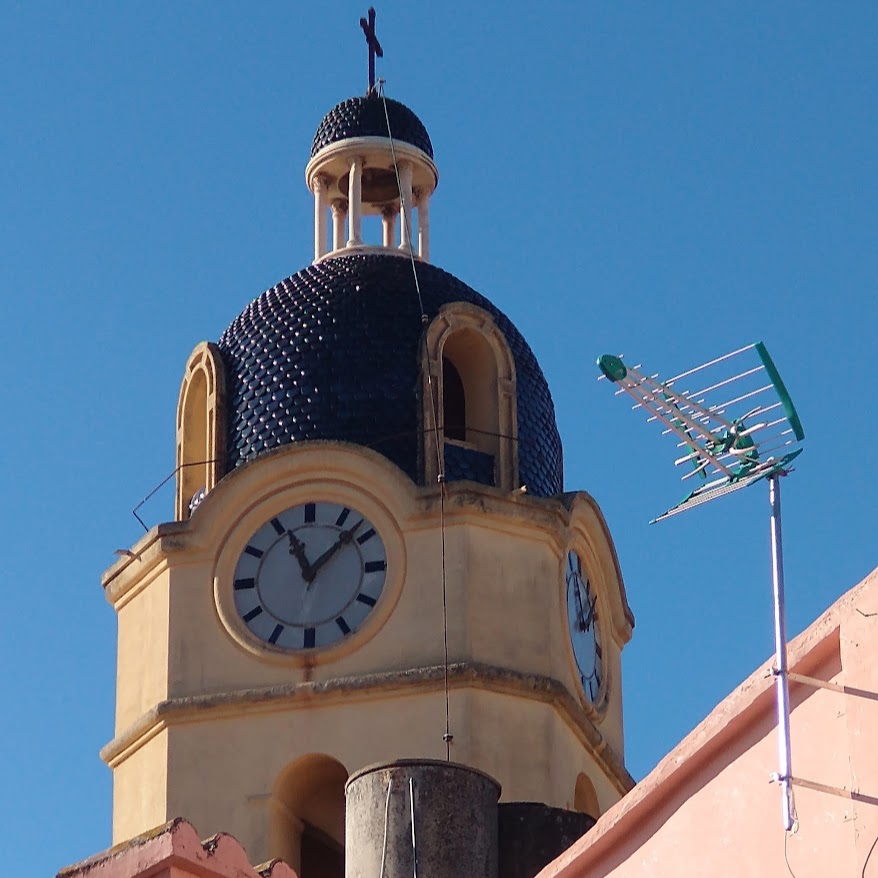
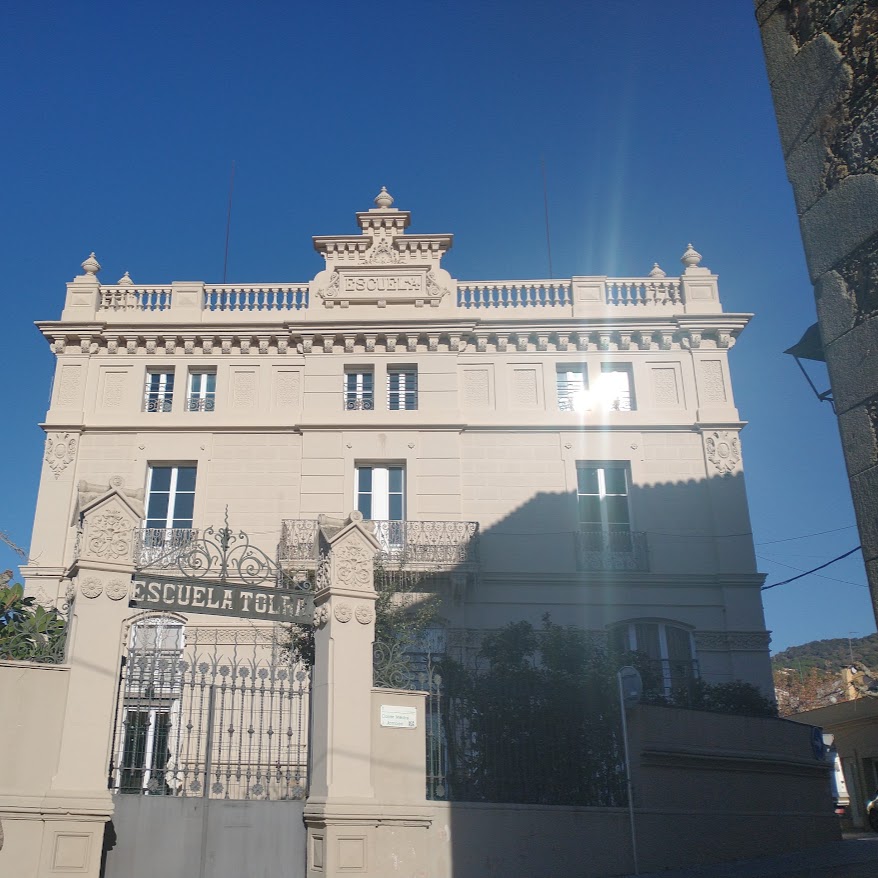
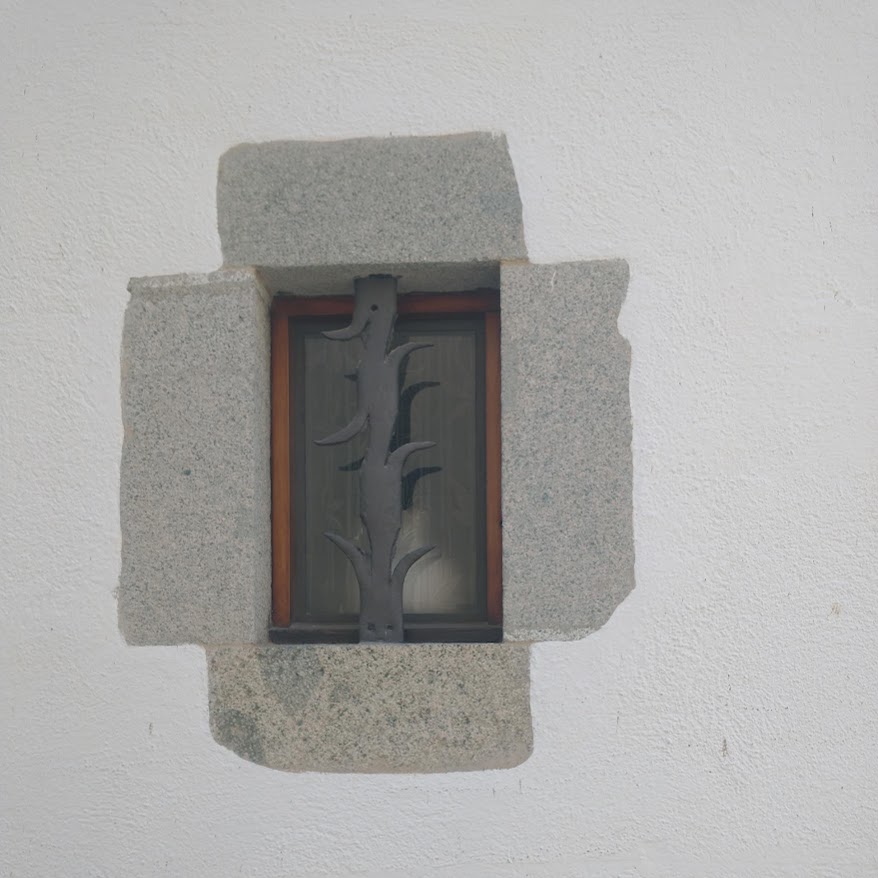
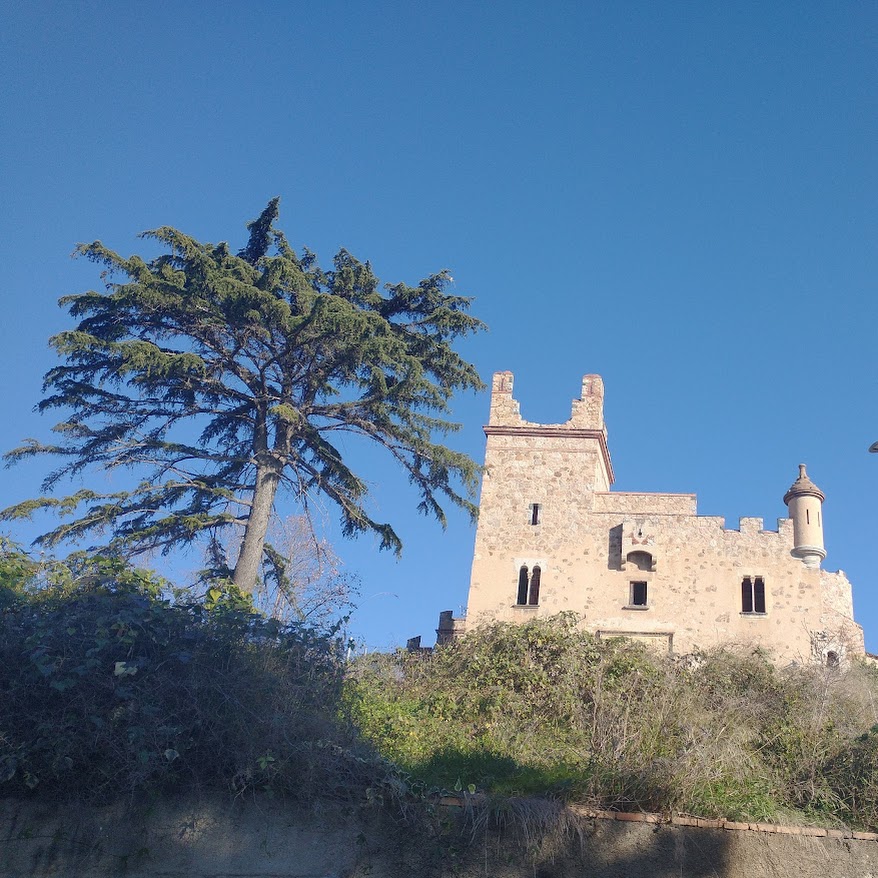
We’ve just spent an hour or two in Cabrils. It’s a rather desirable little town near here that’s got itself a bit of a reputation as a gastronomes’ haven. The cafe we chose for a mid-morning break didn’t bear that out, but it was good enough. We were more struck by a clutch of fine buildings: the church with its glazed tile bell-tower; the original town school, now repurposed as a School of Music, ordinary houses with handsome windows; and especially , round and about in the surrounding countryside, castle after castle. The one at the edge of town, which had probably never been defensive and is now abandoned seemed a bit sad. It looked ripe for conversion into fine flats or a luxury hotel.

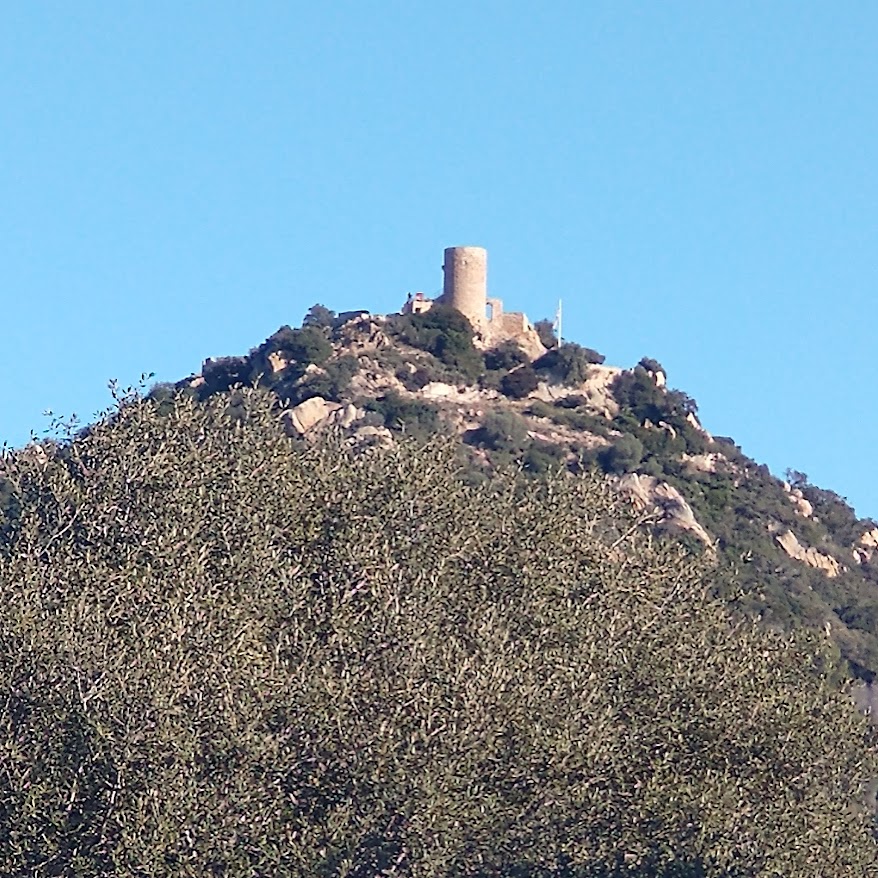
Sorry about the TV ariel by the church. I couldn’t find a view, in those narrow winding streets that avoided it, Here, below, is that castle I mentioned, and one outside town too. All with geometry firmly employed in their contruction.

GeometricJanuary.

Geometry in an Iconic Door

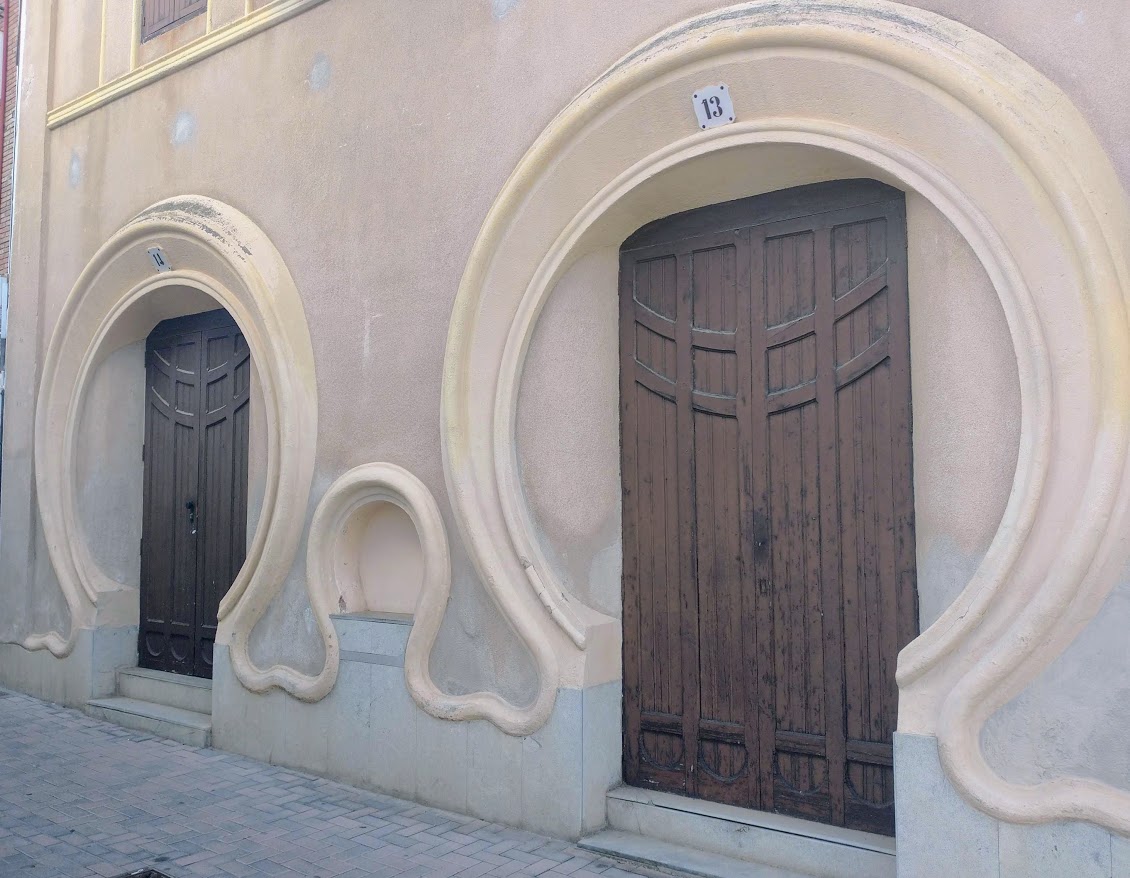
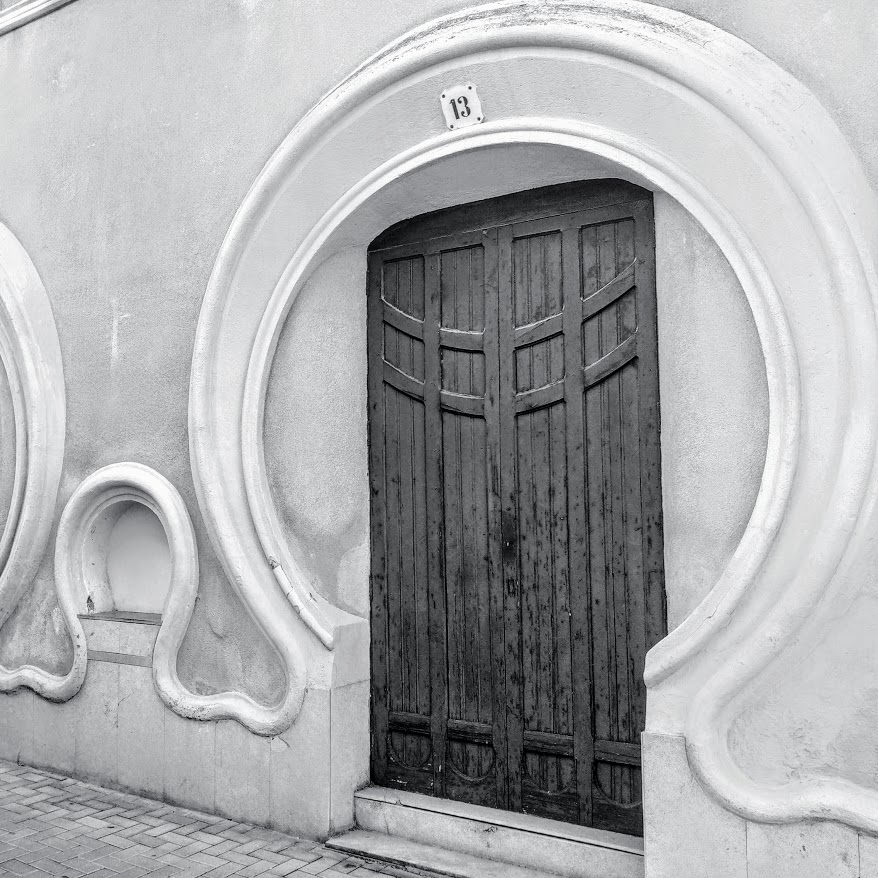
Premiá de Mar, like most towns round here, has its share of Modernist architecture. Today I’m showing you a splendid door from 1918. Originally a cinema, this building known as El Patronat became a parish hall, before returning to its roots and becoming a local arts centre for performances and film screenings. I always enjoy its exuberant doorways when I pass by.

GeometricJanuary.

Geometry in Mosaic Form

Today, Malcolm and I took ourselves off to Premià’s Museu Romà. It’s a museum brought into being because of a discovery during the development of new buildings in the 1990s of an important Roman site. It proved to have been what we might consider a conference and exhibition centre, built in the 5th century CE and an important place to promote the greatly appreciated wine grown on the estate. As the Roman Empire fell, so did the building’s fortunes. But after a few years, it re-invented itself, finding a new use as a home and wine-producing business. And later still, as a graveyard.

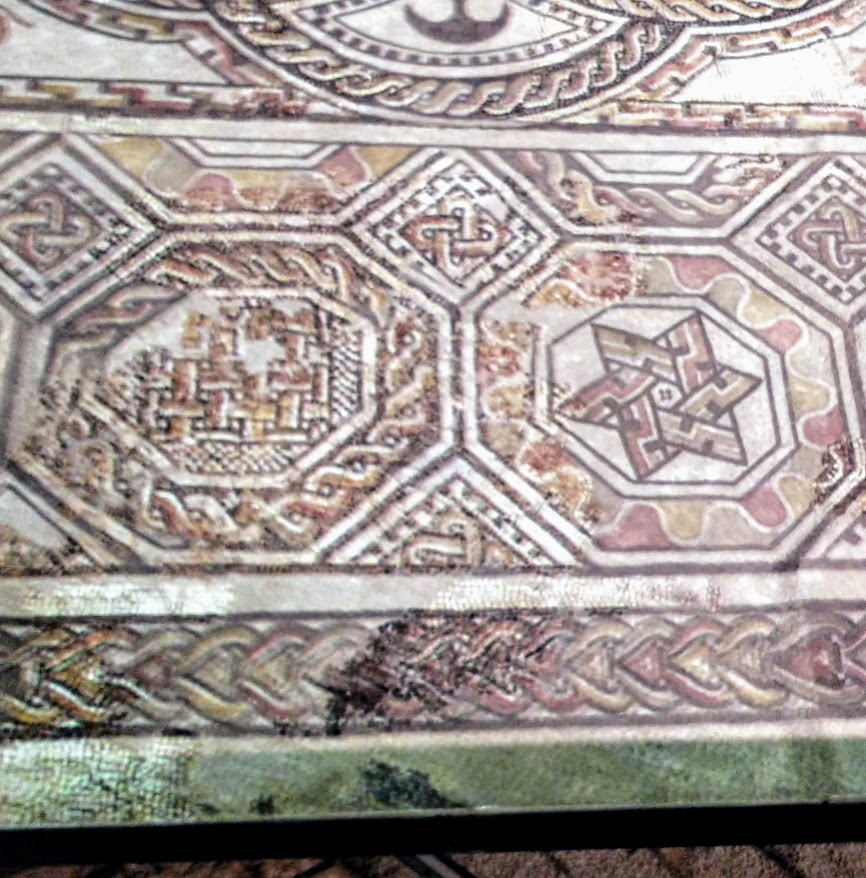
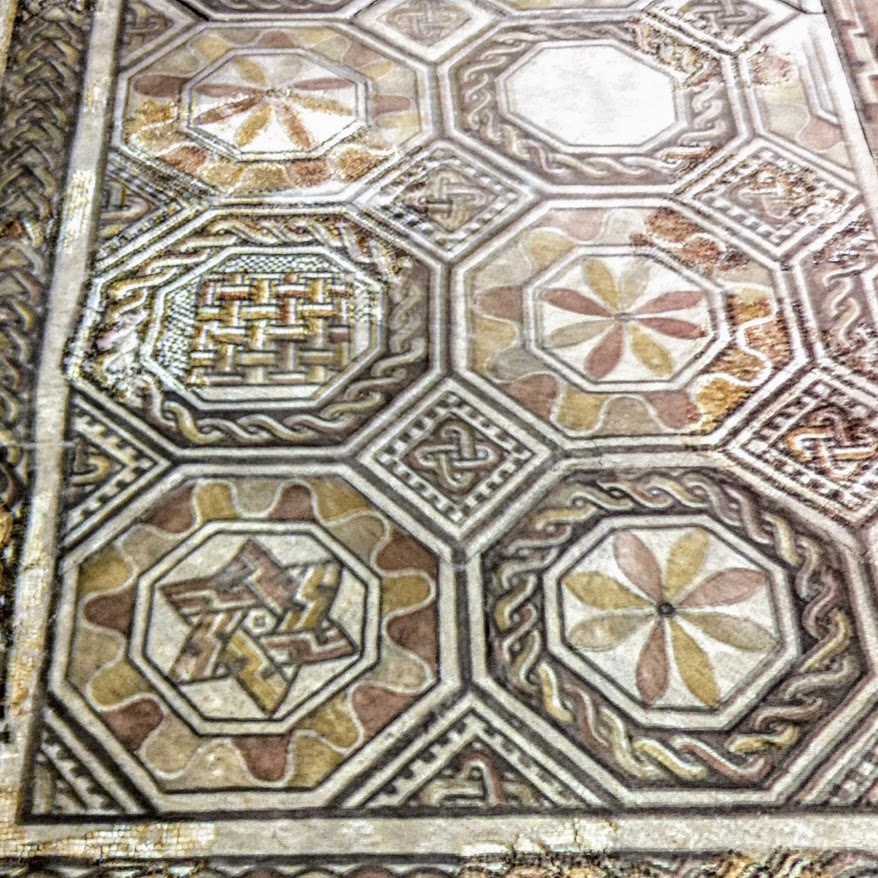
Star of the show is a wonderful floor mosaic, incredibly detailed and beautiful by any standards, and employing a full range of geometric idioms. It was hard to photograph satisfactorily, but here are a few shots – square of course.

GeometricJanuary