Geometry at the Hospital Sant Pau

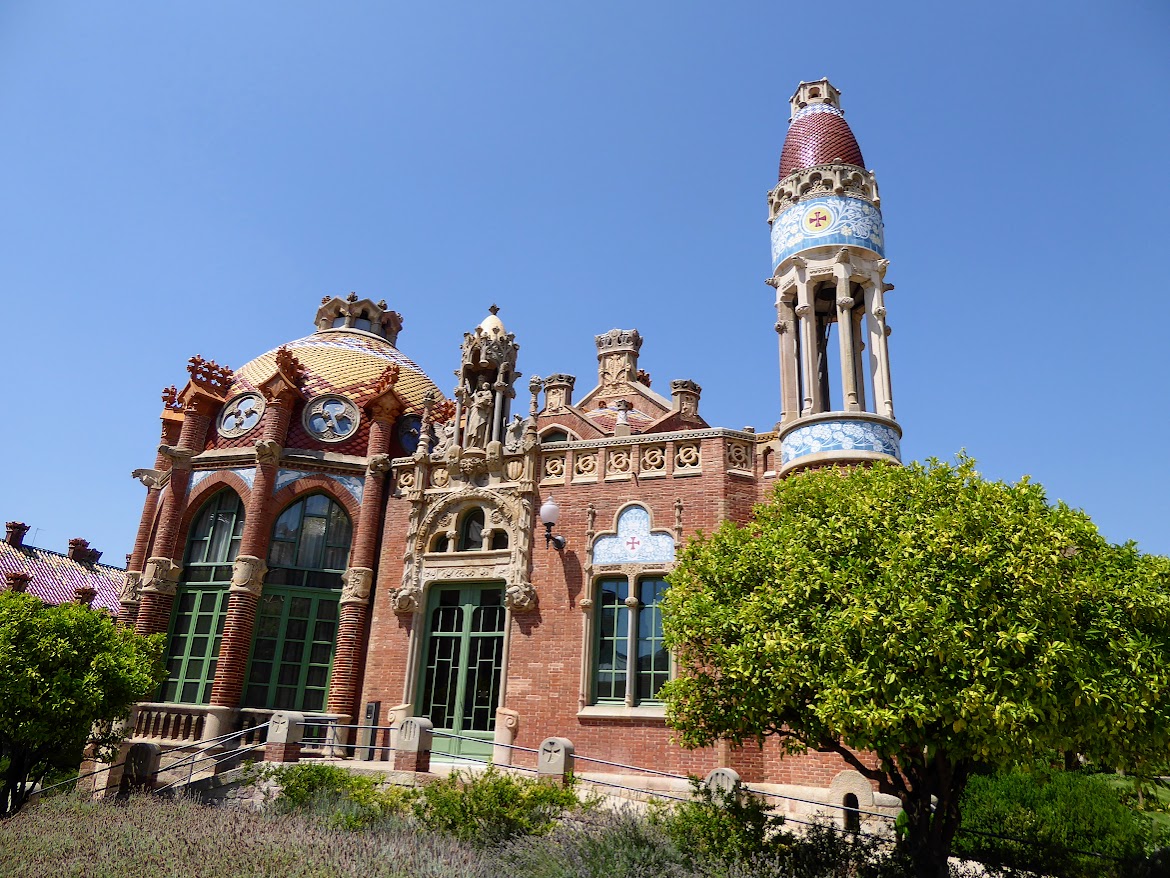
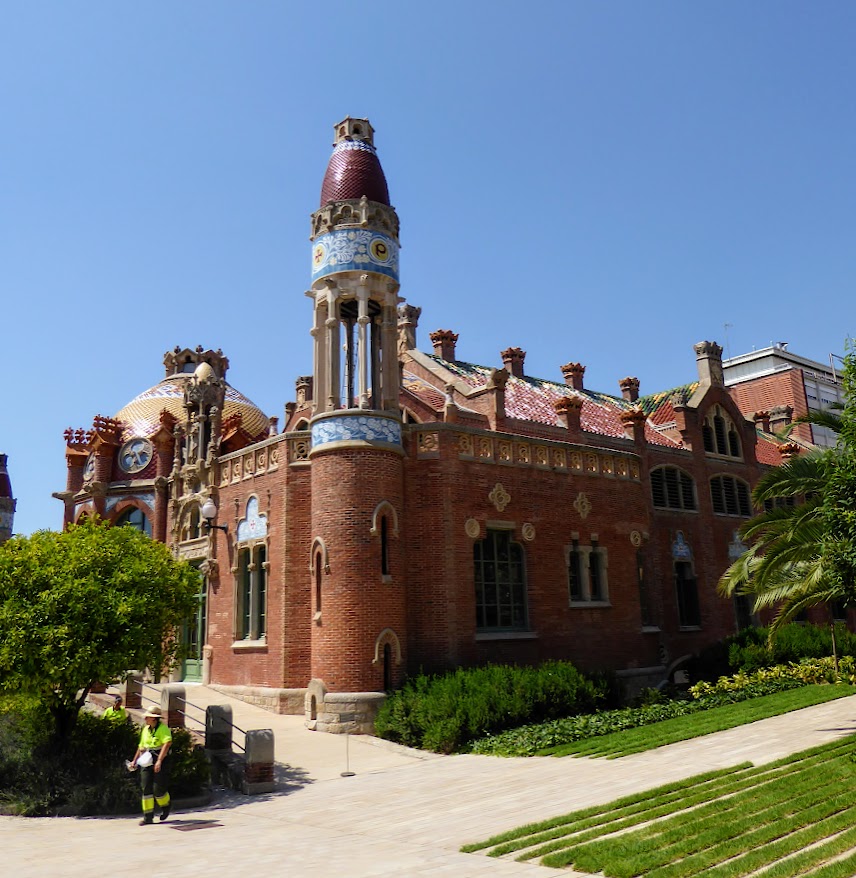
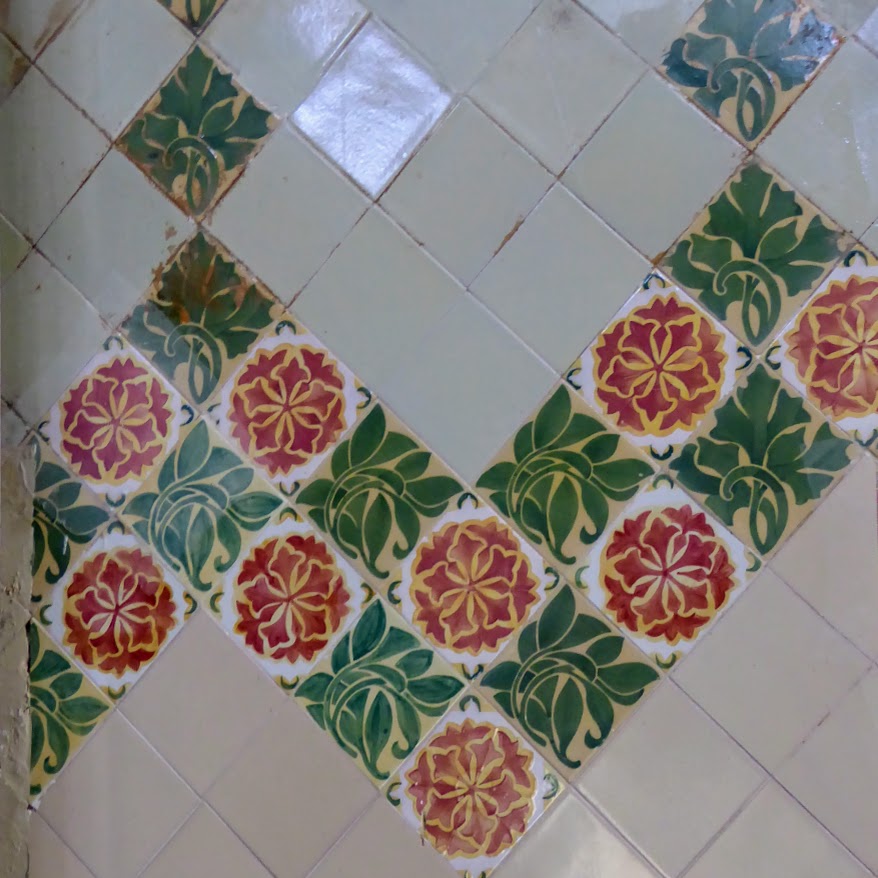
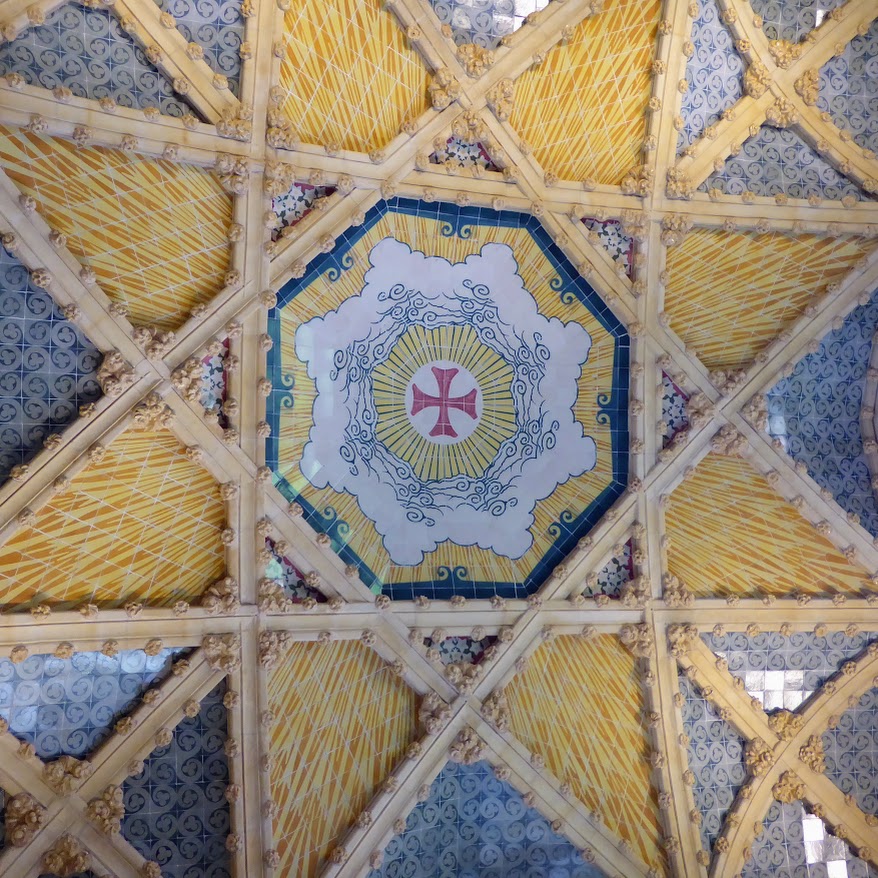
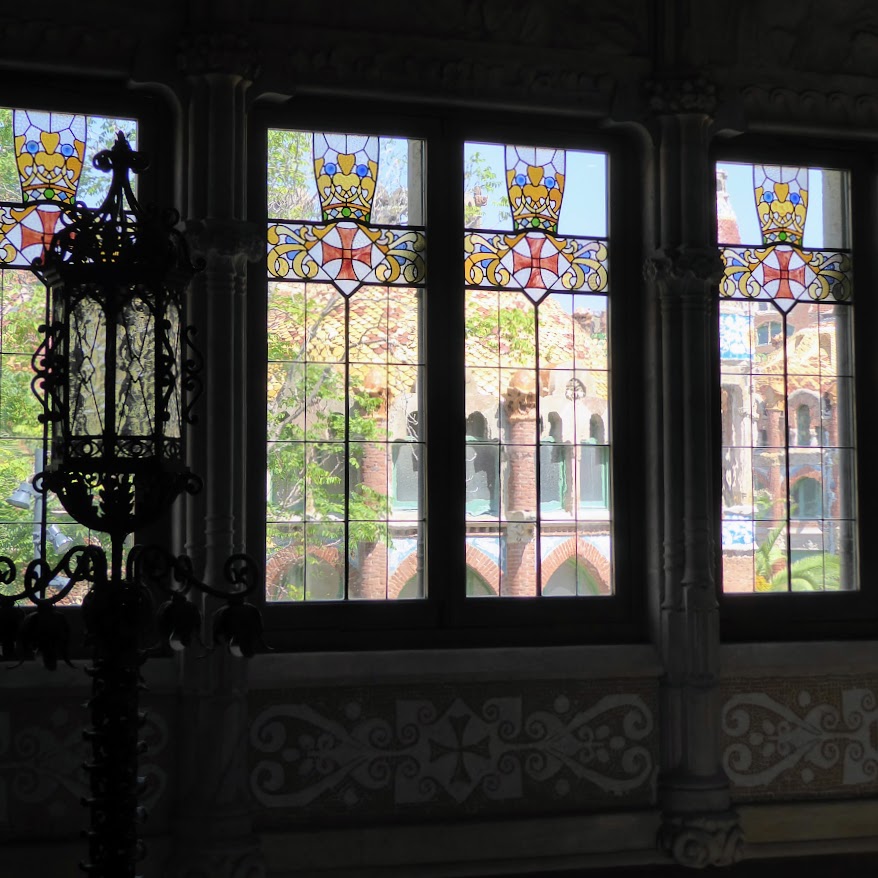
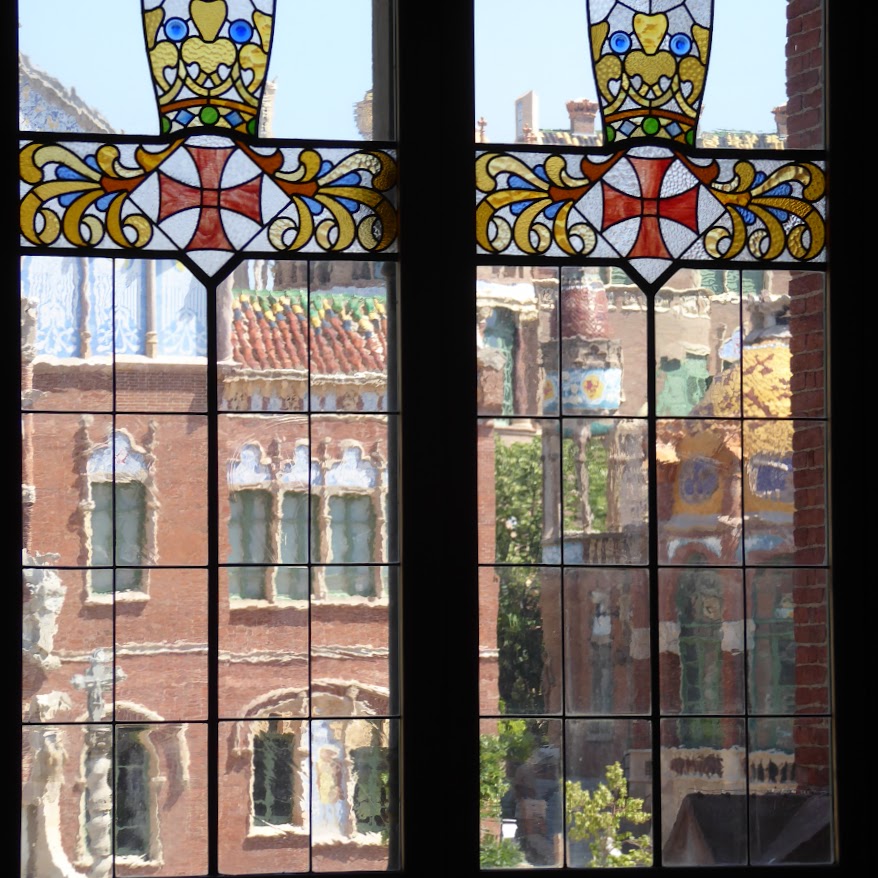
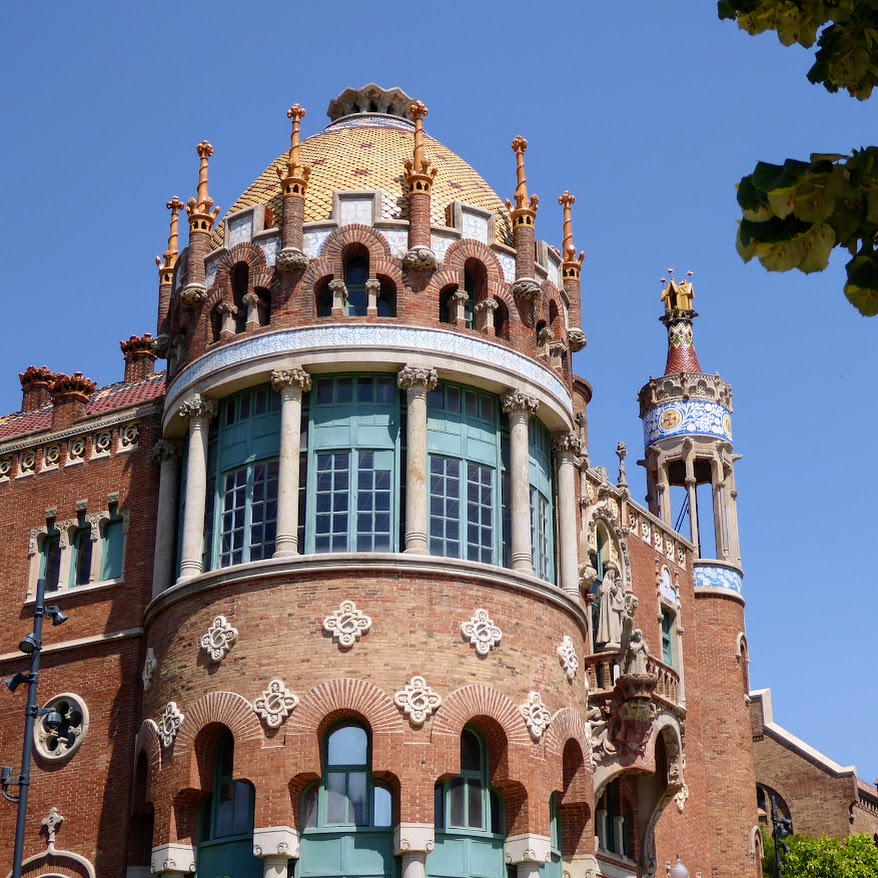
One of my favourite building complexes in the whole world is that of the original Hospital Sant Pau in Barcelona. It sits alongside its more modern successor, a centre of excellence for modern medicine. In its day, when it was first built in the early years of the twentieth century, before the days of the kind of universal health services we now take for granted, it was a wonder. It cared for all comers, and recognised that part of any treatment was access to beautiful spaces, to fresh air and access to nature. And it shows.

I’ve written about it here, and here. So let’s just look at some of its wonders as part of GeometricJanuary.

Geometry in Alella

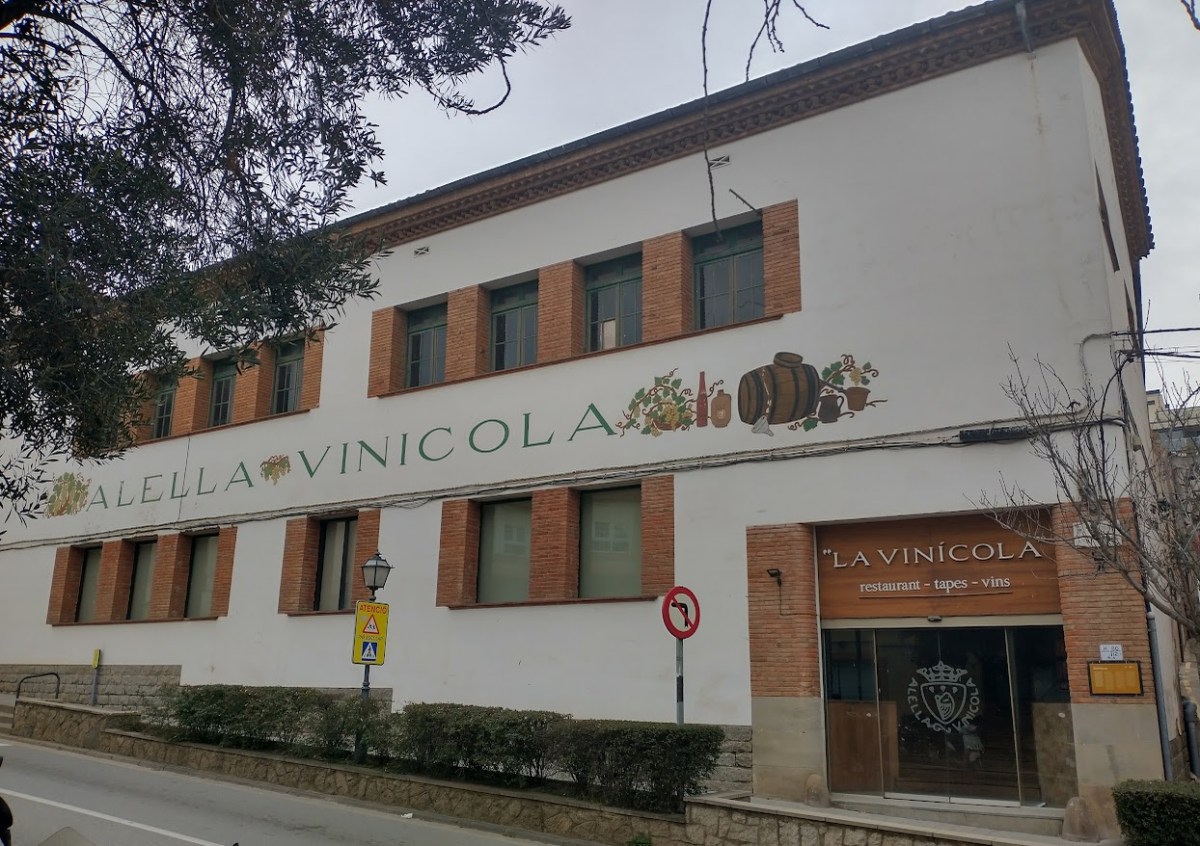
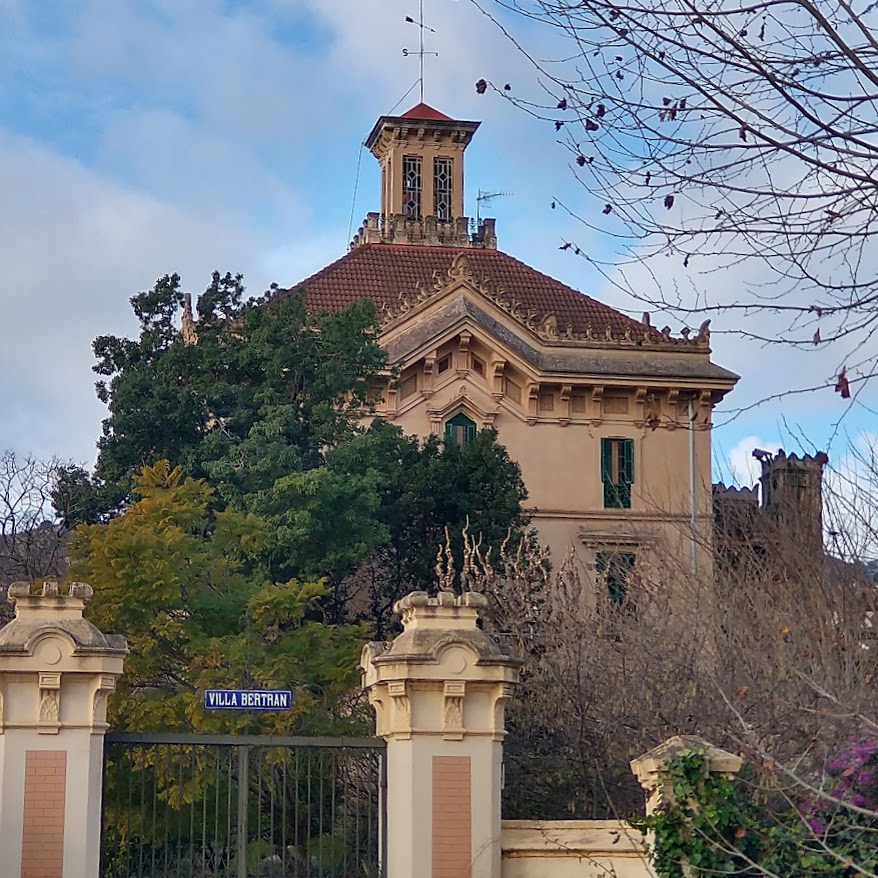
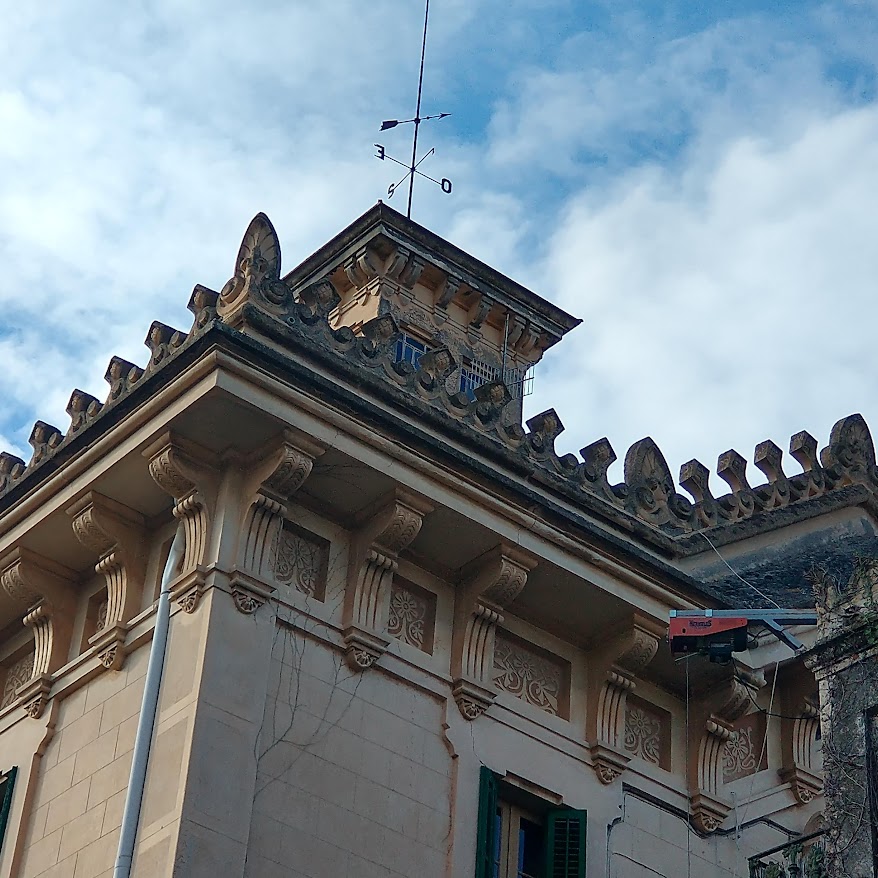
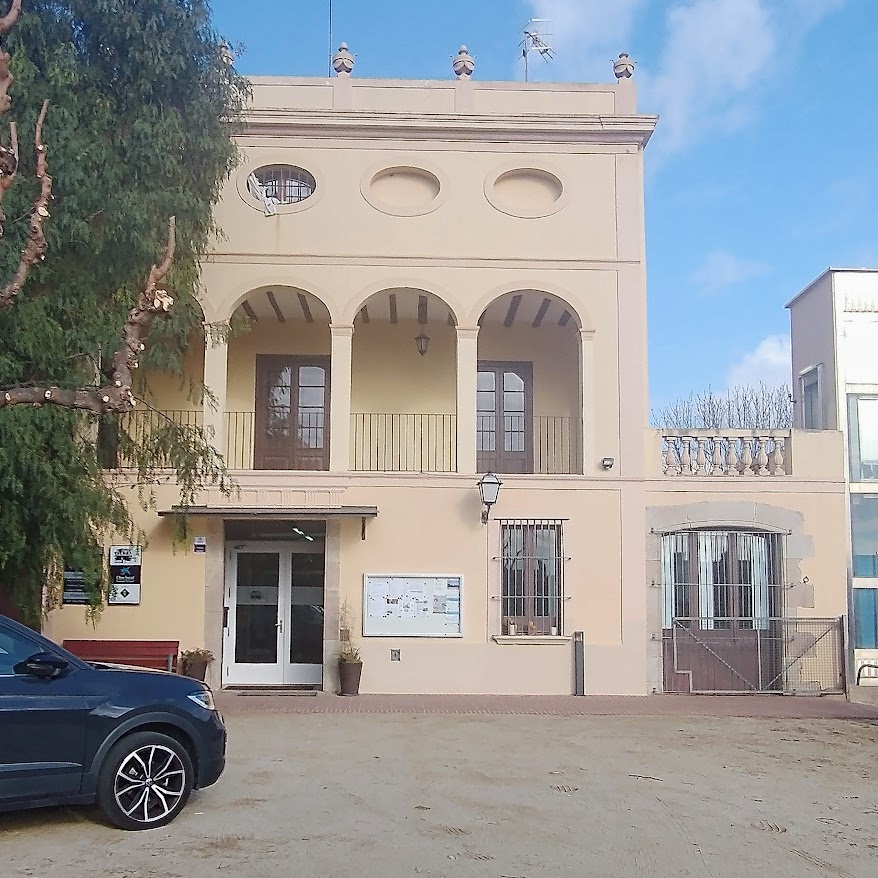
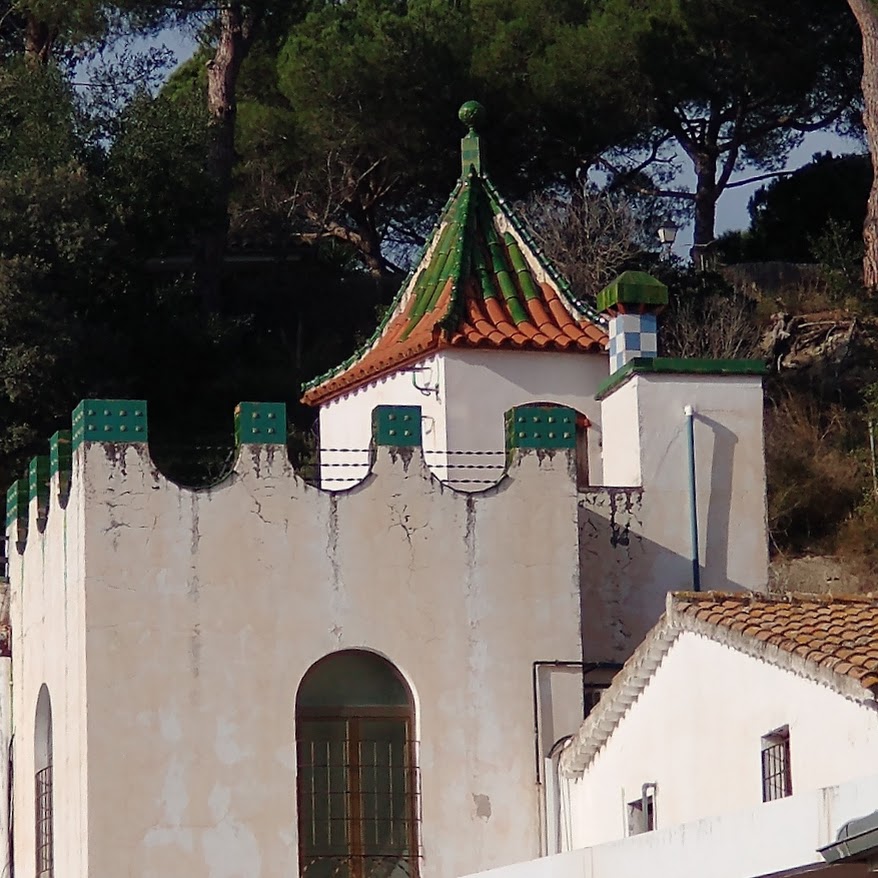
Alella is a well-heeled little town in the hills, about half way between here and Barcelona. It sits comfortably in productive wine country, and in the 19th century, wealthy landowners – often the aristocracy – either bought plots on which to build, or else knocked down and rebuilt or extended existing properties they already owned. Malcolm and I went to have a look today. A few are still in private ownership, but most have passed into other uses, such as clinics or residential accommodation for those with various disabilities. Come and stroll round town with us – no history lessons – just enjoy the varied, always geometrical and often quirky buildings we found, and plan to research later.

This was the most extravagant of all, and the one we saw first.

We saw ordinary streets too. Like this one …

…and a church, Sant Feliu, in a pleasant square.

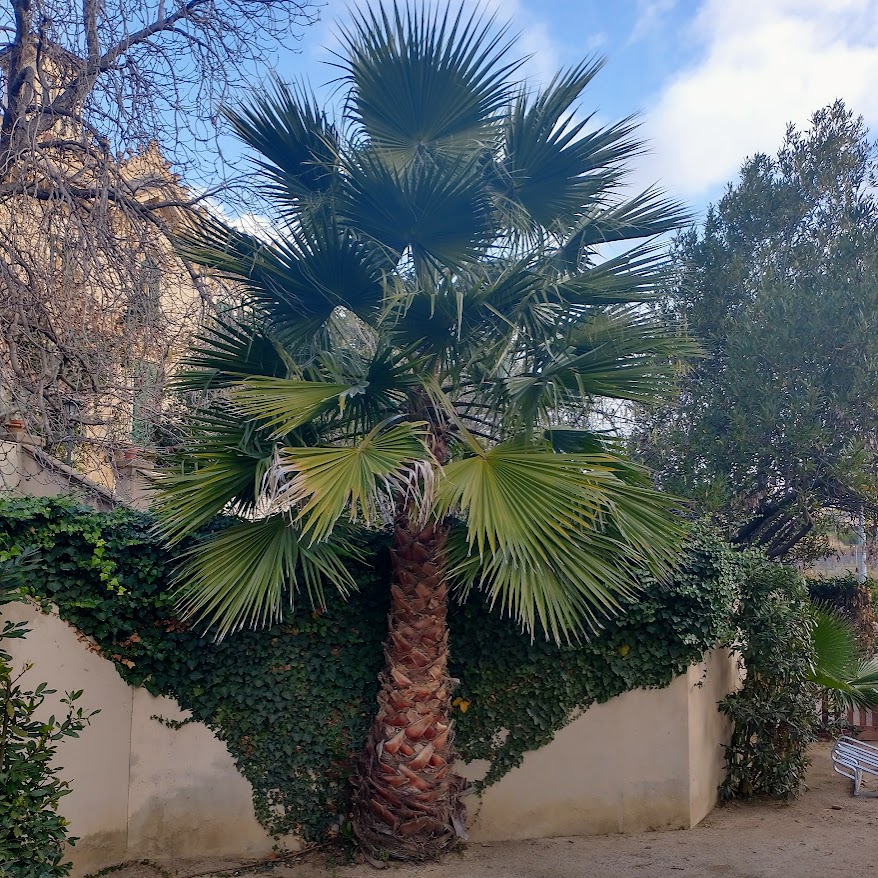
… and some geometric plant life …

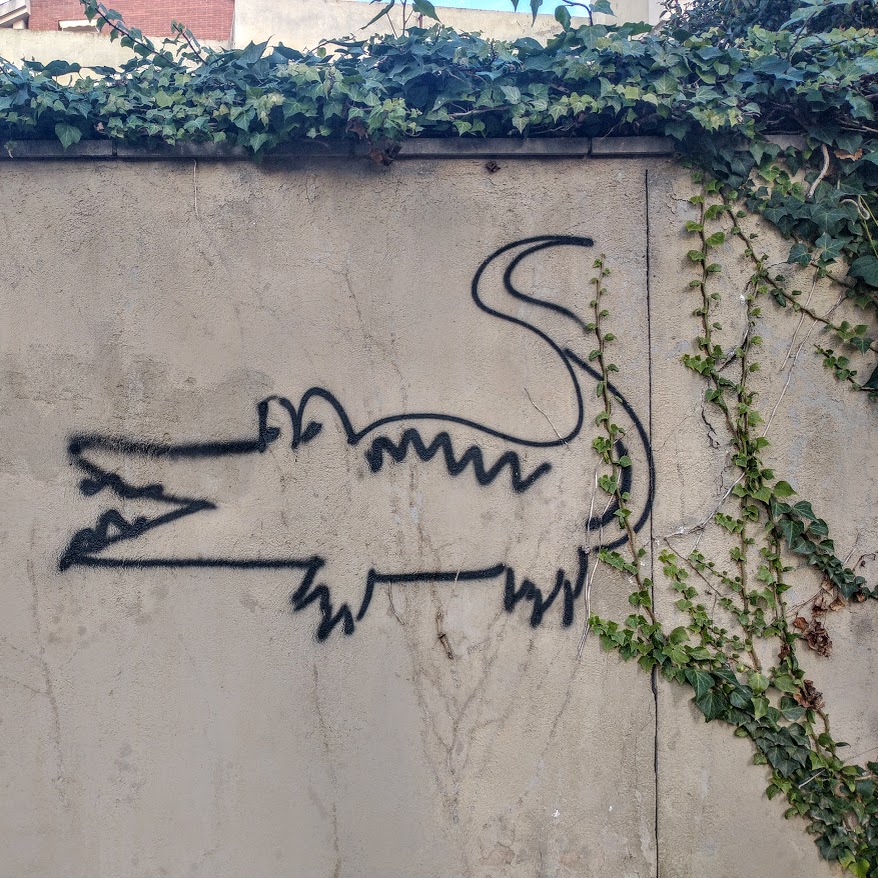
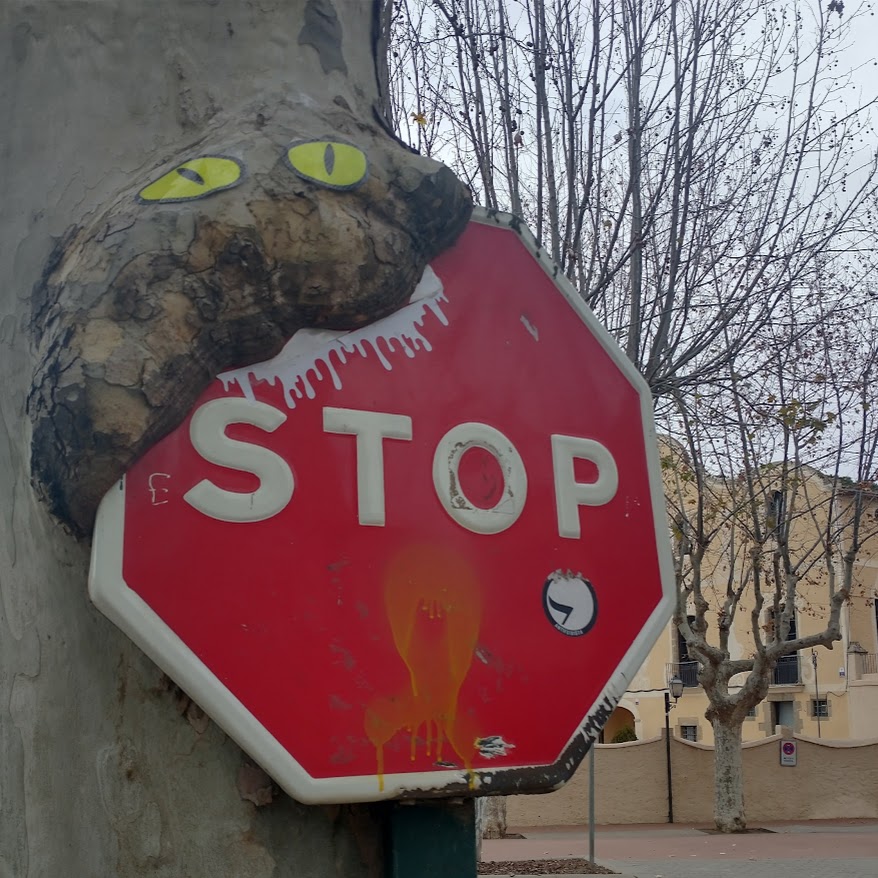
What town is complete without a sense of humour? The first image isn’t geometrical at all, but I’ll include it anyway. And the second is a road sign that was once geometrical until the tree it was placed on started to grow over it, and the Town Wag took matters in hand.

We liked you a lot, Alella. We’ll be back.

GeometricJanuary.

Geometry in a Sunset

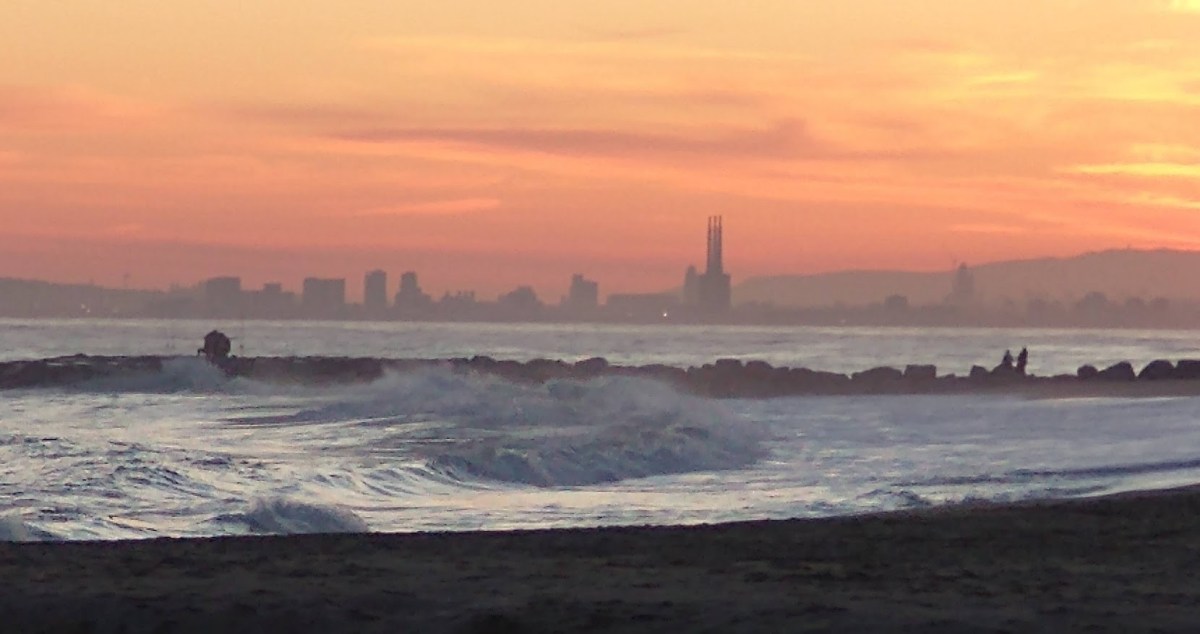
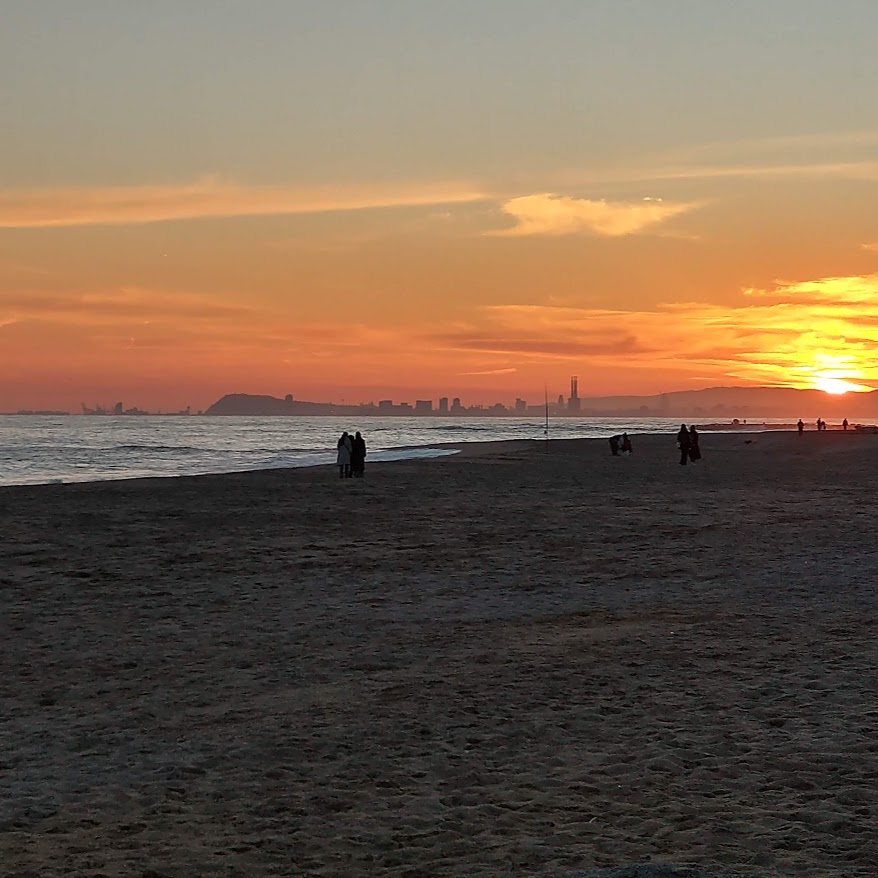
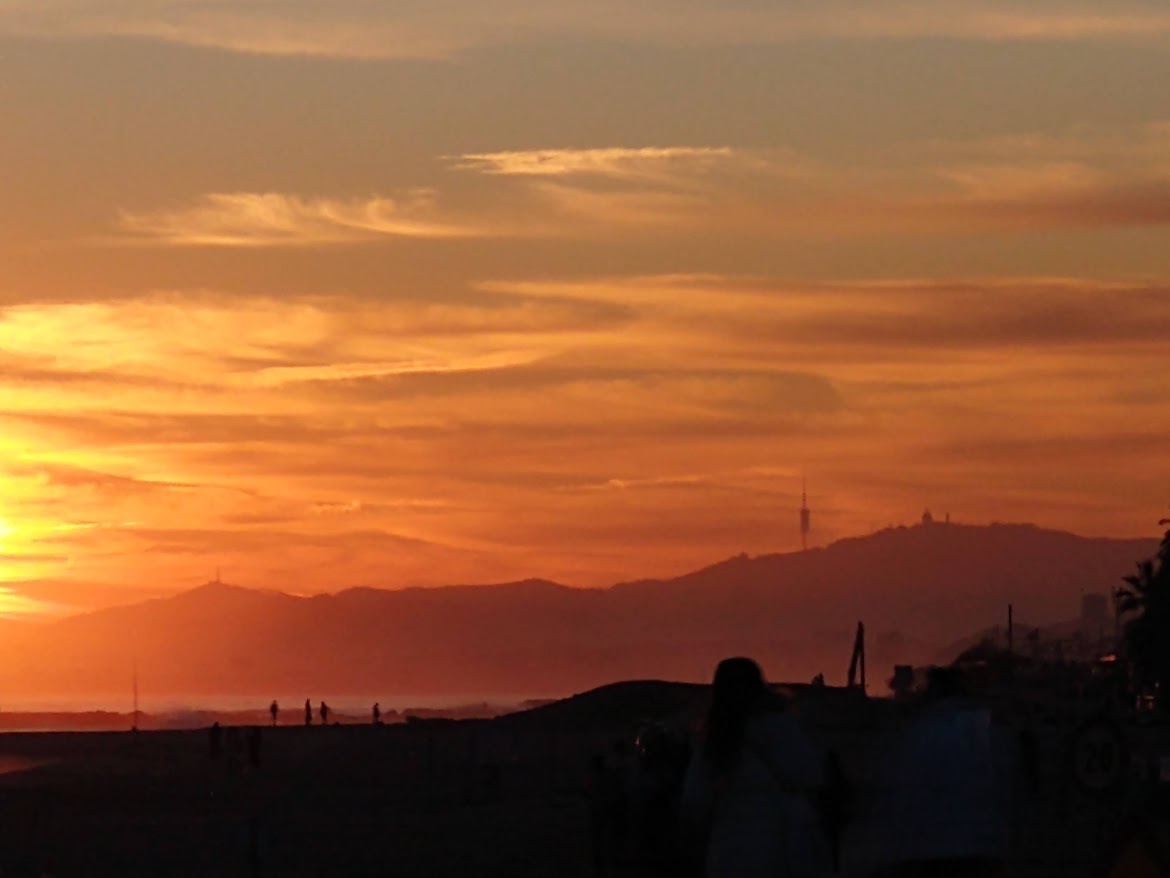
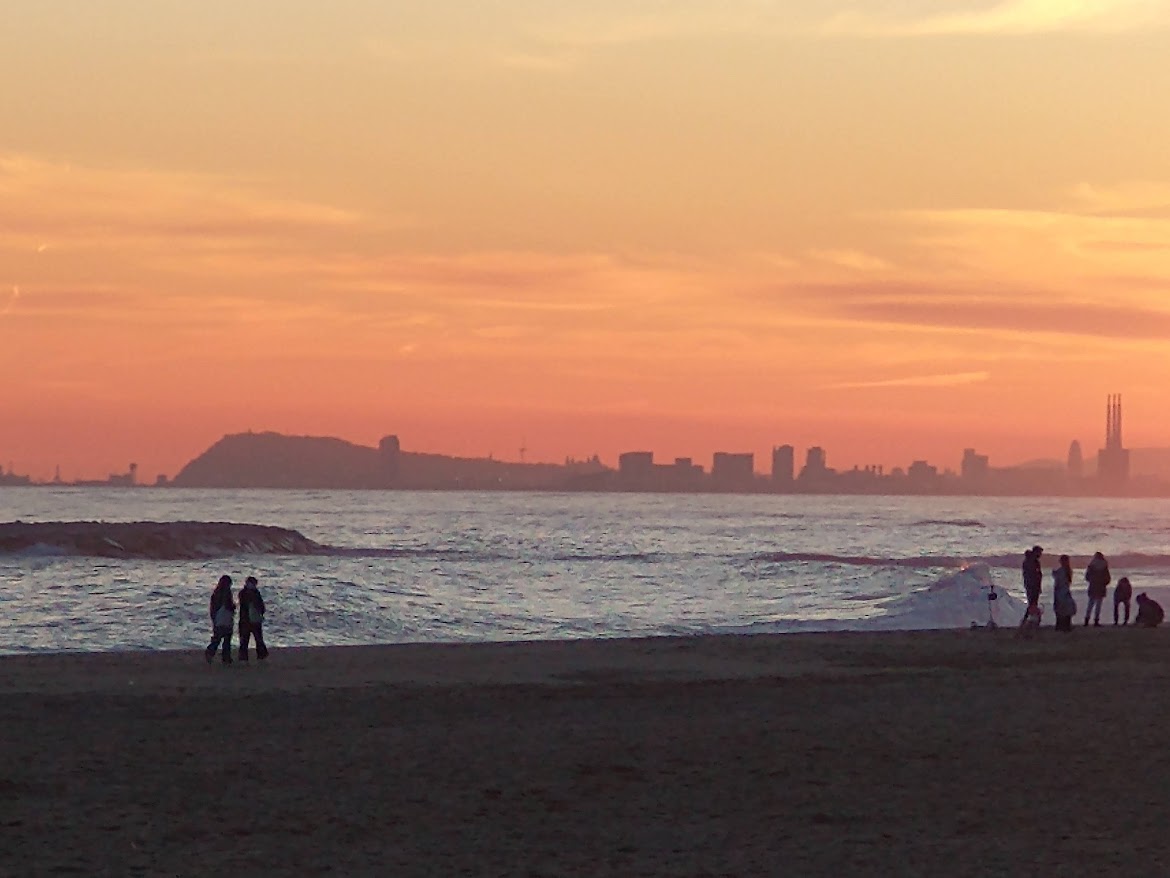
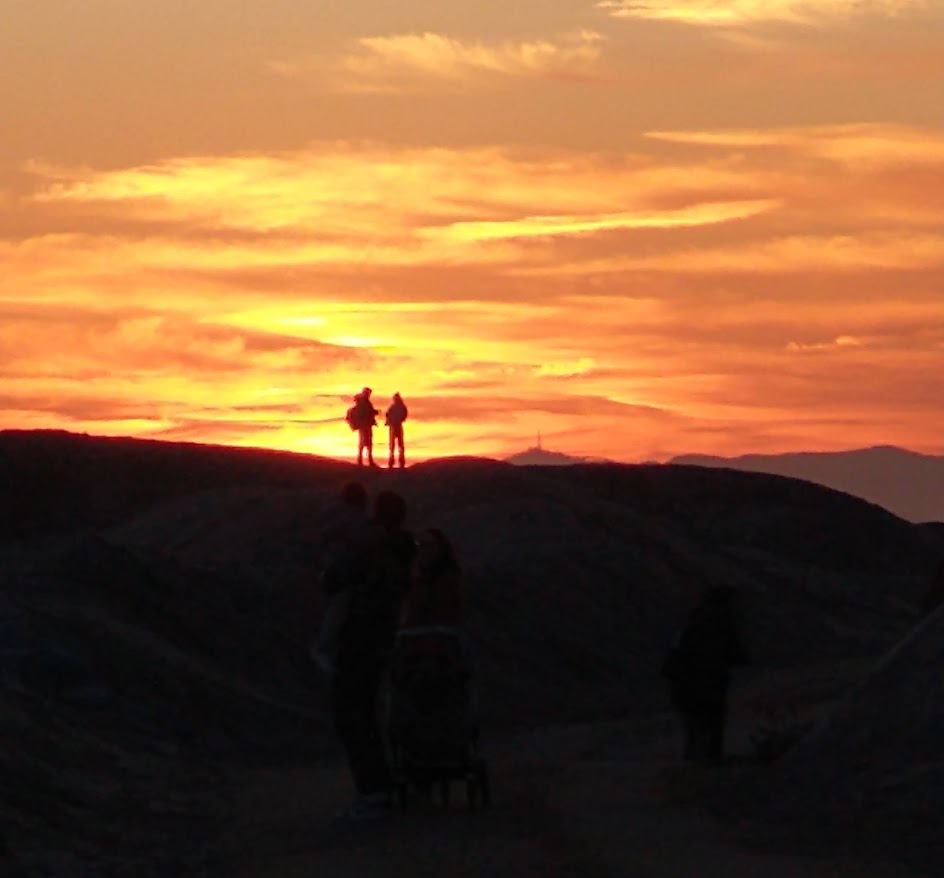
I am looking for an excuse to share images of yesterday evening’s sunset, down on the beach at Premià. And I found it in the views of Barcelona, some 20 km away. Its skyline features suitably geometric buildings, so here’s my square for today.

And here are a few more – unsquared – views, so I can share them with Hammad, of Weekend Sky fame.

It’s not often that we’re down on the beach in January, as the sun is setting. We should do it more often.
GeometricJanuary

Geometry at a Restaurant

Today’s the day I show off Anaïs’ completed birthday cake. However, it looks even less geometric than it did yesterday. Look.

A lot of you guessed what the carcass I showed yesterday was going to be. Becky knew because her mum had made her a similar cake when she became eight.

Today’s been a bit full on, with lunch at a pizza restaurant down at the port with Anaïs’ wider family. No time to think about geometry. So I’ll just include a couple of somewaht geometric shots taken at our table, outside-yet-inside on this balmy January day. I hope I get away with it.

GeometricJanuary.

Geometry … Isn’t Always Exact

Geometric crown? Not so much …

Yesterday,  Anaïs was four. This meant that she got crowned at school and got to be Class Queen for the day. Celebrations at home were muted, what with swimming lessons and so on. But on Sunday, she’ll have a party. The centrepiece of course has to be the cake: and for Emily and me, it’s a joint effort. I have made three different sized cakes. Emily has erected them, and chopped them about into a vaguely symmmetrical bell shape. I have just iced the undercoat, and tinkered with a very important prop, bought for £1 in a Ripon charity shop, to be added later. What do you think the cake will represent, once completed? Answers tomorrow, or possibly Sunday.

Geometric cake? Hardly …

GeometricJanuary.

Geometry at Glòries 

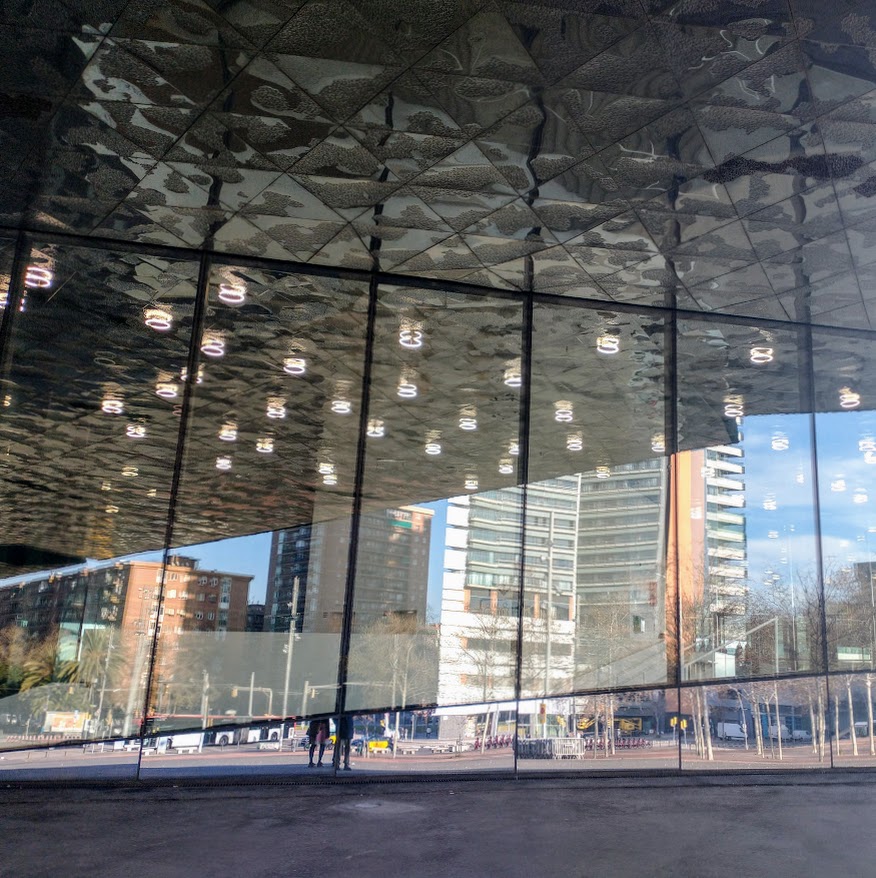
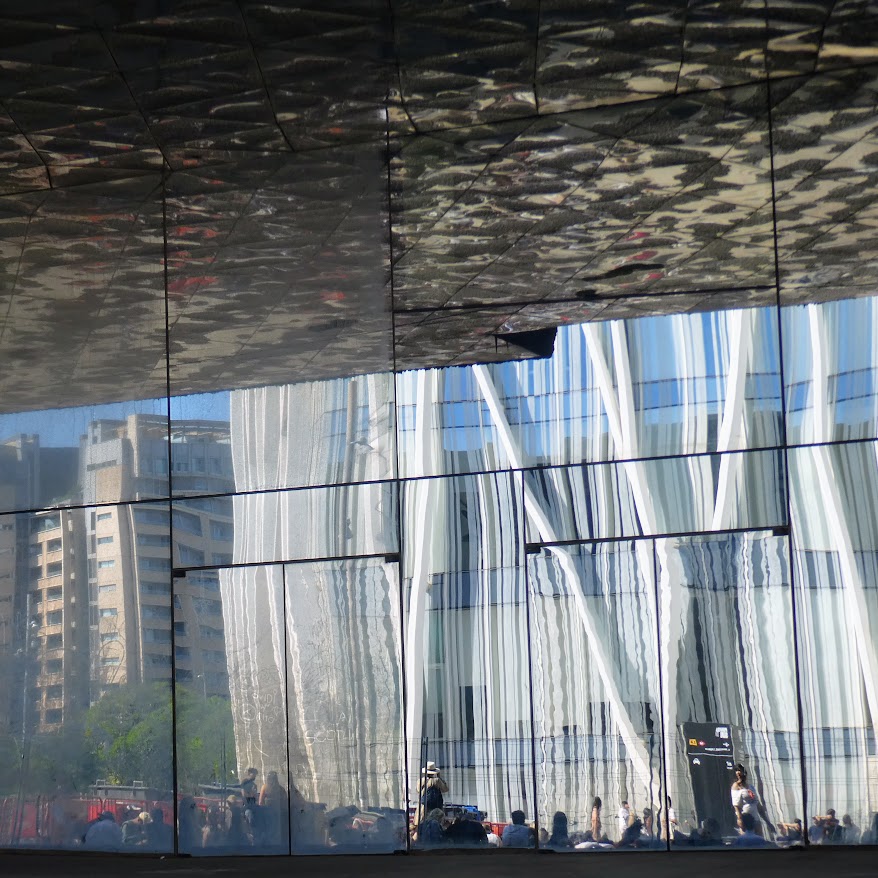
Yesterday, returning from Ciutadella Park on the tram, we broke our journey at Glòries. This is an area that is being re-invented and opened up to the pedestrian in a big way, though it IS a work in progress. Here’s where you come for the huge flea market that is Mercat dels Encants (The Market of Charms), which is indeed an astonishing place to visit. Hundreds of stalls selling cheap clothing, fabrics, electrical goods, and the fag-end of a thousand house clearances and jumble sales have been re-homed into an astonishing building, the underside of whose roof has been plated with thousands of rectangular mirrors reflecting the teeming activity going on underneath.

Here’s the actual scene:

The roof also reflects the building and excavating and walkway-making going on below.

Or your eyes can look further, and see the distant Sagrada Familia …

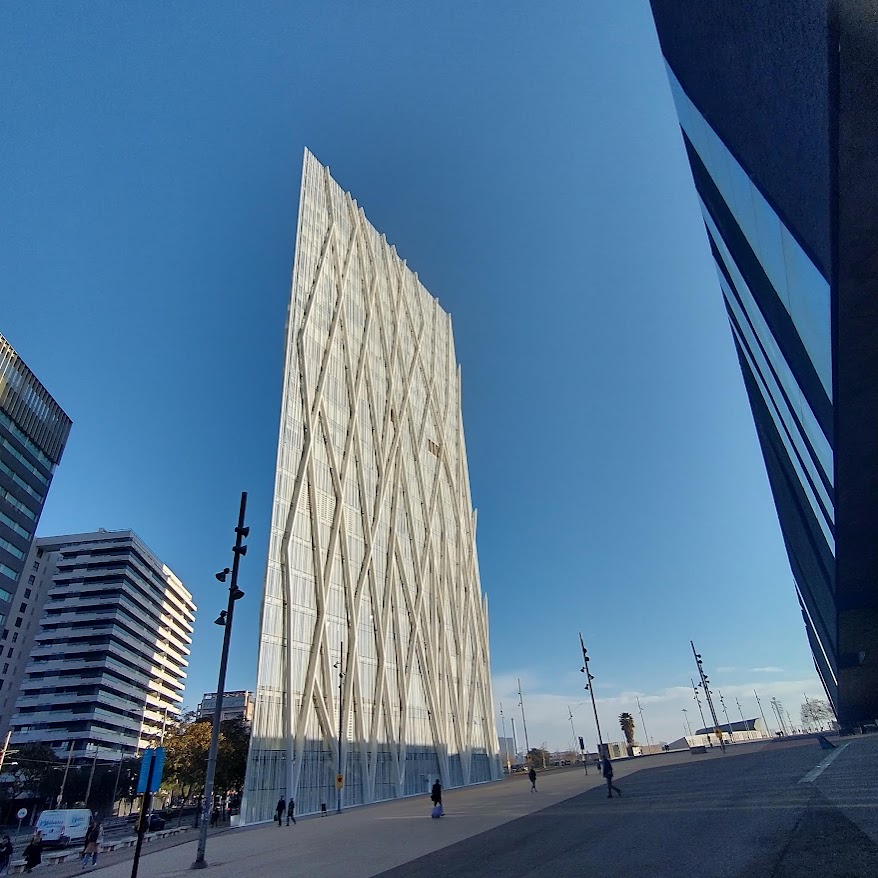
… or the much nearer Torre Glòries, which we really need to climb one day to see the views.

An engaging way to spend an hour or two, and once the work on the area has been completed, it’ll be a wonderful addition to the Barcelona experience.

GeometricJanuary.

Geometry in Two Greenhouses

Last time I stayed with my Spanish Family, in May, I happened upon a National Treasure in Ciutadella Park. This green lung in the centre of Barcelona has a bit of everything: playgrounds, palm trees, ponds, picnic areas. It’s even home to Barcelona Zoo.

But what took my eye on that hot day were two Victorian era glasshouses, one closed for restoration. I determined that Malcolm and I would check it out to see if the work was complete. It is. And what a glorious place the Hivernacle is in which to spend a relaxing morning. This vast iron structure with glass sides was built from 1883-1887 and designed by Josep Amargós in the Modernista style. He looked to England, to Chatsworth and to Bicton, as well as other places for his inspiration. Now modern restorers have looked to The Eden Project to guide them, and the greenhouse is once more home to over 100 plants, and forms the nucleus of the park’s educational and research programmes. We simply enjoyed the calm green space, with its restrained decoration and exuberant plant life. And the geometry evident in the greenhouse itself, and in the plants which populate it.

Besides this though, there is the Umbracle – the wood and brick (and glass!) construction designed by Josep Amargós at the same time as the Hivernacle, but for large shade-loving tropical plants. Seating is dotted about so that visitors can relax as they quietly contemplate immense and unfamiliar plant life. This building needs a bit of TLC, but still had the power to impress us as we slowly toured round it.

If you go to Barcelona, don’t miss out on this oasis of calm.

GeometricJanuary

Geometry in a School

There’s a school here in Premià de Mar that I always enjoy walking past. It’s a handsome Modernista building that’s next to impossible to photograph, set as it is in narrow streets and surrounded by a high wall. It wasn’t always a school.

It was built in 1898 as a textile factory, dealing with almost every process: spinning, weaving and finishing. But here, as in England, and in the Ariège where we once lived, this once-thriving industry declined rapidly during the twentieth century. The factory closed in 1928, but re-opened in a last gasp attempt to make it work, as a silk-sceen printing works, the first of its kind in Spain. The owner was a man from Lyon, a M. Badoy, and locals came to call the factory La Lyon. The factory was forced to close its doors for good in 1979, but everyone saw that this important building must be saved, for historic and artistic reasons. So it reopened as a school in 1984. And it’s now called La Lió, and is quite the local landmark, with its tall – and entirely unused these days – factory chimney.

GeometricJanuary.

Geometry in Cabrils

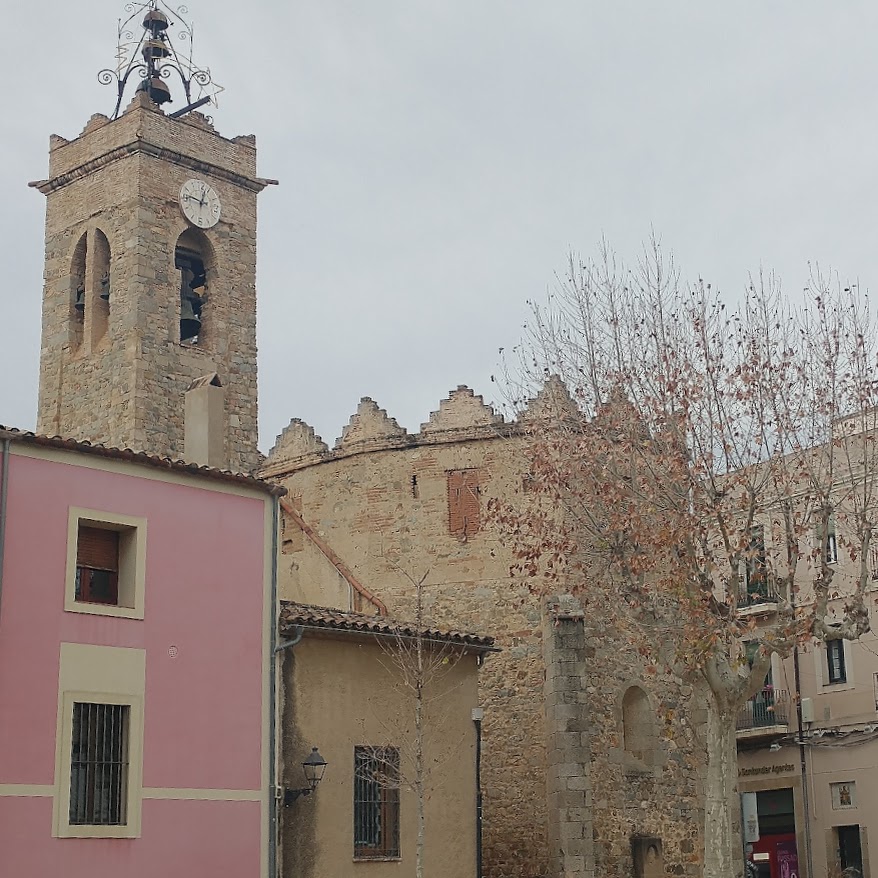
We’ve just spent an hour or two in Cabrils. It’s a rather desirable little town near here that’s got itself a bit of a reputation as a gastronomes’ haven. The cafe we chose for a mid-morning break didn’t bear that out, but it was good enough. We were more struck by a clutch of fine buildings: the church with its glazed tile bell-tower; the original town school, now repurposed as a School of Music, ordinary houses with handsome windows; and especially , round and about in the surrounding countryside, castle after castle. The one at the edge of town, which had probably never been defensive and is now abandoned seemed a bit sad. It looked ripe for conversion into fine flats or a luxury hotel.
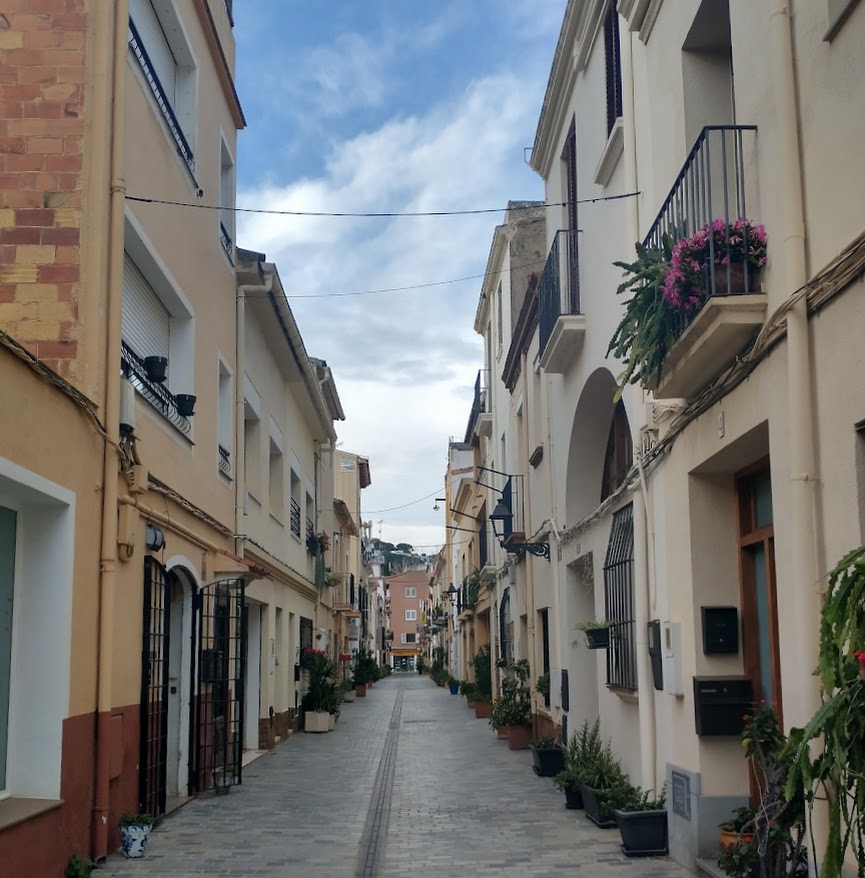
Sorry about the TV ariel by the church. I couldn’t find a view, in those narrow winding streets that avoided it, Here, below, is that castle I mentioned, and one outside town too. All with geometry firmly employed in their contruction.
GeometricJanuary.