Park-Dwelling Parakeets

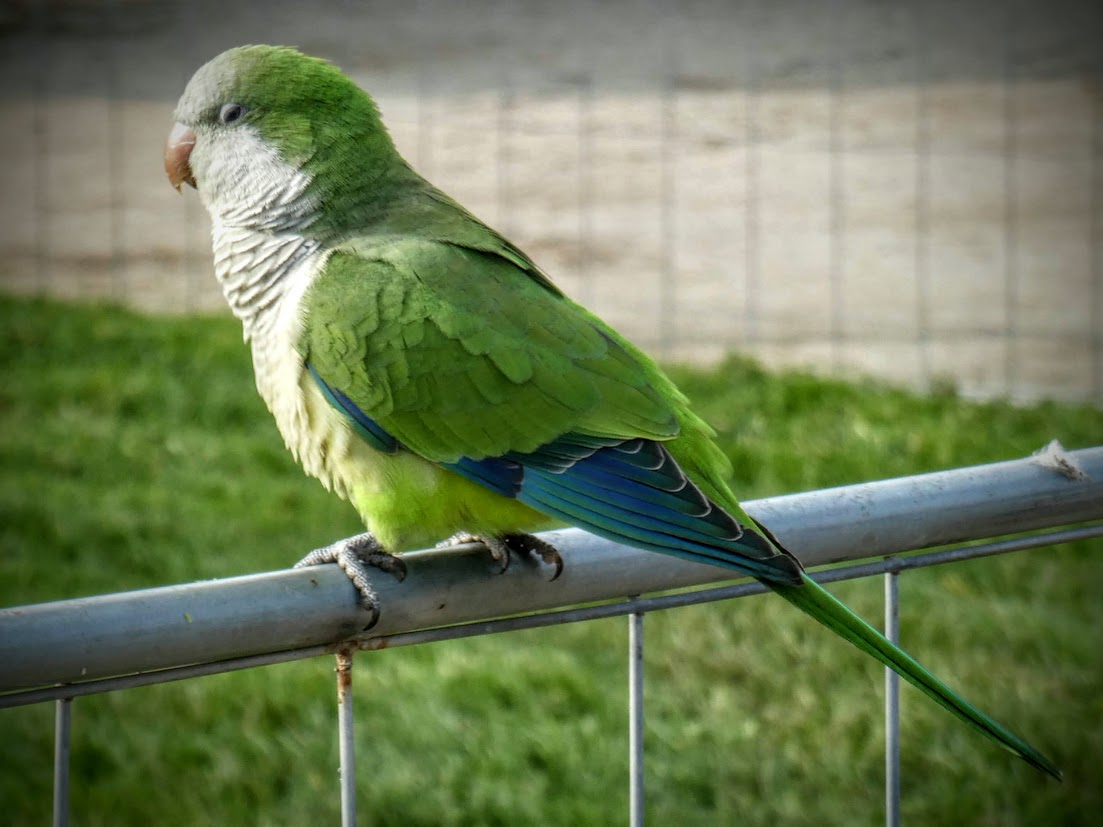
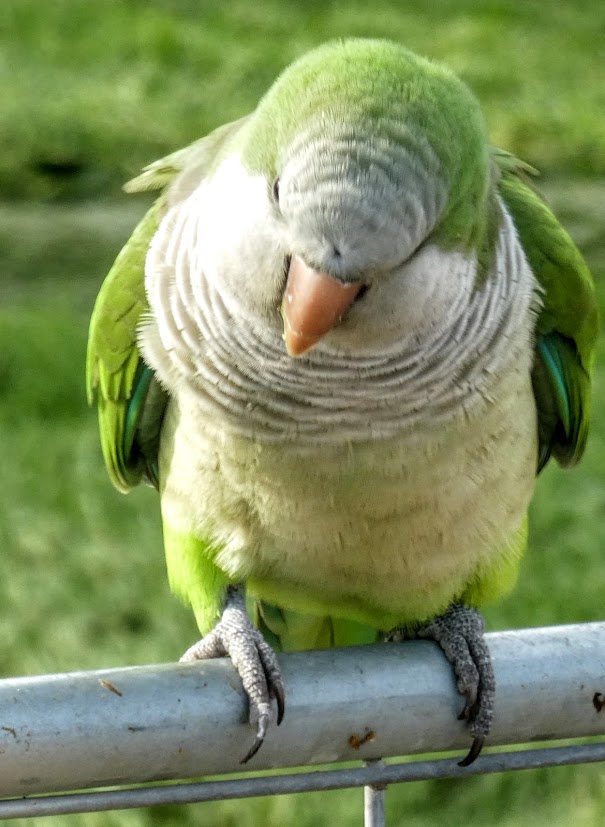
The parakeets that live round and about Ciutadella Park in Barcelona are opportunists. They know that all they have to do is hang around tourists, looking winsome, and the next meal will appear. If they’re lucky, maybe specially purchased nuts and seeds from equally opportunist street vendors. Otherwise, croissant crumbs and biscuits. They don’t seem fussy.

For Monday Portrait.

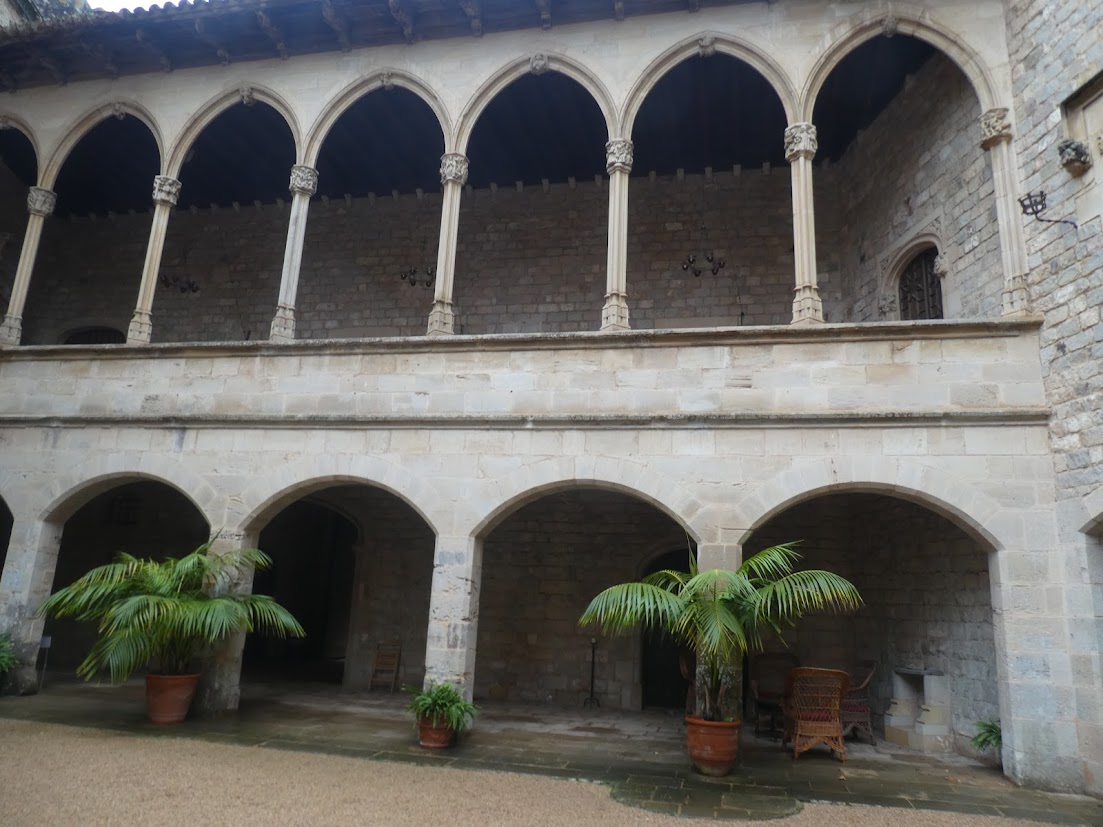
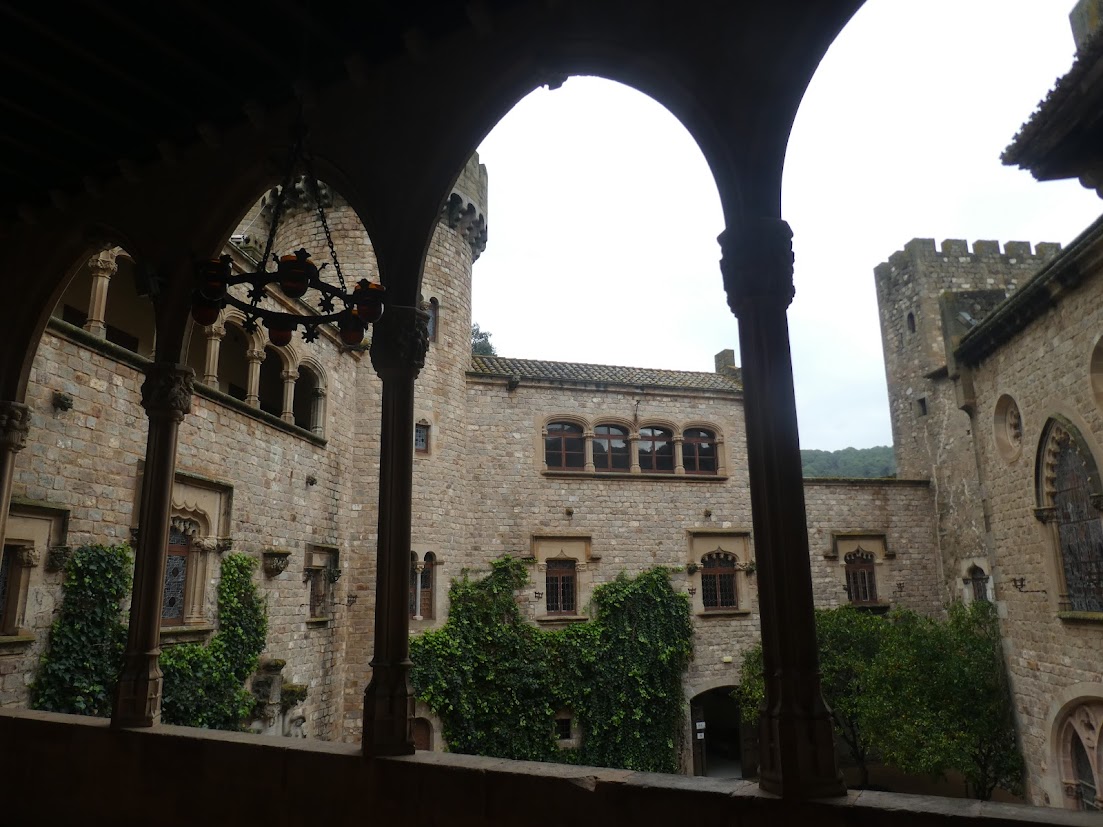
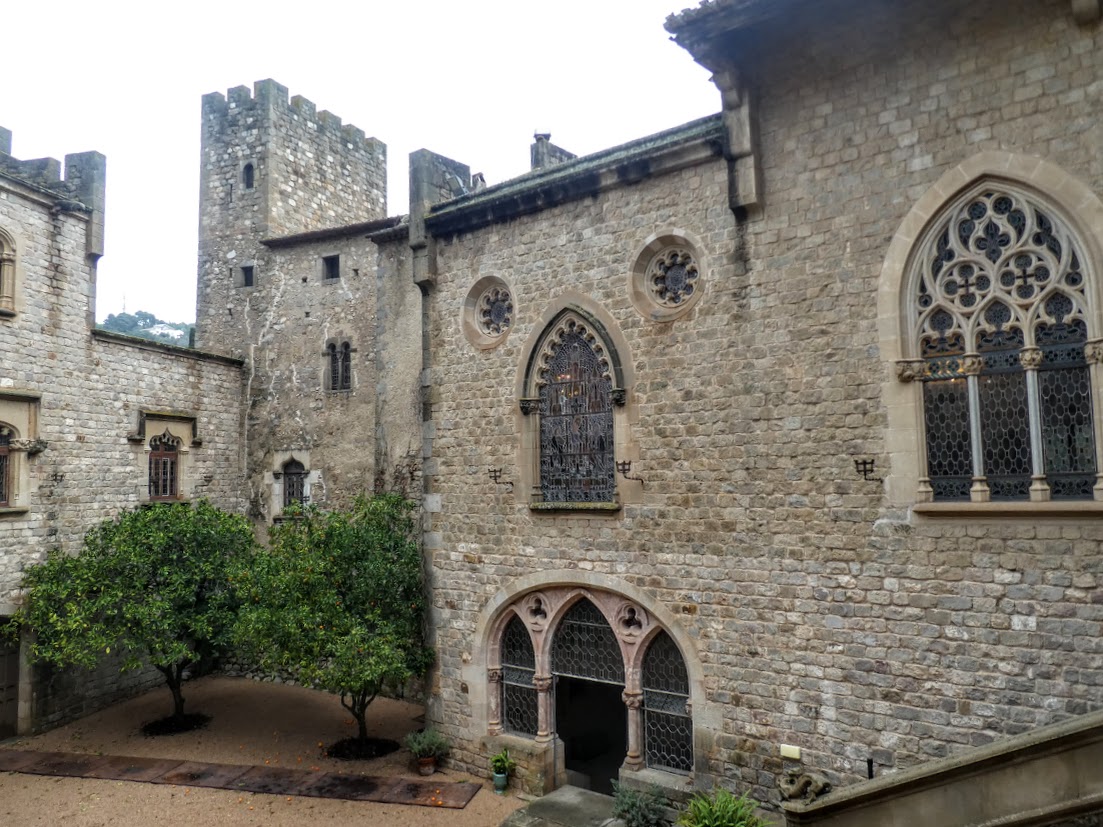
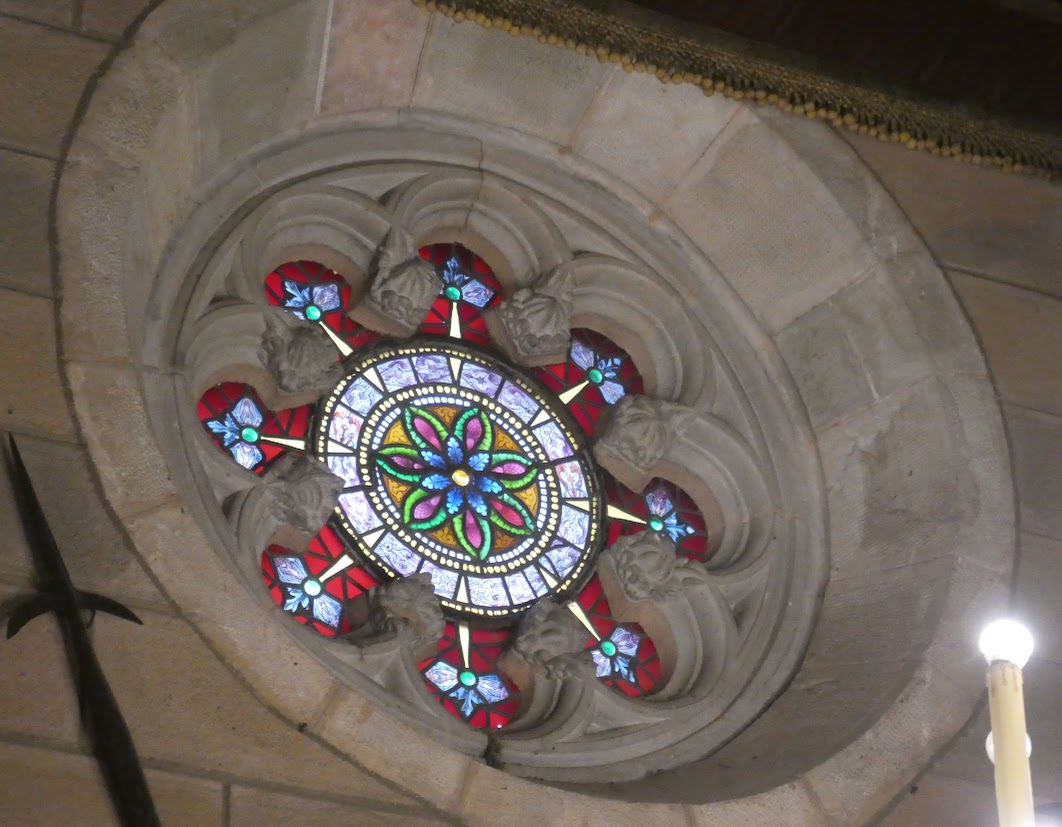
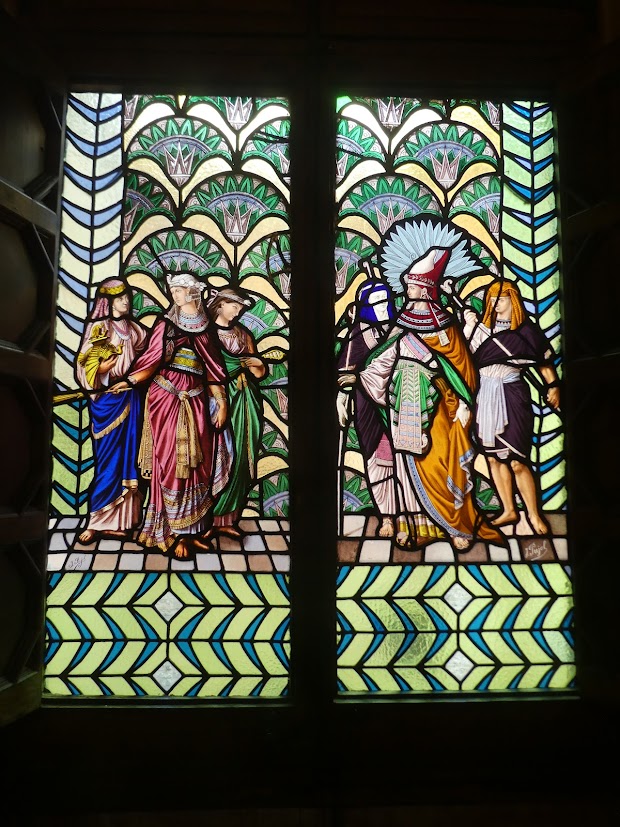
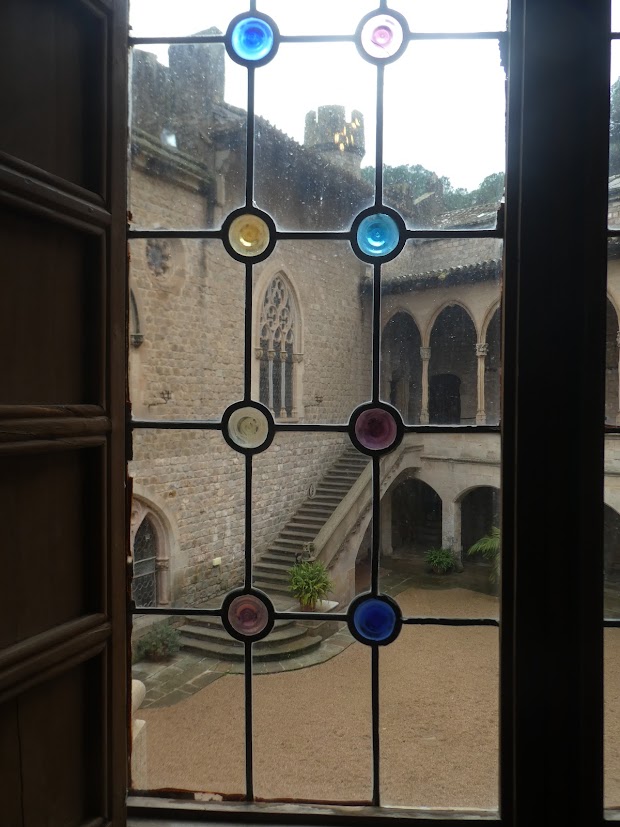
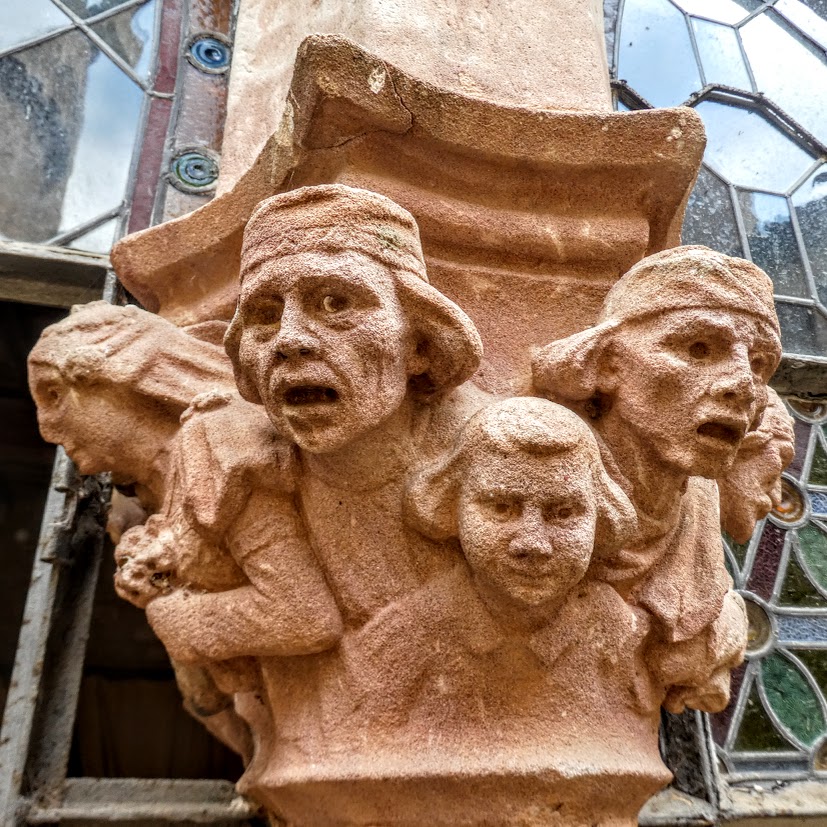
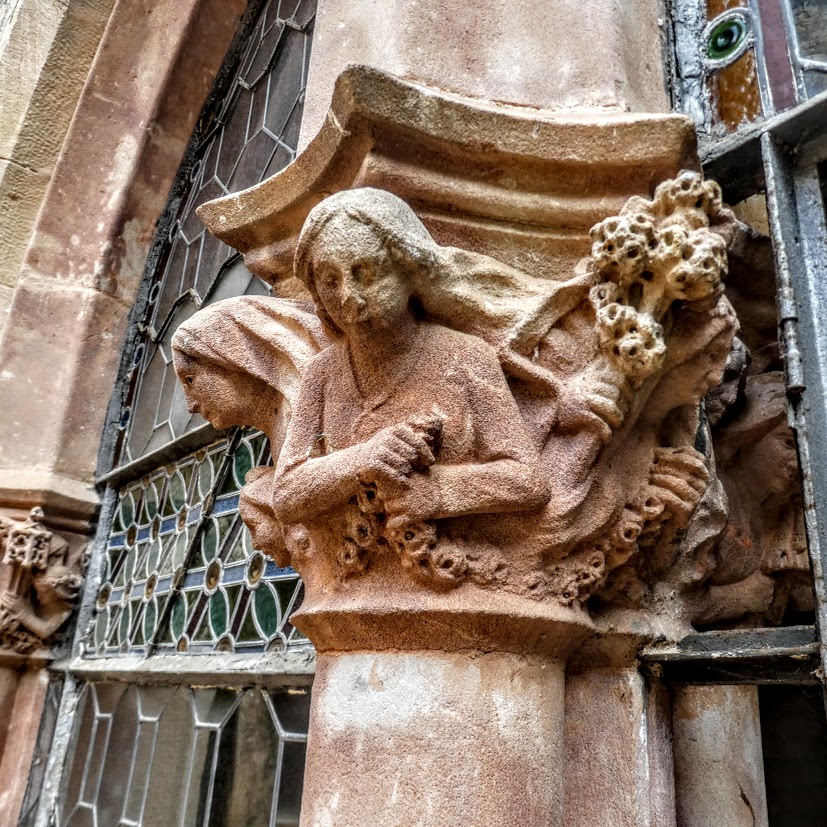
Castell de Santa Florentina

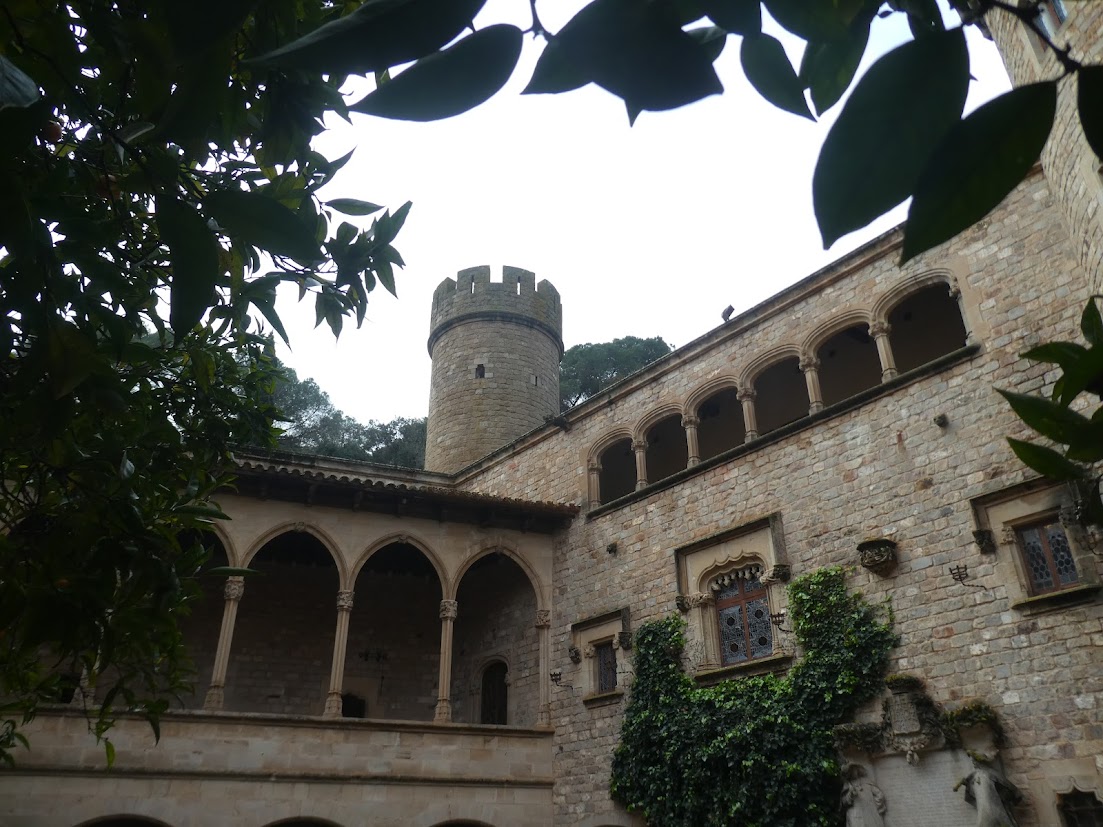
Castell de Santa Florentina has its roots as a 11th century fortified farmhouse, built on the ruins of a Roman villa to defend the area of Canet de Mar against pirates. It evolved into a proper castle-that-looks-like-a -castle-with-turrets in the 14th century.

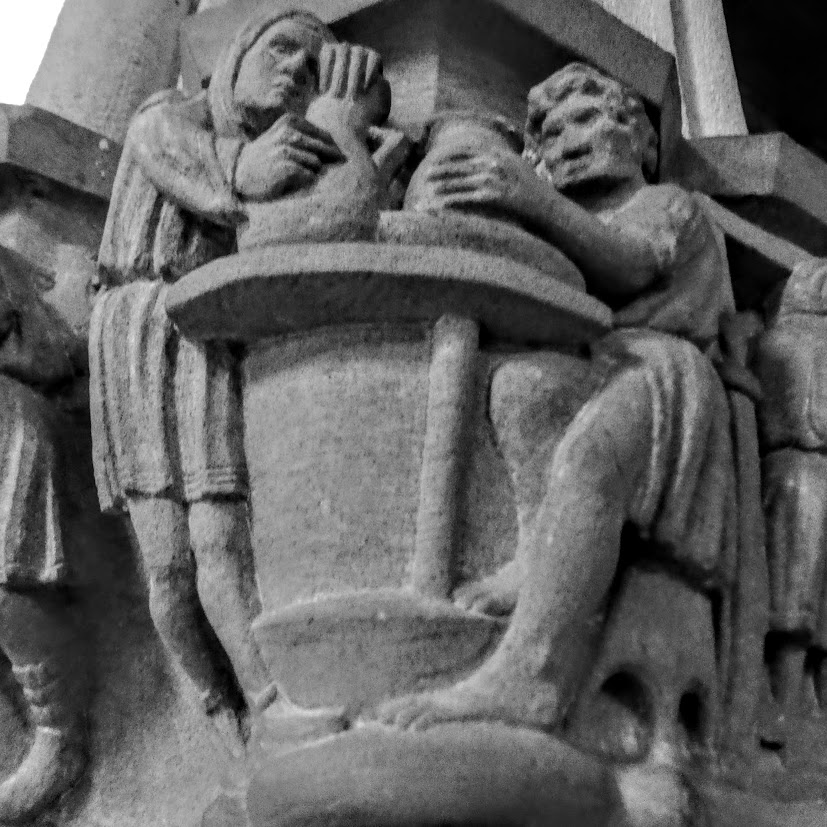
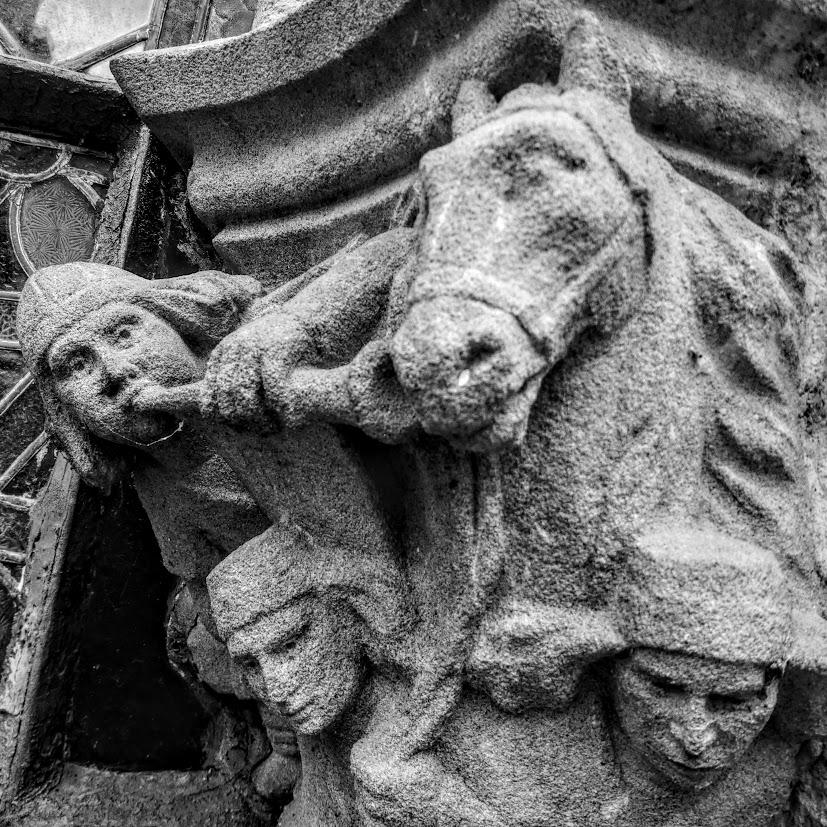
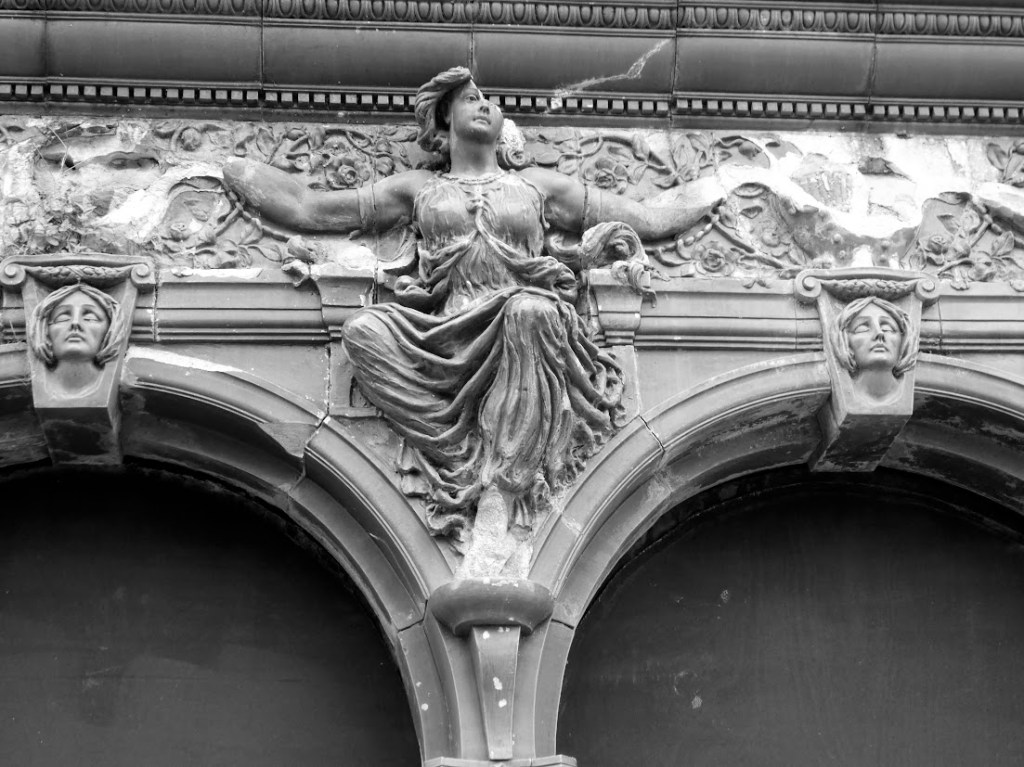
And that’s how it pretty much stayed until the end of the 19th century, when noted Catalan modernist architect Lluís Domènech i Montaner, who was related to the then owner Ramon de Montaner, came and put his own stamp on the building, employing a team of like-minded craftsmen and sculptors. We Brits would probably recognise the style as being somewhat pre-Raphaelite: a rather romanticised Gothic vibe.

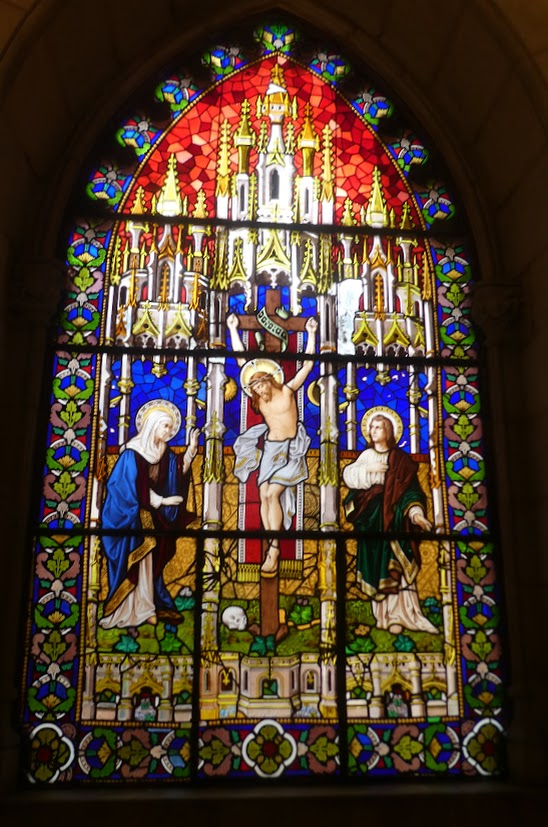
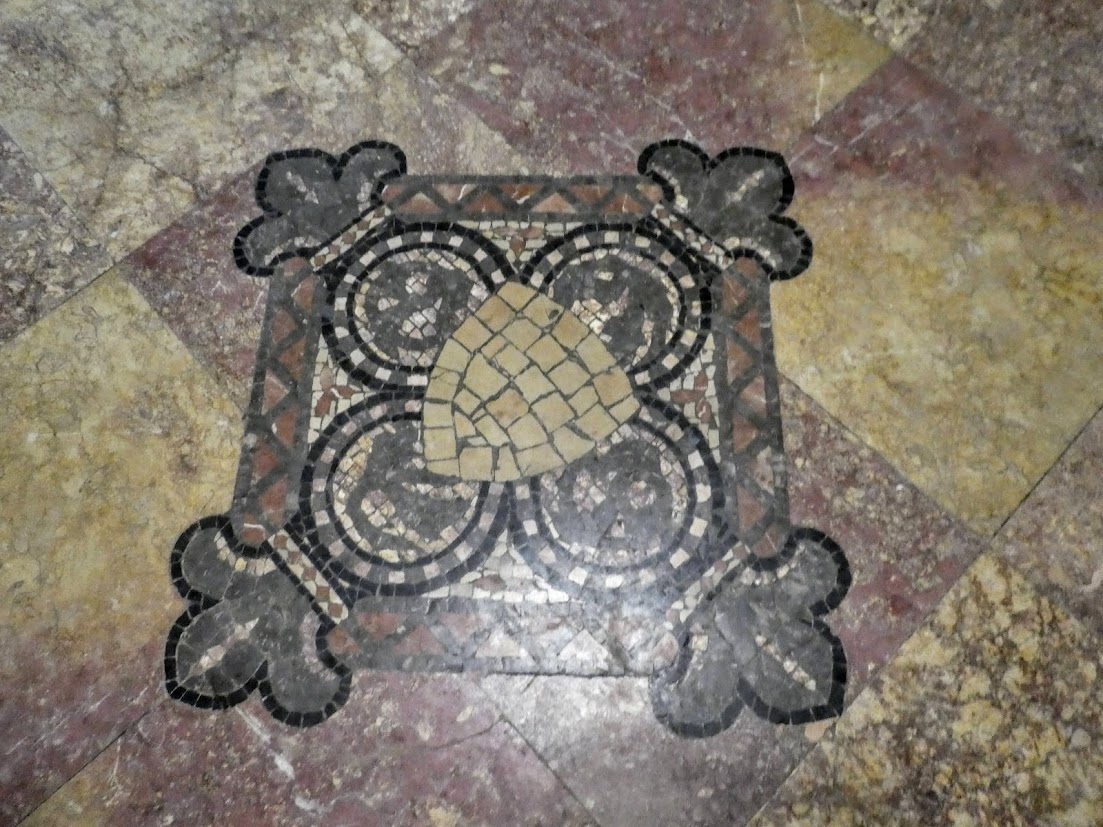
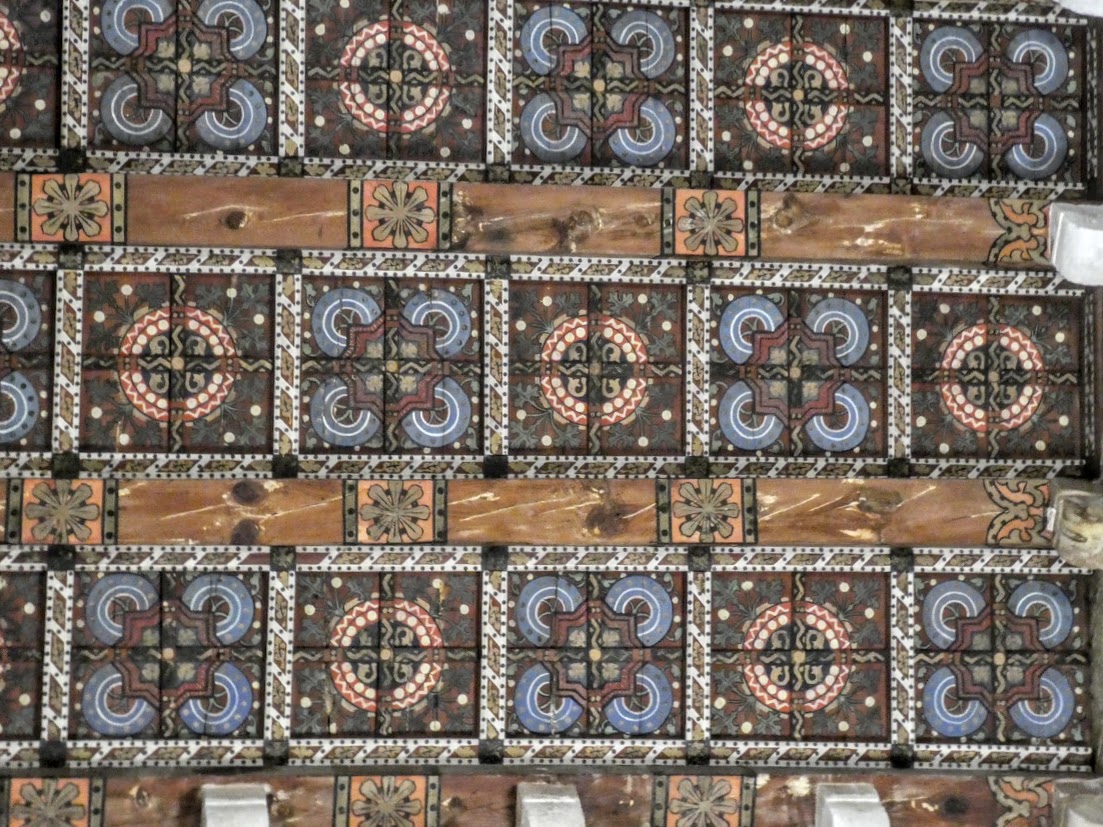
We went there yesterday. It was a bit unexpected. The route to the castle was an overgrown, muddy and pot-holed track to which our poor car strongly objected. The gate to the castle grounds was unprepossessing, firmly locked, and we and our two fellow would-be visitors wondered whether the place would open in time for our booked visit – or at all. It did: and our initial doubts were soon replaced as we wandered round this glorious building with its stained glass, ornate ironwork, fine ceilings and sculptures, harmoniously blending with the existing Gothic structure.

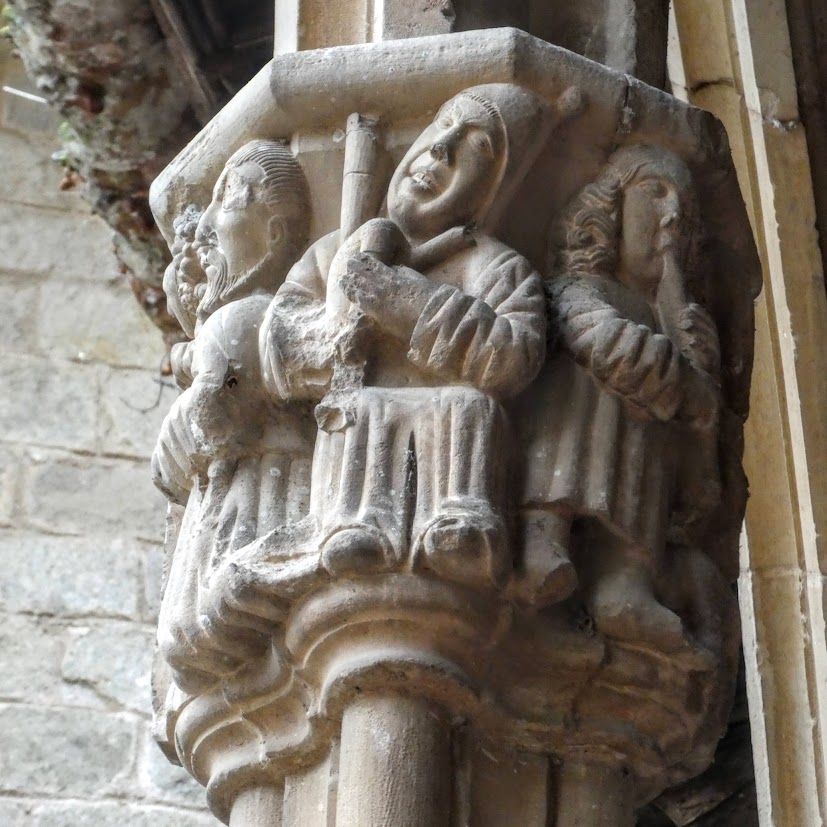
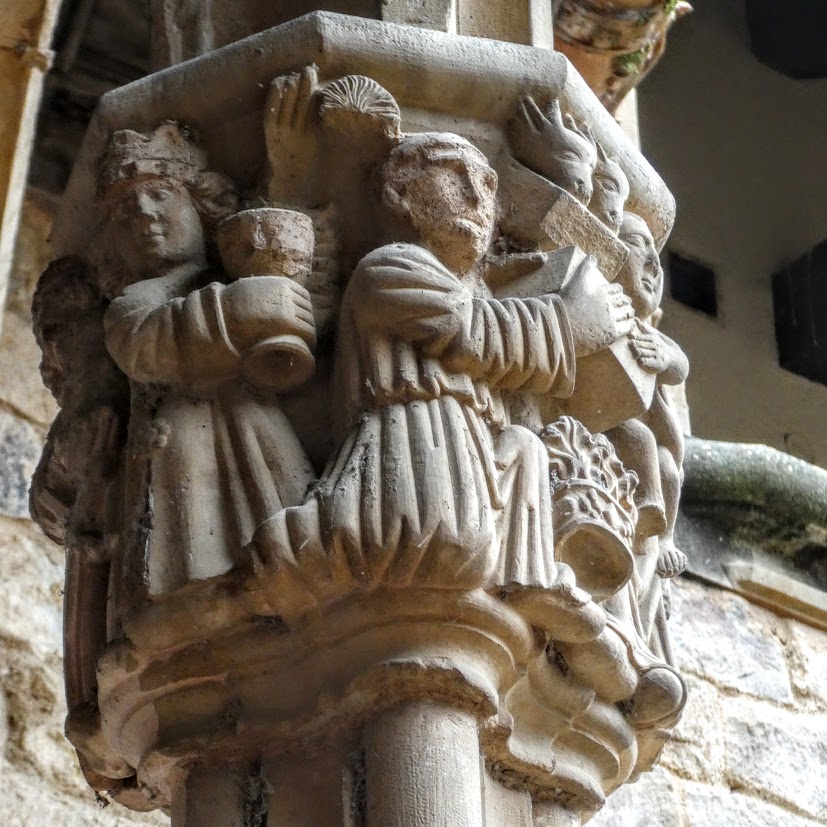
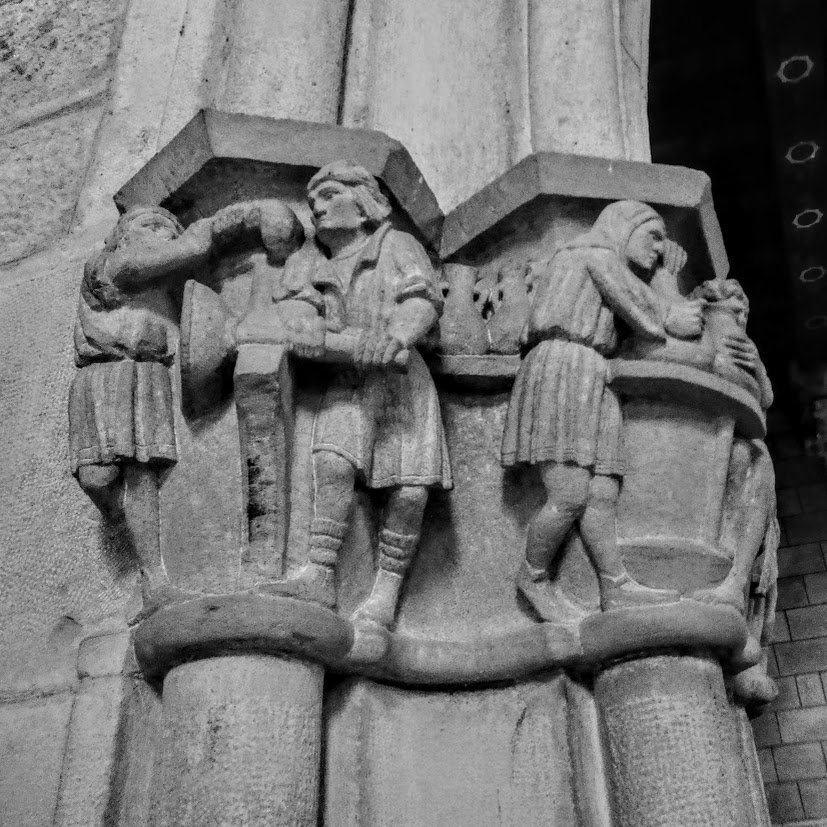
It’s beyond me to give you a structured and informative tour. Why don’t you just enjoy some of the details that we spotted and lingered over in the time we spent there?

It’s All About the Bubbles

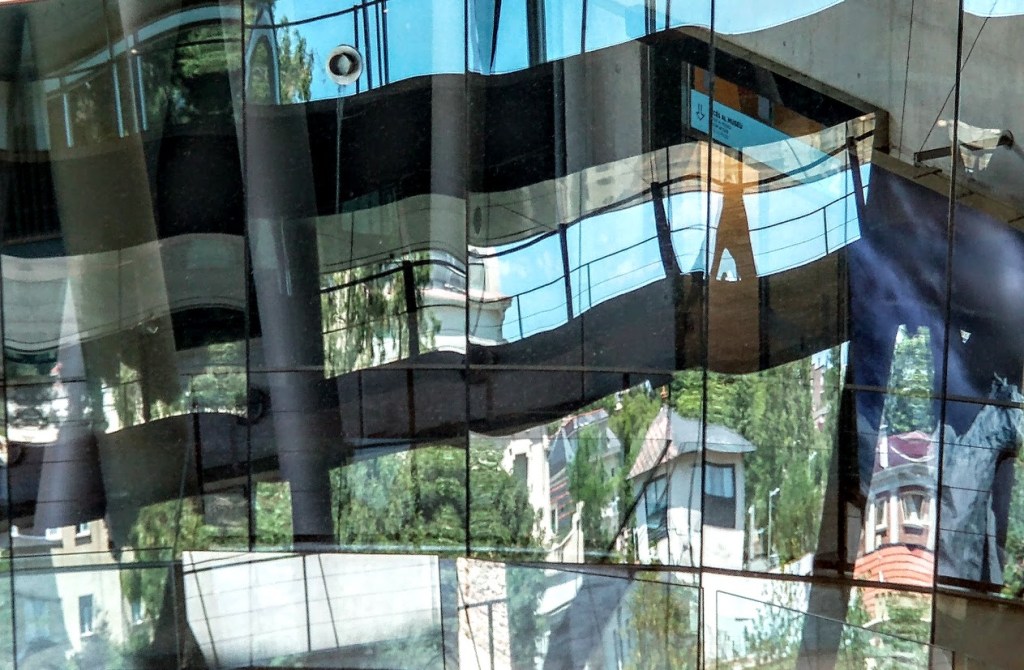
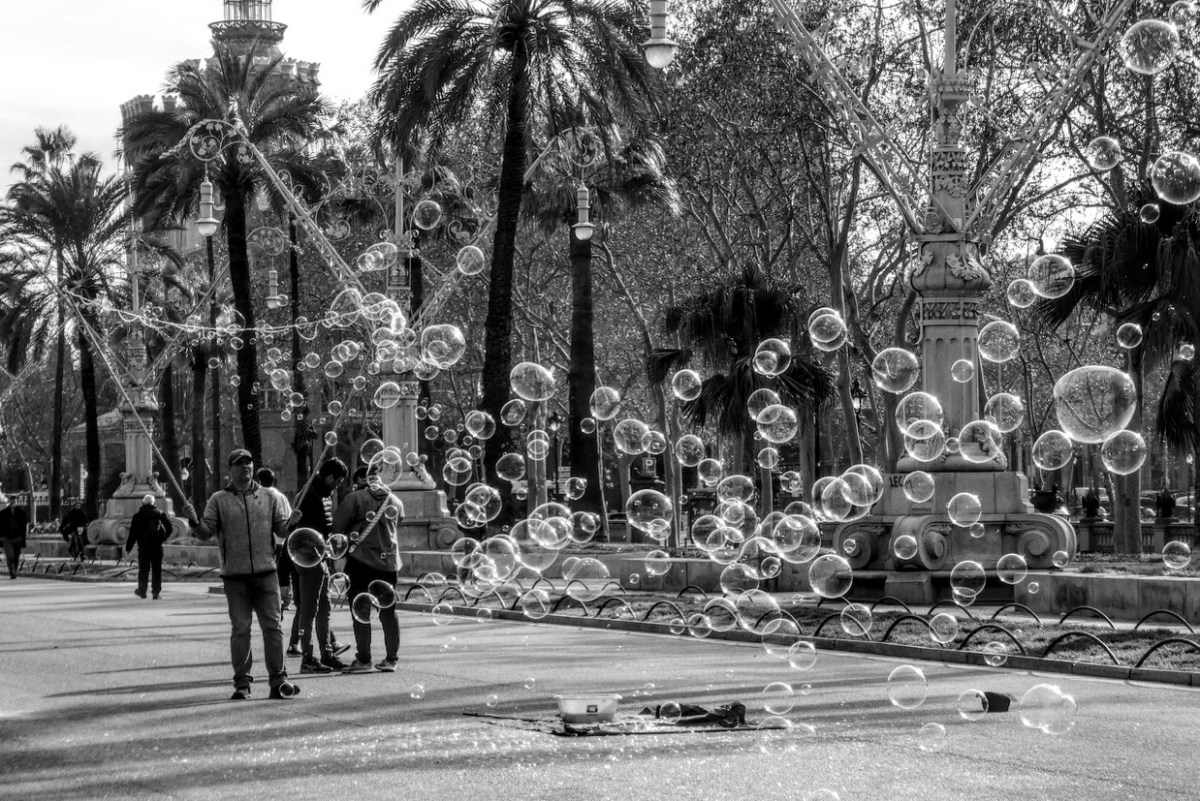
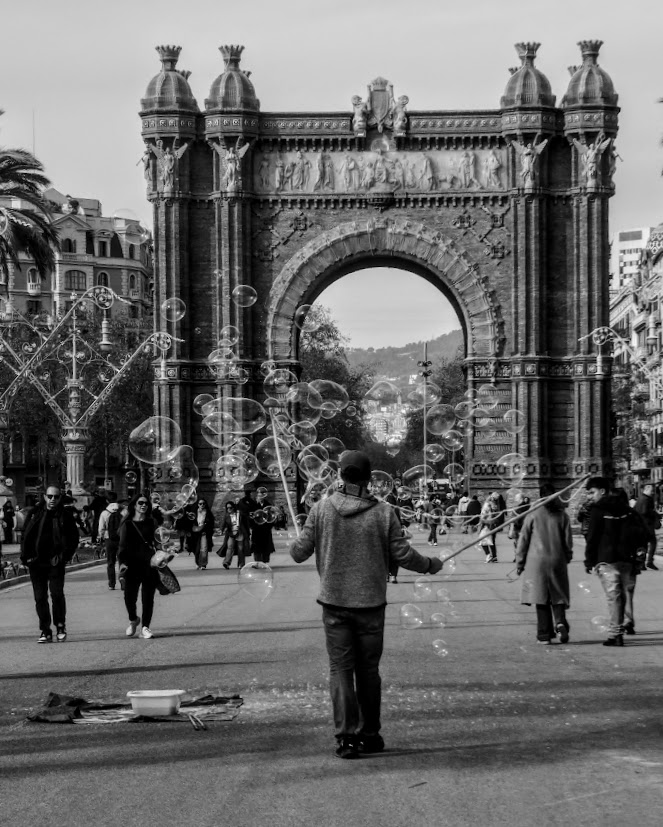
Arc de Triomf is slap-bang in Tourist Central in Barcelona. It is nevertheless a part of the city I enjoy, because it’s spacious enough never to feel crowded, and is near one of the city’s green lungs,  Parc de la Ciutadella with its tropical garden the Umbracle, and its winter garden – the Hivernacle.

Parakeets sit around waiting to be fed, and street entertainers ply their trade. The other day, it was a man floating bevies of bubbles into the skies.

For Leanne’s Monochrome Madness

Coming Home from School and Nursery

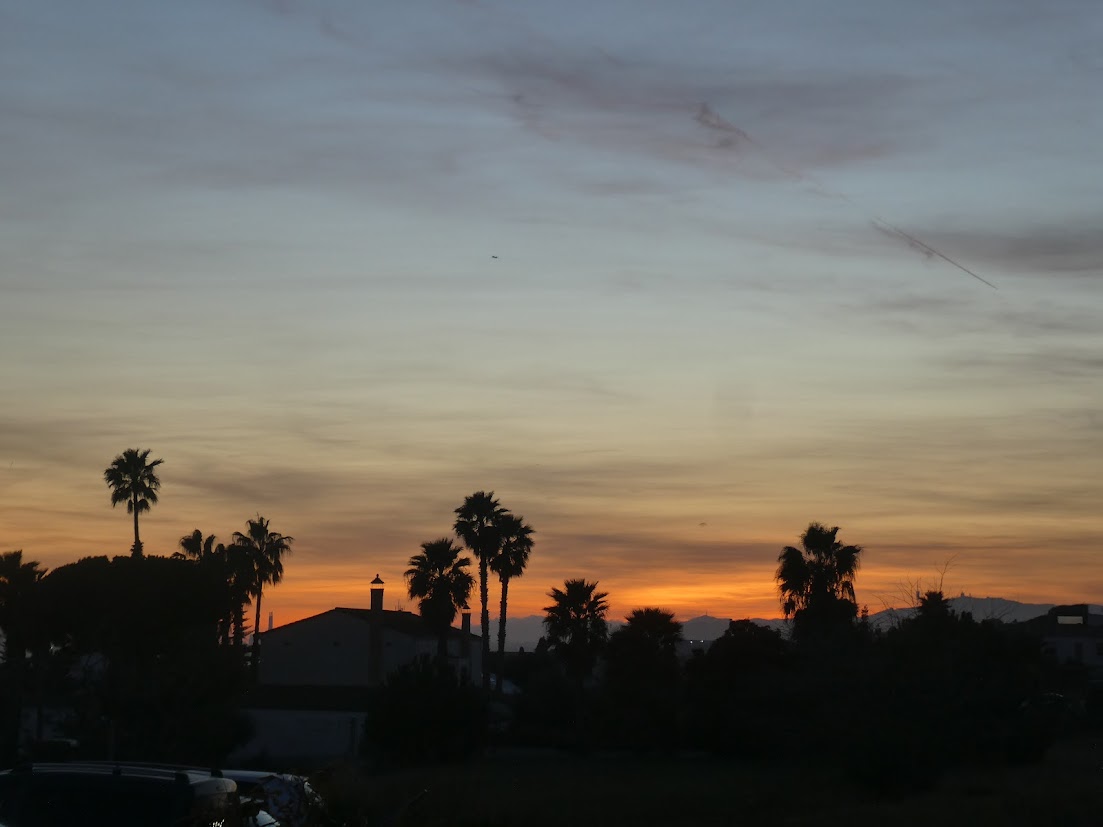
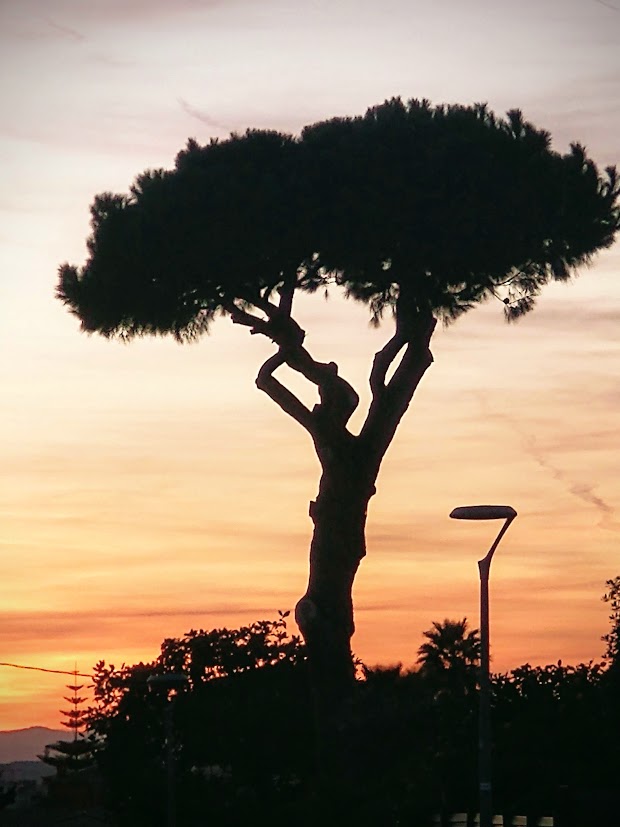
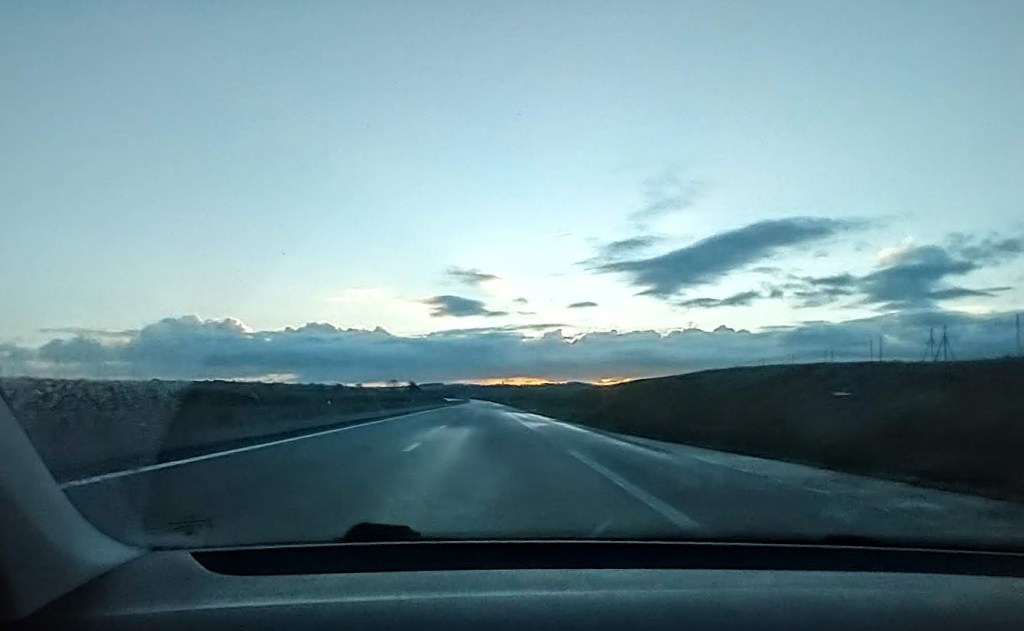
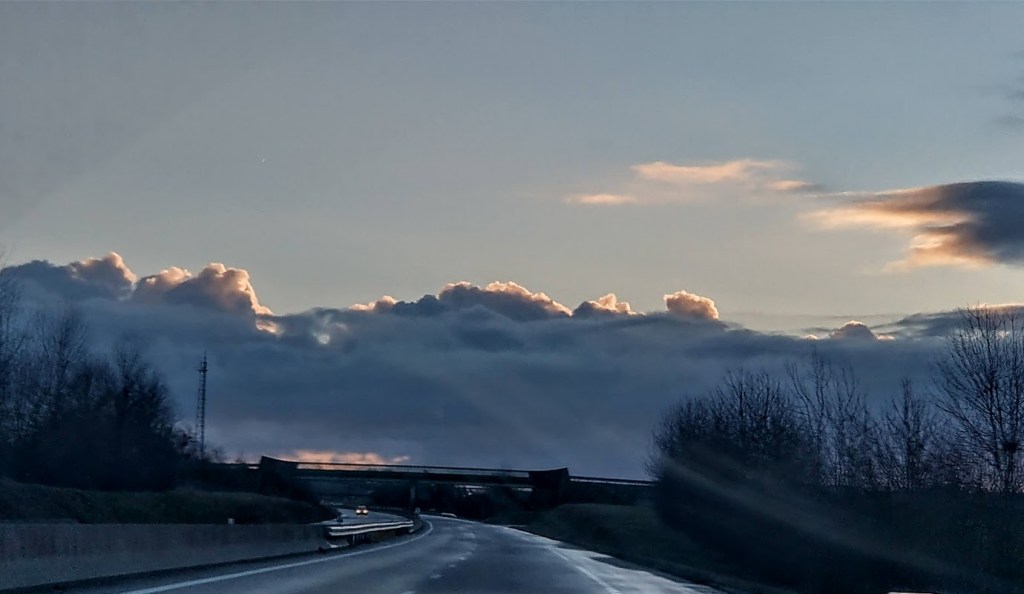
One of our duties here in Spain is The School Run – or maybe just part of it. Leave the house and turn right, and there’s school, under ten minutes away. Leave the house and turn left, and there’s nursery, just over 10 minutes away. So in the afternoon it’s school (finishes 4.30), then nursery (finishes 5.00 o’clock). As we wander home from nursery, the sun is setting, and these are our views.

For Debbie’s Six Word Saturday.

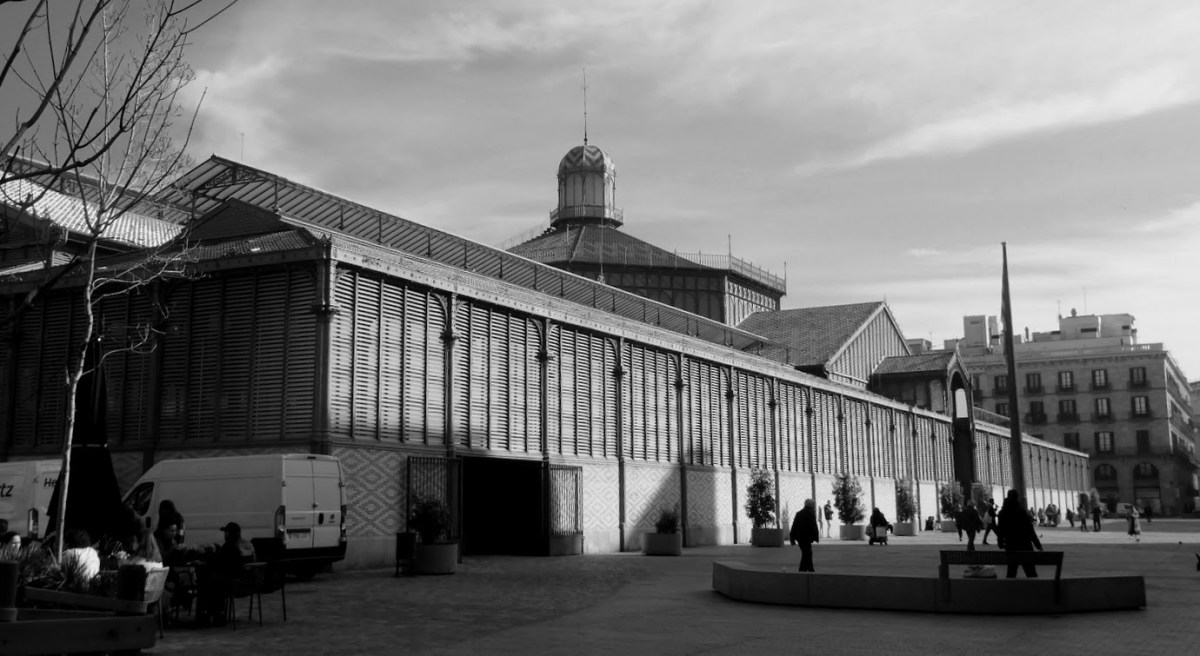
When is a Market not a Market?

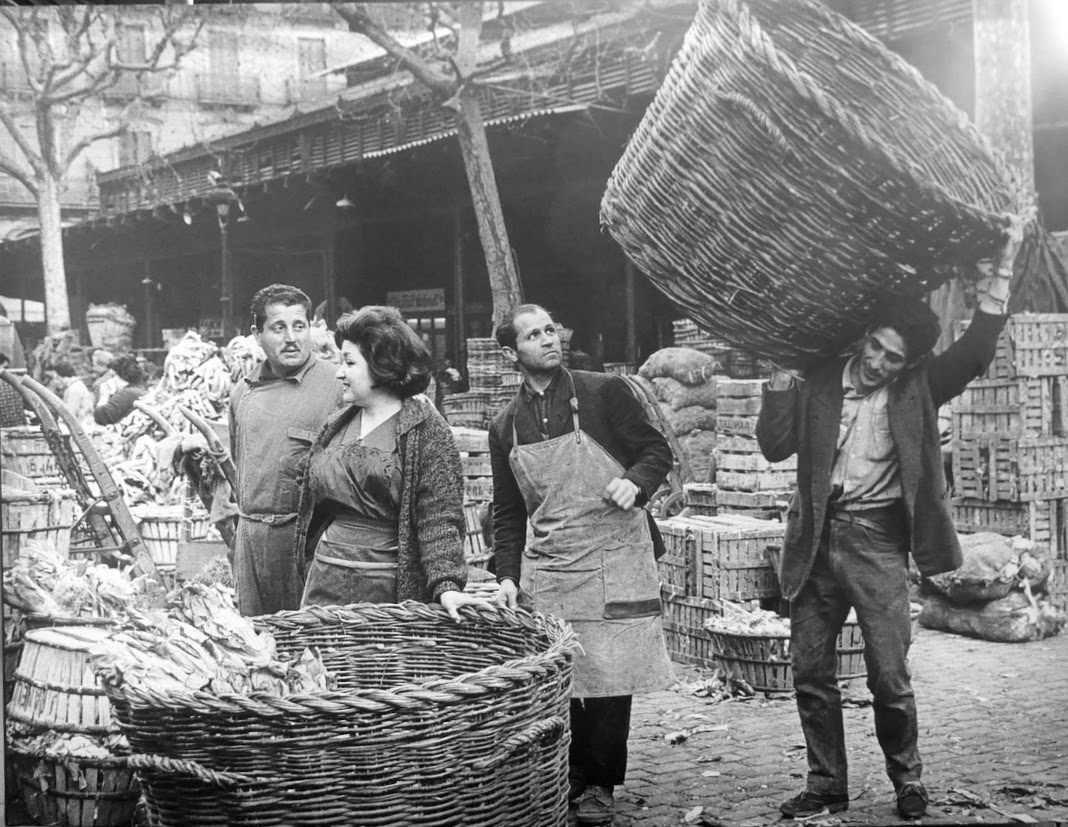
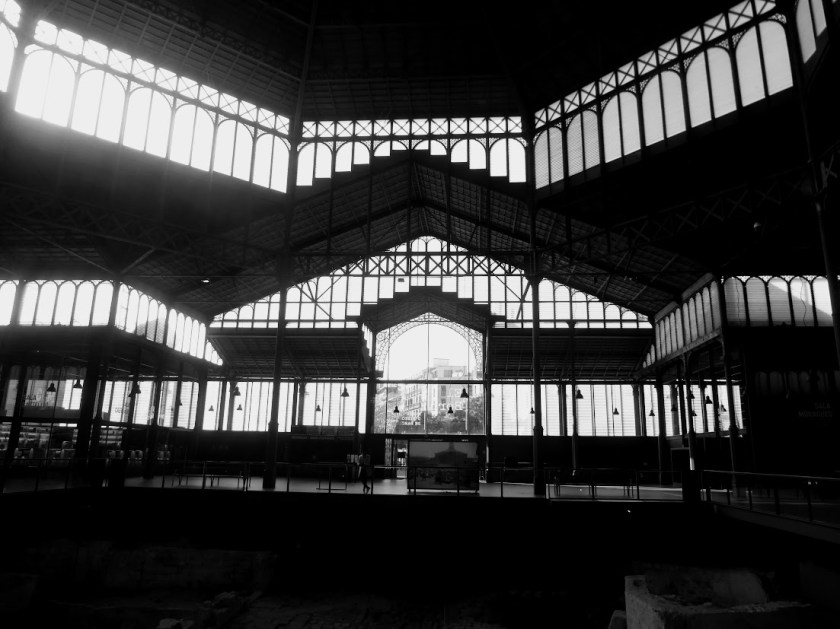
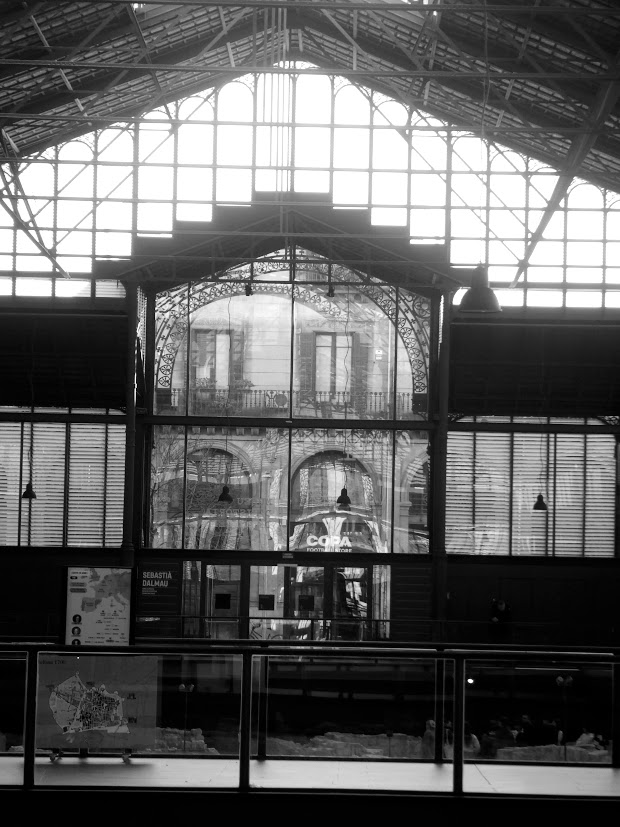
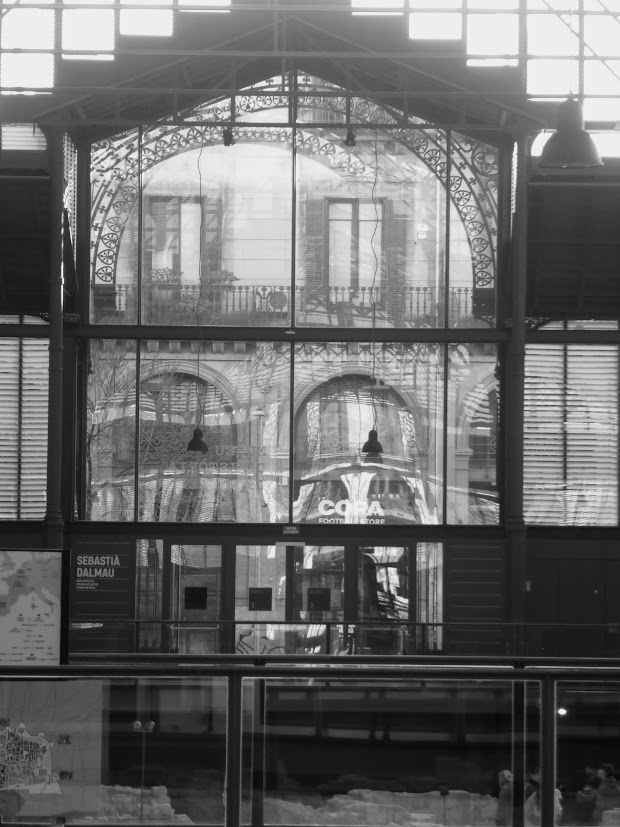
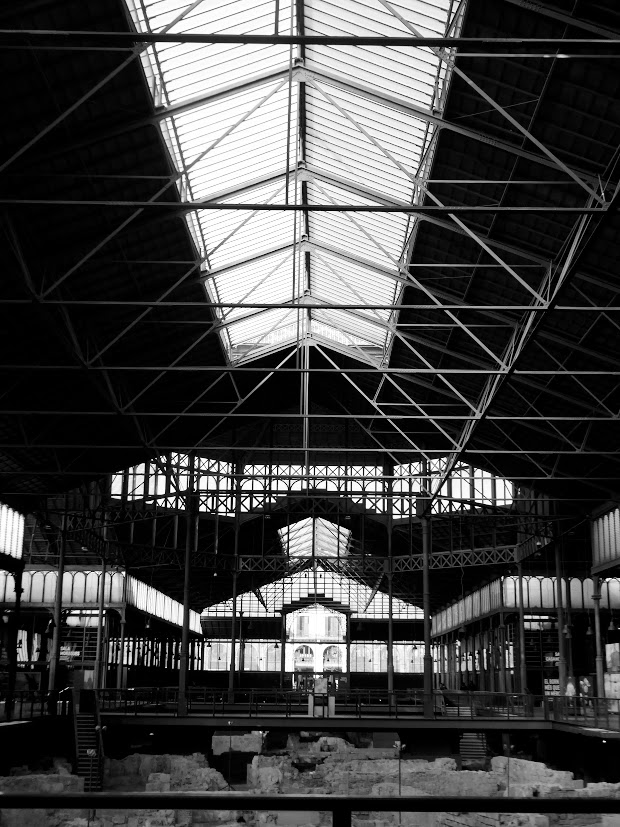
Answer? When it’s a museum – more or less about itself. That’s Born Market in Barcelona. Built in 1876 as Barcelona’s first large-scale cast-iron building, it was a local market, then a wholesale fruit and vegetable market which closed in 1971. But what to do with this fine structure? The problem more or less solved itself when in 2001, more than 60 houses dating from the 1700s were found below ground level. Painstakingly uncovered, they reveal the life of this busy neighbourhood, where tripe-sellers and violin makers, leather-tanners and glass blowers, and food producers of every kind jostled together in this bustling, flourishing part of the fast-growing city. Their story, this city’s story is now told here in El Born Centre de Cultura i Memòria.

Here are two photos-of-photos showing the market in its heyday.

And here are a few shots of the building as it looks now: a quiet and spacious place to pass away an interesting hour or two away from bustling Barcelona, just beyond its doors.

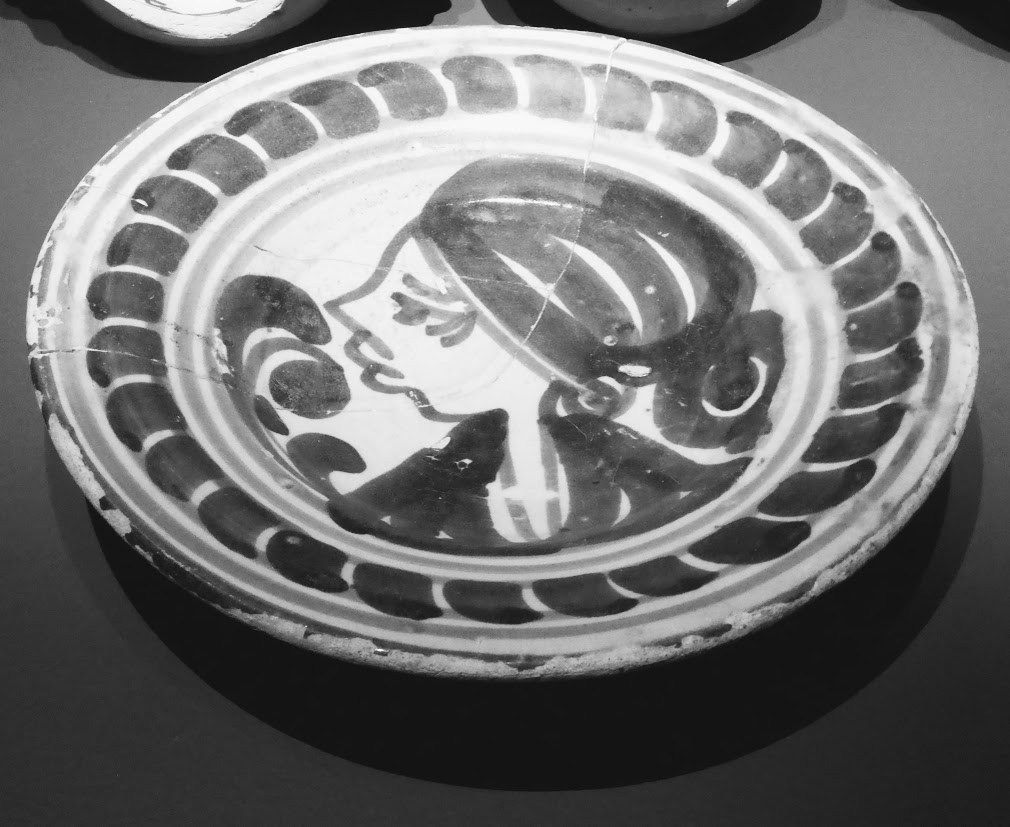
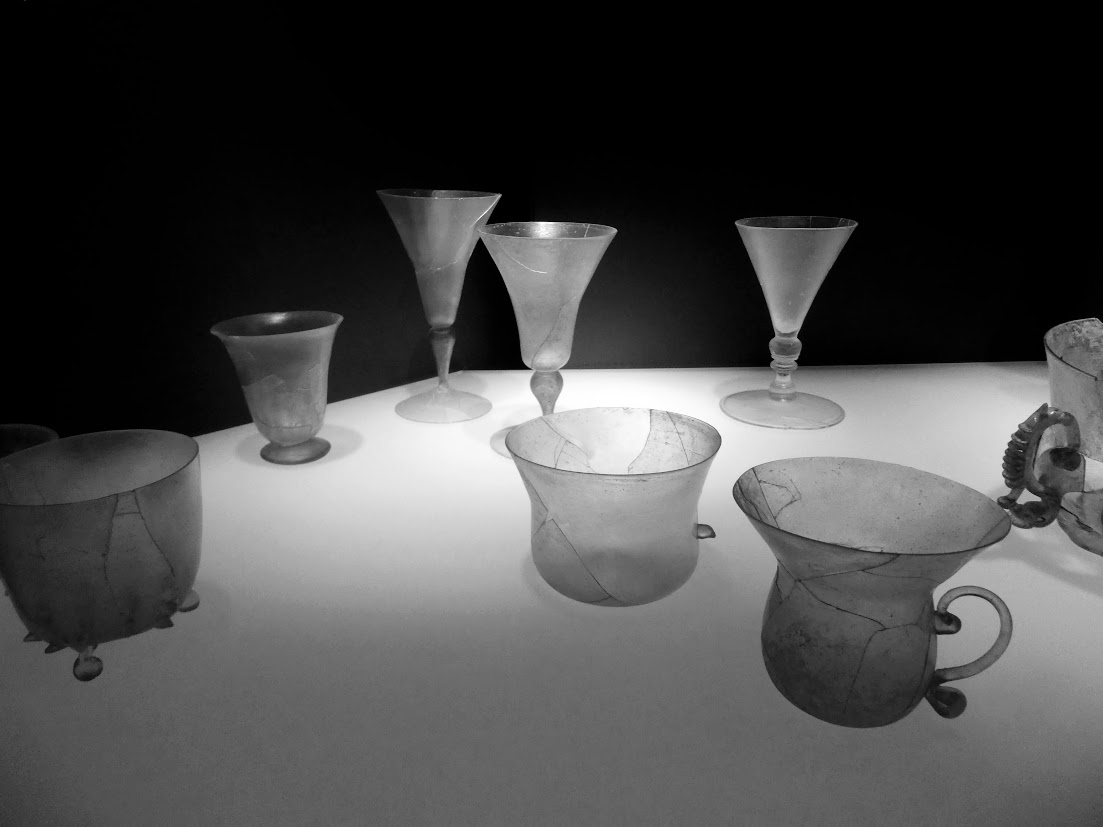
In the last image above, you can see at floor level the excavated city beneath. Here are some of the everyday objects the archaeologists found: plates, chocolate cups and glassware, all made locally.

An unexpected addition to Sarah’s Market Challenge for Leanne’s Monochrome Madness.

Ruined Statuary

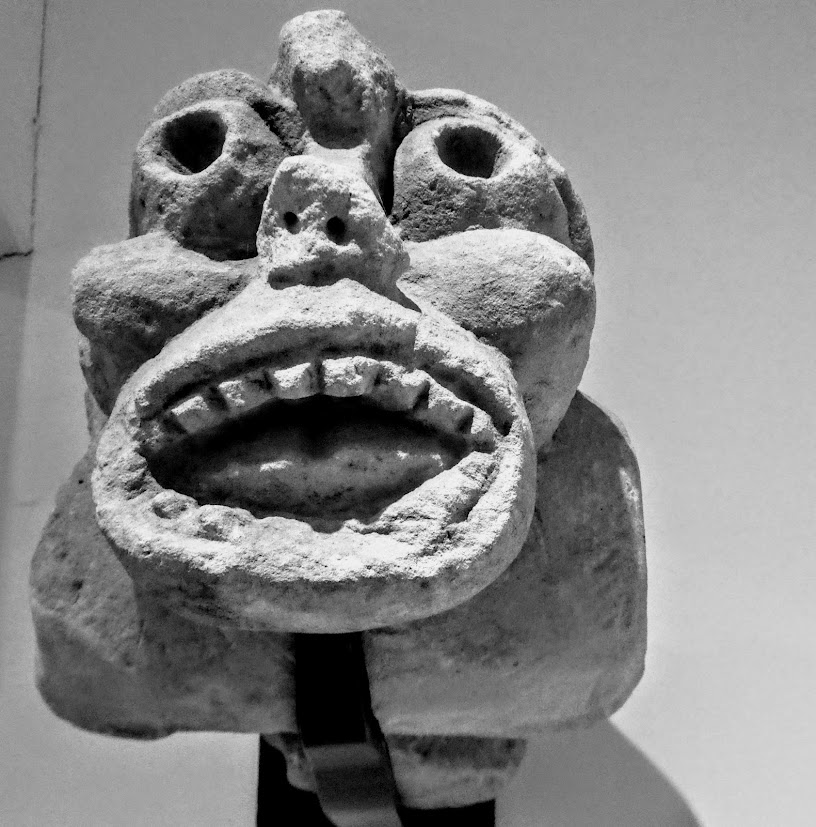
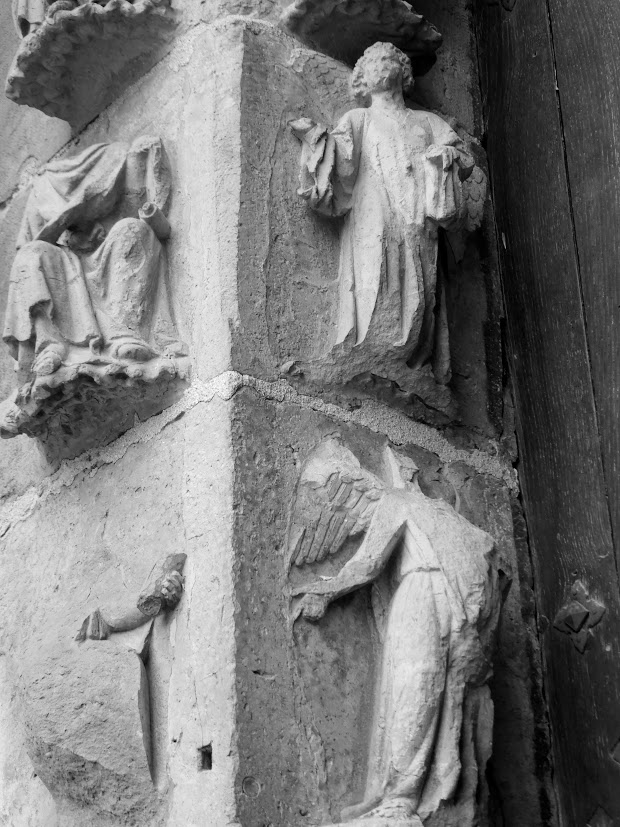
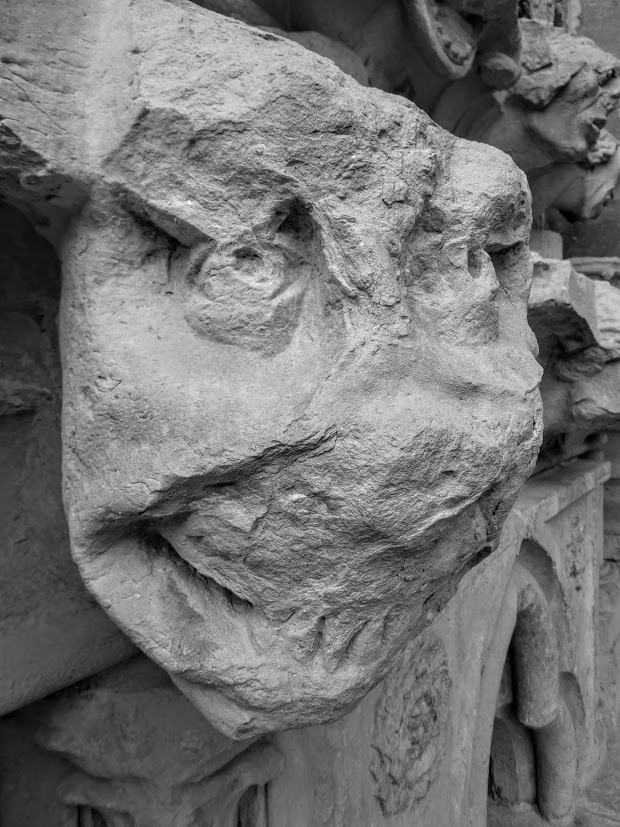
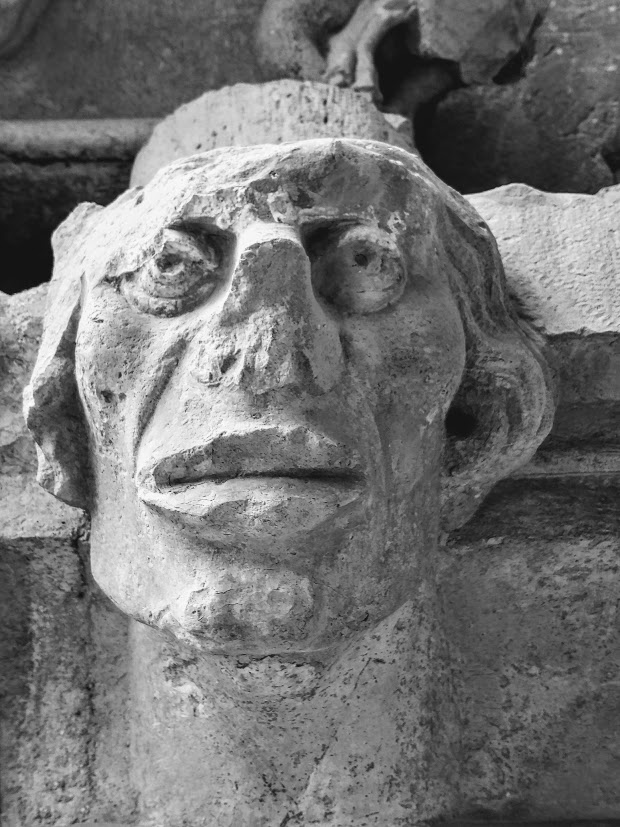
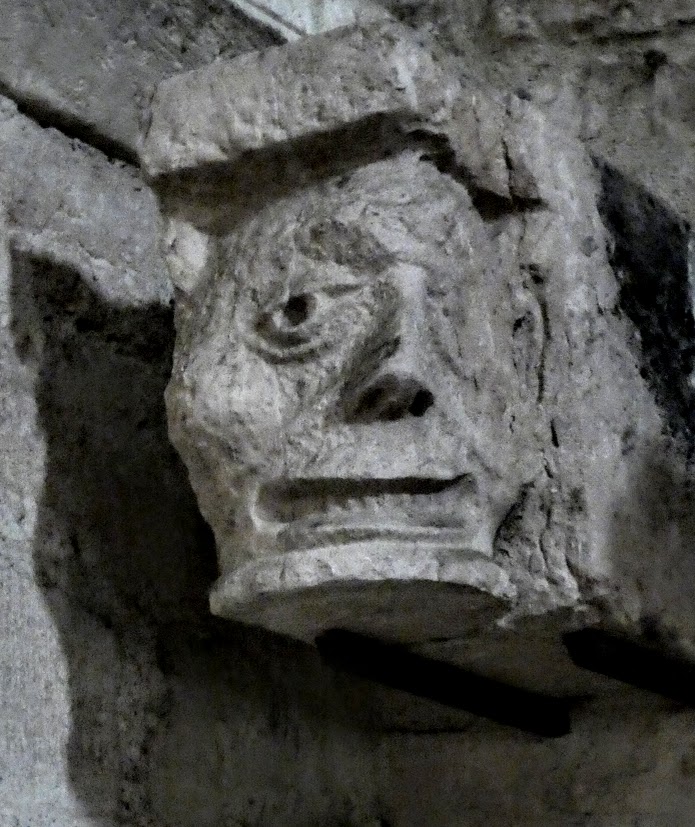
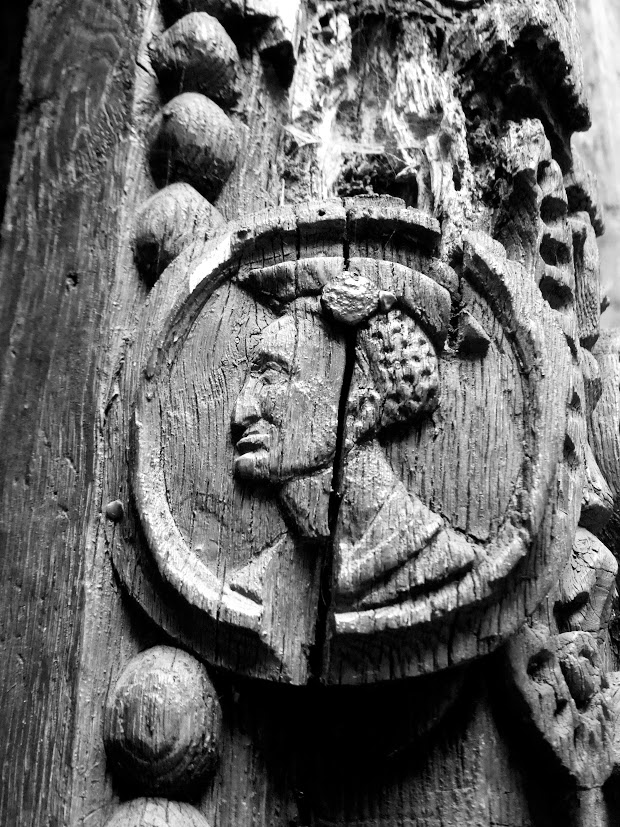
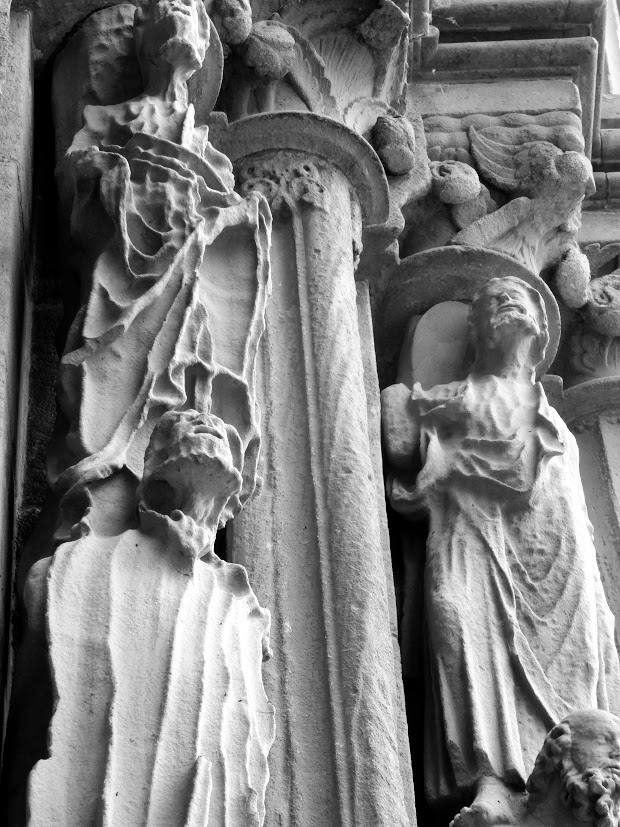
Today, for Leanne’s Monochrome Madness, Sarah of Travel with Me invites us to photograph ruins. I could so easily take you (yet again) to my favourite ruined abbeys: Fountains Abbey, Jervaulx, or Rievaulx. But Sarah herself has shown Fountains Abbey off in her post. I could take you to ruins all over this country and beyond. Instead, I thought that I’d show you not buildings, but their statues, often ruined by weather, by warfare, or quite simply the passage of time.

Best start in Rievaulx though, where carvings in its museum gave me the idea.

Off to North Eastern France, where the churches and cathedrals of Rheims, Laon and Tournus (to name but a few) have all mightily suffered from the weather eating into into the local limestone from which these were built.

And in Troyes, wooden buildings have taken a weather-beating too.

A church in Bamberg has suffered mightily from having been contructed from limestone.

But even more recent buildings have been ruined a bit. Come to Hartlepool with me.

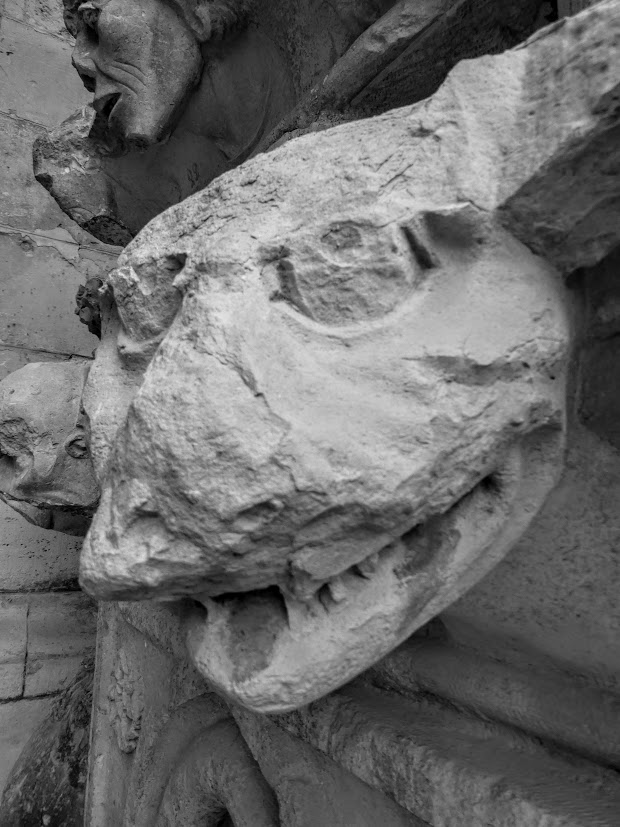
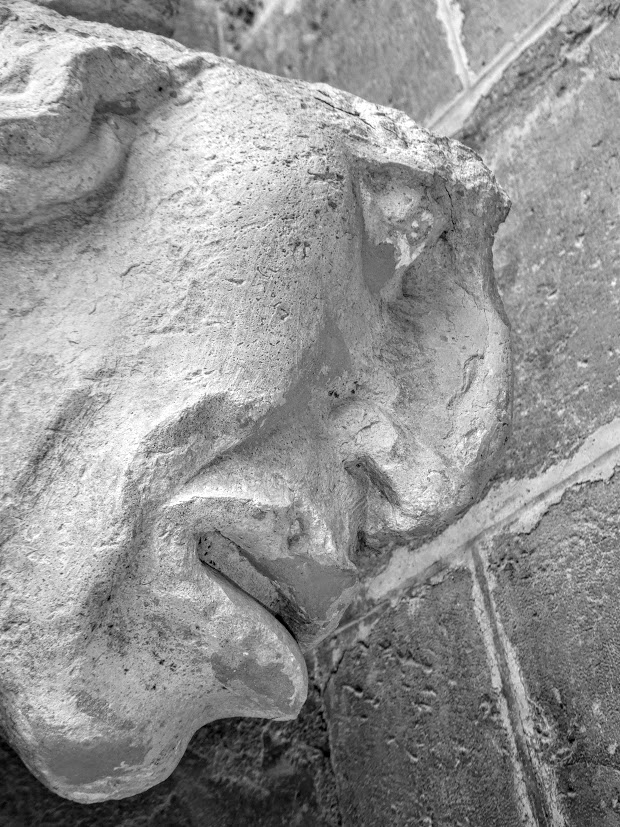
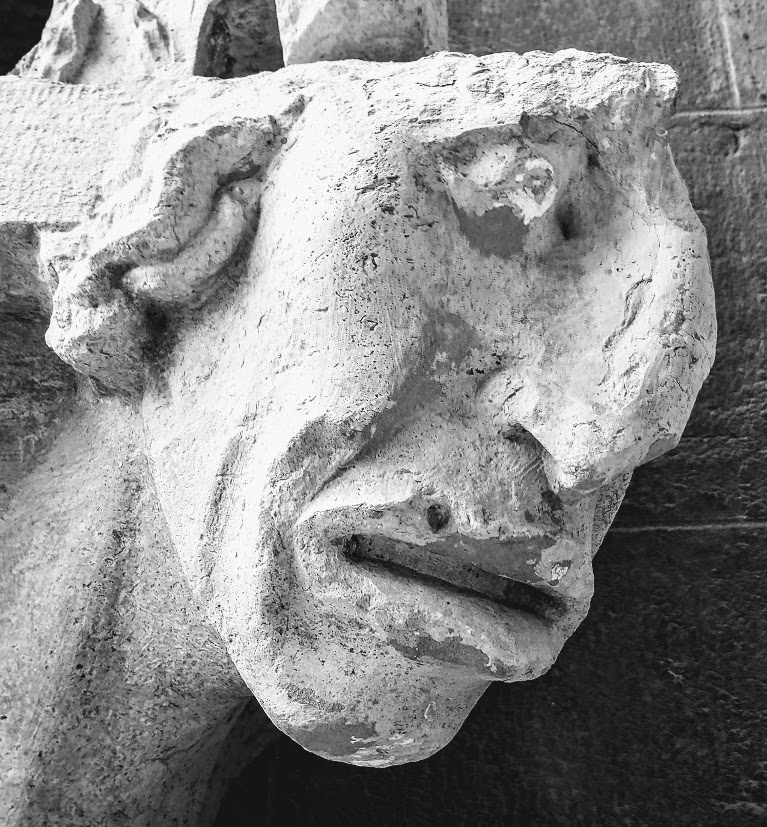
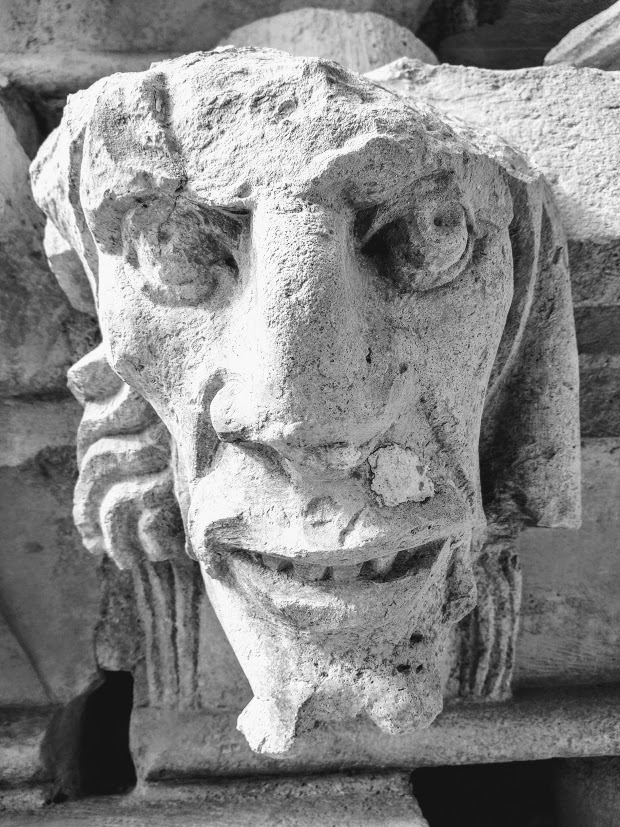
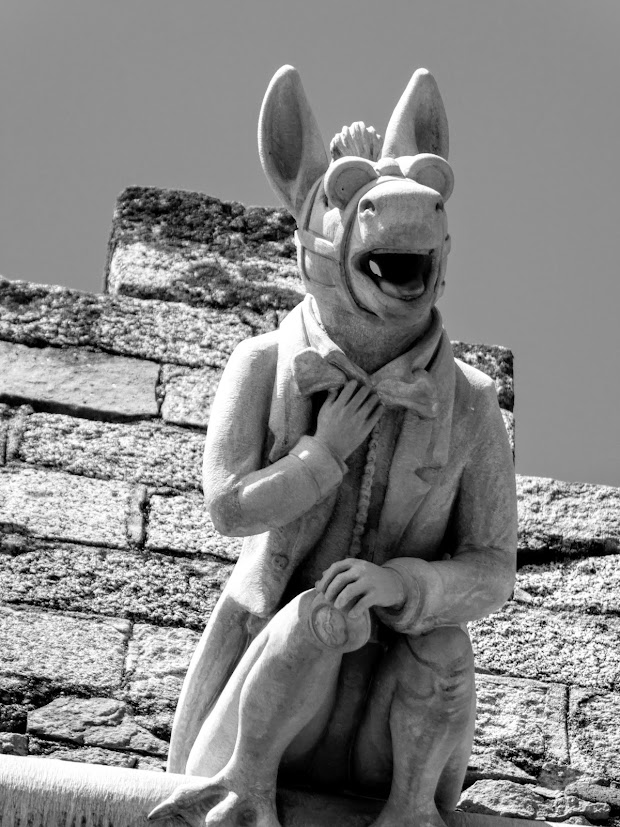
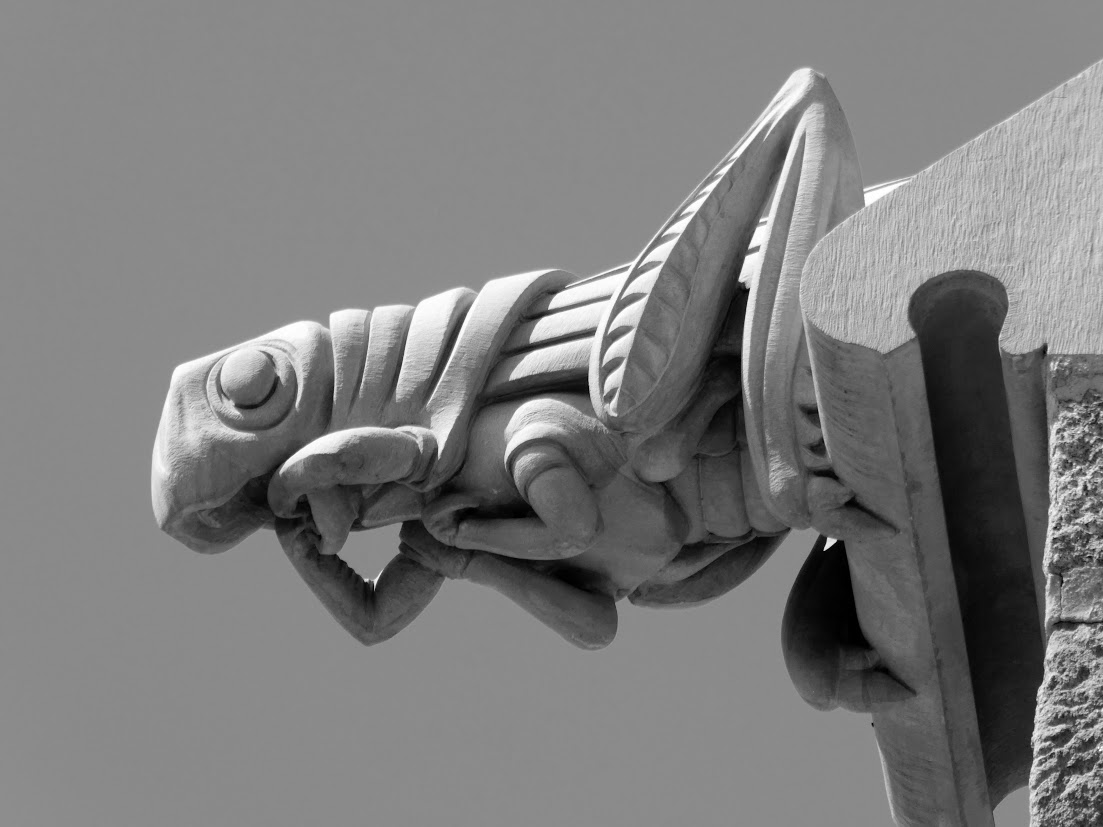
Let’s finish off by disobeying the challenge completely, at Sant Julia church, in Argentona, Catalonia. Its gargoyles were so ruined they pulled them down. And replaced them. Like this.

By the time you read this we will be at least half way down England, in transit for eastern France – Alsace. So you won’t get prompt responses to any comments I’m afraid, as we shan’t finish travelling till Friday. But I will send a postcard before the weekend is out!

Benches near Beaches

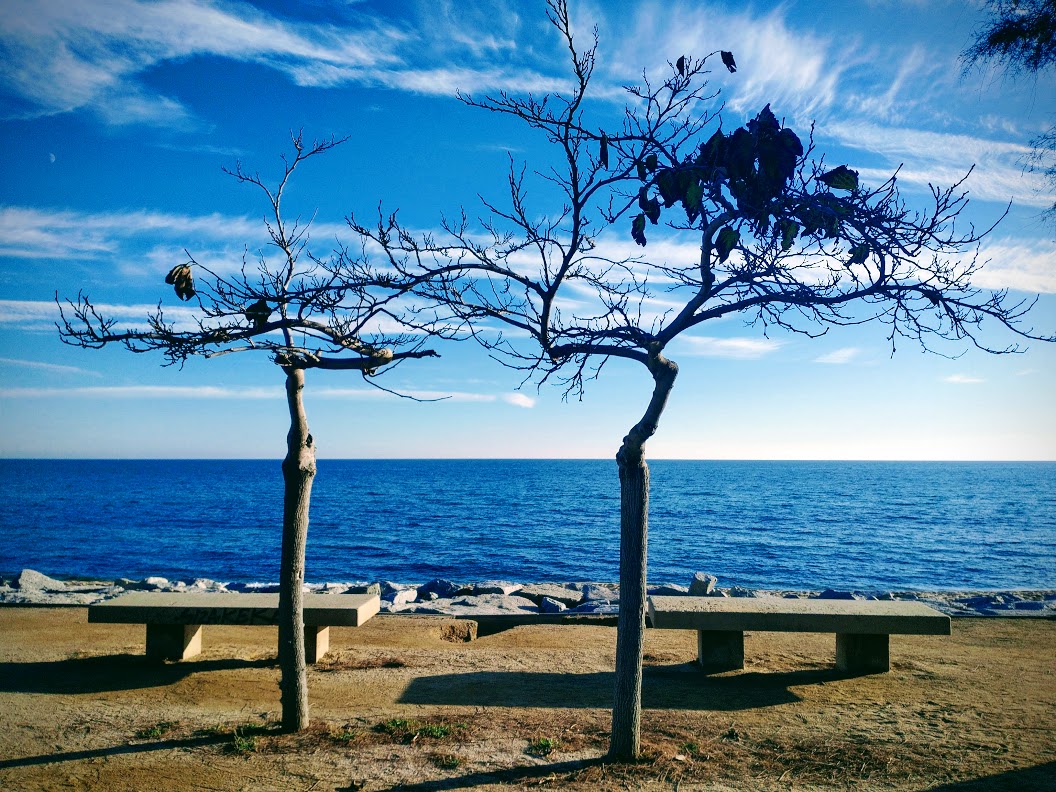
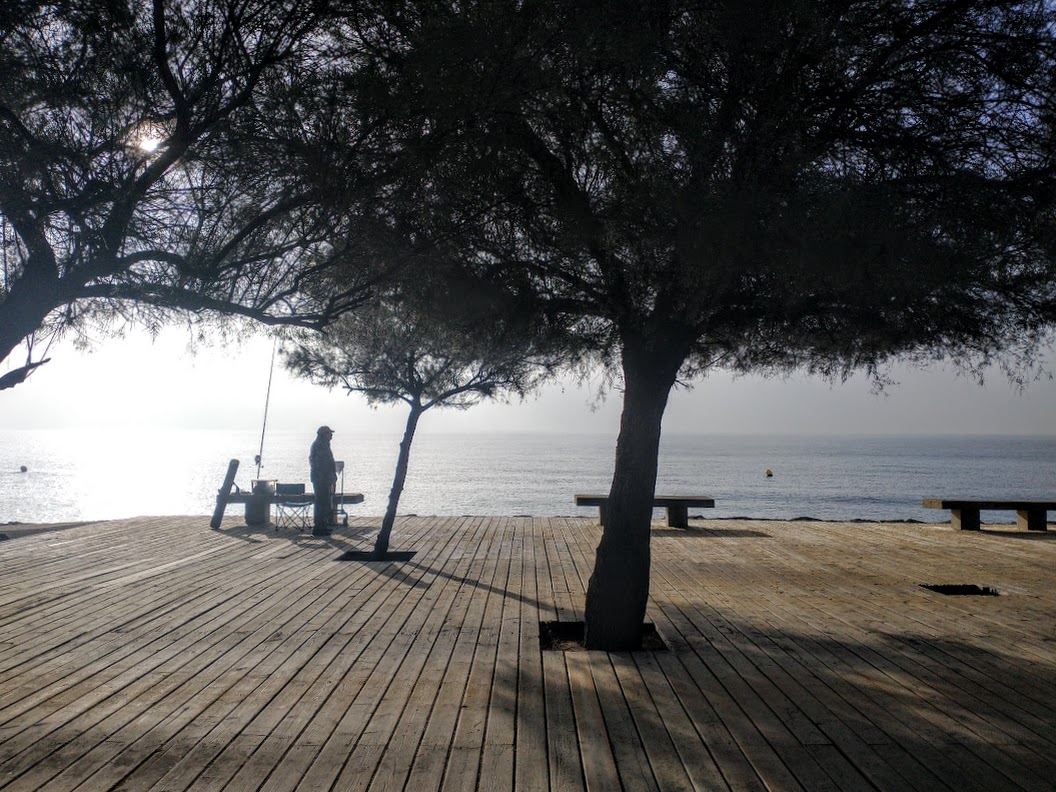
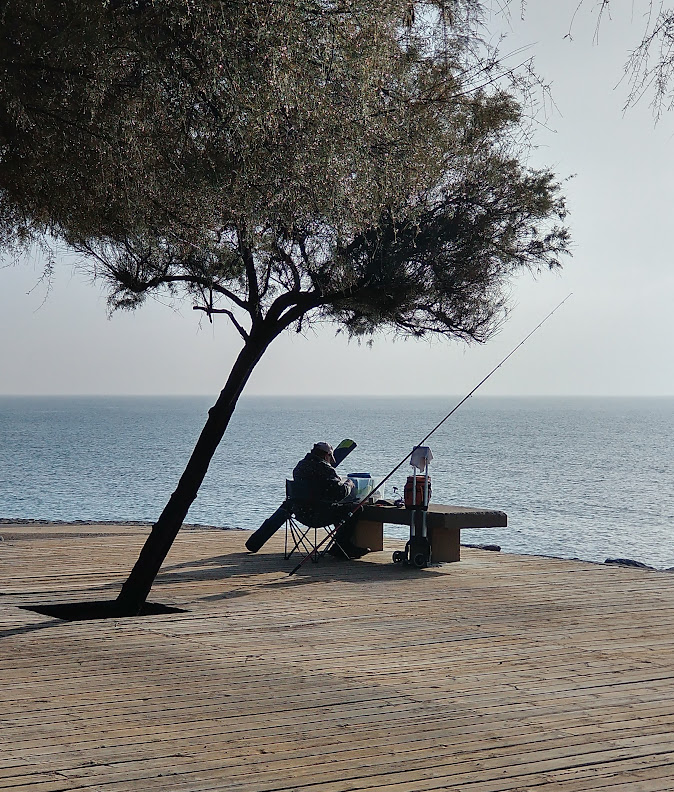
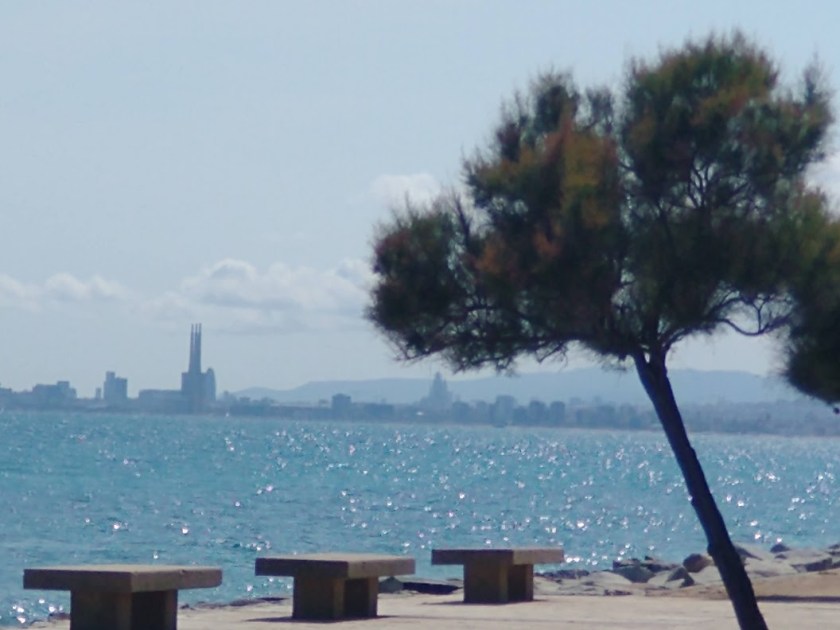
I have chosen to stay in Premià this morning, perhaps because here it is grey and gloomy, even though warm enough. A beachside path leads all the way from Barcelona, through Badalona, Montgat, El Masnou, Premià and beyond – all the way to Mataró. Between the beach and the path is scattered a series of benches- wherever there’s a tree or two to offer welcome shade. Here are a few.

That’s Barcelona in the distance.

For Jude’s Bench Challenge.

A Morning in El Masnou

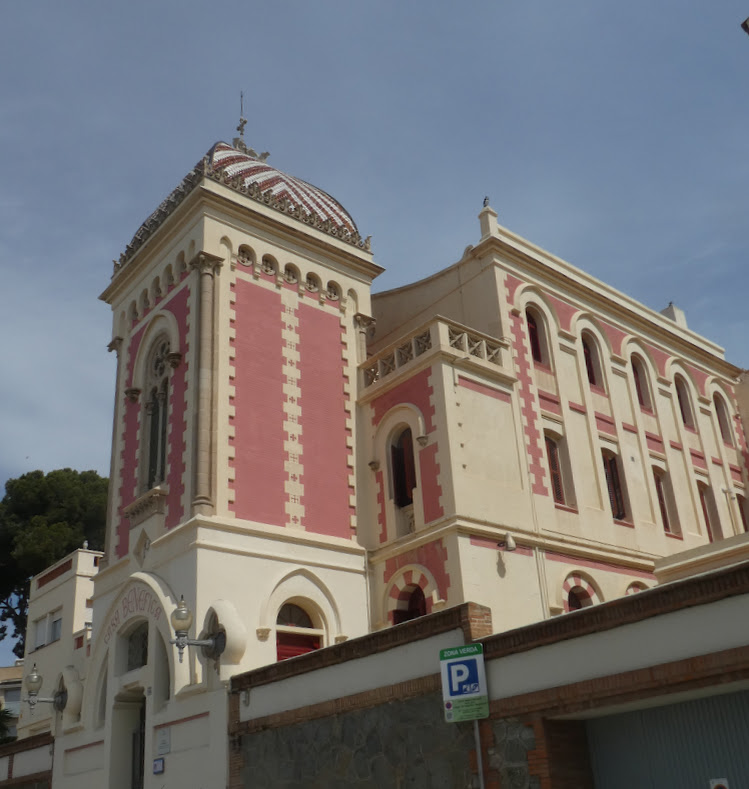
El Masnou is the nearest town to Premià de Mar, and somewhat nearer to Barcelona. Probably because of this, it has a slightly grander recent past. In the 19th century, wealthy families looked from Barcelona to its wide sandy beaches and the hilly countryside beyond, and commissioned Modernista architects to build them a residence away from the bustle of the Big City. Over in Premià they just got on with fishing and a spot of market gardening as usual.

One day last week, during my Spanish stay which was emphatically NOT a holiday, but Granny as housekeeper, au-pair and what’s the next job? I nevertheless awarded myself a day off, and walked the 6.5 km. there along the seaside path.

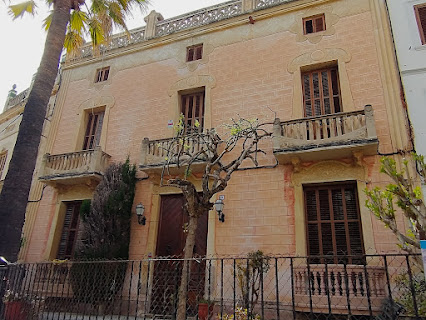
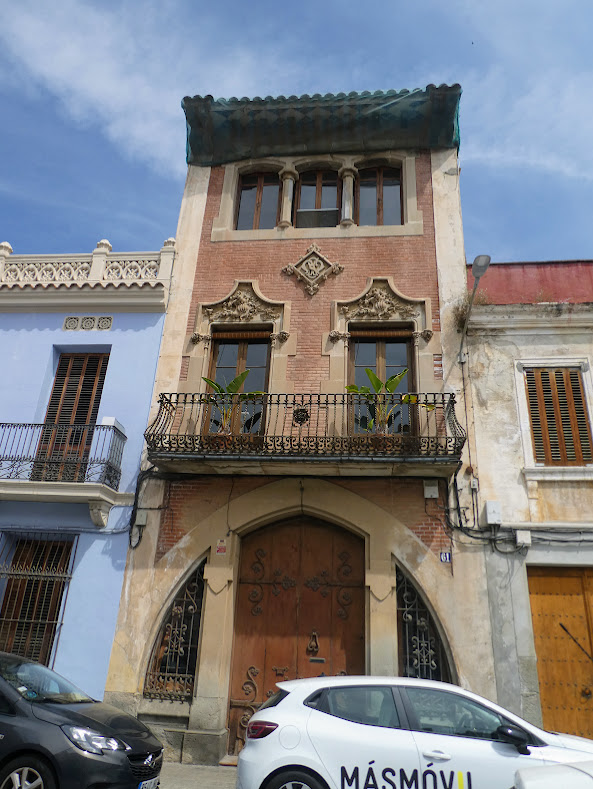
I wanted to track down a few neo-classical and modernista buildings, and I did. but they were hard to photograph, being – often – in narrow streets.

Click on the images to reveal the captions.

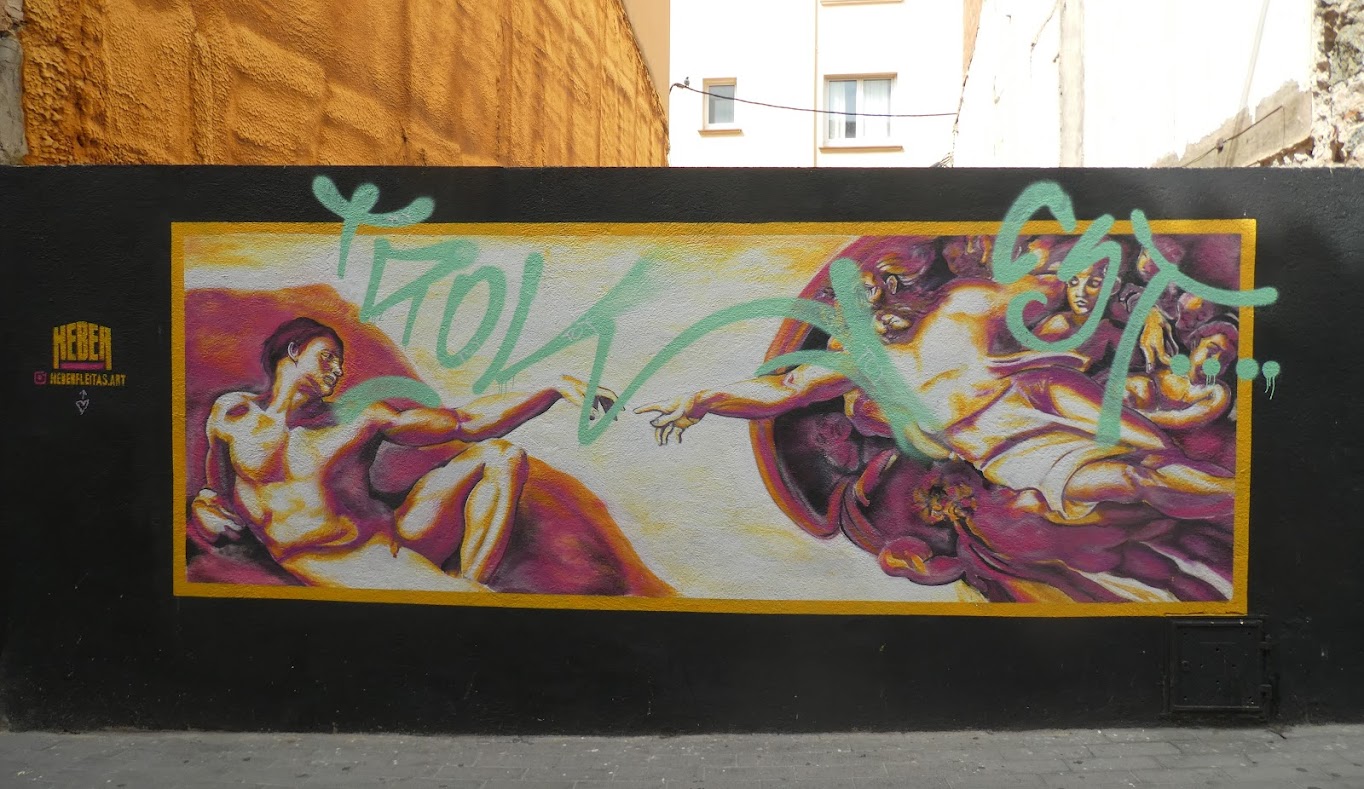
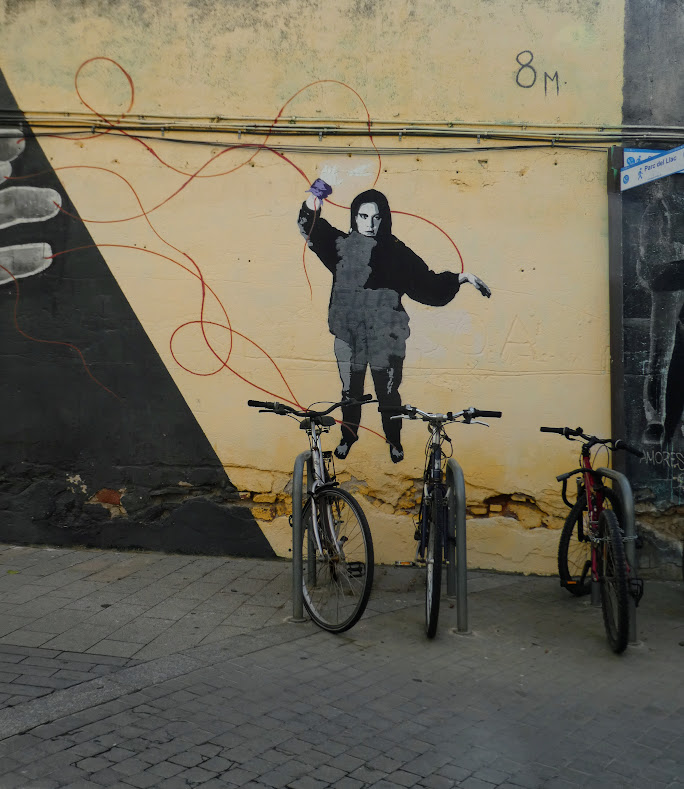
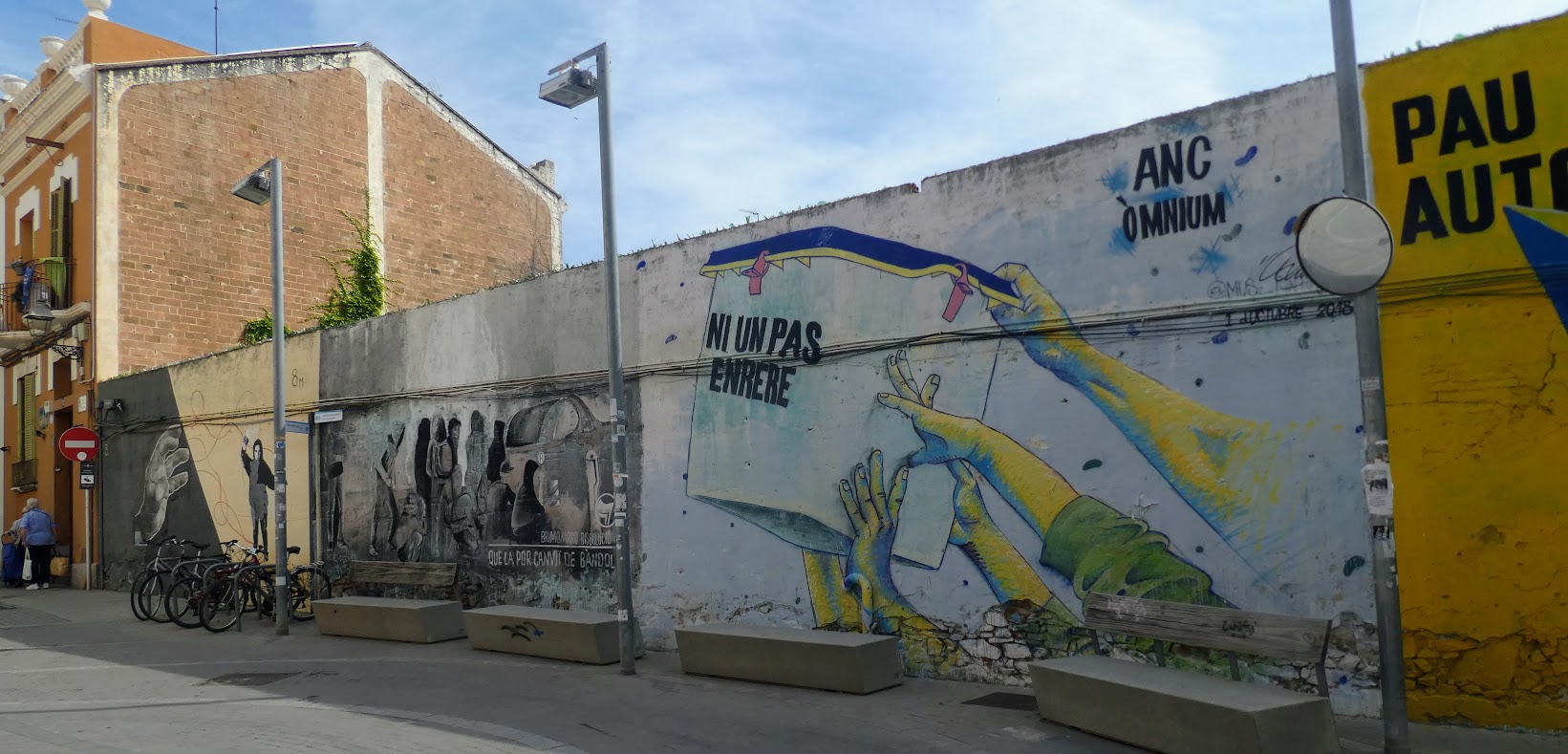
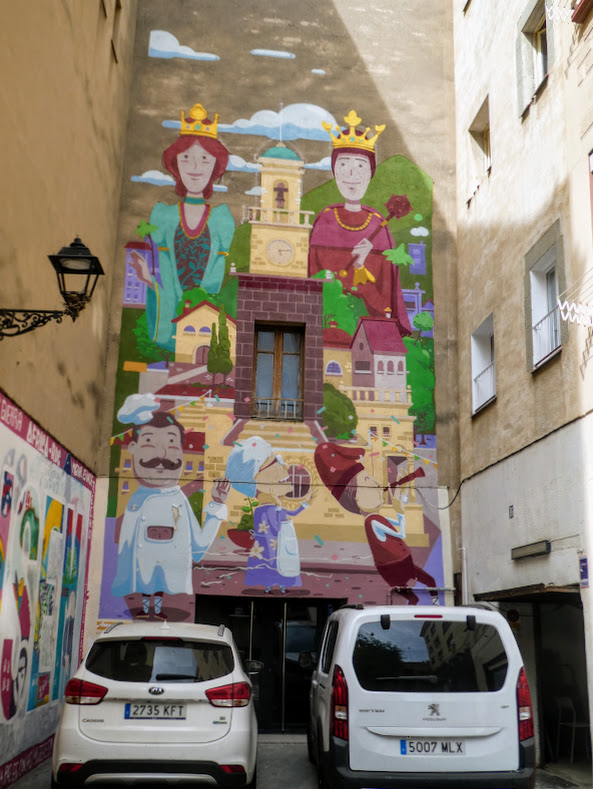
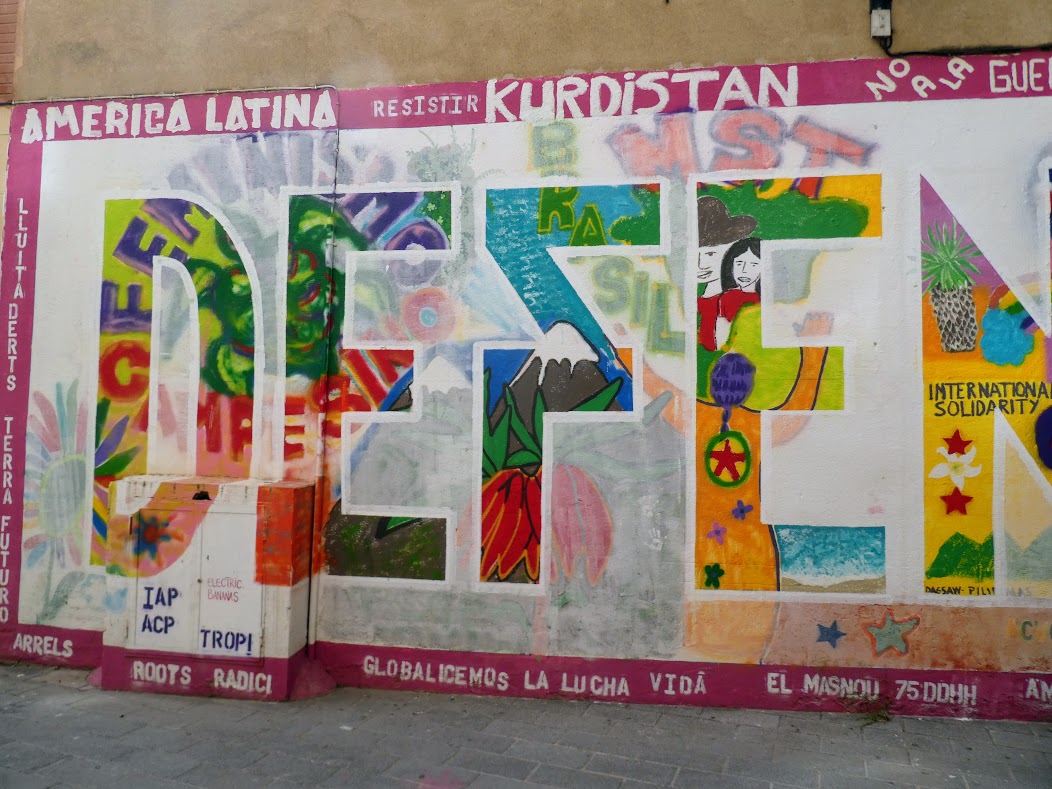
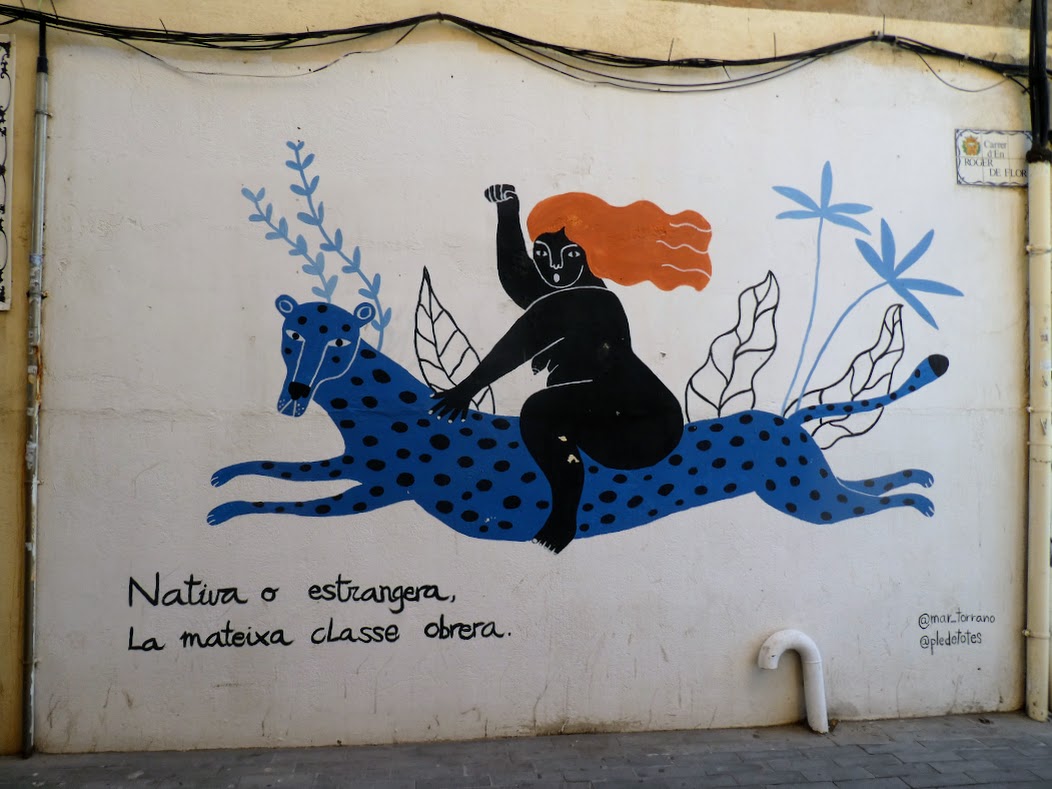
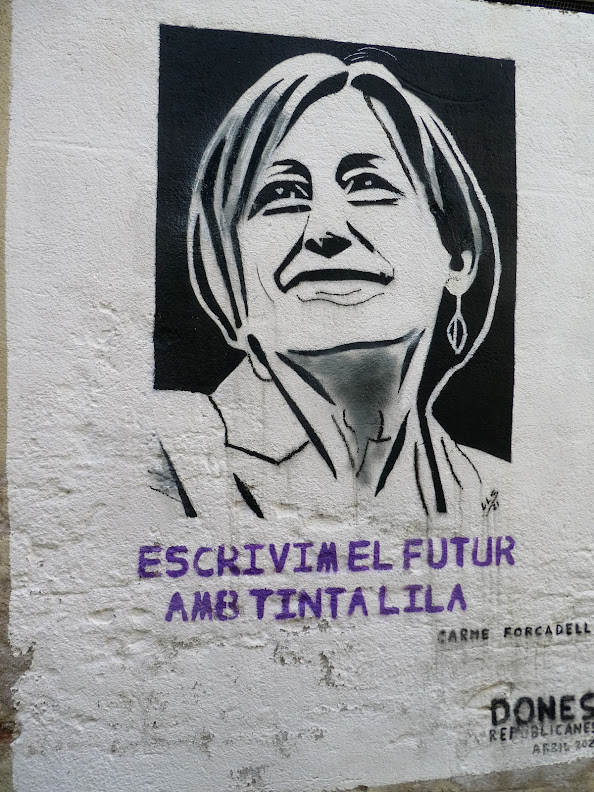
I wanted to track down street art. It’s often assertively political here, defending Catalan independence, the rights of the dispossessed, and celebrating female pioneers of the last couple of centuries.

Click on the images to read the captions (on some of them).

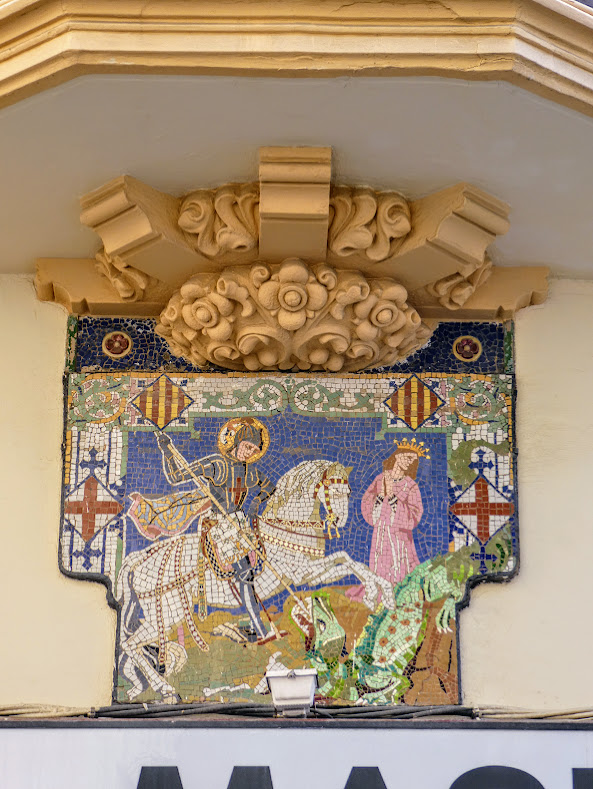
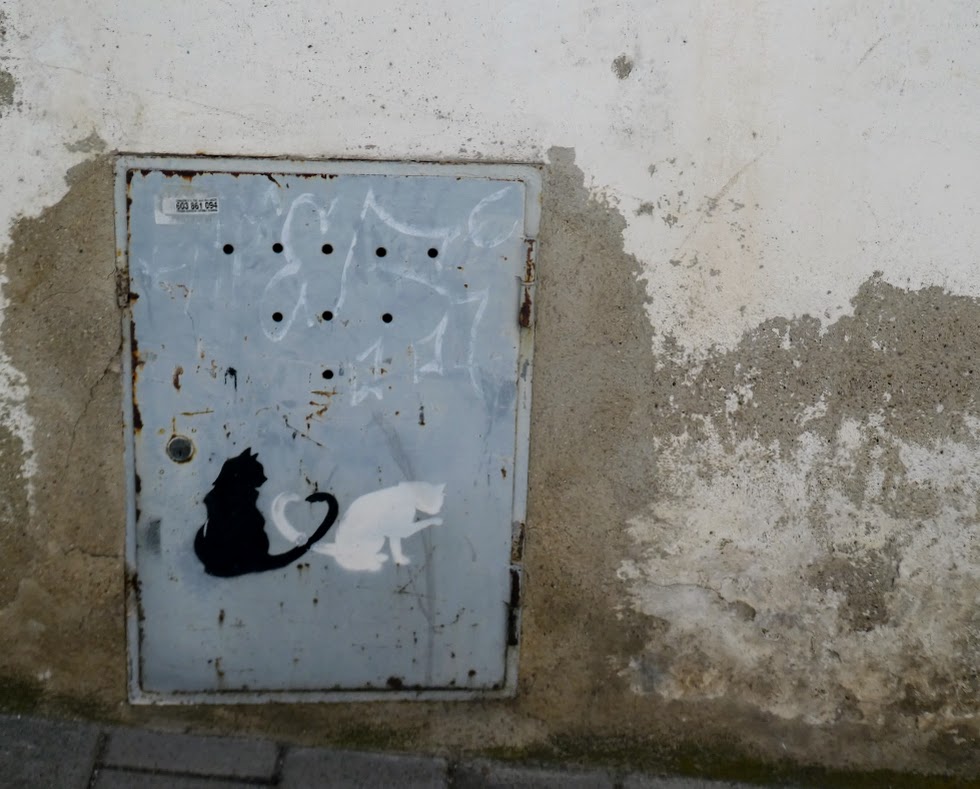
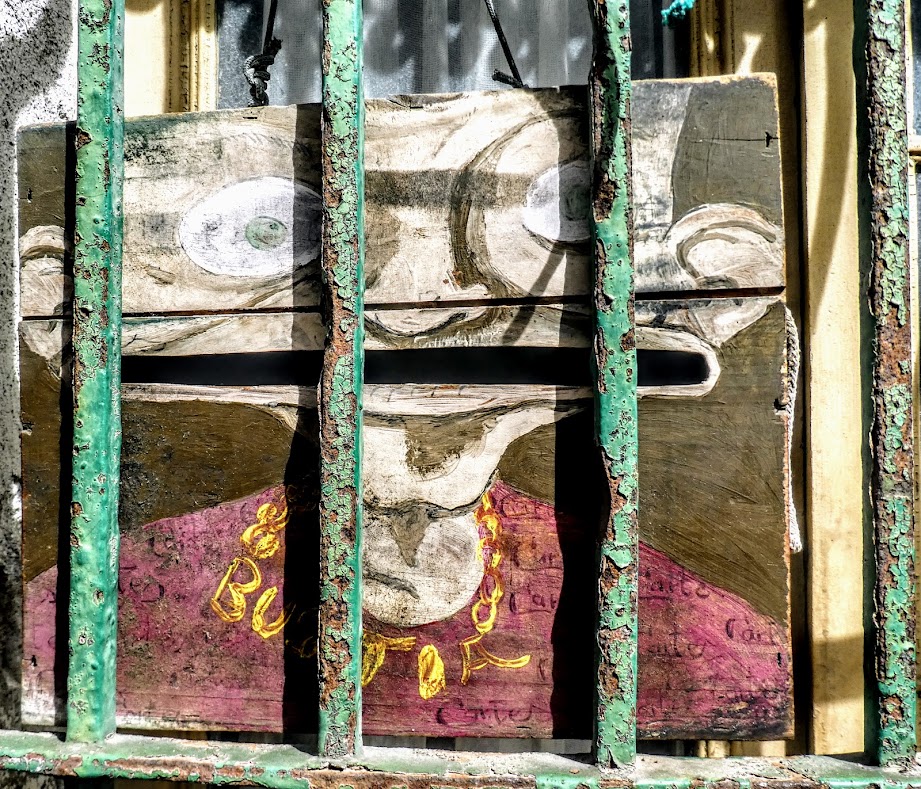
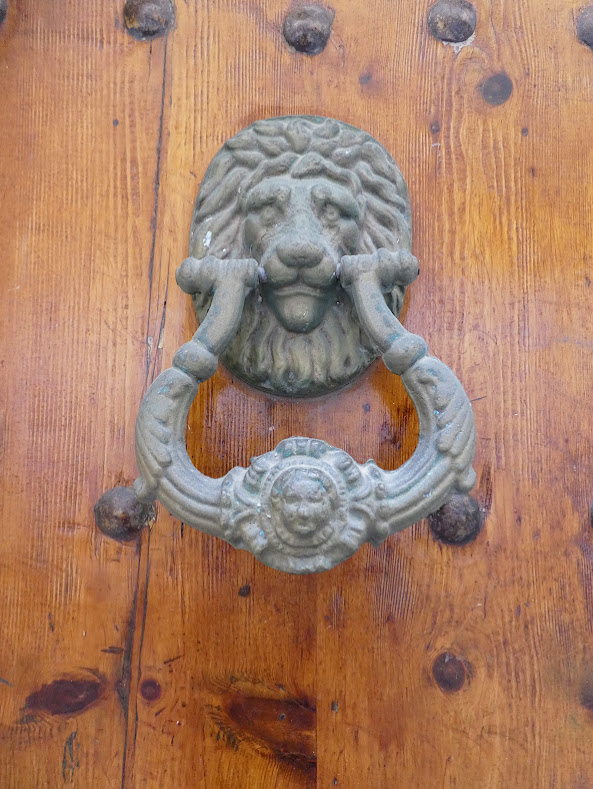
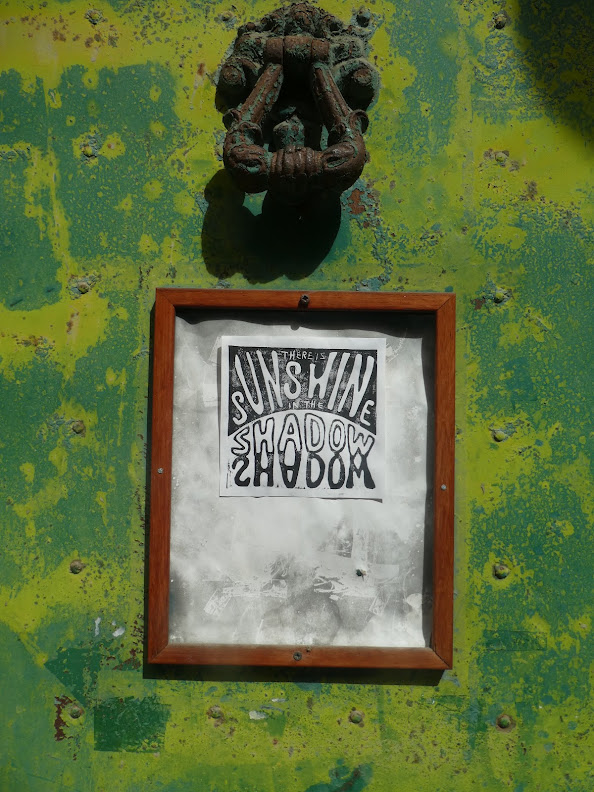
Then there are the charming details every town must have: the mosaic of St. George, Catalonia’s patron saint (and also of England; Aragon; Georgia; Lithuania; Palestine; Portugal; Bulgaria; Ukraine; Malta; Ethiopia; Russia; Bosnia; Kosovo & Serbia. To name but a few). The little cats painted at pavement level. The gaping mouth letter box (but how to get a letter in?). The door knockers.

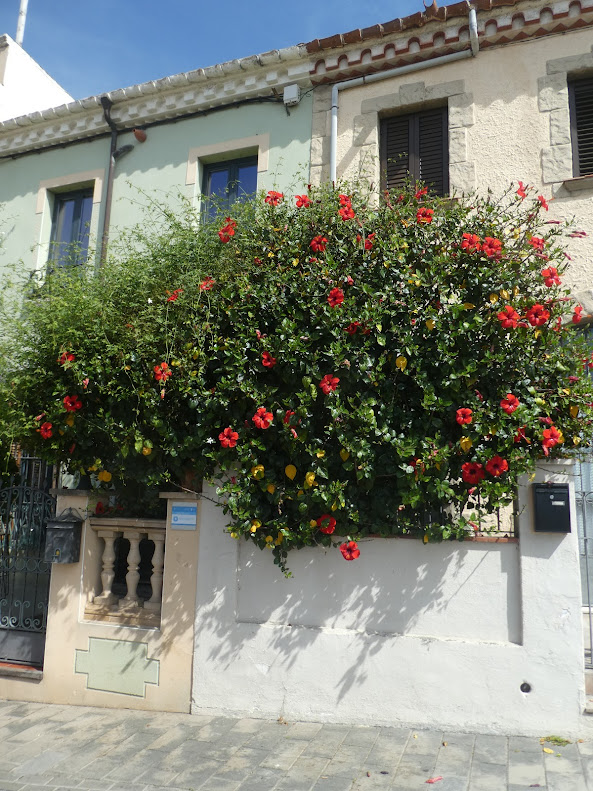
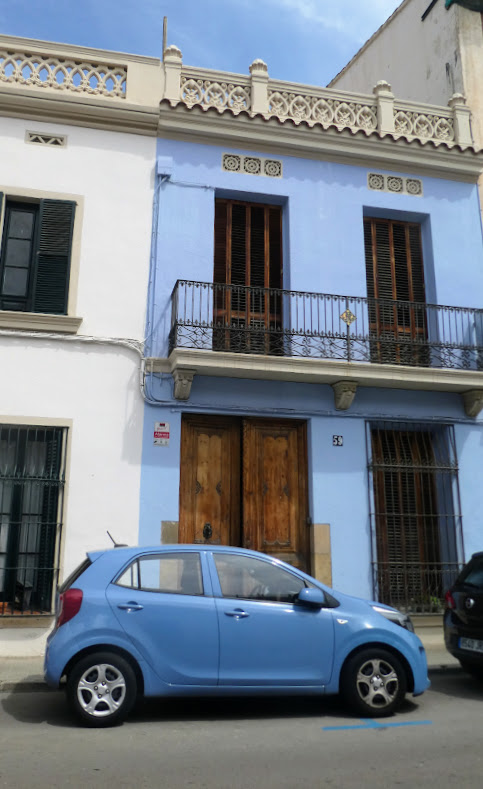
Then there are the ordinary streets, with ordinary houses. Or not so ordinary houses.

And my favourite. The house with the matching car parked outside. In this image, they don’t seem quite to match. Trust me, they did.

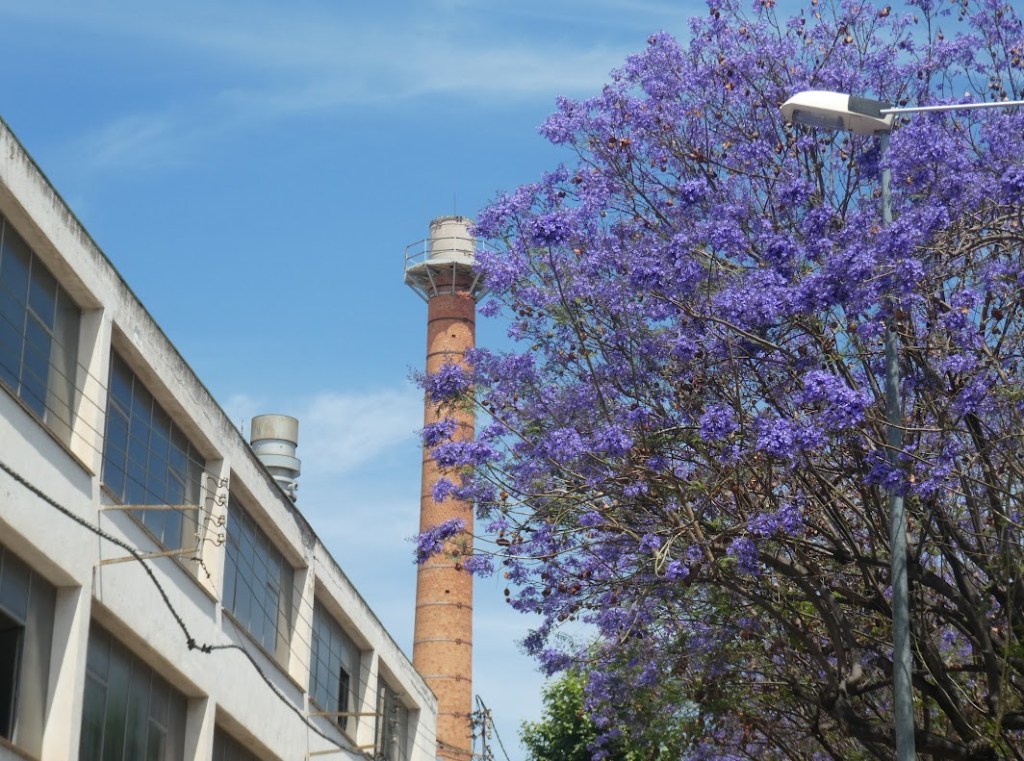
I left the town, walking through its industrial quarter. Even industry seems pleasant enough when every street is lined with jacaranda trees in flower.

After that, it was a drink in the quiet square I showed ten days ago, and a walk home inland through the market gardening area. A morning well spent.

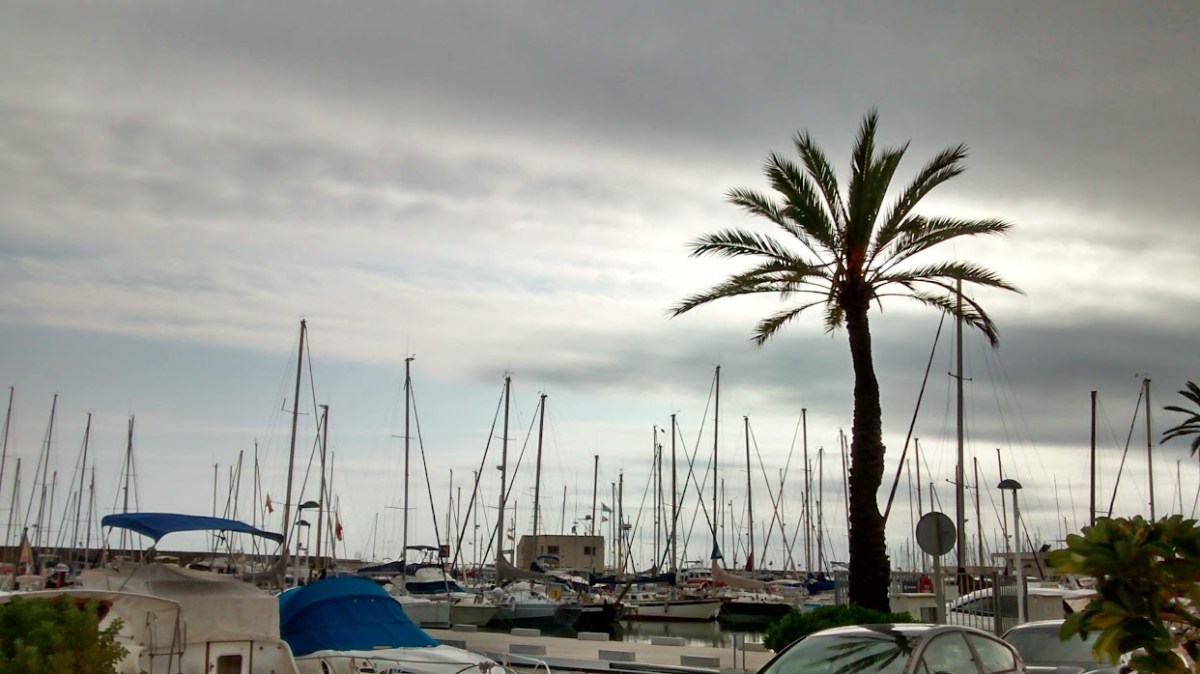
PS. The featured photo of the busy port wasn’t taken last week, but on a greyer day last spring. My walk was on a strictly bright blue sky day.

For Natalie’s Public Art Challenge.

And Jo’s Monday Walk.