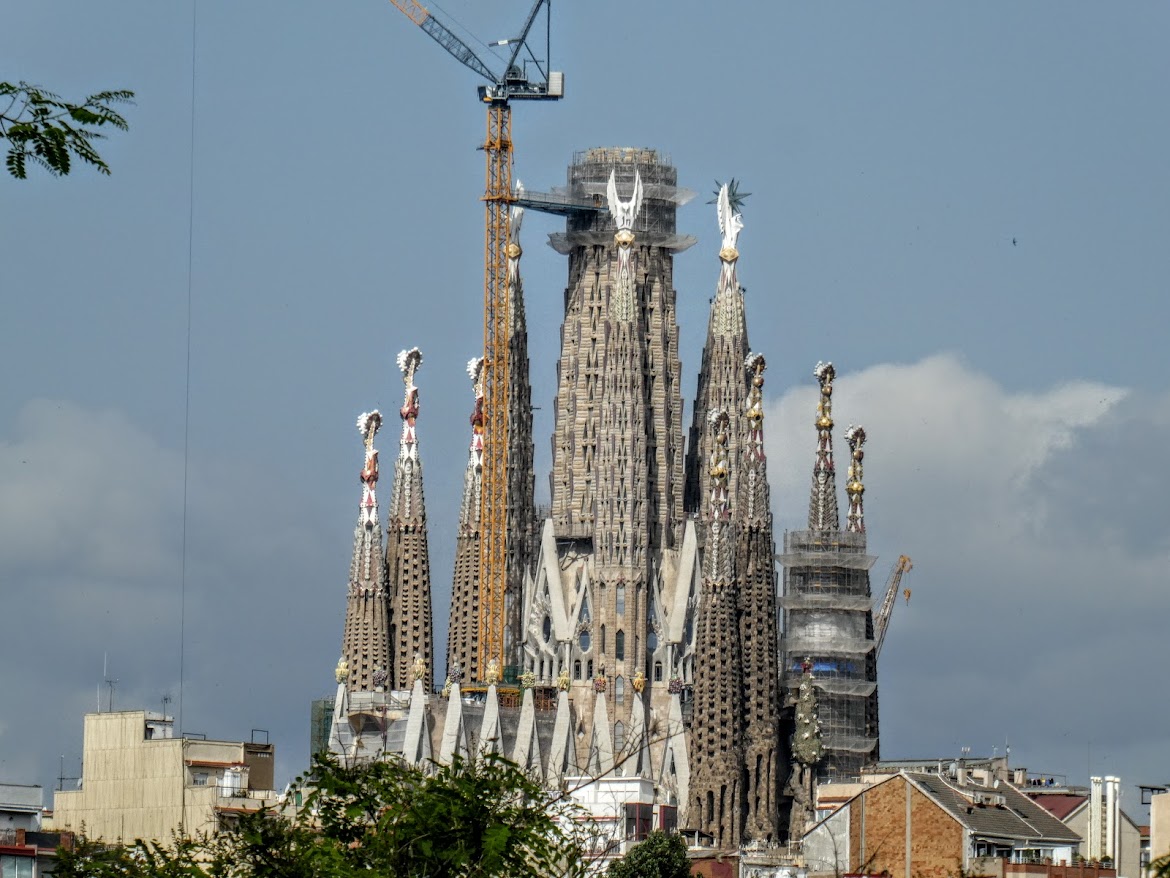
A Bold Building in Barcelona

Anyone and everyone who visits Barcelona has a trip to La Sagrada Familia as a ‘must see’. They come because for almost a hundred years, since he was first involved, Antoni Gaudí’s bold vision of a church has been in the news as a source of controversy. We’ve all heard of it.

For a start it wasn’t commissioned by the diocese, as was usual when a new church was required. Instead, an association founded by a local bookseller wanted it built, and Gaudí wasn’t even their original choice of achitect. Work on the church began in 1882, but Gaudí wasn’t officially involved until 1914. Gaudí himself died in 1926, when the project was barely a quarter complete, and since then, many architects have been involved. Is the building that may be finished next year even reflecting Gaudí’s original vision?

Funds to build it relied and rely on donations from the public. The Spanish Civil War got in the way. In July 1936, anarchists from the FAI set fire to the crypt and broke their way into the workshop, partially destroying Gaudí’s original plans. Later, Covid 19 got in the way. The foundation that manages the finances neither publishes accounts nor pays taxes.

You won’t have to go far in Barcelona to find citizens who are no friends of La Sagrada Familia. They speak of how over-tourism round the church has lowered the local quality of life, and impacted negatively on other tourist sites. They find it ugly, and moving ever further from Gaudí’s original vision. One of the later additions to the plan, to build a stairway which will involve the demolition of local housing has generated a row which I think still isn’t resolved.

One was or another, I think it’s fair to say that La Sagrada Familia, by its sheer size and complexity, is an audacious bit of planning. Its impact on the city skyline is definitely bold.

If you haven’t yet been, and want to do so, plan well beforehand. Book ahead. It’s a bold and undaunted tourist, or a foolish one, who turns up at the gates and expects to get straight in. Once in, you’ll be shepherded around a prescribed route, and not at your own pace.

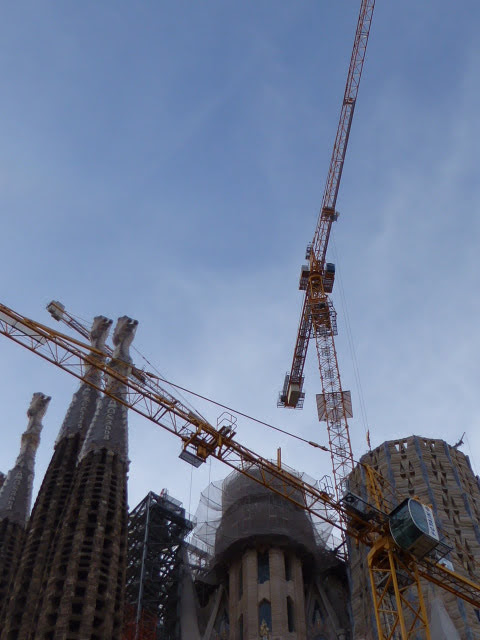
Whatever you think of the church, I think these builders, scrambling up unfeasibly high walls and towers are pretty bold.
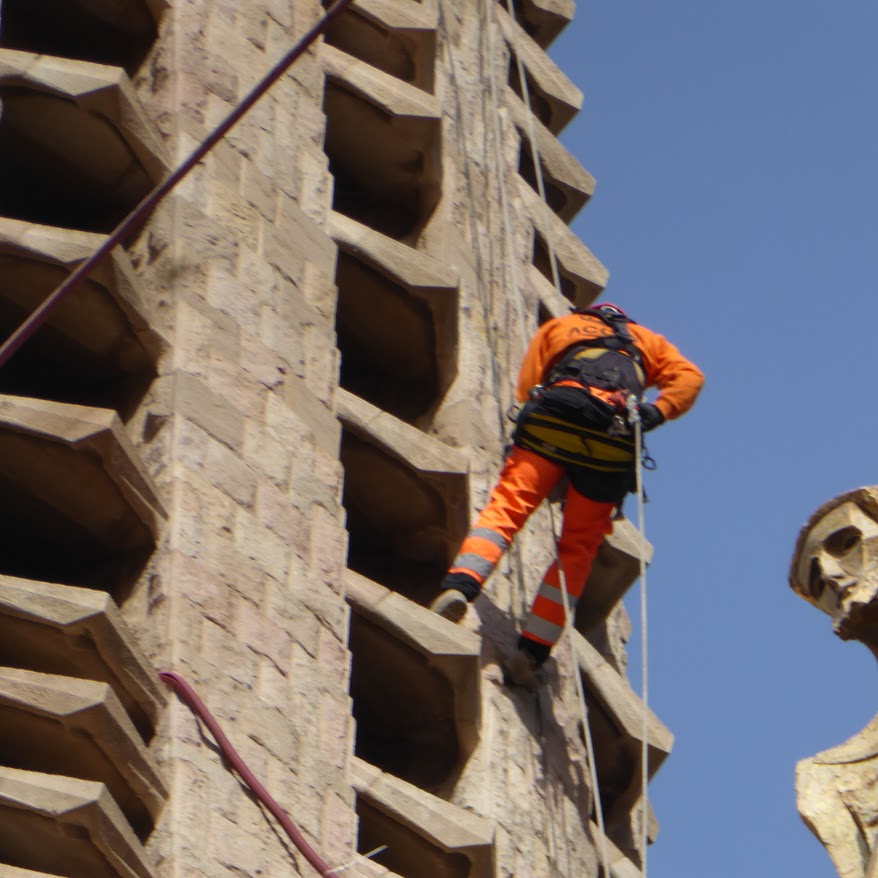
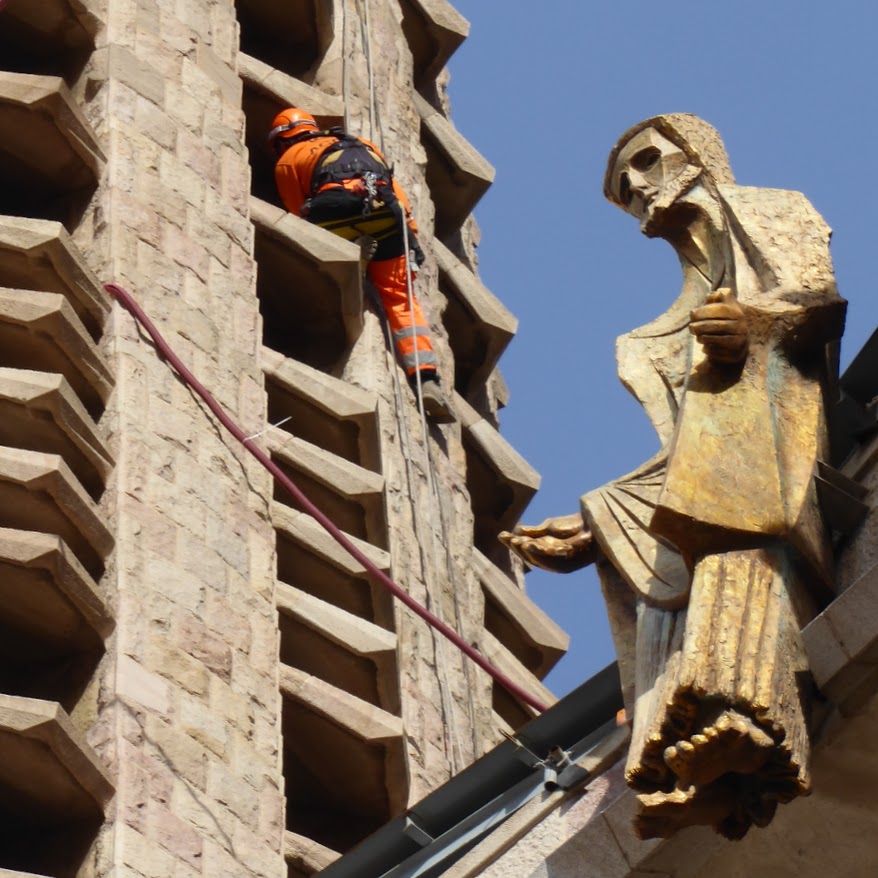
Look how high up some of them have to work.
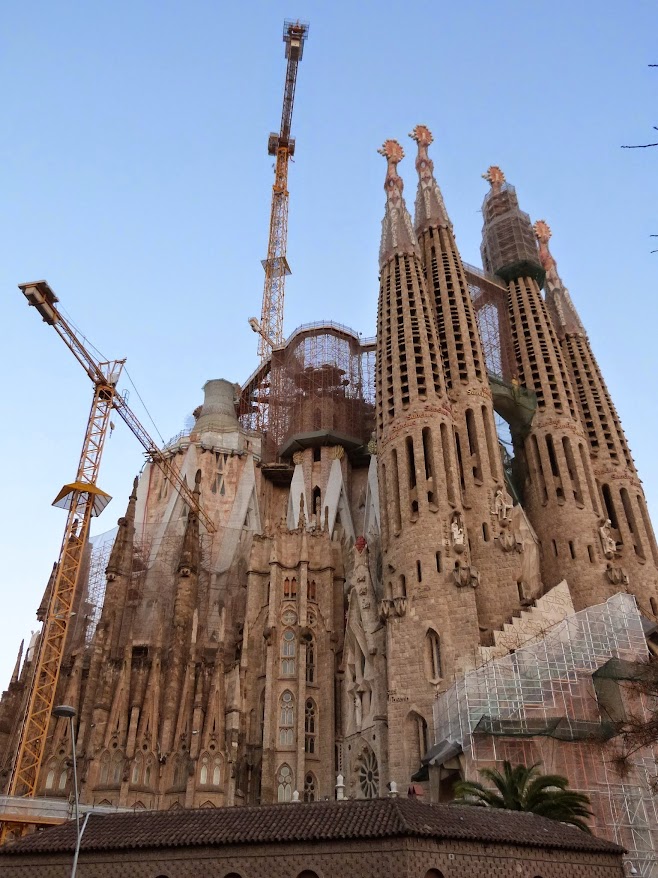
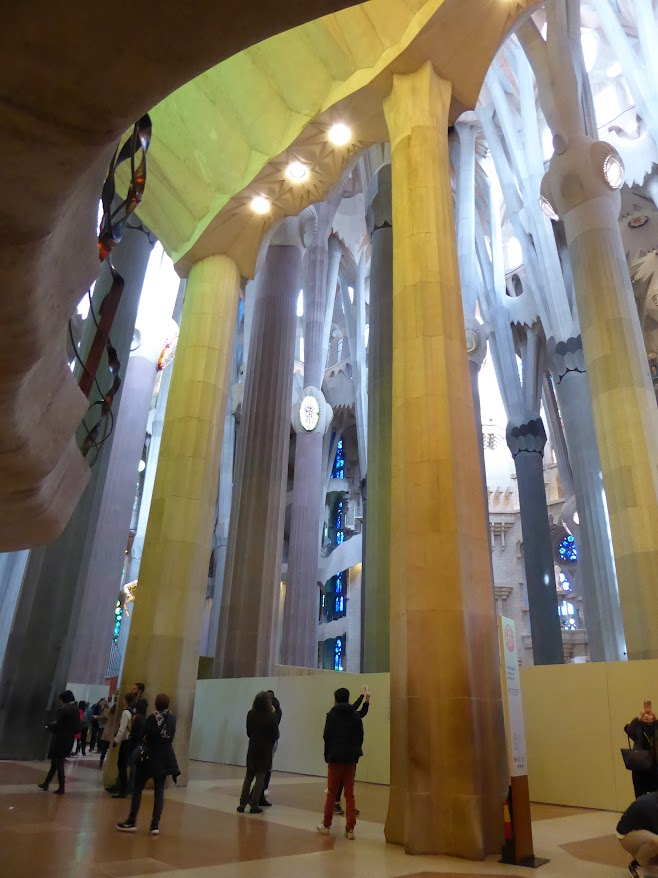
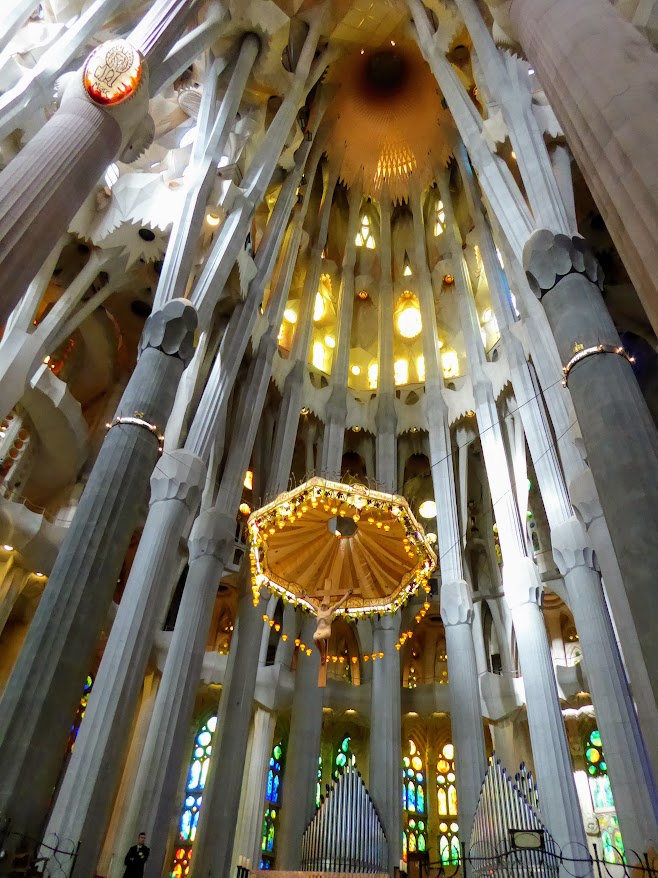
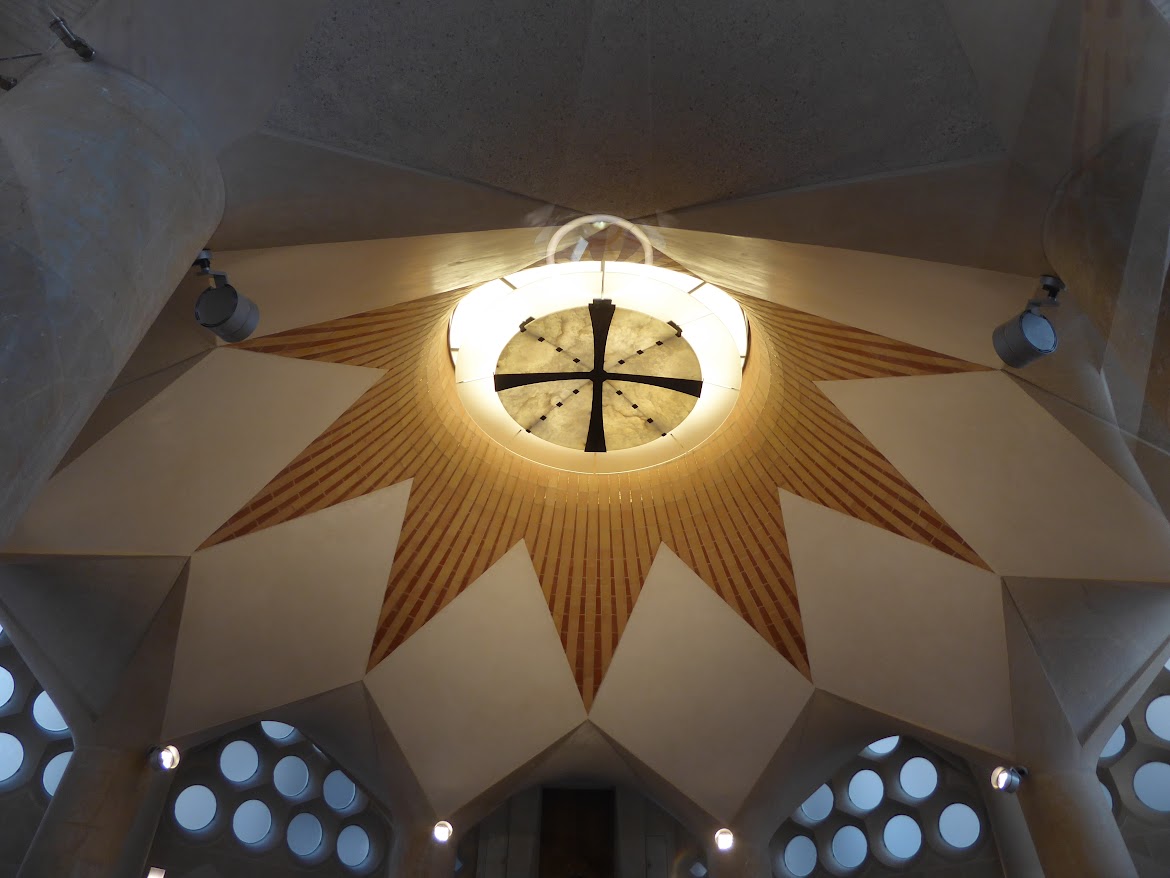
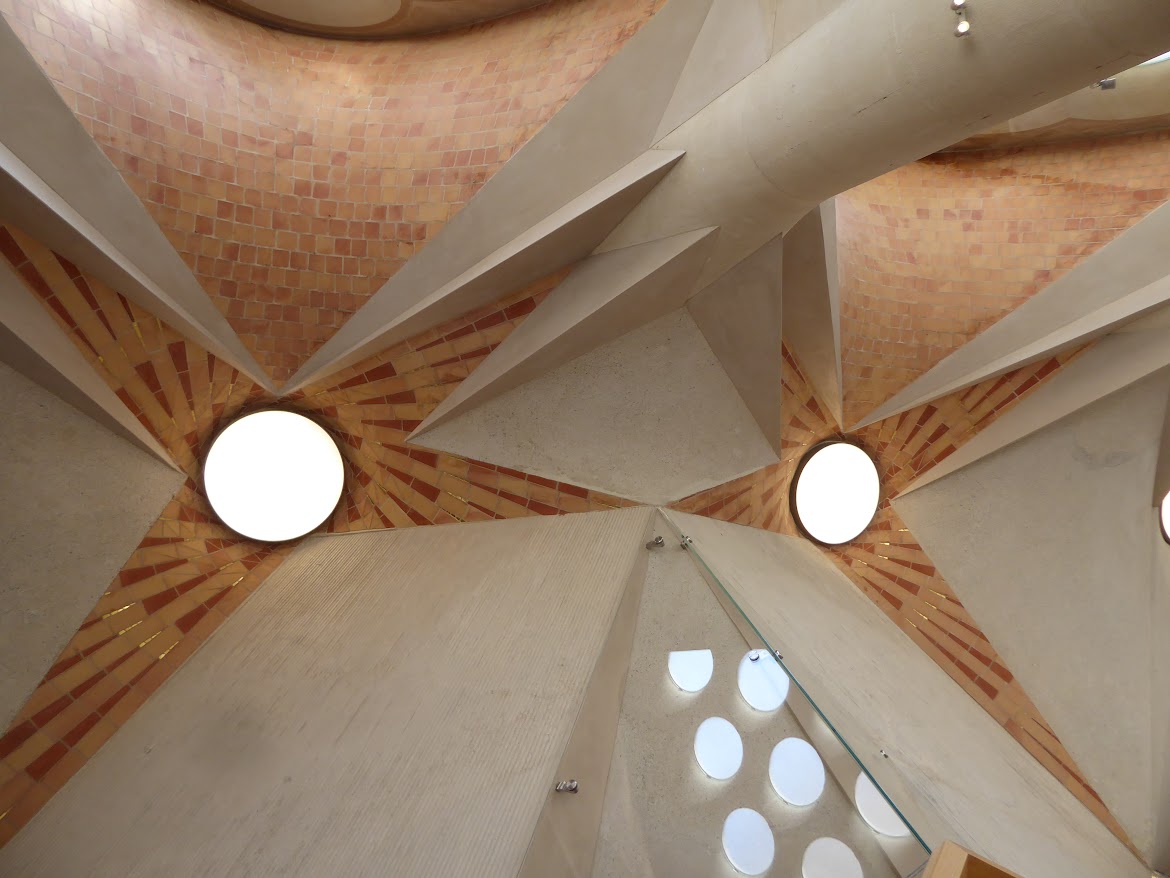
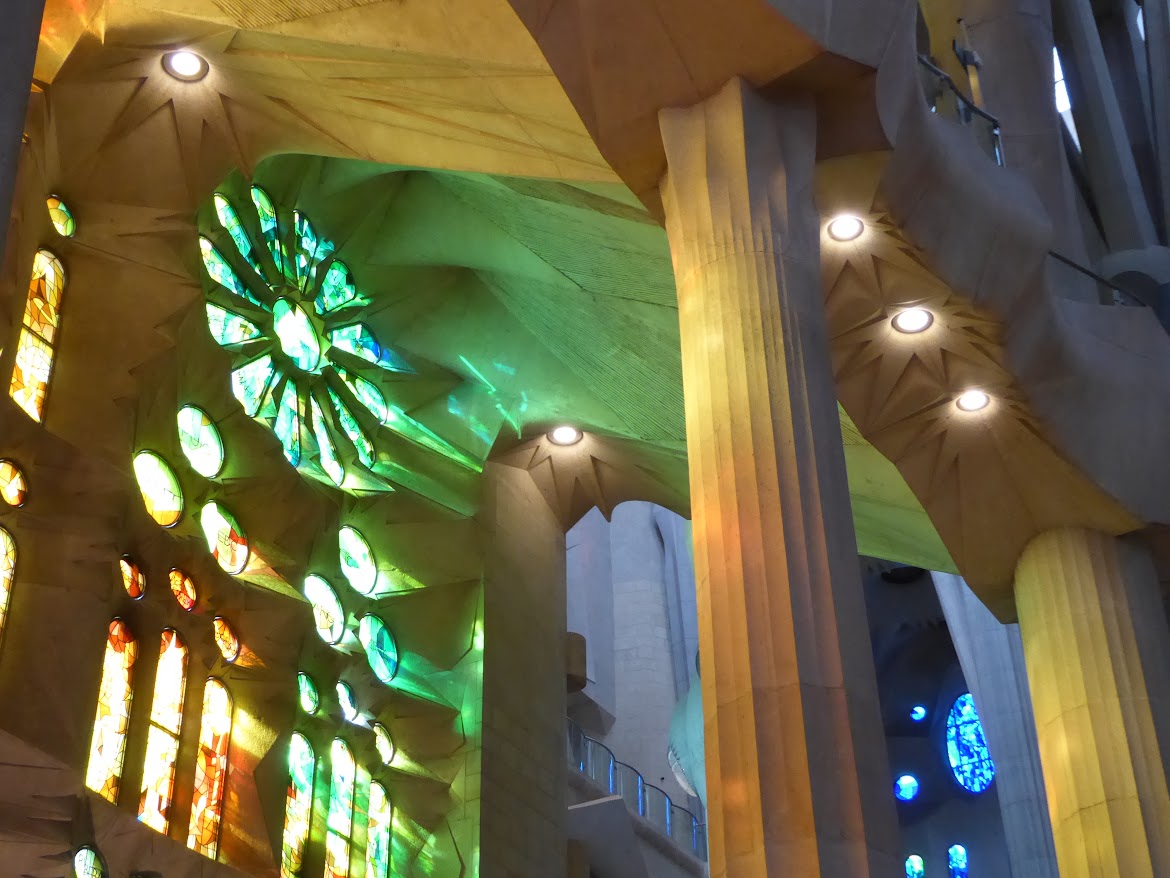
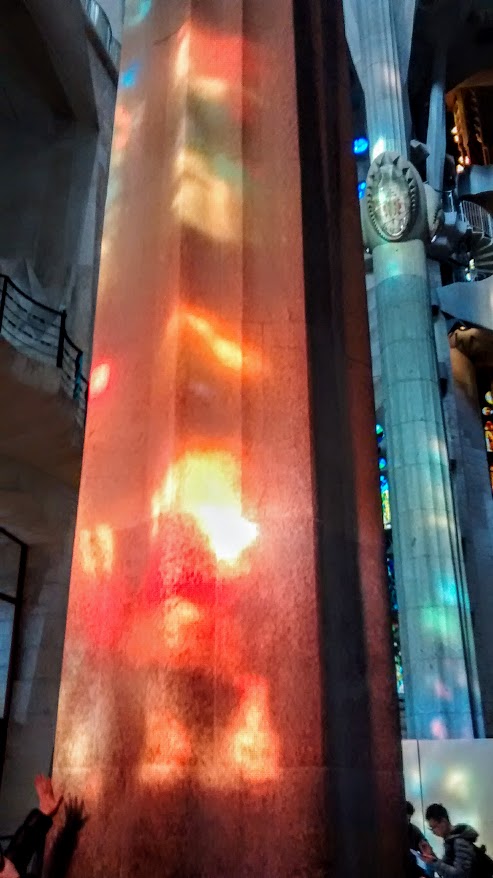
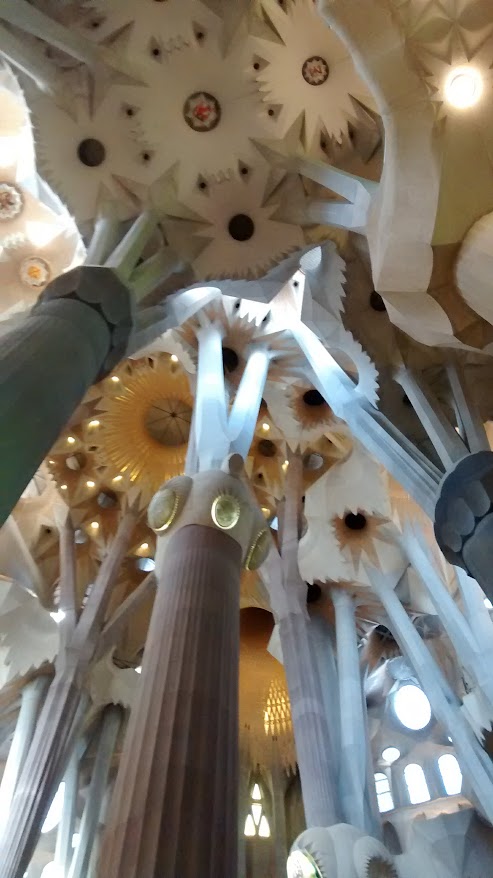
Here’s a miscellany of shots from the interior of the building.
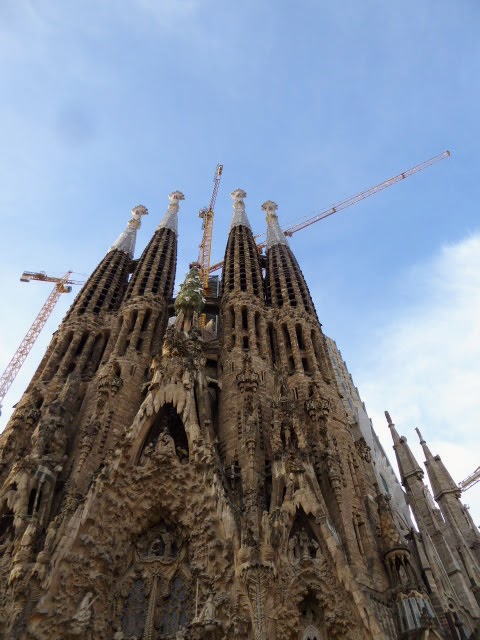
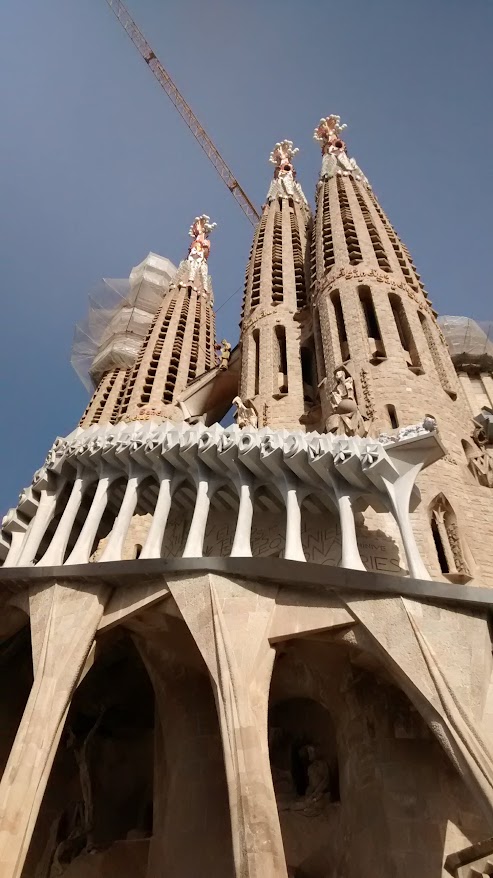
And the exterior.
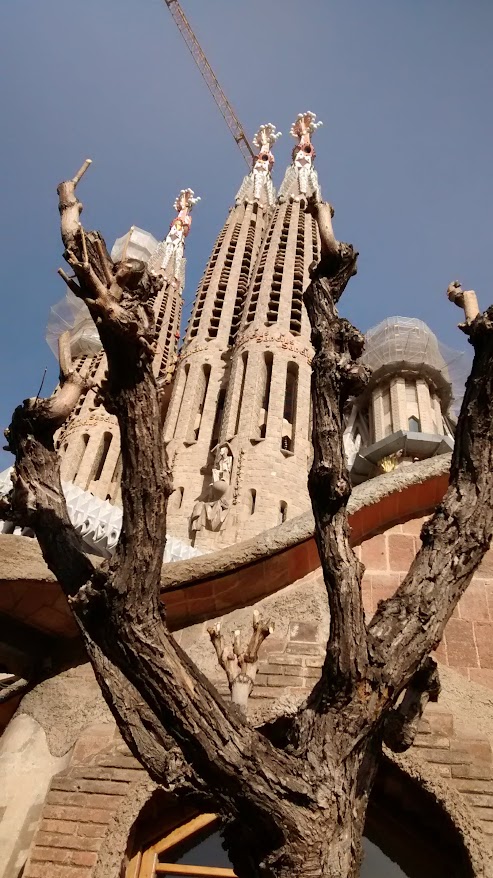
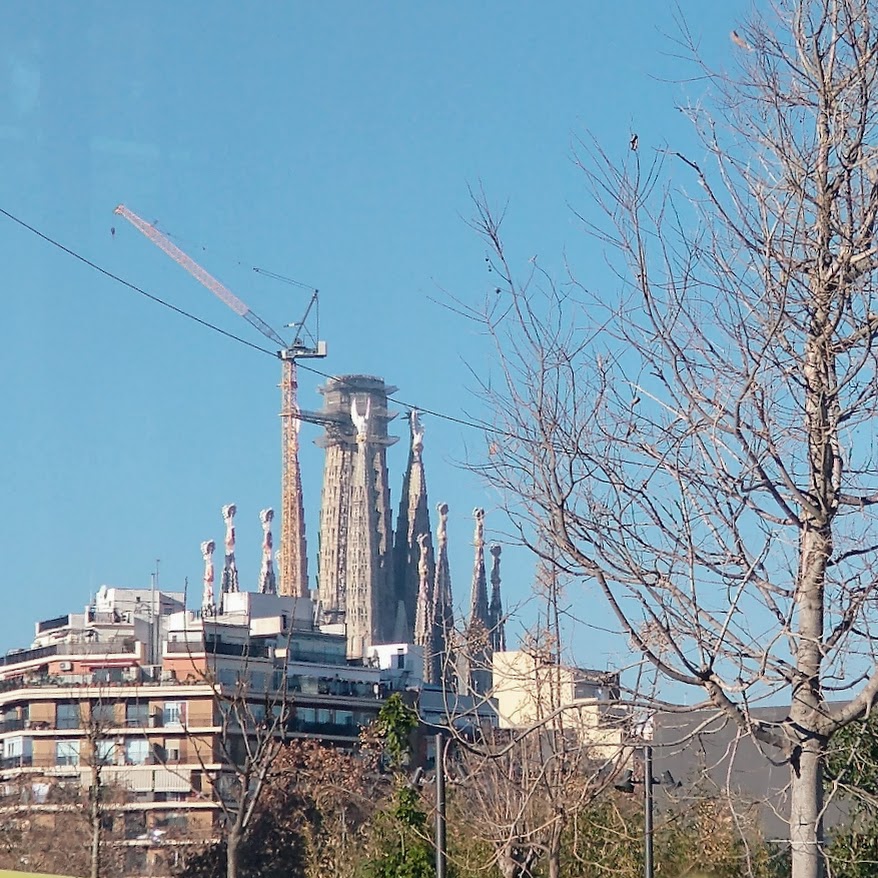
The featured photo is my most recent, taken in January from the Mercat dels Encants, some distance away. As you can see, quite a lot of recent additions have been made since the exterior shots shown above were taken .

What to visit instead? Be intrepid! Make your way (and it’s not that easy) to Colonia Güell, outside town, and visit Gaudí’s incomplete (but bold) church there, the one he expected to make his Magnum Opus until the funding stopped, and the Sagrada Familia presented itself as an opportunity. You can read about it here. You mght be able to tell where my sympathies lie.

For Sofia’s Lens-Artists Challenge #337: Bold
Geometry in Museu Blau

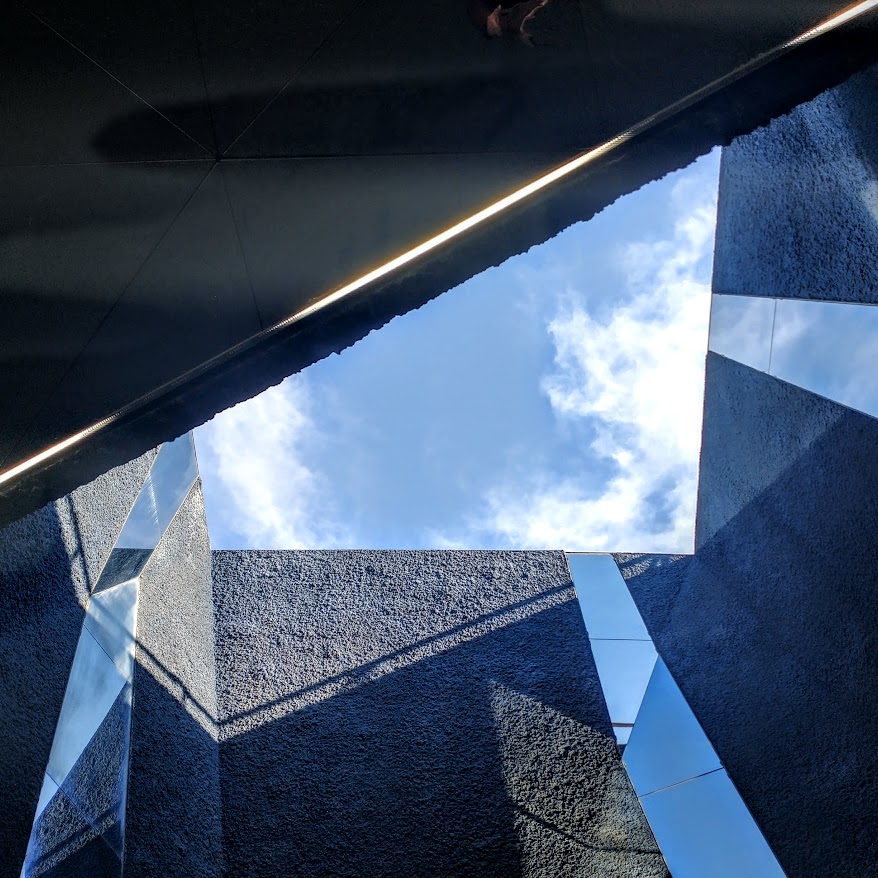
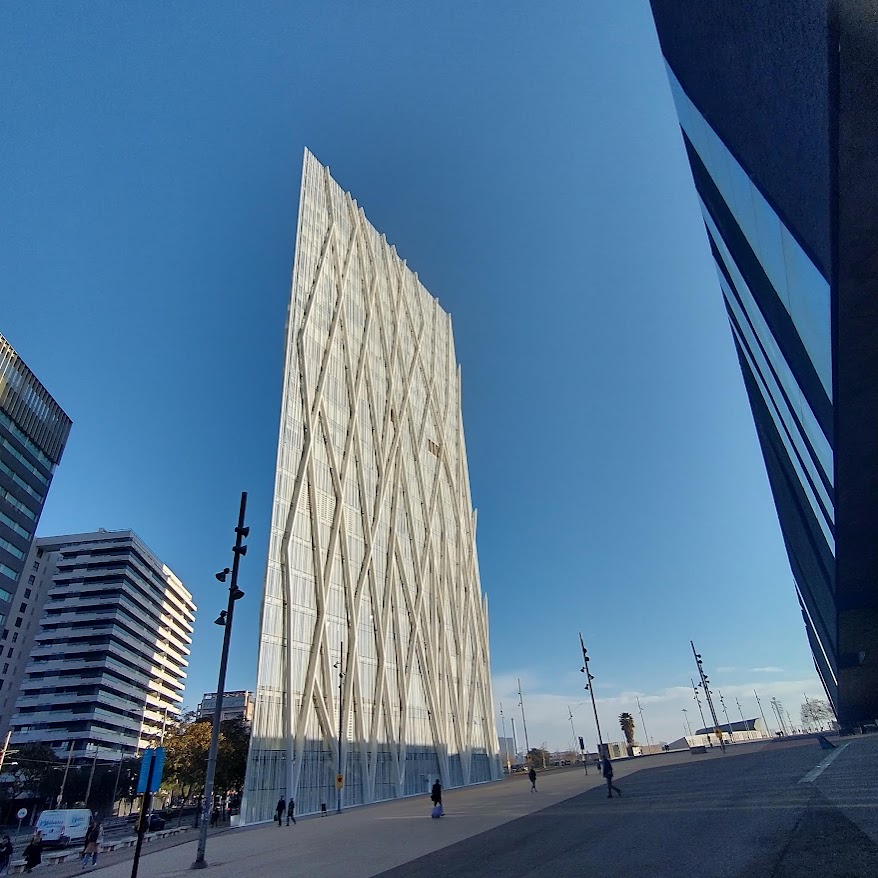
Our last day in Catalonia. Malcolm and I took ourselves off to the Museu de Ciències Naturals de Barcelona, commonly known as the Museu Blau. It’s in a really new part of town, Diagonal Mar. As the name suggests, it’s a thoughly geometric sort of area. Look.

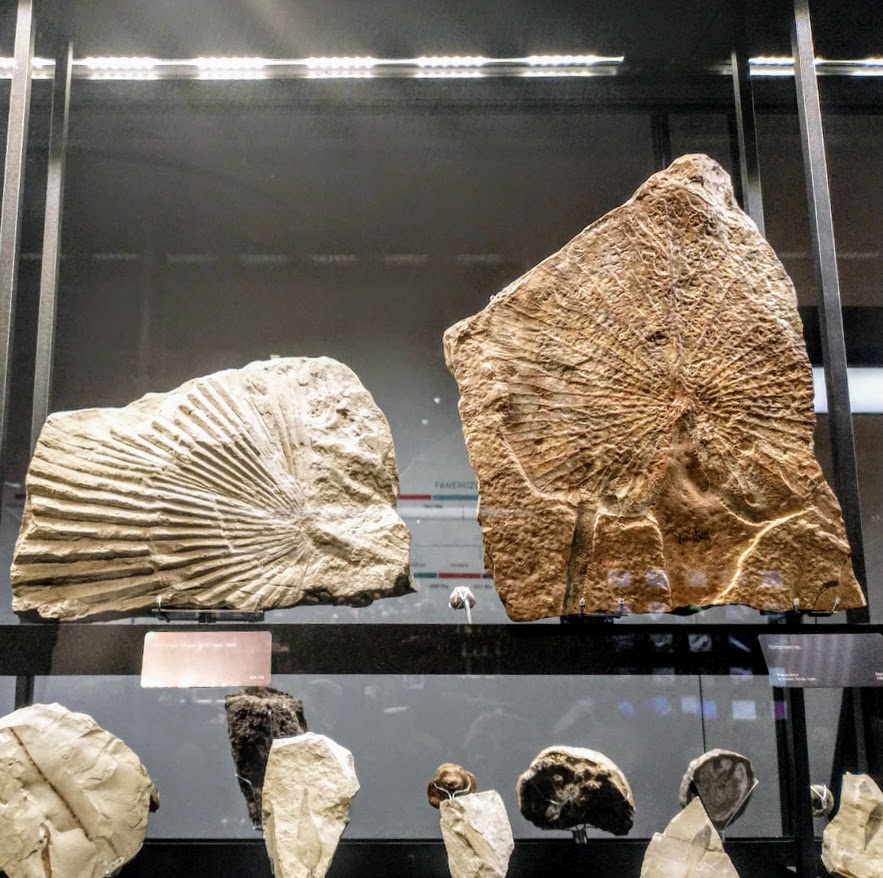
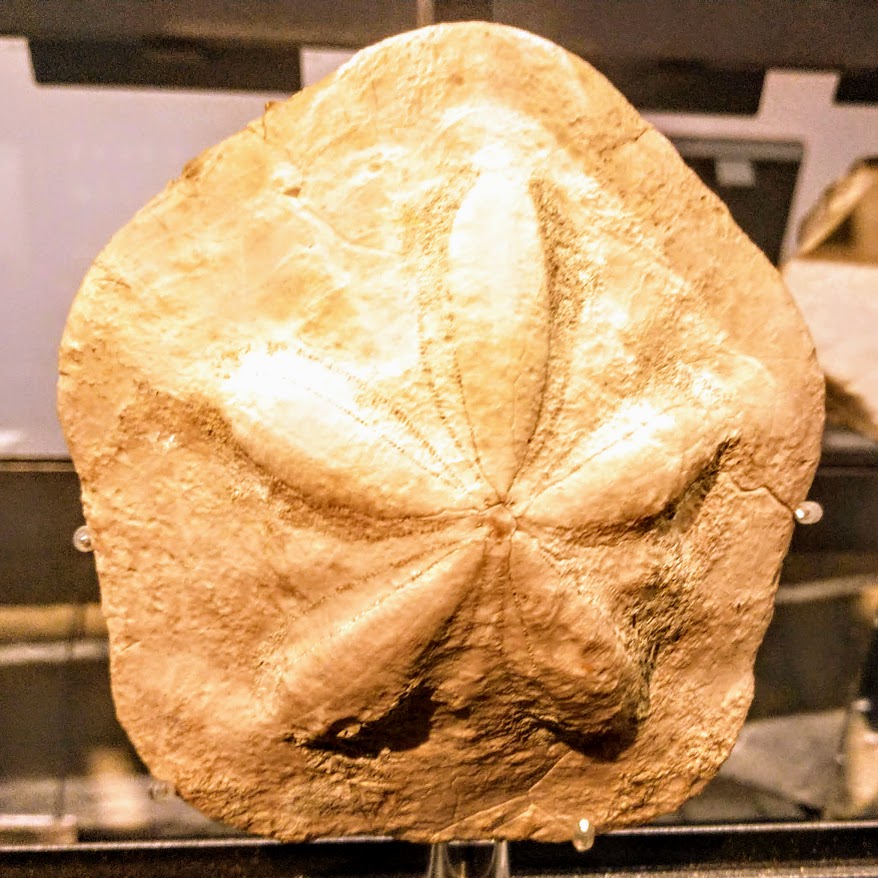
And many of the museum’s contents are pretty geometric too. These fossils for instance …

… or shells …

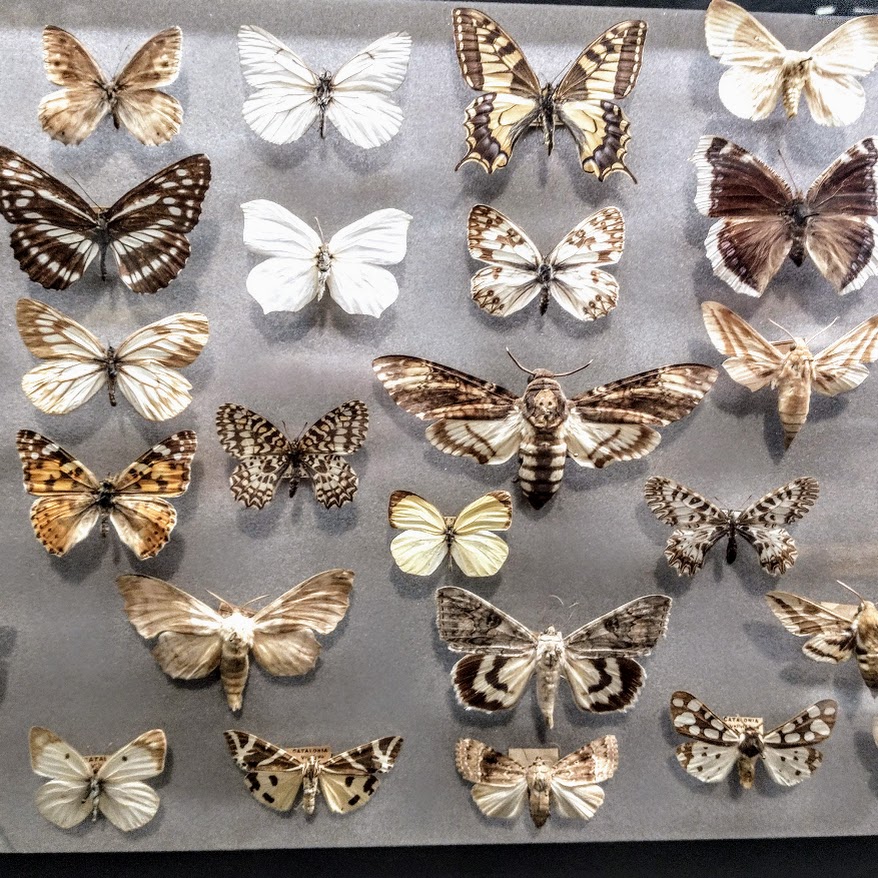
… or butterflies & moths …

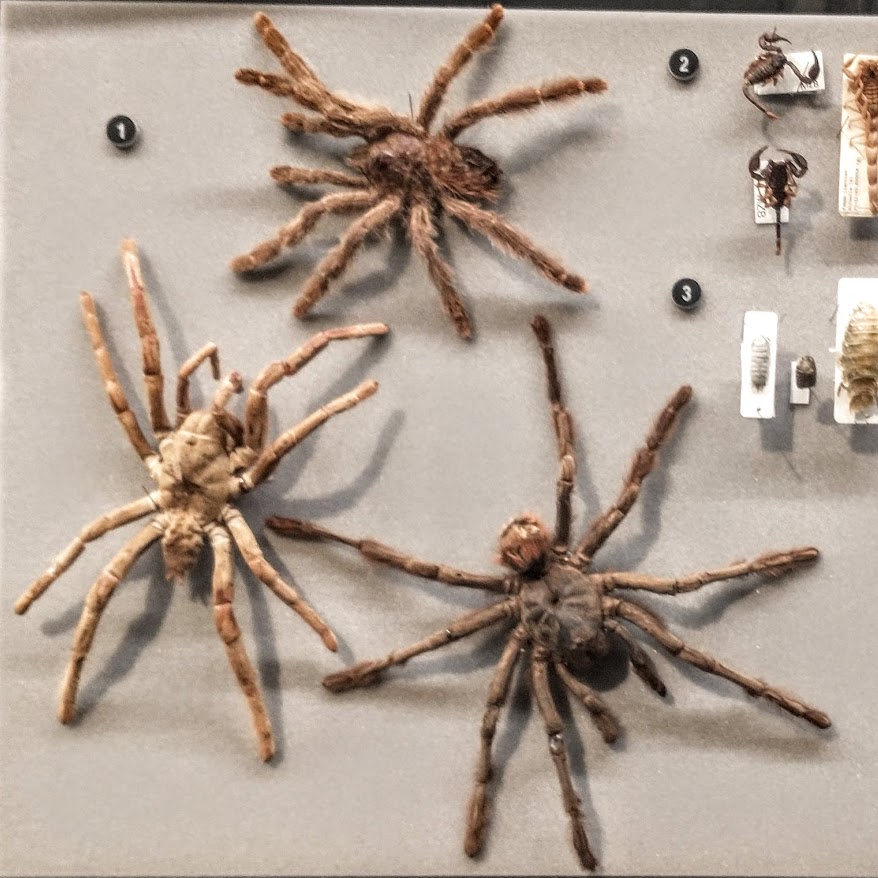
… or arachnids.

It’s a pretty fine museum. In an interesting area. And not on the tourist circuit. Yet. Recommended.

GeometricJanuary

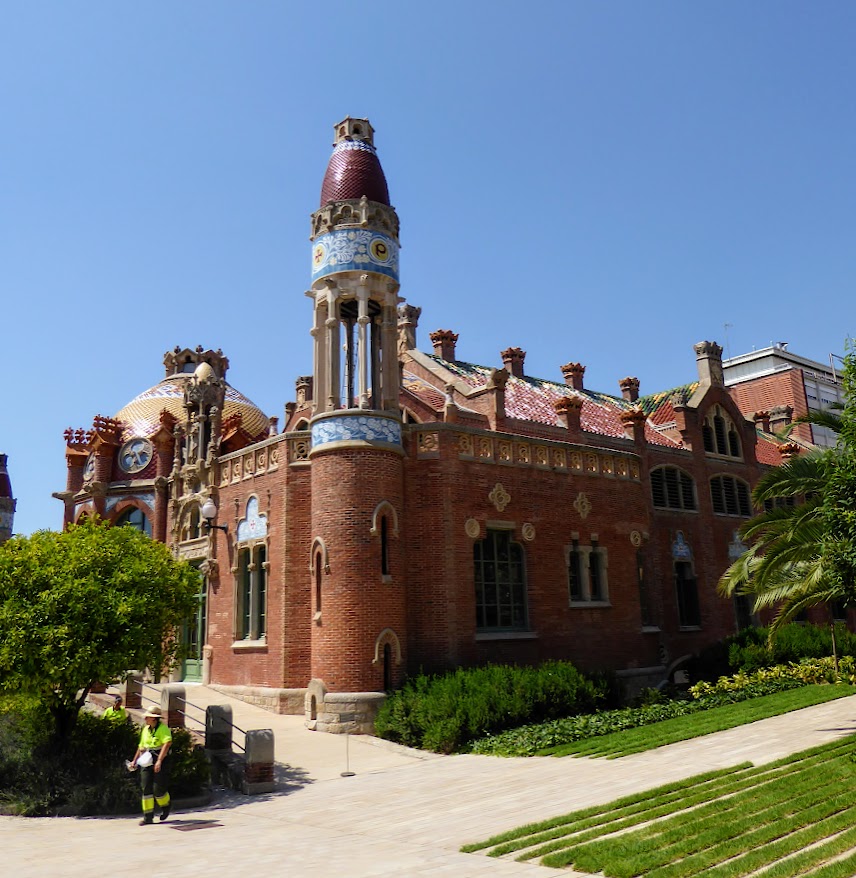
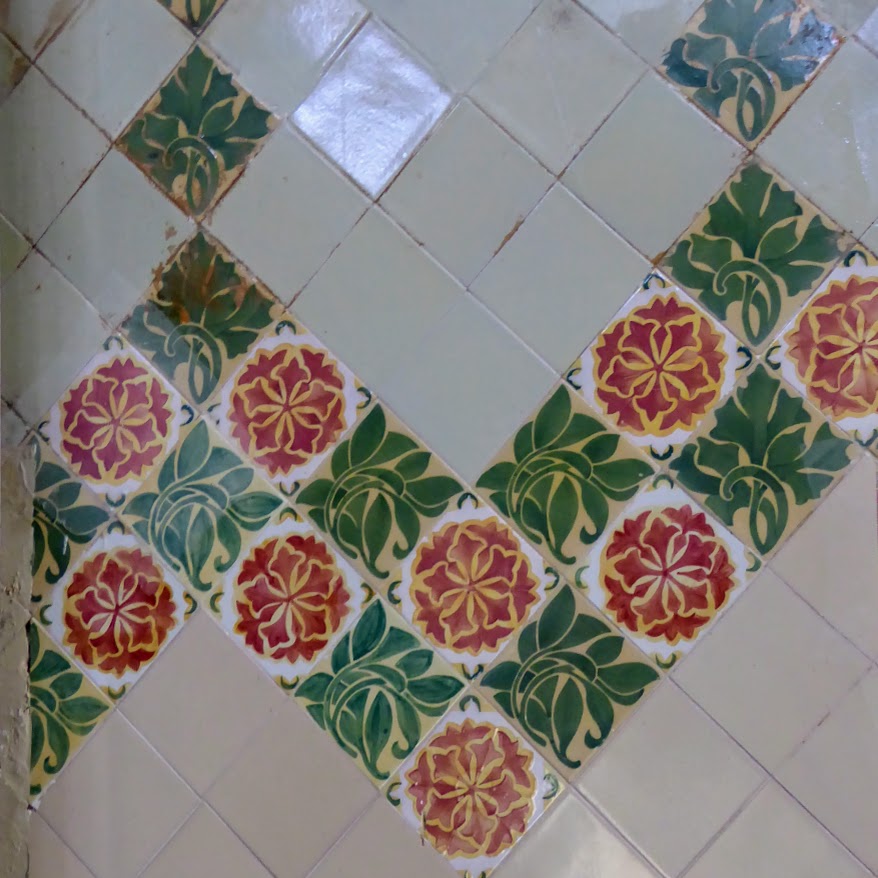
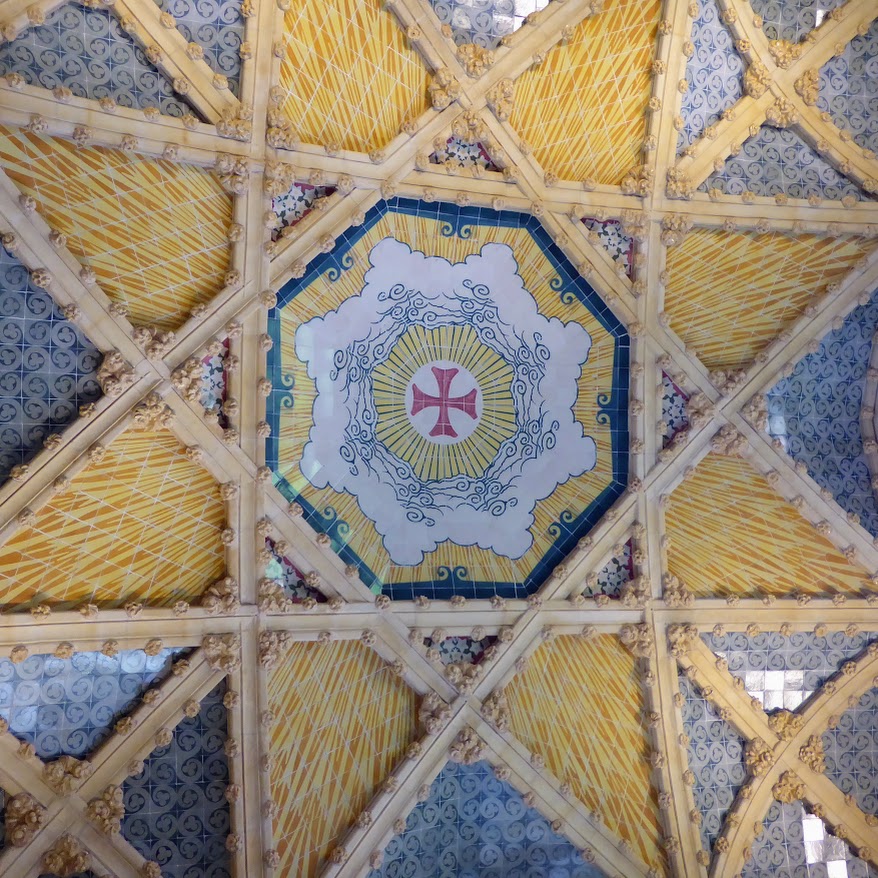
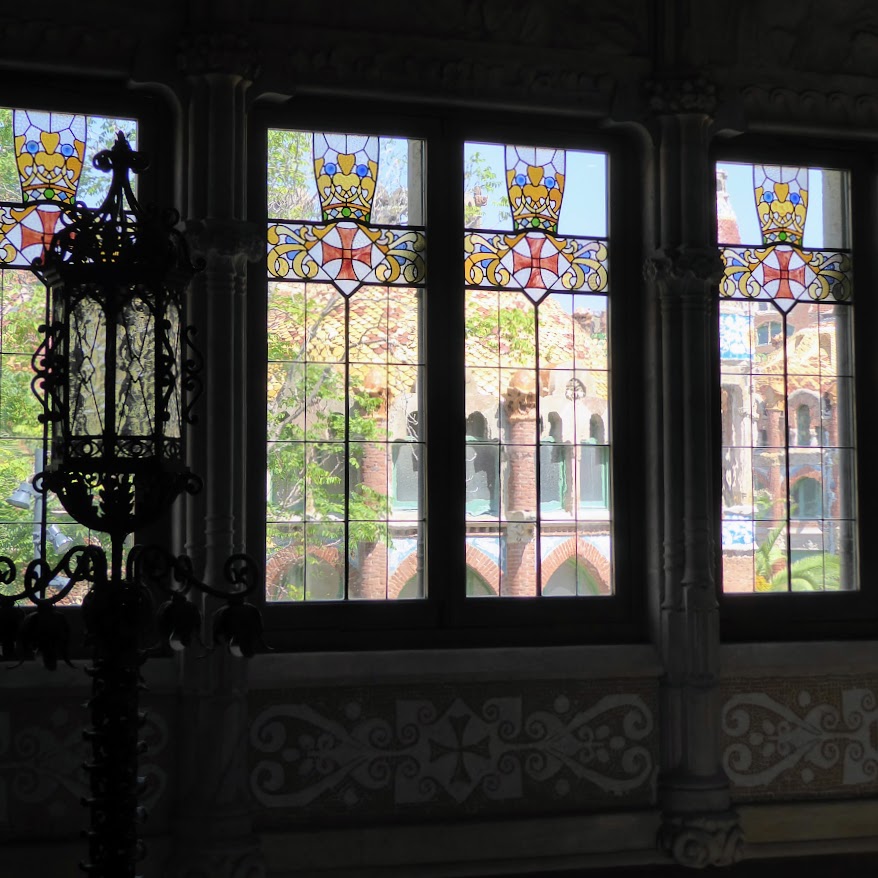
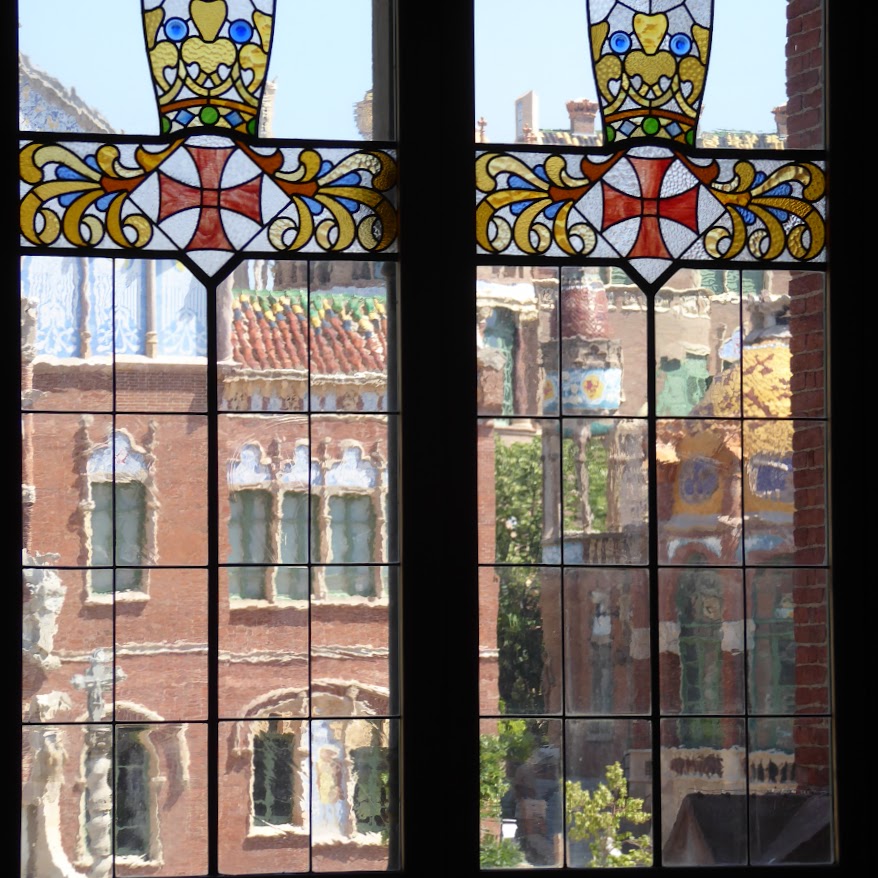
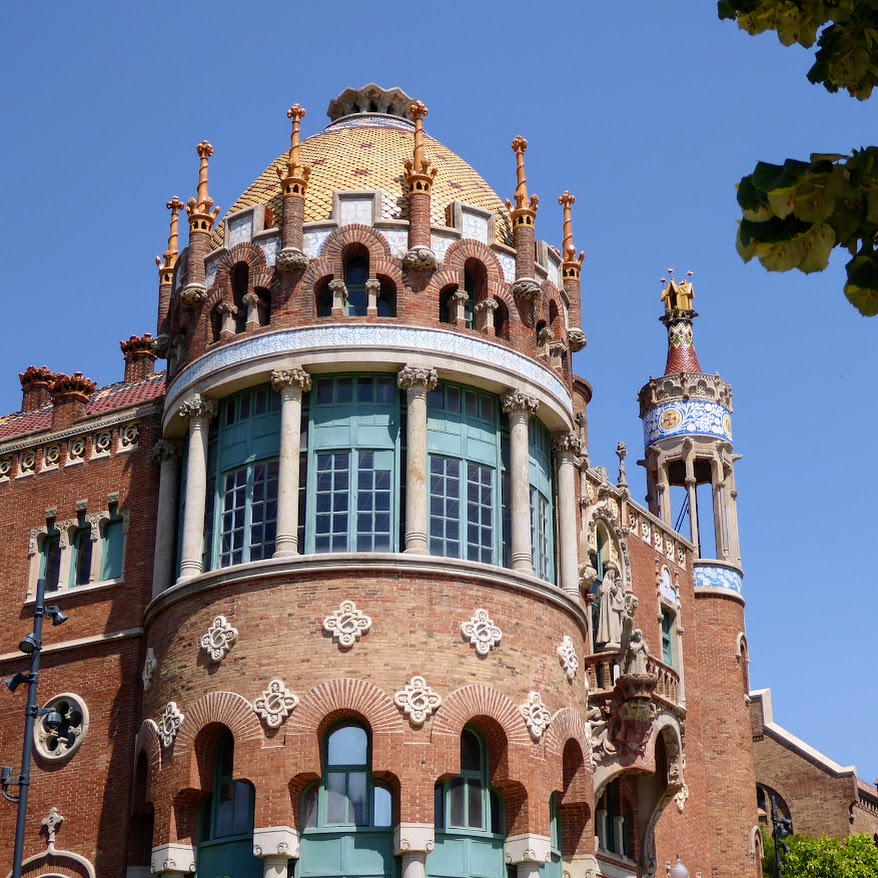
Geometry at the Hospital Sant Pau

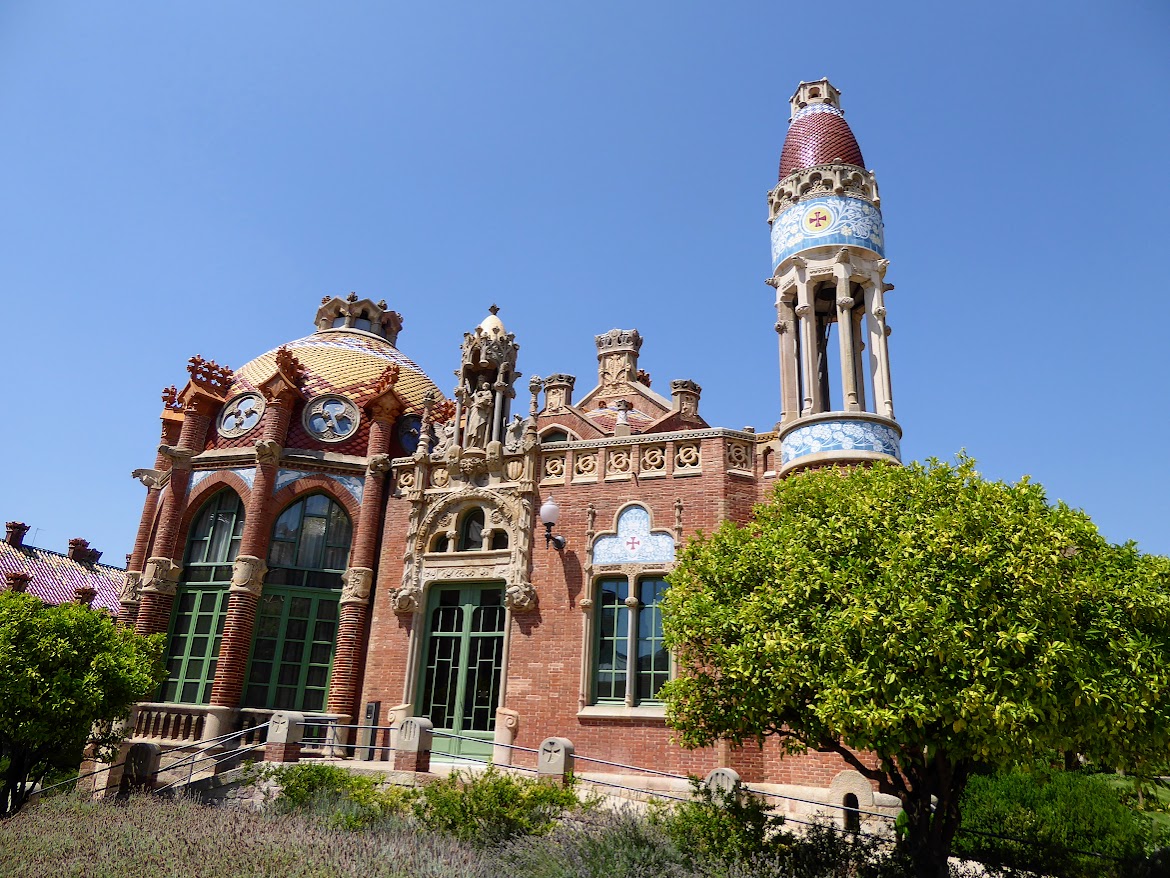
One of my favourite building complexes in the whole world is that of the original Hospital Sant Pau in Barcelona. It sits alongside its more modern successor, a centre of excellence for modern medicine. In its day, when it was first built in the early years of the twentieth century, before the days of the kind of universal health services we now take for granted, it was a wonder. It cared for all comers, and recognised that part of any treatment was access to beautiful spaces, to fresh air and access to nature. And it shows.

I’ve written about it here, and here. So let’s just look at some of its wonders as part of GeometricJanuary.

Geometry in a Sunset

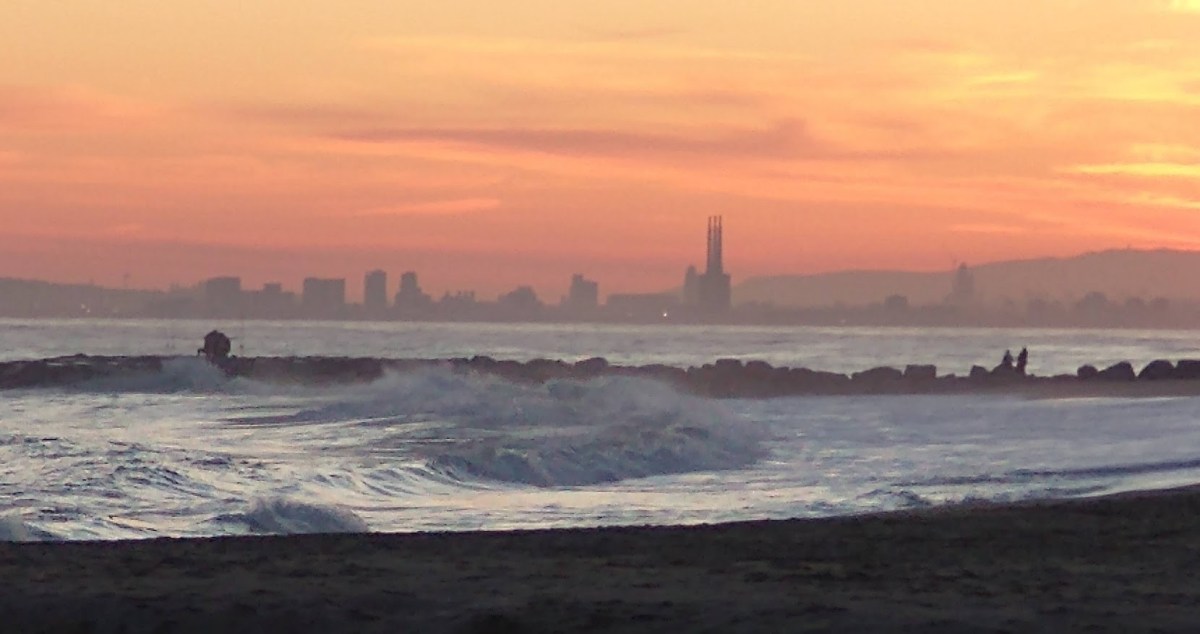
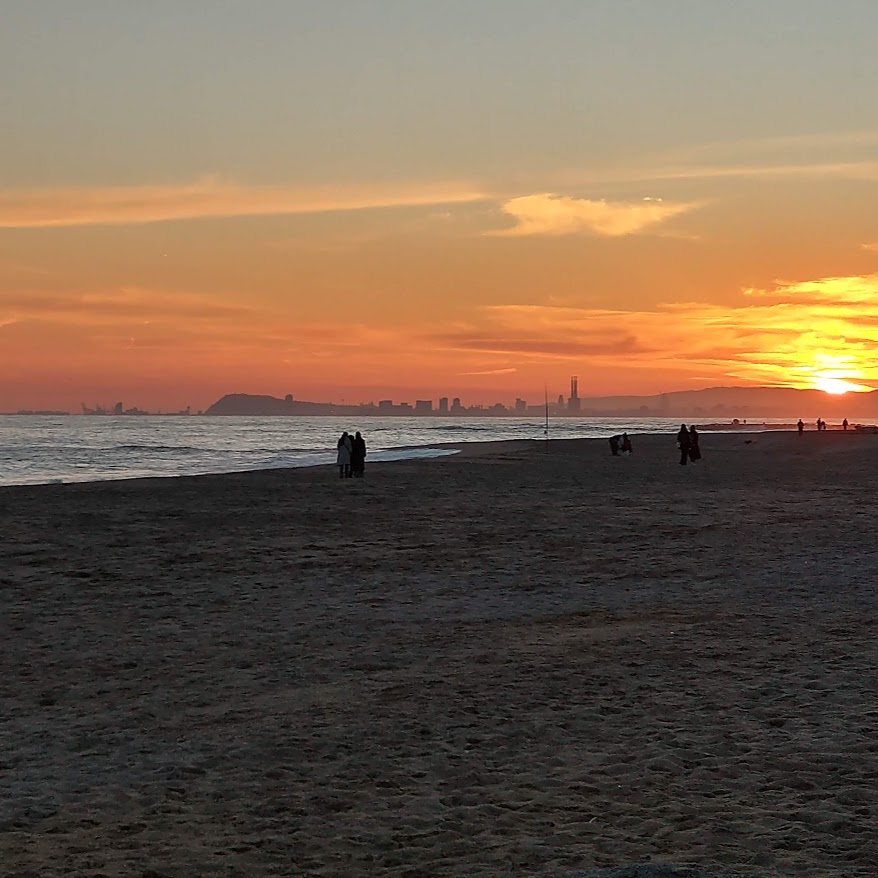
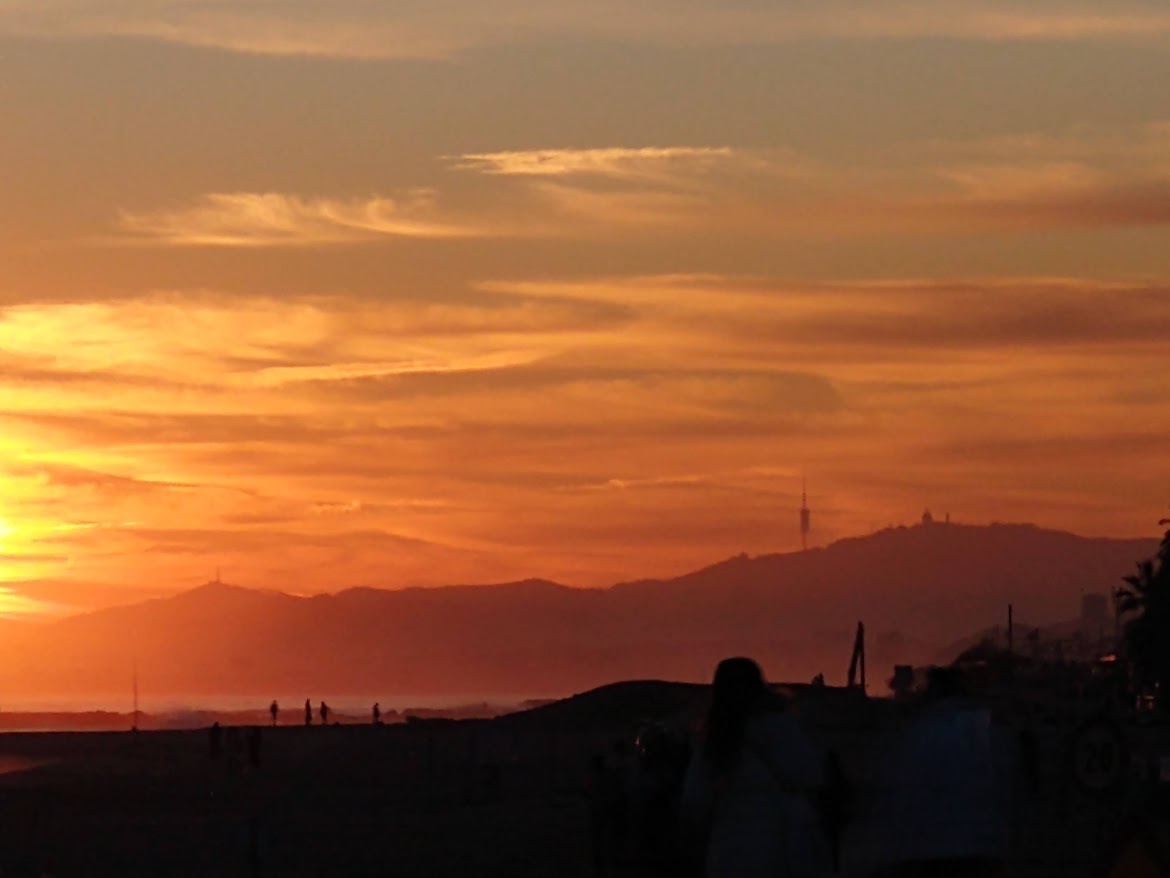
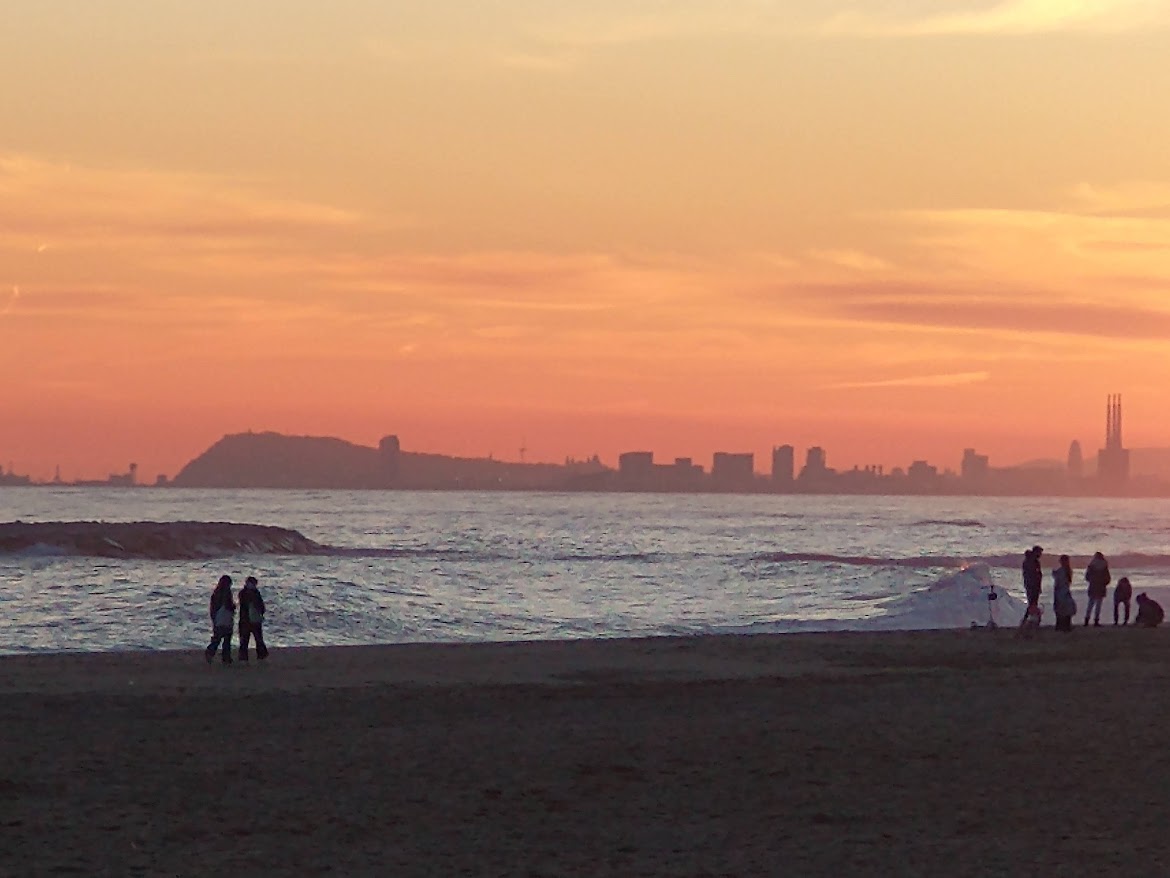
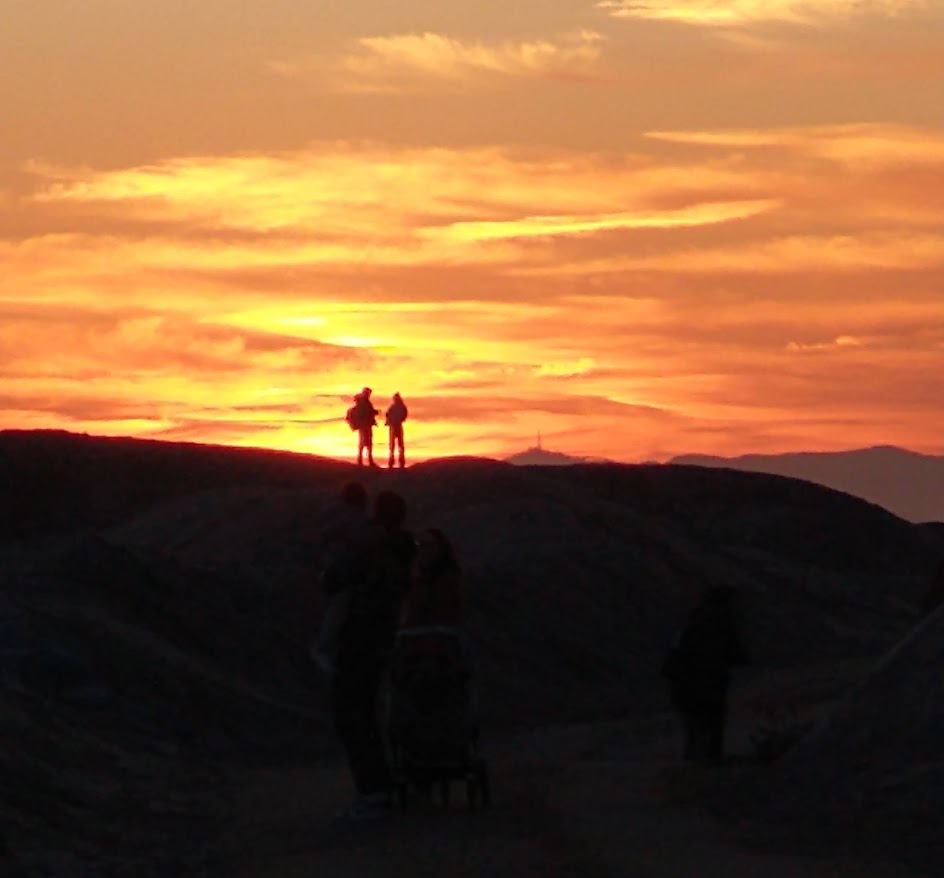
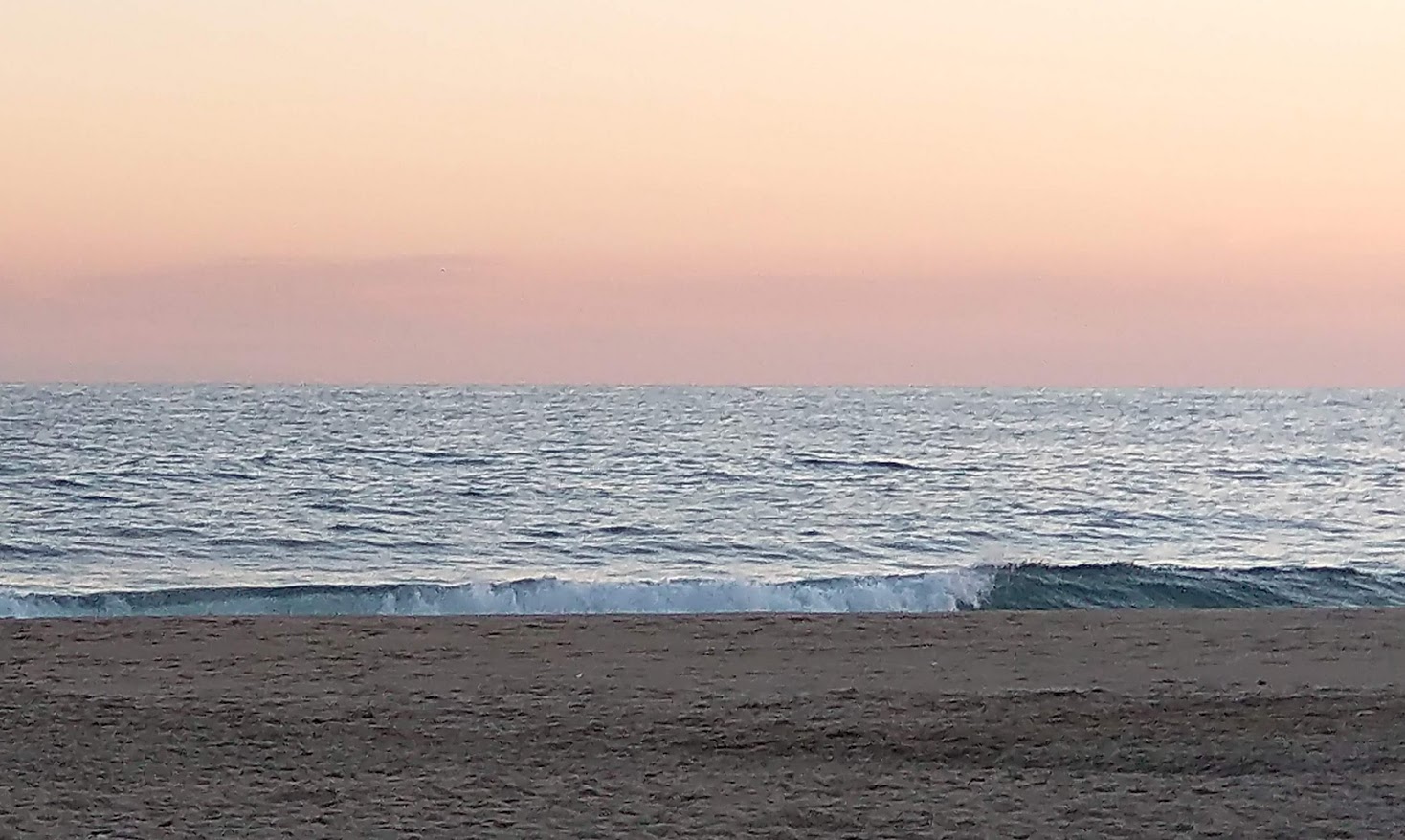
I am looking for an excuse to share images of yesterday evening’s sunset, down on the beach at Premià. And I found it in the views of Barcelona, some 20 km away. Its skyline features suitably geometric buildings, so here’s my square for today.

And here are a few more – unsquared – views, so I can share them with Hammad, of Weekend Sky fame.

It’s not often that we’re down on the beach in January, as the sun is setting. We should do it more often.

GeometricJanuary

Geometry at Glòries 

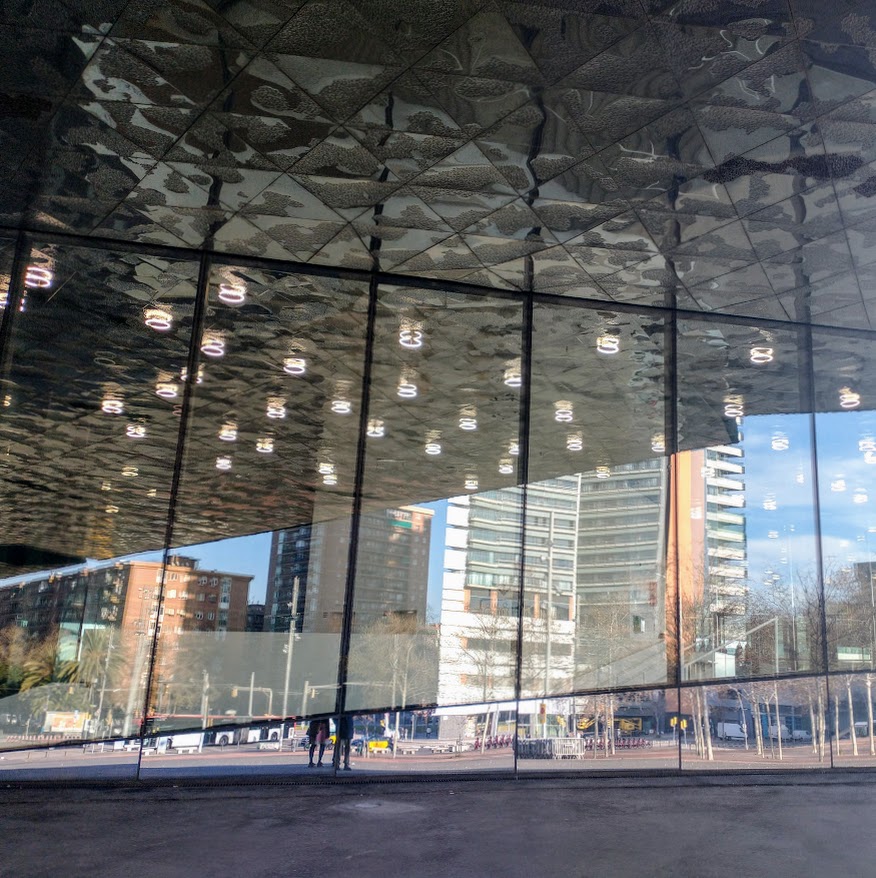
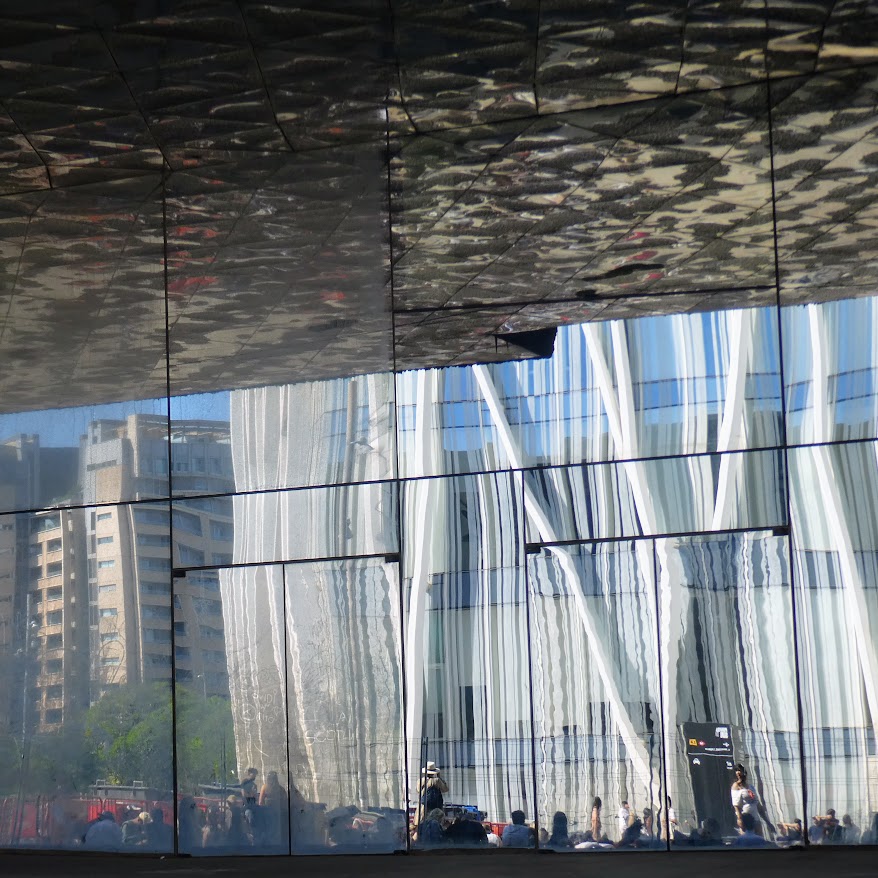
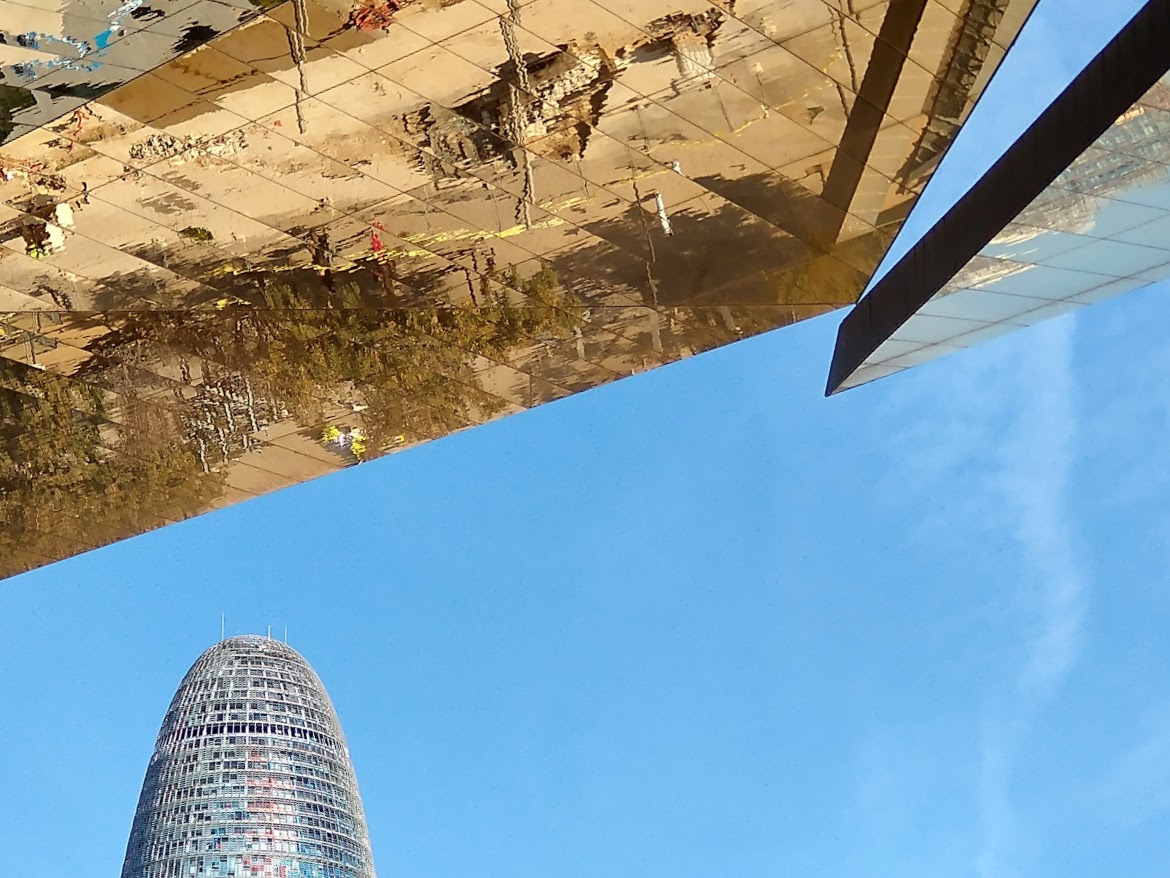
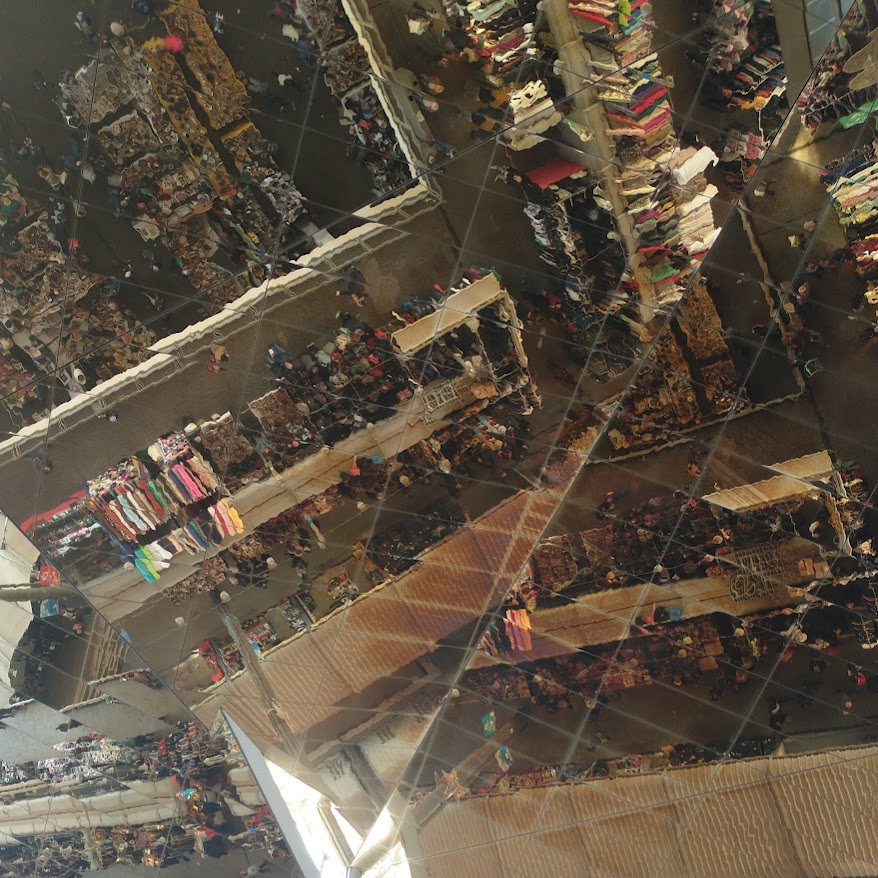
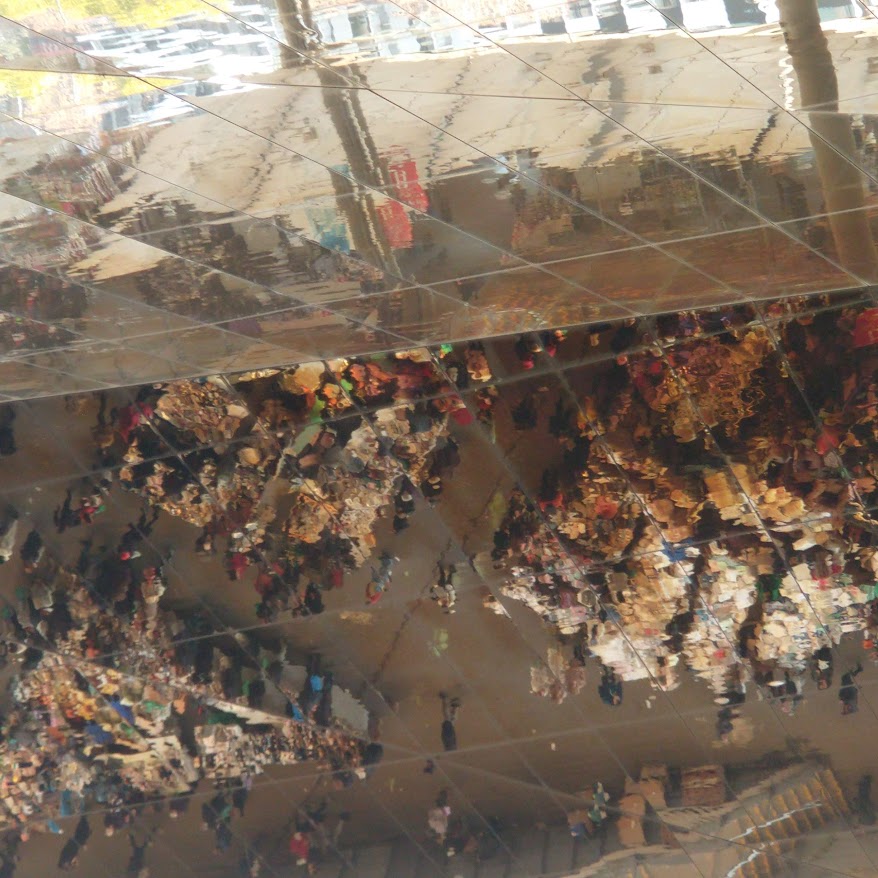
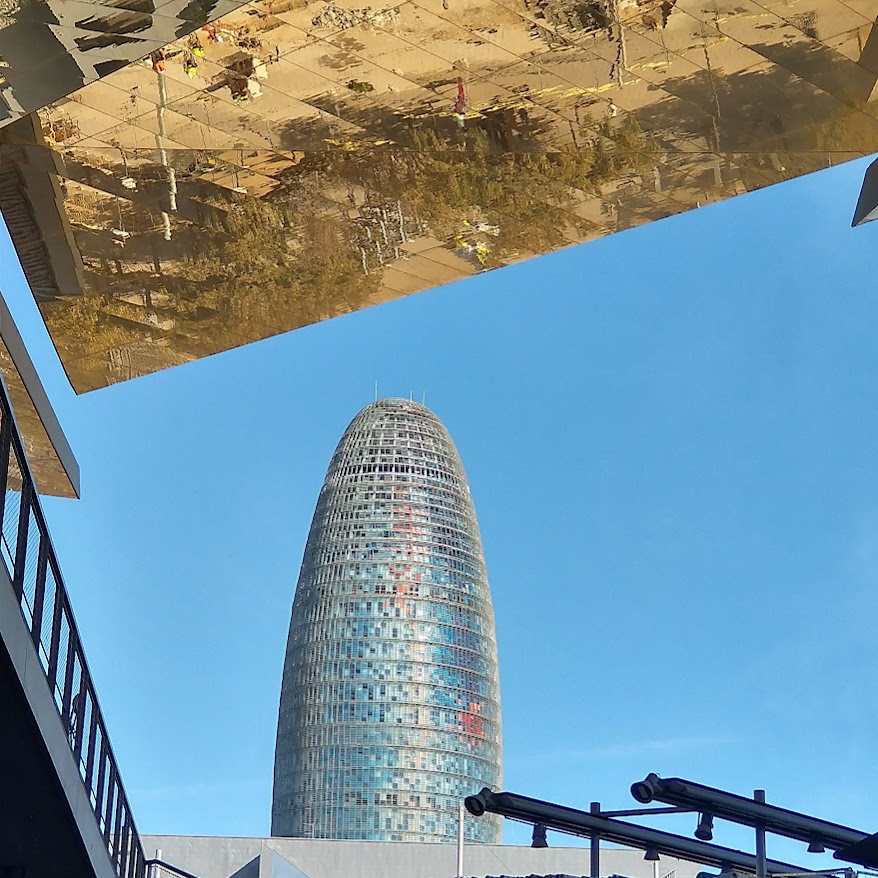
Yesterday, returning from Ciutadella Park on the tram, we broke our journey at Glòries. This is an area that is being re-invented and opened up to the pedestrian in a big way, though it IS a work in progress. Here’s where you come for the huge flea market that is Mercat dels Encants (The Market of Charms), which is indeed an astonishing place to visit. Hundreds of stalls selling cheap clothing, fabrics, electrical goods, and the fag-end of a thousand house clearances and jumble sales have been re-homed into an astonishing building, the underside of whose roof has been plated with thousands of rectangular mirrors reflecting the teeming activity going on underneath.

Here’s the actual scene:

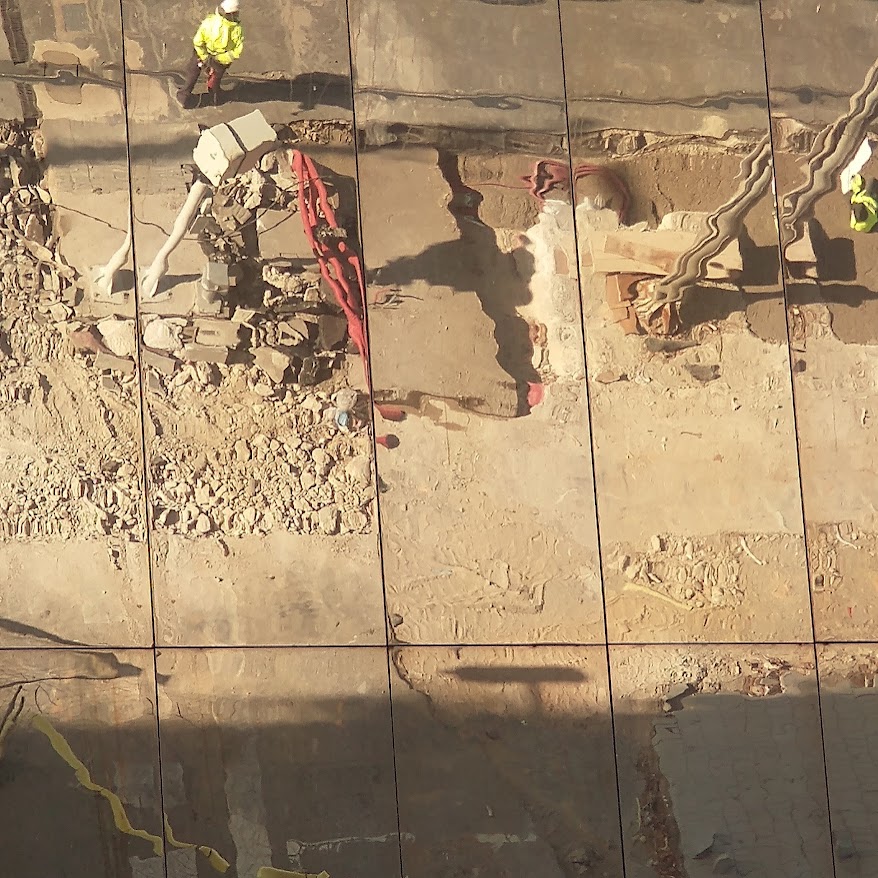
The roof also reflects the building and excavating and walkway-making going on below.

Or your eyes can look further, and see the distant Sagrada Familia …

… or the much nearer Torre Glòries, which we really need to climb one day to see the views.

An engaging way to spend an hour or two, and once the work on the area has been completed, it’ll be a wonderful addition to the Barcelona experience.

GeometricJanuary.

Geometry in Two Greenhouses

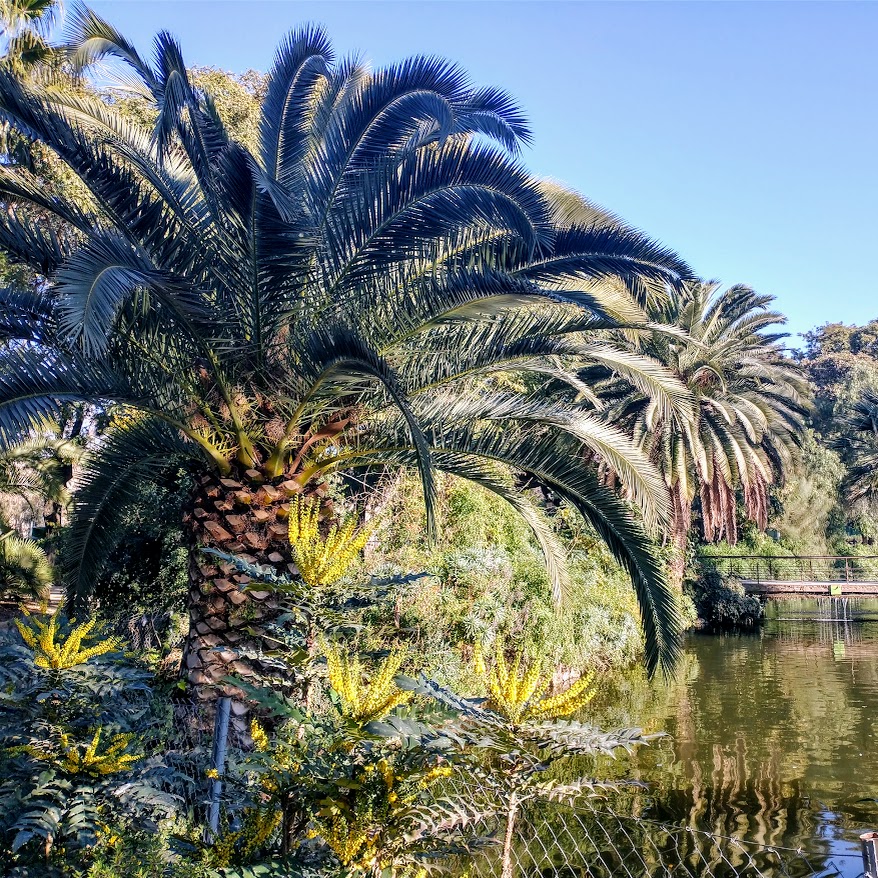
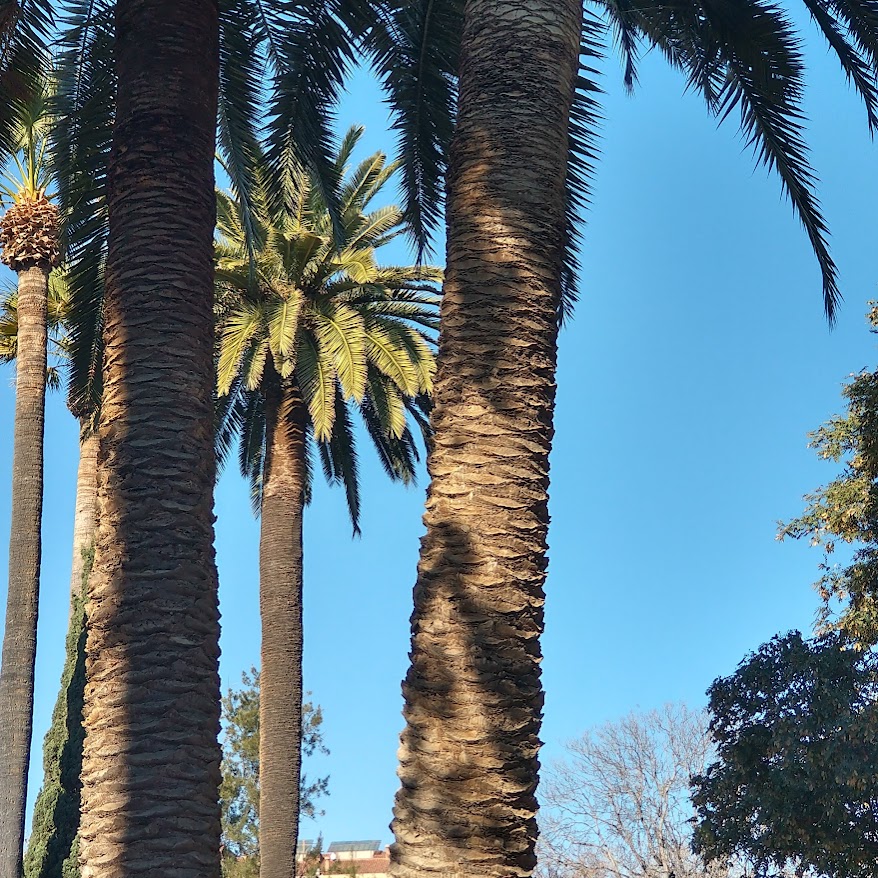
Last time I stayed with my Spanish Family, in May, I happened upon a National Treasure in Ciutadella Park. This green lung in the centre of Barcelona has a bit of everything: playgrounds, palm trees, ponds, picnic areas. It’s even home to Barcelona Zoo.

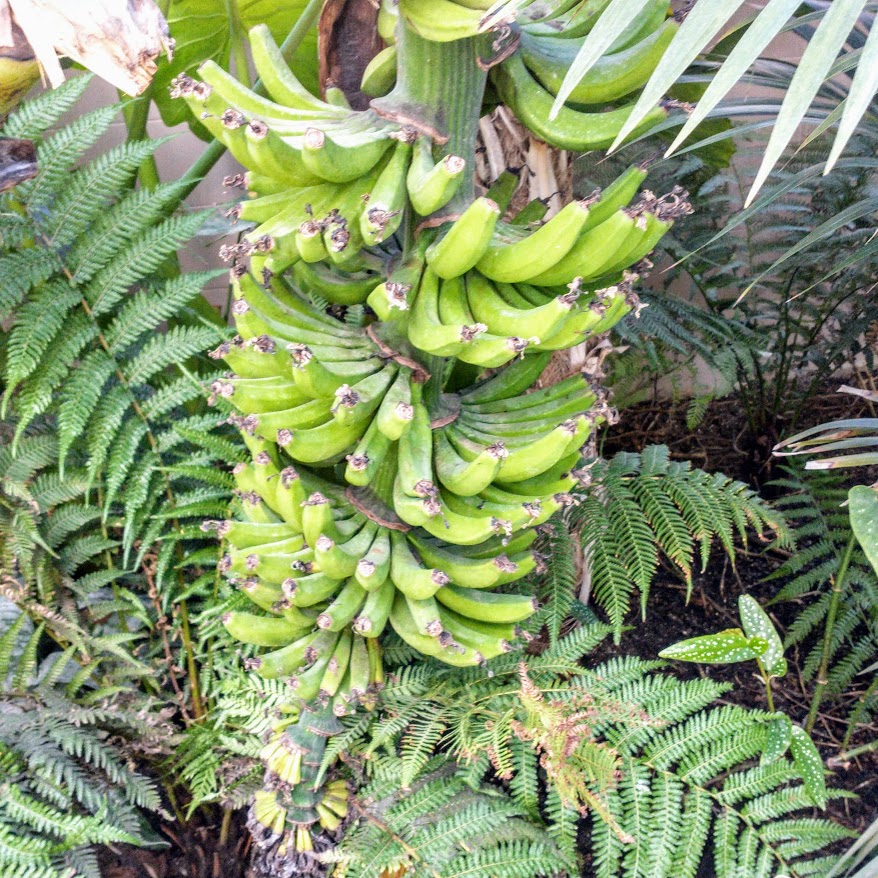
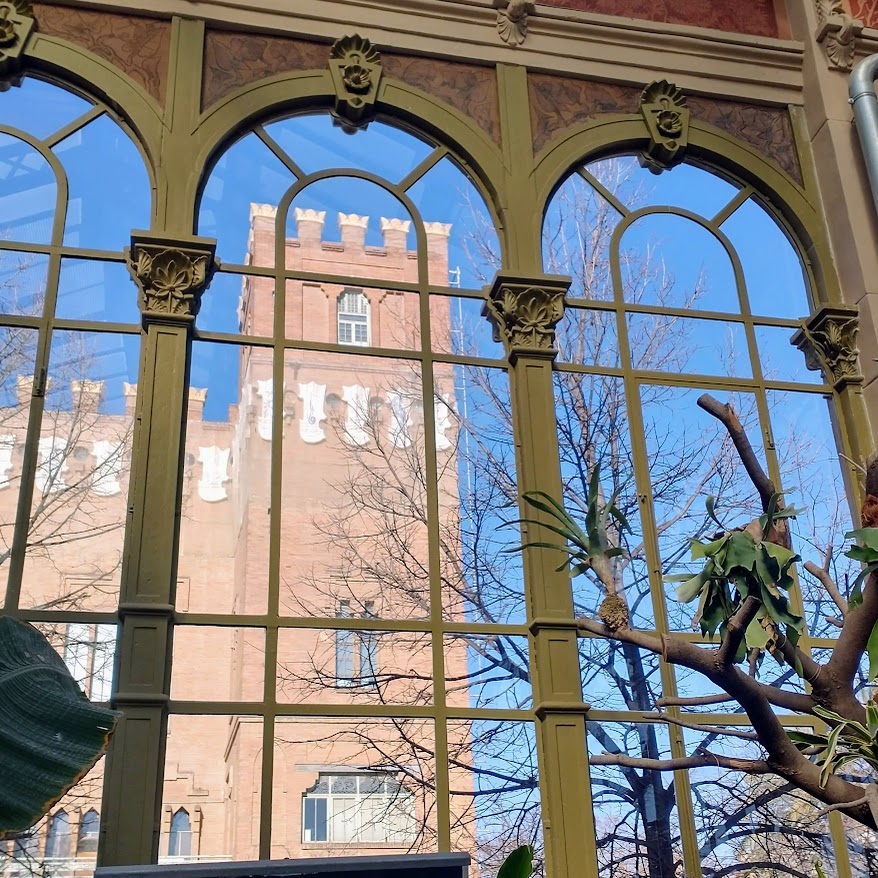
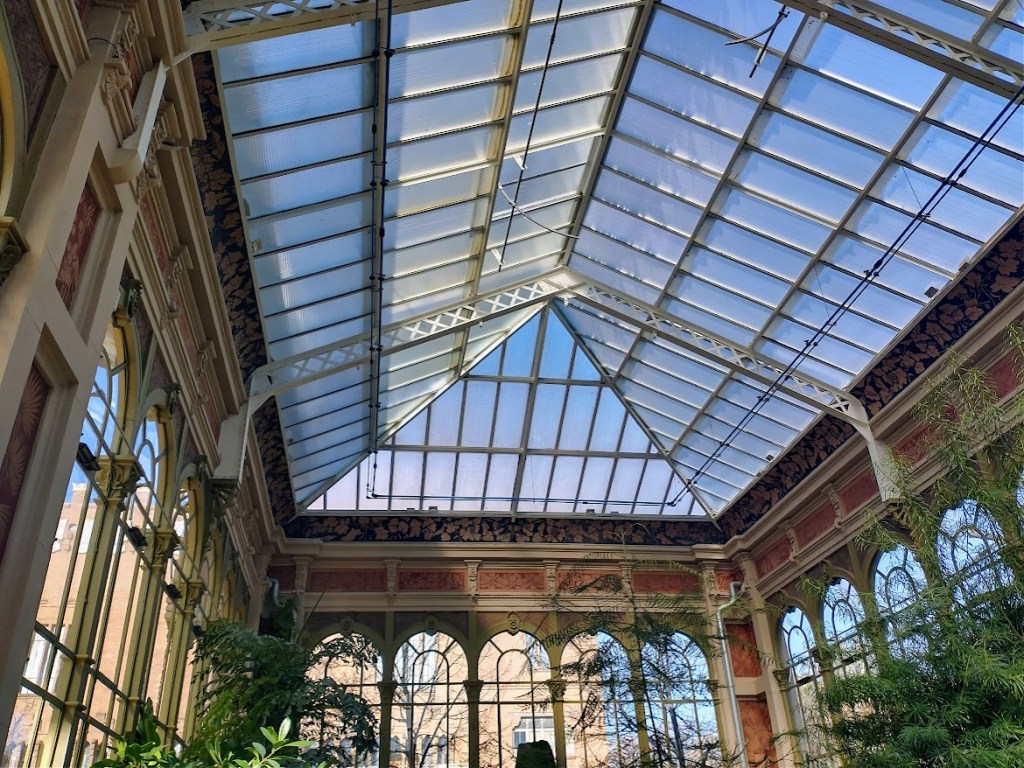
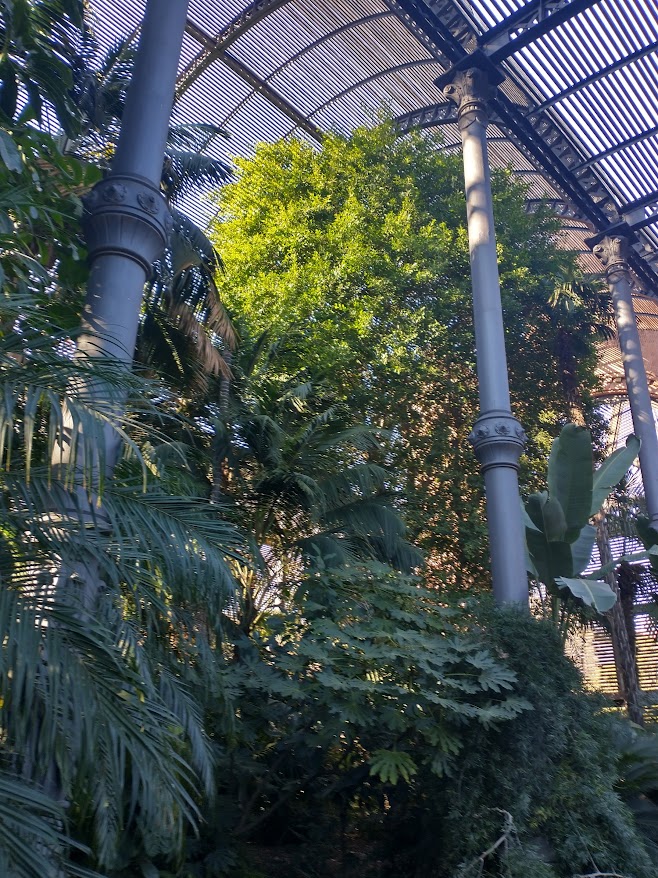
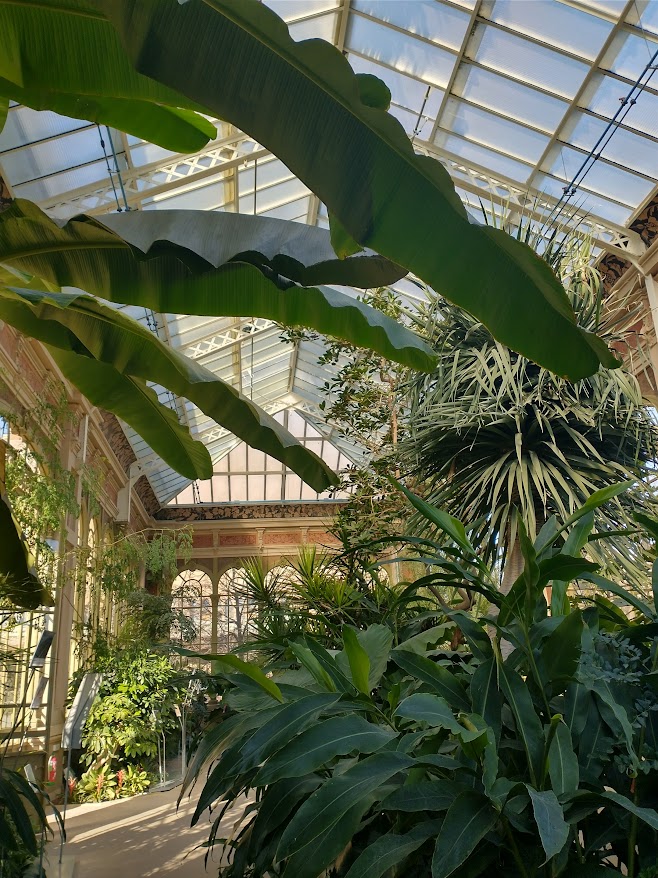
But what took my eye on that hot day were two Victorian era glasshouses, one closed for restoration. I determined that Malcolm and I would check it out to see if the work was complete. It is. And what a glorious place the Hivernacle is in which to spend a relaxing morning. This vast iron structure with glass sides was built from 1883-1887 and designed by Josep Amargós in the Modernista style. He looked to England, to Chatsworth and to Bicton, as well as other places for his inspiration. Now modern restorers have looked to The Eden Project to guide them, and the greenhouse is once more home to over 100 plants, and forms the nucleus of the park’s educational and research programmes. We simply enjoyed the calm green space, with its restrained decoration and exuberant plant life. And the geometry evident in the greenhouse itself, and in the plants which populate it.

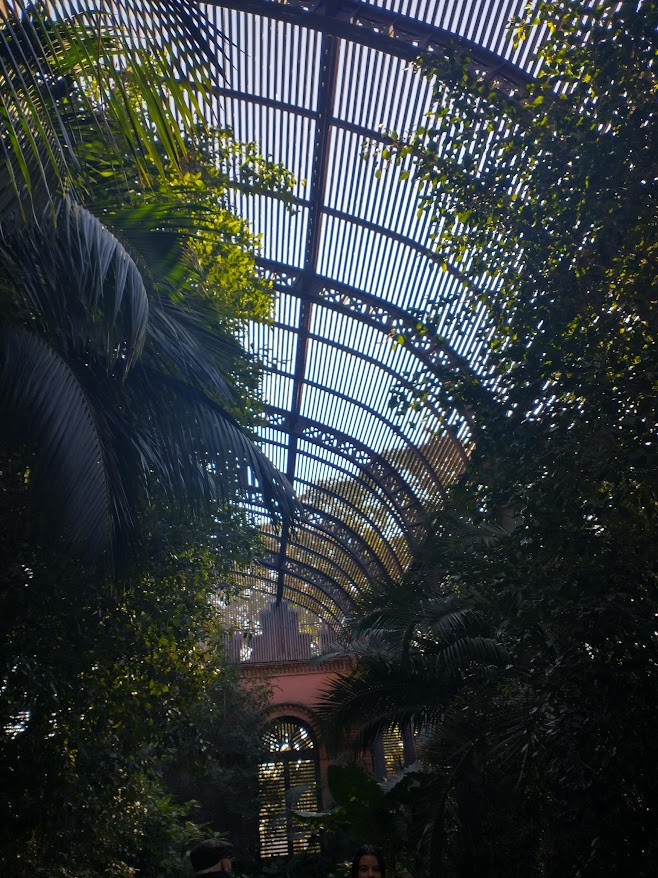
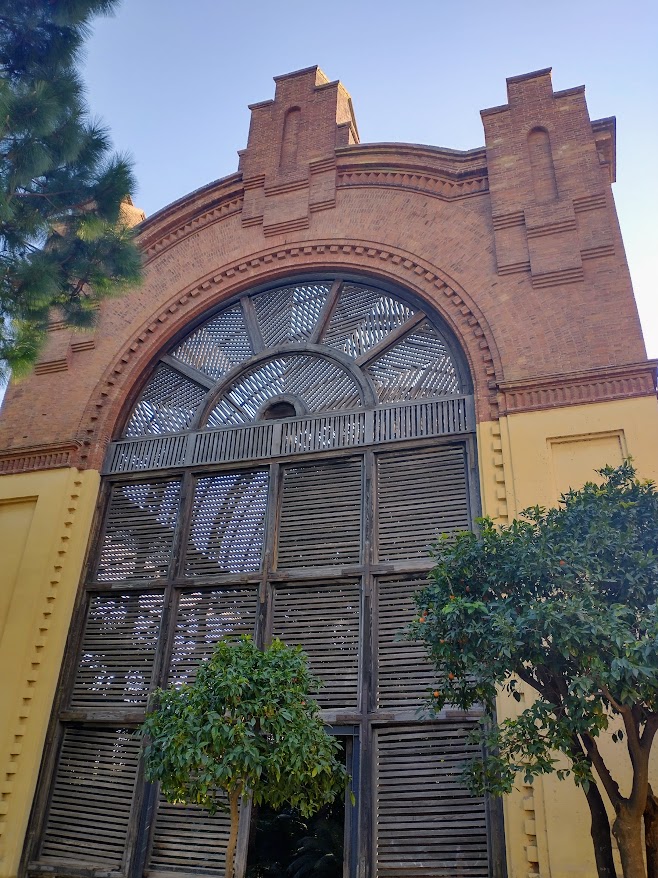
Besides this though, there is the Umbracle – the wood and brick (and glass!) construction designed by Josep Amargós at the same time as the Hivernacle, but for large shade-loving tropical plants. Seating is dotted about so that visitors can relax as they quietly contemplate immense and unfamiliar plant life. This building needs a bit of TLC, but still had the power to impress us as we slowly toured round it.

If you go to Barcelona, don’t miss out on this oasis of calm.

GeometricJanuary

Above the Clouds

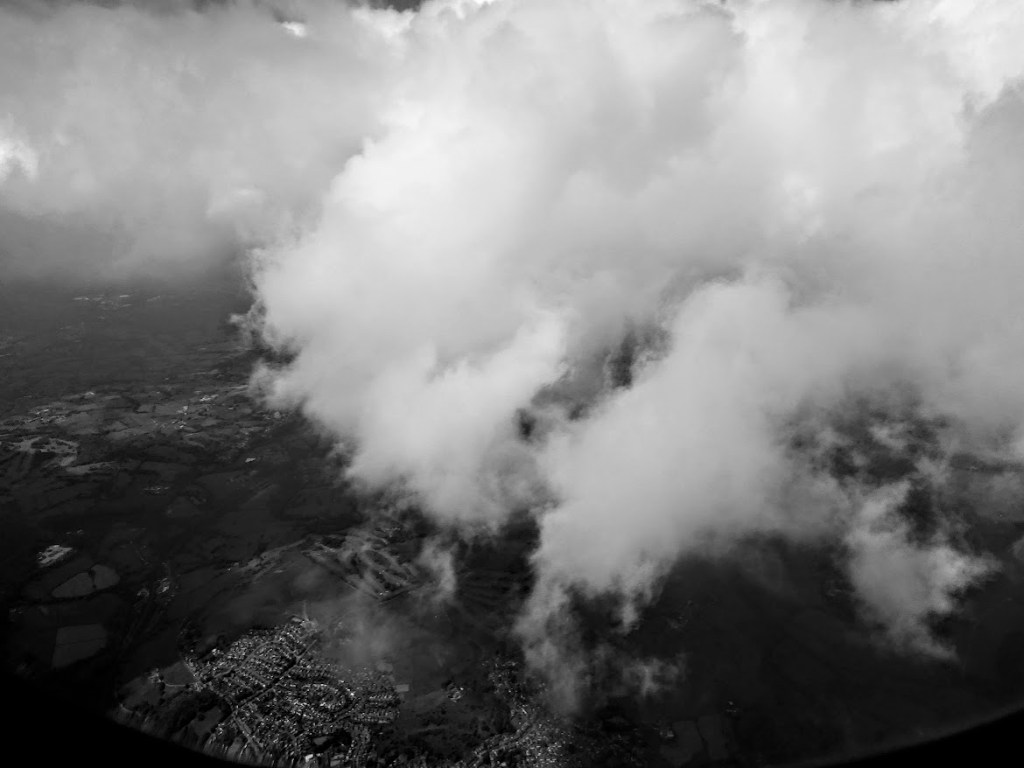
Here in the UK, we know a lot about clouds. And at this time of year, we know a lot about grey clouds. Looking out of the window just now yields an unending vista of smoky grey, darkening over Mickley way to gunmetal and slate. No cotton-wool puffs of cumulus for us.

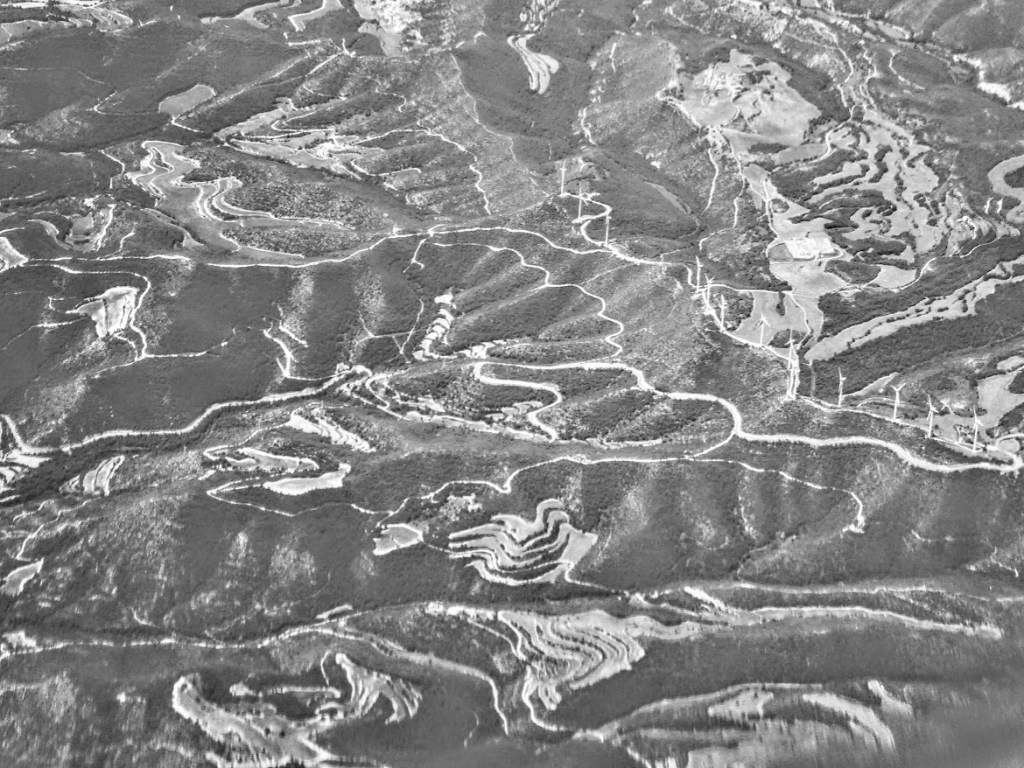
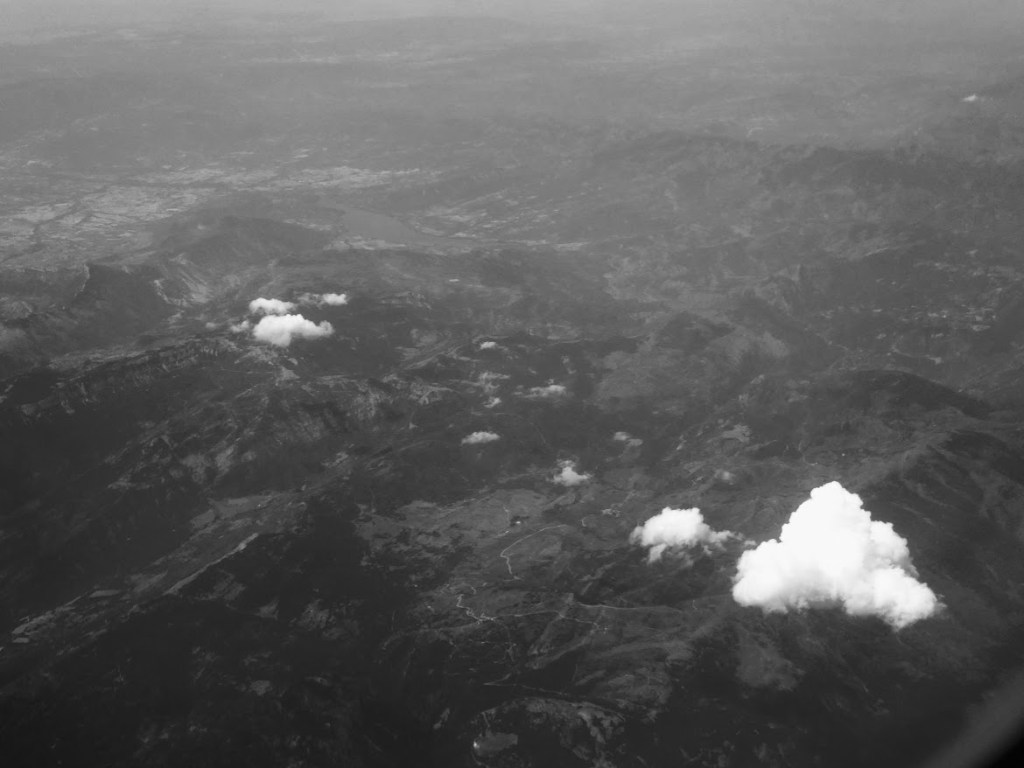
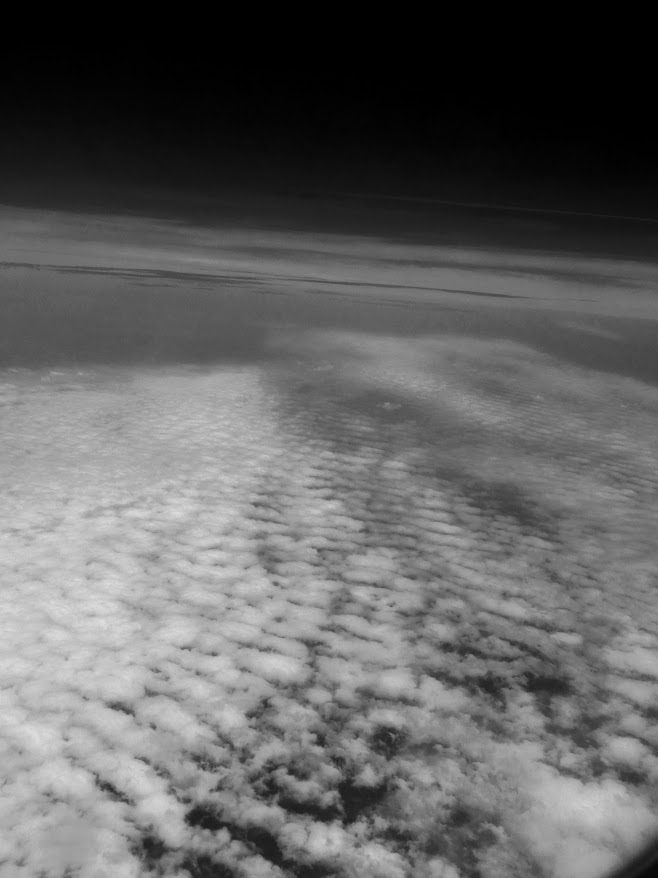
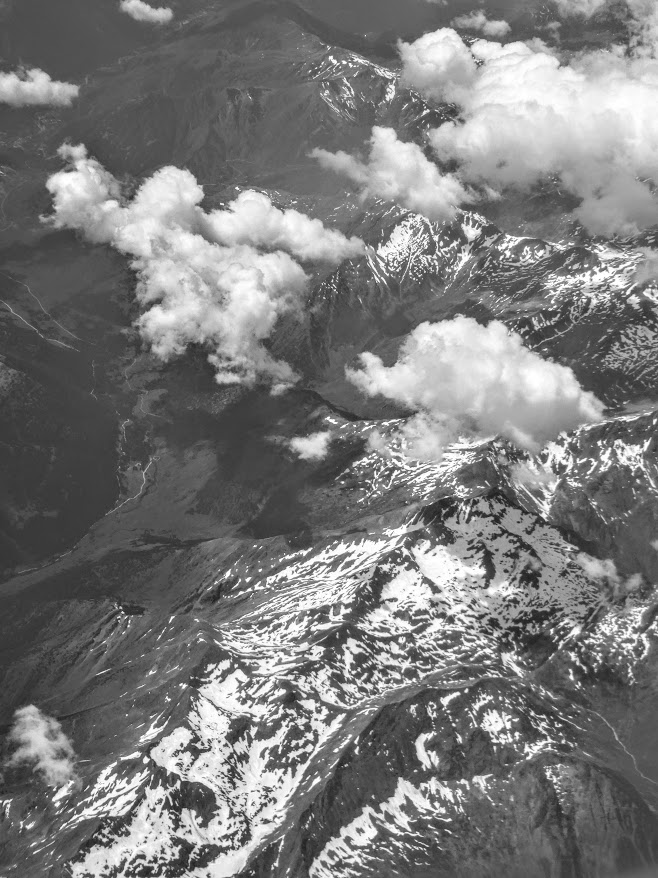
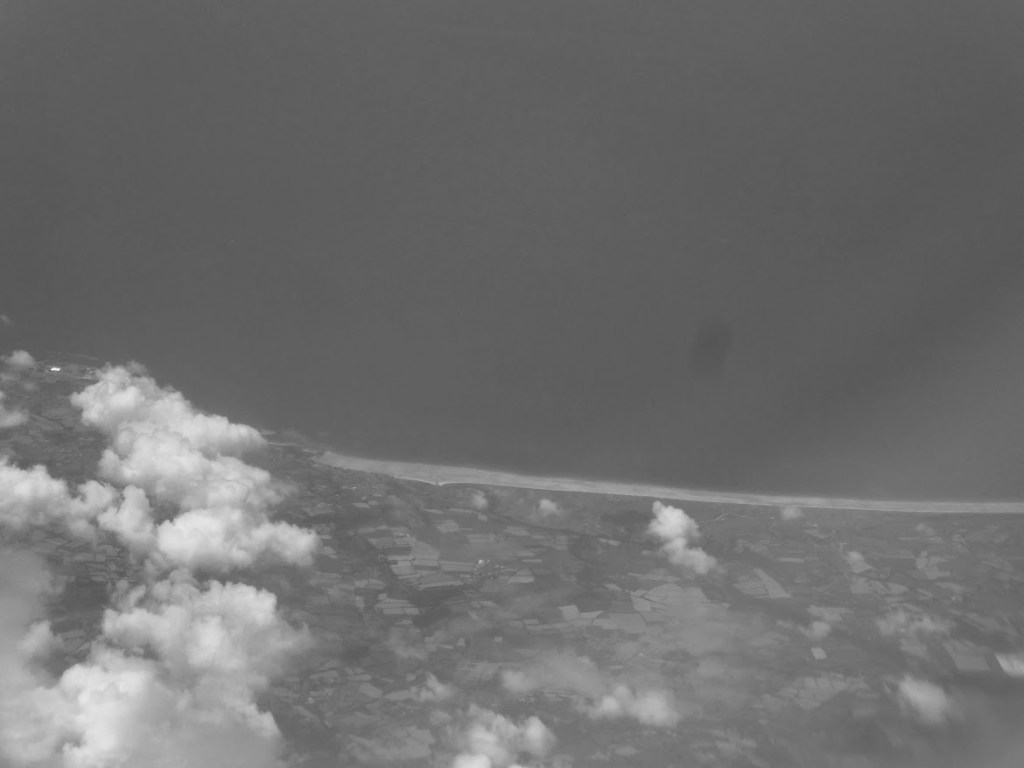
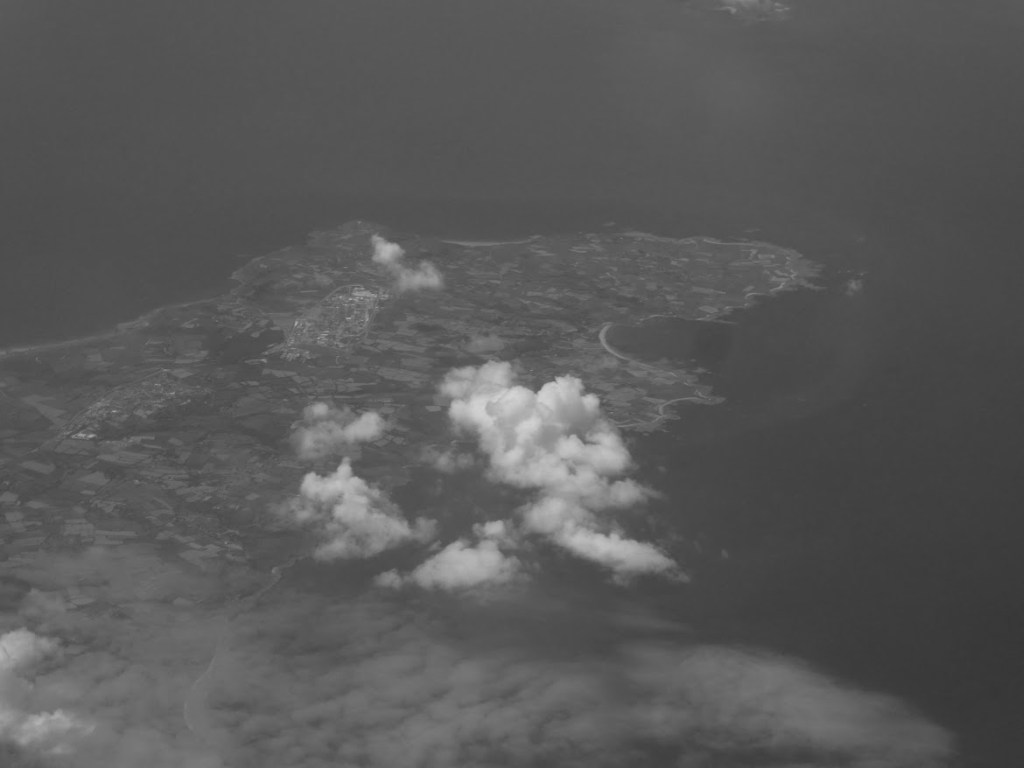
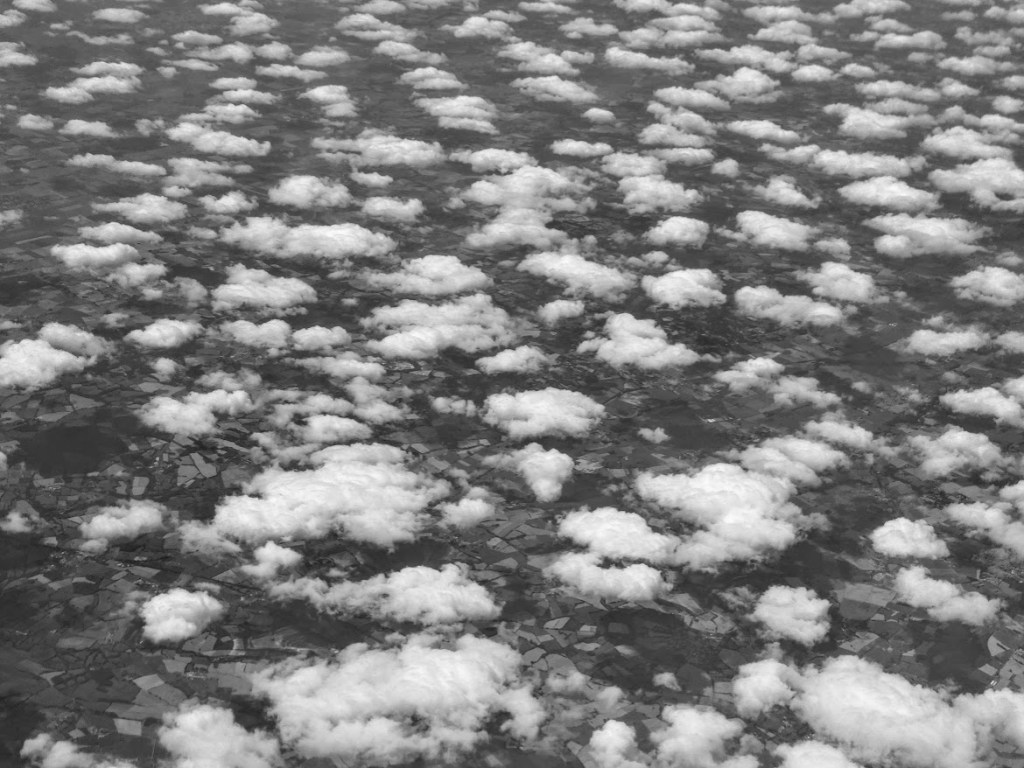
So let me whisk you to a day in June, when the plane transporting me from Barcelona to Leeds offered me a constantly changing cloudscape below me, with tantalising glimpses of beaches, landscapes and the Pyrenees, the Atlantic coast, and then crowded old England. The featured photo shows us just leaving Barcelona – hardly a cloud in the sky. And then …
Although generally a big fan of monochrome, on a grey day like this, I’m not sure I like these clouds and vistas in black and white. My memory of that summer day was of clear bright and optimistic colours. But needs must. This is for Monochrome Madness, and hosted this week by Brian, of Bushboy’s World.

Workaday Staircases

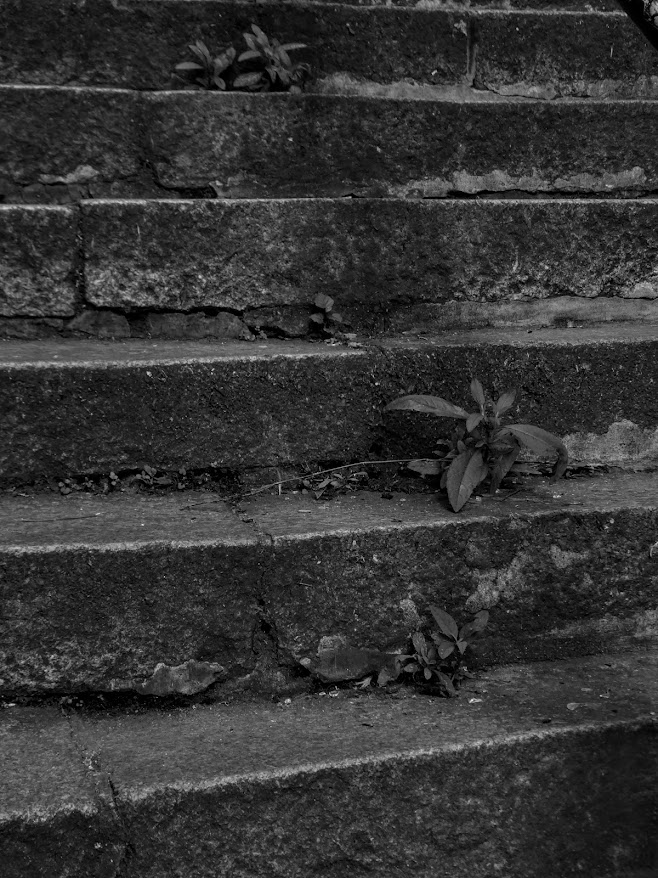
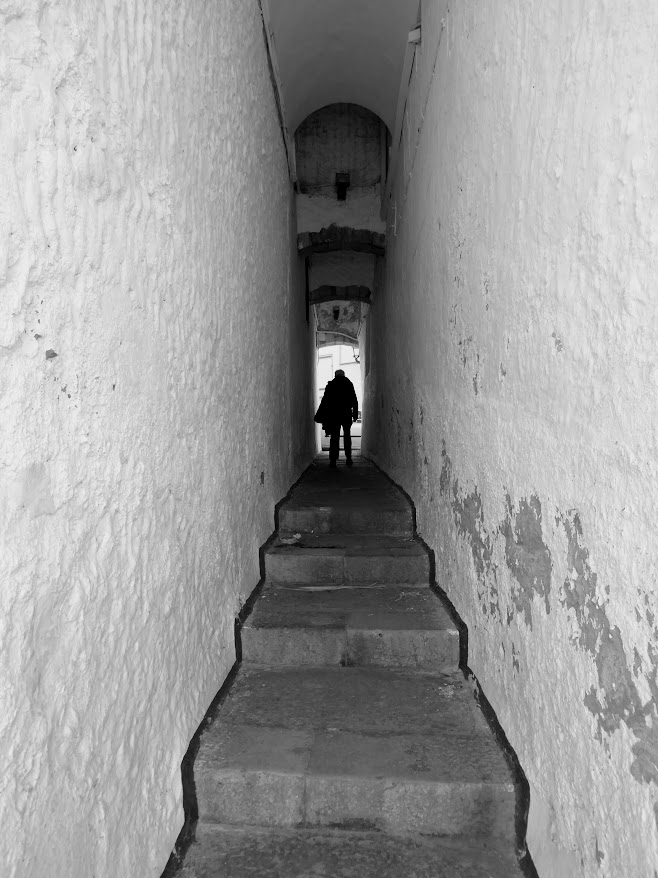
This week’s Monochrome Madness theme is proposed by Aletta of nowathome: and she’s chosen Steps or Stairs. It’s an interesting idea, and one where I could have chosen the grand and elegant staircases gracing the finest palaces and country houses of the rich, titled or famous.
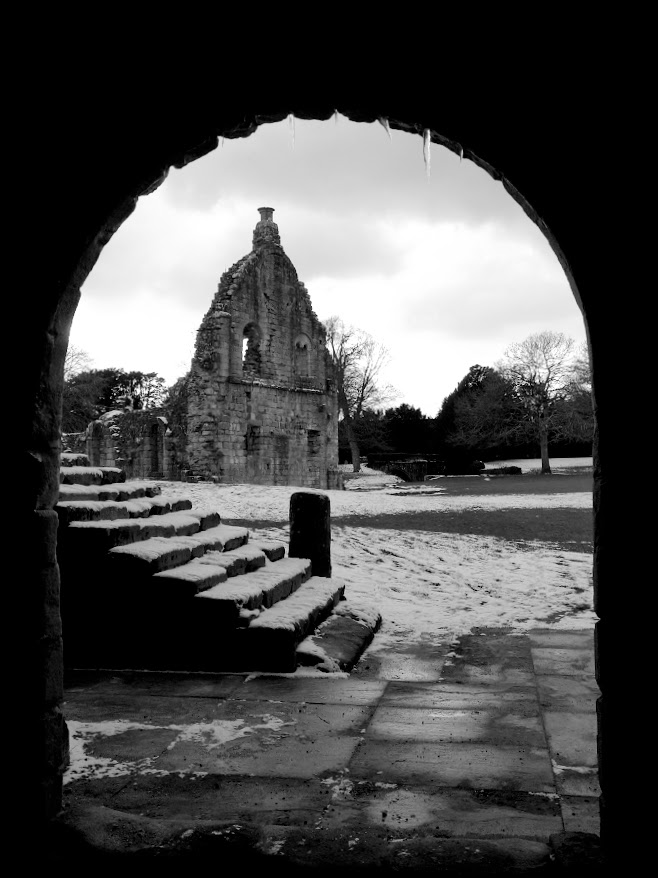
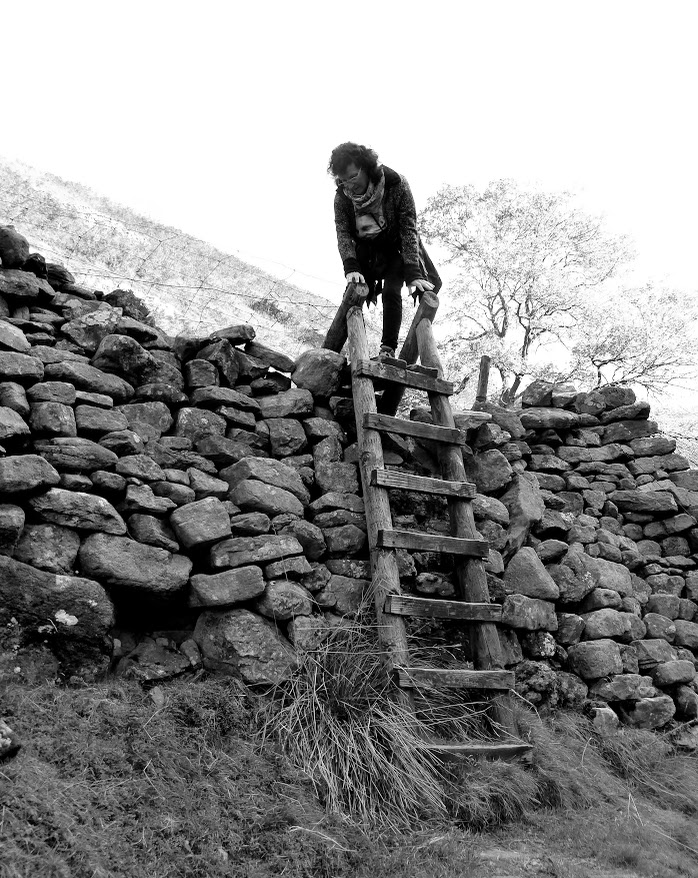
Instead I’ve chosen the steps trodden by ordinary folk on their daily round in Barcelona (featured photo), Newcastle and Sitges; or by monks engaged in their spiritual duties at Fountains Abbey; or by a hiker, needing to nip over a few drystone walls on her several mile journey from A to B.

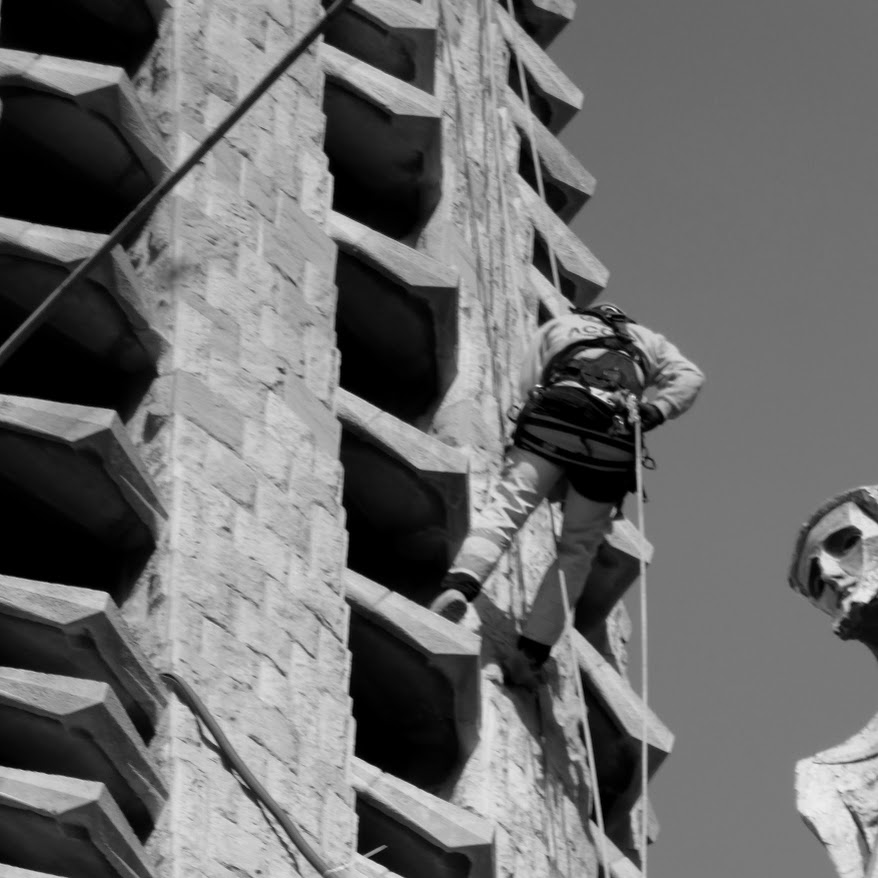
Or there’s the worker helping construct la Sagrada Familia in Barcelona. It might be one of the most famous buildings in Europe, but shinning about its heights looking for footholds is just part of his 9 – 5, every working day.

Works conttinues at La Sagrada Familia, Barcelona

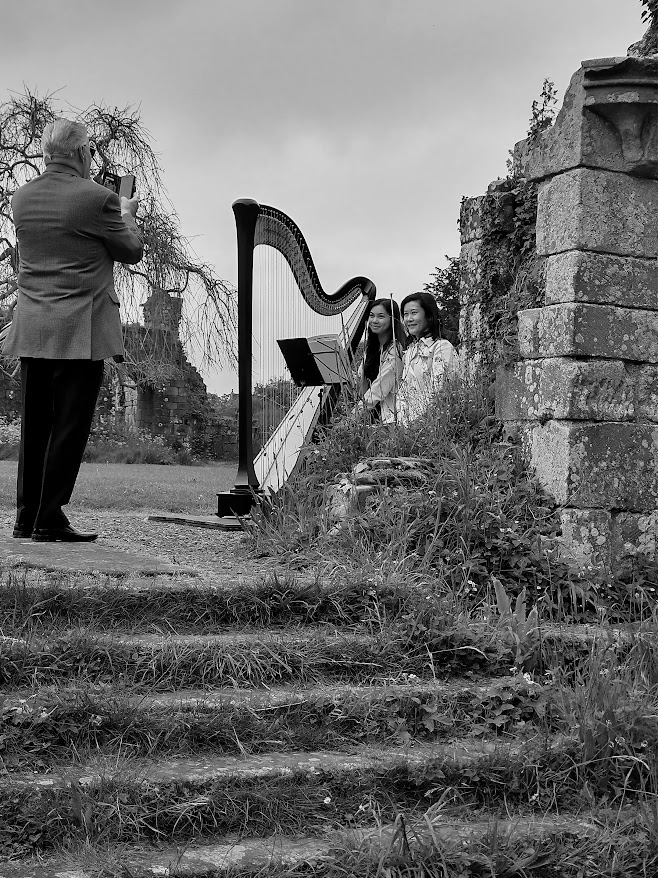
And I’ll leave you with one little treat. A harpist at Jervaulx Abbey this summer, playing at the wedding of some good friends of ours. She was working, even if the rest of us weren’t.

Jervaulx Abbey North Yorkshire.

Reflections in Spain

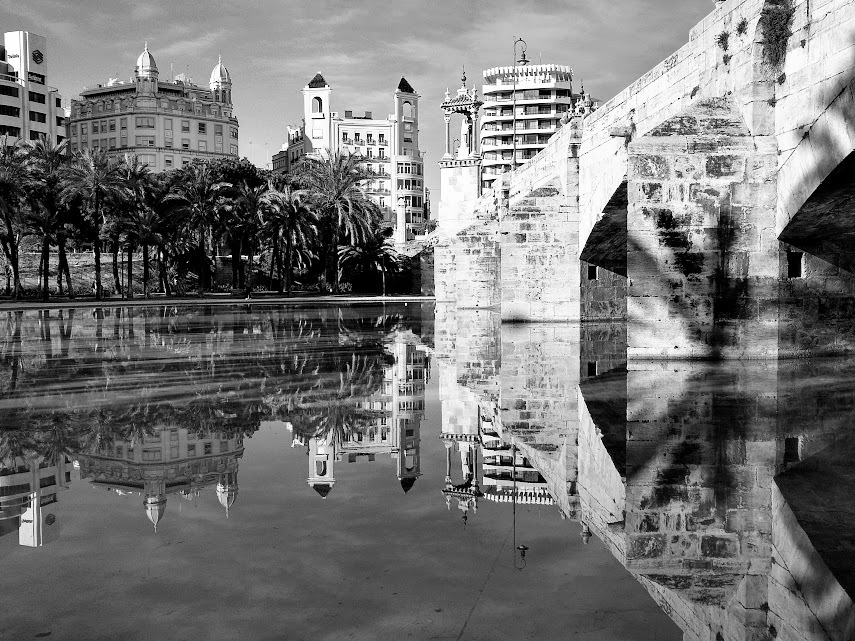
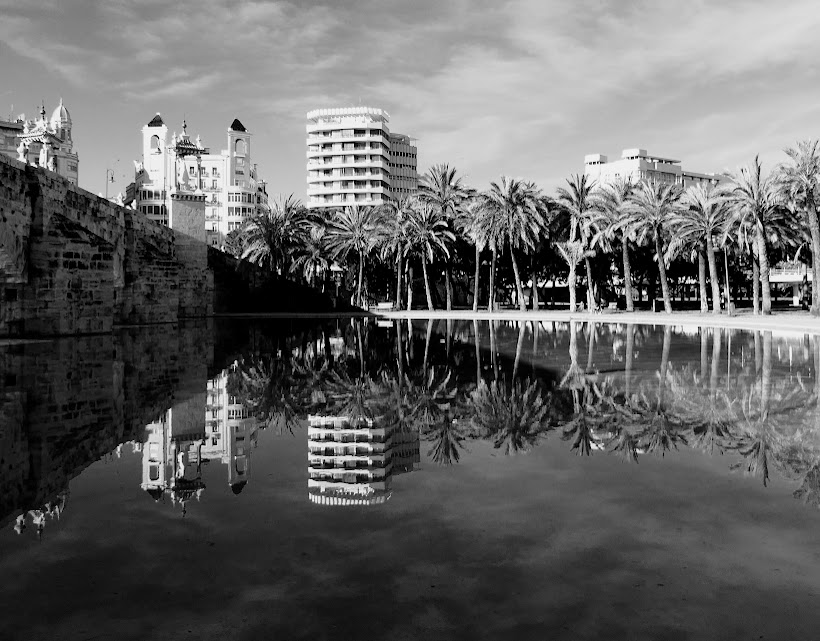
A few weeks ago, I posted a picture of the Puente del Mar in Valencia. Today, my feature photo displays a different image of this bridge, because this week, Leanne has asked us to post reflections for Monochrome Madness .

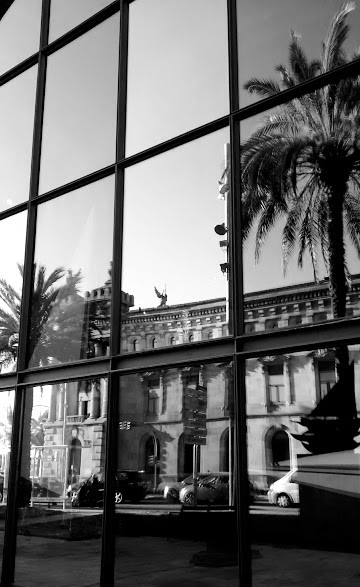
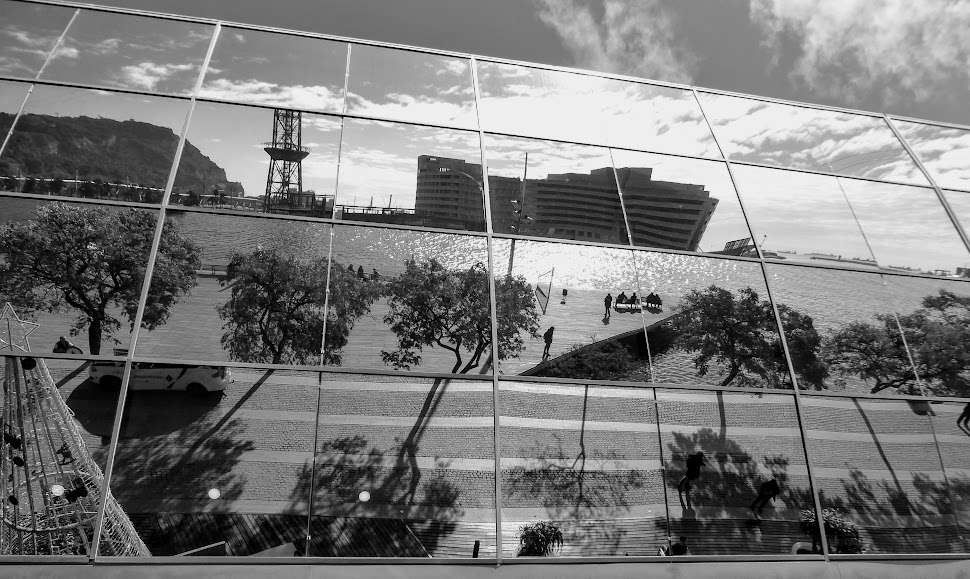
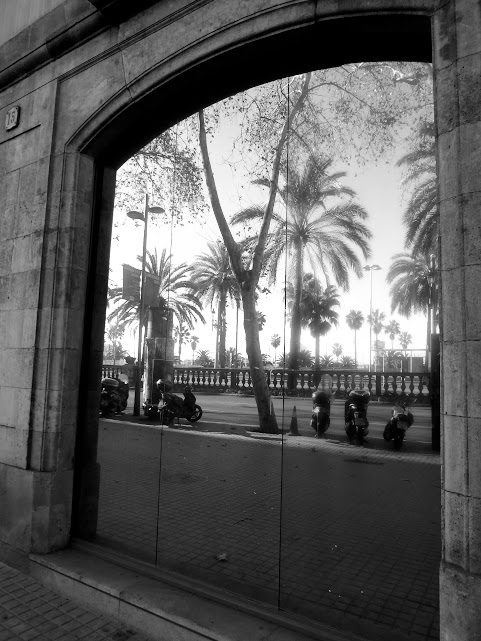
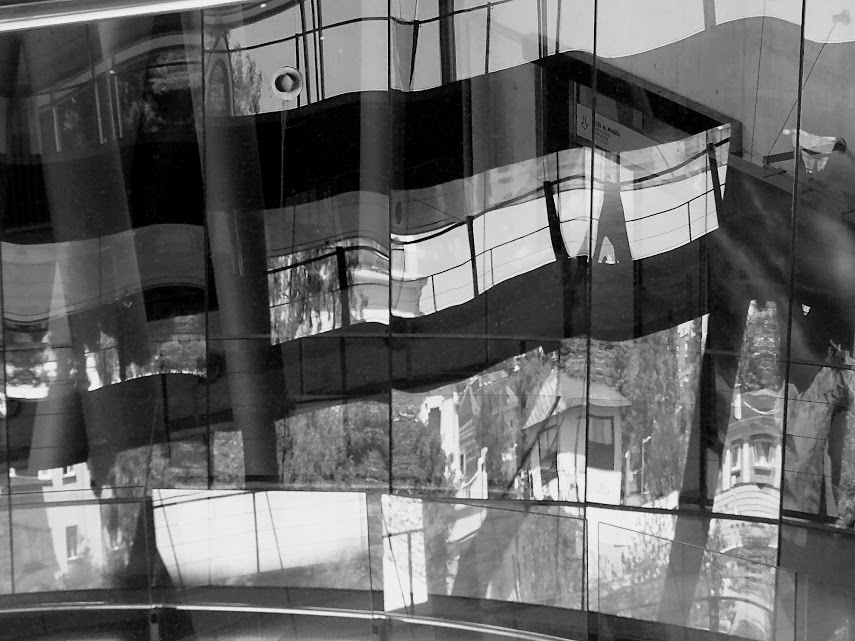
And I’m going to stay in Spain, and take a stroll round maritime Barcelona. Yet not a watery reflection in sight.

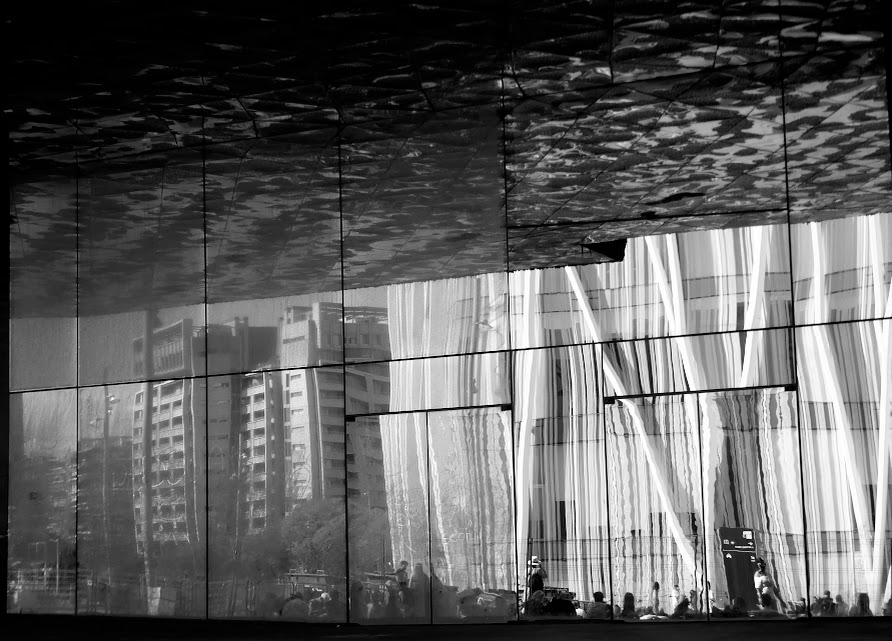
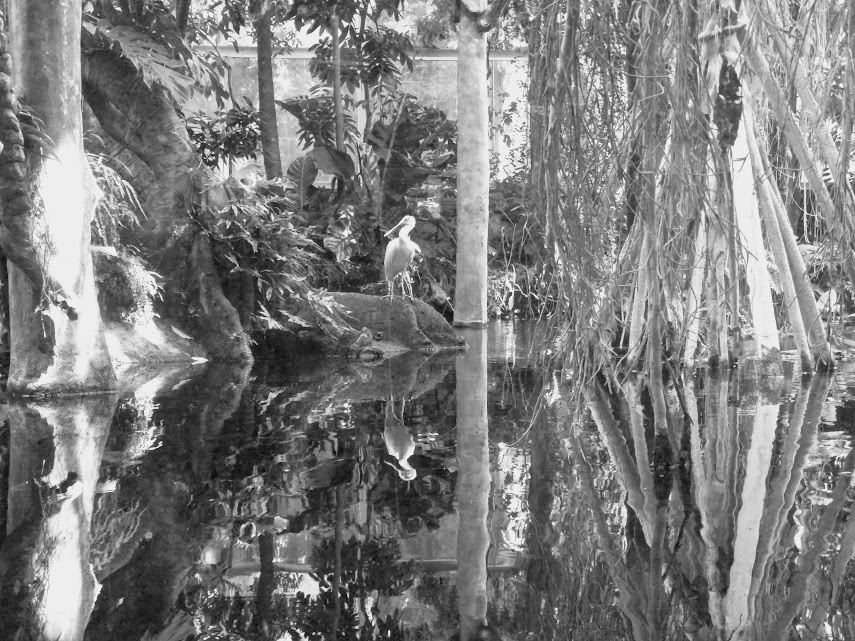
And here are a couple taken inside the wonderful Cosmo Caixa Science Museum in the same city.

And we’ll finish where we began: at the Puente del Mar. A view from the other side of the bridge.

An Alphabet of Fun

For this week’s Lens-Artists Challenge, Egidio urges us to share those images which epitomise what ‘fun’ means to us. I’ve settled for something slightly different. I’m going to showcase having fun watching other people having fun.

And I thought I might try an Alphabet of Fun, Let’s see.

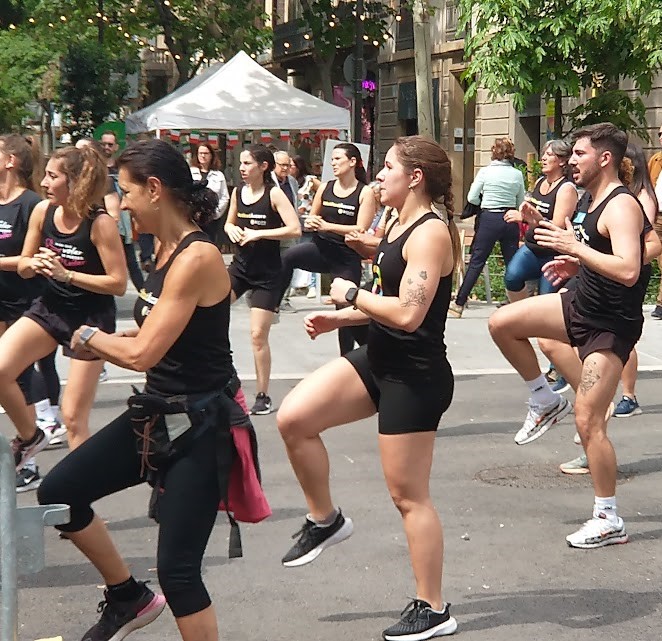
Athletic aerobics: a community keep-fit session at the Festa de Gracia in Barcelona this year.

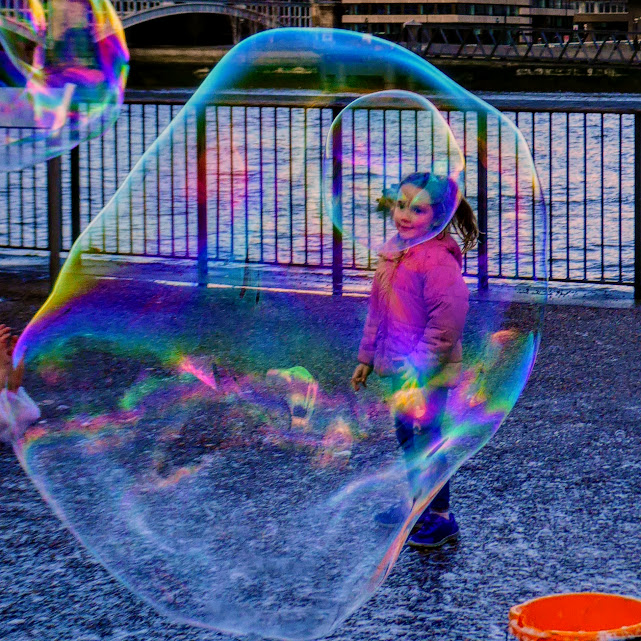
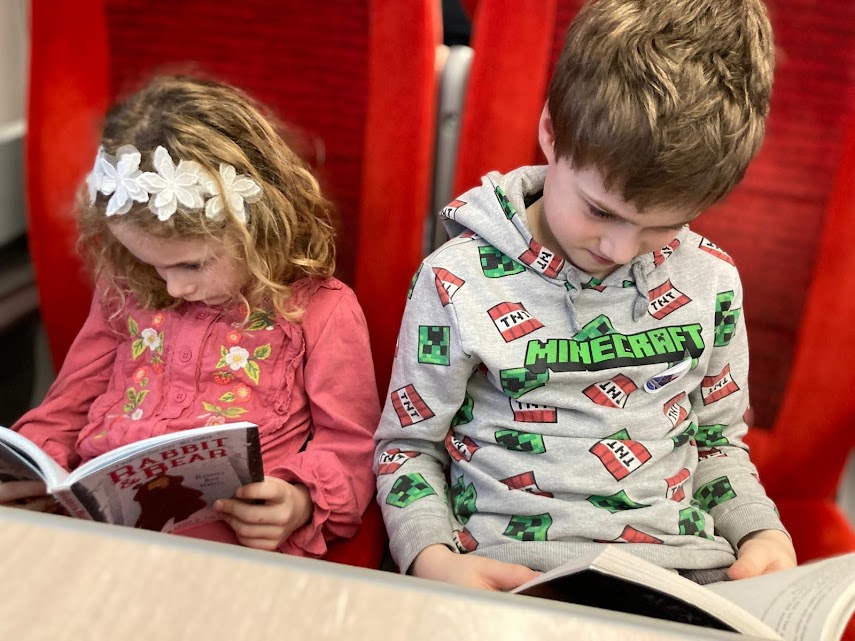
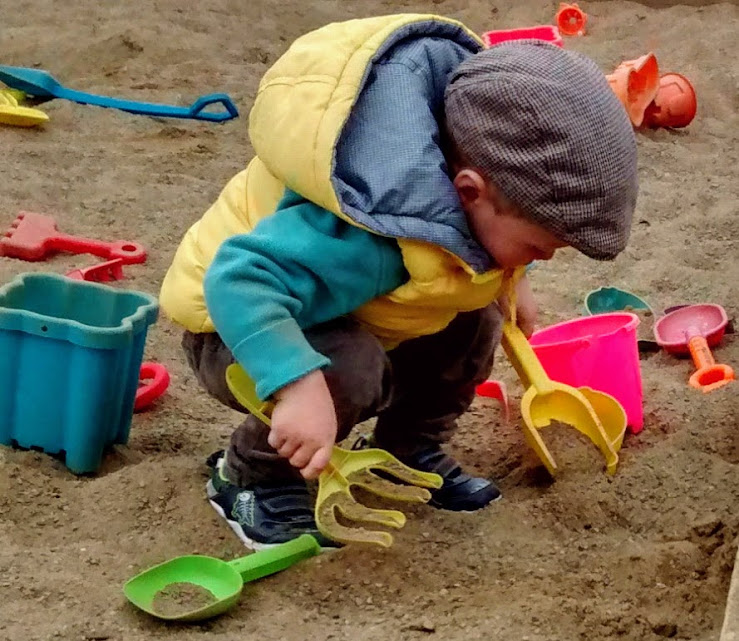
Bubbles and Books. Who doesn’t love chasing big bubbles? Or settling down with a really absorbing book?

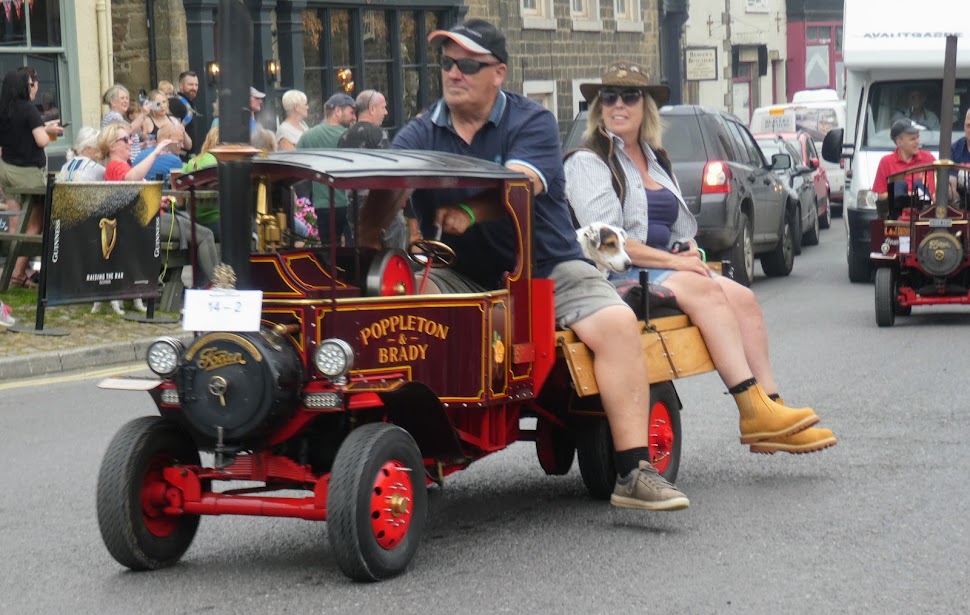
Construction. And refurbishment, if it comes to that. One a would-be builder, the other, part of Masham’s Steam Rally earlier this year, working in miniature, to the delight of the crowd.

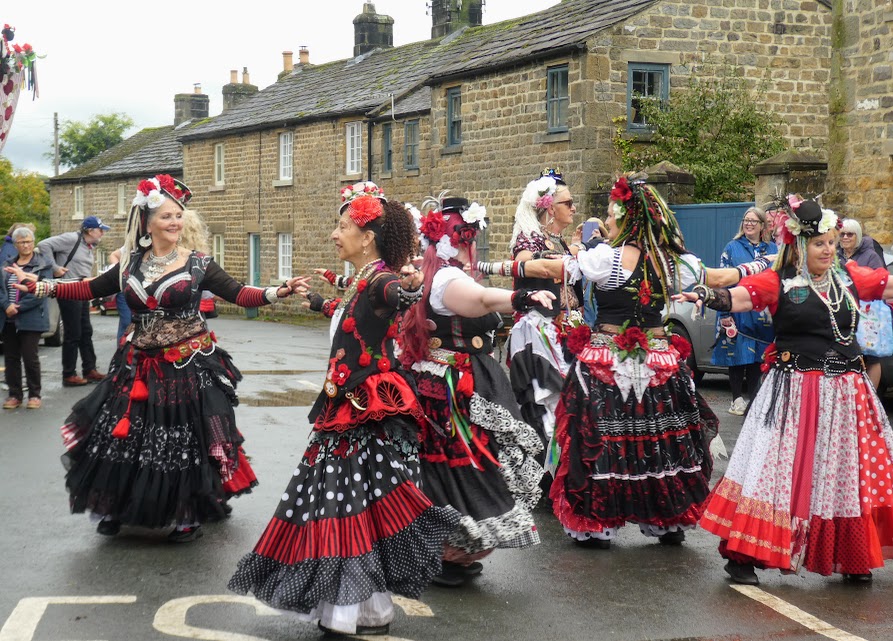
Dancing. Always good for a bit of fun, whether Catalan traditional, or English Morris-mixed-with-belly-dancing.

Exploring. In this case, discovering climbing and scrambling at Brimham Rocks.

Fairgrounds for fun: an old-style ride at Beamish Museum.

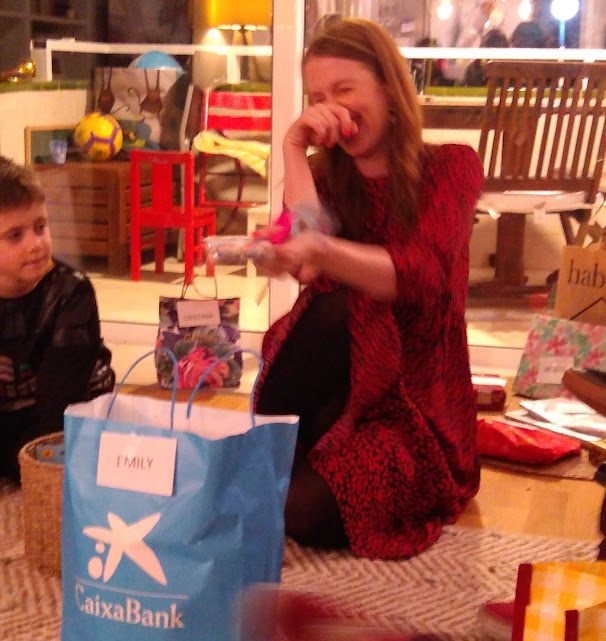
Gifts. This is one of my favourite photos, even if it would win no prizes for technique. A joyful moment at the Spanish Festival of Reyes – Three Kings Day – when my daughter was given a silly present for their equivalent of Secret Santa.

Harmony. Gotta have a little music to bring joy. And in England, that might well be in the form of a brass band.

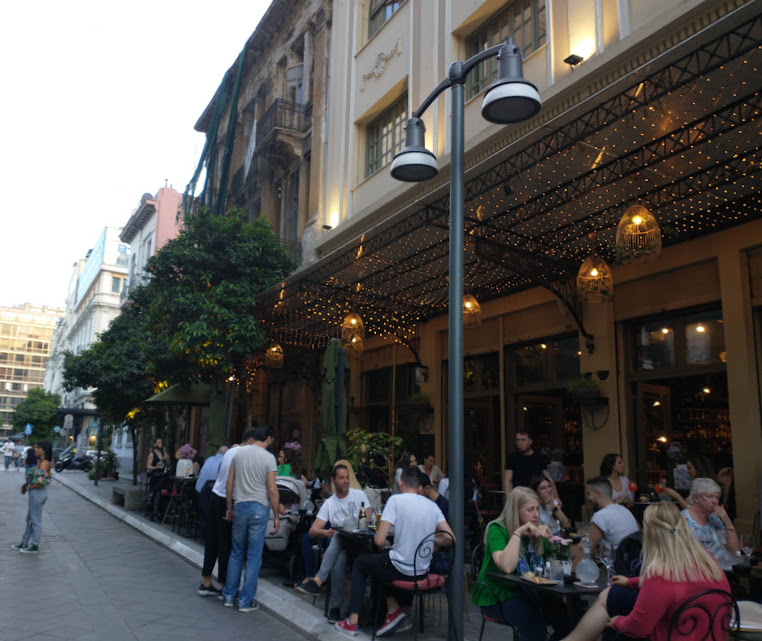
Indulging and imbibing. A family meal, an evening round the table with friends, perhaps outside, in the town centre. What could be better?

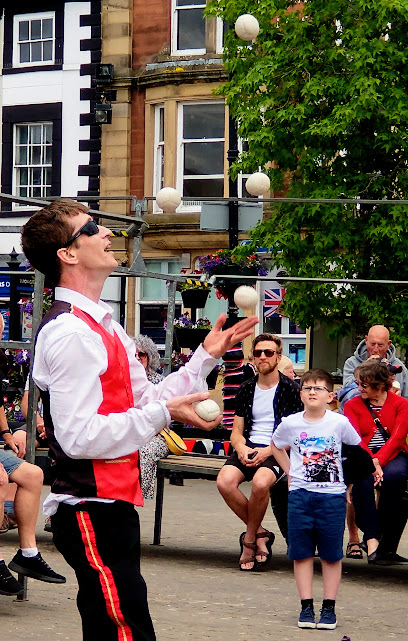
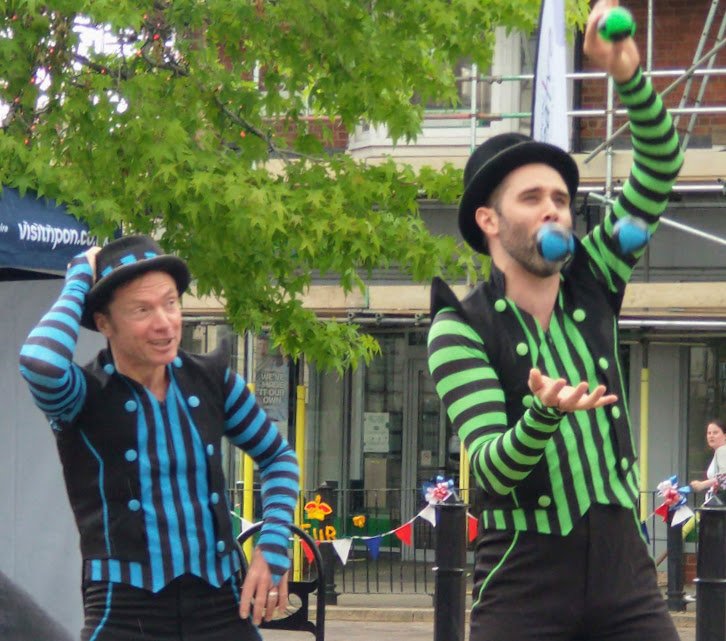
J is for jugglers. Always guaranteed to raise a smile. Here are a couple from Ripon Theatre Festival.

Oh, I say. I think that’s quite enough fun for one day. Letters L – Z will have to sit and sulk. Their moment of fame may arrive. Or not.

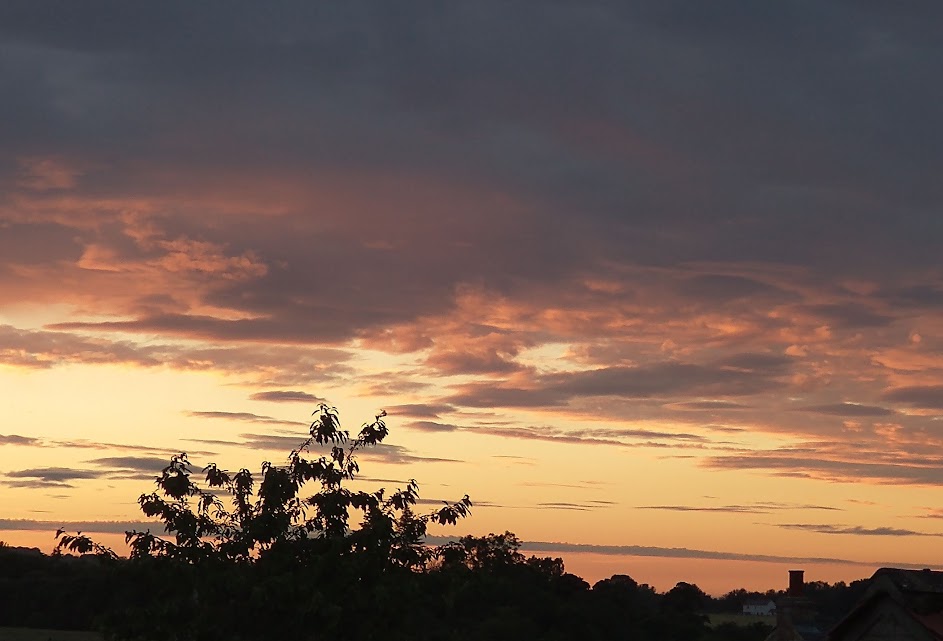
I’ve not even mentioned the joy of spending time in the natural world. I’ll content myself today with a single sunset as my featured photo. A frequent evening source of joy when looking out of the bedroom window.