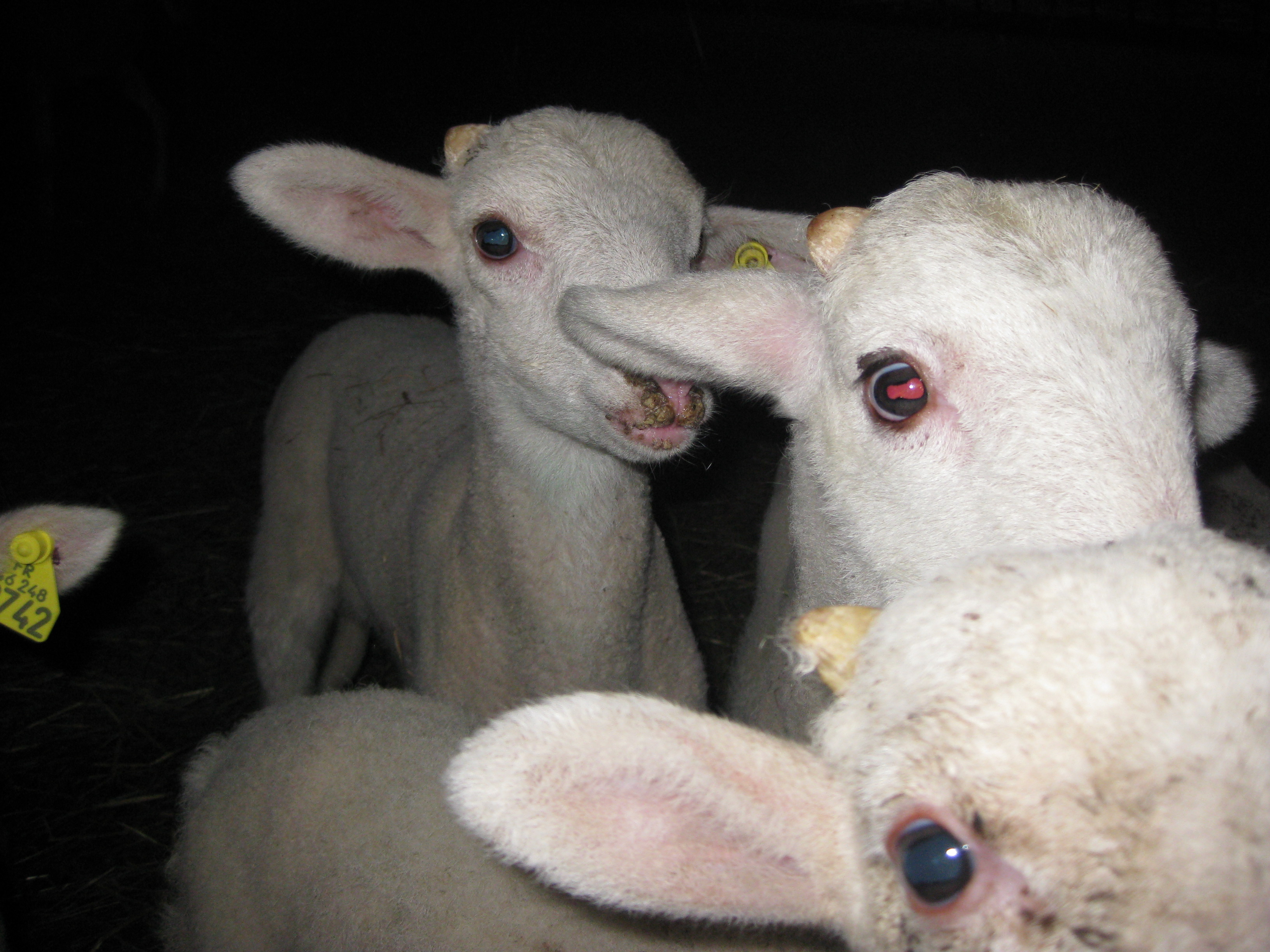
Saudade for Our Little Corner of France

Saudade is a Portuguese word, introduced to us by Egidio, who proposes it for this week’s Lens-Artists Challenge. Here’s what it means:

... an emotional state of melancholic or profoundly nostalgic longing for a beloved yet absent someone or something. It is a recollection of feelings, experiences, places, or events, often elusive, that cause a sense of separation from the exciting, pleasant, or joyous sensations they once caused.

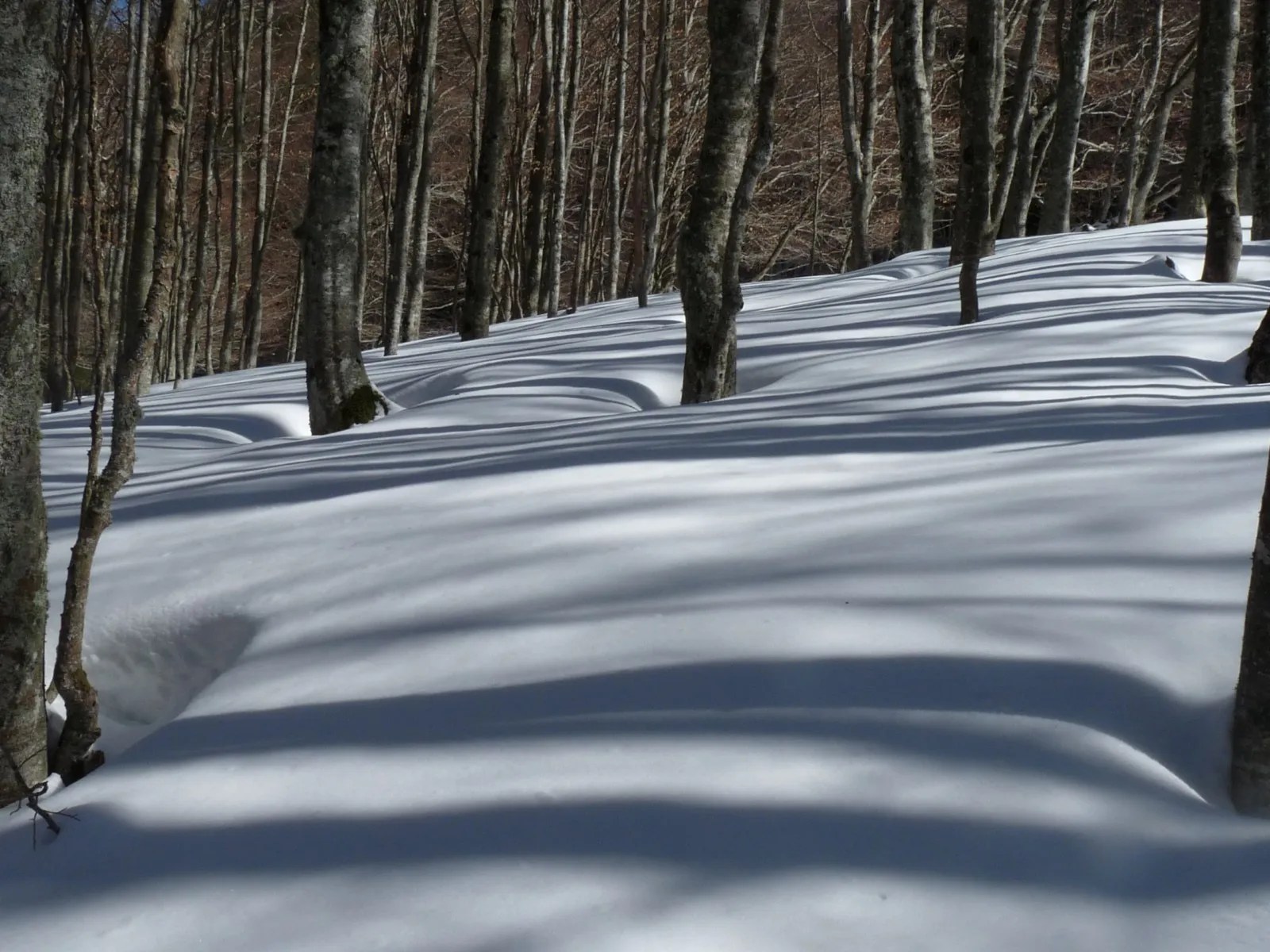
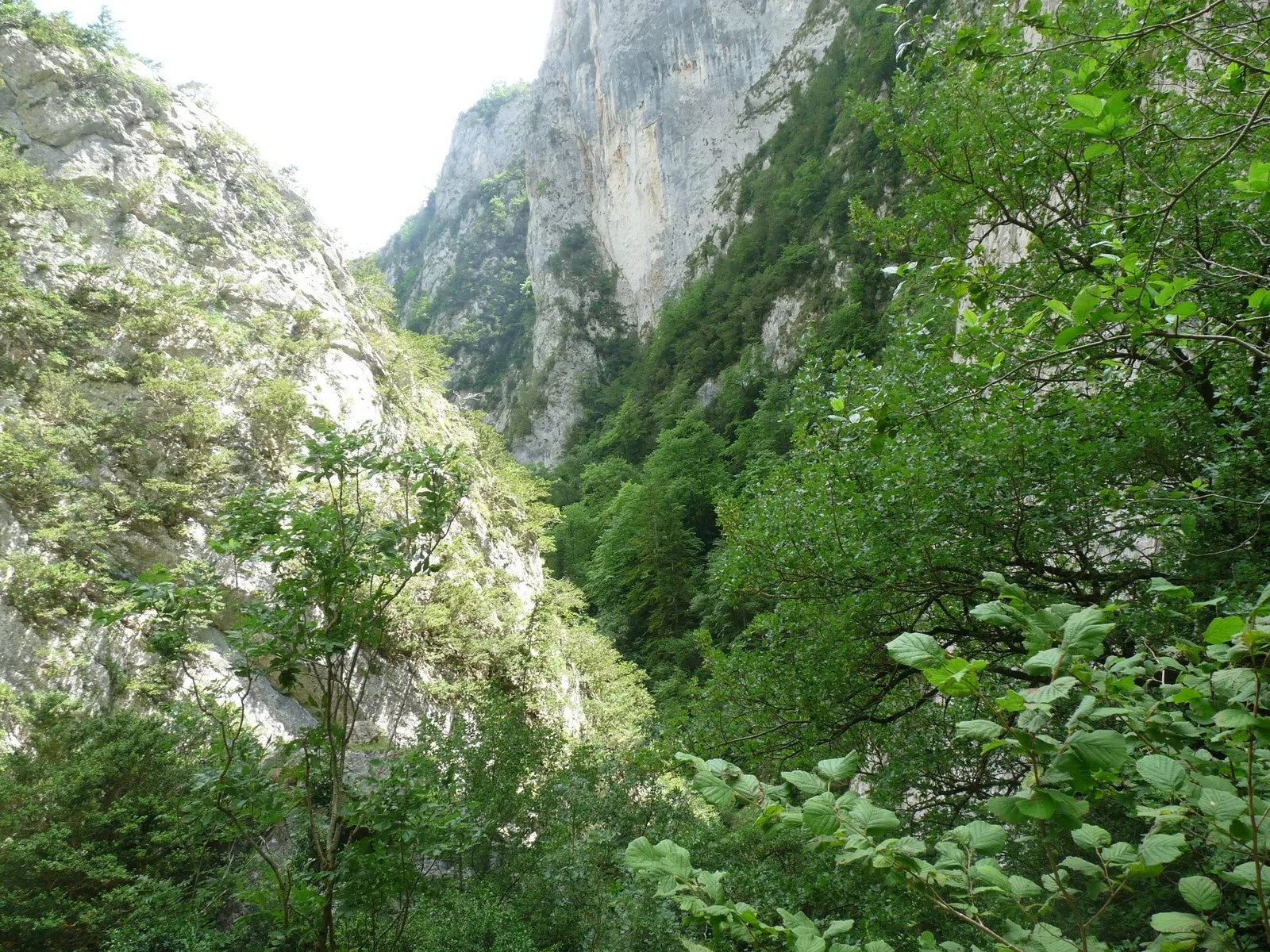
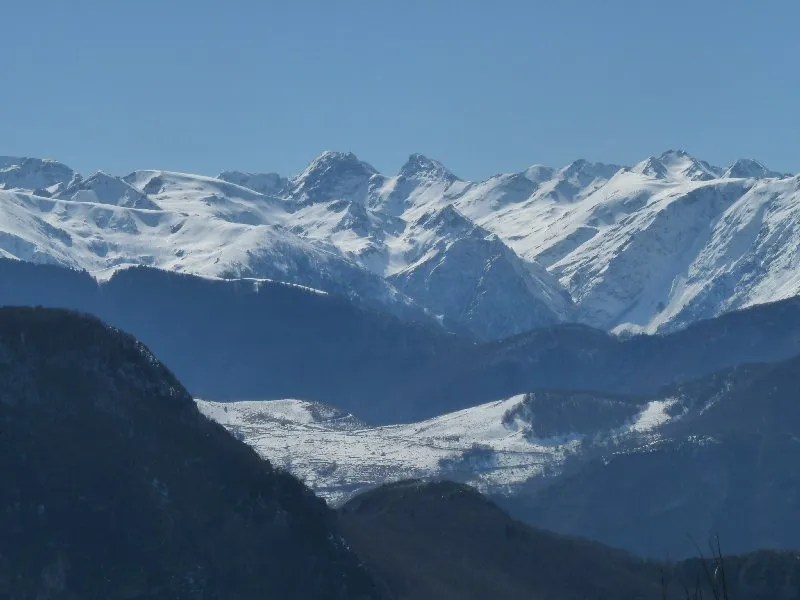
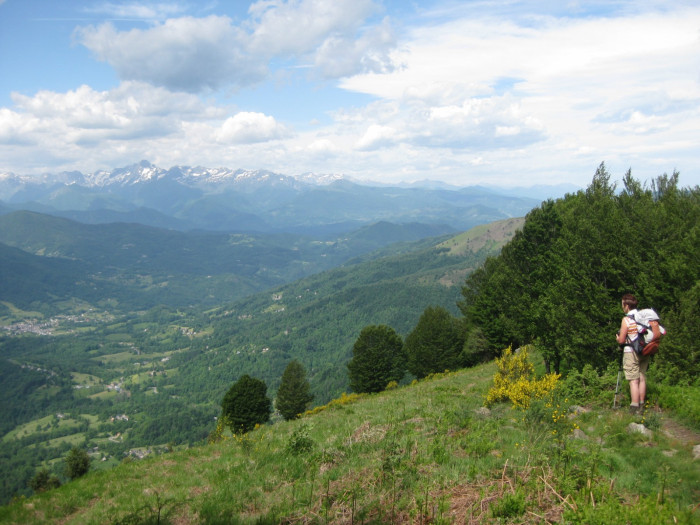
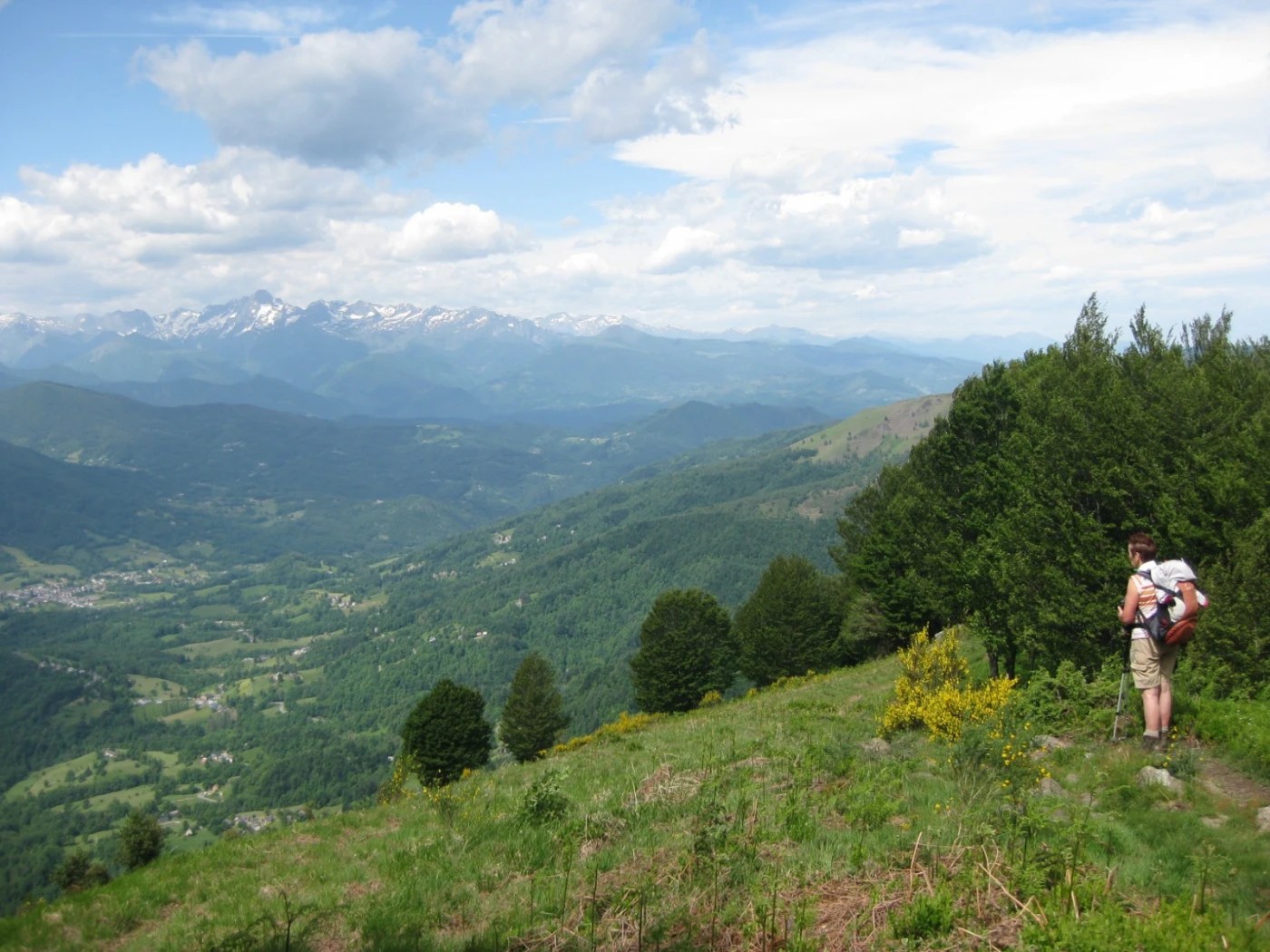
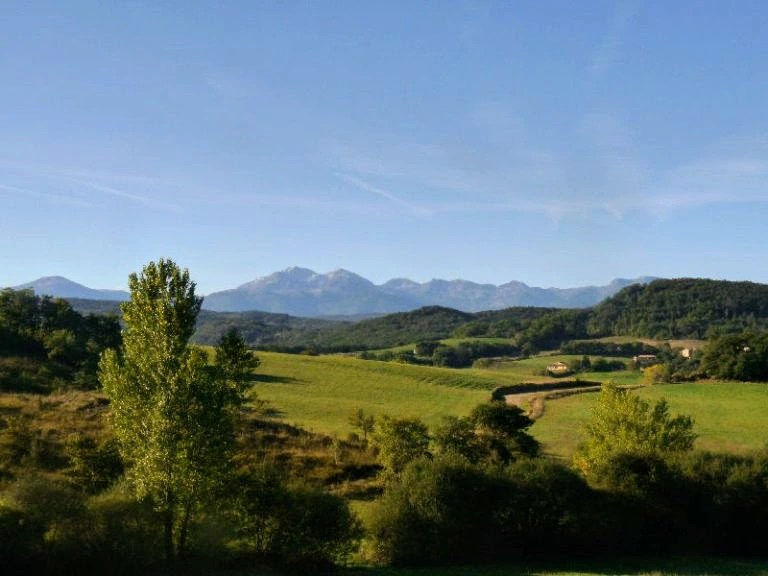
It’s what we both feel so very often about our years in southern France, now some ten years gone. Of course we remember the landscape – the foothills, the Pyrenees themselves, the seasons, the climate , the slower pace of life …
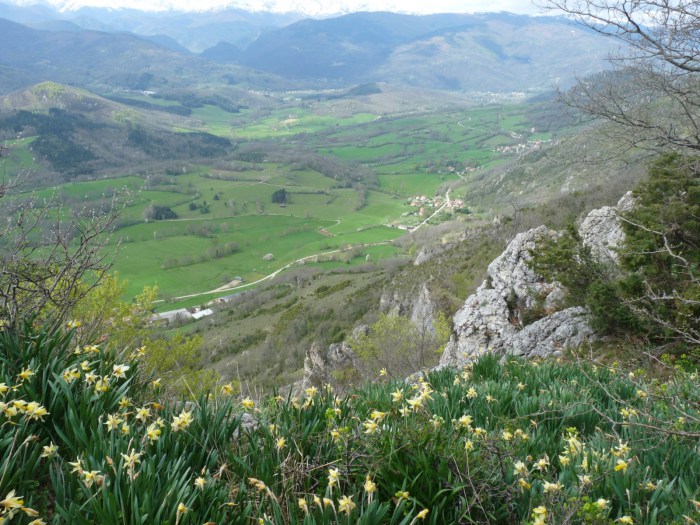
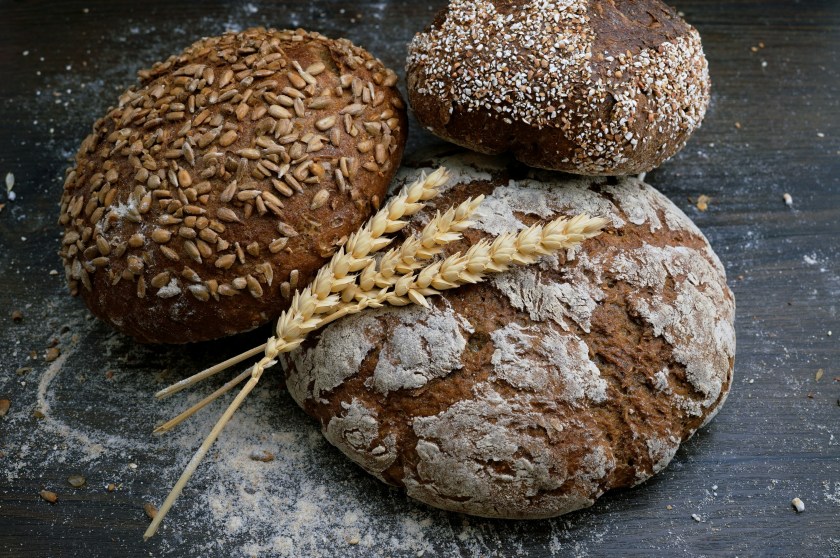
Of course we do. But we remember even more the happy Sundays and Thursdays we had discovering these landscapes with our two local walking groups. We were the only British members, and how different these expeditions were from their English equivalents. After a morning slogging up a mountain, we were rewarded with views, perhaps a stream, a wild-flower strewn meadow. Then Marcel the butcher would produce his own home-cured sausage; Sylvie offered her daughter’s sheep’s milk cheese; someone would bring bread; Yvette and I brought cake; wine was on offer, and an apéro, and after that someone or other would hand out sugar lumps, on which to drip just a little of their grandfather’s special home-confected digestif. After a nice long rest, we’d pack up and find a different path downwards.

Eating was at the heart of so many activities. Here’s another community meal, tables ranged over the town square so everyone could get together and enjoy each other’s company while celebrating some local highlight..

In fact enjoyment came high on everyone’s agenda. Every July, for instance, in a small village a few miles from ours, a group of volunteers spend months devising Le Jardin Extraordinaire. People come from miles around to enjoy strolling through bowers confected from still-growing gourds, and climbing upwards through woodlands with surprises: beautiful, silly, witty – every year was different.

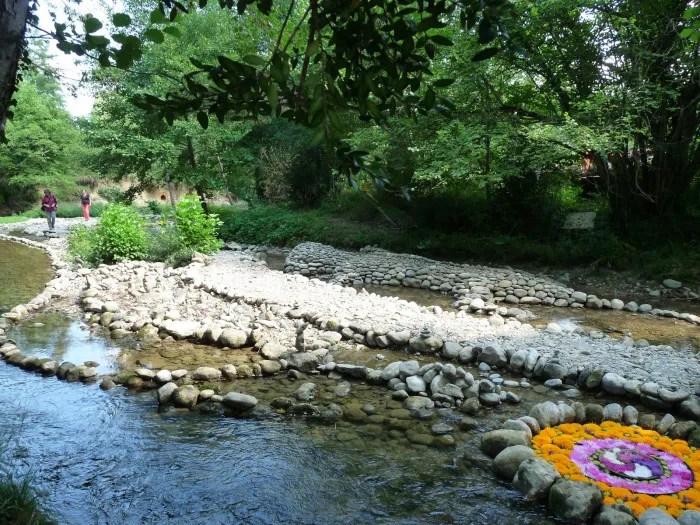
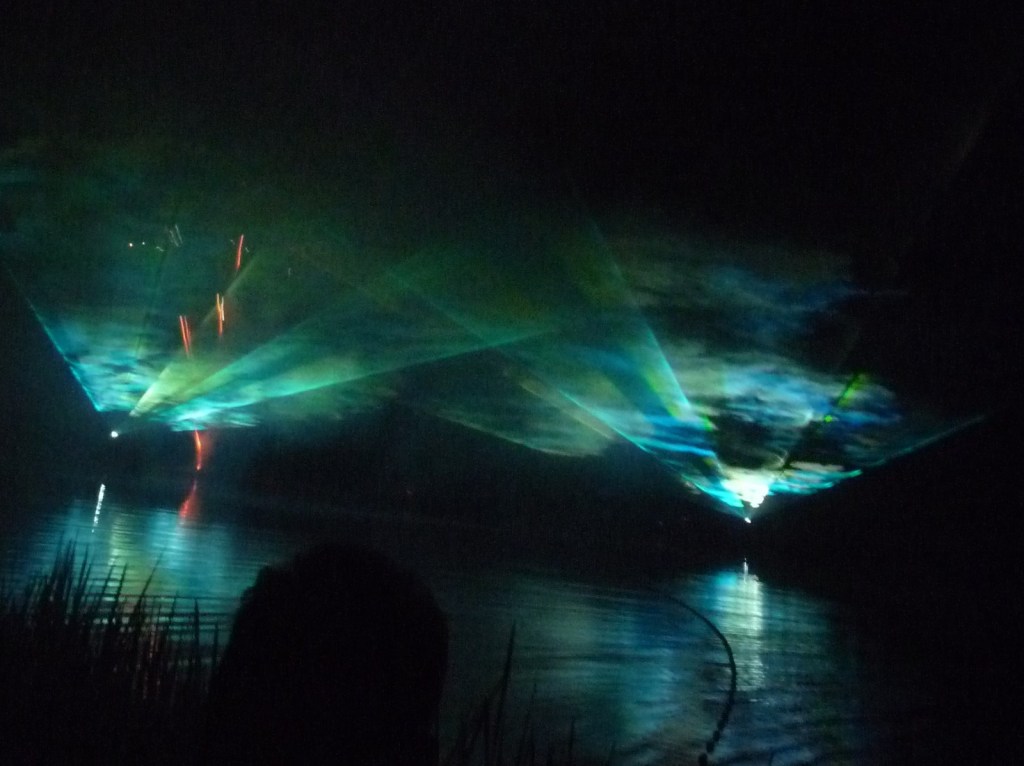
Then there was the annual firework display on the lake at Puivert, which took the concept of fireworks to a whole new level. It reduced the audience of 1000 or more, who’d all come with families, friends and the makings of a fine picnic to astonished silence as the spectacle ended, before simultaneously roaring their tumultuous appeciation of the astonishing creations set before our eyes.
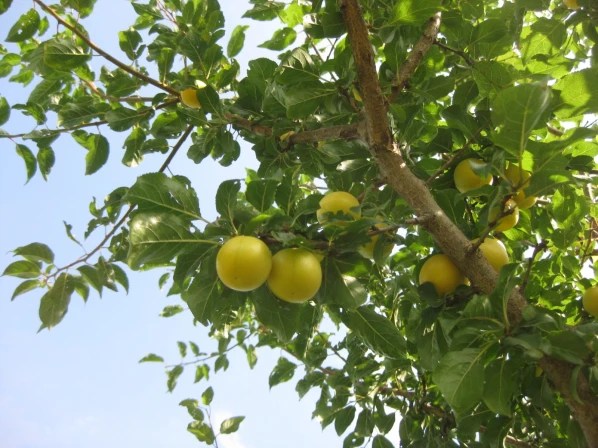
Our French friends taught us about ‘au cas où‘: the need to have with you at all times a bag or similar ‘just in case‘ you found walnuts, wild cherries, sweet chestnuts, mushrooms – all sorts of food-for-free for the thrify householder. I was au cas oùing only yesterday, finding crab apples, pears, apples, mirabelles all there for the taking, just as our French friends recommended.
I’ll stop there. The feelings of longing, of saudade are strong …

For Egidio’s Lens-Artists Challenge #365: Longing.
Give Us This Day Our Daily Bread & Voilà! Revisited

Here’s a post which I wrote fifteen years ago, when we lived in France. At the time, it pointed up the difference between bread-buying in England, where bread had too often become an industrial product, and the more home-spun approach we appreciated in our small French town. Now however, artisan bakers in England are two a penny. Their stuff is good, but when we want to frighten ourselves to death, we comment to eack other ‘What WOULD our mothers have said at handing over just shy of £5 for a loaf of bread?’ That’s was Malcolm’s dad’s entire weekly earnings. No wonder I’ve taken to making my own.

Give Us This Day Our Daily Bread

25th February 2010

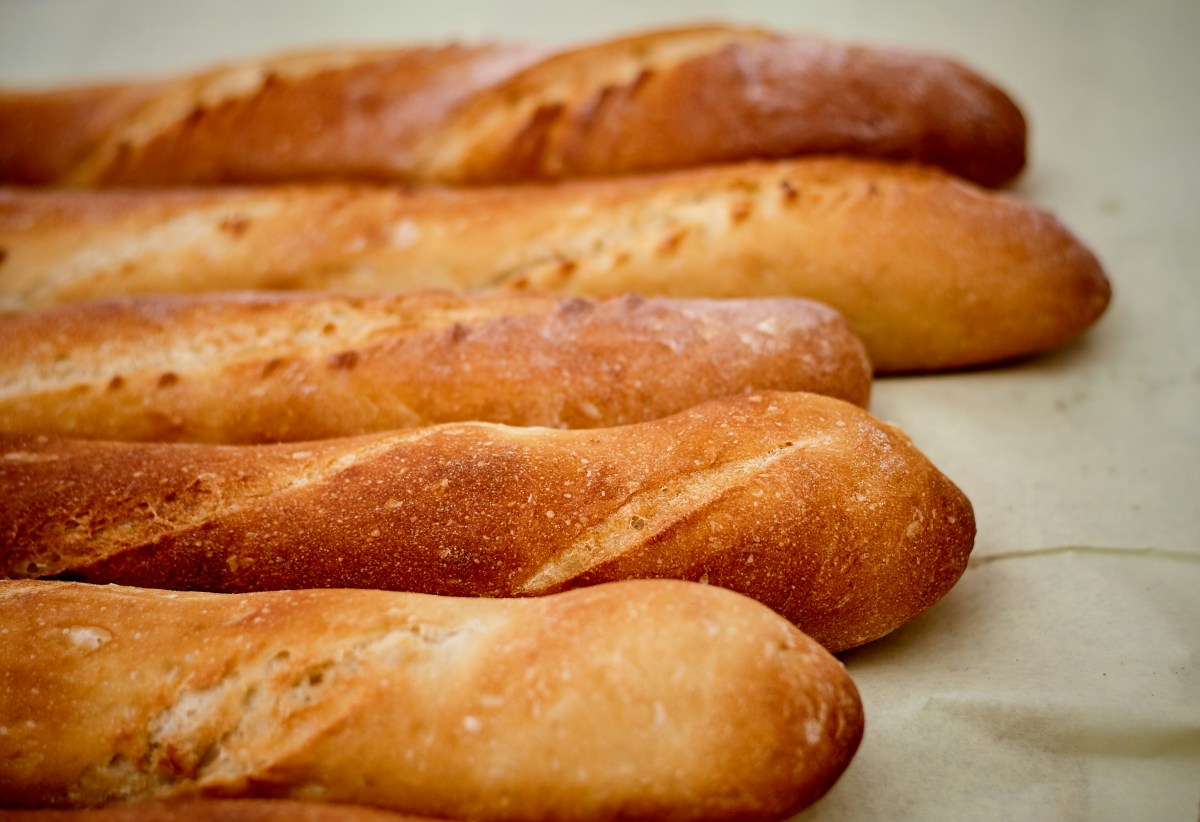
How could they?  I mean, what ARE they playing at?  All last week, and most of this, the baker’s shop down the road has been closed.  Instead of rising at 2.00 a.m. to get busy making baguettes, flutes, ficelles, baguettes a l’ancienne, flutes tradition, pain noir, chocolatines, croissants and so on and so on, our bakers have chosen to lie in till – ooh, 7 o’clock perhaps – and then spend the day catching up with their families – the children are on half term.

It’s a family business, our baker’s shop.  M & Mme Fonquernie owned it, and now, although officially they’ve retired, they help out all the time. M. Fonquernie is the one who drives his little white van round the local villages which have no shops, delivering bread. Their two sons have now taken over the day-to-day baking.  One is responsible for all those loaves, while the other specialises in patisserie.  Their wives divide the work of running the shop between them with Mme Fonquernie Senior’s help.
Mme. Fonquernie presides over the shop on most days.

So our morning routine has been disrupted.  First thing each day, one of us usually walks down the road to get our favourite pain noir, hot and crisp still from the oven.  The other day, the baker forgot the salt.  The bread wasn’t half so nice, but I rather liked this very human error.  It proved that our loaves are still ‘artisanale’, rather than being churned out by some computer-assisted machine.  There’s generally someone in the shop to chat to, or to walk back along the street with, and so neither of us looks on getting the bread in as a chore.

We’re lucky, I suppose, that there are three bakers in town.  Last week, we went to the shops at Castellanes to the baker there.  No pain noir at this shop, so we chose their unbleached white.  The small one’s a slender baguette shape – an Ariegeoise (female) – but buy the larger butch version, and you must ask for an Ariegeois (male).

But then what happened?  A notice appeared in the shop: from Sunday, they too would be closed for a holiday. So for a few days this week, we have to patronise shop number three. Everybody moans ‘C’est pain industriel ça’.  It’s true. It comes all the way from Lavelanet, from a bakery which has three shops.  That’s mass production, and it shows.  Roll on Thursday, when the Fonquernie family re-opens its shop doors.

And here’s a short scene from the baker’s about 18 months later, exposing the use of the most useful word there is in French …

Voilà!

7th September 2011

Here’s what happened at the baker’s this morning.  Translations appear in brackets.
Me: Oh!  Isn’t the pain bio ready yet?

Madame: Voilà! (Nope.  Quite right)

Me: So if I call in after 9, you’ll have some?  Could you please save me a loaf?

Madame:  Voilà! (Yes, and yes).  Would you like to pay now, then it’ll be all done and dusted?

Me:  Voilà! (Makes sense.  I’ll do that)

By the way, I was all grottily dressed in my oldest paint-spattered, holes-in-the-knee-ready-to-face-a-morning’s-tiling gear.  This is Laroque after all: no shame in working clothes here.

Madame:  You’re looking very chic today, if I may say so.

Me:  Voilà!  (And don’t I know it).

Why bother to learn more French?  Voilà donc!

Only the photo of Mme Fonquernie is my own. The rest come courtesy of Unsplash, and are (reading from top to bottom) by Sergio Artze; Wesual and Markus Spiske.

Little Donkey

Today, instead of a Monday Portrait, I offer you a Monday Anecdote, first told on November 26th, 2011. It dates back to the days when we lived in Laroque d’Olmes in the French Pyrenees.

Little Donkey: An Everyday Story of Country Folk

Every now and then, in among all the banns of marriage and planning notices on the information board at the town hall here in Laroque, there’s a poster about a stray dog that’s been found.  Not cats or hamsters. Just dogs.

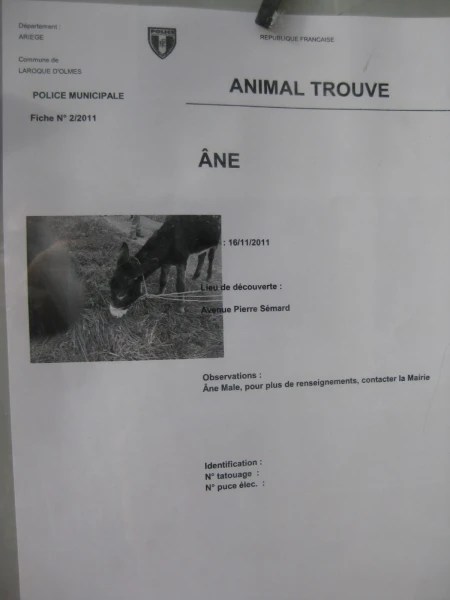
Last week, though, my eye was caught by this:

How does anyone lose a donkey?  And what do you do with it whilst you put out an appeal for the owner?  ‘Oh he’s fine’, said Thierry, our Community Copper, ‘We’ve put him to work in the office at the Mairie’.  I decided against saying the obvious, that he would be bound to be doing a far better job than the current Mayor.

It took a week for his owner to show up.  He – the donkey that is – had an exciting time.  First of all he was rounded up by the three blokes who first spotted him in the road just outside town, but who had no idea how to set about the job.  Then he was frisked for tattoos or identity chips.  None.  Next he was sent to stay with our friend Henri’s donkeys (Thierry was fibbing about the office work).  That had to stop when Henri’s female donkey got all excited at the new arrival and came on heat.  Then he went to stay with the vet’s partner.  He escaped.  Amateur detectives all over Laroque and Lavelanet tried to find out where he came from.  Eventually, after a week, his owner showed up, really rather cross.  ‘Why didn’t anyone think to get in touch with me?’

There we are.  That’s our excitement for November over.

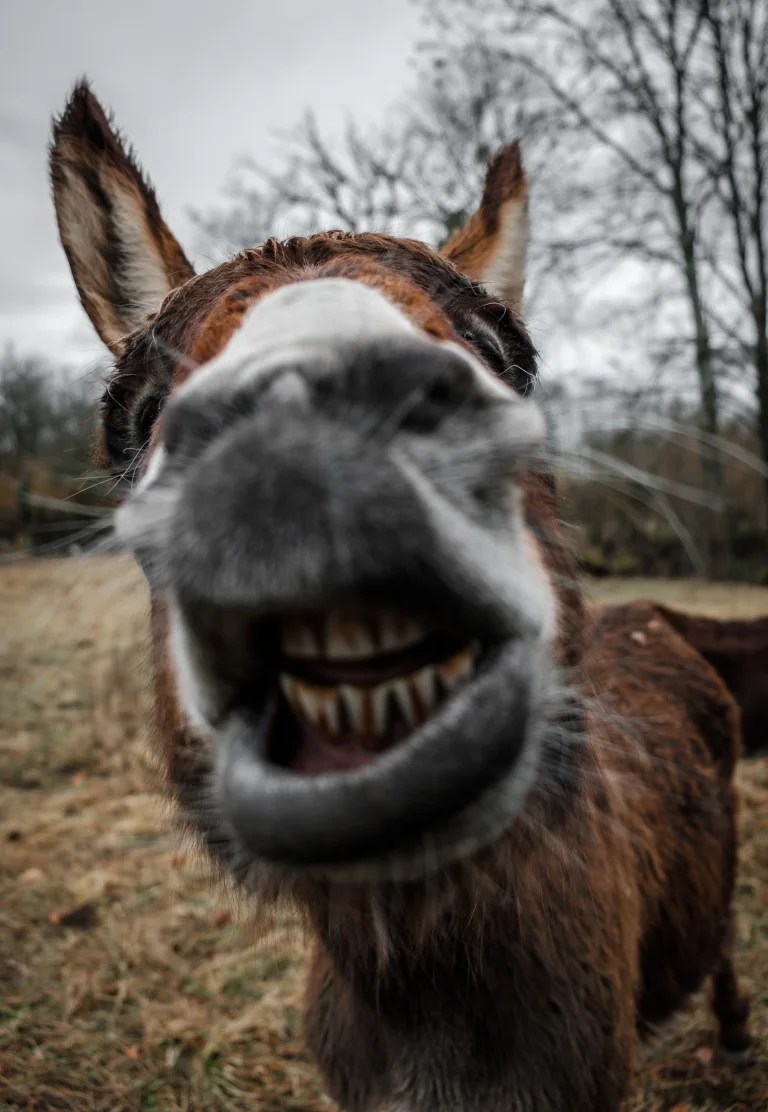
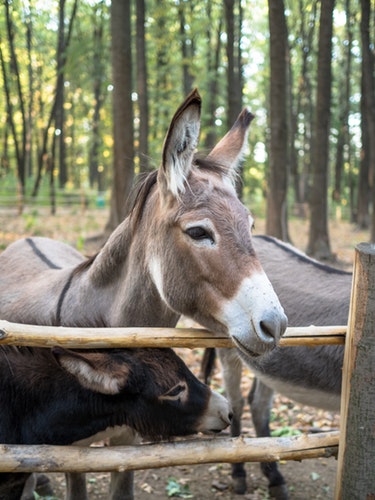
Unaccountably, I have no donkey photos. These are from Unsplash.

Down on the Farm: Revisited

It’s not been a great week, has it? The American election has come and gone, and anxious nail-biting has been replaced by the new reality. I’m going to distract myself by looking through an old blog post, first posted in November 2009 – gosh – 15 years ago, when I was a fairly new blogger, recording our day-to-day life in the French Pyrenees.

Down on the Farm

Well, I mentioned Patrimoine in my last post. Yesterday we had Our Farming Heritage, an event organised by Pays d’art et d’histoire des Pyrénées Cathares. 20 or so of us turned up at a nearby village, Troye d’Ariège, to have a look round a traditionally run sheep farm.

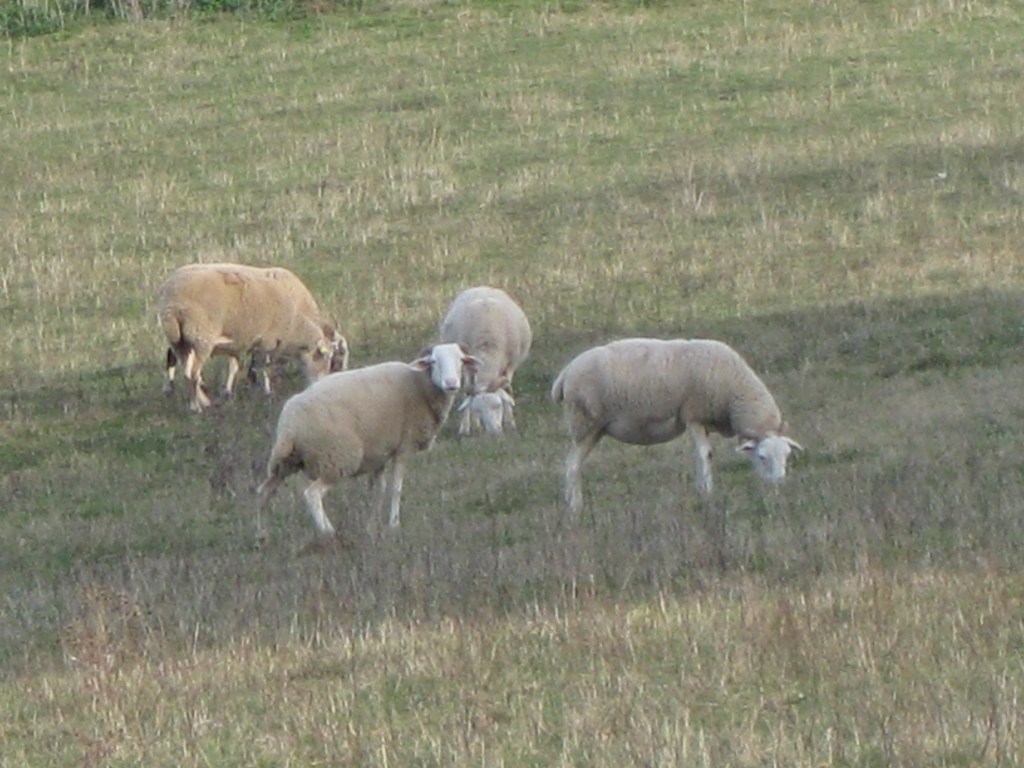
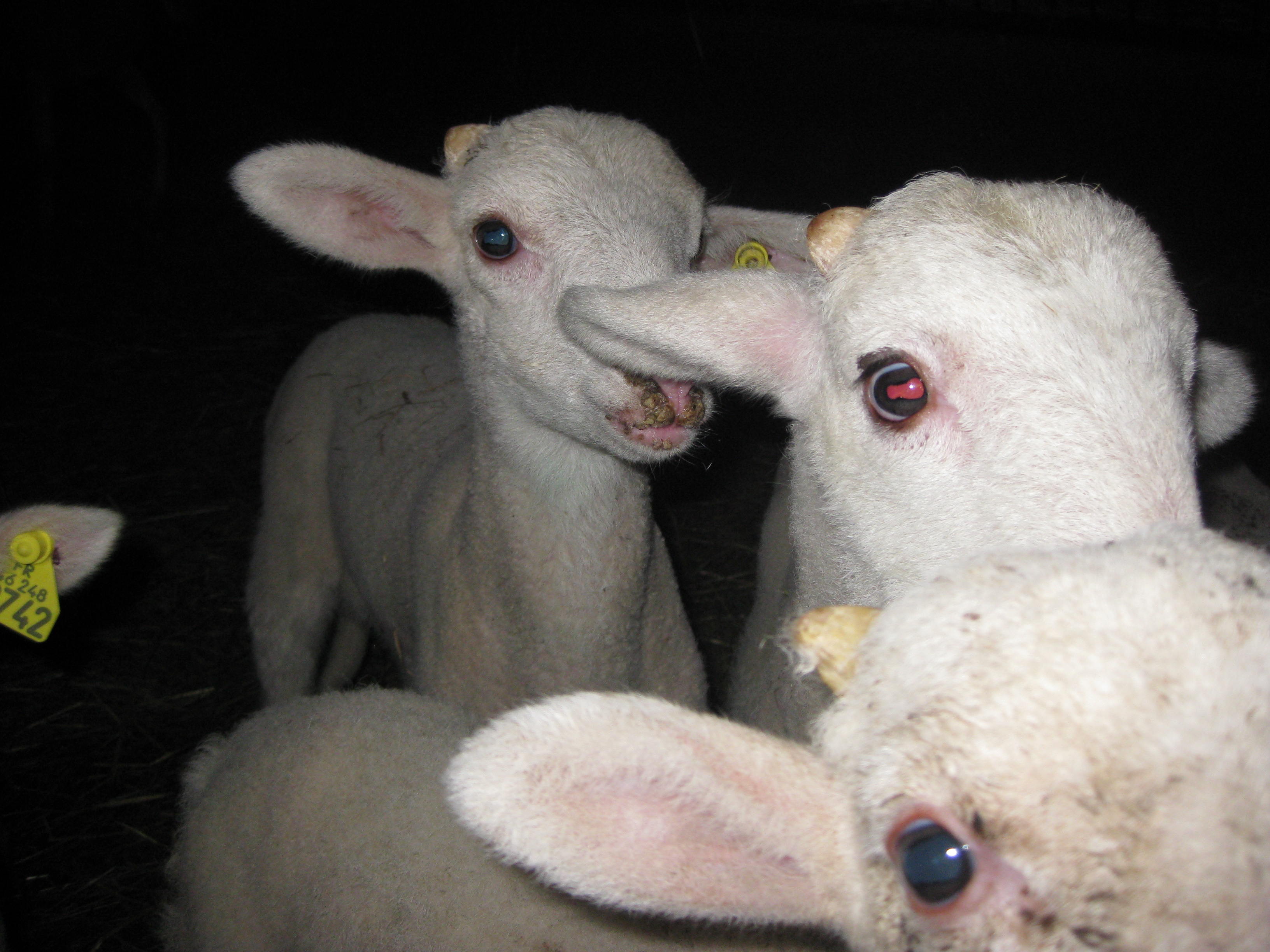
The event was immediately hi-jacked by an unscheduled event – the birth of a lamb. Out in a field, a mother sheep heaved herself up, plonked herself down, then up again, baahing loudly, until suddenly, quite suddenly, there was the front half of a lamb hanging out of her. A bit more wriggling and fussing, and there was the lamb, out on the grass, while the mother flopped beside it. A few minutes later, both were standing again. No shelter, no farmer in attendance – no need to worry apparently. These sheep are Tarasconnais, ‘The 2 CV of the sheep world’ said the farmer: rough and ready sheep who can turn their hooves to anything – wool production, milk and meat production, surviving on their own: molly-coddling is not required. They even get on with delivering their lambs regularly all the year round, somehow producing between them a steady crop of young, without human intervention.

Very pregnant sheep out in the fields.

Over to the lambing sheds then, where the mothers, having delivered, come inside for a while with their lambs. The noise! Dozens of lambs constantly baahing in their high-pitched tones, while the mothers hit more melodious lower notes. Hopeless to try to follow all that the farmer, Marcel, was telling us.

Supper time.

Marcel runs his farm of 800 sheep by himself, helped only by an apprentice (who has to go to College in among, of course) and occasional visits from a retired farm hand. He grows their feed – hay, beets & maize, keeps the animals fed and watered, dips them against insects monthly, de-parasites them every 3 months, regularly cuts 800 sets of hooves (he’s devised various metal narrow bus-shelter-style contraptions to make it easier to queue the animals up take their turns for these various procedures). He’s not organic, but many of his practices are, and he certainly usually chooses, for example, organic treatments if his beasts fall ill, believing them to be better.

View from the ‘treatment shed’.

Every summer, about 400 of his sheep go off to the mountains with a shepherd, following the ancient tradition of transhumance. The old, the young and the weak remain behind.

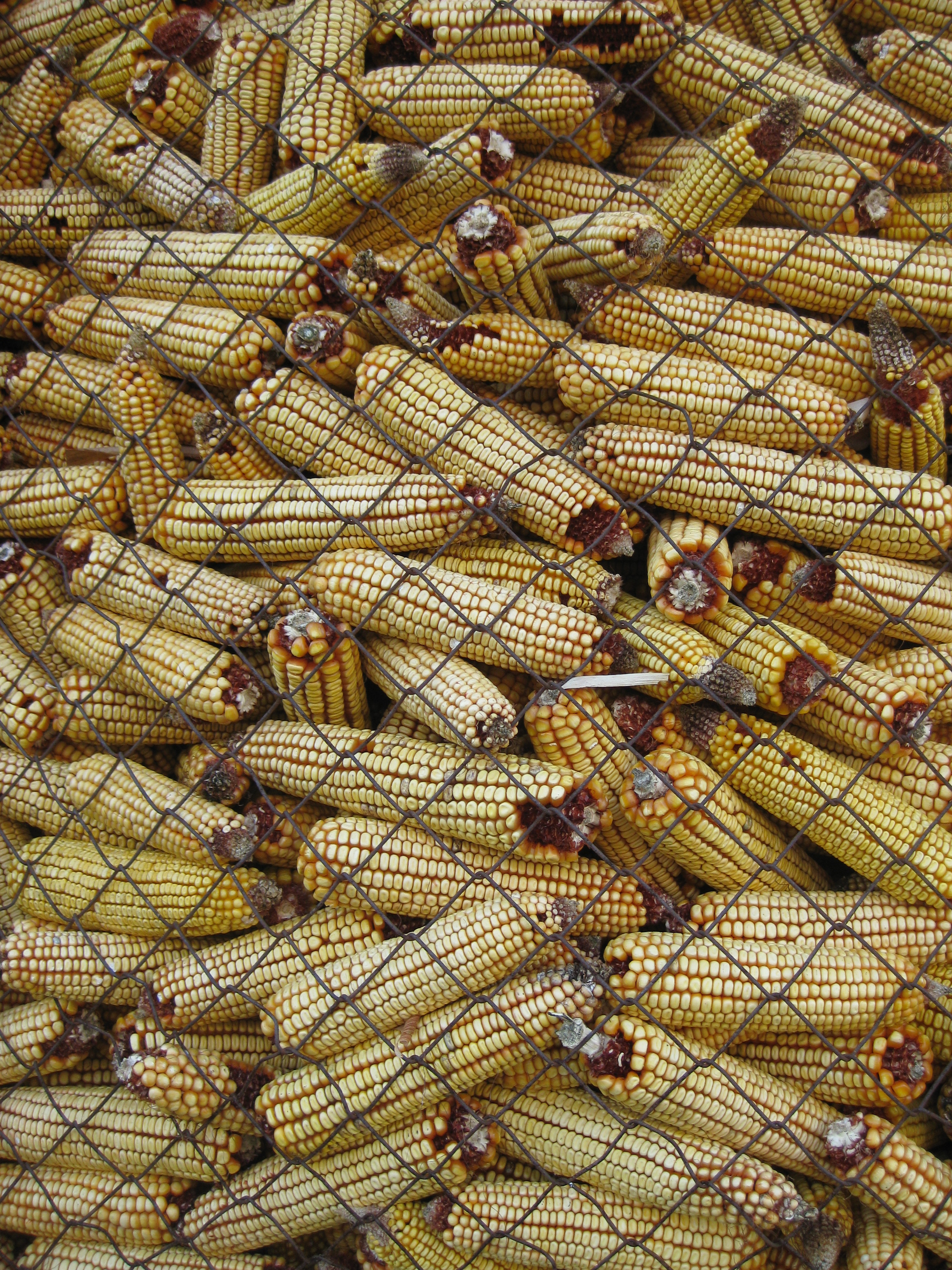
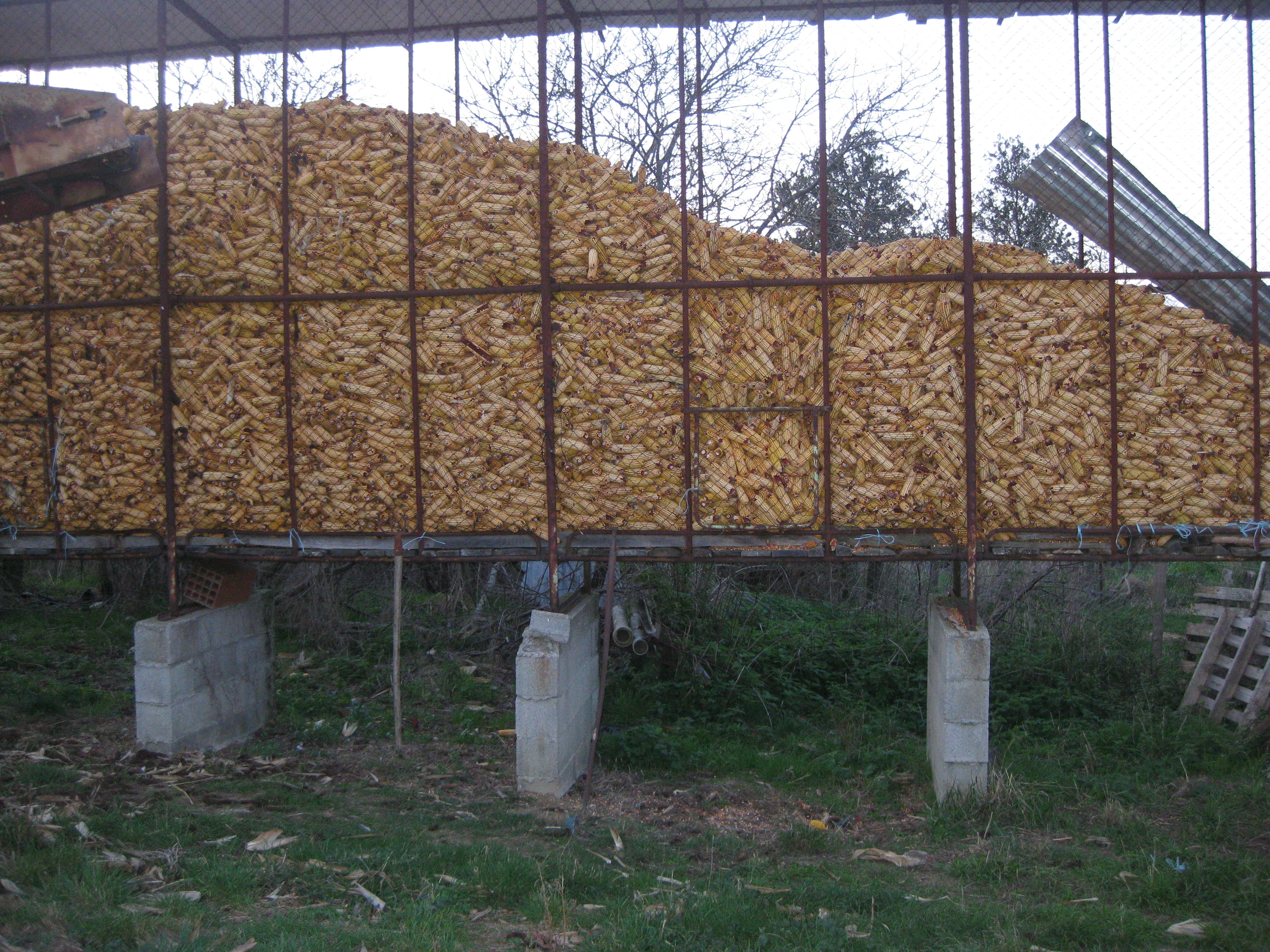
This maize is a winter treat. And here’s the cage where it is dried and stored.

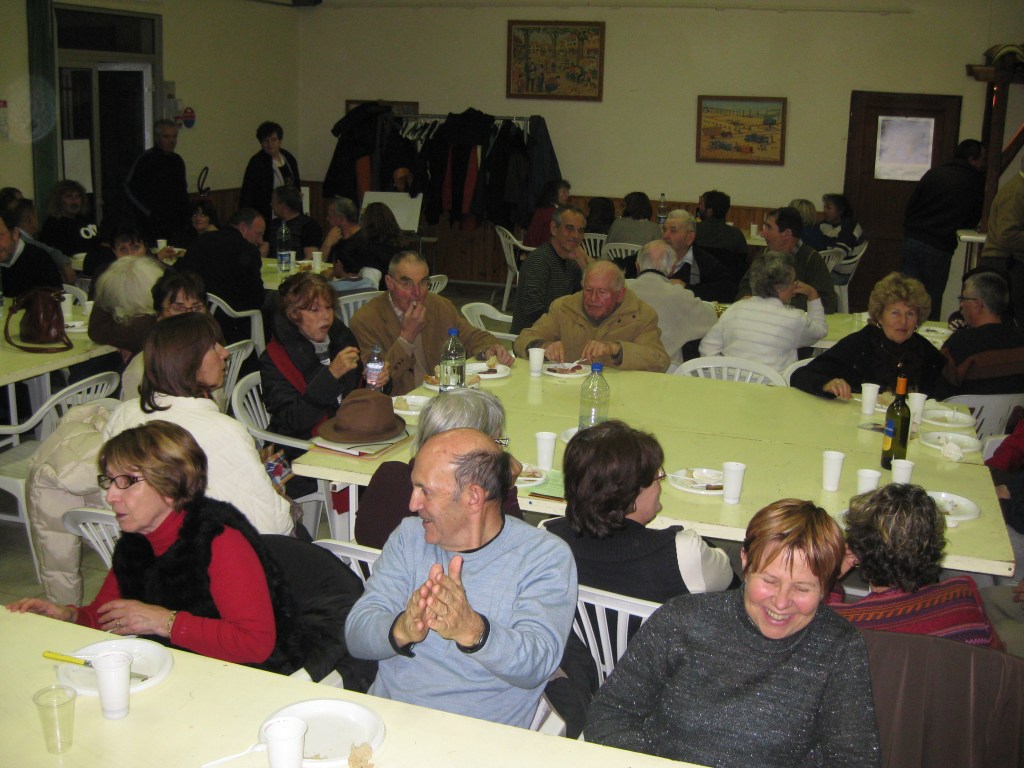
As the sun went down, it got colder and colder. Time for the next part of the evening, an Apéritif dinatoire. What this meant was that everyone from the farm walk and most of the village inhabitants got together to choose and share plates of local sausage, hams, pâtés, cheeses, bread, wine, apple croustades and fruit, mainly sourced from no more than 10 miles away.

Apéritif dinatoire over, time to clear the tables.

The atmosphere got merrier and merrier, and yet, come half past eight, the tables were cleared, and we all sat down for a lecture (this is Saturday evening we’re talking about…..). Eric Fabre, a university lecturer specialising in the farming history of our area painted a picture of 19th century life in which most people farmed tiny patches of land: only the Church and a very few landowners had substantial holdings. People grew what they and their few animals needed, and the sheep they had were valued for the manure they produced, and secondly for their wool. The meat got eaten, of course, but it only became a marketable product following urbanisation, when town based workers no longer had land of their own. The farmers listening to all this were even more interested then we were, and question time was lively. But it was late and we were tired, and in the end, we were glad to go. 11 o’clock seems well past bedtime when you’ve had a day down on the farm.

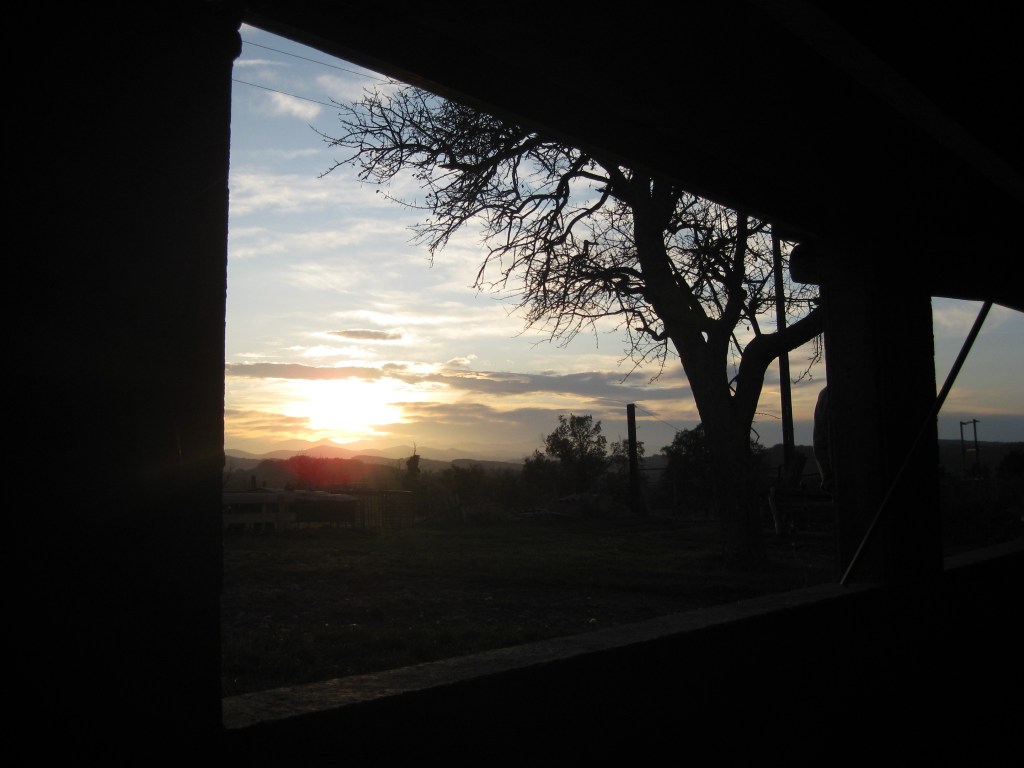
Sunset over Marcel’s farm,

A Preposterous Poem: Péreille

What did I let myself in for? Rebecca, of Fake Flamenco fame, sets a monthly poetry challenge. Here’s what she’s decided on this month: ‘For October, we will each create a poem about a place we love. Write a poem in free verse (unrhyming) of fewer than 50 words about a favorite location.’ Rebecca’s own poem uses only words beginning with ‘s’. I had to join in.

I knew I wanted to write something about our years in France, when we lived in a small town in the foothills of the Pyrenees (hence the name of my blog). Our own town’s name is a bit cumbersome for the purpose – Laroque d’Olmes. So I chose a hamlet nearby, a bit higher up the mountains than us, simply because it begins with a P. Don’t ask me why P seemed a good idea. You can decide when you’ve read my offering.
Péreille
Picturesque Péreille -
prettily placed.
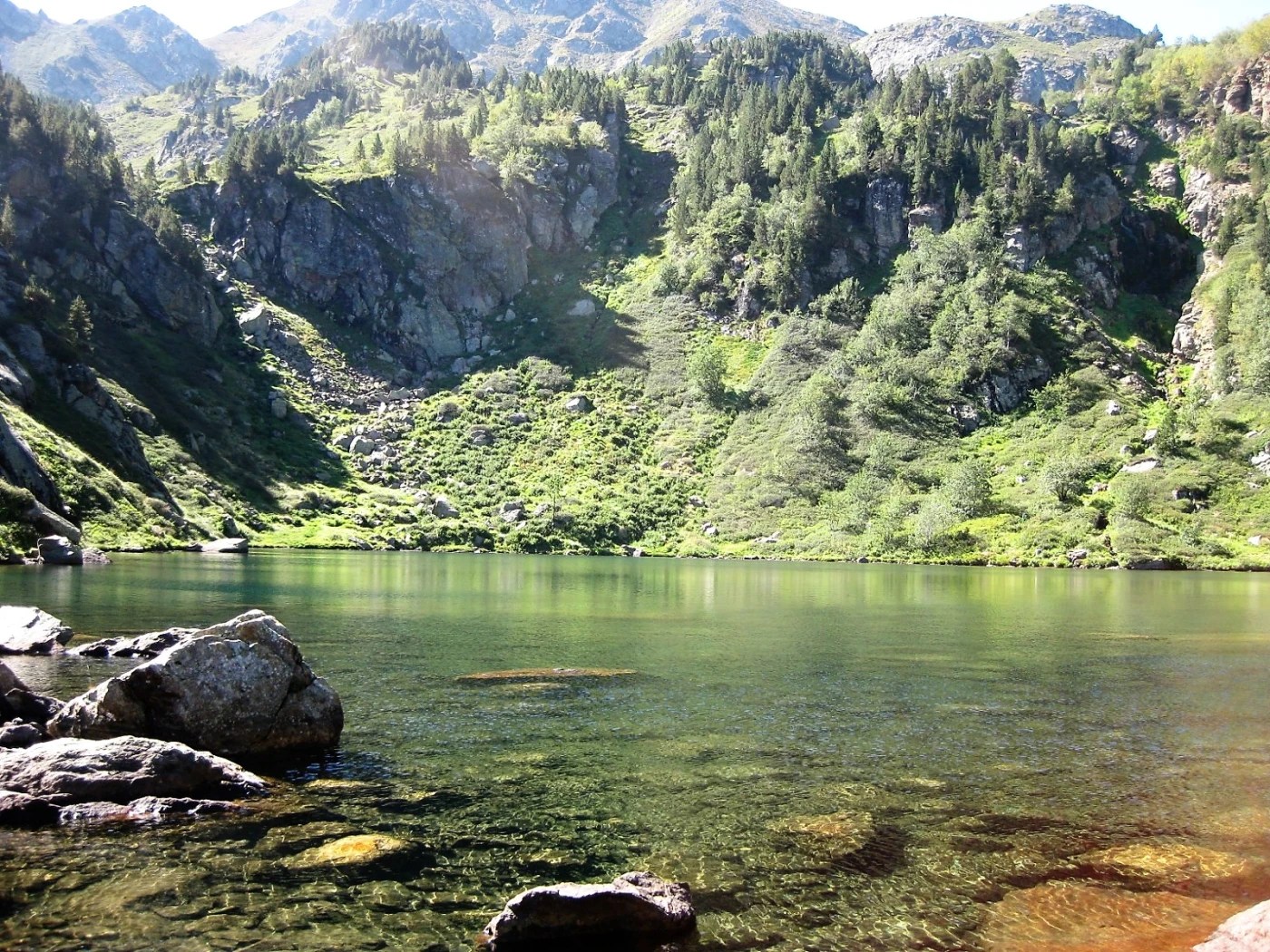
Population? Puny.
Previously peopled by productive peasants -
potatoes, peas, poultry, a pig, pastureland….

Presently preferred by Parisian pleasure-seekers.
Pourquoi pas?
Pastoral, perfectly peaceful Péreille:
proximate prominent peaks -
a Pyrenean playground.
Plateaux, peaks & pinnacles!

Le Jardin Extraordinaire Revisited, Eleven Years Later…

This week’s Lens-Artists Challenge from Ann-Christine asks us to focus on gardens. We’re out and about travelling, so new posts are beyond me. But at this time of year, I always remember the annual garden extravaganza that took place a few miles away from where we lived in France: Le Jardin Extraordinaire. Here’s why …

100s of Books, 1000s of Books Revisited …

Here’s a post I wrote at the very end of February 2014, shortly before we moved from France back to England….

Hundreds of Books, Thousands of Books …

Facing the task of packing and moving our library, I was reminded of that wonderful book I used to read with my children, Wanda Gag’s ‘Millions of cats’.

‘Hundreds of cats books, thousands of cats books and millions and billions and trillions of cats books’.

Oddly, I no longer have the book, though I hope one of the offspring has. ‘Oddly’, because I seem to have most of the others that have accompanied me through life.  Both of us is incapable of downsizing when it comes to books.  Till now.

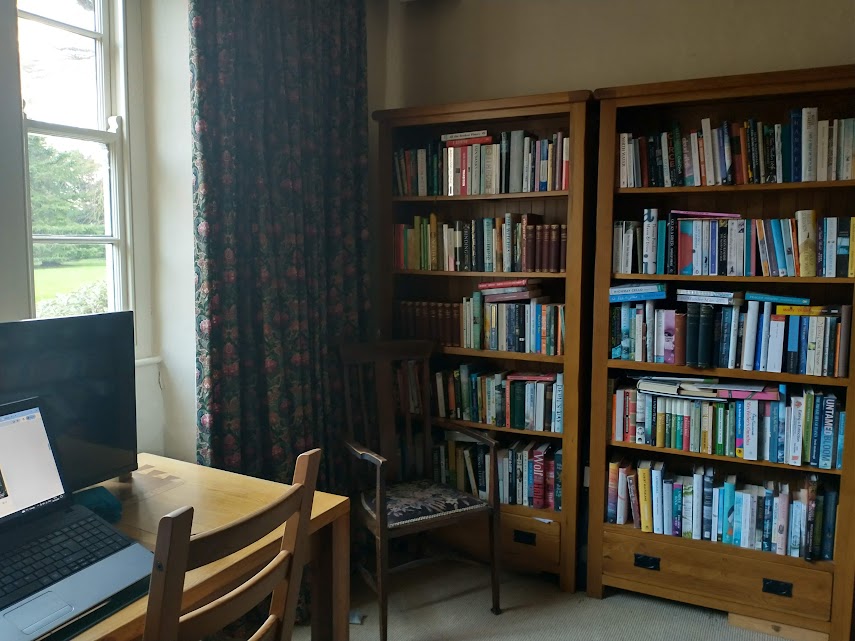
We realised that much of what we own has remained unopened since the day it arrived in France and probably for some years before that: our days of writing essays about mediaeval history are long gone. We realised something had to change.  Jettisoning them was unthinkable.  And where in France could we re-home so many books in English?

By chance, I was browsing on the web one day, and realised that many of these old faithfuls have a value.  They could be sold.  So that’s what we’ve decided to do.  But it’s really not about the money.  It’s about knowing that these books will end up with someone who has chosen them and wants them, rather than in some charity shop where, as we know from experience, some would simply moulder or even be thrown before reaching the shelves, even though many would be snapped up.

So…… we now have three kinds of book.  The central core: books we can’t think of doing without – mainly reference books and other much-used non-fiction, with some of our best-loved fiction.  The second kind, the saleable ones, are now boxed up to send to England.  And the last, and smallest group: the ones we’ve decided to do without, and which have little apparent value.  We’ve opened doors to all-comers who want to browse, and we’ve probably re-homed about half.  There are still some 450 still remaining.  They’re heading to Amnesty International in nearby Castelnaudary, who raise funds by selling to both English and French customers.  We know how excited we get when we get the chance to browse a new collection of English books, so we hope they’ll be a good money-raiser for them. (Addendum, 2024. When they were collected, by a woman with her two teenagers, she filled her boot, the empty seats, and even slotted books in and about her passengers’ bodies. They finally drove off, the back axle nearly grinding the road beneath)

Come and look at some of our books – rejected and selected.

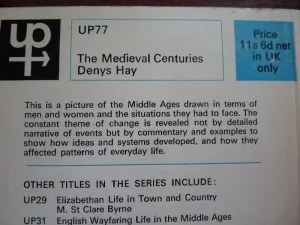
You can tell how long I’ve had this one: it was priced in pre-decimal days, before 1972, so even many British readers may have difficulty in deducing that this scholarly work of non-fiction cost me….. 57 ½ p.

A history book that’s now history

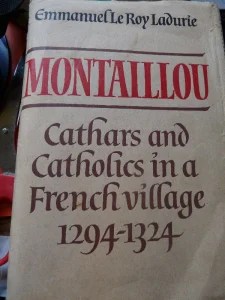
This book was given to me as a leaving present from work back in the mid ’70s.  It was a good read then, but even more so now as a history of the area we now live in.

A modern classic describing thirty years of the history of our own little corner of France.

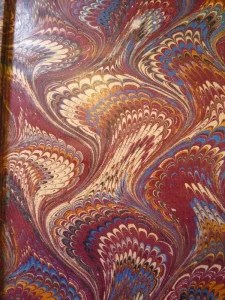
This book belonged to my grandfather, a man who died long before I was born. Beautiful marbled end papers such as this often came as standard in the 19th century.

Handsome endpapers

And finally, a book which though incomplete, is a real piece of history.  It includes handwritten recipes for making ink, polish, peppermint cordial, stove-blacking.  Here’s how to keep your brass and copperware in tip-top condition.

Handy housewife tips from another age.

It includes just one newspaper cutting.  By snooping around on the net and looking for this particular  (and unsuccessful) cure for cholera, I surmise it comes from the 1820s.

Cholera cure: a suggestion.

Surely even the most die-hard minimalist will forgive me for keeping this book firmly among the family treasures?

And now the books are packed.  Every single one – apart from a few bedtime stories for the next three weeks.  One room done, seven to go.

All gone …

And back in England, we realised we really did have to continue the downsizing. It took weeks and weeks. Some we sold, but most went to Oxfam books, and we still regularly get updates telling us how many have been sold and how much they’ve raised. The featured photo shows that we are running out of space again …

Some Favourite Photos

This week, for the Lens Artists Challenge, Tina invites us to show off ten of our all-time favourite photos. Not only must we explain why we like them, but they have to be technically top-hole too. I can’t do it. When an image is freighted with memories, whether happy or exciting or astonishing, unpicking these from technical considerations is something this snap-shot-ist can’t do. I shall be disqualified. I can live with that.

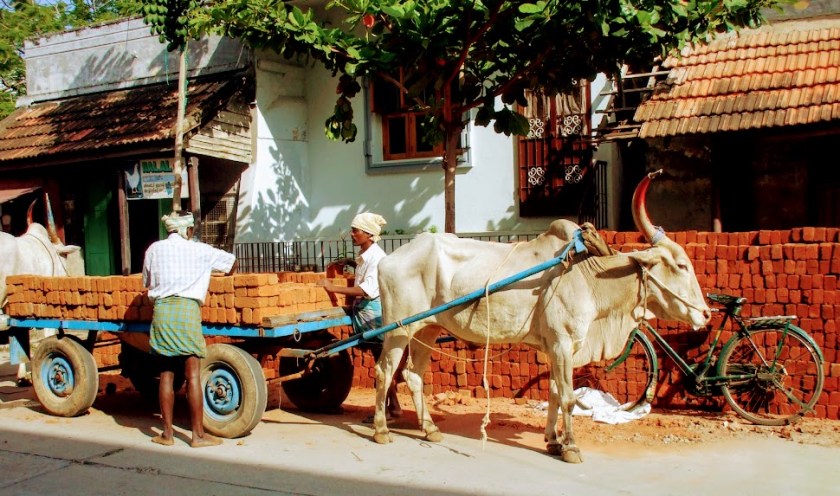
I first ‘needed’ a camera when I had the chance to spend a month travelling in India in 2007. I was even more point-and-shoot than I am now. Here’s just one memory, taken from my hotel window in the French quarter of Pondicherry (as it was then called), Builders, both men and women, unstacking their consignment of bricks to begin their day’s work at 6.00 a.m. Some of my best memories come from staring out of that window: such as the women who cleaned the streets at night, sitting right in the middle of the road at 2.00 a.m. cheerfully chattering during their break.

Delivery from the Builder’s Yard

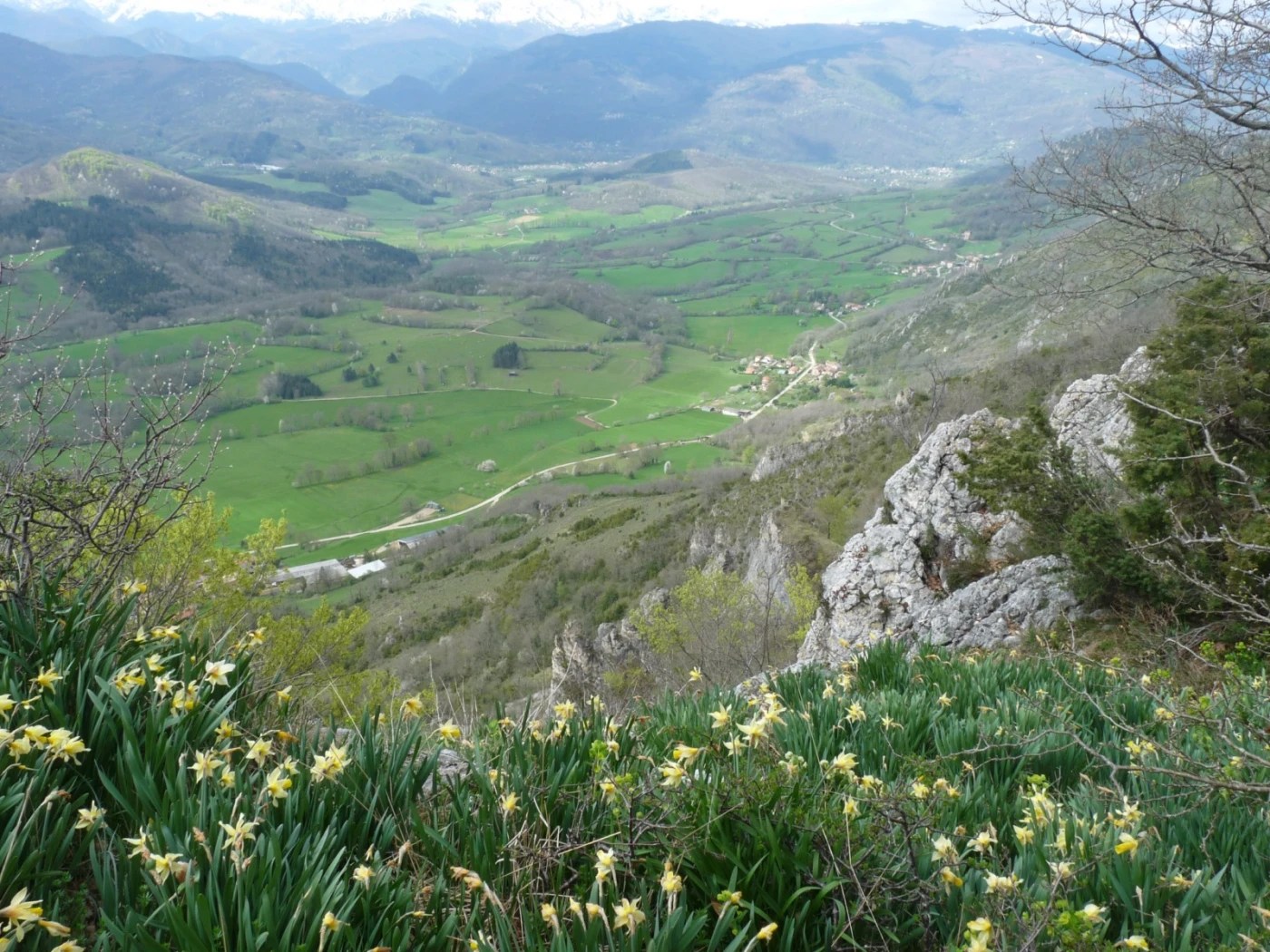
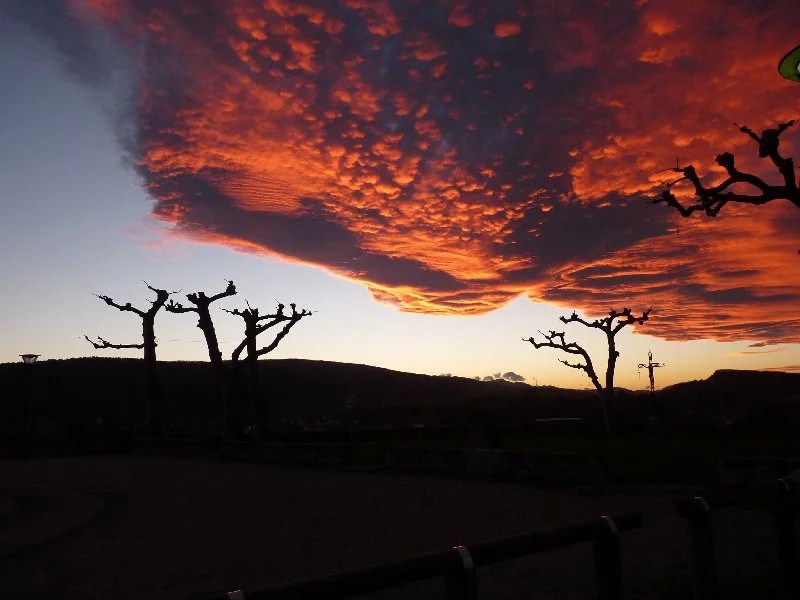
By then, we were already living in France. How to pick just a few shots from that period? Let’s have a go. I’ll choose pale and delicate wild daffodils in the mountains just outside Foix, in such profusion it was almost impossible to avoid treading on them. I’ll choose pristine snow, many feet deep, just waiting for a Sunday snow-shoeing outing. The only sound was the snow itself, squeaking softly as we trod it down with our raquettes. I’ll choose a dramatic , never-repeated sunset which glowered over our small town one spring evening.

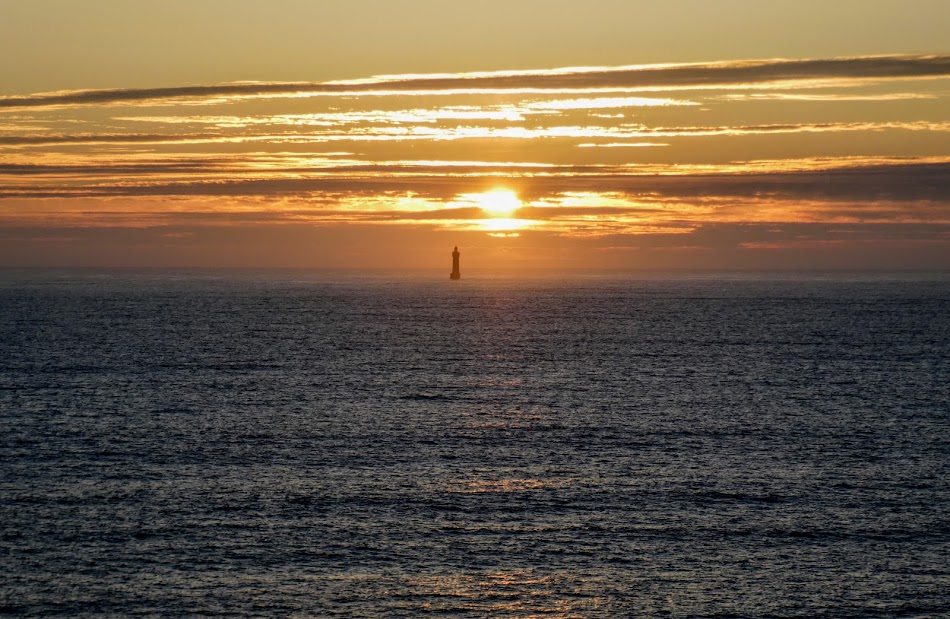
And sea-voyages. We’ve had a lot of those – back and forth to France when we lived there and came back here often to see family. Nowadays it’s because we need to get to Spain where my daughter and her family live. There’s often a dramatic skyscape.

Sunset near Santander

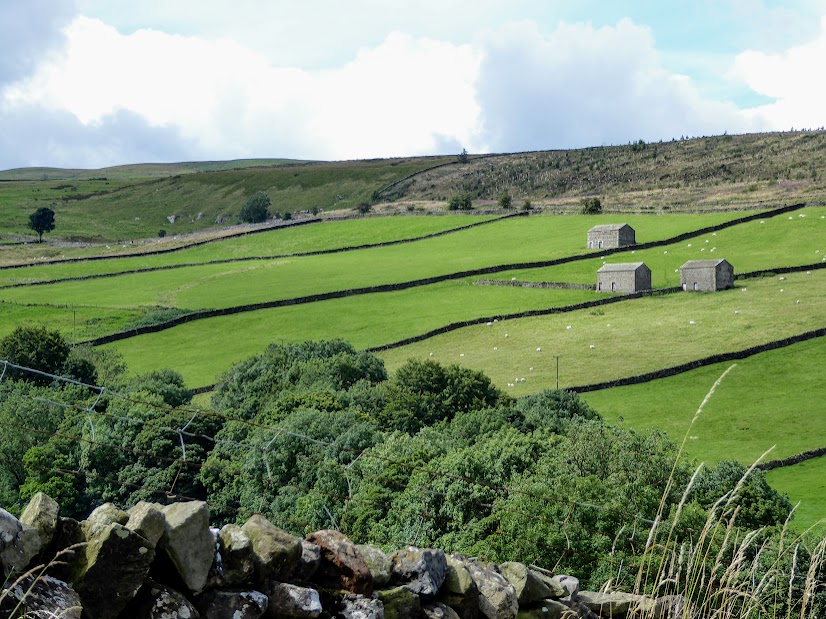
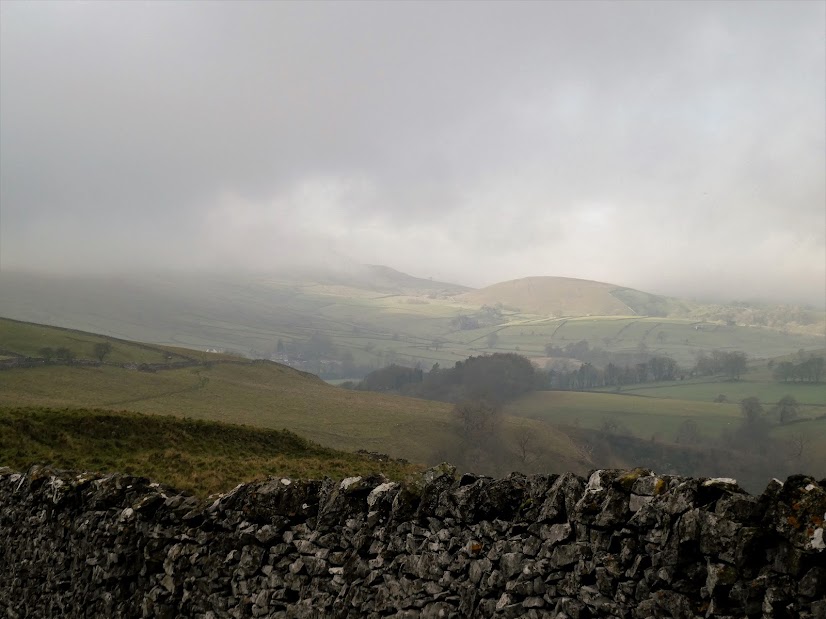
And now North Yorkshire’s home, with its stone-walled Dales, its meadows and hills, its autumn fogs.

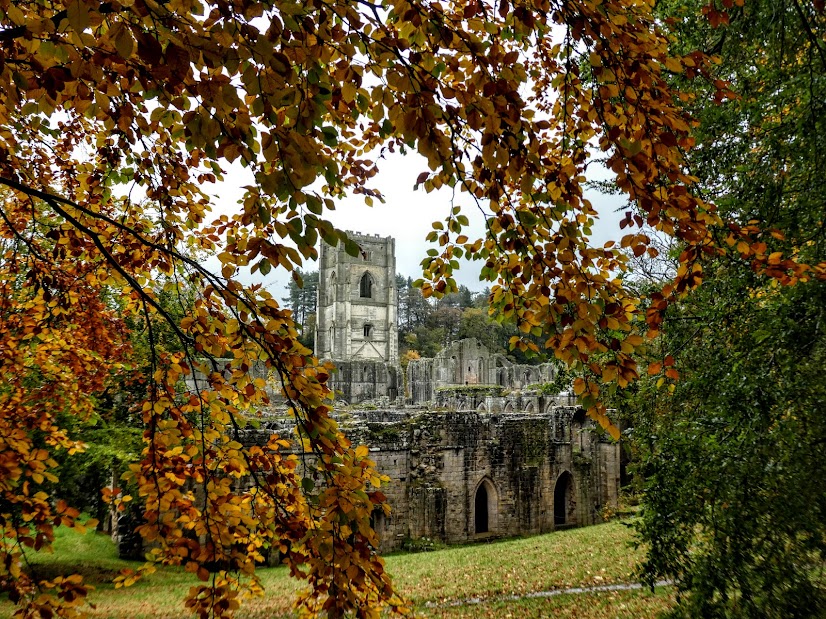
And then there’s Fountains Abbey, where I spend so much time volunteering. Can’t leave that out. We’re just coming into autumn, which may be my favourite season there. So the Abbey in Autumn in my featured photo.

So these are my choices today. Yesterday I might have chosen differently. Tomorrow I’d choose other shots.

PS. Can anybody tell me why WP is no longer always allowing me to centre my photos? Or – now that WP have made it impossible to comment directly onto a post, how to comment on a post that’s more than a couple of days old, such as Tina’s one about this challenge, and which is no longer reachable on the Reader?

Recharging and Renewal

What do you need to do to recharge your batteries? That’s the question posed by Egidio, in this week’s Lens-Artists Challenge. And my answer is the same as his: I need to get out, to surround myself with the natural world.

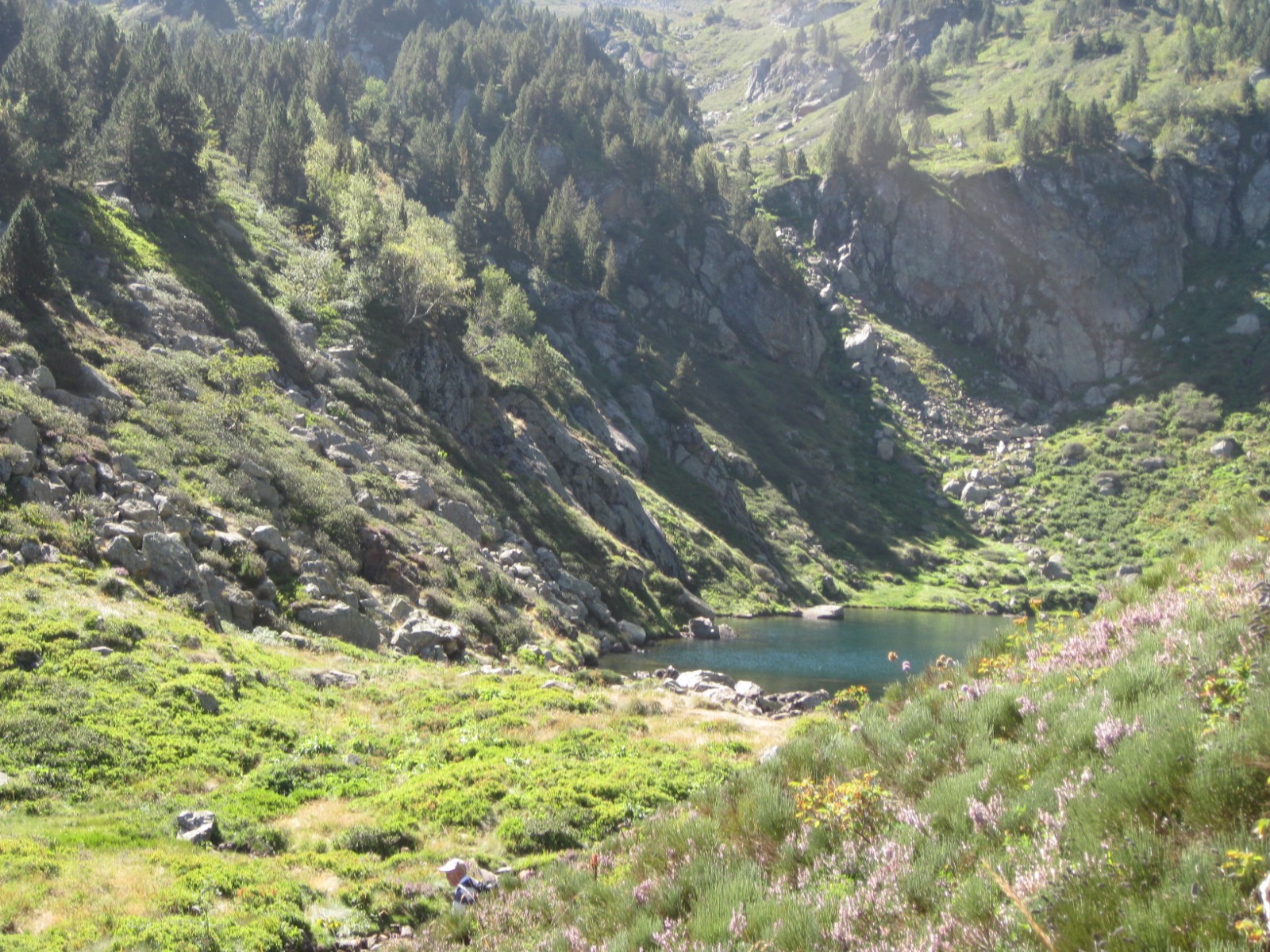
Living in France, in the foothills of the Pyrenees, the mountains grounded me in many ways. The sheer scale of them put me in my place – in a good way: reminding me how little my own concerns counted in the great scheme of things. Here’s a quiet scene from a lakeside high up the slopes not too far from our house.

Or these, from le Cap du Carmil …

There, lakes provided the solace that being near water often provides. Back in the UK, it’s the sea.

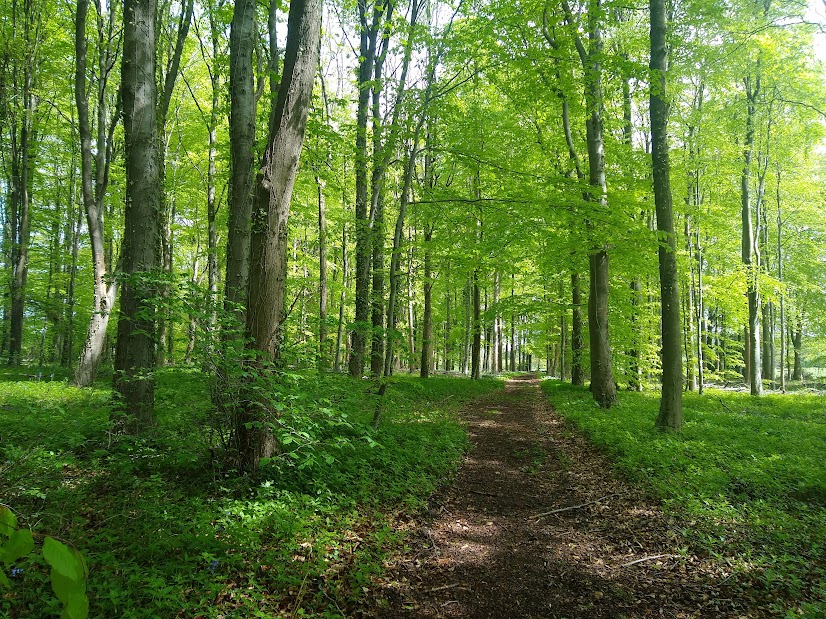
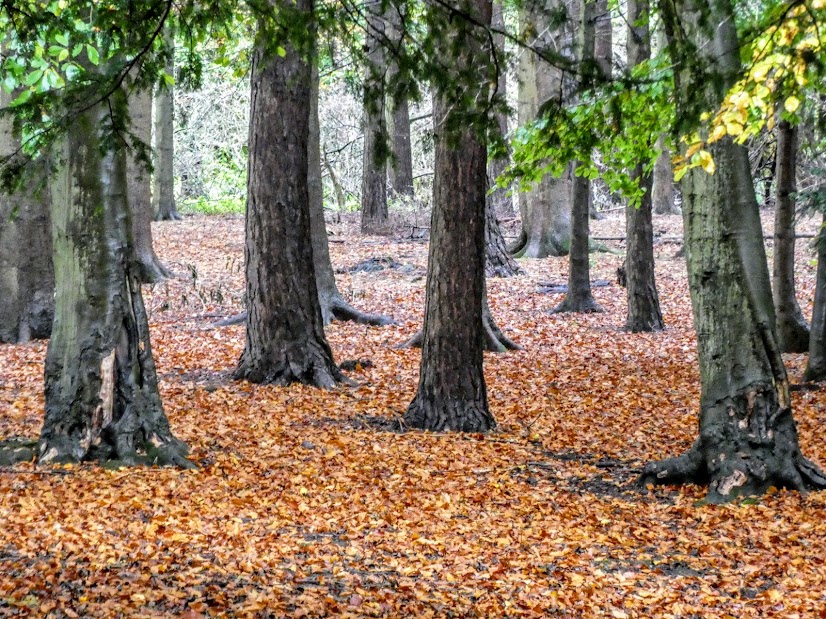
For the everyday recharge, it’s greenery, plain and simple. Local woodlands.

…or just a little bit more distant – Coverdale.

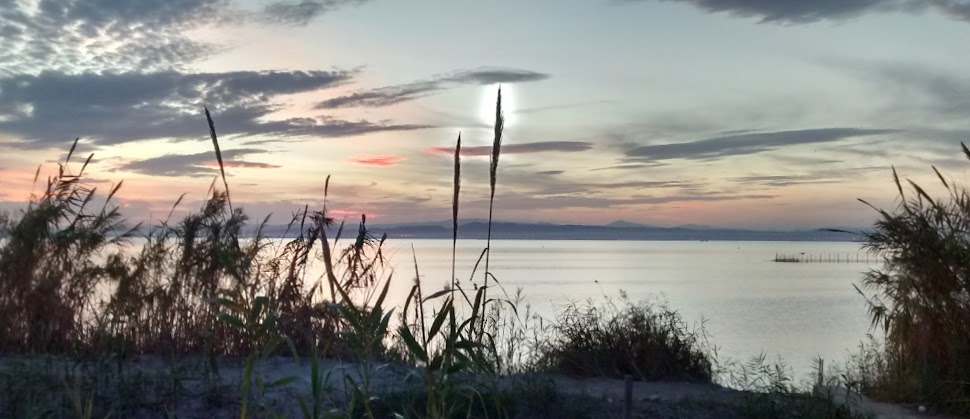
There’s just one place I need to mention though: one I’ve talked about before, more than once. A special afternoon and evening in l’Albufera, just beyond Valencia, where there is nothing but the lagoon, the sky, and wildlife … and peace. That’s my featured photo, and my best recharge ever.

Further Adventures of Major General Algernon Gove

Poor Algernon (if I may be so familiar). I abandoned my Major General last month as he planned further destinations in a trip to invigorate him in his old age. He’s my stooge as I attempt to complete Paula’s Pick a Word Challenge. The five words Paula offers us are intended to be a stimulus to us to choose five appropriate photos: I decided a bit of verbal silliness would add a little extra difficulty. Not ‘alf. These are Paula’s chosen words: distinctive; floating; fortified; playful and saddle. Make something of that, Major General!

In case you’re not familiar with him, this is how his saga began …

A retired Major General from Hove
with the moniker Algernon Gove
said ‘Before life unravels
I must finish my travels.’
And forthwith he made plans to rove.

But it gets worse …

His next plan was to go pony-trekking.
He booked something in Wales without checking.
It might be quite a chore ?
He could get saddle-sore?
Oh dear no - there’s a plan that needs wrecking.

Our old chap nursed a long-term ambition
to explore sites with years of tradition.
A castle, he voted,
fortified, or deep-moated.
He’d find one - he'd make that his mission.

Perhaps all his plans were restrictive?
He should aim now for something distinctive.
Something playful and fun.
‘Cos when all’s said and done
to enjoy life should just be instinctive.

He knew he’d no taste for long trips
that took him o’er oceans in ships.
But he’d go in a boat
floating nowhere remote -
while enjoying some fresh fish and chips.
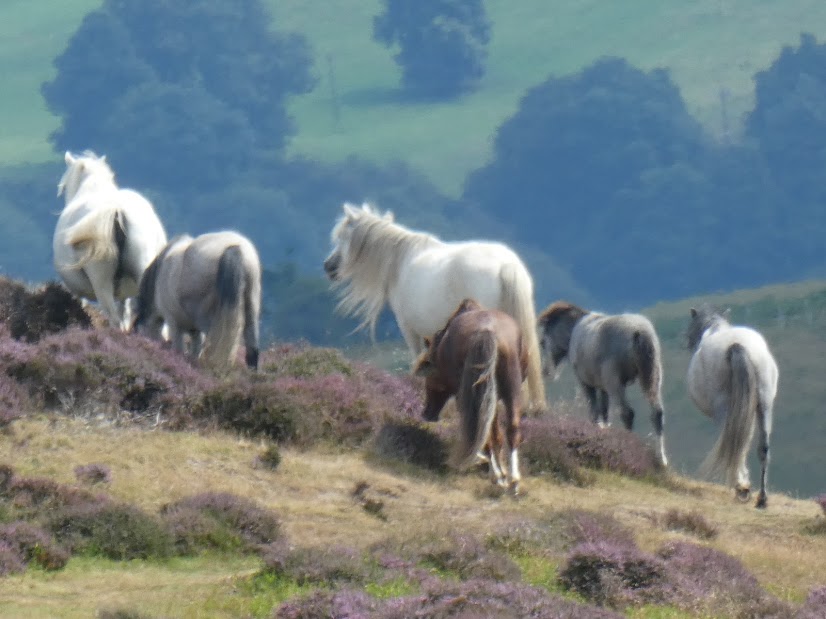
When the Major General saw frisky ponies like these, he knew he’d never be able to stay in the saddle.
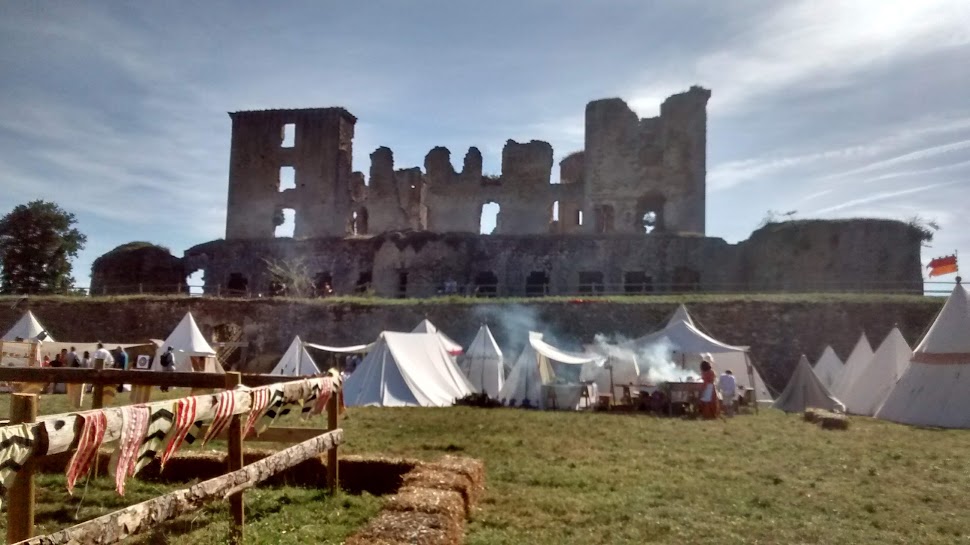
He started off at Dunstanburgh Castle in Northumberland. Not very adventurous. So he went to the Château de Lagarde in the Ariège, France, shown in the featured photo, and then…
… Sagunt, near Valencia.

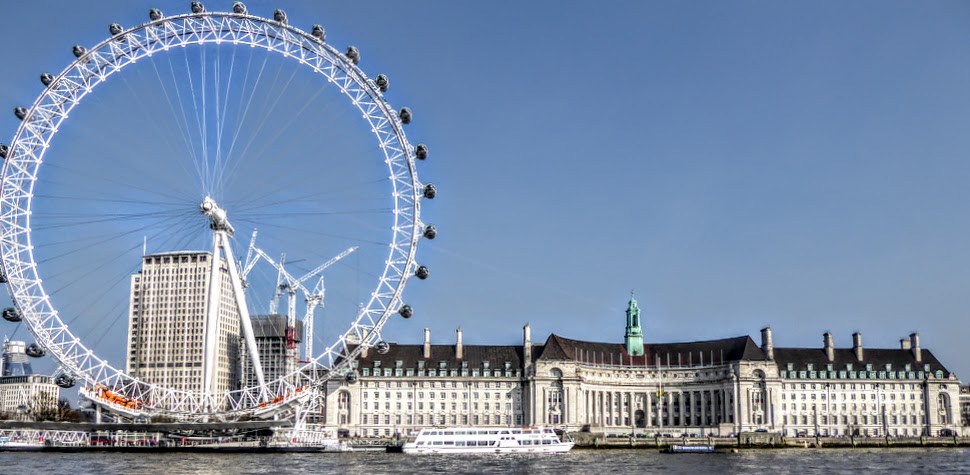
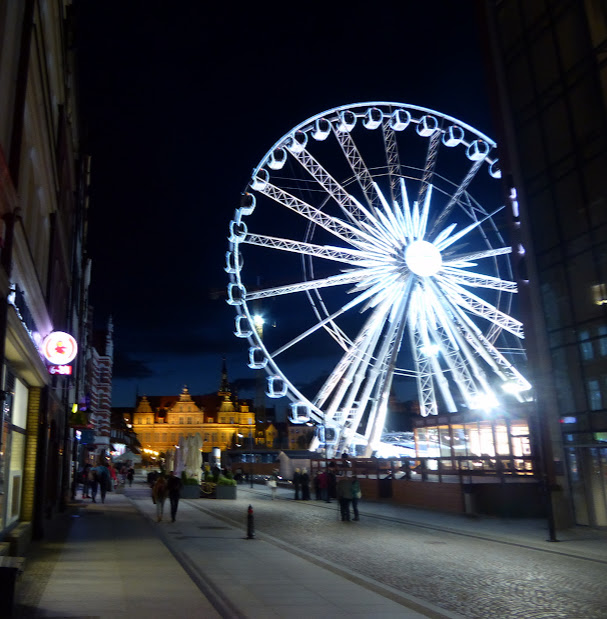
You can have a playful time on London’s South Bank, and at the London Eye. But it’s more distinctive to discover pastures new – at the evening fair in Gdansk, perhaps.

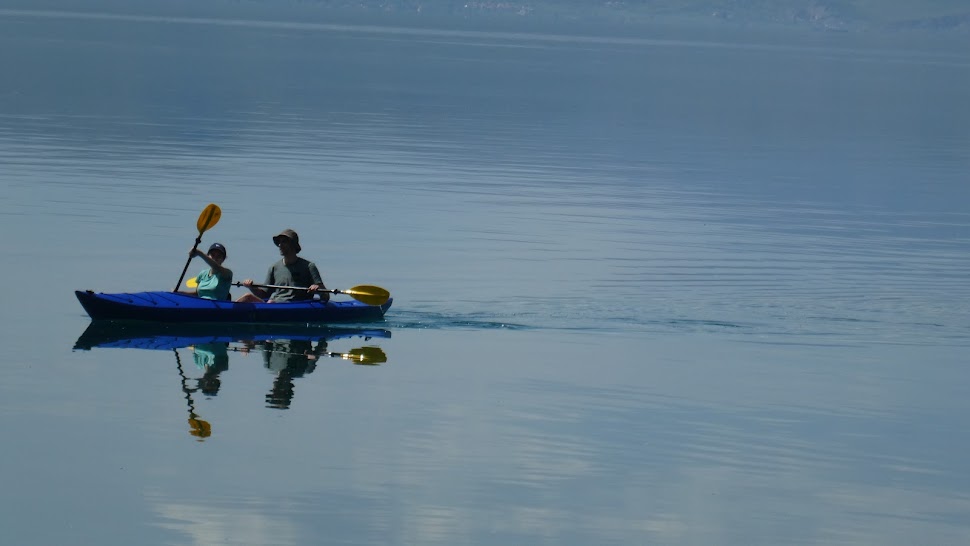
That’s more like it. Floating quietly on Lake Ohrid, North Macedonia. He had the fish he’d caught in the lake later, where they cooked it for him at the lakeside restaurant.

WP is being very irritating today. It won’t let me centre some of my photos, or alternatively to align all my shots to the left, whatever I try, and however loudly I shout at my laptop. So I have to admit defeat.