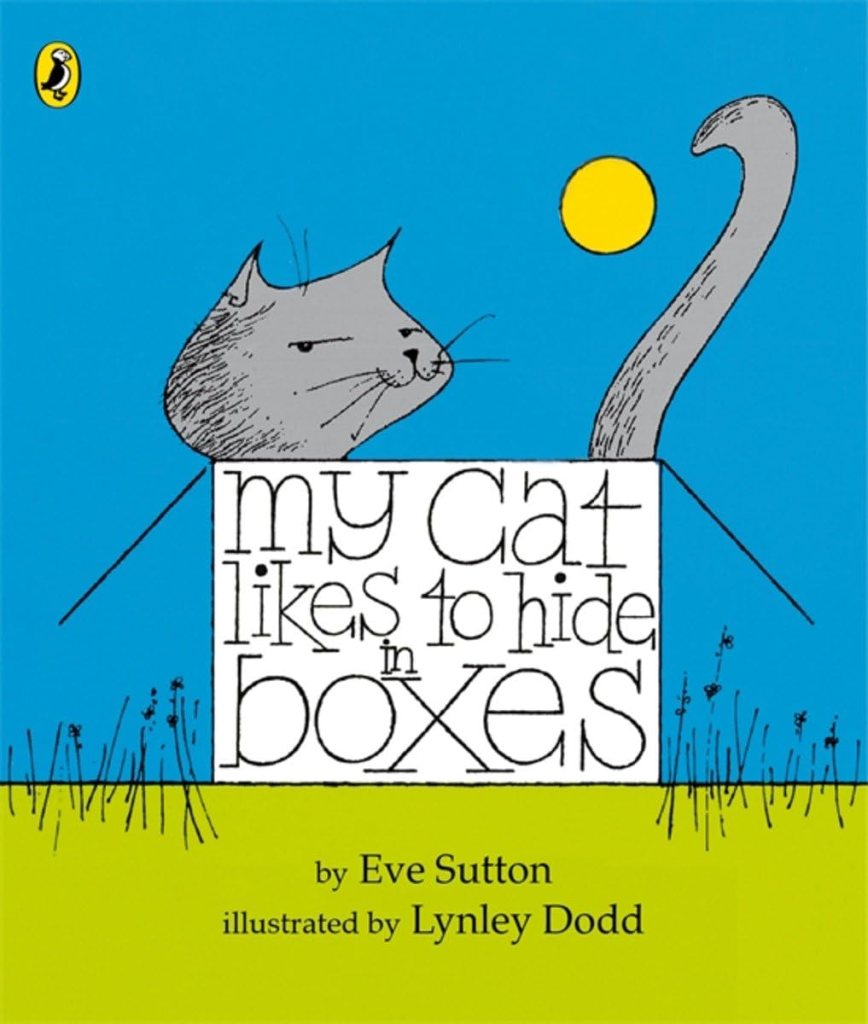
Do you know the children’s story book My Cat likes to Hide in Boxes? My children loved it, and this morning, we learnt that the message of the story is entirely true.
Today, Reyes – in the Spanish-speaking world – the Three Kings delivered all their presents in the wee small hours (they have a magic key to get into every home), and – not a lot later – excited children were busy opening them.
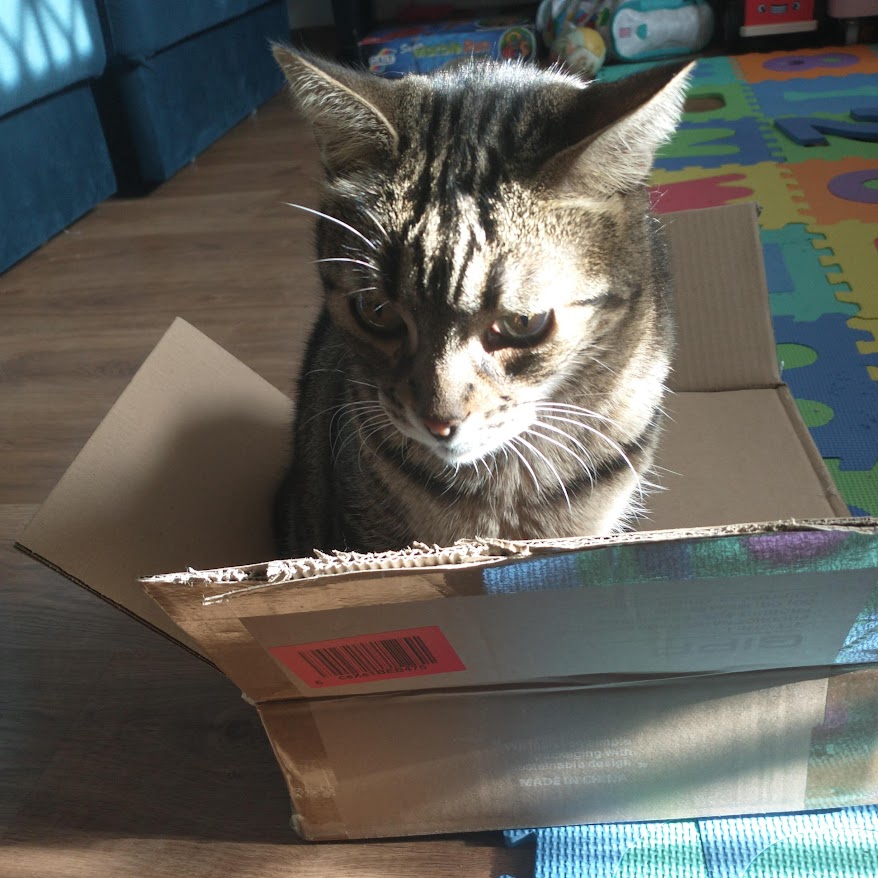
And in this house, Archie proved that it’s quite true that he likes to hide in a (rectangular) box in which a present was recently contained.
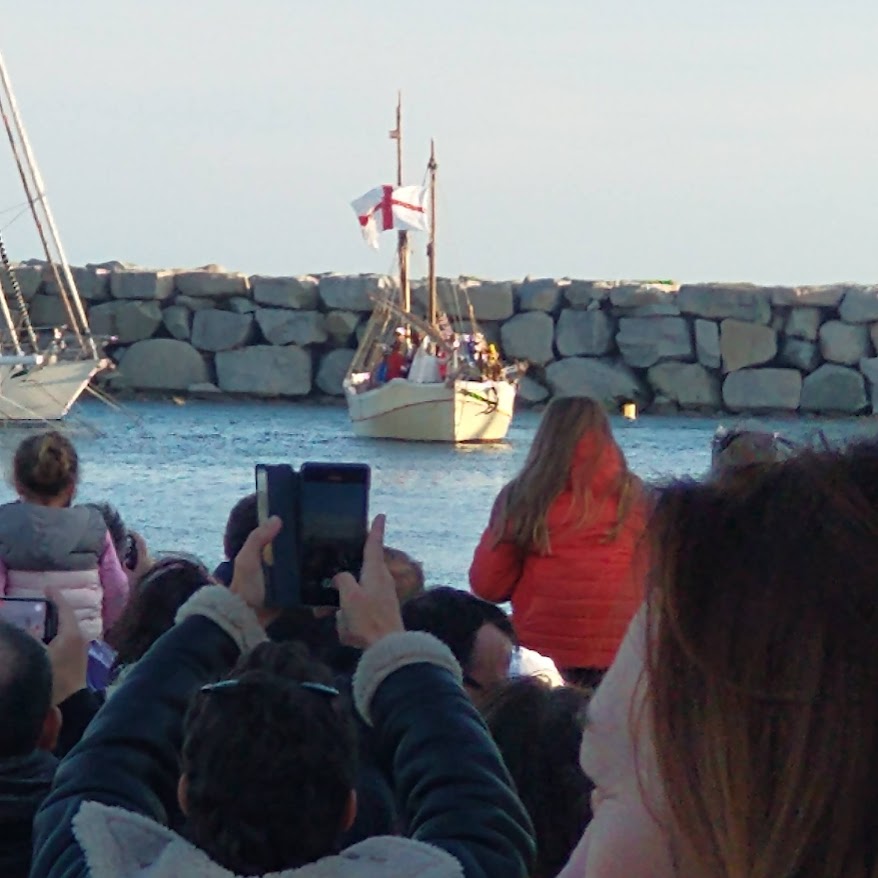
Did you know that the Three Kings who brought gifts to the baby Jesus arrived in a ship? No, neither did I till this evening. Look.
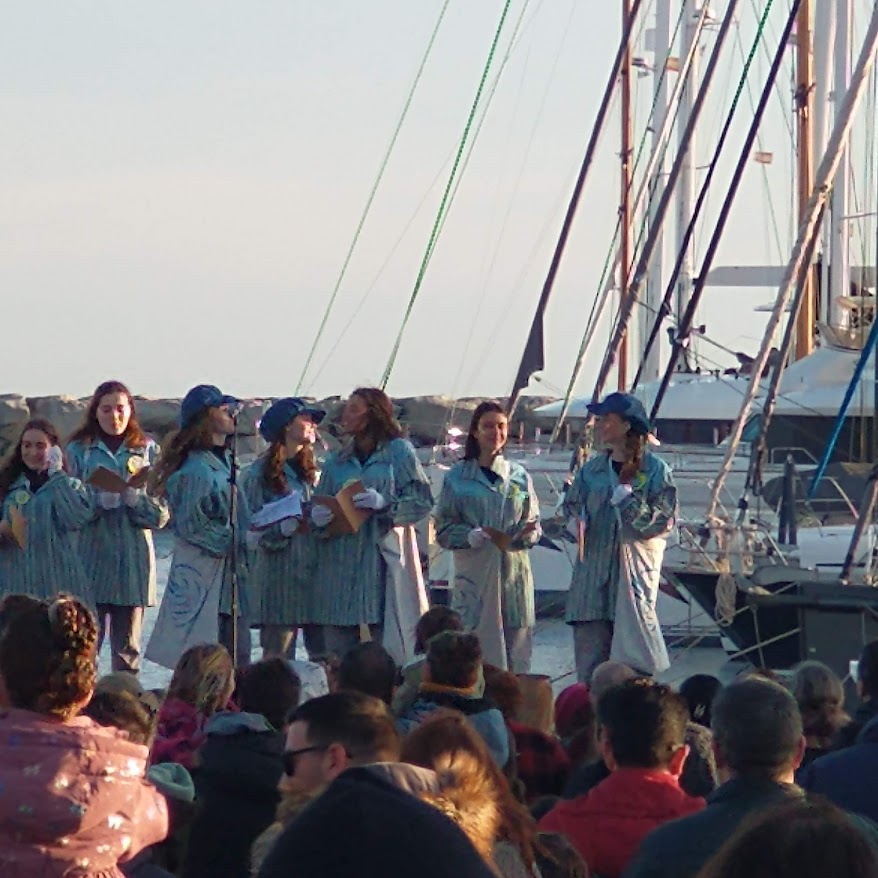
They’ve already done what they had to do by visiting the Christ child. Now here they are approaching Premià de Mar, preparing to bring gifts tonight to all the good children in town. The ship flies the (geometric) flag of Saint George, patron saint of Catalonia. And the port itself is geometric enough, with the masts of so many sailing ships as a foil to the choir singing to welcome the three monarchs.
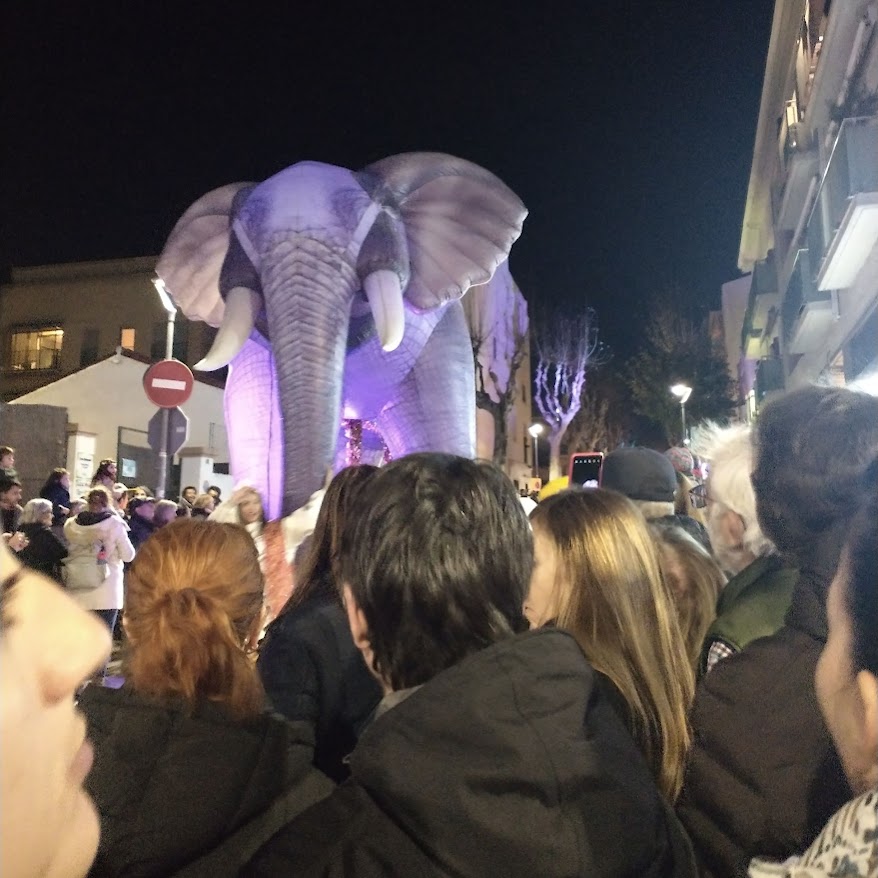
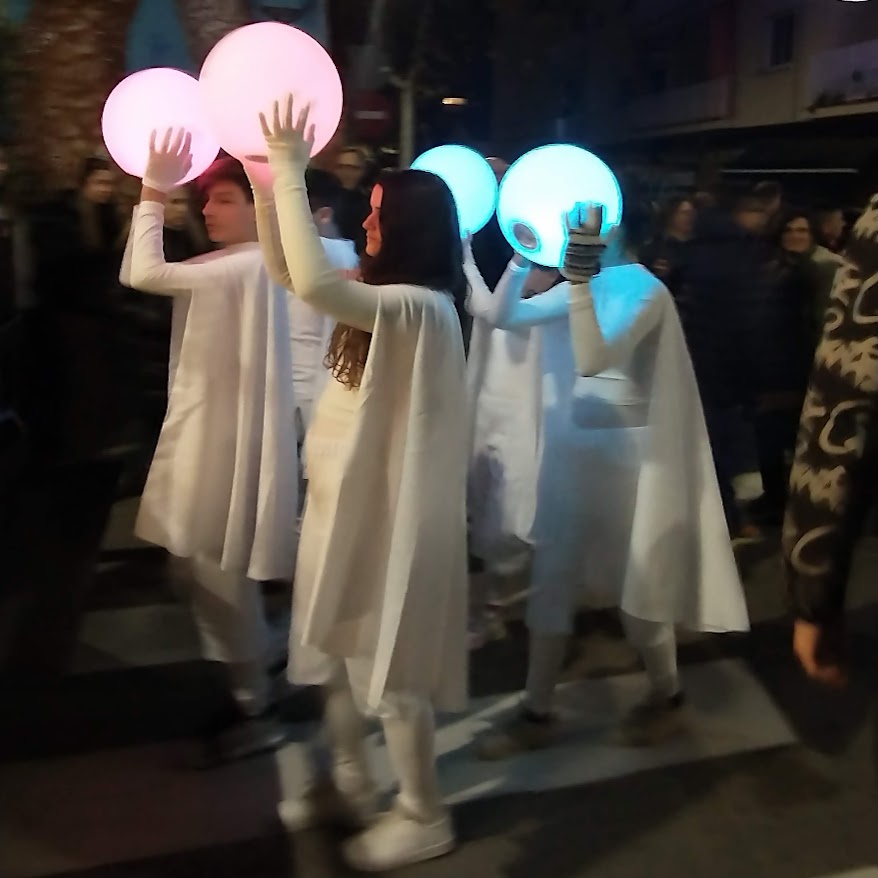
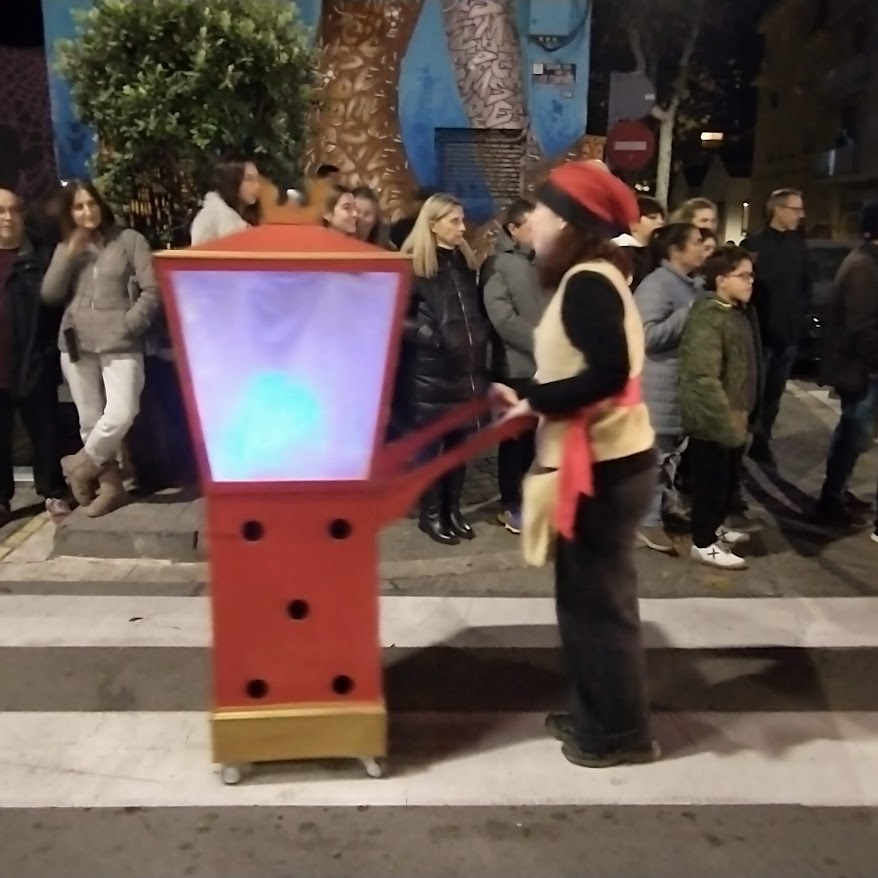
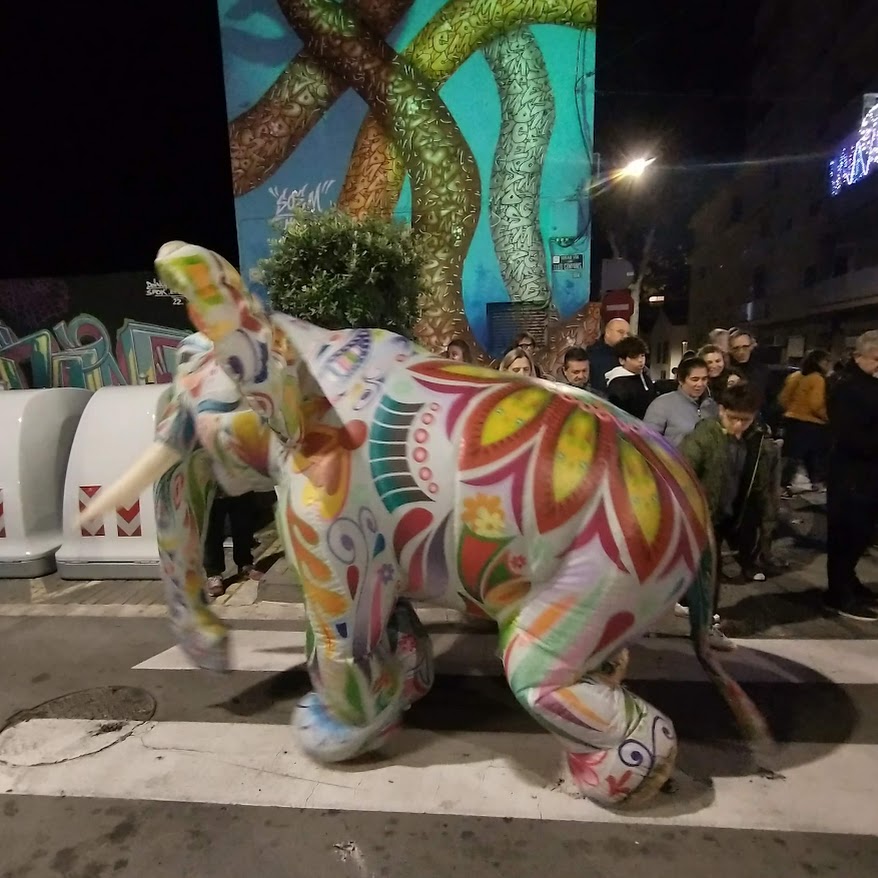
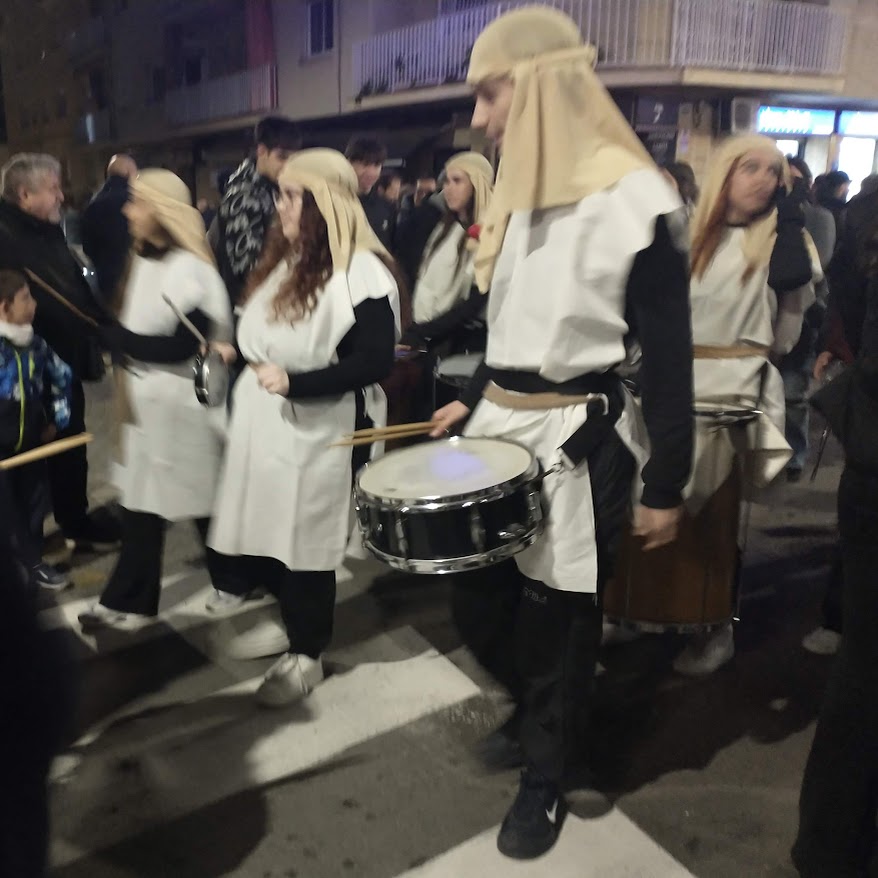
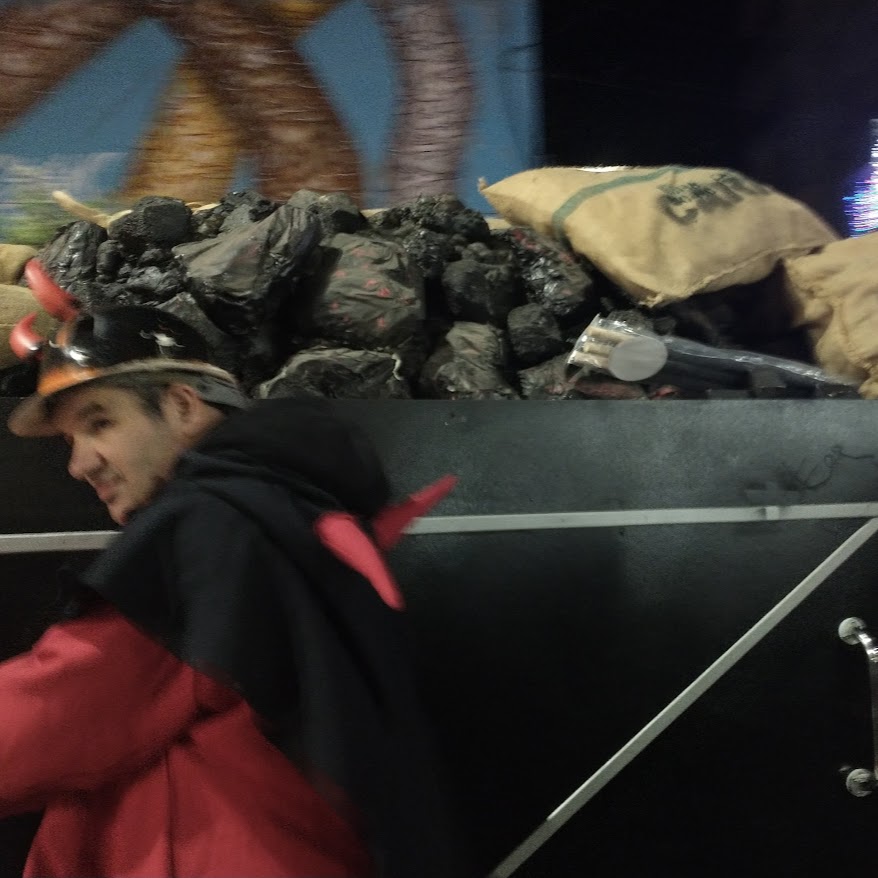
Later, they put in an appearance at the town square, then processed round the town. I have better (I hope) photos of the event on my camera, but for now, let’s make do with a few mobile phone snapshots – and not very geometric at that. Not so much of the kings, but of their elephants; drummers; coal wagons (naughty children get coal, not presents); post-people receiving letters written by hopeful children. Pictures of the kings, of the distributors of sweets, and other assorted bits of fun will have to wait for another day.
On the first Saturday of every month, a book is chosen as a starting point and linked to six other books to form a chain. Readers and bloggers are invited to join in by creating their own ‘chain’ leading from the selected book.
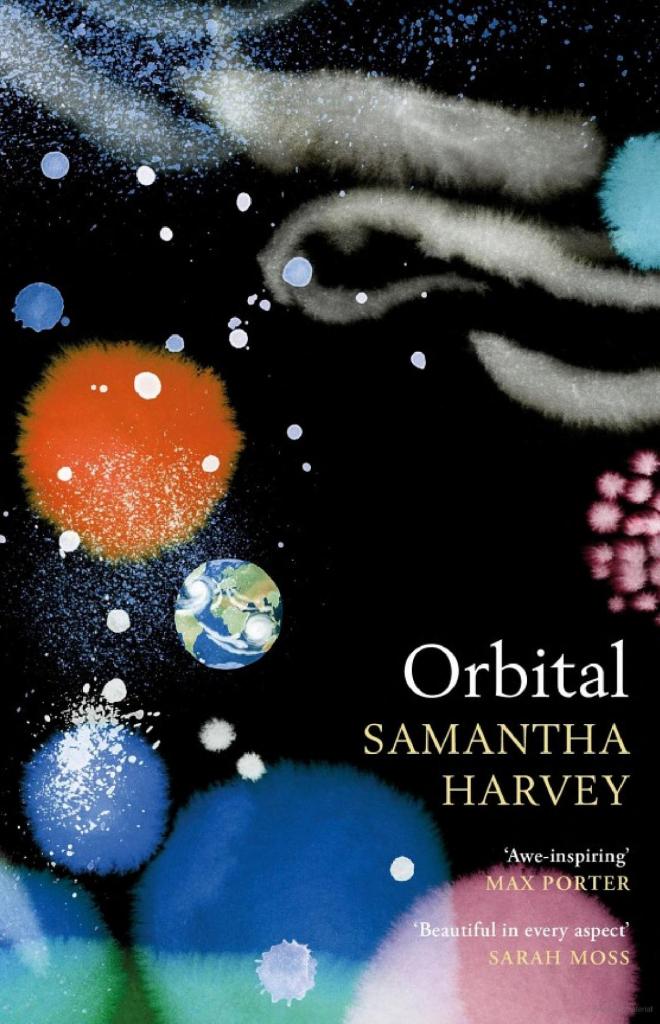
This month’s starter book is the 2024 Booker Prize winner: Samantha Harvey‘s Orbital. I loved it. This book moves through space with six astronauts, viewing the spectacular and the ordinary, distance and intimacy and invites us, the readers, to wonder too.
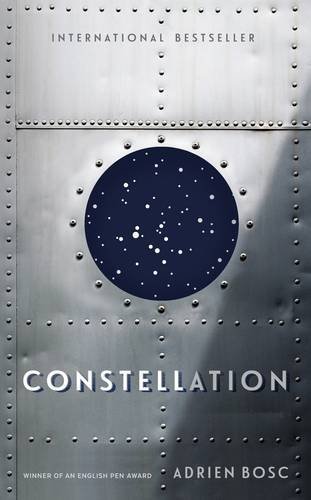
My first link is by book title as much as subject matter. Constellation by Adrien Bosc has pilots rather than astronauts at the heart of his story. Based on an actual plane crash that took place in 1947 in the Azores, on a flight from Paris to New York. Bosc was fascinated by the mysterious history of this tragedy, for which there was little explanation. The flight was carrying a number of well-known people, as well as a group of Basque shepherds. The book tells the story of many of these people, and gives them a voice, as well as piecing together what he can about the story of the crash itself. An interesting blend of actual facts and a degree of surmise. Here’s a story about the inter-connectedness of collective tragedy, engagingly told.
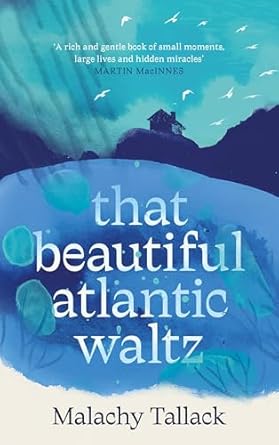
My next book begins with dealing with the elemental natural world in a different way: the sea this time. Mallachy Tallack‘s That Beautiful Atlantic Waltz is a quiet book, telling a story with its roots in the 1950s, when the main protagonists’s father Sonny was working in brutal conditions on a whaling ship before returning to the Shetlands to ask Kathleen to marry him. Jack is their son, and grows up unable to find his place in life, except through the medium of the country and western music he loves. The story of Sonny, Kathleen and especially Jack interweave to tell a story with no great dramas, but which lyrically evoke their simple Shetland lives.
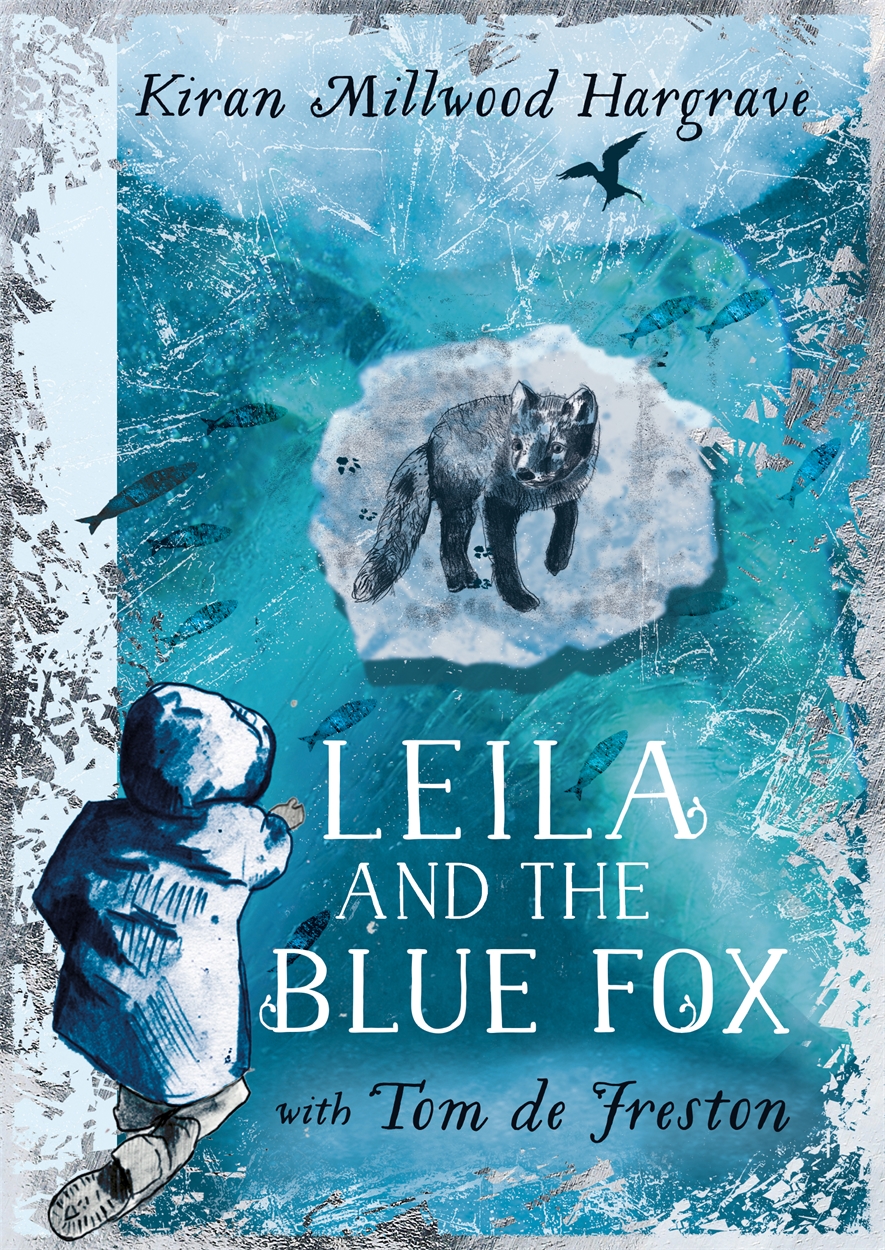
The elements and the natural world come to the fore in my next book, written for children: Leila and the Blue Fox by Kiran Millwood Hargrave. A lovely book for older children, this story is told as much by the glorious blue and black illustrations that illuminate the action described. This is a story of migration. Of Leila, a Syrian asylum seeker who lives in London with her aunt and cousin. Of her mother, who is now an academic in northern Norway, studying climate change as it affects the animal population of the Arctic. And of Miso, the Arctic fox whom she and her fellow research scientists are tracking as she completes her 2000 mile migration from the eastern Arctic to Canada. Leila comes to spend her summer with her mother as the research project evolves by going to follow the little fox ‘in person’. It’s an opportunity to discover the raw beauty of the Arctic, the courage and steadfastness of one little fox, and most importantly, a chance or Leila and her mother to discover and rediscover their bond. A story that invites thought and reflection on the whole issue of migration, and the issues which face those obliged to migrate, whether human or animal.
From Elements to Weather, British style. 188 Words for Rain, by Alan Connor. When I noticed this title at the library, I knew immediately I wanted to read it. A tour of the British Isles looking at all the different words that have evolved over the years to describe this most British of weather phenomena in all its manifestations? I was in! And it WAS interesting, reminding me of many terms I know, and many more that I don’t. Together with engaging weather-related factoids. But it was held together by pointess little anecdotes of imaginary people and their experience of these phenomena, intended to drive the narrative along, but which only succeeded in irritating me. A good idea spoilt.
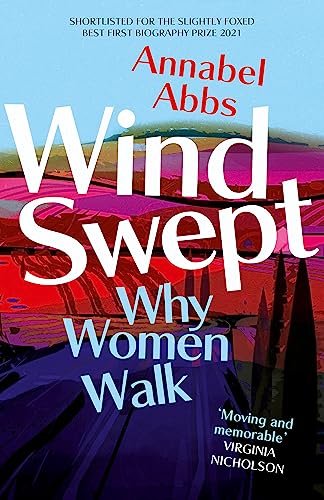
Now why should a book about rain lead me to a book about walking, eh? Must be because I’m English, and a woman who walks. Annabel Abbs‘ Windswept: Why Women Walk is, according to the publisher ‘The story of extraordinary women who lost their way – their sense of self, their identity, their freedom – and found it again through walking in the wild.‘ And this applies to Abbs herself, who interweaves episodes from her own walking life with the stories of famous women, not noted as walkers, such as Simone de Beauvoir and Gwen John, to whom walking was a fundamental need and source of renewal and refreshment.
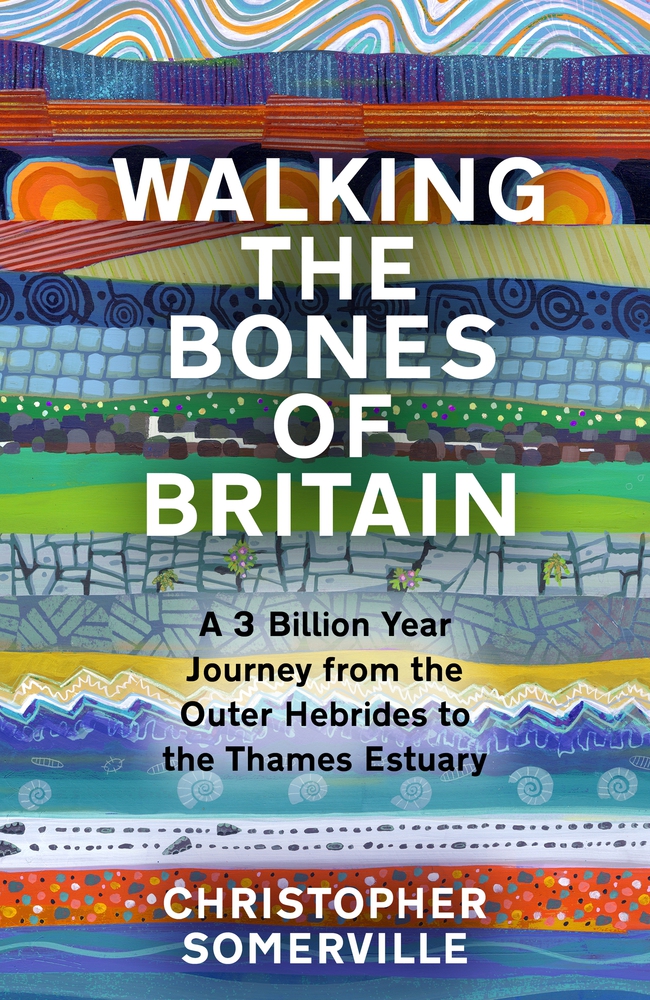
Which brings me to my last book: Walking the Bones of Britain by Christopher Somerville. What a rich and immersive book this is. For a small island, our geological story is particularly rich. Somerville undertakes to walk it, from the north of Scotland down as far, slightly oddly I thought, only to the River Thames. And this is what he does. He’s curious to examine the geology of every path he takes, and to understand what effect the geological story has had on the development of the landscape and how it has been exploited by the people who live in it. He’s investigative, humorous, personable in his enquiries, which makes what could be a difficult book approachable. This book has opened my eyes to the landscape, both locally and more widely throughout Britain.Which brings us full circle. In Orbital, our astronauts see the whole earth spread beneath them as they orbit the planet, whereas Somerville examines just a small portion of the planet in forensic detail.
Next month’s starter book is one I don’t know, by an author I don’t know either. Dangerous Liaisons by Pierre Choderlos de Laclos.
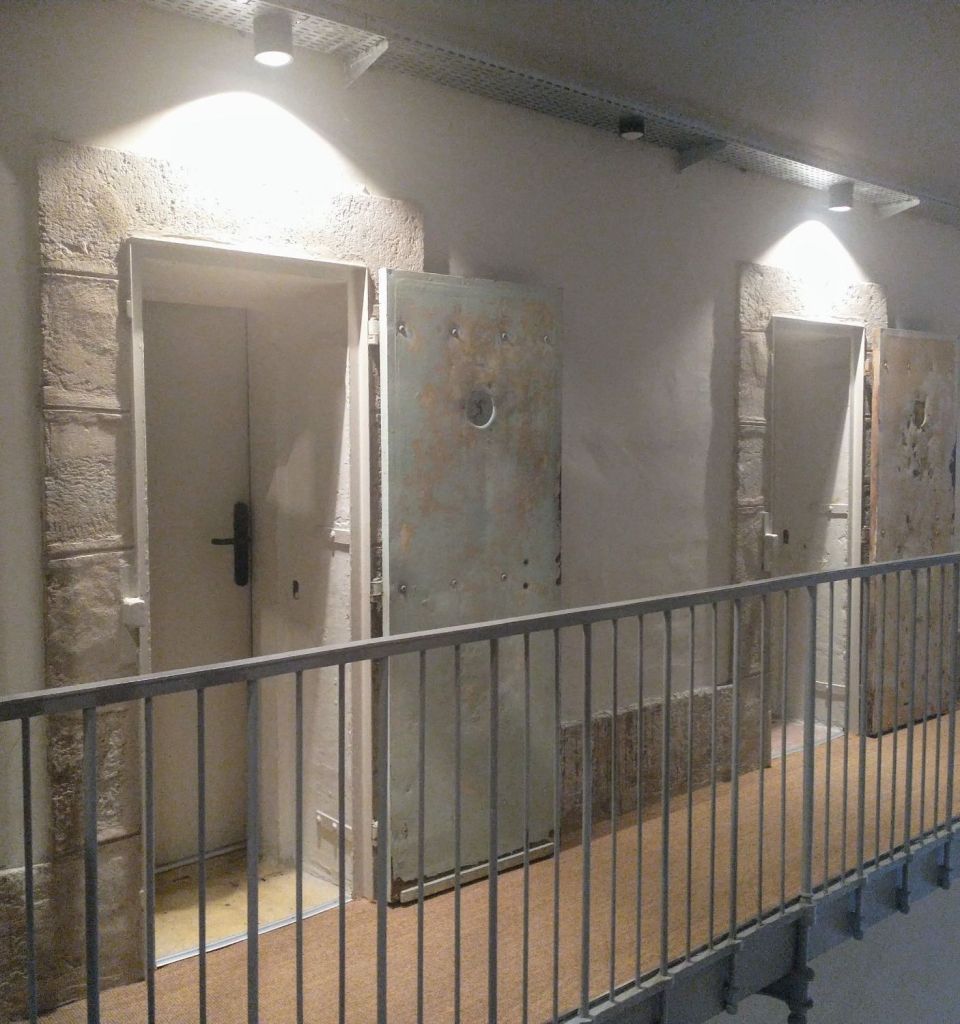
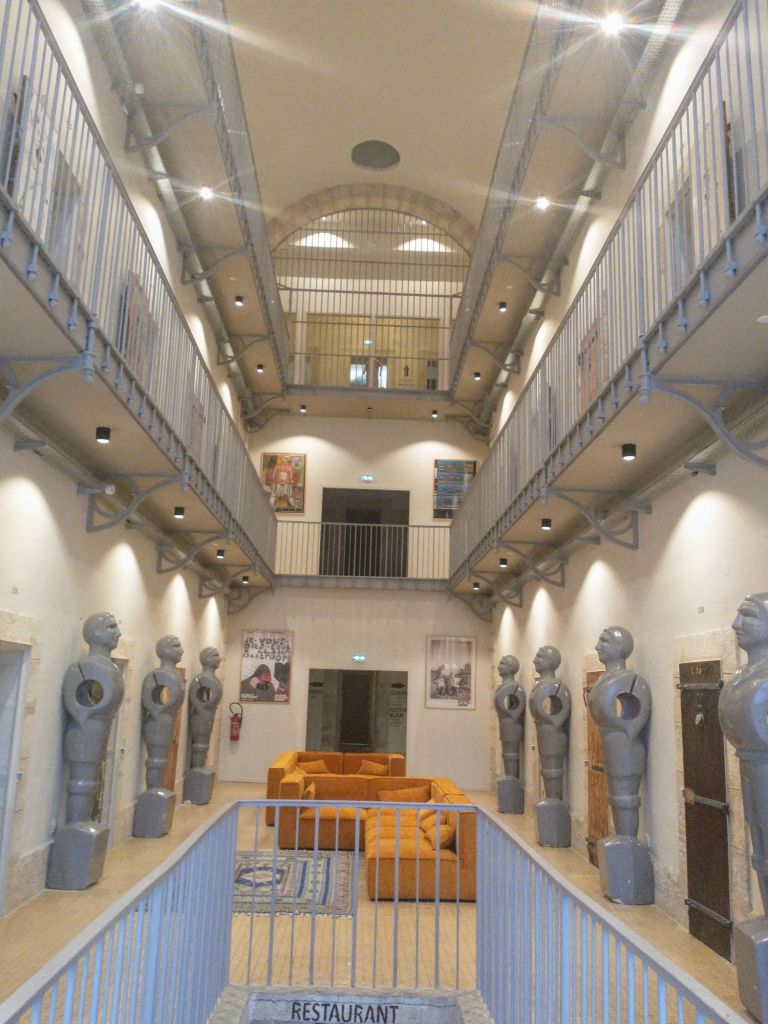
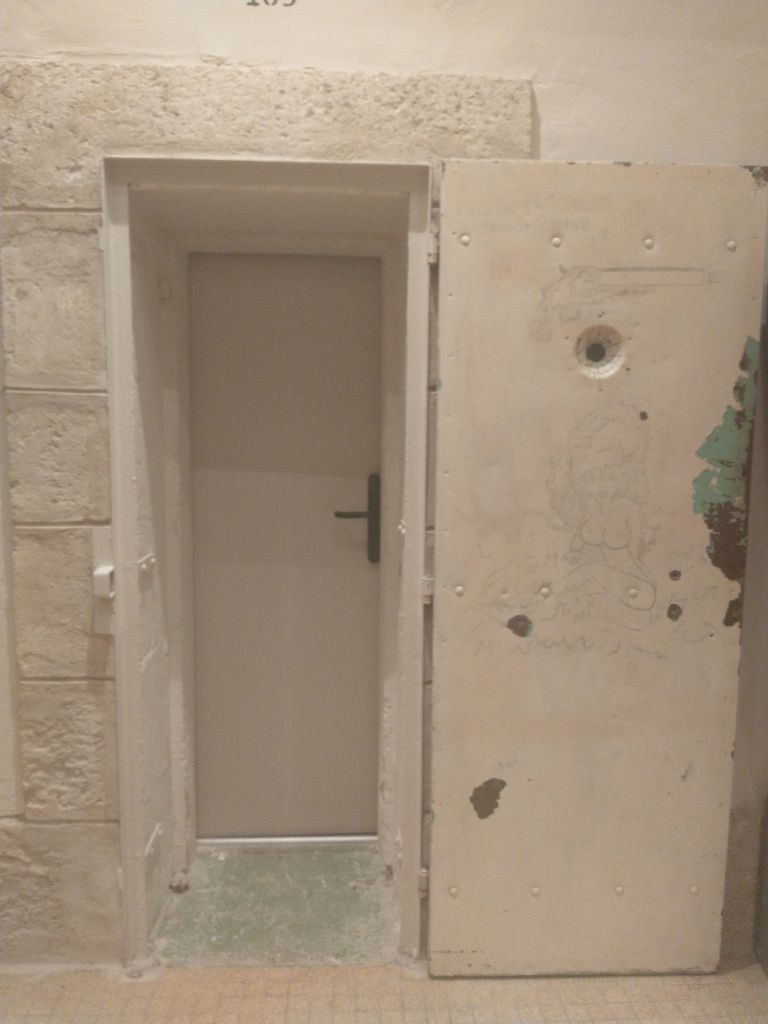
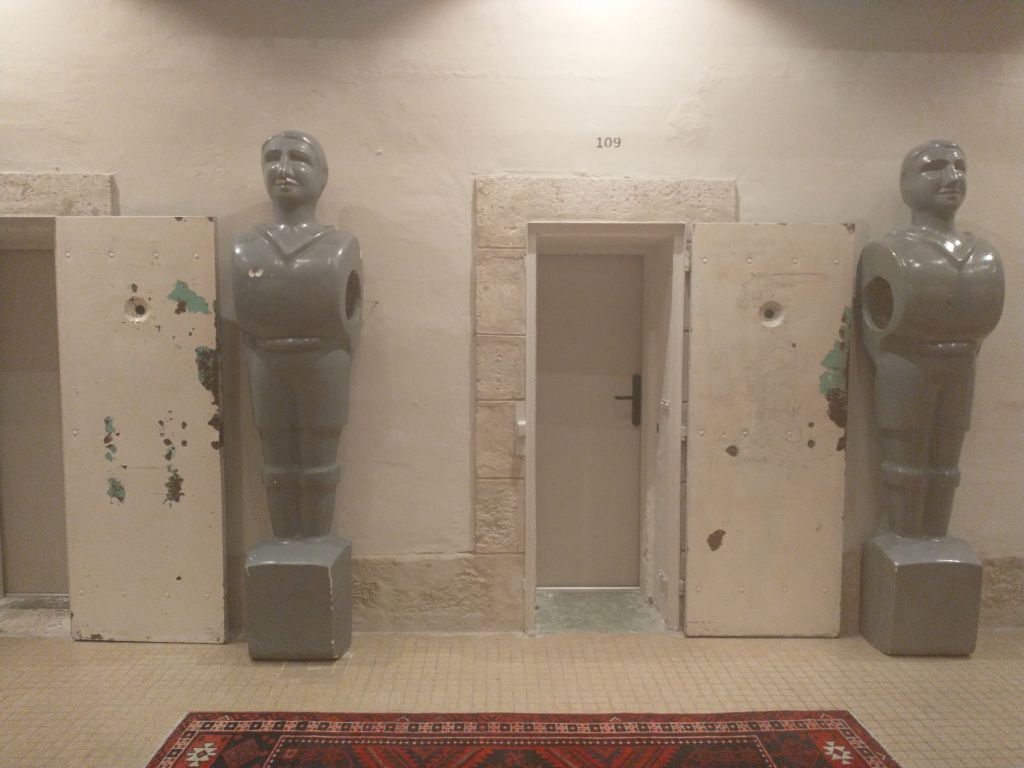
It was all going (fairly) well. And now here we are, banged up in Béziers. In La Prison. Don’t worry though. We’re ok. It ceased to be a penitentiary in 1993. Now it’s an hotel. And pretty well appointed too, commanding views of the town and countryside beyond. I’m only squaring one photo. Frankly it’s a faff on the phone. But you might want to see what we’re up against.
There’s enough geometry in those prison walkways and doors to meet the theme. And if not, I’m banged up anyway. Punishment enough.
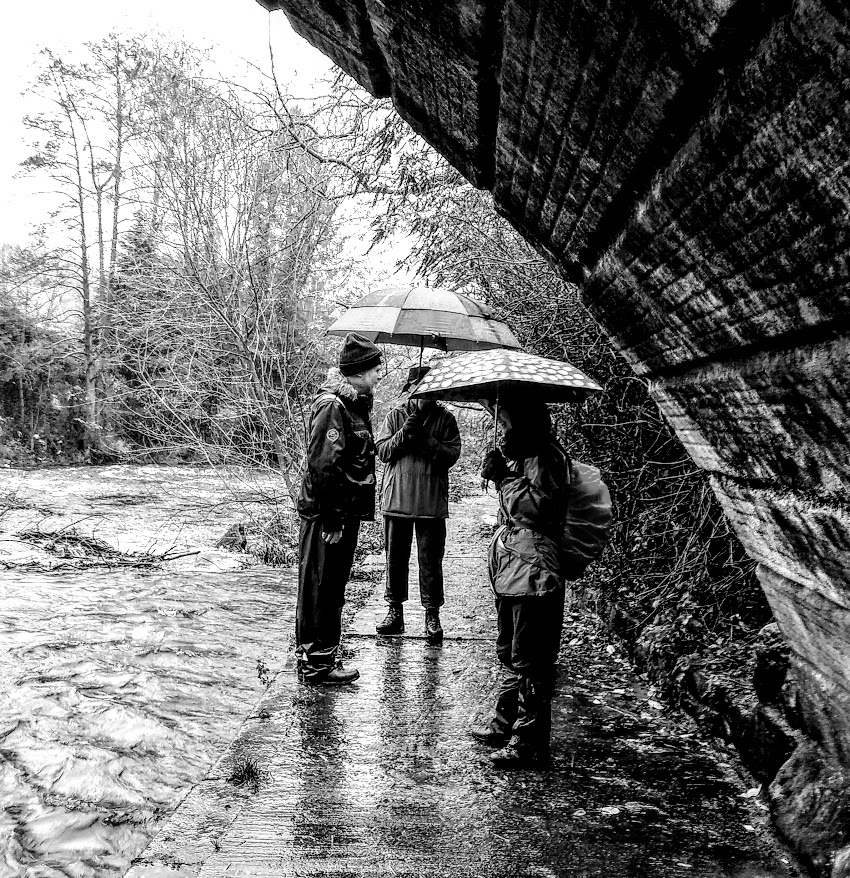
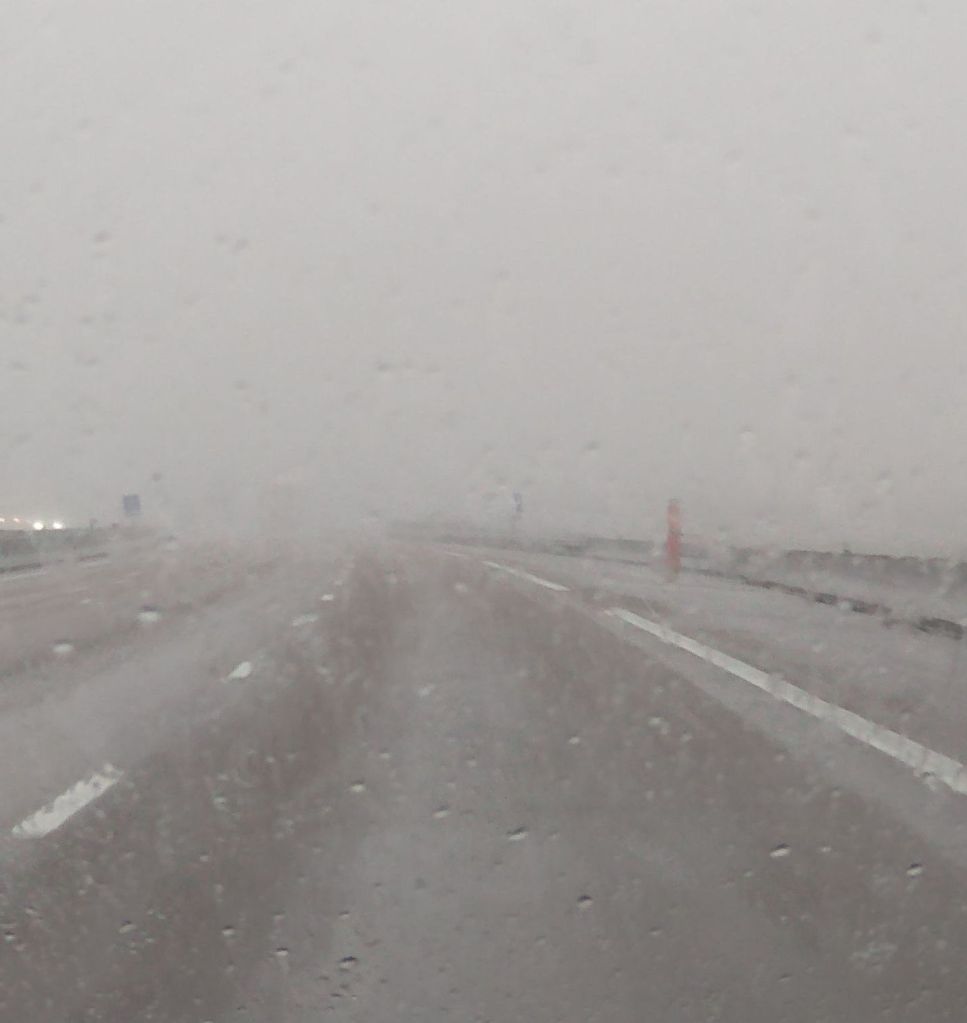
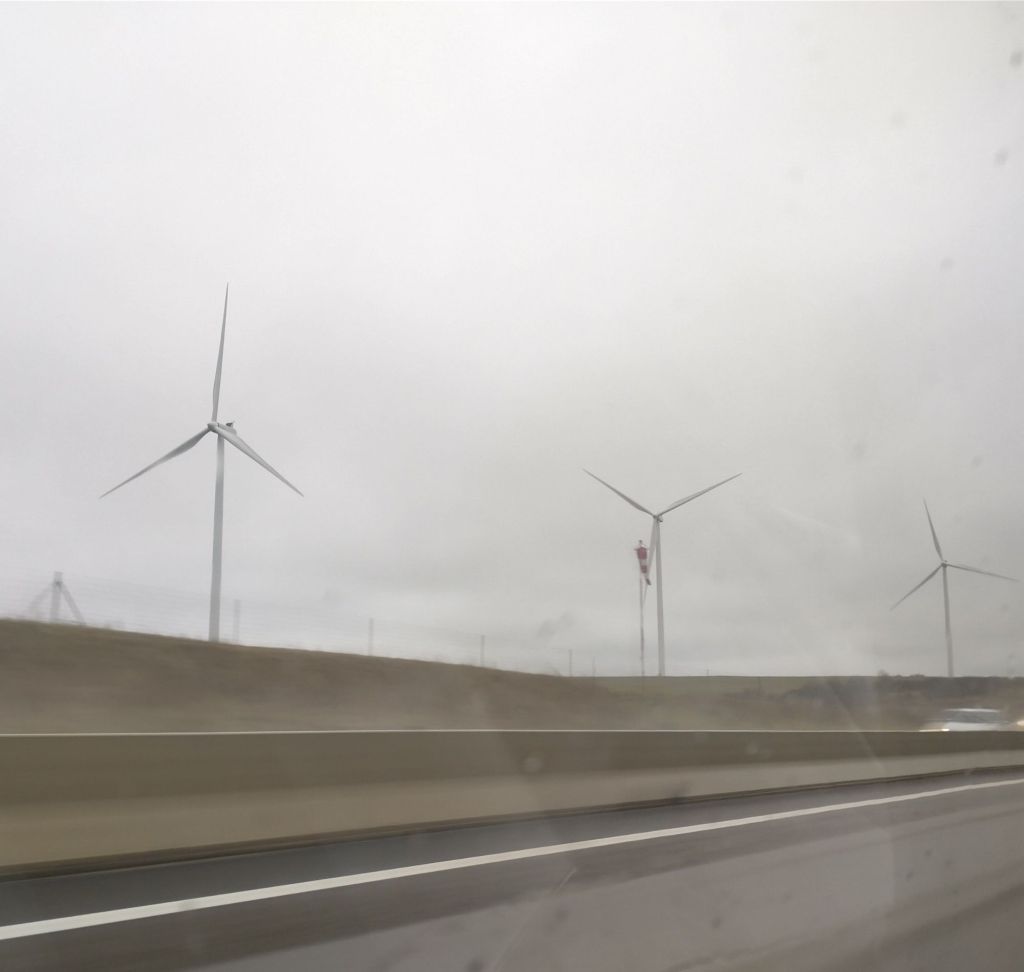
We drove from Arras to Beaune today, having seen almost nothing of Arras, because my evening stroll yesterday in atrocious rain left me with a coat I actually had to wring out. Today was little better. In fact the vanishing point on the motorway planned as today’s contribution vanished itself in a welter of sleet, rain, fog and thoroughly English style bad weather.
Anyway, later we spotted some (sorry to be pretentious, but I genuinely can’t remember the English word) geometric éoliennes. Here.
So that’s two squares today, and the weather improves tomorrow! We hope …
It’s time for Squares again. It’s a month when Becky takes up her place on the Blogging Podium to orchestrate photographic offerings from all over the blogosphere. Just two rules. The photo must be square, and this month, its theme must be Geometry.
I’m scheduling my post. As you read it, we’re probably battling extremely high winds as we drive to the south coast on the first leg of our journey to Daughter-and-her-Family-in-Spain.
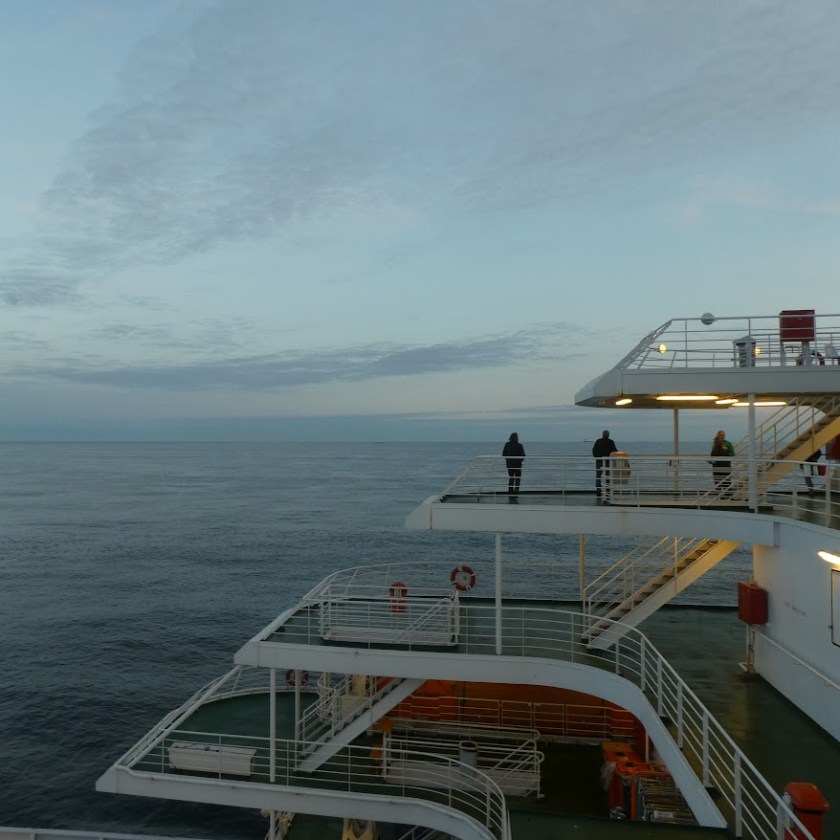
We should be travelling by cross-channel ferry. But even if it sails, I don’t want to be on it, so we’re going instead by train under the Channel, courtesy of Le Shuttle. I’ve picked a shot taken on a different ferry journey, crossing the North Sea from Rotterdam to Hull. Those decks look suitably angular to me. And the day wasn’t even a little bit stormy.
WP again! I was careful to tick all the right boxes in order to schedule this post: something I’ve done many times before. As you may have realised, good old WP published it anyway, immediately. And I deleted it, immediately. Here it is again. Grrr. Sorry.
In 2010, we were living in France, and often made the trip back and forth between our home there and England courtesy of the cross-channel ferry from Boulogne to Dover. One April, in 2010, we had a Bad Experience. This week, we’re off to Spain, by the same route (well, Dunkerque rather than Boulogne). And the forecast is beyond awful. By the time we arrive in Dover, there will have been 50 mph + winds for more than 24 hours, rising to 70 mph as we arrive. Reader, we have cancelled the ferry (but lost our money) and booked the Chunnel instead. Why don’t you sit in front of a cosy fire and read about our Bad Experience?
Life on the Ocean Wave?
We generally cross the English Channel by ferry. Neither of us is keen on the Tunnel, and a nice breezy trip on a boat always seems a cheery, day-out-by-the-seaside way of travelling between England and France.
Not that Dover’s much fun. Despite having some elegant and interesting buildings, Dover always seems a dingy, down at heel and down-on-its-luck sort of place. And this time, it looked as if we’d have longer than usual time to kill there, because LD lines sent a late text saying our ferry would have to leave at 1.30 p.m., not midday, and we’d arrived in town just before 10.00.
Why not go down to the port, then, and see if the ship before had been delayed, and whether it could perhaps squeeze us in? Down at the booking office, the news was that because of atrocious weather, the 6.30 a.m. sailing still hadn’t been able to leave. But it was loading, but if we hurried, we could go too.
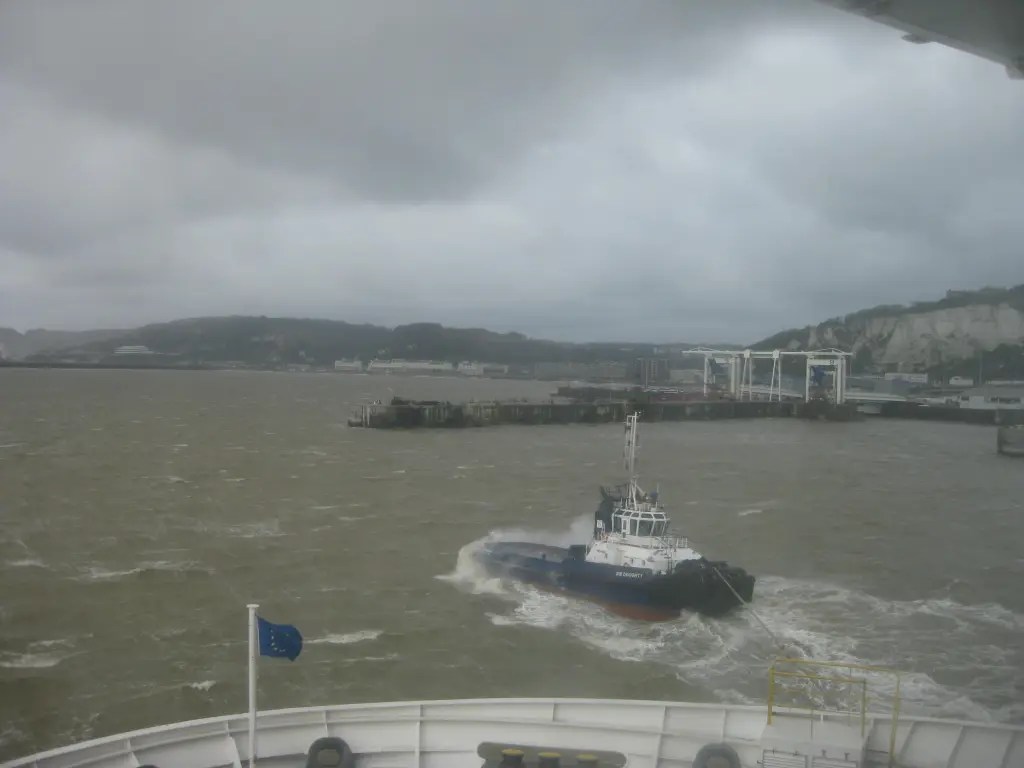
We hurried. We caught the ferry. We regretted it. Even behind the harbour walls, the ship was pitching and tossing. As we started our voyage, the well-named tug DHB Doughty struggled to keep us on some kind of suitable path between the harbour walls. Out among the waves and spray of the open sea, the ship immediately started to lunge, roll, and sway, and kept up this uneasy surging throughout the trip.
I’ve always been a rotten sailor, but told myself firmly that this time it would be different: it was just a case of mind over matter. Less than 10 minutes later I was sick for the first time.
Nearly an hour and a half into our hour and a half journey, the French coast was nowhere near. Then the captain announced that some cargo had come adrift, and we’d have to stop till it was sorted out. Half an hour passed. Then yet again it was Our Captain Speaking. There was, he said, a Force 10 gale going on. He didn’t propose to risk getting into the harbour in Boulogne in these conditions. We’d just have to sit it out. I went green. I went yellow. I went glassy eyed. I used up several sick bags. So did half the passengers. The other half (including Malcolm) only had boredom and ailing partners to contend with, but they weren’t having a lot of fun either. Malcolm struggled off to find water for me, and found broken crockery all over the cafeteria, books and souvenirs strewn over the shop floor, and the toilets awash. He lurched back empty handed, though stewards came round with water and sympathy later on.
And we sat, hunched miserably in our seats, until finally, the captain reckoned there was a slight change in the weather. At last the French tug Obstiné brought us into port . Those tugs with those inspired names were the cheeriest things about the whole journey.
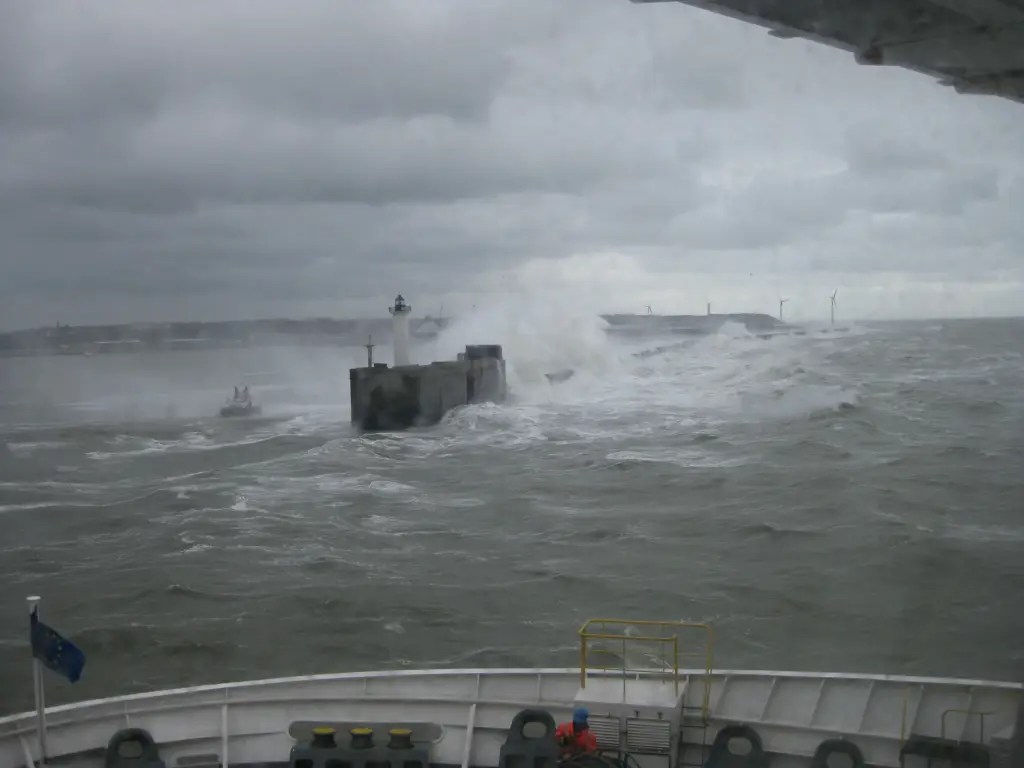
The photos show the sea hitting the harbour in Boulogne. That’s the sea as it lost power and hit the coast, not the raging sea we’d been putting up with in what felt like mid ocean. For six long hours.
Next time there’s a storm, I ain’t sailing. I’ll just sit it out on dry land.
Thanks everyone for commenting about the Featured Photo debacle. It looks as if the problem may lie with our phone settings (particularly for Android users), and sorting this out is currently beyond me. As reading your posts and commenting either on them, or on my own posts may be too – for the rest of the week – as we plan for and embark on our 1800 km journey in less than ideal conditions.
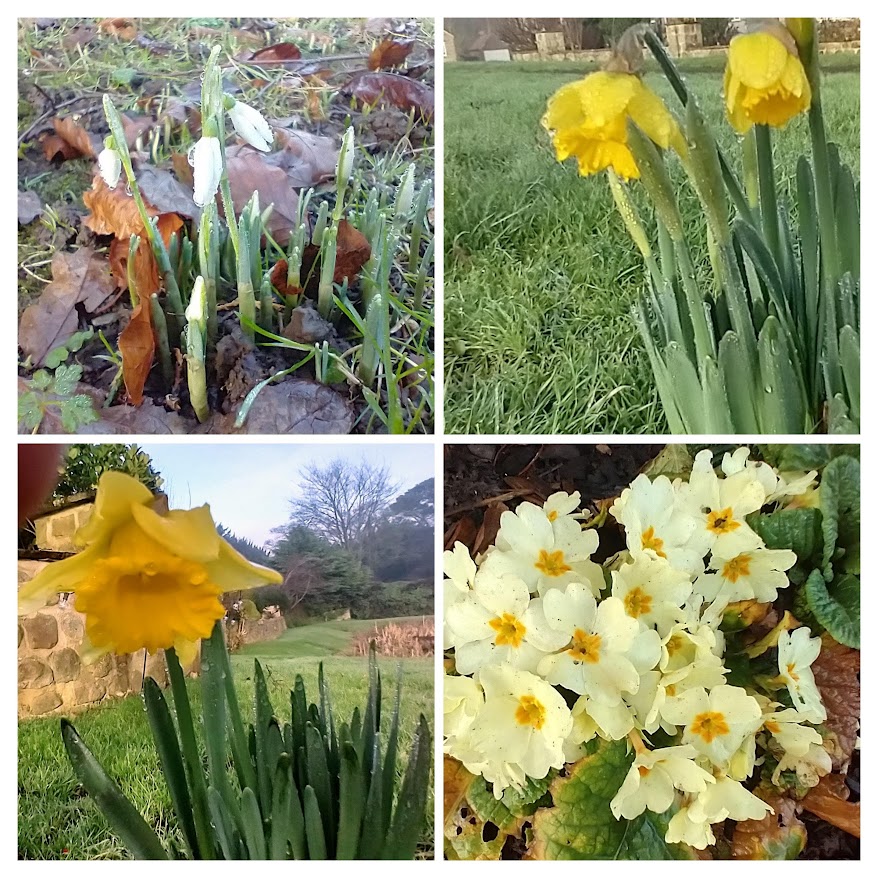
Look what I spotted while strolling through the village yesterday. And us int’ Frozzen North an’ all.
Silent Sunday.
PS. I’m aware that on mobile phones (certainly Android ones anyway) the featured photo never displays to readers. Is there a way of fixing this? Either as a poster, who would prefer their photo to be visible, or as a reader of the posts of others? I’ve tried to research this, with no success.





You must be logged in to post a comment.