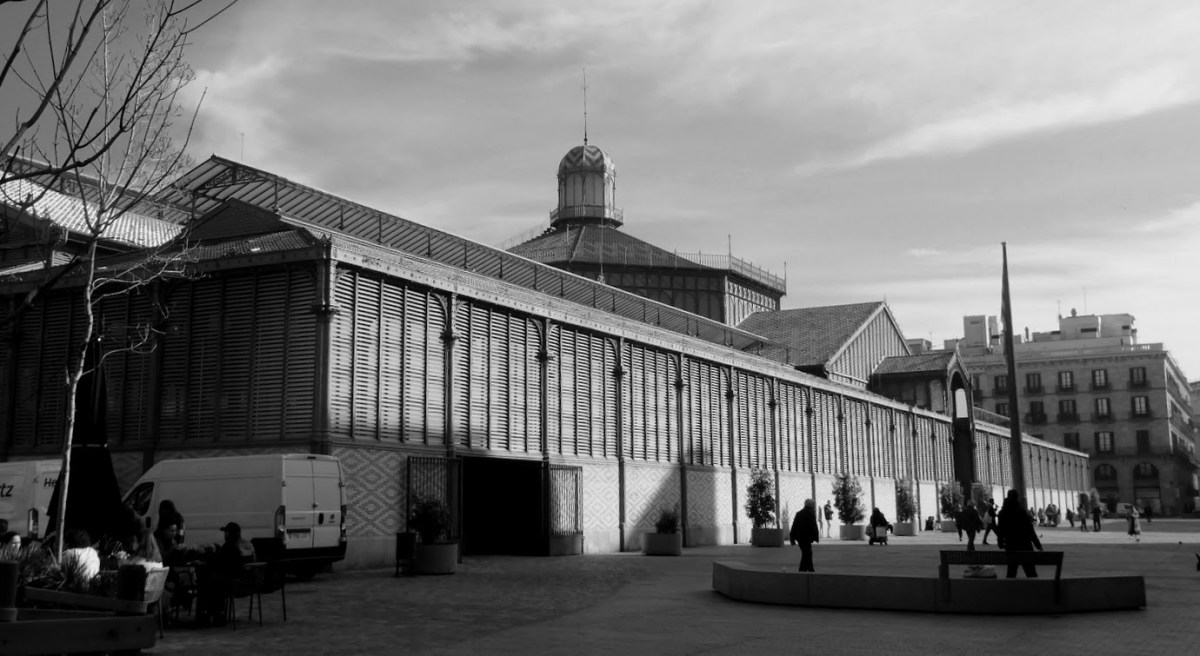
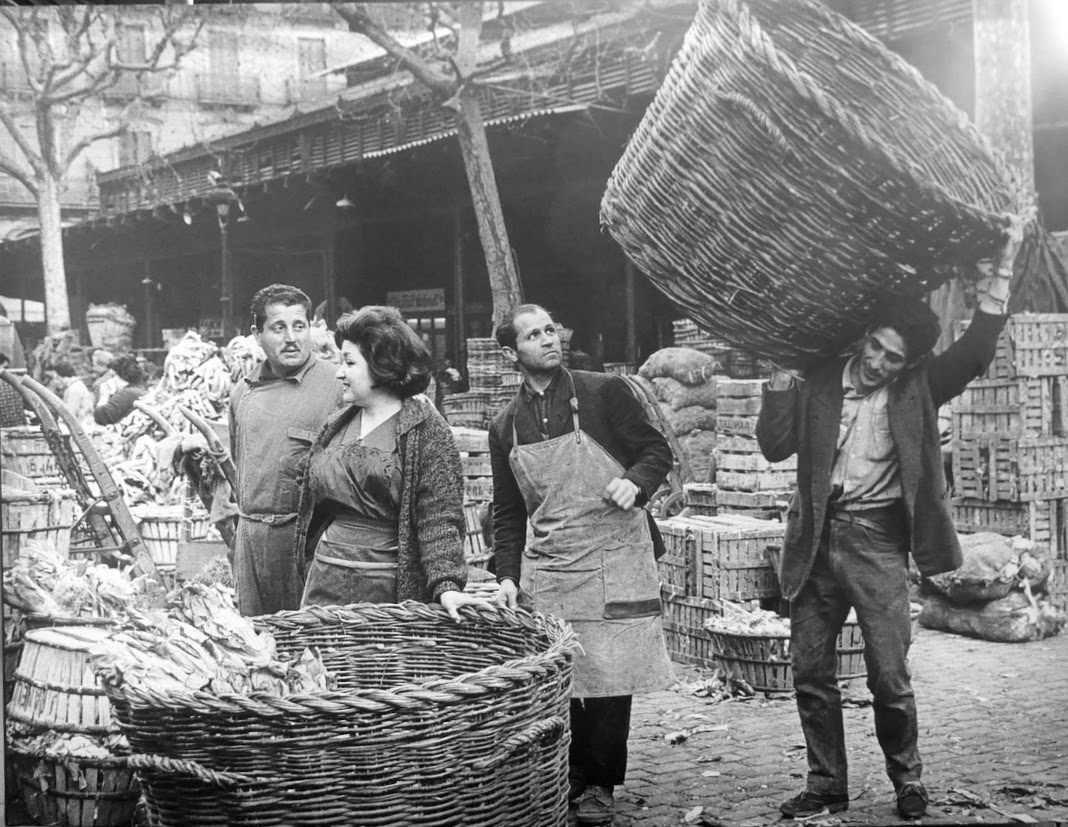
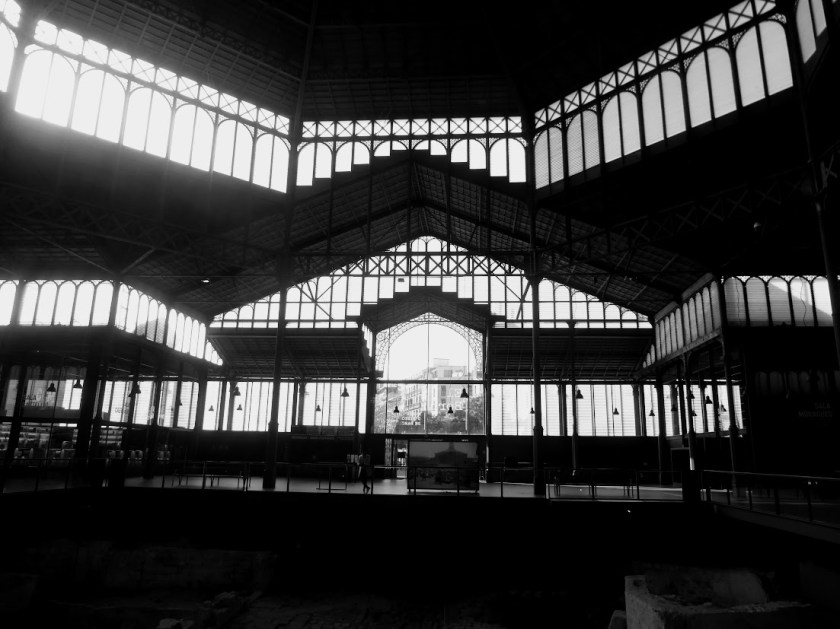
Answer? When it’s a museum – more or less about itself. That’s Born Market in Barcelona. Built in 1876 as Barcelona’s first large-scale cast-iron building, it was a local market, then a wholesale fruit and vegetable market which closed in 1971. But what to do with this fine structure? The problem more or less solved itself when in 2001, more than 60 houses dating from the 1700s were found below ground level. Painstakingly uncovered, they reveal the life of this busy neighbourhood, where tripe-sellers and violin makers, leather-tanners and glass blowers, and food producers of every kind jostled together in this bustling, flourishing part of the fast-growing city. Their story, this city’s story is now told here in El Born Centre de Cultura i Memòria.
Here are two photos-of-photos showing the market in its heyday.
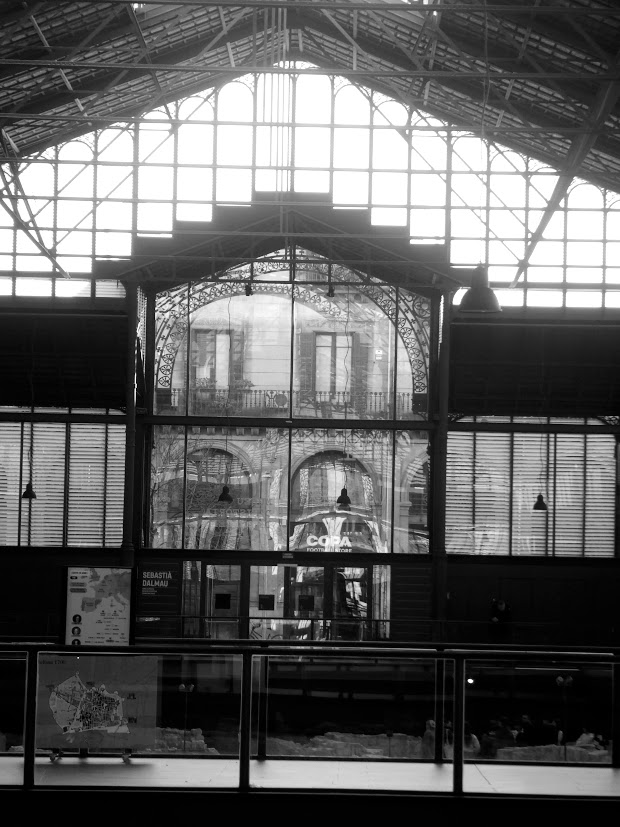
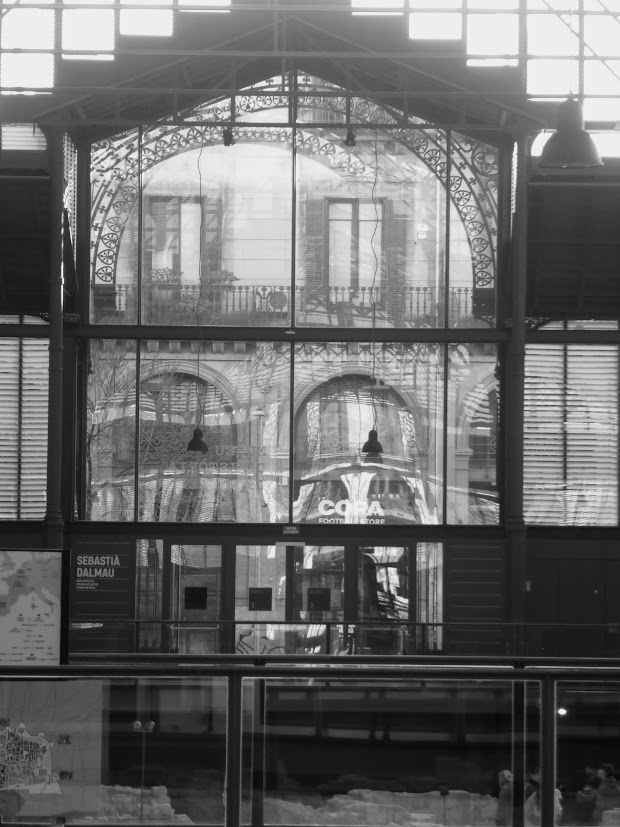
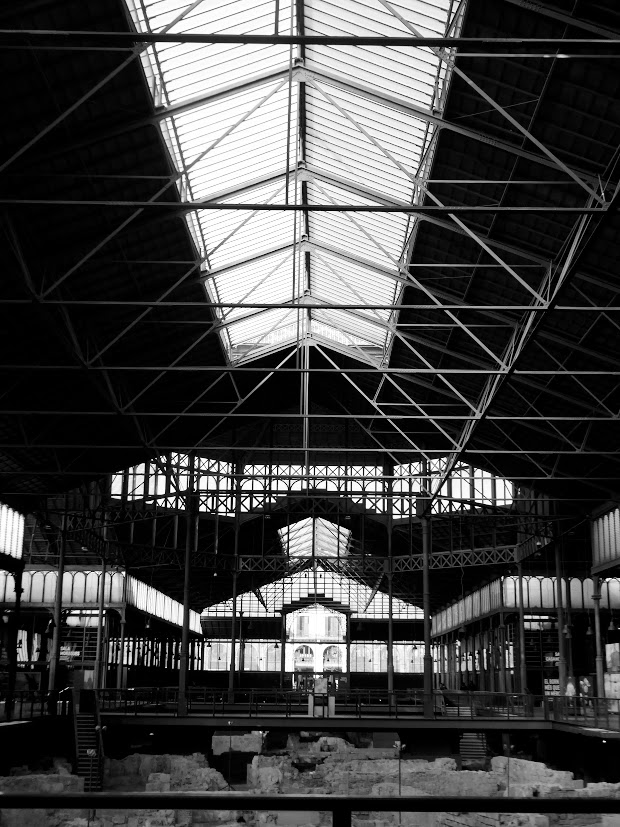
And here are a few shots of the building as it looks now: a quiet and spacious place to pass away an interesting hour or two away from bustling Barcelona, just beyond its doors.
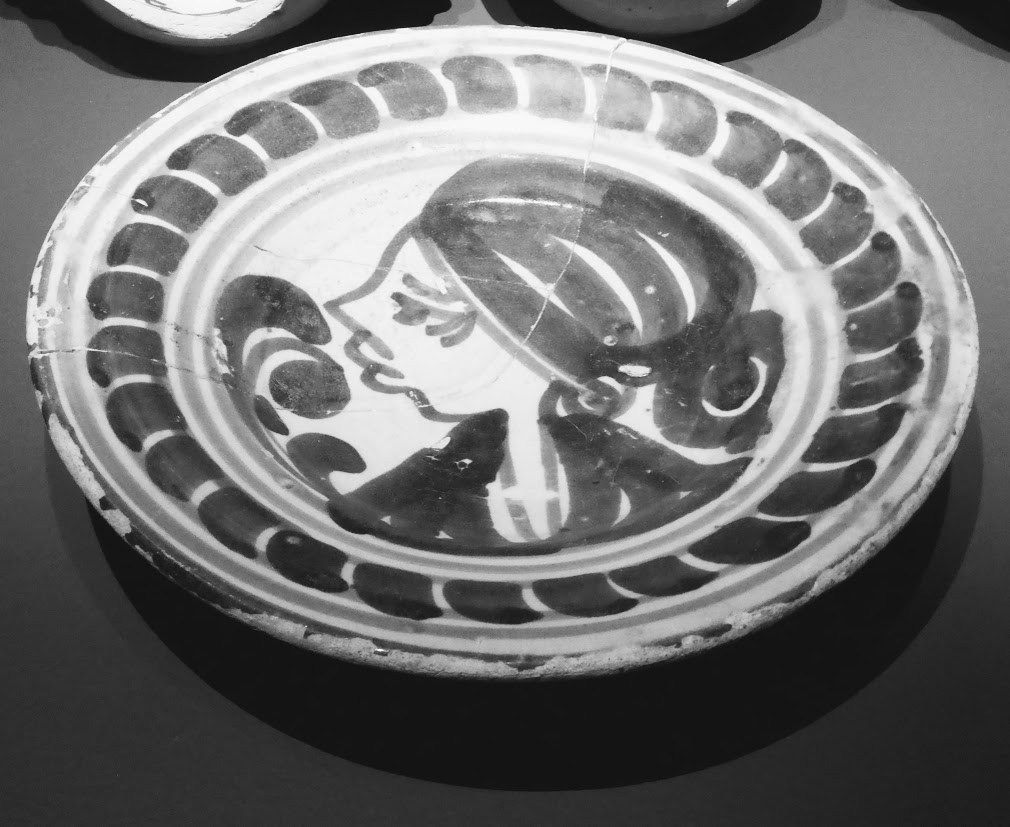
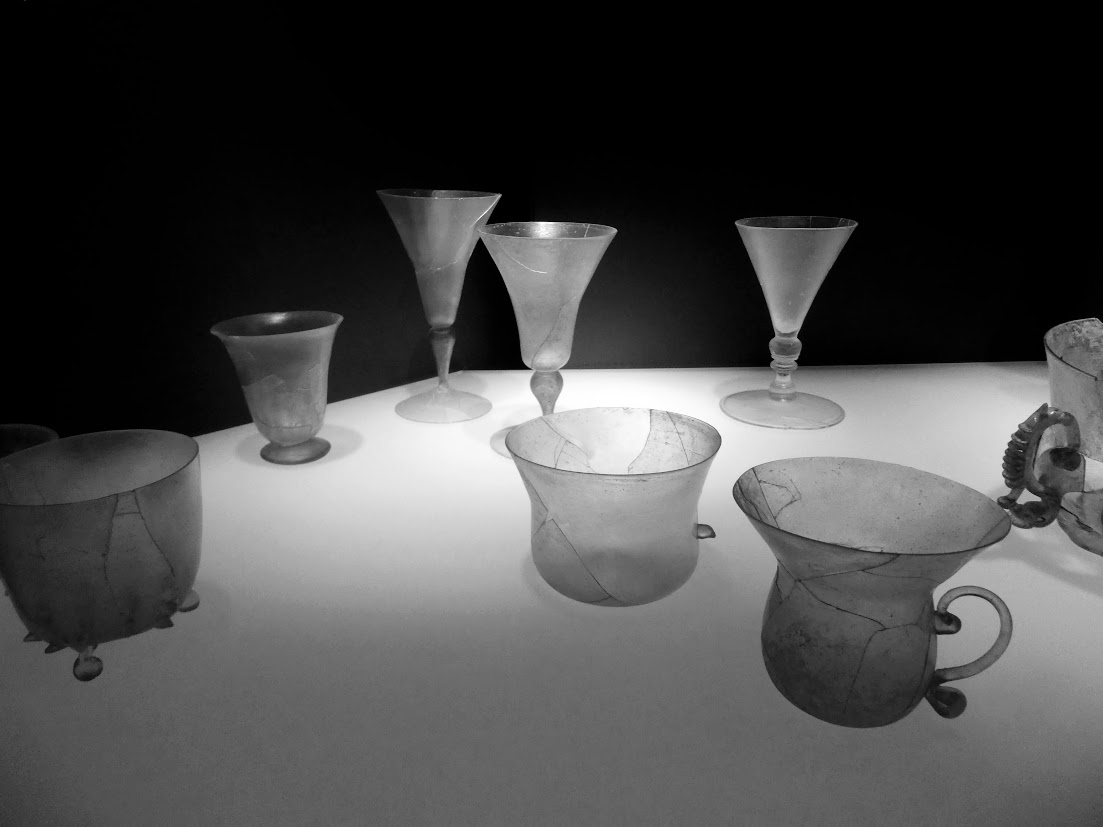
In the last image above, you can see at floor level the excavated city beneath. Here are some of the everyday objects the archaeologists found: plates, chocolate cups and glassware, all made locally.
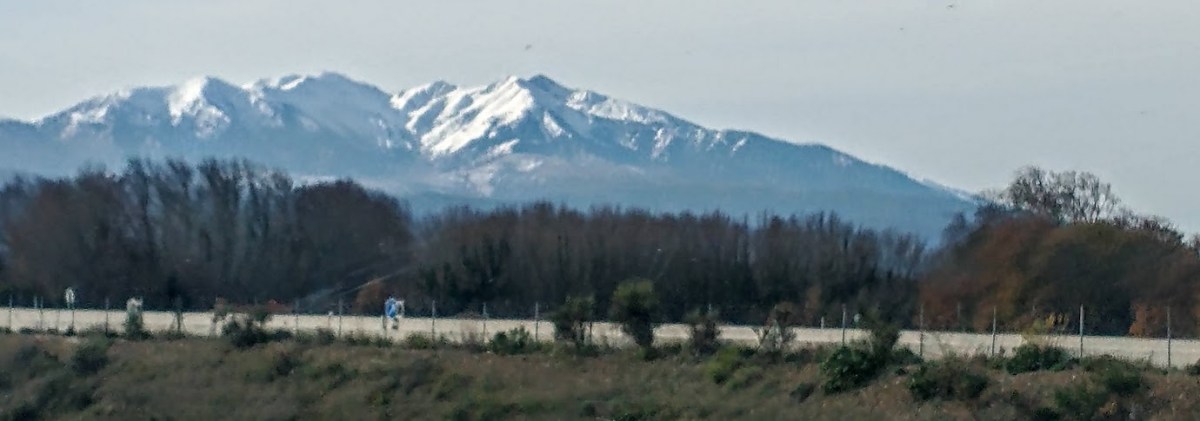
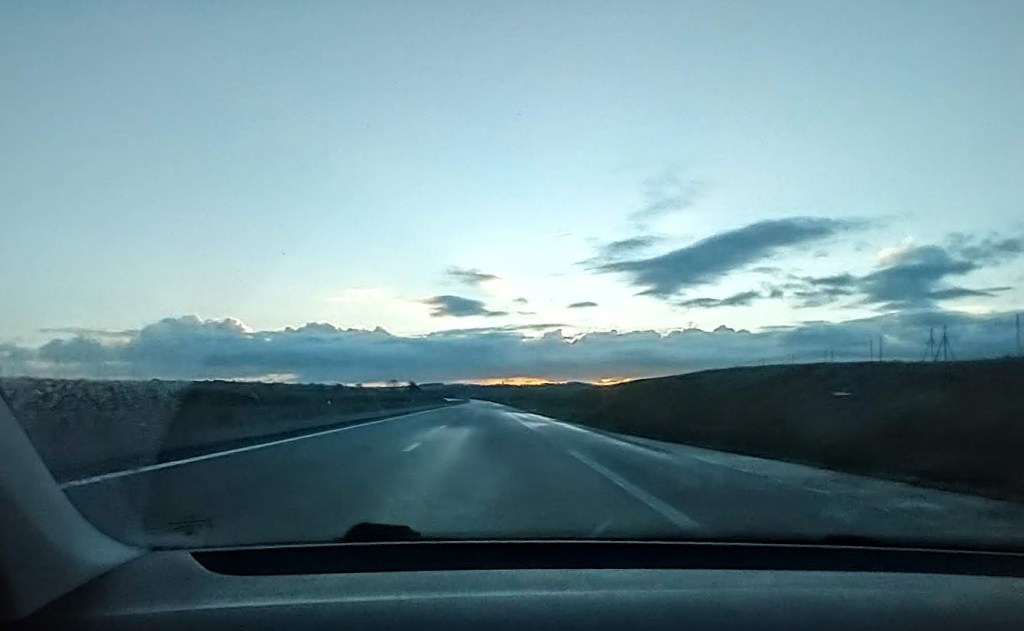
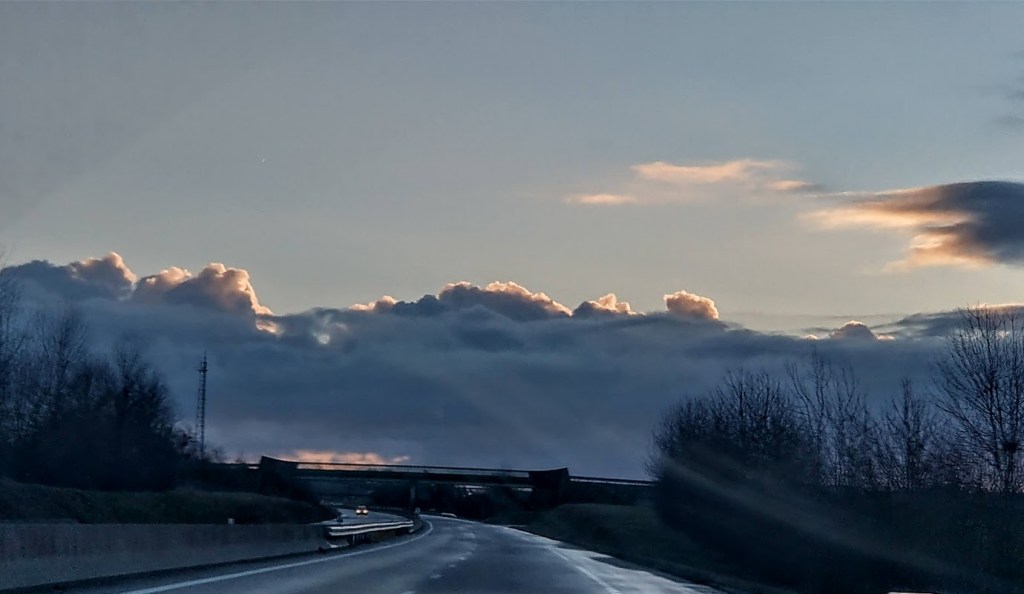
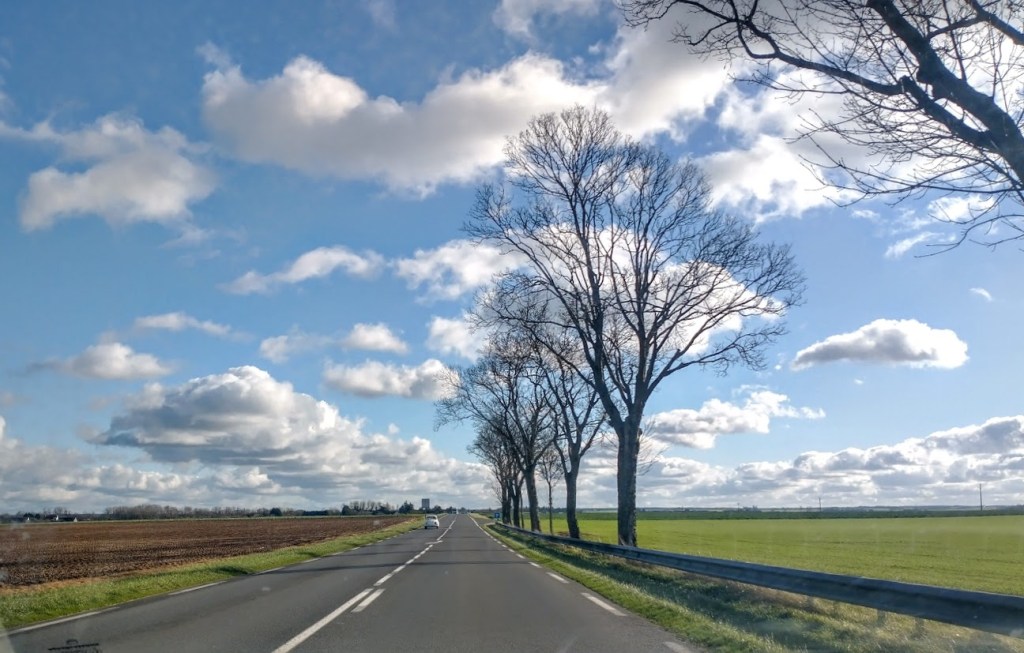
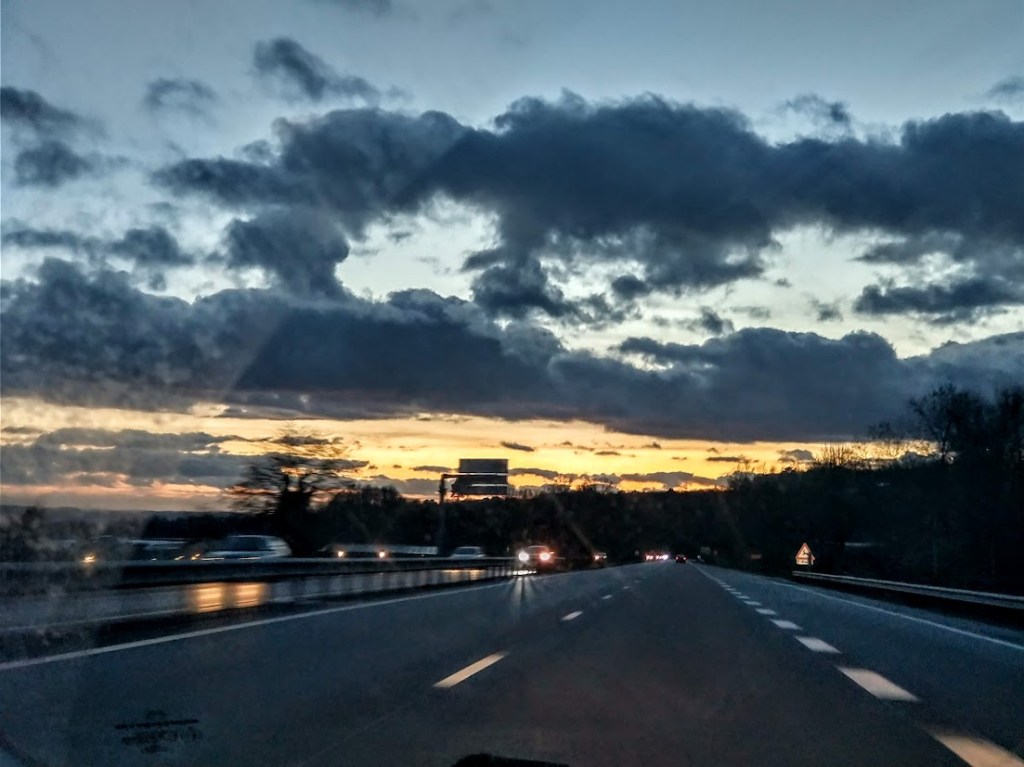
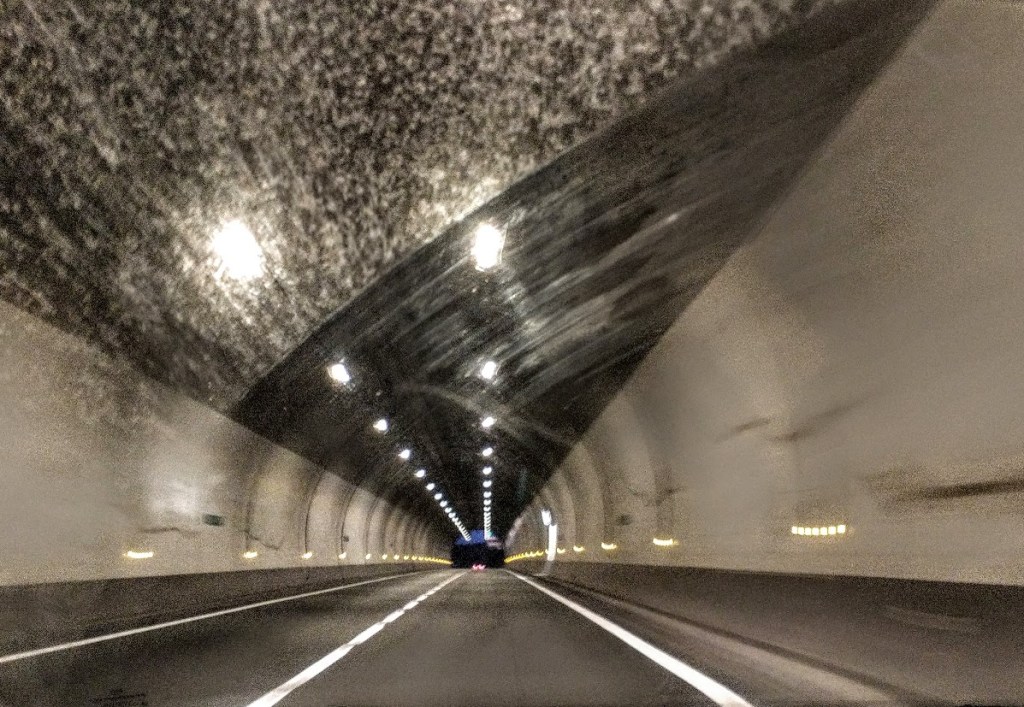
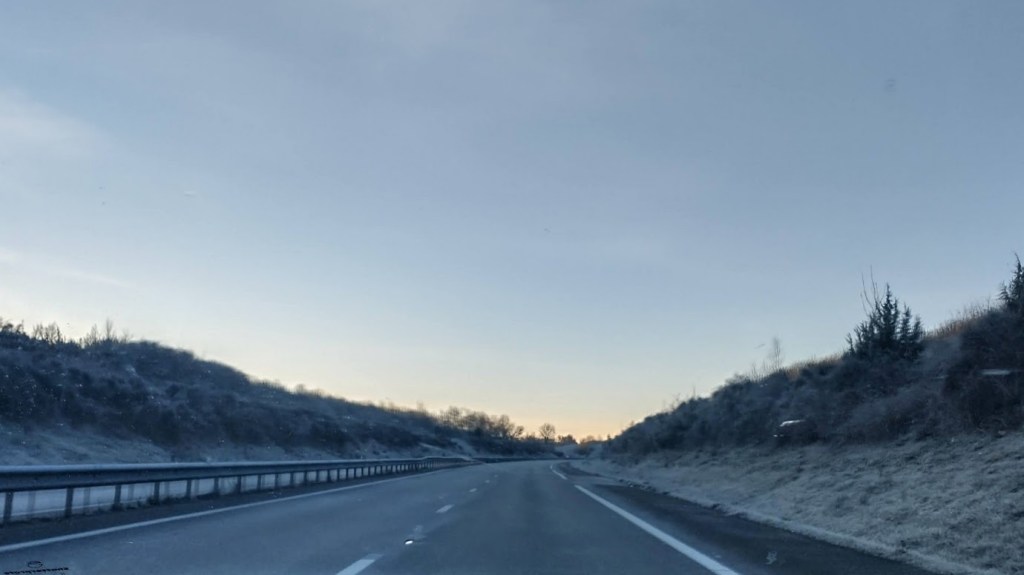
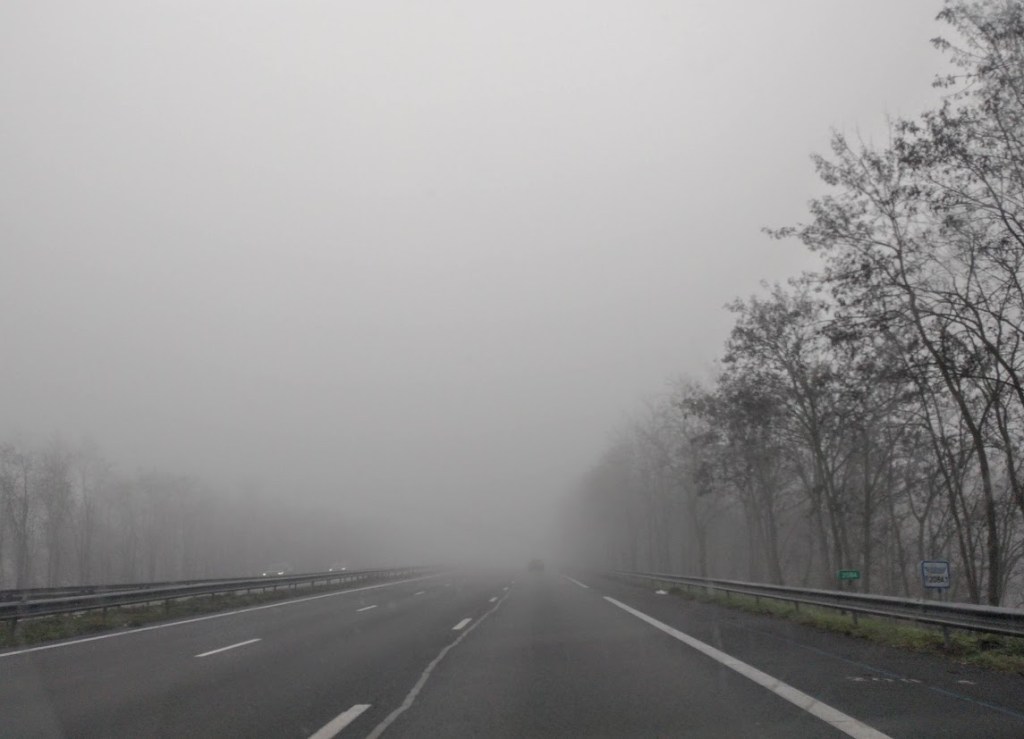
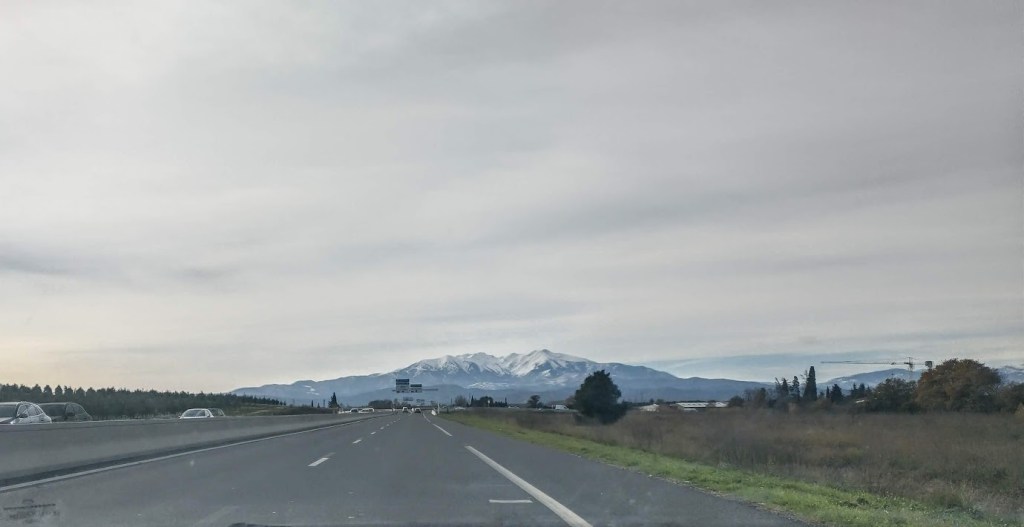
From dawn to dusk in France, then below-freezing dawn in France to sunny noon in Catalonia.
All taken from a moving car, so no prize-winning shots here. The featured photo is of the Pic du Canigou, the Pyrennean mountain which divides France from Spain.
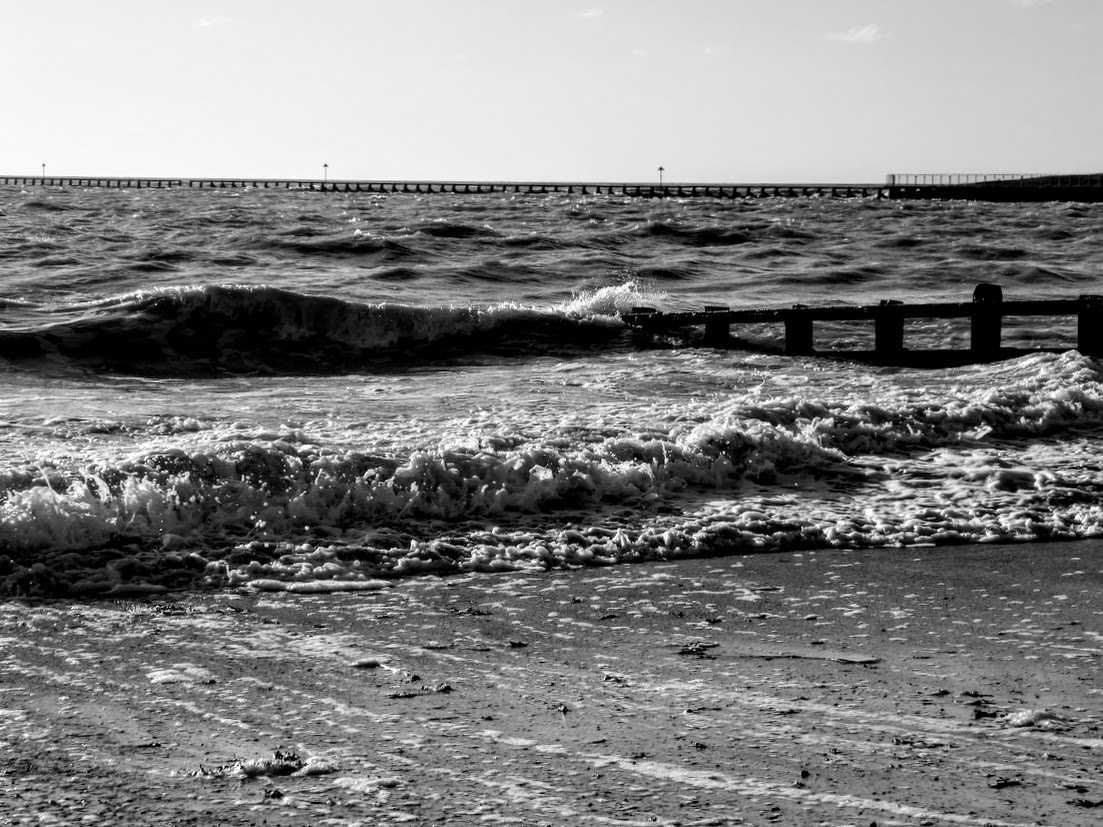
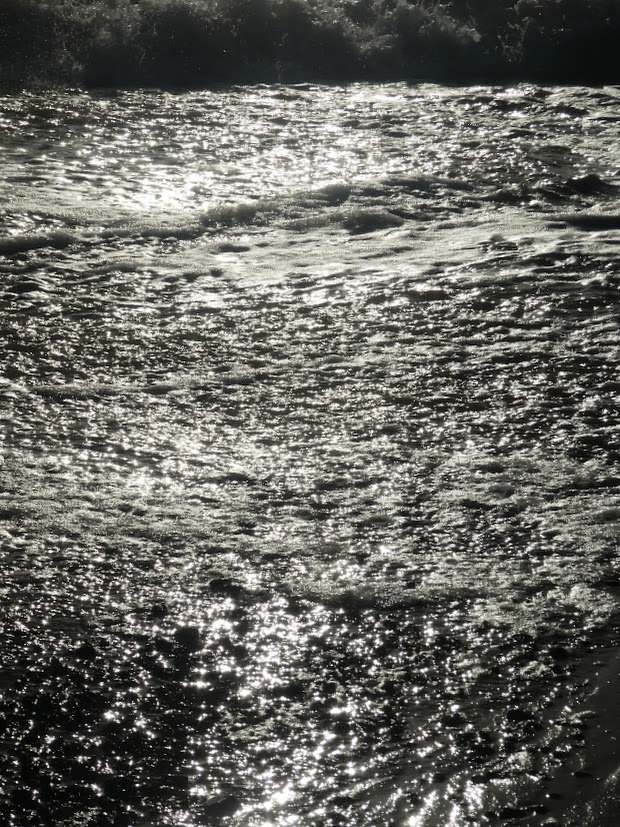
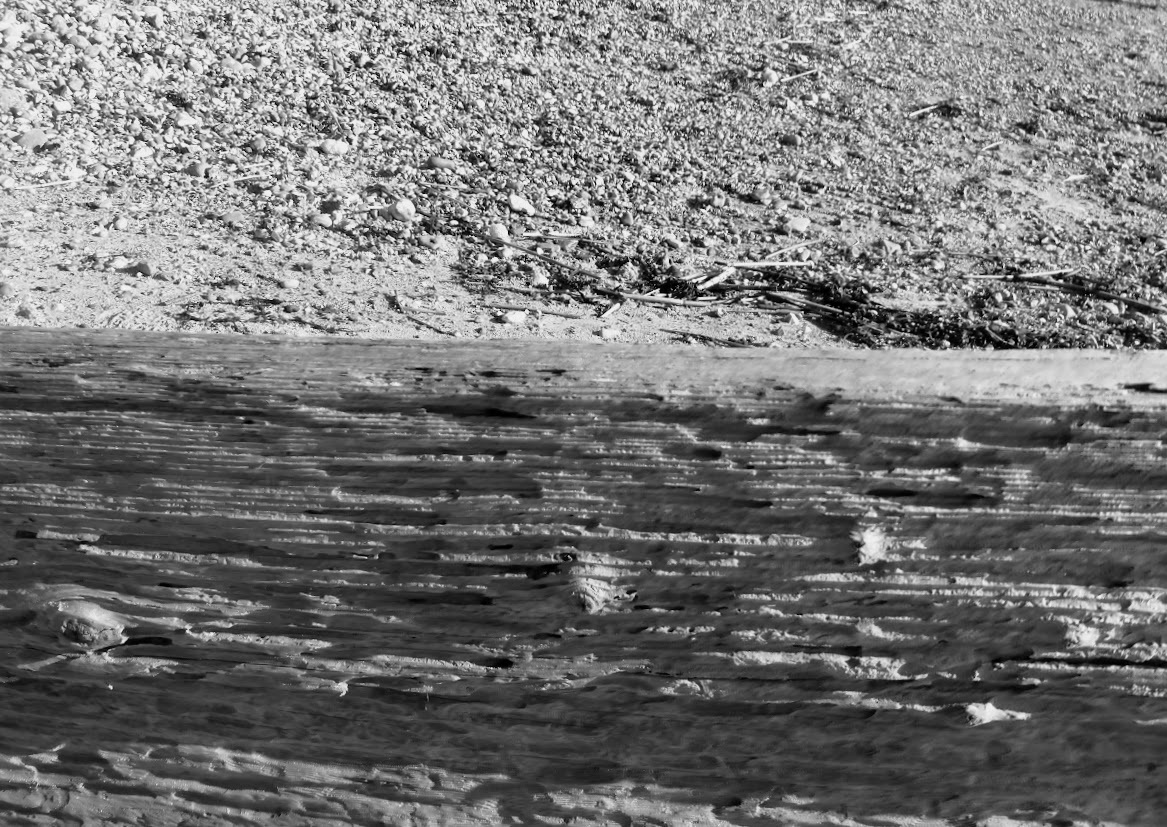
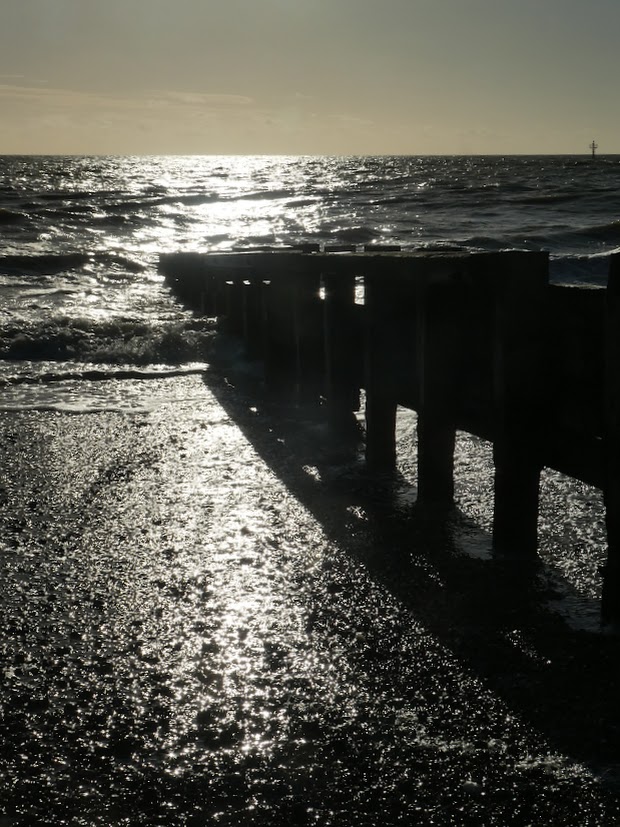
The British Sovereignhas an Official Birthday in order to conduct the Trooping the Colour at a suitable time of year. Our family: or at least the London and Spanish branches and us, had an Official Christmas at a suitable time in December: and we went to West Sussex together. Here was the winter seaside. A couple of these shots are natural monochromes because – well – the weather was naturally monochrome.
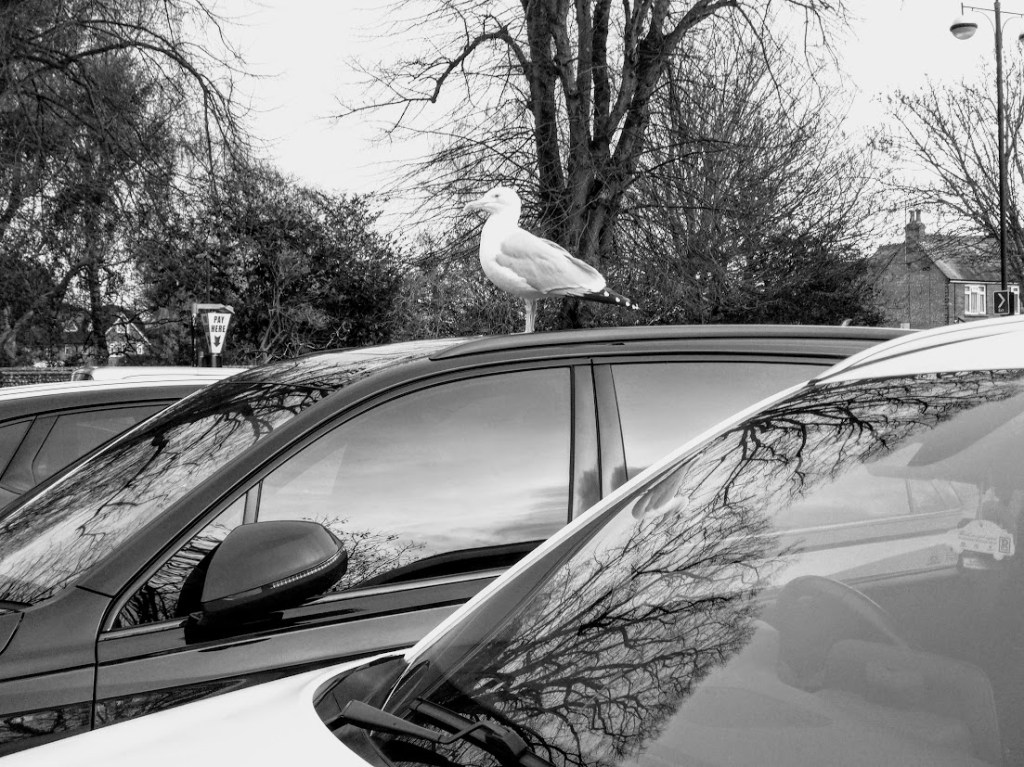
And that herring gull I showed the other day seemed to attract a few fans – as a bit of an anti-hero, I guess. So here he is again, on sentry duty.
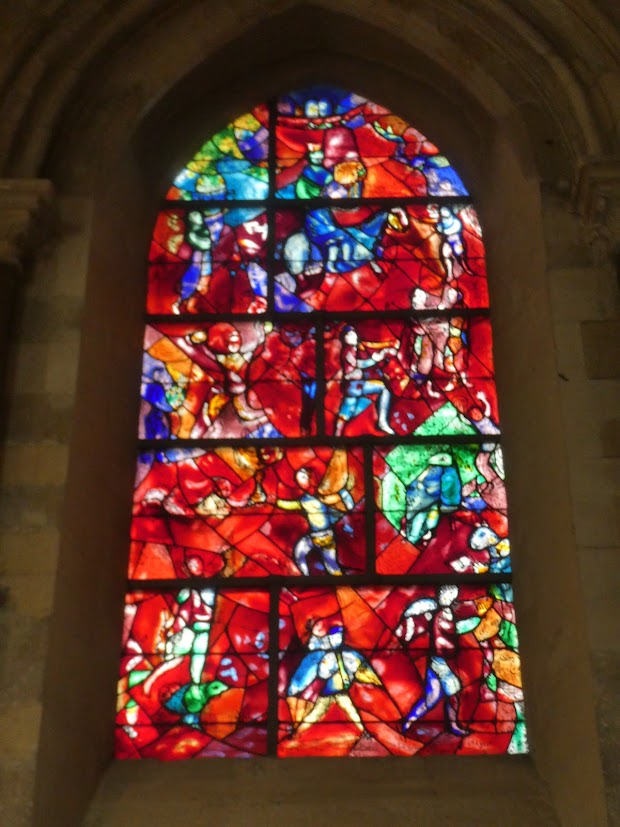
Here’s a window to cheer on a Monday morning. You’ll find it in Chichester Cathedral, and it’s designed by Marc Chagall the Jewish Modernist painter, who enjoyed working with stained glass too. You’ll find his windows in churches in France, Germany, England and the USA, as well as in Jewish settings. Essentially, this window illustates Psalm 150, a hymn of praise to God suggesting He be praised – noisily – with every instrument to be found, as well as by singing and dancing. That’s what this window illustrates.
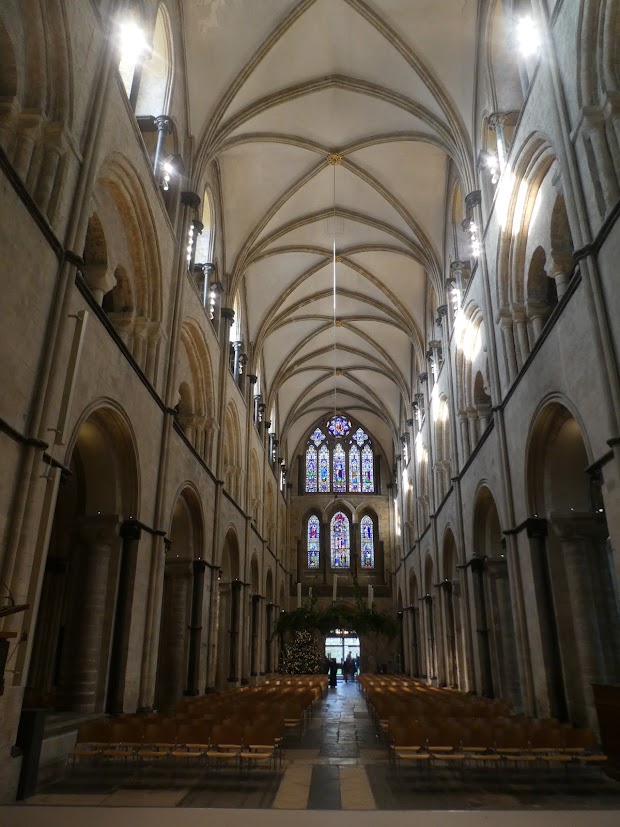
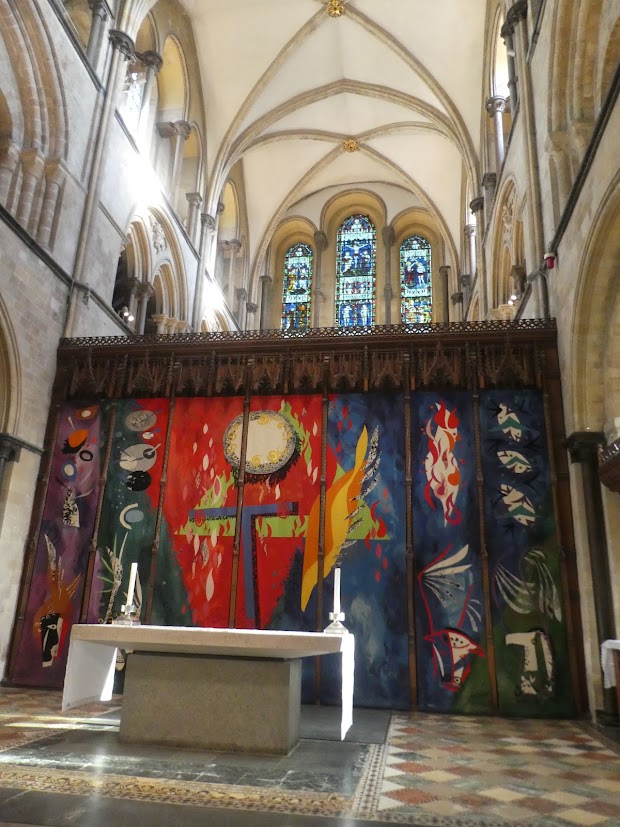
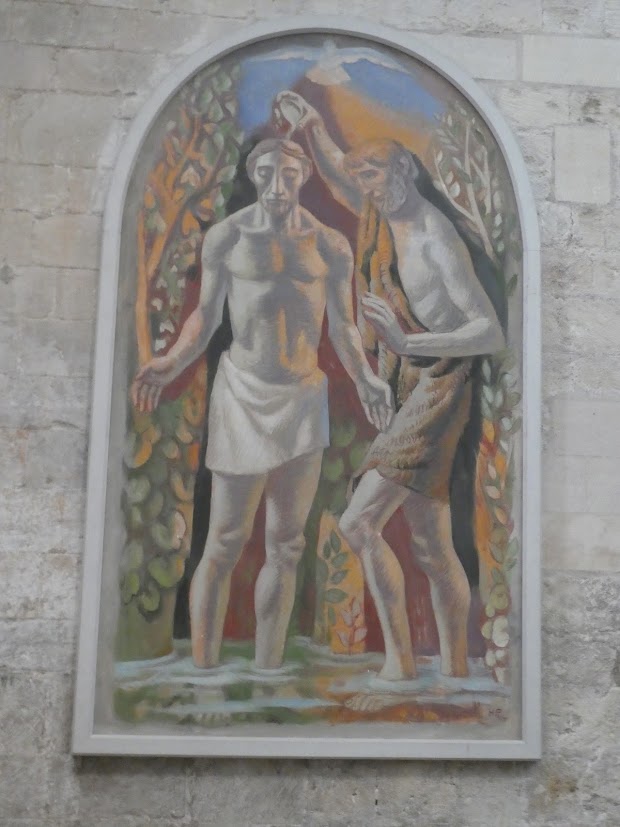
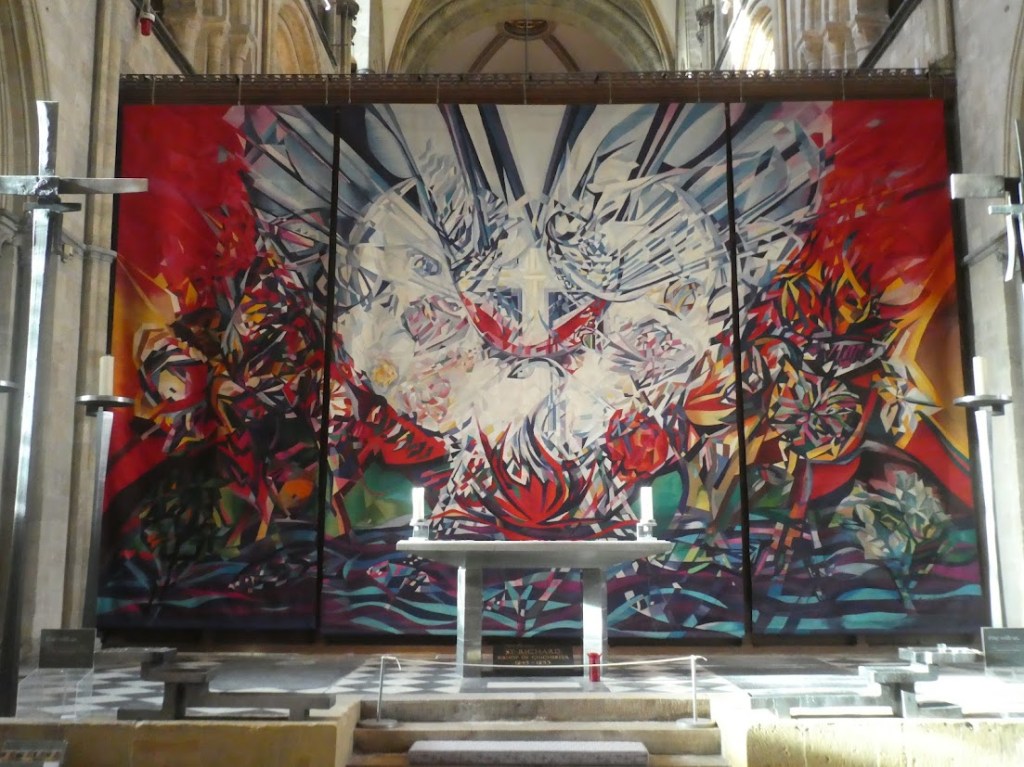
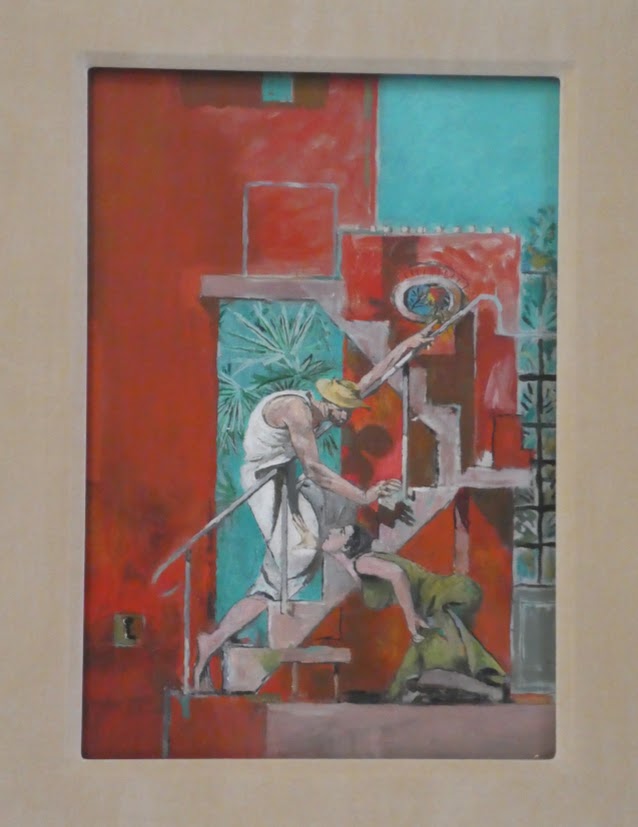
Chichester Cathedral came with surprises. This quintessentially English place of worship was built, as so many English cathedrals were, between the 11th and 14th centuries. So it was unexpected to find so many works of art from recent years there: a startlingly bright tapestry designed by John Piper; ‘Noli me tangere’ by Graham Sutherland; murals by Hans Feibusch, exiled from Nazi Germany in 1933; the ‘Reconciliation Tapestry’ designed by German artist Ursula Benker-Schirmer and woven partly in Germany, partly in England tells the story of Saint Richard and is a symbol of reconciliation between Britain and Germany after WWII.
Chichester CathedralJohn PiperHans FeibuschThe Reconciliation TapestryGraham Sutherland: ‘Noli me tangere.’
What a lightweight. A mere seven library books read in December. To be fair, I also read – and almost finished in December – another book, from The Library of a Friend. But that may not count.
But I had some Right Good Reads.
Simon Jenkins‘ A Short History of America: from Tea Party to Trump got a mini- review here and a ⭐⭐⭐⭐⭐rating .
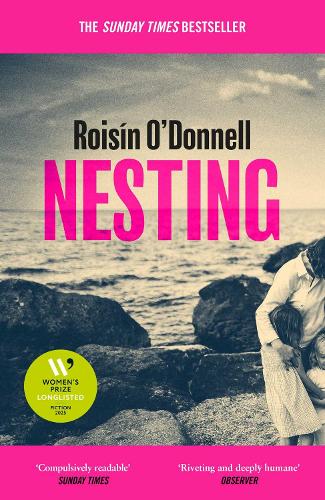
I fairly raced through Roisín O’Donnell‘s Nesting which details the story of Ciara, as she attempts to escape her controlling, domineering husband Ryan with her two small daughters. When she plucks up the courage to go, even finding a bed that first night is a major achievement. This book describes her attempts to move on as she attempts to keep two children fed, clean and entertained from the bedroom of a hotel partly dedicated to the homeless. A difficult subject tackled with verve and compassion by O’Donnell. ⭐⭐⭐⭐
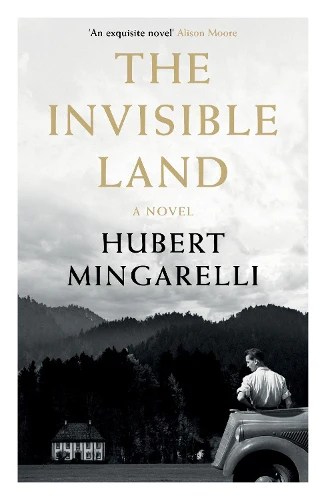
The Invisible Land: Hubert Mingarelli (Translated by Sam Taylor). An unnamed photographer has, just before the book begins, been documenting the liberation of a concentration camp. Now he wants to document ordinary German villagers. What he saw in the camps simmers away, quietly enraging him. We see, as he does, the bucolic calm of the countryside, as an impertinent and shocking contrast. A compassionate exploration of the – often unseen -consequences of war.⭐⭐⭐⭐
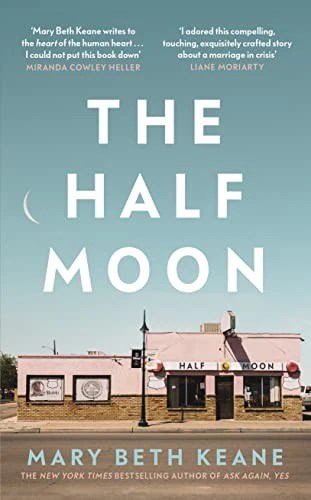
The Half Moon: Mary Beth Keane. Malcolm and Jess are in crisis. She’s just left the marriage for a breather and to take stock. There’s a blizzard in town. Theiy have financial worries. They’ve run through shocking amounts of money spent on unsuccessful IVF treatment – Jess can’t leave aside her dream of having a family. And Malcolm has taken on more financial commitments than he’d let Jess know about when he bought The Half Moon. The bar isn’t now doing well. The books backs and forths through their lives – Jess’s law degree, the community and families that surround them, Jess’s tentative exploration of a new relationship. This is a small town. Everyone knows everybody else’s business. How will things pan out? Only one way to find out. Read the book.⭐⭐⭐⭐
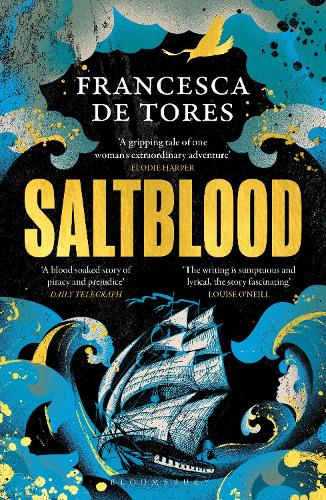
Francesca De Tores’ Saltbloodfollows the life story of an actual historical figure, Mary Read. Little is known of her but the barest of biographical details, but de Tores fleshes out her entire life to tell an engaging and richly atmospheric tale. Raised as a boy (that’s a story in itself) Mary/Mark first works in service. Then she joins the navy, and later the army – always concealing her female identity in these most male of environments. Read, who narrates her own story, is thoughtful and reflective, describing both humdrum days and moments of danger and adventure . There’s her marriage, her return to the sea, finally as a pirate … This is a well-written and realised drama which brought to life seafaring – and indeed day-to-day existence on land both in Europe and the Bahamas. Transatlantic trade and piracy were part of everyday life. I believe it’s historically correct, and it’s certainly a nuanced and compelling story inviting sympathy for anyone joining this remittingly tough way of life: especially if she’s a woman. ⭐⭐⭐⭐⭐
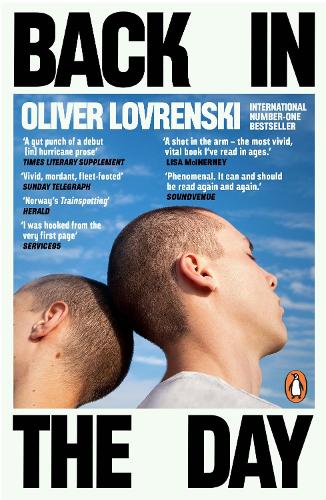
Back in the Day: Oliver Lovrenski. I want to draw attention to the quality of the translation by Nichola Smalley. Largely innocent of capital letters and full stops, this breathlessly episodic story is told in the street argot of the young immigrant who tells this tale. And Smalley has this language, and style of presentation off to a T. The four protagonists have come with their families as immigrants from various parts of the world. Clever and ambitious, they lose interest in school when they overtake their classmates and remain unchallenged. Dreams of becoming lawyers are exchanged for knives and protecting other family members. Drug dealing leads to institutional care for one, and a slippery slope to violence, machetes and guns. Will eventual grief and remorse result in a turning point? This is a tough, intense yet rewarding read by a young Norwegian of Croatian heritage who wrote it when he was just 19. I hope there’s more from him, and from his talented translator. ⭐⭐⭐⭐⭐
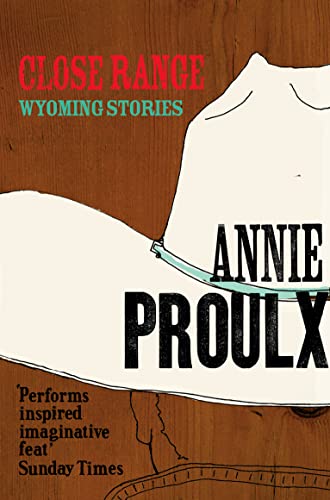
And finally, Annie Proulx’sClose Range. This isn’t so much a review as a place-holder as I haven’t read every story in this collection yet. Mainly because, much as I was enjoying them, I need a break from the colloquial style in which they’re written every now and then, even though it’s precisely this that brings the stories to life and makes them vivid. They’re about insular rugged people living tough lives in an unforgiving landscape – often lonely and contending with daily hardship. This doesn’t make for a bleak read however. The tone and language of the stories brings them vividly to life. More later when I’ve read the lot!
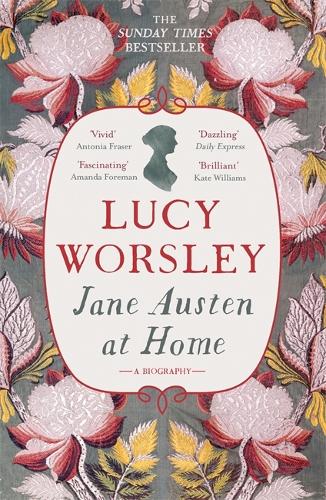
And that other book, lent by a friend? A brilliant evocation of Jane Austen’s life and times, immaculately researched, but immensely readable, by Lucy Worsley: Jane Austen at home. It had to be read, with the airwaves full of Austen memorabilia last year, the 250th year of her birth. ⭐⭐⭐⭐⭐
Unbelievably, I only have two books on loan at the moment. The first, plucked from the shelves on a whim, is proving utterly absorbing: Craft Land – a journey through Britain’s lost arts and vanishing trades, by James Fox. And the next is a doorstopper: Erika Fatland‘s High- A journey across the Himalaya through Pakistan, Indai, Bhutan, Nepal and China. I might need a big dose of fiction after that little lot.
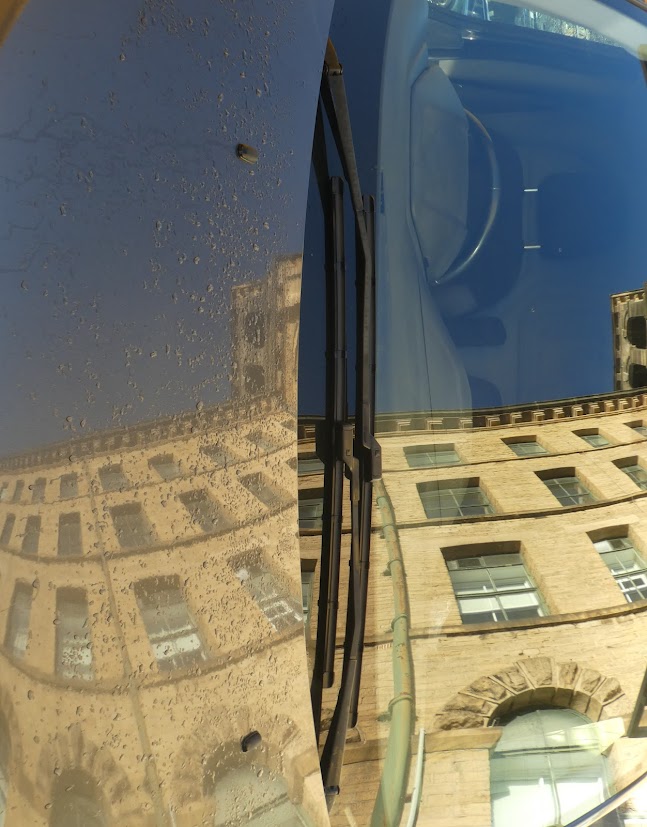
Spotted in Chichester on a car roof. This officious looking herring gull stayed there for simply ages.
My computer is extremely poorly and our techie support shop has taken an extended Christmas break – and why not? It explains my absence from the blogosphere and my somewhat cursory response to comments. Normal service may be resumed one day. Meanwhile – Happy New Year to all fellow-bloggers and all of you who read my blog. Thank you for being such a supportive community and great company.
The bots are out to get me! For the last few days, I have been the World’s Most Popular Blogger, with stratospherically high viewing figures. This has happened in the past, and changing my password has instantly solved the problem. This time it’s had no effect. Any suggestions?
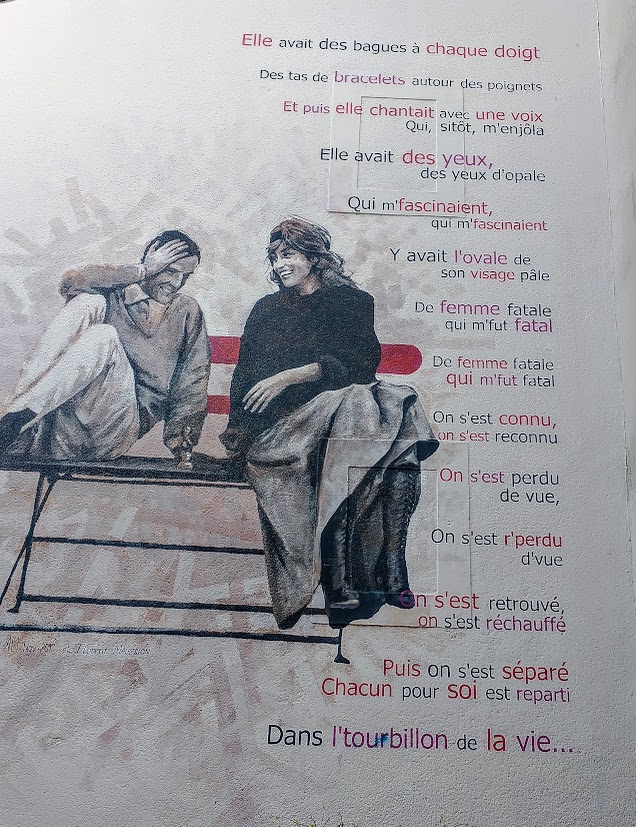
All through 2025, Jude of Travel Words fame has invited us to give our Sunday posts over to benches. Benches that are worth sitting on for the rest and comfort they offer, or for the views they preside over. Even though I’ve been an inconsistent post-provider, it would be rude to ignore this final Sunday. And just to be contrary, I’m offering not an actual bench, but a piece of street art in Angers, France, showing a bench – in honour of this song composed for Jeanne Moreau, who sang it in the film Jules et Jim.
As I turned the last page of one of the very first books I read this year, I knew it would make my 2025 Top Ten. It may even be my Top Read. It’s Lucy Steeds‘s The Artist, set in rural Provence in the years after WWI. Rupert is sent off to France to write about the reclusive and wildly successful artist, once a friend of the deceased Cezanne, Edouard Tartuffe. Here he meets the idiosyncratic and uncommunicative painter, and his timid, almost invisible niece, Ettie, who serves his every need. This is their story – evocative, involving and completely immersive.
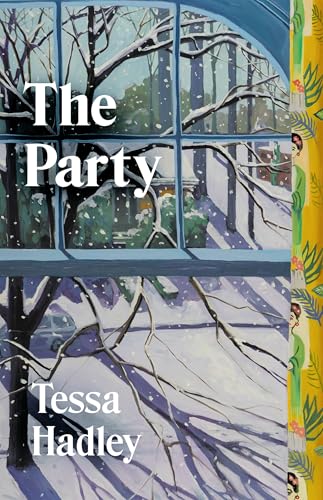
Shortly after this, I read Tessa Hadley‘s The Party. Hadley packs a lot into this novella about two student sisters, Evelyn and Moira, living in Bristol on the cusp of the 1950s. We meet them at a party in an all-but abandoned pub. We’re introduced to their home life, and to their sortie out of this stifling environment. A thoughtful and enjoyable evocation of a period of recent history and its awareness of class, its sexual and societal mores that feels at once so distant, yet so very recognisable.
Douglas Bruton‘s Woman in Blue next. He must have been fascinated by Vermeer’s Woman in Blue Reading a Letter, in the Rijksmuseum: he knows it so well. In his story, an unnamed man visits this picture every day, for several hours, knows it intimately and interrogates it for meaning. The other narrator is the young woman in the picture, who describes how it is she comes to sit for this particular portrait, and her own feelings. This book explores the boundaries between reality and illusion in art, inspecting the portrait and the two protagonists intimately. It’s a captivating novella, with a surprise ending, and beautifully expressed throughout.
Joseph O’Connor‘s The Ghosts of Rome now. A thriller that starts where My Father’s House leaves off: though it can be read independently of the earlier book without difficulty. We’re in Nazi-occupied Rome in 1944. The novel details the activities of a group in the Vatican known as The Choir, daring Escape-Line activists, who have real achievements under their belts despite the disapproval of the Pope, and the efforts of Obersturmbannführer Paul Hauptmann to have them brought down. The writing is immediate, graphic and authentic; and the book is based on a real knowledge and understanding of this particular slice of Rome’s wartime history. It’s a thrilling and involving story that I was captivated by from the very first page.
Georgina Harding‘s Land of the Living has two settings: the Burma campaign towards the end of WWII, set in the beautifully exotic and remote landscape of Nagaland with its rains, forests, waterfalls and exotic birds; and the muted grey, flat Norfolk farmland to which Lt. Charles Ashe returns to farm following his wartime soldiering. Ashe soon marries the woman he was engaged to, Claire, and embarks on the hard day to day life of a Norfolk famer. He can’t – won’t – communicate with her about the horrors he’s encountered. She doesn’t know how to break his protective shell, finds she hardly knows him. Their mutual incomprehension, and Ashe’s two vastly different worlds is well-wrought. A vivid and emotionally charged book.
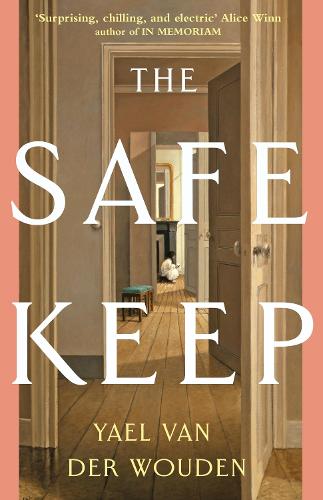
The Safekeep: Yael van der Wouden. We’re in a small Dutch town in the 1960s. WWII has cast a long shadow. Memories of the hardships endured then, and of the fall-out from the defeat of Germany intercede in every day life.This book keeps on delivering surprises. Is it about a lonely – and frankly unpleasant – young woman, Isabel, left living in the family home after her parents had died and her brothers departed? Is it about an astonishingly unexpected lesbian love affair? Or perhaps something else altogether? An absorbing, cleverly plotted book, which made me aware of a part of Dutch history about which I knew little.
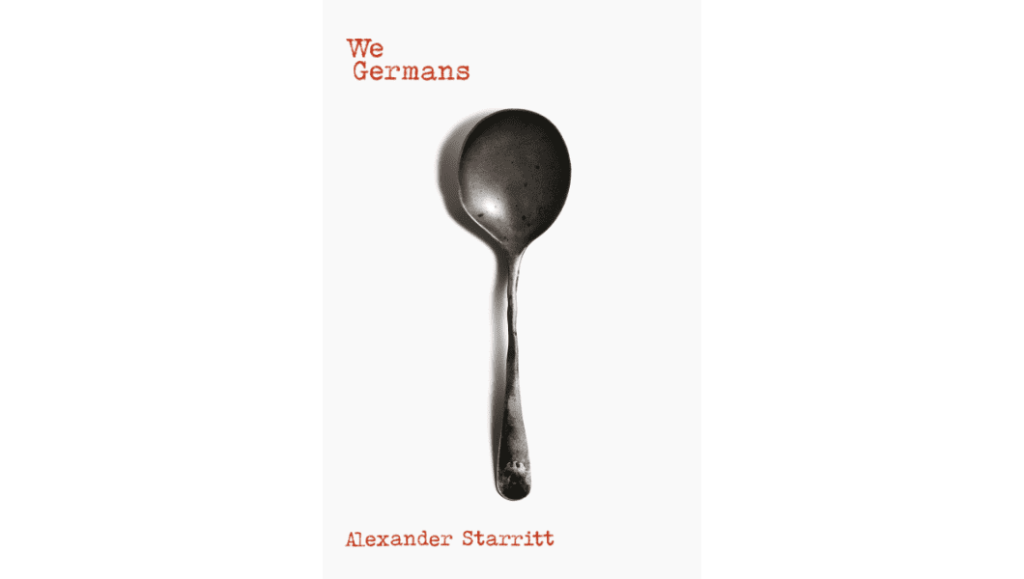
We Germans, by Alexander Starritt, takes the form of a long account written by an elderly German, shortly before his death, to his British grandson, who has, perhaps clumsily, been asking what the old man did back in WWII. In 1944, Meissner, a German artillery soldier, had been fighting with his unit in Russia, in Ukraine. But in Poland, he and a few others somehow got separated when detailed to look for a rumoured food depot. They’re forced to kill as they attempt to muddle their way back to their unit, They witness horror. They steal. They squabble. This is a well-drawn book, a deft exploration of the moral contradictions inherent in saving one’s own life at the cost of the lives of others. Though fiction, it’s clearly deeply rooted in the reality of the helpless, pointless horror of the last period of the war for those often starving people, both army and hapless civilians who found themselves marooned on the Eastern Front.
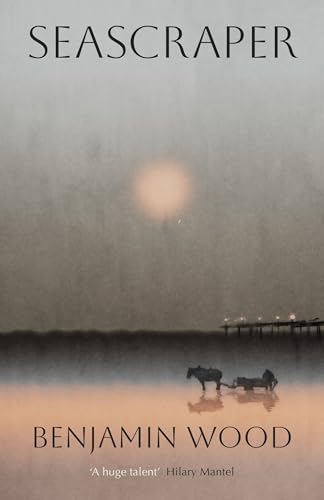
With Benjamin Wood‘s Seascraper, we’re in the 1950s. Thomas is nineteen, and lives in poverty with his mum in a dishevelled house in a depressed Lancashire coastal town , scrabbling a living since his much-loved grandfather’s death by continuing his work as a shankar – prawn collector – using a pony and trap. Though bright, he never completed his schooling. His dream is to become a musician. One day, an American film director who somehow meets his mum involves Thomas in his idea to use a stretch of local beach as the atmospheric backdrop to his latest film. And he’s willing to pay Thomas well. Although he’s sceptical, this is an opportunity perhaps to escape his obligations, the bleak poverty of his situation. Of course, things don’t turn out to be so straightforward, but yet the story ends with a glimmer of hope. This story, unfolding a film-that-might-be is cinematic in its evocation of the bleak seaside landscape and Thomas’ dreary, tough existence. It packs a lot into its 160 pages. Benjamin Wood is someone whose writing is to be savoured.
The Two Roberts by Damian Barr re-imagines two lives: those of Bobby McBride and Robert Colquhoun, two twentieth century painters of whom you may not have heard. Both born in working-class Glasgow just before WWI, they both had a struggle at home to be permitted to attend Glasgow School of Art. Where they met, and soon became inseparable, living and working together, exploring their homosexuality at a time when they risked ostracism and imprisonment by being so much as noticed for this. Early success propelled them to star-status. They worked hard, but played harder, and their tendency to self-destruct sent them on a downward trajectory towards poverty and early death. An immersive, sympathetic imagining of two lives. The first part, where the two men overcome their difficult circumstances to become rising stars is perforce much more enjoyable than the later chapters illustrating their self-destruction. But the book describes well the blossoming of two talents, as well as showing what it meant to be queer in a society which both reviled and punished homosexuality.
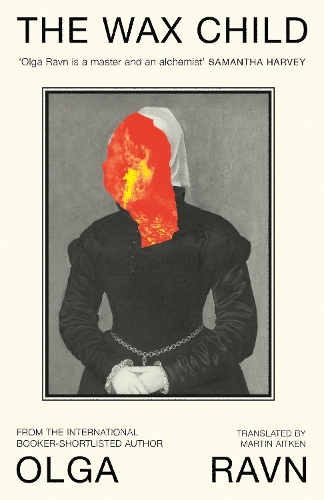
The Wax Child by Olga Ravn is beautifully translated by Martin Aitken. This story takes us to 17th century Denmark, where on average, one ‘witch’ was burned every five days. This kind of event was mirrored all over Europe. Our narrator is a little beeswax doll fashioned by a impoverished noblewoman, Christenze Krukow. Omniscient, she sees and hears all that goes on. How her maker is one of a group of women who work, and sing, and gossip, and practice the folk remedies they learned from their own mothers: who protect one another from violence from husbands or others in their household: who become seen in their communities as practisers of magic and witchcraft. The book is interspersed with spells and incantations which exist not to harm, but to protect; to prevent accident and disease; to bid others be kind; to divine if someone’s life may soon end. Inevitably, most die, found guilty of witchcraft. This book is beautiful, horrifying, visceral, poetic. There is a sense of spells being woven on every page. The women in this story existed. They died as ‘witches’ and now they are remembered in this powerfully atmospheric and evocative re-imagining of their circumstances.
I made this list of Top Ten books a week or so ago. But lo! Since then I have had two further 5 ⭐reads. I’ll review those in my Love your Library round-up next week. They couldn’t be more different from each other. They’re Saltblood: Francesca de Tores and Back in the Day: Oliver Lovrenski (Translated by Nichola Smalley).
It’s been a good year for memorable books. Of the 112 or so books I’ve read, well over half have scored 4⭐and above.
Only one has gained but a single star: Horrible Histories author Terry Deary came and spoke at our local Independent book shop about his venture into crime writing – Actually I’m a Murderer. I thought I should give this book a chance, even though Cosy Crime isn’t my thing. I tried. I have concluded that Cosy Crime definitely isn’t my thing.
I already have a pile of books, mainly from the library – fiction, works in translation, and non-fiction, awaiting my attention in 2026. Not to mention the books that sit on our bookshelves, month after month, wondering why I never get round to them. One day …
Joyeux Noël – Feliz Navidad – Bon Nadal – Fröhliche Weihnachten – Buon Natale – Feliz Natal – Hyvää Joulua – God Jul – Geseënde Kersfees – Chúc Giáng Sinh Vui Vẻ – क्रिसमस की बधाई – Maligayang Pasko – Mutlu Noeller – Wesołych świąt – Gut Yontif – Prettige Kerstdagen – Crăciun Fericit
Season’s greetings to you all. I’ve tried to include a message to readers from every country where I have a follower: apologies if I’ve missed you out. Though as you all speak English, maybe I didn’t need to do this. You may not celebrate Christmas: but most f us seem to have an end-of-year festiviy of some kind












You must be logged in to post a comment.