
On the first Saturday of every month, a book is chosen as a starting point and linked to six other books to form a chain. Readers and bloggers are invited to join in by creating their own ‘chain’ leading from the selected book.
Kate: Books are my Favourite and Best
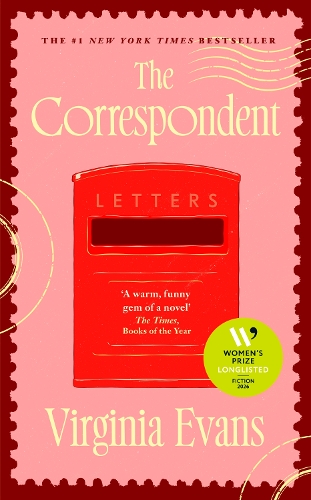
I have had a lot of trouble with this chain: It’s stumbled together, rather than gracefully evolved. And it begins with a book I haven’t read. The Correspondent, by Virginia Evans is a debut epistolary novel exploring the life of Sybil Van Antwerp, a prickly, 73-year-old retired Maryland lawyer navigating deteriorating eyesight and past grief.
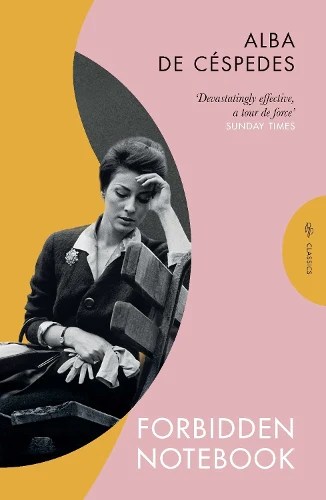
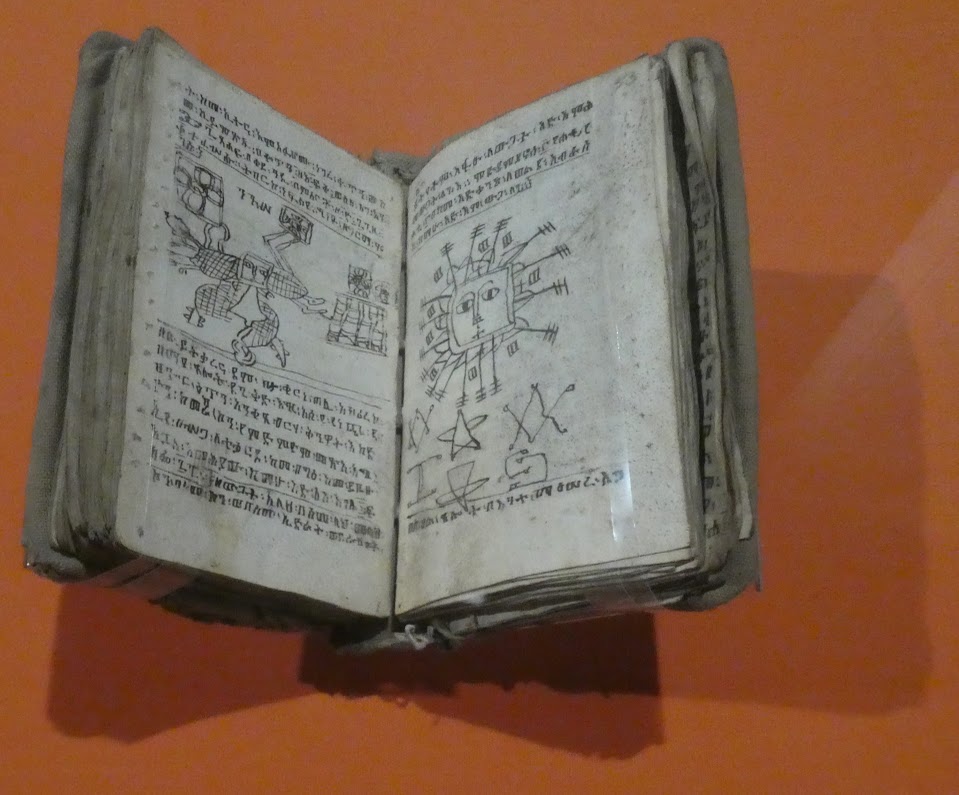
I decided to go with a woman who writes – not letters, but a notebook. Forbidden Notebook, by Alba de Céspedes and translated by Ann Goldstein, is set in 1950s Rome, about Valeria Cossati, a 43-year-old wife and mother who starts a secret diary. Her dreams are humble: to have space in the house for herself, and just a little time. Writing in this forbidden journal causes her to question her restricted domestic life, her husband’s patriarchal authority, and her own identity, leading to a profound personal awakening.
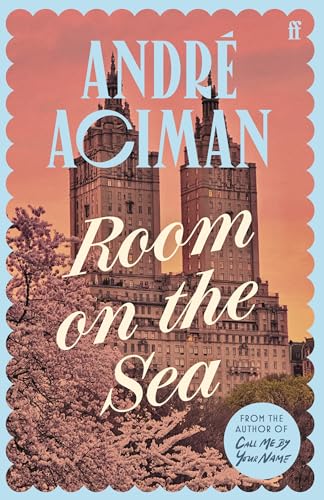
What about a woman – and a man too, in fact – who hadn’t even known they were dissatisfied, until …. ? This story is told in André Aciman’s Room on the Sea. Paul and Catherine are two married professionals in their 60s who meet during a sultry New York City jury selection. Over a week, their initial connection deepens into a secret, intense, and philosophical romance, exploring themes of yearning, regret, and the temptation to act on missed opportunities. This novella charmed me as much as this man, this woman charmed each other. Their easy teasing relationship, their way with words, their openness with one another had me rooting for them.
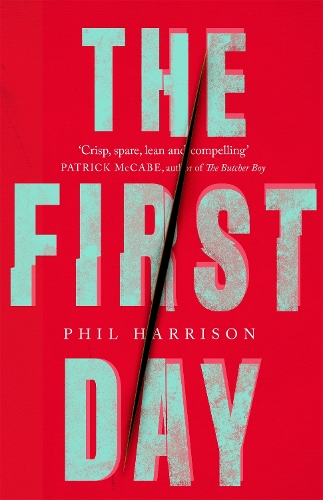

Maybe Paul and Catherine have an affair. Maybe they don’t. My next book, Phil Harrison’s The First Day begins with an affair and its consequences. It’s a book of two halves. exploring a destructive affair between Samuel Orr, a married Belfast preacher with a twelve year old son Philip, and Anna, a young Beckett scholar. Anna falls pregnant, they keep the baby … and everything falls apart. Fast forward thirty years to New York where that baby, Sam is now living. He’s our narrator – actually it turns out he always has been. Why is he there? Why is he choosing to stay under the radar? Eventually, horrified, we find out. This is a very readable book about faith, about power-imbalance, about desire, about long shadows cast by single events.
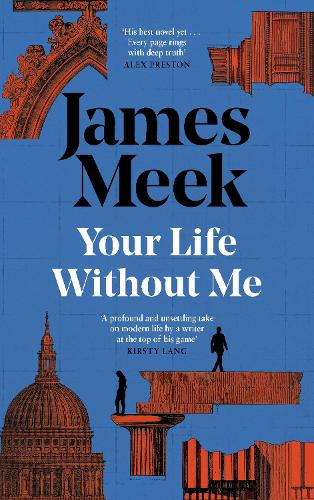

In The First Day, Samuel Orr is never referred to as anything but ‘Orr’. In James Meek’s Your Life Without Me, the main protagonist, an English teacher, is only ever known as Mr. Burnham. The story centres on him as he navigates the death of his wife Ada, and his strained relationship with his truculent teenage daughter Leila. And there’s Raf, ex-pupil with whom he maintains close contact. Is Mr. Burnham going to be implicated when Raf is discovered in a major act of terrorim? Despite the perhaps over-neat ending, this is a well-delivered book about four flawed and compromised people, building into a compassionate and involving story.
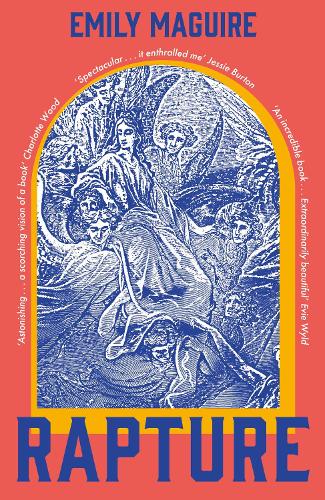

Leila is an awkward and motherless teenager. Let’s go back twelve centuries and find another: Agnes, in Emily Maguire’s Rapture. Brought up and educated by her father in a world of men, Agnes renders herself unsuitable marriage material in 9th century Mainz. When her father unexpectedly dies, she disguises herself as a man and enters a monastery. The book catalogues her life as a respected scholar and scribe in an austere Benedictine monastery, and her subsequent adventures which see her travel to Athens, to Rome, where her scholarship, her piety ensure she’s always noticed by those who matter. She lives always with the fear of being found out for who she is, with the discomfort of her tightly bound breasts, with her tussles with herself over her austere faith. We come to know Agnes/John as a child, a scholar, a woman, a lover, a teacher… and finally a pope. An absorbing, well researched, imagined and audacious story, transporting me to the reality of religious life in 9th century Europe.
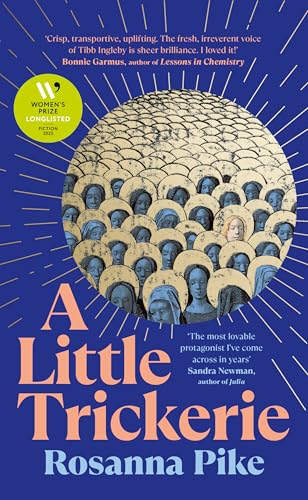
We’ll stay in the past, but in early Tudor England, and meet a young vagrant, Tibb Ingleby, in Rosanna Pike’s A Little Trickerie. Her mother dies, and Tibb has to make her way alone in a world where vagrancy is a crime. Meeting a young lad, Ivo, makes a big difference and the two team up. One day he disappears, and her next adventure sees her falling in with a band of strolling players. And on the story goes, vivaciously told by uneducated Tibb, who nevertheless has a way with words. Who knew that being naked was ‘wearing a no-clothes outfit’? Through her we meet the often horrifying prejudices and superstitions of early 16th century England, The last section of the book is inspired by the story of a real woman known as the Holy Maid of Leominster who, like Tibb herself, engaged in fraud and ‘trickeries’ . Fraudster or not, Tibb is an engaging character, doing what she can to get through life as best she can, never hurting those she holds dear. The ending disappointed, but till then, I found it an involving story.
So there we have it. Six books, six or more characters with tales to tell about their ordinary – or not so ordinary – lives. Next month, we’re to begin with Charlotte McConaghy‘s Wild Dark Shore, set on a remote small island housing the world’s largest seed bank. That should give scope for next month’s Six Degrees to scatter in many different directions. If you don’t already … why not join in?

 From Pyrenees to Pennines
Beautifully done, as usual!
LikeLiked by 1 person
Thank you!
LikeLiked by 1 person
Another absorbing six, Margaret. Have you ever thought of writing a book yourself? You do have a gift with words xx
LikeLike
Great chain Margaret, with some interesting sounding books, including your first. I nearly linked first to a book featuring a woman who writes (translations, in my case). I then did something different, as you know, but I ended up ending with that one that was nearly the first link!
LikeLike
I enjoyed A Little Trickerie, although it took me a while to get used to Tibb’s unusual use of language! I haven’t read any of the other books in your chain, but all of them sound interesting.
LikeLike
scrambled together or not, another good post! Room on the sea and the first day appeal
LikeLike
For a chain you struggled with, it’s certainly inspiring. You have me sold on almost every book you’ve included. And I love the pun at the end there!
LikeLike
You did an excellent job here! I have the Correspondent in audio and am ready to read it. The other books all look appealing as well, especially Rapture.
LikeLike
Couple of interesting reads there to look out for
LikeLike
You’ll be pleased to hear you’ve added Forbidden Notebook and The First Day to my tbr list.
LikeLike