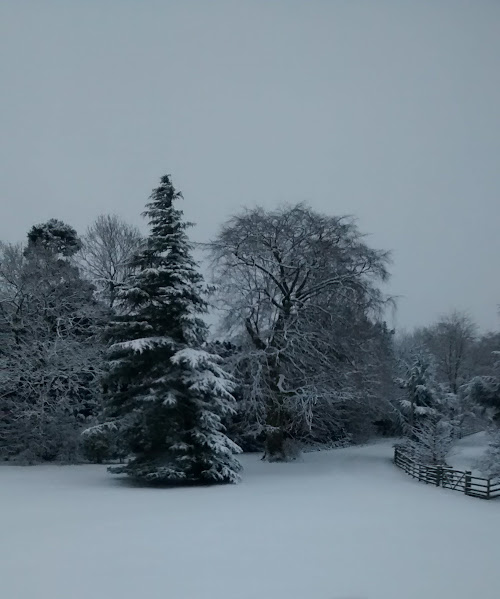
By gum, it’s freezing today. The temperature may decline to rise above zero all day. I’m in urgent need of some of summer’s warmth. Poppies might do it.
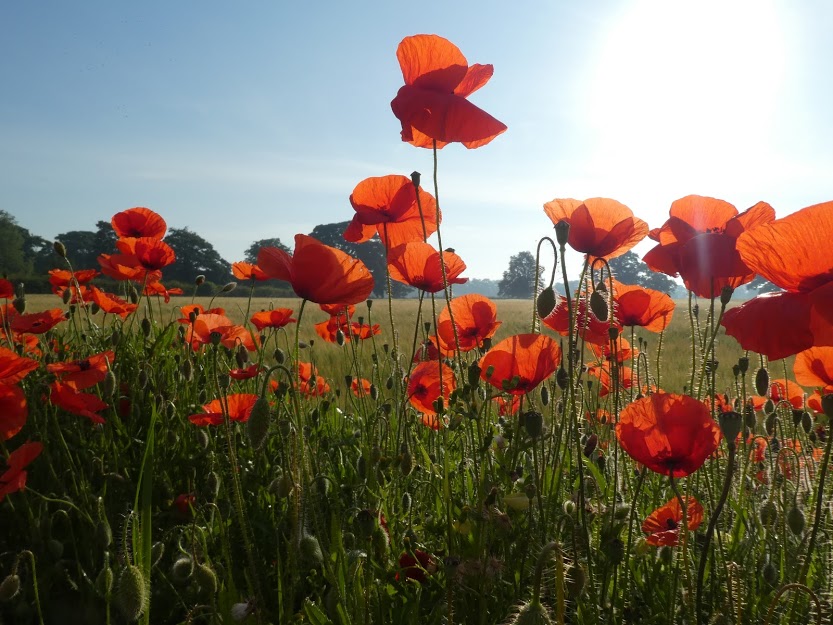
For Debbie’s Six Word Saturday.
By gum, it’s freezing today. The temperature may decline to rise above zero all day. I’m in urgent need of some of summer’s warmth. Poppies might do it.
For Debbie’s Six Word Saturday.
That is the question posed by Patti, for this week’s Lens Artists’ Challenge #228. Well, not done for me exactly, but done for my photos. Have a photos diagonal lines invited us in, encouraged us to explore the picture, or to focus on some detail?
Let’s have a look, and have a bit of a trip out too.
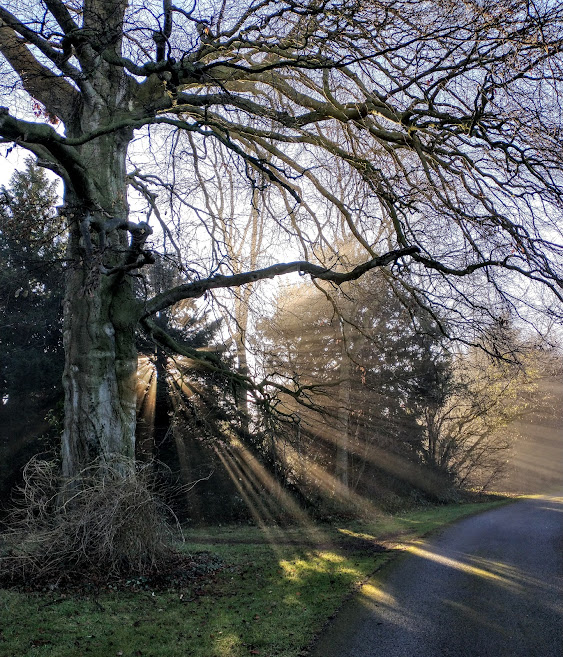
We’ll start off close to home, one cold wintry morning as I went to get the paper. Those rays of sunshine enlivened the scene, and my mood.
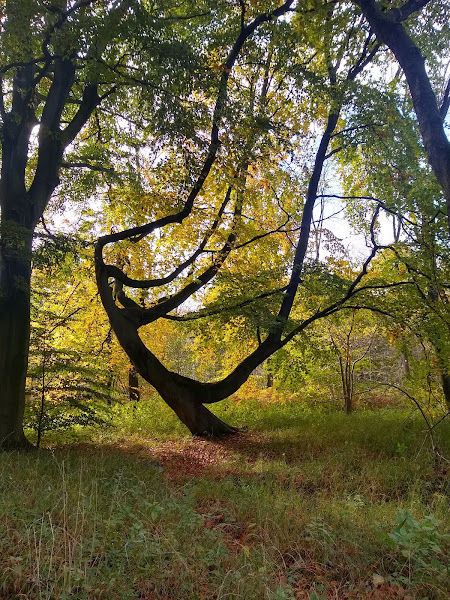
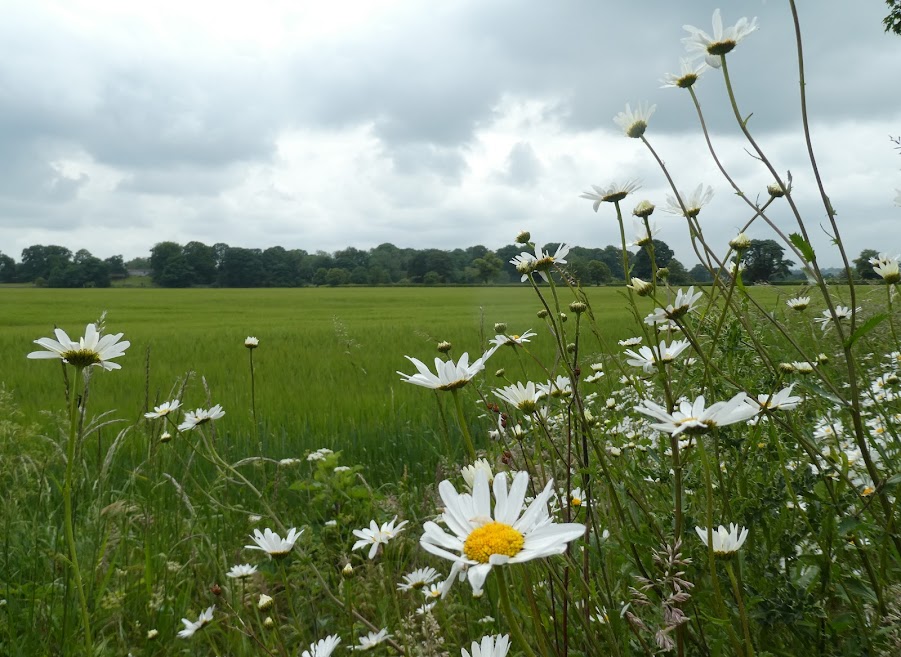
Here are two more, from just down the road. A tree which instead of reaching skywards, leans across the woods to demand a place centre-stage for the whole shot. And ox-eye daisies splicing the image in half, showing us there’s countryside, not a garden beyond.
A trip to the seaside? Alnmouth in Northumbria?
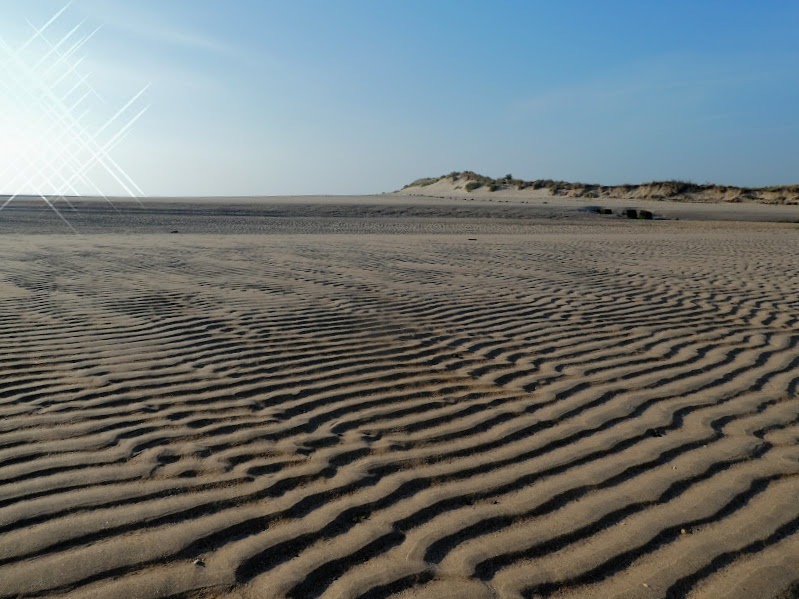
This quiet beach looks dramatic when the tide’s out.
Brussels now. A bank of plate glass windows reflects the opposite side of the road to dramatic effect. Monochrome too, for Bren’s Mid-Week Monochrome.

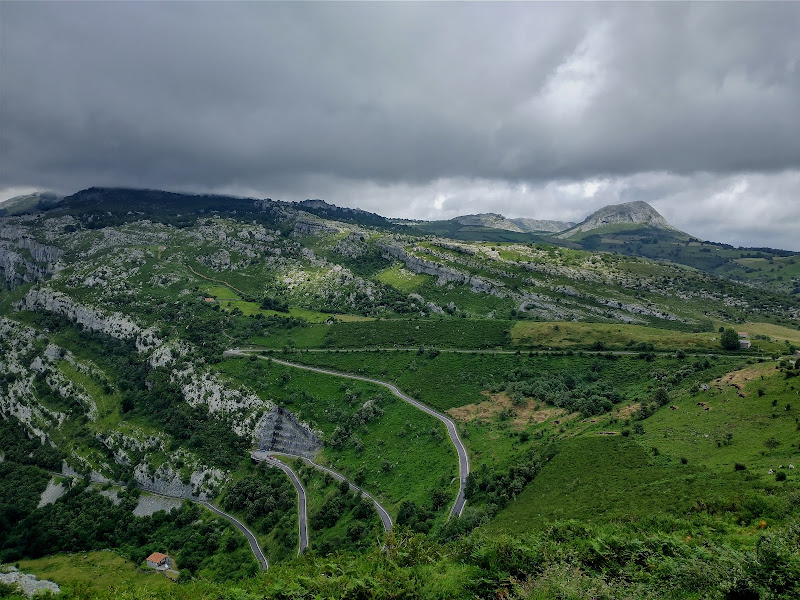
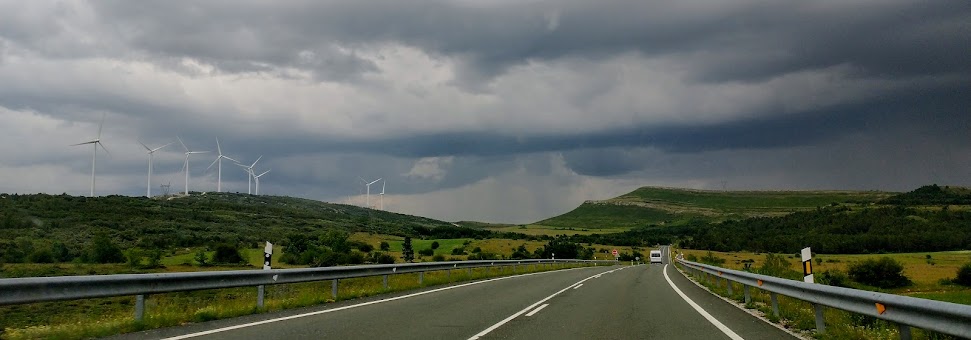
Off to Spain now. All those dizzy hairpin bends in Cantabria invite us to explore.
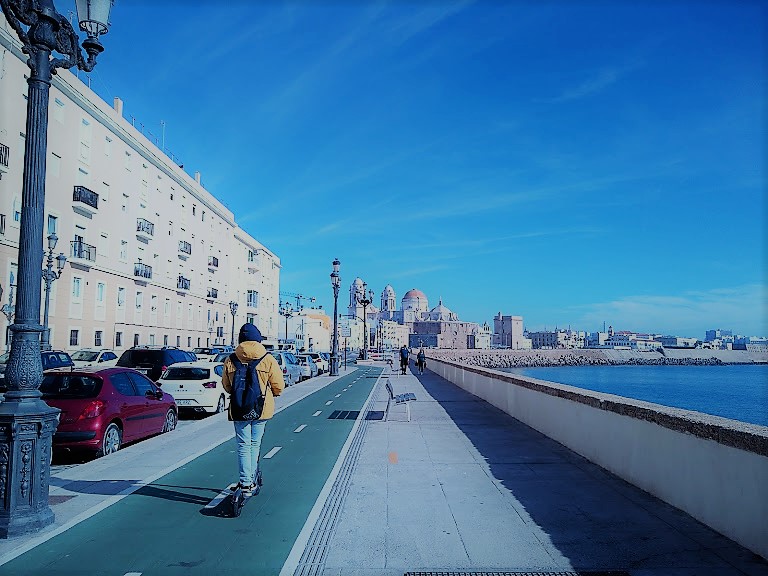
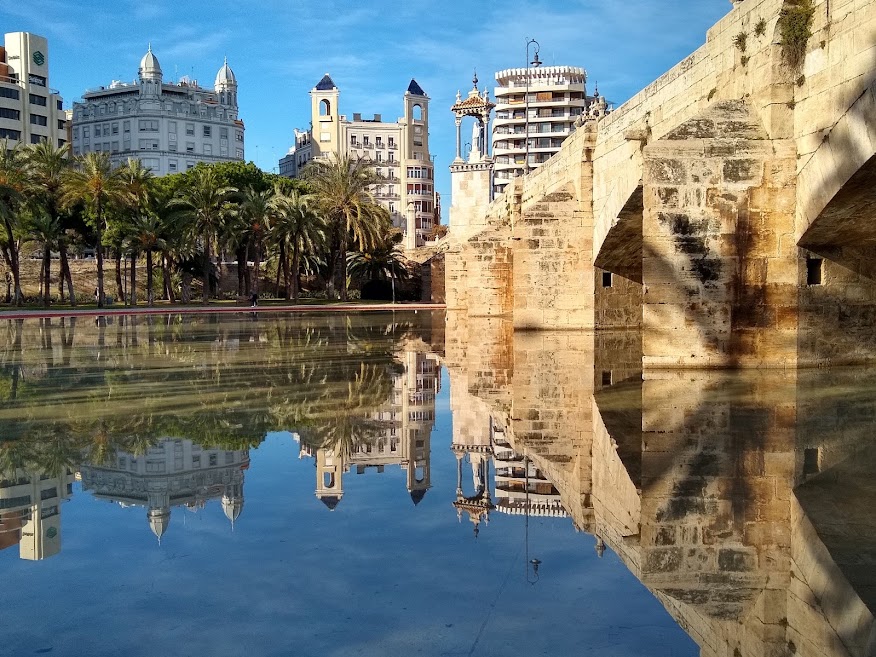
Then two more scenes – one from Cádiz, the other from Valencia. Those diagonals pull us in to explore the cathedral in one, the reflections in the other.
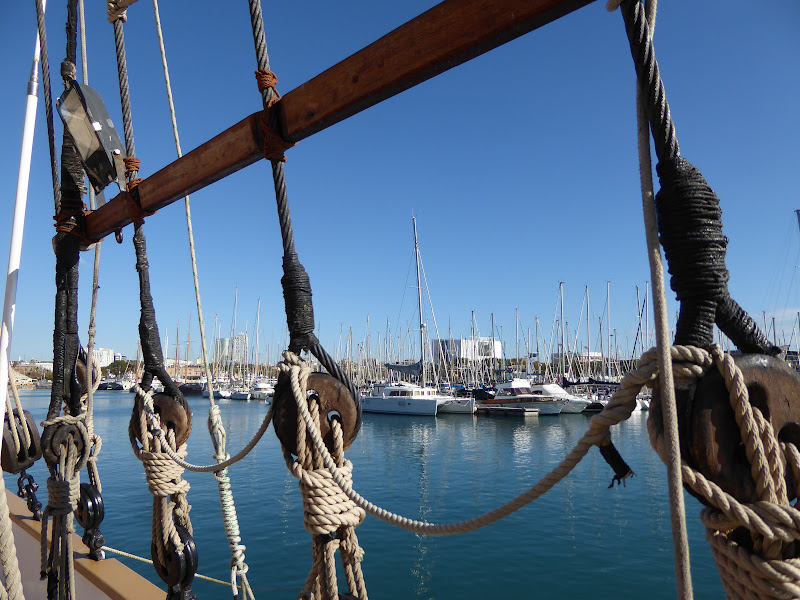
This shot, from Alicante, uses the ropes on a yacht as a frame for the scene beyond.
I’ve hesitated over whether to include this last shot in what is essentially a light-hearted post. But this photo – not a particularly original one as so many others have taken similar shots – has stayed with me. It’s Auschwitz-Birkenau concentration camp in Poland. These are the railway lines that brought so many thousands of Jews on their very last journey. I wrote about it here.
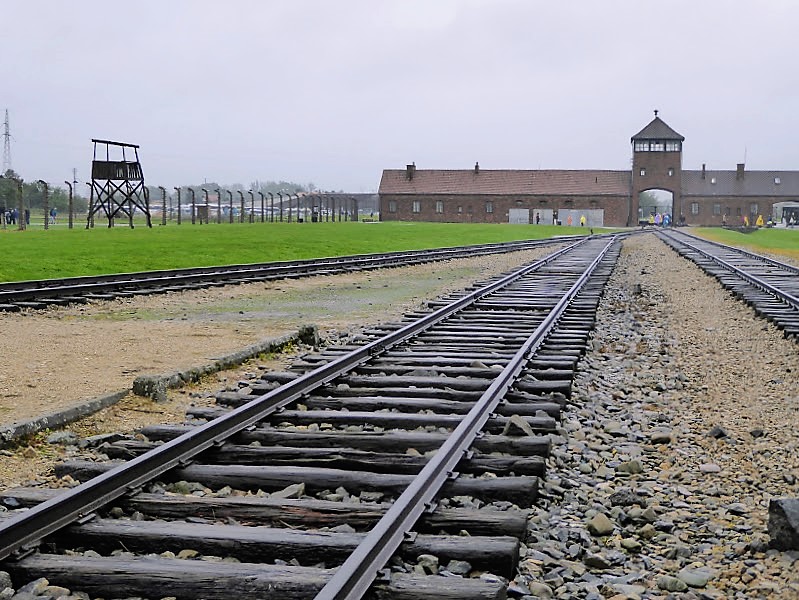
I decided on balance to include it, as the relative optimism I felt when I wrote that post five years ago has disappeared in the light of world events over the last couple of years: and we shouldn’t forget.
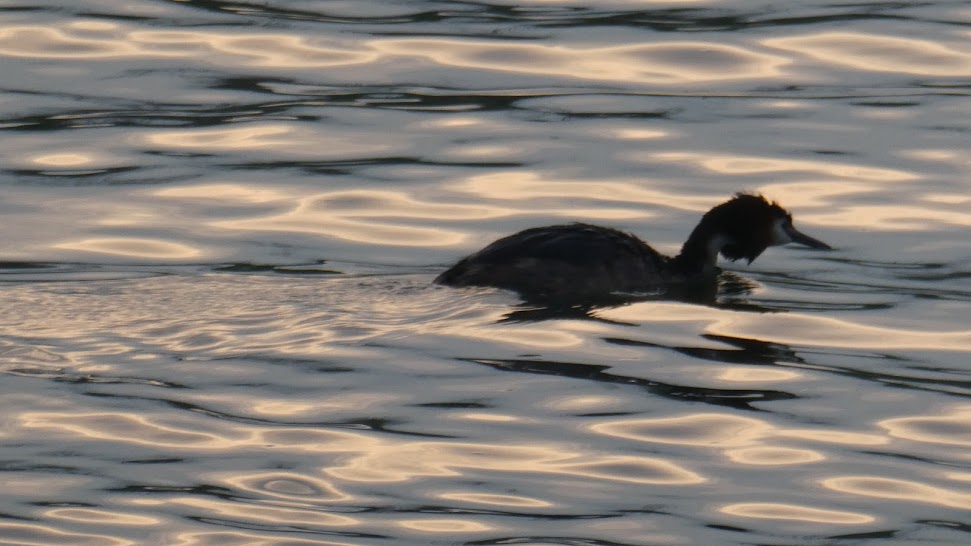
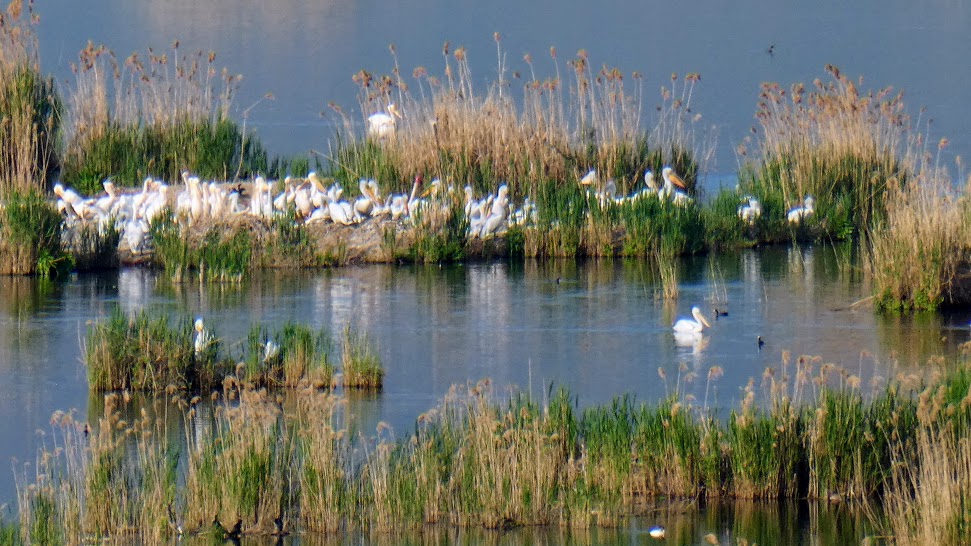
Was it really six months ago that we were in the Balkans? Was it then that we spent our days exploring Lake Prespa, bounded by Greece, Albania and North Macedonia? Apparently so. And these days, the news from there isn’t good. The pelican population, already catastrophically hit by avian flu, has seriously declined again since then. The Great Crested Grebes are still doing well though. Here’s one, featuring as a Monday Portrait, and for Water, Water Everywhere.
On the first Saturday of every month, a book is chosen as a starting point and linked to six other books to form a chain. Readers and bloggers are invited to join in by creating their own ‘chain’ leading from the selected book.
Kate W: Six Degrees of Separation
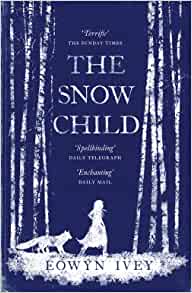
This month’s reading began with Eowyn Ivey‘s The Snow Child. I suspected magical realism and expected to cast the whole thing aside. But this reworking of the traditional Russian fable utterly disarmed me. Set in barely-settled 1920s Alaska, the frozen landscape and the fresh and flower-strewn spring, the tough-because-they-have-to-be characters, the hardships and friendships make this a believable, yet lyrical story which transported me willingly to a different world.
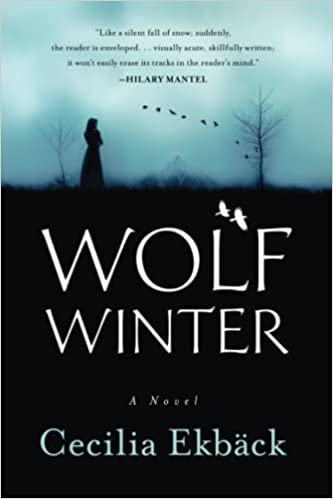
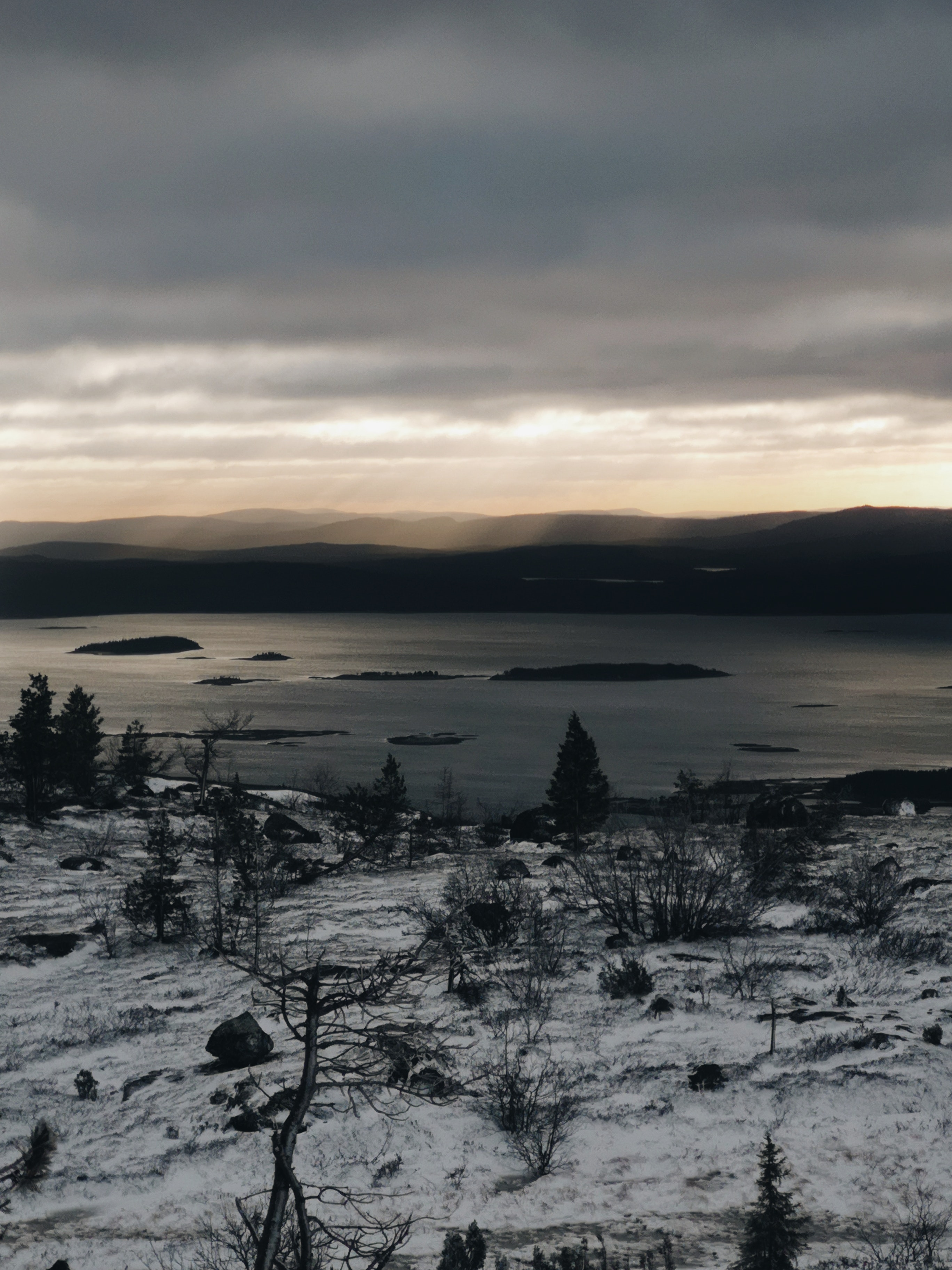
I remembered a book which gave me a similar reaction: Cecilia Ekbäck‘s Wolf Winter. As an evocation of life in an isolated 18th century community of far-flung homesteads in northern Sweden it’s quite wonderful. The sheer drudgery of keeping alive in the long dark days of winter; the isolation; the fear of beasts and evil spirits: in fact the pervasiveness and absolute acceptance of a spirit world was involvingly brought to life. But it’s also a murder mystery, and this pulled me in far less. Nevertheless.five years on, those evocative descriptions of tough lives in a tough place stay in my mind.
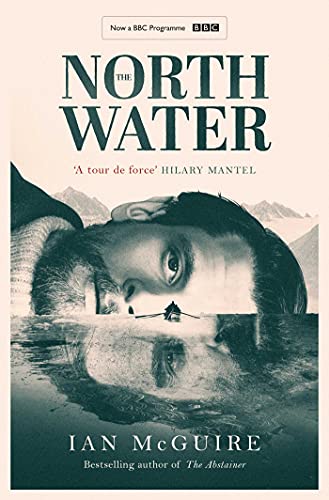
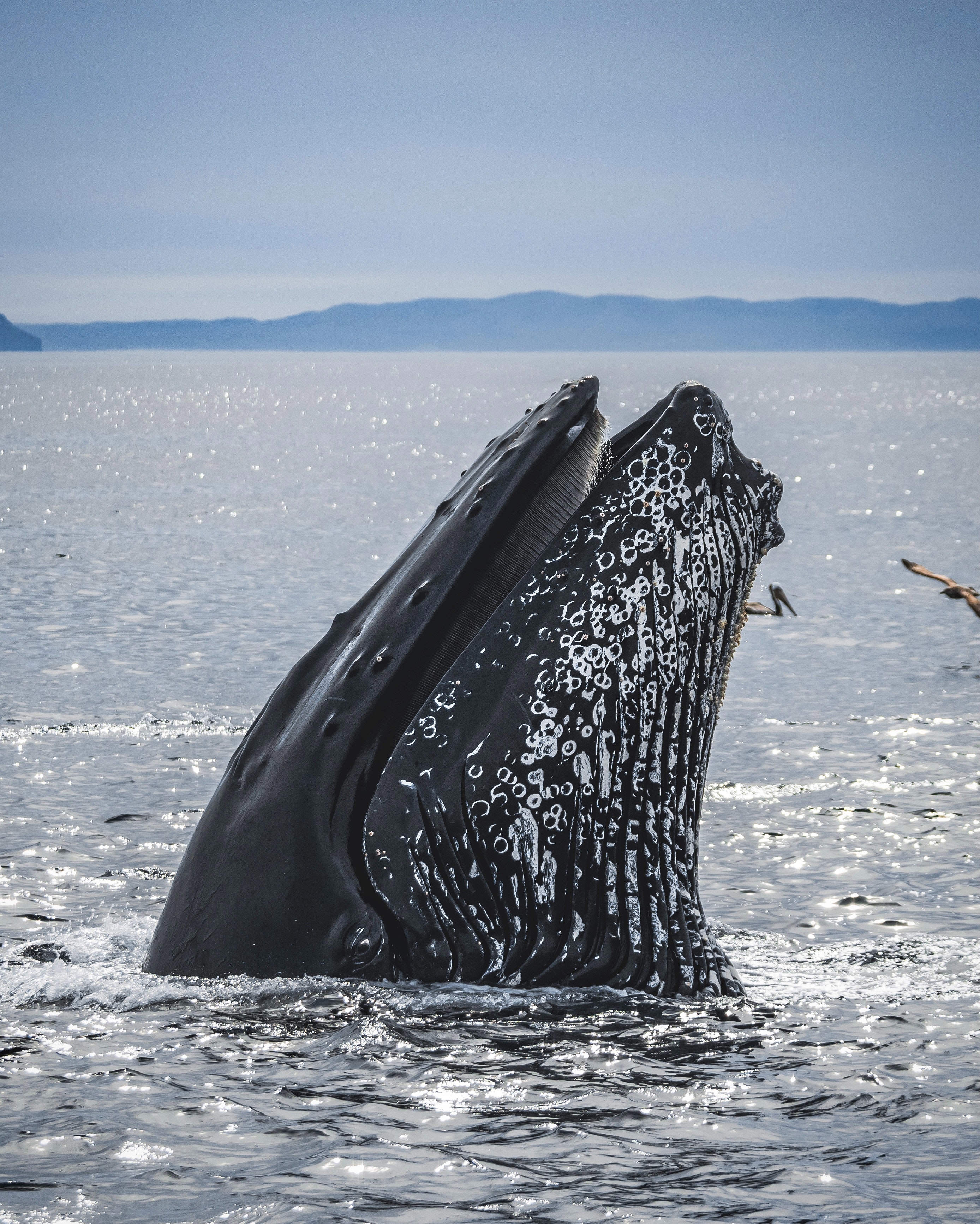
Yet more tough lives in unforgiving conditions. The North Water, by Ian McGuire. This is a gritty story set largely in a 19th century whaling ship. There’s violence, brutality, bad language, bowel movements a-plenty, but it doesn’t feel gratuitous. Patrick Sumner has – we eventually discover – left the British Army in disgrace and his options are few. He becomes a ship’s surgeon on the whaling ship, and finds that a hard and desperate life becomes even worse as the ship and its crew battle against an arctic winter and a particularly brutal and amoral member of the crew. An involving and gripping story that recreates a world I can only be grateful not to be a part of. And – British readers – I’ve just discovered that the book has been made into a five part series available on BBC i-player.
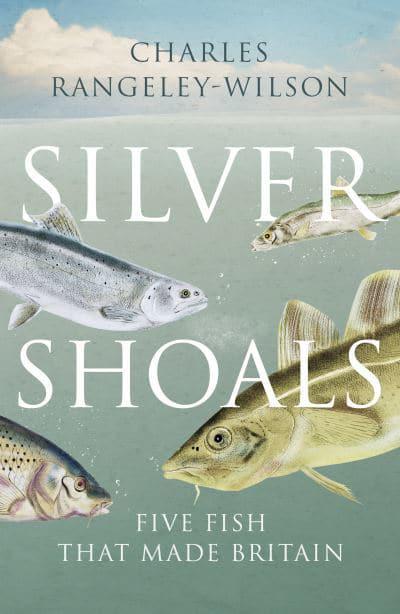
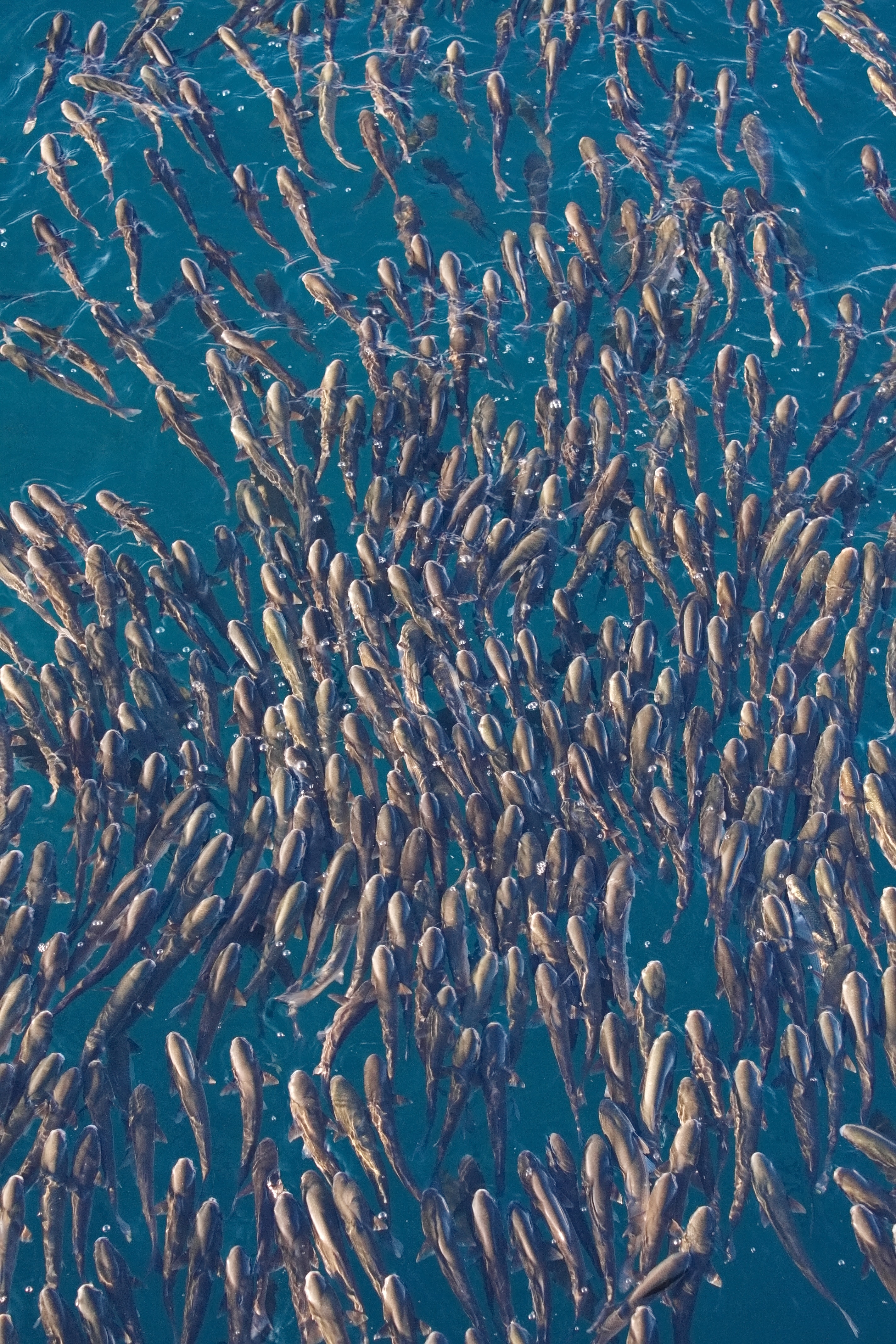
Let’s stay at sea, and with fishing, but let’s lighten the mood – please – by turning to Silver Shoals, by Charles Rangeley-Wilson. I was entirely and unexpectedly engaged by this book, an exploration of our nation’s iconic fish: cod, carp, eels, salmon and herring. This is a story of the fish themselves; of fishermen; of the consequences of greed and the way back from it; of geology; meteorology; our nation’s social history as it relates to food and farming; of corruption and political will. It combines serious discussion of issues with good yarns about the fishermen who took Rangeley -Wilson fishing with them, whether on week-long voyages on trawlers, or half day sorties to the local river bank. He travelled north, south, east and west in quest of fish and their stories, and produced and absorbing account which I read in record time because I was so enthralled by all the threads of the story Charles Rangeley-Wilson told.
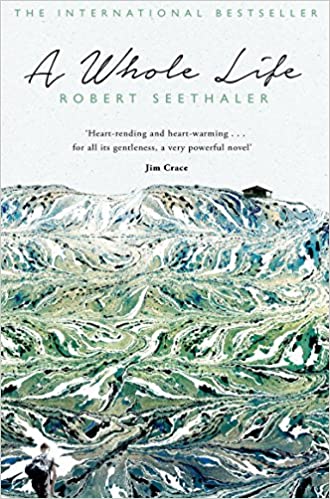
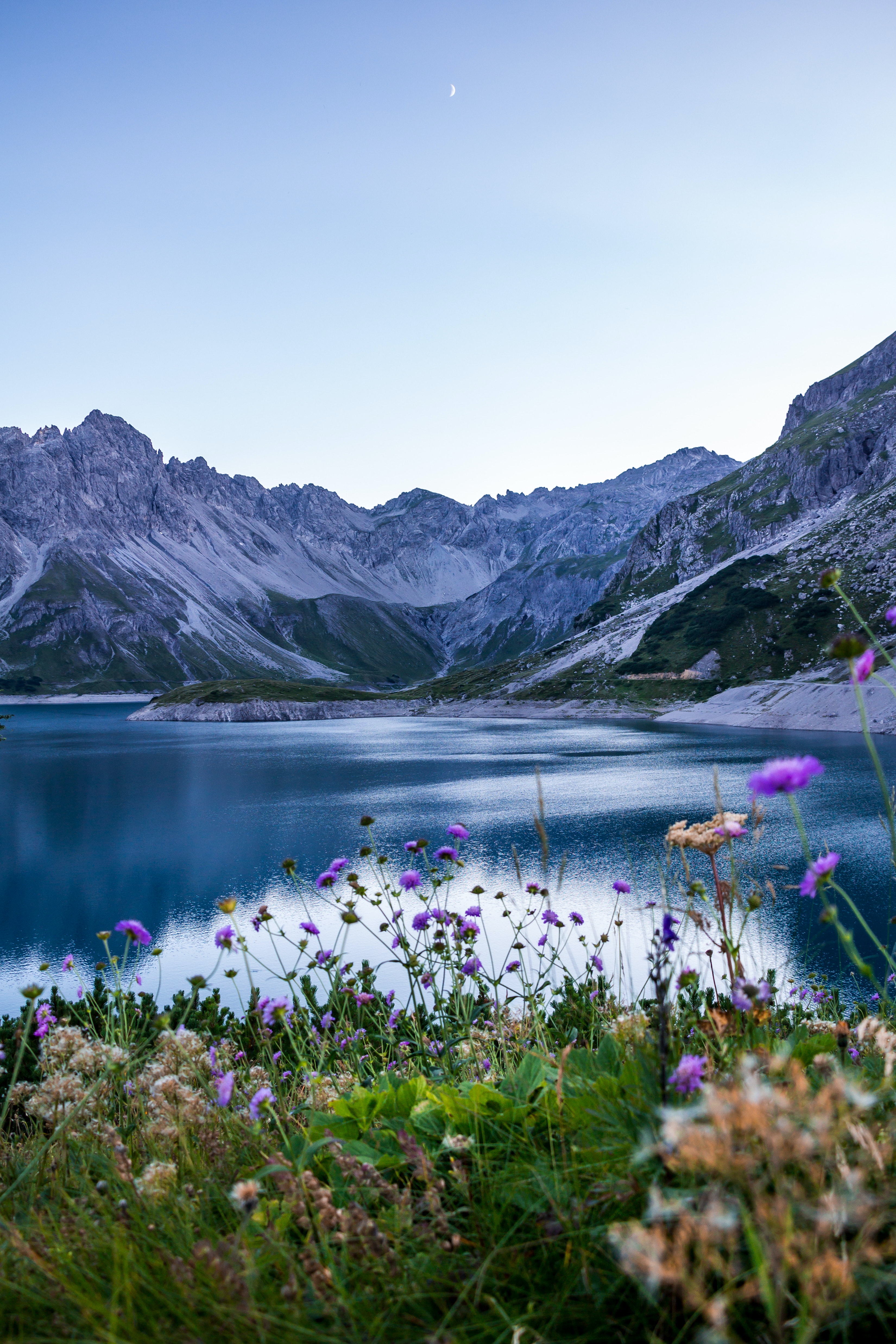
My next book is set not at sea, but in the mountains. However, there is the same attachment to place here that fisherman seem to have to their chosen piece of water.. A Whole Life, by Robert Seethaler. This is a spare and restrained telling of the story of a life. The life of a lonely, but not discontented man living in a small community in a mountain valley, after a chequered and varied early life. This is a man who values solitude, and the landscape in which he lives. His needs are simple, but even these are not always easy to meet. A poetic, satisfying book. It’s a work in translation, but this is an accomplished piece of work which reads beautifully, and deserves re-reading.
Marcus Sedgwick lives in the Haute-Savoie, not really so very far from Seethaller’s hero. One of his books is Snow. This is a beautifully presented and thoughtful little monograph. Always fascinated by snow, Marcus Sedgwick’s chosen home is one where snow in winter is a daily reality. He’s come to appreciate that there is far more than one kind of the stuff, and that some of it is ‘the wrong kind’, getting in the way of the everyday lives of those who are very accustomed to snow of all kinds. He wanders discursively through science, literature, art, and personal anecdote to build up a vivid picture of this fascinating substance which exercises such a grip on our imaginations and our daily lives when we encounter it. A book to read, to savour, and to continue to dip into from time to time.

Now, let’s lighten the mood. It’s nearly Christmas shopping time. Let’s choose another short book, with winter at its heart. The Mistletoe Murder and other Stories, by PD James. The Guardian describes this book as ‘a box of crackers’, and so it is. These are four short stories of murder most foul that were all originally published elsewhere, all set round about Christmas time. They’re clever, and not at all likely to be mistaken for Scandi-noir. These quickly read little gems, nicely presented by Faber and Faber, would make an ideal stocking filler.


So there we have it. From one murder mystery to four murder mysteries, with four stops in between.
It seems to me that next month’s starting book could hardly be more different. It’s Beach Read, by Emily Henry.
 From Pyrenees to Pennines
You must be logged in to post a comment.