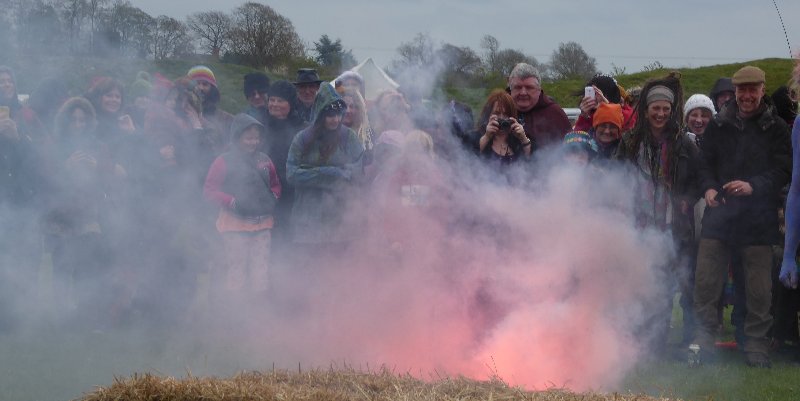
It’s a mere 18 months or so since I reblogged my post about Beltane, but I’m doing so again because it fits so well with my last post celebrating Thornborough Henges.
Beltane at ‘The Stonehenge of the North’
May 1st 2016
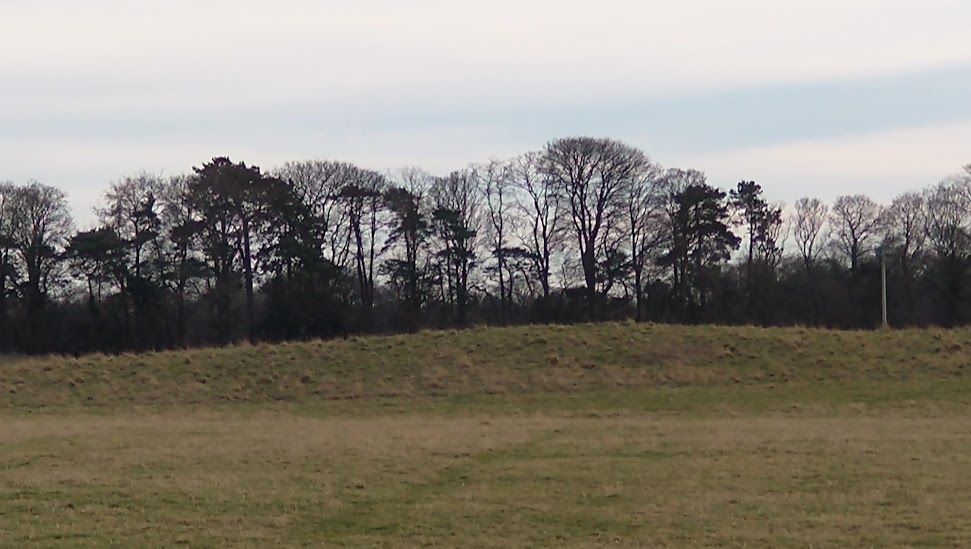
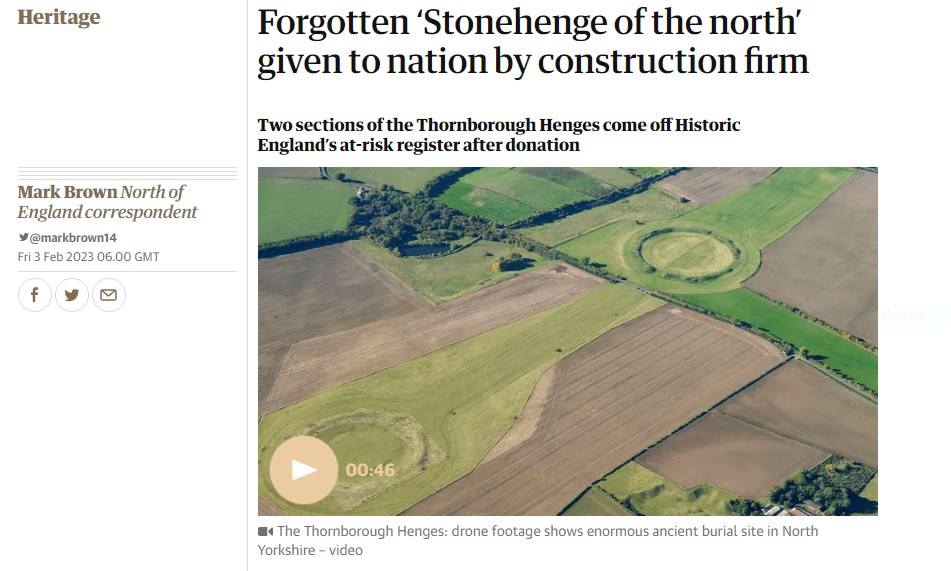
Not much further than a mile from us as the crow flies lies Thornborough Henge. It’s a prehistoric monument consisting of three giant circular earthworks. Constructed 5000 years ago by the first Neolithic (New Stone Age) farmers, it was probably an enclosure for their ritual gatherings. The Henges became an important centre in Britain for pilgrimage and trade, although its exact purpose still remains a mystery.
It sends shivers down my spine to think that this ancient piece of our history lies just a short walk from our home.
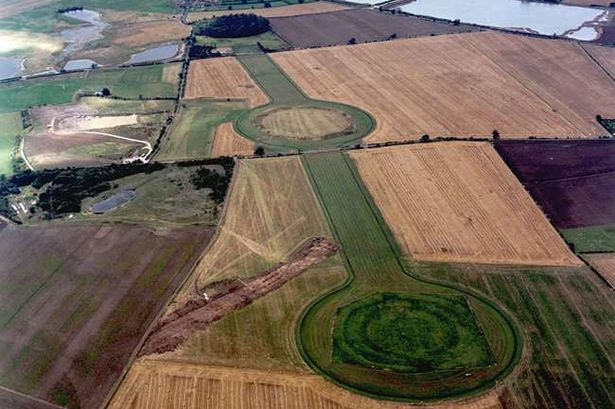
We can visit it any time we choose, simply to tramp round and try to imagine it in its heyday, and we’ll have the place to ourselves. Not on May Day though. Today is the Gaelic feast of Beltane, half way between the spring and summer solstices. It’s a day to mark the beginning of summer. Sadly, today is very cold, rather windy and a bit wet.
Back in pre-historic times, rituals were held on this day to protect the cattle, crops and people, and to encourage growth. Bonfires, deemed to have protective powers, were lit. For many centuries these practices died out. But nowadays, at sites like Thornborough, pagans, Wiccans, New-Agers and lovers of history and tradition gather once more to celebrate the renewal of life and growth.
Today I was there too. For an hour at least, for the opening ceremony. Brrr! It was cold.
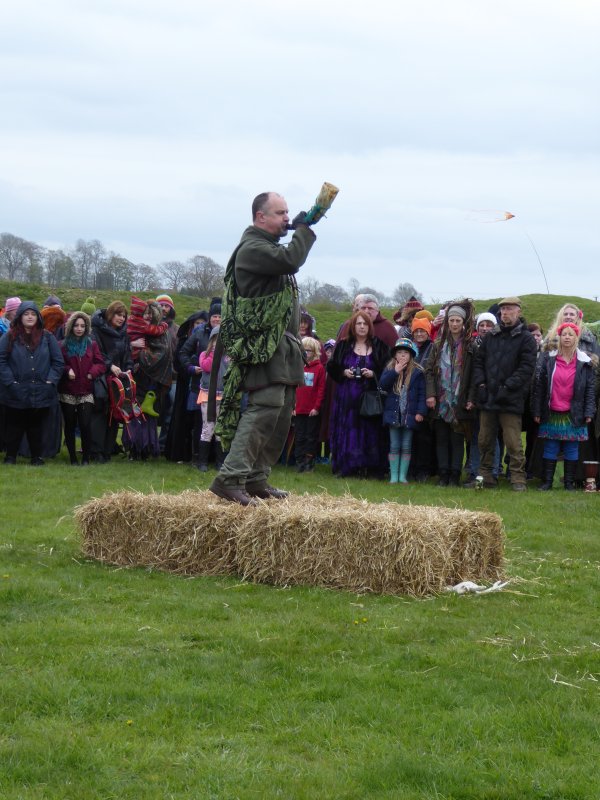
I was strangely moved. The Green Man, representing rebirth and the cycle of growth was our Master of Ceremonies. He invited us all to join hands, whether friends or strangers, in fellowship, and shout out three times the invocation to new life. We hailed Brigantia, Celtic goddess of Northern England. Then at his bidding and as he sounded his horn, we turned to the east and welcomed the summer rains. We turned south to welcome the sun (who was coyly absent today), to the west to welcome summer winds, and to the north where the wolves apparently are.
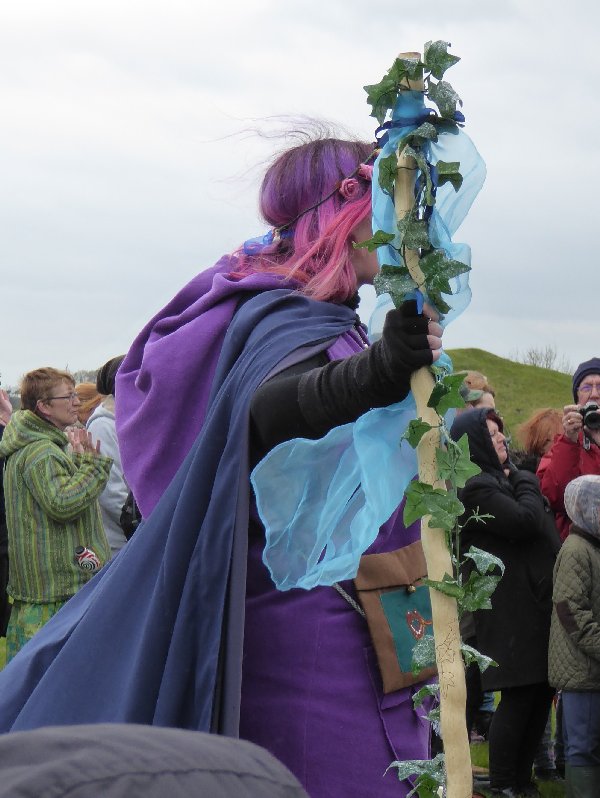
Then a man, naked from the waist upwards save for his covering of woad-coloured paint, leapt among us bearing the flaming torches which would offer us all protection over the coming months.
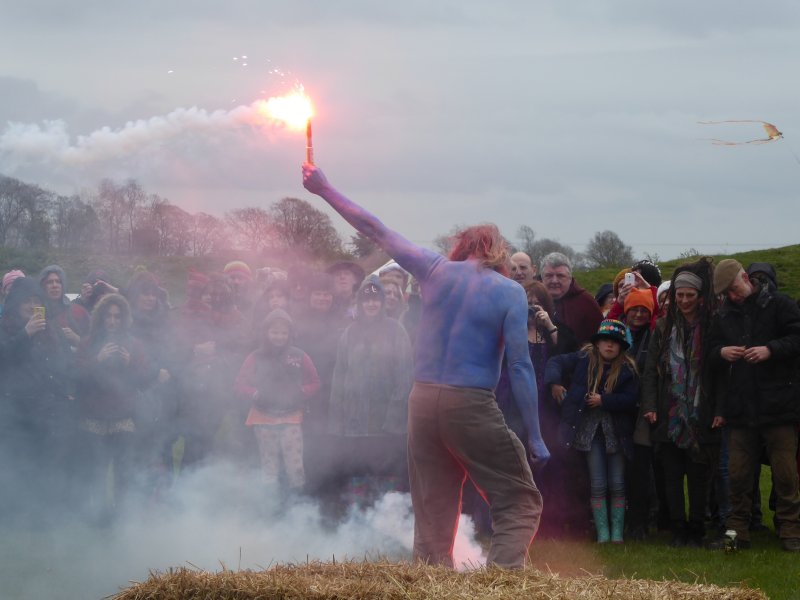
And that was the ceremony over. Dancers entertained us. They seemed to me to owe much to flamenco and to middle-eastern belly dancing traditions, but we all cheered them on with enthusiasm.
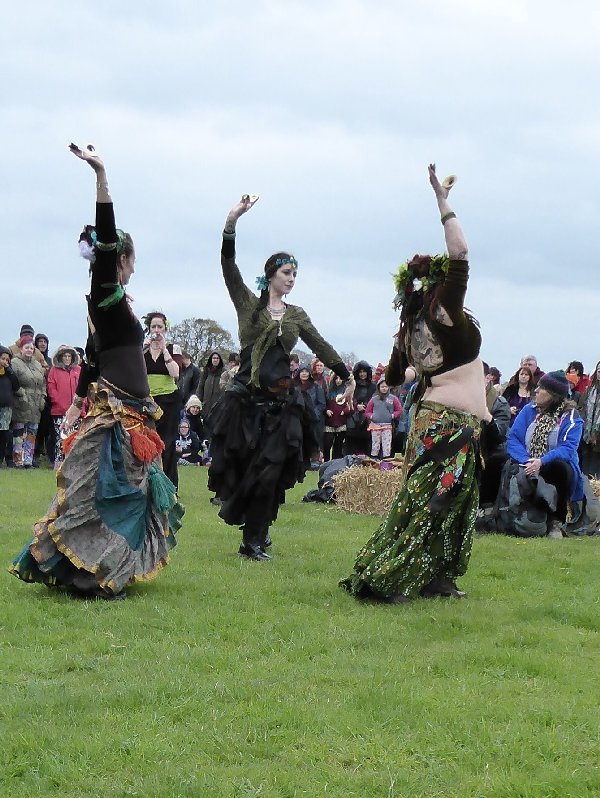
I shan’t be there this year for the closing ceremony. I’m still thawing out. But weather permitting, I’ll certainly go along next year. Will you come along too?
We haven’t been along since: cold May Days, Covid – all the usual tired excuses. But we definitely should make the effort this year.
For Fandango’s Flashback Friday

 From Pyrenees to Pennines
You must be logged in to post a comment.