On the first Saturday of every month, a book is chosen as a starting point and linked to six other books to form a chain. Readers and bloggers are invited to join in by creating their own ‘chain’ leading from the selected book.
Kate W: Books are my Favourite and Best
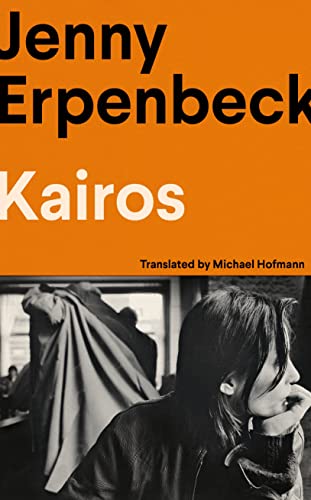
This month’s chain began with Jenny Erpenbeck‘s Kairos, translated by Michael Hoffman, which as it happens I reviewed in my post in May. It gave me the idea though that I would make works in translation this month’s focus.

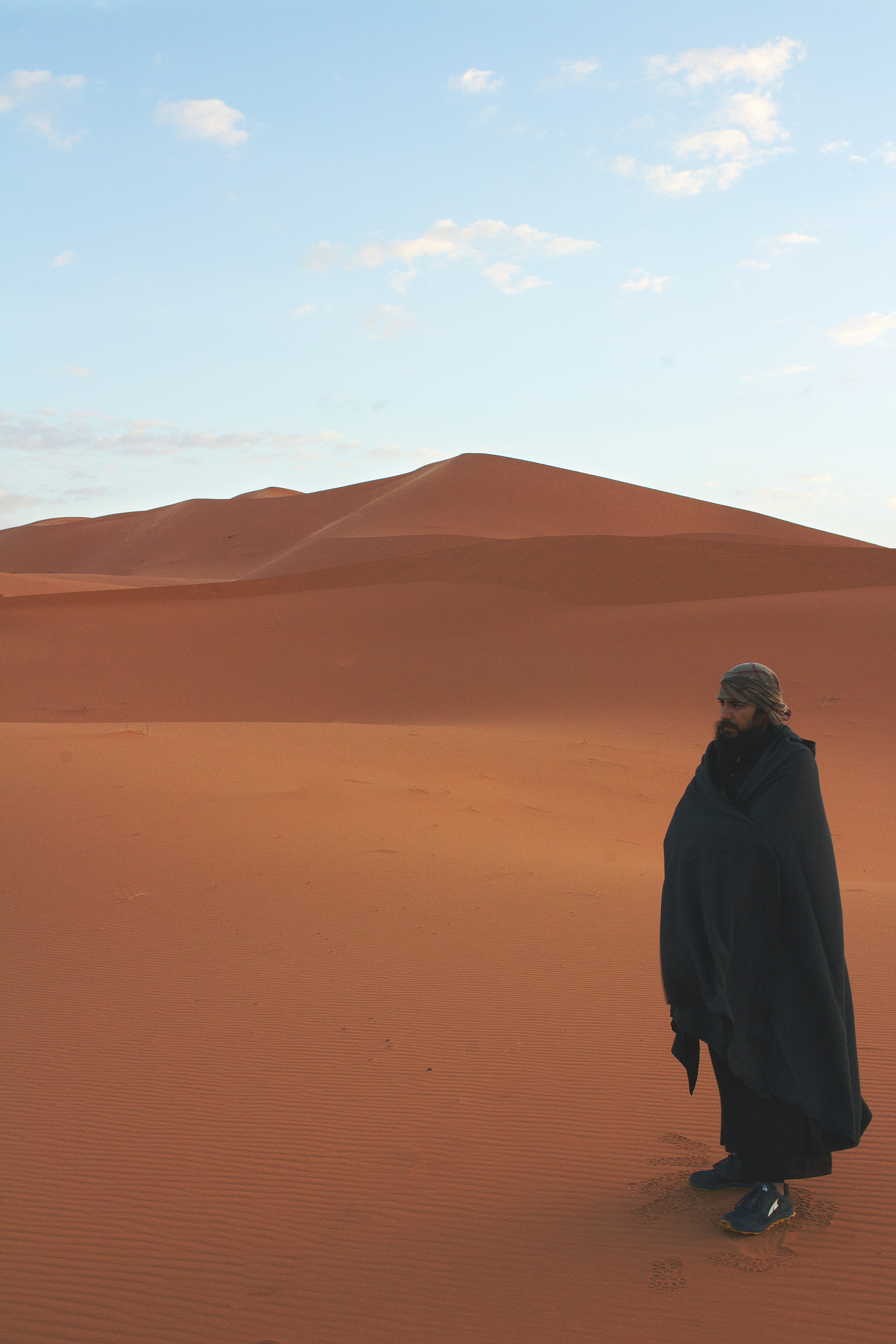
My first choice is Adania Shibley‘s Minor Detail, translated by Elisabeth Jaquette: another story about living with the consequences of war. The first part of this book is set in 1949, in Israeli- Egyptian border country, and a platoon of Israeli soldiers are seeking unsuccessfully for hidden weapons. They kill a group of Bedouin nomads whom they encounter. Only one young woman – a girl really – survives. She is taken back to camp, and systematically gang-raped before being killed. We hear all this from the point of view of the commanding officer – clipped, without emotion, without judgement. 25 years later a nervy young woman, living and working in Ramallah steps in and takes over the narrative. She’s read about this crime and wants to find out about it by travelling to and investigating it on site – difficult and risky to achieve. This quixotic journey doesn’t end well – how could it? This is – intentionally – an uncomfortable and unsettling read, written with suppressed passion by its Palestinian author.
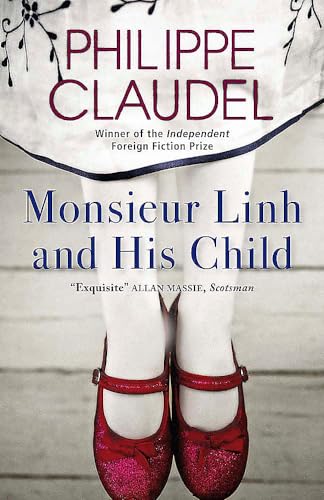
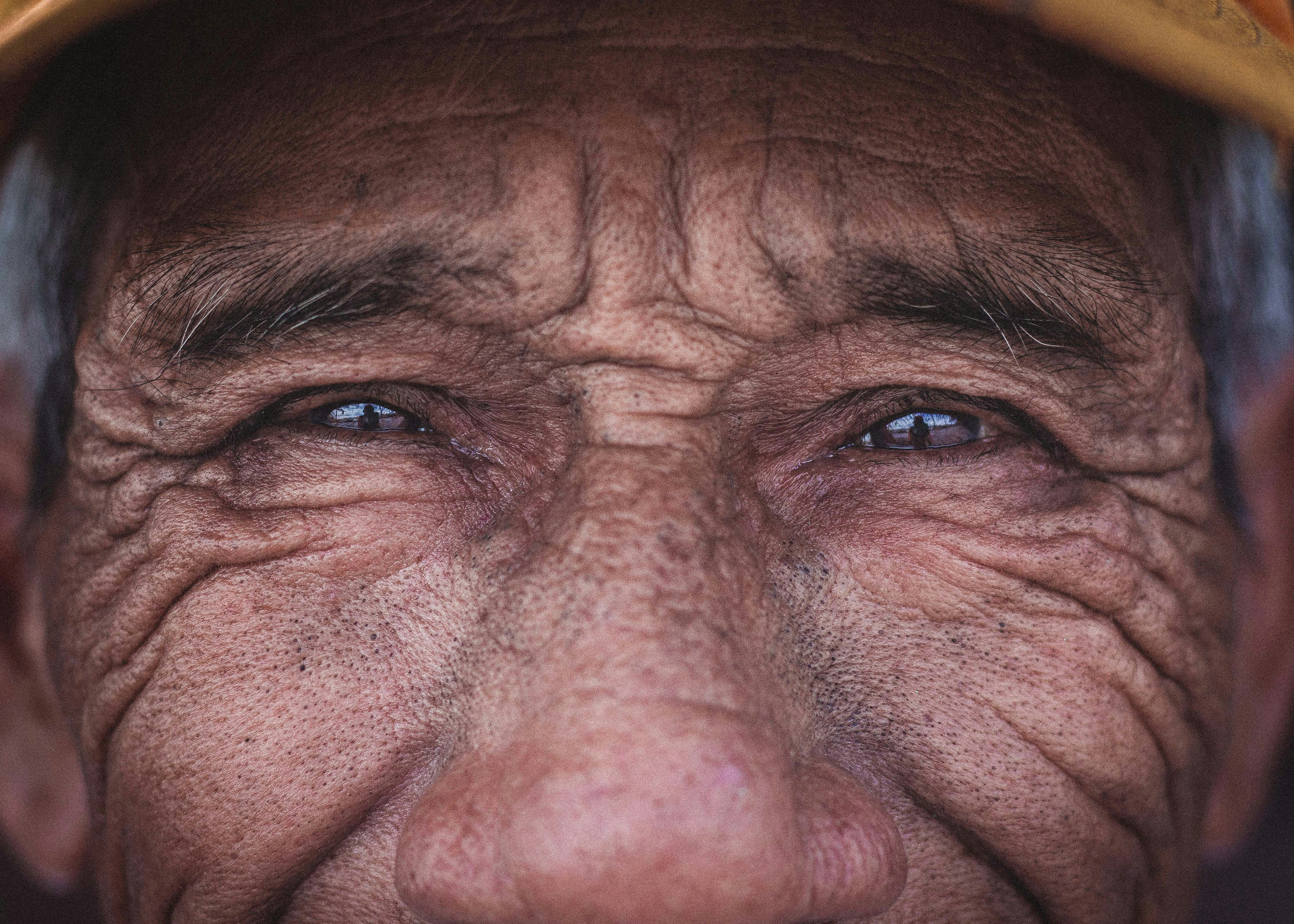
My next choice is also about living in the aftermath of war. Philip Claudel‘s Monsieur Linh and His Child, translated by Euan Cameron. This is a haunting book that will stay with me. Monsieur Linh is in an unnamed country, living in a refugee centre for those who have, like him, fled on an elderly ship from his homeland which has become a war zone – surely Vietnam? His family members have all been killed – except for his baby granddaughter, whom he keeps close and cares for every second of the day and night. One one of his daily wanderings, he meets Monsieur Bark, similarly lonely and isolated since the death of his wife, and the two men, despite having no shared language, develop a deep bond of friendship. Then Monsieur Linh has to be re-homed … This is a restrained and simply told story, which evokes a compelling picture of a gentle man, deeply traumatised by the loss not only of his community and family, but of his homeland, landscapes and daily rhythms. A compassionate, moving book, with an unexpected twist that reveals even more about the losses this elderly man has sustained.
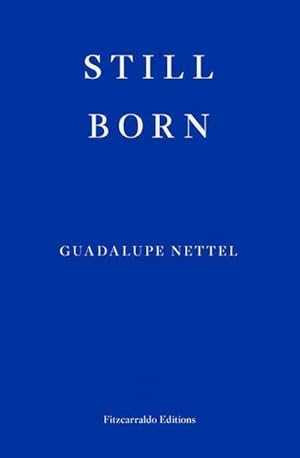
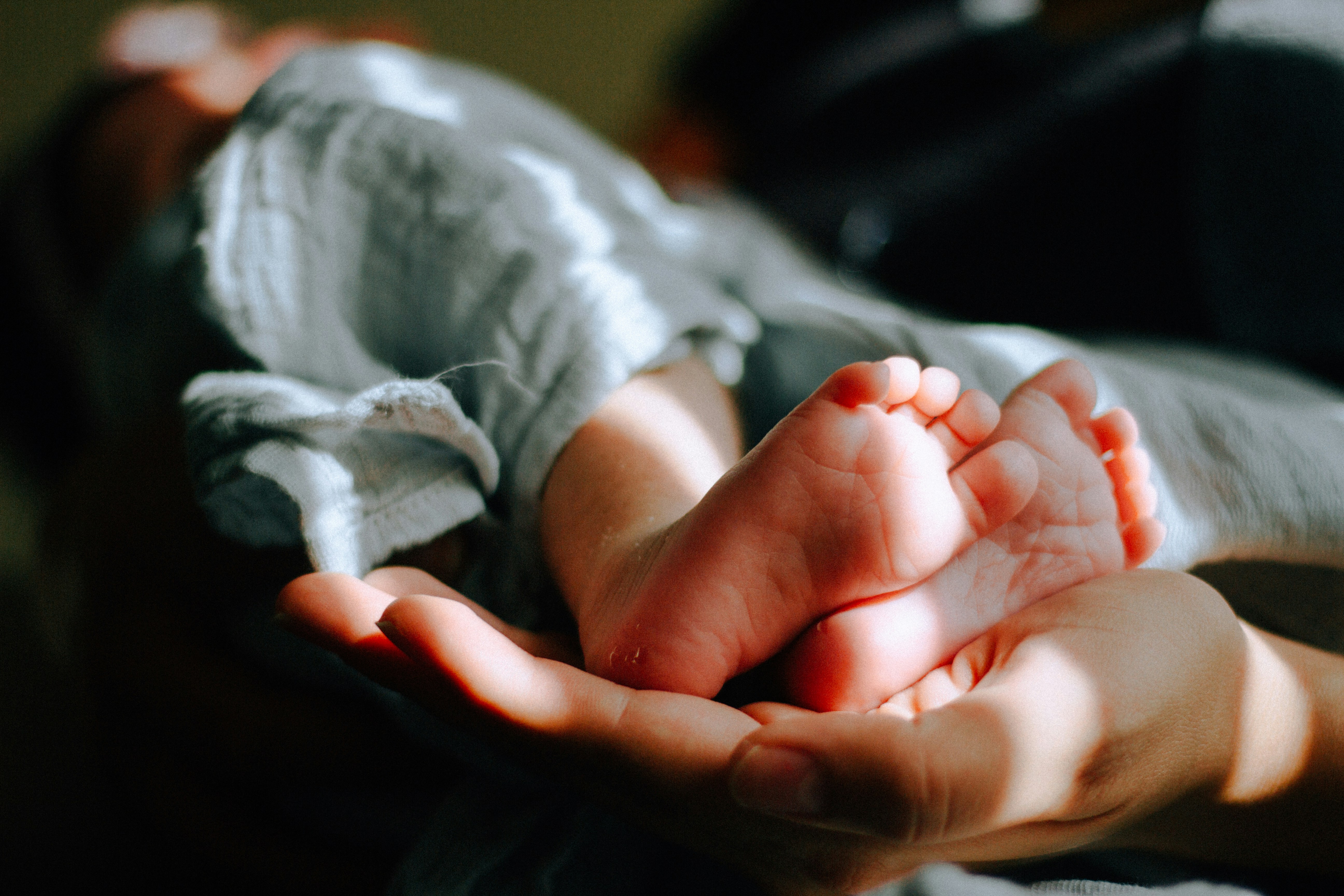
Guadalupe Nettel‘s Stillborn, translated by Rosalind Harvey also has a child at its heart. Two young women, Laura and Alina, know for a fact they don’t want children. So Laura, the narrator, has her tubes tied. While Alina enters a relationship, and changes her mind, even to the extent of having fertility treatment when pregnancy just doesn’t happen. Life gets in the way. Alina becomes pregnant but before the birth, is given the awful information that her grossly disabled daughter will not live. This book is one which looks a the wider definition of parenthood, through the omniscient eye of Laura, who seems to know every intimate detail of Alina’s life with her partner Aurelio and daughter Inés, as well as of their childminder who’s unable to have children of her own, and of Alina, of her own mother, and her neighbour Doris and son. It examines the emotional conflicts and burdens of motherhood: their overwhelming presence in each woman’s life. A startling and forceful story.


My next book also has children at its core. Homesick, by Jennifer Croft is not translated. She wrote the book first in Spanish, then in English … This book is a haunting one, presenting the childhood of Amy and her younger sister Zoe in a series of vignettes, often extremely short. We gradually build a picture of two extremely close siblings: the elder gifted, the younger dogged by frightening ill-health – a rare but benign brain tumour. Tragedy after tragedy strikes -indirect, but significant. Then Amy gets into University aged only 15. A much shorter section details Amy’s post-graduate life until her mid 30s. Like the earlier part of the book, it’s fragmented, yet intimate and sensitive. I was kept at a distance from the two girls: I felt something of a voyeur, though a sympathetic one. I was privy to some of the many disasters that had struck the girls, without really getting to know either of them. Which felt appropriate. Complex lives make for complex characters. How can we really know what goes on in someone else’s head?
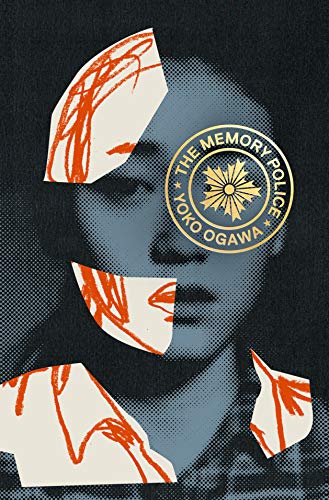
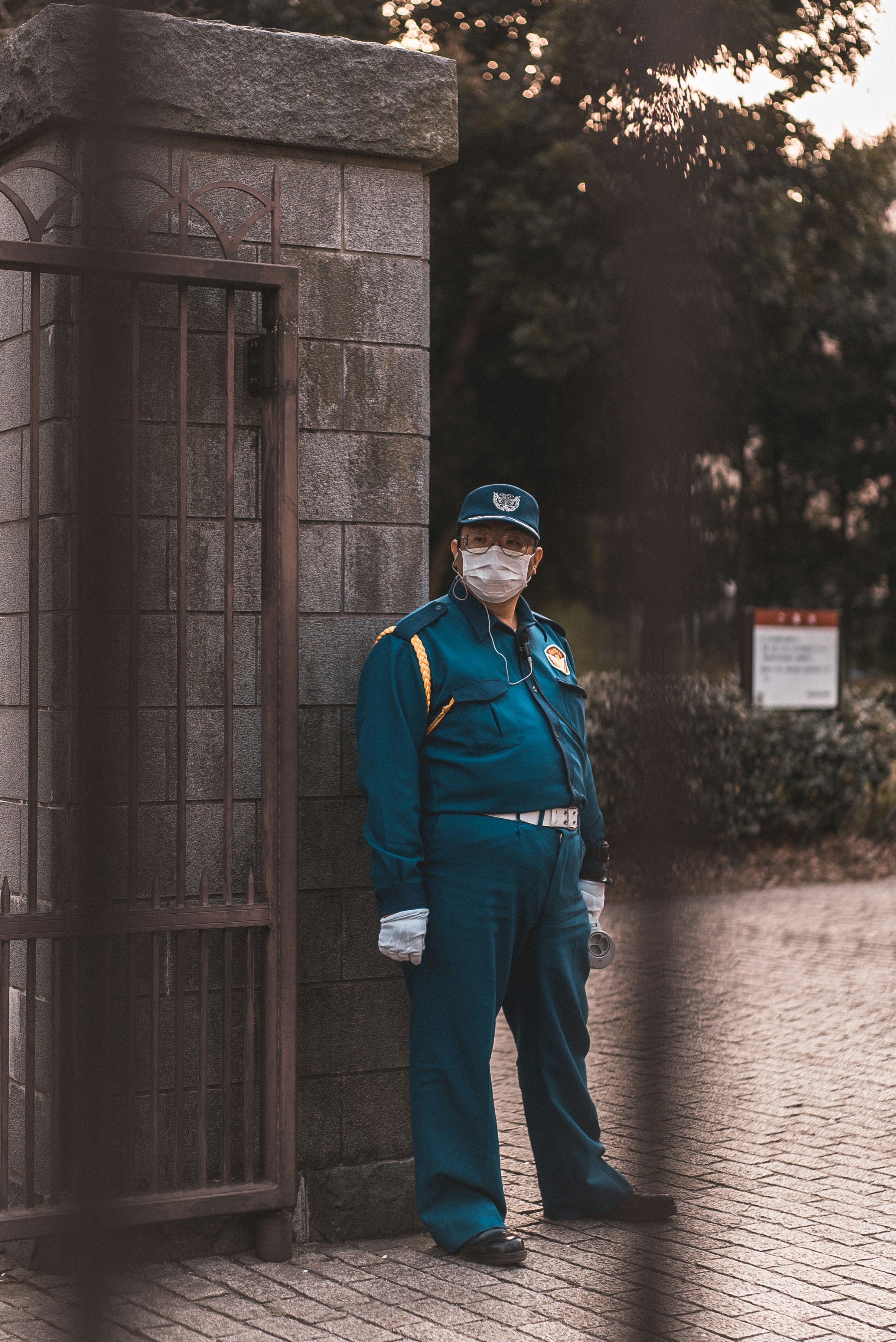
We leave Amy as a young woman, and it’s a young woman who is centre stage in my next choice. I’m not normally a fan of dystopian fiction, but I found Yoko Ogawa‘s The Memory Police, translated by Stephen Snyder to be a powerful and unsettling read. Simply yet lyrically written , the writer – this is told in the first person – lives on an island in thrall to the Memory Police. Things comprehensively disappear: in the early days, simple things like roses, and the inhabitants soon lose any memories of the things that have vanished. Those unfortunate people who find they do not forget – and the writer’s parents seem to have been among them – simply are removed by the Memory Police and never seen again. The ‘writer’ of this book is herself a novelist, and we are privy to her efforts. We never find out more about the Memory Police, or know to whom they are answerable. But we are left with a lot to think about – totalitarian regimes, life, death and the process of letting go and of dying. I’ll go on thinking about this book.
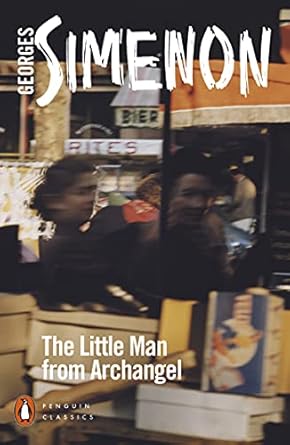
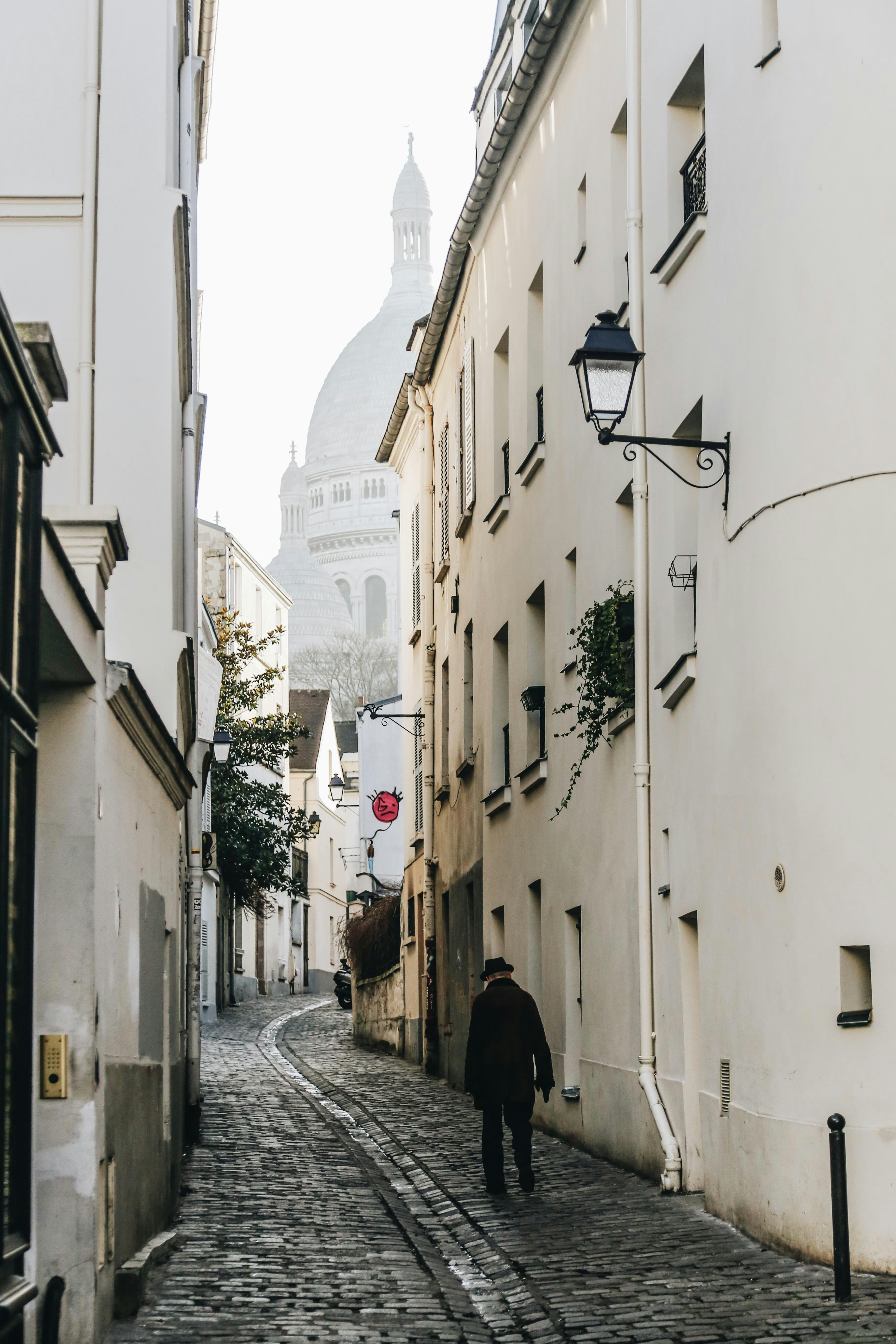
My last book also looks at a life where things are not as they seem: Georges Simenon‘s The Little Man from Archangel, translated by Sian Reynolds. When Gina, the free-loving and much younger wife of Jonas Milk, Russian emigre, small-time bookseller and stamp dealer disappears, Jonas lies, and says she’s away visiting a friend. It’s almost immediately clear that this isn’t true, and Jonas has impotently to realise that his soon-disbelieved untruth has consequences. He’s increasingly made aware that his experience of being both Jewish and a migrant has accounted for his being less integrated into society than he had believed. A powerful evocation of 1950s small-town French life, which though bleak, is also atmospheric and elegantly told.
With my last book, we end where we began: the far-reaching consequences of long-over war. I’m aware that my choices this month have a touch of earnestness about them: they’re not beach-read territory. But they’re well-worth your time.
Next month’s starting point is Heather Rose‘s The Museum of Modern Love.
All illustrations are from Unsplash: Ben White; Jewad Alnabi; Redd F;Omar Lopez; Tom Morbey; Giuseppe Mondi.
 From Pyrenees to Pennines
You must be logged in to post a comment.