Six Degrees of Separation: Nine Lessons to The Farmer’s Wife

On the first Saturday of every month, a book is chosen as a starting point and linked to six other books to form a chain. Readers and bloggers are invited to join in by creating their own ‘chain’ leading from the selected book.

Kate: Books are my Favourite and Best

This month, I have to begin where I left off last time, with Nicola Upton‘s Nine Lessons. I described it here, so now I’ll confine myself to saying it’s a detective story set in Cambridge.

So. To another detective story set in Cambridge, and one I read a long time ago. I’m always up for reading Kate Atkinson, but it took me a while to try the Jackson Brodie series. Then I read Case Histories. In many ways I enjoyed this unusual approach, in which several different lives and families from Cambridge are introduced, long before a crime becomes apparent. Yet inexorably and inevitably they come to the attention of private detective Jackson Brodie. I found some of the characters stereotypical: mad-as-a-hatter cat-lady; eccentric middle aged sisters and so on – there are more. Jackson solves everything, inevitably, but more by luck than judgment. There were so many characters I got somewhat muddled. I seem to be damning this book, yet at the time I turned the pages easily.

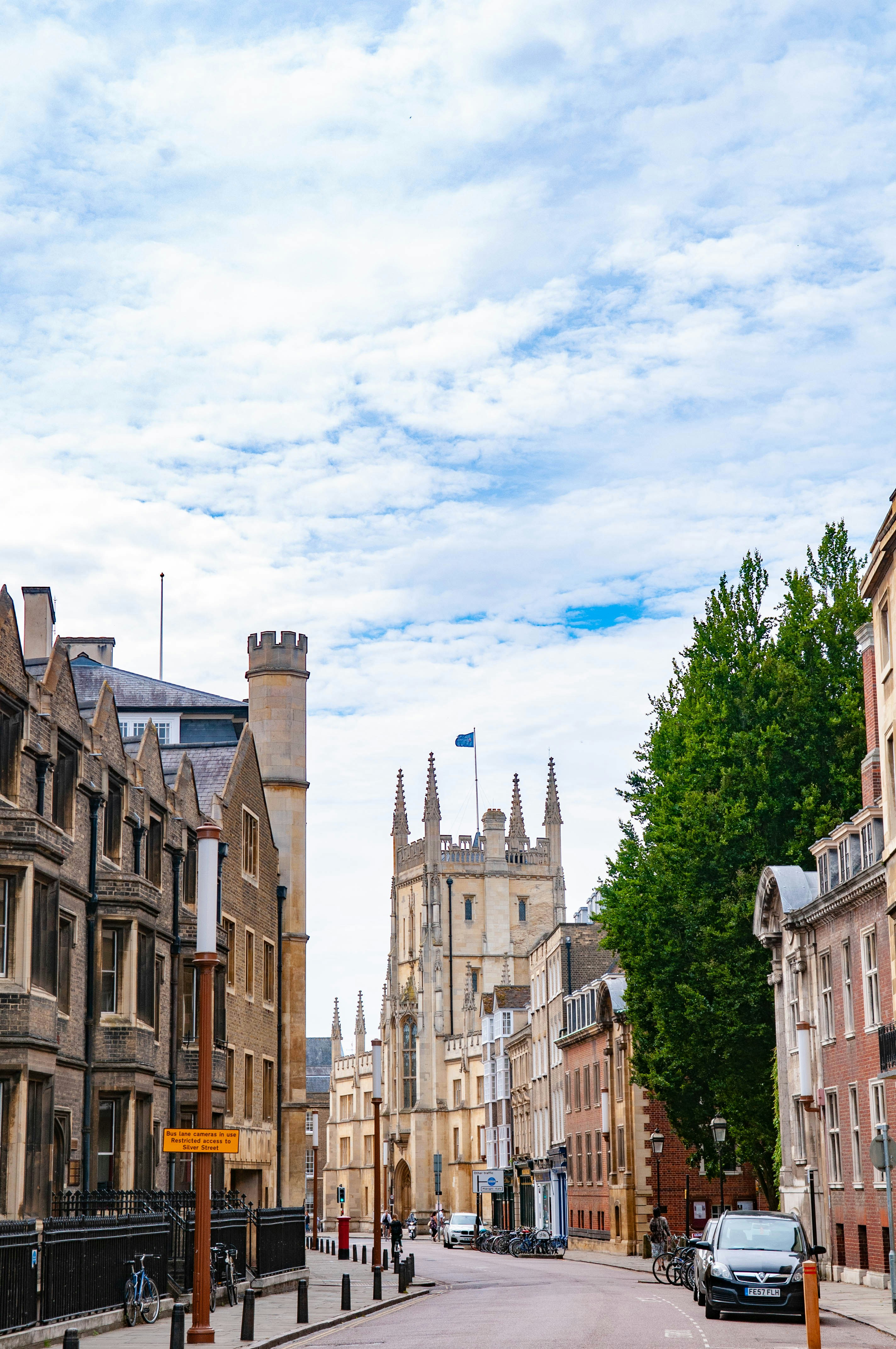
Let’s try Kate Atkinson in different form in Shrines Of Gaiety. She takes us to 1920s London, to a place of hedonistic gaiety where Nellie Coker is queen of a whole series of nightclubs, each appealing to a different kind of pleasure-seeker. Her family is essential to her enterprise and the story, with two Cambridge educated daughters (a Cambridge link again!) and a twit of a son in the mix of six. Add in a Yorkshire librarian on furlough, two young Yorkshire runaways, police officers who are variously dutiful and bent and you have a complicated and atmospheric Dickensian yarn. I enjoyed it: This is Kate Atkinson after all, but I also found it a little wearisome and forced, with not all the characters well-developed. I read through it quickly and with some enjoyment, but also feeling somewhat cheated of Kate Atkinson at her best.
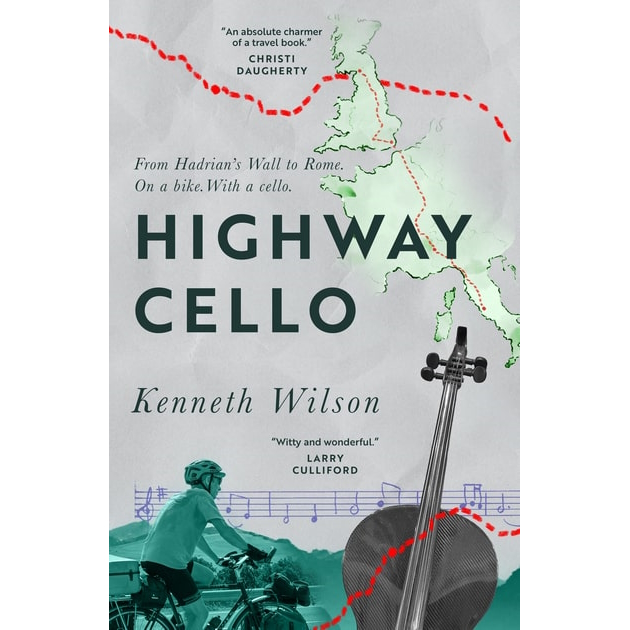
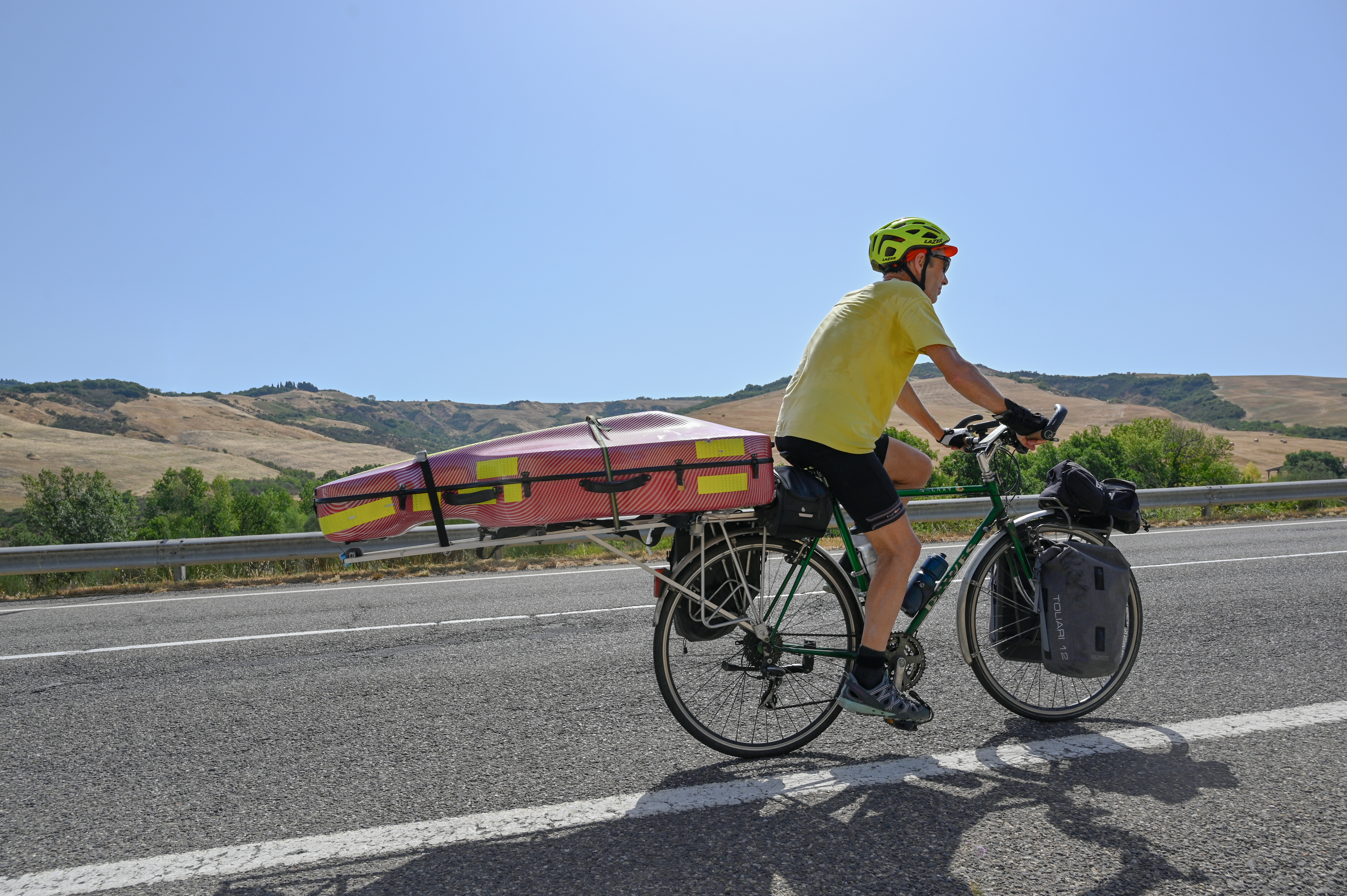
From one form of public entertainment to another. Kenneth Wilson’s Highway Cello.  It’s an account of Kenneth Wilson’s decision to load a cello onto the back of a trusty old bike and cycle from his home in Cumbria, via England, France and Italy to Rome, playing to impromptu audiences in town squares, and lightly-planned concerts in homes, halls and cafes. In among this part of the tale, he discusses the whys and wherefores of his trip, and always with a light touch. It’s an uplifting, amusing and undemanding book, the perfect accompaniment to a holiday: that’s why I’ve only just read it. Though it’s a couple of months since he came to our local Little Ripon Bookshop, played his cello and read from his book with verve and good humour.
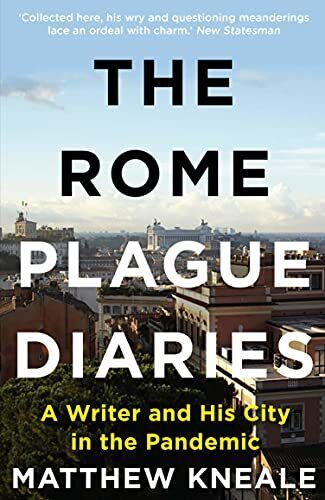
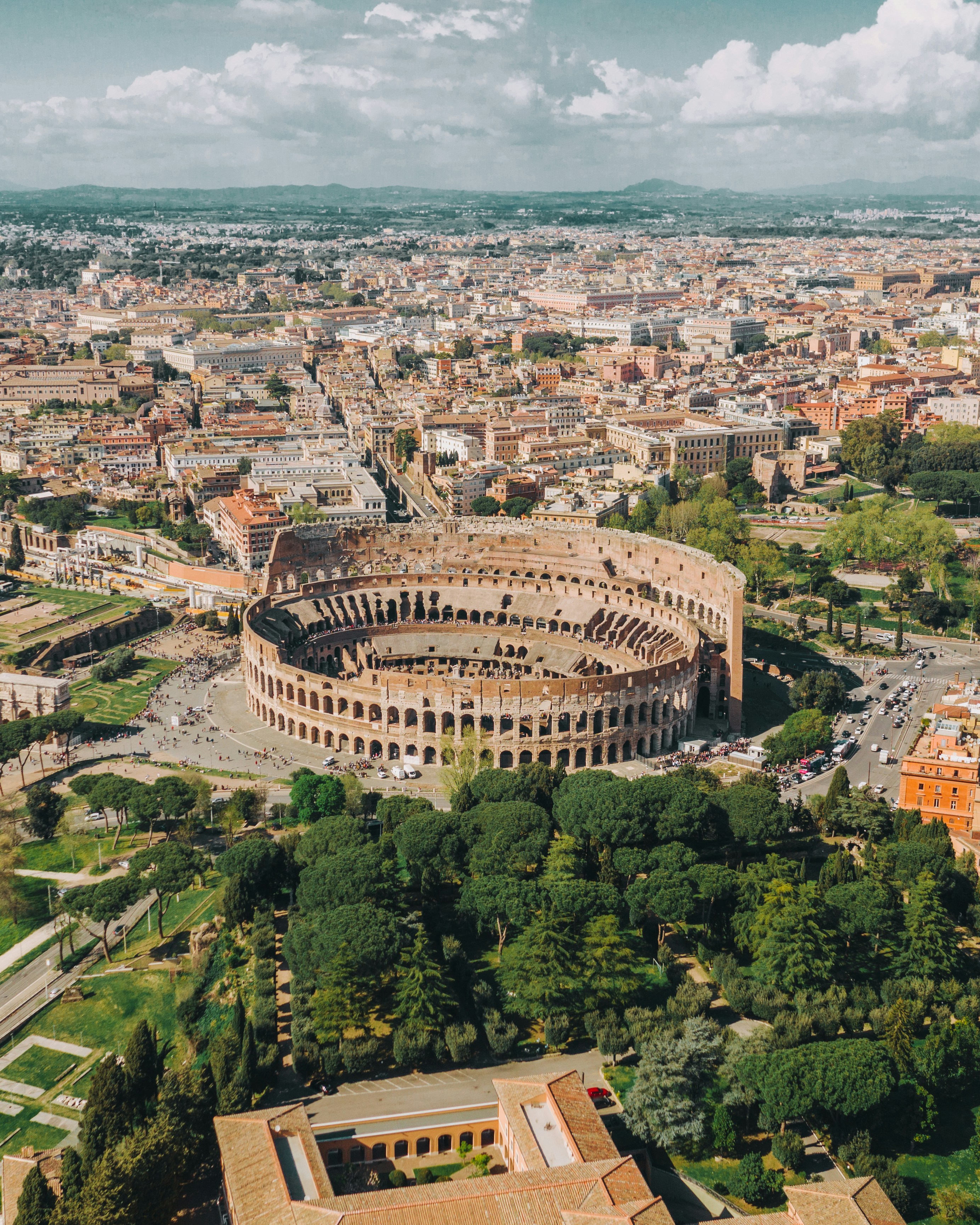
Wilson ends up in Rome.  Another British writer, Matthew Kneale lives in Rome.  And he wrote a pandemic diary, The Rome Plague Diaries.  I loved it. Having many years ago lived in Italy, though not in Rome, this put me back in touch with many aspects of Italian daily life and culture. It also revived memories of Lockdown – not unwelcome ones: I was one of those who actually relished many aspects of it, because of where and how I’m able to live. If you’ve enjoyed Kneale’s writing; if you love Italy, I recommend your reading this vivid account of a resilient city going through yet another test of its mettle.
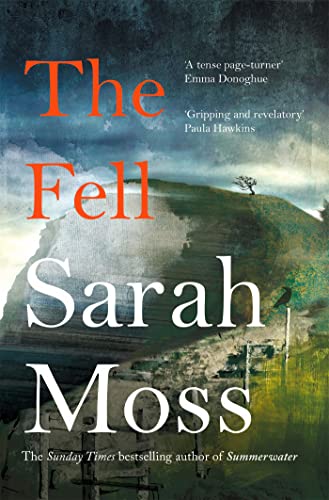
The only other story I’ve read set during the pandemic is  Sarah MossThe Fell.  I read it when I was self-isolating with Covid, probably in early 2021. Kate and her teenage son, living in Cumbrian fell country were quarantined at home. Kate, frustrated, eventually goes out, to get up there on the moors, at a moment when there won’t be a soul about, and be back in time for tea. Except she isn’t. She gets disorientated, and falls … This story is told in stream of consciousness through the voices of Kate herself, her son Matt, her neighbour Alice, and mountain rescuer Rob. And frankly it got as tedious as Lockdown itself. The ending was suitably shocking, inconclusive and cliff-hanging, which redeemed it somewhat, but I doubt if this book will wear well. 
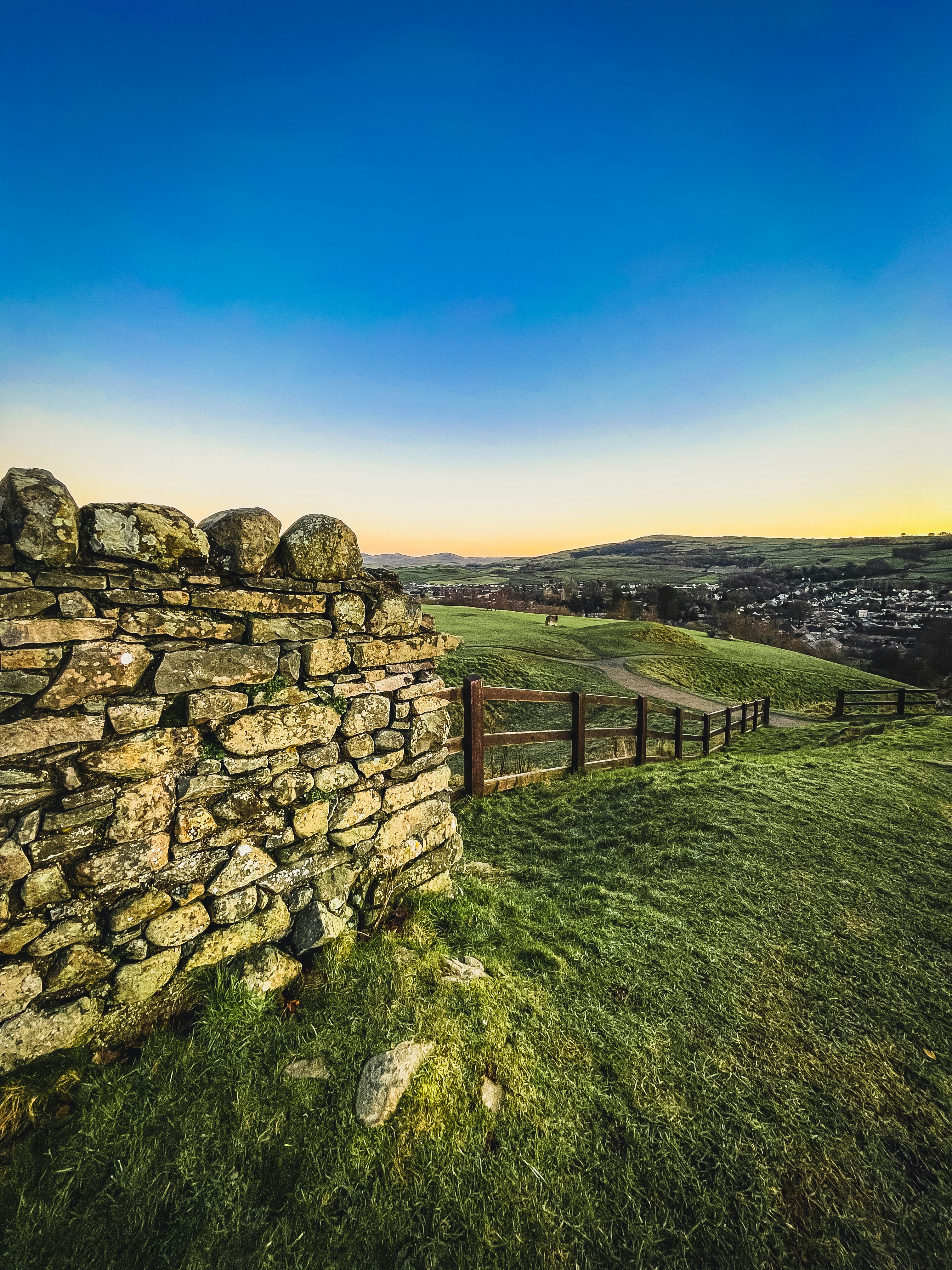
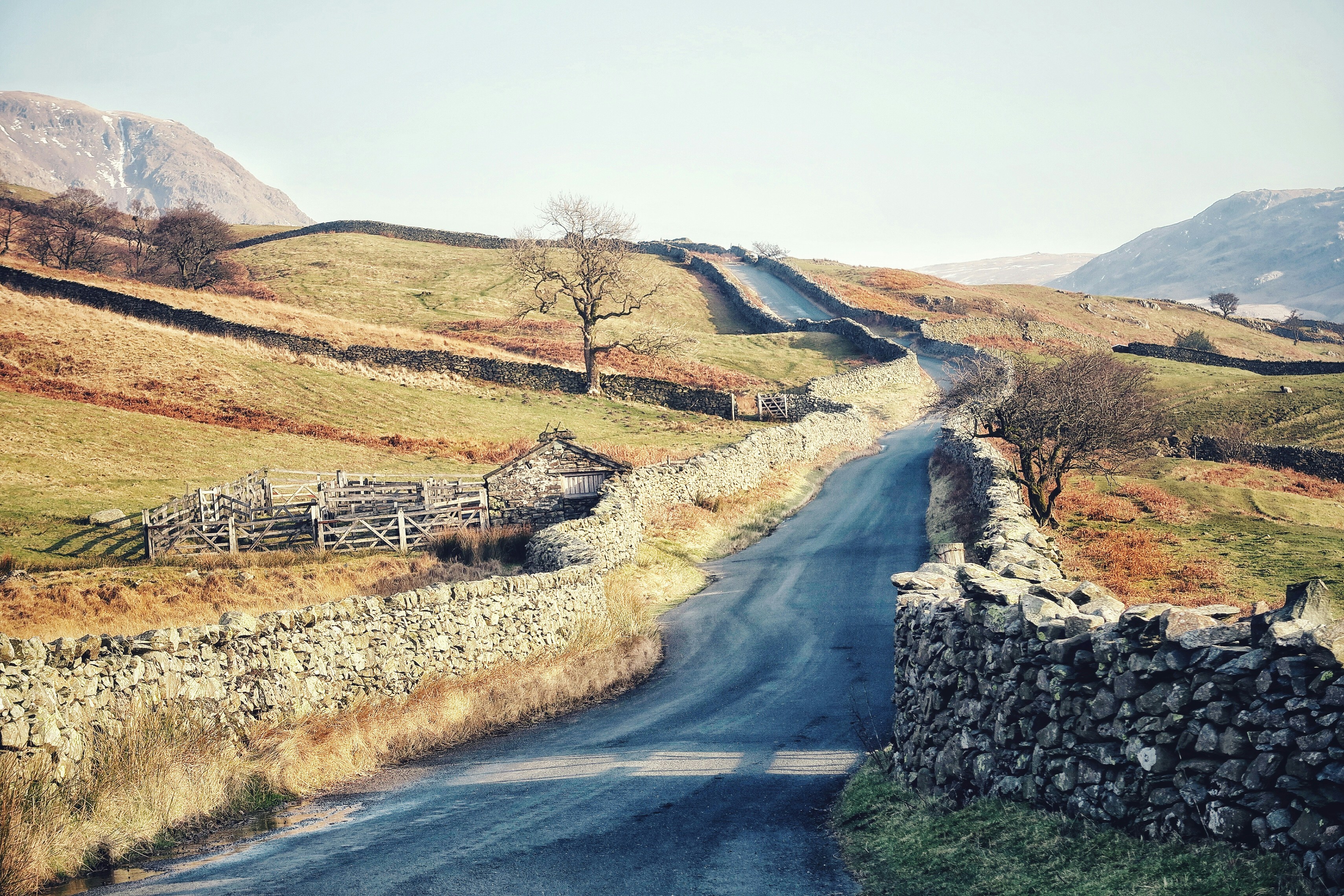
So I’ll finish with another book set in the Cumbrian countryside: Helen RebanksThe Farmer’s Wife: My Life in Days.  I met Helen Rebanks (wife of the more famous James, of The Shepherd’s Life fame) at another author-event at the Little Ripon Bookshop and found her sparky and interesting. I didn’t feel the same about her book. She details the hard slog of being a farmer’s wife and a mother in an unforgiving, if beautiful part of England. The book is interspersed with recipes, all of which can easily be found anywhere, and at the end are store cupboard hints which I doubt are of much help to her probable readership. An interesting enough but slightly disappointing read.

I’ve just read through this post, and see it has a slightly grumpy tone. It was slightly hastily thrown together today after our long journey back from Spain and dicing with farmers’ blockades in France, so I can’t claim to have given it too much thought. Next month, when the starter book is Ann Patchett‘s Tom Lake, Must Try Harder.

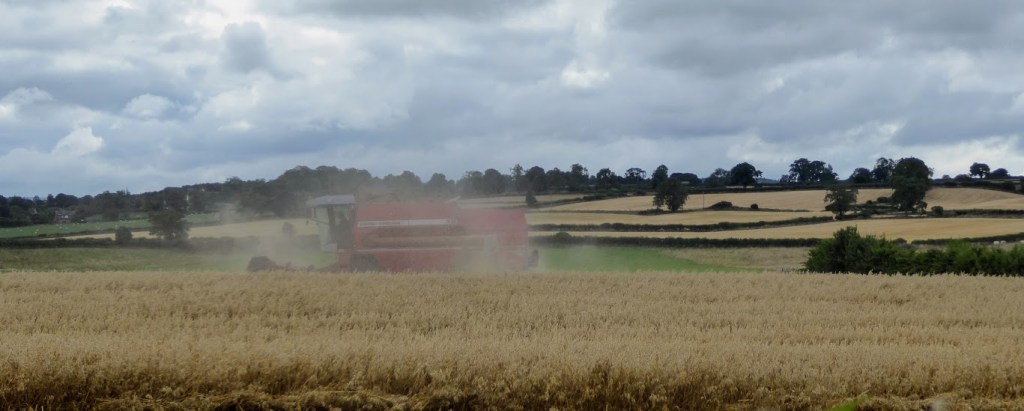
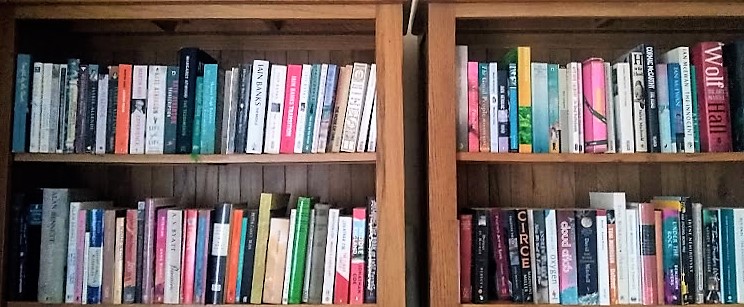
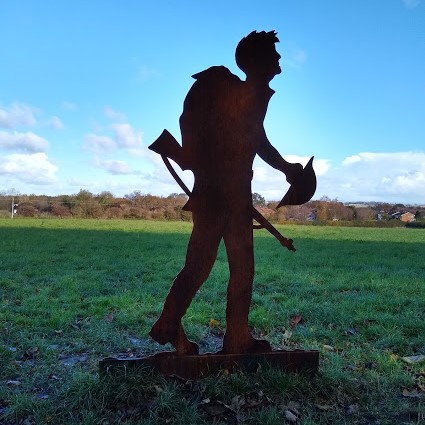
All images except the one of Kenneth Wilson cycling off with his cello in tow, which comes from the press pack on his own website, are from Unsplash, and are, in order, by Vlah Dumitru; Cajeo Zhang; Spencer Davis; Jonny Gios and George Hiles.
Six Degrees of Separation: from Tomorrow and Tomorrow and Tomorrow to Nine Lessons

On the first Saturday of every month, a book is chosen as a starting point and linked to six other books to form a chain. Readers and bloggers are invited to join in by creating their own ‘chain’ leading from the selected book.

Kate: Books are my favourite and best

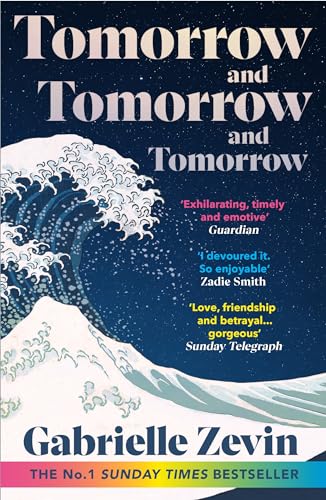
This month’s starter book is Tomorrow and Tomorrow and Tomorrow by Gabrielle Zevin. I understand it’s a saga spanning thirty years in the lives of two friends who design video games, so doesn’t appeal to me. So I’ll go with the saga aspect of this book to find my first link.

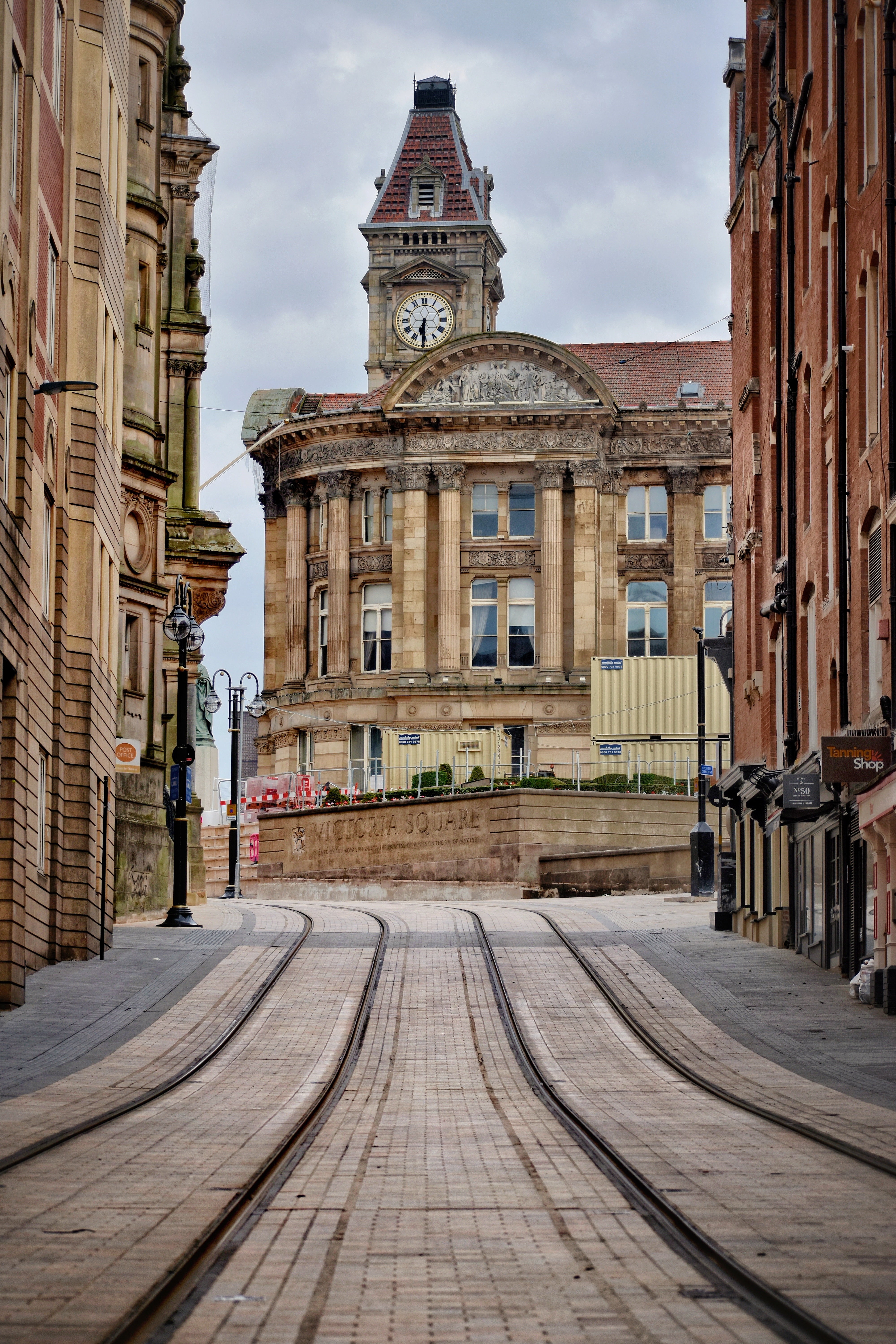
It’s Bournville, by Jonathan Coe. Here is a state-of-the-nation novel, a family saga centring on the matriarch of the family, Mary, whom we meet as a child celebrating VE day and drop in on over the years until her death – alone – from an aneurism during the Covid pandemic. Her close relations – and other characters too – drop in and out of this novel. Families, Brexit, racism, attitudes to homosexuality all feature. So many threads, almost as if Coe were ticking off ‘issues’ to incorporate into his story. Nevertheless, this is an involving and enjoyable read.

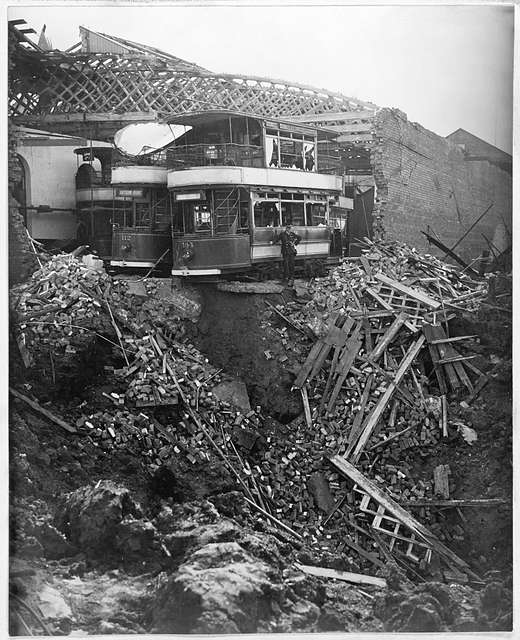
Bournville begins on VE day, so I’ve chosen a book which focusses on the latter part of WWI in the UK, Lissa EvansV for Victory. It’s a witty and engaging war time yarn. I gather this is a follow up to an earlier book, but that fact I hadn’t read it – or even heard of it – didn’t matter at all, as the characters were fully fleshed out. There are two strands to this story. One follows Winnie, ARP warden, who’s plump, sensible, with a husband who’s away fighting the war, and a glamorous twin sister who is neither plump nor sensible. The other follows Vee, who keeps herself solvent by running a boarding house whilst also raising her 15 year old orphaned nephew, that it turns out is not her nephew. This is a book that brings the sheer boredom, drudgery and beigeness of the last year of the war to life: a period when it looked as though the war MIGHT end, but with no real signs in everyday life of its doing so – especially as bombs continued to do their worst in London. Nevertheless, it’s an easily read and involving novel.

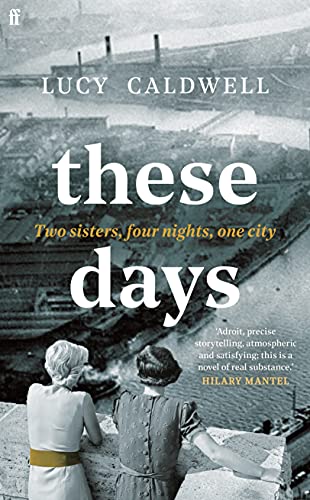
These Days by Lucy Caldwell is another war time book. I raced through it. It’s an engaging story about a middle class Belfast story dealing with WWII, recently and shockingly arrived in their home city. Audrey is a clever office worker, walking out with a young GP. Lucy, slightly younger, is an a Air Warden, awash with emotions over a first love affair that must of necessity stay secret. We meet their parents and kid brother Paul, and become as consumed as they do by the four days of unrelenting bombardment of their home city. Involving, nuanced and thoroughly well told, this is a book I couldn’t put down.

A change of mood, and a change of war – WWI. Held, by Anne Michaels. I’ve not long finished this, and it’s far too early for me to have digested this book and taken from it what it has to offer. This is a poetic, evanescent story. Well, stories. It begins with John, lying wounded on a WWI battlefield. Then memories and thoughts take us to his first meeting Helen, his wife: and to their love, their struggles and to some of his career as a photographer. We move many times in this book – not just geographically, but in time. It’s a bit of a kaleidoscope: an image realised quickly disappears to be replaced by another. All seem to be linked by trauma, by pain, because being in war zones is a common thread throughout the book – the book is held together by recurring motifs. This book is fluid, luminous, and I’ll need to read it again to begin to understand it properly. And I want to.

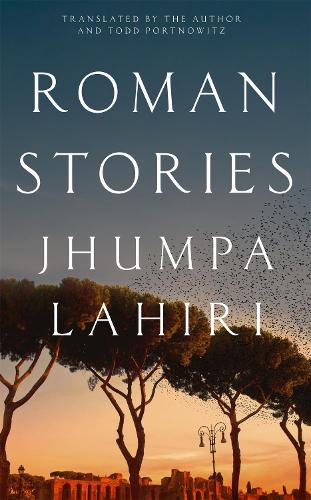
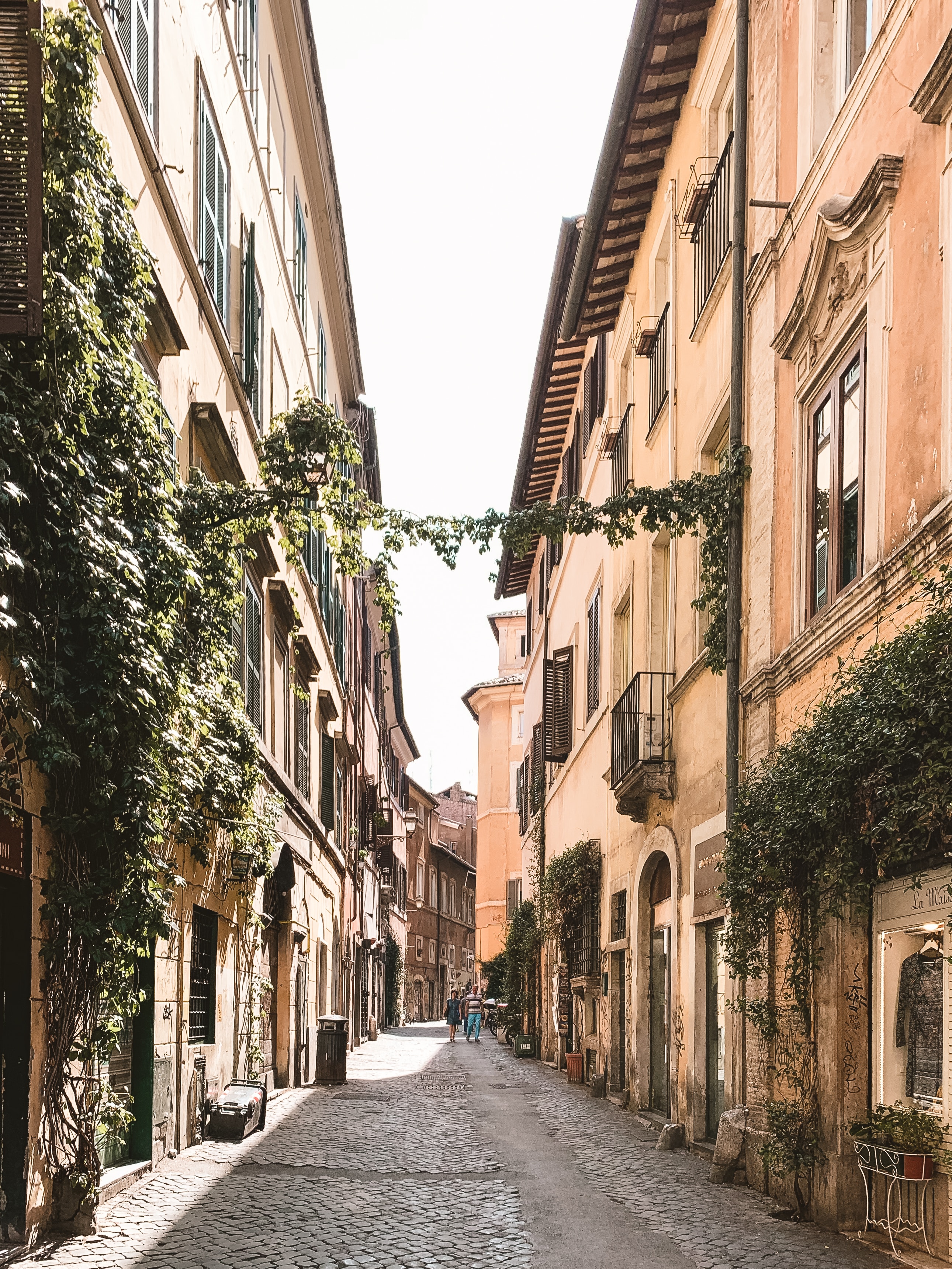
Held was a homogenous whole, whilst being a collection of vignettes. Roman Stories, by Jhumpa Lahiri is a set of stories of people unconnected to one another, though all focussed on the city of Rome. Not the tourist hot-spots, but the less-regarded areas where people actually live. Often people with difficult back-stories, or whose origins are not in Italy. None of the characters described here feels completely at home. Their difficulties in being assimilated and accepted are both hinted at and described. All her characters seem to be in some measure of mental pain. Lahiri is an American academic who loves Rome. She now writes in Italian and self-translates. I wonder if this is what gives these stories a somewhat detached air? I ended the book feeling somewhat uncomfortable. Is this what Lahiri intended? Probably, yes.

I’ll conclude my chain with a story that links a group of people who had all gone their separate ways having been students, many years ago, at Cambridge University. Nine Lessons, by Nicola Upson. This is the first book I have read in this detective series following DI Archie Penrose and Josephine Tey as they collaborate in a spot of crime-solving. I have not yet read any of Tey’s work, though now I feel encouraged to do so. Nor have I read any MR James, yet he is central to the book’s plot. Many years ago, a group of his students at Cambridge used to gather to enjoy his readings from his own ghost stories. Now, slowly but surely, the members of the group are being killed off – and in each case, a clue from the stories provides the key to solving the mystery. Cleverly constructed, with well-realised characters, this is a series to relish.

And this final book, whilst not being a saga, connects characters over a period of many decades. And therefore conveniently links back to the starter in this chain.

Next month, we’re invited to start our chain with our last book of this month, or with the last book we’ve read. Why not join in?

Photo Credits:
Bournville: Adam Jones, Unsplash
V for Victory: GetArchive
These Days: Wikimedia Commons
Held: Julia Pure, Unsplash
Roman Stories: Anton Fineas, Unsplash
Nine Lessons: Bogdan Todoran, Unsplash

Six Degrees of Separation: from Wifedom to Our Souls at Night

On the first Saturday of every month, a book is chosen as a starting point and linked to six other books to form a chain. Readers and bloggers are invited to join in by creating their own ‘chain’ leading from the selected book.

Kate W: Six Degrees of Separation

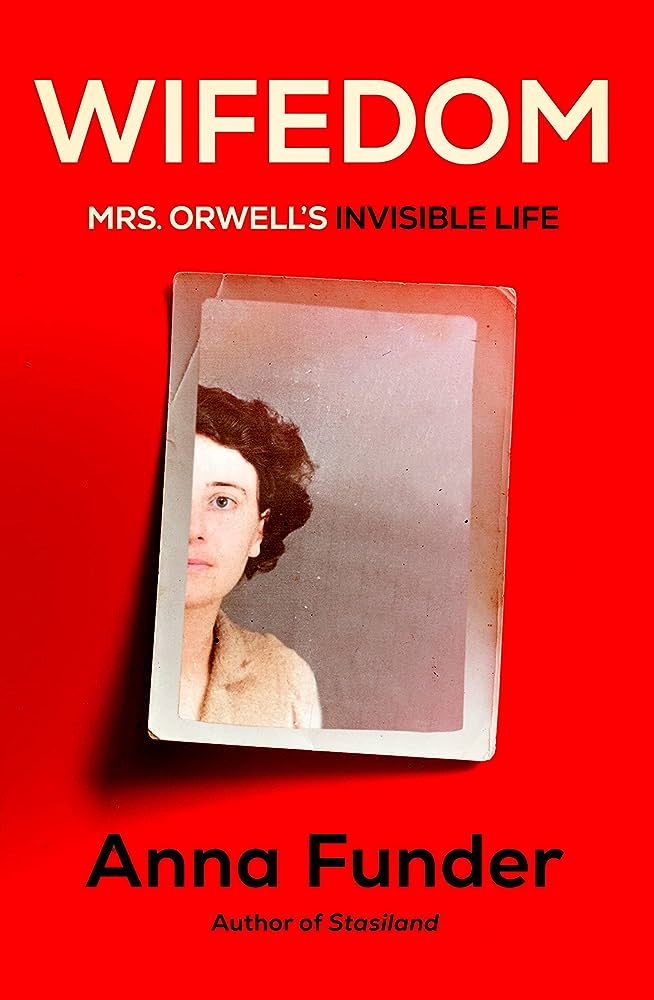
This month’s chain starts with Anna Funder’s Wifedom, whose heroine is Eileen O’Shaughnessy,  George Orwell’s first wife.  She hasn’t had much of a press – good or bad. Orwell never acknowledged her in his writings, and his biographers have largely passed her by. Yet she was an Oxford graduate studying for a masters degree when this was still an unusual path for a woman. She gave it all up when she married Orwell to live in near poverty in a remote cottage. When they go to Catalonia for Orwell to participate in the Civil War, he never mentions in his writing Eileen’s significant role in the struggle or the risks she took. And so it goes on. This is a novel rather than a biography, because there are so few hard facts to rely on: mainly a few letters, so the book is perforce speculative. But enough is known about Orwell’s patriarchal attitude to women and their role to surmise that this is a reasonably faithful account. This is a shock to Funder, long-time Orwell admirer. He doesn’t come out of it well as a husband and father. An interesting and thoughtful reconstruction.

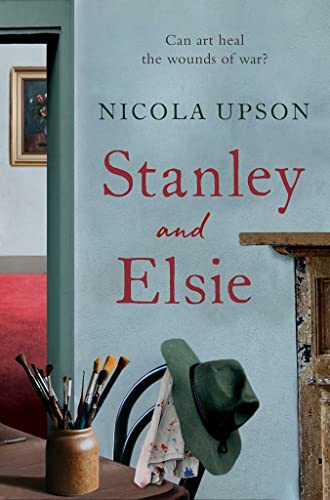
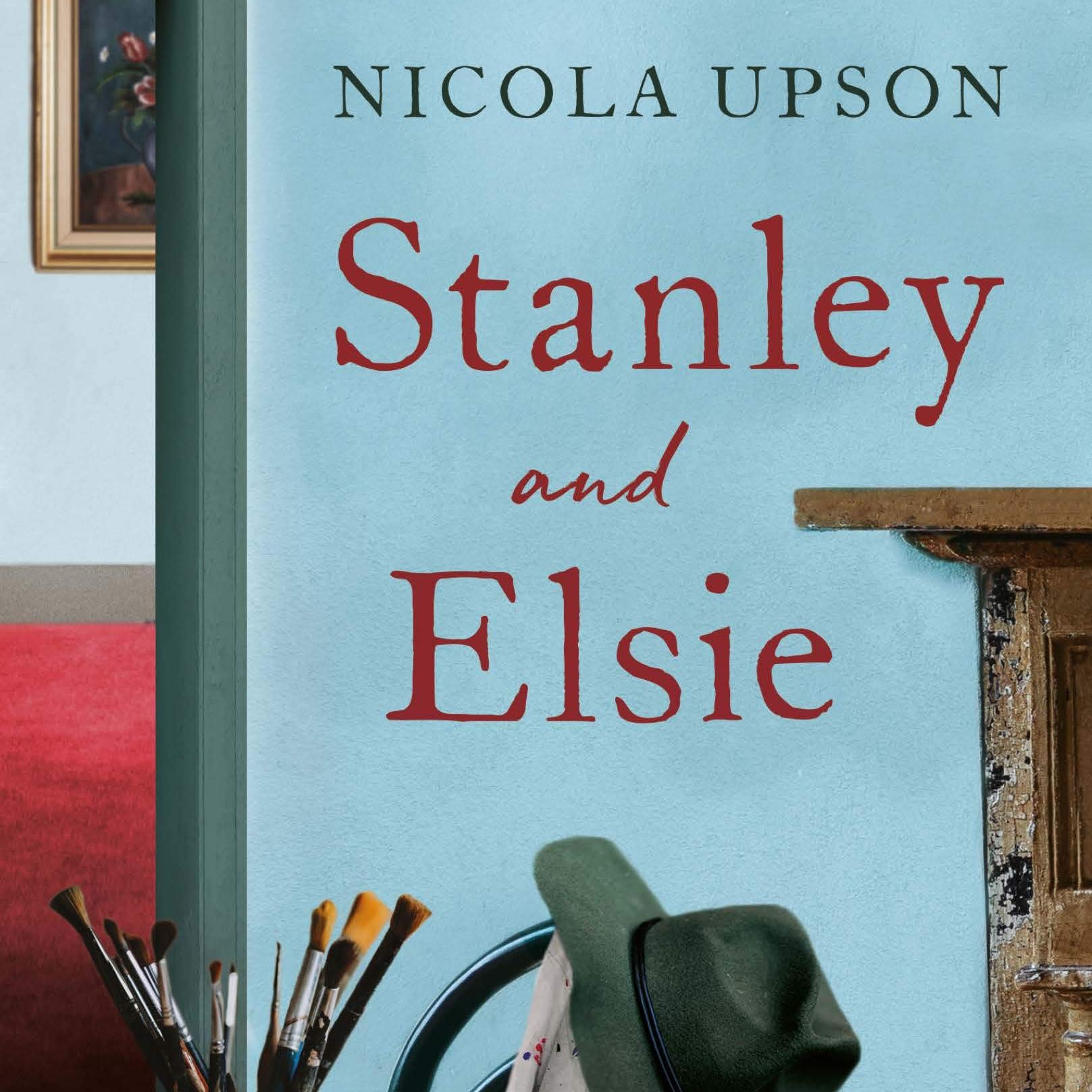
So let’s do a chain on relationships within a marriage, within a family, and start off with Stanley and Elsie, by Nicola Upson, because here is another fictionalised account of the lives of real people.  It brings before us the story of one of England’s most celebrated twentieth century painters, Stanley Spencer, and the women in his life, including the sensible, cheerful live-in maid Elsie, and his two wives, Hilda then Patricia in a most vivid and involving way.  Early twentieth century village life, an eccentric lifestyle, and the complicated lives of imperfect fractured people is brought to life in an entirely readable way.  This is a story of love, obsession, the thought processes of a painter, the English countryside written in a way that demands to be read, compulsively.

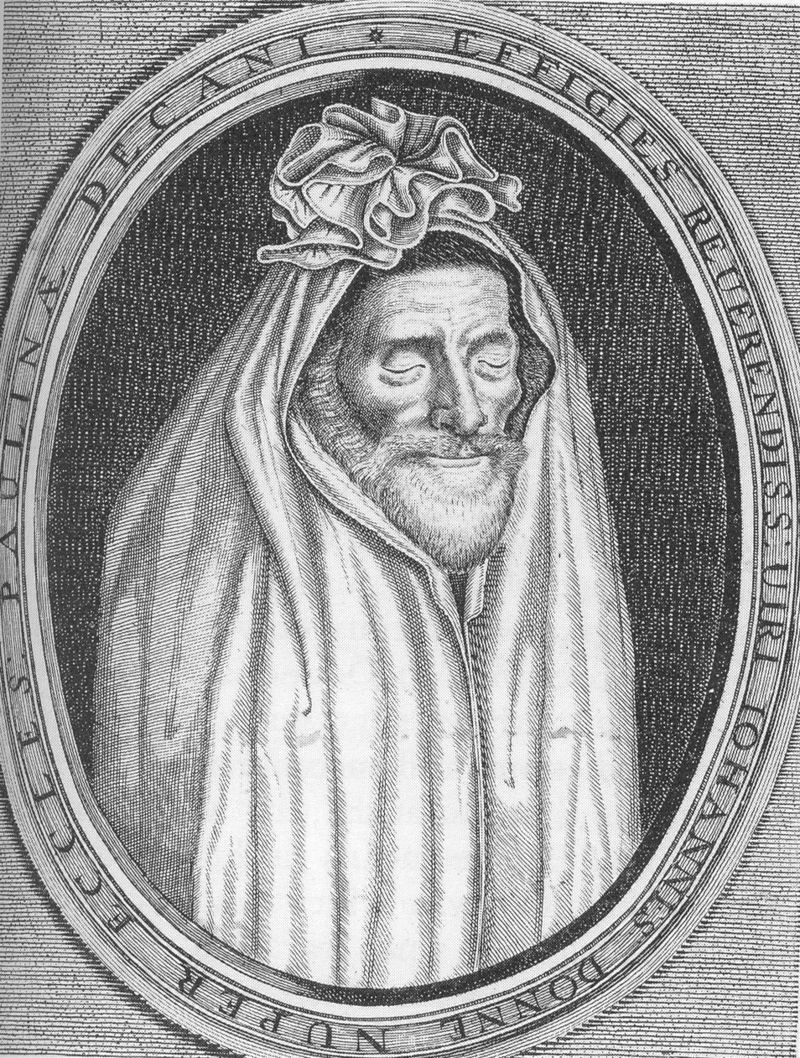
And now another book involving real people: a biography this time. There are so very many gaps in knowledge about the facts of John Donne’s life and work. Katherine Rundell, in Super-Infinite: The Transformations of John Donne has done a fine job in meshing what is known with what can reasonably be surmised with an evaluation of the man. Born a Catholic, with all the dangers and limitations that presented, Donne early exhibited his dexterity with words and his sparkling intelligence. Initially successful in the law, an early and unwise marriage pitched him into prison, then penury. What with his wife producing twelve children, five of whom died in infancy, and being remote from the power-house that was London, his career stalled, though his creativity never did. Only when his wife, from whose day-to-day life as mother he was very often absent,  died as a result of childbirth (to a still-born child) did his career finally take off as Dean of St. Paul’s, and preacher extraordinaire. Rundell deftly deals with all this material, all the while offering a critique of Donne’s often dazzling and dextrous use of words. Frequently misogynistic, it’s his love poetry that we often remember him for. She argues that these frequently erotic poems were written not for his wife, but for the enjoyment of his male friends.  His wife seems to have had a raw deal.

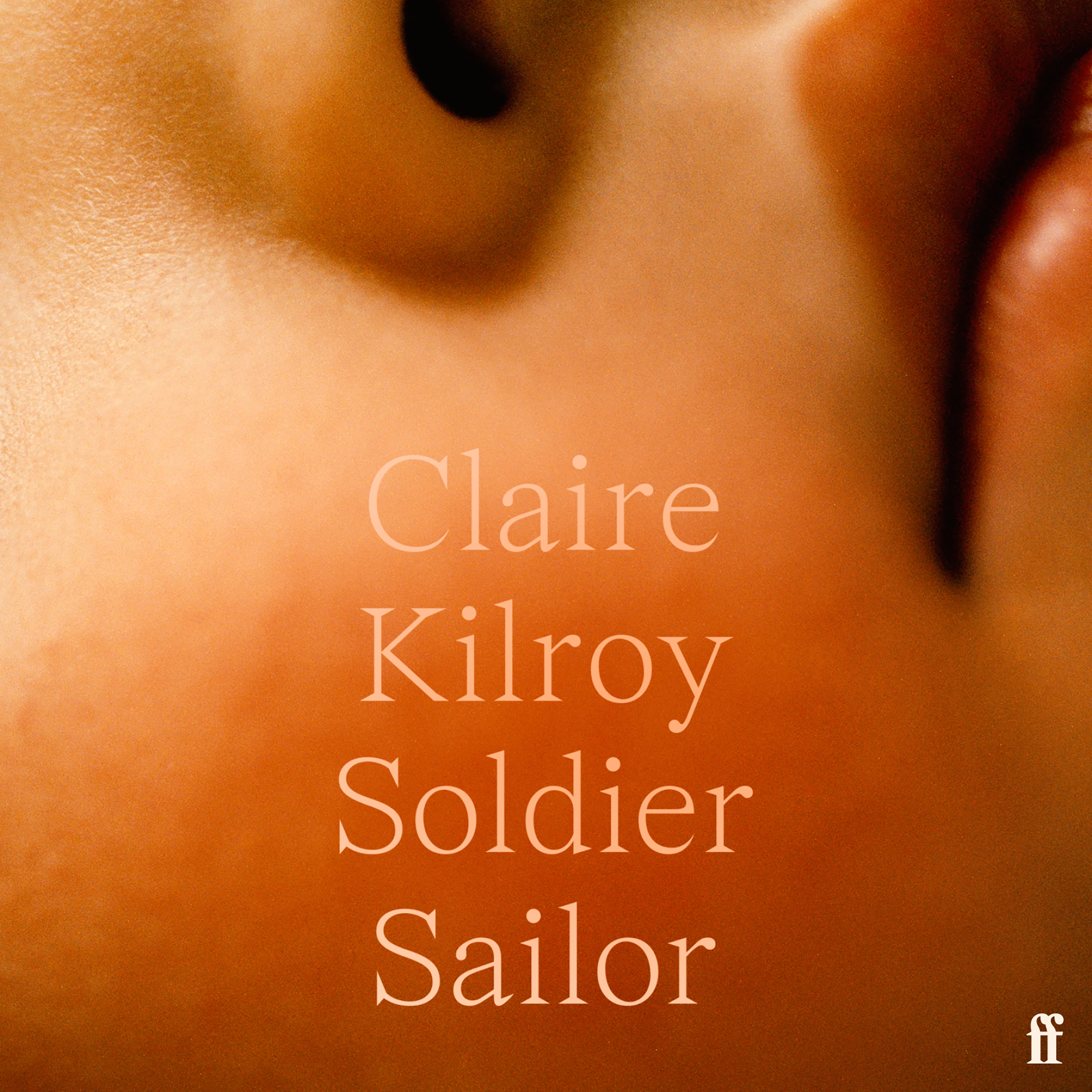
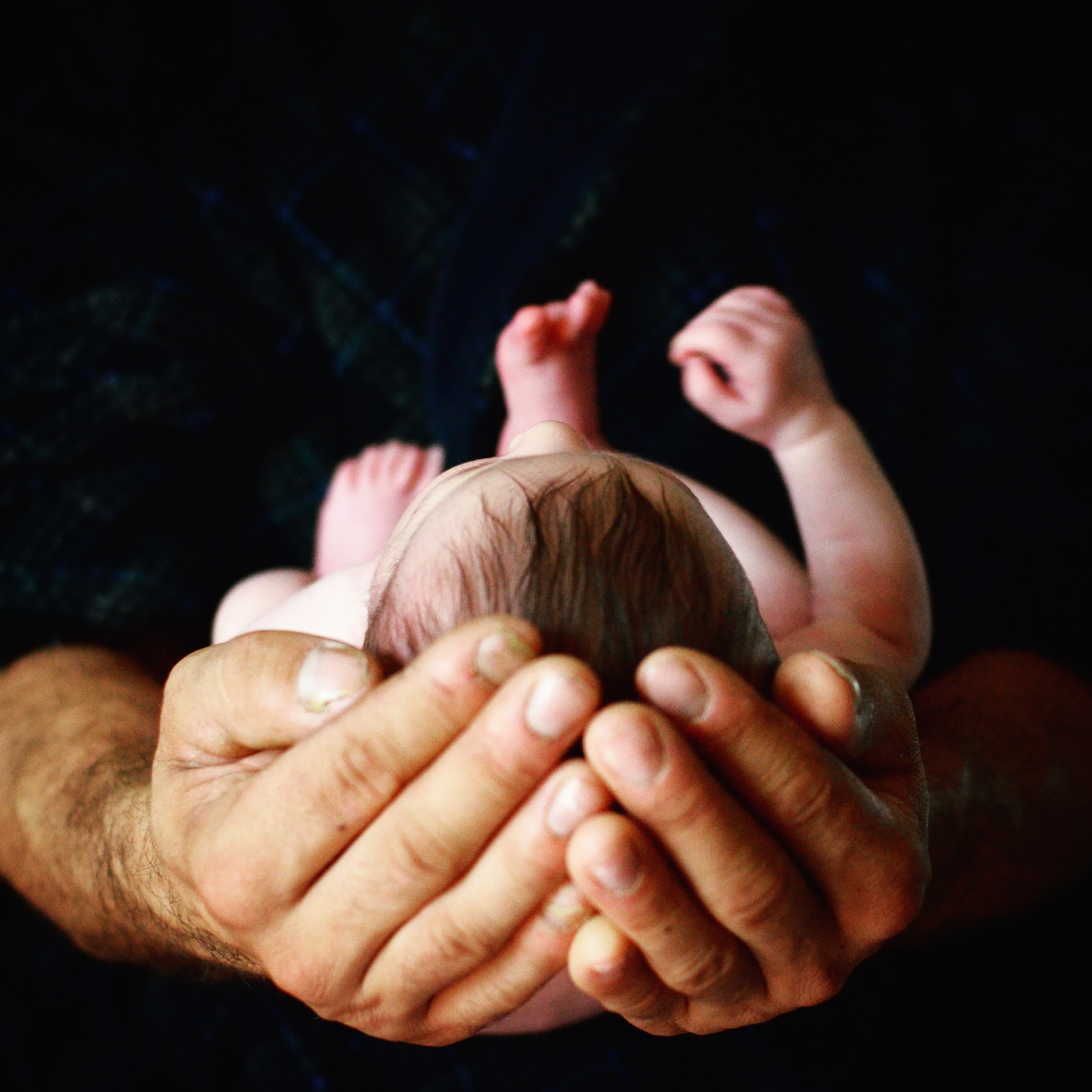
Pure fiction now. Claire Kilroy, in Soldier, Sailor, examines two intimate relationships:  of a mother to her baby son (‘Sailor’), and as a wife to her husband.  Here is a book, an all-encompassing and visceral read that brought back almost fifty year old memories of the early days of motherhood. The overwhelming love for that new life brought into the world: but also the endless, utterly debilitating exhaustion, guilt, loneliness, confusion. The realisation that your partner is not, as you had believed, your equal partner, but someone who escapes every day – perhaps to an office, where normal life ensues. All-consuming love, combined with unremitting drudgery is woven through the book. As is reference to  the husband of the narrator who fails to understand, to help, to be truly involved with his son’s welfare. He resents the little that he does, forgetful of simple but important baby-related tasks – but remember, this is Soldier’s tiredness-sodden perspective. She is an unreliable narrator, but one who reliably conjures up early motherhood. We stay with Soldier as very early motherhood ends, but all-consuming love of her partner does not. A devastating book.

Charlotte Mendelsohn, in When We were Bad, is someone else who is good at complicated family situations. I struggled at first to get into this book. There were so many characters, all equally important: all so flawed: all so Jewish. That isn’t a criticism. Just an observation that understanding the Rubin family (and all the characters are family members) means getting to grips a bit with what it means to be Jewish too. I persisted. It was worth it. The lives of every family member begin to unravel as son Leo’s life very publicly does, the day he leaves his wife-to-be some 4 minutes before they take their vows. It turns out that he isn’t the only one in inner turmoil. By turns funny, touching and embarrassing, I was engaged with every character, despite their many and obvious flaws, long before the conclusion of the book.

What about a family that believes it has a trusted protector in its midst? Ricarda Huch’s The Last Summer was written in 1910.  Set during one summer round about that time, we are in Russia, in the country retreat of the von Rasimkara family. They are here because the father, as governor of Saint Petersburg has closed down the University in the face of student protests. The three adult children (a young man, two young women) send the letters from which the book is composed to various family members describing their lives and feelings, and the young man whom the mother has hired to protect the life of their father. Little do they know, as we find out almost immediately, that this young man sides with the student revolutionaries, and is here to do harm to von Ramiskara. And it’s this irony which fuels the book’s narrative. The whole family, for different reasons, believe in the young protector, even when his behaviour is, to say the least, odd. The tension builds until the final letter … An exploration of ideology and trust, and the complicated layers of family life. 

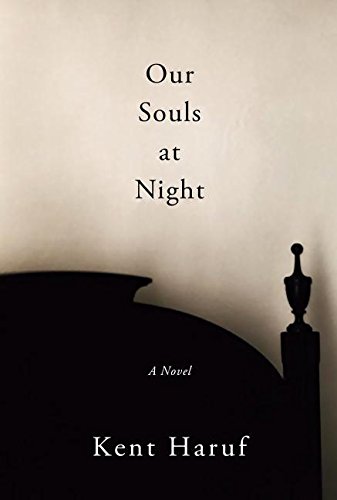
All of these couples, these families have been, in different ways, hard work.  Let’s end on a gentler, sweeter note and look at true love instead, in Kent Haruf’s Our Souls at Night.  This is a tender, gentle novella about two lonely neighbours who in later life find each other, and love. Their measured path towards new happiness, their discovery of and acceptance of their former lives forms the body of the book, even though always there in the background is the judgement of others, threatening their happiness. A delightful last work from the never disappointing Kent Haruf.

That’s my rather loose chain this month: more of a wheel really. Next month, our starter book is the classic I capture the Castle, by Dodie Smith. Why not join in?

Browsing through the Backlist

Guilty as charged. I read a book. I thoroughly enjoy it. ‘That was great’. I think. ‘I must read more by her/him’. But then another enticing book by somebody else entirely comes along, and … I don’t.

Cathy of What Cathy Read Next fame has a challenge to help put this right, and she’s called it Backlist Burrow. Choose six authors whom you’ve enjoyed, find two books from their backlist … read them … and report back. I don’t undertake to read two, though I might. But one for sure. And here are my chosen authors.

I read Edith Wharton‘s novella Ethan Frome for Six Degrees of Separation back in December 2021, and immediately vowed to read more from this upper-class New Yorker who, during the last years of the nineteenth century and the early years of the twentieth was able to portray so incisively the characters she created. I still haven’t. Now I have to…

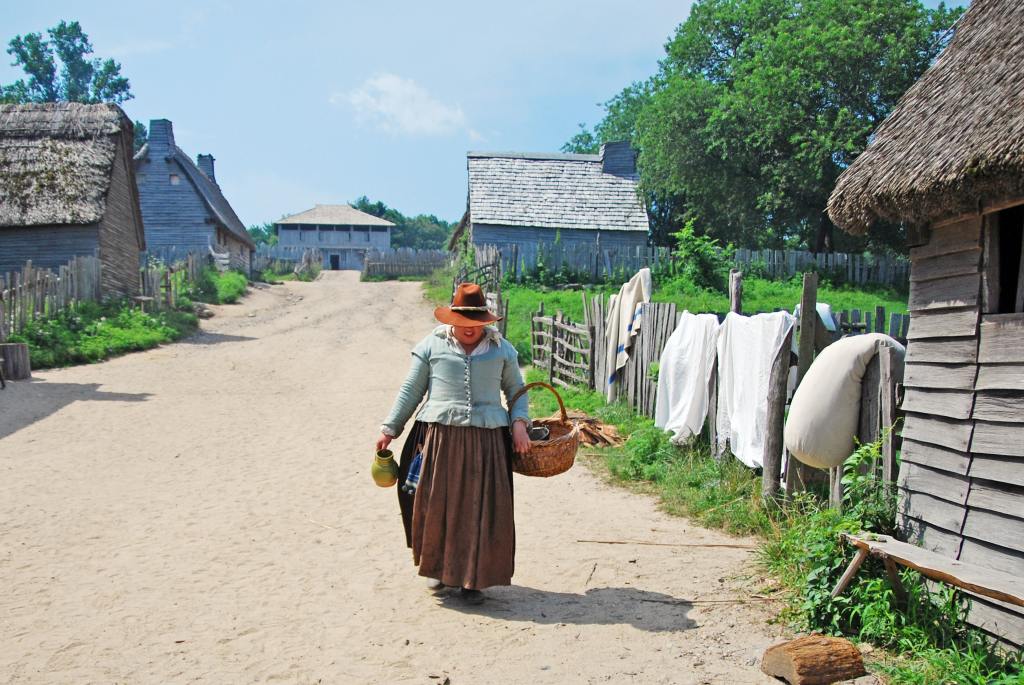
I wonder if this resembles the Massachussetts that Ethan Frome knew? (Ilse Orsel, Unsplash)

Another unforgettable character was Berta Isla. Javier Marías describes her life thoughtfully, discursively. Her husband, working for the secret service is almost constantly absent and unable in any way meaningfully to communicate with her and participate in the marriage. I want to read more from Marías.

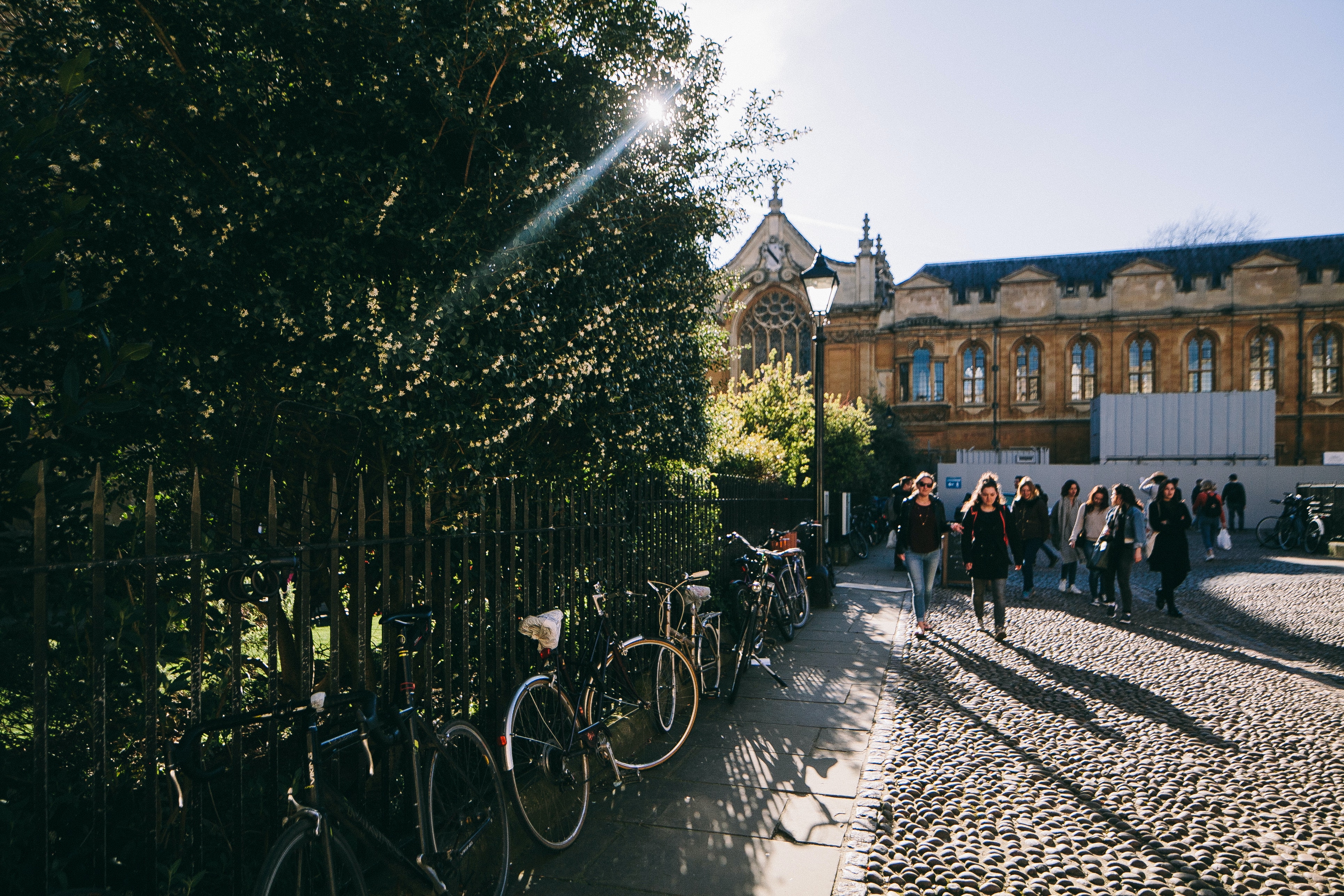
Berta and her husband Tomás grew up together in Spain (though not in Zaragoza where this photo of the Basilica of Pilar was taken). After University in Oxford, his career took him to the mists of she-knew-not-where. (Oxford: Lina Kivaka, Pexels)

I read Mary Lawson‘s A Town called Solace when it was chosen for our local bookgroup. I immediately fell for the complex web of characters she created, and the interest she brought to the life of a small and humdrum Canadian town. So – more please!

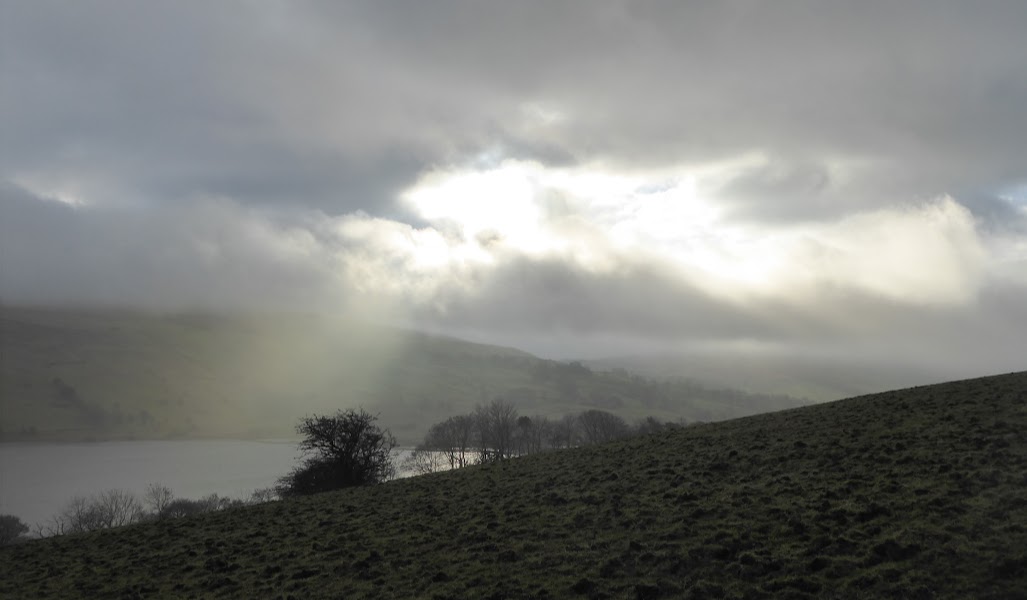
I wonder if this is a track near Solace? (Ember Navarro, Unsplash)

When I chose Roy Jacobsen‘s Eyes of the Rigel from the library, I was unaware that this Norwegian tale, set on a small island after WWII was the last book in a trilogy: an immersive story of memory, belonging and guilt. I need to catch up with the first two: The Unseen, and White Shadow.

Northern Lights in northern Norway (Dee: Unsplash)

Nicola Upson‘s Stanley and Elsie, a fictionalised telling of the story of the painter Stanley Spencer was a compulsive read. Having a look at her crime novels centred on the life of Josephine Tey seems like a good move to me.

Shipbuilding on the Clyde: Stanley Spencer

Georgina Harding. Here’s another author I want more of, and here’s another instance of my inadvertently starting off with the third book in a trilogy: Harvest. This is a thoughtful picture of a family accommodating itself to an earlier tragedy. I’d like to read the back stories in The Gun Room and Land of the Living.

Harvest, not in Norfolk where Harding’s Harvest is set, but here in North Yorkshire.

This of course is in addition to tackling the (largely virtual) tottering pile of books recommended by friends, book bloggers, newspaper reviews. Really, it’s all quite impossible.

Six Degrees of Separation in January

On the first Saturday of every month, a book is chosen as a starting point and linked to six other books to form a chain. Readers and bloggers are invited to join in by creating their own ‘chain’ leading from the selected book.’

Six Degrees of Separation meme

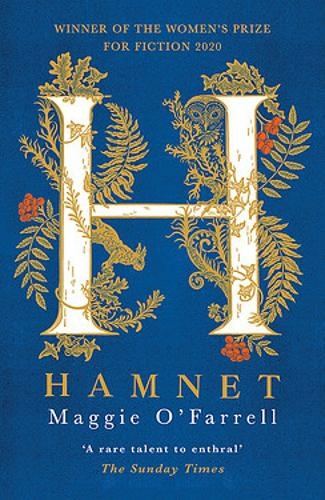
I included the starting point in this month’s chain, Hamnet by Maggie O’Farrell in my own, the very first time I participated in Six Degrees, back in August last year.

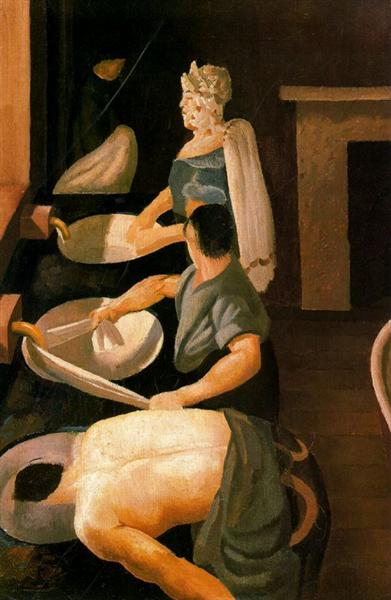
This time I’ll link it with Nicola Upson’s Stanley and Elsie.  Like O’Farrell, Upson re-imagines lives:  those of the celebrated English painter Stanley Spencer and his family, and their live-in maid Elsie.  Though this is a work of fiction, she sticks more closely to the known facts than O’Farrell. This story of love, obsession, the thought processes of a painter, the English countryside is written in a way that demands to be read, compulsively.

Stanley Spencer: Soldiers washing. http://www.wikiart.org

Another life – this time entirely fictional, entirely believable. Andrew Miller’s The Crossing has Maud at its heart. This unusual woman, very likely with Asperger’s syndrome, nevertheless has an ordinary enough life till tragedy strikes.  Then it takes a different path, when Maud goes to sea … This exquisitely written book, and Maud herself,  may haunt you, as they did me.

The North Sea – a view Maud might have seen.

A big leap now to two fictional lives. Soldiers from Senegal often provided the French front line throughout the First World War. Alfa and Mademba are two of them.  When Alfa watches his lifelong friend Madeba die in agony, unable and unwilling to kill him to end his suffering, his slow descent into madness begins.  David Diop’s At Night All Blood is Black is both hypnotic and heartbreaking.

Not a Senegalese tirailleur, but a British Tommy in WWI, plodding through the outskirts of Ripon.

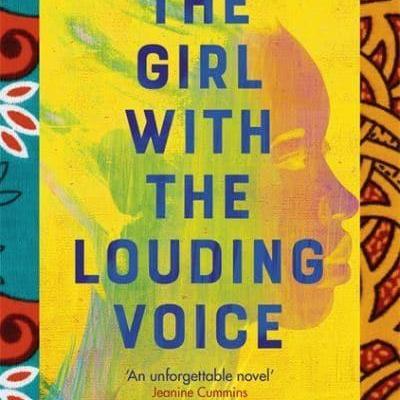
I can’t face anything else that’s dark at the moment, but I’ll remain with a West African subject, this time a Nigerian.  The Girl with the Louding Voice, by Abi Daré is written in the voice of fourteen year old Adunni who is married against her will to a much older man. Written in pidgin this lively, involving and often humorous story highlights the difficulties and limitations imposed on many women in Nigeria, particularly those of limited means: forced marriage, domestic slavery. This story, however, has a positive and happy ending.

Possibly acting the part of Big Madam, Adunni’s ’employer’? (Pexels)

Which leads me to another book where the prospect of a forced marriage changes the main protagonist’s life: 10 Minutes 38 Seconds in This Strange World, by Elif Shafak. This is the life of Tequila Leila, sex-worker, and her five very special friends, recalled in flashback just as Leila dies, and told in a vibrant, moving and engaging way.  The second half puts her friends centre stage as they attempt a decent burial for their friend, and for me was less satisfactory.  Read it and decide for yourself.

The streets of Istanbul ( Unsplash-Randy Tarampi)

Let’s end with another woman’s life, an autobiography this time: Tara Westover’s Educated. I approached this book with a distinct lack of enthusiasm. But once started, I couldn’t put it down. Tara Westover comes from a large dysfunctional Mormon family. Home educated, her upbringing was tough, Her journey from a rough country childhood to the world of academia  is well-told, as well as giving me some insight into the Mormons. A thought-provoking read.

House in a rural Mormon community ( Jaron Nix, Unsplash)

With the pandemic still raging, I’m in need of uplifting reads: and with the exception of the David Diop, my choices provide positivity in varying degrees.  I haven’t read next month’s starting-point-book, Ann Tyler’s Redhead by the Side of the Road.  It’s very short: that’s the upside when my TBR list is so very long.

Always up for reading, and recommending good reads to others, this post is also my offering for Square Up today. But please visit the Six Degrees link to see what other readers have chosen.

Six Degrees of Separation