
Last time I stayed with my Spanish Family, in May, I happened upon a National Treasure in Ciutadella Park. This green lung in the centre of Barcelona has a bit of everything: playgrounds, palm trees, ponds, picnic areas. It’s even home to Barcelona Zoo.
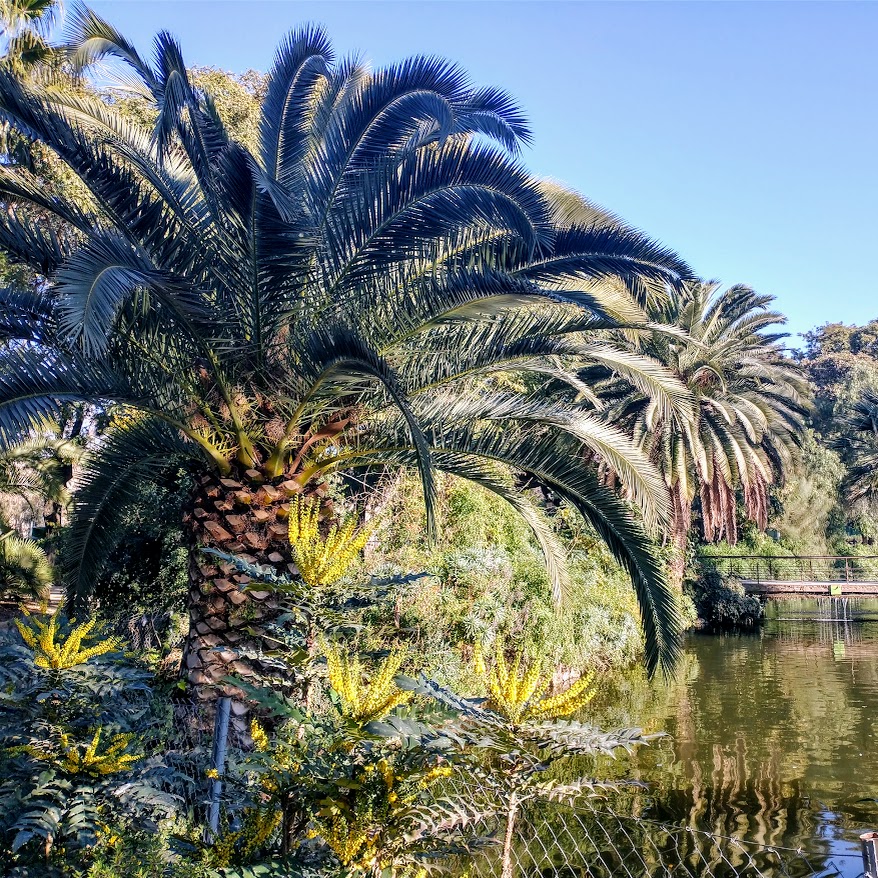
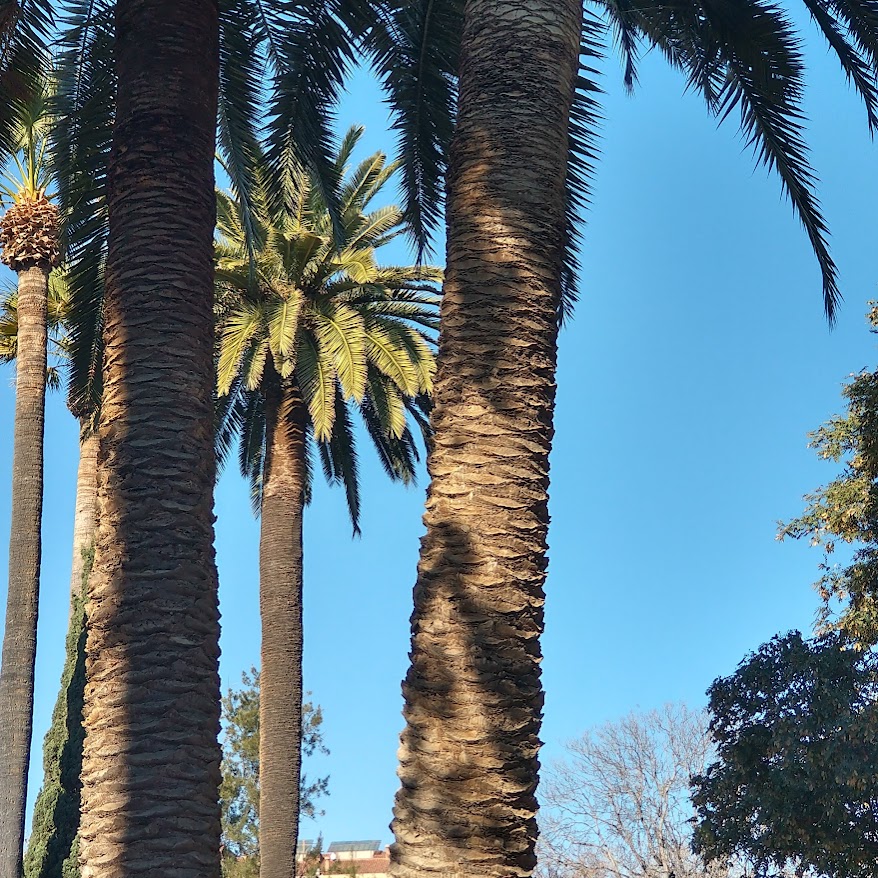
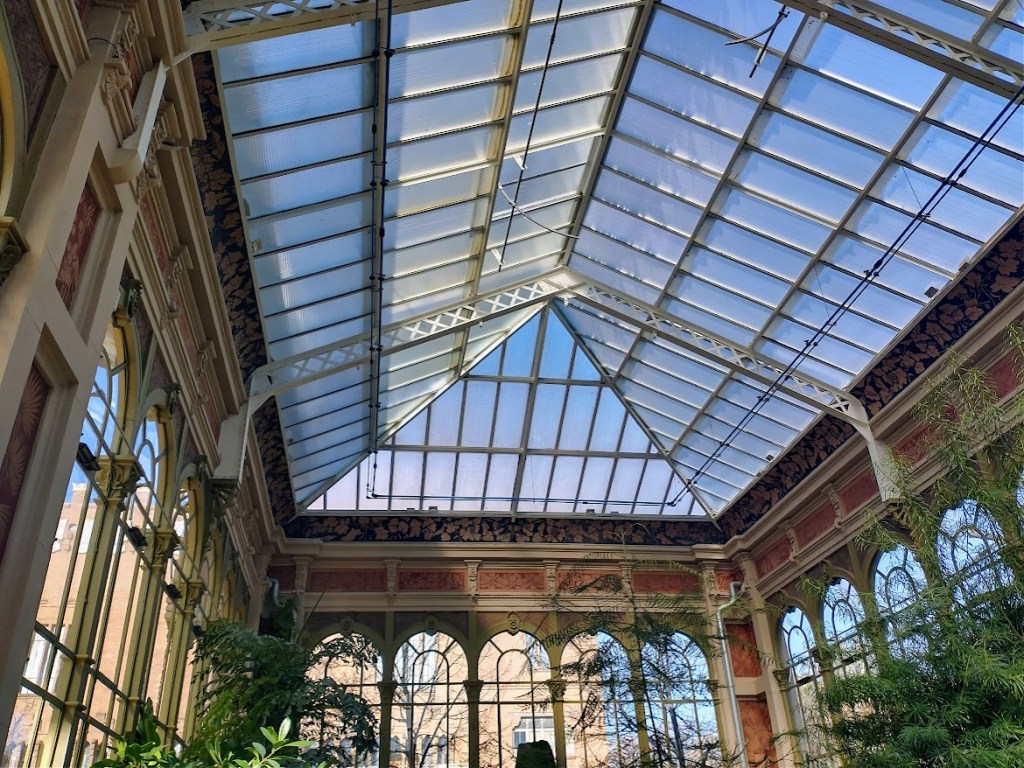
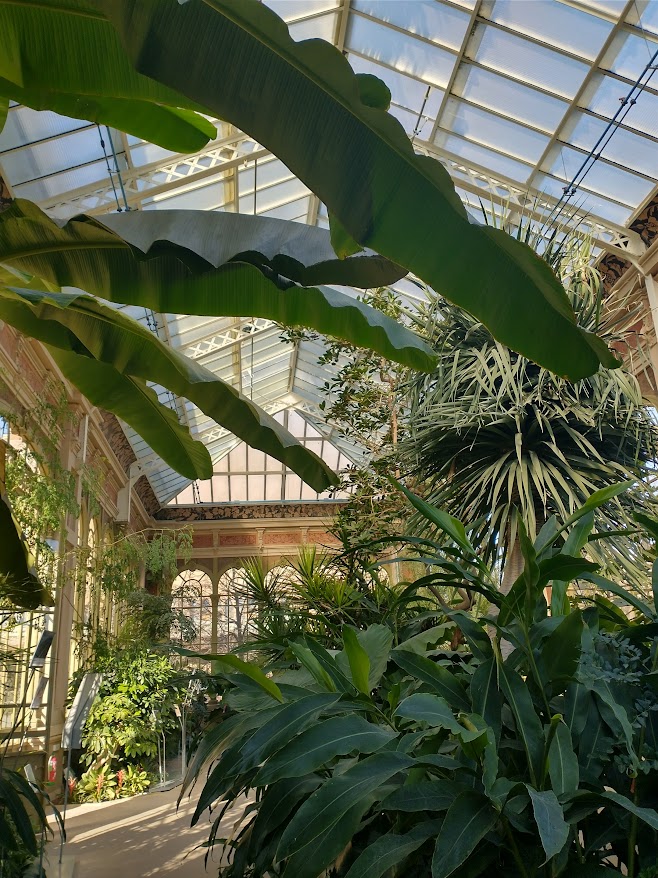
But what took my eye on that hot day were two Victorian era glasshouses, one closed for restoration. I determined that Malcolm and I would check it out to see if the work was complete. It is. And what a glorious place the Hivernacle is in which to spend a relaxing morning. This vast iron structure with glass sides was built from 1883-1887 and designed by Josep Amargós in the Modernista style. He looked to England, to Chatsworth and to Bicton, as well as other places for his inspiration. Now modern restorers have looked to The Eden Project to guide them, and the greenhouse is once more home to over 100 plants, and forms the nucleus of the park’s educational and research programmes. We simply enjoyed the calm green space, with its restrained decoration and exuberant plant life. And the geometry evident in the greenhouse itself, and in the plants which populate it.
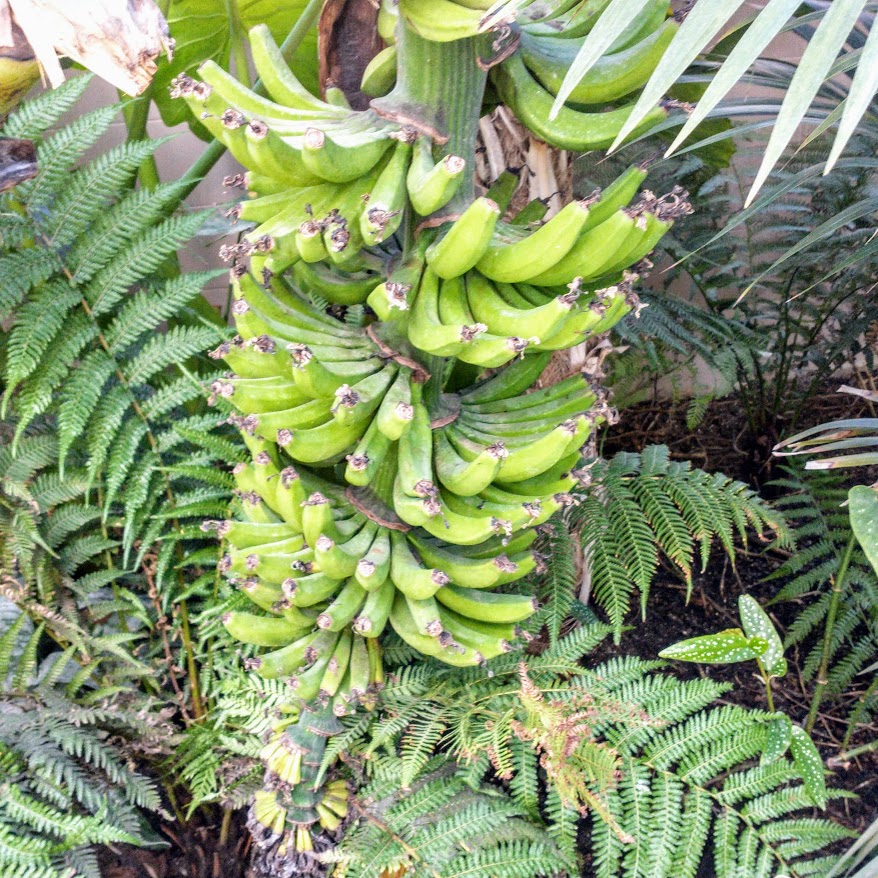
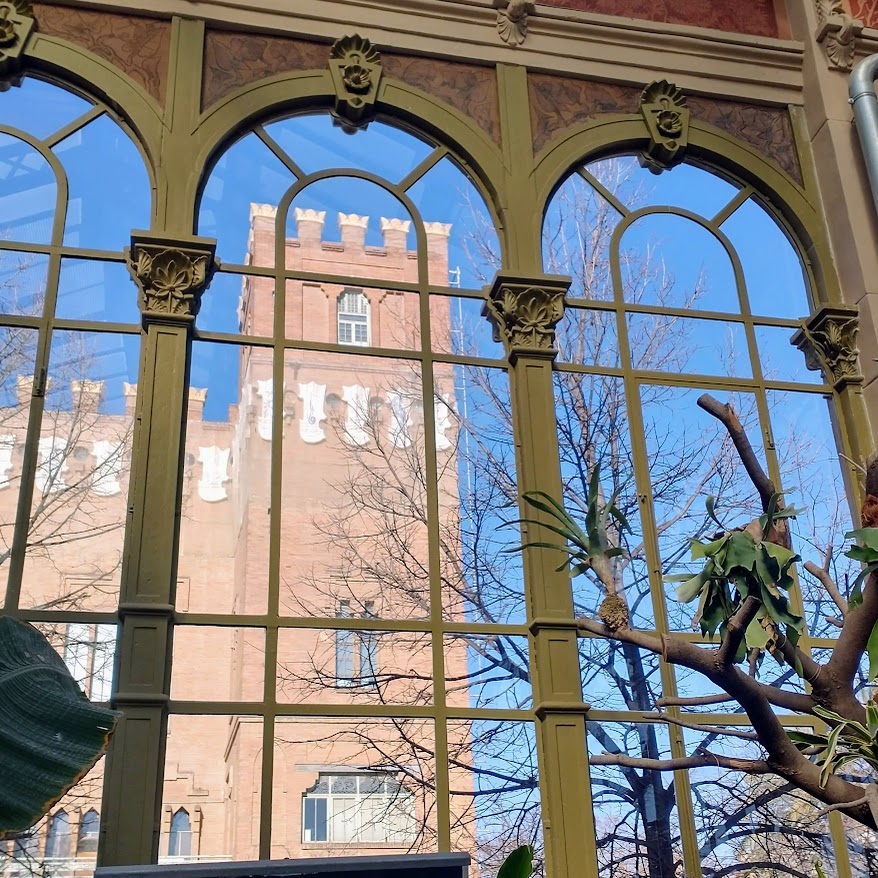

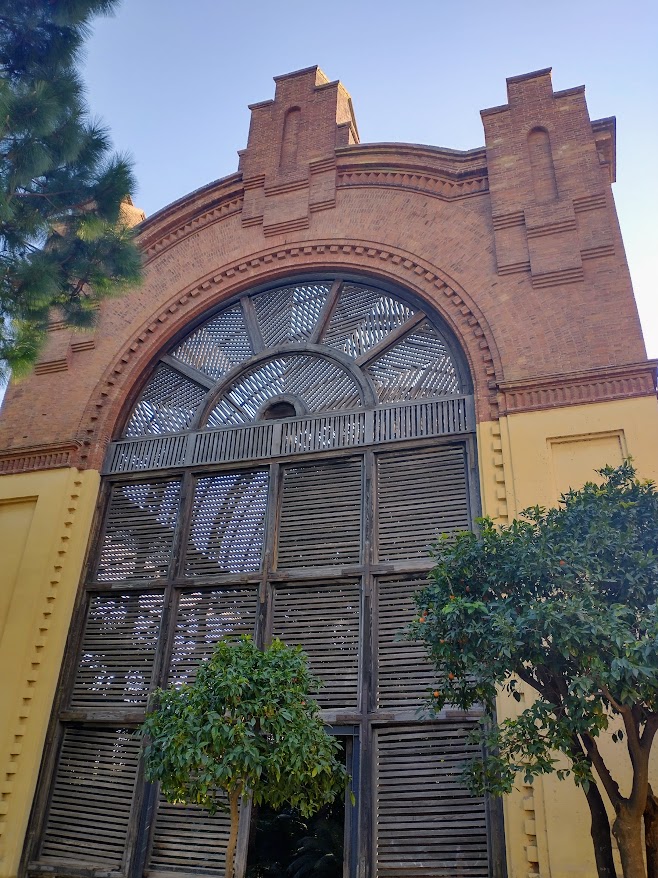
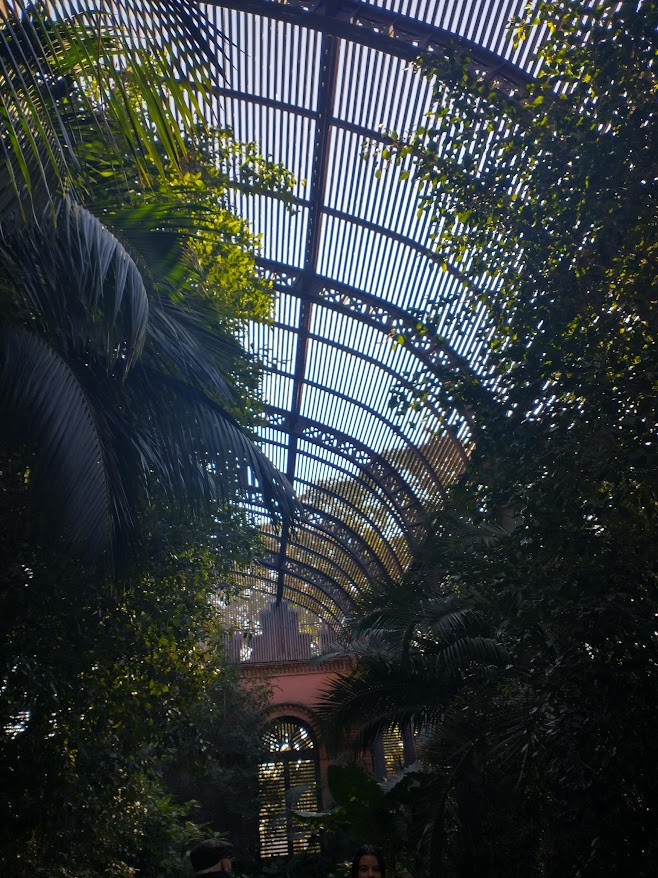
Besides this though, there is the Umbracle – the wood and brick (and glass!) construction designed by Josep Amargós at the same time as the Hivernacle, but for large shade-loving tropical plants. Seating is dotted about so that visitors can relax as they quietly contemplate immense and unfamiliar plant life. This building needs a bit of TLC, but still had the power to impress us as we slowly toured round it.
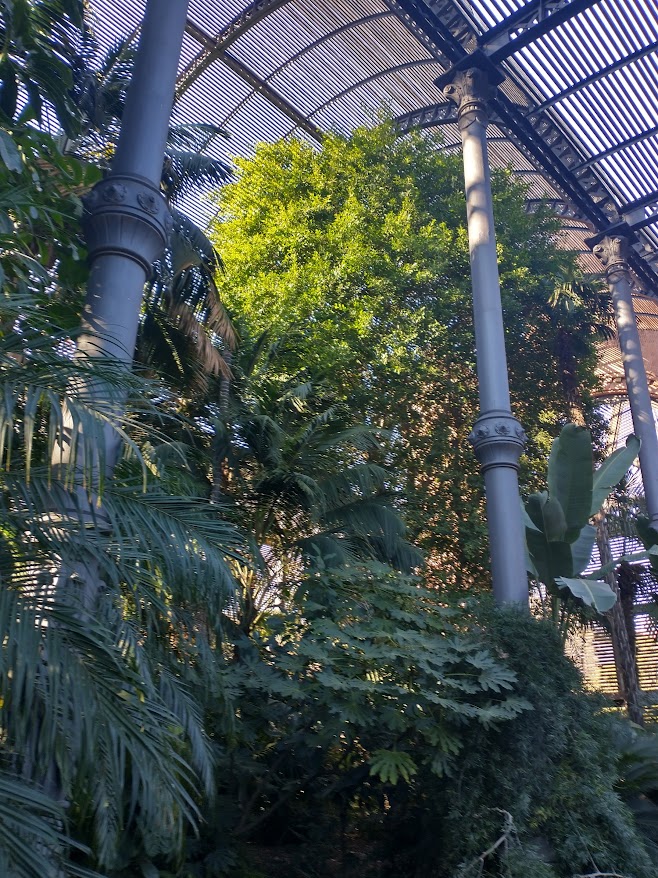
If you go to Barcelona, don’t miss out on this oasis of calm.

 From Pyrenees to Pennines
You must be logged in to post a comment.