
‘On the first Saturday of every month, a book is chosen as a starting point and linked to six other books to form a chain. Readers and bloggers are invited to join in by creating their own ‘chain’ leading from the selected book.‘
Six Degrees of Separation: Kate W
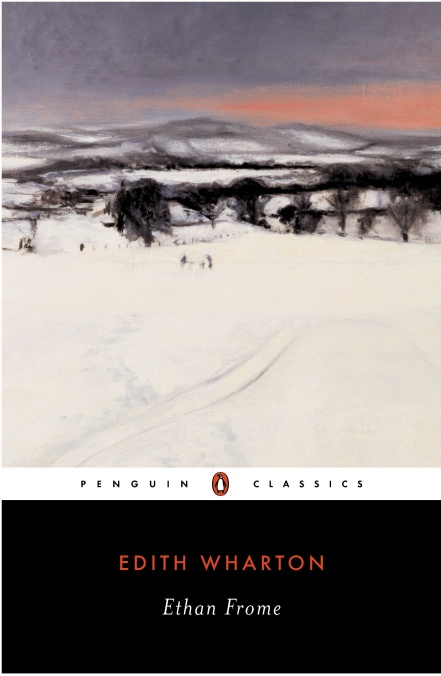
This month’s chain began with Edith Wharton’s Ethan Frome, which I’m so glad to have read. Bookish Beck has written a wonderful review of it, which I can’t improve on. Read it here.
Here is a man, Ethan Frome, whose life has not gone according to plan. Javier Cercas, in Lord of All the Dead tells us about another such life, that of Manuel Mena. If you’re a left-leaning writer it’s a bit of an embarrassment to discover, as Javier Cercas did, that your ancestor died fighting for Franco in the Spanish Civil War. And yet, unless he follows the story through soon, he realises that the few remaining people who knew Manuel Mena would be dead. And he uncovers a history in which a boy from a backward and poor village in Extremadura, through hard work and determination seems ready to reinvent himself and prosper because of his brains and his schooling. Then he decides to fight for Franco. Cercas discovers, in this account of a brutal civil war that all is not as black and white as it at first appeared, that Mena isn’t necessarily someone for whom he can continue to feel moral superiority. An uncomfortable and thought-provoking read.

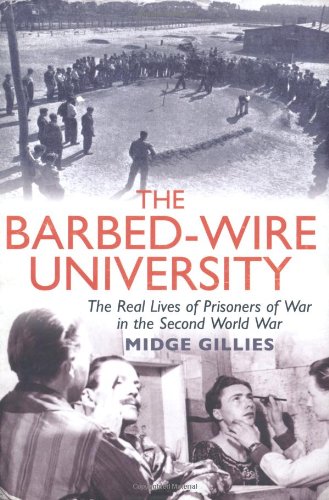
From one war to another. Not combat this time, but life as a POW in WWII. Midge Gillies‘s Barbed Wire University: the Real Lives of Prisoners of War in the Second World War. This was a fascinating read, and Gillies’ own father was a POW, so she’s able to describe his own experiences too. This is an account of the lives of the prisoners, mainly from Germany, Italy and the Far East, and from the officer classes. These men had more leisure time (aka stretches of boredom, without the resources in some cases to do much to relieve it) and therefore left more in the ways of letters and diaries than those working POWs in the ranks. The horrifying differences between the experiences of those incarcerated in Europe, compared with their fellow combatants in the Far East is fully explored. This is a lively account, relying on the diaries, reminiscences and letters of those who spent their war years largely locked up. The skills the men developed which informed their – often highly successful – later careers are quite astonishing in their breadth and depth. The book rightly concentrates on the humdrum daily life of the majority. This is not the book in which to find accounts of daring escapes or would-be escapes. I was left impressed by the resilience, ingenuity and dogged persistence of the POWs whose war time years must have been in different ways as difficult as that of many combatants.
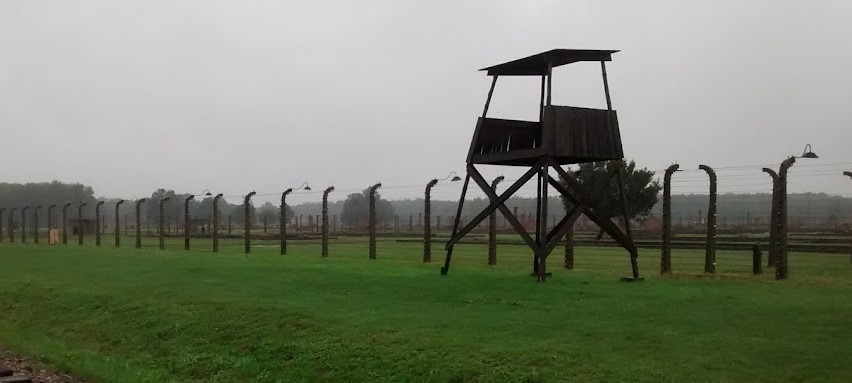
From one type of prison to another: a fictional women’s prison, allegedly situated some miles from my home in Ripon. A Murder Inside, by Frances Brody. We meet a committed new governor, a body in the grounds, a missing prisoner, and a cast obviously destined to appear again in subsequent books in the series.. An enjoyable enough read, but this doesn’t come high on my list of must-reads.

A virtual prison this time: that of loneliness. Gail Honneyman‘s Eleanor Oliphant is Completely Fine. I’m always wary of much-hyped books, and in this case, my wariness wasn’t misplaced. Socially awkward Eleanor is bright, in a job that demands too little of her, and she is totally without friends. Her story, and her back-story slowly come to light. And things start to get better for her, thanks to an unlikely friendship which precipitates a chain of events, such that she is in danger of living happily ever after by the end of the book. I didn’t believe in her, not really. I don’t believe she could have grown up in the circumstances life threw at her quite so unaware of the 21st century. Still, I read it easily enough, and it wasn’t a bad story. Read it on a train journey, maybe.

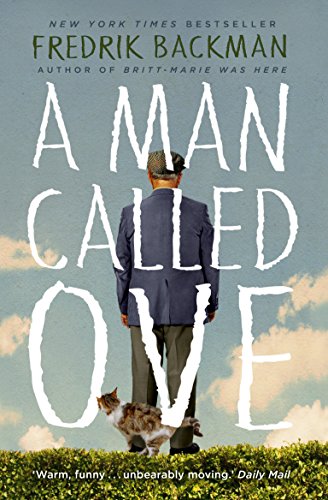
And here’s another book in a similar vein. A Man called Ove by Frederik Backman. I took against this book in the first few pages. It was obvious that the story line was going to be ‘curmudgeonly old man, widely disliked, is revealed to have a heart of gold, and after about 250 pages, everyone lives happily ever after’. This is exactly what happened. I turned the pages readily enough, but was unconvinced by almost everyone but the cat. I didn’t believe in his friendly new neighbour, or his wife, or another neighbour, Rune. But most of all, I didn’t believe that Ove would turn from irritable and irritating to everyone’s favourite grandfather in the space of about three weeks. Read this one on the train too.

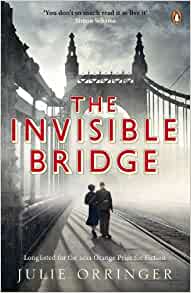
My last book links not so much to Ove, as to Ethan: but all three books have male heroes. The Invisible Bridge by Julie Orringer. Simon Scharma observes, on the cover of the edition I read ‘You don’t so much read it as live it’. It’s true. This is an immersive story, mainly set between about 1937 and 1945, about a Hungarian Jew, Andras, who spends time in Paris as a young architecture student, and meets the slightly older Hungarian widow who will become the love of his life. The story follows him as he returns home, and as Hungary becomes ever more implicated in the war. The story of the Jewish population in Hungary isn’t well known in the UK. It’s clear that while they were not on the whole sent to concentration camps, their conditions in the Labour Corps of the army – all that was open to Jewish men – were no better. I couldn’t leave this book till I had finished it. It’s well written, and beautifully researched, though Orringer wears her learning lightly. I’ll read more of her work.

Next month, our chain-beginner is another American writer, Amor Towles: Rules of Civility. I know neither the book, nor the author. Another discovery, courtesy of Six Degrees.



 From Pyrenees to Pennines
You must be logged in to post a comment.