
This week, A Canadian blogging pal, Rebecca of Rebecca’s Reading Room reflected on re-reading Emily Brontë’s Wuthering Heights. It made me think of a post which I wrote six years ago, in which I described a walk in Emily’s footsteps. Now it’s not really playing fair to re-post something I published before for the Lens-Artists Challenge: Tourist Attractions Near and Far. But I’m going to do it anyway. How many walking routes does anyone know in the UK where the way-marking is in any language other than English? Here, they’re in Japanese. This wild and often unforgiving part if England has become an unlikely tourist Mecca for devotees of Brontë’s story of the passionate and tumultuous love affair between Heathcliff and Catherine Earnshaw.
Wuthering Heights
28th July 2018
Haworth: a charming village on the top of a high and steep hill, in an area of high, bleak and steep hills; home to the Brontë sisters and the surrounding moorland countryside of Wuthering Heights.

Everyone knows that you can expect ‘weather’ when you come here, whatever time of year you arrive. As you stumble along the church path to leave the village, slashing rain tumbling from sullen hostile skies needles your skin, slicks your hair to your face and saturates your clothes. As you set your face against the wild wind, your boots sink into the sodden peaty turf as you trudge onto the moor. If you dare to glance up, you see unending moorland before you: bleak, barren and bare, with sheep huddled against the dry stone walls which march across the landscape. This is Nature-in-the-Raw, and we expect no different.
I went there earlier this week. None of the above applied.
We are in Week Five of a heatwave. I doubt if either the Brontës or even Heathcliff himself had ever seen the like. Brittle coir matting now carpets the brooding moorland fells: and several weeks early, the heather is almost in flower, rich and purple. Yellowing grasses replace the dense green turf the sheep prefer, whispering and rustling in the light breeze.
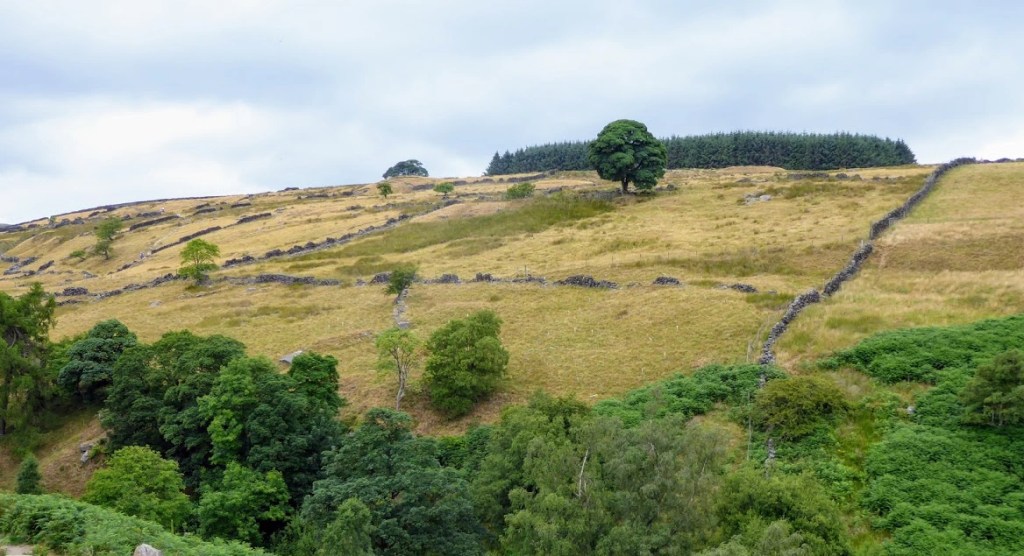
There’s a little brook in the valley here. Angry peaty water jostling officiously along its path has been replaced by still, clear shallow pools.

The Brontë sisters would cheerfully have paused here to rest, reflect and write a little. Then, like me, they would have slogged on, up the peat-and-stone pathway that leads upwards, ever upwards, towards Top Withens.
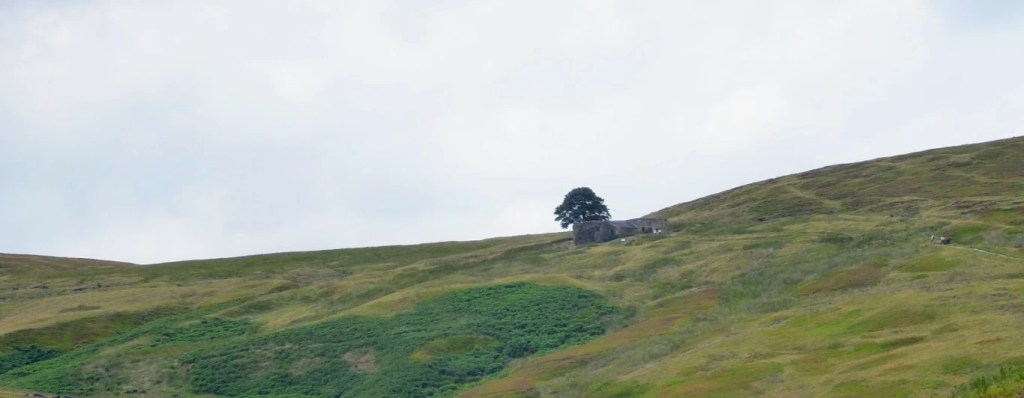
Top Withens may have been the isolated upland farmhouse that Emily Brontë pictured Cathy Earnshaw and family living in when she wrote Wuthering Heights. It’s a ruin now, the roof torn off in a violent thunderstorm in the 1890s. Just as you’d expect.
It was the perfect picnic spot for me. The moorland stretched before me, its hillsides rhythmically rising and falling. The world was silent: not that silence in which there is no sound, but that of the living countryside: the low susuration of the swaying grasses; the humming of the wind in my ears; the occasional complaint of a bird sweeping overhead. Beyond the moorland, greener fields lay, chopped centuries ago into rough rectangles by drystone walls. Some held sheep, some cattle, others recently cut hay. The sun warmed my rocky seat, and I was perfectly content.

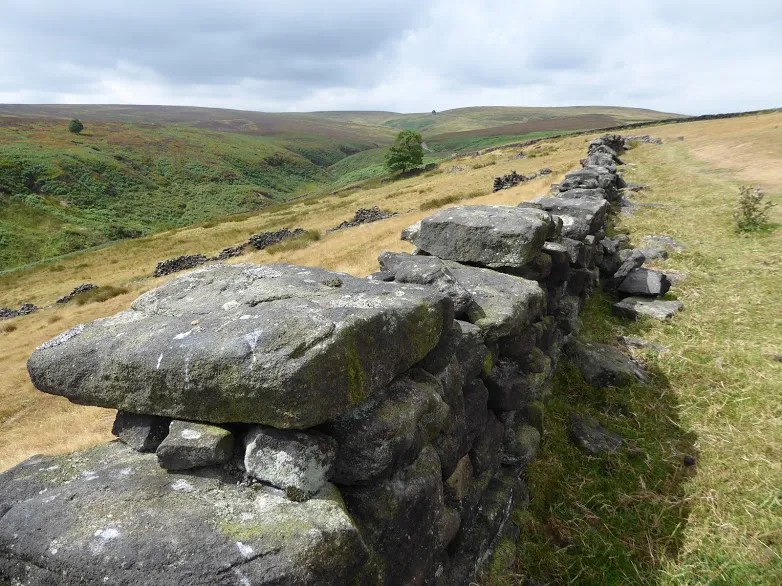

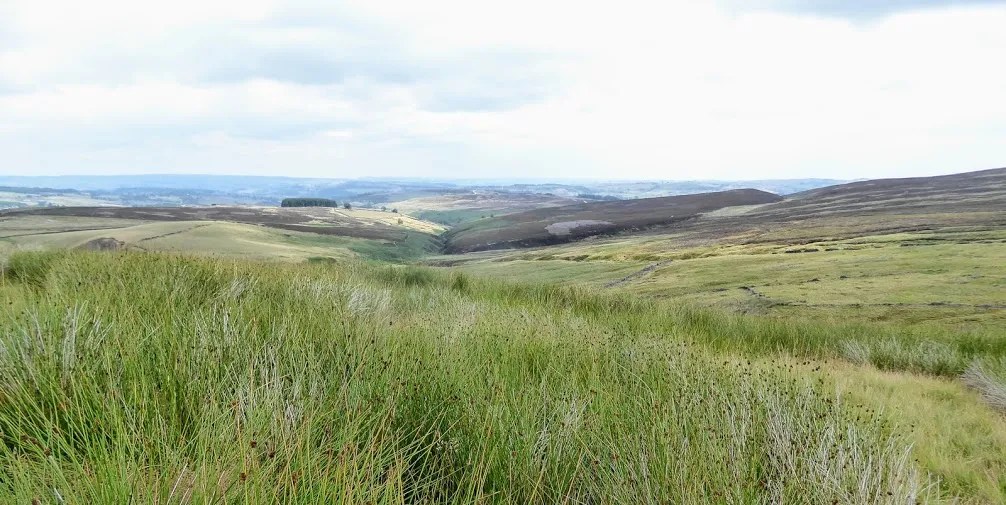
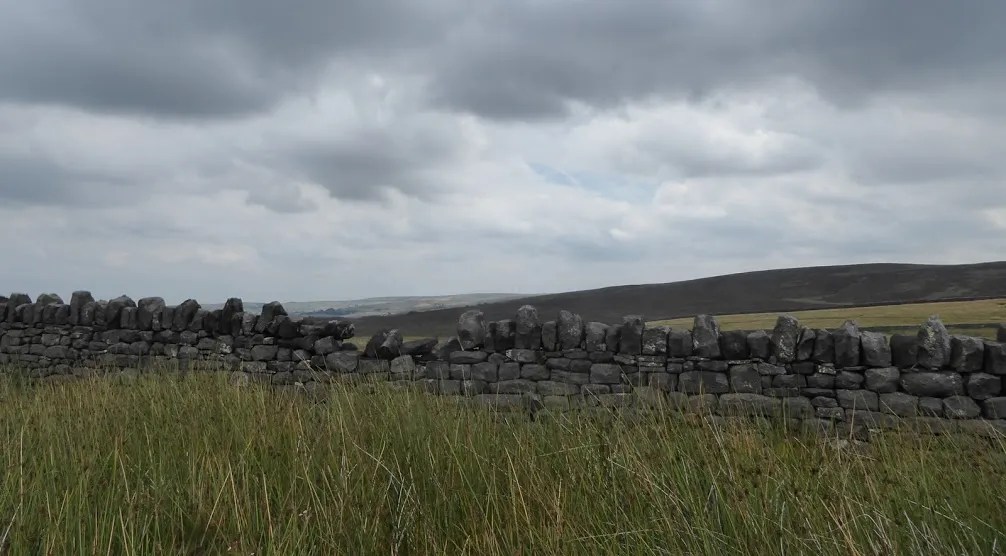
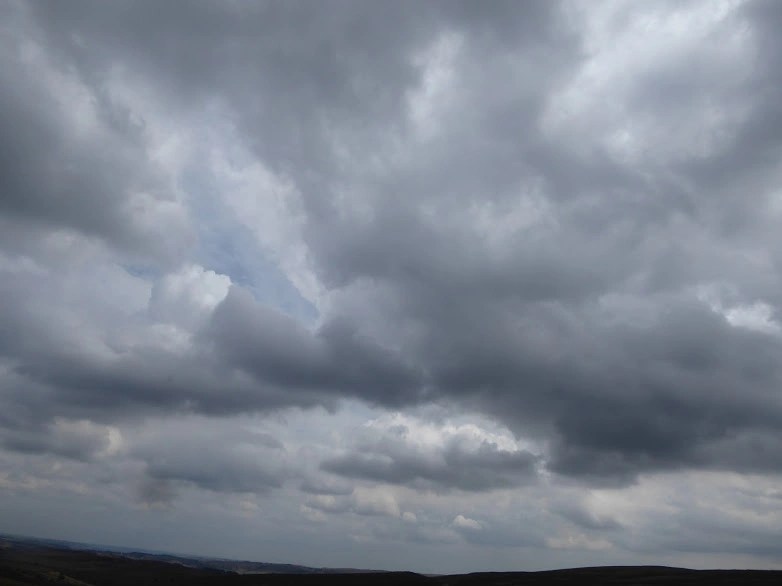
Except for the sky. The day was sultry, sweaty, but freshened by a soft breeze. I knew the sun might be chased away by gusty rain. Ash-grey clouds swelled and receded, revealing granite tones behind: and beyond that, cornflower blue once more. It was a signal. Haworth takes weather seriously. Never be tempted to climb these uplands without a very capable waterproof in your kit.
The moorland I saw this week was not the Brontë’s moorland. It’s been a little sanitised. There are helpful finger posts pointing the way at every junction, in English and … Japanese.

The pathways the sisters trod are no longer springy peat tracks, or sticky muddy gullies. Instead, heavy slabs line the way, to prevent footfall damage to this fragile area from the hundreds of people who tramp these paths looking for the Real Brontë Experience.

My day was far too comfortable for that. I was not returning to a draughty parsonage with self-destructive brother Branwell to worry about. If you want to see the Brontë’s life through his eyes, read Robert Edric’s ‘Sanctuary’. You’ll be glad to get back to bustling tourist-destination Haworth for a nice cup of tea.
This post should qualify for a mention in Jo’s Monday Walk, I hope.
 From Pyrenees to Pennines
You must be logged in to post a comment.