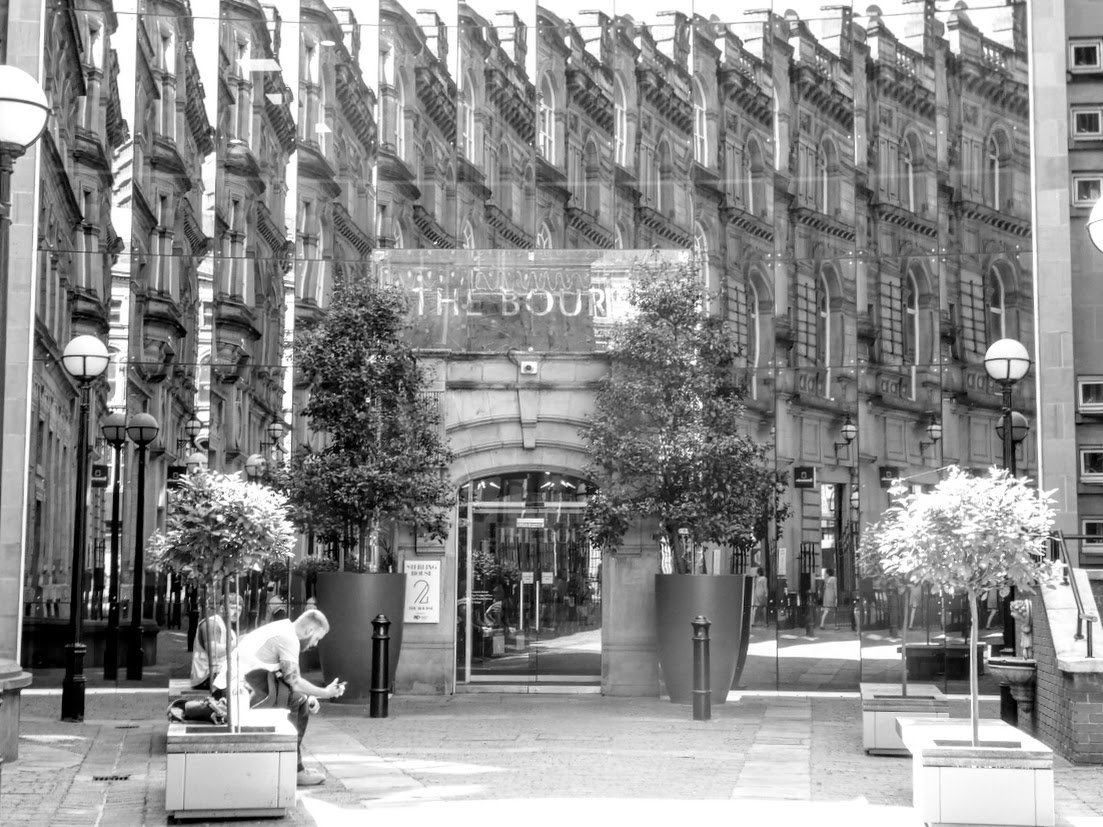
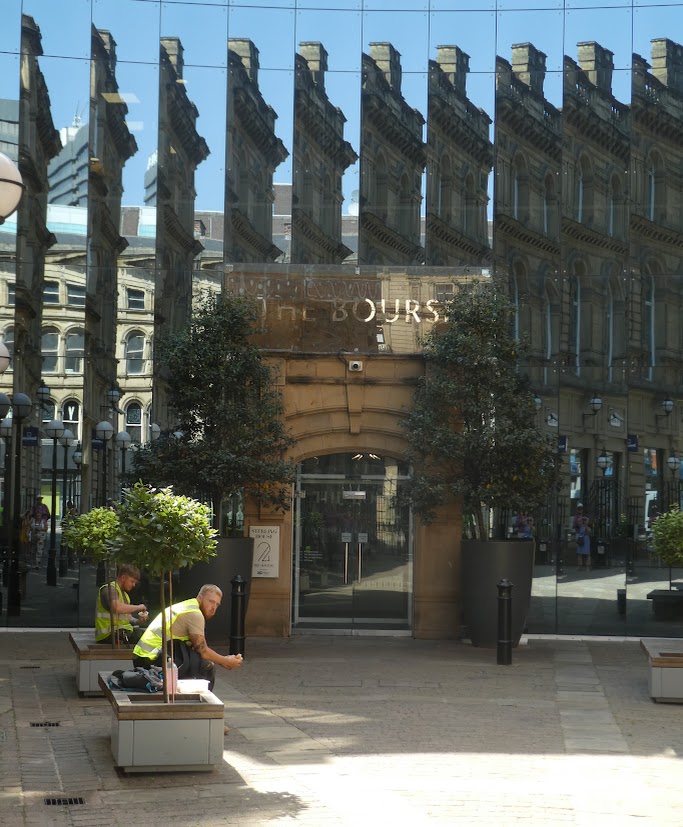
Spotted on a recent trip to Leeds. The Bourse is a refurbished courtyard business area, its windows cleverly designed to slice up the reflections of the buildings opposite. Sit awhile on one of its benches in this oasis of peace in a busy quarter of the city.
Leeds is a Victorian industrial city that has vigorously embraced the 20th and 21st centuries. We’ll explore a tiny part of the central area, as we did with the London branch of the family at half term.
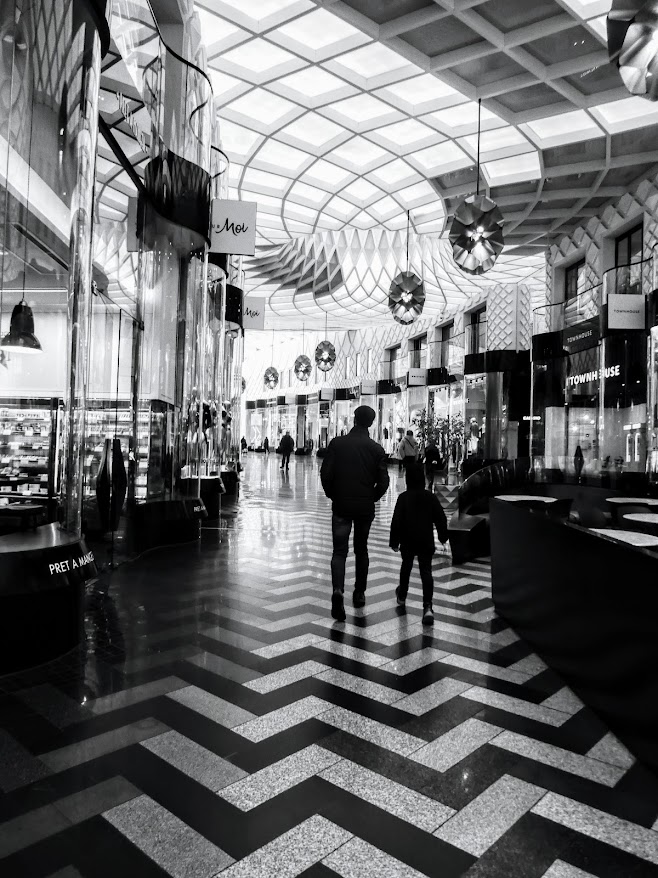
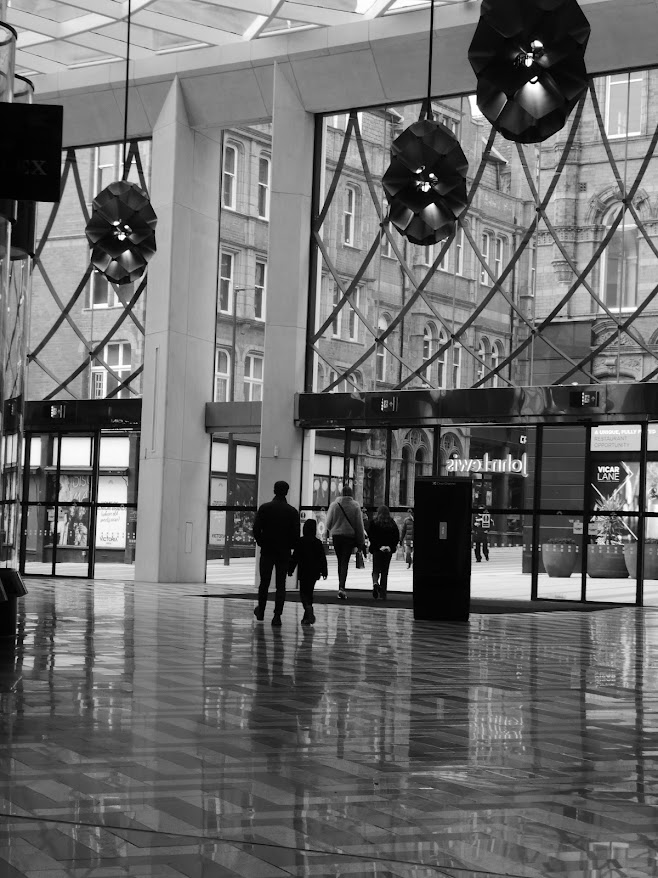
We’ll start in a modern shopping centre..,
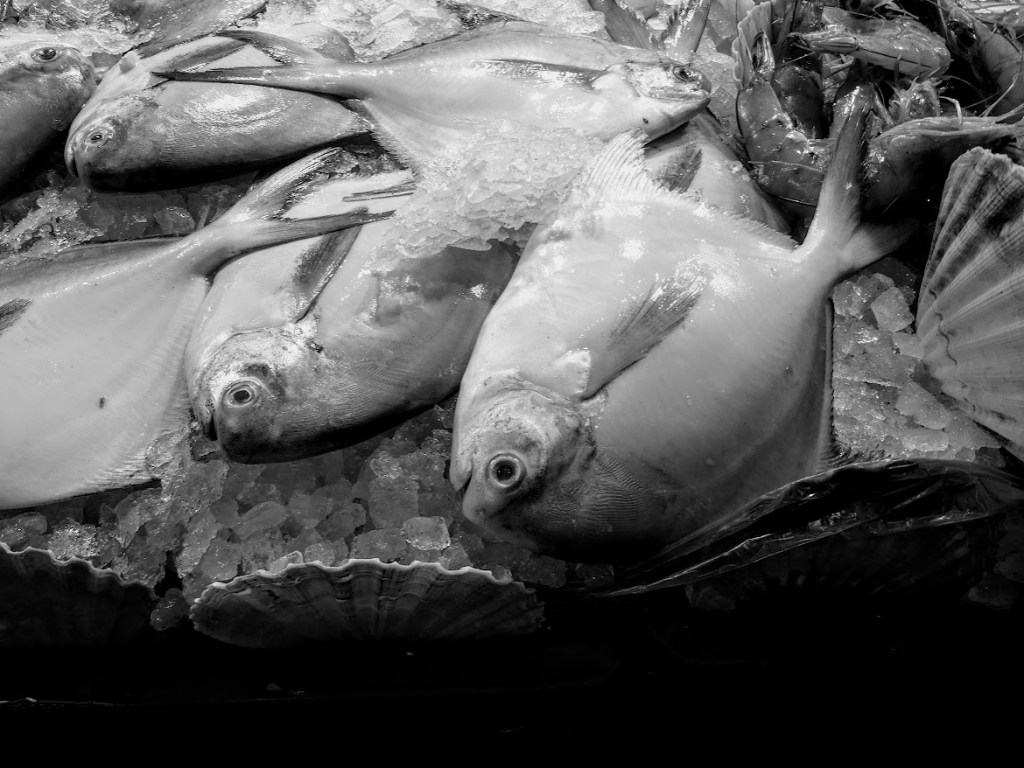
… and wander through the late Victorian covered market, stopping at one of the fish stalls.
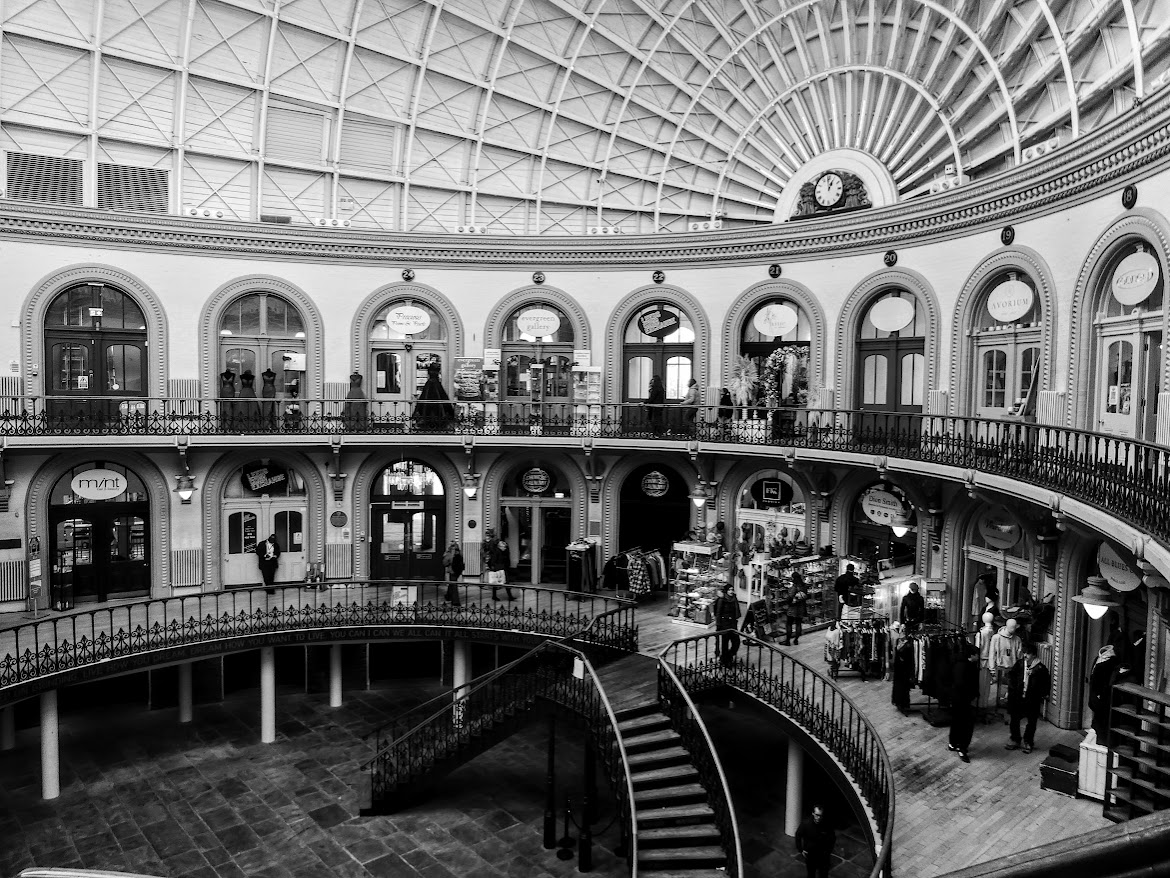
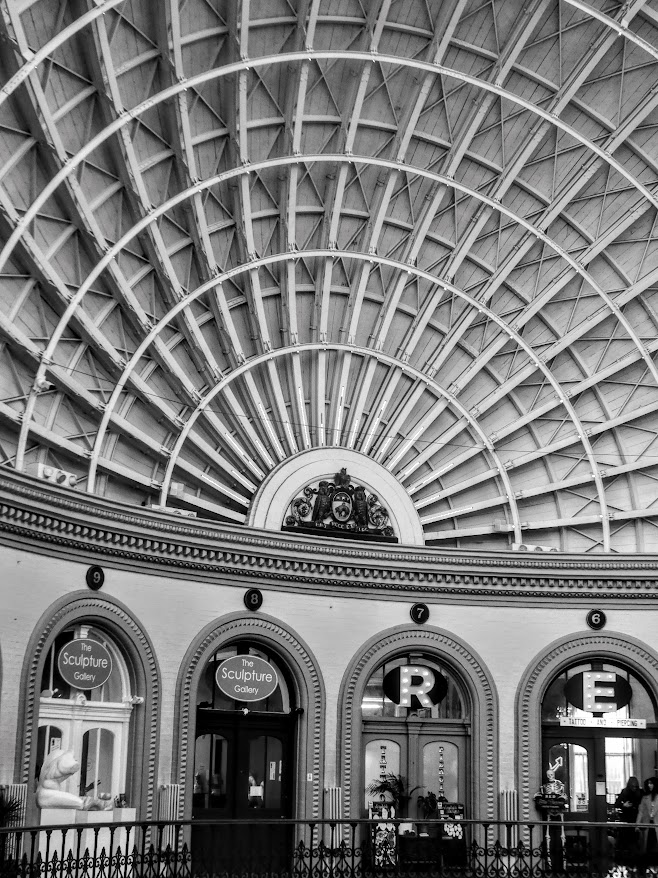
The Corn Exchange was built at much the same time as the market, to trade corn. These days it’s the home of independent vendors selling to those looking to while away a pleasant hour or two finding something out of the mainstream.
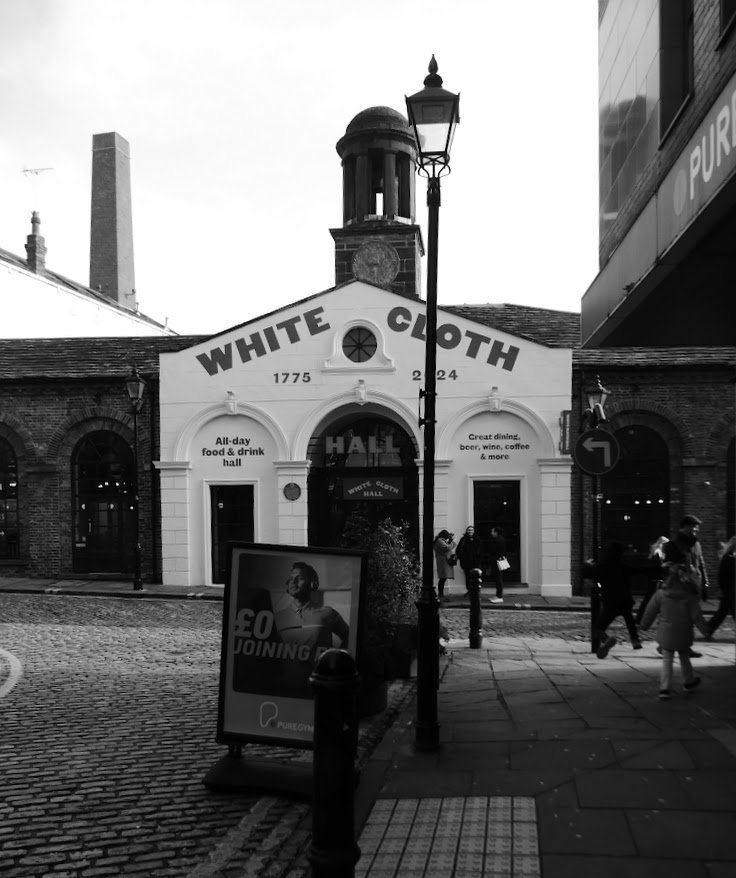
We’ll wander down some older streets …
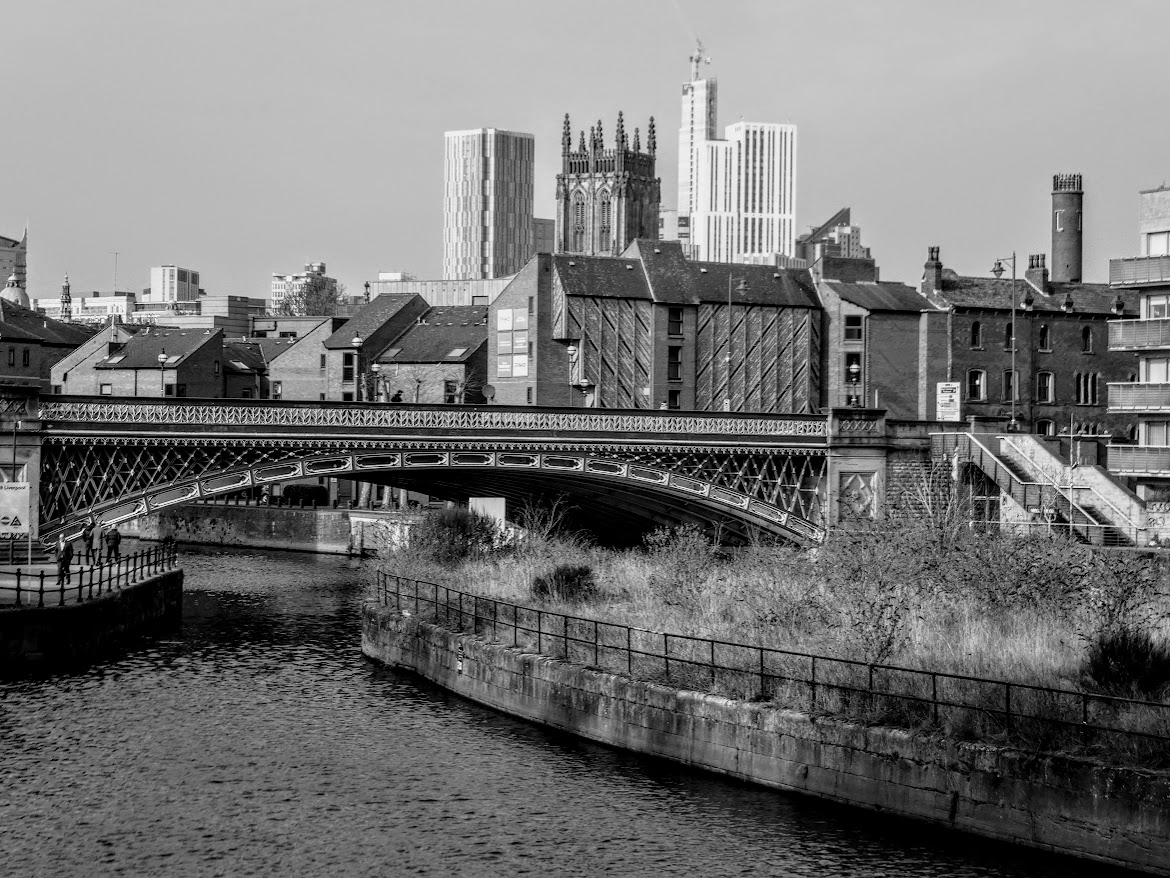
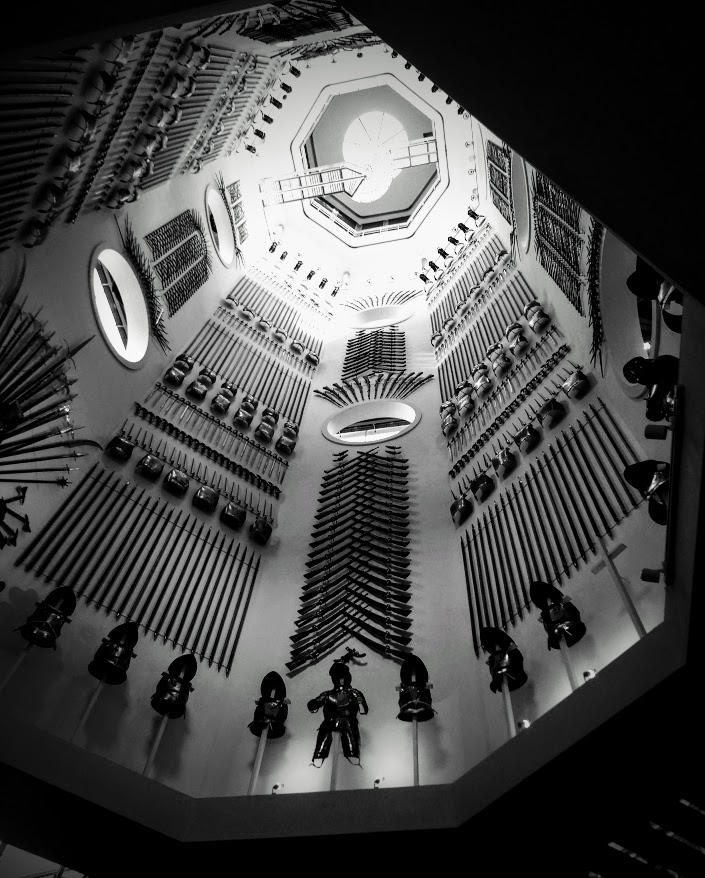
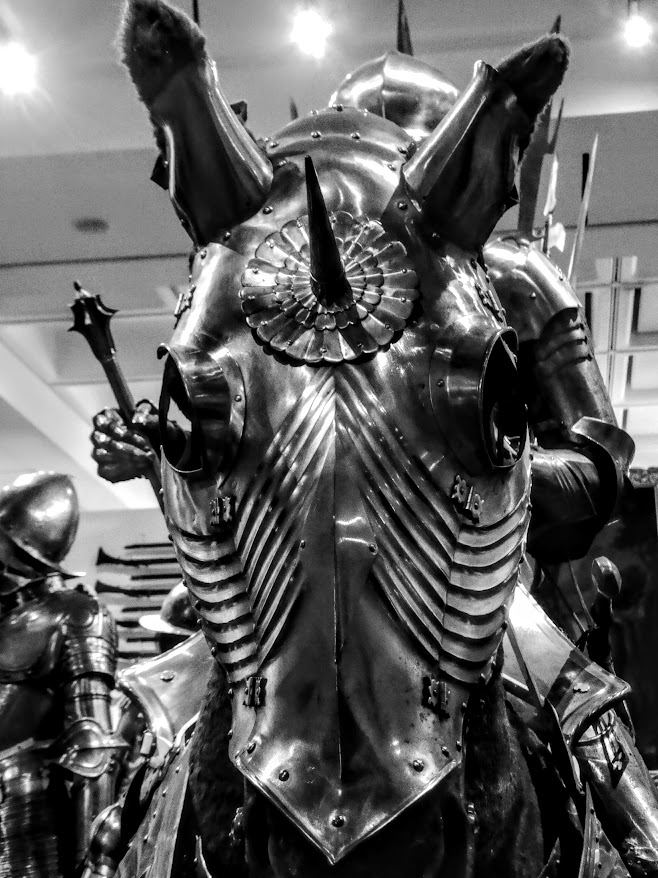
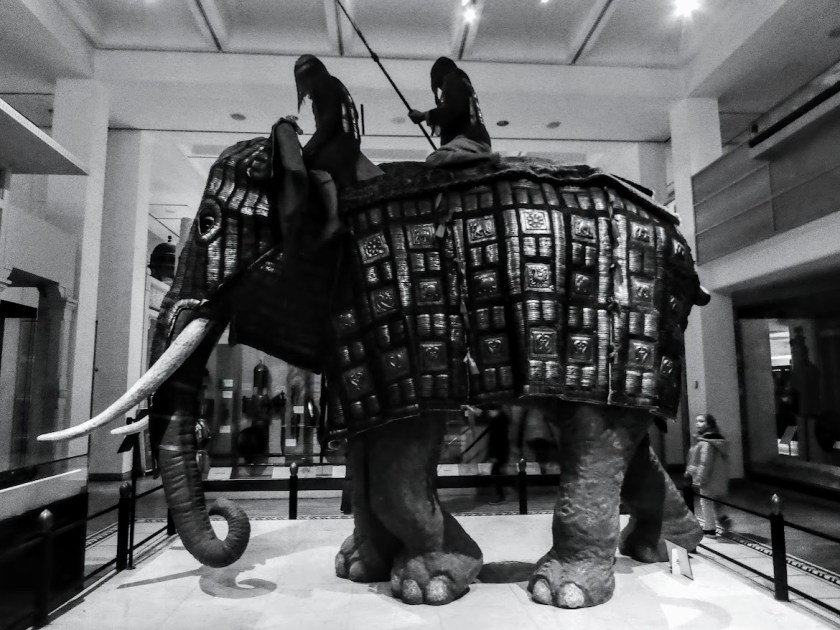
… then onto the newly developed banks of the River Aire. Industrial grot has been replaced by both student and up-market flats, and the featured photo shows the view of Leeds old and new. The Royal Armouries Museum was supposed to be our destination, but at half-term it was way too busy, so we didn’t stay long . Here’s a taster, showing that even horses and elephants can get togged up for war, and that swords never seem out of fashion.
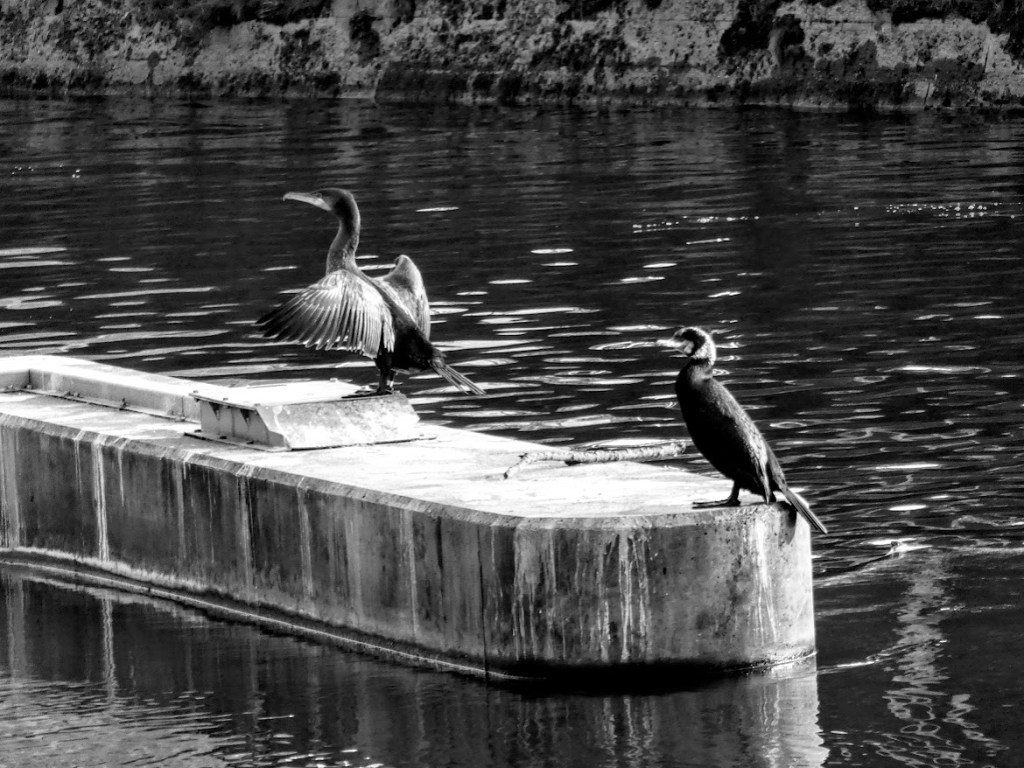
Tired now. We’ll wander back along the Aire, spotting a couple of cormorants on the way. That means there must be fish to be had these days. It was a filthy river in the bad old days.
We’ll be back another day. I hardly recognise the city I called home until about twenty five years ago.
Townie Toddler has gone back to Spain. The house suddenly seems unwontedly calm and quiet. Rather dull really. This is probably because the two old fogies who live here have no remaining energy – for a day or two at least.
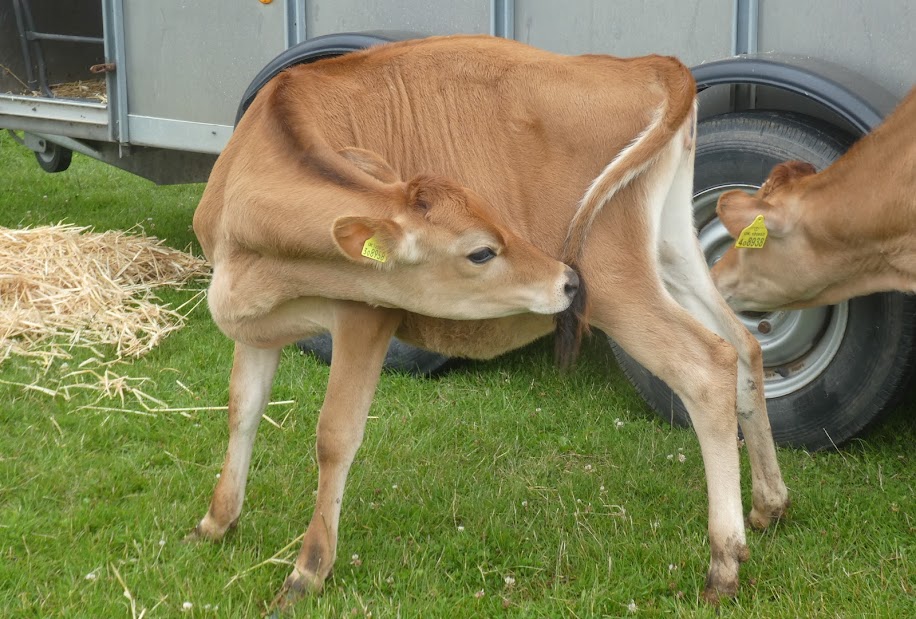
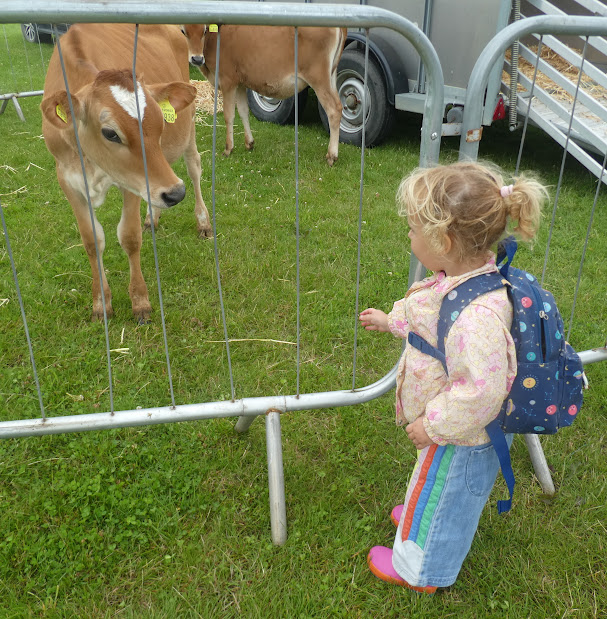
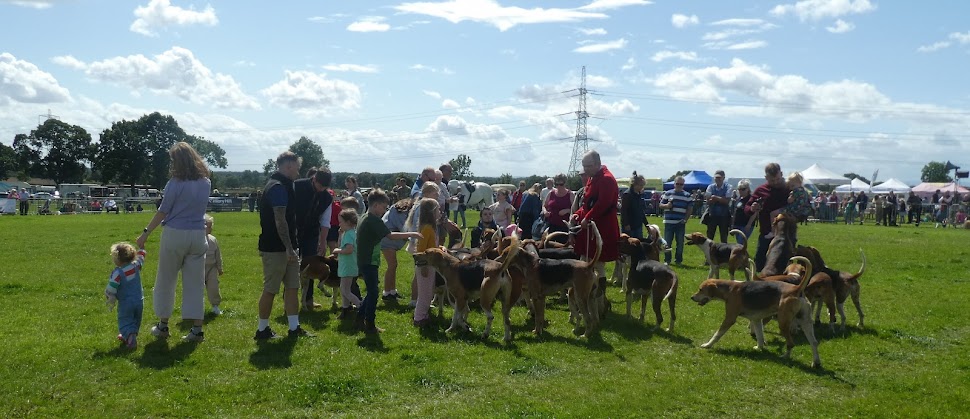
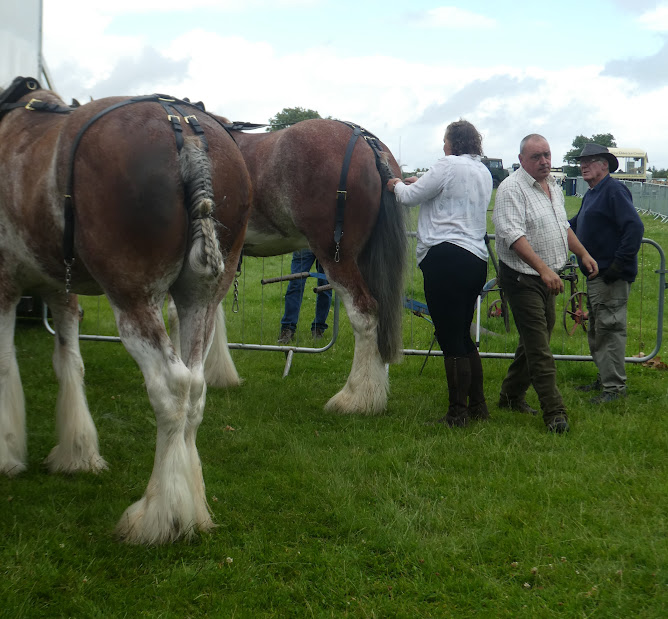
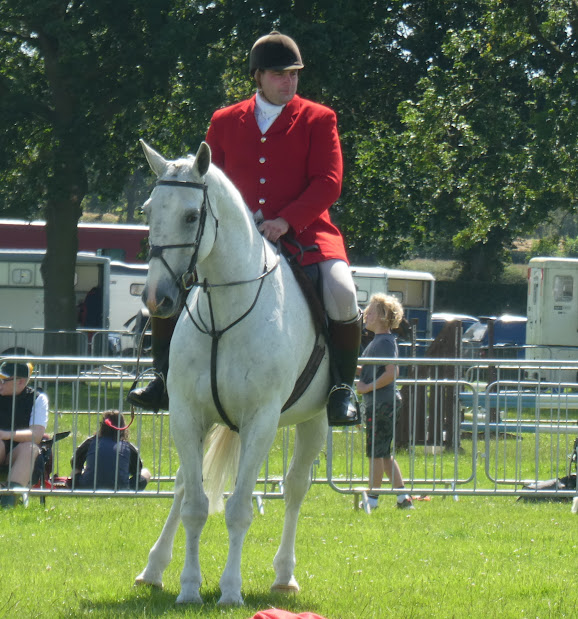
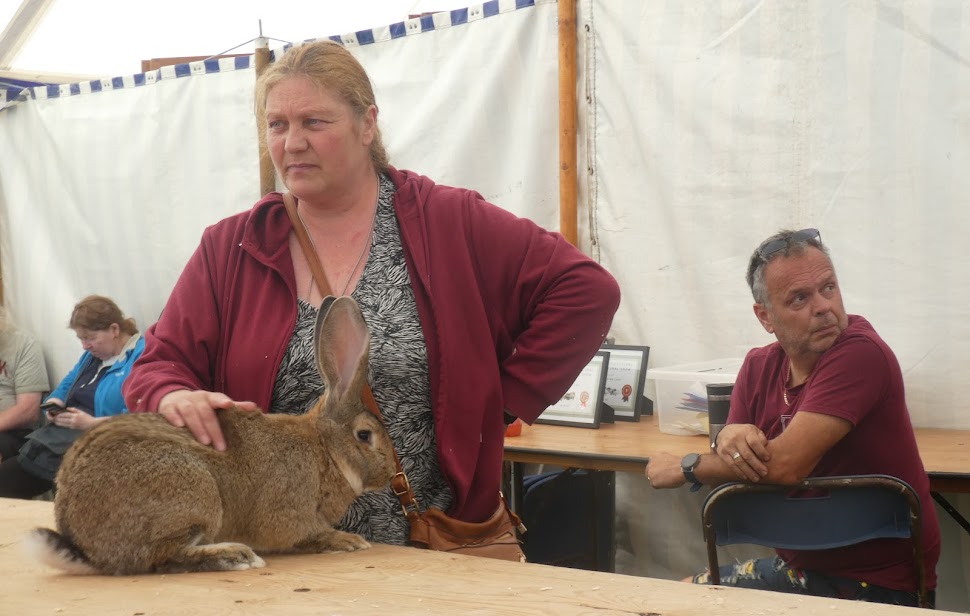
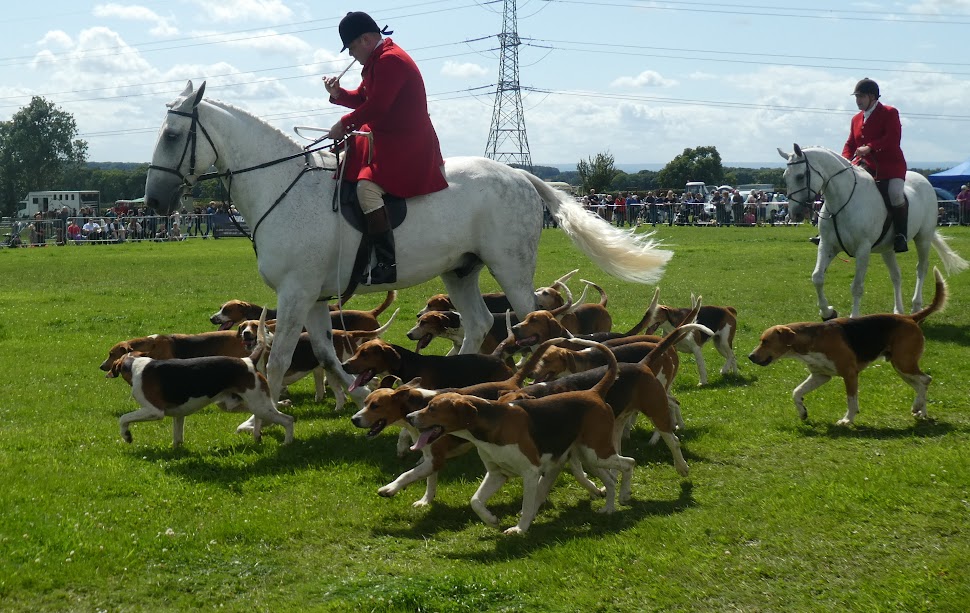
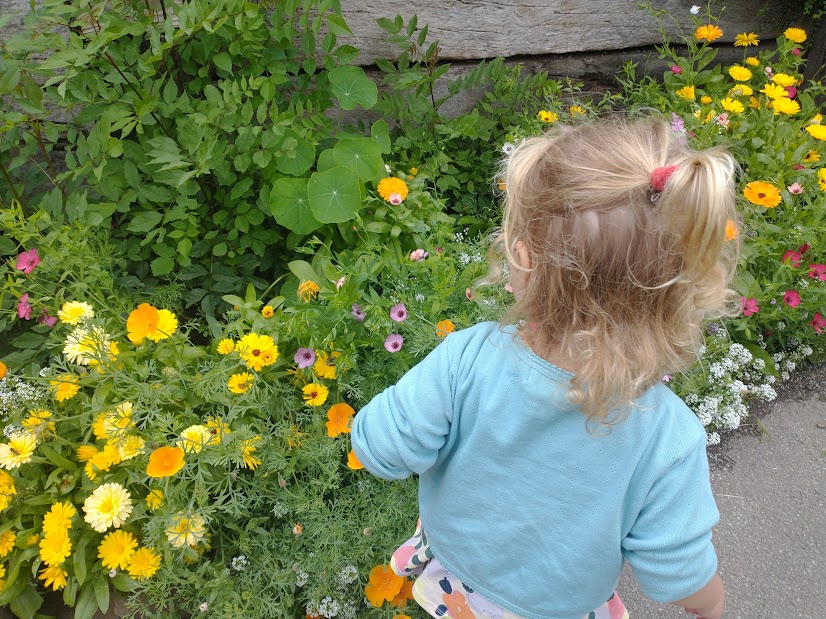
Townie Toddler’s mum wanted her daughter to spend time being a child of the countryside – spending time with its animals, plants and wide open spaces. So off we went on Saturday to Borrowby Show. Horses from shire horses to the tiniest of ponies, sheep, dogs and small animals were all Being displayed to best advantage. Oddly, the only cattle were two charming Jersey calves. One of the set pieces in the afternoon was of The Hunt. Definitely NOT our thing. But Anaïs enjoyed the chance to meet the docile and well-behaved beagles who later tore round the show ring in pursuit of – luckily – a less than realistic hare, who doubtless smelt right.
Here’s our day:
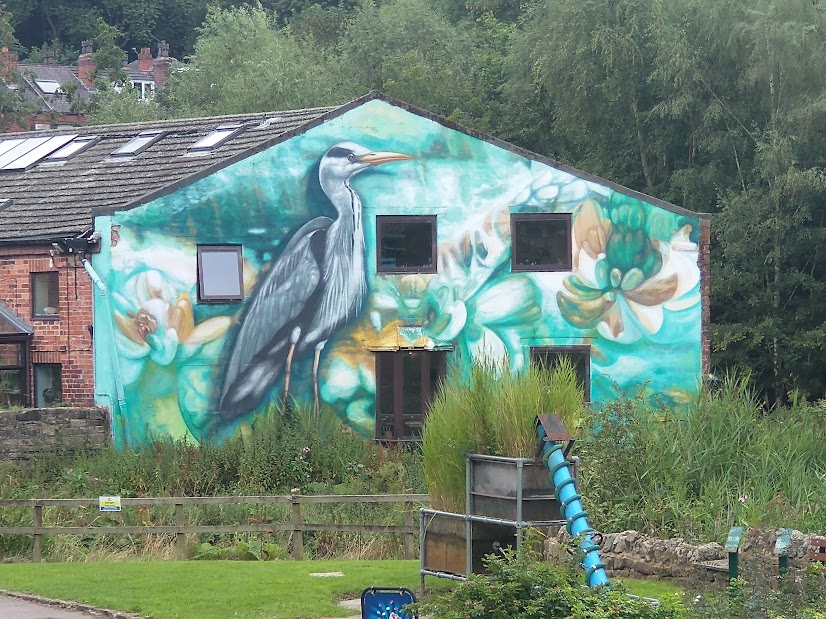
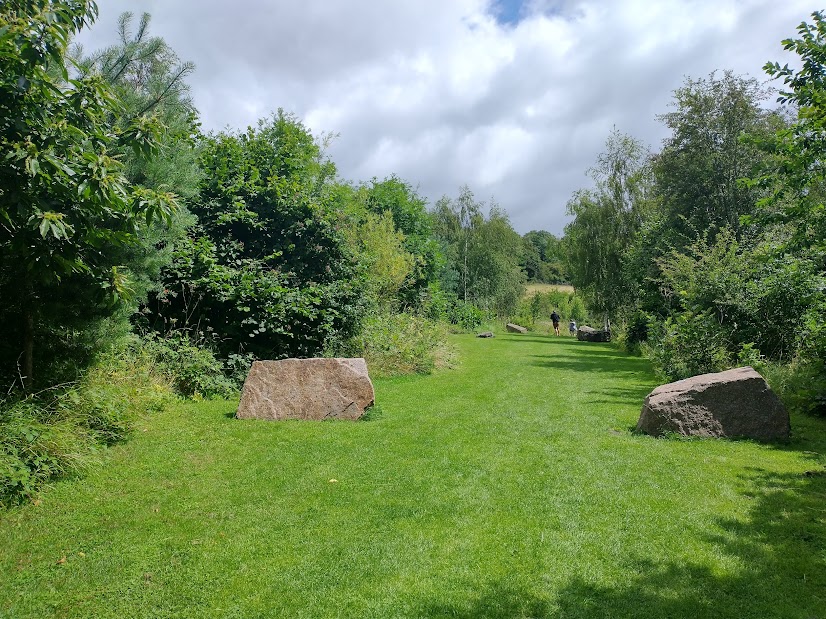
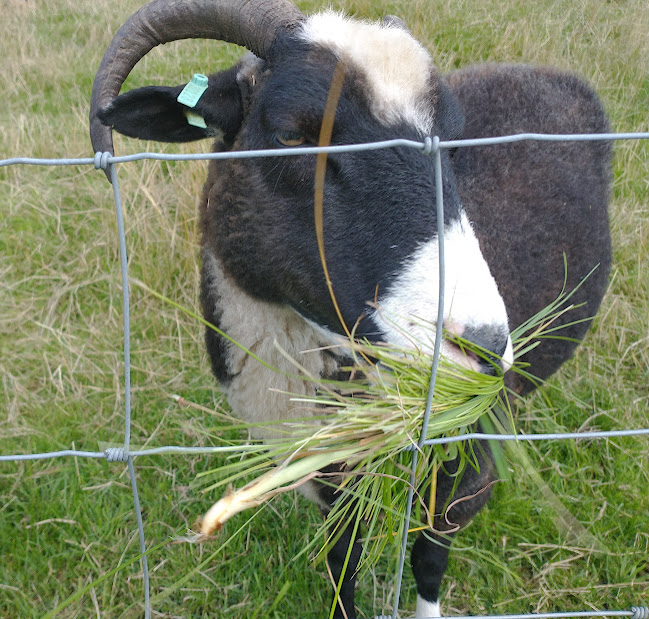
Then the next day, on our way to the airport, it was Meanwood Valley Urban Farm. It was somewhere we often went when we lived in Leeds, and the children were smaller. We loved it then. Now it’s re-invented itself. It’s larger. It has peaceful walks where you can lose yourself in dense copses and apparently distant views. It has all the farmyard animals you’d expect. Yet it’s within walking distance of Leeds City Centre. It has a vegi-box scheme. A bike workshop. It works with volunteers, those with learning disabilities, disengaged young people, and is a welcoming and environmentally focussed part of its local community. It also has a really great café. We spoke to staff and volunteers who talked with pride and enthusiasm about this special place. Almost worth moving back to Leeds for. It was a wonderful finish to Anaïs’ and Emily’s English break.
A day trip to Leeds might involve mooching round the ornate Victorian shopping arcades, a visit to Leeds City Art Gallery, or to one of the theatres. It might involve some serious retail therapy.
What it wouldn’t normally involve is Cross Green, an unlovely sprawling industrial estate to the south east of the city centre. Acres of modern rectangular industrial buildings surround large wholesale markets, and any housing squeezes up into the north of the patch.
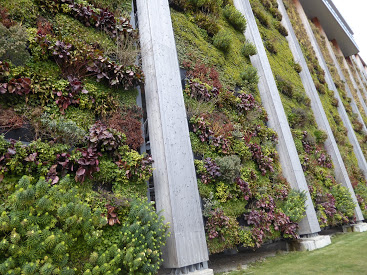
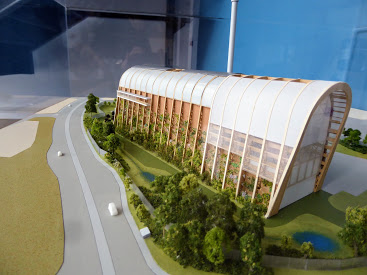
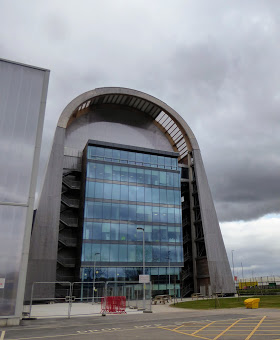
But Cross Green is home to one of Leeds’ most exciting new buildings. Here, on its southern face is a striking living wall, one of the largest in Europe, providing biodiversity in an otherwise wholly man-made environment.
Leeds RERF’s Living Wall.
The building itself relies heavily on glass and elegant timber framing. It’s something of an anachronism in a zone of modern concrete boxes.
These days we’re all encouraged to recycle – glass, paper, tins, plastic, garden waste – even, in some local authorities, food waste. By rights, little should need to find its way into those black bags steadily filling every landfill site in the country. But it does.
The advanced technology in this building aims to prevent that: and thanks to our friends Graham and Trish, we spent an afternoon finding out how.
We started out in one of the meeting rooms, looking through glass to watch a monstrous grab working with up to 6 tonnes per grab of shredded miscellaneous waste. This was waste at the end of its journey, but still useful.
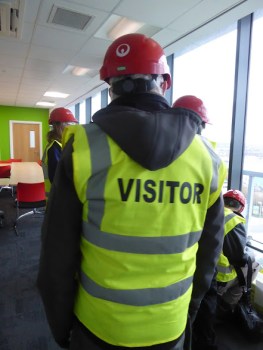
Come with us. Put on the work boots they give you, the hi-viz jacket, the safety helmet and the goggles. Come with us and we walk from point to point in this immense building.
Malcolm’s all togged up for the visit.
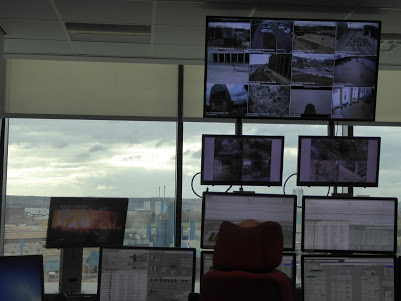
Here are the monitors which – er- monitor every part of the plant. Look carefully and you’ll see flames on one of the screens.
Monitors at work.
This is an incinerator which burns the unrecoverable waste we had been looking at earlier, to produce heat. The heat turns water into steam. The steam powers a turbine. The turbine generates about 13 MW of electricity – enough to supply the needs of 22,000 homes. Emissions are carefully controlled, cleaned and captured, and the ash generated by this unimaginably hot bonfire is used as aggregate in road building.
Before that though, materials which could have been recycled earlier are extracted. Paper and card are blown from the refuse. Metals are fished out by magnets. We couldn’t take pictures as we walked round the plant, so you’ll have to take my word for it.
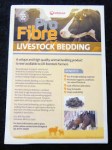
There’s not really a market for the degraded paper which finds its way here. But next time you take an egg from an egg box, or find yourself staring at a sick-bowl in hospital, or need to buy some paper-based animal bedding, you might be using something that started out in the RERF in Leeds.
I could blind you with facts and figures, but I think it’s enough to know that Leeds is helping to meet its ambitious zero-waste plans with projects such as this. We, wherever we live, have an obligation to develop our own personal zero-waste strategies. Maybe you have a group you could join, like our own Plastic Free Ripon? More of that in another post.
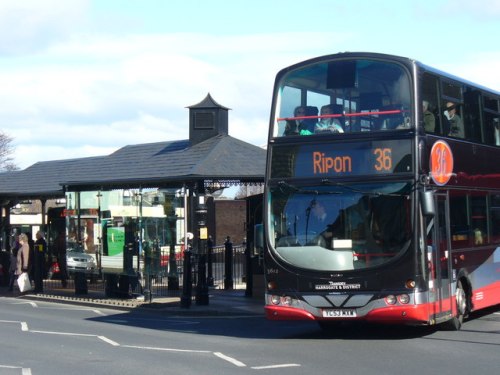
The 36 bus leaving Leeds for Ripon (Wikimedia Commons)
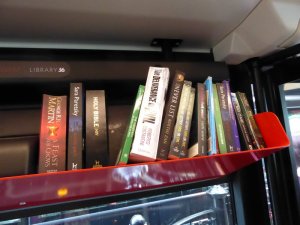
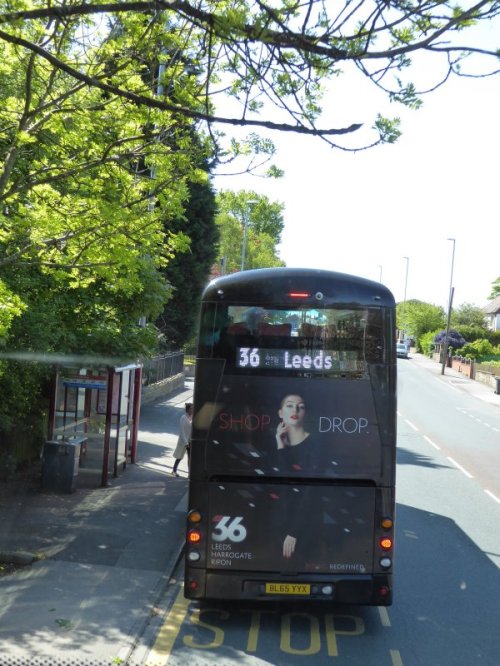
Everyone loves the 36 bus. It’s the one that takes us from out in the sticks of Ripon, via Harrogate to Leeds. It’s the one with plush leather seats, 4G wi-fi, USB points at every seat. It’s the one with a book-swap shelf where I always hope to find a new title to enjoy, while bringing in one of my own to swap. And best of all, we old fogeys travel for free on the 66 mile round trip.
The book-swap shelf wasn’t very exciting today. But I found a Fred Vargas to read.
Best get to the terminus early though. Everyone’s jockeying for the best seats, the ones at the front of the top deck, where you can watch as the bus drives through the gentle countryside separating Ripon from Harrogate, via Ripley, a village which the 19th century Ingleby family remodelled in the style of an Alsatian village, complete with hôtel de ville. After the elegance of Harrogate and its Stray, there’s Harewood House – shall we spot any deer today? Then shortly after, the suburbs of The Big City, which gradually give way to the mixture of Victorian and super-modern which characterises 21st century Leeds.
We had lots to do in Leeds today (more of that later, much later) and had a very good time being busy there. But much of our fun for the day came from sitting high up in that 36 bus, watching the world go by. For free.
Seats on the top deck secured.
Ripon to Harrogate.
You can’t see Ripley for the trees.
The message board keeps us in touch with waht’s going on.
Hurtling towards a roundabout in Harrogate.
‘Fashionable South side’ is what the estate agents call this part of Harrogate.
Harewood village.
Arriving in Leeds city centre.
That’s the town hall in the distance.
On the way home, rows of Leeds suburban semis.
This pub’s still preserving memories of the Tour de France in 2014.






 From Pyrenees to Pennines
You must be logged in to post a comment.