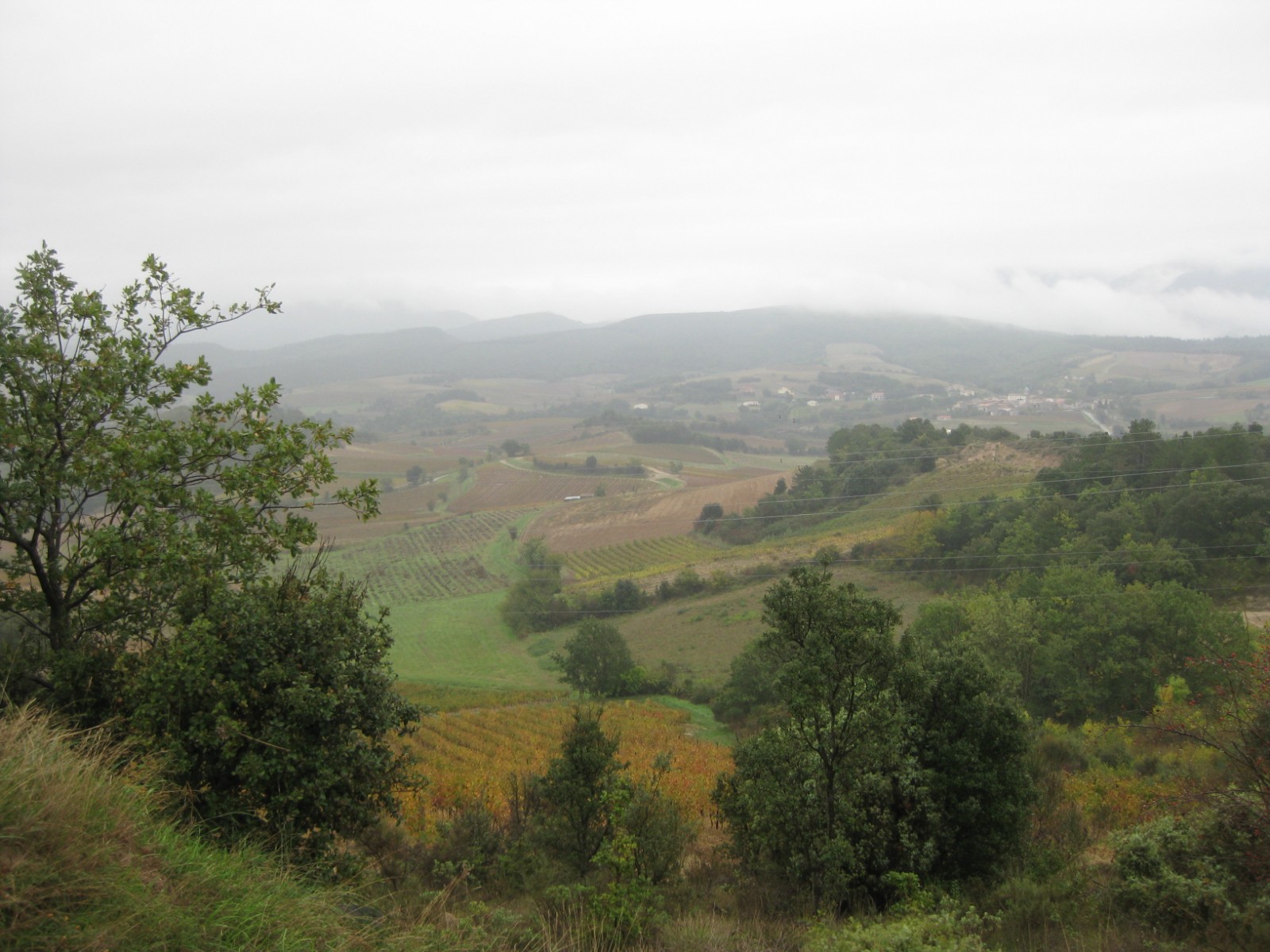
If you go on a walk near Limoux in the Aude at this time of year, you’re entitled to scenery like this:
Vineyards near Villar -St-Anselme
In our walking group here in Laroque we all take turns to organise the weekly outings. And this week, it was the two of us, the only English, who were in charge. We decided on an autumn walk among the vines round Saint Polycarpe, near Limoux. The weather forecast wasn’t great, but the rain promised to hold off till 3 o’clock. But no. English leaders, English weather. Think of us plodding through the mud as the rain increased in intensity, long long before 3 o’clock arrived. Everyone blamed us, of course. They think this is the only kind of weather we know, back in England.
It all began so well….
Above Saint Polycarpe, 10.00 this morning.
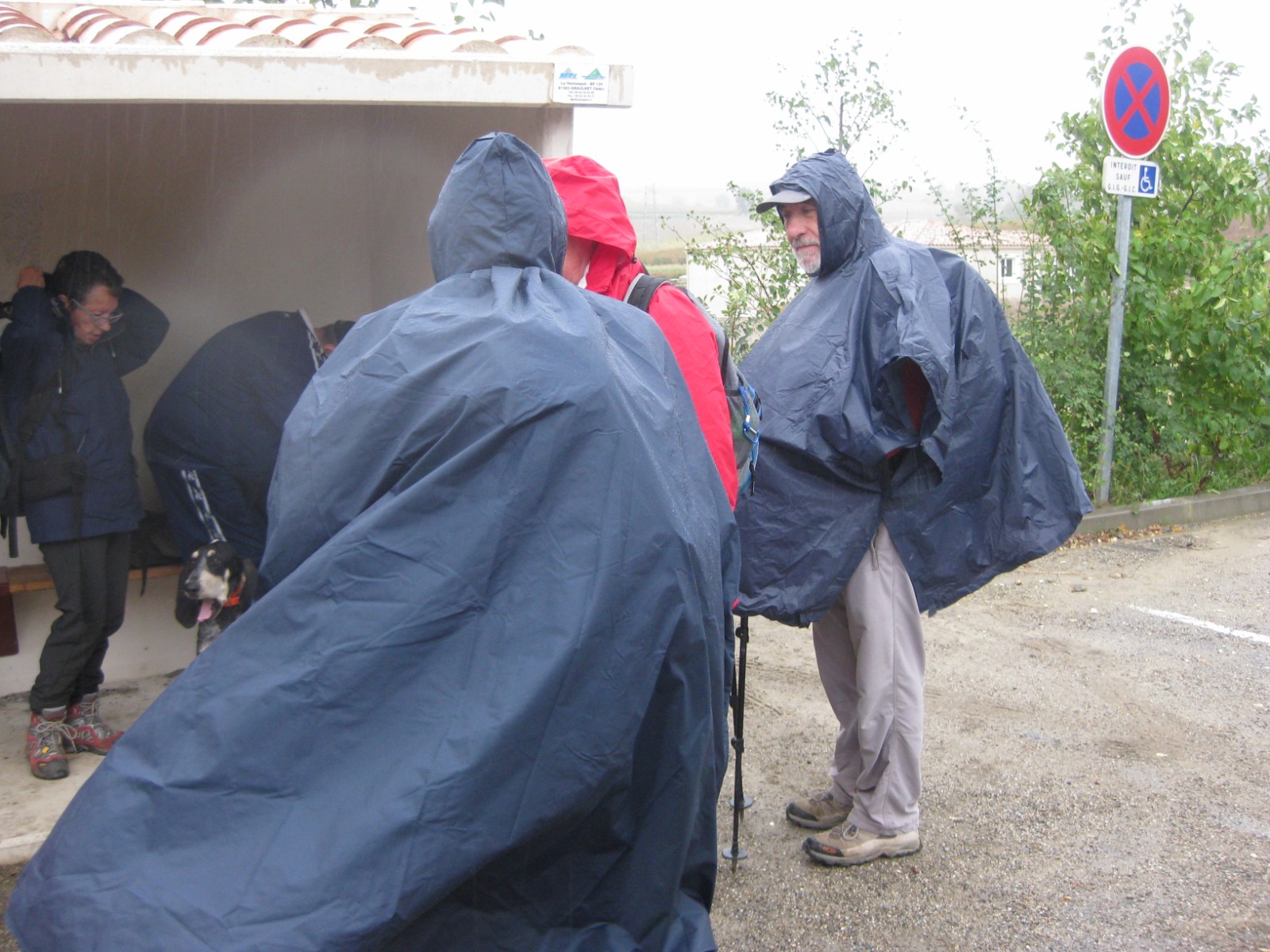
Lunch was early, at Gardie, but we didn’t beat the rain. We had our break in the bus shelter, for goodness sake, and got togged up like this immediately after.
The clouds descend…..
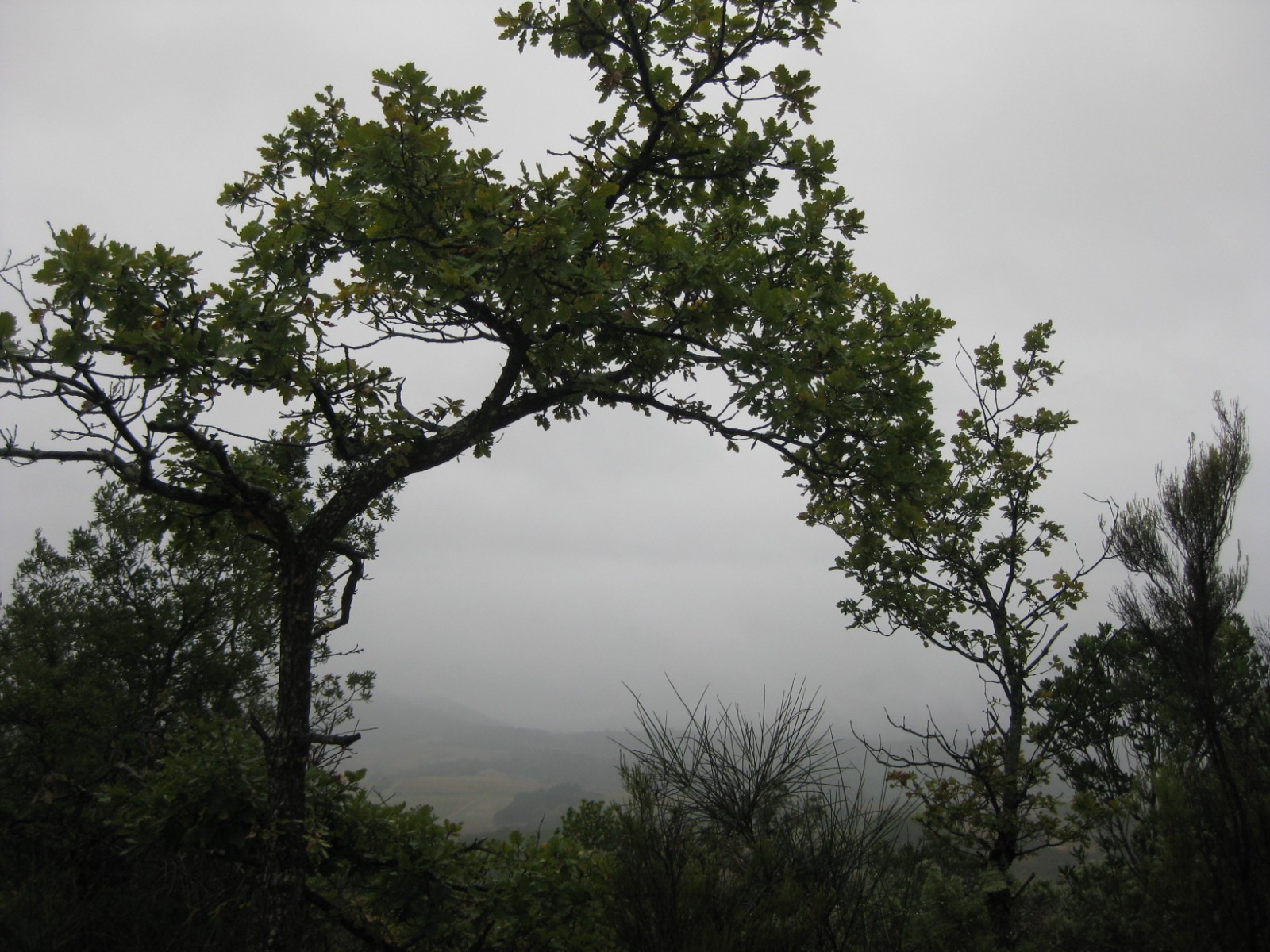
And the gloom.
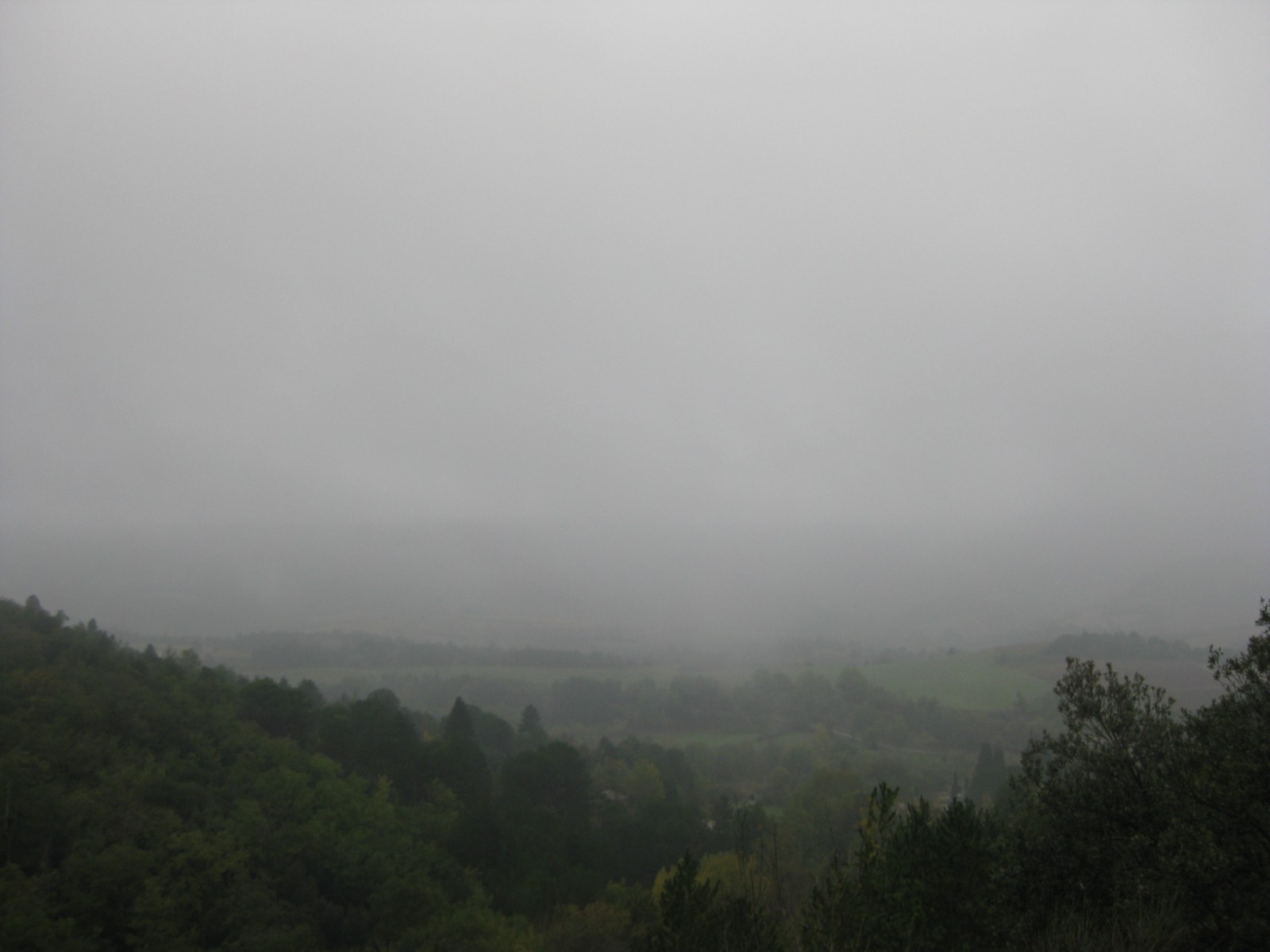
Can’t see much.
Saint Polycarpe’s down there somewhere…
Still, nobody complained. We got our fresh air and exercise, and our friends had a thoroughly good time holding us responsible for the rain and mud.
PS. Dangermouse update. We caught him last week. He is no more. He was a rat. Eurghhhhh.
That exhibition, ‘From the Pyrenees to the Pennines’, about Yorkshire. It’s over and I’m not sorry. I loved working with the children in schools and in Centres de Loisirs, but the whole business of getting the exhibition for the general public up and running was stressful and exhausting.
Still, it’s good to remember why we did it. We wanted to introduce Yorkshire, particularly North Yorkshire, to local people here. We wanted to show how much these two areas have in common.
Both North Yorkshire and the Ariège are largely rural areas, where sheep have an important part to play. In no small part, they contributed to the development of the textile industry. Once the most significant part of the economy in the communities where the industry once thrived, now textiles have largely left Europe for the Far East. Formerly prosperous areas such as Bradford and Lavelanet are now struggling to find a new role. At the same time, immigrant textile workers have changed the face of these communities for ever: Spaniards in southern France, those from the Indian sub-continent in northern England.
Mining is similarly in decline. Coalmining in the north of England is the most obvious casualty, but industrial archaeologists in Yorkshire and the Ariège can point out many signs of a mining past – in disused and decaying workings of lead, alum, potash and talc. Jet, the black gemstone popular in the 19th century was worked here too, and a local historian here in the Ariège has uncovered correspondence between manufacturers here and in Whitby.
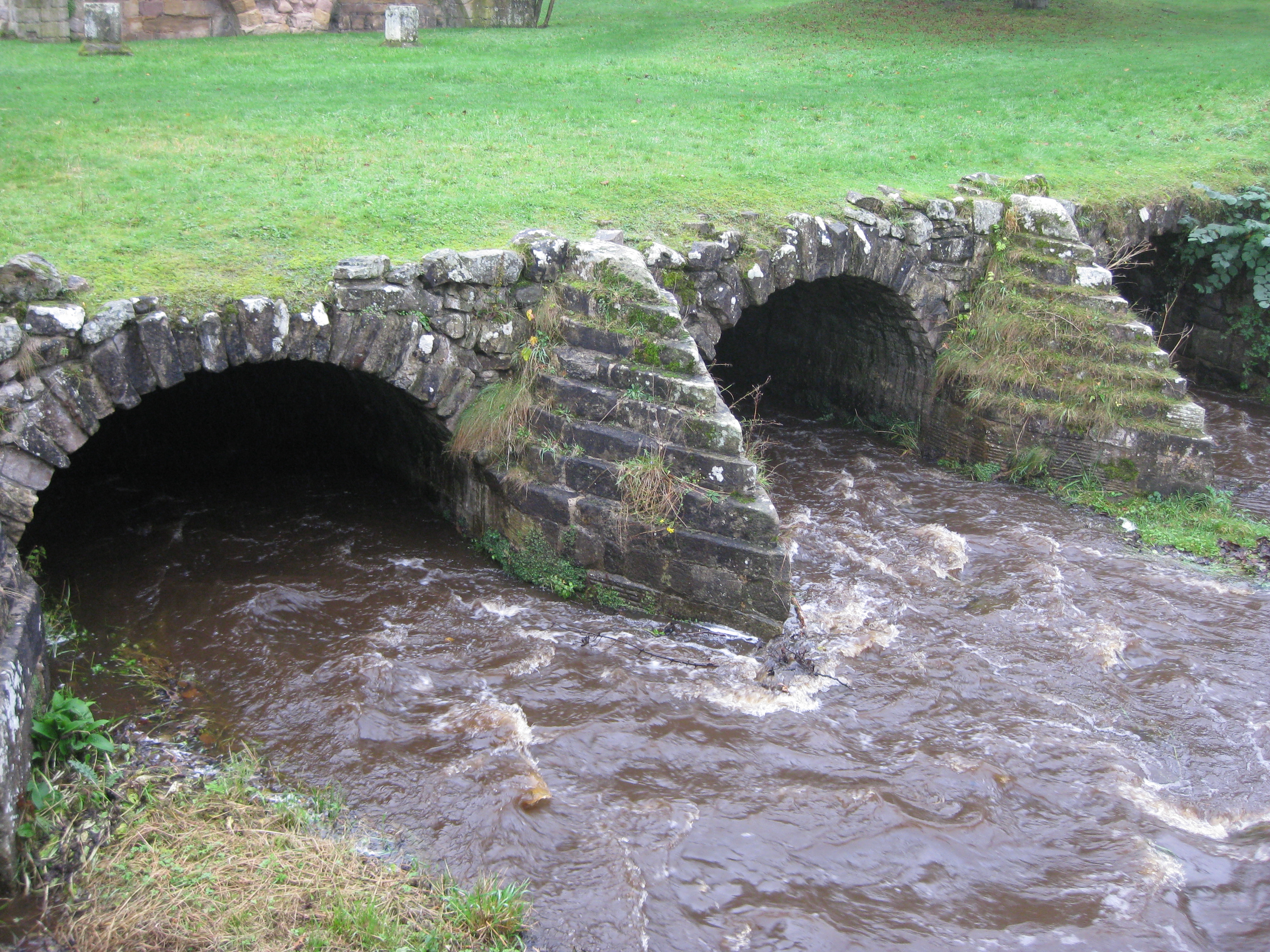
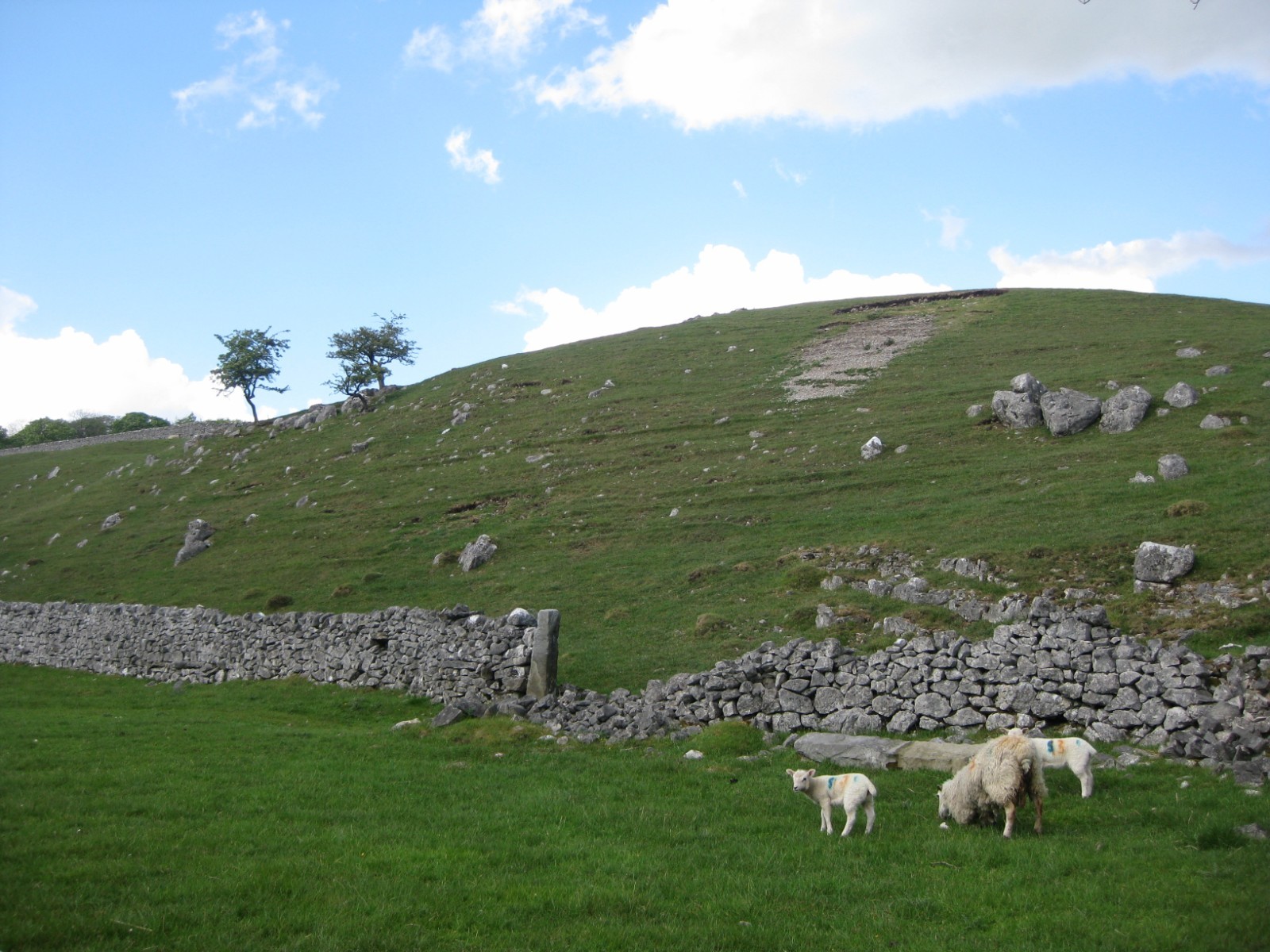
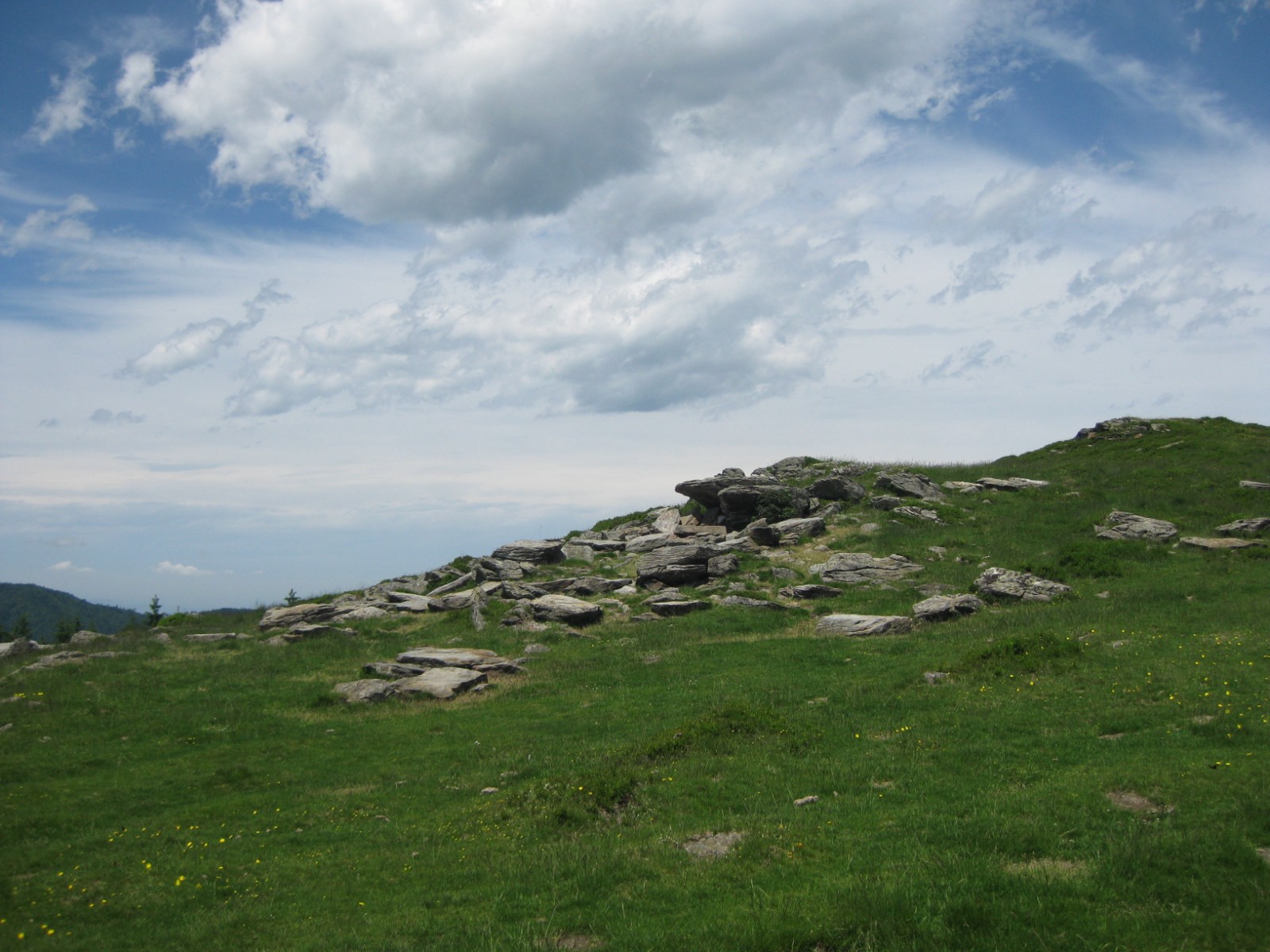
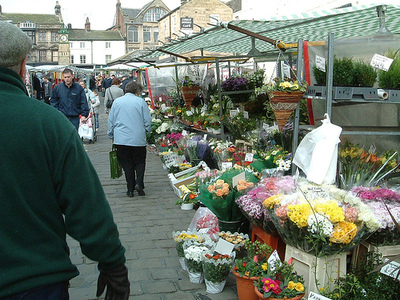
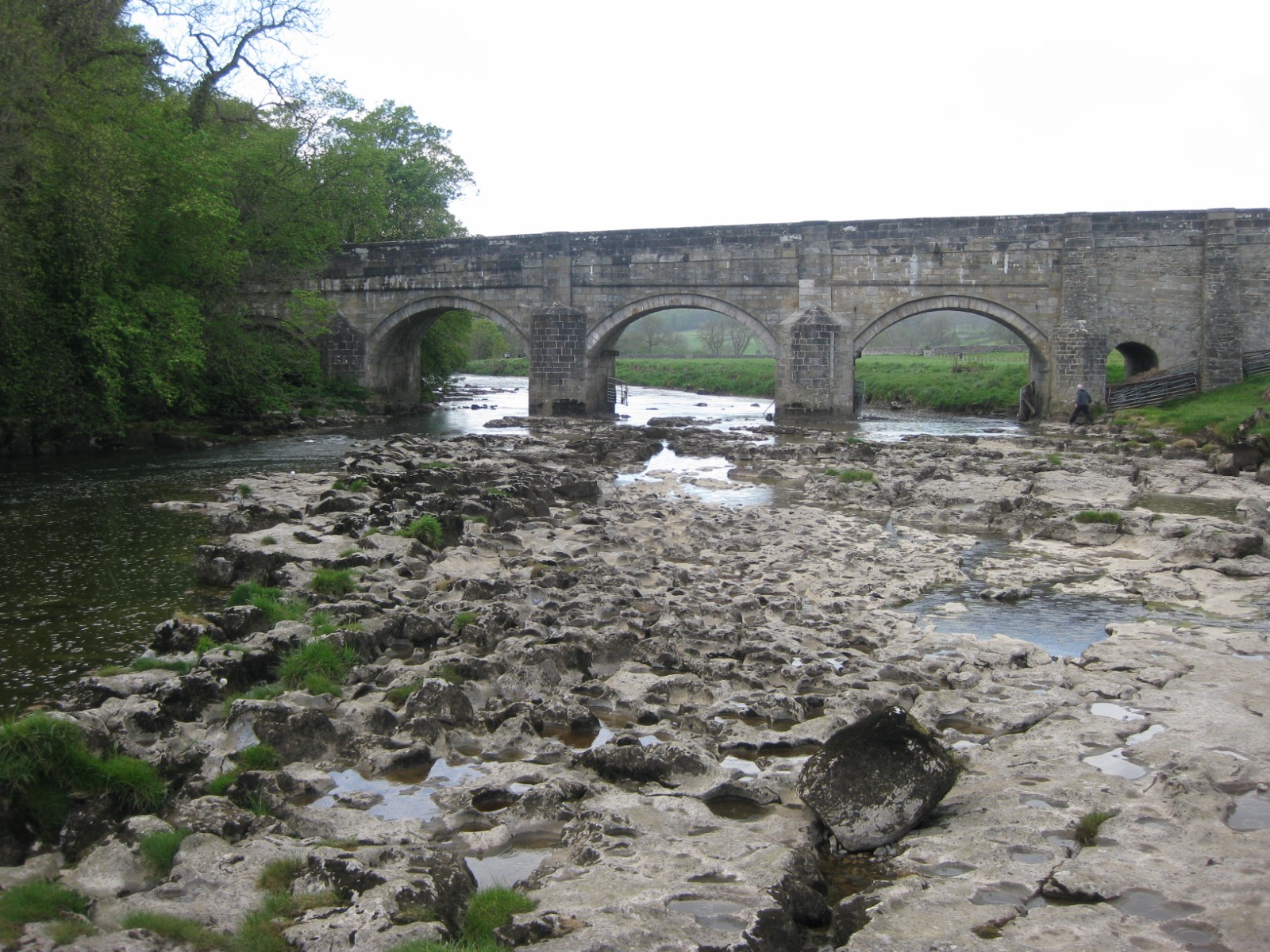
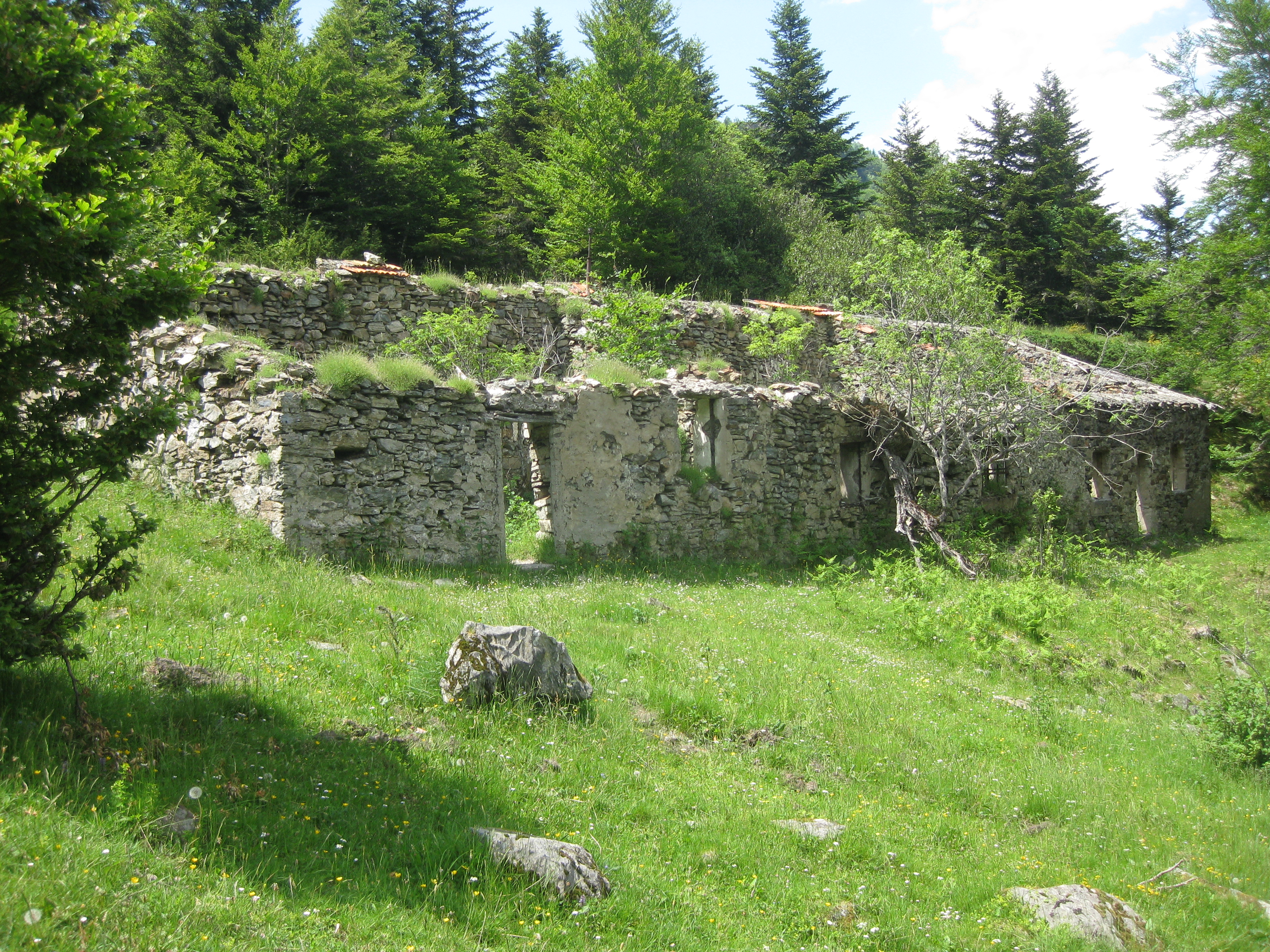
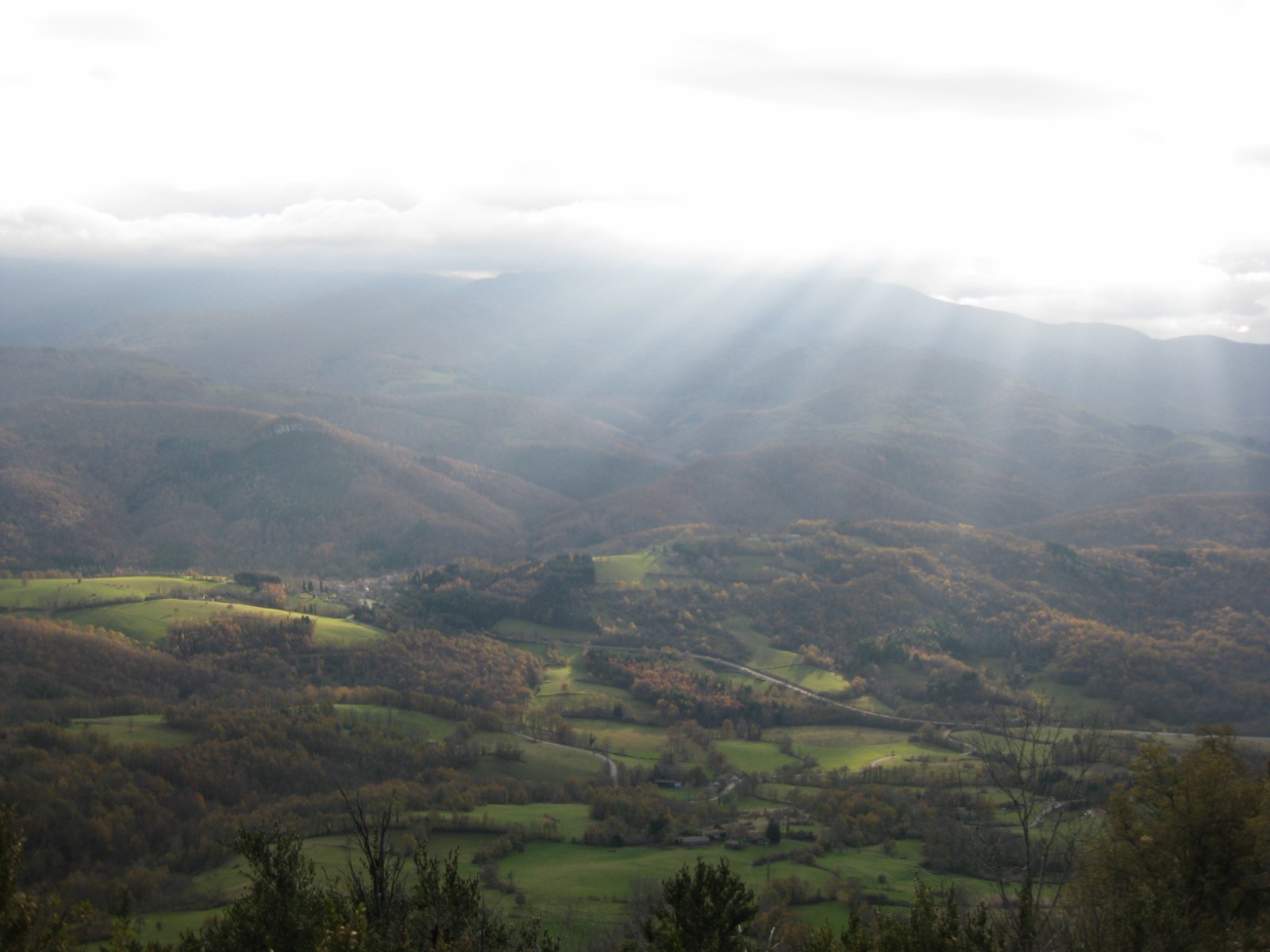
Both areas owe much of their character to limestone scenery. That’s why I’m going to give you a little quiz. Have a look at these photos. Where were they taken do you think? Yorkshire? Or the Ariège? It’s not always easy….
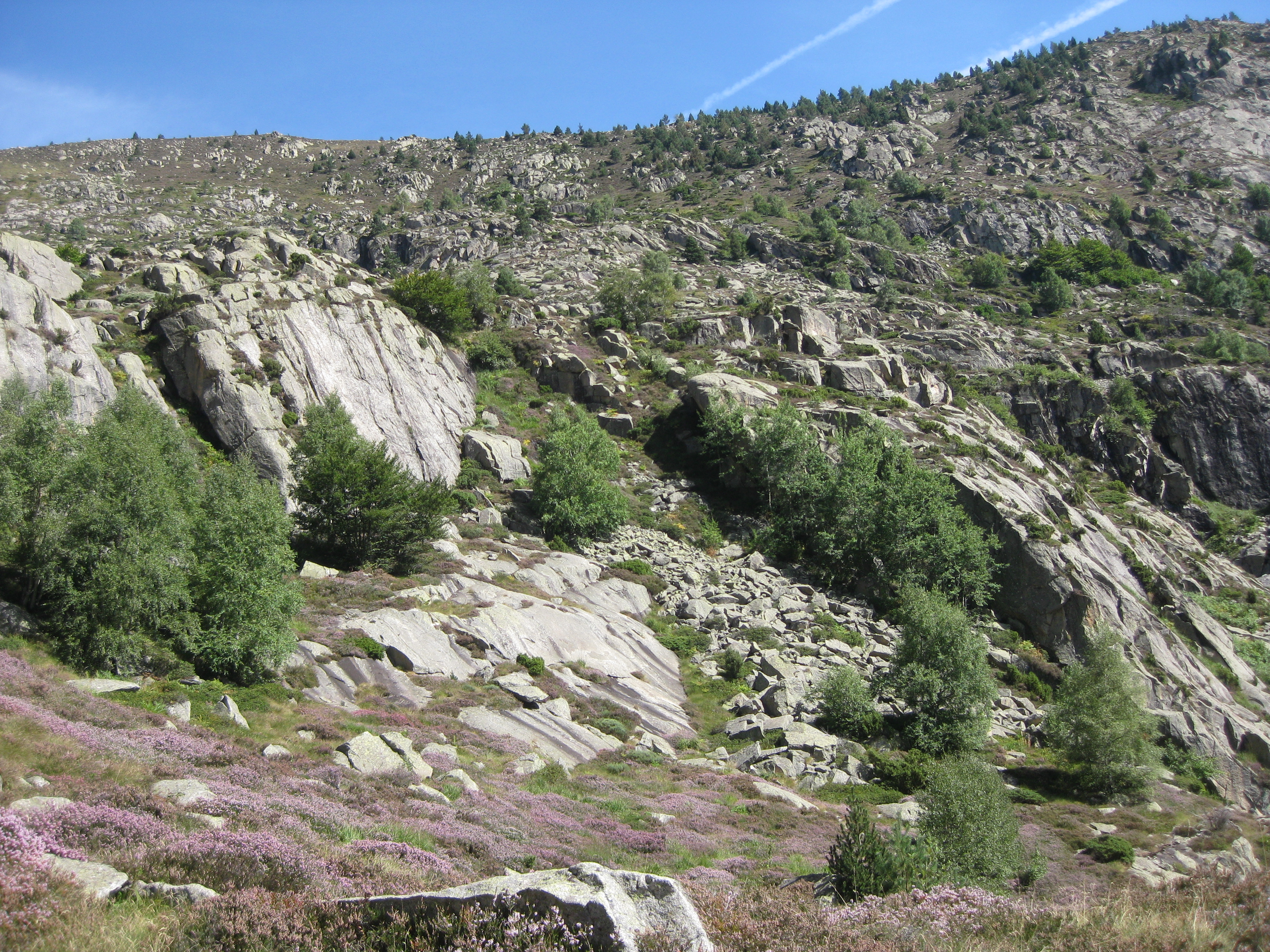
1. Limestone rocks. But where?
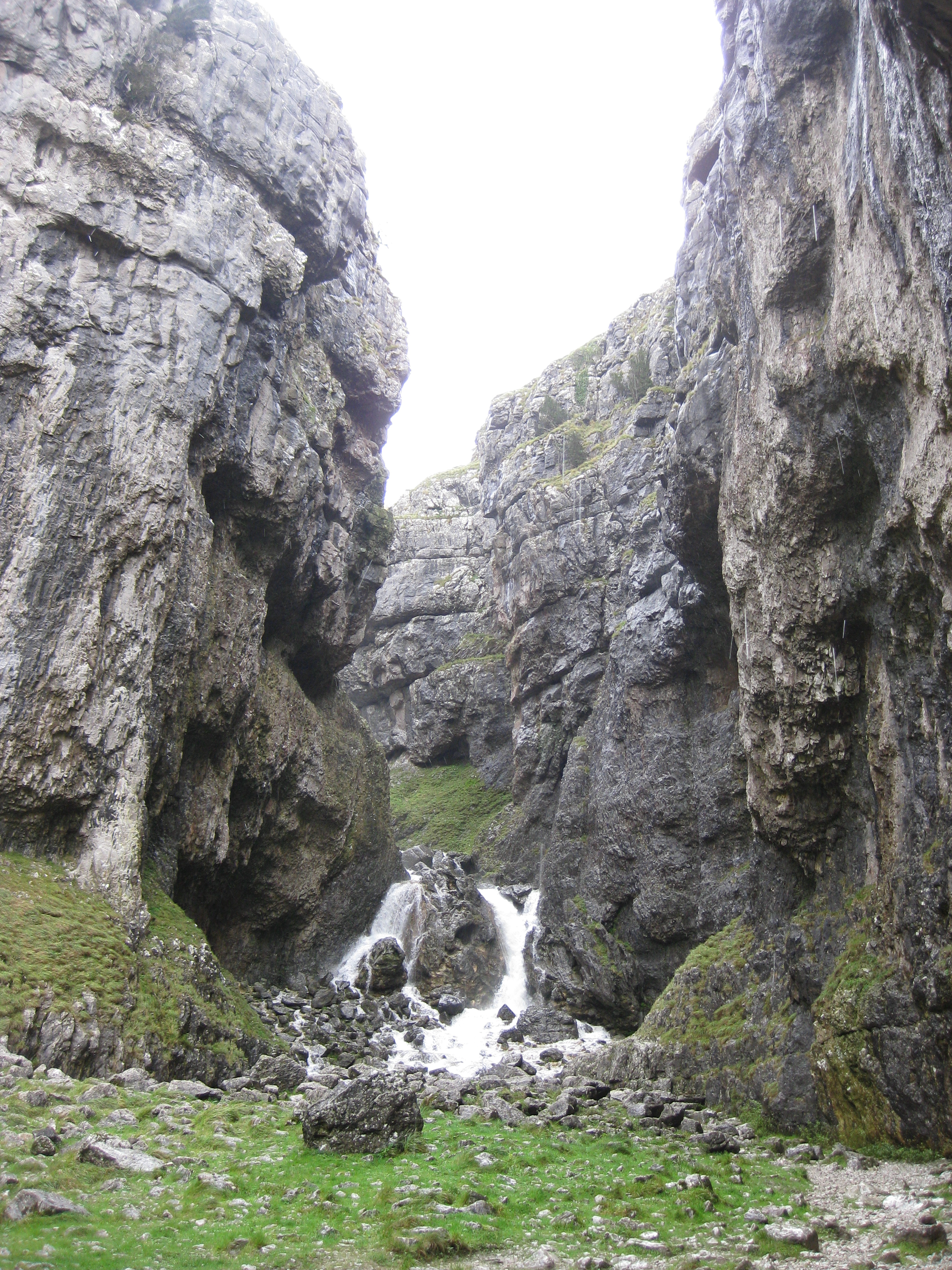
2. And this?
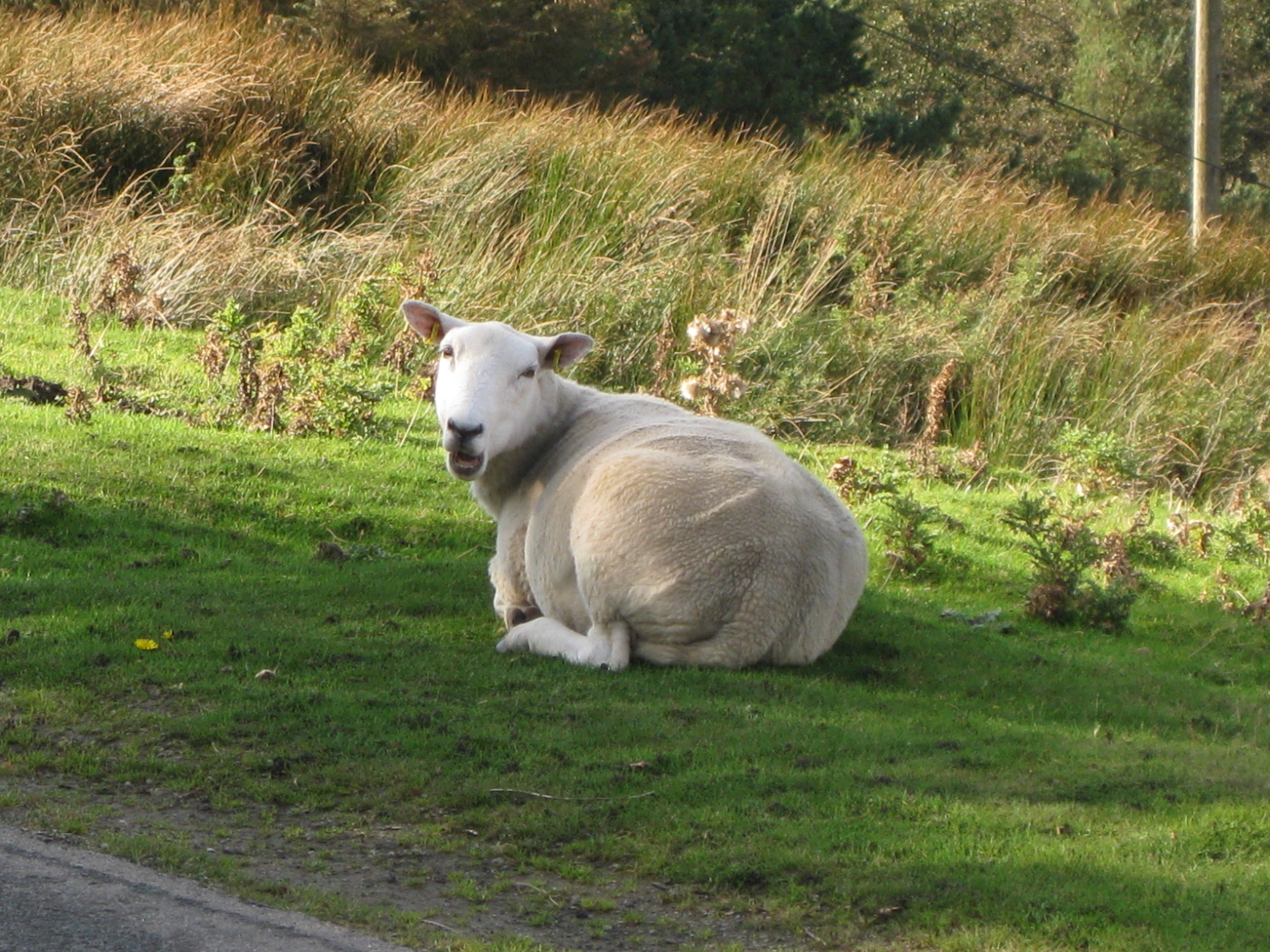
3. Does this sheep baa in English or French?
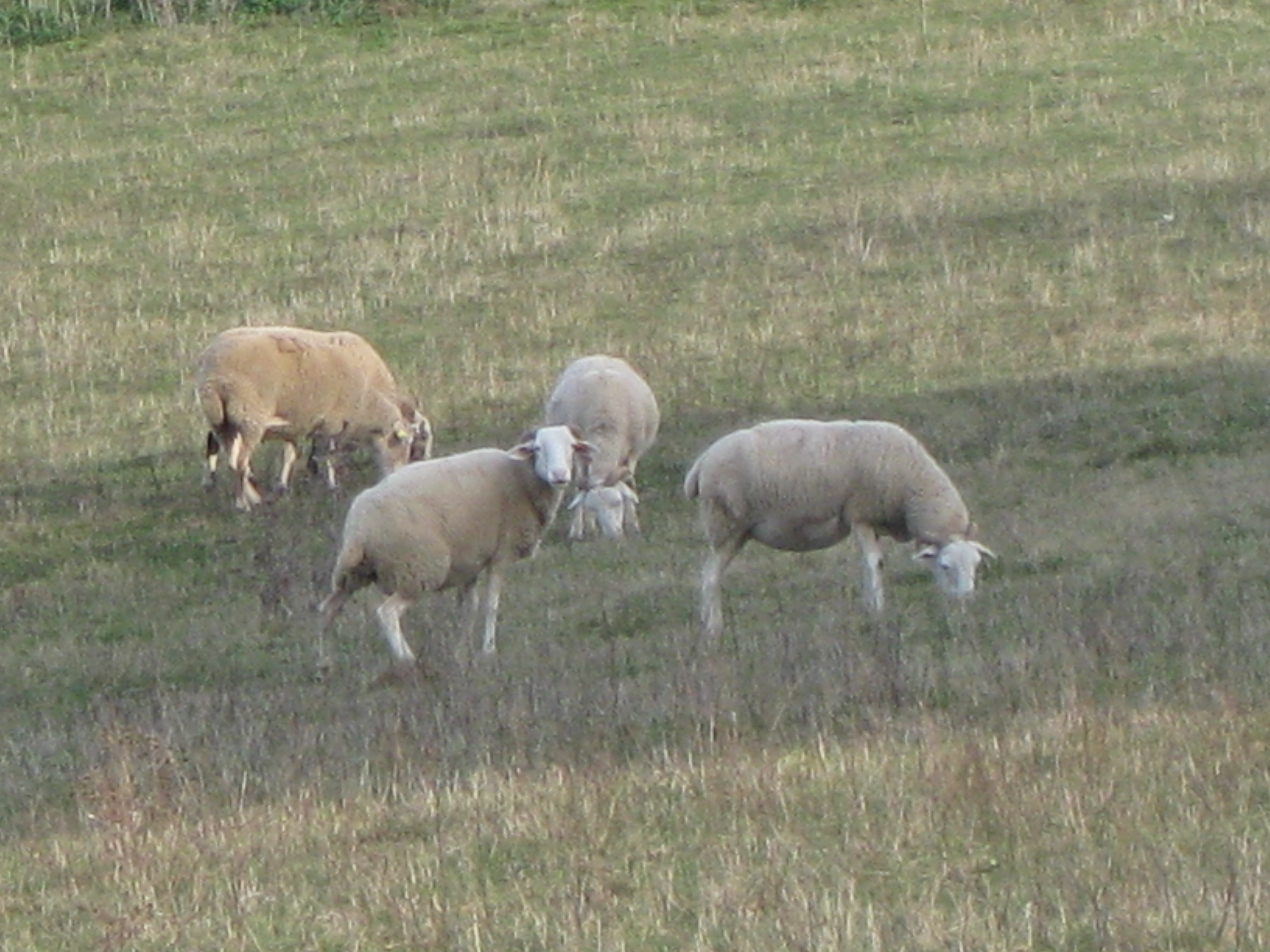
4. And these?
5. Where’s this?
6. And this?
7. More scenery.
9. And a typical market in, er….
10. And a bridge.
11. And a ruined house
12. Last one
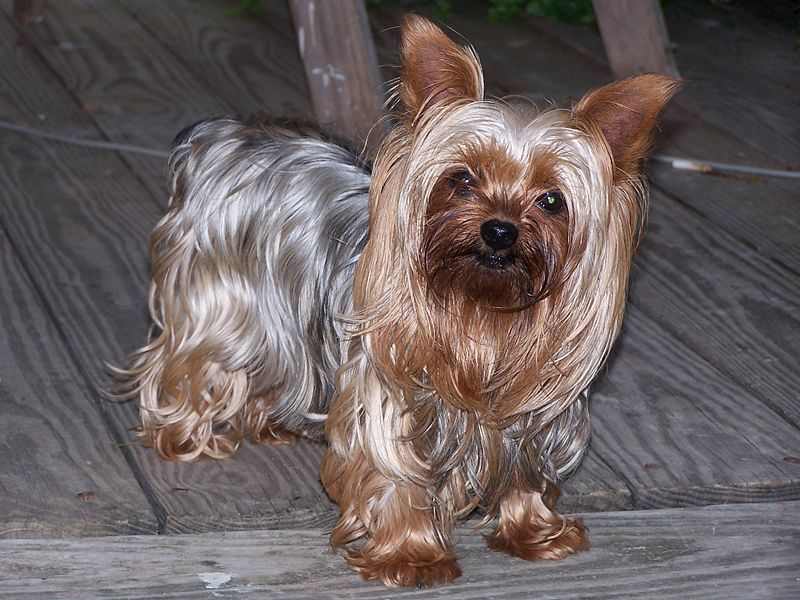
13. Oh, an afterthought
Answers
1. Rocks near Marc, Ariège
2. Goredale Scar, Yorkshire
3. Herdwick sheep
4. Tarasconnaise sheep in Troye d’Ariège
5. Axat, Ariège
6. Bridge at Fountains Abbey, Yorkshire
7. Grassington
8. Cap de Carmil, Ariège
9. Otley Market
10. Bridge at Grassington
11. Le Taulat
12. Roquefixade
13. A Yorkshire terrier. Often seen here in the Ariège. I wonder how many owners know these little dogs were originally bred in the 19th century in Yorkshire to catch rats in the textile mills?
Yorkshire Dales: as interpreted by the children at the Centre de Loisirs, Laroque.
Yesterday afternoon was the best fun. 20 odd-children (that’s ‘about 20 children’, not ‘Twenty Odd Children’) here in Laroque spent the day in England, courtesy of ‘Découverte Terres Lointaines’, without setting foot outside town.
These children spend their Wednesdays, a no-school day, at the Centre de Loisirs. Their parents are probably out at work, and here is somewhere they can spend the day having purposeful fun, without its costing their parents too much.
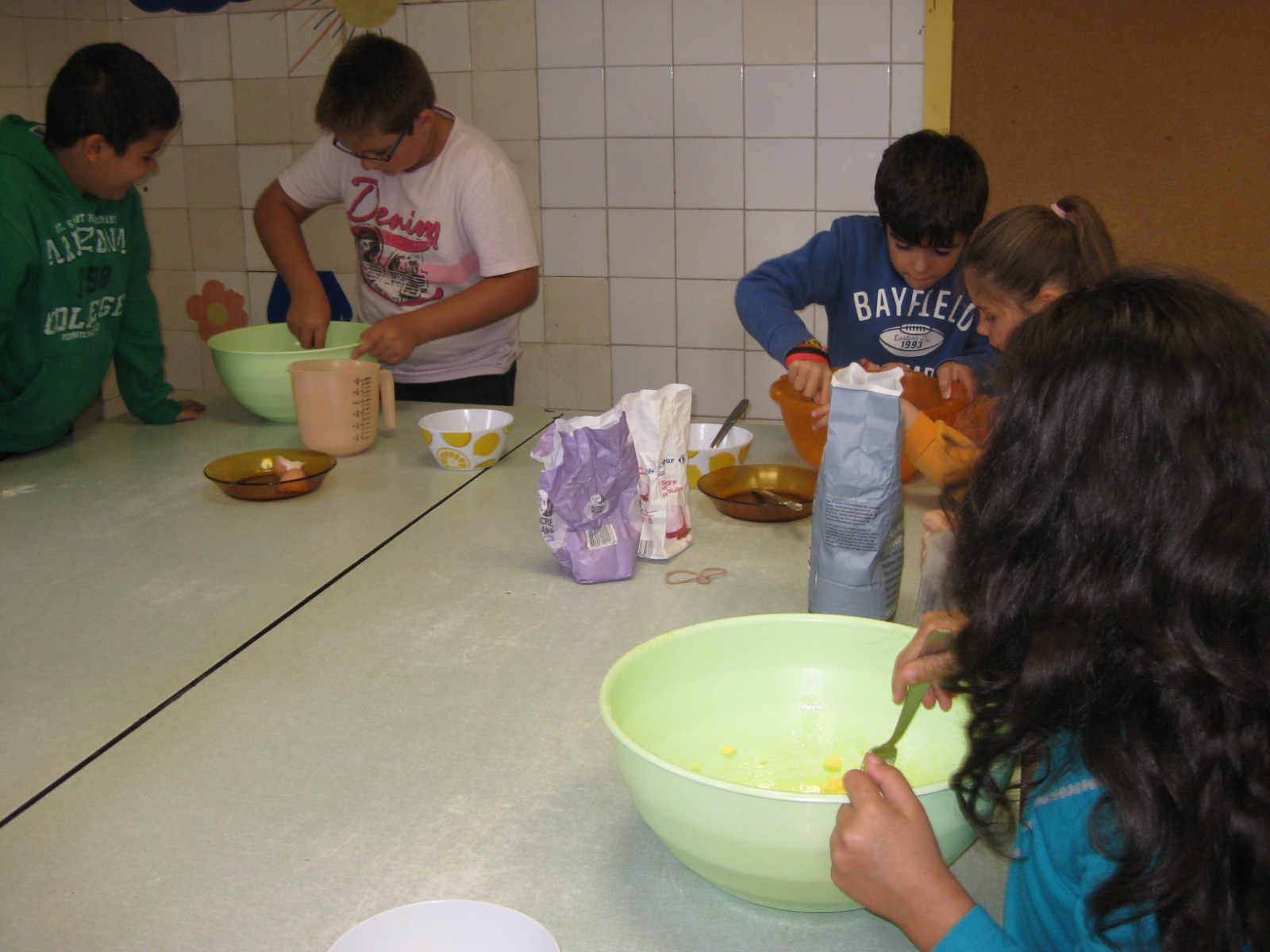
We turned up with bag full of groceries, and spent half the morning baking biscuits, basic English everyday crunchy biscuits. It was great to see them, girls and boys alike carefully measuring out flour, sugar, butter and so on, stirring, mixing, watching a dough come together from these simple ingredients.
Let the baking begin.
A bag full of cutters and a rolling pin meant that they could transform the mixture into stars and circles, miniature gingerbread-style people, bells and flowers.
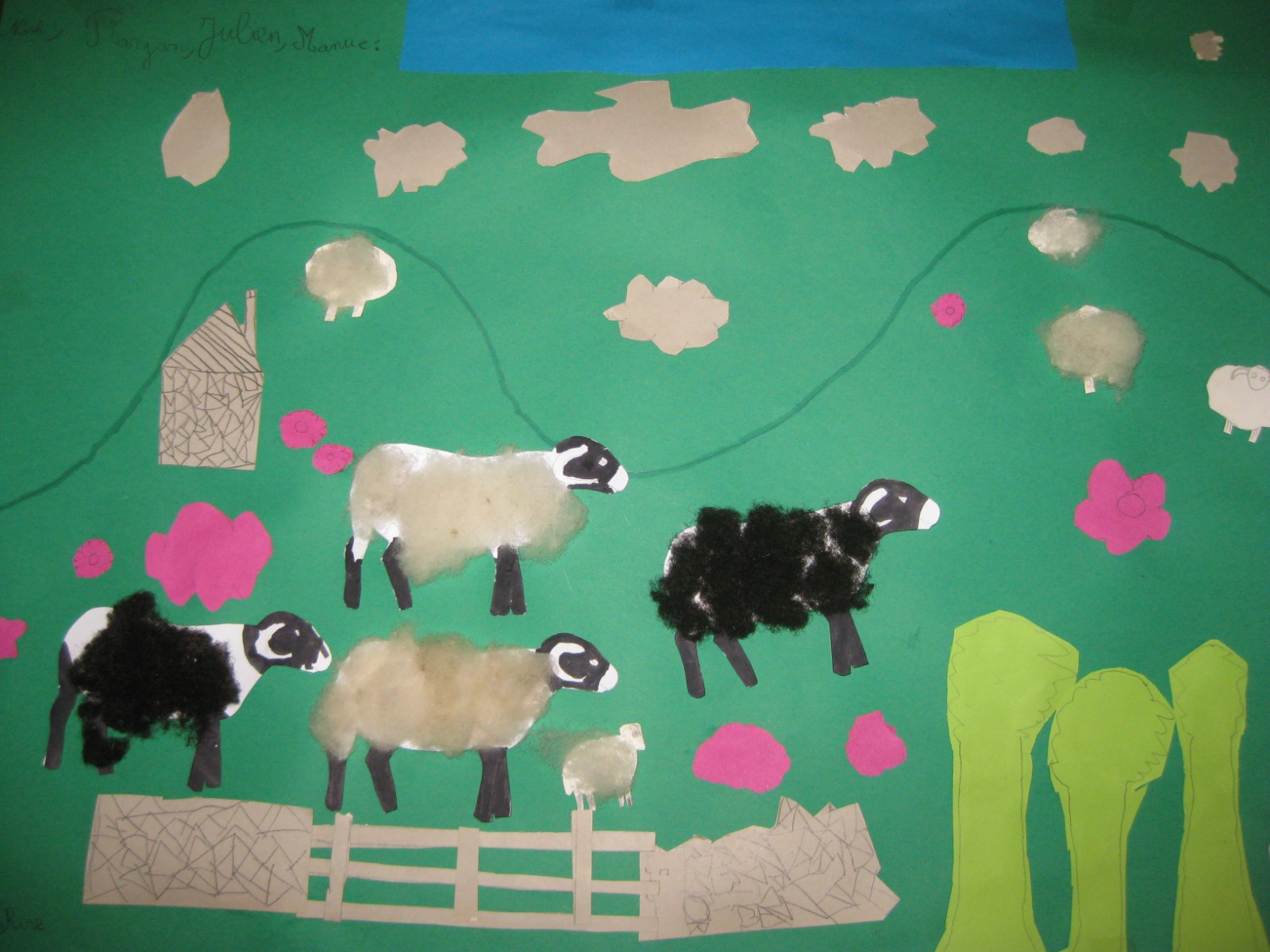
Upstairs, another group had been talking about the green moorlands of the Yorkshire Dales, then making a mural of a Daleside landscape, complete with Swaledale sheep, farm gates, and obligatory grey cloud (it’s England after all).
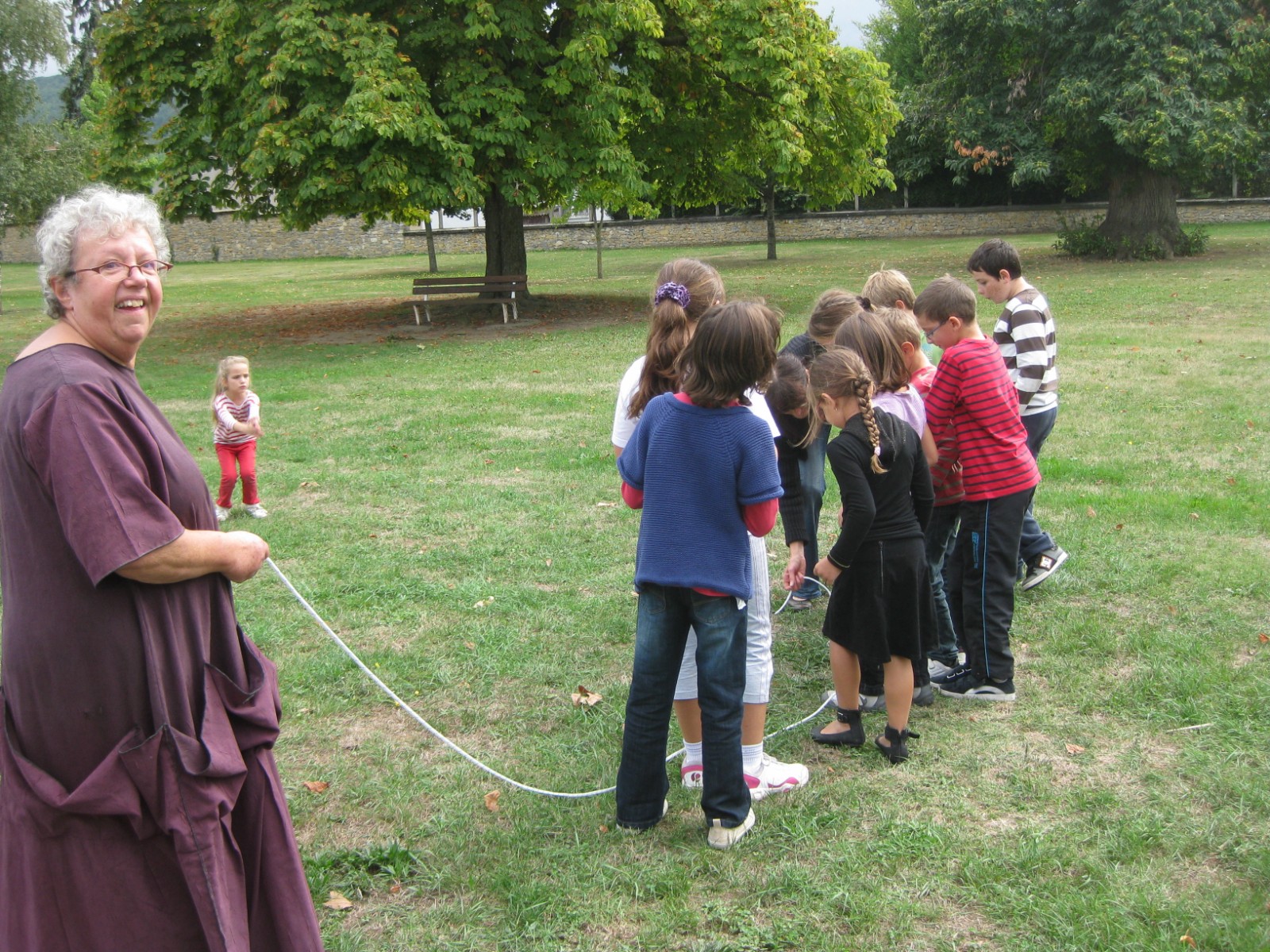
Lunch break. Afterwards, the children came to see our long-prepared exhibition looking at North Yorkshire, which has so many features in common with the Ariège: mountains (OK, the best Yorkshire can manage is Whernside’s 736 metres. Ariège’s Pic d’Estats is 3143m); textile and mining industries past their glory days; wide open spaces home only to sheep…. and so on. They enjoyed an extract from Roald Dahl’s ‘George’s Marvellous Medicine’, and then it was back to the Centre de Loisirs. Where we produced a long skipping rope with the idea of teaching them a couple of English skipping games…
‘I like coffee, I like tea
I’d like, er, Nadine, to jump with me’.
Getting started with skipping.
They loved it. Unfortunately they couldn’t skip at all and tripped and fell all over the place, and all the adults mourned that it was a lost art. As in England (Is that so? Not sure.) children don’t skip any more.
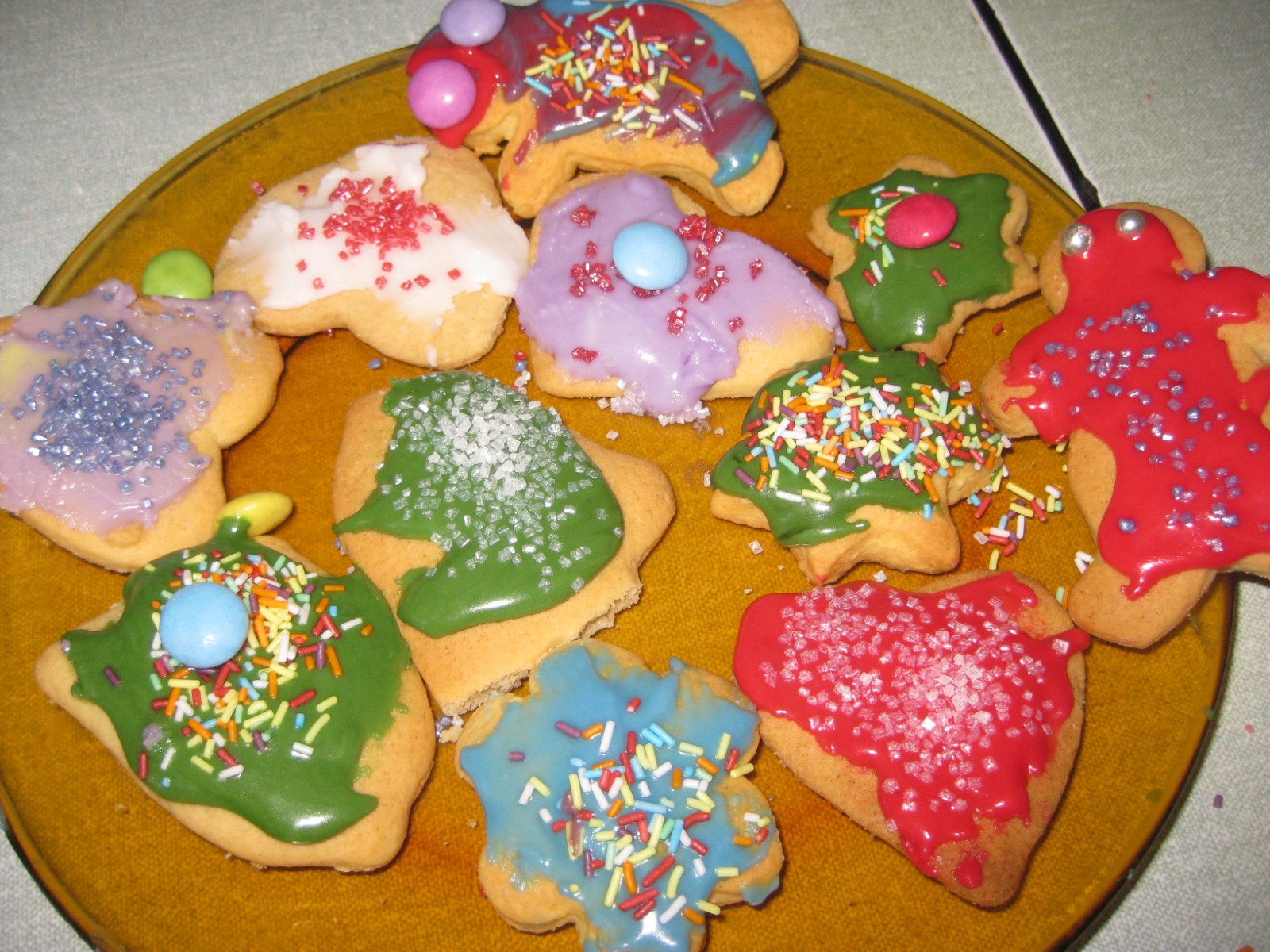
Back into the kitchen, it was time to decorate those biscuits. They tinted their bowls of icing in lurid shades, and made free with all the sugary decorations we provided. ‘Glorious Technicolor’ doesn’t begin to do it justice. Once decorated, they ate the lot, and we sent them off to their parents for the evening crammed full of enough e-numbers to see them through the week. One lad, as he set off home, was heard to say ‘I’ve had a great day’. So had we.
Today is the first day of the rest of Marcel and Mercedes Resseguier’s lives. Today (barring the odd holiday) is the first Tuesday for 28 years on which they haven’t opened their charcuterie (like most small-town shops, they didn’t open on a Monday). At 60, Marcel’s retiring.
Their shop is a bit of an institution hereabouts. Go to an event where food is served and discover that the plates of cold meats, pâtés and cured sausage are from the Resseguiers’ shop, and you’ll be piling your plate high with all that’s on offer. Go to buy some sausages for an easy lunch, and you’ll join a queue of customers chatting away animatedly as they patiently wait their turn. What will we do without them? They’re not trying to sell it on – no point.
Once upon a time, theirs was a busy shopping street. Nowadays, it’s (oops, was) the only shop left. Still 2 butchers remain in town here however. Nearby Lavelanet, a town that’s more than twice as big as ours has only one, Marrotte.
When he was 14 ½, Marcel went to Limoux, apprenticed to a butcher’s where he learnt all he needed to learn about the butchery business. And then he came back to the Ariège to work at the above mentioned Marotte’s. This shop sells not only fresh meat, but charcuterie too: in other words fresh sausage, cured sausage, hams both dried and cooked, and pâtés: mainly, but not exclusively, pork products. Working here, Marcel realised that, for him, charcuterie was a lot more interesting than presenting fresh meat for sale, and he profited from his time there to learn all he could.
A little later, after his short spell in a general stores with a meat-counter in nearby Villeneuve d’Olmes, the charcuterie here in Laroque came up for sale. A certain Monsieur Vié owned it. His son Michel is a pillar of our town, involved in everything from singing in the local choir to supporting our local town-twinning operation. He didn’t want to go into his father’s business, but like so many people round and about, he’s learnt many of the skills, and will often knock up some cured sausages or a bowl or two of pâté for a family celebration.
Well, Marcel, with his father’s help, bought the shop, together with the good-will and customer-base that came with it. The rest is history. The charcuterie is hard to find, being tucked away in a side-street where it’s almost impossible to park. But that didn’t stop it being a shopping destination. Once there, apart from all the expected meats and sausages, you could buy his tins of jarret de porc or jars of pâté de foie, as well as wine or bottled vegetables. His was a depot de pain too. So he’ll be missed, as will Mercedes, his wife, who served the customers and balanced the books. Happy retirement, Marcel. Enjoy your new career Mercedes (that’s another story) …. and see you on the next Sunday walk with Laroque’s walking group.
The Tour de France 2012 hit Laroque on the Limoux – Foix stage on Sunday 15th July. It was a long day…. and that was just for the supporters.
The day before, passing through Quillan, we passed whole communities of camper vans holed up in prime spots for watching the race.
Unlike the Ariègeoise a fortnight before, there were plenty of signs to stop the poor old riders going wrong
And here at Laroque, we had our own rules and regulations to keep the event running smoothly.
Team UK (Laroque branch) prepare a poster to support the British competitors.
And here’s Brian, chalking all the Brit names across the route. He got a huge cheer from French spectators the whole way down the street. There are more of them than seems likely from this shot.
The pre-Tour caravane begins. They’re selling official merchandise. Everything that follows is free.
But while it was still pretty quiet, we had ‘a nice cup of English tea’ with neighbour Aisha
The LCL float, distributing baseball caps.
The Haribo float. Sarah caught a tiny bag of sweets flung in her general direction.
The Belin Box
Banette. They produce flour for local bakers.
You can have a flutter on the races at a PMU bar. Here’s their float.
Sarah gets a cocktail sausage
Free madeleines when the St. Michel float passed. Not Worth Getting Fat For.
No free tyres when the Kleber float passed
Almost over….. the Nesquick float.
The haul we found we had after everything had passed by, mainly destined as souvenirs for friends in England…. lucky people.
The first riders pass. Sue can identify almost all of them.
Bradley Wiggins passes our front door. No time to stop.
Team support.
Yet more riders…. known to Sue.
With the riders long past, all that’s left are support vehicles, official cars, medical support, press, gendarmes……..
Thanks Sue, thanks Tom for the use of all your photos.
La Boulangerie Fonquernie at Laroque prepares for the arrival of the Tour de France
We have a few of the family here staying with us. They claim that they want to see us. They’ve mentioned walking in and near the mountains. They certainly want good food and wine – lots of it – whether here at home or in one of the restaurants in the patch.
Really though, they’ve chosen this weekend with some care. It’s the one when the Tour de France whizzes past our house.
Today then has been a day of careful research in advance of Sunday’s ‘fly past’. There was a planning meeting at a nearby restaurant, ‘La Maison’, over copious and varied hors d’oeuvres, blanquette d’agneau and bavarois de framboises to decide what we should choose as our vantage point for the action.
We’ll have the planning meeting after we’ve got outside this little lot
Then there was the walk. This followed the Voie Verte between us and la Bastide sur l’Hers, and closely hugs the route the cyclists will take; and the ridge path between la Bastide and home, which peers down over the same road. Where to choose to watch?
We’d thought of the land occupied by the old station. A film crew has moved in for the duration. We considered looking up towards the race from the old railway line itself. Too far away.
And the ridge, which we’d thought the perfect answer, turns out not to be. Certainly we could see many hundreds of metres of road at once, but at a distance that means that we’d be doing no better than sitting at home in front of the TV.
We’ve decided against watching from here.
In the end, we’ll be staying put. We want to see the riders close up, smell the sweat, and absorb the atmosphere. There are still decisions to be made. Upstairs in one of the bedrooms? If so, which one? Downstairs on the street, where we’ll be nearer still?
Shall we ham it up and decorate the house in Union flags, and hang banners reading ‘Go Wiggins’ out of the window? So many decisions, so little time.
It’s been Blue Lake time again: that time of year when for 3 years now, we at Laroque have come to expect great entertainment from the musicians of the Blue Lake Fine Arts Camp in Michigan, USA, as well as some music from our own LDO Big Band.
This year, we welcomed a slightly different group from previous years – the International Jazz Band. Mostly still in their teens, these players have been selected for the European tour not only because they’re good at what they do, but they’re hungry to become even better. They want to seize the opportunity to spend time in cultures other than their own, and to perform in locations throughout parts of Europe, from prestigious concert halls and cathedrals, to smaller town venues like ours.
At the end of last night’s concert, the band’s conductor and group director Bill MacFarlin, spoke of how these chances for young Americans to travel and make music was a real opportunity to foster international friendship and understanding.
We’ve been watching that at work over the last 3 days. The Blue Lake team, 17 of them, arrived in sunshine to a big welcome group in the Municipal Park.
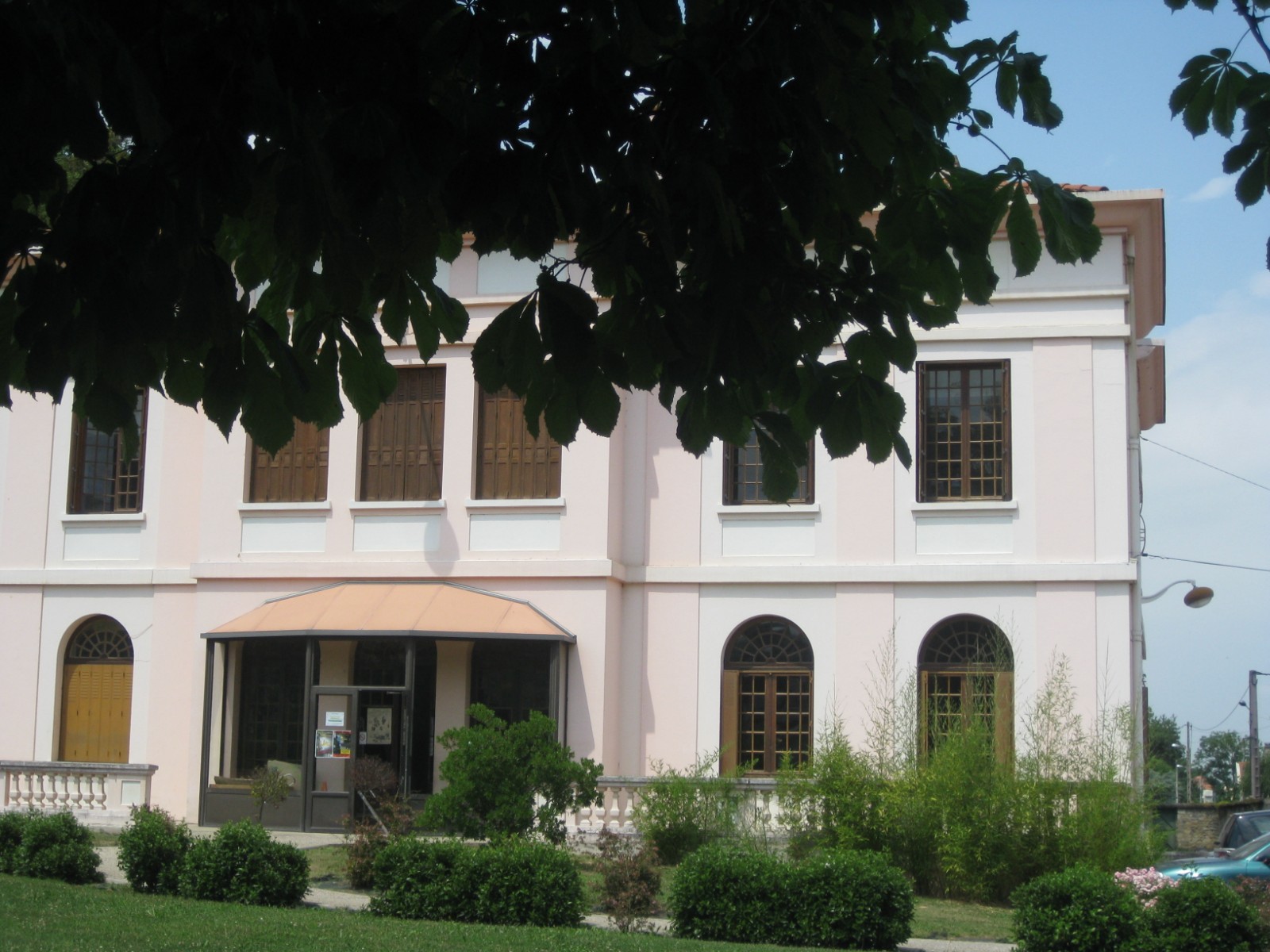
Our School of Music’s housed here in the château. I took this shot just before everyone arrived
The event went well, but it was easy to see the Americans and French weren’t mixing much – it was too hard to communicate: Malcolm’s and my interpreting skills were much in demand (Not that we’re much good. I listened to our French head honcho, Michel Alvarez, and carefully interpreted it to Bill McFarlin. Bill raised an eyebrow. ‘Do you realise’, he said ‘that you’ve just said all that entirely in French?’).
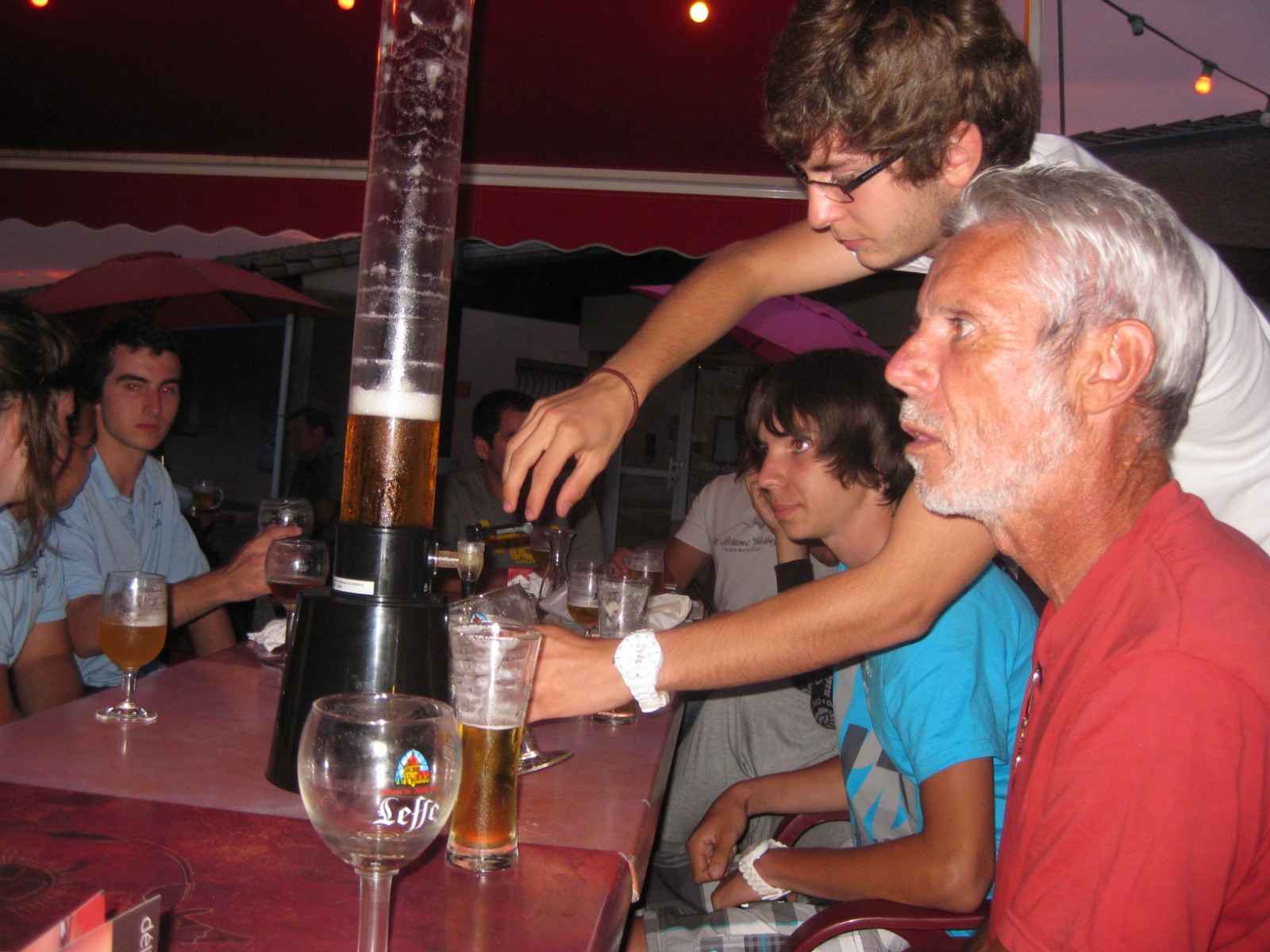
A giraffe of beer
Later, down at the bar with older students and members of LDO Big Band it got a lot easier. The giraffe of beer may have helped.
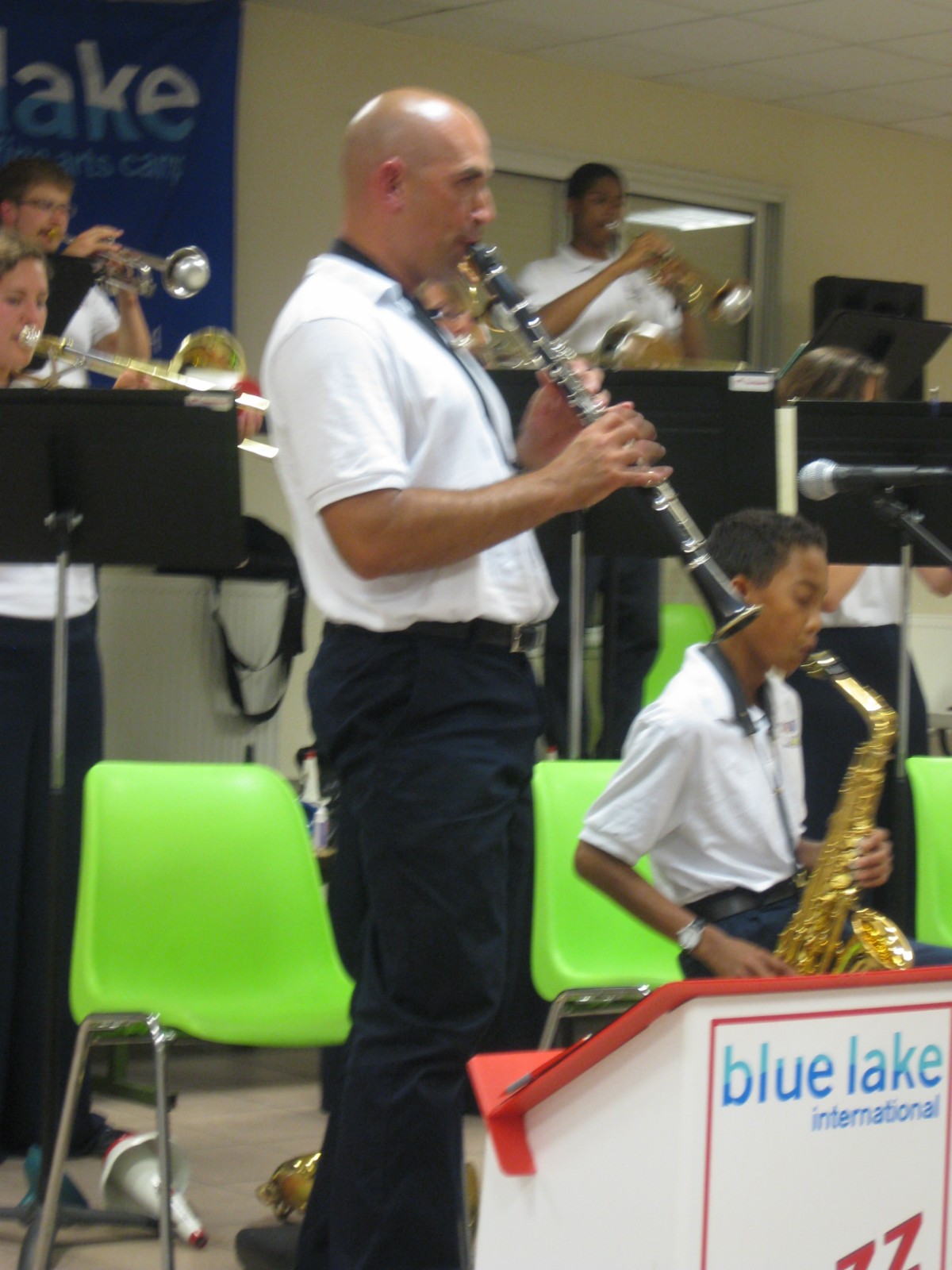
Lucas Munce – with a clarinet this time
It was next day that real change took place. First of all, there was a Master Class, with Lucas Munce, acclaimed as a saxophonist back in the US (AND for his clarinet and flute playing too), and Parker Grant, a young jazz pianist also gaining recognition. After a slow start, the need to exchange musical knowledge overcame shyness and the language barrier.
Then after a shared meal it was time to rehearse. Towards the end of the evening, members of the French and American bands sat together to practise the pieces they planned to play together to conclude Fridays’ concert. It was wonderful to witness them, heads together as they pored over their shared scores, animatedly and enthusiastically discussing their music. Their mutual comprehension of each other’s tongues seemed to have moved up a gear, but above all they now had a shared language – music.
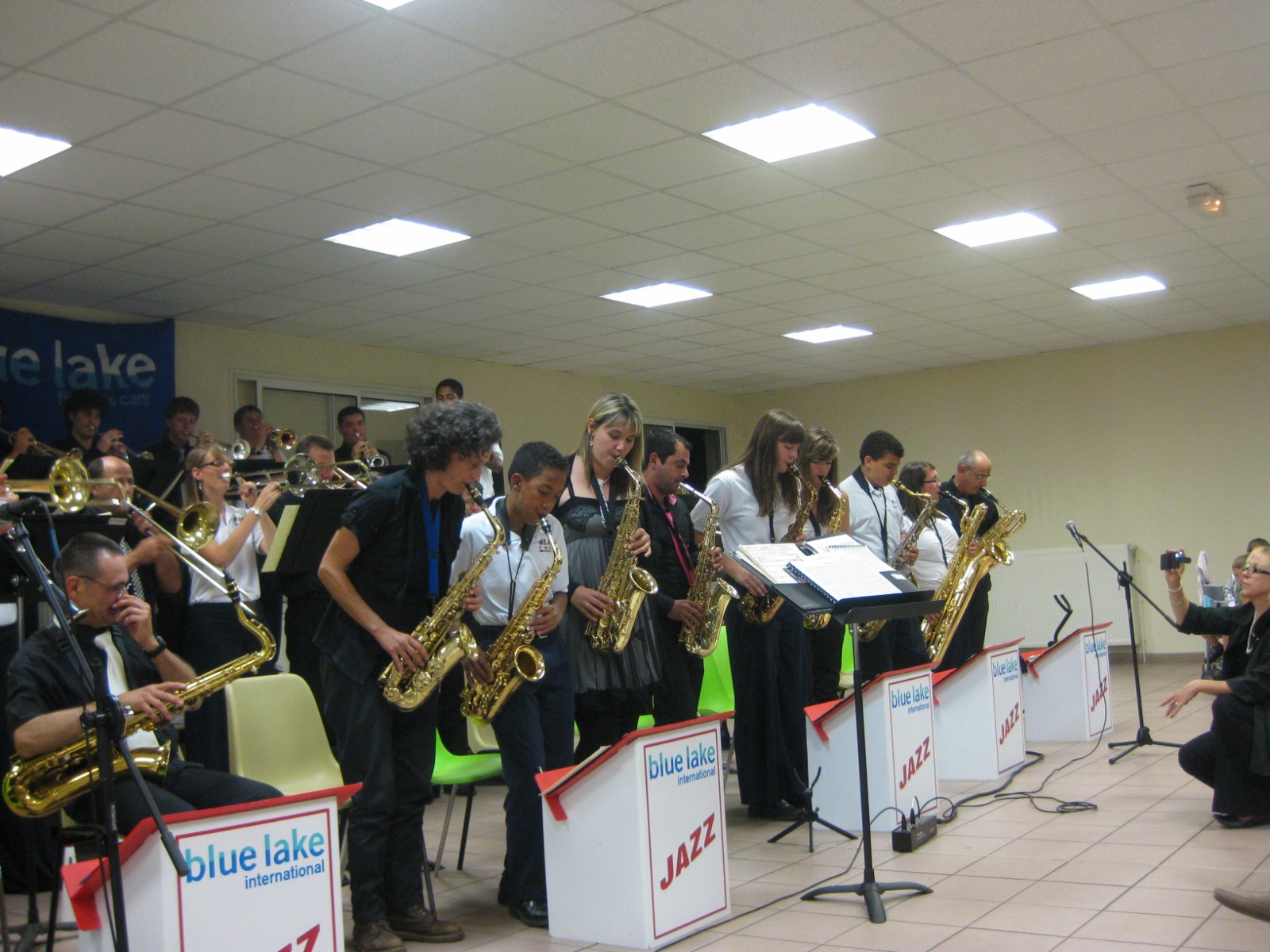
Blue lake International Jazz Band and LDO Big Band at rehearsal
By the time Friday’s concert came, these musicians were friends. They greeted each other affectionately and settled down to listen to each other’s performances with relish. When they had to squeeze themselves together for those final numbers, placing themselves alternately American/French, they were confident to give the music their all. They loved it. The audience loved it.
Blue Lake and LDO saxophonists share the moment at Friday’s concert
At the moment of parting, there were hugs and all round and quite a few sniffles too. As ambassadors for their country, Blue Lake do a pretty fine job.
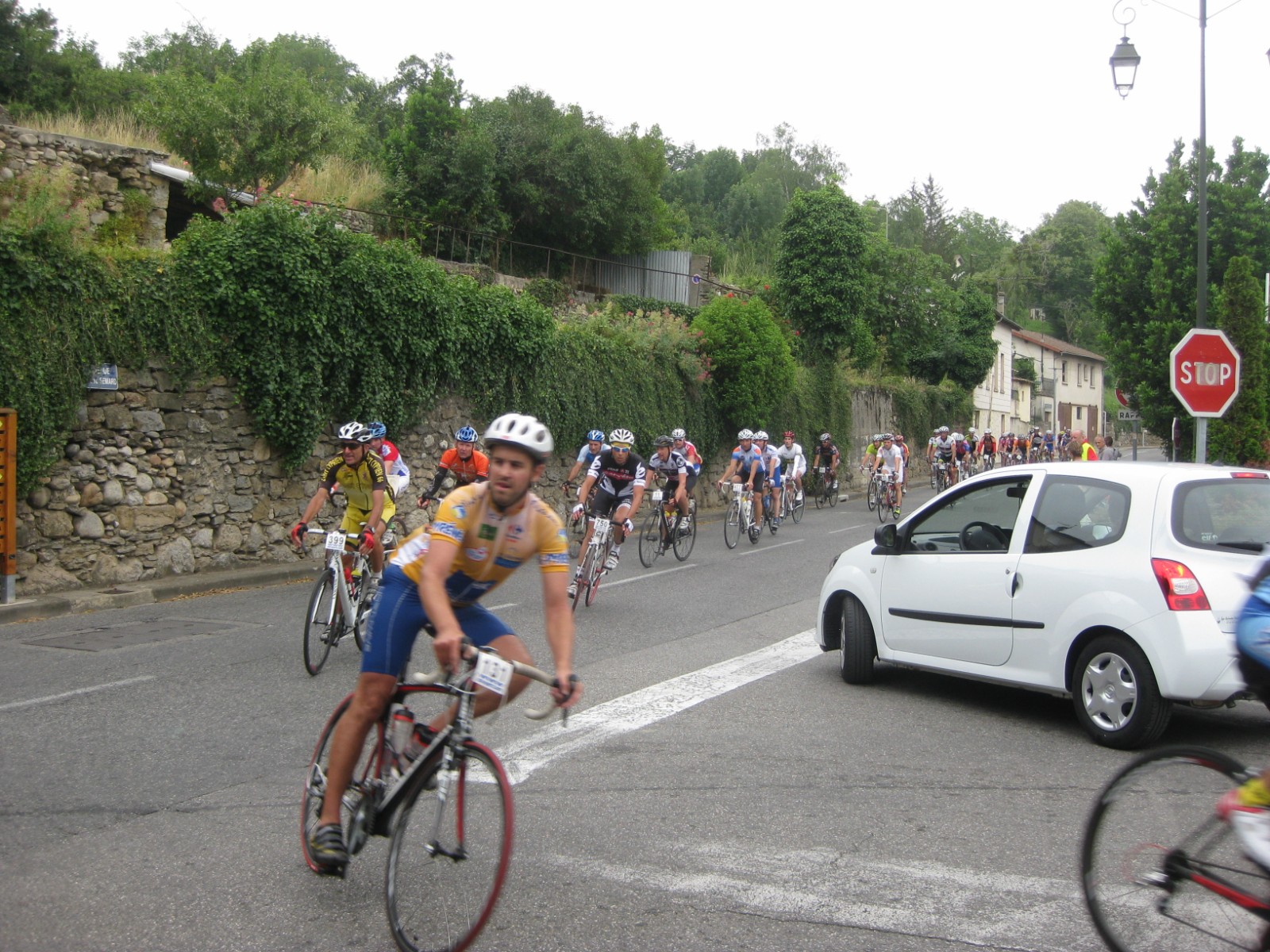
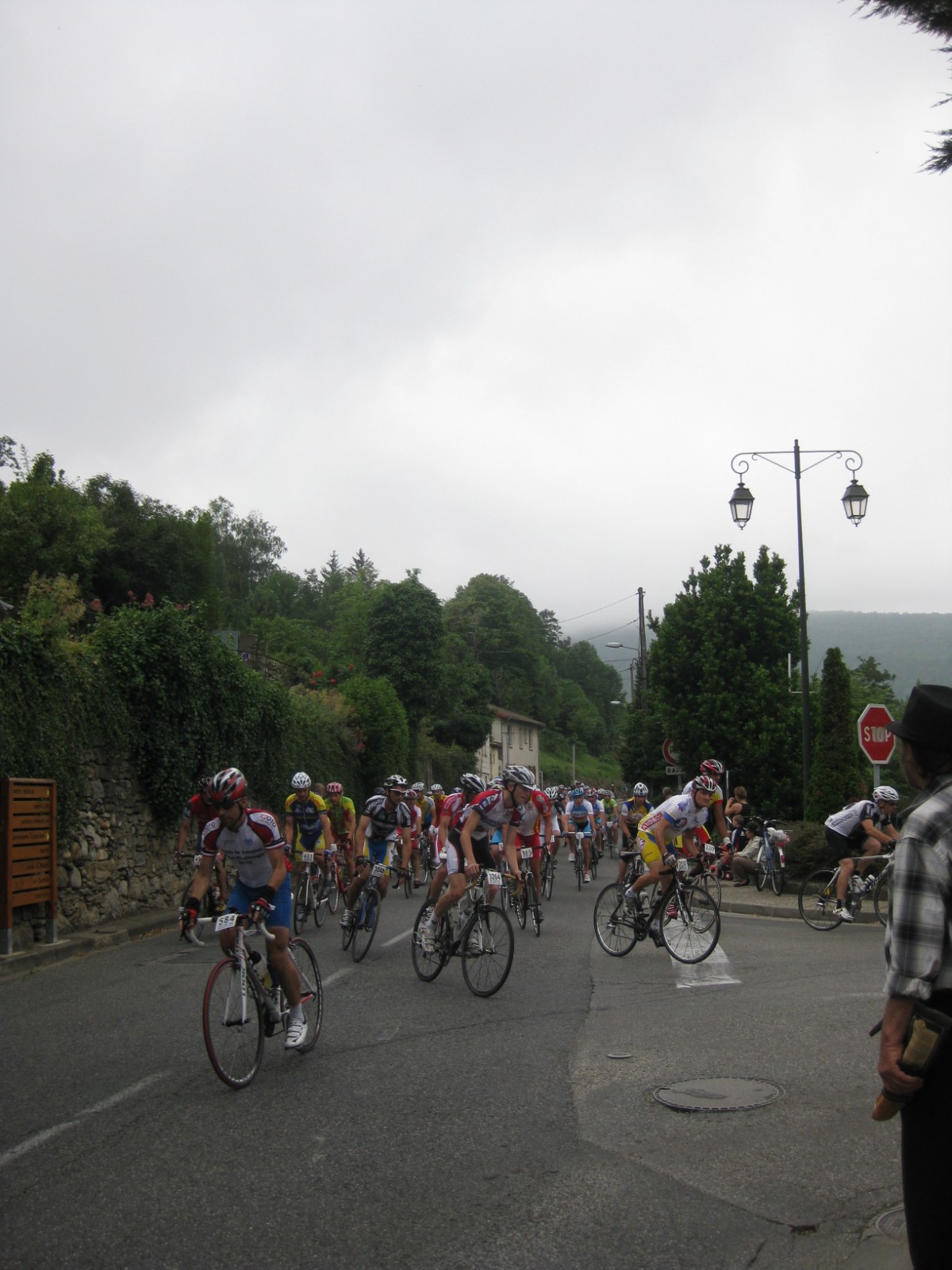
If you live in a small town like ours, you look for excitement where you can. Today, l‘Ariégeoisepassed our house. This is a cycle race organised just before the Tour de France every year in our department. Unlike the Tour itself, you can choose which of three races to join. The truly serious do l‘Ariégeoiseitself: 160 km, with 3430 metres of climbing to do. The fairly serious do Le Mountagnole, 117.400 km, 2569m climb. And the ones who are frankly playing at it do the Passejade, a mere 68.5 km, with a 745m. climb.
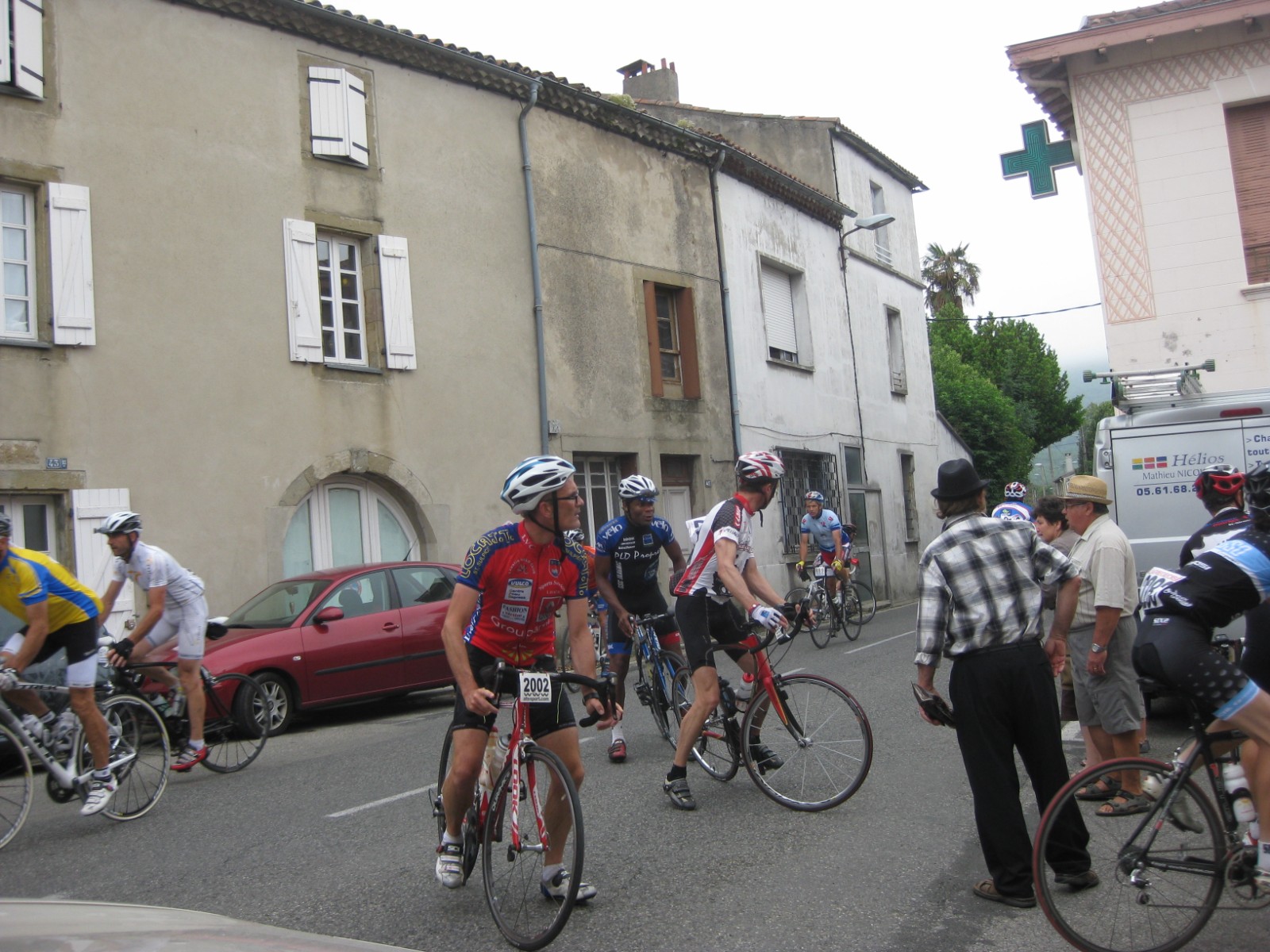
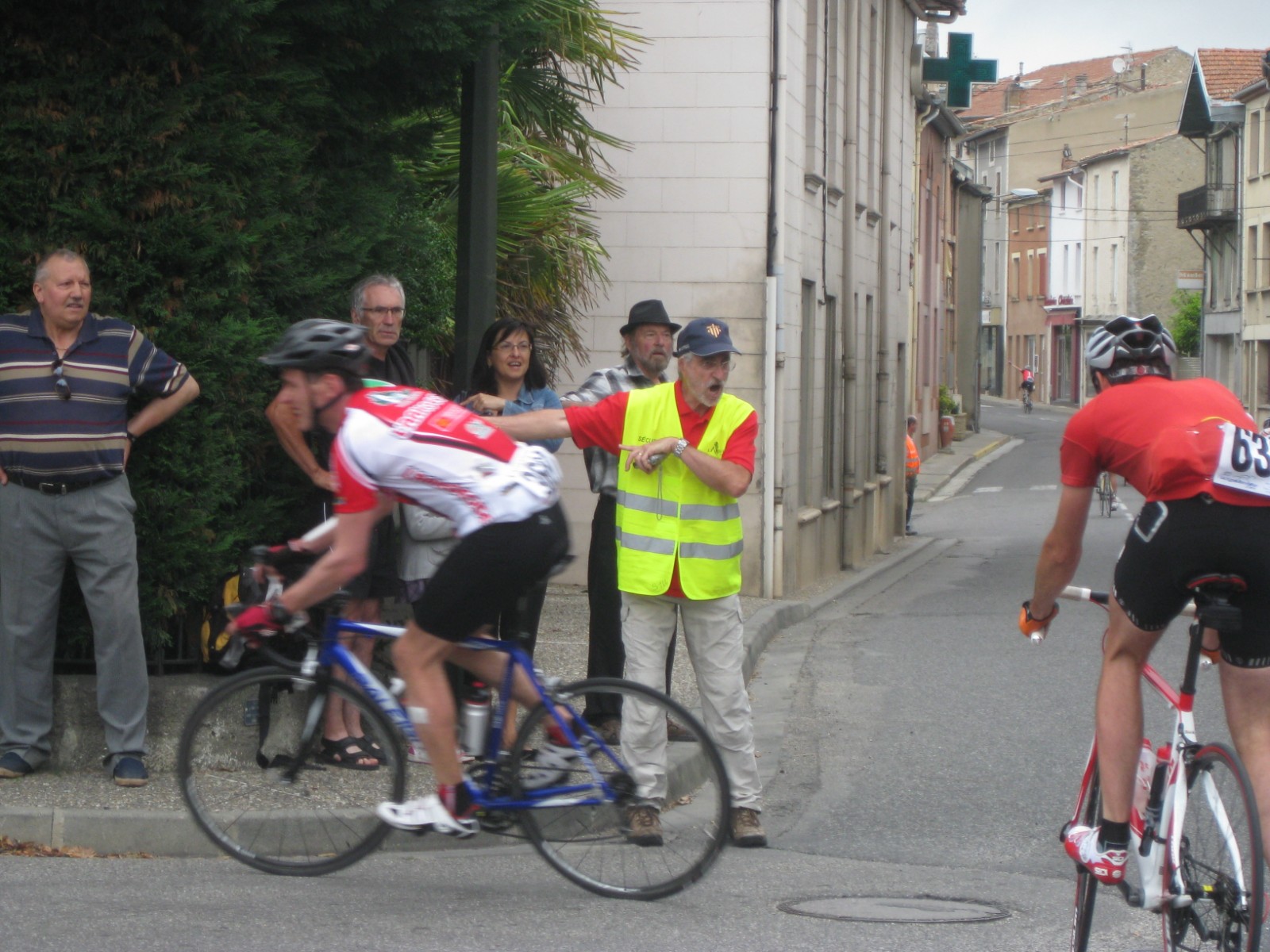
The two first groups were due to cycle through Laroque, and we locals were ready at 10 o’clock, lining the streets to cheer them on. L’Ariégeoise marshals with Stop-Go batons in red and green strutted about importantly, directing the traffic, stopping and diverting cars as necessary.
The first cohort arrived, swished at speed past our house…and was gone.
Seconds later, some of them did a hasty U-turn and cycled back again, turned right across the bridge and picked up speed in a different direction. What could be going on?
The parting of the ways
It turned out that l’Ariégeoises and the Mountagnoles, who until then had been sharing a route, parted company here. The Mountagnoles had no special marshals, and when the time came, with heads down and intent only on completing their circuit in record time, they followed the l’Ariégeoise pack. And somel’Ariégeoises followed the Mountagnoles pack.
Erm…..should we be here?
With nothing but their batons and booming voices to help them, l’Ariégeoise marshals tried to sort the sheep from the goats and send everyone on the correct path. But it was hopeless. More and more cyclists went wrong, and the area round the bridge became a clutter of wheeling tumbling bikes and their confused riders. Some of them were amused. Others not. ‘Merde!’, ‘putain!’ and worse coloured the air as they saw their hard-won average speeds taking a turn for the worse.
A marshal tries to hold things together
I recorded some of the juicier moments and uploaded a short video to YouTube. Why don’t you have a look?
We thought we knew Laroque. An afternoon’s walk round town with local historian Paul Garrigues as part of this weekend’s Journées du Patrimoine has convinced us otherwise.
The bridge near our house is modern and slightly re-sited. But we had no idea that the main road it’s on, leading to one the busiest roads in the Ariège, the D625 to Lavelanet, used not to exist. To go to Lavelanet, you used to go straight up the hill, and down back-street Rue des Pas Perdus.
To those in the know, evidence of the former town gates
And here you’d go through one of the town gates. Using this path day after day to reach our garden, we’d never noticed the buttressing that indicated the former presence of these gates. Nor did we suspect that the narrow road and path which is now a way-marked walker’s route which passes past our garden, down to the River Touyre was once a busy thoroughfare. You follow the river to the former railway line, where you turn right and take a shady tree-lined route barred to anything more technical than a bicycle through the next village, Dreuilhe, and on into Lavelanet. Quite different from the lorry-van-and-busy-commuter route now in operation.
Once upon a time the main road to Lavelanet. Now the path past our garden.
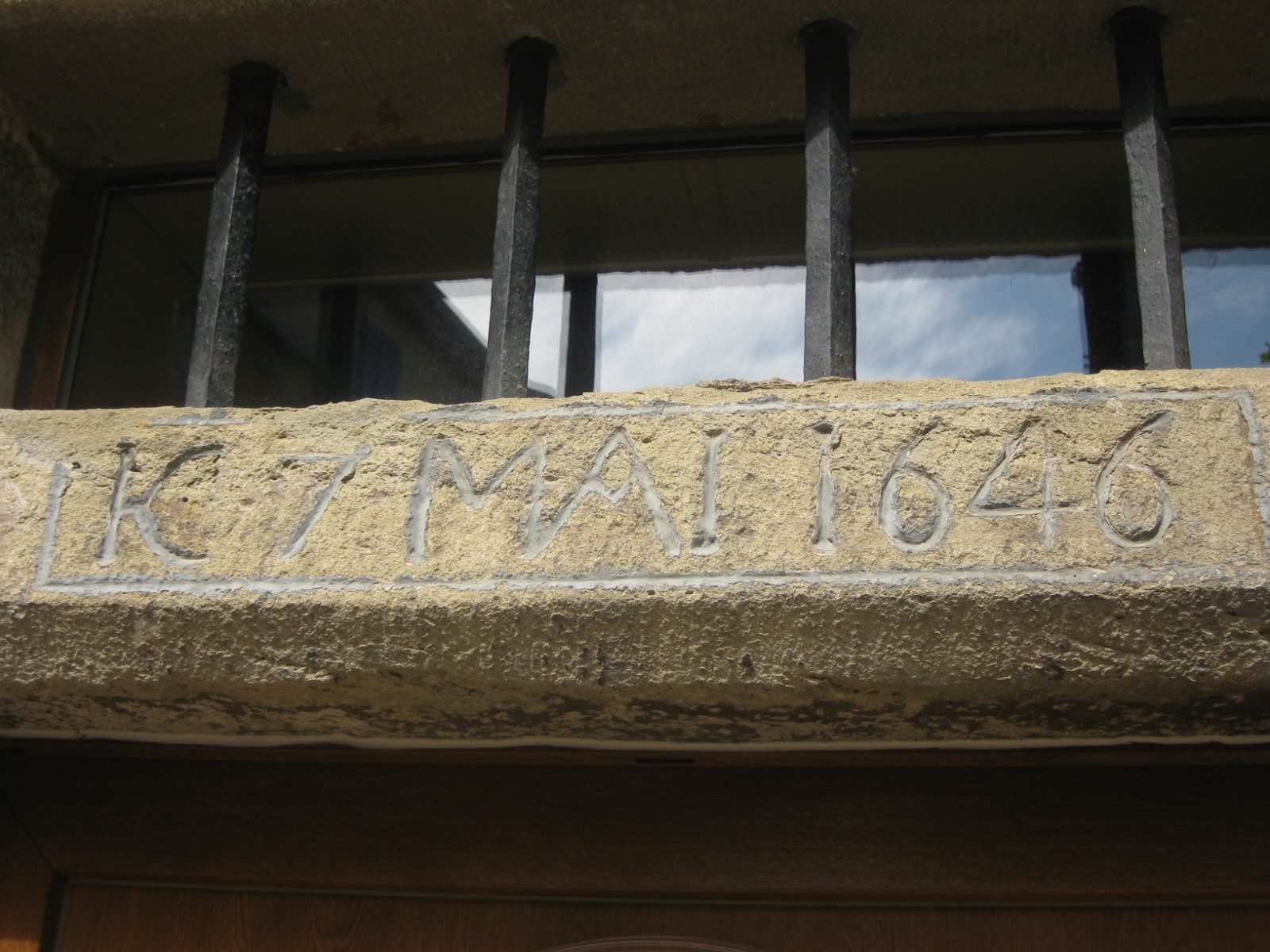
We knew our town is an old one. It’s not uncommon to pass houses whose door lintels are inscribed with a date from the 17th century.
A nearby house announces its d.o.b.
What we didn’t know was that in the old town itself, there are no buildings at all from before this time. This is because every single dwelling was destroyed during the French Wars of Religion (1562 – 1598). The crisis was so grave the King permitted the townspeople an amnesty from paying taxes for several years to give them a chance to rebuild.
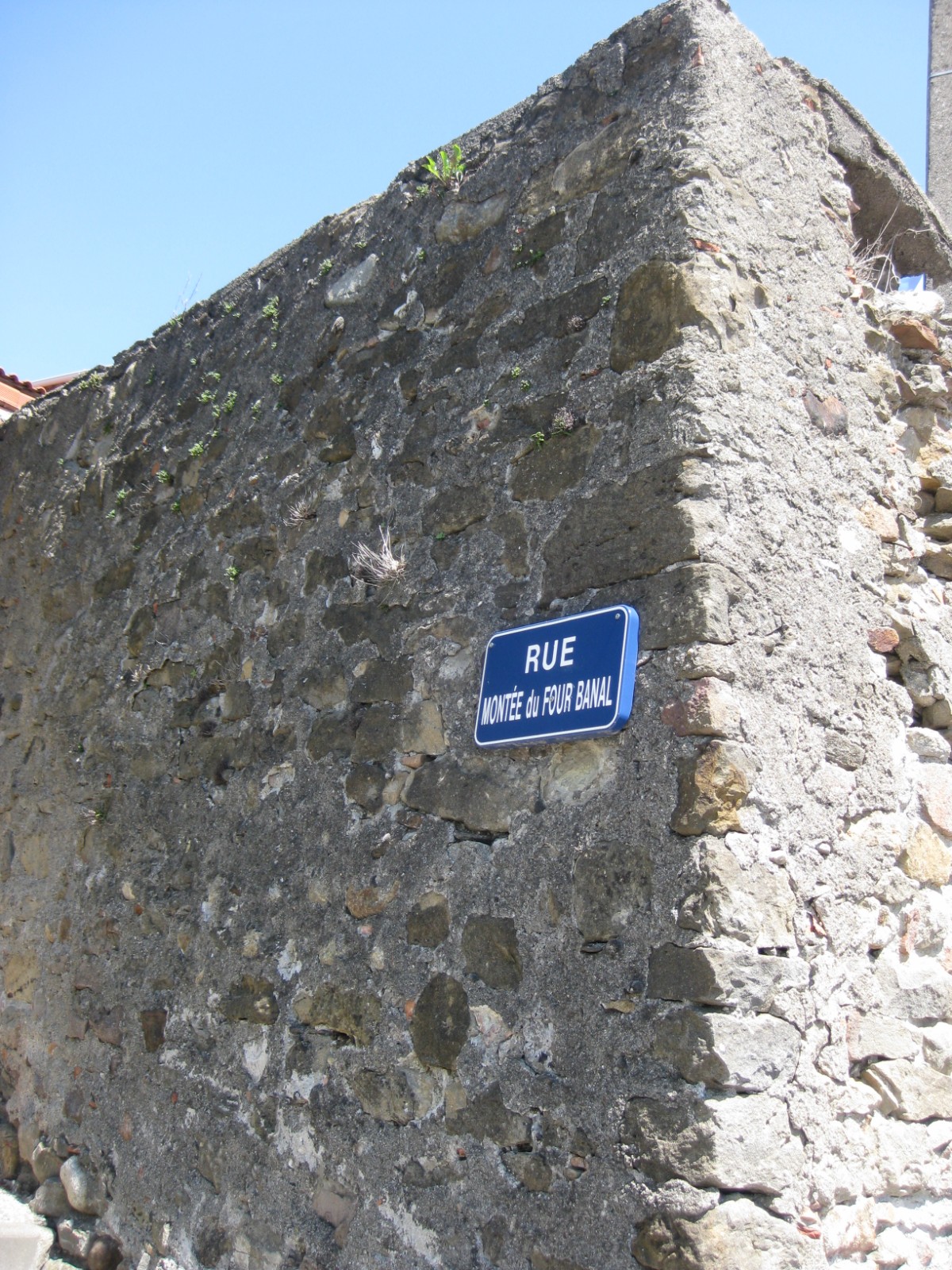
But before all that was …. the Women’s Revolt. Back in the 16th century, the women of the town would bring their bread to be cooked at the Four Banal, the site of which lives on today as a street name.
Rue Montée du Four Banal: the sign’s fixed to remnants of the old town wall
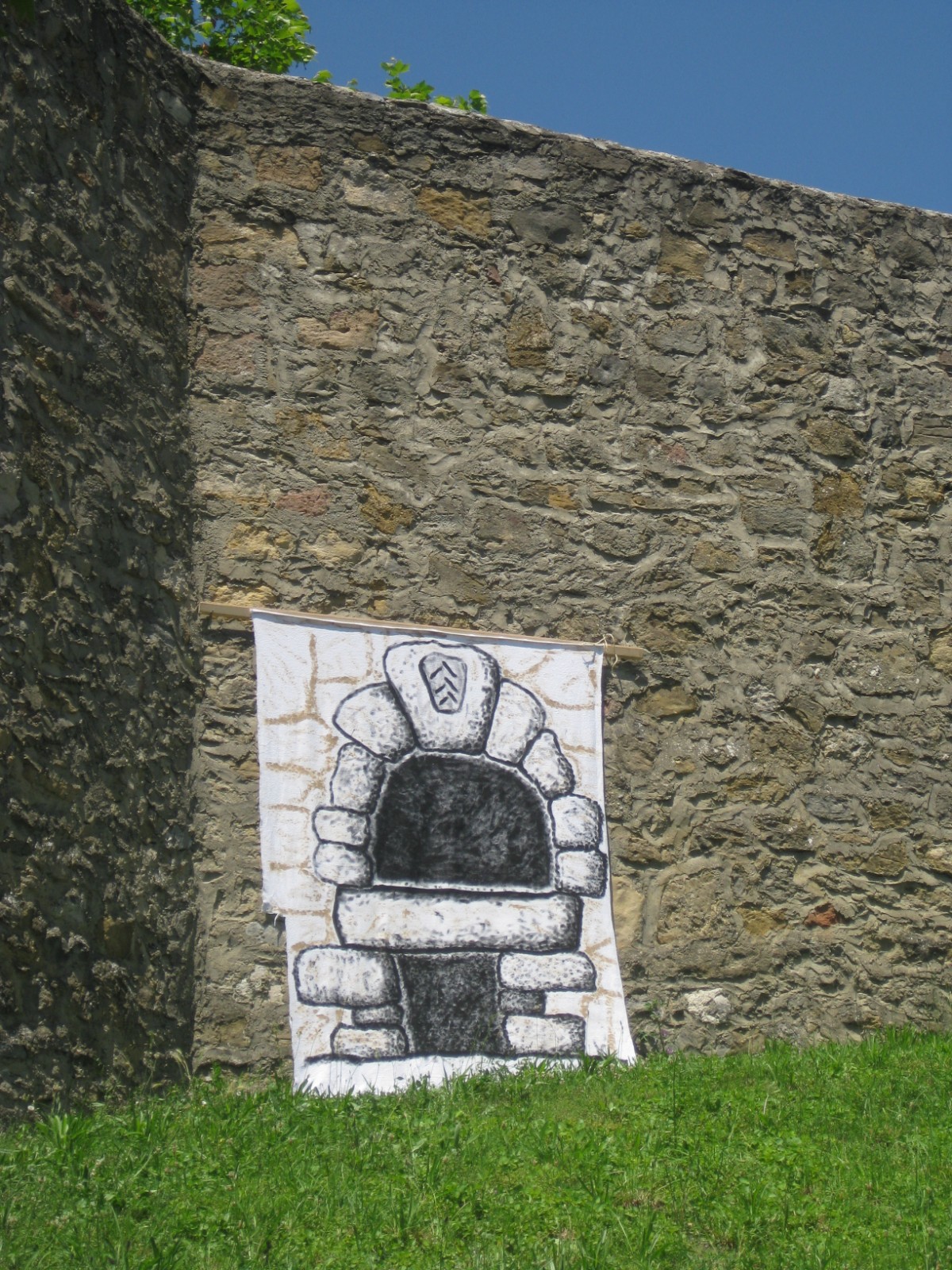
They paid the local lord to manage this service and the lord paid a baker. Who decided to exact his own charges too – one loaf in every 20. When the women’s angry protests were ignored, some 80 women held a somewhat violent demonstration, and followed up by taking their bread to nearby Esclagne and La Bastide to be baked. It all ended up in an enquiry directed from Carcassonne. Result? It was the baker himself who was found to be at fault: his taxes were illegal, but it was the lord who had to reimburse the women. For their part the women were forbidden to have their bread baked elsewhere. The Four Banal itself is by yet another former town gate, and traces of the old town wall still exist.
Perhaps the Four Banal looked like this?
It was during this period too that several streams ran through the town, forced into culverts between the houses, with little wooden bridges built over. They were useful to all the artisans involved in various aspects of the textile industry and other trades. Can you imagine the smells you’d have had to endure if you were unlucky enough to live in the same street as the tanner?
More recently, in the late 19th and early 20th centuries, Laroque was a prosperous commercial centre for its then more than 4000 inhabitants (2000 now) and the workers who flocked from a wide area to work in the textile mills. There were three cafés in the market square alone, as well as an hotel. Three abattoirs too, to serve the needs of all the butchers – one was in what’s now our garage. And shops of every description in what are now entirely residential streets. Then as now there was a huge social mix. One fine house, now down on its luck, was built for a successful surgeon and his banker son.
Once a surgeon’s house: now increasingly shabby
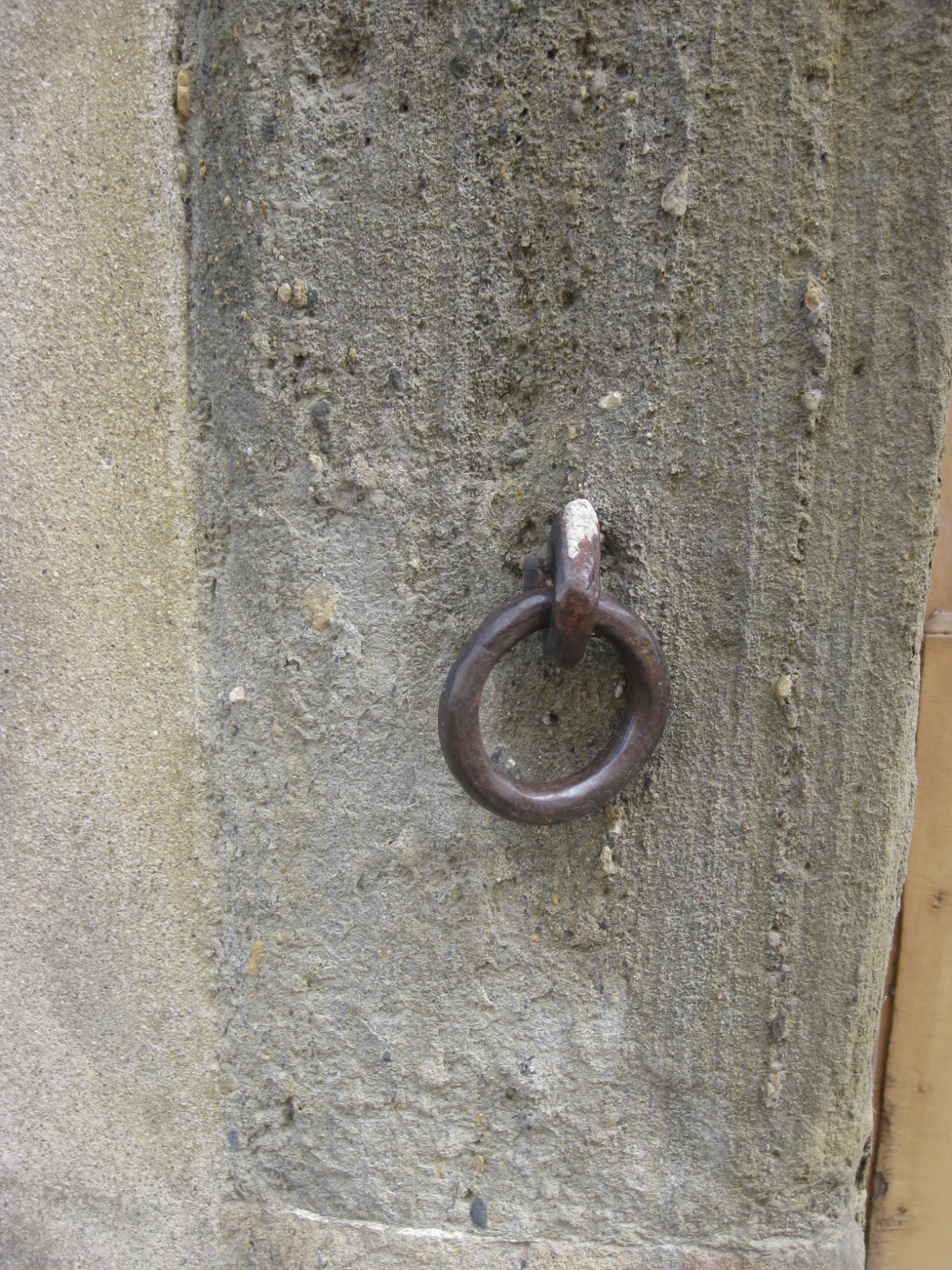
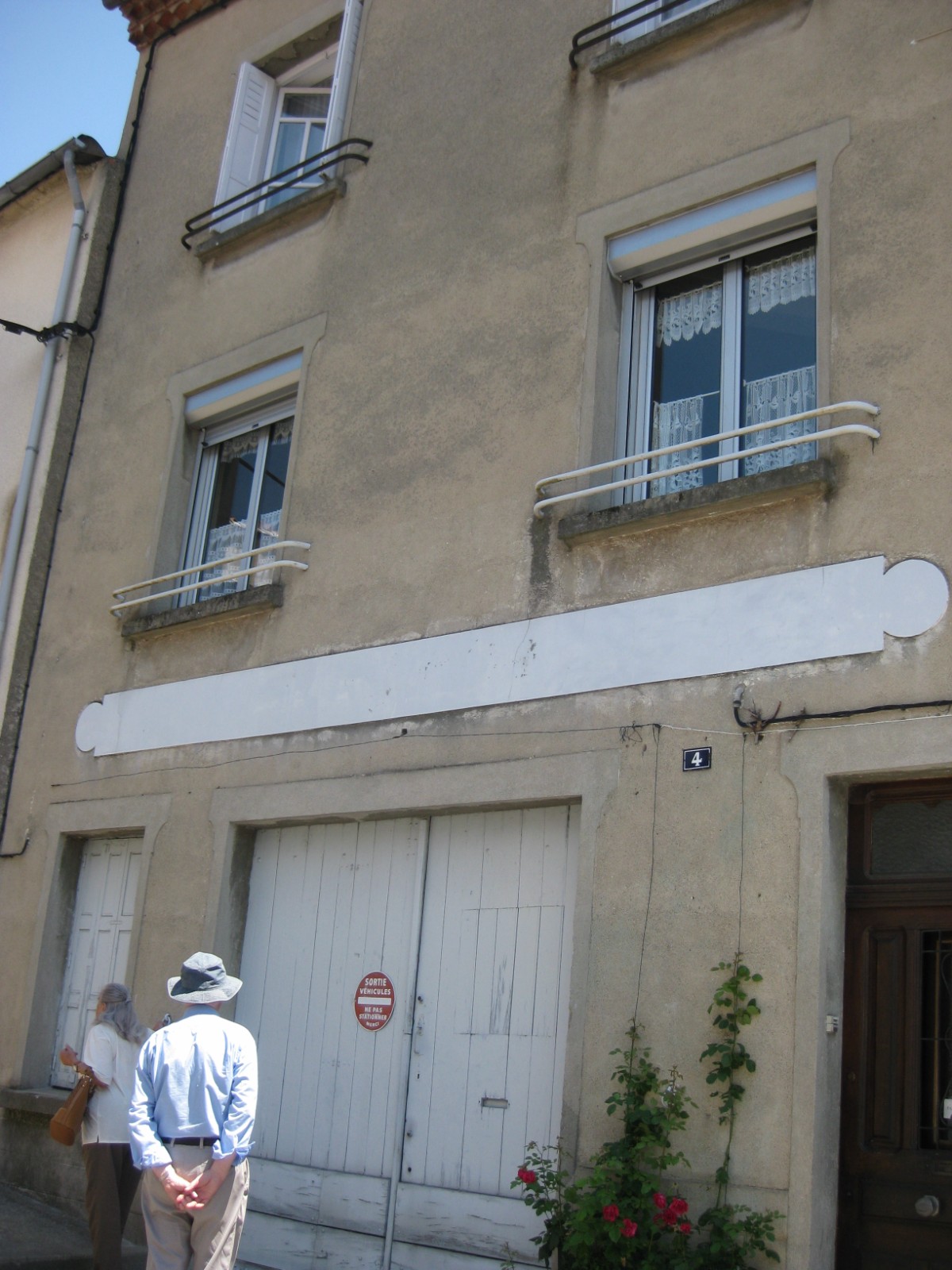
So now we’ll keep our eyes open, and perhaps notice those clues of former commercial activity: a ring set in a wall perhaps, for a trader delivering stock to tie up his horse or donkey, as well as the more obvious painted-over shop signs. I-Spy for residents.
I-Spy a delivery man’s tethering ring
I-Spy a shop front: one of the several vintners in town
Back in the UK, I was part of the Harrogate Freecycle mafia. The members of this online community offer goods they no longer require for free to other members. One or two members, in difficult circumstances, have managed to find carpets, washing machines, beds and tables courtesy of the generosity of fellow Freecyclers. Most of us have acquired something for the toolbox or garden, or a child’s toy, bedding for a dog, a director’s chair, a bookcase, or…. or… . some other thing that another member no longer wants but doesn’t want to see ending up in landfill. And most of us give at least as much as we receive, and enjoy the relationships we forge as a result.
In Laroque, a small group of us were keen to replicate this success. Outside the main urban areas, Freecycle isn’t as well established here. There were certainly no other local groups, and Freecyle themselves weren’t helpful. So one of the councillors set up a mini-site on the town’s website. It sort of works, but you couldn’t say we’ve exactly reached critical mass yet. In fact all Malcolm and I have managed to offer successfully have been some odd-shaped pillows which a local puppeteer thought might come in handy for something.
But maybe it doesn’t matter much. Informal Freecycling is alive and well.
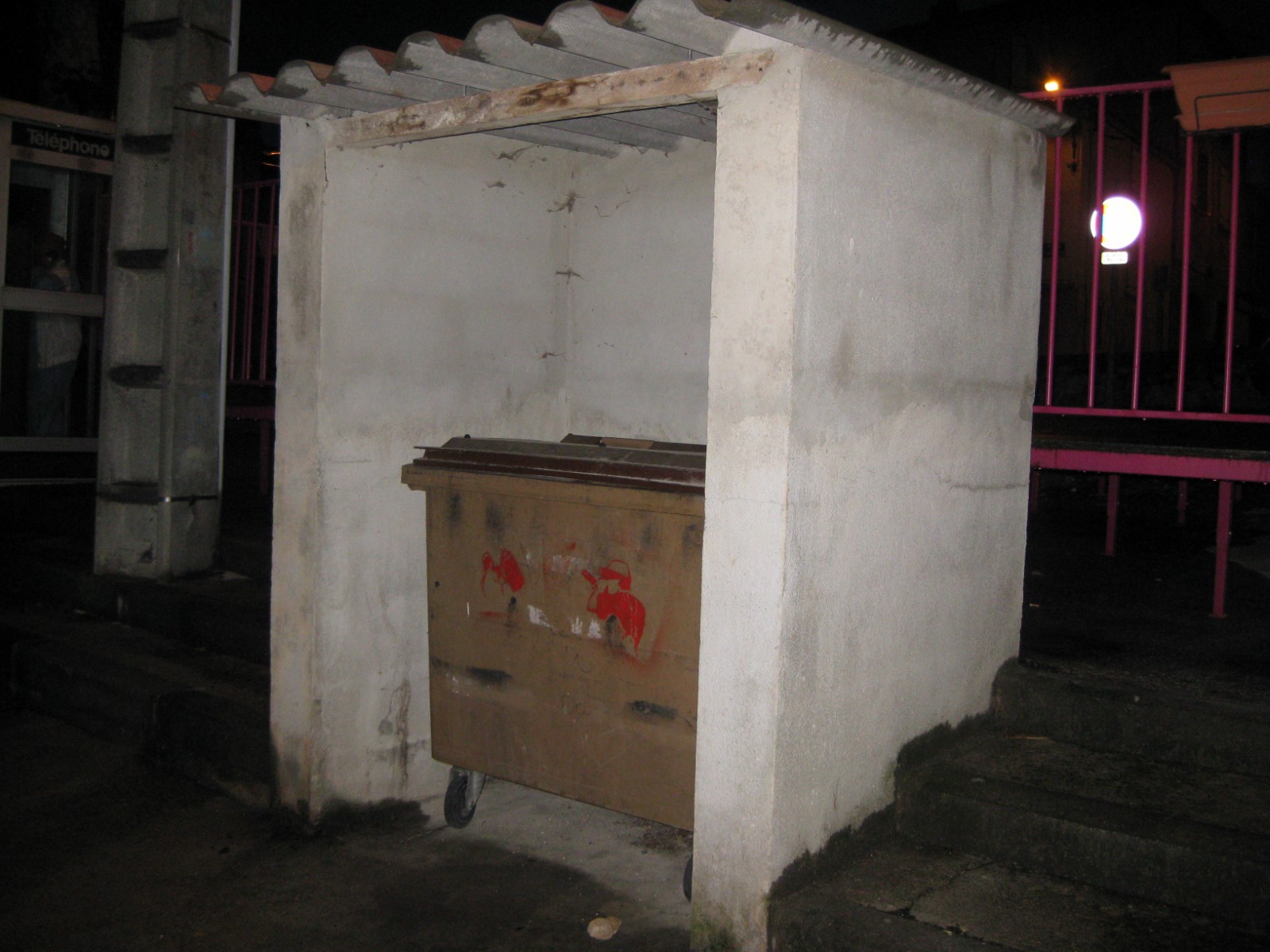
One of those communal rubbish bins: no freebies here
Here, as in most of France, there’s no domestic refuse collection service for every home. Instead, householders take their rubbish to the communal bins situated in almost every street. What we discovered is that people who are discarding something that might still have some life in it place it outside the bin. And it won’t last long there. Last week we put out three old mirrors, a set of crockery (that I’d rescued from a skip in England not because I wanted it, but because I couldn’t bear to see it go to waste) and a bedside light. They were gone within half an hour. We recently acquired a good frying pan and a huge stock pot. As I rescued this last item, Malcolm noticed an indignant woman turn tail and go back home. She’d clearly been thwarted in her plan to claim that same stock pot.
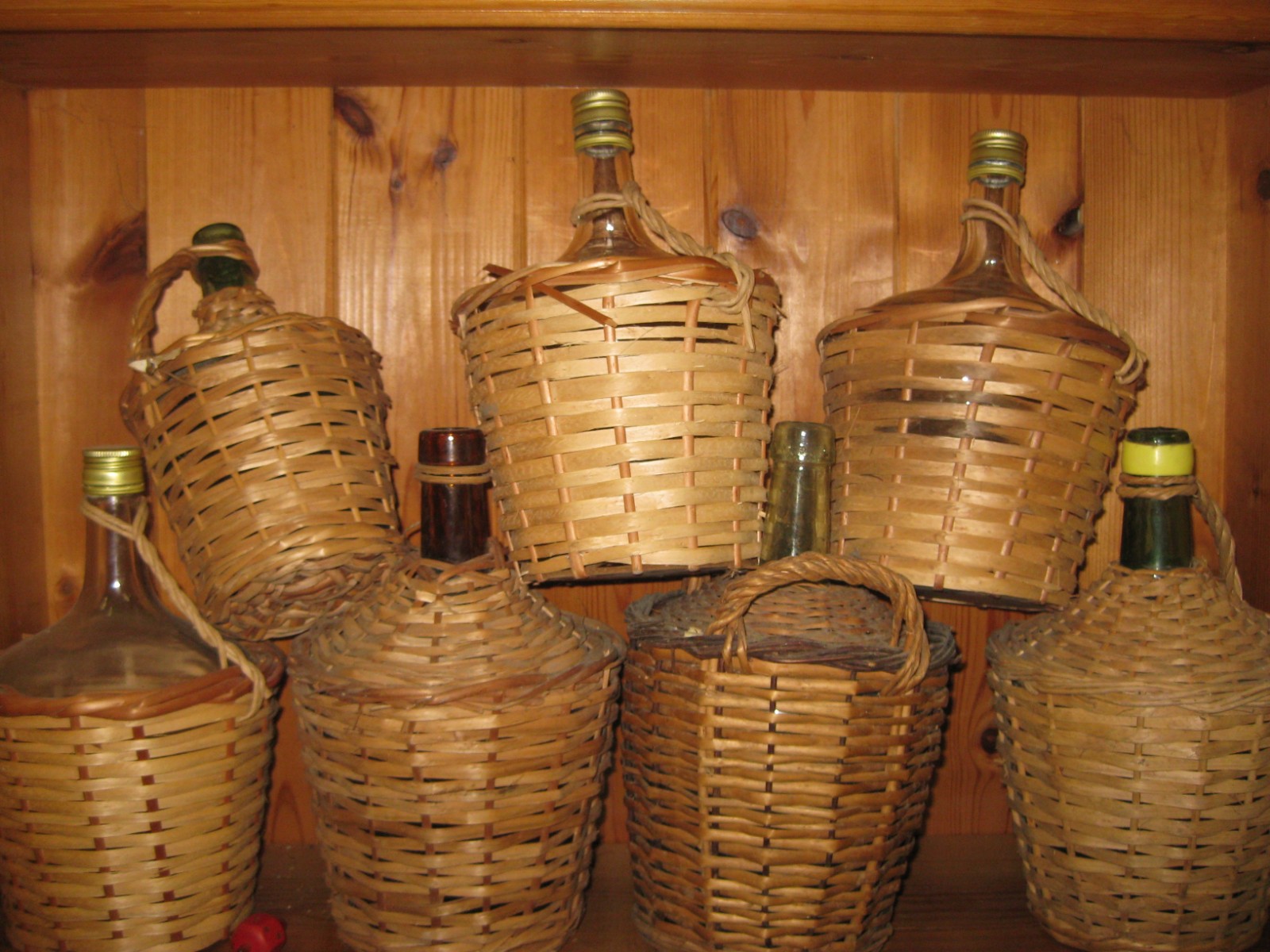
Now then, I’ve just found some of those old raffia covered wine bottles lurking in the atelier. I think those can go out next.









 From Pyrenees to Pennines
You must be logged in to post a comment.