Six Degrees of Separation: The Safekeep to Pachinko

On the first Saturday of every month, a book is chosen as a starting point and linked to six other books to form a chain. Readers and bloggers are invited to join in by creating their own ‘chain’ leading from the selected book.

Kate:  Books are my Favourite and Best

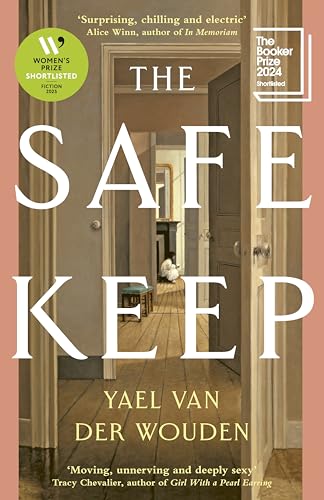
Thank you so much for putting Yael van der Wouden‘s The Safekeep on my reading list Kate. It’s a book which delivered so much, and also invites any number of ways the Six Degrees contributor could go.

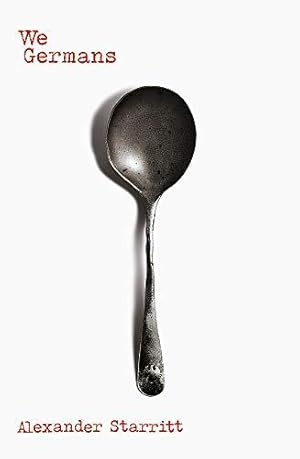
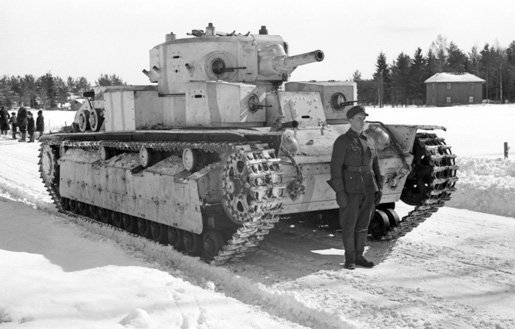
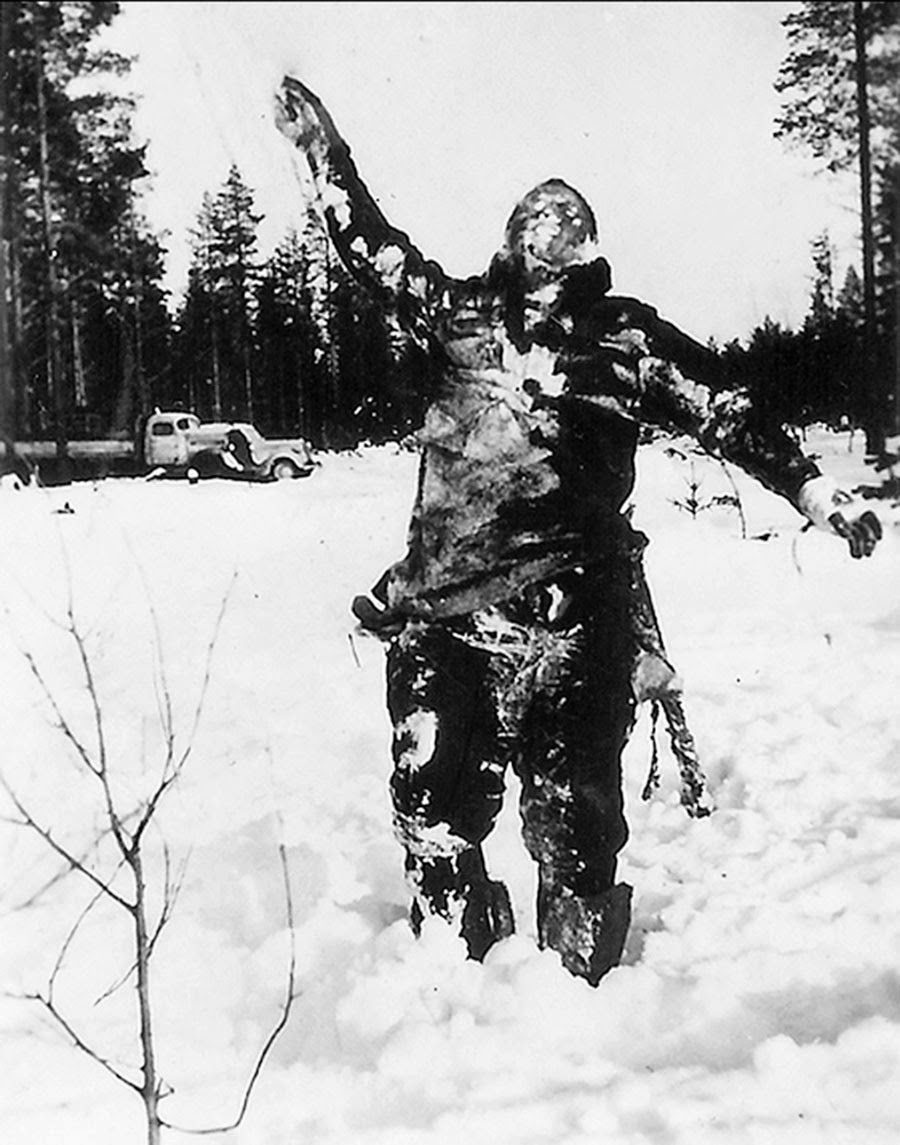
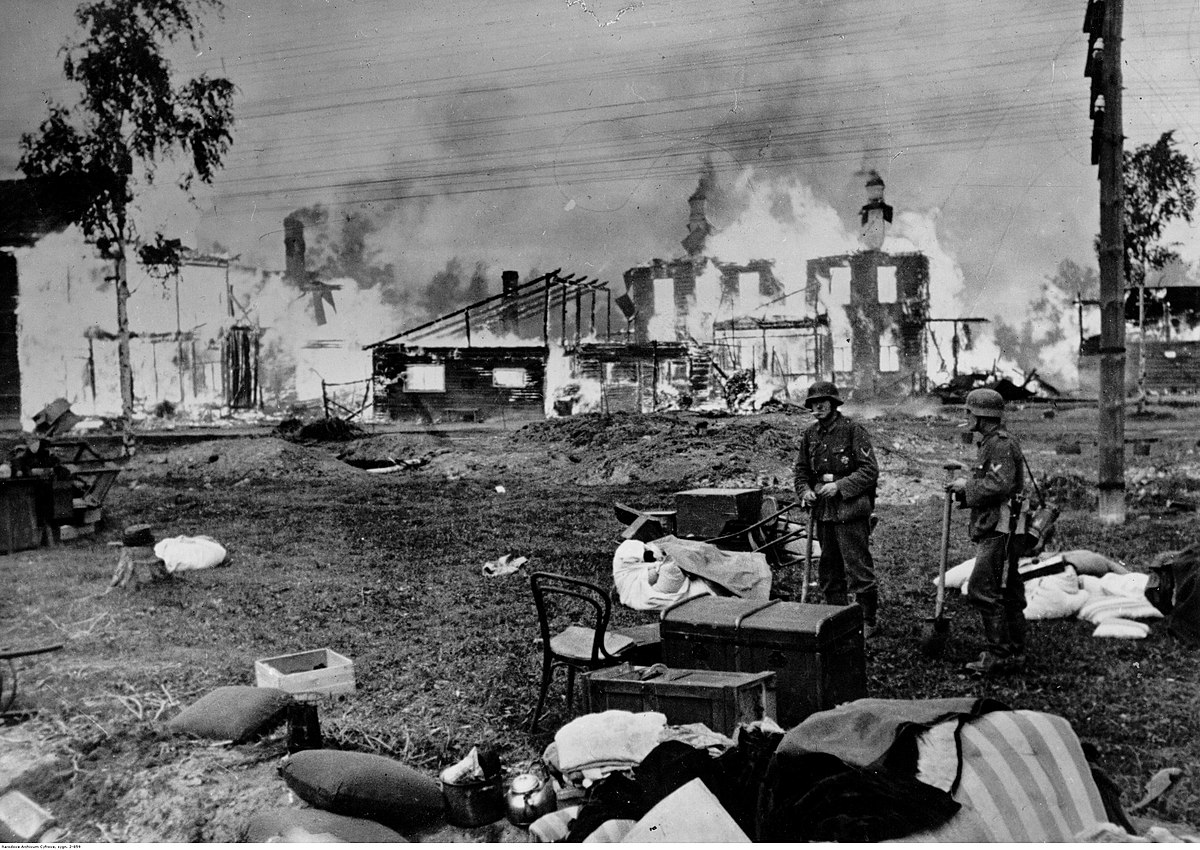
I settled for looking at those parts of WWII little known about here, as far as the German perspective goes. and begin with We Germans, by Alexander Storritt. ‘What did you do in the war?’ a young British man asks his German Grandad. And is told, in the form of a long letter found after his death. In 1944, Meissner, a German artillery soldier, had been fighting with his unit in Russia, in Ukraine. But in Poland, he and a few others somehow got separated when detailed to look for a rumoured food depot. They see Polish villagers hung by unidentified men from a single tree ‘in bunches, like swollen plums.’ They witness rape and crucifixion. They steal a tank and use it against the Russians. They squabble bitterly with each other. They kill enemy soldiers without compunction. This is a well-drawn book, a deft exploration of the moral contradictions inherent in saving one’s own life at the cost of the lives of others. Though fiction, it’s clearly deeply rooted in the reality of the helpless, pointess horror of the last period of the war for those often starving people, both army and hapless civilians who found themselves marooned on the Eastern Front.

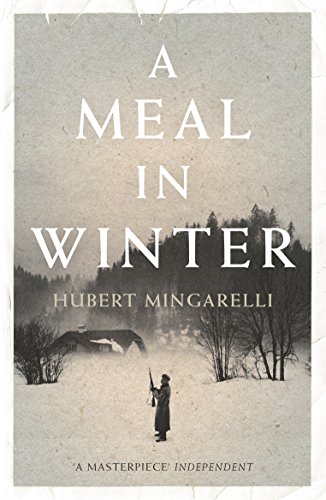
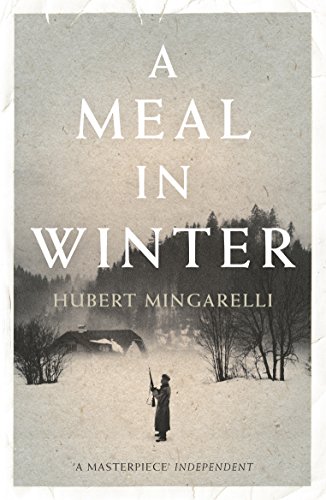
A book in a similar vein is Hubert Mingarelli‘s A Meal in Winter (translated by Sam Taylor). An account of three German soldiers whose task on a bitterly cold winter day is to hunt down Jews in hiding and bring them back to the Polish concentration camp where they are based, for an inevitable end. This unenviable task is better than the alternative: staying in camp to shoot those who were found the previous day. They talk – about the teenage son of one of them – and they find just one Jew. Is he their enemy, deserving his fate, or is he just like them, a young man doing his best to survive? What if they return to camp with nobody to show for their day’s hunting? As the men retreat to an abandoned cottage to prepare a meagre meal, their hatred and fear jostle with their well-submerged more humane feelings to provide the rest of the drama for this short, thought provoking book.

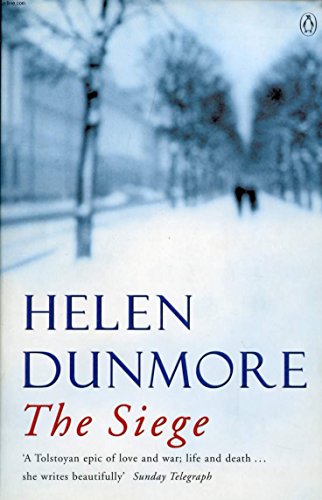
This reminds me of a book about the seige of Leningrad, which I read many years ago, but which made a lasting impression on me: Helen Dunmore‘s The Siege. The novel revolves around five interwoven lives during the war when Leningrad was completely surrounded by the Germans. Winter came and there was no food or coal, it was a brutal winter and one half of the population of the city perished. What energy the citizens had was devoted to the constant struggle to stay alive. Some of the strategies they employed will stay with me forever. Soaking leather bookmarks to get some nourishment from the resulting ‘stock’, for instance.

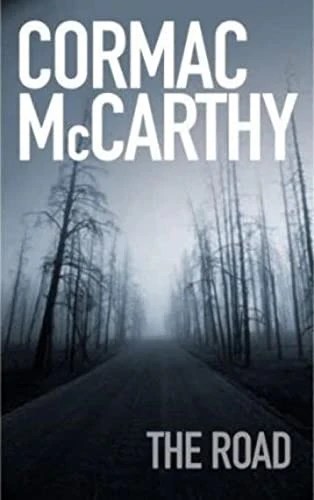
Let’s leave war behind, but looks at another struggle for survival in Cormac McCarthy‘s The Road: another book I read a long time ago. The tale of a father and son trudging through post-Apocalypse America. This is a land where nothing grows, no small animals are there for the hunting: where communities and dwellings are deserted and long-since looted for anything that might sustain life a few more days: where other humans might prove peaceable, but might instead be evil and dangerous. This book is bleakly, sparely written. Conversations between father and son are clipped, necessary. No speech marks. Sometimes little punctuation. Every ounce of energy is needed for the business of staying alive. This book, in which nobody lives happily-ever-after has stayed with me.

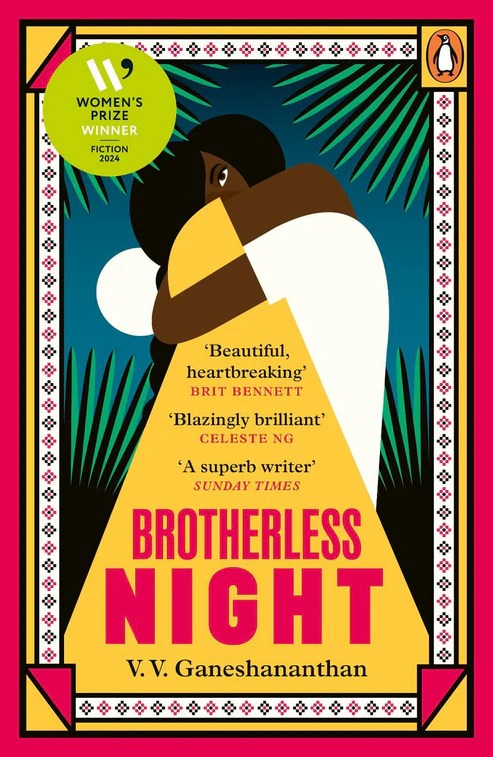
Oh dear, back to war, but staying with relationships within a family. V.V. Ganeshananthan‘s Brotherless Night. This book plunged me right into a war that had previously been an ongoing news item from somewhere very far away. The ethnic conflict in 1980s Sri Lanka between the Sinhalese dominant state and several separatist Tamil separatist groups is brought to life by the Tamil narator, Sashi. She’s 16 when we meet her, and an aspiring doctor. She has 4 brothers, 3 older, one younger. We follow the family’s fortunes as an ethic-inspired war breaks out, and daily life becomes more difficult, disrupting her education and resulting in her older brothers and their friend K joining the fray at the expense of their own education. Loyalty to a movement rather than family is alien to their parents. Tensions arise. Tragedy strikes. Normally conforming Sashi is moved to become a medic at a field hospital for the Tigers, because what is more important than relieving suffering, saving lives, whoever needs that help? As the war becomes ever more destructive, her personal conflicts and the family’s day to day arrangements become ever more complex. Years go by as the story unfolds. This story is impeccably and compassionately researched. It is urgent, intimate, written with striking imagery and immediacy. A distant conflict, several decades old is brought right into our homes and becomes alive once more.

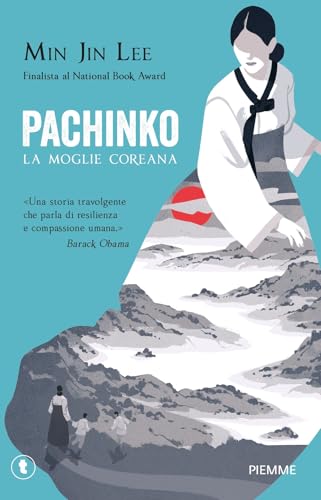
Another book I read ages ago is Min Jin Lee‘s Pachinko. This too is about not civil war, but about two nations – Korea and Japan -who historically have a less than happy relationship, and how this conflict plays out in the life of a single family, throughout the twentieth century. Some stayed in Korea (South Korea in due course), and others tried for a new life in Japan. None found it easy. This is a book about resilience and emotional conflict passing down through the generations. It’s about well-drawn characters making their way in the world, sometimes with great success, but rarely able to escape from the shadow of their past. It’s a real page turner, from which I learnt much about this period of Korea’s history. Highly recommended.

I seem to have wandered rather far from the intimately domestic scale of The Safekeep, and spent a lot of time dwelling on war. I wonder what my next chain will make of August’s book: Ghost Cities, by Siang Lu?

Six Degrees of Separation: From Friendaholic to Best of Friends

On the first Saturday of every month, a book is chosen as a starting point and linked to six other books to form a chain. Readers and bloggers are invited to join in by creating their own ‘chain’ leading from the selected book.

Kate W: Books are my Favourite and Best

This month’s starter book is Elizabeth Day‘s Friendaholic. I haven’t read it, but apparently the clue is in the title: it’s an exploration of friendship.

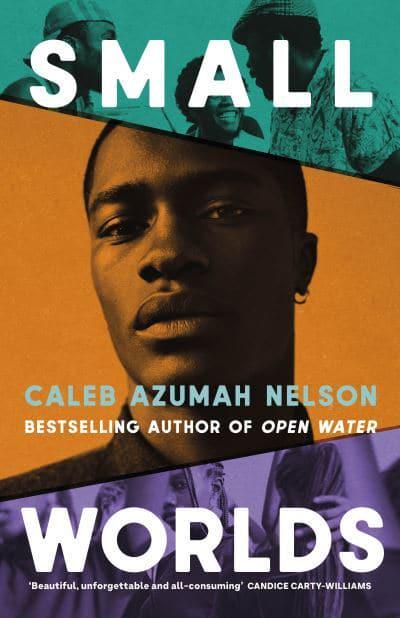
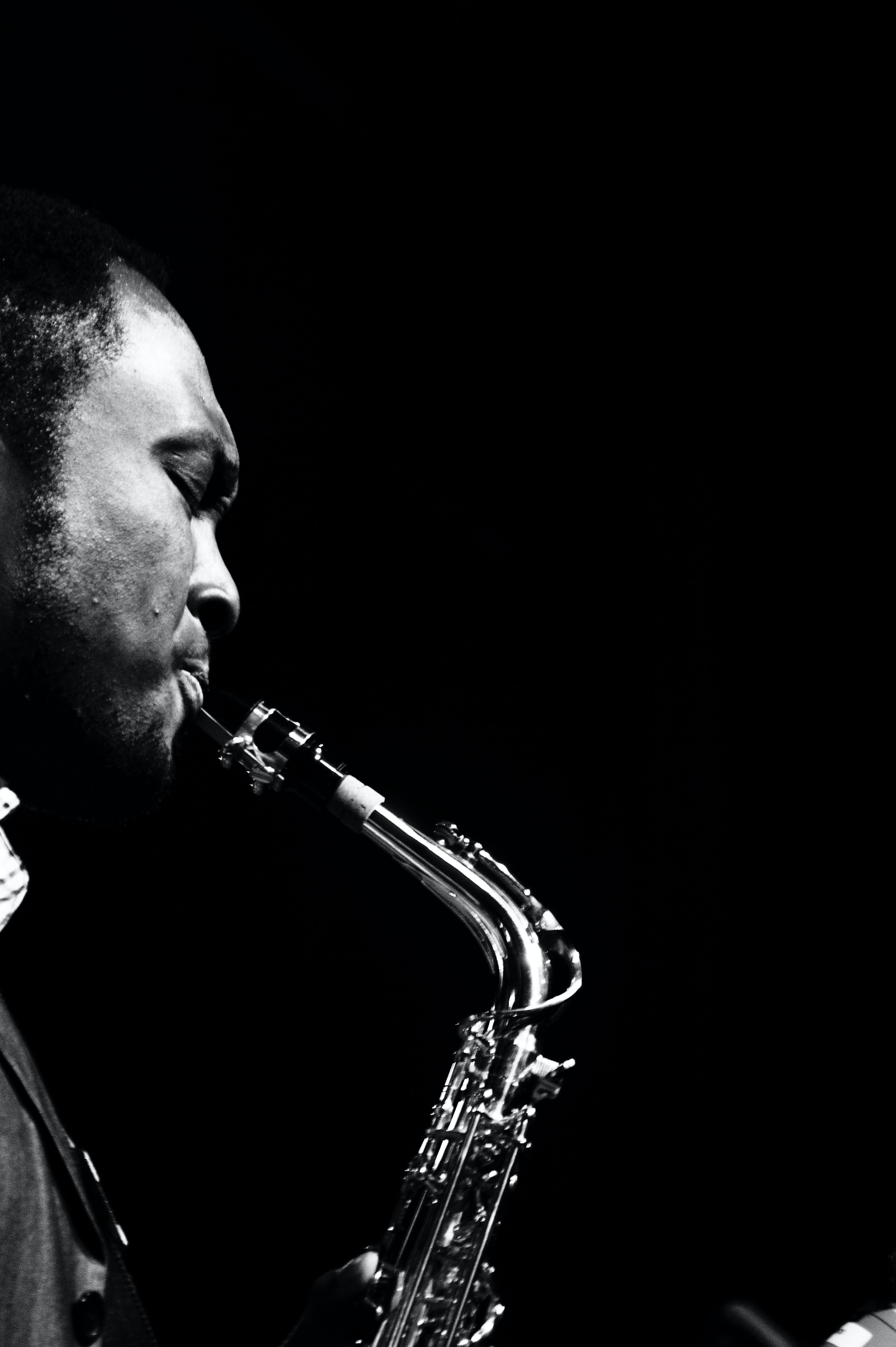
I’ll start then with a book I’m just reading now. It’s Small Worlds, by Caleb Azumah Nelson. At its foundation are two things: the narrator’s strong friendships, deeply rooted in his wider family, and his love – their love- of music, which underpins all their moments of togetherness and happiness.

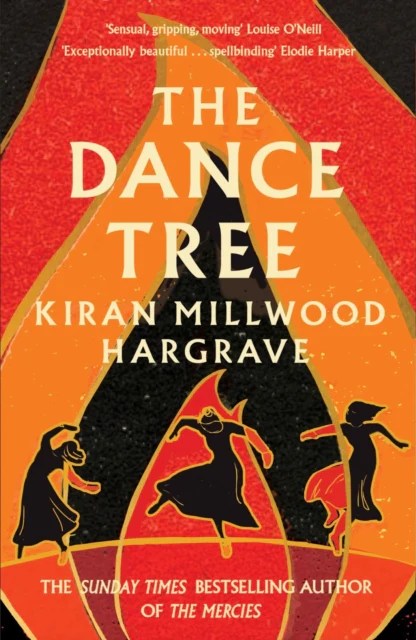
There’s a lot of dancing in Nelson’s book. So let’s go to Strasbourg in 1518, to a story based on a historically documented ‘plague’ of hysterical dancing: The Dance Tree, by Kiran Millwood Hargrave, set in a time of famine, superstition, religious and moral outrage. This is largely the story of Lisbet, pregnant again having already lost nine babies in very early infancy, and beekeeper extraordinaire. Why has her sister-in-law Nethe been required to do penance in a religious community for seven years? Why have hundreds of women been dancing in a frenzy, for hour after hour, day after day? Why do yet more and more people join them? Here are family secrets, forbidden love, frightened and powerless women examined in a story rich in feeling and entirely readable.

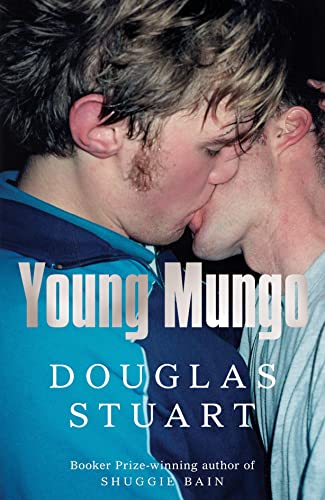
I’ll take you to Glasgow now, to the recent past, to a city which seems to have had parallels with the Strasbourg depicted in the last book. Young Mungo, by Douglas Stuart. Mungo grows up on a down-trodden Glasgow housing estate, immediately post-Thatcher: fatherless, with an increasingly absent and alcoholic mother whom he adores, a clever older sister who looks out for him, and a violent, lawless older brother. Why, at the beginning of the story, does his mother send him away on a fishing weekend with two fellow alcoholics whom she hardly knows? We return throughout the narrative to find out more. Mainly, we are in the poverty-stricken community Mungo calls home. And it’s here he meets James, and discovers his sexuality. That’s bad enough, but in sectarian Glasgow, Mungo is Protestant, James Catholic … This is a story with a deeply rooted sense of place, illuminating and pacy dialogue, with sectarianism, violence, fear and deprivation at its heart, examining what it means to be male in such a society, and the risks attendant on being gay.

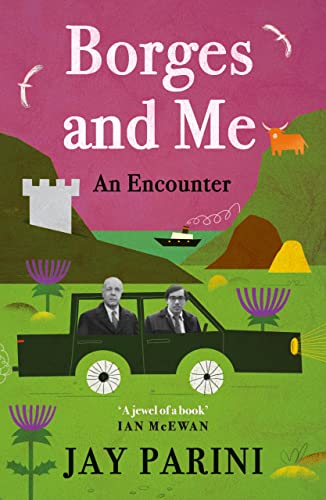
We’ll stay in Scotland, but lighten the mood, by picking up a copy of Borges and me: an encounter by Jay Parini. A romp of a read – a lightly fictionalised account of Parini’s encounter with Borges: a writer whose work I, like Parini, have never (so far) read. Jay Parini, an American, was a post-graduate student at St. Andrew’s University, dodging the draft to the Vietnam War. He’s going through young-man-angst about the subject for his thesis (his supervisor doesn’t seem keen on Parini’s choice of poet Mackay Brown), his draft-dodging and his (lack of) love life. When a friend of his, Alistair, is called out of town on a family emergency, Parini is called in to house-sit Alistair’s guest, the blind and elderly post-modernist writer Borges. Almost immediately, at Borges’ request, they embark on a road trip round Scotland for which Parini is expected to be Borges’ ‘eyes’. Shambolic and unpredictable, Borges is also a fount of dizzying literary talk. This is a trip to savour. A book which is a funny and wry account of an unlikely and thoroughly Quixotic journey: indeed Borges names Parini’s ancient Morris Minor after Quixote’s horse Rocinante. And it’s persuaded me too, that it’s about time I read some of Borges’ writing.

More men thrown together almost by happenstance: this is very much not a romp of a read. A Meal in Winter by Hubert Mingarelli. An account of three German soldiers whose task on a bitterly cold winter day during WWII is to hunt down Jews in hiding and bring them back to the Polish concentration camp where they are based, for an inevitable end. This unenviable task is better than the alternative: staying in camp to shoot those who were found the previous day. They’re friends simply through circumstance, so they talk about family – about the teenage son of one of them – and they find just one Jew. Is he their enemy, deserving his fate, or is he just like them, a young man doing his best to survive? What if they return to camp with nobody to show for their day’s hunting? As the men retreat to an abandoned cottage to prepare a meagre meal, their hatred and fear jostle with their well-submerged more humane feelings to provide the rest of the drama for this short, thought provoking book.

Let’s complete the circle by turning to another book whose protagonists’ family history lies elsewhere, as was the case with Small Worlds (Ghana) but whose home is now London. Kamila Shamsie‘s Best of Friends. This is a book of two halves. The first takes us to 1980s Karachi, and to the lives of two 14 year old schoolgirls. Zahra’s exceptionally bright and will do well. She’s less privileged than Maryam, who expects to inherit her grandfather’s successful leather business. An event takes place which comes in many ways to define their futures. Fast forward 40 years. The girls, now women are living in London, are successful and content. In many ways they are ciphers representing on the one hand liberal and inclusive politics, on the other successful entrepreneurship. Their strong friendship endures. Until the event from their teenage years comes back to haunt them. I didn’t quite believe in this and though the ending is intriguing, I was a little disappointed in this latest book from Shamsie.

So there we have it: a chain that explores friendship in its many guises. Next month? The chain-starter is the winner of the International Booker Prize: Time Shelter by Georgi Gospodinov and translated by Angela Rodel.