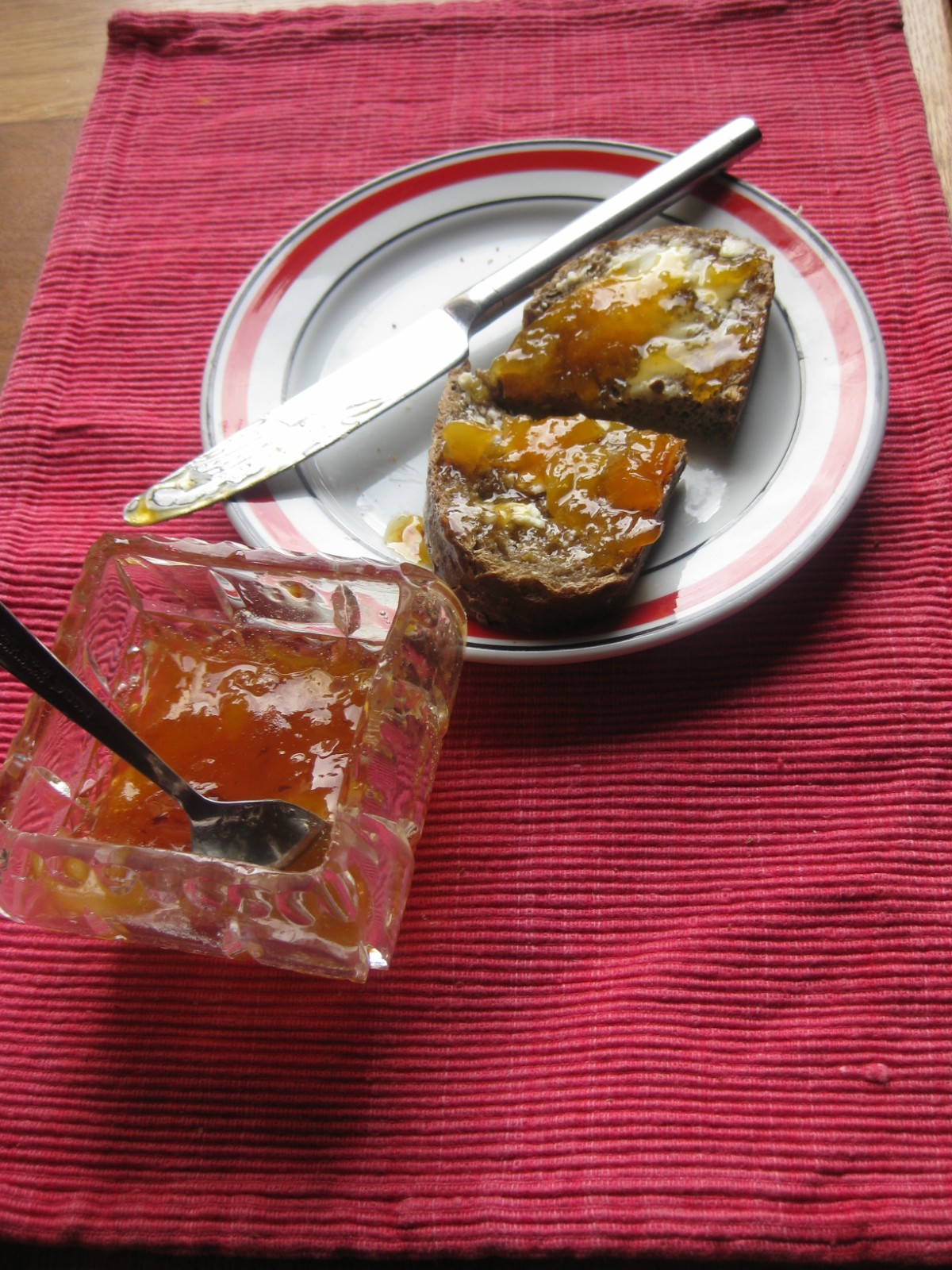
What to do with a bag of foraged walnuts

Another set of recipes.  But these two walnut cake recipes are too good not to share.  The worst thing is shelling 175 grams of walnuts all at one go: but when the nuts have been foraged for free, it doesn’t seem right to complain.  So I won’t.

This first one isn’t something to knock together with only half an hour to spare, but it IS very good.  Thanks James Martin and the BBC Good Food website for this recipe,, which I’ve slightly simplified.
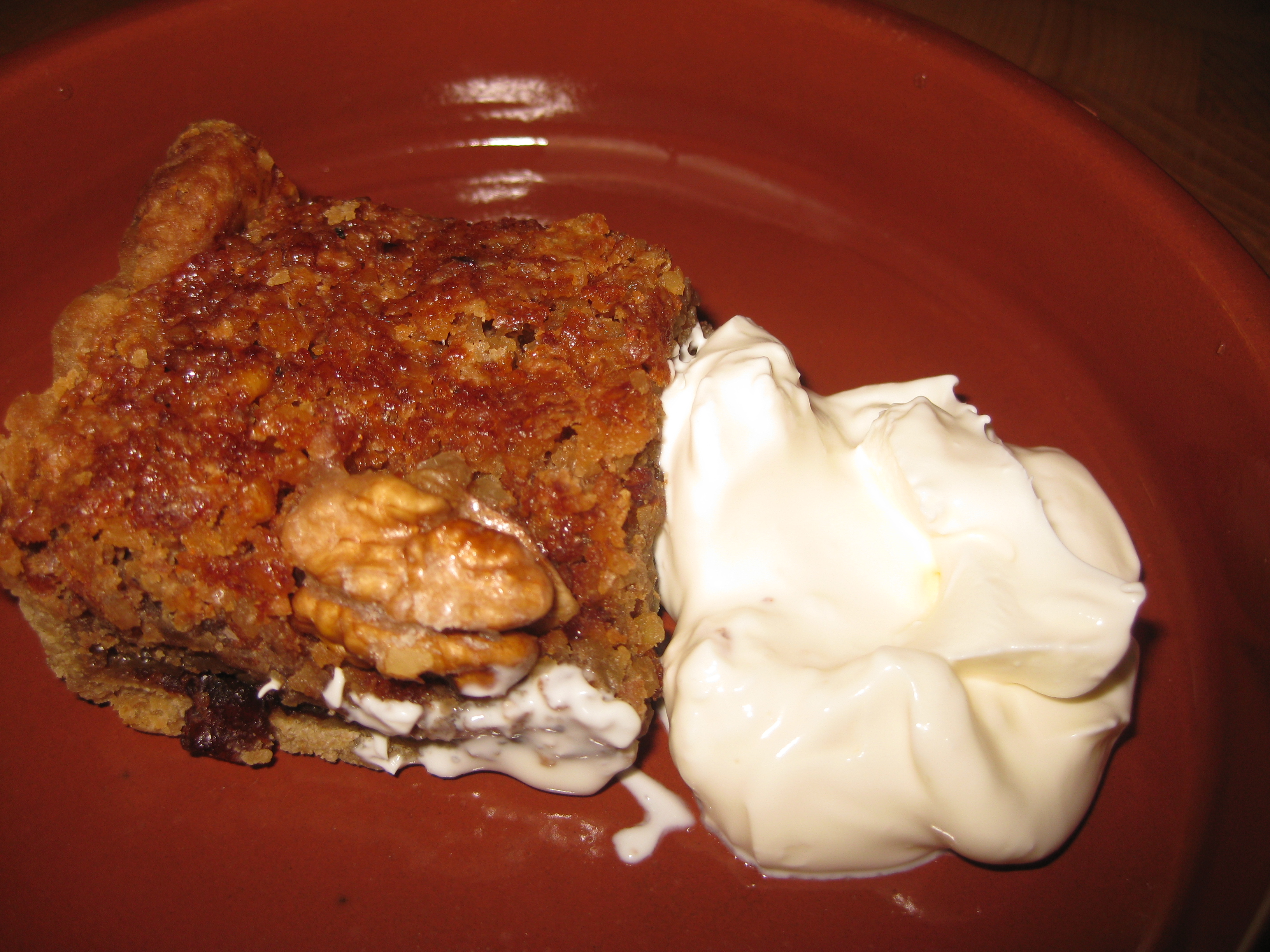
I forgot to photograph it till it was almost gone

Walnut and coffee frangipane tart with candied walnuts

Ingredients

For the tart

  • 500g sweet shortcrust pastry
  • plain flour, for dusting
  • 110g prunes, stoned, roughly chopped, soaked in Armagnac

For the frangipane

  • 175g butter, softened
  • 175g caster sugar
  • 4 free-range eggs
  • 3 tbsp strong coffee, cold
  • 175g walnuts, ground to a fine powder

For the candied walnuts 

  • 50g. caster sugar
  • 60ml. water
  • 18 walnut halves
  • 200g cream, to serve
  • Roll out the sweet shortcrust pastry on a floured work surface lightly dusted with flour to a 3mm thickness.
  • Carefully line six x 7.5cm deep-sided tart tins with the pastry, pressing the pastry into the edges of the tin. Leave 2.5cm of pastry overhanging the edge. Leave the lined tins to rest in the fridge for 10 minutes.
  • Line the pastry cases with greaseproof paper and then fill with baking beans or rice. Place the tart tins onto two large baking trays and bake in the oven for 10-12 minutes.
  • Remove the greaseproof paper and baking beans or rice, then return the tart cases to the oven for a further 5-10 minutes, or until they are pale golden-brown.
  • Remove from the oven and set aside to cool slightly. Trim the excess pastry with a sharp knife.
  • Meanwhile, blend the prunes with a little of the Armagnac in a food processor to make a thick paste.
  • For the frangipane, beat the butter and sugar together in a bowl until pale and fluffy.
  • Beat in the eggs, one at a time, beating well after each addition, until all of the eggs have been fully incorporated into the mixture.
  • Fold in the coffee and ground walnuts until well combined.
  • When the pastry case has cooled, spread the puréed prunes across the bottom of the sweet shortcrust pastry case. Top with the walnut mixture and smooth to the edges.
  • Return the tart to the oven for 15-18 minutes, or until the filling has risen and is cooked through and the surface is pale golden-brown. (The filling is cooked through when a skewer inserted into the centre comes out clean.)
  • Meanwhile, for the candied walnuts, place the sugar and water into a saucepan and bring to a simmer.
  • Add the walnuts and cook for a couple of minutes, or until just tender.
  • Drain and place onto a large sheet of greaseproof paper.
  • Carefully add the candied walnuts to the oil and cook for 1-2 minutes, or until just golden-brown.
  • Lift out and drain on a fresh sheet of greaseproof paper. Leave until cool.
  • To serve, place each tart in the centre of a small plate and top with a few candied walnuts. Finish with a dollop of cream.

Michel up the road gave me this recipe.   It’s a nicely moist cake which keeps and freezes well.

Walnut cake Amafaçon (my way)
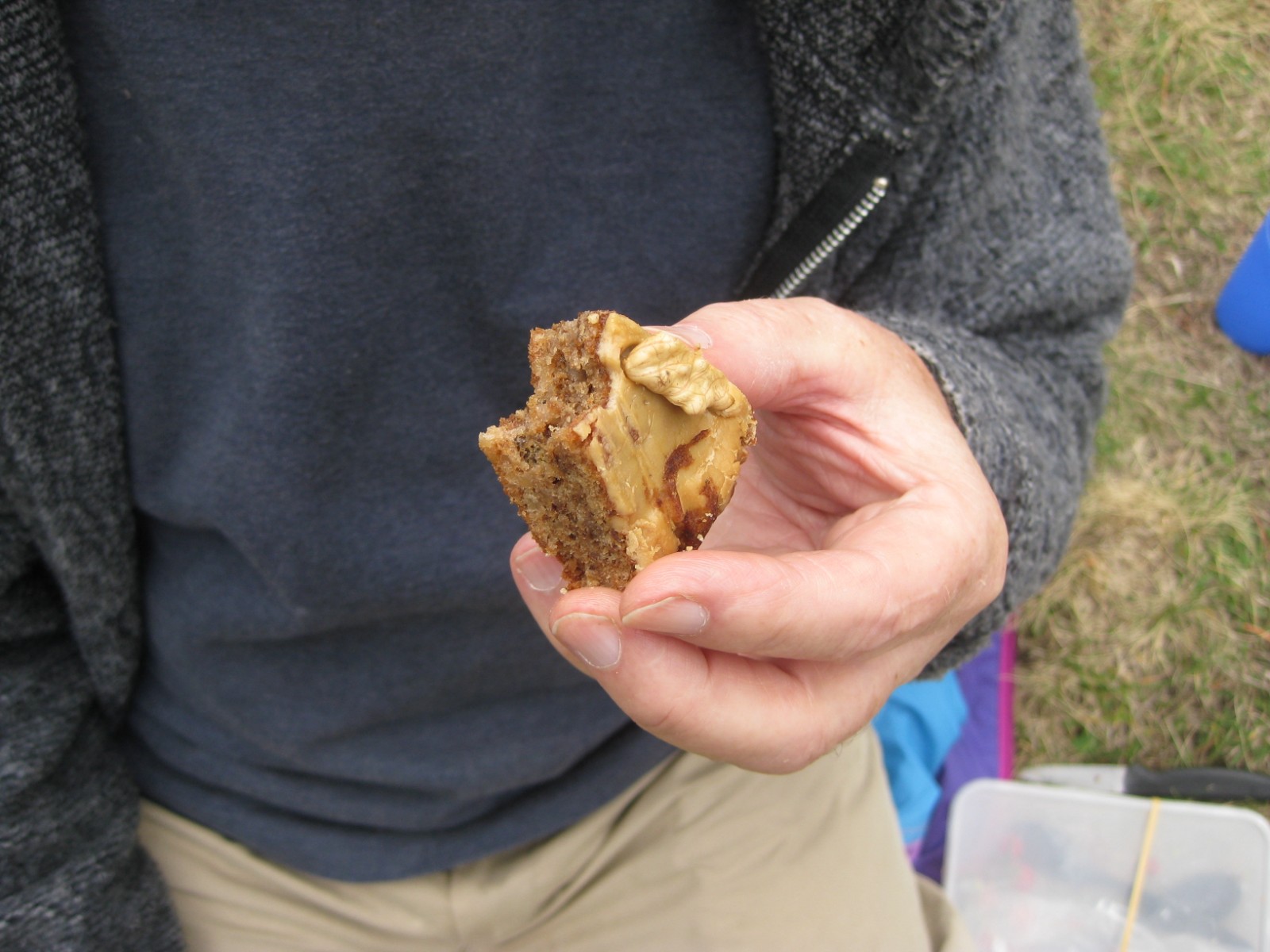
Mal puts away a slice of walnut cake on our walk to Bésines

 Ingredients    

180g. finely ground walnuts

30g. SR flour

12g. cornflour

4 eggs

120g. caster sugar

100g. butter

½ glass walnut liqueur, rum, or alcohol of choice

Pinch of salt

Preparation :

  • Heat the oven to 200°C
  • Mix half the sugar with the ground walnuts.
  • Mix the remaining sugar with the softened butter and add the walnut mixture.
  • Add 2 whole eggs one by one, and 2 yolks, one by one.  Mix well then add salt, flour, cornflour and liqueur.
  • Beat the 2 egg whites to soft peaks, and fold into the cake mixture.
  • Pour into a well-greased 22cm cake tin and bake for 35 minutes at 200°C .  The cake’s cooked through when a skewer inserted into the centre comes out clean.
    For a 24 cm. cake tin, bake for 50 minutes at 180°C.

Serve it just as it is, or if you’d like something more elegant,

  • ice with a strong coffee icing or
  • decorate with caramelised walnut kernels and a caramel sauce made with 150g. sugar caramelised in a thick-bottomed saucepan to which you add 30 g. of salted butter and 50ml. single cream.


What to do with a Hallowe’en pumpkin

Hallowe’en.  Pumpkin season.  Every fruit and veg stall in the markets here will have  red kuri, ‘le butternut’, or acorn squash at the very least, and there are those dedicated to selling nothing but the rich variety of squash, pumpkin and gourd you can grow here.  Kalba gave me this butternut squash some 3 weeks ago, grown in their own garden.

The butternut makes a bid to take over the fridge

It weighs in at more than 7 kilos.  More than a stone!  We’ve been chomping our way through it, but see how much remains.  What’s worse: Malcolm has just owned up to not caring for pumpkin very much.  How could he not like it?  That comforting sweetness works so well with the saltiness of bacon, the heat and colour of chillies and oriental spices, or the fatty unctuousness of cheap cuts of meat and sausages.  Well, his loss.  Here are two of my current favourite dishes, both courtesy of Nigel Slater, from Tender, Volume 1, you may not be surprised to hear.

A recent BBC photo of Nigel Slater

Pumpkin laksa

Nigel says this is for a cold night.  Well, it is.  But it’s also a fine thing to dish up on a hot day after a gruelling few hours physical labour.  It looks complicated, but it isn’t.  Take a deep breath and read it slowly: tackle the pumpkin, then the spice paste; the rest just falls into place.

Ingredients

350g. pumpkin, unskinned

coriander and mint leaves to finish.

For the spice paste:

red bird’s eye chillies, 3-4

garlic- 2 cloves

ginger, a thumb sized lump

lemongrass, 2 plump stalks

coriander roots, 5 or 6 coriander leaves, a handful

sesame oil, 2 tablespoons

For the soup:

chicken or vegetable stock, 600ml

coconut milk, 400ml

nam pla (thai fish sauce), 2 tablespoons

tamari, 1-2 tablespoons, to taste

the juice of a lime

100g dried noodles, cooked as per packet and drained.

  • Peel and seed the pumpkin and cut the flesh into large chunks. Cook in a steamer or a metal colander balanced over a pan of boiling water until tender. remove from the heat.
  • For the spice paste, remove the stalks from the chillies, peel the garlic, peel and roughly chop the ginger and lemongrass. Put them all into a food processor with the coriander roots and leaves and sesame oil and blitz until you have a rough paste.
  • Get a large, deep pan hot and add the spice paste.  Fry for a minute, then stir in the stock and the coconut milk and bring to the boil.  Allow to simmer for seven to ten minutes, then stir in the nam pla, tamari, lime juice, pumpkin and the cooked and drained noodles.  Simmer briefly, add the coriander and mint noodles over the top, and serve in deep bowls.

And now for something completely different…..

Pumpkin and Apple fry-up:

either to accompany a meaty supper, or as a main dish in its own right.

Ingredients

a little butter

80g. fatty bacon

medium onion

650g. pumpkin flesh

400g. apples (Nigel says a desert variety.  Mine were very tart, and I thought all the better for it)

a lemon

caraway seeds, a pinch

  • Melt a slice of butter in a shallow pan, cut the bacon into short strips and let them colour lightly in the butter.
  • Peel and roughly chop the onion, add to the pan and allow to cook with the bacon until translucent but not browned.
  • Cut the pumpkin flesh into manageable pieces and add to the pan, turning from time to time till golden in patches and almost tender.
  • Core and roughly chop the apples, but don’t peel them. Stir them into the pan and leave to putter gently until they are on the verge of collapse. Avoid stirring too much, which is likely to mash the softening pumpkin.
  • Finely grate the zest from the lemon and add it to the pan with the juice, the caraway seeds and a little salt.

    But wait! Isn’t this what pumpkins are supposed to be for? My son obviously thinks so, and took this photo to prove it. Though he’s a dab hand at cooking too.

PS.  Some of you have been asking about Danger Mouse.  Well.  He’s not a mouse – too big, too cuddly.  He’s not a hamster, as we at one point thought.  Long tail.  He’s not a dormouse.  Wrong sort of tail.  And he’s not a rat.  Too small, too cuddly.  However, he’s continuing to be part of life here.  He rises at about 8.30 p.m. and organises his furniture behind the skirting boards, shoving stuff about quite noisily.  Then he knocks off and has a nap till we’ve gone to bed.  During the night he dismantles  the latest humane trap, and eats the bait.  In the small hours he may come and scurry round the floorboards under the bedroom.  Then he goes to bed until the next night.  If he ever goes, I think I shall miss him.

‘All is safely gathered in, ere the winter storms begin’ *

Autumn colours beginning means it’s harvest time for foragers

I’ve written before about the ‘au cas où’ bag: the carrier you always have with you on a walk, ‘just in case’ something tasty turns up and demands to be taken home and eaten.

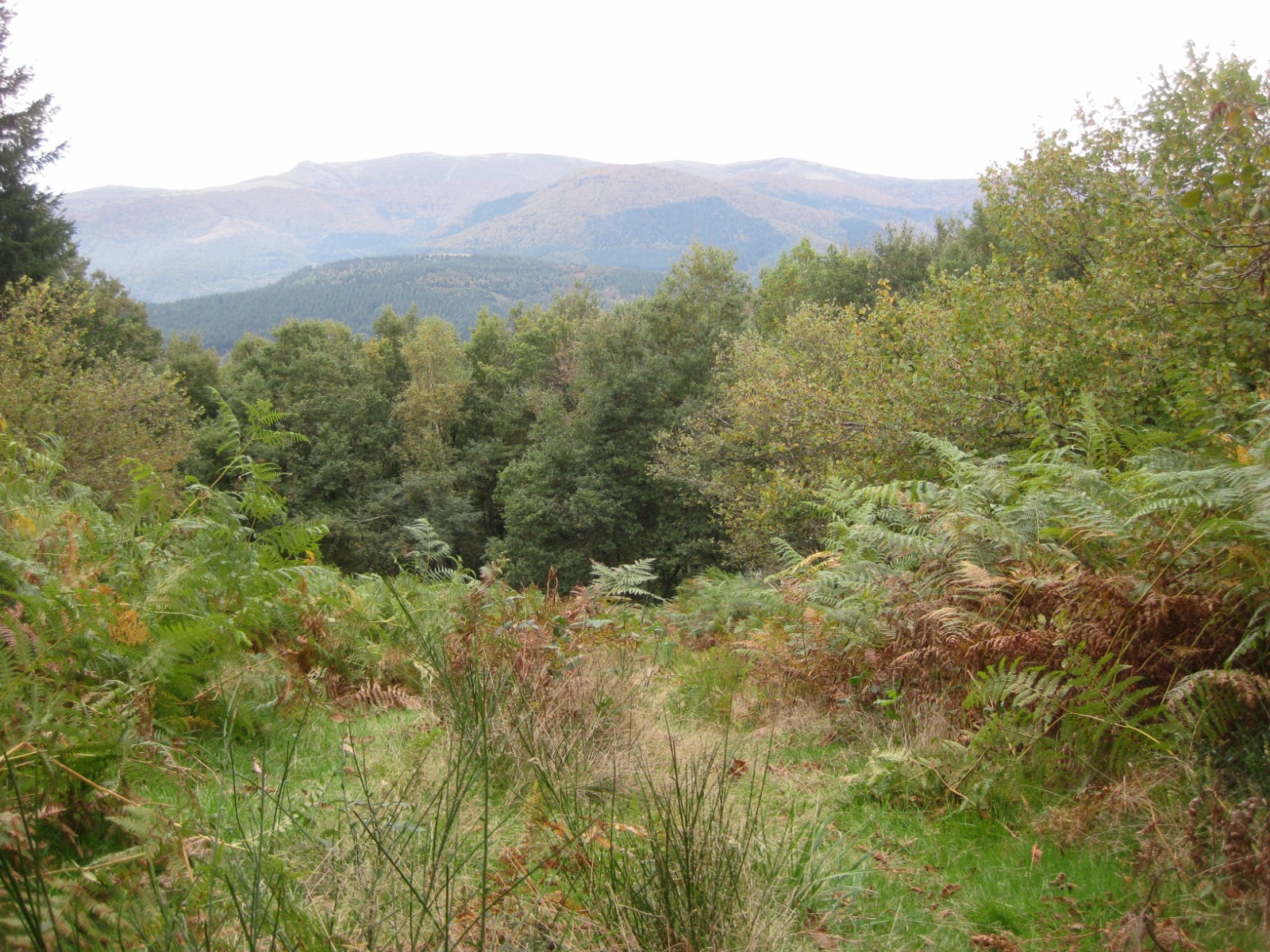
Well, at this time of year, it isn’t really a case of ‘au cas où’ .  You’re bound to find something.  A fortnight ago, for instance, Mal and I went on a country stroll from Lieurac to Neylis.  We had with us a rucksack and two large bags, and we came home with just under 5 kilos of walnuts, scavenged from beneath the walnut trees along the path.  A walk through the hamlet of Bourlat just above Laroque produced a tidy haul of chestnuts too.

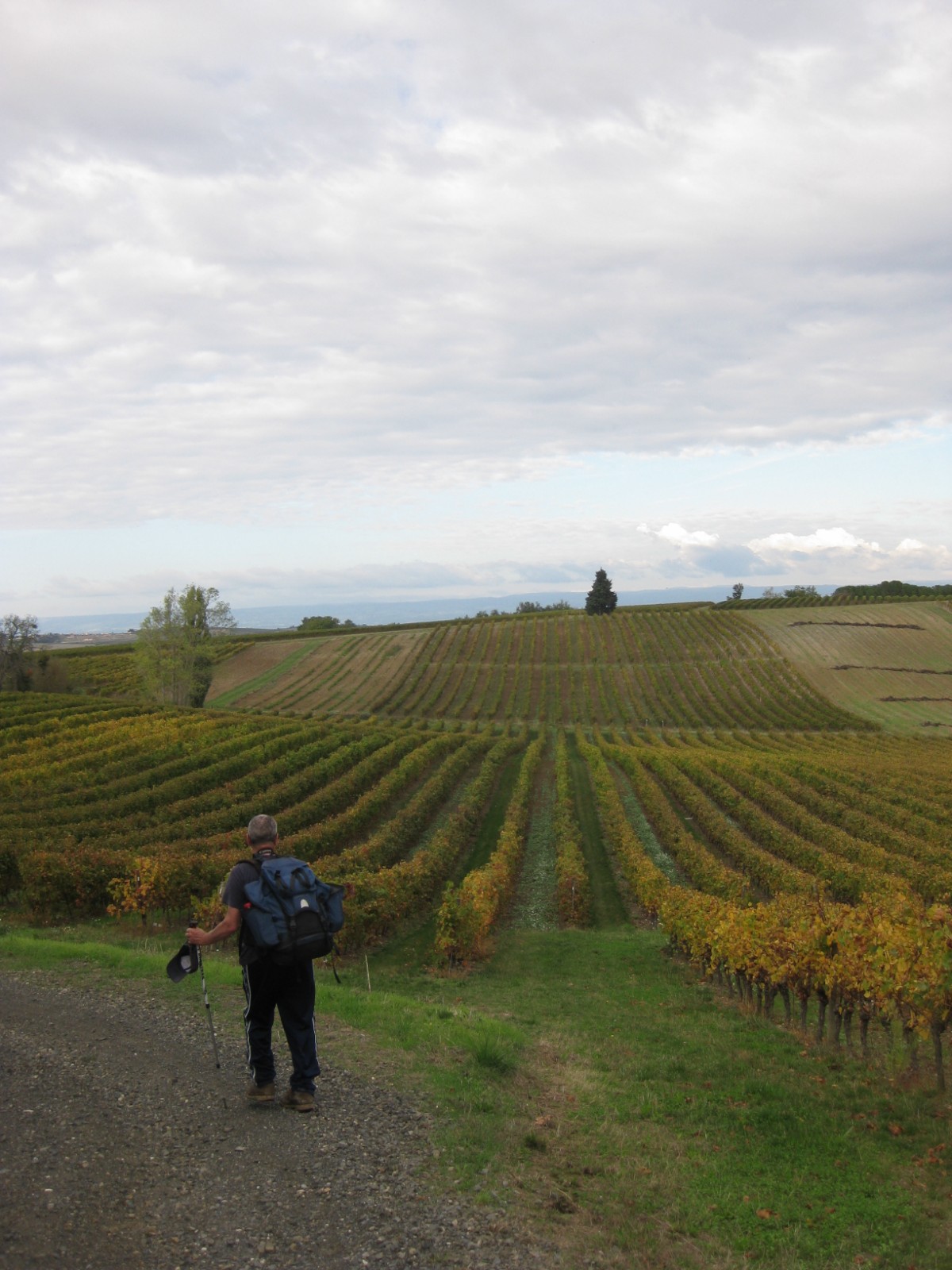
Yesterday, we Laroque walkers were among the vineyards of Belvèze-du-Razès.  The grapes had all been harvested in the weeks before, but luckily for us, some bunches remained on the endless rows of vines which lined the paths we walked along.  We felt no guilt as we gorged on this fruit all through the morning.  The grapes had either been missed at harvest-time, or hadn’t been sufficiently ripe.  They were unwanted – but not by us.

So many vines: there’ll be unharvested grapes there somewhere.

The walnuts we’re used to in the Ariège are replaced by almonds over in the Aude.  You have to be careful: non-grafted trees produce bitter almonds, not the sweet ones we wanted to find.  But most of us returned with a fine haul to inspect later.  Some of us found field mushrooms too.

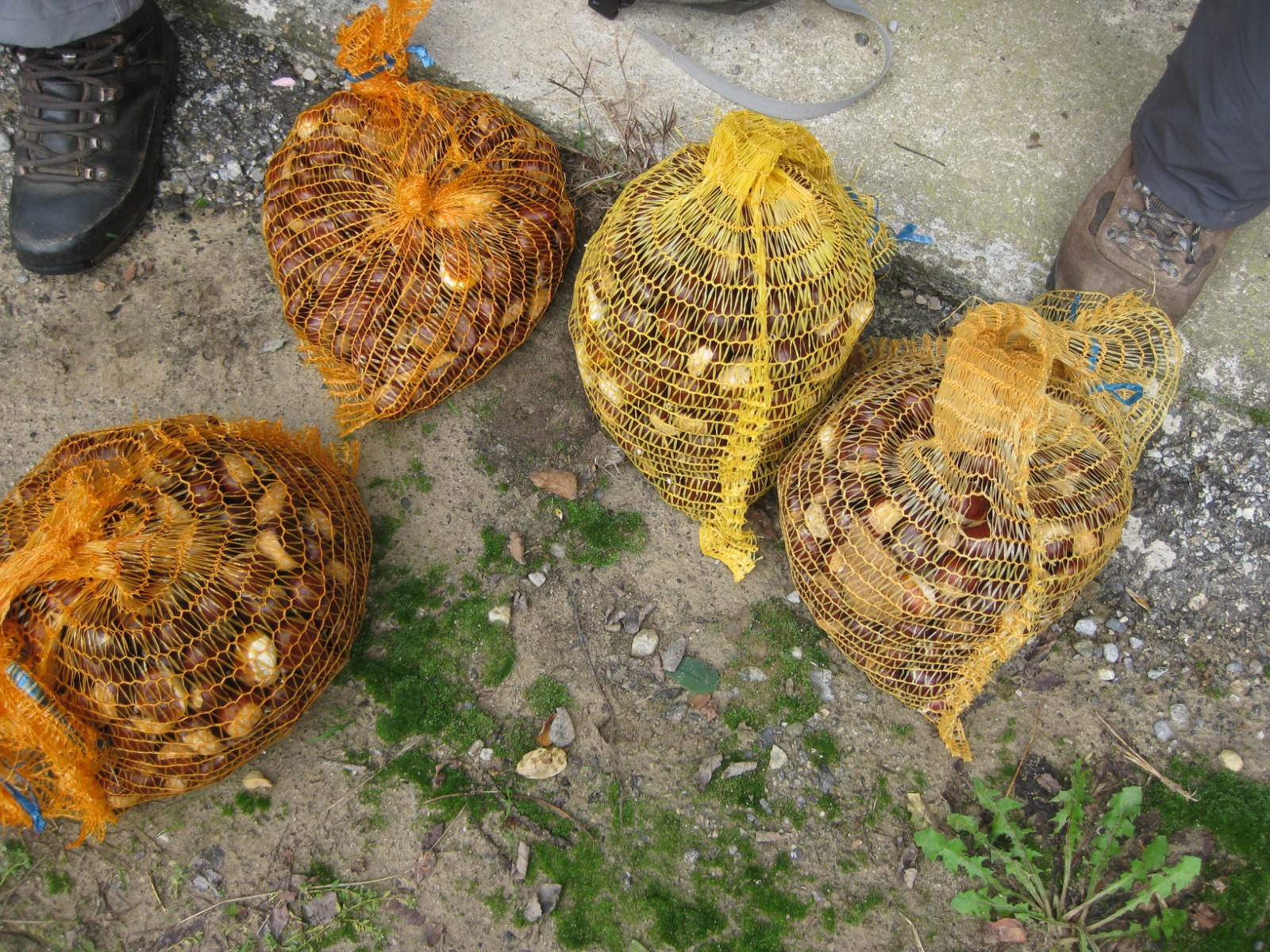
Today, the destination of the Thursday walking group was the gently rising forested and pastoral country outside Foix known as la Barguillère.  It’s also known locally as an area richly provided with chestnut trees.  Any wild boar with any sense really ought to arrange to spend the autumn there, snuffling and truffling for the rich pickings.  We walked for 9 km or so, trying to resist the temptation to stop and gather under every tree we saw.  The ground beneath our feet felt nubbly and uneven as we trod our way over thousands of chestnuts, and the trees above threw further fruits down at us, popping and exploding as their prickly casings burst on the downward journey.

As our hike drew to an end, so did our supply of will-power.  We took our bags from our rucksacks and got stuck in.  So plentiful are the chestnuts here that you can be as picky as you like.  Only the very largest and choicest specimens needed to make it through our rigorous quality control.  I was restrained.  I gathered a mere 4 kilos.  Jacqueline and Martine probably each collected 3 times as much.  Some we’ll use, some we’ll give to lucky friends.

Now I’d better settle myself down with a dish of roasted chestnuts at my side, and browse through my collections of recipes to find uses for all this ‘Food for Free’.

I think these chestnuts represent Jacqueline, Martine and Maguy’s harvest.

* Two lines from an English hymn sung at Harvest Festival season: Come, ye thankful people, come’

‘School dinners, school dinners….

…Iron Beans, iron beans

Sloppy Semolina, sloppy semolina

I feel sick, get a bowl quick.’*

Do you remember this cheery ditty from your days eating school dinners?  Only if you’re British, I suppose.  And most right-thinking French men women and children would be quite prepared to believe that all English food is just like that.

Not the mayor of Villeneuve d’Olmes, where Découverte de Terres Lointaines has taken its Yorkshire exhibition this week.  Back at the planning stage, he’d told us about their school caterer, M. Feliu, who uses almost entirely organic or local ingredients, and who likes to introduce the children to the cooking of other countries every time the excuse arises.

We met M. Feliu at La Freychède.  We worked together to produce a menu (Cheap. Tempting to the young French palate. Three courses that work with the kitchen facilities to hand.  Conforming to nutritional standards).

This is what we came up with:

Crudités with beetroot chutney

Macaroni cheese with green salad

Blackberry and apple Betty with custard.

Yesterday was the day.  I turned up at 10.00 with my English friend and colleague Susie to find the work almost done.  All we had left was to churn out batons of carrot, black radish and cucumber for the first course, which was not, let’s face it, Awfully British.  But it had to fit in with other considerations as above.

11.00: The prepared and cooked food was heaved into insulated containers, and transported by van to one of the local schools.

11.30. Ditto with van number 2.  This batch was sent off to Villeneuve d’Olmes, with me following.

12.00. Children arrived at the canteen.  One of the helpers, Pascale, spoke good English.  ‘What’s your name?’ she’d say to each child in English.  When she had her reply, they could go in, and sit down at one of the circular tables, tinies in one room, and juniors in another.  I joined a table of lively 7 year olds.

One of the staff told me the rules that the children expect to follow:

  • Take turns to serve the dishes of food to everyone at table.
  • Wait till everyone’s served before beginning to eat.
  • Try everything.
  • You can have the portion size you choose.  Once it’s on your plate though, you have to eat it.

Everyone accepts this and we all sat together, eating and chatting.  The children chomped their way through all the crudités, they even enjoyed the chutney, whose sweet and sour taste is not an automatic choice round here.

Once cleared away, bread appeared on the table – this is France after all.

Two more children served the macaroni cheese and the salad.  Most of us came back for seconds.

We sang ‘Happy Birthday’ – in English – to a birthday girl.

I gave an impromptu talk on the food on offer.

The blackberry and apple Betty was served.  Yum! How could it fail?  Gently cooked fruit with a crunchy crust of soft breadcrumbs crisped in golden syrup and butter, with obligatory custard, of course.

Then the children cleared their tables, stacking dirty plates and glasses neatly for washing up, before going off to play.

I was so impressed.  The children here learn that the midday meal is so much more than a pit- stop.  The expectations, reinforced daily, are that this is a moment to spend with friends, a time to share, to think about the needs of others, and to appreciate the food on offer.  The occasion lasted well over an hour.

* To the tune of Frère Jacques

This slideshow requires JavaScript.

England comes to Laroque d’Olmes

Yorkshire Dales: as interpreted by the children at the Centre de Loisirs, Laroque.

Yesterday afternoon was the best fun.  20 odd-children (that’s ‘about 20 children’, not ‘Twenty Odd Children’) here in Laroque spent the day in England, courtesy of  ‘Découverte Terres Lointaines’,  without setting foot outside town.

These children spend their Wednesdays, a no-school day, at the Centre de Loisirs.  Their parents are probably out at work, and here is somewhere they can spend the day having purposeful fun, without its costing their parents too much.

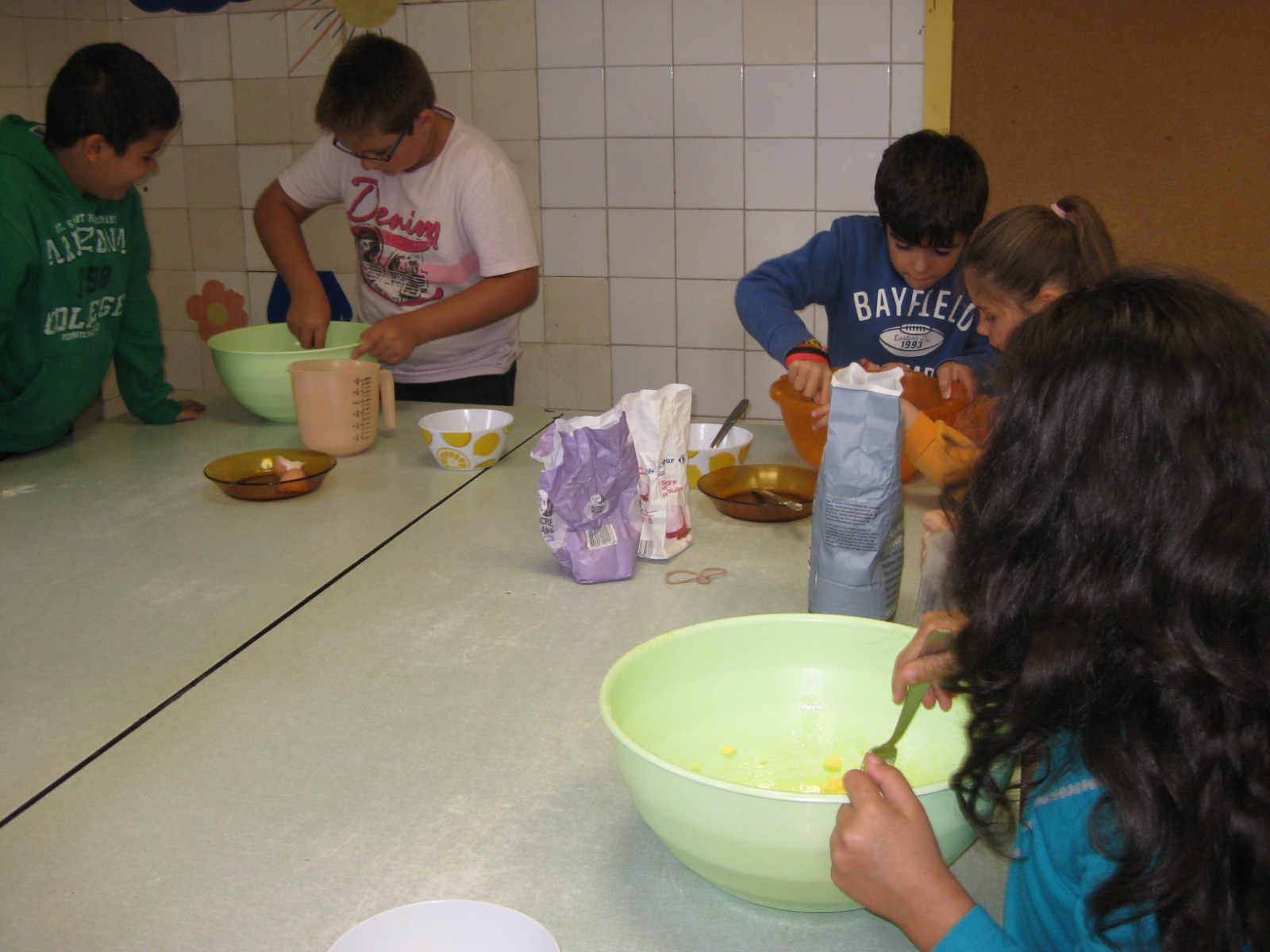
We turned up with bag full of groceries, and spent half the morning baking biscuits, basic English everyday crunchy biscuits.  It was great to see them, girls and boys alike carefully measuring out flour, sugar, butter and so on, stirring, mixing, watching a dough come together from these simple ingredients.

Let the baking begin.

A bag full of cutters and a rolling pin meant that they could transform the mixture into stars and circles, miniature gingerbread-style people, bells and flowers.

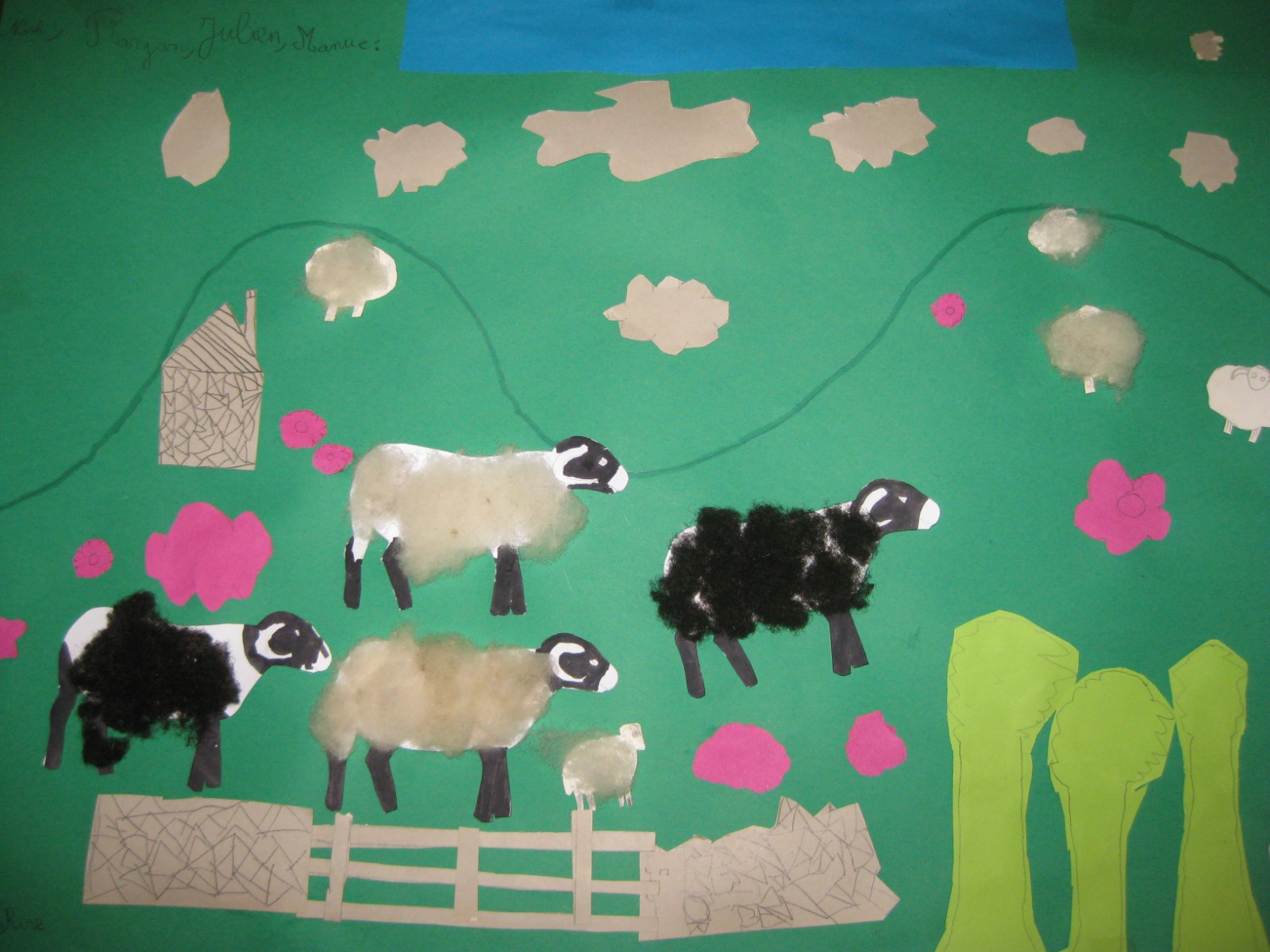
Upstairs, another group had been talking about the green moorlands of the Yorkshire Dales, then making a mural of a Daleside landscape, complete with Swaledale sheep, farm gates, and obligatory grey cloud (it’s England after all).

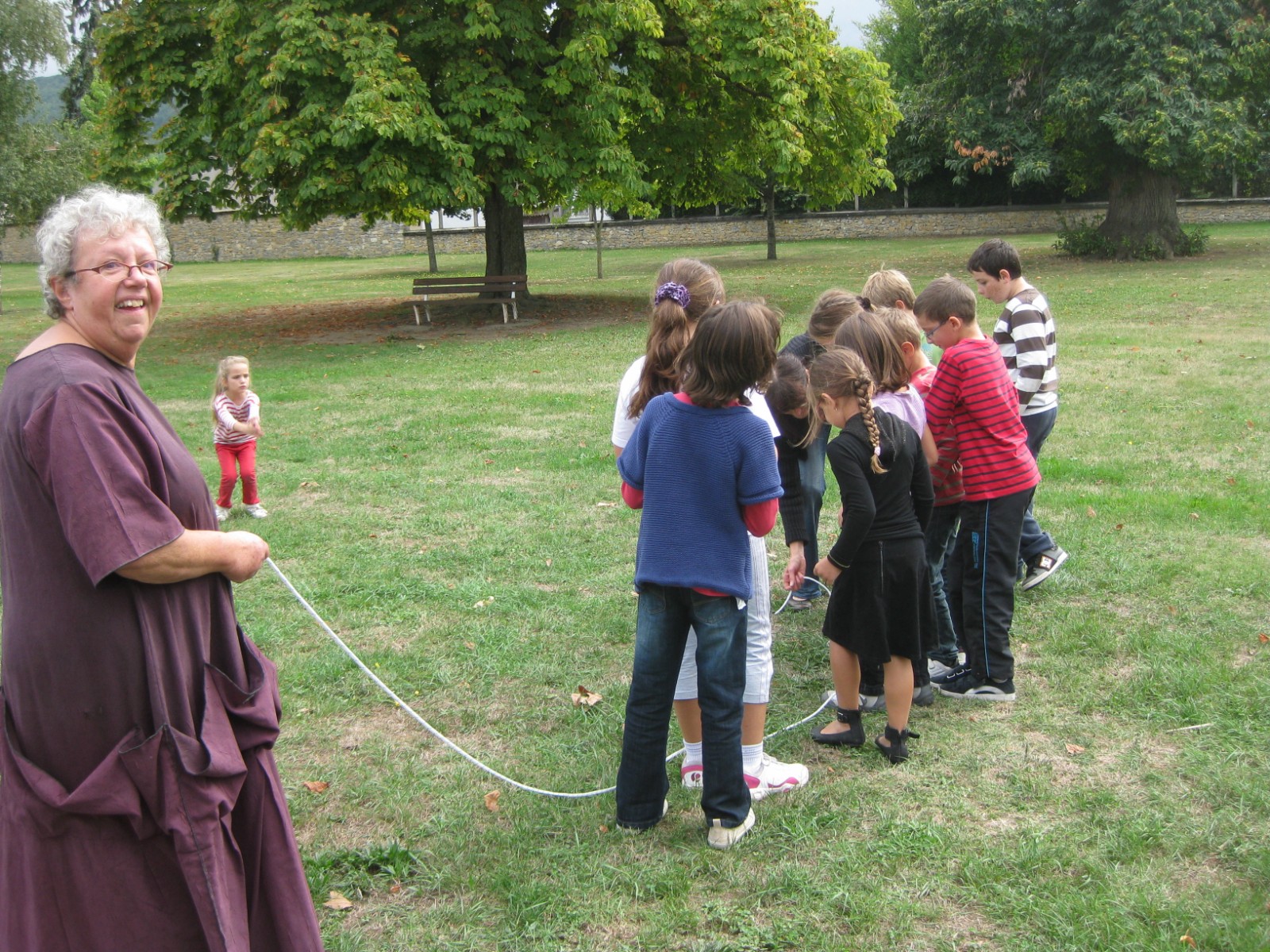
Lunch break.  Afterwards, the children came to see our long-prepared exhibition looking at North Yorkshire, which has so many features in common with the Ariège: mountains (OK, the best Yorkshire can manage is Whernside’s  736 metres.  Ariège’s Pic d’Estats is 3143m); textile and mining industries past their glory days; wide open spaces home only to sheep…. and so on.  They enjoyed an extract from Roald Dahl’s ‘George’s Marvellous Medicine’, and then it was back to the Centre de Loisirs.  Where we produced a long skipping rope with the idea of teaching them a couple of English skipping games…

‘I like coffee, I like tea

I’d like, er, Nadine, to jump with me’.

Getting started with skipping.

They loved it.  Unfortunately they couldn’t skip at all and tripped and fell all over the place, and all the adults mourned that it was a lost art. As in England (Is that so?  Not sure.) children don’t skip any more.

Back into the kitchen, it was time to decorate those biscuits.  They tinted their bowls of icing in lurid shades, and made free with all the sugary decorations we provided.  ‘Glorious Technicolor’ doesn’t begin to do it justice.  Once decorated, they ate the lot, and we sent them off to their parents for the evening crammed full of enough e-numbers to see them through the week.  One lad, as he set off home, was heard to say ‘I’ve had a great day’.  So had we.

Glorious Technicolor biscuits.

Spitalfields Life: and a recipe from Boundary Estate

Despite the fact I didn’t nominate it as a ‘Lovely Blog’ (perhaps because I feel the Gentle Author is a real professional, not someone who turns out posts only when time permits) Spitalfields Life is definitely a favourite.

Every morning without fail, his daily offering drops into my in-box, usually as I check my mail before breakfast.

And in it will be some tale of life in London’s East End.  The story perhaps of a neighbourhood shop, or a resident who arrived some years ago from a different continent, or another whose family has been deep-rooted in the area for endless generations…. anyone and everyone has a story to tell the Gentle Author.  The posts I look forward to most are those when he showcases the atmospheric photos taken in the 1960’s by John Claridge, of a way of life I remember well, but now seems so very distant.  Or those introducing newly- published work by the witty illustrator Paul Bommer.  The Gentle Author will show us 18th century trade cards, ancient  graffiti from the Tower of London, transsexuals from Bethnal Green – anything or anybody who takes his sympathetic yet enquiring fancy.

The other day he and photographer Sarah Ainslie went to the Boundary Women’s Group, and found a group of women of Asian heritage cooking lunch to share.  They shared their recipes too, and one in particular took my eye, contributed by Julie Begum.

Sardine curry

This is my favourite quick home cooking recipe after a long hard day’s work.

Ingredients –

500 g. sardines

2  tomatoes

1 onion

3  green chillies

1 teaspoon of red chilli powder

½  teaspoon of turmeric powder

1 teaspoon of coriander

1 piece of ginger

 8 cloves of garlic

1 dessert spoon of lemon juice

Salt as required.

 Method

  • Cut and clean the fresh sardines (score on both sides) or just open the tins (I prefer the ones in tomato sauce).
  • Heat oil in a pan.
  • Add sliced onion, green chilli, ginger, garlic and sauté well.
  • To this, add red chilli powder, turmeric powder, salt, lemon juice and tomato slices. Sauté well until tomatoes are done and add fish.
  • Add water as required and until fish are cooked.
  • Serve with fresh coriander and a slice of lemon with white basmati rice. Yum!’

Julie – I can confirm that it’s ‘yum’ indeed, and easy, and quick…and the kitchen doesn’t stink of sardines for hours afterwards, as can be the case with this otherwise wonderful fish.

Gone but not forgotten – our local charcuterie.

Today is the first day of the rest of Marcel and Mercedes Resseguier’s lives.  Today (barring the odd holiday) is the first Tuesday for 28 years on which they haven’t opened their charcuterie (like most small-town shops, they didn’t open on a Monday).  At 60, Marcel’s retiring.

Their shop is a bit of an institution hereabouts.  Go to an event where food is served and discover that the plates of cold meats, pâtés and cured sausage are from the Resseguiers’ shop, and you’ll be piling your plate high with all that’s on offer.  Go to buy some sausages for an easy lunch, and you’ll join a queue of customers chatting away animatedly as they patiently wait their turn.  What will we do without them? They’re not trying to sell it on – no point.

Once upon a time, theirs was a busy shopping street.  Nowadays, it’s (oops, was) the only shop left.  Still 2 butchers remain in town here however.  Nearby Lavelanet, a town that’s more than twice as big as ours has only one, Marrotte.

When he was 14 ½, Marcel went to Limoux, apprenticed to a butcher’s where he learnt all he needed to learn about the butchery business.  And then he came back to the Ariège to work at the above mentioned Marotte’s. This shop sells not only fresh meat, but charcuterie too: in other words fresh sausage, cured sausage, hams both dried and cooked, and pâtés: mainly, but not exclusively, pork products.  Working here, Marcel realised that, for him, charcuterie was a lot more interesting than presenting fresh meat for sale, and he profited from his time there to learn all he could.

A little later, after his short spell in a general stores with a meat-counter in nearby Villeneuve d’Olmes, the charcuterie here in Laroque came up for sale.  A certain Monsieur Vié owned it.  His son Michel is a pillar of our town, involved in everything from singing in the local choir to supporting our local town-twinning operation.  He didn’t want to go into his father’s business, but like so many people round and about, he’s learnt many of the skills, and will often knock up some cured sausages or a bowl or two of pâté for a family celebration.

Well, Marcel, with his father’s help, bought the shop, together with the good-will and customer-base that came with it. The rest is history.  The charcuterie is hard to find, being tucked away in a side-street where it’s almost impossible to park.  But that didn’t stop it being a shopping destination.  Once there, apart from all the expected meats and sausages, you could buy his tins of jarret de porc or jars of pâté de foie, as well as wine or bottled vegetables.  His was a depot de pain too.  So he’ll be missed, as will Mercedes, his wife, who served the customers and balanced the books.  Happy retirement, Marcel.  Enjoy your new career Mercedes (that’s another story) …. and see you on the next Sunday walk with Laroque’s walking group.

Au cas où ….you find some mirabelles

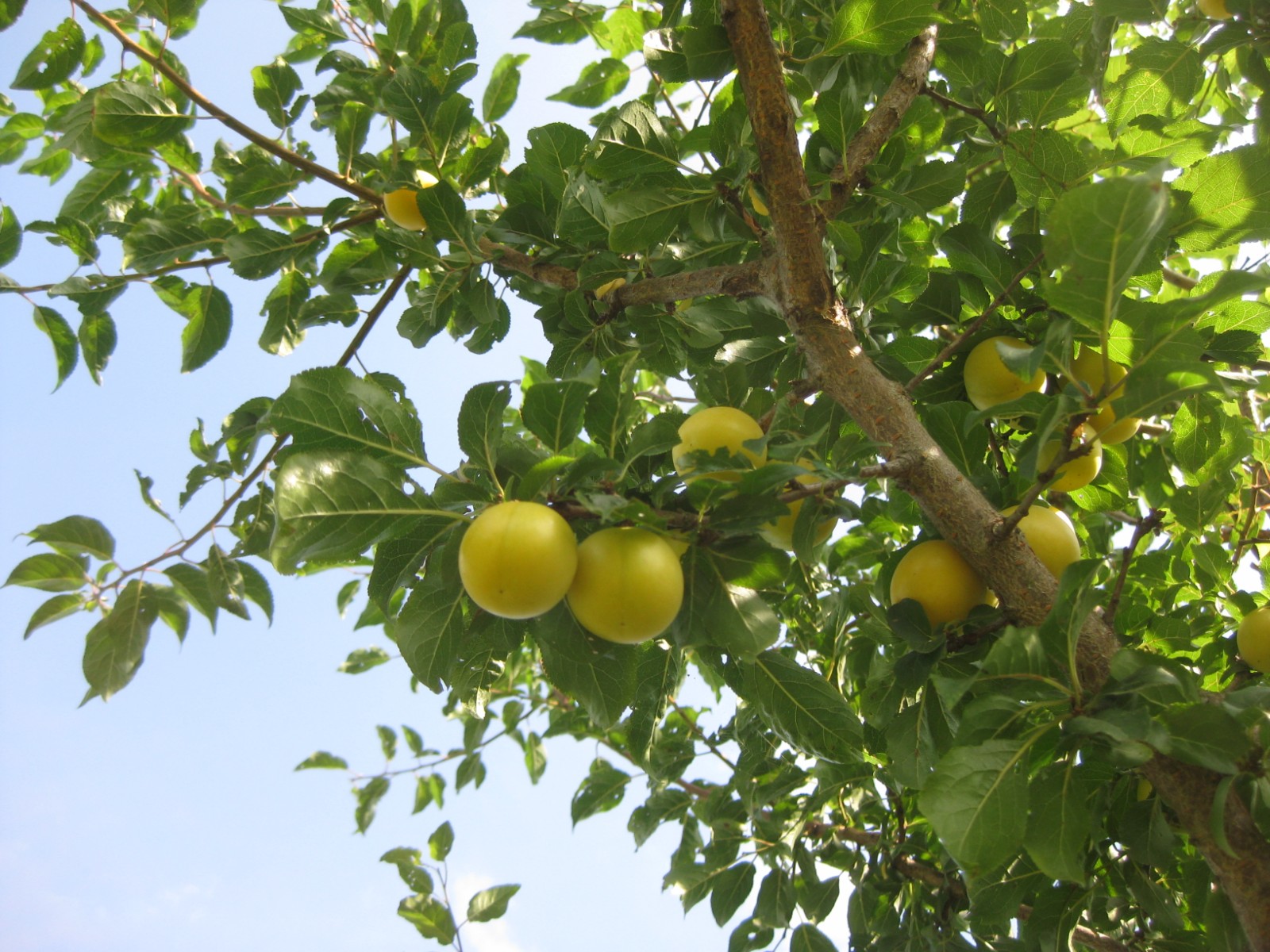
Mirabelles…there for the taking

I’ve written about the au cas où bag before: that little shopping bag or some such that you tuck into your pocket before any walk, au cas où you find something worth harvesting or talking home.  It was as well we had that bag yesterday.  Walking in the fields above Laroque, we found 2 mirabelle trees, their tiny juicy fruits just turning to golden ripeness.  We harvested what we could, and came home.

Then we remembered the trees we’d seen one previous year on the road between us and Léran.  We went home for another bag and hunted out those mirabelle trees lining the route.

Hundreds of plums, thousands of plums, millions and billions and trillions of plums – to misquote that much loved picture book by Wanda Gagabout rather a lot of cats.  Reader, we picked them – some of them anyway.  We came home.  And this is what we made.  With a few of them, anyway.

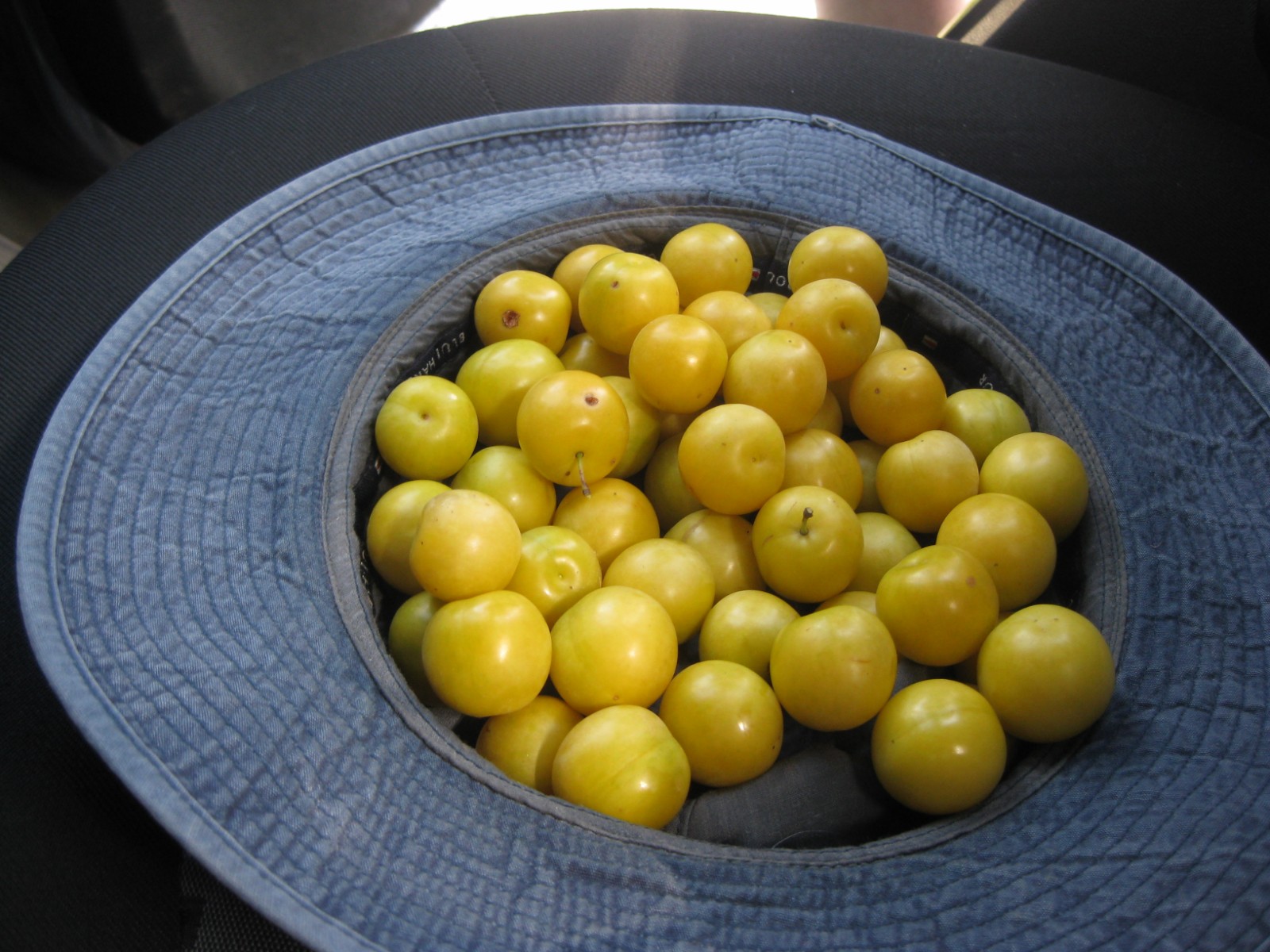
Bag not big enough? Find a hat.

Mirabelle and Rosemary Jam

I kg mirabelles

400g high-pectin sugar, or add pectin powder according to pack instructions to granulated sugar.

4 rosemary sprigs, each approx 5 cm long

1/2 vanilla pod.

Directions:

  • Put mirabelles, sugar, rosemary and vanilla pod in a preserving pan and bring slowly to the boil, so the plums have chance to release their juices.
  • Simmer briskly for about 7 minutes.  It’s not necessary to bring it to jam setting temperature as the pectin will do its work, and it’s a fresh flavour you’re aiming for. But the jam won’t keep long outside the fridge.
  • Take from heat and remove rosemary sprigs and vanilla pod.  This is important.  If you leave the herb in, the jam will taste medicinal. The hint of rosemary should remain elusive, and just add that extra Mediterranean je ne sais quoi
  • This is the bad bit.  You could have halved the plums before you started and removed the stones then.  But I think it’s marginally easier to fish them out now.  Only marginally though.  The choice is yours……
  • Add vanilla seeds from the pod and mix.
  • Fill your ready-prepared jars.

A Mediaeval picnic

Montségur in the morning mist

Saturday morning dawned damp and misty. This was fine by the 100 or so walkers who gathered bright and early in Lavelanet for the annual Marche du Tisserand. The walk, organised by the town’s Musée du Textile, celebrates the ancient ‘chemin pavé’ used by the cloth workers who lived in Montségur and walked this path to bring their produce down to Lavelanet to be sold. Saturday’s walk, the 27th, was for fun, and nobody would have had more than a light rucksack to carry. The full three hour trek (6 hours both ways of course), steep and stony at times, when laden with goods to sell one way and perhaps provisions for the household the other must have been a slightly different matter.

This time too, there were goodies at the top for the walkers as they finished their ascent. The mayor of Montségur was there with an aperitif for everyone, and we at Découverte de Terres Lointaines were there too, with a mediaeval picnic we’d been preparing .

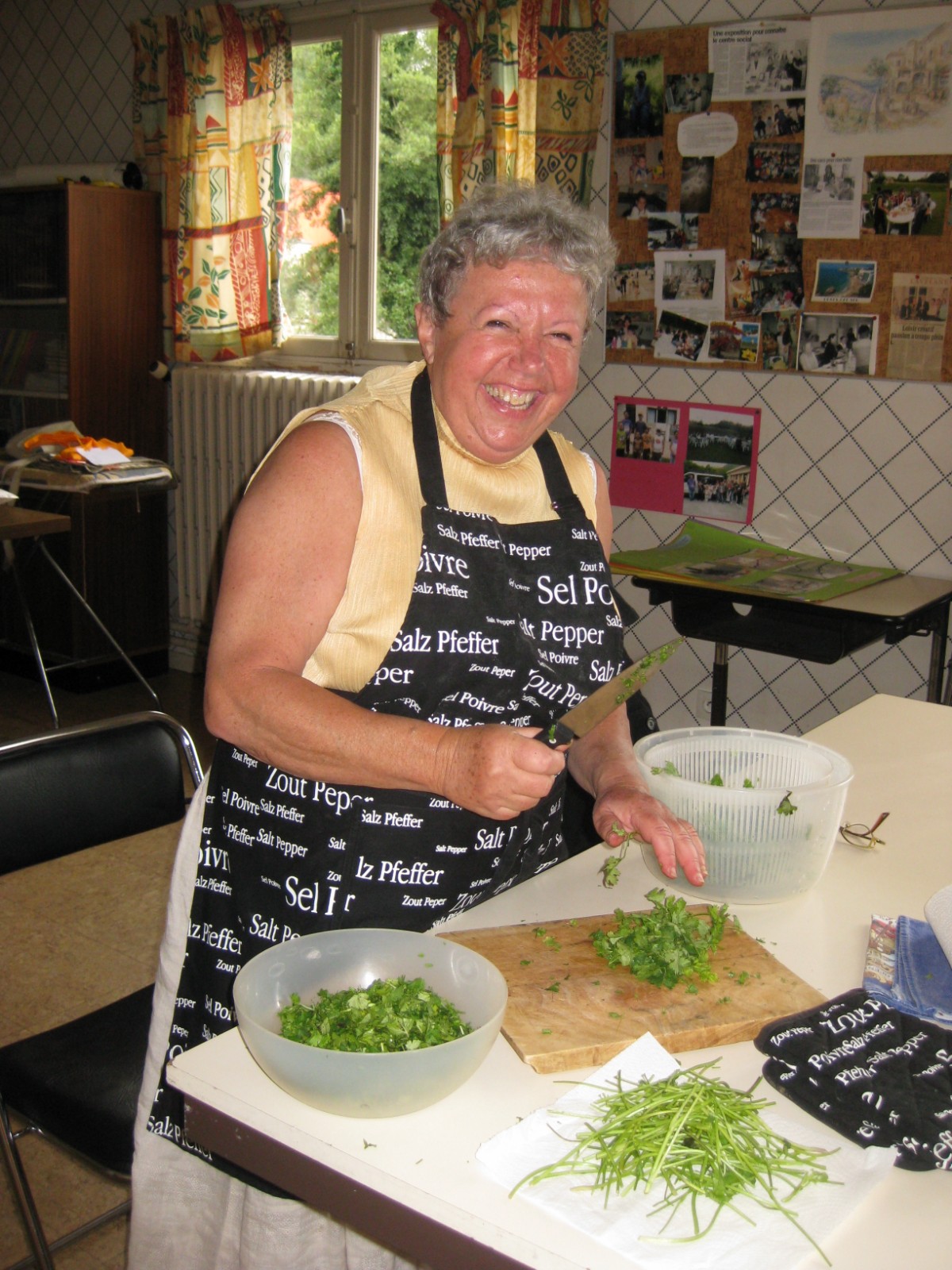
Who knew chopping coriander could be such fun?

The cooking took several days, but the research, with the help of the Museum at Montségur, took weeks of researching, testing, tasting, rejecting, trying again… Still, eating’s always fun

Though curious, the walkers were suspicious too. What would a mediaeval picnic be like? Heavy, probably, with mountains of flatulence-inducing beans. Tasteless too maybe.

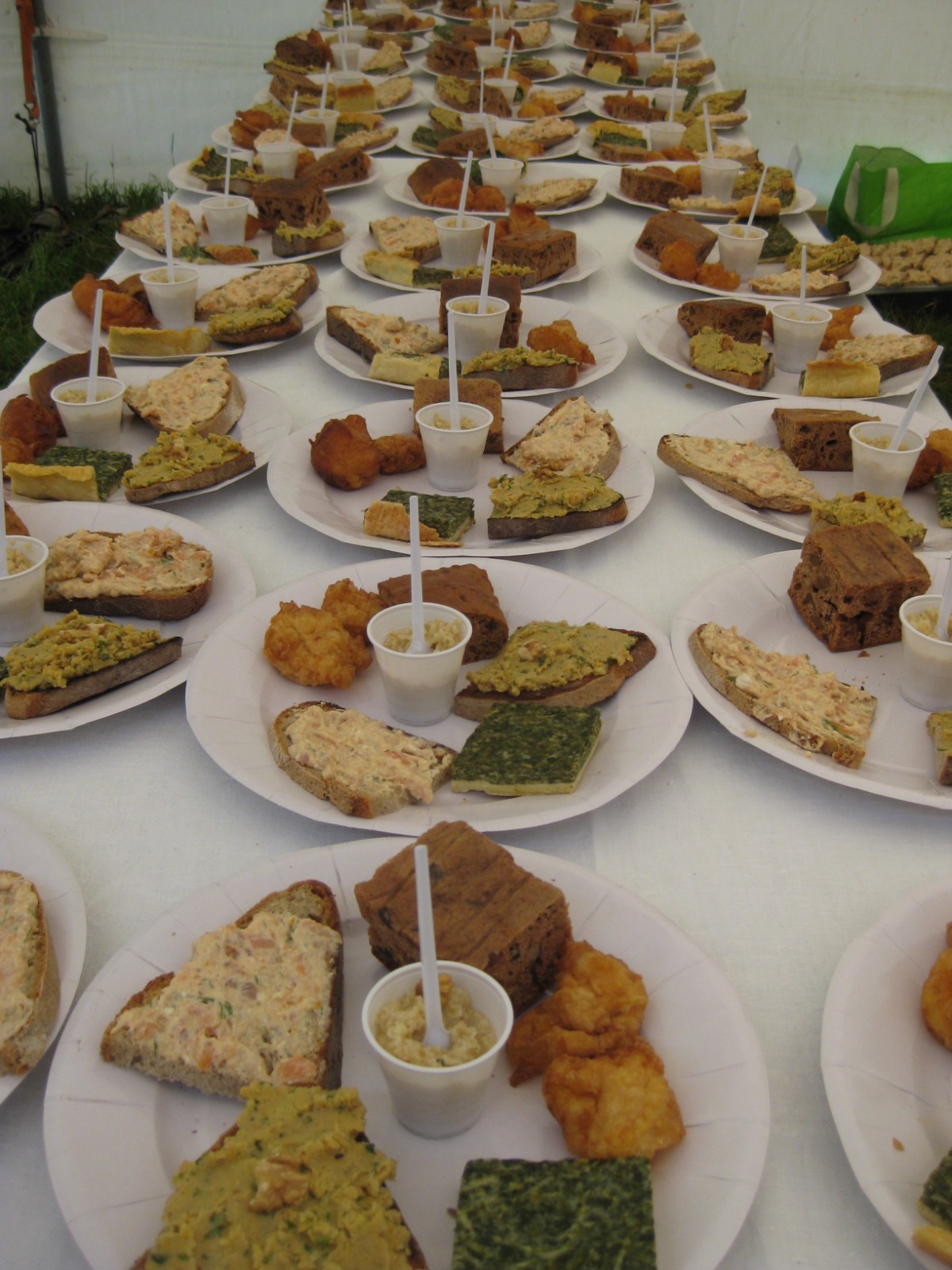
What a surprise then. Here’s the menu:

Spinach tart with lardons: we could have used nettles or any of a whole range of herbs, but settled on the more widely available vegetable option.

Poichichade: this herby chick pea paté, which we served on hunks of organic wholemeal bread, is a close cousin of hummus, but without the tahini. It went down well.

Broussade:  star of the show! A very tasty mix of smoked fish and curd cheeses. This really is one for anybody’s dinner table. Simple too. Recipe below.

Pets de nonne: basically deep fried choux pastry, puffy and light. Here’s the story. Back in the Middle Ages, the bishop of Tours was visiting the Abbey of Marmoutiers to bless a relic. Whilst preparing a meal in his honour, a novice let fly an unfortunate noise of the kind familiar to those of us who’ve eaten far too many beans. To cover her embarrassment, she busied herself dropping the choux paste she’d been making into some handy cooking oil so that it sizzled loudly. The pets de nonne were born.

Fromentée sucrée:  cracked wheat cooked with milk and honey. If you like rice pudding, you’d like this too

Gâteau de fruits secs:  a rich and heavily fruited pain d’epices style cake.

Just before the walkers arrived: The picnic on its thoroughly modern paper plates.

The congratulations when they came – and they came in quantity – were tinted with some astonishment:  ‘It was so good. We never expected it to be so tasty! Well done’.

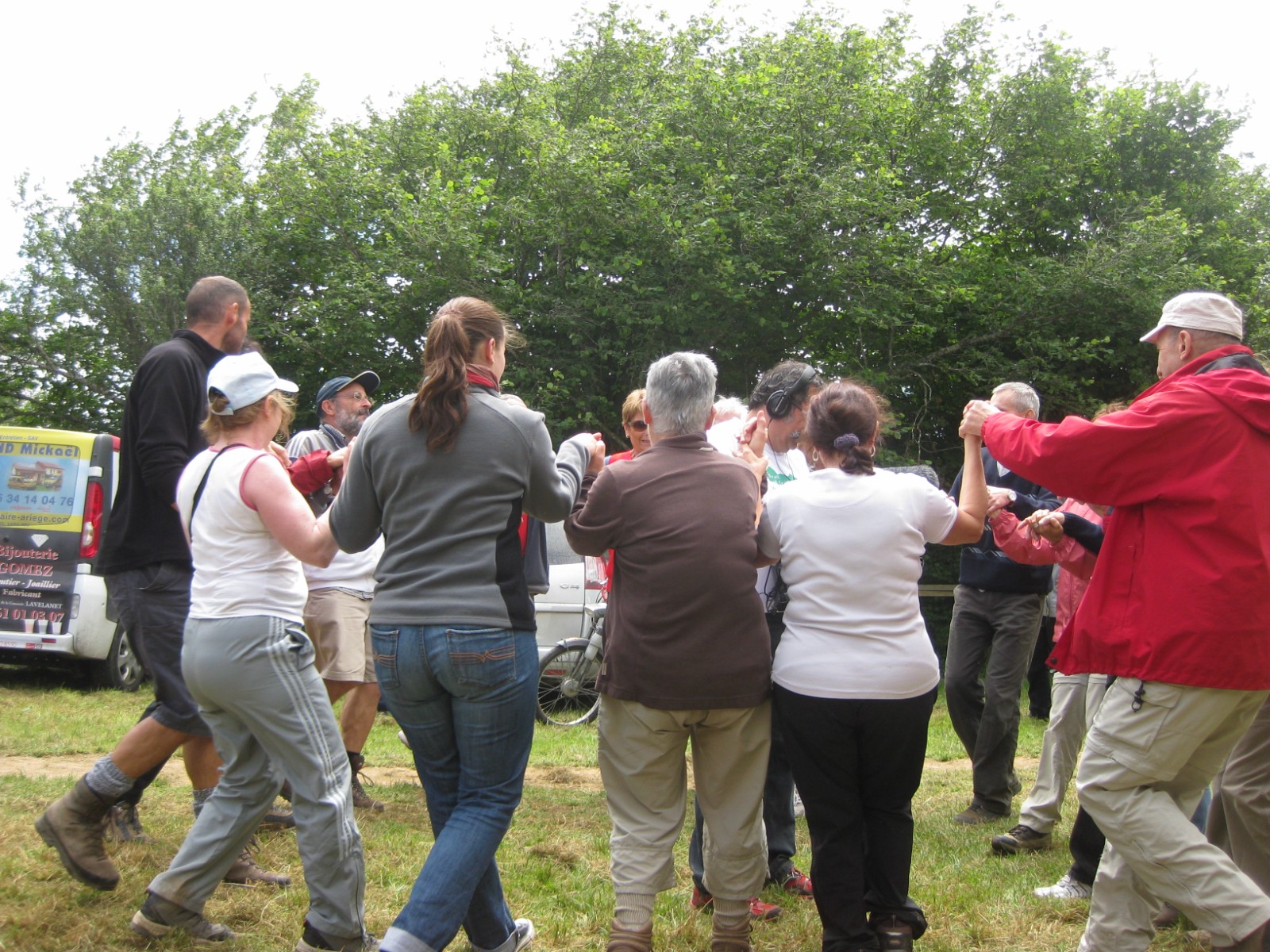
But after eating, drinking and lots of talking, it was time to dance. Zingazanga had been playing loudly throughout the meal, but they turned their attention to teaching us simple steps and dances from centuries ago. Even I with my two left feet joined in.

Let the dancing begin

Broussade

Ingredients
• A quantity of as many varieties of smoked fish as you can decently lay your hands on: we used smoked salmon, herring and haddock.
• A more-or less equal quantity of brousse. This is a curd cheese made from the milk of sheep, goats or cows. A mixture would be ideal, and failing that, any soft curd cheese.

Broussade in the making

• Paprika
• Chopped dill
• Seasoning.

Process half the fish coarsely, and finely chop the rest. Mix with the other ingredients. That’s all. Enjoy with some good bread and a probably thoroughly un-mediaeval green salad.

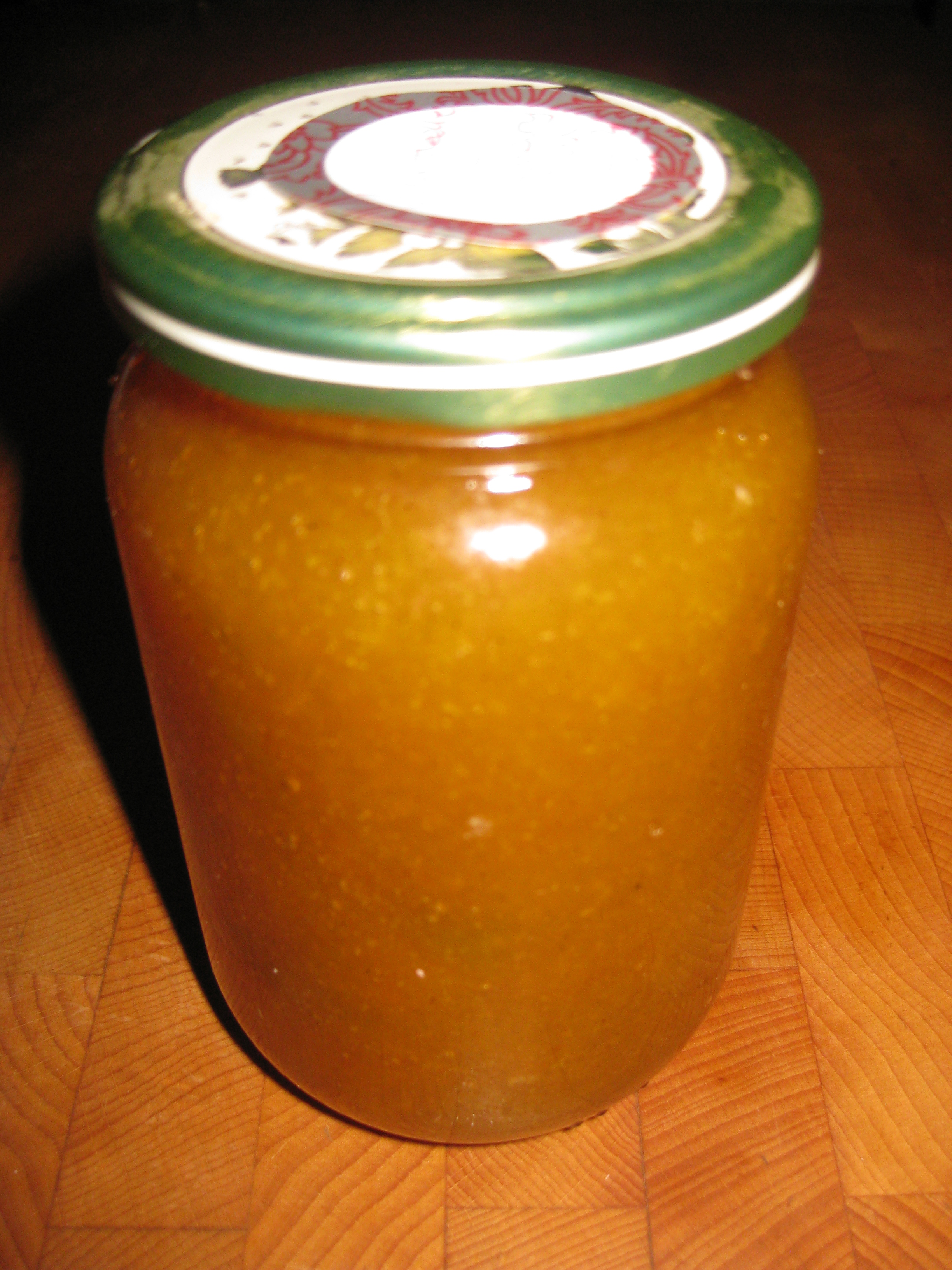
Apricot jam

There’s been discontent in the house.  No jam to go with the  fresh bread and coffee at breakfast time.  At this time of year, you can’t expect either the hedgerows or the market place to produce any suitable ingredients, so what to do?  Then I remembered my mother’s solution to winter jam crises, and a good one too.  Dried apricot jam.

I remember that she used to use those dark, rich yet slightly tart and chewy fruits that needed long soaking and cooking to soften them, though I always used to prefer to eat them as they were.  Jam recipes recommend them still, but just you try buying them, even on Lavalanet market.  It’s all the plump pale soft style these days.  I was afraid these would deliver a slightly wishy-washy and anaemic jam so I added a few spices to the mix.  And here’s what I made:

Breakfast sorted.

Dried apricot jam

  • 500g dried apricots
  • 1 cinnamon stick
  • Seeds from 3 cardamom pods
  • A chunk of peeled fresh ginger
  • 500g caster sugar
  • A large lemon

Place apricots in a large bowl, cover with a litre of water and soak overnight.

Use a potato peeler to peel the zest thinly from the lemon: chop the zest into fine pieces.

Roughly chop the apricots, put them and the soaking liquid in a large pan with spices, bring to the boil, then reduce heat to low and simmer for 15 minutes. Add sugar and the juice from the lemon, and return mixture to a slow boil until jam setting point is reached (105 degrees C).  Remove the ginger chunk (I ate it).  Pour jam into about 3 sterilised jars.