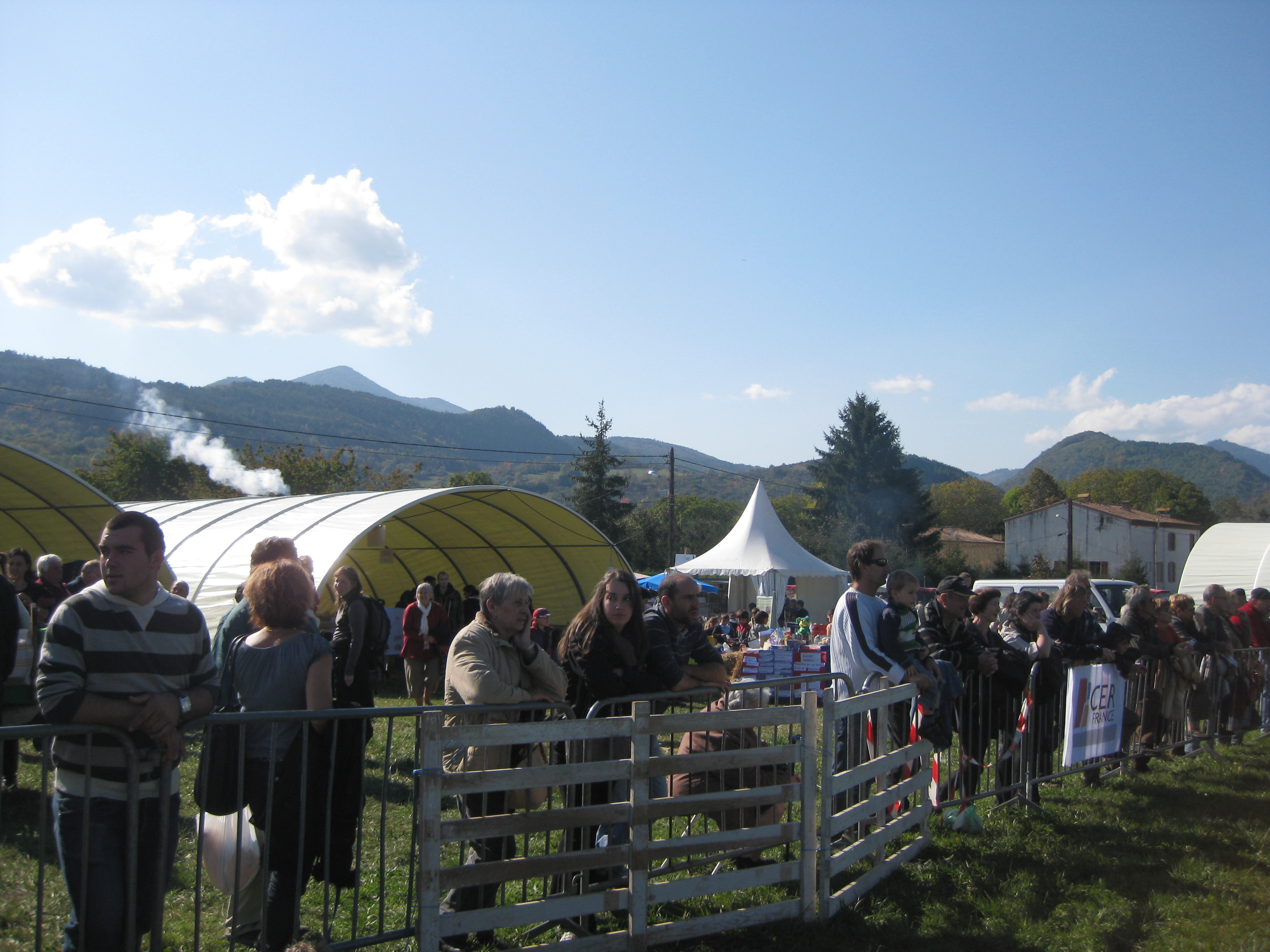
Waiting for horses to enter the ring. The fair at Espezel gets under way
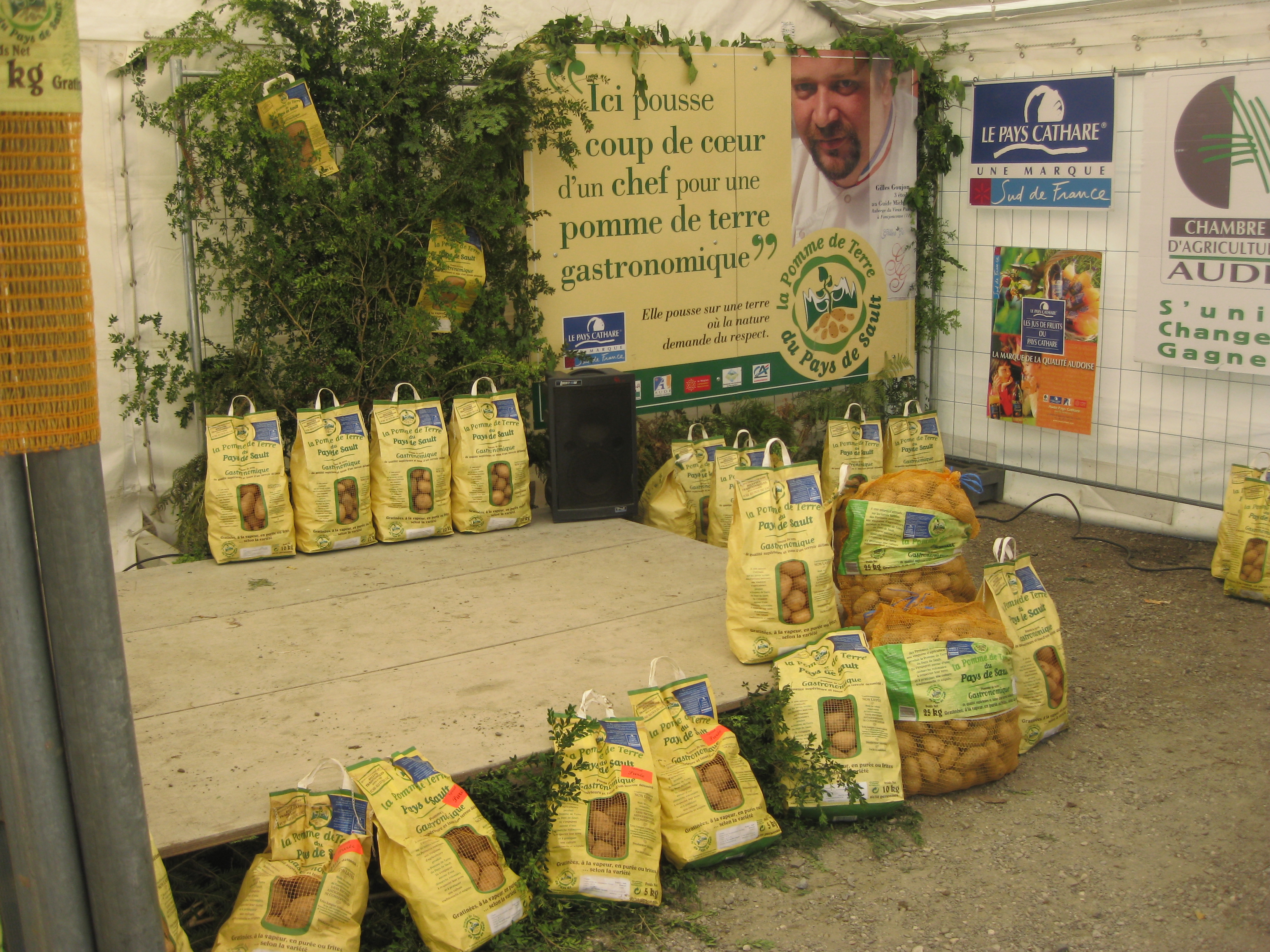
If you live round here, you’ll know about the Plateau de Sault. It’s where the potatoes come from.
Plateau de Sault potatoes. Plenty more where they came from.
They’re very proud of their potatoes. They’re also proud of their country fair, la Foire Départementale de l’Elevage, held at Espezel. Though this fair, held in October each year, is less about potatoes, and more about animals, as the name suggests.
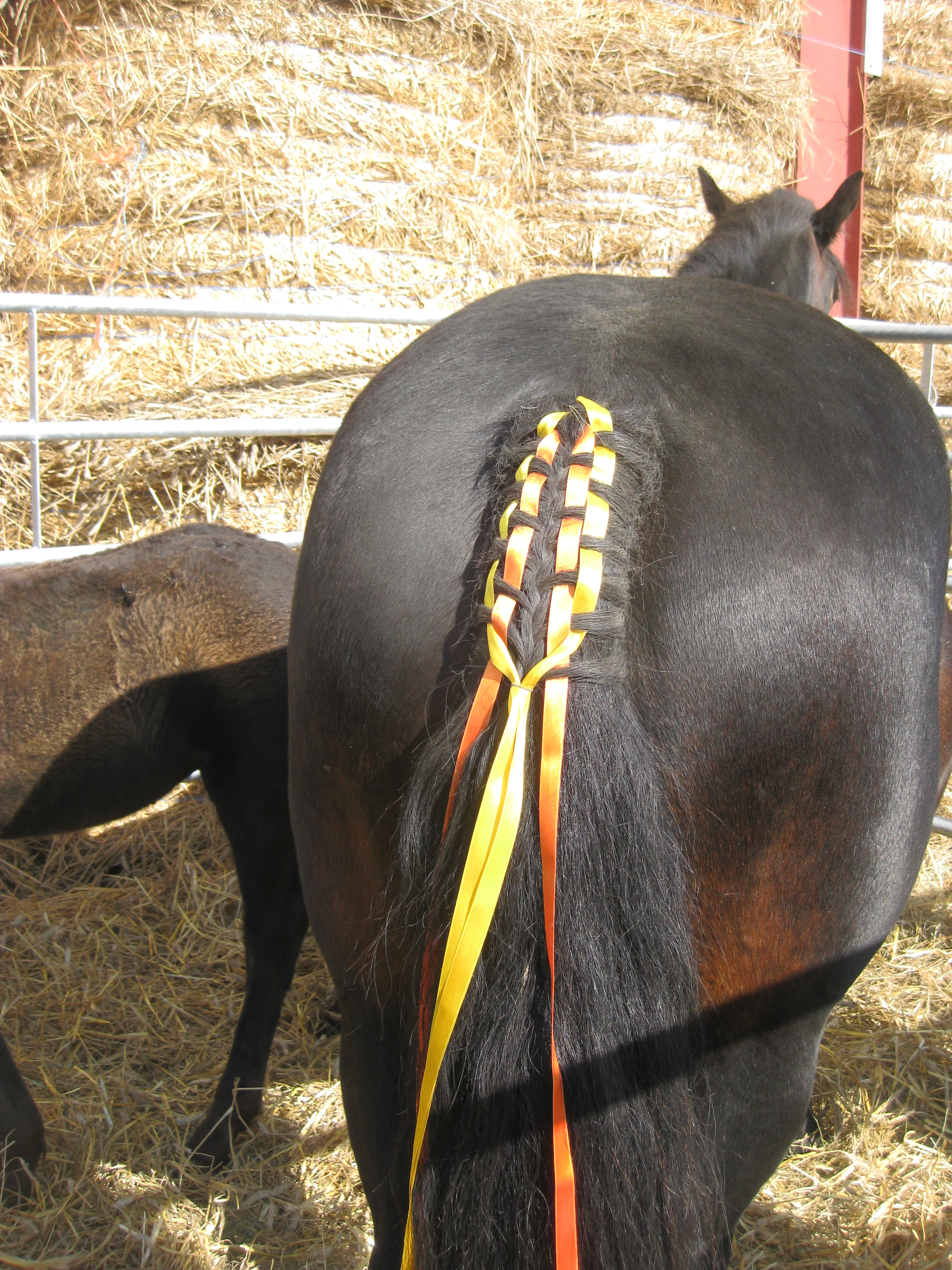
A show tail for a show horse
Working horses, bulls with a reputation, Jack-of-all-trades Tarascon sheep, sheepdogs, pigs, rabbits and chickens were all there, together with state of the art tractors and farm machinery.
We could have bought this fellow: but we couldn’t raise the money
There were food stalls, clothing stalls, catch-penny stalls: plenty to keep us busy. Gill and David, our guests from England, who are County Fair Connoisseurs and stalwarts of shows all over Yorkshire, spent their time eyeing up horses – particularly the heavy, working Castillon horses, while we enjoyed the working sheepdogs.
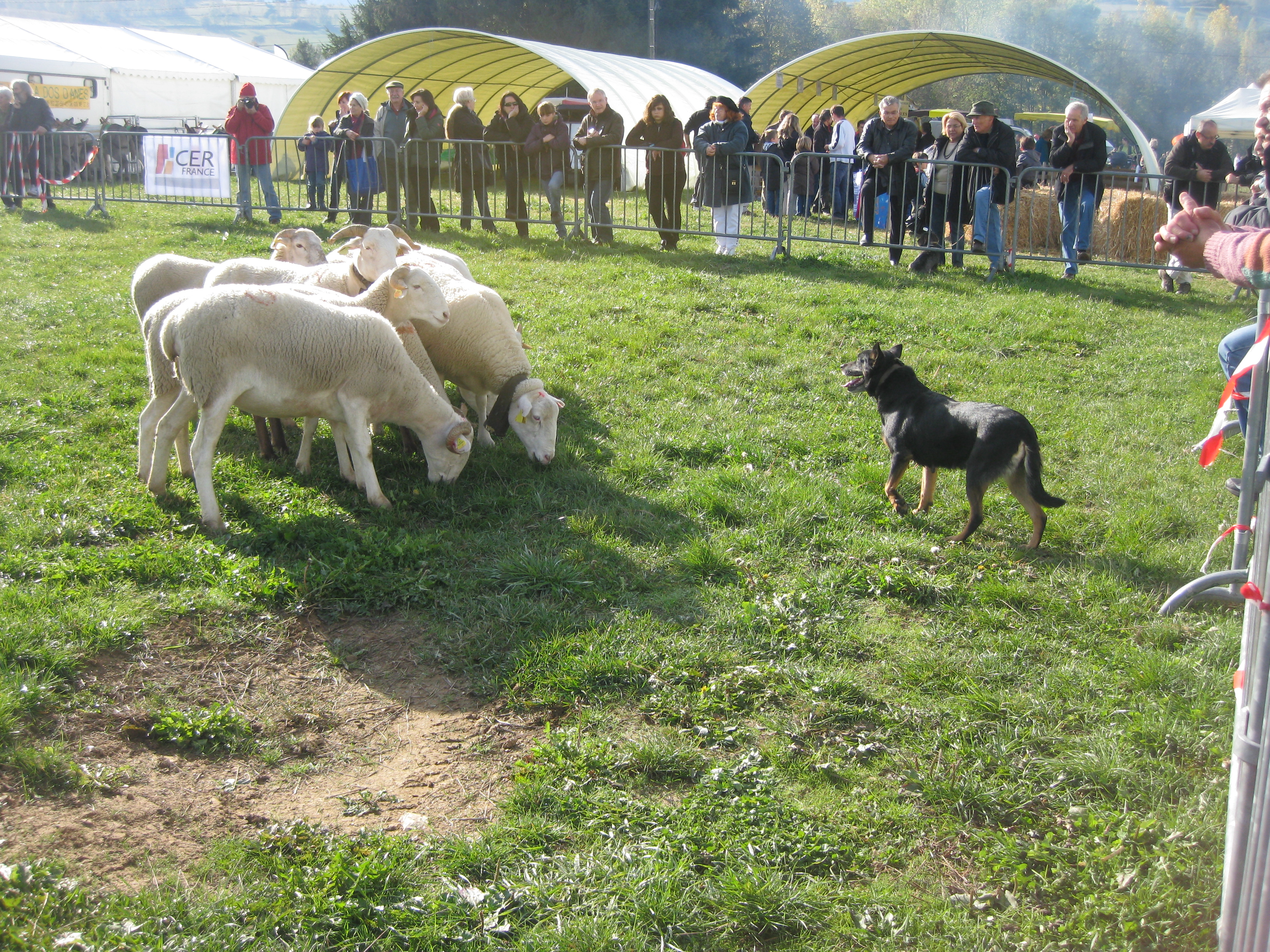
The Australian sheep dog rounds up his sheep
As in England, most sheepdogs are border collies, but some are Australian sheepdogs, crossed with dingos. They might look fierce – the sheep certainly think so – but they’re gentle and tractable, and do the business.
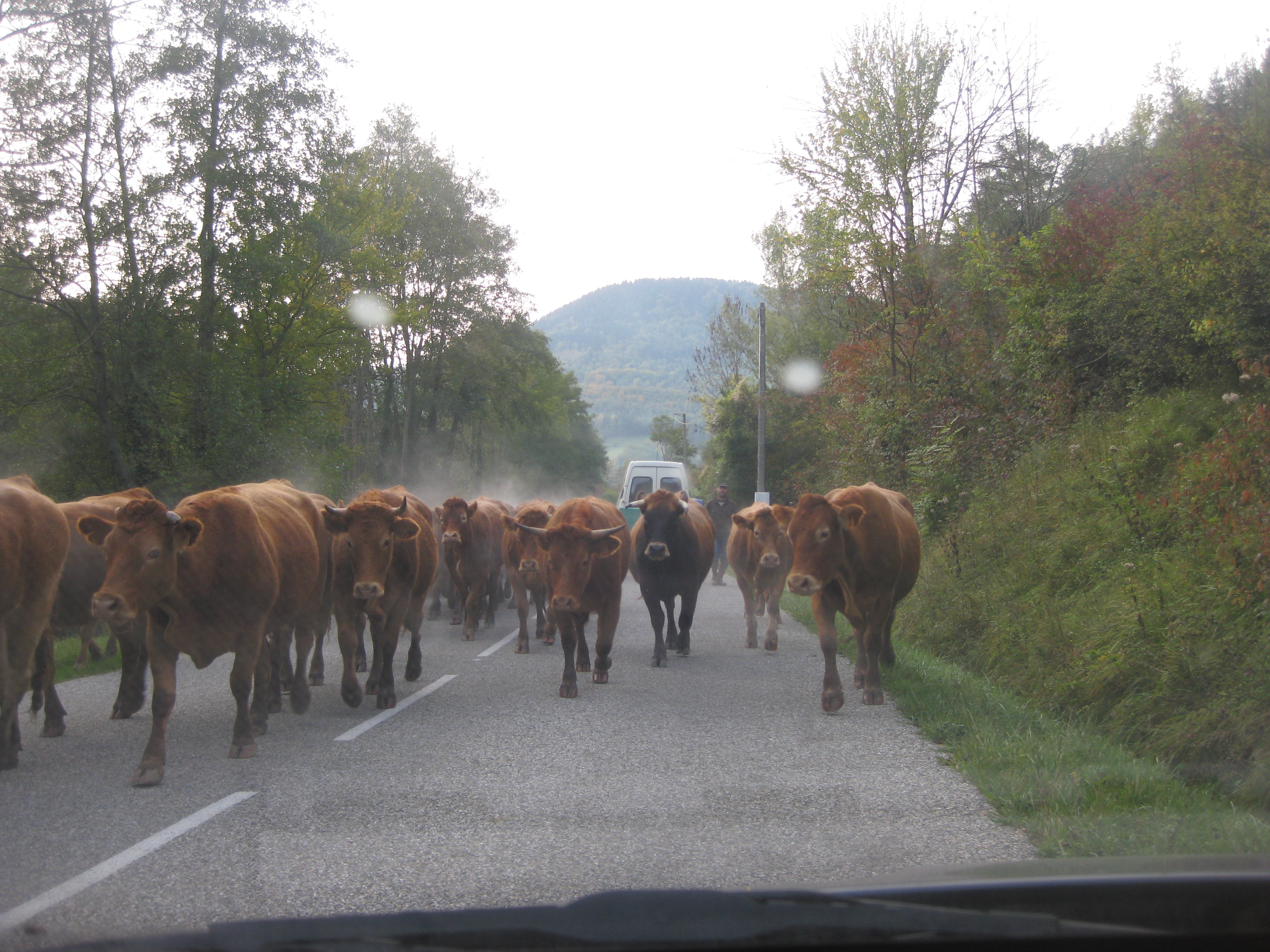
Oh, and on the way there, we had a piece of luck. We got held up, and it was a traffic jam we really didn’t mind. On the road to L’Aiguillon, a slow moving car with a sign reading ‘Transhumance’ flagged us down. Dozens of cows were being brought down to their lowland home from their summer pasture, and a score of cowherds and hangers on accompanied them on their long walk from Comus on the Plateau de Sault, to Mirepoix. That’s a 50 km. journey, but they probably didn’t walk it all. They’d have hitched a lift in a cattle transporter for at least part of the way, more than likely. We however, saw the picturesque procession, and it began our day on a suitably bucolic note.
Well, I mentioned Patrimoine in my last blog. Yesterday we had Our Farming Heritage, an event organised by Pays d’art et d’histoire des Pyrénées Cathares. 20 or so of us turned up at a nearby village, Troye d’Ariège, to have a look round a traditionally run sheep farm.
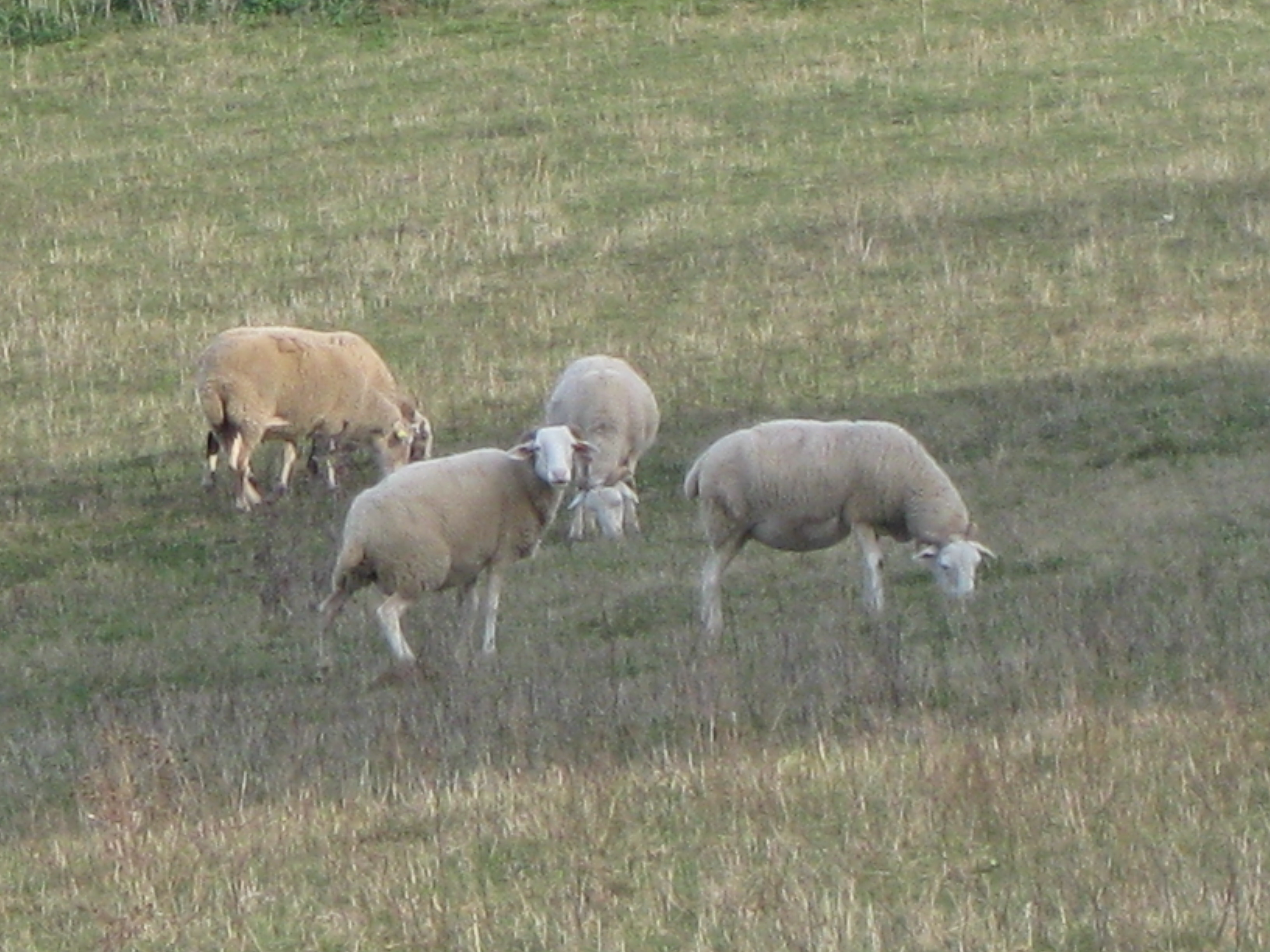
Very pregnant sheep out in the fields
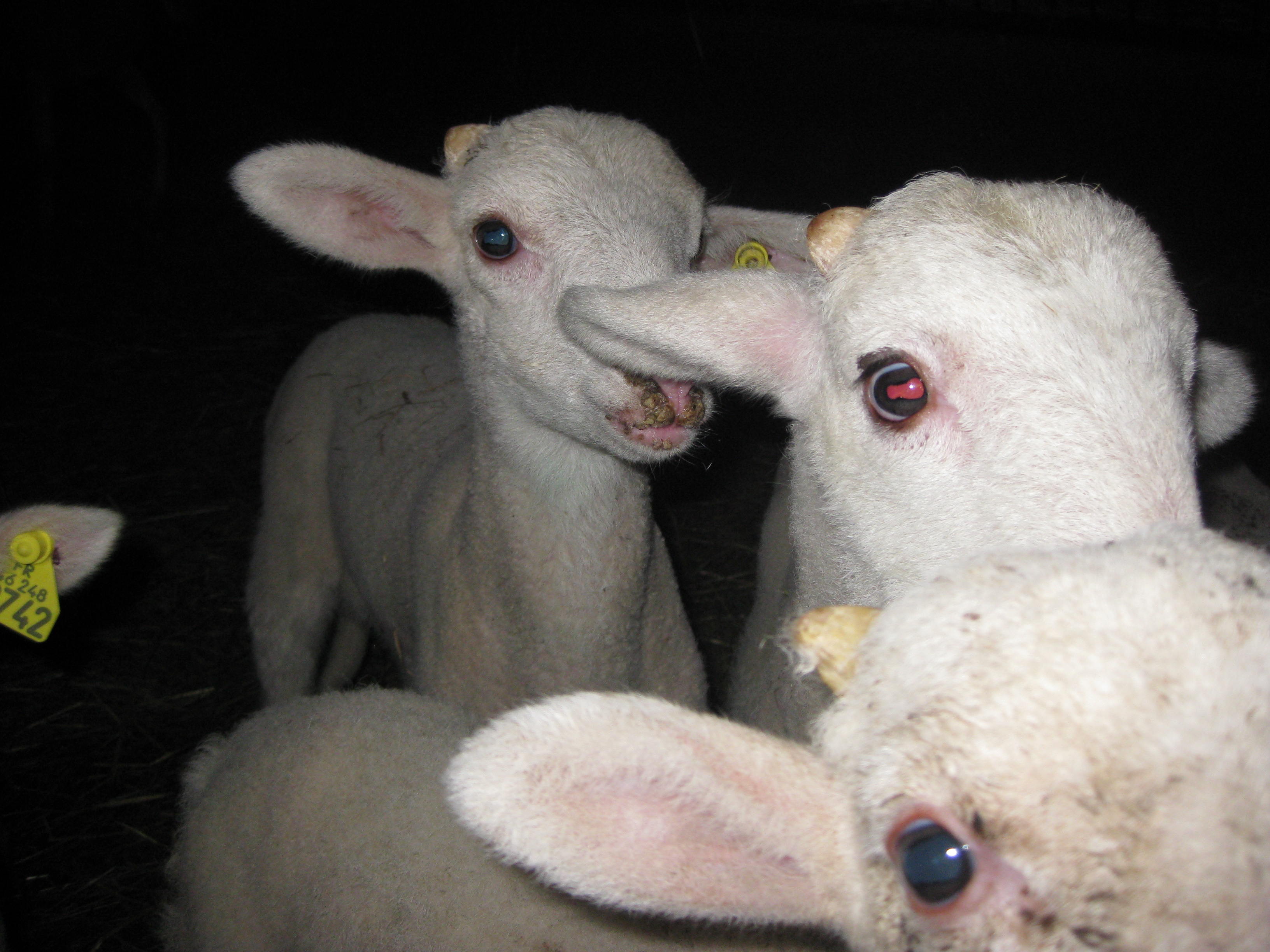
The event was immediately hi-jacked by an unscheduled event – the birth of a lamb. Out in a field, a mother sheep heaved herself up, plonked herself down, then up again, baahing loudly, until suddenly, quite suddenly, there was the front half of a lamb hanging out of her. A bit more wriggling and fussing, and there was the lamb, out on the grass, while the mother flopped beside it. A few minutes later, both were standing again. No shelter, no farmer in attendance – no need to worry apparently. These sheep are Tarasconnais, ‘The 2 CV of the sheep world’ said the farmer: rough and ready sheep who can turn their hooves to anything – wool production, milk and meat production, surviving on their own: molly-coddling is not required. They even get on with delivering their lambs regularly all the year round, somehow producing between them a steady crop of young, without human intervention.
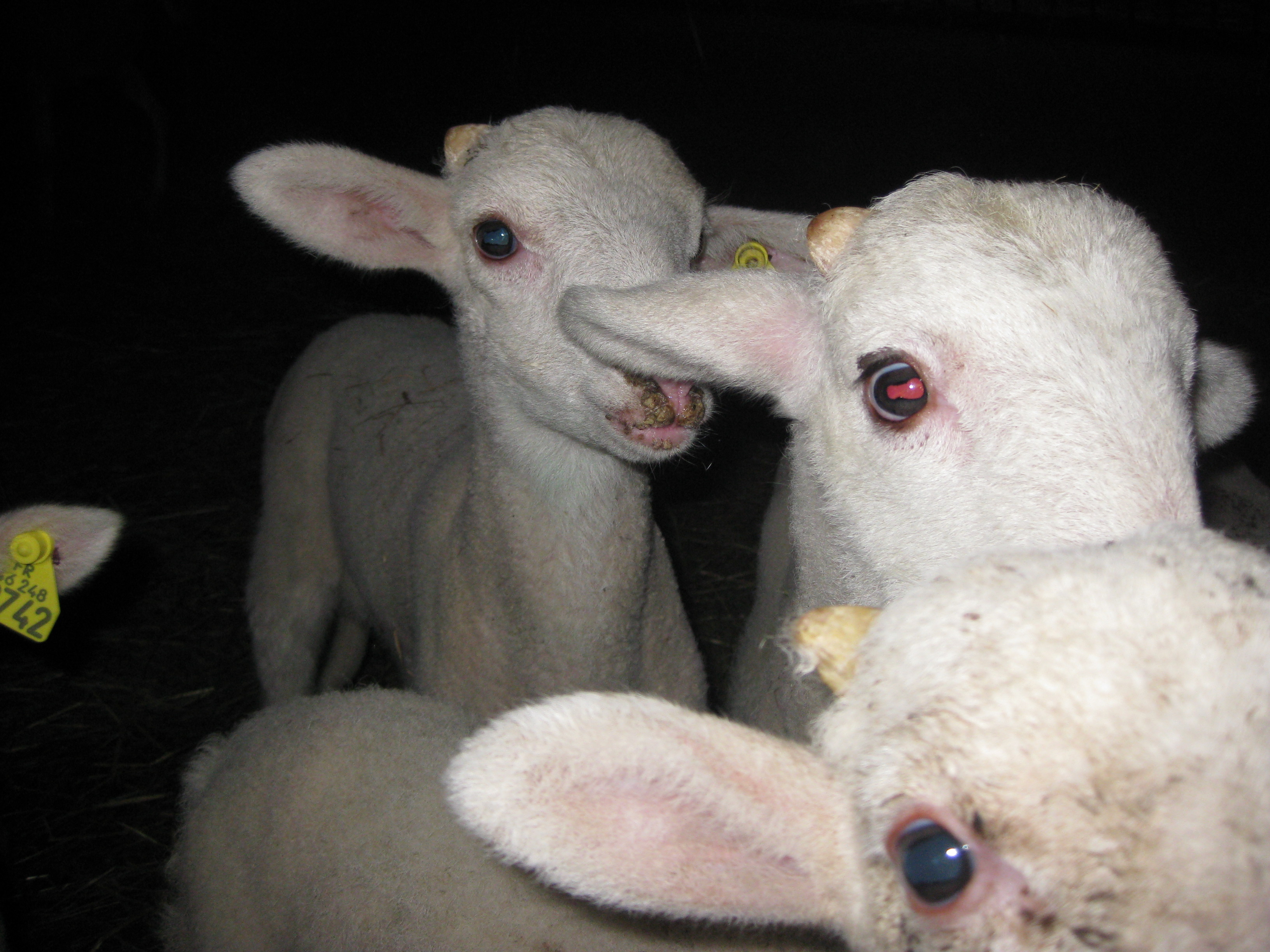
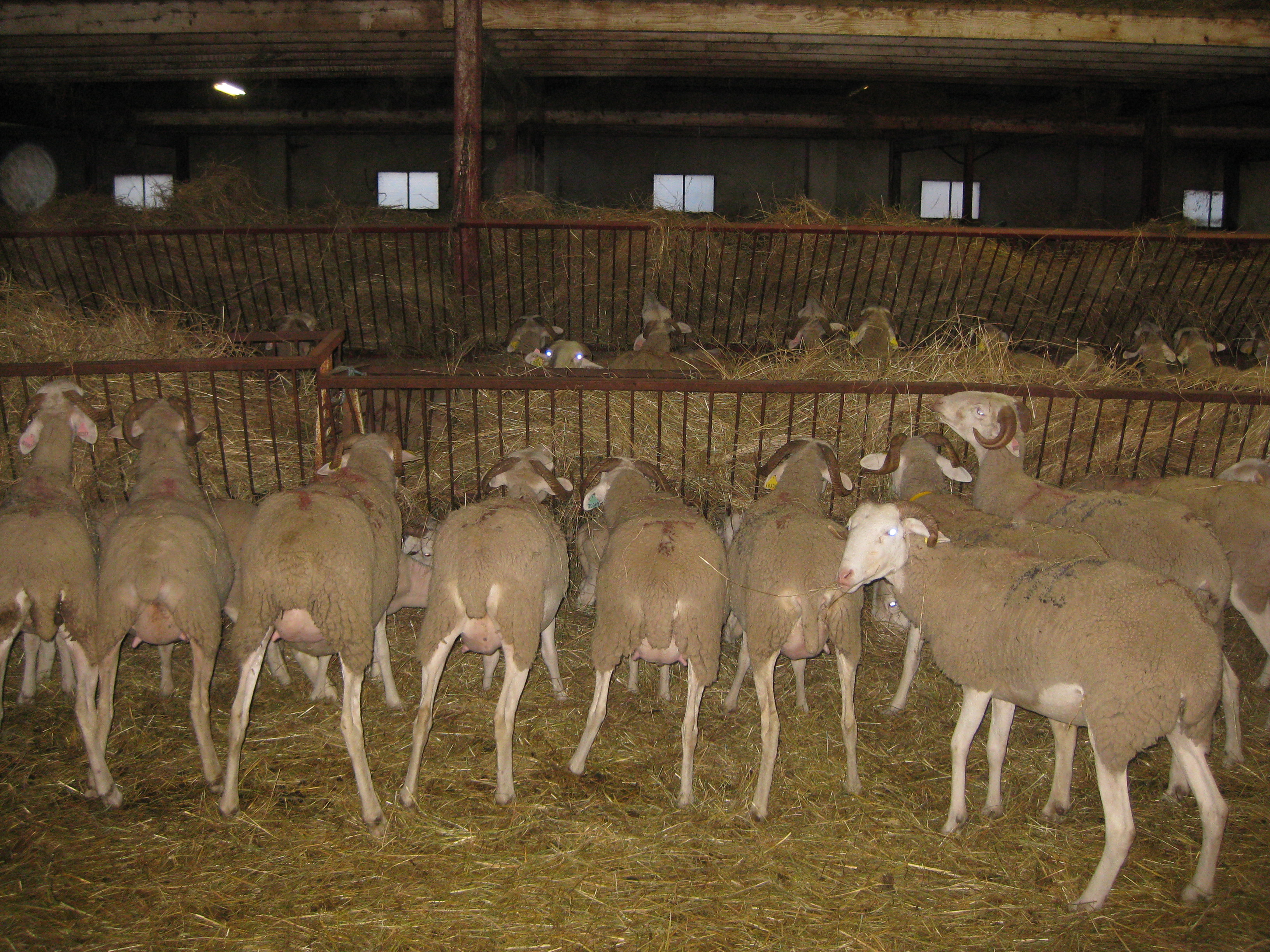
Over to the lambing sheds then, where the mothers, having delivered, come inside for a while with their lambs. The noise! Dozens of lambs constantly baahing in their high-pitched tones, while the mothers hit more melodious lower notes. Hopeless to try to follow all that the farmer, Marcel, was telling us.
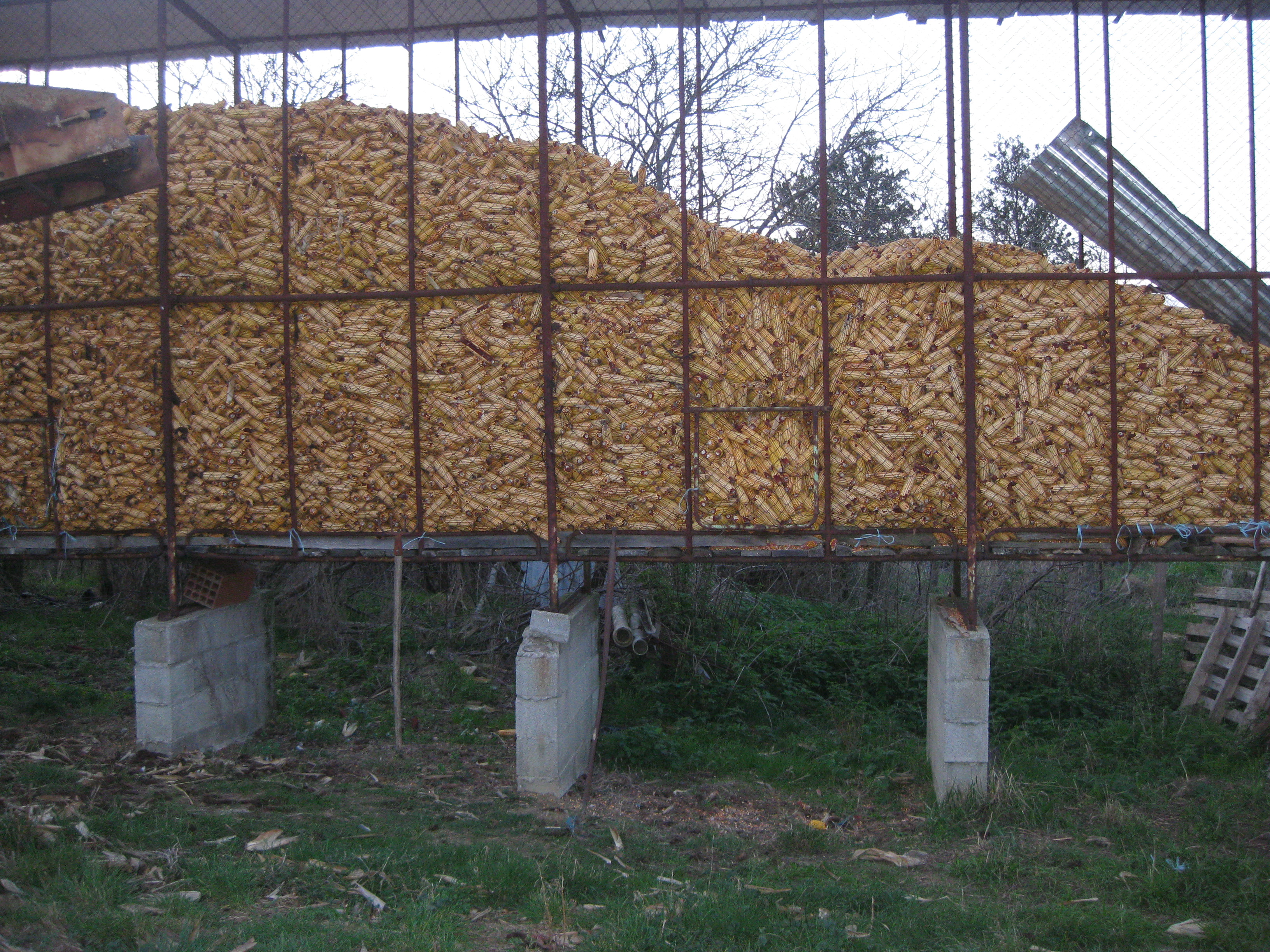
Maize - a winter treat
Marcel runs his farm of 800 sheep by himself, helped only by an apprentice (who has to go to College in among, of course) and occasional visits from a retired farm hand.
...and this is a huge cage for drying and storing it.
He grows their feed – hay, beets & maize, keeps the animals fed and watered, dips them against insects monthly, de-parasites them every 3 months, regularly cuts 800 sets of hooves (he’s devised various metal narrow bus-shelter-style contraptions to make it easier to queue the animals up take their turns for these various procedures).
View from the 'treatment' shed
He’s not organic, but many of his practices are, and he certainly usually chooses, for example, organic treatments if his beasts fall ill, believing them to be better.
Supper time
Every summer, about 400 of his sheep go off to the mountains with a shepherd, following the ancient tradition of transhumance. The old, the young and the weak remain behind.
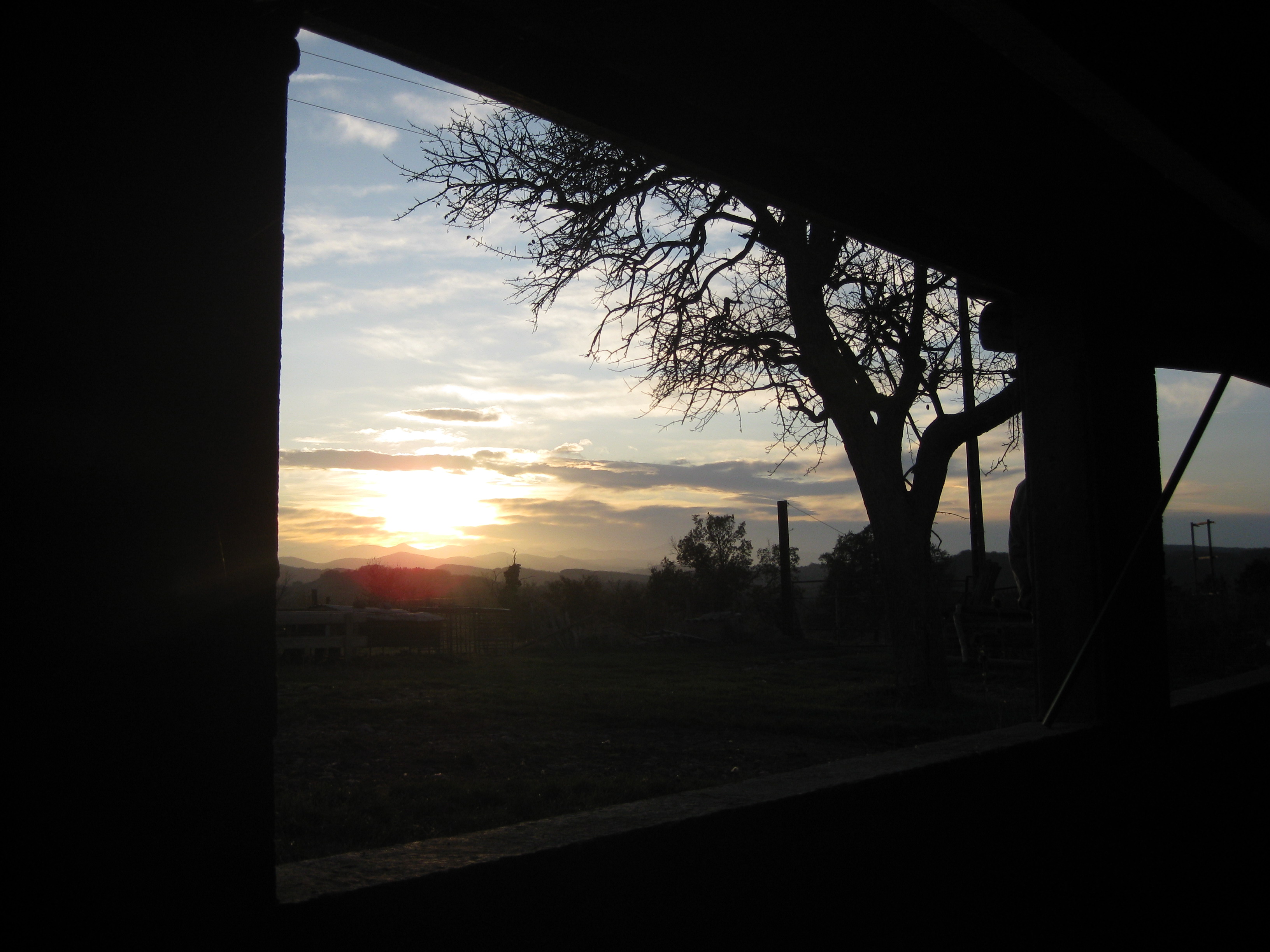
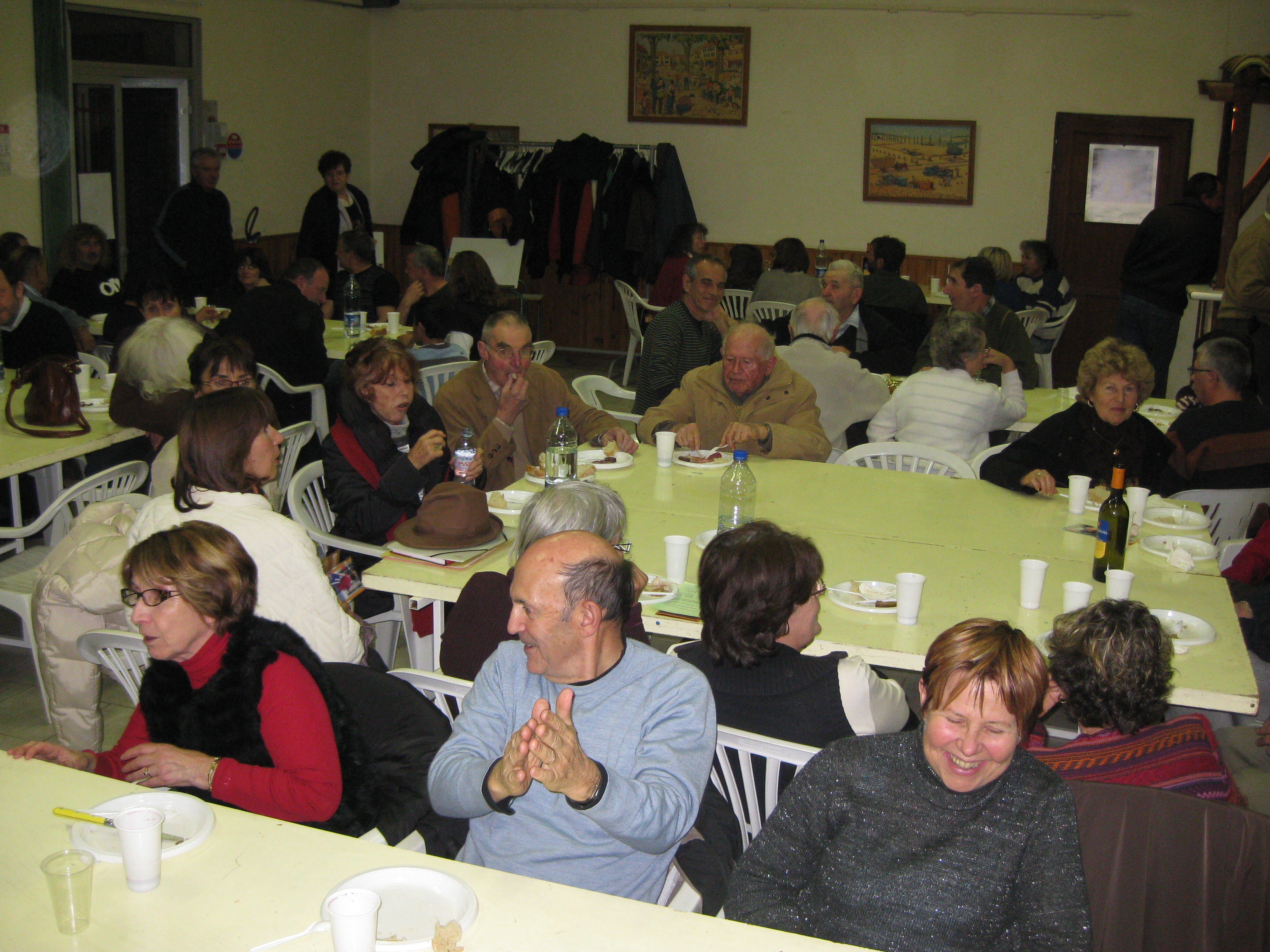
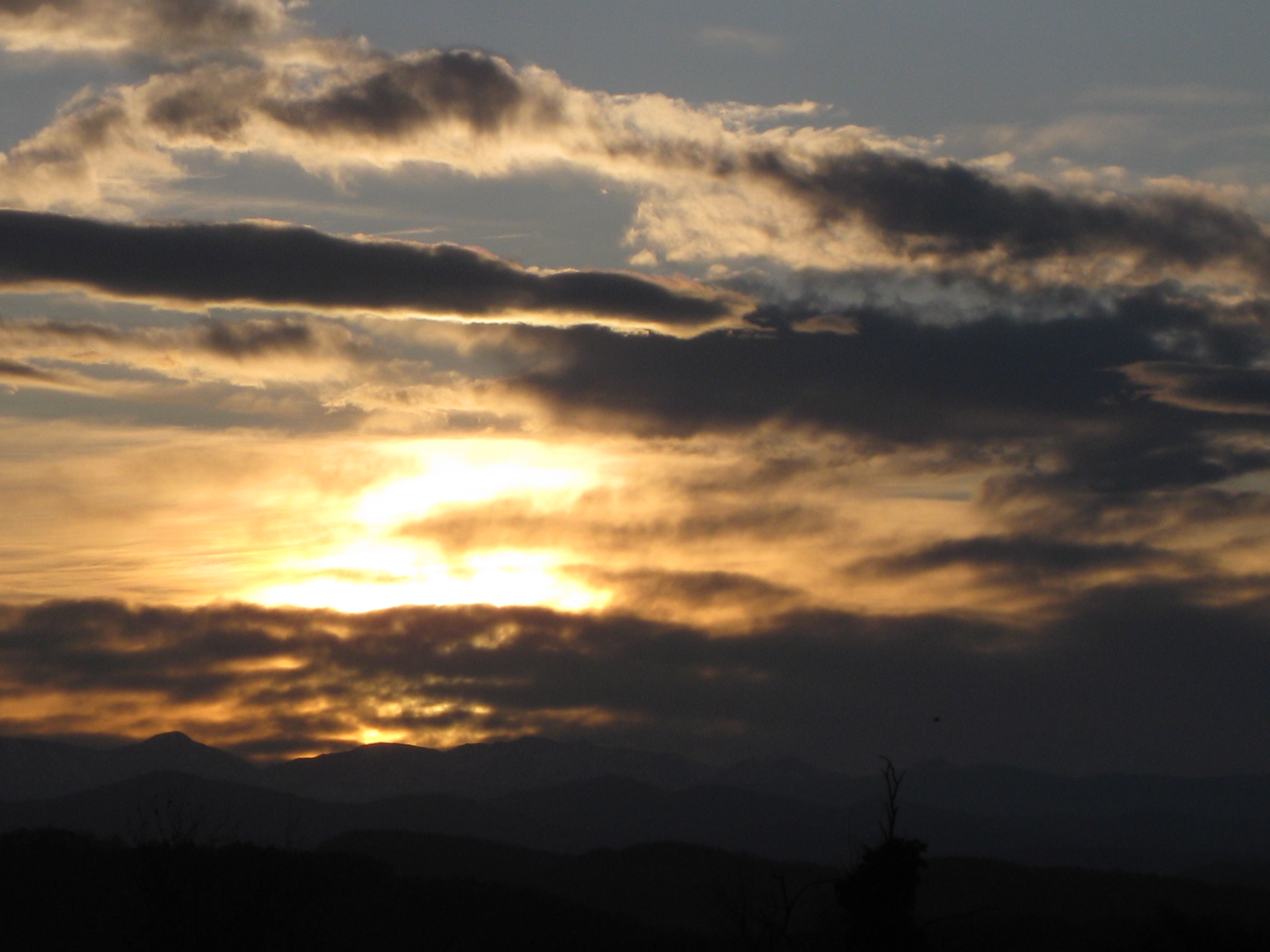
As the sun went down, it got colder and colder. Time for the next part of the evening, an Apéritif dinatoire. What this meant was that everyone from the farm walk and most of the village inhabitants got together to choose and share plates of local sausage, hams, pâtés, cheeses, bread, wine, apple croustades and fruit, mainly sourced from no more than 10 miles away.
Apéritif dinatoire over, time to clear the tables
The atmosphere got merrier and merrier, and yet, come half past eight, the tables were cleared, and we all sat down for a lecture (this is Saturday evening we’re talking about…..).
Eric Fabre, a university lecturer specialising in the farming history of our area painted a picture of 19th century life in which most people farmed tiny patches of land: only the Church and a very few landowners had substantial holdings. People grew what they and their few animals needed, and the sheep they had were valued for the manure they produced, and secondly for their wool. The meat got eaten, of course, but it only became a marketable product following urbanisation, when town based workers no longer had land of their own. The farmers listening to all this were even more interested then we were, and question time was lively. But it was late and we were tired, and in the end, we were glad to go. 11 o’clock seems well past bedtime when you’ve had a day down on the farm.


 From Pyrenees to Pennines
You must be logged in to post a comment.