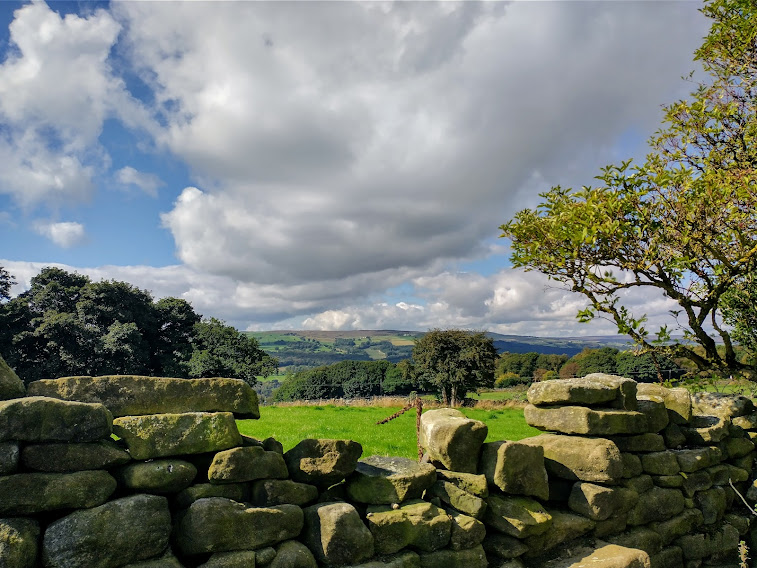
I have chosen dry stone walls in response to Brian Bushboy’s Lens-Artists Challenge #253: Fragments. Which is rather odd of me.
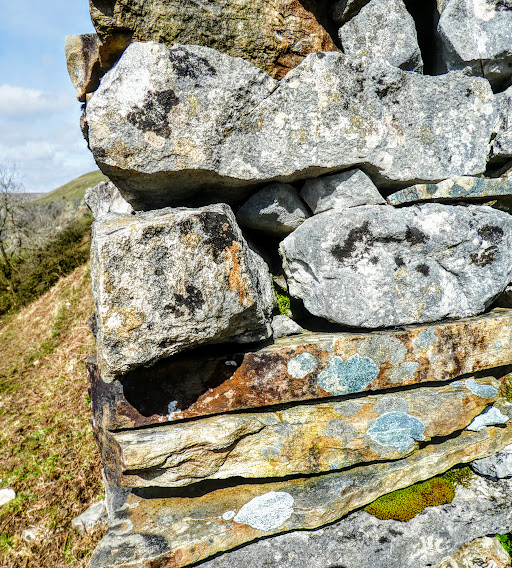
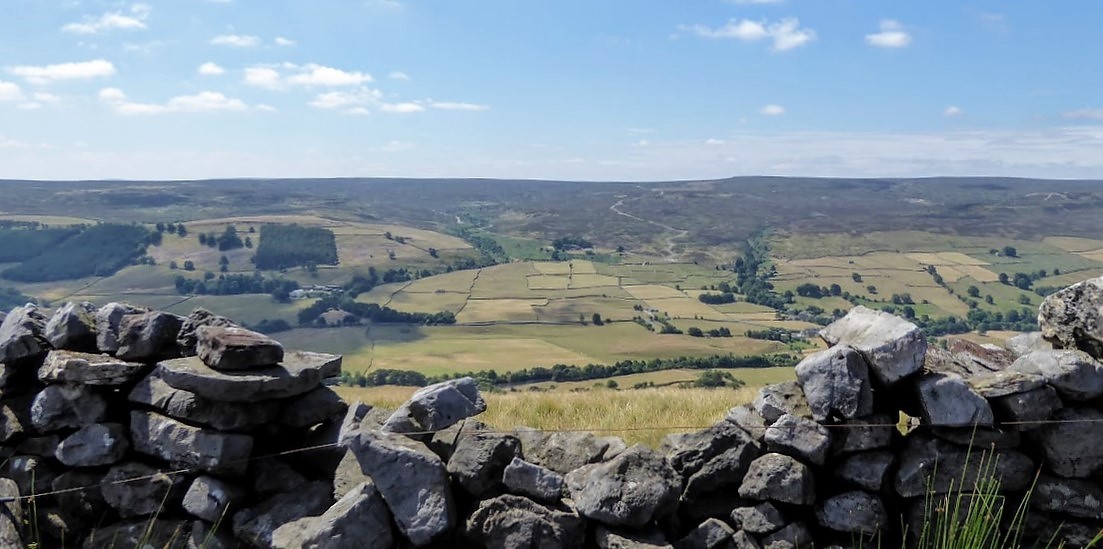
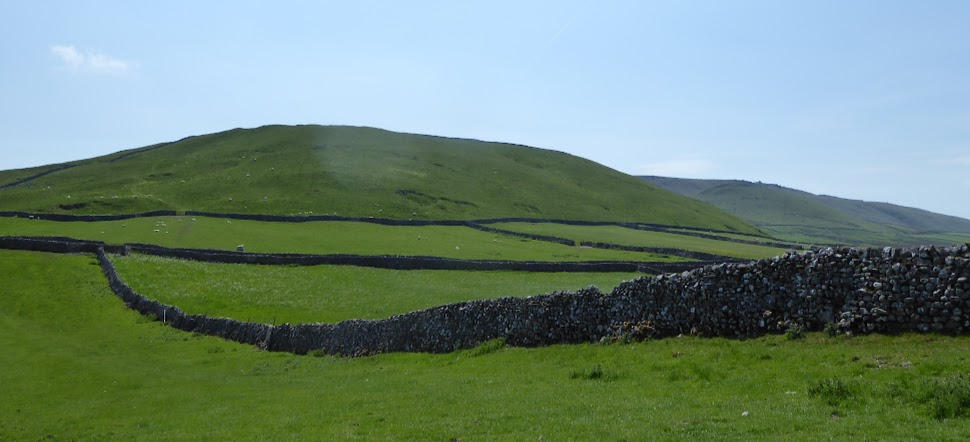
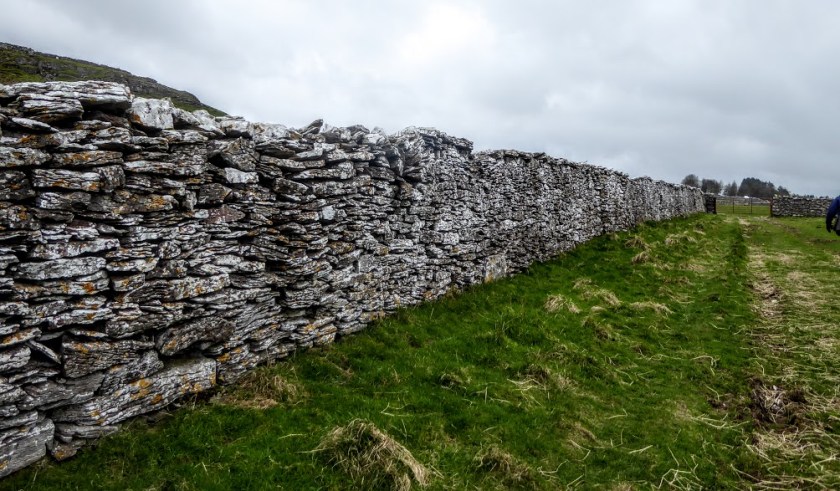
Dry stone walls are far from fragmentary. These walls march across the moorland and pasture landscapes of much of northern- and parts of the rest of – England, dividing farm from farm, and fields from their neighbours. Labour-intensive to construct, they can last for centuries: carefully assembled courses of locally-found stone with not a splash of mortar to be seen. The ancient craft is still alive and well, and the modern apprentice can hone his or her skills through Levels 1, 2 & 3.
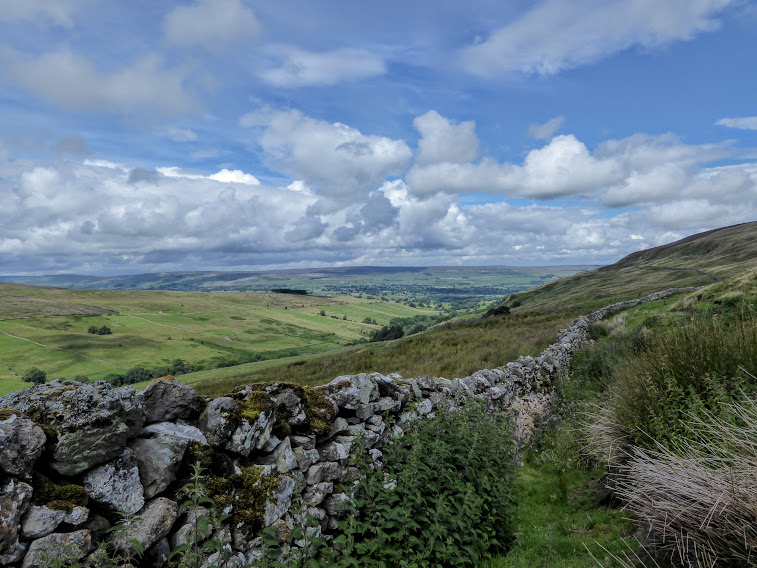
Still, the stones used in their construction are fragments of an ancient landscape of local rock: of millstone grit, of limestone, flint, granite: whatever is locally available. Some elderly walls are fragments of older, longer ones, and some are indeed somewhat broken.
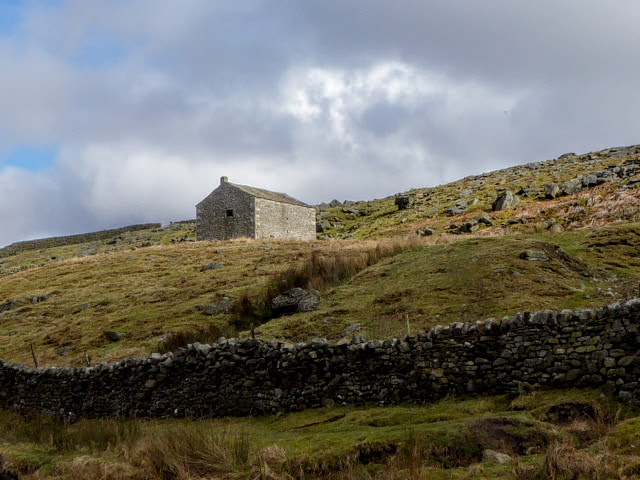
Really, I just wanted an excuse to celebrate this much loved feature of our landscape, telling a story of centuries of farming in harsh conditions where man has worked tirelessly to make a living.
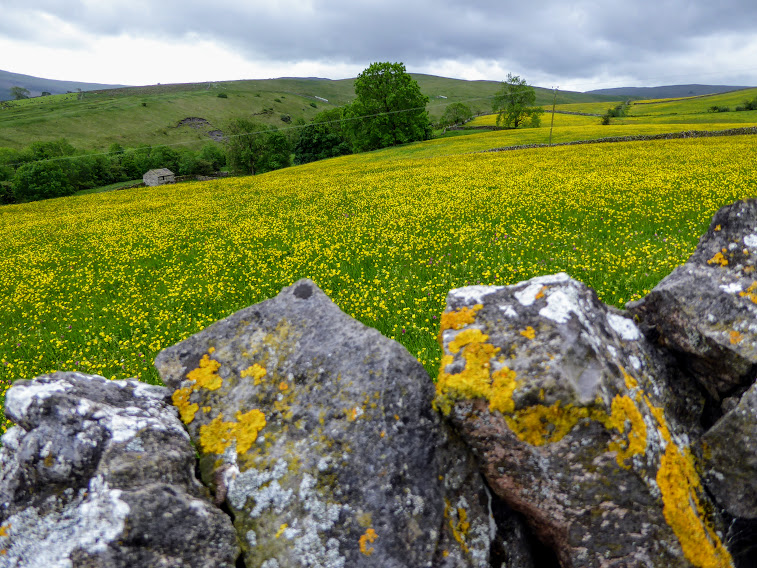





 From Pyrenees to Pennines
You must be logged in to post a comment.