Six Degrees of Separation: from Ghost Cities to My Father’s House

On the first Saturday of every month, a book is chosen as a starting point and linked to six other books to form a chain. Readers and bloggers are invited to join in by creating their own ‘chain’ leading from the selected book.

Kate:  Books are my Favourite and Best
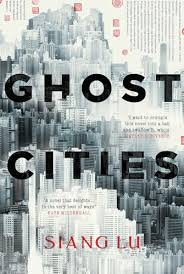
I haven’t read Siang Lu’s Ghost Cities.  But I’ve read several reviews, and it seems that this novel is inspired by the vacant, uninhabited megacities of China, and follows multiple narratives many years apart. In the present day, Xiang is fired from his job as a translator at Sydney’s Chinese Consulate after it’s discovered he’s been using Google Translate. This alternates with stories from the past of a dictatorial Imperial Emperor and his escapades.
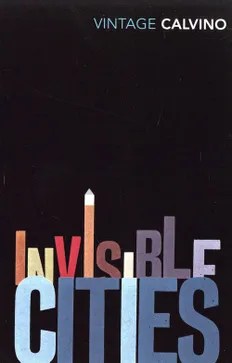

I immediately thought of Italo Calvino’s Invisible Cities, which I read far too long ago to comment on seriously now.  But it begins: ’Kublai Khan does not necessarily believe everything Marco Polo says when he describes the cities visited on his expeditions, but the emperor of the Tartars does continue listening to the young Venetian with greater attention and curiosity than he shows any other messenger or explorer of his.’  And here begins Italo Calvino’s compilation of fragmentary urban images.
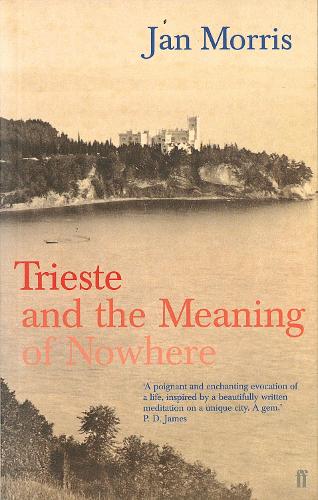
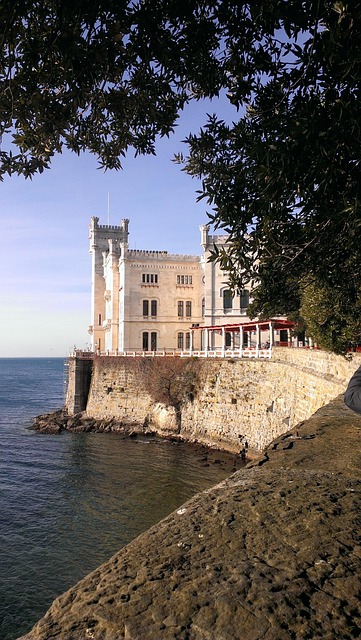
This Italian author made me think of one travel writer’s account of one part of Italy.  Jan MorrisTrieste and The Meaning of Nowhere. I felt a little ambivalent about this book. I wanted to like it more than I actually did. It’s a meditation on, and an exploration of Trieste, a city history has left behind, whose glory days are over, which is top of nobody’s tourist agenda, and which Jan Morris entertains strong feelings for. She discusses its history, its streets, its day-to-day life in a loving, melancholic way, and relates it to her own experience of being outside the mainstream. It’s a book which I’m glad to have read about a part of Italy I don’t know, but which I was happy enough to finish and set aside.
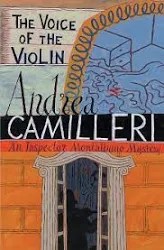
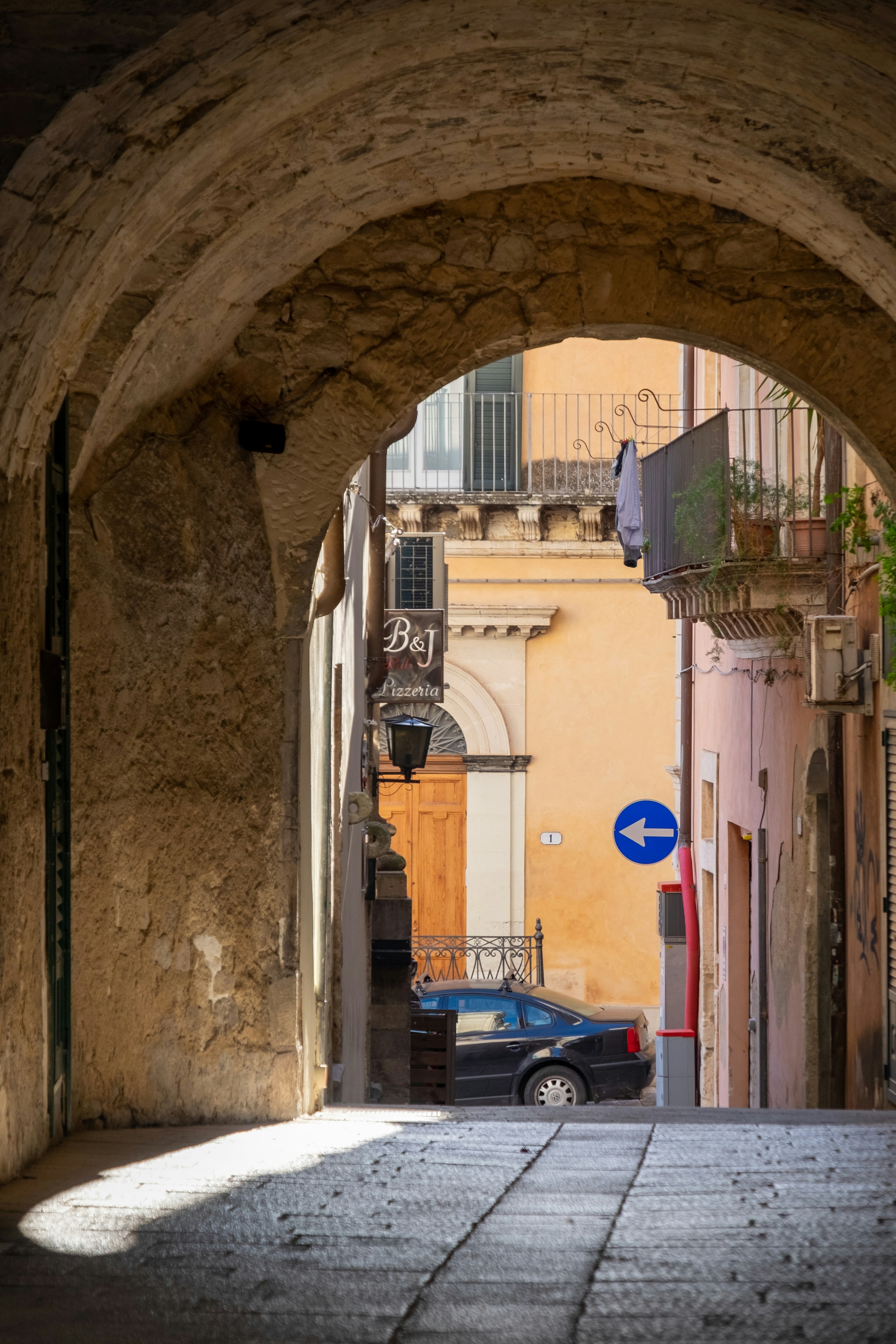
Vigàta in Sicily is another town which time has perhaps forgotten.  It’s also imaginary, and the setting for a series of murder mysteries by Andrea Camilleri. Despite the fact that as a detective series, which therefore concerns murder and other crimes, the Inspector Montalbano books are ones I turn to when I need a bit of relief from weightier tomes. I love to meet the people Camilleri describes. I like to accompany Montalbano as he seeks out delicious meals at home or at neighbourhood restaurants. And I like to observe his relationships with his colleagues. The Voice of the Violin doesn’t disappoint. It’s about a murder which might have taken a very long time to have come to light if the police car in which Montalbano was a passenger hadn’t careered into a car parked outside a villa…. And in due course, Montalbano’s curiosity is piqued … He finds a body, of course. And up to five people might be responsible for the gruesome murder. But who? And you’ll need to read this book to find out why the title it’s been given is so apposite.
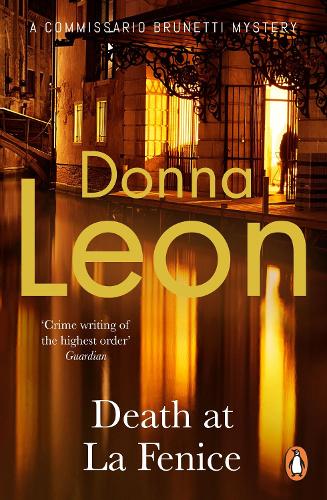
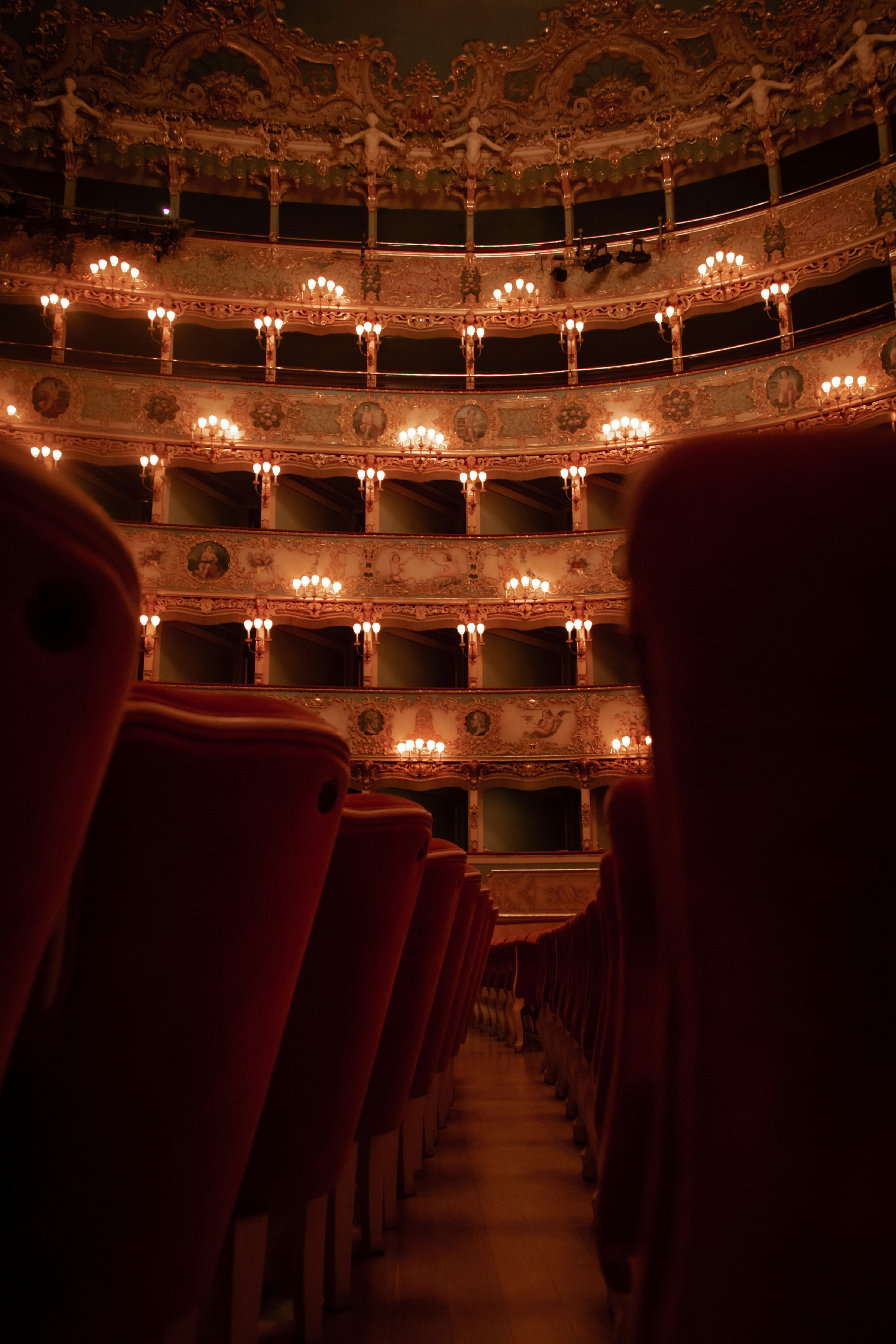
From one Italian detective to another. I love Commissario Brunetti, and I love the picture of Venice that Donna Leon, his creator, always conjures up. The alleys between ancient buildings, those palazzi themselves, the little bars Brunetti frequents…. and so on and so on. So even before I get involved in the plot, I’m absorbed by the ambience she creates. Death at la Fenice is, like all Leon’s tales, a good story. This one features the conductor who’s murdered during the interval at a performance at la Fenice. Whodunnit? His wife? That soprano? Her lover? As ever, the result of Brunetti’s investigation is an unexpected one, and convincing. Read it.
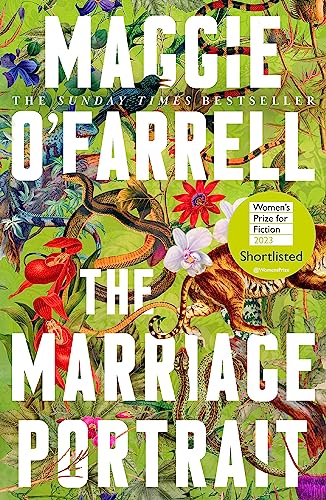
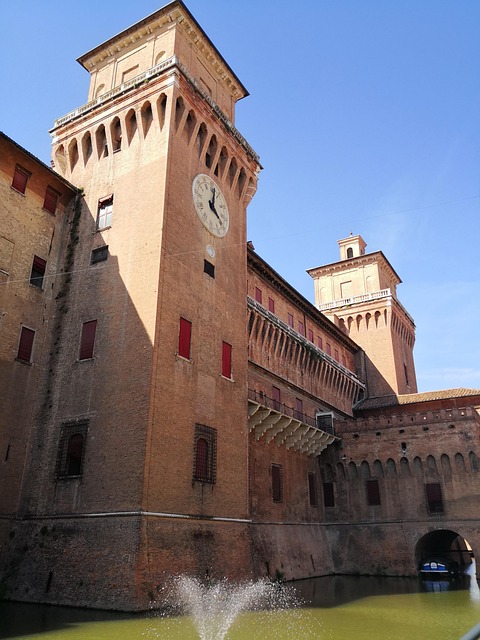
We’re staying in Italy for the rest of this chain.  But we’ll leap back several centuries in Maggie O’Farrell’s The Marriage Portrait.. Lucrezia, third daughter Cosimo de’ Medici, finds herself betrothed, then married to Alfonso, heir to the Duke of Ferrara when her older sister, his original choice, dies. The story flits between her early life in Florence and her early married life. Underneath, throughout her marriage, her conviction that she will be killed by her apparently loving husband bubbles away. She’s a Duchess now, her father-in-law having died. She’s only 15, more than 10 years younger than her husband. Although she’s been brought up privileged, her new status brings with it loneliness and challenges. Virtually her only constant friend is her maid.

This book links with the two previous ones by being rich in quotidian detail. O’Farrell paints the pictures of her privileged life in such a way that we can hear, see and smell the scenes that surround her: her father’s exotic menagerie; her husband’s castrati singers; the sumptuous clothing; the simple bowls of fruit which she examines with her painterly eye – she is a talented artist.  This rich attention to detail brings an already absorbing story fully to life.
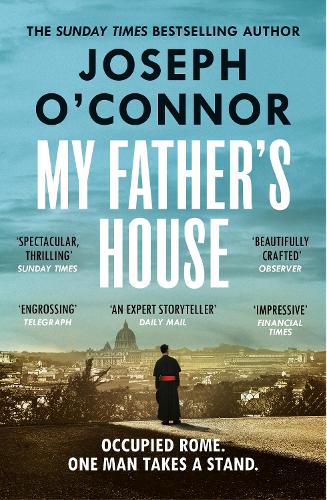
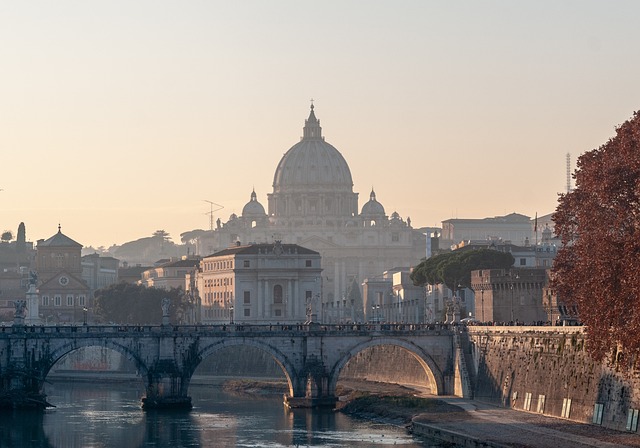
Still Italy, still history, but much more recent in the first volume of Joseph O’Connor‘s Escape Line TrilogyMy Father’s House is an immersive story, taking as its starting point the fact that while Rome was under German occupation in 1942, there was an Irish priest, Hugh O’Flaherty, based at the Vatican who was involved in running an escape line for Jews, escaped POWs and resistance fighters during WWII.

The plan is to evacuate scores of refugees and resistance fighters, all separately hidden, out of Rome on Christmas Eve, when perhaps guard is lowered. Plans take place at the rehearsals of a specially convened Chamber Choir: singing drowns out the mutter of whispered instructions to each singer in turn. Each player in the plot has a role, No one knows what any other individual is required to do. Gestapo leader Paul Hauptmann has his suspicions that a plan is afoot, and O’Flaherty is in his sights.

This is a work of fiction, even though heavily indebted to known facts. It’s told in a series of distinct voices, all characters in the book.  Each voice is distinctive, authentic, even funny: Irish, English, Italian, aristocrats and shopkeepers. An often thrilling, always thought-provoking and absorbing story.

My chain seems to owe everything to Italy, and little to the starter book. I won’t do any better next month. I’m unliklely to participate, as we’ll be away, and I don’t like the idea of not responding promptly to comments. But the starter book will be  Dominic Amerena’s novel about authors and publishing, I Want Everything. I think I’ll try to read it anyway.

With thanks to the photographers from Pixabay whose photos I have used: LeoLeo (cities); VBosica (Miremare, Trieste); Gianni Cio 10 (Sicily); Filip Filopovic (Ferrara); Davide Cattini (Rome).  And from Unsplash, Giusi Borrasi (La Fenice, Venice)
Six Degrees of Separation: from Western Lane to The Lock-Up

On the first Saturday of every month, a book is chosen as a starting point and linked to six other books to form a chain. Readers and bloggers are invited to join in by creating their own ‘chain’ leading from the selected book.

Kate: Six Degrees of Separation

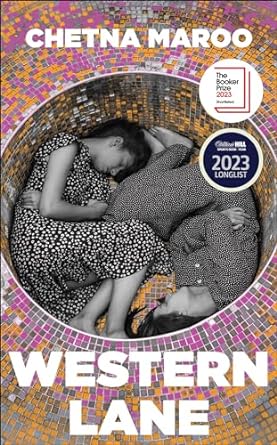
This month’s starter book by Chetna Maroo, Western Lane has only just been acquired by our library, so I haven’t had a chance to read it yet. I understand though that it’s about eleven year old Gopi whose mother dies. Her father enlists her in a quietly brutal training regimen in squash, and the game becomes her world. Slowly, she grows apart from her sisters. 

This took me off at a slight tangent, something to do perhaps with ‘quietly brutal’.  I remembered reading Cormac McCarthy’s The Road:  the tale of a father and son trudging through post-Apocalypse America. This is a land where nothing grows, no small animals are there for the hunting: where communities and dwellings are deserted and long-since looted for anything that might sustain life a few more days: where other humans might prove peaceable, but might instead be evil and dangerous. This book is bleakly, sparely written. Conversations between father and son are clipped, necessary. No speech marks. Sometimes little punctuation. Every ounce of energy is needed for the business of staying alive. This book, in which nobody lives happily-ever-after will stay with me for a long time.

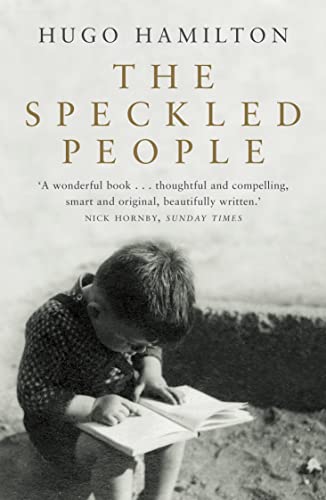
This linked for me with another book where a father is centre stage: The Speckled People by Hugo Hamilton. As someone of dual heritage myself (half English, half Polish), born in the same period as Hamilton I was interested to read this account from a man with a German mother and Irish father. His story is told in a series of vignettes, which gradually provide a coherent picture of the family’s day-to-day life over the years of Hamilton’s childhood. His mother brings with her memories of her family’s anti-Nazi stance – yet in Ireland she and her family are called Nazi. His father insists on the family’s Irishness – which meant denying everything English in their lives. Both these threads isolate them all from their peers. They’re rather poor, though Hamilton’s father has all kinds of unusual and ultimately unsuccessful business ideas. This is an account of a young boy’s growth into adolescence and adulthood, trying to find a path towards the adult he thought he wanted to be. A sensitive and restrained and thought-provoking narrative.

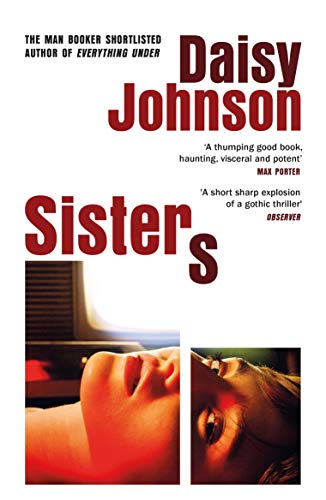
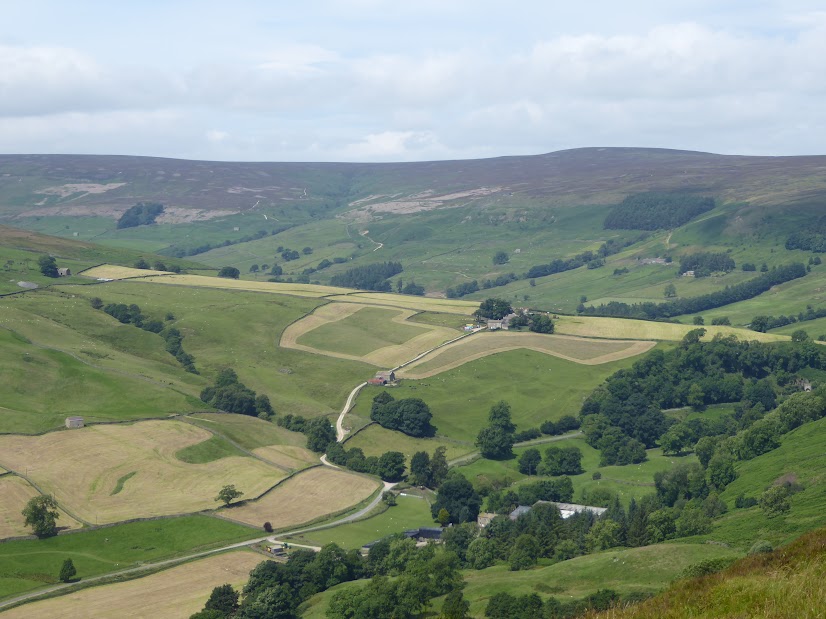
Let’s move to a book with no father figure at all: Sisters by Daisy Johnson. July is utterly dependent on her damaged, controlling older sister September, to whom she is very close in age (the clue is in their names). Following some bullying of July in their Oxfordshire school, they move with their mother to the house in North Yorkshire that had once been the father’s family home. Sheela, the mother is also unstable – withdrawn and neglectful. The girls are widely considered ‘isolated, uninterested, conjoined, young for their age, sometimes moved to great cruelty’. Their behaviour is unsettling, often shocking, and makes reading the story a tense and unsettling experience. It leads towards a denouement that is both shocking and yet satisfactory, leaving the reader with a hope for better things.

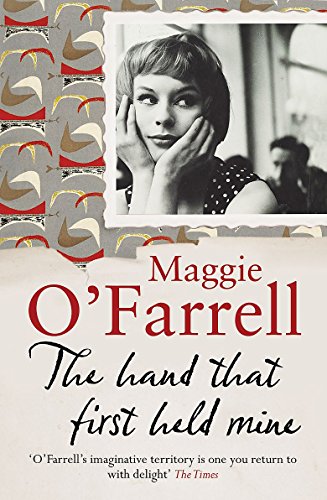
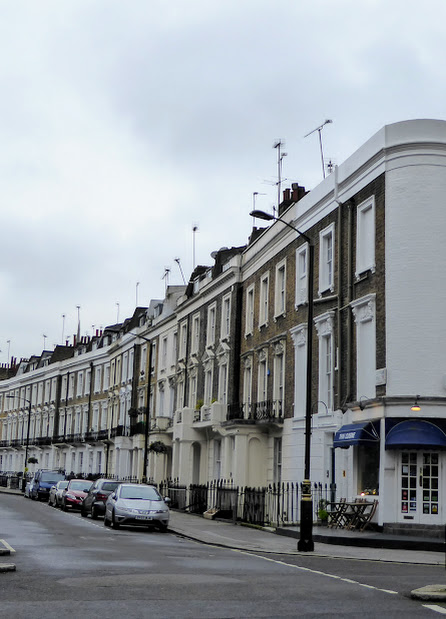
Another book with families and relationships at the heart: The Hand That First Held Mine by Maggie O’Farrell. Here are two stories: that of Lexie, 1950s university drop-out, who meets Innes, and leaves rural Devon and her family, to live the full bohemian London experience. And that of Elina and Ted, new (present-day) parents who after a horrible, dangerous birth, are struggling to adjust to their new very-far-from normal. Their exhaustion, Ted’s curious moments of disorientation, their differing expectations seem likely to destabilise their relationship. How do these two worlds collide and make a story? They don’t, not in the first half. Then hints get dropped, about the house and neighbourhood where all these characters lived. And despite the drip-feed of clues, the end, when it comes, is shocking , unexpected and entirely believable. I was involved from the first to last page.
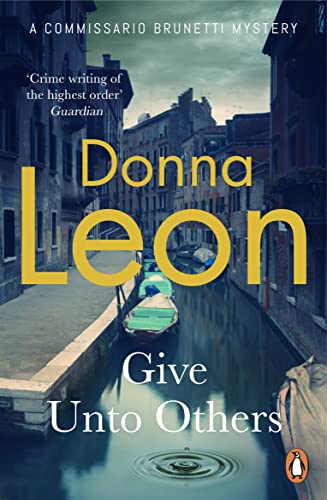
This is getting a bit heavy.  I’ll do what I so often do after a dose of mood-lowering reading and rush over to Venice to read a Brunetti mystery by  Donna Leon. The plot hardly matters.  It’s a few hours in the company of Commissario Brunetti and his entirely satisfactory family life that I’m after.  Give unto Others is Leon’s latest book. And this post-pandemic tale is as usual a good one. It involves a former neighbour who comes and talks – unofficially – about some concerns she has about the business in which her husband and son-in-law have been involved. As ever, layers unpeel to reveal dark secrets and shenanigans. Tricky moral questions arise for Brunetti to wrestle with. How involved should he be? If you’re a Leon fan, you won’t need any encouragement to find out.

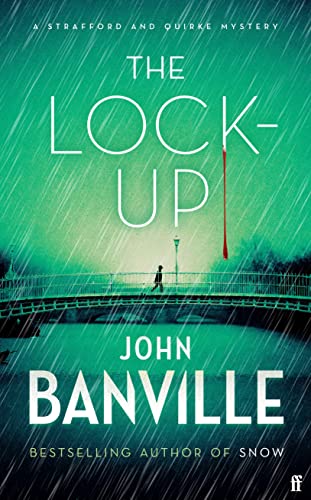
For my last book, I’ll choose to link with Brunetti by choosing another crime novel where the personalities are of just as much interest as the crime, and where human relationships are what count the most,  The Lock-up by John Banville. We’re in 1950s Dublin, some six months after Banville’s April in Spain took place. A young woman has apparently asphyxiated herself in her car in a lock-up garage. It becomes apparent it’s a murder. As ever, though the whole of the book is on the surface an account of the efforts to solve the crime and find the perpetrator, actually, that’s not the reason to read it. Instead, it’s about the more-than-prickly relationship between DI Strafford and police pathologist Dr. Quirke, about the complicated love affairs both men have in 1950s Dublin, still under the somewhat puritanical stranglehold of the Catholic church. And this extends to its influence over police investigations as well as moral arbitration. It’s about the weather, the greyness of Dublin. And it’s about simply enjoying Banville’s luscious writing. So many reasons to read and appreciate this book.

So: families and relationships form the link between all my choices this month. Next month, perhaps it will be food, as the starter book is the culinary classic, Anthony Bourdain‘s Kitchen Confidential.

Three of my images this month come courtesy of photographers catalogued in Pexels. Tirichard Kuntanon illustrated the Cormac McCarthy, Dids the Donna Leon, Mike Bird the John Banville. The image for the Hugo Hamilton was from Wikimedia Commons.

Six Degrees of Separation: The Foodie Special

On the first Saturday of every month, a book is chosen as a starting point and linked to six other books to form a chain. Readers and bloggers are invited to join in by creating their own ‘chain’ leading from the selected book.

Kate: Six Degrees of Separation

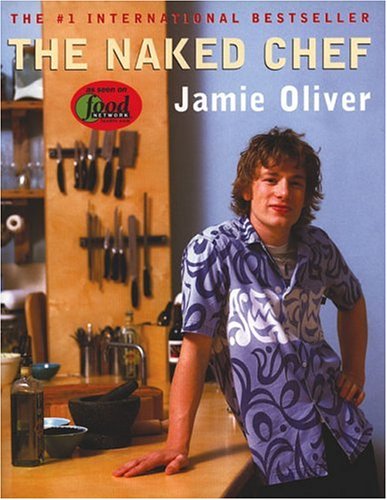
This month, our chain starts off with a recipe book: Jamie Oliver‘s The Naked Chef. I’ve used this and other books by Jamie Oliver as jumping-off points when thinking what to cook. But what I really like is a recipe book that’s a good enough read to enjoy even when not planning meals.

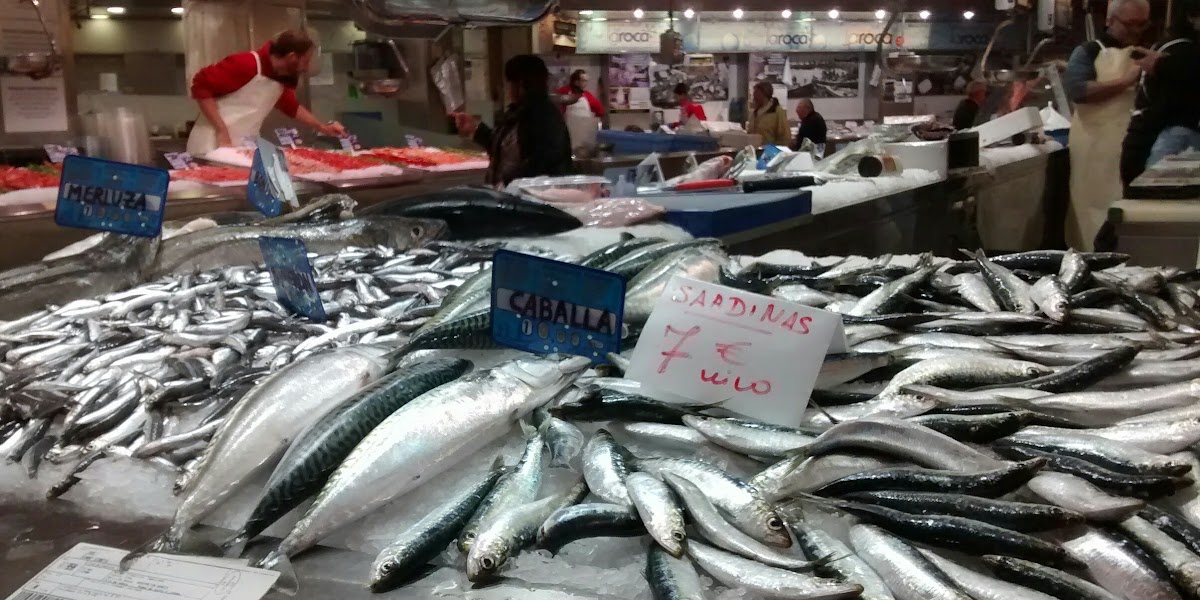
So that’s why I’m starting my chain with Rachel Roddy. I used to follow her when she was a food blogger, a young Englishwoman living in Rome. Then she wrote a book. Then the Guardian newspaper took her up. These days she blogs no longer. But I still use and enjoy that first book, My Kitchen in Rome, in which she talks about Testaccio, the working area of Rome where she lives, far from the tourist hot-spots. She writes about the daily market, her discovery of Roman foods and recipes, and getting to know those who help her on her culinary journey. It’s a right good read. With added recipes.

Nigel Slater is another food writer featured in the Guardian and Observer. I own just about every book he’s written: but today, even if it’s definitely not OK to start doing the Christmas shopping and enter shops where Christmas musak is already being belted out, it is OK already to have baked the family Christmas cake, I’m featuring his The Christmas Chronicles. It intersperses vignettes from his life with observations from his garden, his travels, his kitchen, his Christmas preparations with recipes for Christmas and the winter season generally. Like Rachel’s book, it’s a jolly good read.

The book which probably started many of us out on our cooking explorations is Elizabeth David‘s A Book of Mediterranean Food, first published in 1959. It doesn’t have the same story book quality of Roddy and Slater’s books, but it’s more than a list of ingredients followed by the instructions. She sets the scene, either with her own words or those of other writers, to explain the joy of say a family lunch, a Greek feast, the snail. She explains which ingredients are best, how you might make do, and when you must not make do. I no longer use David’s books as much as I did, but she’s the foundation on which so many later cooks and their books were built.

We’ll stay in the Mediterranean. I’ve written before about my entirely unrequited love affair with Commissario Guido Brunetti in Donna Leon‘s books set in Venice. In any one of them you’ll find evocatively described meals, family meals prepared by his talented wife Paola, or those taken in one of the neighbourhood restaurants he’s come to know and be known at over the years. Let’s pick on Trace Elements. A dying woman has an important message to relay to Commissario Brunetti about her recently deceased husband. Inevitably, she dies before she’s able to convey clearly what she needed to say. Can Brunetti and his friend and colleague Claudia Griffoni pick the bones out of all this? Inevitably, they can. Inevitably too, there are twists and turns on the way, and an intriguing ending. A classically satisfying tale, with meal time interludes. 

Still in Italy – Sicily this time. Andrea Camilleri‘s Inspector Montalbano is reliably greedy. His housekeeper leaves him tempting suppers to enjoy when he returns from labouring over yet another murder. Local restaurateurs know him well, and keep their choicest dishes for him. All Camilleri’s books about him celebrate his love of food. It’s a long time since I’ve read one, so no review for this one: The Terracotta Dog.

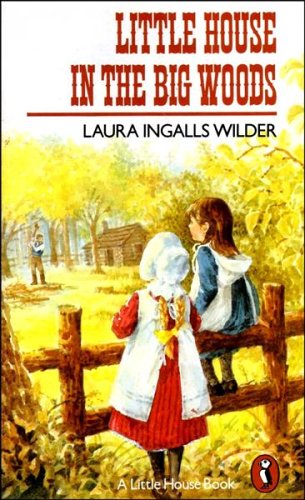
We’ll finish with the Laura Ingalls Wilder Little House on the Prairie books, which my younger daughter read incessantly for a period when she was about 10. It describes the life and adventures of a pioneer family in 19th century America, and the simple business of living occupied much of their days. In Little House in the Big Woods, for example, we’ll be with mother and daughters as they bake bread, churn butter, grow vegetables, dry fruits, make pickles. Father may turn up with a fowl for the pot. It was a simple, tough and hardworking life lived by an energetic and loving family with a deep uncomplicated faith. As my daughter prepared for her teenage years in a rather different society, these books were her frequent companions.

I don’t think I’ve ever written a book post about food before, and I doubt if I shall again. But it’s been fun. Back to the world of fiction next month, for Eowyn Ivey‘s The Snow Child. Join in on the first Saturday in December with a chain of your own?

Six Degrees of Separation in October

‘On the first Saturday of every month, a book is chosen as a starting point and linked to six other books to form a chain. Readers and bloggers are invited to join in by creating their own ‘chain’ leading from the selected book.

Six Degrees of Separation: Kate W

The Lottery, a short story by Shirley Jackson begins our chain this month. If you haven’t read it yet, you can find it here. If you haven’t read it yet, every single one of my choices will be a Spoiler Alert.

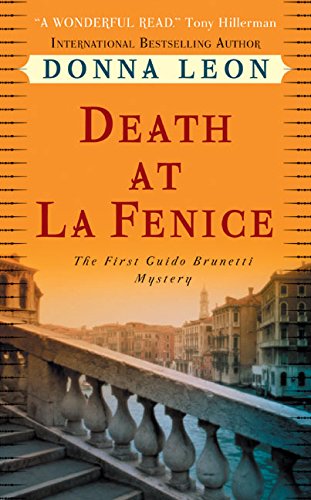
I’ve been accused, perhaps rightly, of making some dark choices for Six Degrees. And my first choice, linked to that short story, involves death, because it is a murder mystery. But I don’t read Donna Leon‘s books because I’m all that interested in the crime perpetrated. I’m more than a little in love with Our Hero, Commissario Brunetti. I’m more than a little in love with the back streets of the city he calls home, Venice: and with his wife Paola, and his adolescent children: the meals that they eat and the family occasions they share. There’s the endlessly clever Signorina Elettra at the Questura too, and a backdrop of Brunetti’s opposition to corruption and back-handers. Against these riches, the murder mystery is just a bit-part in the story. None of Donna Leon’s books disappoint, so let’s take the first one I ever read to stand in for them all: Death at La Fenice.

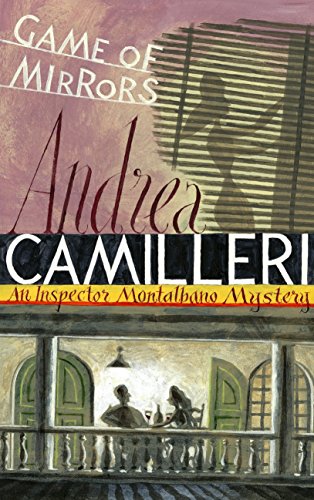
We’ll stay in Italy to meet Commissario Montalbano. Maybe you know Andrea Camilleri‘s detective from the series on BBC 4? I met him in print some years ago, and he’s older and less handsome than his TV alter ego. But still as personable. He’s keen on a good meal, keen on swimming in the sea that laps the beach near his home, and can be funny as well as insightful. I’ve just finished Game of Mirrors: an intrigue involving his neighbour, a bombed warehouse, and a trail of false clues.

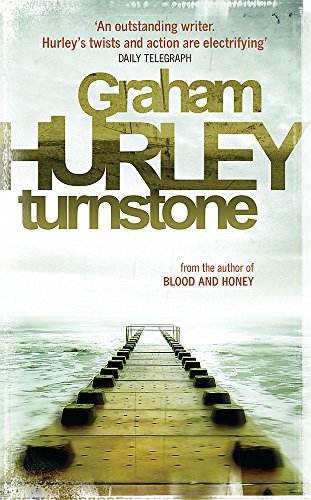
Another detective now, Joe Faraday. He lived, as I did once, in Portsmouth. He’s real enough too. His wife is dead. He has a profoundly deaf adult son, with whom he bonded in his early years of widowerhood by their shared love of birdwatching. Working with gritty crimes involves juggling paperwork and bureaucracy besides solving the conundrum of the offence, and it’s this rounded picture of Faraday’s life that I find so appealing. The first Faraday novel by Graham Hurley that I read was Turnstone. You might like to try it too.

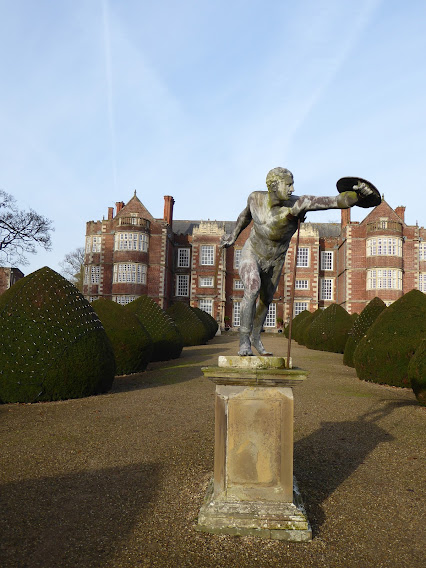
DI Charlie Priest lived and worked in Yorkshire. His creator, Stuart Pawson was my friend and colleague when we both worked as mediators for the Probation Service: sadly he died a few years ago. Priest loved to pound the moors and fells of Yorkshire, as I do. His life involved too much work and too little play , but like the previous two detectives, he’s a rounded and believable individual. I’m choosing The Judas Sheep, because he dedicated this book to me.

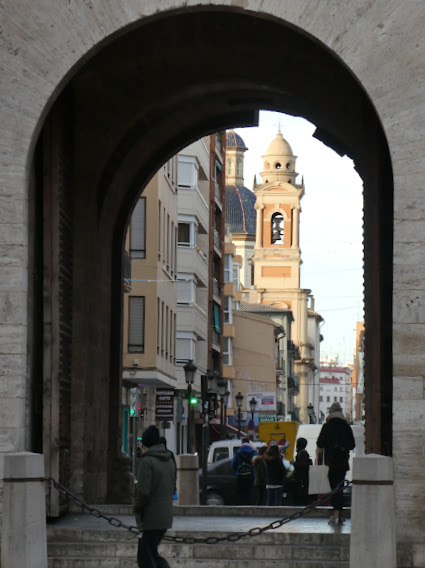
Jason Webster is an English writer living in Spain. He’s fairly recently turned his hand to detective fiction, and his hero is Max Cámara. I was interested in A Death in Valencia since this is a city I thought I knew quite well. As ever, it turned out not to be those parts of the city that I’d visited, but a much seamier place, with corruption at the heart of local government a commonplace. Add a murdered paella chef, and even the pope to the mix for another thoroughly readable story.

My last choice isn’t a murder mystery. But deaths occur, and the whole thing, like the short story we began with almost feels like a pact with the devil. Alix Nathan, in The Warlow Experiment tells us the story of gentleman scientist Charles Powyss, who in the eighteenth century sets up an experiment to study the effects on humans of total isolation. Uneducated labourer Warlow is that isolated man. Offered every comfort, decent food, books (he can barely read), all he needs – apart from human company – it all goes horribly, desperately wrong.

I began with a few murder mysteries. And I end with a death or so too. Unnecessary, bleak, as was the death with which our chain began. Next month’s choice promises to be a harrowing one. I’ll have to see whether I’m up to dealing with reading it: Sigrid NunezWhat Are You Going Through.

Six Degrees of Separation in October

Our starting point for this month’s Six Degrees of Separation Challenge is The Turn of the Screw by  Henry James. Our job as participants is to show how one book leads to another, each link taking us further and further from the original (maybe).

I’m linking Turn of the Screw with a detective story set in present-day Venice.  Bear with me.  I’m a big fan of Commissario Brunetti  who lives there with his family.  Enjoying the moments that Brunetti spends at home or ranging round the city he loves for all its faults are a real reason for reading Donna Leon’s books.  Brunetti’s wife Paola teaches at the university, and she’s a big fan of Henry James’ writing.  I’ll put Trace Elements into the mix, as it’s the last Donna Leon I read.

Brunetti’s Venice: often seen from a Police launch while speeding to the scene of crime (Gabriele Diwald, Unsplash)

I like Leon’s writing because she summons up Venice and day-to-day life there so vividly.  Graham Hurley has a similar talent.  His detective, Joe Faraday, lives in Portsmouth, as I once did. Faraday’s life is one of juggling crime, endless paperwork, a bitty personal life, and birdwatching.  It feels very real. Turnstone is the first, but by no means the only one of his books that I’ve read.

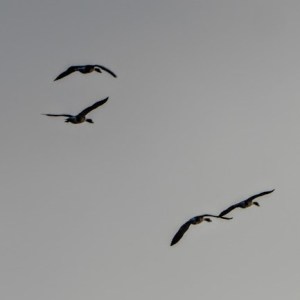
Gulls seen from a cross-channel ferry – probably Faraday spotted them too.

Birdwatching had me remembering A Shadow Above. The author, Joe Shute loves ravens. Part natural history; part history; part an exploration of the many legends that this bird has fostered; part investigative journalism; part personal history, this is an engaging, immersive read that goes a long way towards explaining why ravens have a special place in our history.

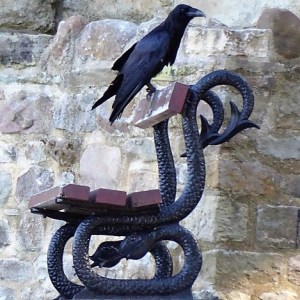
One of the tame ravens often to be seen near Knaresborough Castle, North Yorkshire.

And so to another author who’s immersed in the natural world – Melissa Harrison. The first book of hers that I read was a novel: At Hawthorn Time.  Even more than the involving story following the lives of a couple with a dissolving marriage newly arrived at the village; a near-vagrant and a disaffected young man, I relished her descriptions of the countryside, whether observations of plant and bird life or a litter strewn roadside edge. Her characters rang true, as well as her clear-eyed descriptions of village life.

What else but hawthorn blossom?

This reminded me of a non-fiction book, a real good read: A Buzz in the Meadow: the Natural History of a French Farm, by Dave Goulson. This is a delight.  The catalyst for writing it is his home in the Charente, bought so he could provide home, in the form of an extensive meadow, to a huge variety of wildlife, specifically insects.  This is no Aga-saga of a Brit in France, but a mixture of reminiscence, hard scientific fact, vivid stories of his own experiments and research, and the work of others.  It’s a page turner and a tale well told with humour, and an eye for the telling detail.  I’m no scientist, but I was absorbed from start to finish.

This praying mantis was spotted not in France, but in Spain, during a family holiday in Catalonia.

Goulson knows his home patch intimately.  Lara Maiklem knows the London Thames intimately.  She’s a mudlarker, who scours the banks of the river looking for its hidden history whenever she can.  World War weaponry, Victorian toys, Georgian clay pipes, Tudor buttons, Roman pottery, even Neolithic flints are all there, waiting to be found.  In Mudlarking, Maiklem writes  an entertaining account of her finds and adventures, stitching them into a readable history of London itself: the growth of the city and its changing fortunes. 

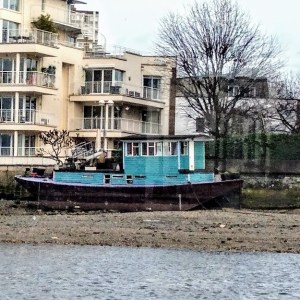
Mudlarking territory along the Thames shoreline.

So there we have it.  Six books following no kind of theme.  But they’re the kinds of book I’ve liked and have enjoyed over the last year or so.


Six Degrees of Separation

October Squares: #Kinda Square

.