Six Degrees of Separation: from India to the Arctic

On the first Saturday of every month, a book is chosen as a starting point and linked to six other books to form a chain. Readers and bloggers are invited to join in by creating their own ‘chain’ leading from the selected book.

Kate: Books are my Favourite and Best

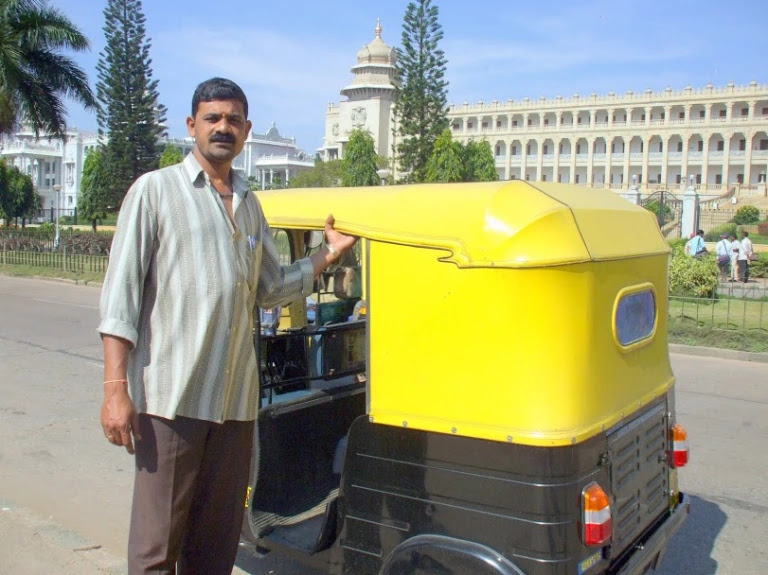
This month’s Six Degrees of Separation Challenge invites us to start with a favourite Lonely Planet travel guide. I rarely use physical guide books any more, but one old friend I won’t be parted from, even though I’m unlikely to travel there again is their guide to South India. This was my bible when, newly retired, I spent a month there, largely solo, in 2007. My travels there began my blogging career, though on a different platform.

I’m taking an easy option for this month’s post. I’m whizzing us to six different countries or regions via a book set in each of them.
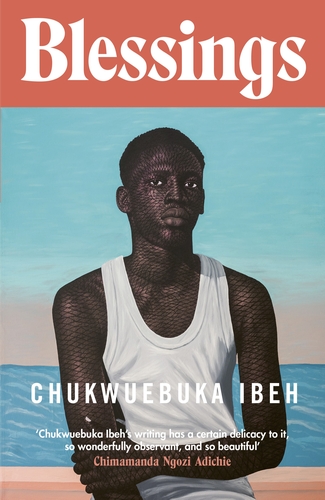

We’ll start not in Asia, but in Africa: Nigeria. Blessings, by Chukwuebuka Ibeh. Obiefuna is the elder son of a couple who had long waited for a child. He’s doing well at school, but isn’t the football-playing, loud and gregarious lad his parents expected. The arrival of a live-in apprentice arouses unexpected feelings in the boy, and his father catches them heading towards an intimate moment. We follow Obiefuna’s adolescence as he’s banished to a strict Christian seminary. We watch him grow into young adulthood where his homosexuality is always a source of shame, even danger in Nigeria’s deeply homophobic society. Obiefuna is a sensitively drawn and rounded character, whose future is uncertain as the novel ends. A compassionate, understated and beautifully written book.
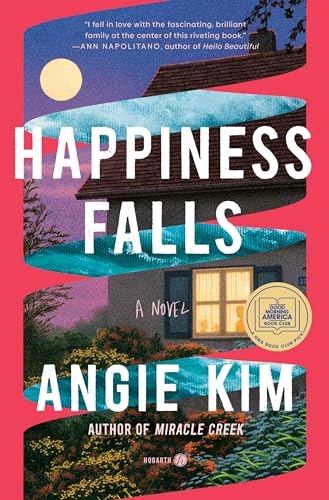
I’ve chosen Happiness Falls by Angie Kim, because this too has a young person as its main protagonist, but her family, besides being American, is also of South Korean heritage. This story, ‘narrated’ by Korean-American Mia is hard to categorise. A young adult, she lives with her parents, her twin brother John and her younger brother Eugene who is both autistic and a sufferer from a rare genetic disorder, Angelman syndrome which leaves him unable to communicate verbally, and with severe motor control difficulties. Mia is very bright, intense, prone to careful analysis and scattering her writing with footnotes. She recounts the family drama in which her father disappears while in the park with Eugene, who arrives home bloodied and distressed. What’s happened? It’s complex, high octane stuff. And while I probably wouldn’t survive for ten minutes in Mia’s company face to face, she’s an engaging, thoughtful narrator with a passion for forensic detail and analysis. Provocative, heartfelt, compelling.

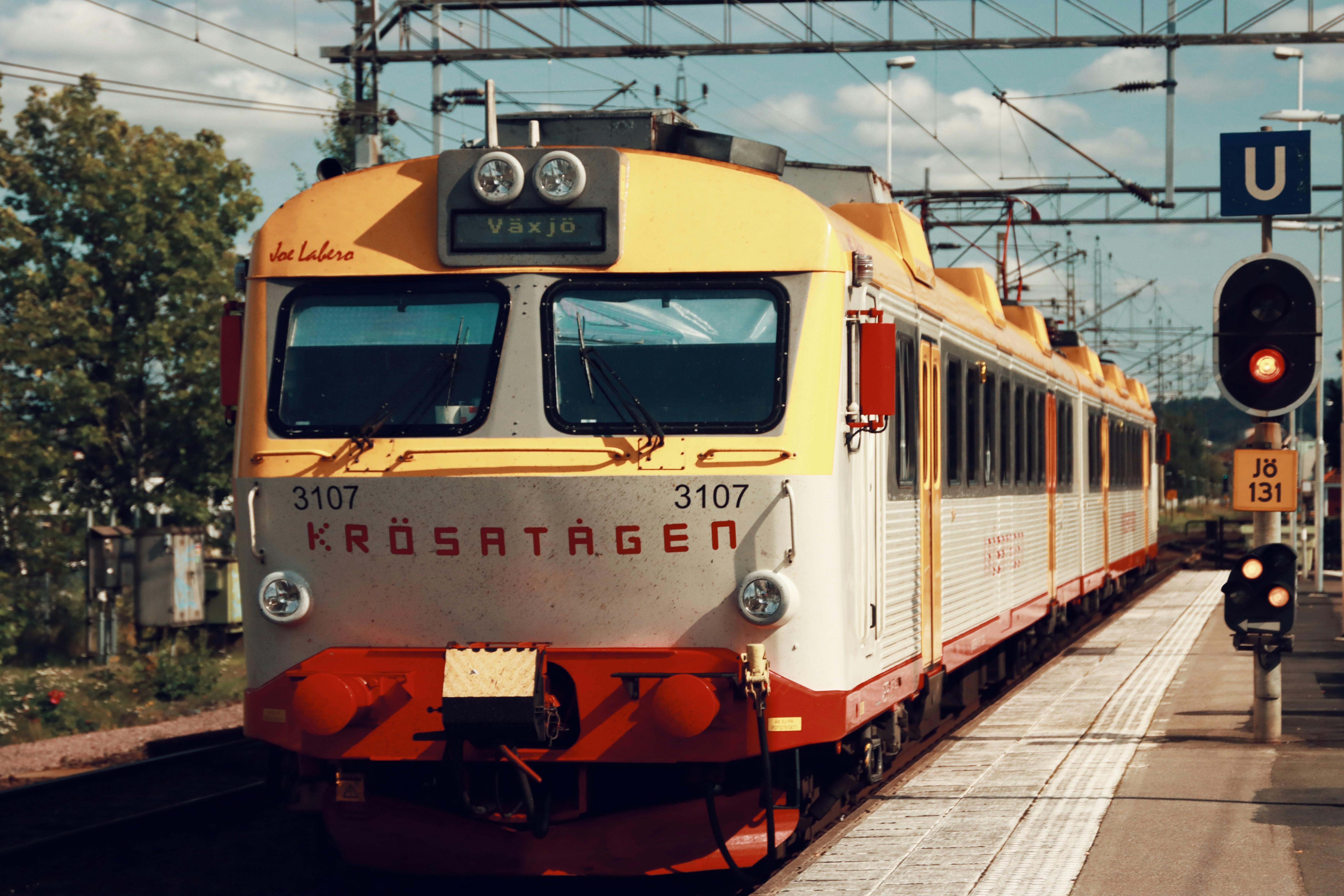
Another book with a family drama at its heart is by the Swedish author Alex Schulman (transl. Rachel Wilson): Malma Station. This was a book I had to finish and stand back from before I could appreciate it. Three sets of people are on a train heading towards Malma. We begin to learn their stories. And we begin to realise that these three sets are not travelling at the same time – years separate them. Yet these sets- father-daughter; wife-husband; daughter are all related. And the story slowly unfolds of how damaged they each are, and how this damage has passed – multiplied even – from one generation to another. It’s a tough, emotional read, with unlikeable characters whom we slowly begin to understand.

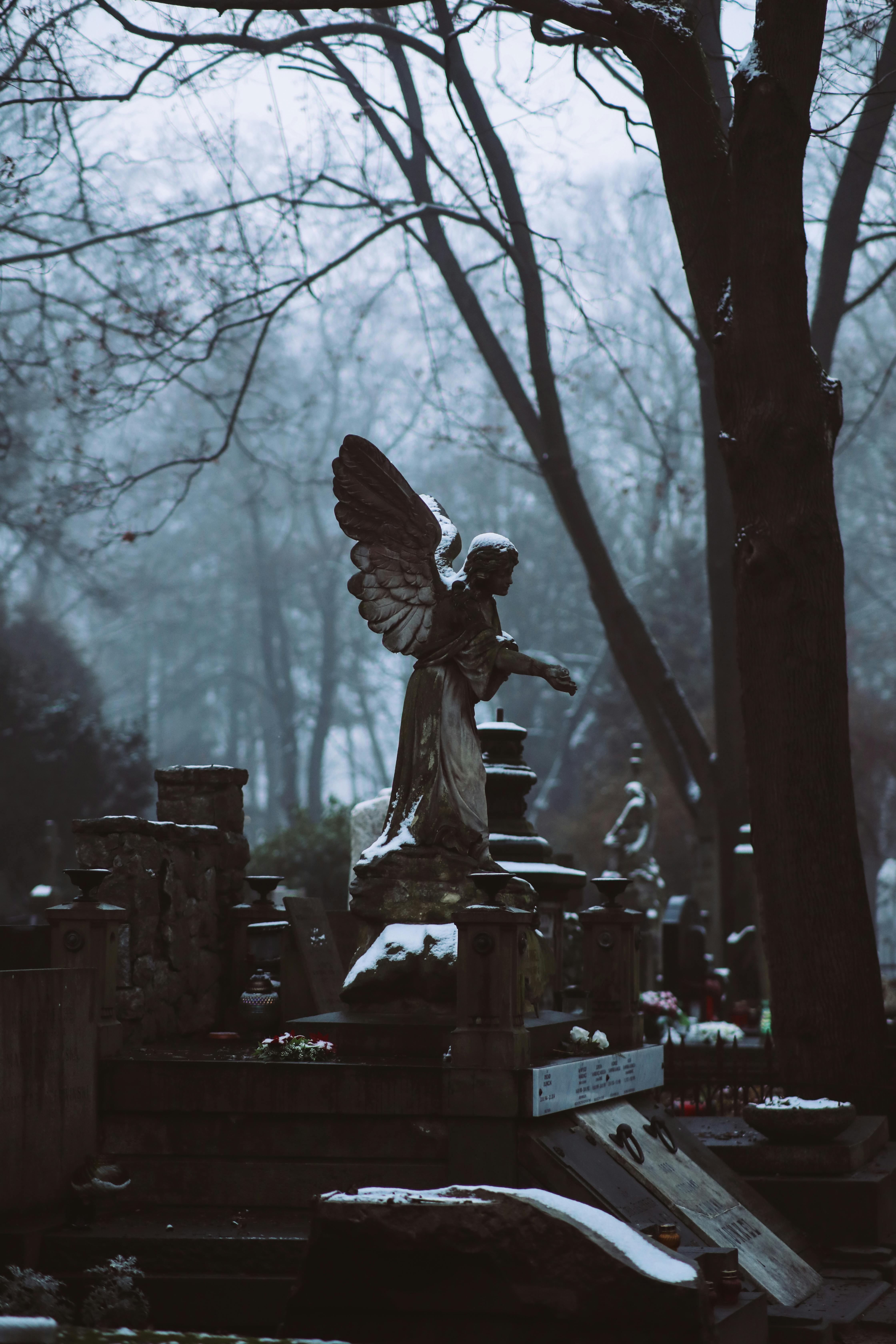
A story about a woman who’s a cemetery keeper in France – yes really – is a complicated family drama too. Fresh Water for Flowers, by Valérie Perrin (transl. Hildegarde Serle). Violette Toussaint had a childhood passed from foster-carer to foster-carer. Illiterate as a young adult, she taught herself to become a skilled reader. She married the sexiest man around, and had an unhappy marriage. The couple were level crossing keepers for many years, then they – and ultimately only she – became a cemetery keeper in the Bourgogne. It’s here that she gets over the tragedy that befell her, and finds friendship and meaning in life. There is a complex web of characters to become immersed in – or not. I think I’ll have to read it again, as I didn’t enjoy this book as much as its many devoted readers.

Now to another woman with a difficult life. Restless Dolly Maunder by Kate Grenville. Another work of fiction? Not quite. Dolly was born in the 1880s, at a time when women knew their place and had to stay there. But during Dolly’s life time, with two world wars forming part of it, things began to change. Enough to make her dissatisfied with her lot. But by sheer hard work and cussedness, she got herself and her husband on in life. It didn’t make her as easy person to get along with. Dolly was Kate’s grandmother, and this book is heavily based on the known facts of her life. An interesting exploration of the life of a woman during a period of huge evolution and change, written with sympathy and some understanding of a somewhat bitter, difficult individual.
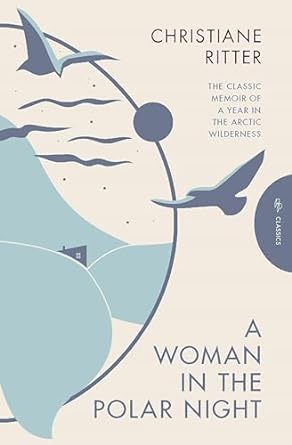
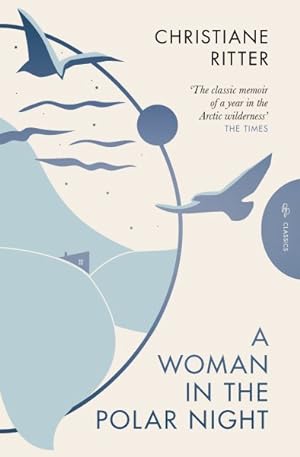
Finally, another story – a true one – of a woman with a difficult challenge. Austrian Christiane Ritter wrote an account of her year in the Arctic in A Woman in the Polar Night (transl. Jane Degras).In 1934, Ritter, a painter, left her ordinary life with a teenage daughter to join her husband in his life as trapper in Arctic Spitsbergen. It turns out to be as cold and inhospitable as we all imagine, and twice as primitive. Seals have to be caught and processed: birds too, and these fatty unfamiliar meats form much of their diet. Husband and Norwegian friend and housemate are often out trapping, looking for animals whose fur they will sell. That’s enough to tell you what much of this book is about. It’s tough in this unforgiving climate. But it’s beautiful too, and Ritter dwells on this. Straightforwardly yet engagingly written, this book offers an insight into the strange world which she chooses for a year to inhabit, and leaves reluctantly.

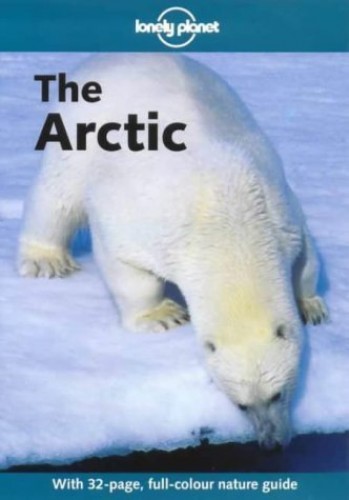
I wouldn’t presume to connect my experiences in India with Ritter’s in the Arctic, but being a woman travelling often alone is what links us. The advantage I had was in owning a guide book. The Lonely Planet Guide to the Arctic wasn’t available then.
And next month? Our chain will begin with Stella Prize 2024’s long listed The Anniversary, by Stephanie Bishop.

All my illustrations this month, apart from the Indian photo, which is my own, come from Pexels. With thanks to the photographers Emmanuel Slope, Kindel Media, Koolshooters, Efrem Efre, Pat Whelen & Kristaps Ungurs.
Six Degrees of Separation: from Tom Lake to Meadowland

On the first Saturday of every month, a book is chosen as a starting point and linked to six other books to form a chain. Readers and bloggers are invited to join in by creating their own ‘chain’ leading from the selected book.

Kate’s: Books are my Favourite and Best

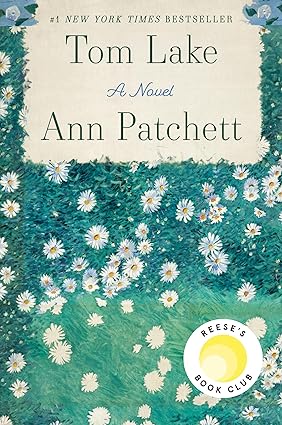
I haven’t read the starter book, Tom Lake by Ann Patchett, which is set in small-town Michigan. Here’s how Book Browse summarises it: ‘Tom Lake is a meditation on youthful love, married love, and the lives parents have led before their children were born. Both hopeful and elegiac, it explores what it means to be happy even when the world is falling apart’. It sounds to me as though it also reflects upon how in the end we are alone, even if living in an established family or community.

Kent Haruf’s Plainsong is set in small town Colorado.  This beautifully written, spare, stark book takes as its theme the loosely intermingled lives of various abandoned souls who live in the imagined town of Holt, Colorado.  There’s teenage Victoria, pregnant and abandoned by her boyfriend;  Tom Guthrie, whose wife has retreated into deep depression, leaving him with the care of his young boys, Ike and Bobby; the elderly McPheron brothers; infirm Iva Stearn.  These isolated people display dignity and stoicism in their difficulties, and struggle towards some sense of connection and community.  Holt seems a pretty bleak town, and the landscape that surrounds it too.  Haruf’s descriptions are always understated, always telling.  His characters maintain their privacy, whilst allowing us to care about the ultimately optimistic conclusion of the book. 

From a bleak town to a bleak continent: let’s go to the Arctic with Christiane RitterA Woman in the Polar Night.  In 1934, Ritter, a painter, left her ordinary life with a teenage daughter to join her husband in his life as trapper in Arctic Spitsbergen. It turns out to be as cold and inhospitable as we all imagine, and twice as primitive. Home is little better than a shack, the stove is primitive and unreliable, and all fuel needs to be found and collected by them, The same applies on the whole to food. They have only a few basic supplies. Animals and birds have to be caught and processed, and these fatty unfamiliar meats form much of their diet. Husband and Norwegian friend and housemate are often out trapping, looking for animals whose fur they will sell. That’s enough to tell you what much of this book is about. It’s twice as tough as it sounds in this unforgiving climate. But it’s beautiful too, and Ritter dwells on this. Straightforwardly yet engagingly written, this book offers an insight into the strange world which she chooses for a year to inhabit, and leaves reluctantly.

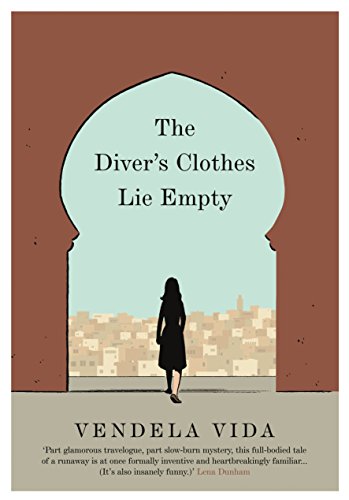
Here’s another book about a woman alone:  The Diver’s Clothes Lie Empty, by Vendela Vida. This book is written in the second person, and it distances us from a protagonist who wants to stay distant. She’s a young unnamed woman who’s come – fled perhaps – from Florida to Casablanca. Checking into her hotel, her backpack with all her important documents is stolen. The police ‘find’ it, but it’s not hers, the woman whose documents it contains is not her. But she accepts it. In many ways, losing her given identity suits her. She soon changes her identity again… and again. Her need for anonymity runs deep, perhaps partly from her wish to escape her own face, disfigured by teenage acne. Perhaps because of what we come to know of her story – no spoiler alerts here though. Through what little agency she has, she time and again shifts the ground beneath her feet. This is a novel of profound unease and bewilderment, and distancing our heroine from us by simply calling her ‘you’ is a part of that bewilderment. An unsettling reading experience – recommended.

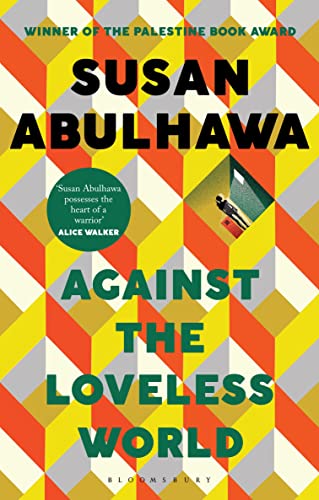
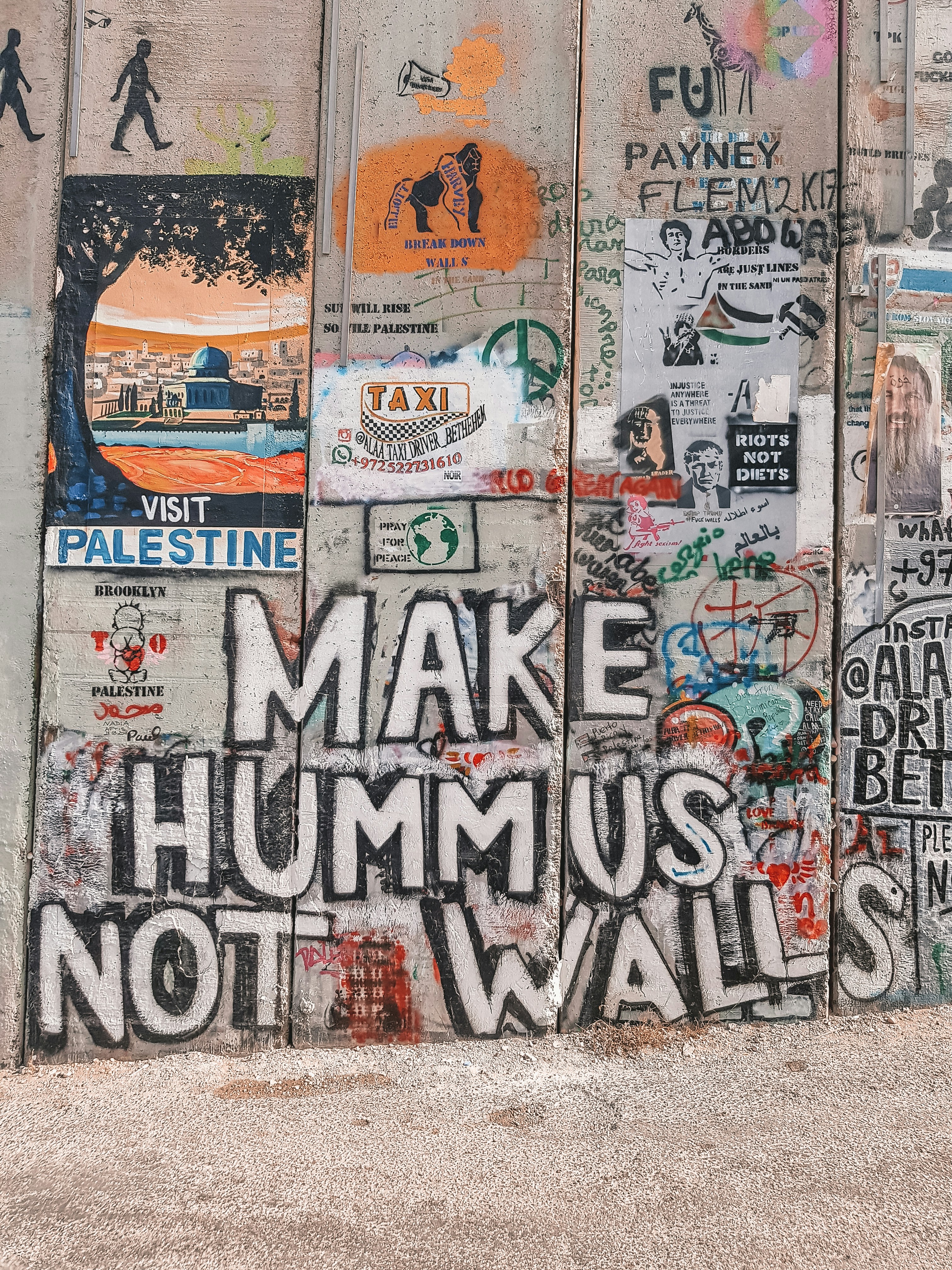
Nahr is another isolated woman, who tells her (fictional) story in Susan Abulhawa’s Against the Loveless World.  A powerful story, told by Nahr, a Palestinian woman in solitary confinement for an unnamed act of terrorism. Her time in the Cube, as she calls her cell is recounted in short chapters interleaved with longer accounts of her life thus far. Much of her early life was spent in a Kuwait ghetto where many Palestinian refugees, dispossessed by the Gulf War fetched up. After an unsuccessful school career, Nahr works hard at menial jobs to save up so that her brother can avoid her fate by going to medical school. She meets an older Kuwaiti woman who blackmails, prostitutes but also loves her, propels her into high-end prostitution. Marriage to a freedom fighter saves her reputation – and his – but he’s a closet homosexual who soon deserts her for his lover. I don’t want to reveal more of the story, but eventually she returns to Palestine and finds close relationships and a political awakening that changes her life forever. This timely read, detailing the brutal legacy of Israel’s ongoing occupation of Palestine is both powerful and thought-provoking. Though it is of necessity one-sided, it should be required reading for anyone wishing to understand recent Palestinian history. The shock waves of recent events continue and escalate.

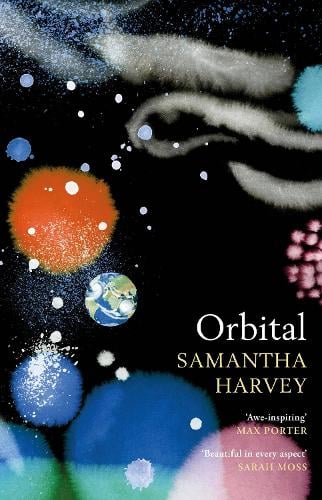
Isolation seems to be developing as a bit of a theme here.  Here’s isolation of a completely different kind.  Orbital, by Samantha Harvey. Six astronauts (two of them are cosmonauts), all from different countries, some male, some female, orbit the earth in their International Space Station.  We visit them for one day only, as they travel 16 times round the globe.  We experience with them the wonder of this journey:  the brush-stroke beauty of the landscapes they view from afar, as well as tiny detail – headlights, fishing boats.  We accompany them as they go about their often mundane daily experimental tasks. Or using the treadmills that are part of their daily routine.  Or we see their sleeping bags, billowing in weightlessness: the spoons they eat with, attached by velcro to the cabin wall.  We perceive aspects of their life back on earth – children, a loveless marriage, a trusting partnership.  The book moves through the spectacular and the ordinary, distance and intimacy and invites us, the readers, to wonder too.

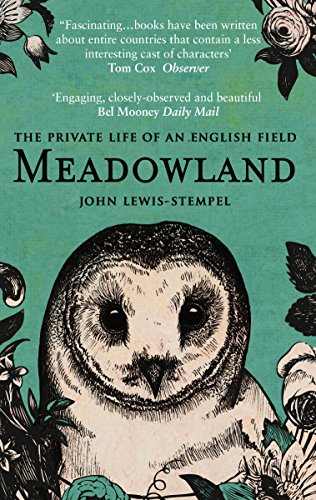
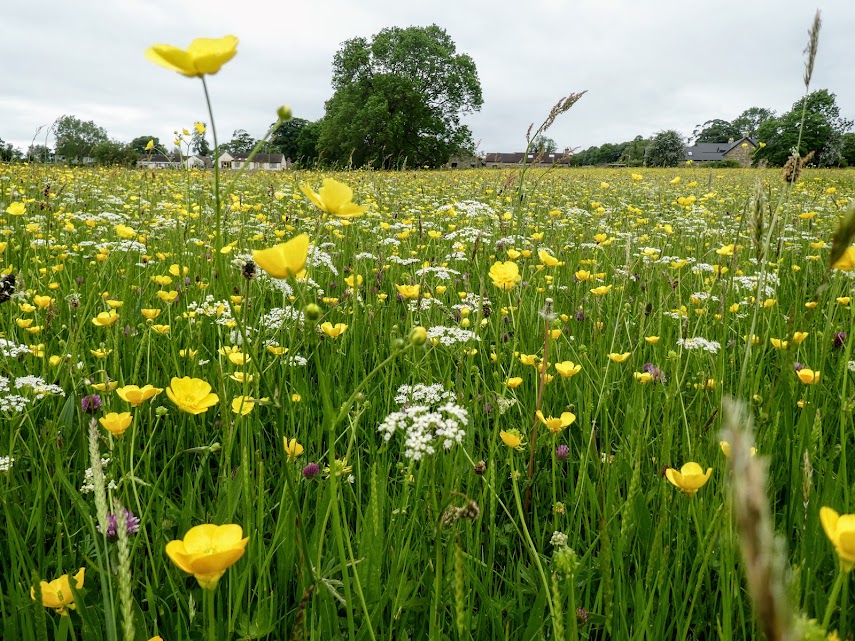
Wonder at the earth? Let’s look at Meadowland: The Private Life of an English Field, by John Lewis-Stempel.  An utterly absorbing account of a year in the life of an English meadow.  From harsh January, through the months in which warmth and life returns, to busy summer and autumn and back to chilly dormancy again, John Lewis-Stempel notices and absorbs everything.  He sees birds, insects, animals and plants in microscopic detail.  He relishes smells, tastes and sights.  He enters fully into the life of his traditional meadow, one that may have existed for many hundred years.  A celebration of traditional country scenes, leaving the reader with a campaigning zeal to preserve the rich variety of life it contains if sympathetically managed and left to itself.  As he himself says: ‘To stand alone in a field in England and listen to the morning chorus of the birds is to remember why life is precious.’

Isolation seems to be a theme here. Will that continue next month, when we’re invited to start our chain with a favourite travel guide?

My first five photos come courtesy of Unsplash: Alexander Andrews; Levartravel; Vince gx; Annie Spratt; Gallindo Bailey. The final shot is my own.