On the first Saturday of every month, a book is chosen as a starting point and linked to six other books to form a chain. Readers and bloggers are invited to join in by creating their own ‘chain’ leading from the selected book.
Kate W: Six Degrees of Separation
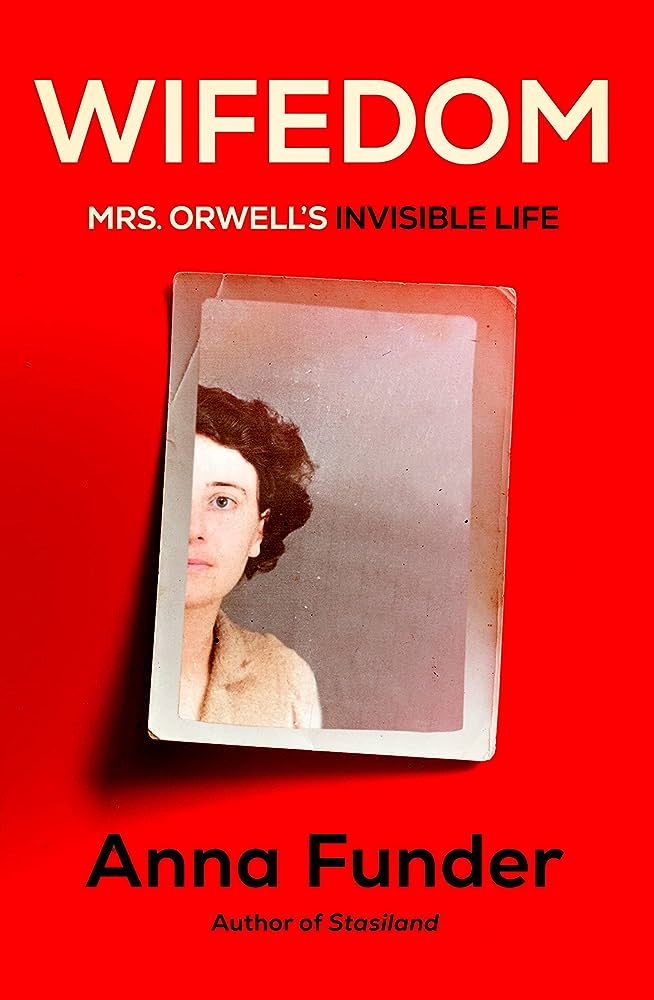
This month’s chain starts with Anna Funder’s Wifedom, whose heroine is Eileen O’Shaughnessy, George Orwell’s first wife. She hasn’t had much of a press – good or bad. Orwell never acknowledged her in his writings, and his biographers have largely passed her by. Yet she was an Oxford graduate studying for a masters degree when this was still an unusual path for a woman. She gave it all up when she married Orwell to live in near poverty in a remote cottage. When they go to Catalonia for Orwell to participate in the Civil War, he never mentions in his writing Eileen’s significant role in the struggle or the risks she took. And so it goes on. This is a novel rather than a biography, because there are so few hard facts to rely on: mainly a few letters, so the book is perforce speculative. But enough is known about Orwell’s patriarchal attitude to women and their role to surmise that this is a reasonably faithful account. This is a shock to Funder, long-time Orwell admirer. He doesn’t come out of it well as a husband and father. An interesting and thoughtful reconstruction.
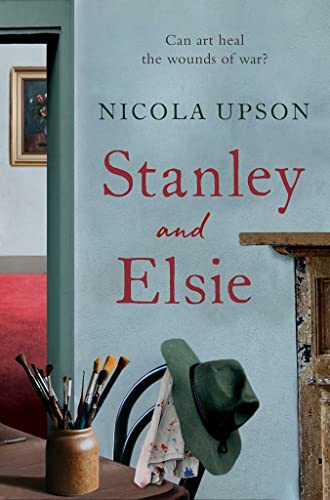
So let’s do a chain on relationships within a marriage, within a family, and start off with Stanley and Elsie, by Nicola Upson, because here is another fictionalised account of the lives of real people. It brings before us the story of one of England’s most celebrated twentieth century painters, Stanley Spencer, and the women in his life, including the sensible, cheerful live-in maid Elsie, and his two wives, Hilda then Patricia in a most vivid and involving way. Early twentieth century village life, an eccentric lifestyle, and the complicated lives of imperfect fractured people is brought to life in an entirely readable way. This is a story of love, obsession, the thought processes of a painter, the English countryside written in a way that demands to be read, compulsively.

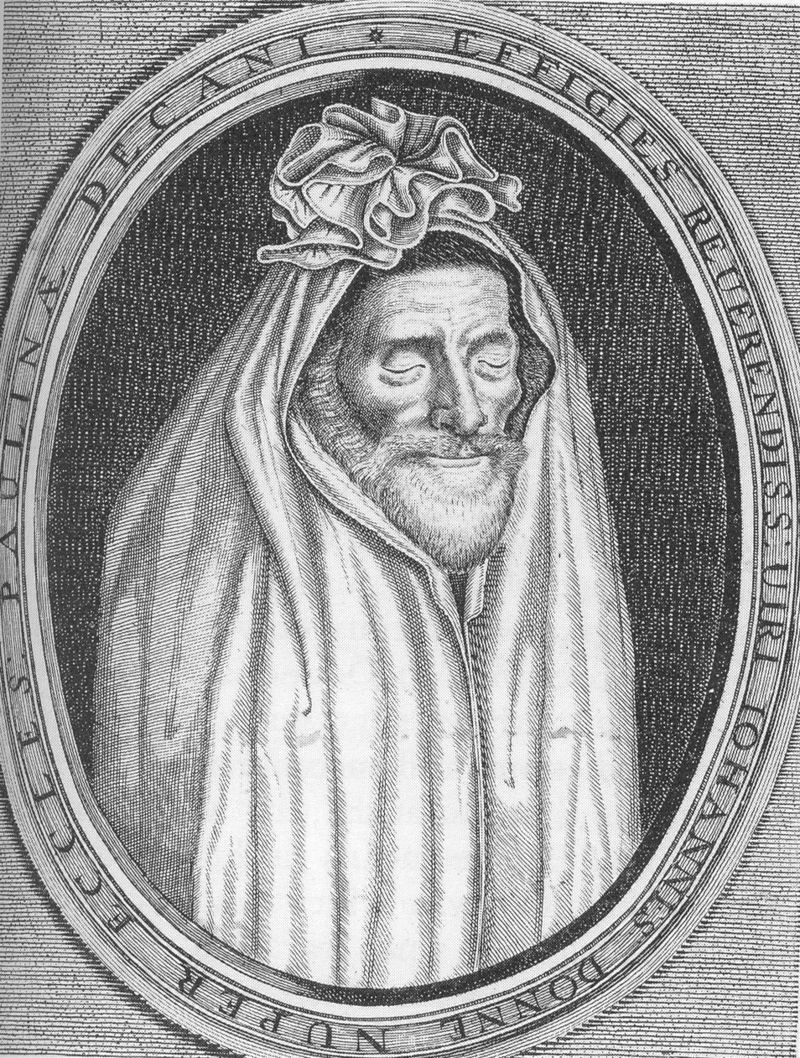
And now another book involving real people: a biography this time. There are so very many gaps in knowledge about the facts of John Donne’s life and work. Katherine Rundell, in Super-Infinite: The Transformations of John Donne has done a fine job in meshing what is known with what can reasonably be surmised with an evaluation of the man. Born a Catholic, with all the dangers and limitations that presented, Donne early exhibited his dexterity with words and his sparkling intelligence. Initially successful in the law, an early and unwise marriage pitched him into prison, then penury. What with his wife producing twelve children, five of whom died in infancy, and being remote from the power-house that was London, his career stalled, though his creativity never did. Only when his wife, from whose day-to-day life as mother he was very often absent, died as a result of childbirth (to a still-born child) did his career finally take off as Dean of St. Paul’s, and preacher extraordinaire. Rundell deftly deals with all this material, all the while offering a critique of Donne’s often dazzling and dextrous use of words. Frequently misogynistic, it’s his love poetry that we often remember him for. She argues that these frequently erotic poems were written not for his wife, but for the enjoyment of his male friends. His wife seems to have had a raw deal.

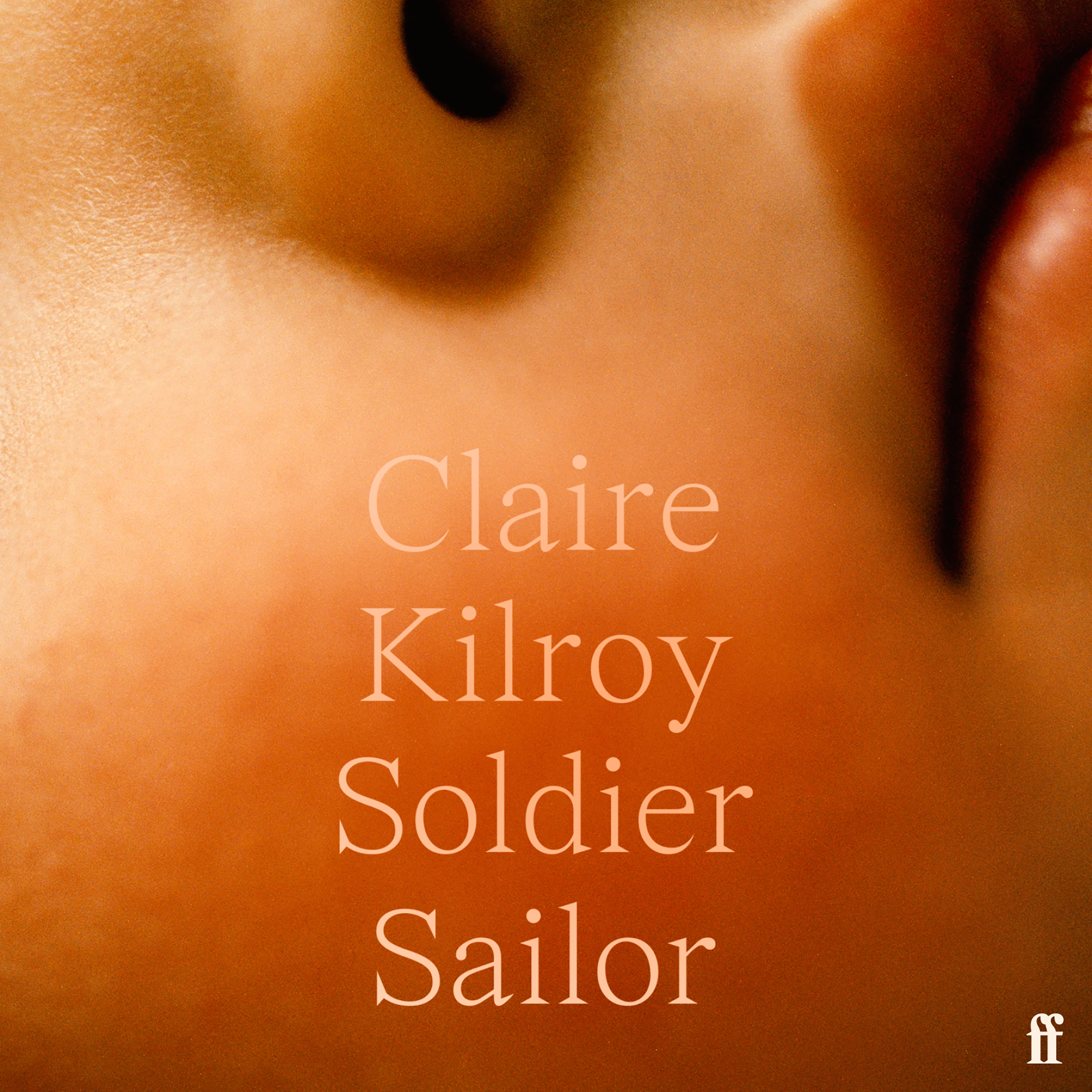
Pure fiction now. Claire Kilroy, in Soldier, Sailor, examines two intimate relationships: of a mother to her baby son (‘Sailor’), and as a wife to her husband. Here is a book, an all-encompassing and visceral read that brought back almost fifty year old memories of the early days of motherhood. The overwhelming love for that new life brought into the world: but also the endless, utterly debilitating exhaustion, guilt, loneliness, confusion. The realisation that your partner is not, as you had believed, your equal partner, but someone who escapes every day – perhaps to an office, where normal life ensues. All-consuming love, combined with unremitting drudgery is woven through the book. As is reference to the husband of the narrator who fails to understand, to help, to be truly involved with his son’s welfare. He resents the little that he does, forgetful of simple but important baby-related tasks – but remember, this is Soldier’s tiredness-sodden perspective. She is an unreliable narrator, but one who reliably conjures up early motherhood. We stay with Soldier as very early motherhood ends, but all-consuming love of her partner does not. A devastating book.
Charlotte Mendelsohn, in When We were Bad, is someone else who is good at complicated family situations. I struggled at first to get into this book. There were so many characters, all equally important: all so flawed: all so Jewish. That isn’t a criticism. Just an observation that understanding the Rubin family (and all the characters are family members) means getting to grips a bit with what it means to be Jewish too. I persisted. It was worth it. The lives of every family member begin to unravel as son Leo’s life very publicly does, the day he leaves his wife-to-be some 4 minutes before they take their vows. It turns out that he isn’t the only one in inner turmoil. By turns funny, touching and embarrassing, I was engaged with every character, despite their many and obvious flaws, long before the conclusion of the book.


What about a family that believes it has a trusted protector in its midst? Ricarda Huch’s The Last Summer was written in 1910. Set during one summer round about that time, we are in Russia, in the country retreat of the von Rasimkara family. They are here because the father, as governor of Saint Petersburg has closed down the University in the face of student protests. The three adult children (a young man, two young women) send the letters from which the book is composed to various family members describing their lives and feelings, and the young man whom the mother has hired to protect the life of their father. Little do they know, as we find out almost immediately, that this young man sides with the student revolutionaries, and is here to do harm to von Ramiskara. And it’s this irony which fuels the book’s narrative. The whole family, for different reasons, believe in the young protector, even when his behaviour is, to say the least, odd. The tension builds until the final letter … An exploration of ideology and trust, and the complicated layers of family life.


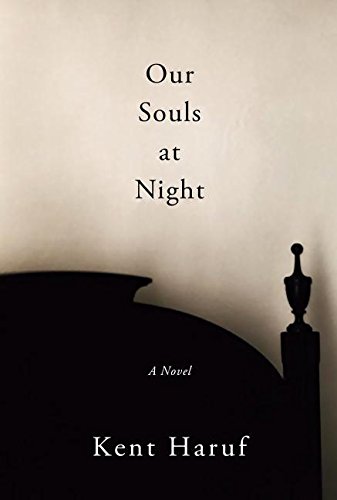
All of these couples, these families have been, in different ways, hard work. Let’s end on a gentler, sweeter note and look at true love instead, in Kent Haruf’s Our Souls at Night. This is a tender, gentle novella about two lonely neighbours who in later life find each other, and love. Their measured path towards new happiness, their discovery of and acceptance of their former lives forms the body of the book, even though always there in the background is the judgement of others, threatening their happiness. A delightful last work from the never disappointing Kent Haruf.

That’s my rather loose chain this month: more of a wheel really. Next month, our starter book is the classic I capture the Castle, by Dodie Smith. Why not join in?
 From Pyrenees to Pennines
You must be logged in to post a comment.