Six Degrees of Separation: from Rapture to The Island Of Sea Women

On the first Saturday of every month, a book is chosen as a starting point and linked to six other books to form a chain. Readers and bloggers are invited to join in by creating their own ‘chain’ leading from the selected book.

Kate: Books are my Favourite and Best
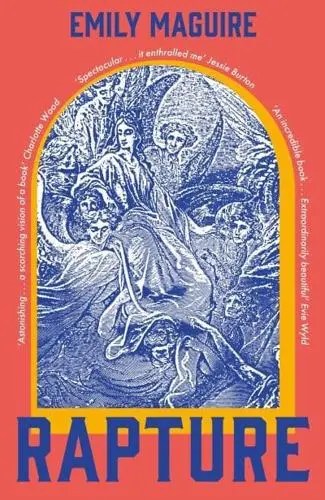
Set within a religious community in 9th century Germany, Emily Maguire‘s Rapture, which I have yet to read, reimagines the life of the first and only female pope.
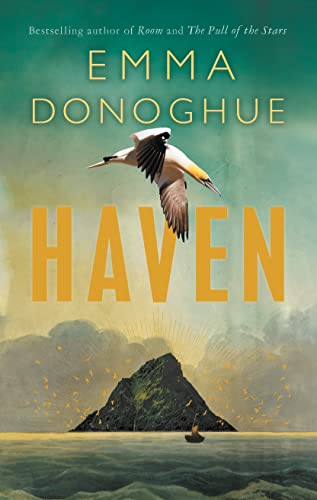
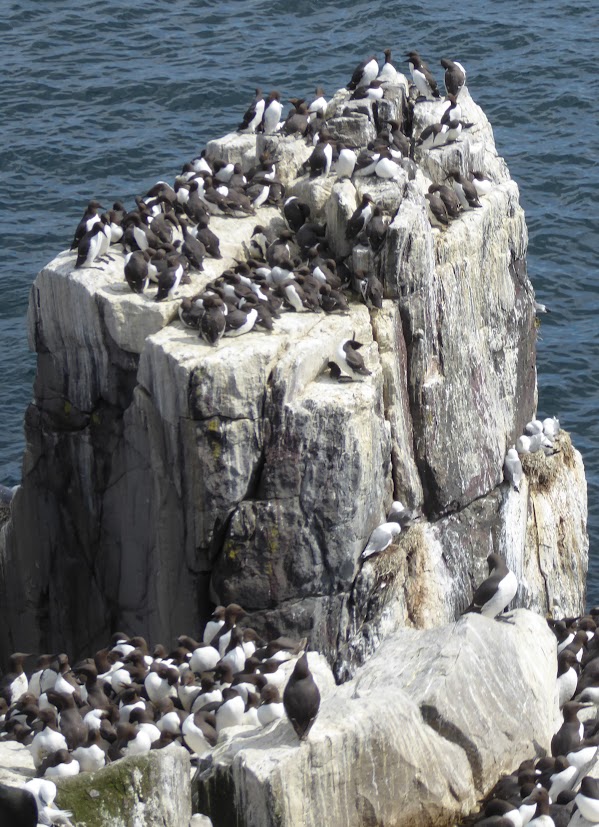
It’s not too much of a stretch to travel to 7th century Ireland in Emma Donoghue’s Haven. Holy man Artt, recently returned from his travels, fetches up at a monastery with a plan to set forth with two of the monks there to set up a tiny community on a totally uninhabited island, to live prayerfully in total isolation. Imperfectly equipped, they soon embark on their journey into the unknown: and Artt insists on choosing not one of the nearby islands, but a distant one that is rocky, bleak, inhospitable. The tough character of this island, with its panoply of resident birds is brought vividly to life, as are monks Cormac and Trian. Artt remains as distant to us in many ways as he is to the two monks. This is a story that cannot end well, as a bad situation becomes worse. But it vividly brings to life the increasingly unbearable conditions made more difficult by a completely unapproachable and inflexible man-in-charge. It’s a quietly engrossing story.
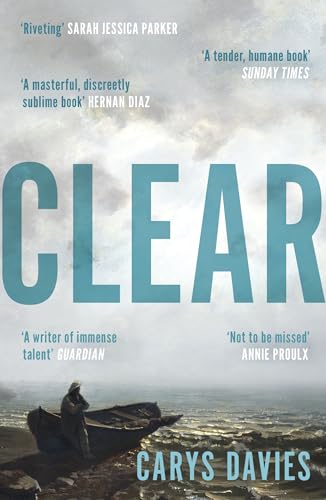
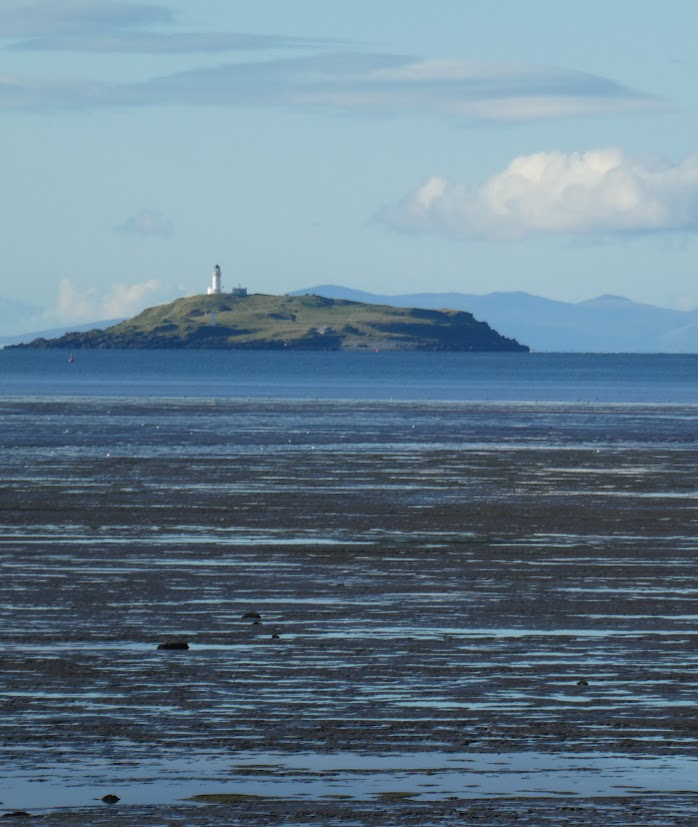
A different remote island, at a different time – the 19th century.  Carys DaviesClear is an engrossing book about a vanished way of life. One which disappeared during the devastating Highland Clearances in Scotland during the 19th century. A man Ivar, the sole inhabitant – with his few animals – of a remote island, is alive to the natural rhythms of the island – the many seasons, winds, mists, rains and tides that govern it. And when John Ferguson appears to evict him, but instead falls into a concussed coma from which Ivar nurses him back to health, he too falls under the island’s spell, and haltingly Ferguson begins to learn the vocabulary, then the language itself which Ivar speaks. The book celebrates that language and the fragility of life in such a spot, as well as asking questions about the future of Ivar, John, and John’s wife Mary, all of whom are in different ways implicated in the consequences of the Highland Clearance.
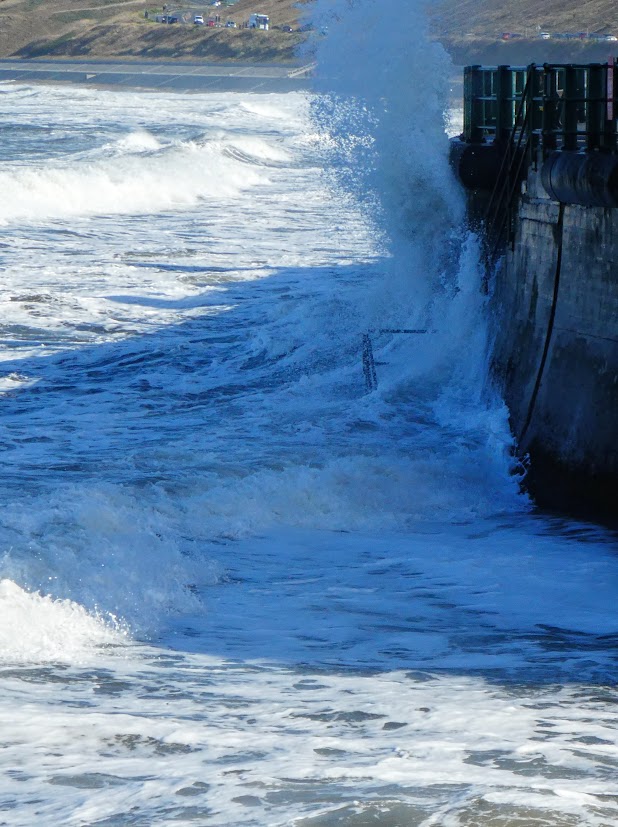
Yet another remote island – off Norway this time – present day Norway.  Author and farmer James Rebanks was going through a tough time mentally.  He needed to get away, and got the chance to stay in a remote and tiny island just below the Arctic Circle, where a woman was continuing the tradition, practised since Viking times of encouraging eider ducks to breed there, so that their valuable down could be harvested for warm clothing and quilts. This book is an account of the island’s astonishingly rich (but always diminishing) range of birdlife; its weather and relationship with the often unforgiving sea. Of how the woman and her friend, and that year Rebanks too, persuaded eider ducks back by building nests for them – yes, really! The protective down could be harvested from the nests when finally deserted, then cleaned and prepared for sale. It’s an immersive tale of a life that’s simple, often monotonous, always hard and often bleak, but with simple satisfaction too.  The tale is told in The Place of Tides.
Let’s stay by the sea but lighten the mood, and read Jess Kidd’s Murder at Gull’s Nest.  It’s Cosy Crime, and I don’t like this genre at all.  But Jess came to speak recently at our local independent bookshop. She was a hit. She spoke wittily and enthusiastically about her career as a writer, and about this book, which is only the first of a planned series, following its heroine, a woman of middle years, plain and practical, Nora Breen. Nora links back to where we started from, because she was until recently a nun.  But when her fellow nun and friend Frieda leaves the order, and then goes missing, Nora chooses this event as her reason to abandon her vocation behind and search for Frieda. She begins her search in a seaside town in the south, Gore-on-Sea(!) at a pretty dreadful boarding house (this is the 1950s) called The Gulls Nest, where Frieda herself had stayed till she disappeared, a victim in Nora’s opinion, but not that of the police, of Murder Most Foul. At first I was rooting for Nora, and enjoyed getting to know the half dozen or so other varied characters who populated this book . But improbable incident follows improbable incident. The book’s well written, but it isn’t enough to keep me invested in the events it described.
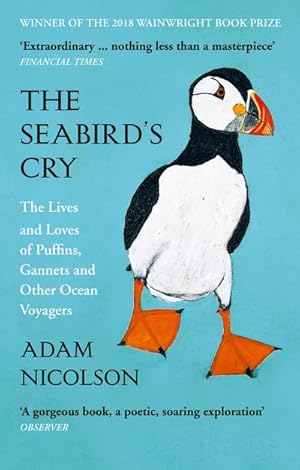
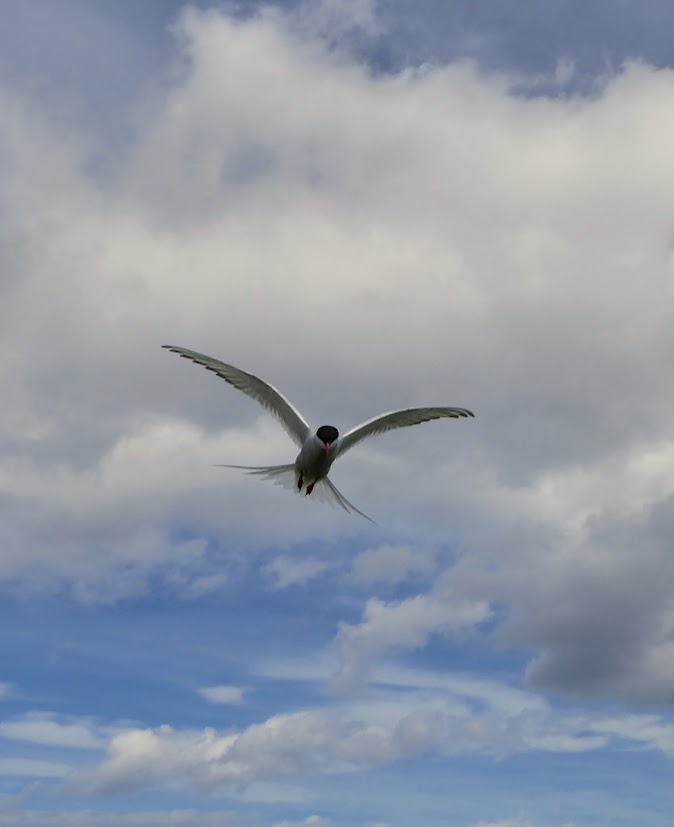
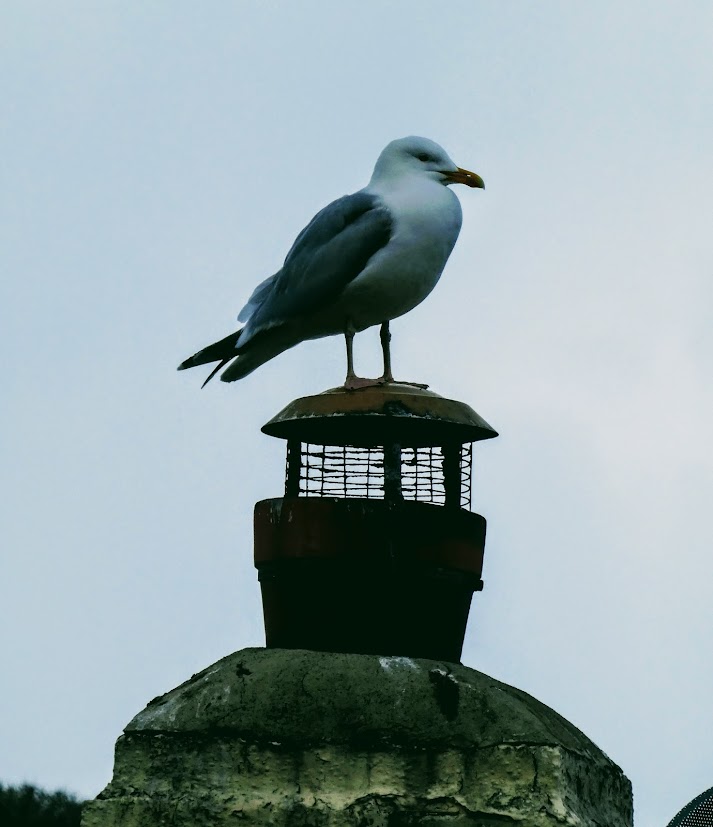
It’s too late now.  I’ll have to stay with the sea for the whole chain, and this time, with gulls too.  But let’s change the mood, and go with non fiction.  Adam Nicolson’s The Seabird’s Cry.  I unreservedly loved this book. Nicolson has long been fascinated by seabirds – not just gulls – and explains how these birds differ so much in habit and lifestyle from the garden birds with whom many of us are more familiar. Then he takes ten different species to examine in turn. He refers to his personal observations, to scientific research, to history and to literature to build a rounded and fascinating portrait of each species he’s chosen. My husband got used to having a daily bulletin of ‘today’s most fascinating seabird facts’ at breakfast each morning. Beautifully written, meticulously researched. readable and involving, this was a book I was sorry to finish.
.
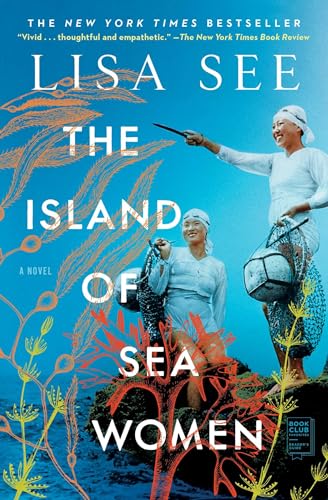
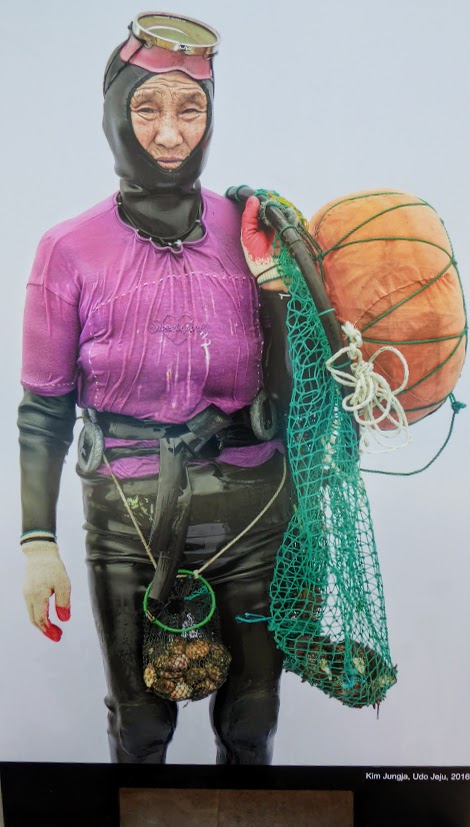
I’ll end in entirely another part of the world – South Korea, and take you to the island of Jeju, in Lisa See’s The Island of Sea Women. I had an immediate interest in this book, having travelled in South Korea – though we didn’t visit Jeju – and having already learnt to be fascinated by the lives of the haenyeo diving women.  These are divers who harvest seafood (sea cucumber, urchins, abalone, octopus) all year round from the sea floor; they can stay underwater for sustained periods of time without breathing apparatus.  This book combines a strong story following the story of two women Young-Sook and her mother, whose lives develop through their membership of the haenyeo culture, as they live through a twentieth century defined in Korea by occupation, internal conflict, deprivation and rapid change. Learning more about this history was in itself illuminating and interesting. It was a backdrop to a story of friendships, broken relationships and family struggle which drew me in to the last page. I was sorry to finish this book too.

It’s not clear to me how I got from a religious life in long-ago Germany to six books involving the sea. But Six Degrees takes us all to unexpected places. Where will next month’s starter book, All Fours, by Miranda July take us?
Six Degrees of Separation: from After Story to Beastings

On the first Saturday of every month, a book is chosen as a starting point and linked to six other books to form a chain. Readers and bloggers are invited to join in by creating their own ‘chain’ leading from the selected book.

Kate: Books are my Favourite and Best

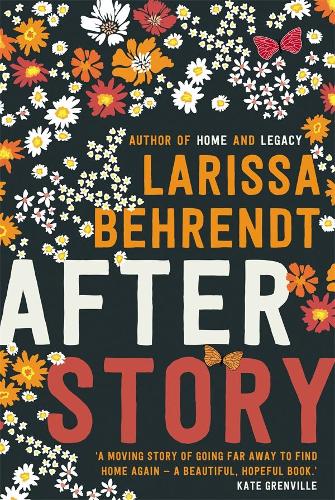
I haven’t read this month’s starting book, After Story, by Larissa Behrendt. I understand it’s about a mother and daughter struggling to come to terms with the death of a sibling. They embark on a journey, visiting the sites important to their literary idols. Idols who include the Brontës. So …

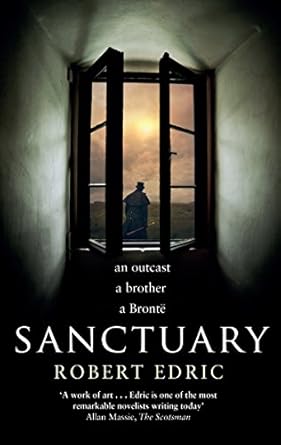
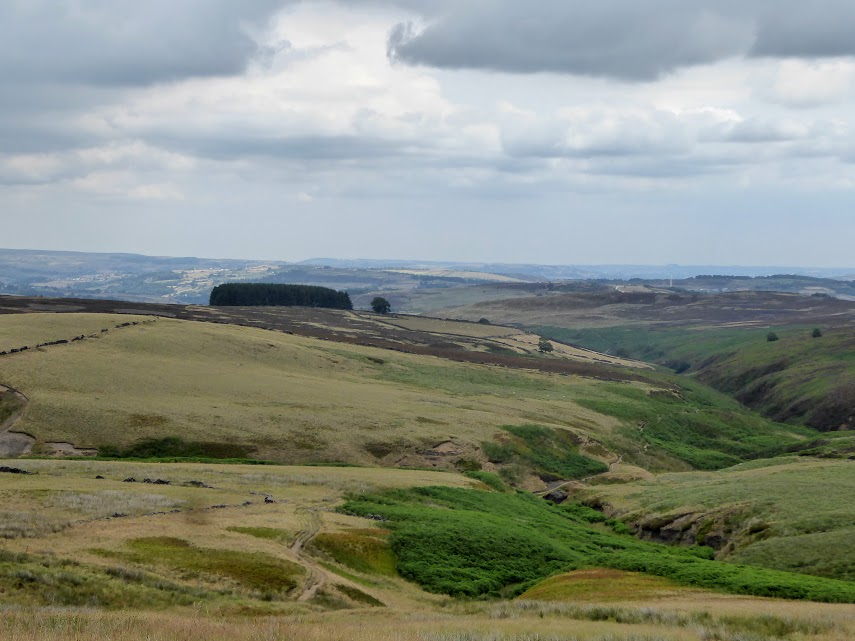
Robert Edric‘s Sanctuary. You can’t be familiar with the brooding moorlands near Howarth and not feel as though you understand something of the Brontë family and their lives. Most of us think we know about them: the mother and sisters who died; the sisters who remained hewing their path towards immortality in slow, painful steps. And then there’s the brother, Bramwell, the black sheep, fighting his failures, his addictions, his inability to find a way to make something of his life. He is the subject, in fact the ‘author’ of this book. He paints a sorry picture of his stumbling path, in the final year of his young life, towards illness, addiction and death. I found the picture he painted of himself – hopelessly depressed, fault-finding, increasingly estranged from his family, increasingly self-deluded a fascinating one. In this book, Bramwell does not dig deep in his moments of introspection, but then you wouldn’t expect him to. He doesn’t favour us with pen portraits of his father, his sisters. Just tantalising glimpses of what they’re like. But nobody is more self-centred, less self-aware than Bramwell Brontë. Edric has carefully constructed this book in a series of vignettes that barely constitute a narrative, but which leave us feeling bewildered sympathy for an intelligent young man who has utterly lost his way. A beautifully imagined reconstruction of a life ill-lived.

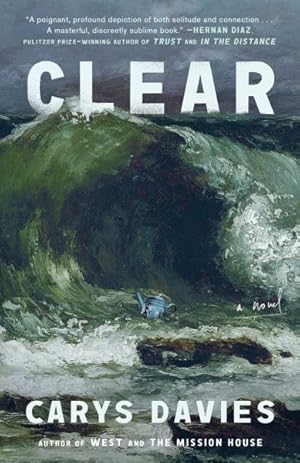
Here’s another book re-imagining history. Carys DaviesClear. This is a story about a vanished way of life. One which vanished during the devastating Highland Clearances in Scotland during the 19th century. A man Ivar, the sole inhabitant – with his few animals – of a remote island, is alive to the natural rhythms of the island – the many seasons, winds, mists, rains and tides that govern it. And when John Ferguson turns up to evict him, but instead falls into a concussioned coma from which Ivar nurses him back to health, he too falls under the island’s spell. Haltingly Ferguson begins to learn the vocabulary, then the language itself which Ivar speaks. The books celebrates that language and the fragity of life in such a spot, as well as asking questions about the future of Ivar, John, and John’s wife Mary, all of whom are in different ways implicated in the consequences of the Highland Clearance.

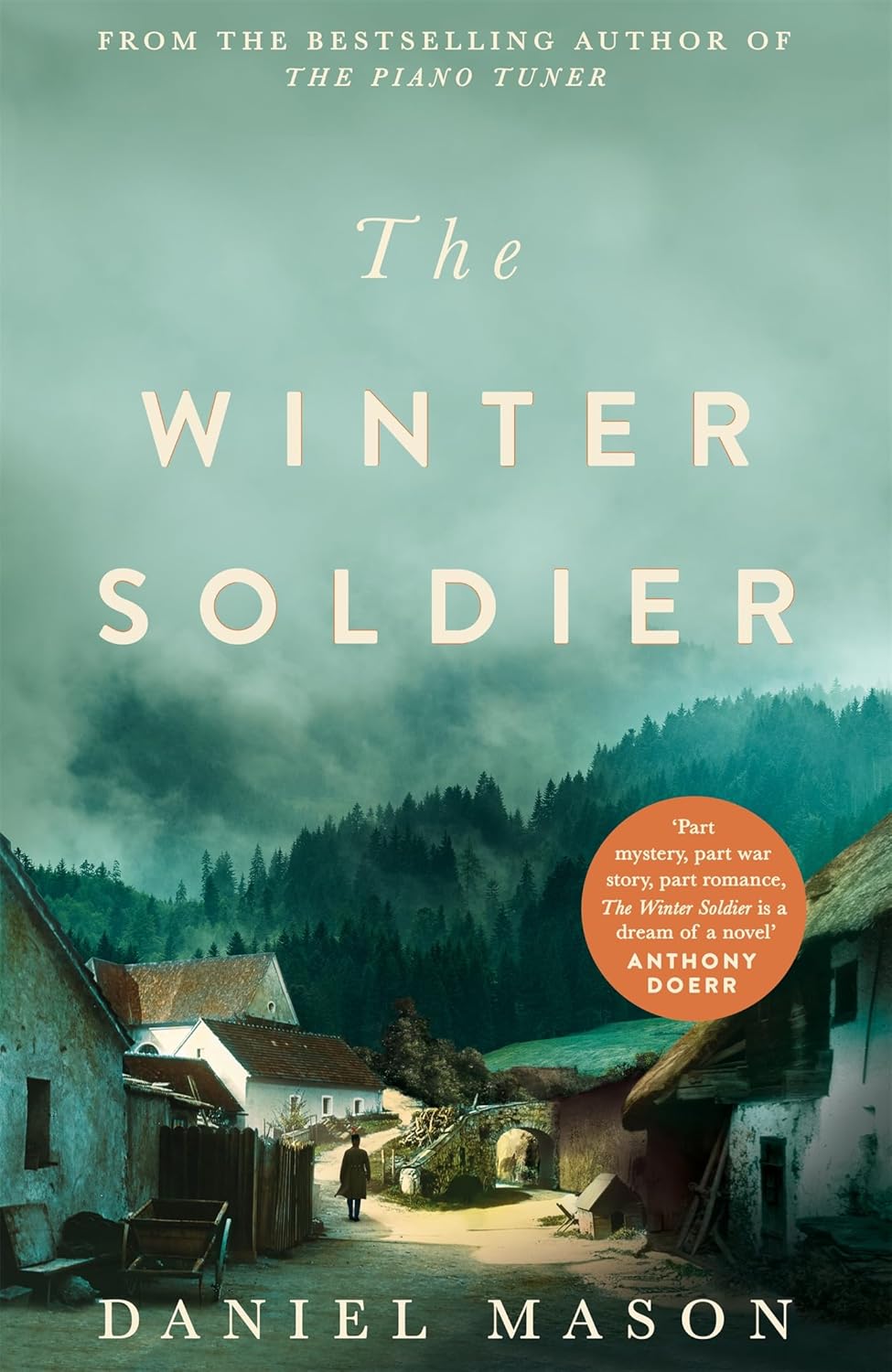
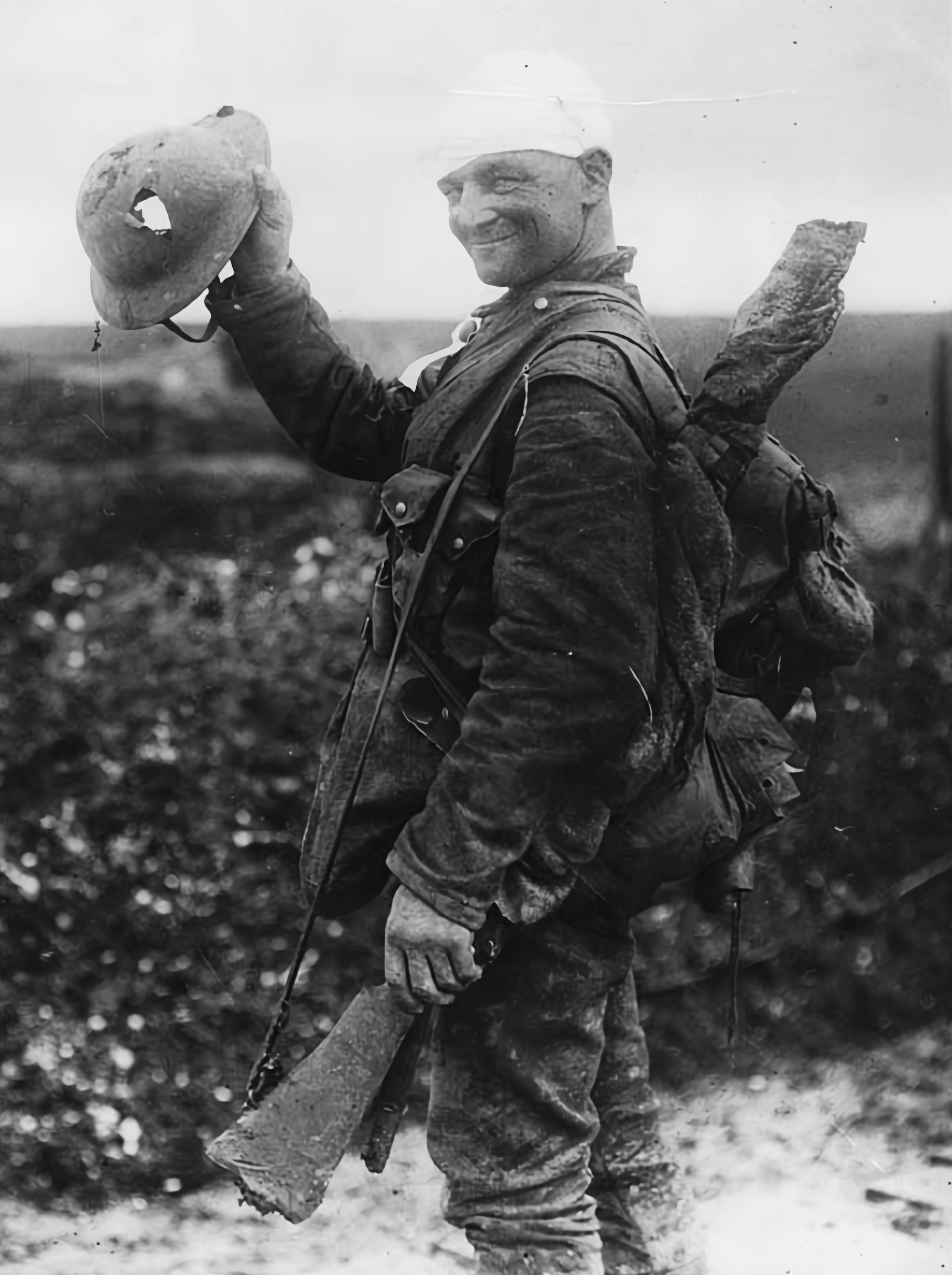
A forbidding terrain and climate are central too to Daniel Mason‘s The Winter Soldier. We’re in Eastern Europe at the beginning of the First World War early on in this book – well, Vienna rather than Easter Europe. Privileged Lucius Krzelewski, medical student, finds himself put in the role of fully-fledged doctor, with only a nurse who’s also a nun, and a few other men – a cook and general hand, in a woefully underequipped and isolated field hospital on the Eastern Front. He does his best to learn his craft, largely from nun Margarete, and has to make decisions about the onward fate of soldiers who leave his care. One such decision has lasting consequences for the soldier concerned, for Margarete and for him. And he falls in love, just before the war sweeps him up once more and makes decisions for him…. A heartfelt and involving story, bringing to life the appalling conditions which so many had to contend with on the Eastern Front.

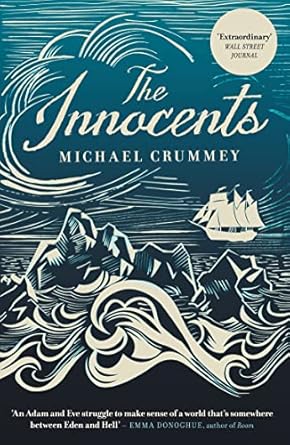
Another book, another unforgiving landscape in Michael Crummey‘s The Innocents. Set in 19th century Newfoundland, this is the story of a brother and sister, aged about 12 and 10 at the beginning of the book, whose baby sister, then their mother, then their father die after a long period of illness. They are isolated. The nearest town is not near at all, and they get supplies only twice a year, when the ship Hope arrives to buy what they have produced and sell them what they need for the coming year. Evered and Ada cope. They have no choice. The landscape is harsh and unforgiving. Fish and seals are their natural resources. There are occasional adventures – to a shipwerecked vessel, where what they find at first delights, then horrifies them. There are occasional visitors from distant ships: well-drawn characters who add leaven to their lives. It’s the depiction of the landscape, then the story of the maturing of these two lonely, isolated yet self-sufficient children as they become adolescents that gives this book its unusual power. A gripping tale.

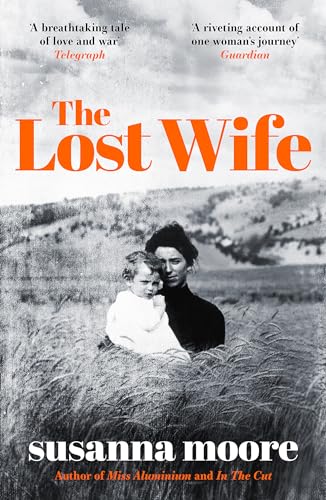
We’ll stick with contending with demanding circumstances and landscapes, and with not-so-recent history too by looking at The Lost Wife by Susanna Moore. In 1855, Sarah leaves her abusive husband and her child, to flee from Rhode Island to the American West, Minnesota: Sioux country. Resourceful, she quickly finds a husband, a doctor, who decides his calling is in a community where Native Americans live too. This is the story of a woman who becomes friendly with the indigenous population, and who finds her husband, herself and her children in danger when this population rises in revolt at the unfair treatment routinely meted out to them. In the ensuing uprising, she’s not entirely trusted by some native Americans, but thoroughly despised by her fellow whites. What should have been a gripping rendering of a rather terrifying and unedifying history based on known facts is rather prosaically yet choppily told. A slightly disappointing read, from which I nevertheless learnt a lot about this piece of pre-Civil War American history.

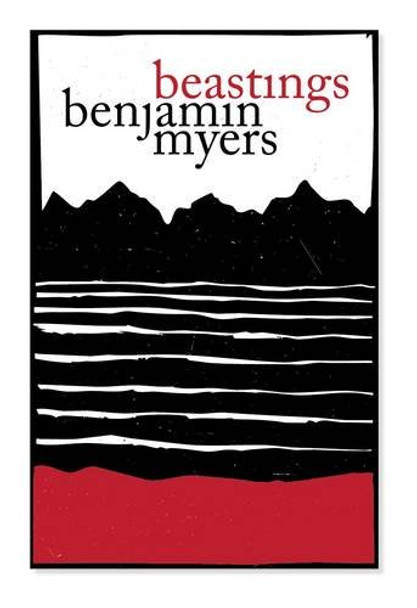
Uncompromising stories set in testing landscapes seem to be this months’s choices. Why change the formula? Beastings is by my current pin-up author, Benjamin Myers. A priest who’s no better than he ought to be enlists the aid of a poacher to pursue a mute young girl, the product of a brutal orphanage, who has made off with a baby whose parents – specifically the father – she mistrusted. Their pursuit takes them across an unyielding and elemental Cumbrian countryside which is itself a character in this austere, bleak novel. It’s not entirely clear when this novel was set, but it doesn’t matter. The Girl (no character is named) meets one or two helpful souls: a woodsman, a farmer, but on the whole she and the baby are alone, trusting to the landscape and the elements as they undertake their increasingly desperate escape from a life with few prospects into an equally bleak and impossible future. A shocking, absorbing, involving story.

My chain this month seems to consist of books which relate more to each other than to the starter book. Ah well. Next month, our book to begin the chain is Colm Tóibín’s Long Island, which has been on my Must Read list since the day it was published.

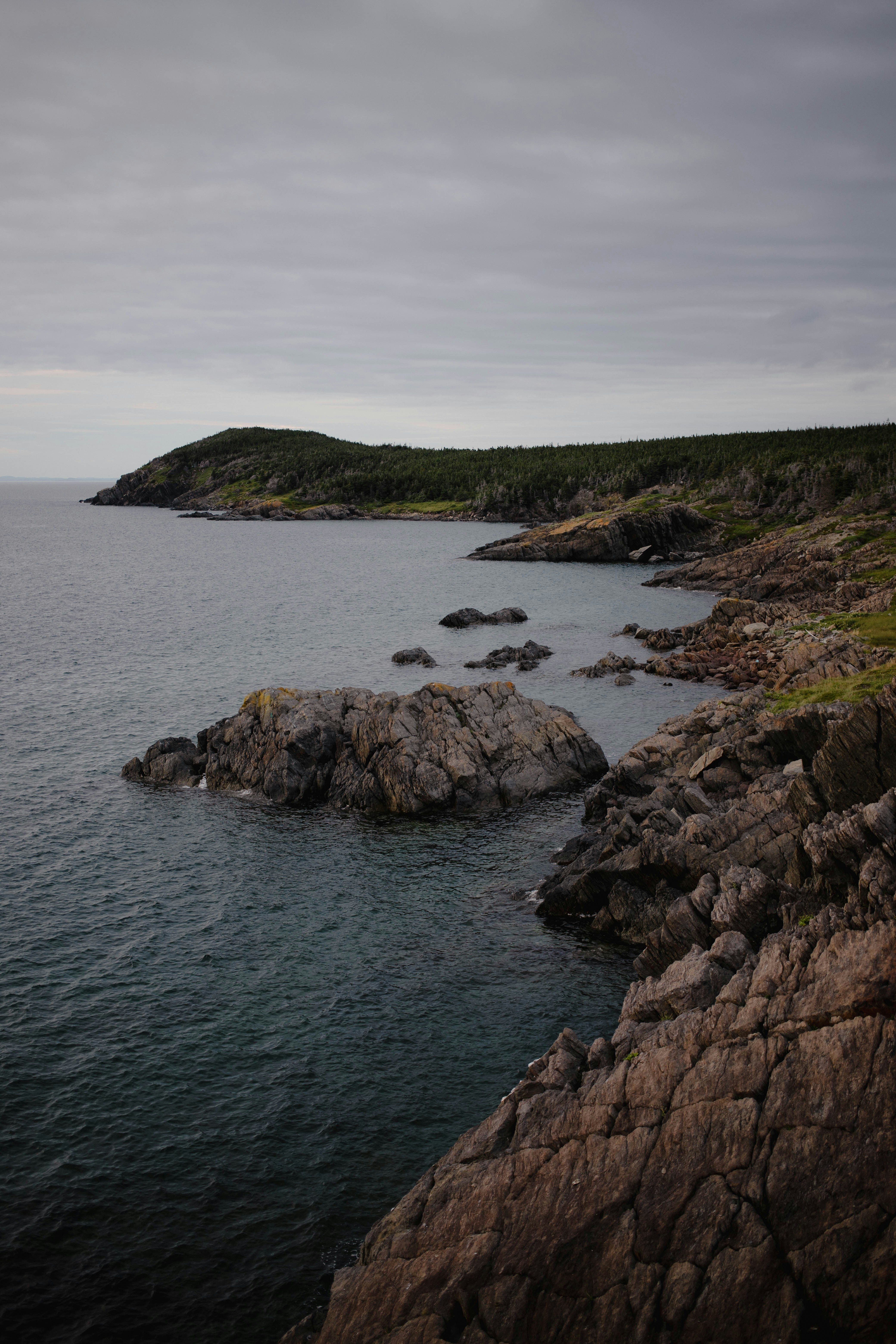
Photo credits: Me; Ed Philips; National Library of Scotland; Erin Minuskin; Jen Theodore.

Six Degrees of Separation: from No One is Talking About This to The Liar’s Dictionary

‘On the first Saturday of every month, a book is chosen as a starting point and linked to six other books to form a chain. Readers and bloggers are invited to join in by creating their own ‘chain’ leading from the selected book.

Six Degrees of Separation: Kate W

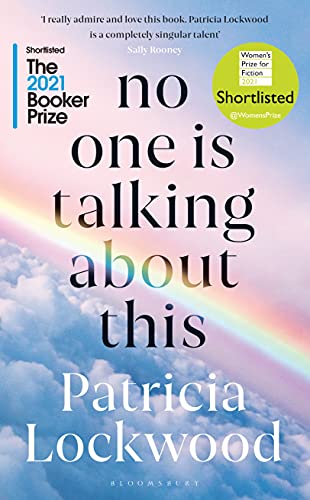
I didn’t get on with this month’s starting book for the chain: No One is Talking About This, by Patricia Lockwood.  In fact I got nowhere near finishing it, so my chain will go off immediately at a wrong tangent, as I understand the second half is very different from the first.  I thought one reason I failed to engage with this book is that its protagonist is an extreme consumer of social media.  And I don’t ‘do’ social media.

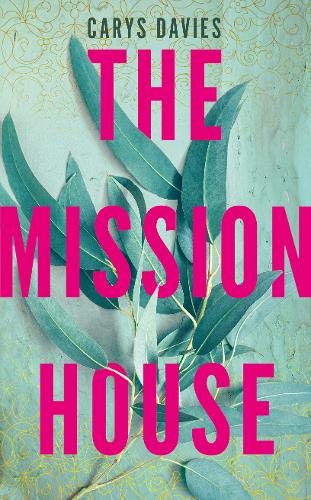
I decided, therefore that I would choose a hero who hasn’t even heard of social media, Hilary Byrd, of Carys DaviesMission House. Byrd, a slightly washed out, failed Englishman of middle years, is in India trying to escape from his pale and disappointing life. He finds himself in a town which is clearly Ooty, that haven for the English in Time of Empire. And it’s here that he meets The Padre, who offers him accommodation: and Jamshed, who becomes his driver. And Priscilla, the Padre’s adopted daughter. And Ravi, would be Country and Western singer, Jamshed’s nephew. This is the story of how their lives – all disappointing lives in many ways – come to intertwine. Beautifully written in short, sometimes apparently unrelated chapters, this is a book which had me immersed in the life and times of every character. 

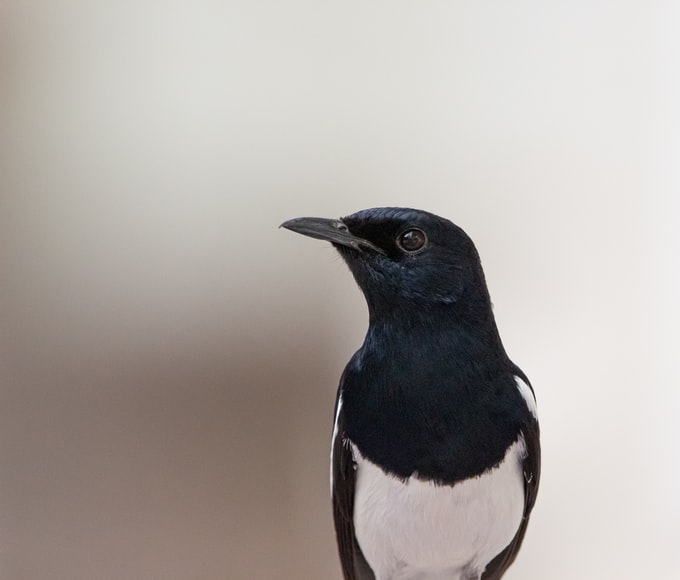
Byrd is not exactly a mainstream character.  Neither is Charlie Gilmour, who tells his own story in Featherhood.  This is an astonishingly readable book, which combines a tale of caring and raising a magpie fallen from its nest with a parallel account of Gilmour’s absent father. He too once raised a corvid, a jackdaw, but he was a far less reliable and responsible carer for his son – and several other children whom he fathered, while taking on few of the responsibilities of fatherhood. Charlie’s father, Heathcote suffered debilitating mental breakdowns and it becomes apparent to Charlie himself that he risks following the same trajectory: his late adolescence and early adulthood is peppered with difficulties which involve a spell in prison. This potentially weighty tale is leavened by accounts of the joy and mayhem which Benzene the magpie introduces to the lives of his whole family. As Charlie himself points out, Do Not Try This at Home. But his having done so has produced a delight of a book with a serious undertone.

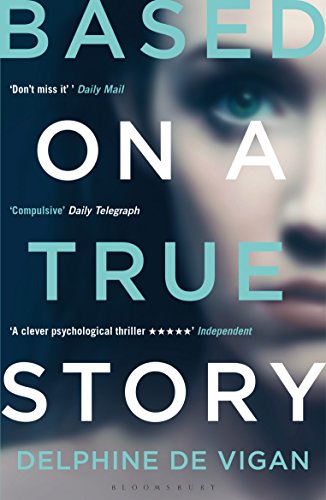
The next book is fiction, told as autobiography, and it’s another chronicle of a life in crisis.  Delphine de Vigan’s Based on a True Story.  This is not a bed time story. Instead, it is a slow burn, of the kind the French seem so good at. Written in the first person, the narrator is a successful and respected author. She’s suffering from burnout, and this is the moment in which she makes a new friend – a friend who makes herself indispensable: a friend who begins to make her doubt herself: a friend who takes away any kind of belief in herself, slowly, skilfully and insidiously. It’s a deliberately uncomfortable read, and maybe perhaps just a little too long. On balance though, it was tautly constructed and I’ll read more from Delphine de Vigan.

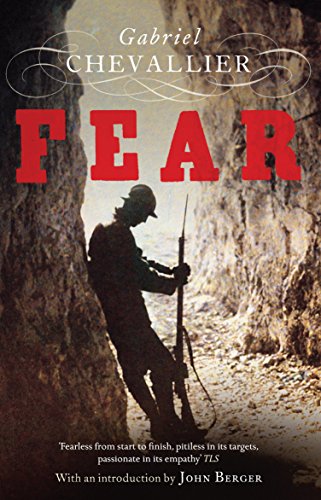
We’ll stay in France, and meet a character who has difficulties of a completely different kind.  It feels like an autobiography, and I sense that in large part, it may be.  Fear, by Gabriel Chevallier.  Over the years, I’ve read a lot of accounts of the common soldiers’ lot in WWI, and been both horrified and angry at the suffering and the waste endured. But this novel of French poilu Jean Dartemond is perhaps the most shocking I have read, and would have seemed especially so when it was published in 1930, when memories of those surviving, and their relatives, were still relatively fresh. No wonder publication was suspended during WWII. The day to day suffering, boredom and indignities, the all-too frequent horrors of witnessing disembowelled bodies, skin, bloated cadavers are described with a freshness that makes the horror very present. Towards the end, he describes how, when officers weren’t around, some German and French troops made tentative sallies of friendship across the divide, as they recognised how much more they had in common with each other than with their commanding officers, often remote and somewhat protected. This book, as so many others of its kind, is a true indictment of the horror and futility of war.  

From WWII  to the Cold War and its aftermath.  The Spy and the Traitor by Ben MacIntyre. This is a thoroughly gripping and shocking book: the story of Oleg Gordievsky, KGB agent turned British spy. The picture painted of Russian society in pre-Gorbachev days, and of the day to day life of a spy, whose life must necessarily be cloaked in such secrecy that not even those you love the most – your wife, your parents – can in any way be privy to your true beliefs and loyalties is a deeply unsettling one. This is a fine and edge-of-seat story. Only it’s not a story. The life of a spy, the machinations of MI6 and the KGB among others, the story of the Cold War and the period after are all true, all recent history, and Ben MacIntyre explains it all well, and places it all in context. I was exhausted after finishing this book. But greatly illuminated by what I’d learnt too.

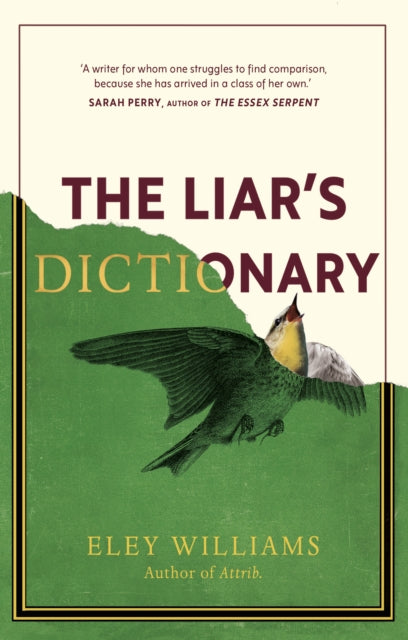
The life of a spy is, of necessity, the life of a liar.  So let’s come full circle, and mention the Liar’s Dictionary by Eley  Williams.  Dictionaries are scarcely social media, but even now, they enjoy a long reach.  I thought this book would be a sure-fire hit with me, as I’m an inveterate dictionary bowser. I tried this book once, and abandoned it after twenty pages. I tried it again, and grudgingly admired Williams’ pure enjoyment of, and fun with words, but on the whole it left me cold. This is the story of a dictionary, long in the making: and, in alternating chapters, the personal struggles of 19th century Winceworth, and 20th century Mallorie’s and their tussles with mountweazels – fake entries planted in works of reference to identify plagiarists.  For a fuller account and more positive review, read here.

The book to start next month’s chain will be Graham Greene’s The End of the Affair. I haven’t read that in years. I’d better find a copy.