This week, Denzil, in his Nature Photo Challenge, is eager to see what shots of wild animals we can come up with. Let’s see what I can find round here in the UK.
Squirrels, for sure. Grey squirrels certainly. They were first introduced to England from America in 1876 as an ornament to the gardens of stately homes, and by 1930, had largely eliminated our native red squirrels: though I have seen them, rarely, in parts of the Lake District and in Scotland. I have to admit this red squirrel was spotted in Spain.
Grey squirrel in a very bad mood.Red squirrel enjoying a snack..
What else?
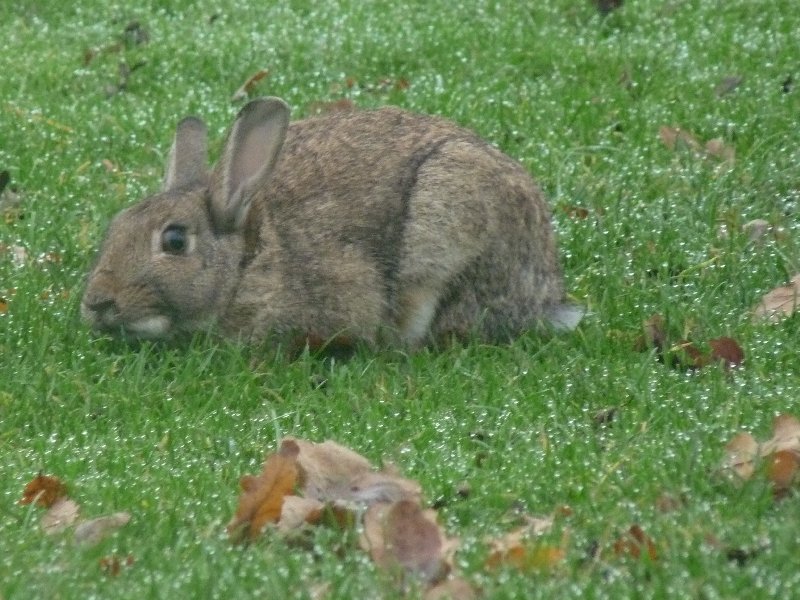
Rabbits by the score emerge at dusk to start nibbling.
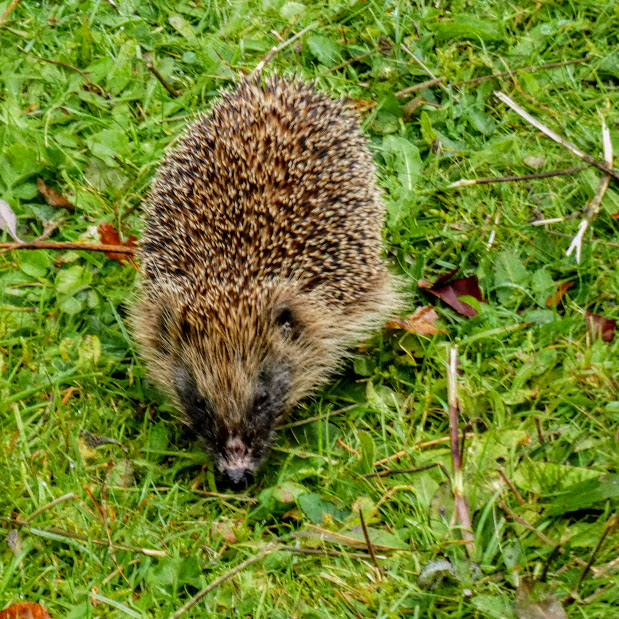
Hedgehogs have become depressingly rare. This photo is older than I’d like it to be.
I came upon this toad on a riverside walk near home.
One photo is very close to home. Field mice start to move into our kitchen as autumn arrives. This fellow is in a humane trap before being moved on and out. We don’t kid ourselves that this is super-humane. Dumping the poor creature in nearby but unfamiliar countryside is not likely to end well. But what to do?
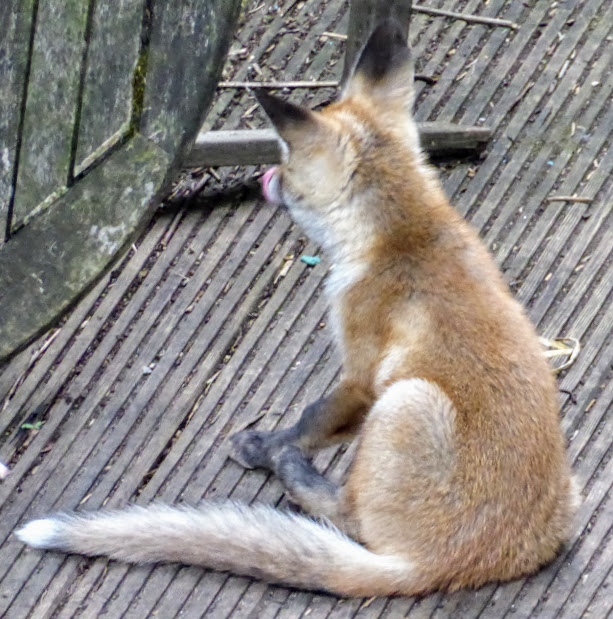
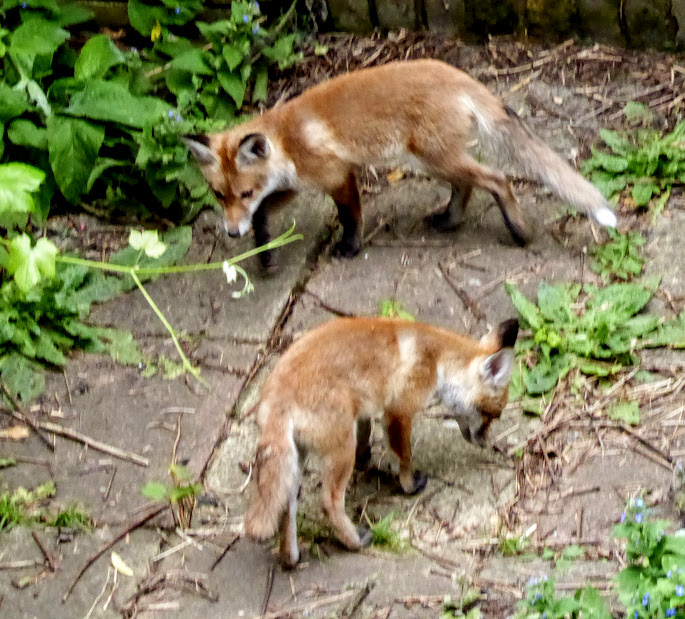
I’m going to visit my son and family in London for the next two shots, because I see far more foxes there than here in the countryside. Recently, the house next door to them remained empty for a few summer weeks. A fox family took advantage.
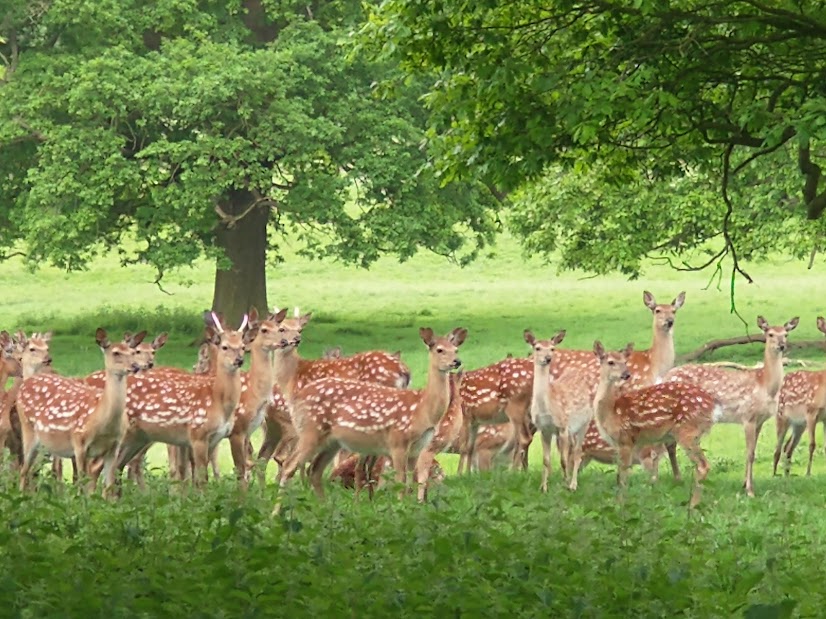
The deer in nearby Studley Royal Deer Park are not exactly wild – but they’re not tame either- they’re never handled by humans: and some stags escape into the wild for their holidays before returning in time for the rut. Truly wild deer are common here, but not keen on photo opportunities: so here are two groups from the Deer Park: fallow deer in the shot below, and red deer stags in the featured photo.
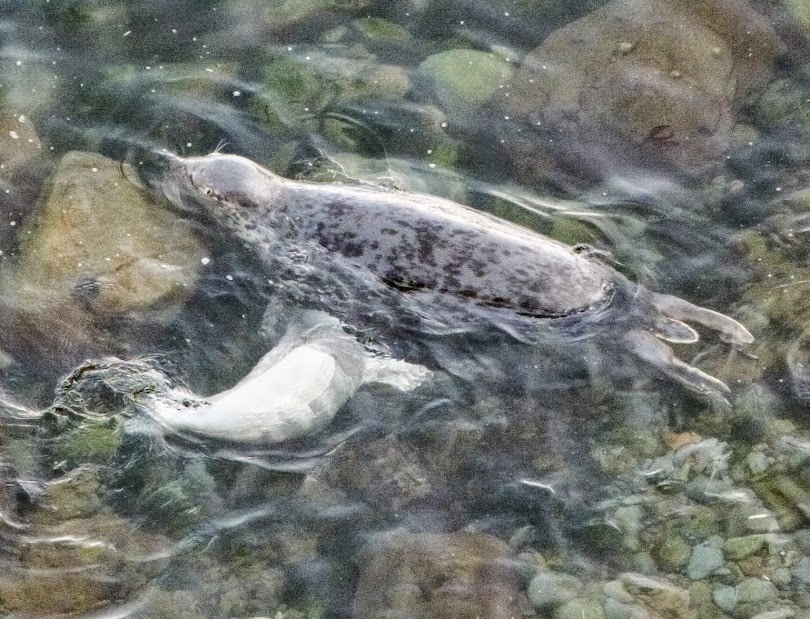
We shouldn’t end though without a trip to the seaside. Let’s go to the Farne Islands and then to Pembrokeshire to do a spot of seal-spotting.
I’ve found that visiting posts from fellow-bloggers in far-flung parts of the globe has produced sights of -to me- very exotic creatures. I hope at least some of these shots will seem different to them.
Oh, I almost forgot. I seem to have given myself a task: collective nouns for the animals and creatures I feature. Here goes.
Squirrels: a scurry, a dray, a colony, and a squad.
Rabbits:  colony, nest, down, warren, bury, kindle, leash, trace, trip, drove, herd, fluffle, flick, husk, and wrack.
Hedgehogs: a prickle, array.
Toads: a knot,  lump, a nest, a knab, a knob, a squiggle.
Mice: horde, mischief, nest.
Fox: earth, leash, skulk.
Deer: herd, bunch, mob, rangale, bevy, parcel.
Seals: bob, pod, herd, harem, colony, rookery, plump, spring, crash.
This week’s Lens-Artists Challenge, set by Donna, asks us to look at Time. So … I’ve decided to focus on traditions: traditions about celebration – long enjoyed, long maintained, and still meaningful in the communities where they take place.
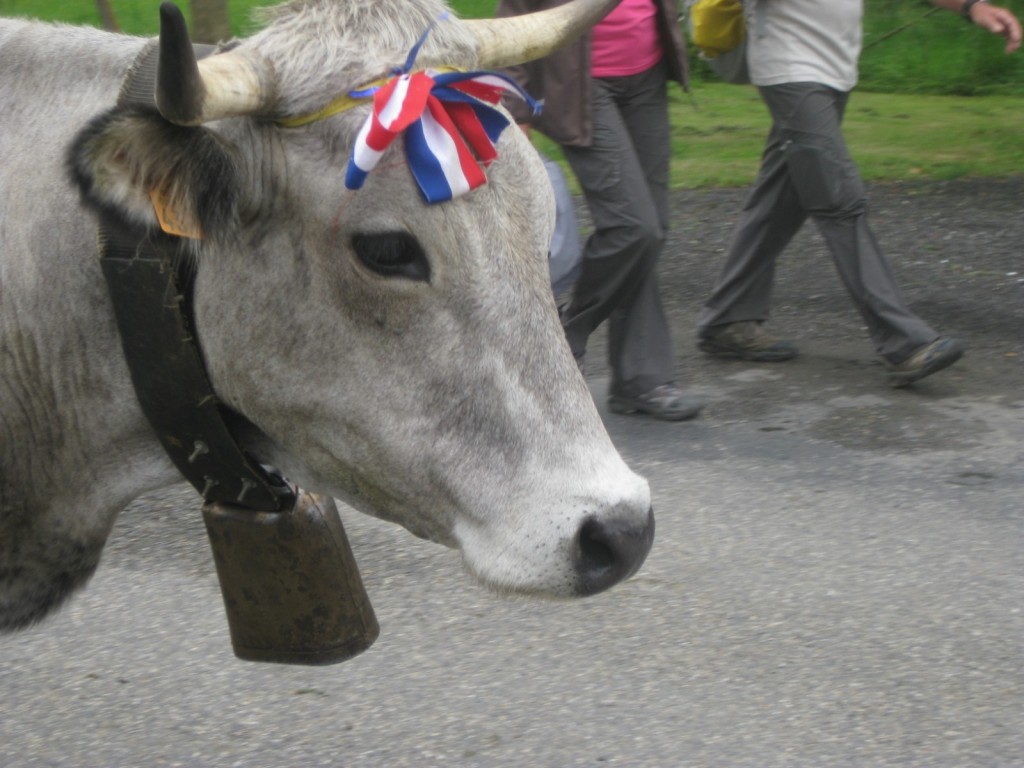
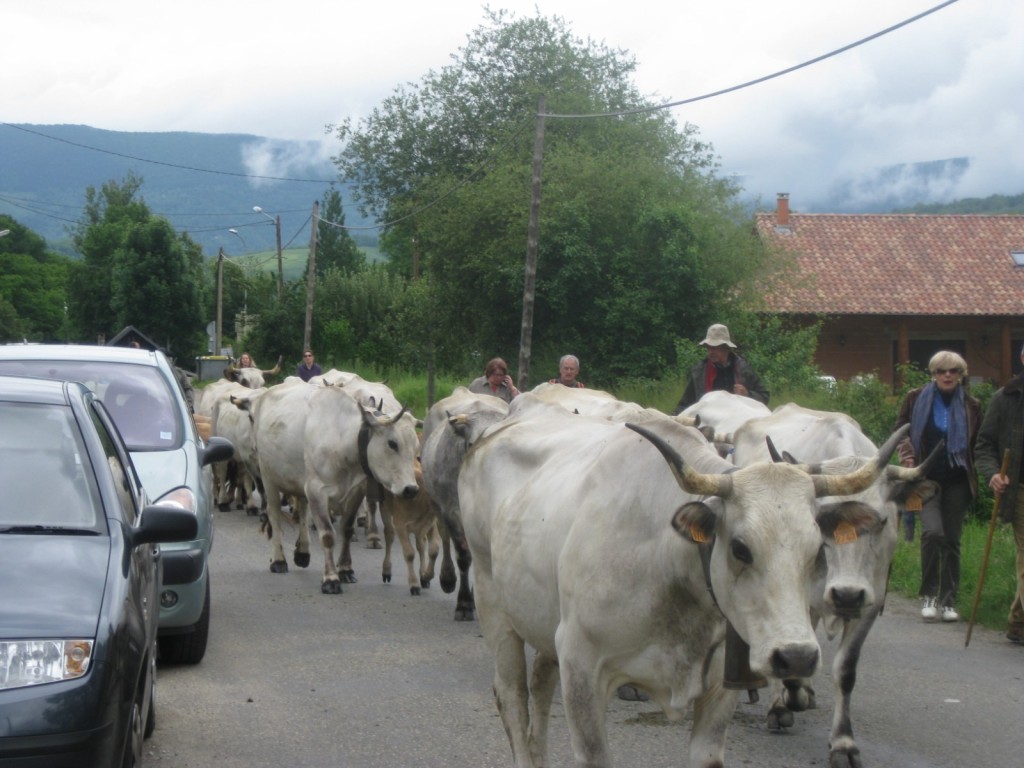
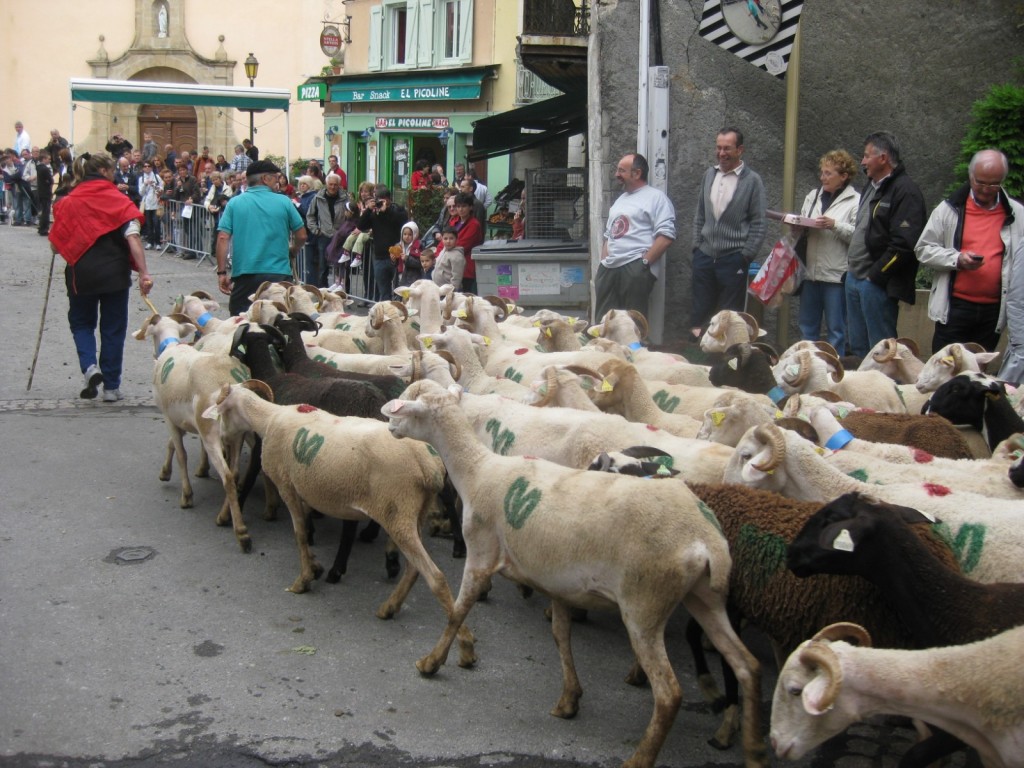
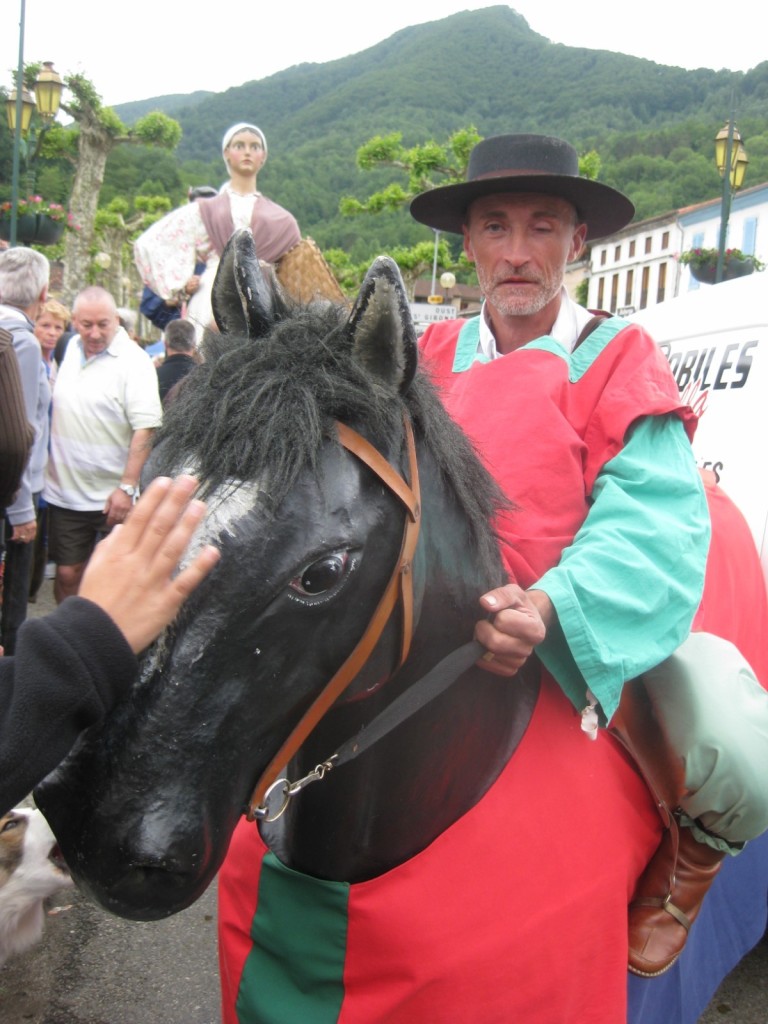
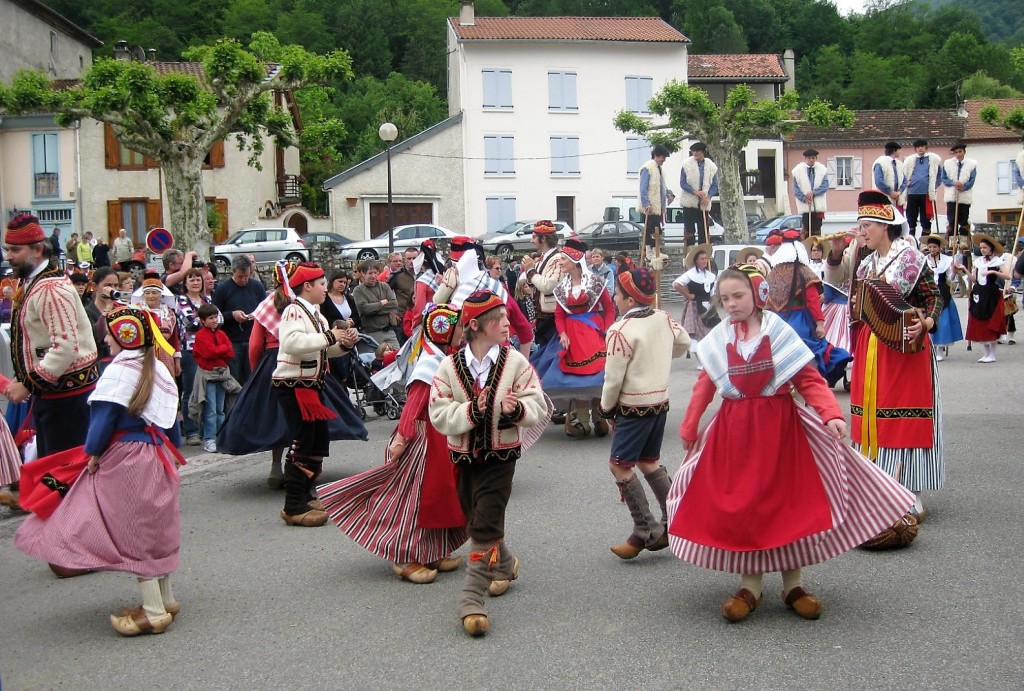
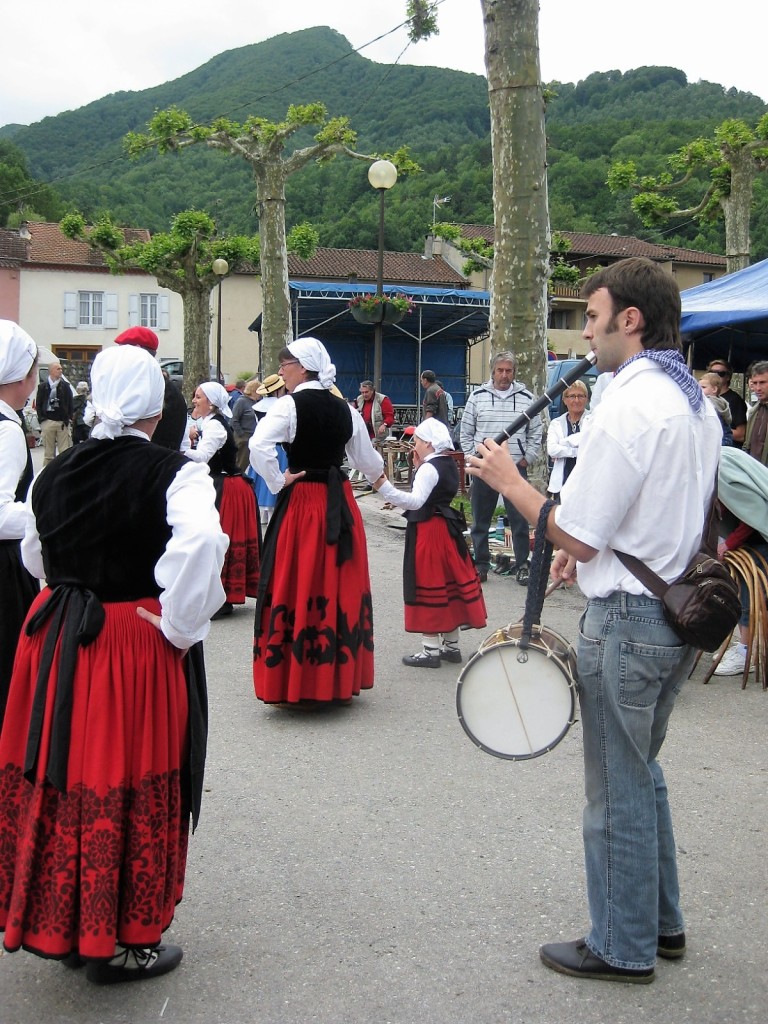
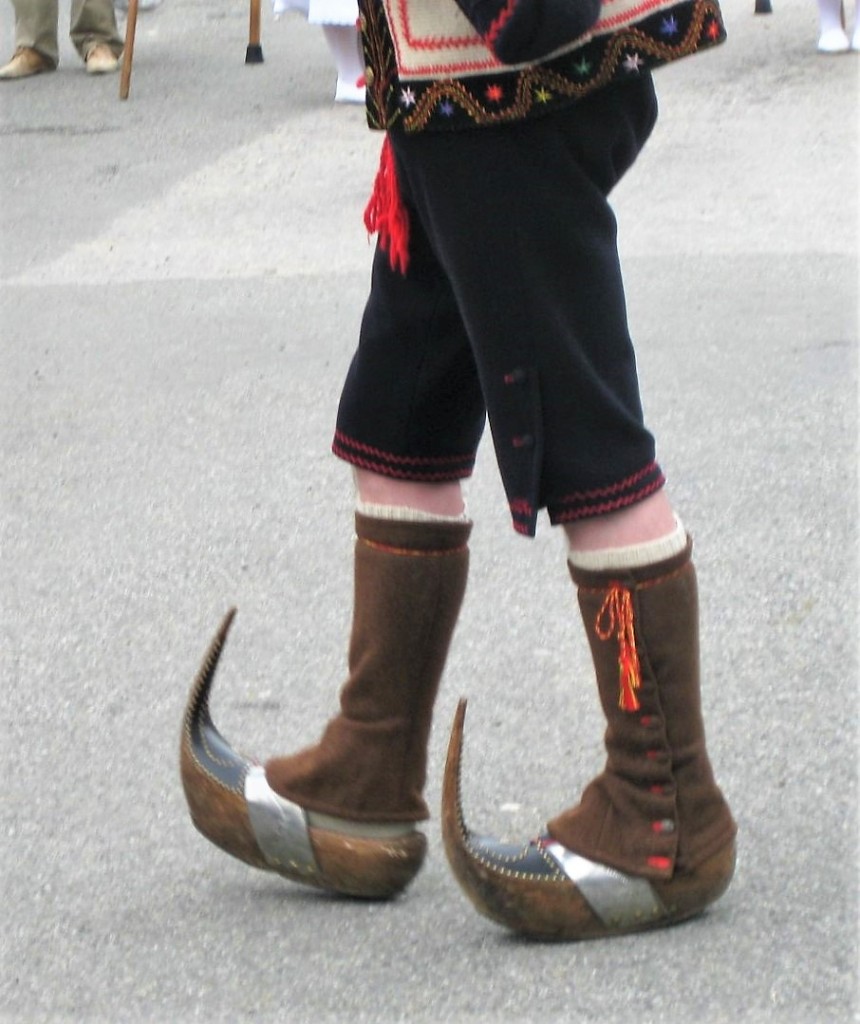
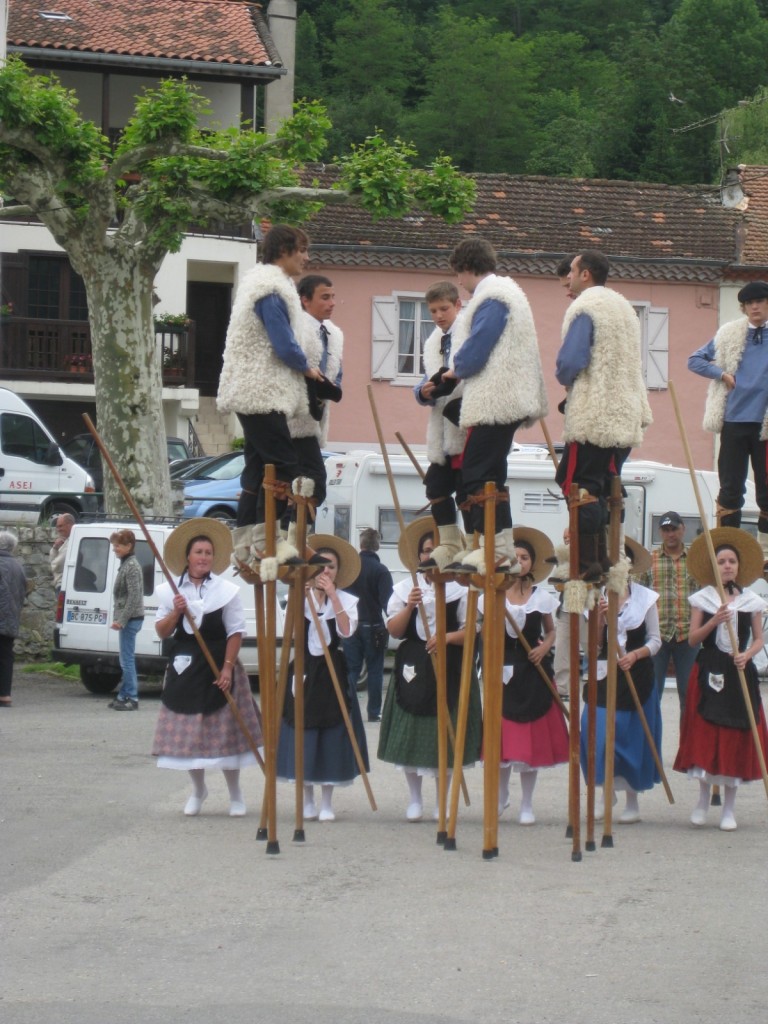
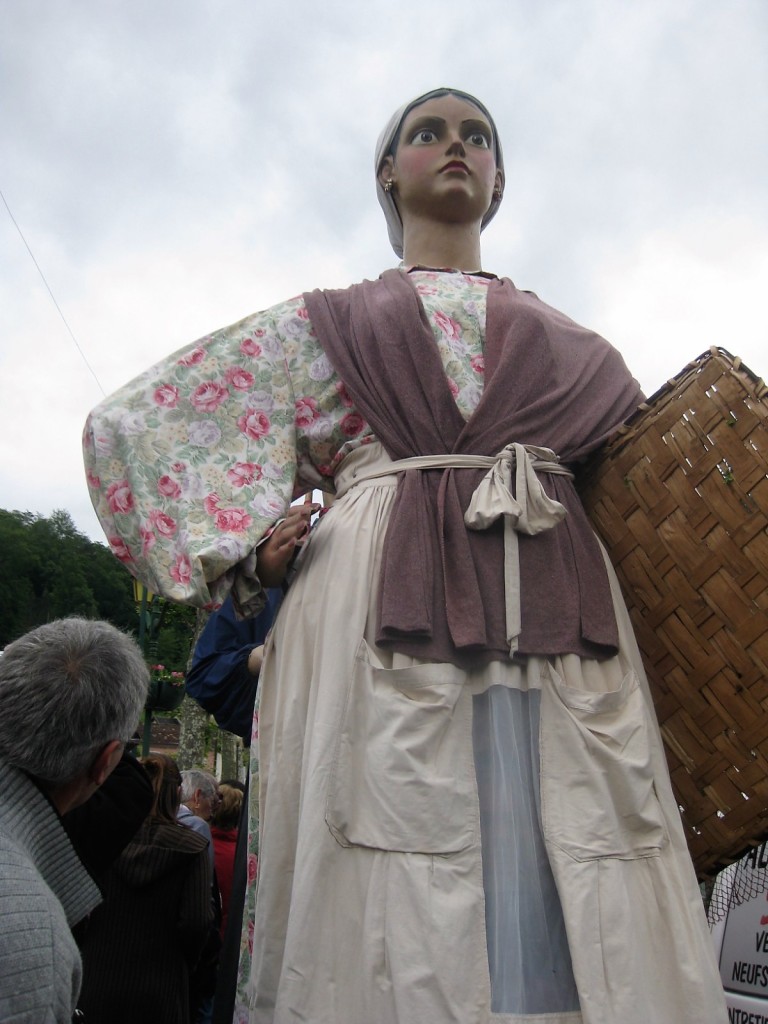
Transhumance for instance. It’s that time of year when in the Pyrénées (and in other mountain regions too), near where we lived in France, the cattle and sheep are moved from the lush summer pastures in the mountains down to their winter quarters down on their lowland(ish) farms . They stay there till spring, and then they’re taken up again. And each time, it’s the excuse for a party. Here are some scenes from Seix a few years ago, of the upward part of the year.
Patriotic cows are led to townCattle trudge patiently down the road …Sheep come tooIt seems strange to ride a plaster pony when there are so many real ones aroundDancing – always dancingMore dancersTraditional clogsShepherds from the Landes on their traditional look-outs – their stilts.Traditional géants
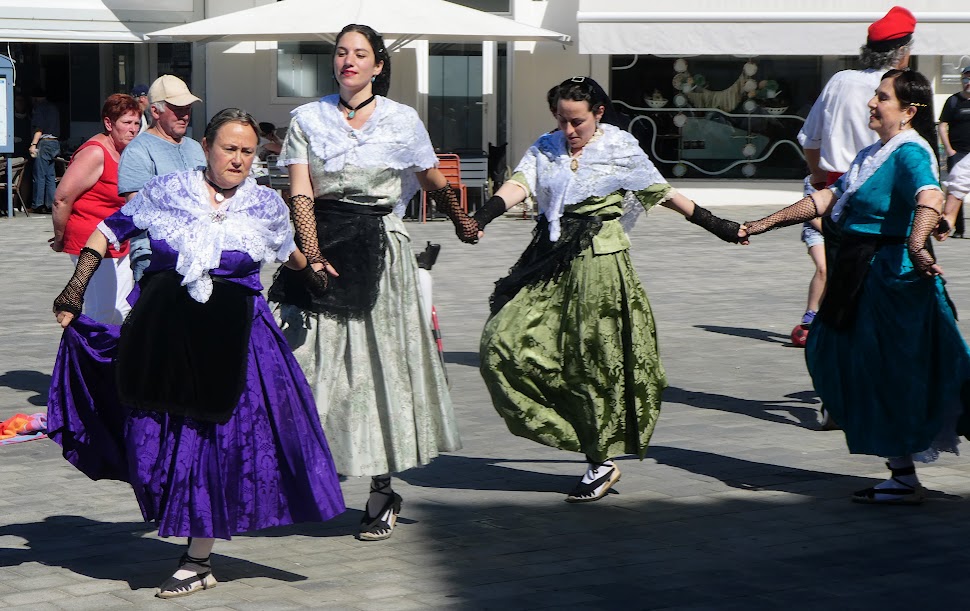
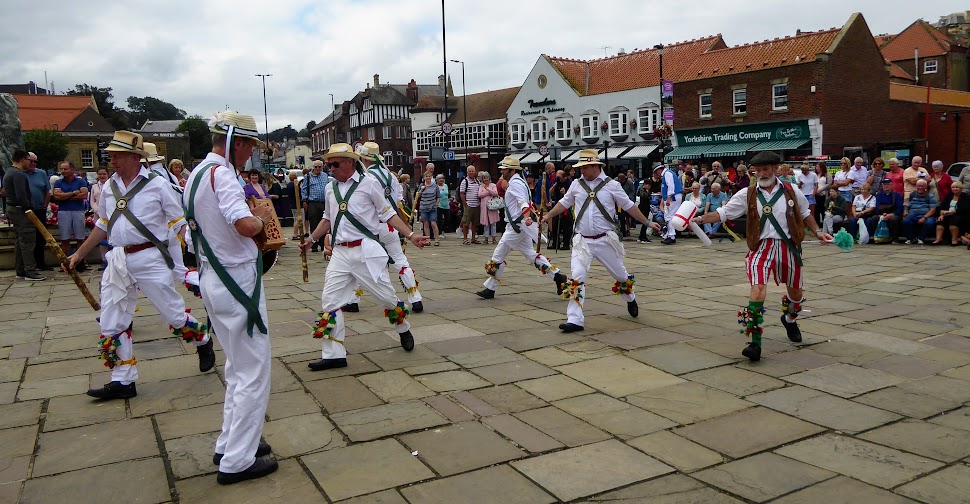
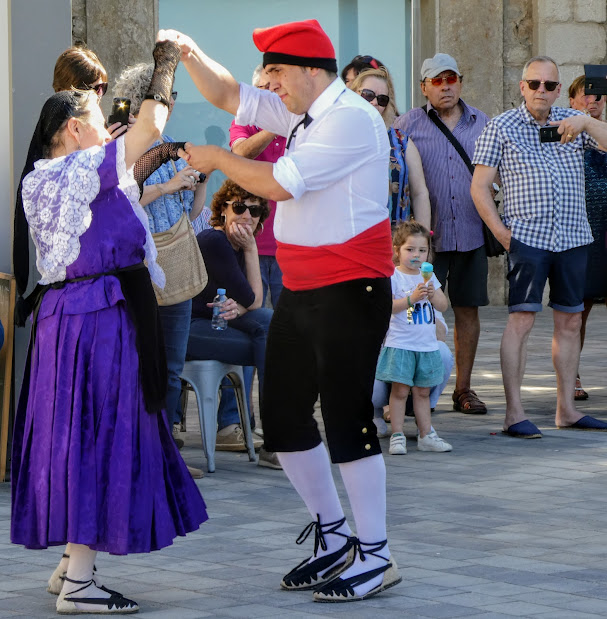
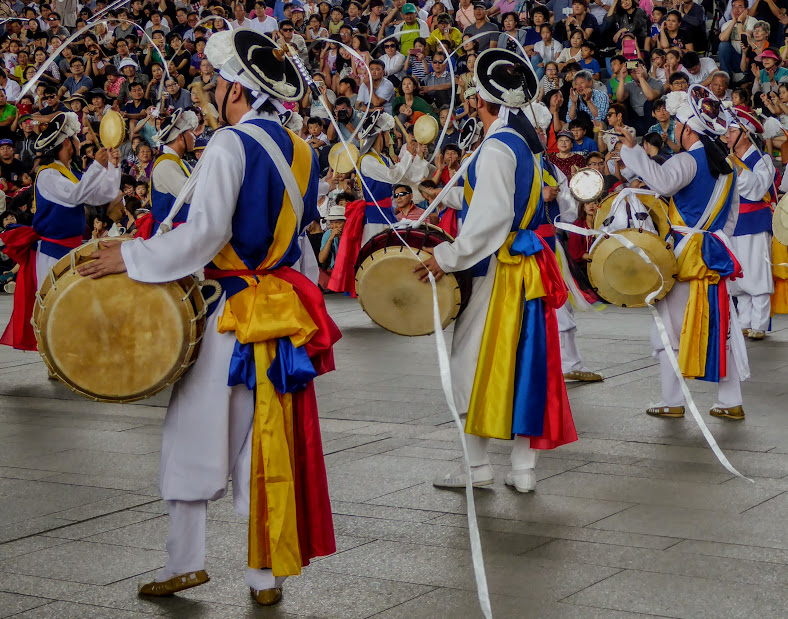
They were dancing in Seix. We dance to celebrate wherever we live – always have. Here are Morris Dancers in England, traditional dancers in Catalonia (and more of them in the featured photo) and dancing for the big Harvest celebration of Chuseok in South Korea.
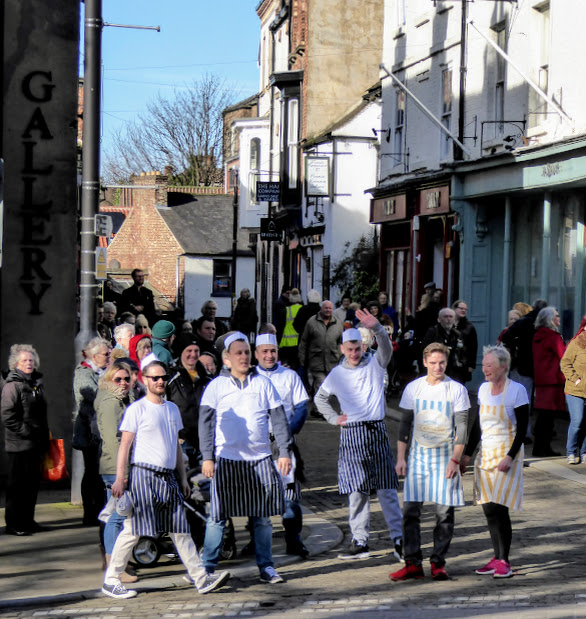
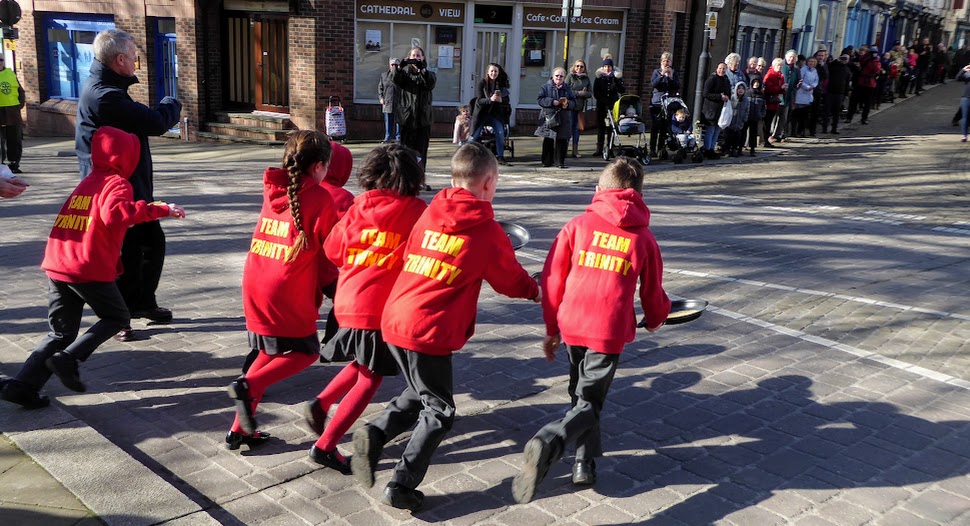
What next? How about Shrove Tuesday, the day when it’s the last excuse to have a bit of fun before the privations of Lent? The day when eggs and butter and other indulgences get used up in the making of pancakes, some of which end up in a race. Participants run the course, pan in hand, tossing their pancakes as they run towards the finishing line. It’s part of every Shrove Tuesday, as it has been for hundreds of years here in Ripon, and in towns and villages throughout the land.
Restaurant and café cooks take time out and celebrate a race well-won. Schools vie with each other for the prize.
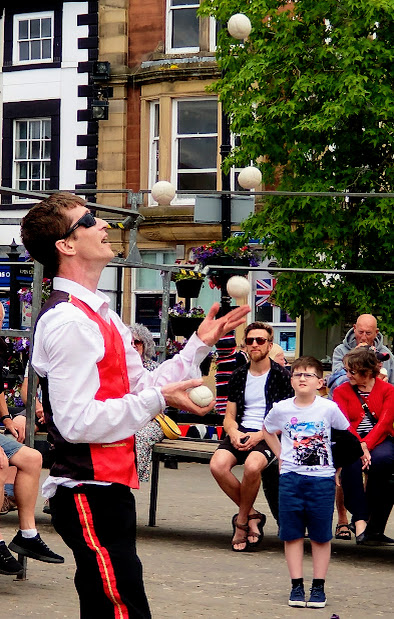
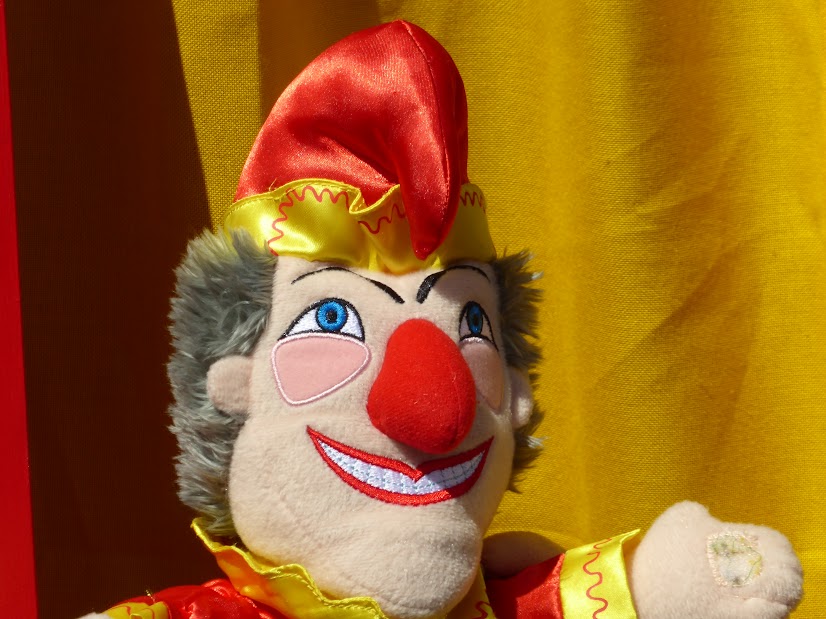
Street entertainers have engaged out attention as long as there have been streets. Jugglers, Punch and Judy shows … anything goes.
Juggler in RiponPunch … but no Judy.
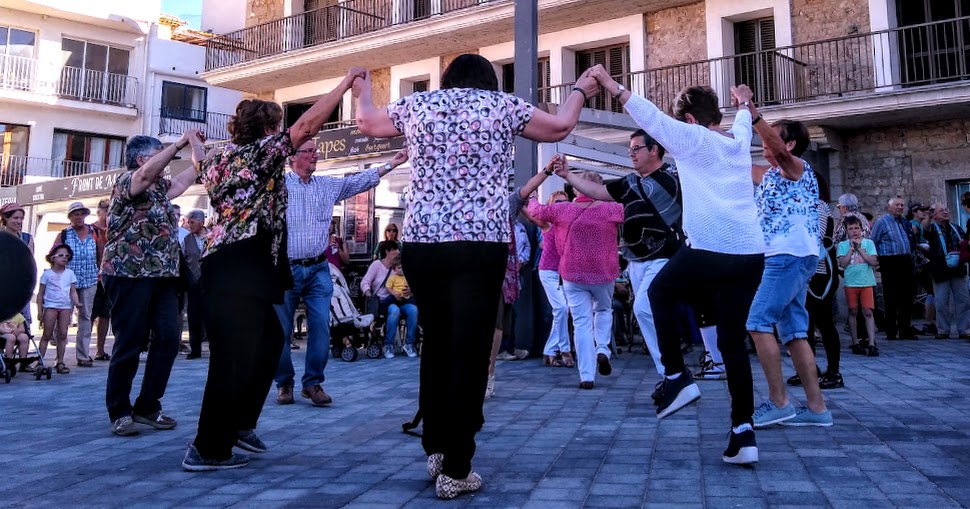
Anyway, let’s finish off with a dance, the Sardana, dear to Catalonians for … well, centuries. It’s easy enough – join in the circle and just copy the person opposite you. Come on – you don’t even need a partner!
Friends and strangers enjoy the Sardana in a Catalan square.
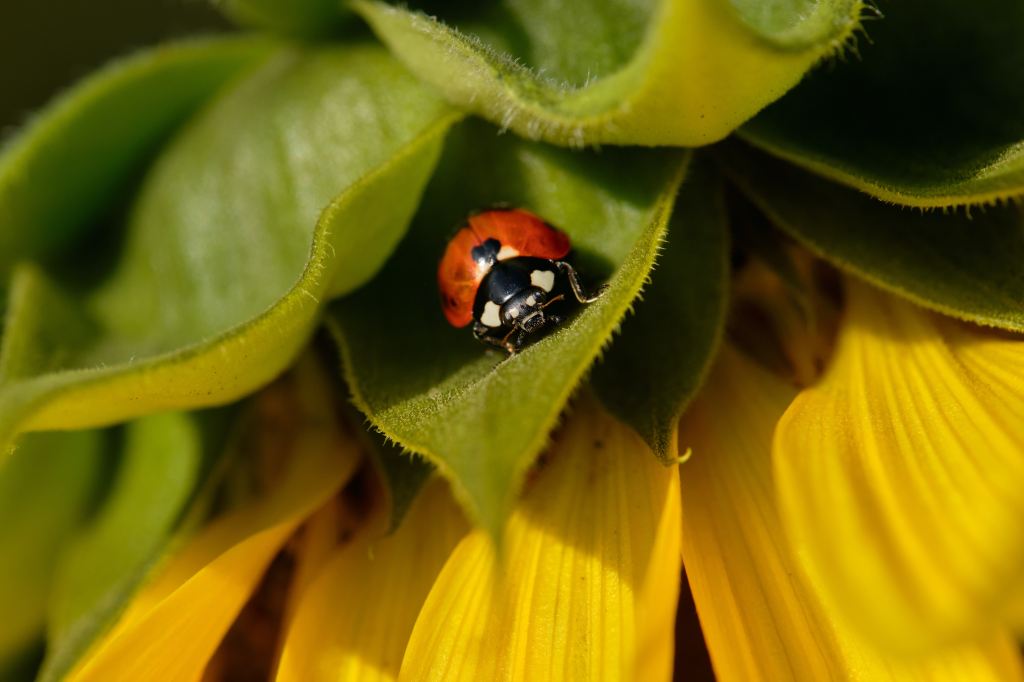
Every winter without fail, ladybirds – any number from about fifteen to forty – come to hibernate in our bedroom in the recess above the bedroom window. I have never taken a photo of them. And since Denzil issued his Nature Photo Challenge #27- Ladybirds – this week, I haven’t seen a single one out and about, so I am resorting to pillaging photos from Unsplash once more.
But Denzil himself suggested that since I’m fond of collective nouns, I should instead share the one for this charming insect. Ladies and gentlemen, I offer you – a loveliness of ladybirds. Isn’t that quite – er – lovely?
The featured photo is from Kandis in Glasgow, and the above image is by Malcolm Lightbody. Both can be found on Unsplash.
Poor Algernon (if I may be so familiar). I abandoned my Major General last month as he planned further destinations in a trip to invigorate him in his old age. He’s my stooge as I attempt to complete Paula’s Pick a Word Challenge. The five words Paula offers us are intended to be a stimulus to us to choose five appropriate photos: I decided a bit of verbal silliness would add a little extra difficulty. Not ‘alf. These are Paula’s chosen words: distinctive; floating; fortified; playful and saddle. Make something of that, Major General!
In case you’re not familiar with him, this is how his saga began …
A retired Major General from Hove
with the moniker Algernon Gove
said ‘Before life unravels
I must finish my travels.’
And forthwith he made plans to rove.
But it gets worse …
His next plan was to go pony-trekking.
He booked something in Wales without checking.
It might be quite a chore ?
He could get saddle-sore?
Oh dear no - there’s a plan that needs wrecking.

Our old chap nursed a long-term ambition
to explore sites with years of tradition.
A castle, he voted,
fortified, or deep-moated.
He’d find one - he'd make that his mission.

Perhaps all his plans were restrictive?
He should aim now for something distinctive.
Something playful and fun.
‘Cos when all’s said and done
to enjoy life should just be instinctive.

He knew he’d no taste for long trips
that took him o’er oceans in ships.
But he’d go in a boat
floating nowhere remote -
while enjoying some fresh fish and chips.
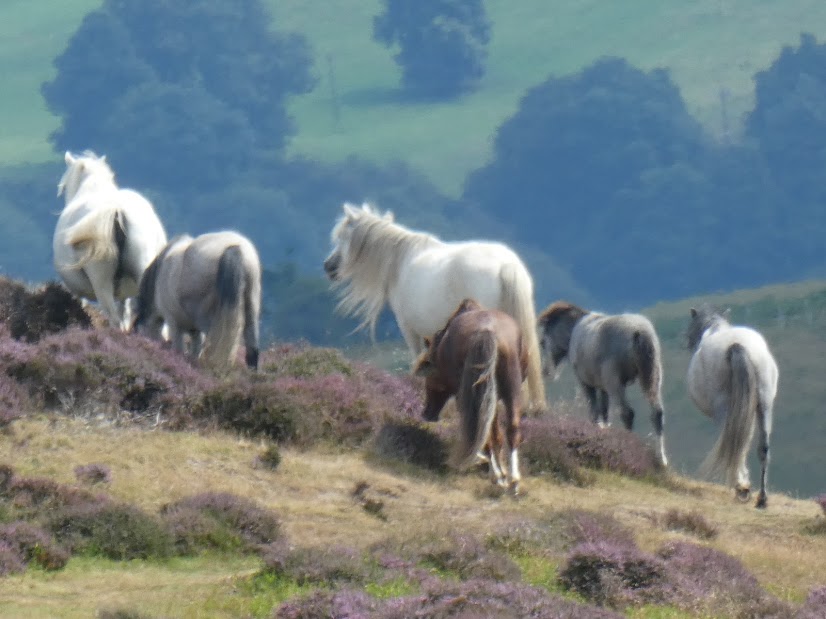
When the Major General saw frisky ponies like these, he knew he’d never be able to stay in the saddle.
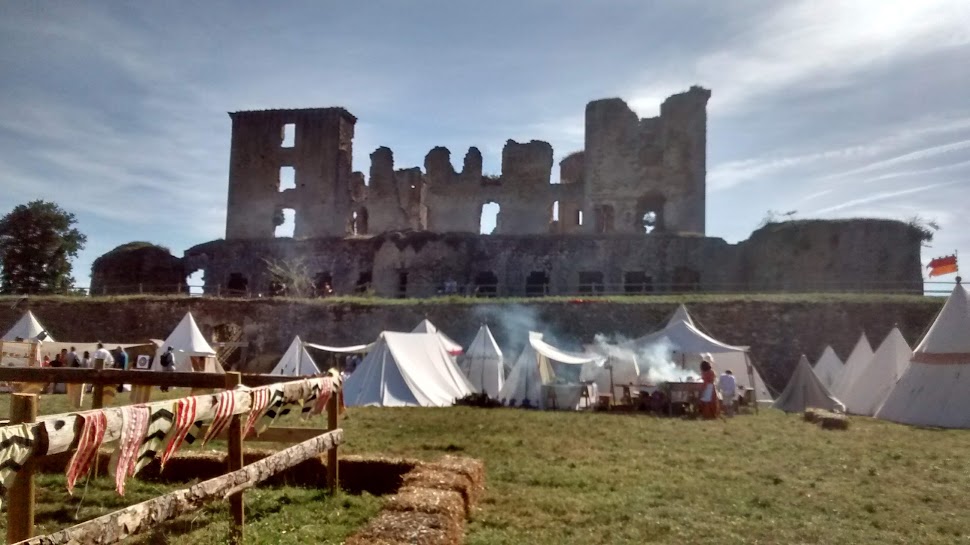
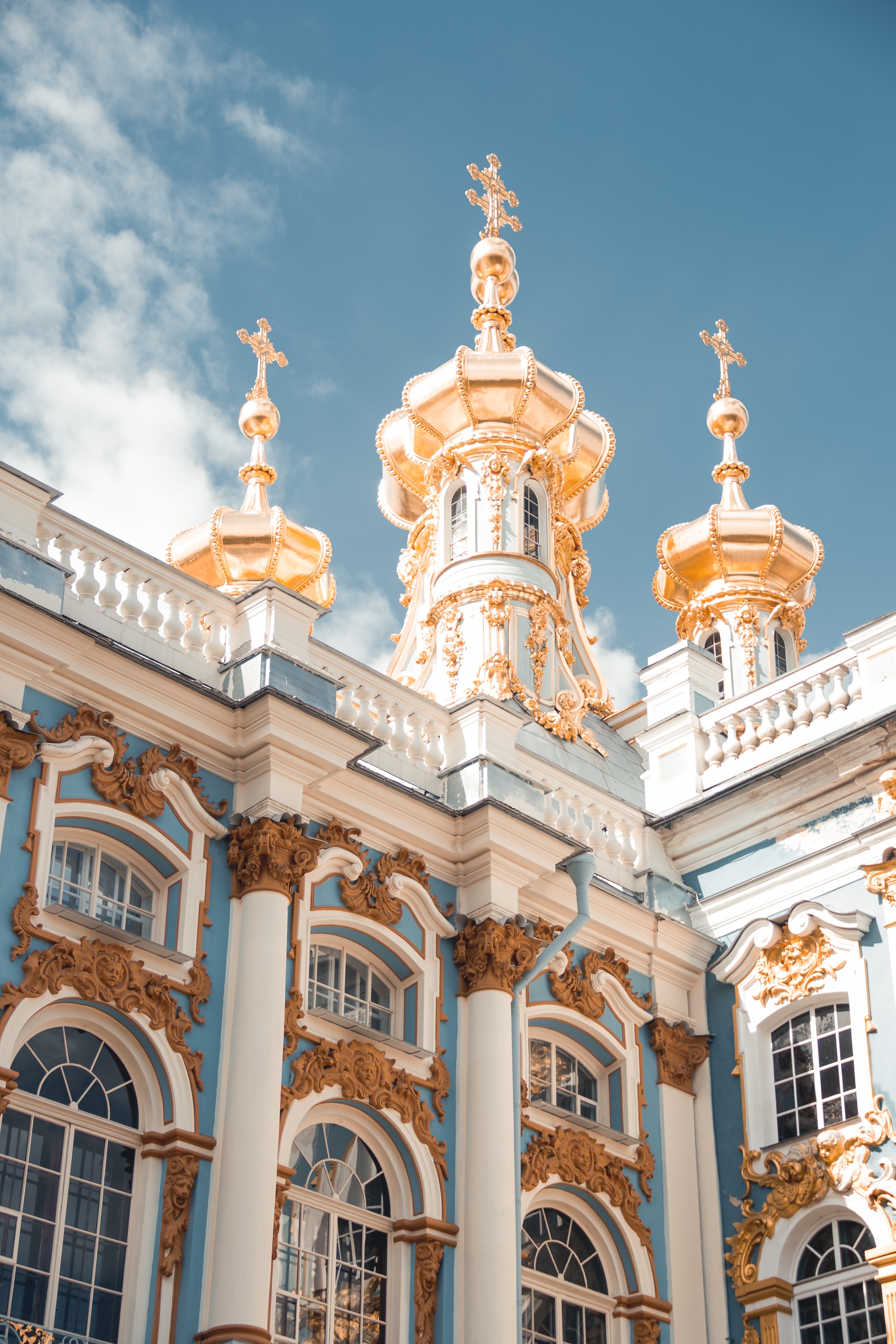
He started off at Dunstanburgh Castle in Northumberland. Not very adventurous. So he went to the Château de Lagarde in the Ariège, France, shown in the featured photo, and then…
… Sagunt, near Valencia.
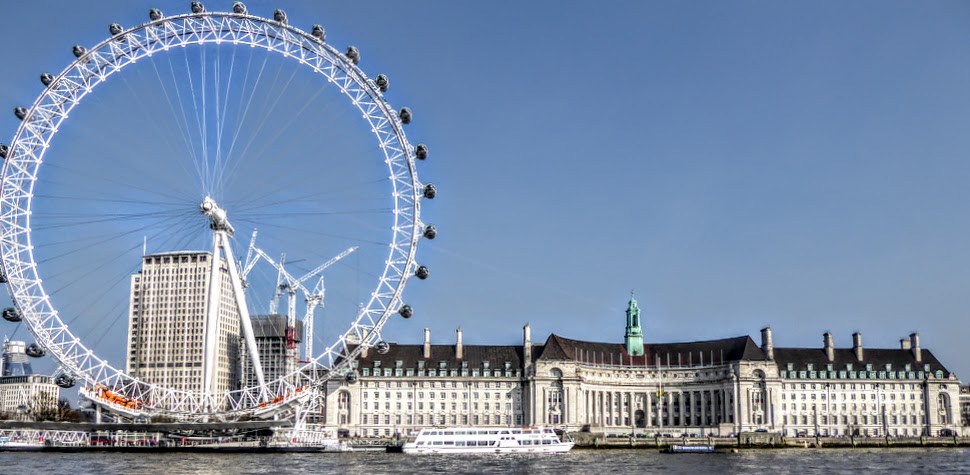
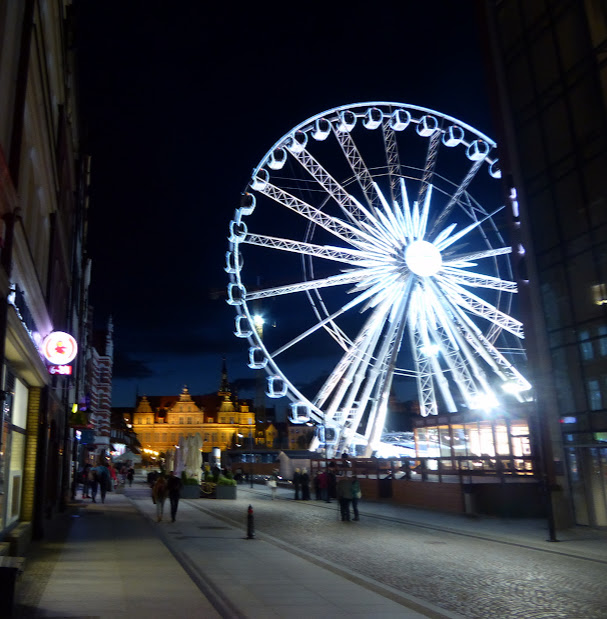
You can have a playful time on London’s South Bank, and at the London Eye. But it’s more distinctive to discover pastures new – at the evening fair in Gdansk, perhaps.
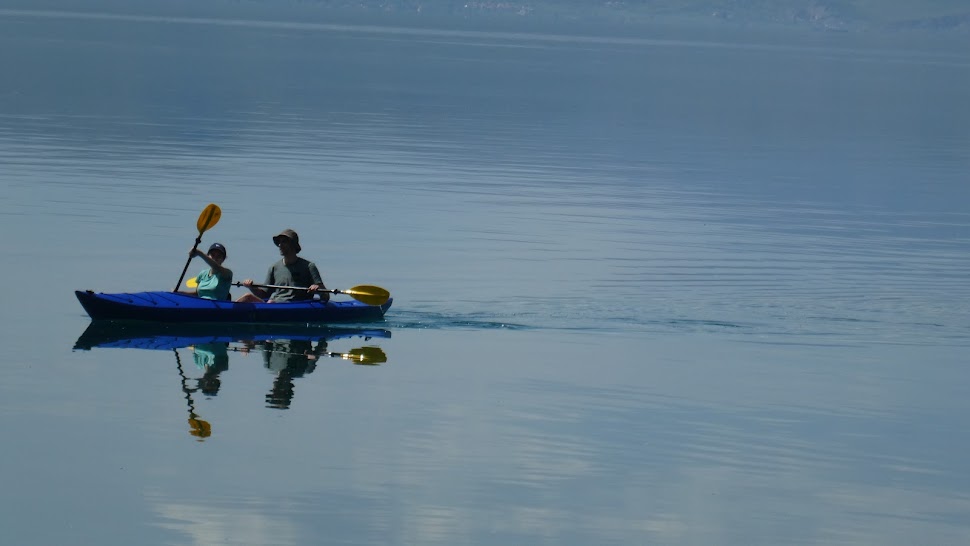
That’s more like it. Floating quietly on Lake Ohrid, North Macedonia. He had the fish he’d caught in the lake later, where they cooked it for him at the lakeside restaurant.
WP is being very irritating today. It won’t let me centre some of my photos, or alternatively to align all my shots to the left, whatever I try, and however loudly I shout at my laptop. So I have to admit defeat.
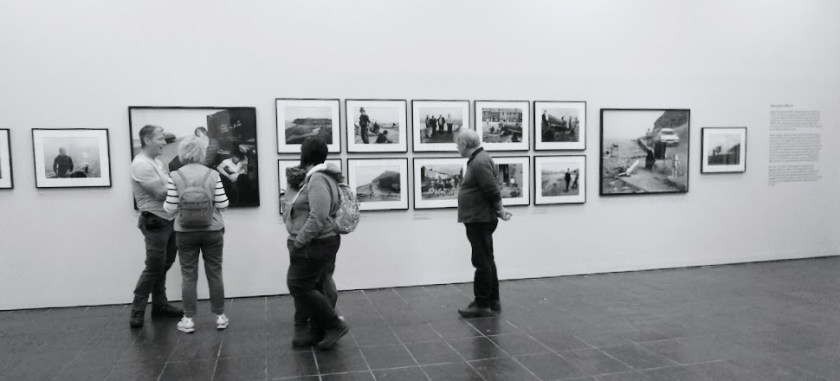
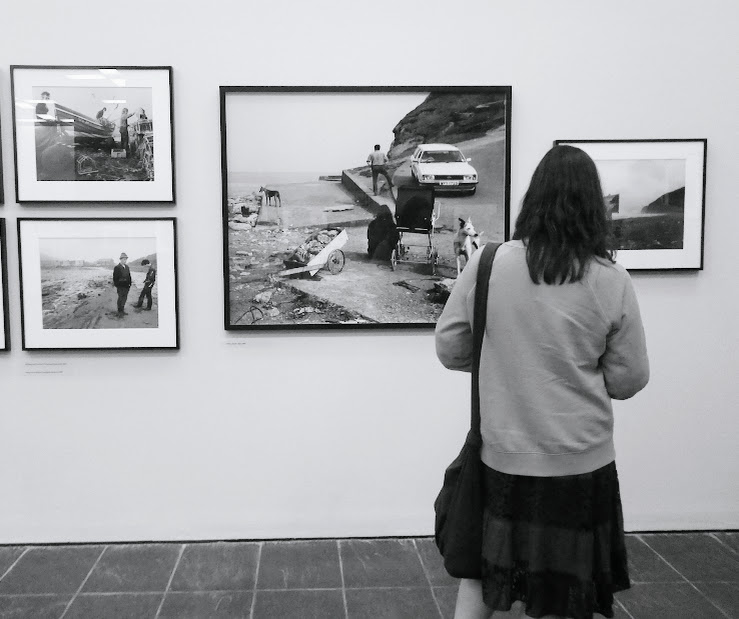
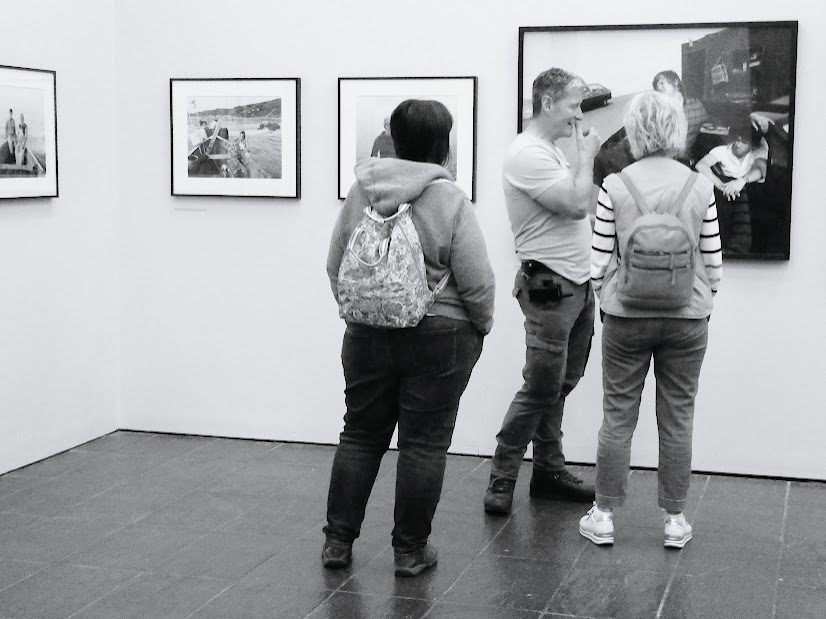
We went back to Gateshead last week. What we hadn’t fitted in to our previous day out was a trip to the Baltic, to see the retrospective exhibition showing the work of Chris Killip.
Here is a man who dedicated his working life, as a photographer working exclusively in monochrome, to recording the ordinary lives of people living in disadvantaged communities, mainly in the North of England, and latterly the North East. He gained their trust by living amongst them, witnessing their communities, their friendships, their day-to-day lives. He assembled an unparalleled collection of photos documenting the effect of the economic downturn which devastated those communities, particularly during the 1970s and 80s. These photos remain as powerful today as they were then. You can read about this exhibition, and see some of the images he took, here. The account in this edition of the Guardian is of the same exhibition as we viewed, which was shown in London before moving to Gateshead.
Woman views Father & Son watching a Parade, Newcastle, Tyneside, 1980.
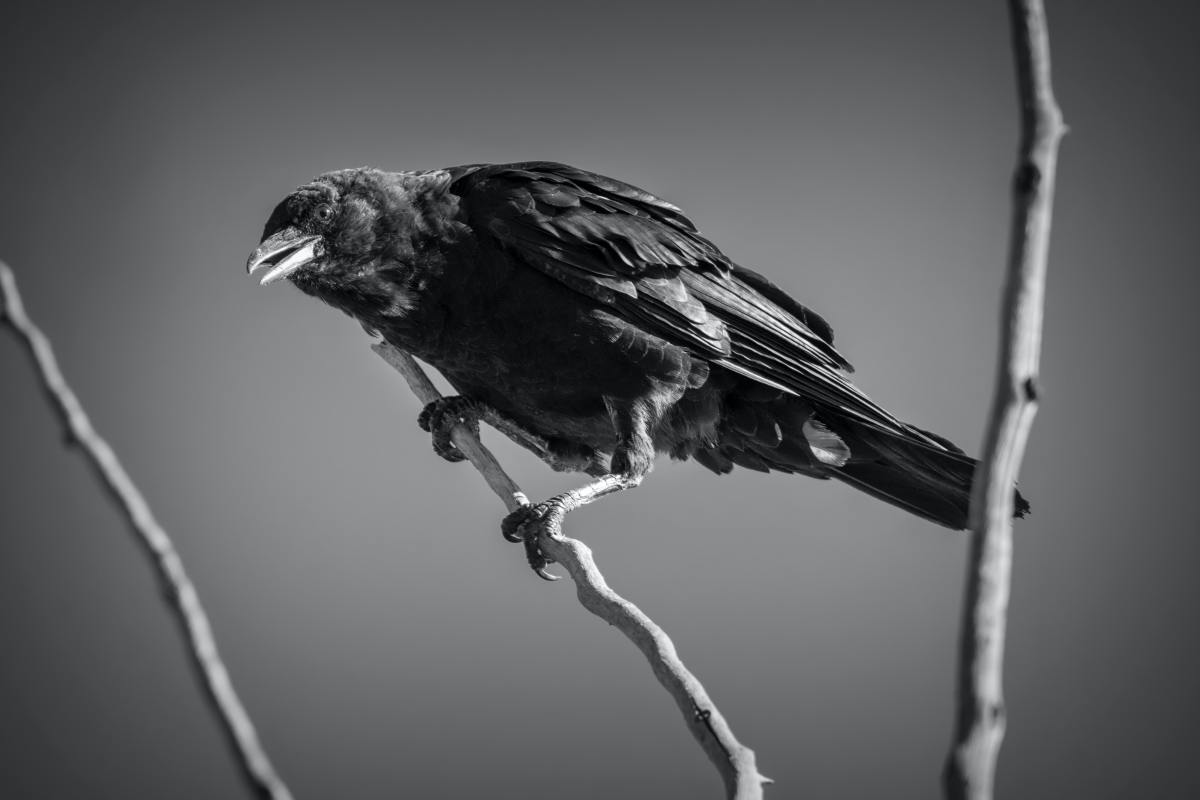
Corvids have been given another week to show themselves at Denzil’s Nature Photo Challenge. I have no further photos so have resorted to the internet to provide one. Thank you Frank Cone at Pexels.
But I can provide a crow-related story, and one very suited to this challenge for photographers, thanks to a book I have just finished reading
But if they (crows) make fierce enemies, they make even finer allies. A girl in Seattle called Gahi Mann made worldwide news when the crows she had fed every day since she was four years old began to bring her gifts in return: a paper clip, a blue bead, a piece of Lego, a tiny silver heart from a pendant. But even better, her mother Lisa dropped a camera lens cap while out taking photographs in a field. The crows watched nearby. She was almost home before she realised it was lost, but as she came down her garden path, she saw it had been returned to her, balanced precisely on the rim of the bird bath. Camera footage showed a crow arriving with it, walking it on the bird bath, washing it several times over, and laying it out to wait for her return.
Katherine Rundell: The Golden Mole, page 78
This short but perfectly formed book is a hymn to the species which we treasure – or ought to treasure – but may be fast disappearing. From stork to swift to narwhal to hedgehog to seahorse … and fifteen other creatures, Rundell assembles an eclectic mix of fascinating facts to explain why they are special to her, and should be to us. It’s beautifully produced, and evocatively illustrated by Talya Baldwin. Not a natural history book as such, but something that everyone who loves the natural world may want to linger over.
On the first Saturday of every month, a book is chosen as a starting point and linked to six other books to form a chain. Readers and bloggers are invited to join in by creating their own ‘chain’ leading from the selected book.
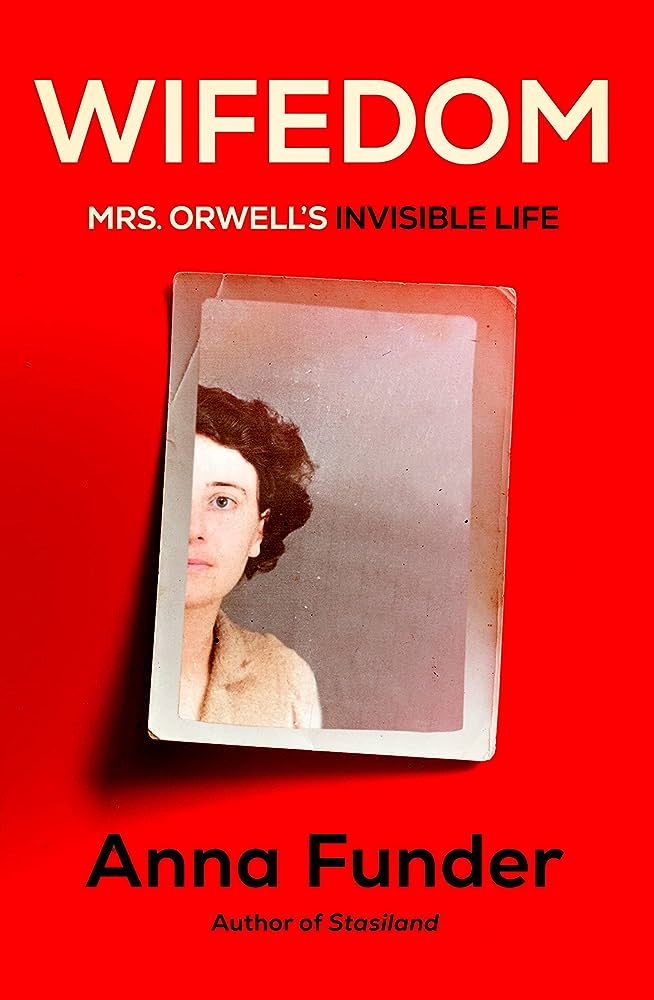
This month’s chain starts with Anna Funder’s Wifedom, whose heroine is Eileen O’Shaughnessy, George Orwell’s first wife. She hasn’t had much of a press – good or bad. Orwell never acknowledged her in his writings, and his biographers have largely passed her by. Yet she was an Oxford graduate studying for a masters degree when this was still an unusual path for a woman. She gave it all up when she married Orwell to live in near poverty in a remote cottage. When they go to Catalonia for Orwell to participate in the Civil War, he never mentions in his writing Eileen’s significant role in the struggle or the risks she took. And so it goes on. This is a novel rather than a biography, because there are so few hard facts to rely on: mainly a few letters, so the book is perforce speculative. But enough is known about Orwell’s patriarchal attitude to women and their role to surmise that this is a reasonably faithful account. This is a shock to Funder, long-time Orwell admirer. He doesn’t come out of it well as a husband and father. An interesting and thoughtful reconstruction.
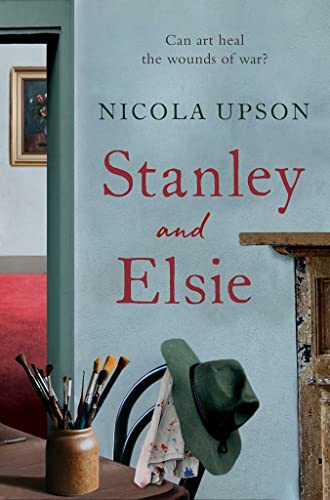
So let’s do a chain on relationships within a marriage, within a family, and start off with Stanley and Elsie, by Nicola Upson, because here is another fictionalised account of the lives of real people. It brings before us the story of one of England’s most celebrated twentieth century painters, Stanley Spencer, and the women in his life, including the sensible, cheerful live-in maid Elsie, and his two wives, Hilda then Patricia in a most vivid and involving way. Early twentieth century village life, an eccentric lifestyle, and the complicated lives of imperfect fractured people is brought to life in an entirely readable way. This is a story of love, obsession, the thought processes of a painter, the English countryside written in a way that demands to be read, compulsively.
And now another book involving real people: a biography this time. There are so very many gaps in knowledge about the facts of John Donne’s life and work. Katherine Rundell, in Super-Infinite: The Transformations of John Donne has done a fine job in meshing what is known with what can reasonably be surmised with an evaluation of the man. Born a Catholic, with all the dangers and limitations that presented, Donne early exhibited his dexterity with words and his sparkling intelligence. Initially successful in the law, an early and unwise marriage pitched him into prison, then penury. What with his wife producing twelve children, five of whom died in infancy, and being remote from the power-house that was London, his career stalled, though his creativity never did. Only when his wife, from whose day-to-day life as mother he was very often absent, died as a result of childbirth (to a still-born child) did his career finally take off as Dean of St. Paul’s, and preacher extraordinaire. Rundell deftly deals with all this material, all the while offering a critique of Donne’s often dazzling and dextrous use of words. Frequently misogynistic, it’s his love poetry that we often remember him for. She argues that these frequently erotic poems were written not for his wife, but for the enjoyment of his male friends. His wife seems to have had a raw deal.
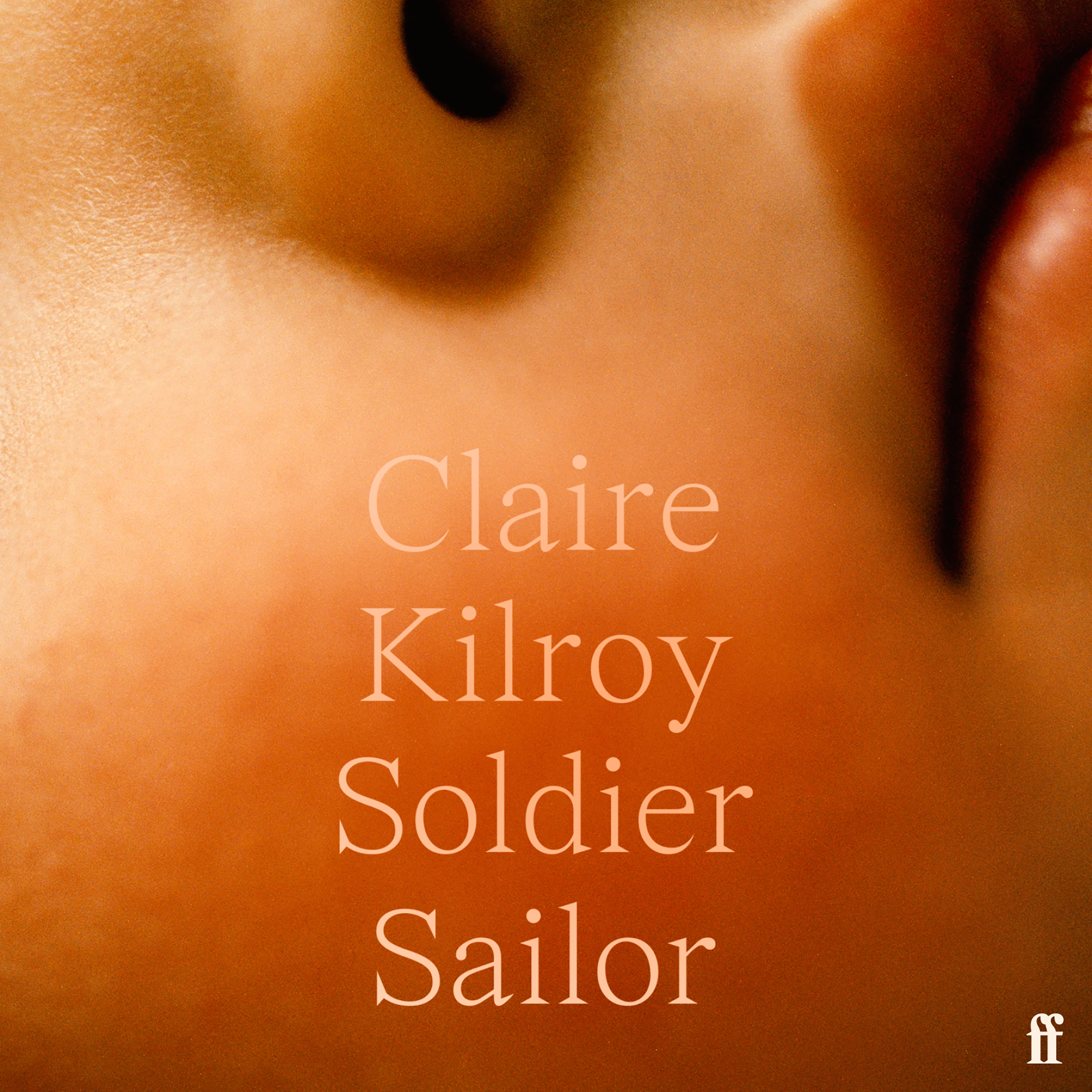
Pure fiction now. Claire Kilroy, in Soldier, Sailor, examines two intimate relationships: of a mother to her baby son (‘Sailor’), and as a wife to her husband. Here is a book, an all-encompassing and visceral read that brought back almost fifty year old memories of the early days of motherhood. The overwhelming love for that new life brought into the world: but also the endless, utterly debilitating exhaustion, guilt, loneliness, confusion. The realisation that your partner is not, as you had believed, your equal partner, but someone who escapes every day – perhaps to an office, where normal life ensues. All-consuming love, combined with unremitting drudgery is woven through the book. As is reference to the husband of the narrator who fails to understand, to help, to be truly involved with his son’s welfare. He resents the little that he does, forgetful of simple but important baby-related tasks – but remember, this is Soldier’s tiredness-sodden perspective. She is an unreliable narrator, but one who reliably conjures up early motherhood. We stay with Soldier as very early motherhood ends, but all-consuming love of her partner does not. A devastating book.
Charlotte Mendelsohn, in When We were Bad, is someone else who is good at complicated family situations. I struggled at first to get into this book. There were so many characters, all equally important: all so flawed: all so Jewish. That isn’t a criticism. Just an observation that understanding the Rubin family (and all the characters are family members) means getting to grips a bit with what it means to be Jewish too. I persisted. It was worth it. The lives of every family member begin to unravel as son Leo’s life very publicly does, the day he leaves his wife-to-be some 4 minutes before they take their vows. It turns out that he isn’t the only one in inner turmoil. By turns funny, touching and embarrassing, I was engaged with every character, despite their many and obvious flaws, long before the conclusion of the book.
What about a family that believes it has a trusted protector in its midst? Ricarda Huch’s The Last Summer was written in 1910. Set during one summer round about that time, we are in Russia, in the country retreat of the von Rasimkara family. They are here because the father, as governor of Saint Petersburg has closed down the University in the face of student protests. The three adult children (a young man, two young women) send the letters from which the book is composed to various family members describing their lives and feelings, and the young man whom the mother has hired to protect the life of their father. Little do they know, as we find out almost immediately, that this young man sides with the student revolutionaries, and is here to do harm to von Ramiskara. And it’s this irony which fuels the book’s narrative. The whole family, for different reasons, believe in the young protector, even when his behaviour is, to say the least, odd. The tension builds until the final letter … An exploration of ideology and trust, and the complicated layers of family life.
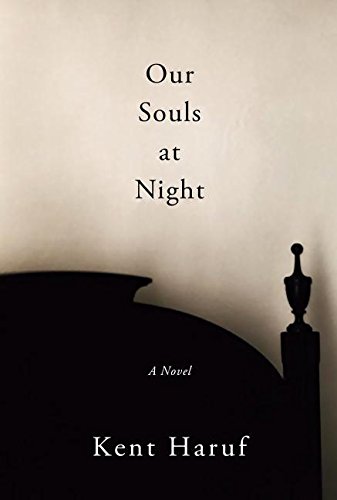
All of these couples, these families have been, in different ways, hard work. Let’s end on a gentler, sweeter note and look at true love instead, in Kent Haruf’s Our Souls at Night. This is a tender, gentle novella about two lonely neighbours who in later life find each other, and love. Their measured path towards new happiness, their discovery of and acceptance of their former lives forms the body of the book, even though always there in the background is the judgement of others, threatening their happiness. A delightful last work from the never disappointing Kent Haruf.
That’s my rather loose chain this month: more of a wheel really. Next month, our starter book is the classic I capture the Castle, by Dodie Smith. Why not join in?
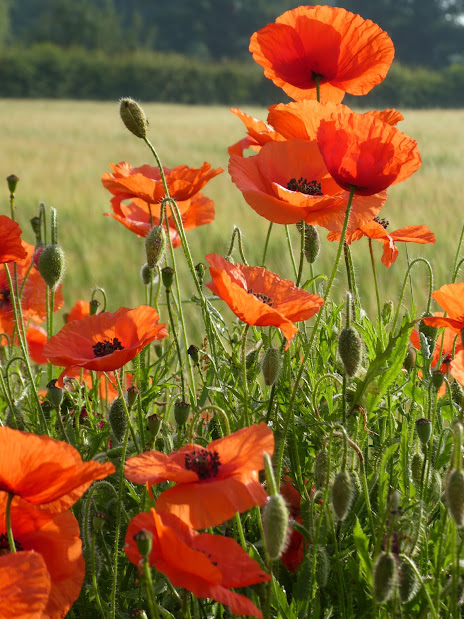
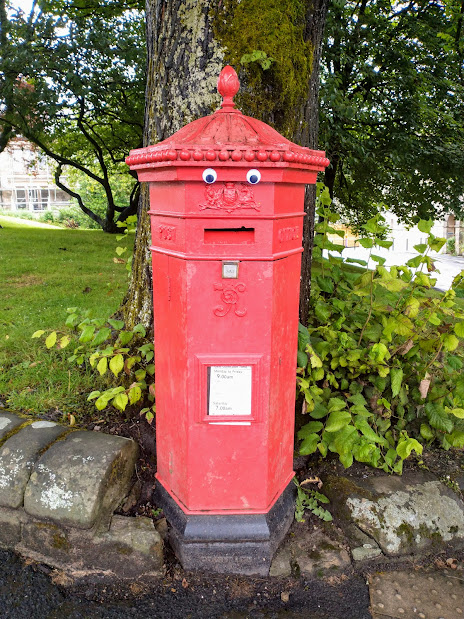
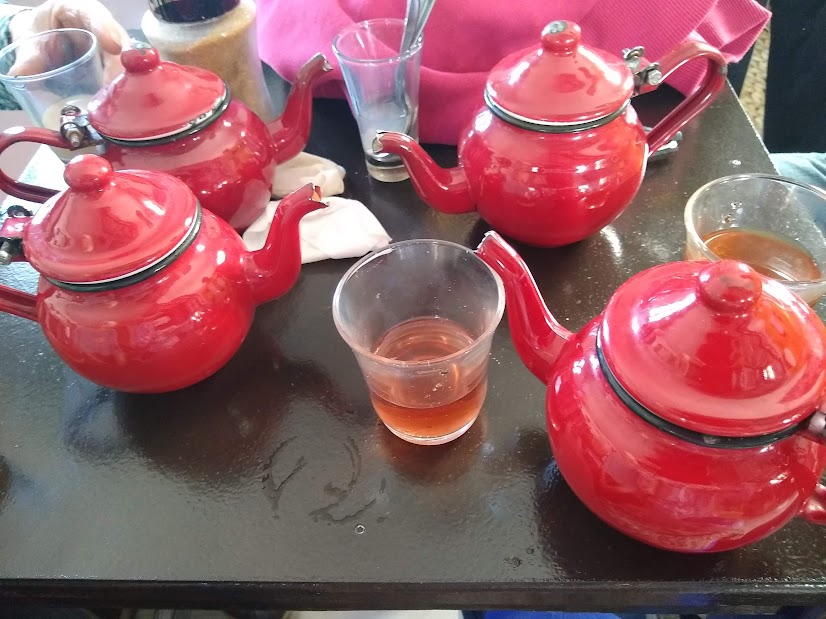
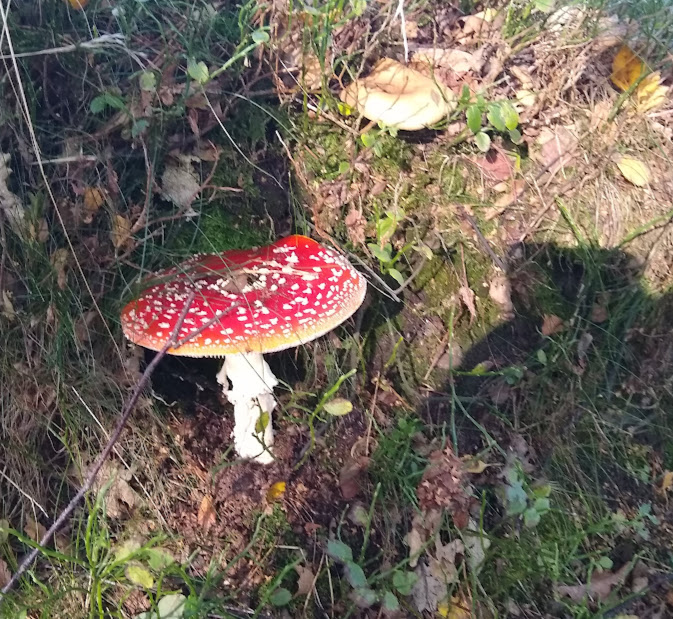
This week, for the Lens-Artists Challenge, Sofia invites us to focus on primary colours: red, yellow and blue. Let’s keep it simple and do just that. Click on any image to enlarge it.
RED
Poppies in a field along the roadChillies drying below a window in SpainMy granddaughter looks through the red window.A pillar boc in Buxton, DerbyshireTeatime in Granada.Fly agaric.
YELLOW
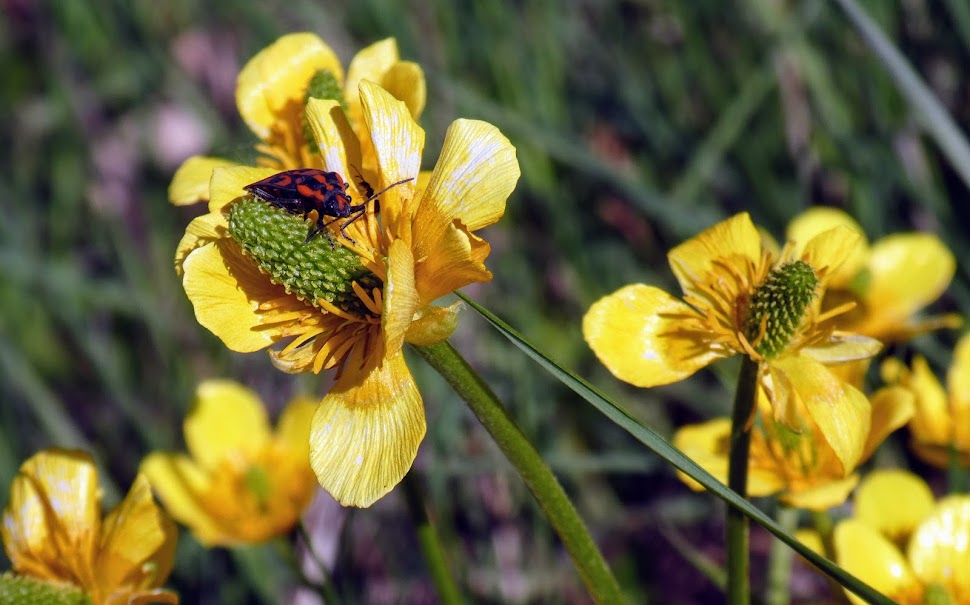
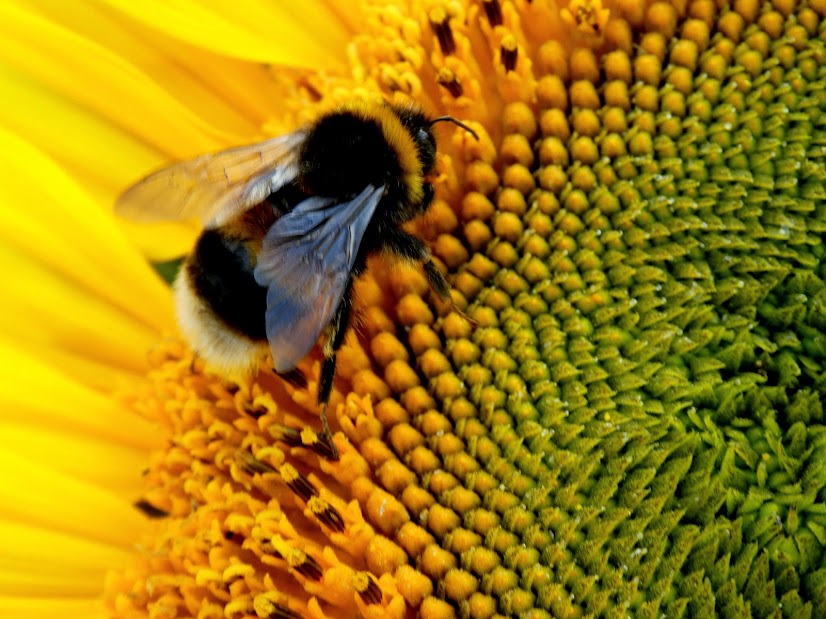
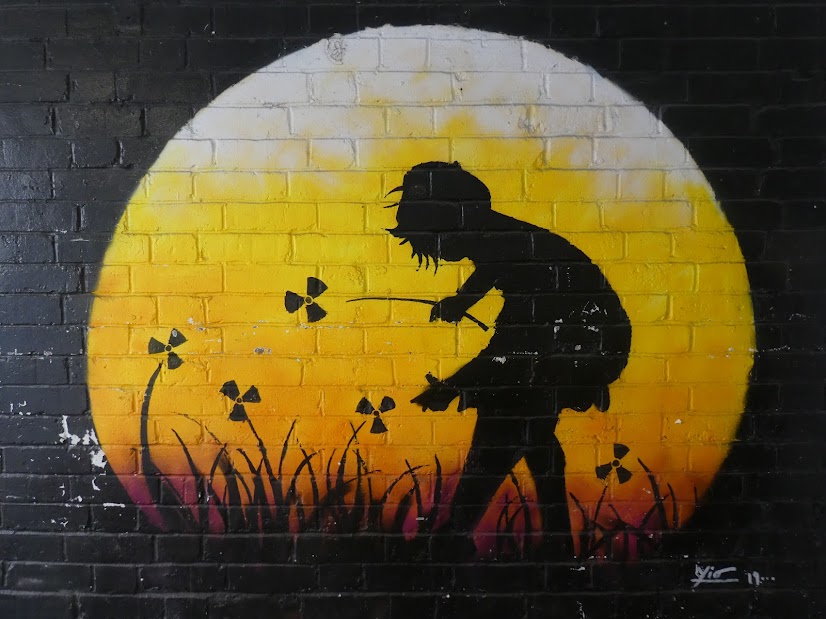
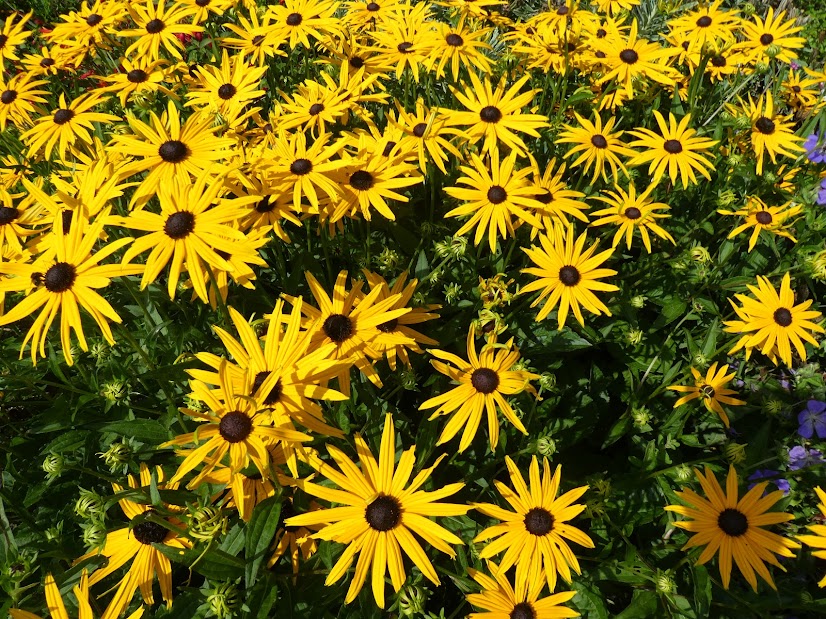
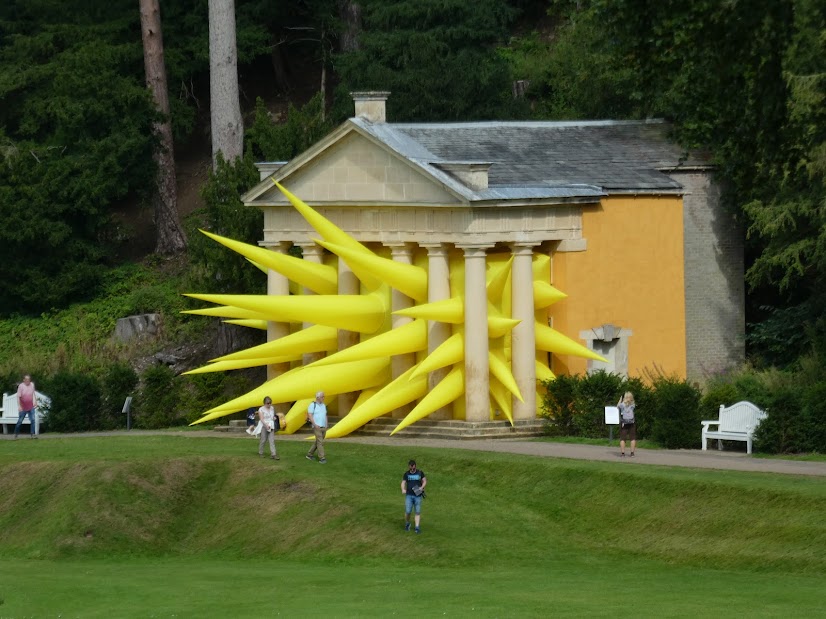
In Galicica National Park, North MacedoniaBee and sunflower in ShropshireSreeet Art in Brick Lane LondonGorse above Staithes, North YorkshireRudbeckia Steve Messam’s ‘Spiked’ in the Temple of Piety, Fountains Abbey 2021
BLUE
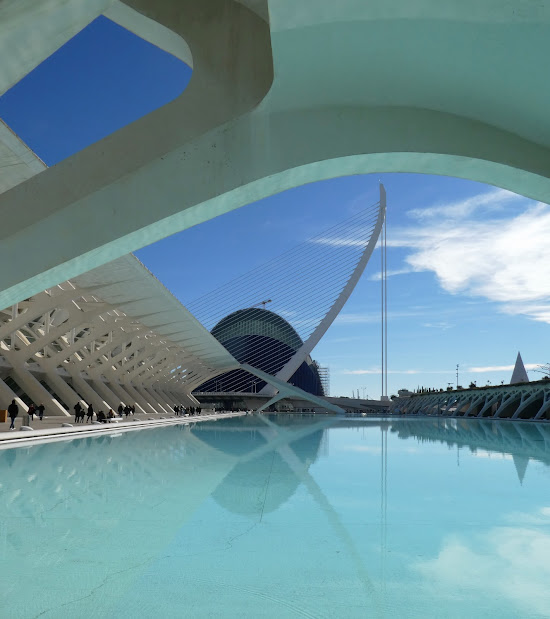
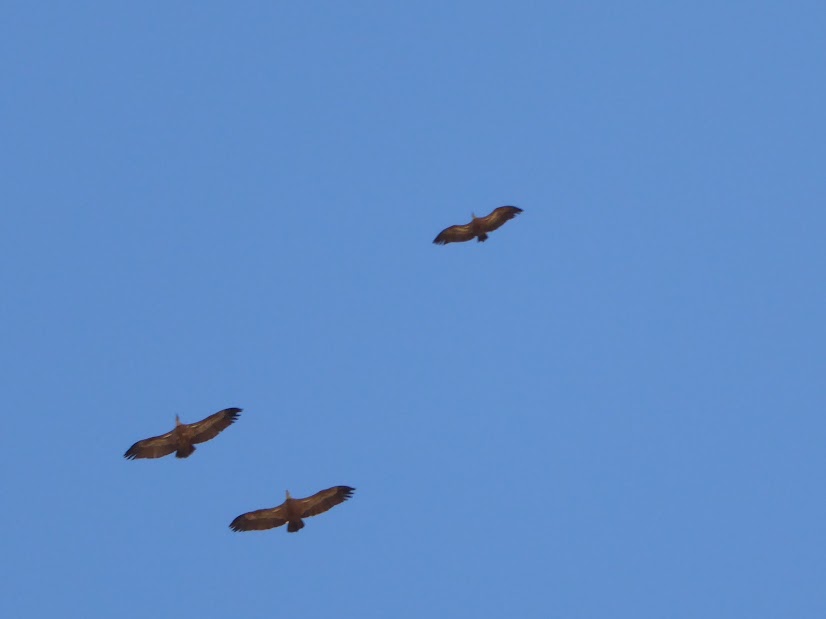
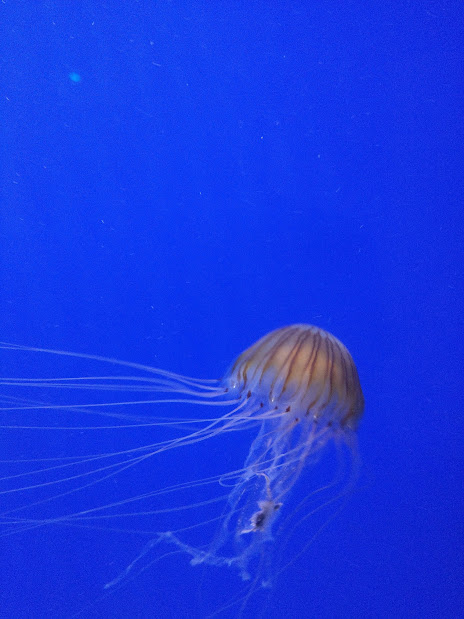
Bubbles above the South Bank, London.Ciudad de las Artes y las Ciencias, ValenciaAt the car wash in RiponVultures in la Rioja, SpainJellyfish at the Horniman Museum, LondonThe North Sea between Hull & Rotterdam
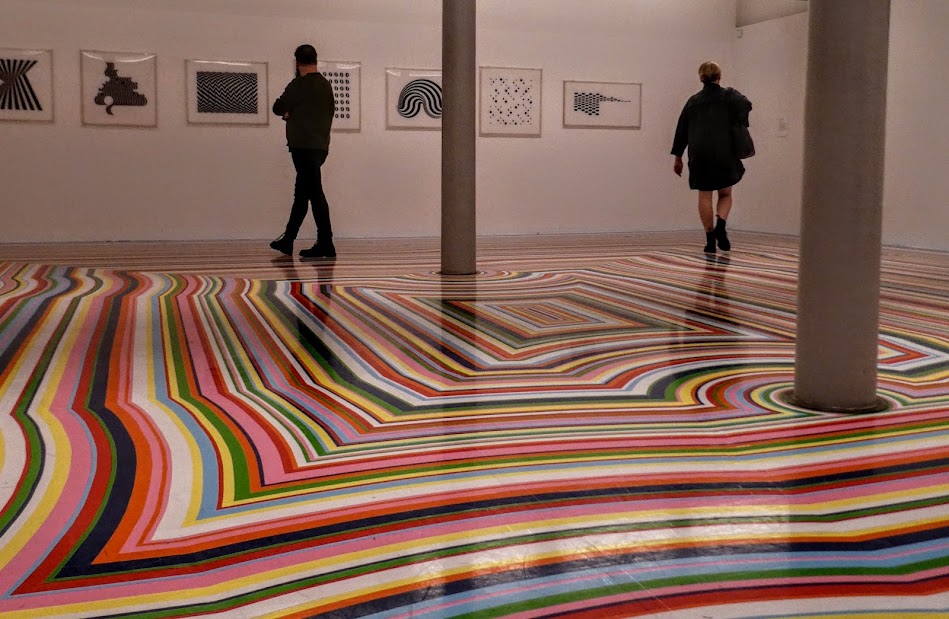
The header image comes from the floor of a room at Tate Liverpool. It’s Jim Lambie’s: Zobop 1999.
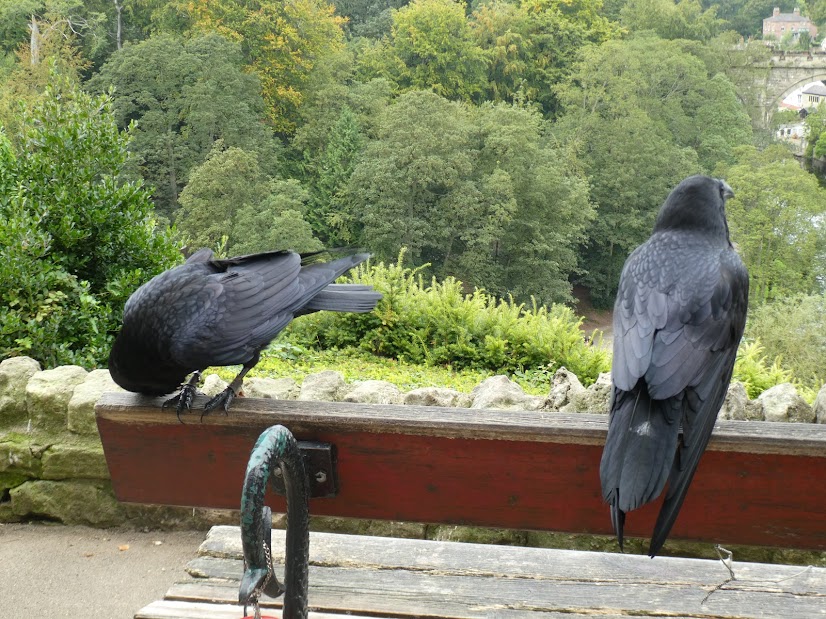
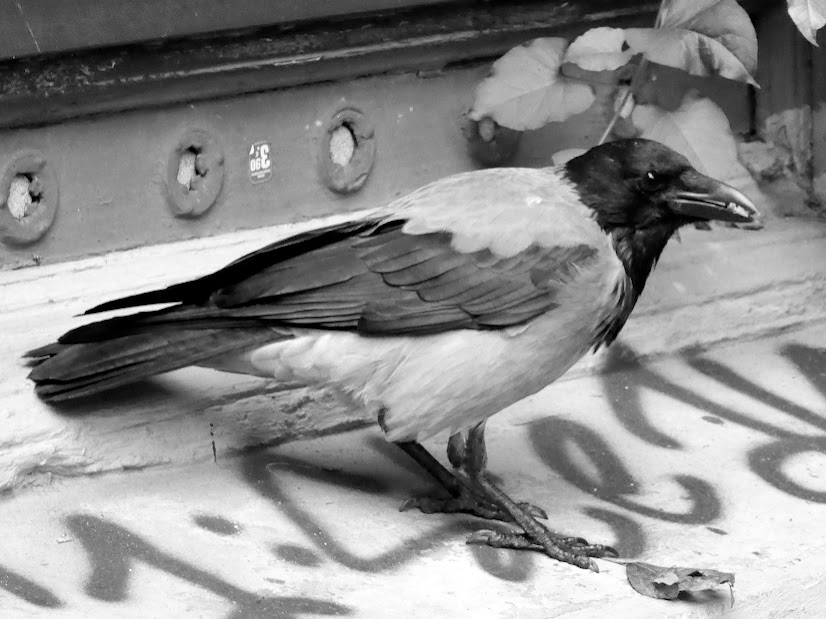
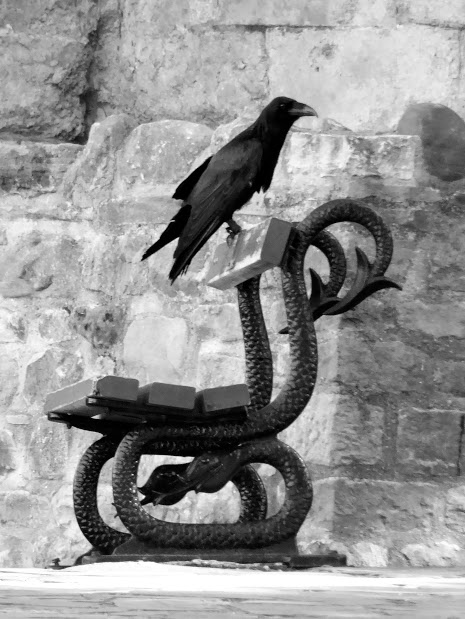
This week’s Nature Photo Challenge from Denzil is to showcase corvids: the crows, ravens, jackdaws, magpies and similar in our lives. I want to showcase as well the collective nouns they’ve all acquired. The ravens in the feature photo seem rather stand off-ish. They are probably extremely miffed at their collective noun: an unkindness of ravens.
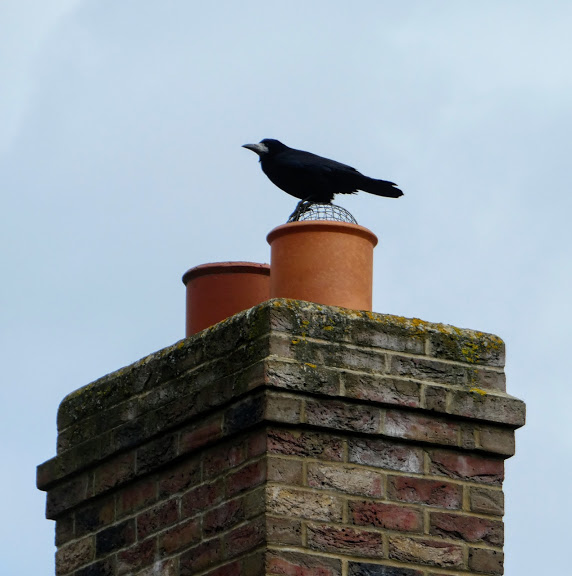
I have just one crow for you: I didn’t manage a photo of a murder of crows.
Crow on a roof.
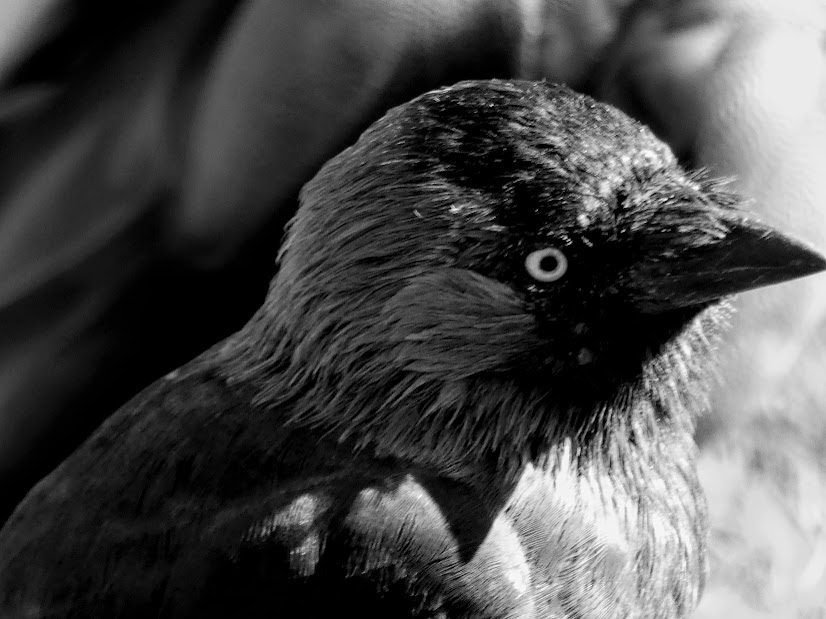
Two jackdaws though. Is that enough to describe them as a clattering of jackdaws?
Then we’re off to Germany to spot a rather odd magpie: is it a magpie? He should be off to join his mates in a conventicle, a tittering, a gulp or a mischief of magpies.
And we’ll end where we started: with a raven, who looks far too dignified to be involved in any unkindness.
By the way. As a child, to help me to distinguish between crows and rooks, I was taught that a crow by itself is in fact a rook. And a crow surrounded by others is – a rook. I hope that’s clear.
Besides Denzil’s challenge, this is also forI. J. Khanewala’s Bird of the Week.Quite a few different birds here, but all are corvids, so I may get away with it … again.
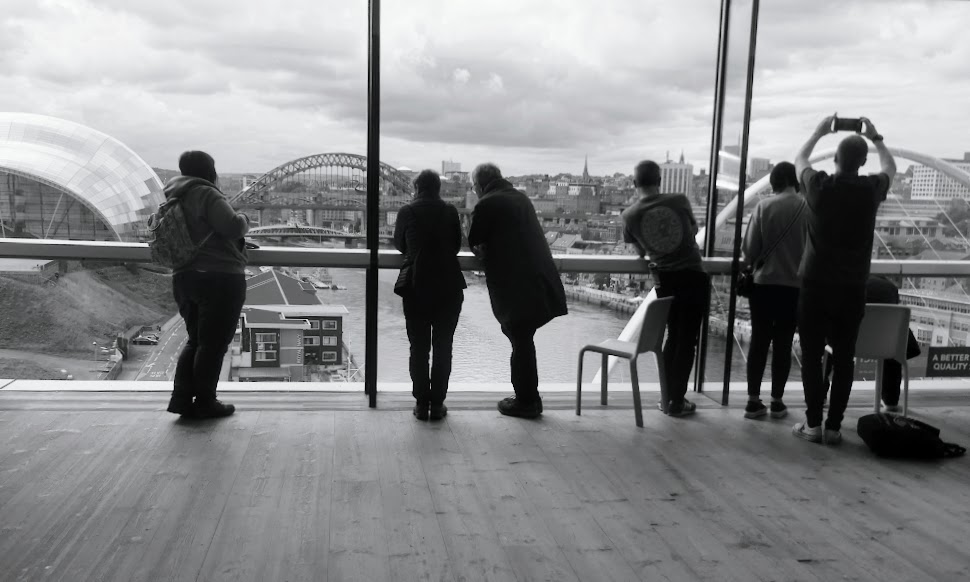
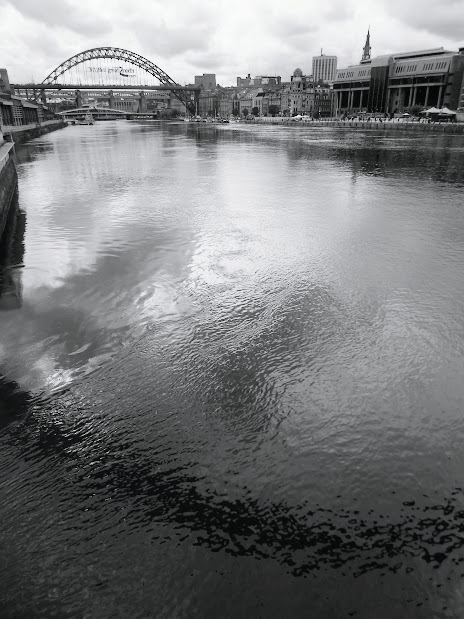
If you look at this girder in a certain light, it looks slightly orange. Maybe. But I just wanted to find an excuse to post this photo: almost the only one I took in colour on our Newcastle sortie the other day.
























 From Pyrenees to Pennines
You must be logged in to post a comment.