
For Six Word Saturday.
https://travelwithintent.com/2023/10/28/more-than-just-opera-and-ballet/
For Six Word Saturday.
https://travelwithintent.com/2023/10/28/more-than-just-opera-and-ballet/
This week, for the Lens-Artist Challenge, Johnbo bids us to seek out signs. My header photo was taken several years ago, but seems even more prescient now that it was then.
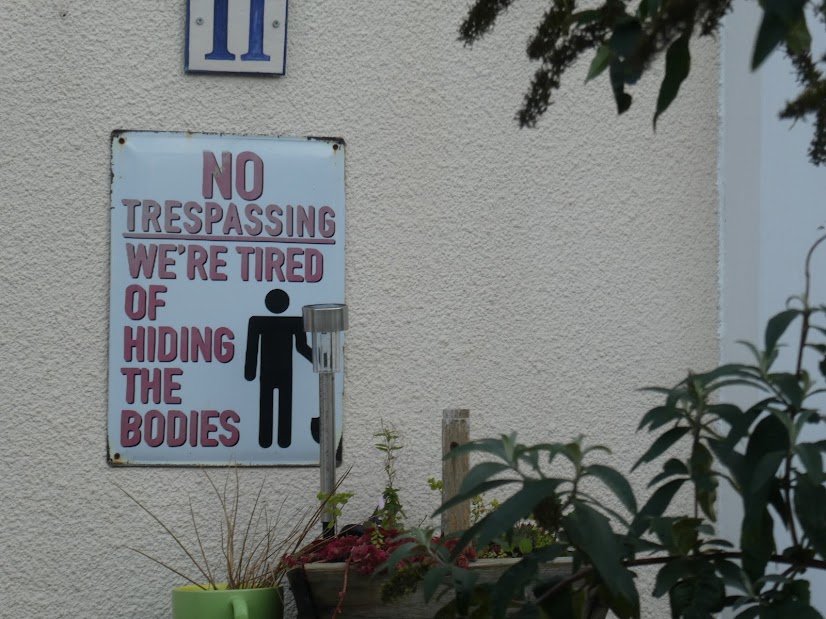
Let’s stay with the somewhat political, some more serious than others. Do click on each image to see it full size and read the explanatory caption.
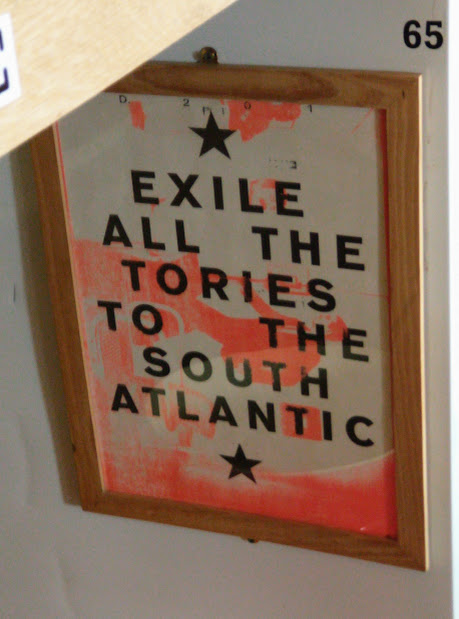

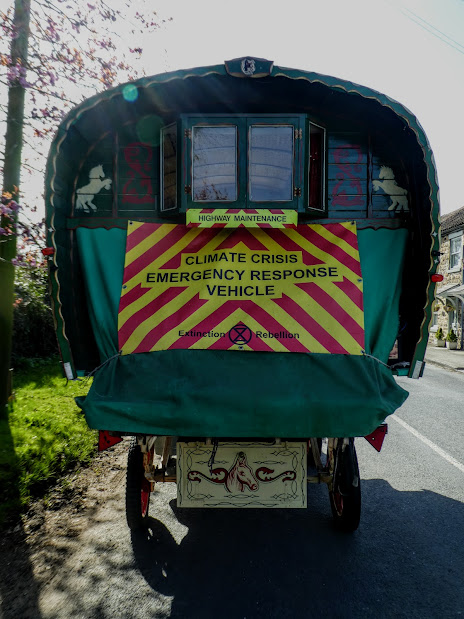


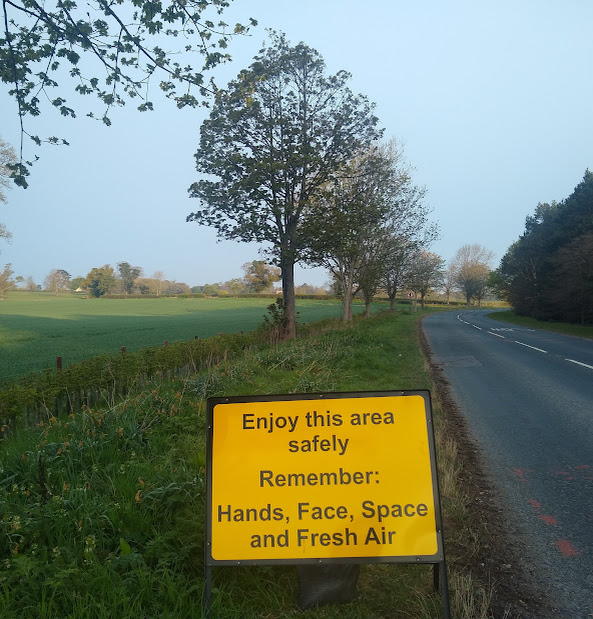
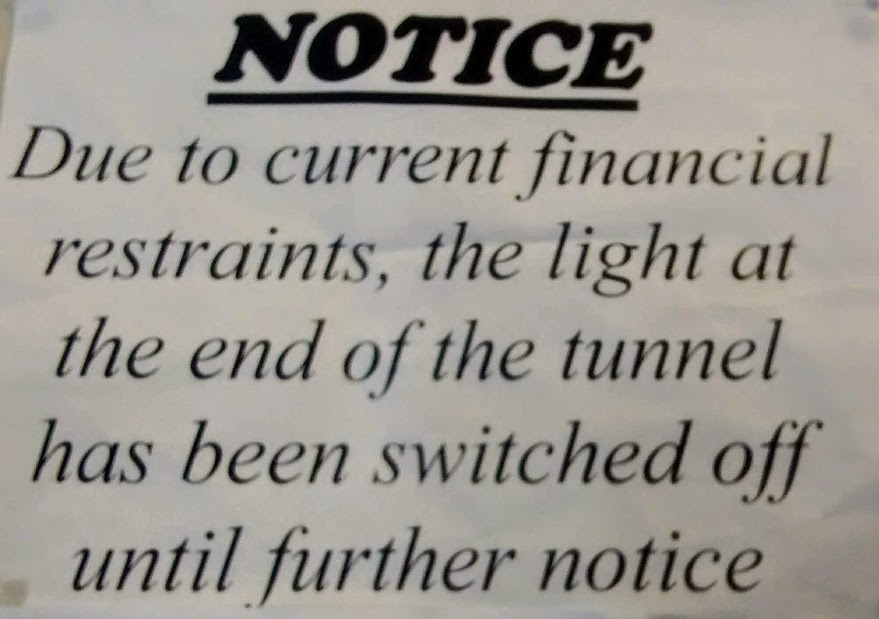
Warning notices, some more serious than others. There’s even one from the Lockdown era. Remember that?
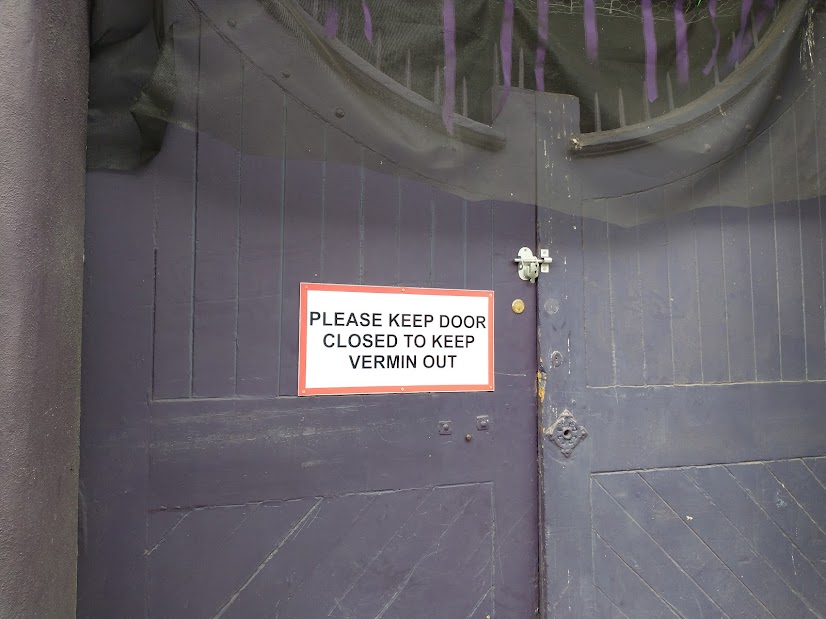
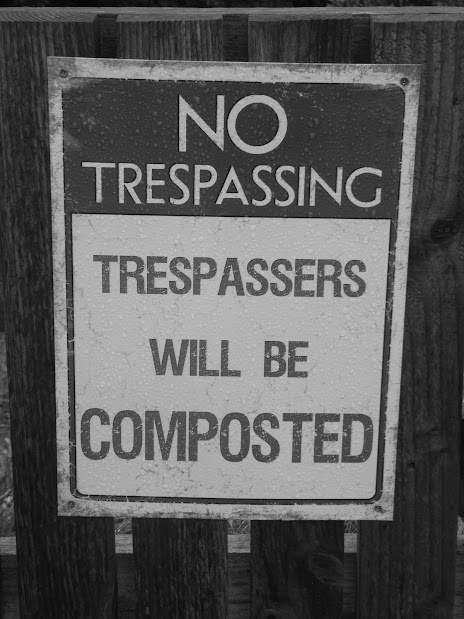

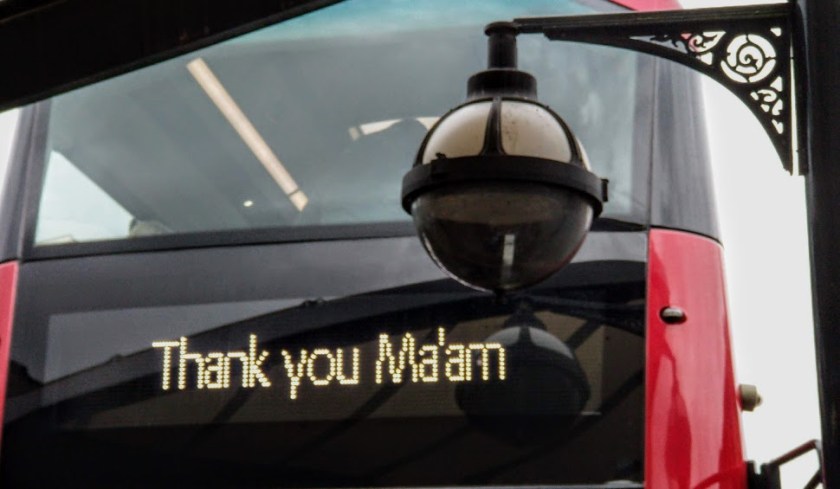
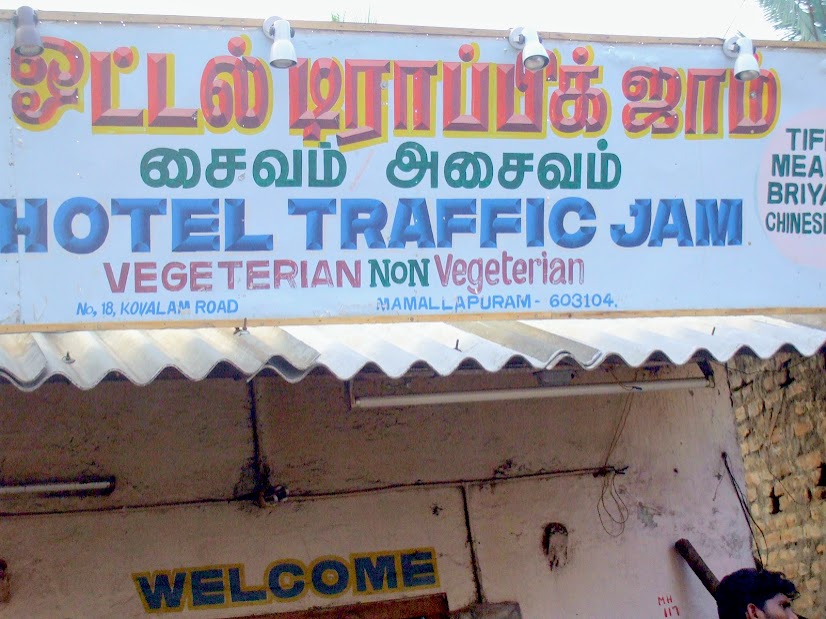
And a miscellany to finish off with: a tribute on our local buses after the death of Queen Elizabeth II; a light-hearted invitation to a coffee shop in Liverpool and a less than inviting hotel name in Mahabalipuram, Tamil Nadu, India.

It’s mid October. Autumn should be well-advanced. But it isn’t. It’s hardly started. To give us a taste of what we should be enjoying just now, I’ve dipped into the archives, and have planned a walk round Fountains Abbey and Studley Royal, so you can enjoy with me the autumn colours of leaves still clinging on to the trees, leaves that have fallen, equally tawny fungi, and stags poised to battle it out to be King of a Harem, and father of the next generation of red deer .
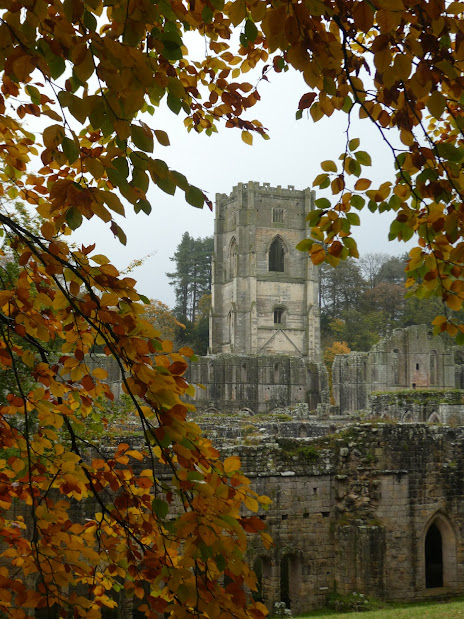
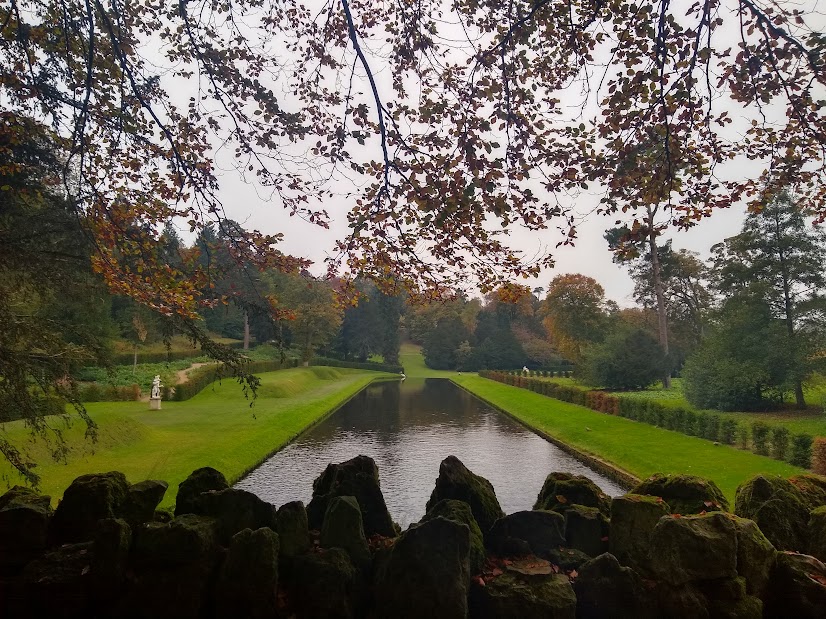

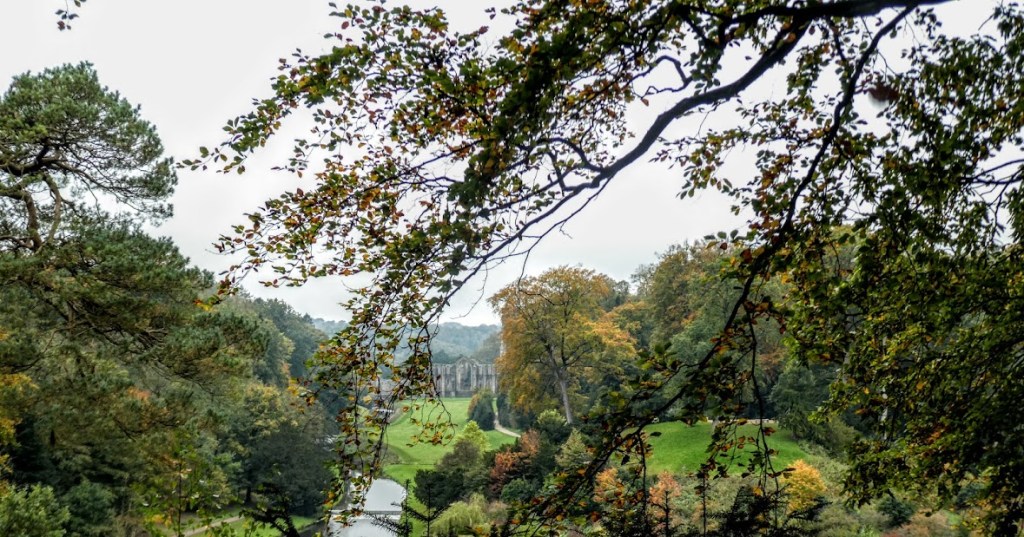
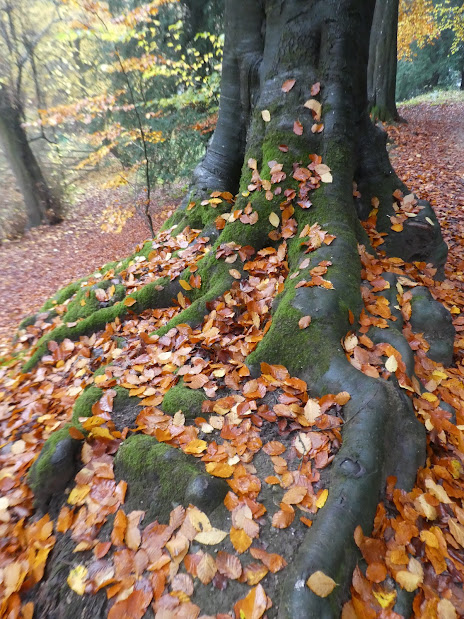
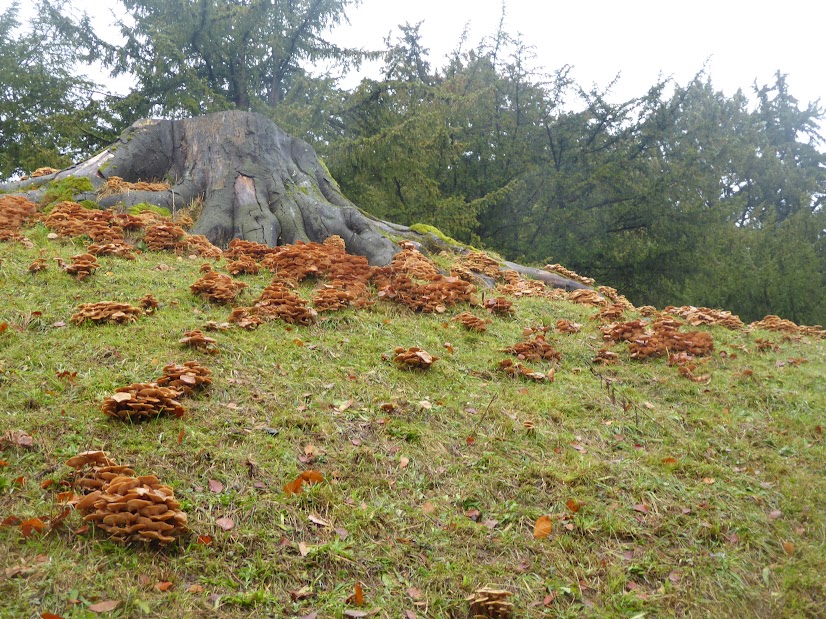
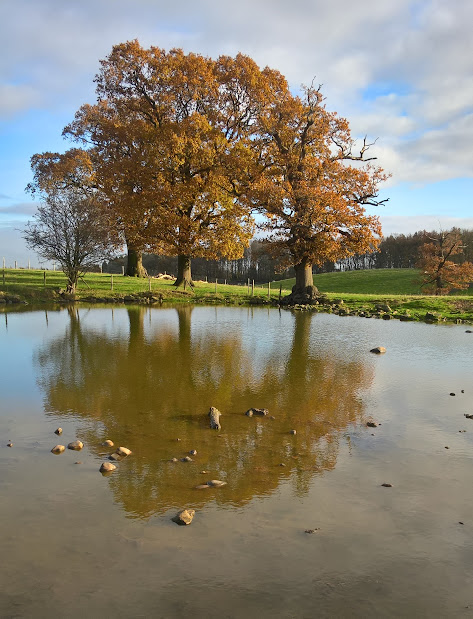
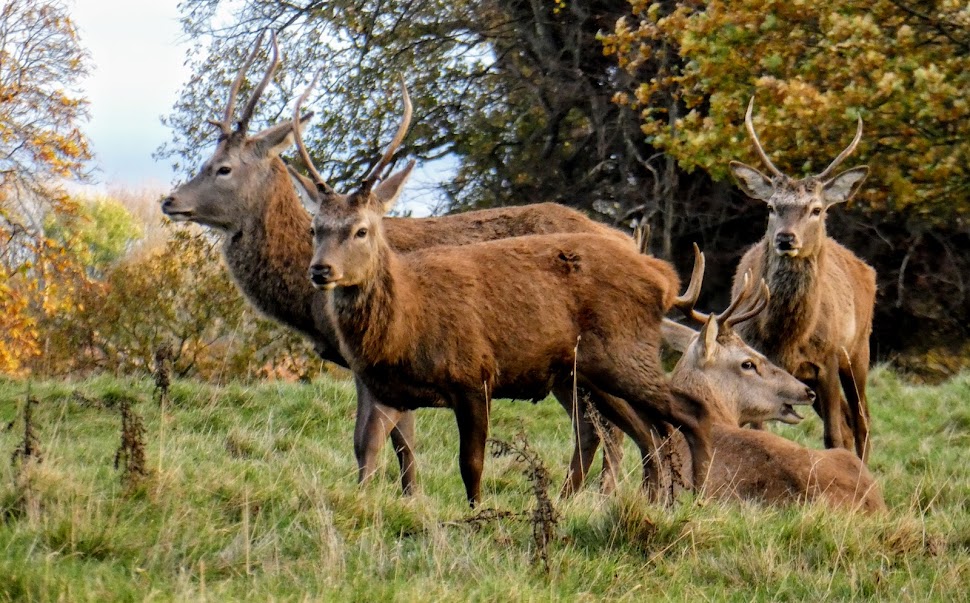
For Denzil’s Nature Photo Challenge #31: Autumn Colours
Any Brit could finish this off for you, no trouble. But just in case you aren’t a Brit, and can’t, here are the words of this music hall song, now over a hundred years old.
And last Monday, the seaside was where we went, for a suitably British day out. To Saltburn-by-the-Sea in fact: ex-smuggling centre, and a popular Victorian resort which still has a charmingly olde-worlde air.
There’s the sea itself. People-and-dog-watching…

… beach huts …
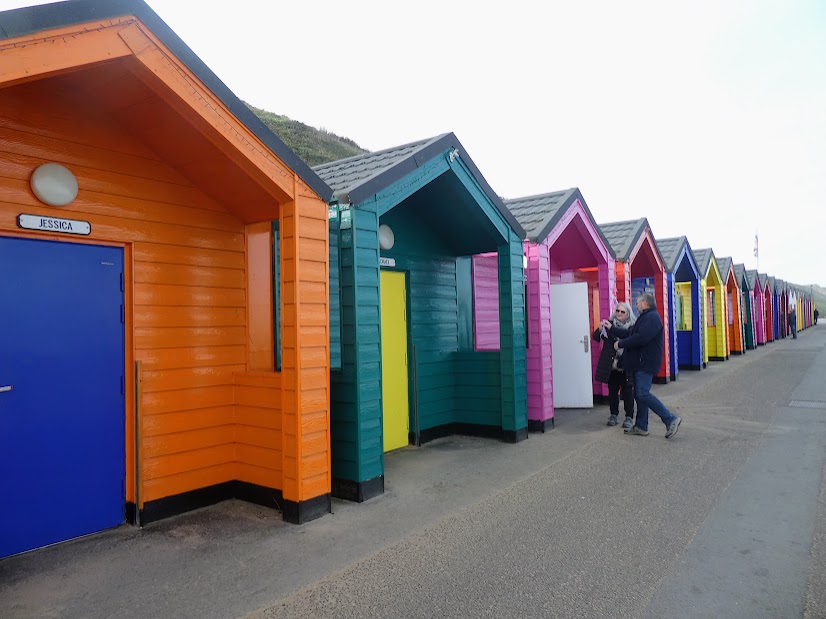
… the all-important pier …
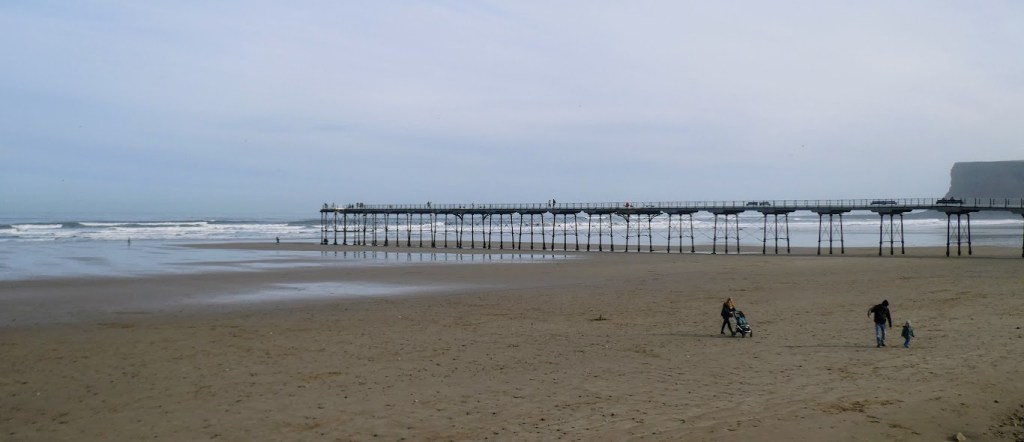
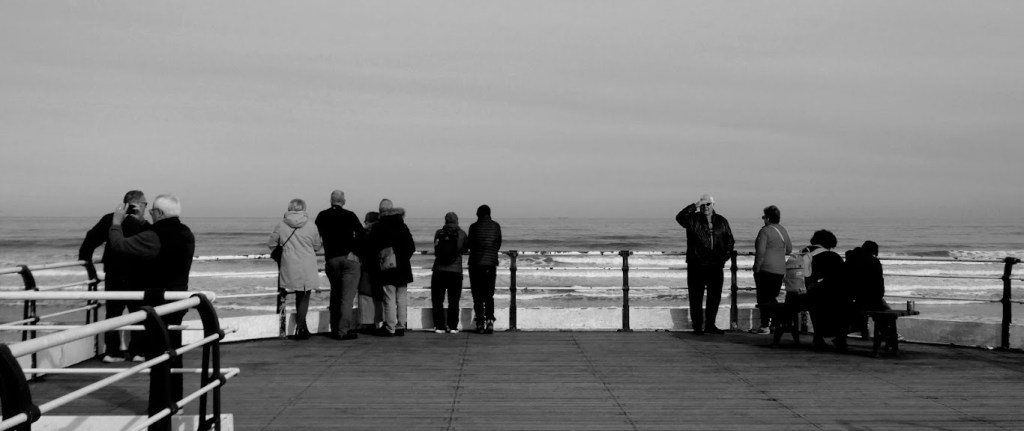
… which it’s obligatory to walk to the end of, to look at the sea again …
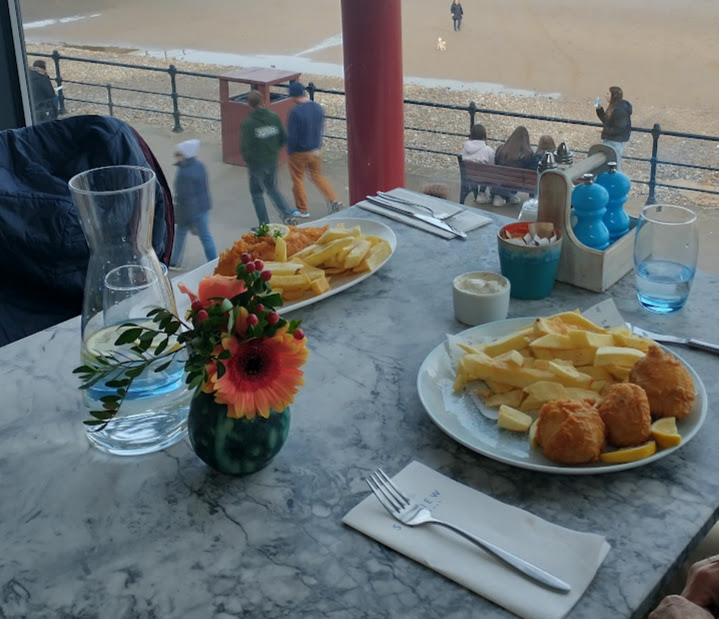
… the equally obligatory fish-and-chip lunch, preferably overlooking the sea …
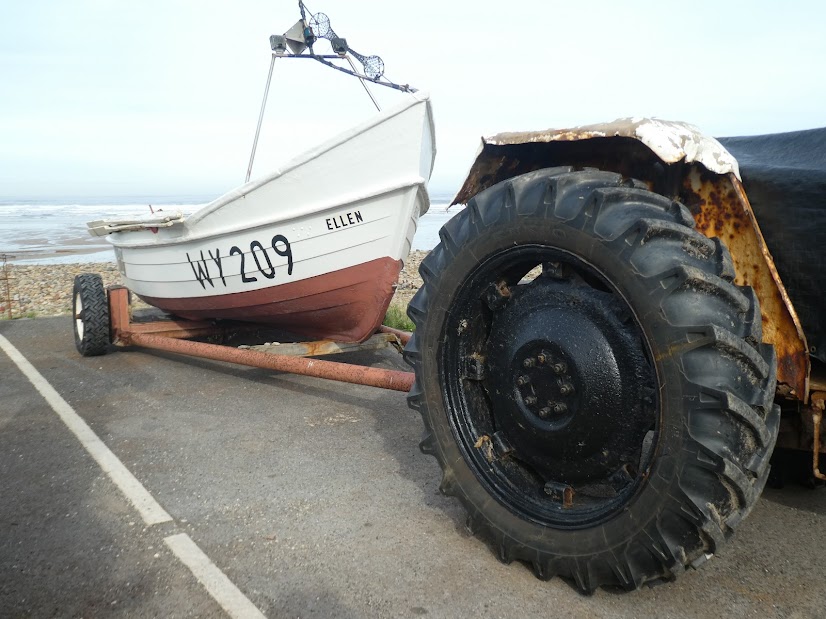
… the boats in the small harbour …
… and the header mops up the final necessary sights: two surf-board enthusiasts, and even one seagull.
For Cee’s CMMC Challenge: Pick a topic from my photo.
And Debbie’s Six Word Saturday: I’ll get away with it, I think, as the ratio of words to photos is quite low.
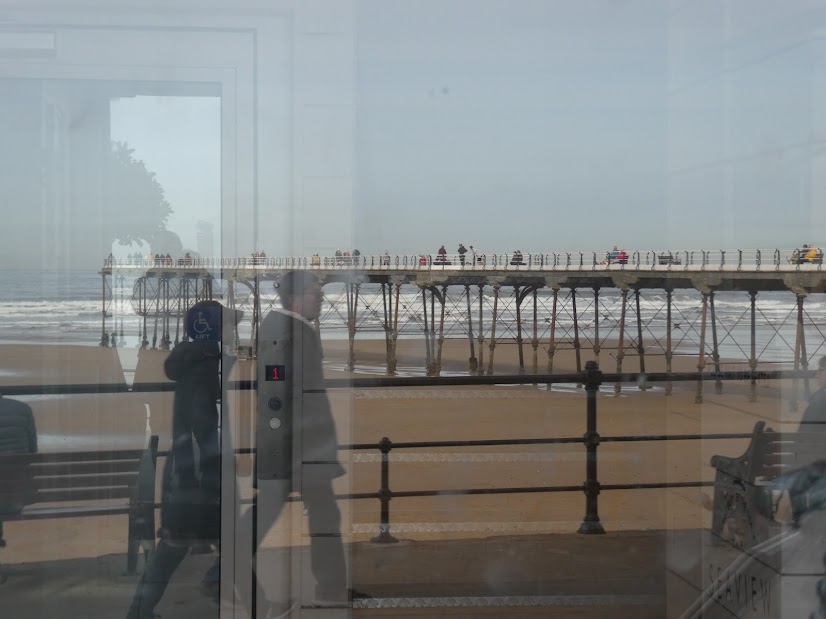
Looking at the beach and pier at Saltburn-by-the-Sea reflected in the window of a fish restaurant.
For Hugh’s Wordless Wednesday.
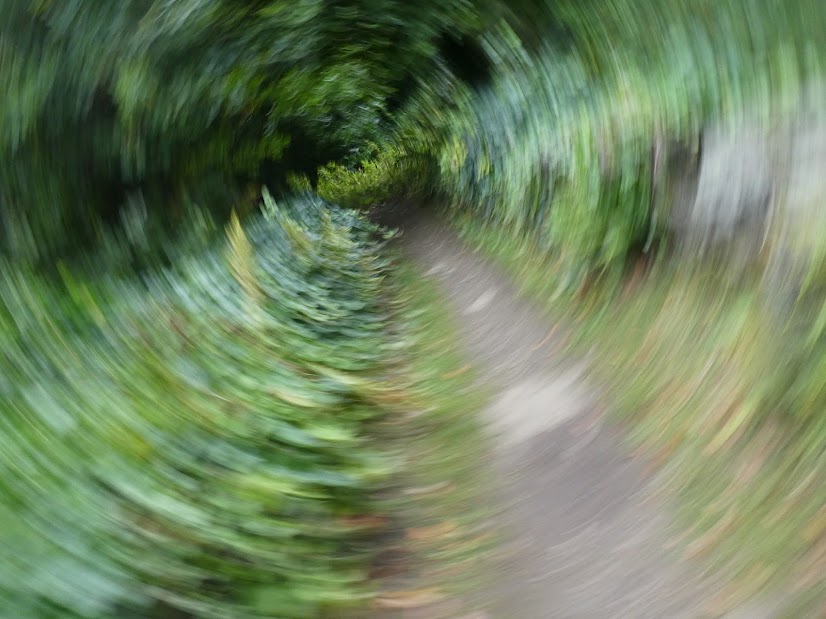
Spotted the other day in Swinton Park near Masham, through the spectral swirling leaves of an autumn afternoon, three woodland wraiths. Well, that’s what I thought they were, anyway.
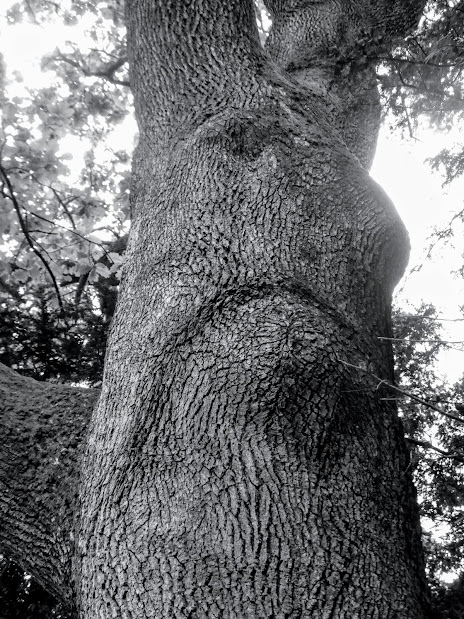
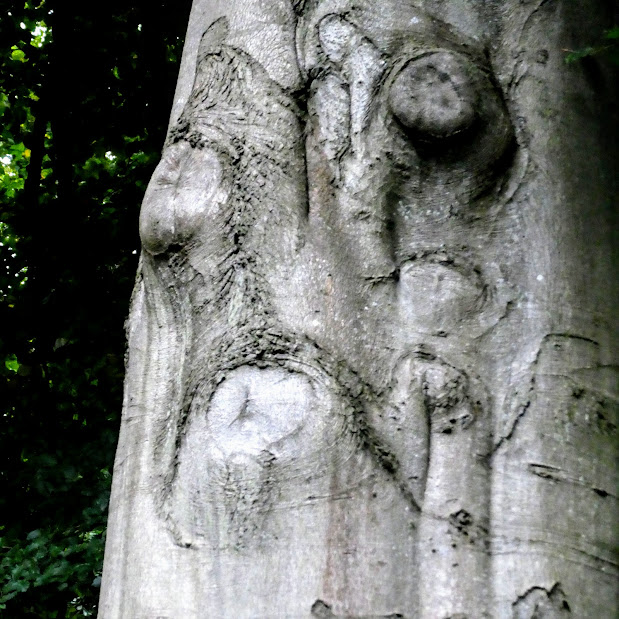
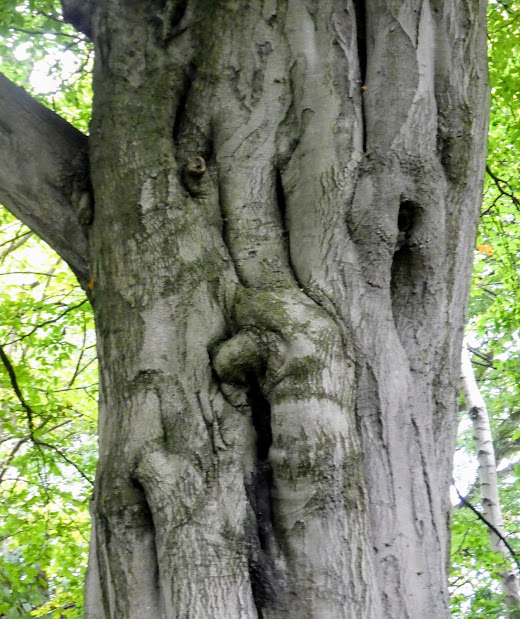
Monday Portrait.
Once upon a time, the River Thames flowed gently through the city, slow and wide, or wider, according to the weather. At various points in the 19th century and particularly when Joseph Bazalgette was master-minding the critical job of master-minding a sewer network , the Thames was edged with a series of embankments. This had the effect of making the river narrower, deeper, and therefore faster flowing.
By the middle of the twentieth century, this was becoming a problem. A few times a year, high tides were presenting a danger of flooding to London. Something had to be done. That ‘something’ turned into the Thames Barrier at Woolwich.
In 1972, the Thames Barrier Act and Flood Protection Act was passed by The Greater London Council, and in 1972, work commenced.
'The gates, each of which are 19 metres high and weigh 3300 tonnes, divide the river into six navigable spans, four of 61metres (200 feet), and two of approximately 30 metres (100 feet). The barrier was designed to be solid, durable (serving London until at least 2030), failure proof and bomb proof. It has so far survived 12 collisions with ships without sustaining any serious damage.'
www.cityoflondon.gov.uk
The barrier was originally designed to protect London from a very large flood (1 in 100 years) up to 2030. By October 2021, it had been closed 200 times – it’s 208 times now. And the barrier has been modernised and improved to take it beyond its original shelf-life.
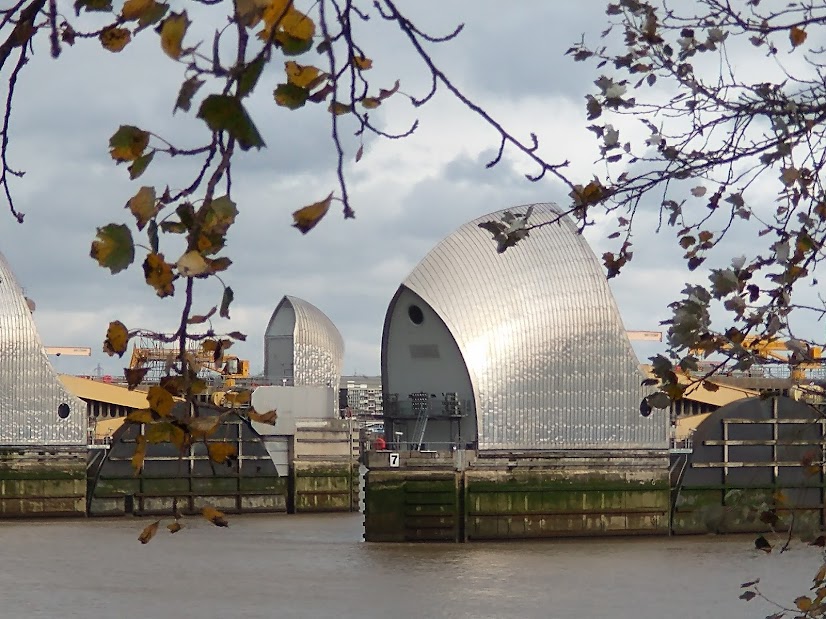
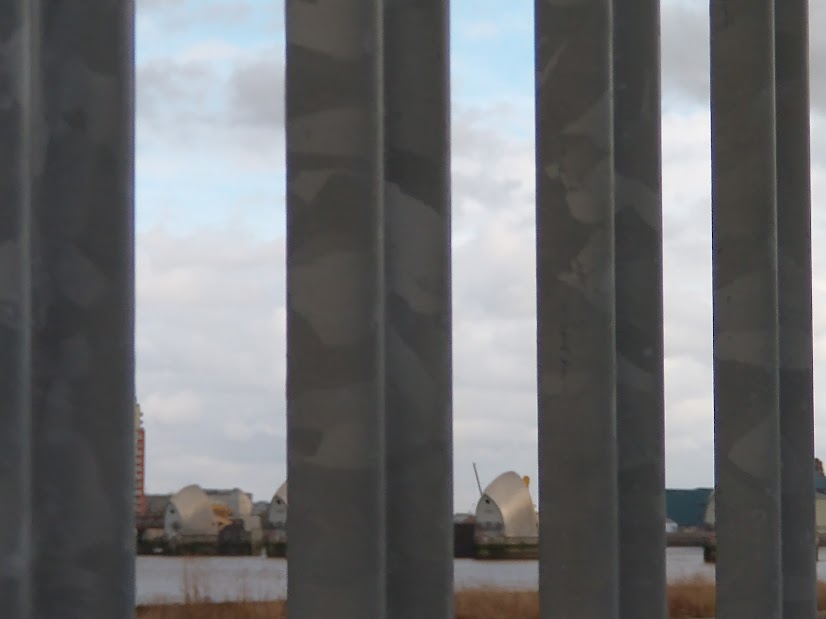
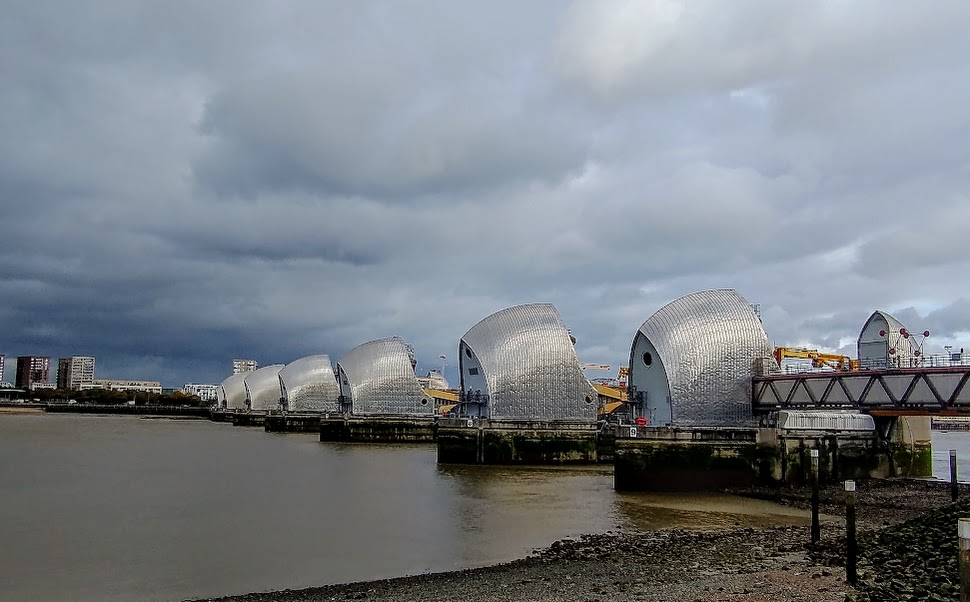
Much of the science behind it is beyond me. But it’s a beautiful thing in its own right, and I can appreciate that: even if I don’t understand the engineering. This short video may help.

For Debbie’s Six Word Saturday. And if you haven’t visited this post and voted … please do.
Blogging pal Peter of Peter’s Pondering told me that after he’d read my last post, he’d enjoyed ten minutes with YouTube watching 400 Roses performing . I’ve missed a trick. I should have shown you myself. Here you are:
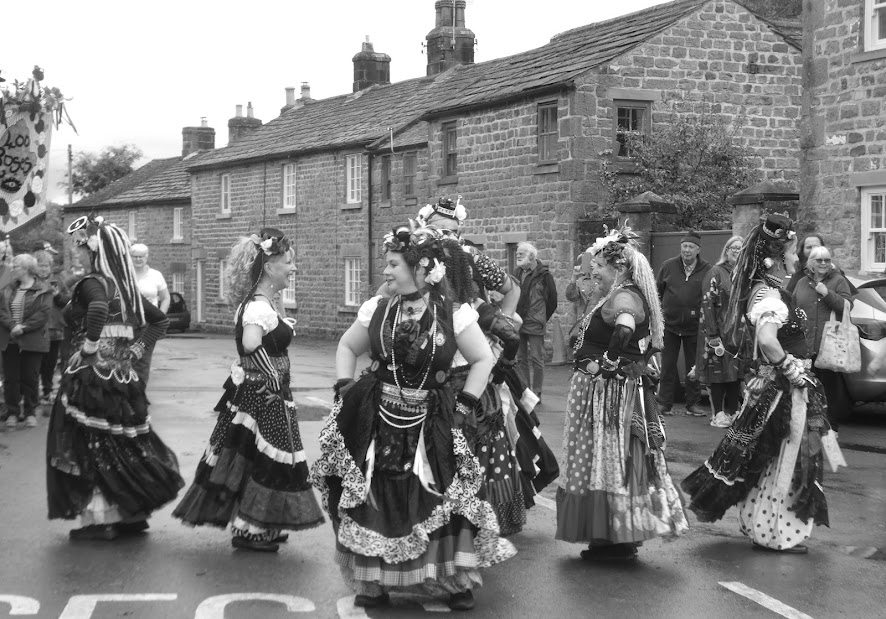
When I showed you all the fun to be had at Masham Sheep Fair in Monday’s post, I included a couple of shots of dancers. Dancers who really didn’t give of their best in black and white. These are the 400 Roses.
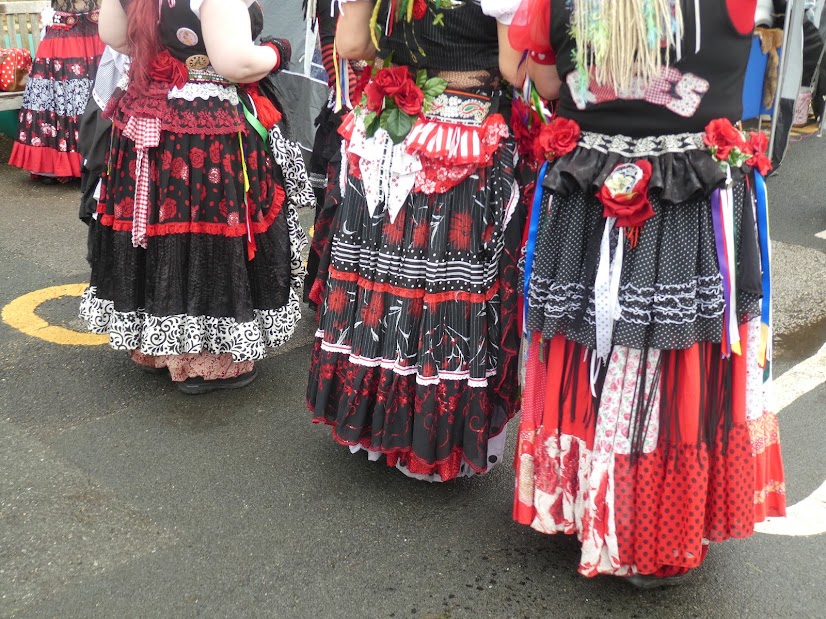
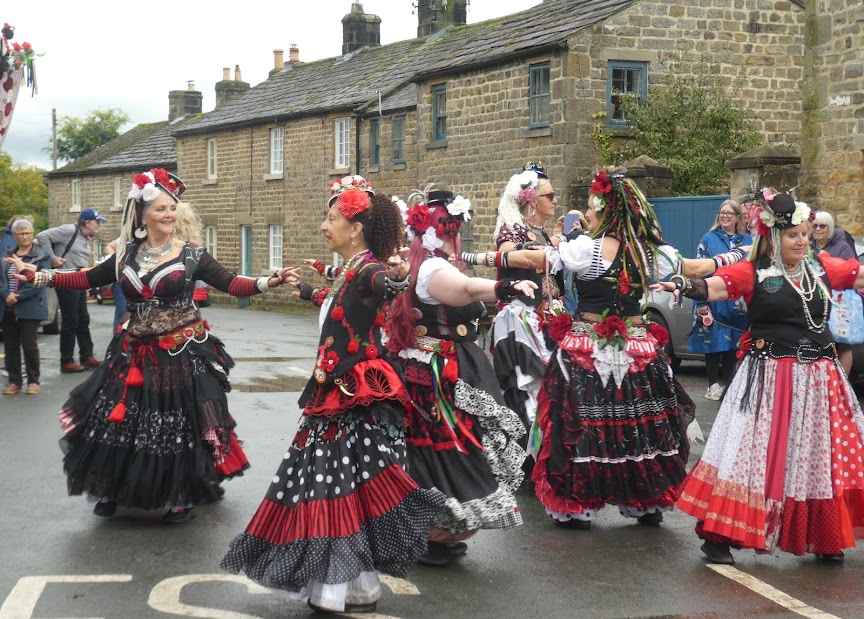
They’re a group of women dancers from West Yorkshire. They’re folk dancers. But it’s not as simple as that. They combine Morris dancing with – yes – belly dancing, with a nod perhaps to steampunk. Their gloriously extravagant red, black and white costumes feature – among other things – red and white roses to celebrate their Yorkshire and Lancashire origins . Those of you who are not from these parts may not know that the red rose is the symbol for Lancashire, the white rose, that of Yorkshire. The Red Roses are accompanied by their energetically engaging band t’Thorns. Come and have a look.
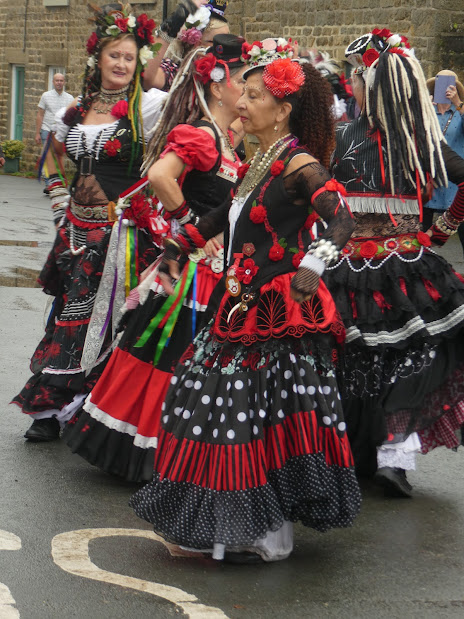
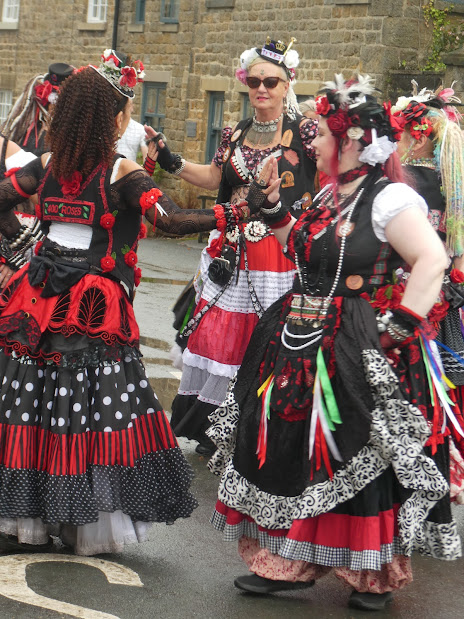
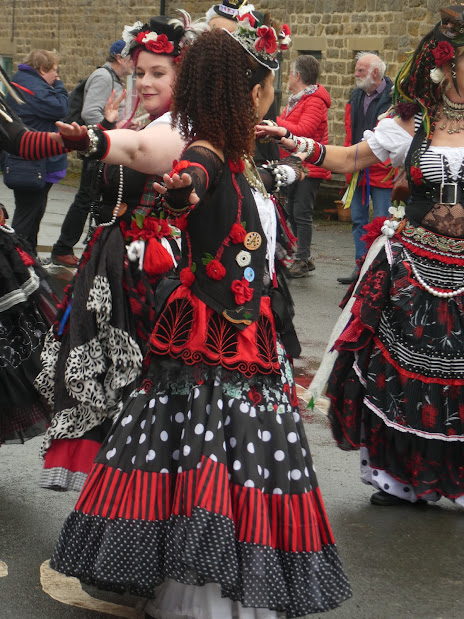
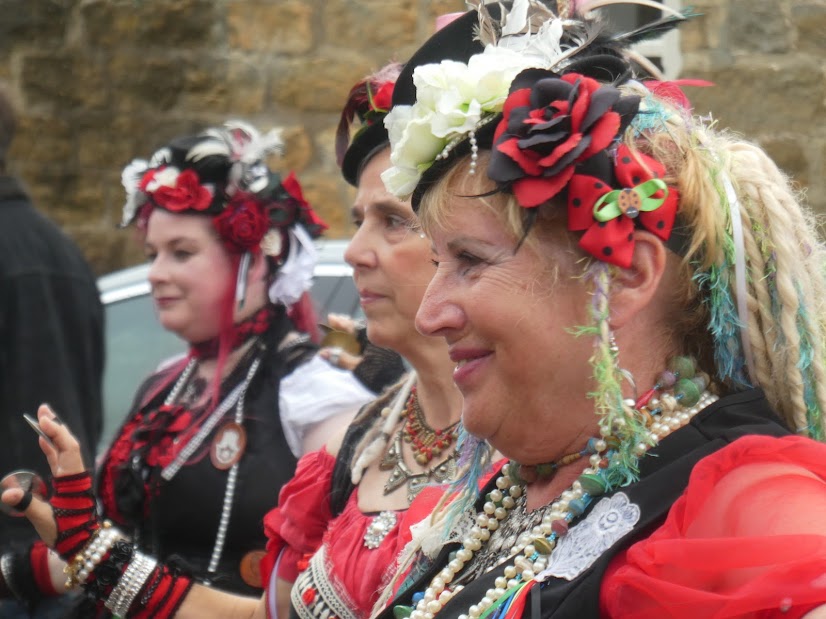
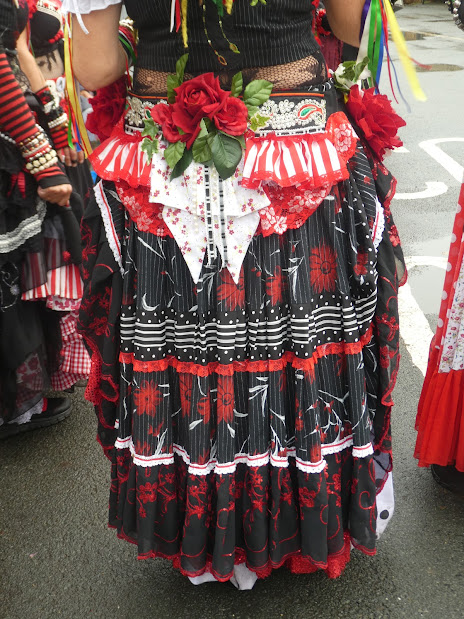
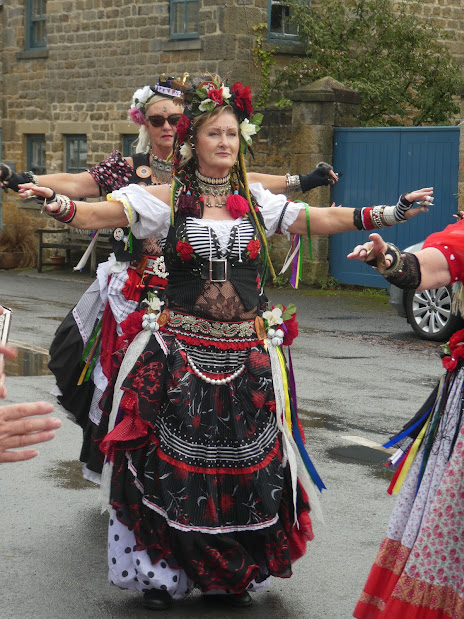
And a close-up of the skirts of their dresses, every one different.
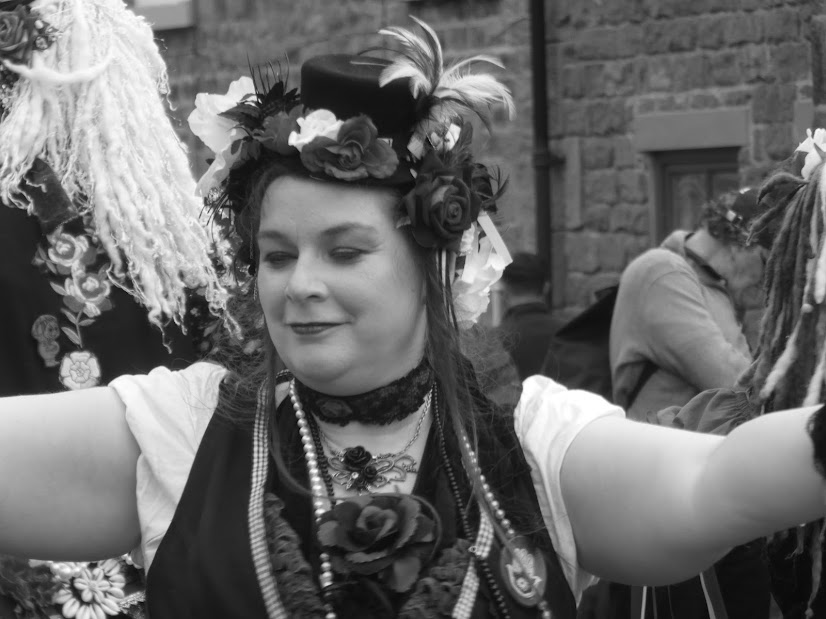
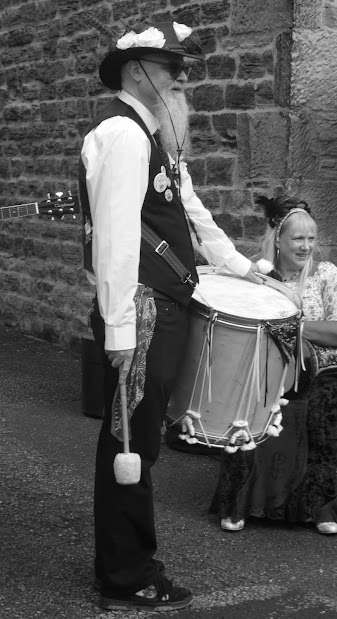
I couldn’t resist two black and white portraits though: one of a dancer, one of a bandsman.
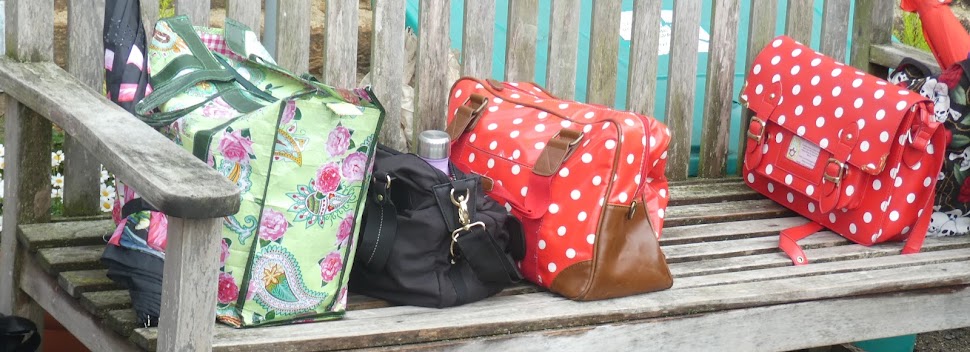
And even one of the cheerful bags that accompanied them to where they were dancing.
Thank you, 400 Roses. We’ll come and watch you now whenever we can. I think you enjoyed yourselves as much as we your audience did.
An optional extra for Ann-Christine’s Lens-Artists Challenge: On Display.
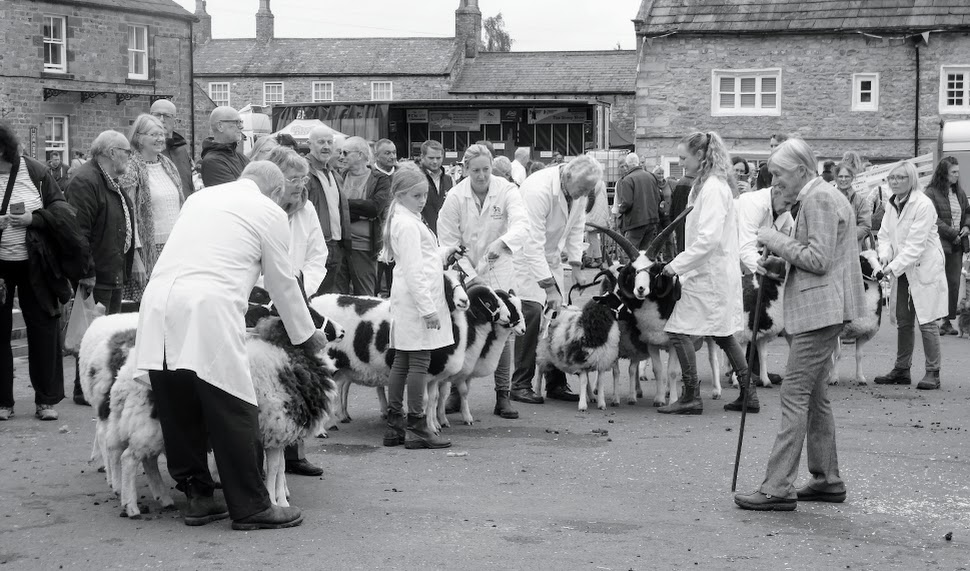
Just over a week ago, I showed you an image of Masham gearing up for its annual Sheep Fair. It’s a weekend when the town itself is on display, and sheep in their hundreds turn up to be examined by judges who come from all over the kingdom and beyond to this special event. We go without fail. Our first visit had us astounded at the sheer variety of types of sheep on display. At other times we’ve focused on watching sheep dogs doing what they do best … herding … ducks.
So I have photos by the score. This year, then, I thought I’d limit myself to black and white. I’d look for sheep on display, the humans who handle them, some as young as five years old. I’d look at dancing displays, at those sheep dogs, and at humans also worth a second glance. And show them to Ann-Christine, and to you, for this week’s Lens-Artists Challenge: On Display.
Sheep first then, of course…
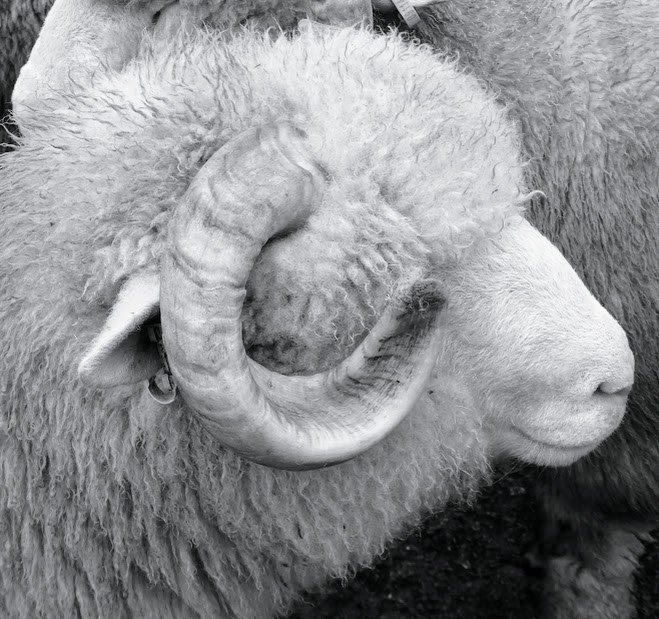

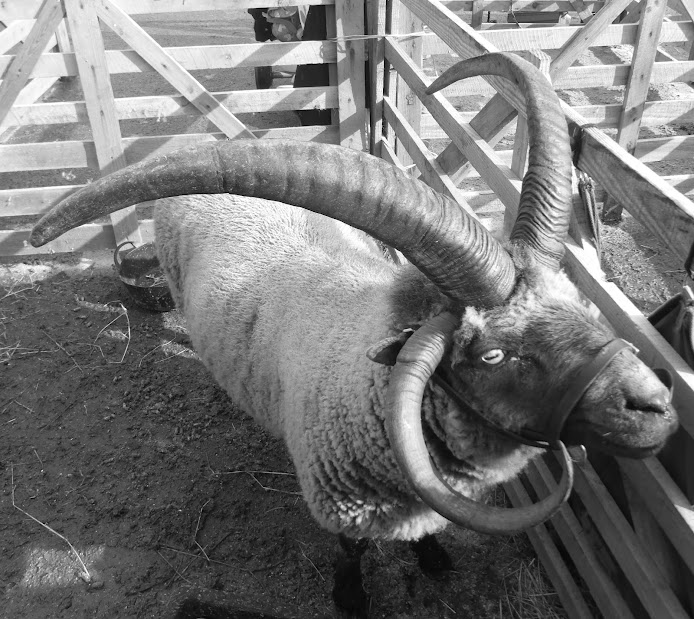
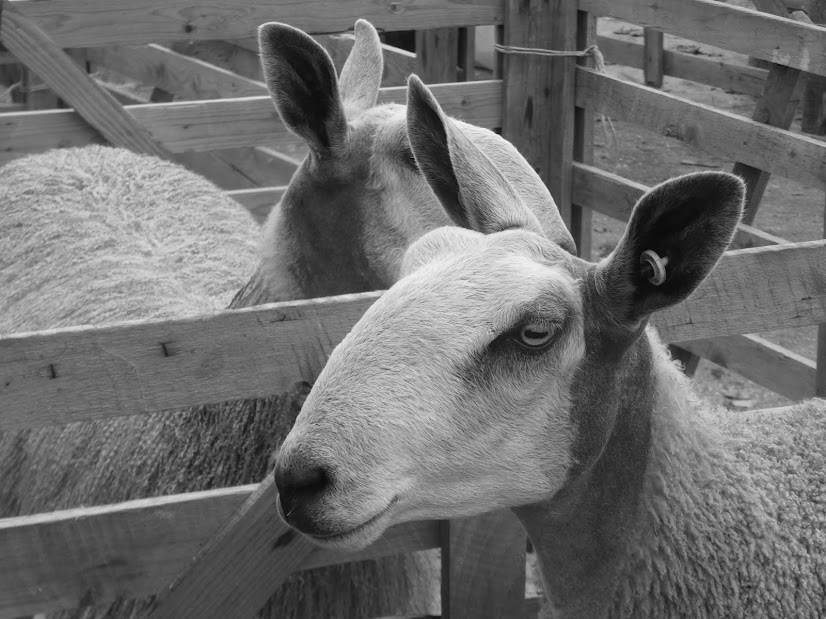
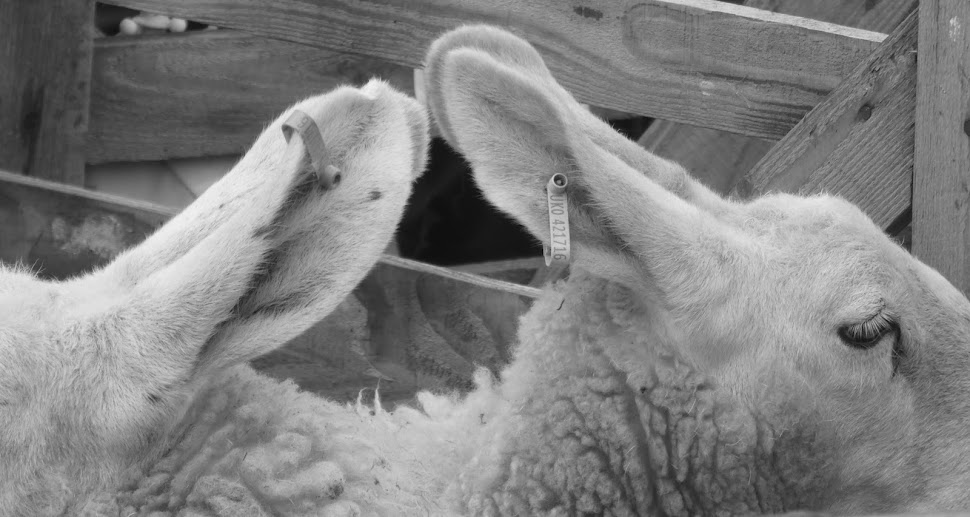
… then their handlers…
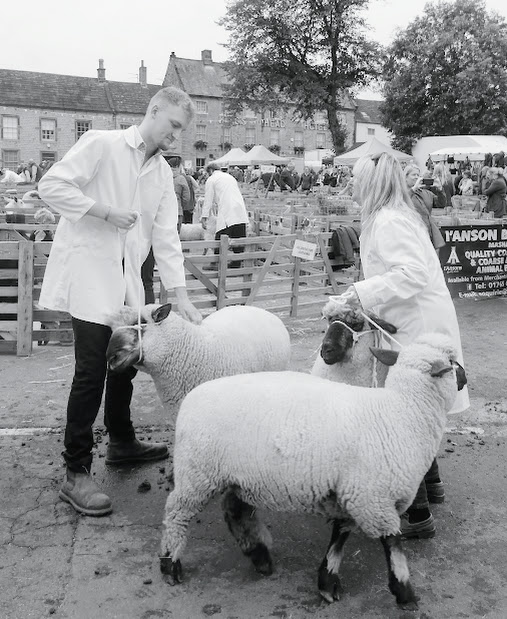
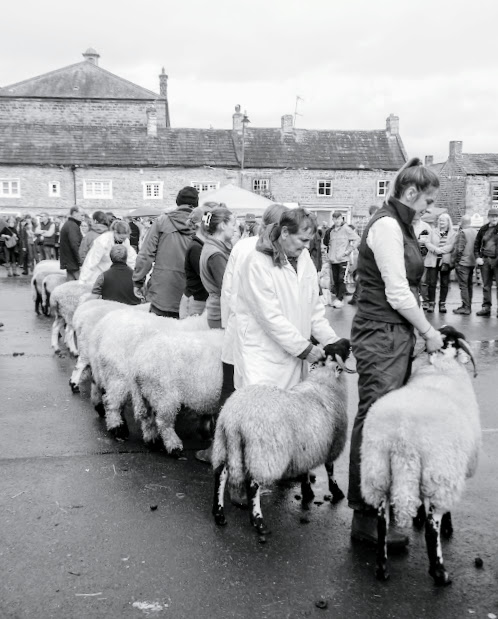

… then there were dancers. You can see they’re not happy putting up with black and white photos. We’ll revisit them another day in glorious technicolor.
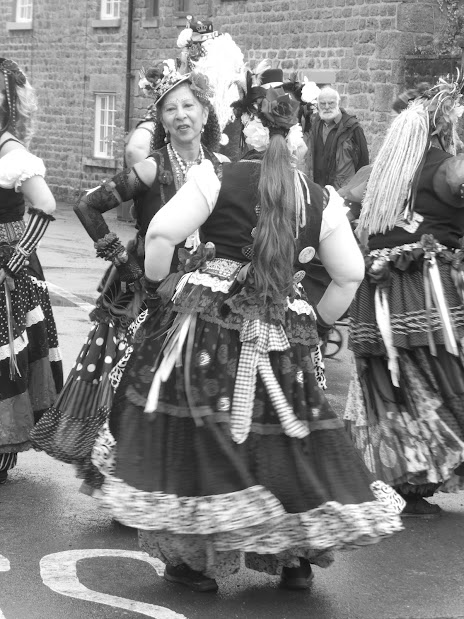
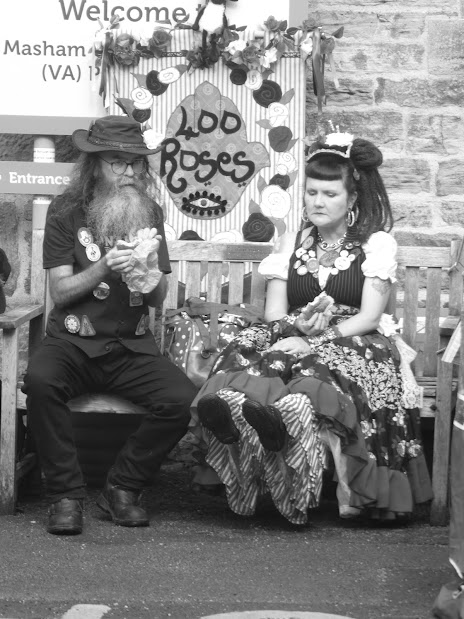
There were the passers by…
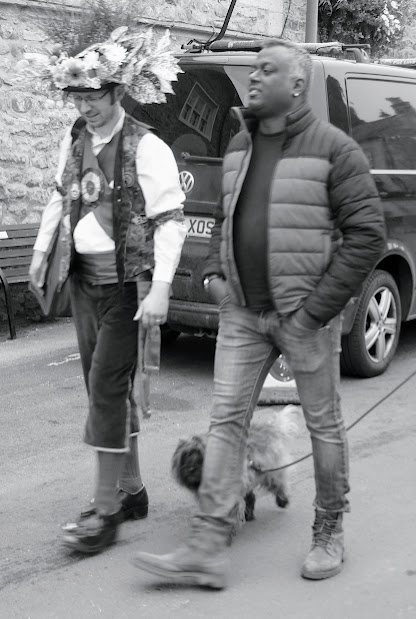

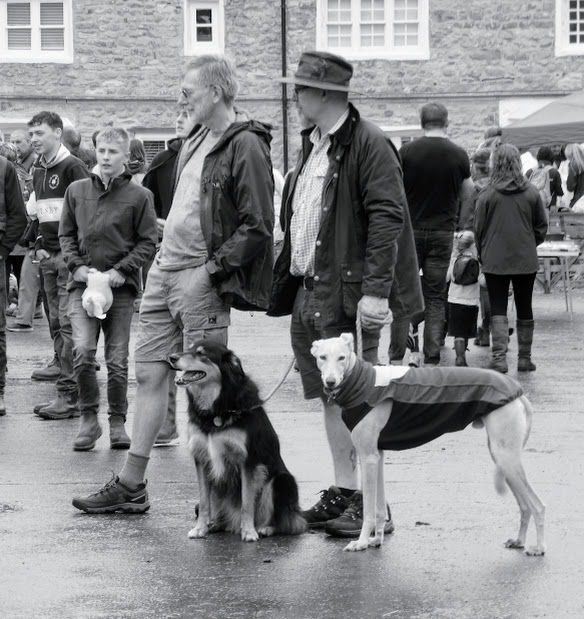
… and not forgetting the duck-dog.
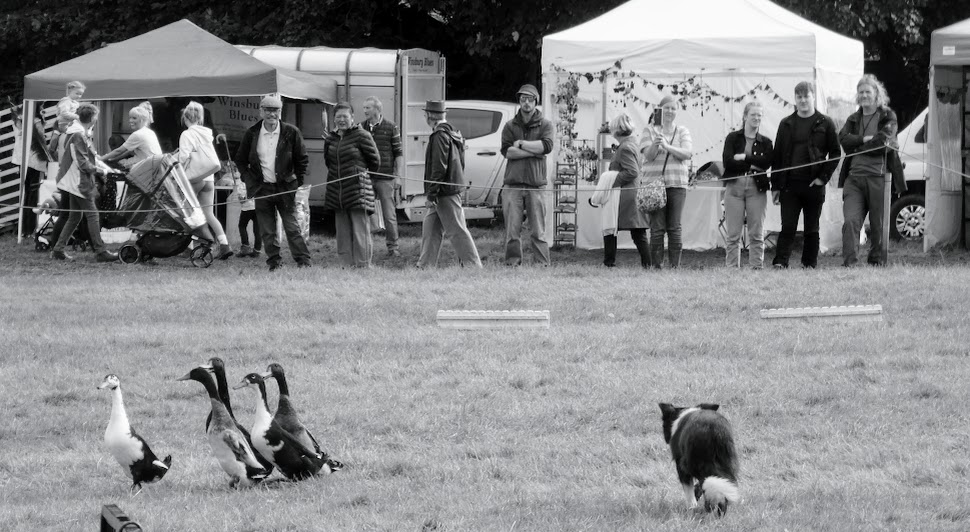
And after that the walk back through the town, through fields of sheep who’d somehow dodged presenting themselves in town to the car, parked in the Nature Reserve car park.

I’m offering this to Jo as a Monday Walk too. Of course the WI had tasty soup and home-baked cakes on offer. We scoffed everything down without thinking even once of the photo-opportunity they represented.



 From Pyrenees to Pennines
You must be logged in to post a comment.